
A cluttered front yard can feel overwhelming to maintain and visually chaotic. Many homeowners are turning to minimalist design to create a sense of order and calm right at their doorstep. By focusing on quality over quantity, you can design a space that looks sophisticated without requiring hours of weekly upkeep. This approach isn't about having an empty yard, but about making sure every element serves a clear purpose.
In this guide, we will look at how to strip away the unnecessary and focus on clean lines, structural plants, and smart hardscaping. You will learn how to choose a cohesive color palette and use focal points to create a front yard that feels both modern and welcoming.
Core Principles of Minimalist Landscape Design
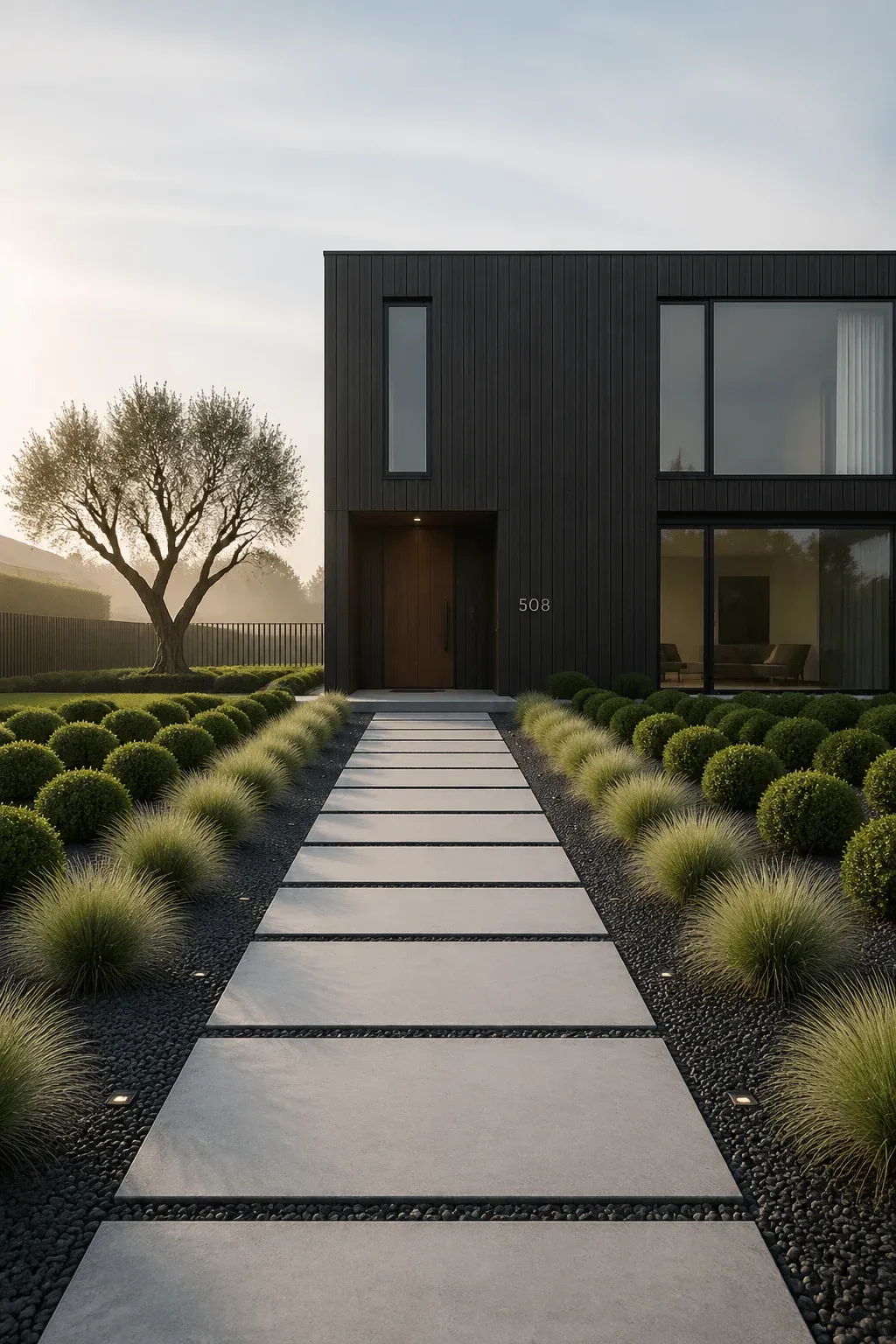
Minimalism in the garden starts with the idea that less is more. Instead of filling every corner with flowers or lawn ornaments, you leave open space to let the eye rest. This creates a sense of scale and importance for the features you do include. Symmetry and repetition are key here. Using the same plant in a neat row or repeating a specific material across the yard creates a rhythm that feels intentional and organized. It is about restraint and choosing a few high-quality elements rather than a variety of mediocre ones.
Choosing a Limited and Cohesive Color Palette
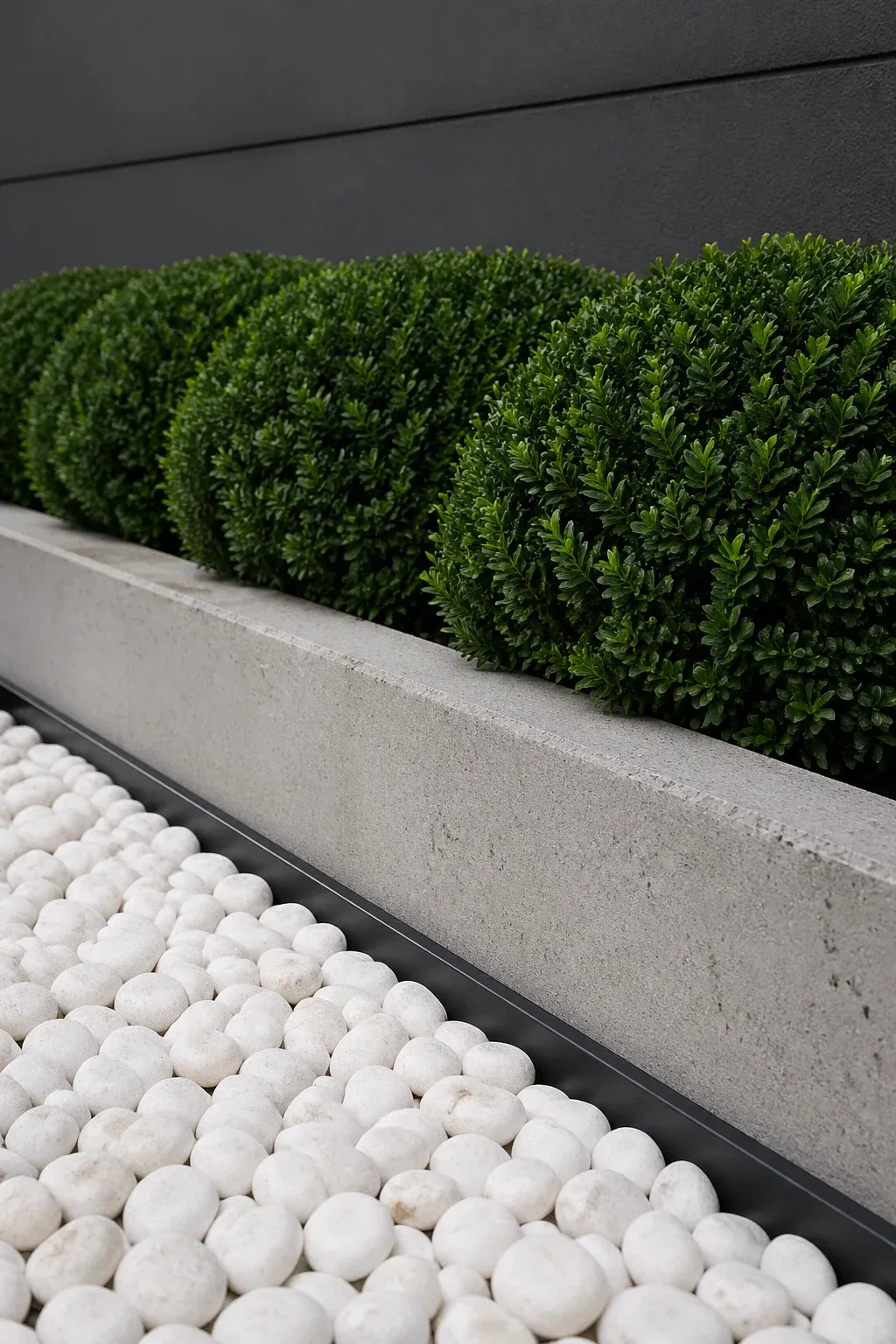
A modern look usually relies on a very tight color scheme. Most minimalist yards stick to shades of green, grey, black, and white. This doesn't mean your yard will be boring; it means the different textures of the plants will stand out more. For example, the dark green of a boxwood looks striking against a light grey concrete walkway. If you want a pop of color, choose one specific hue, like purple or yellow, and use it sparingly in just one or two spots. This prevents the yard from looking like a scattered rainbow and keeps the focus on the overall structure.
Selecting Plants with Structural Impact
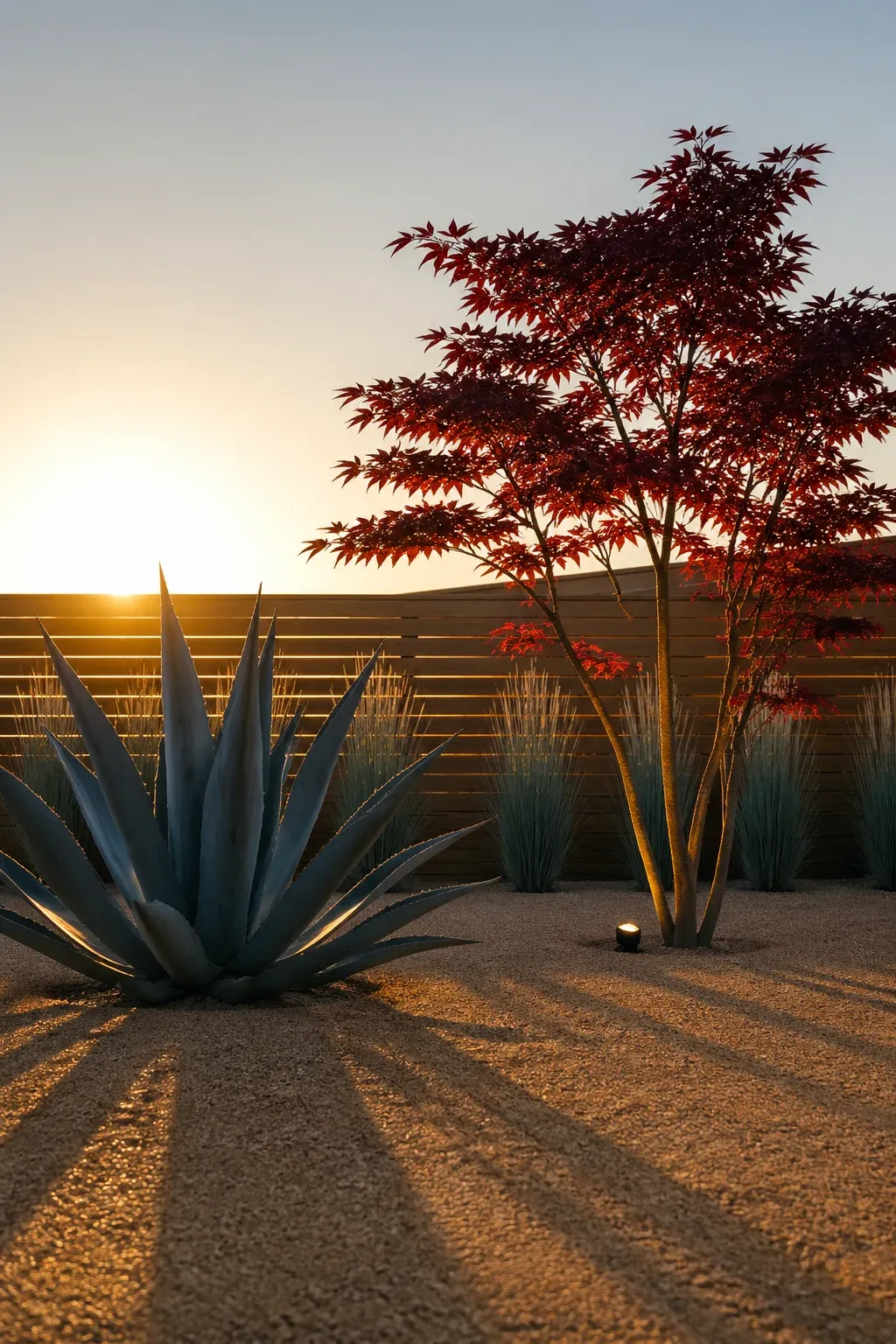
In a minimalist yard, plants are chosen for their shape and form. You want species that hold their structure throughout the year. Ornamental grasses are a great choice because they provide movement and height without looking messy. Agaves, yuccas, or architectural shrubs like Japanese Maples offer clear silhouettes that look like living sculptures. Avoid plants that are 'floppy' or require constant deadheading. Instead, look for evergreens or plants with strong, clean leaf shapes that look good even when they aren't blooming.
Using Hardscaping to Define Clean Lines
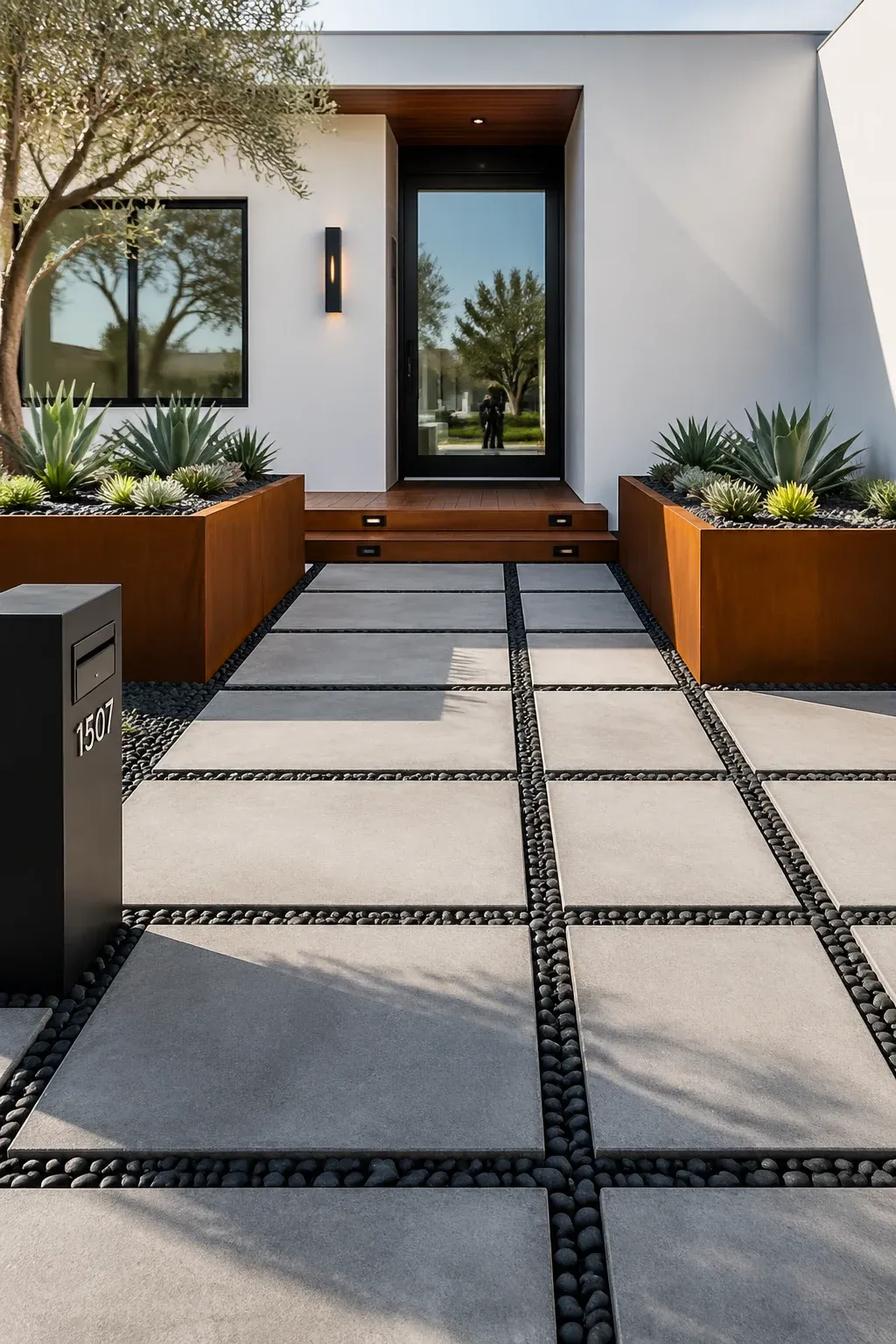
Hardscaping is the backbone of a modern front yard. Concrete, stone, and wood provide the straight lines and sharp angles that define the space. Large-format pavers with gravel in between create a grid pattern that feels very contemporary. Steel edging is another great tool for keeping mulch and grass in their place, ensuring that the transition between materials stays crisp. When choosing materials, try to match them to the architecture of your house to make the entire property feel like one cohesive unit.
Ground Cover Options Beyond Traditional Grass
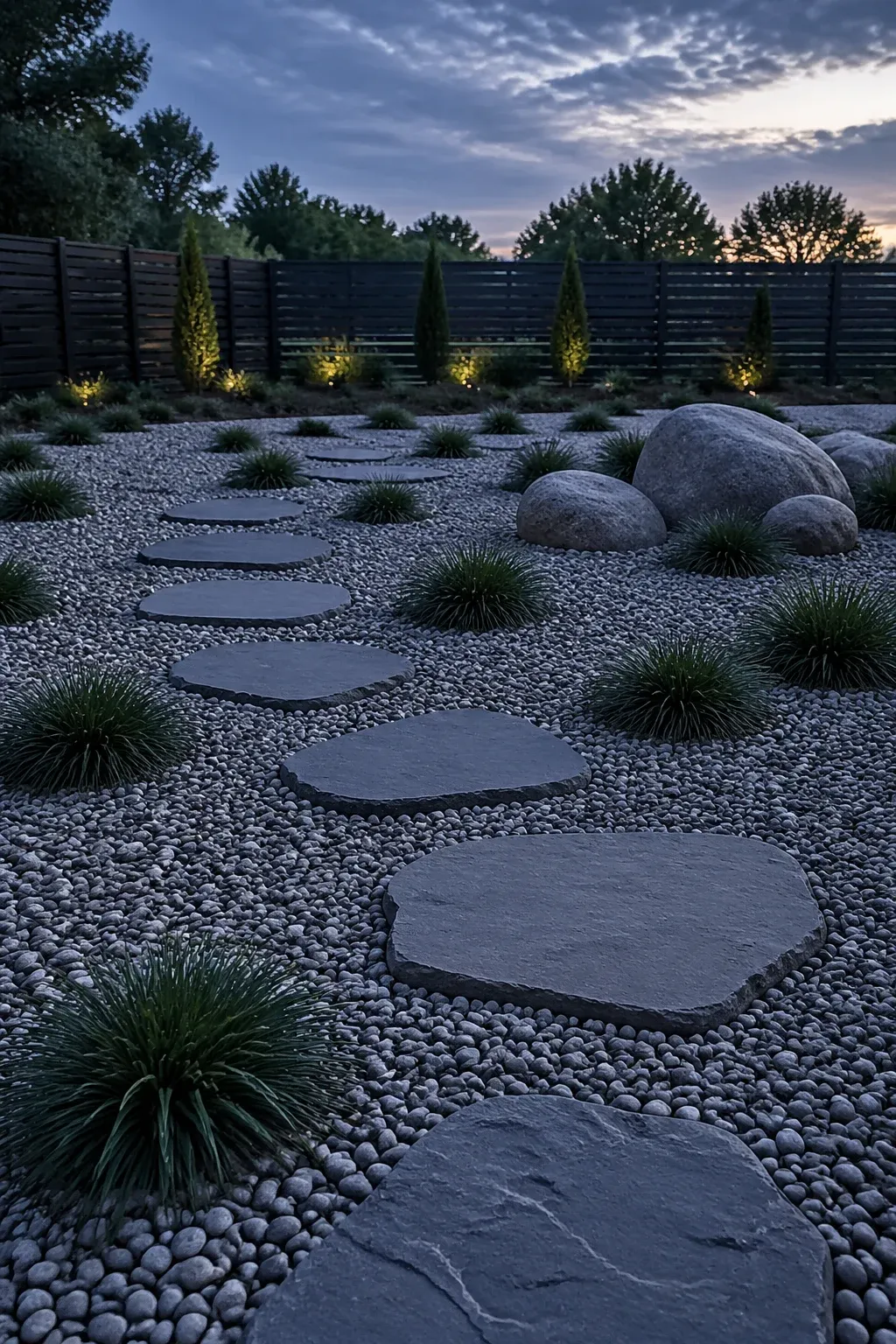
Mowing a large lawn is a lot of work and often doesn't fit the minimalist aesthetic. Many modern designs replace grass with alternative ground covers like pea gravel, river rocks, or decomposed granite. These materials provide a flat, uniform surface that stays neat year-round. If you still want a green look, consider low-growing options like creeping thyme or mondo grass. These provide texture and color but don't need the constant water and trimming that a standard lawn requires.
Adding Focal Points with Purposeful Placement
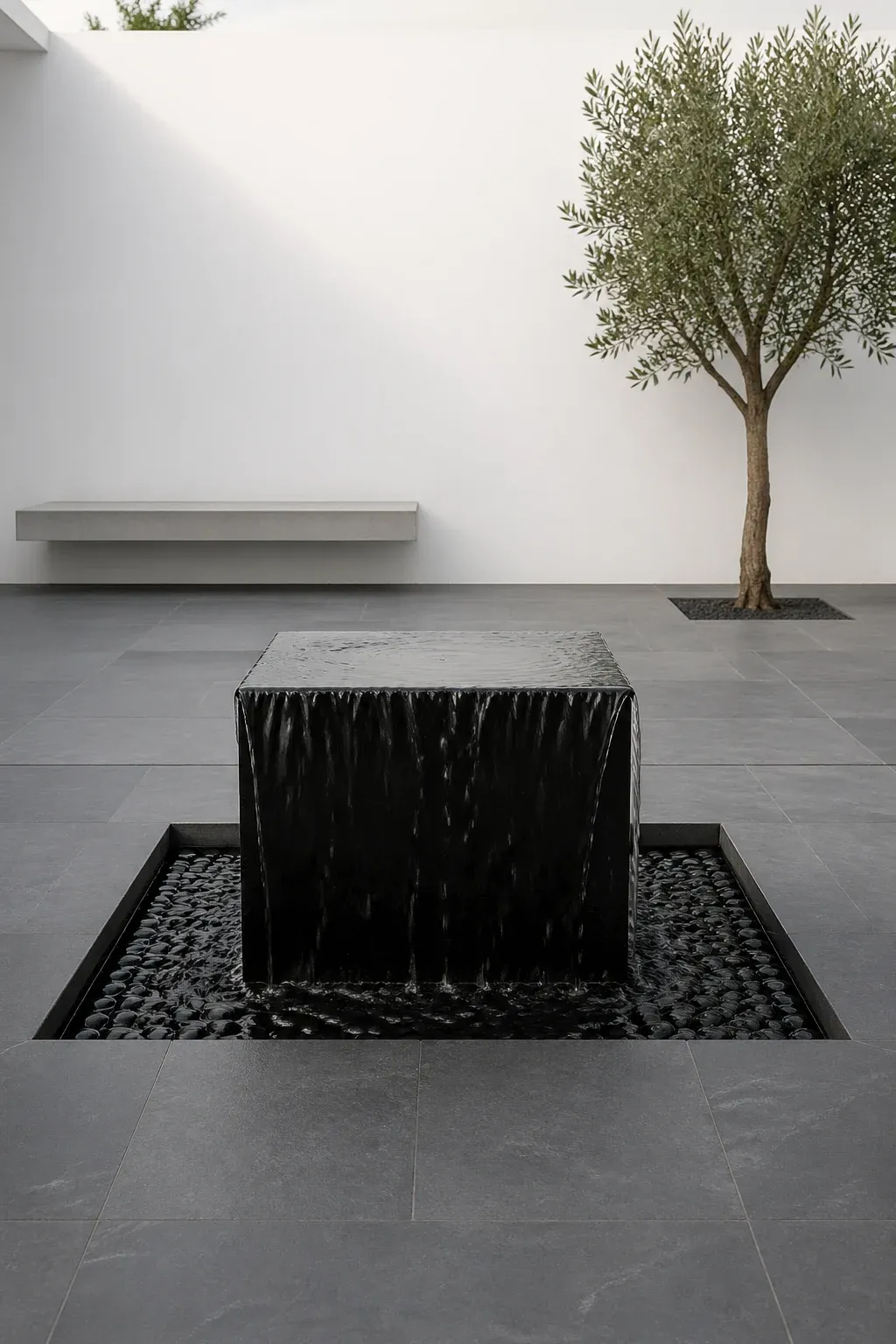
Because the rest of the yard is simple, a single focal point can have a huge impact. This might be a large stone boulder, a sleek water feature, or a single designer bench. The key is to place it where it draws the eye naturally, such as at the end of a walkway or framed by a window. Don't crowd the focal point with other decorations. Give it plenty of breathing room so it can stand on its own as a piece of art.
Managing Seasonal Changes in a Sparse Layout
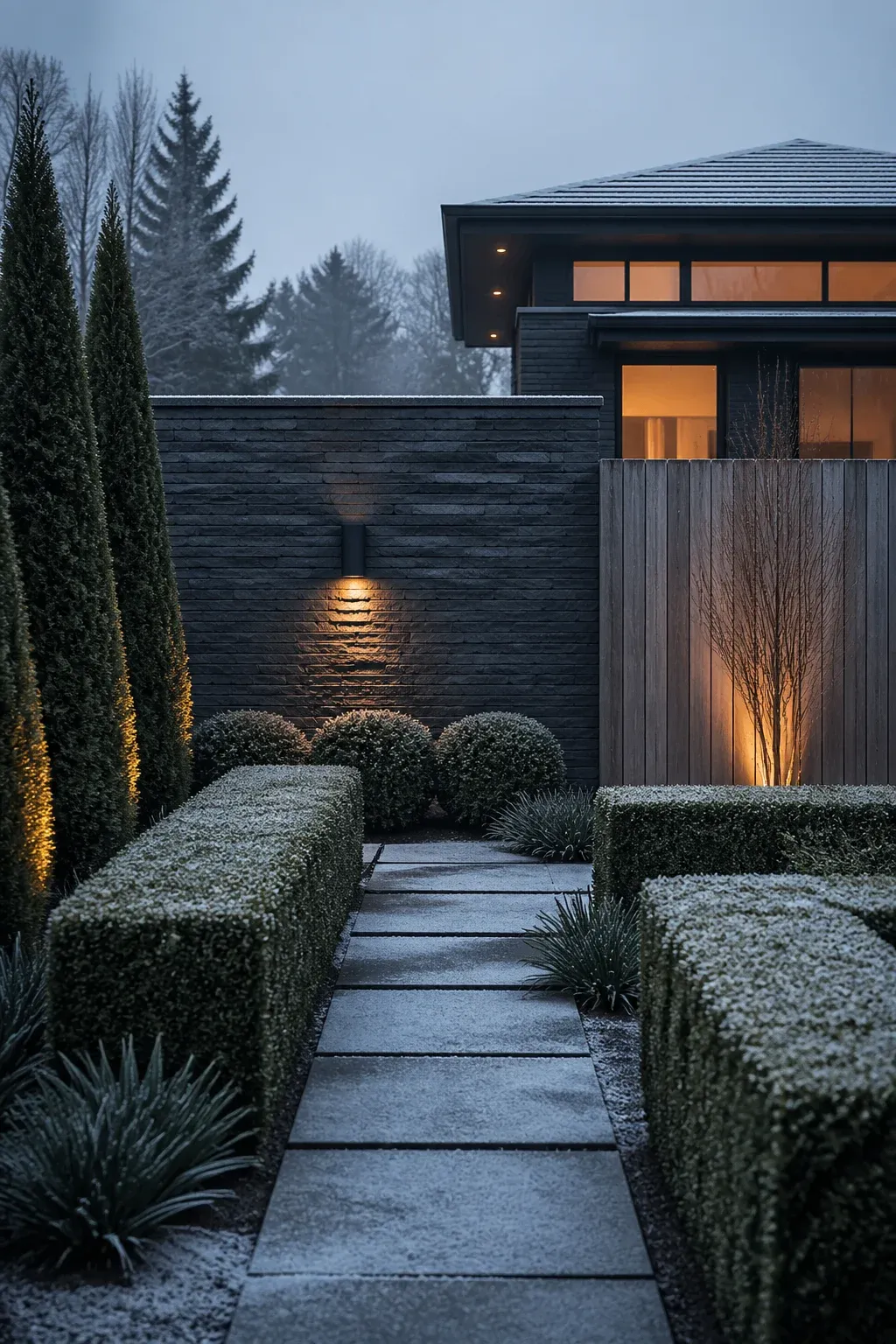
A common worry with minimalist yards is that they might look empty in the winter. To avoid this, rely heavily on 'hard' elements and evergreens. Stones, fences, and pathways don't change with the seasons, so the structure of your yard remains intact even when perennials go dormant. Choose plants that have interesting bark or seed heads that look good in the frost. By planning for the coldest months first, you ensure the yard looks intentional and well-kept all 365 days of the year.
Transitioning to a minimalist front yard is a practical way to boost curb appeal while reducing your weekend workload. By focusing on strong lines, a limited color palette, and high-impact plants, you create a space that feels timeless and sophisticated. Start by clearing out the clutter and identifying one or two areas where you can introduce cleaner edges or more structural greenery. A simpler yard isn't just easier to look at—it's easier to live with.