
When you look at a modern home, the first thing you notice is often the crisp, defined edges where the grass meets the walkway or the garden bed. These clean lines create a sense of order and make even a small yard feel more spacious. Transitioning from a cluttered, overgrown yard to a structured landscape doesn't require a complete overhaul, but it does require a bit of planning. By focusing on geometry and intentional plant placement, you can give your home a fresh look that stands out in the neighborhood.
In this article, we will look at how to use structured plants, hardscaping materials, and smart lighting to define your outdoor space. You will find practical ways to simplify your yard while making it look more professional and inviting.
Choosing Plants With Structure and Texture
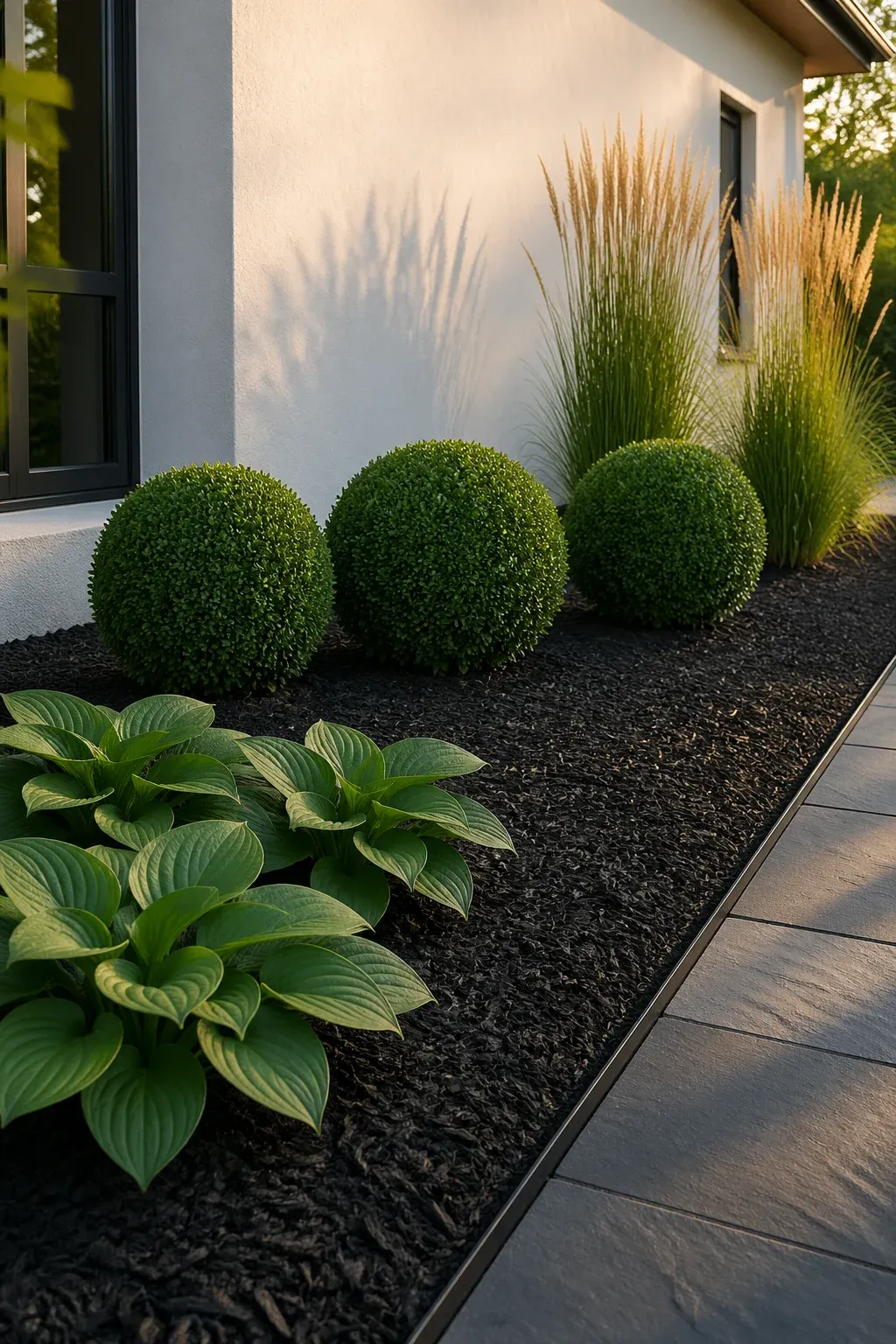
To achieve a clean look, you need plants that hold their shape. Instead of wild, sprawling bushes that require constant pruning, look for varieties with a naturally architectural form. Boxwoods are a classic choice because they can be kept in tight spheres or rectangles. For a more vertical element, consider ornamental grasses like Feather Reed Grass, which grows in straight, upright clumps and stays neat throughout the seasons.
Mixing textures is also important. Pair the fine needles of a dwarf conifer with the broad, waxy leaves of a hosta. This contrast adds visual interest without needing a lot of different colors. Stick to a limited palette of greens and silvers to keep the landscape from looking busy. When you plant, space them far enough apart so that each plant is distinct. This creates the 'negative space' that is essential for a clean, modern aesthetic.
Using Hardscaping to Define Walkways and Zones
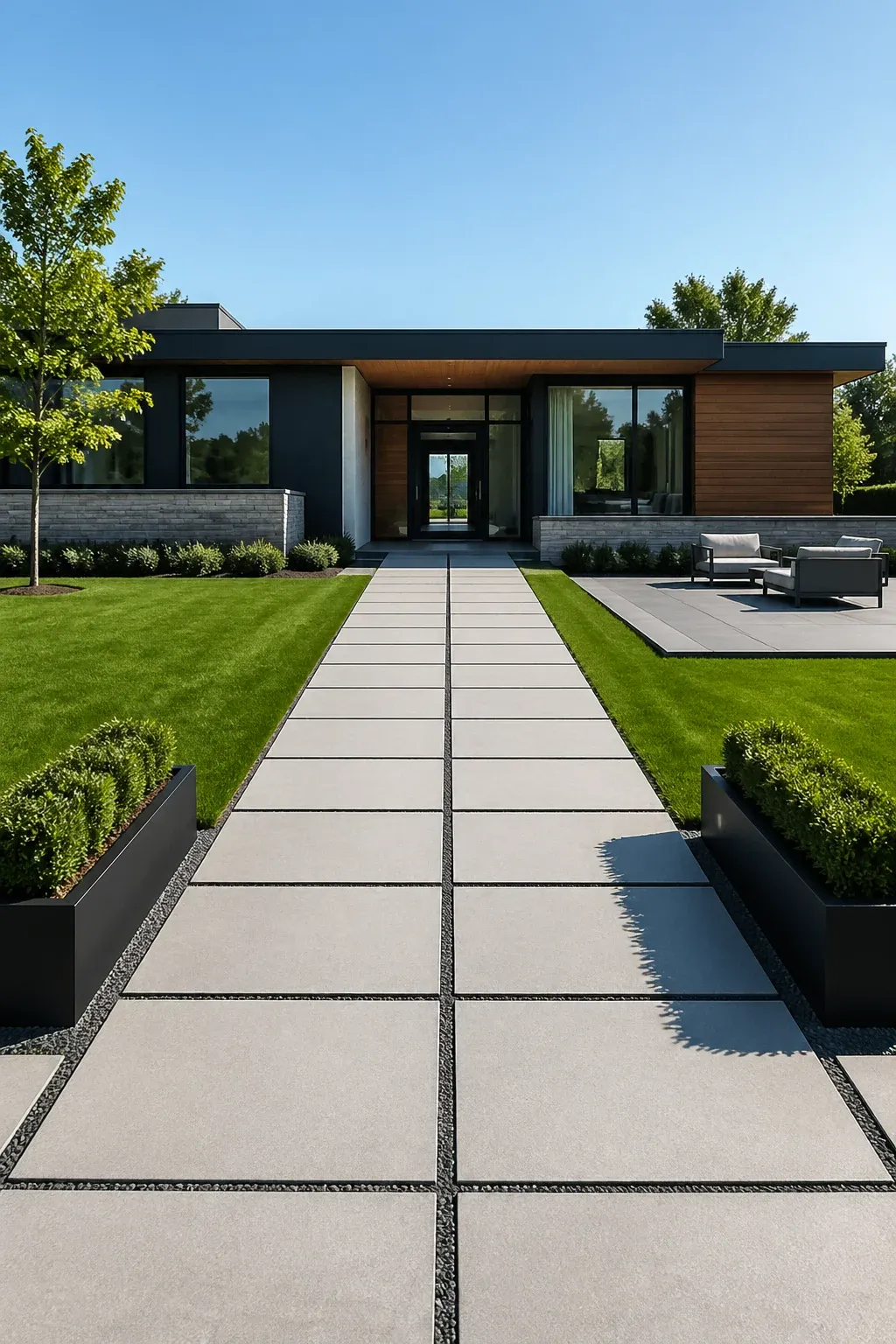
Hardscaping is the backbone of a structured yard. It provides the permanent lines that guide the eye. Instead of a dirt path or a wandering gravel trail, use large-format pavers with straight edges. Concrete or slate pavers laid in a grid pattern or a running bond create a sense of rhythm and stability.
If you have a large lawn, use hardscaping to divide it into specific zones. A stone patio for seating or a designated area for a fire pit helps break up the space. Use straight lines for these areas to maintain a modern feel. Even if your yard has natural curves, you can still use hardscaping to create 'frames' around your garden beds, which keeps the grass from creeping into your flowers.
Selecting Materials for Retaining Walls and Edging
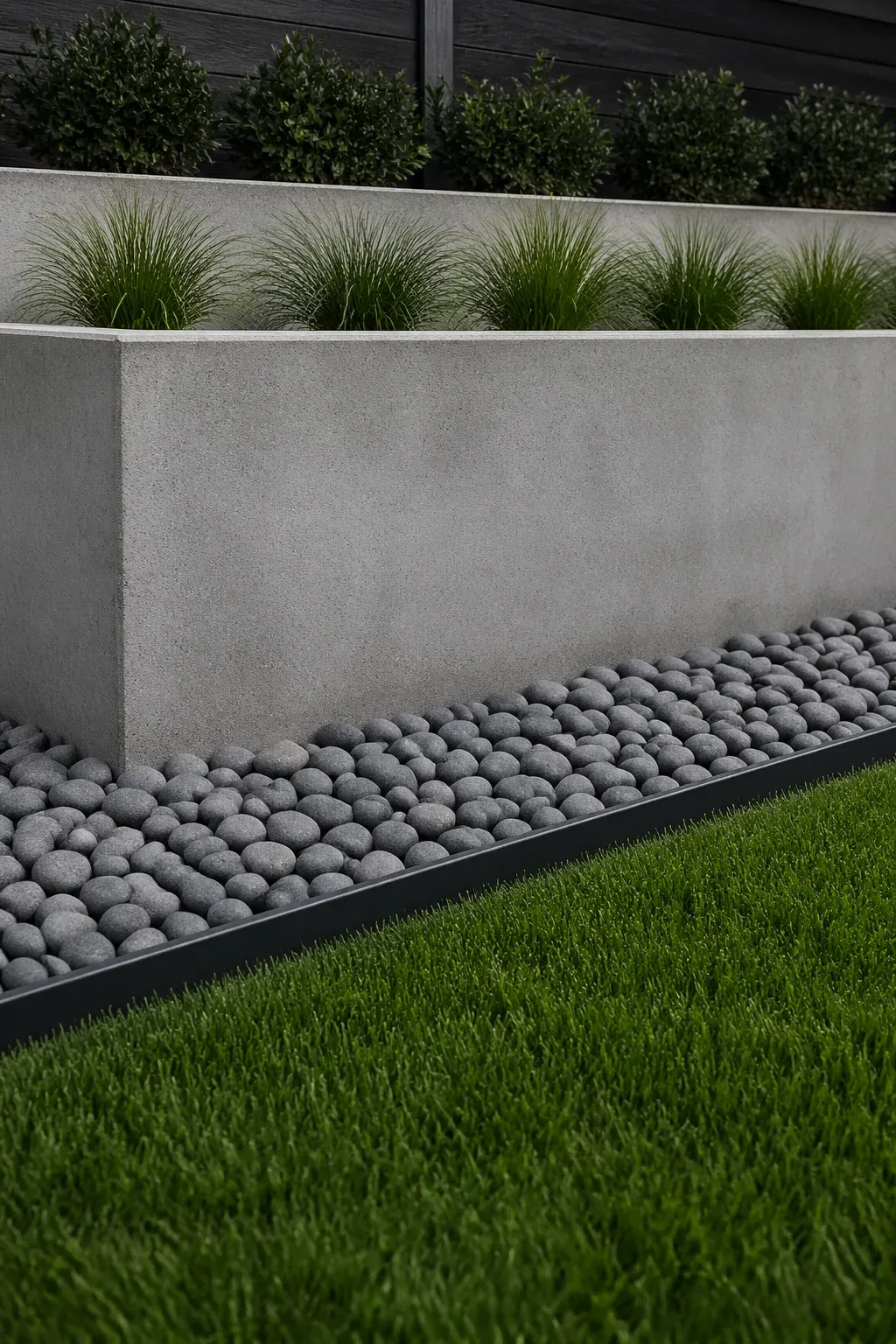
The materials you choose for your borders will dictate how clean your lines look over time. Plastic edging often warps or pops out of the ground, ruining the effect. Instead, consider steel or aluminum edging. These materials are thin, durable, and create a nearly invisible but very sharp line between different sections of the yard.
For retaining walls, avoid rounded fieldstones if you want a modern look. Instead, use smooth-faced concrete blocks or gabion walls filled with uniform stones. If you prefer wood, large timber beams or black-stained cedar can provide a very striking, linear border. The goal is to choose materials that won't shift easily, ensuring your straight lines stay straight for years.
Incorporating Natural Privacy Screens and Fencing
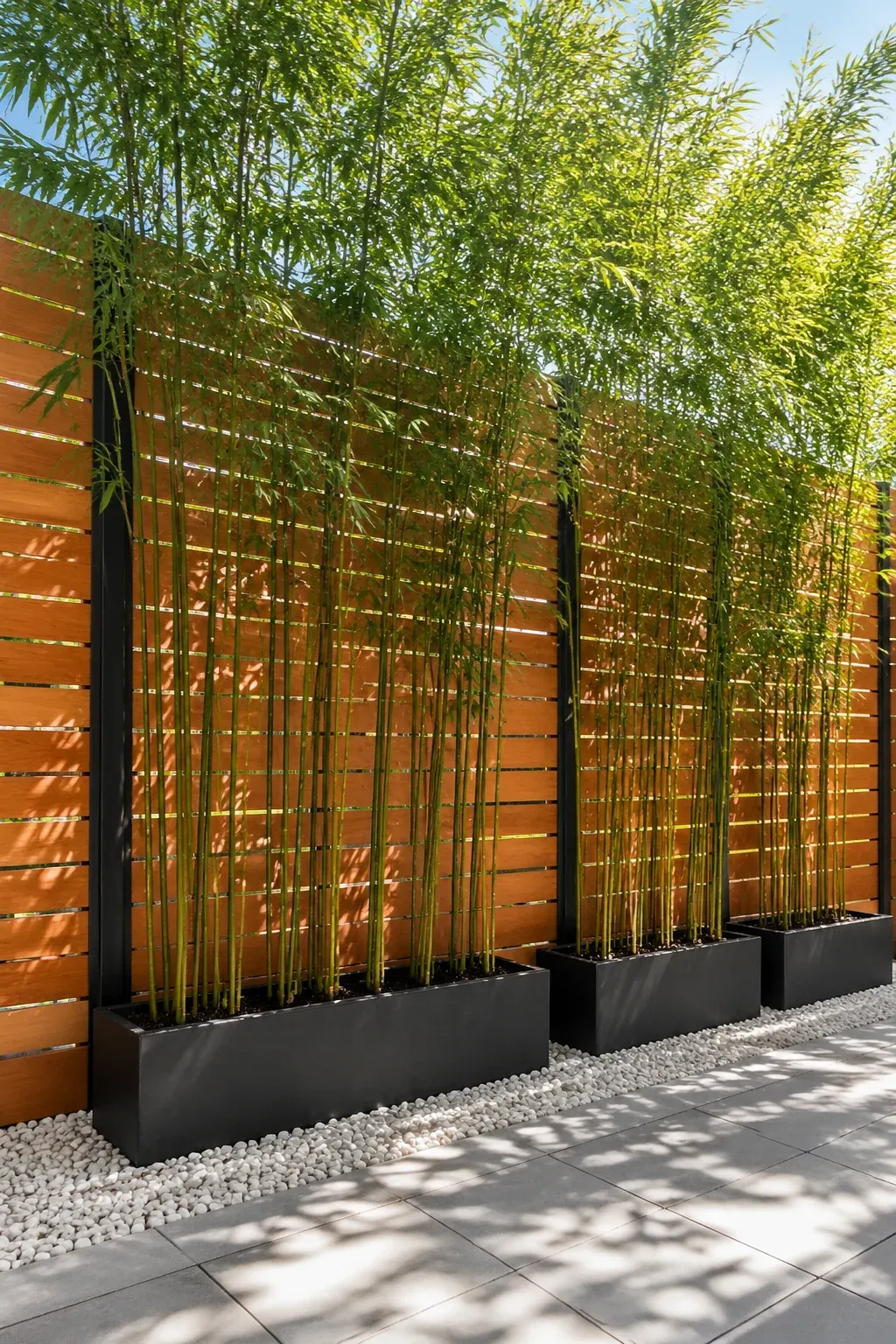
Privacy is often a priority, but traditional fences can sometimes feel heavy or dated. You can create a cleaner look by using 'living fences.' Bamboo is an excellent choice for this because it grows tall and thin, providing a dense green wall without taking up much horizontal space. Just be sure to use a root barrier or choose clumping varieties to keep it contained.
If you prefer a standard fence, look for horizontal slat designs. Horizontal lines make a yard feel wider and more contemporary than traditional vertical pickets. Using natural wood finishes or dark charcoal stains can help the fence blend into the landscape while still providing a sharp, defined boundary for your property.
Adding Functional Lighting for Evening Visibility
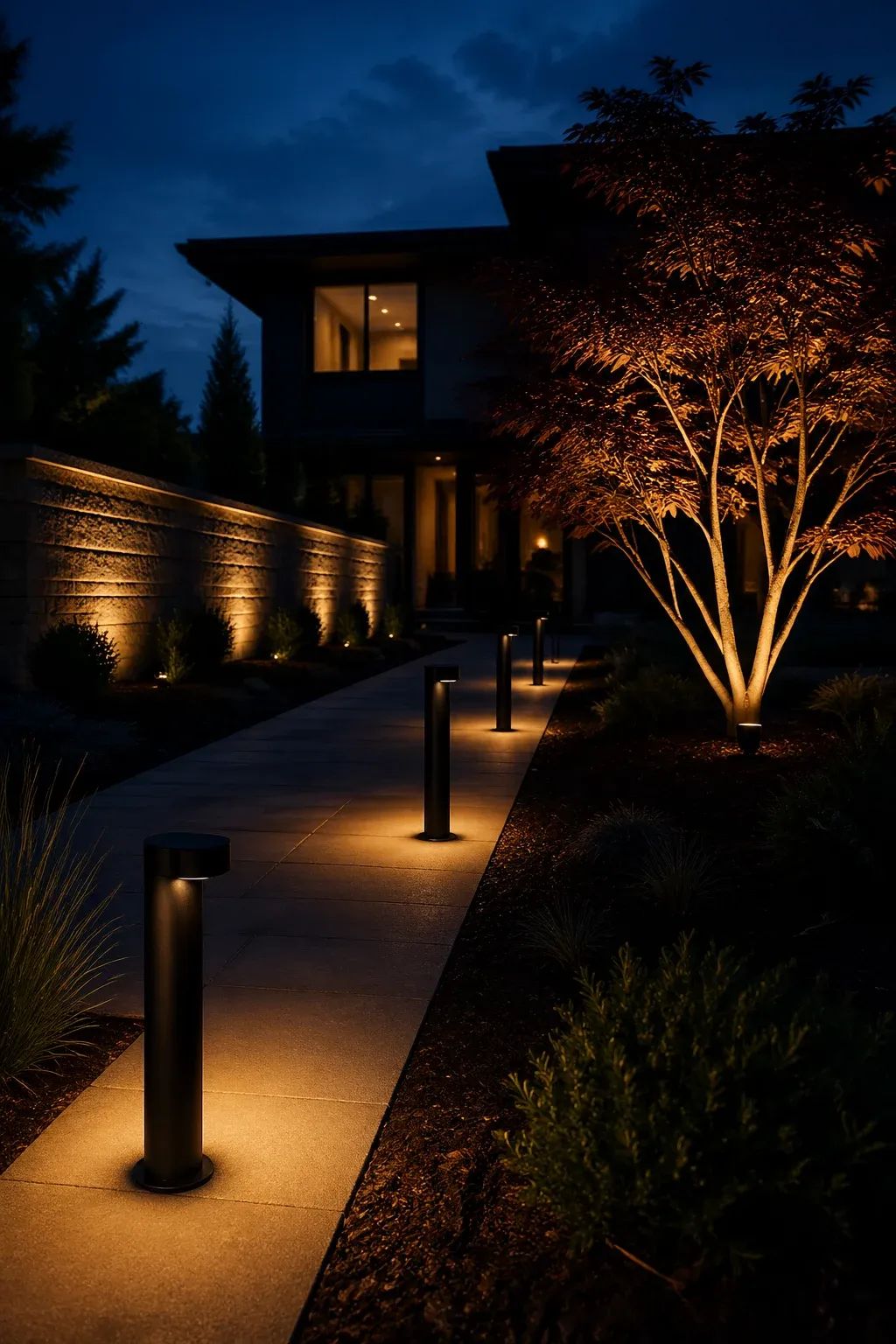
Lighting should do more than just help you see the front door; it should highlight the lines you have worked hard to create. Path lights should be placed at regular intervals along walkways to reinforce the linear path. Instead of ornate, Victorian-style lamps, choose simple, cylindrical fixtures in matte black or brushed metal.
Up-lighting is another effective tool. Placing small spotlights at the base of structured trees or along a textured retaining wall creates shadows and highlights that emphasize the geometry of the yard at night. Keep the wiring hidden and use warm-toned bulbs to ensure the light feels inviting rather than harsh or industrial.
Keeping Your Landscape Minimal and Easy to Maintain
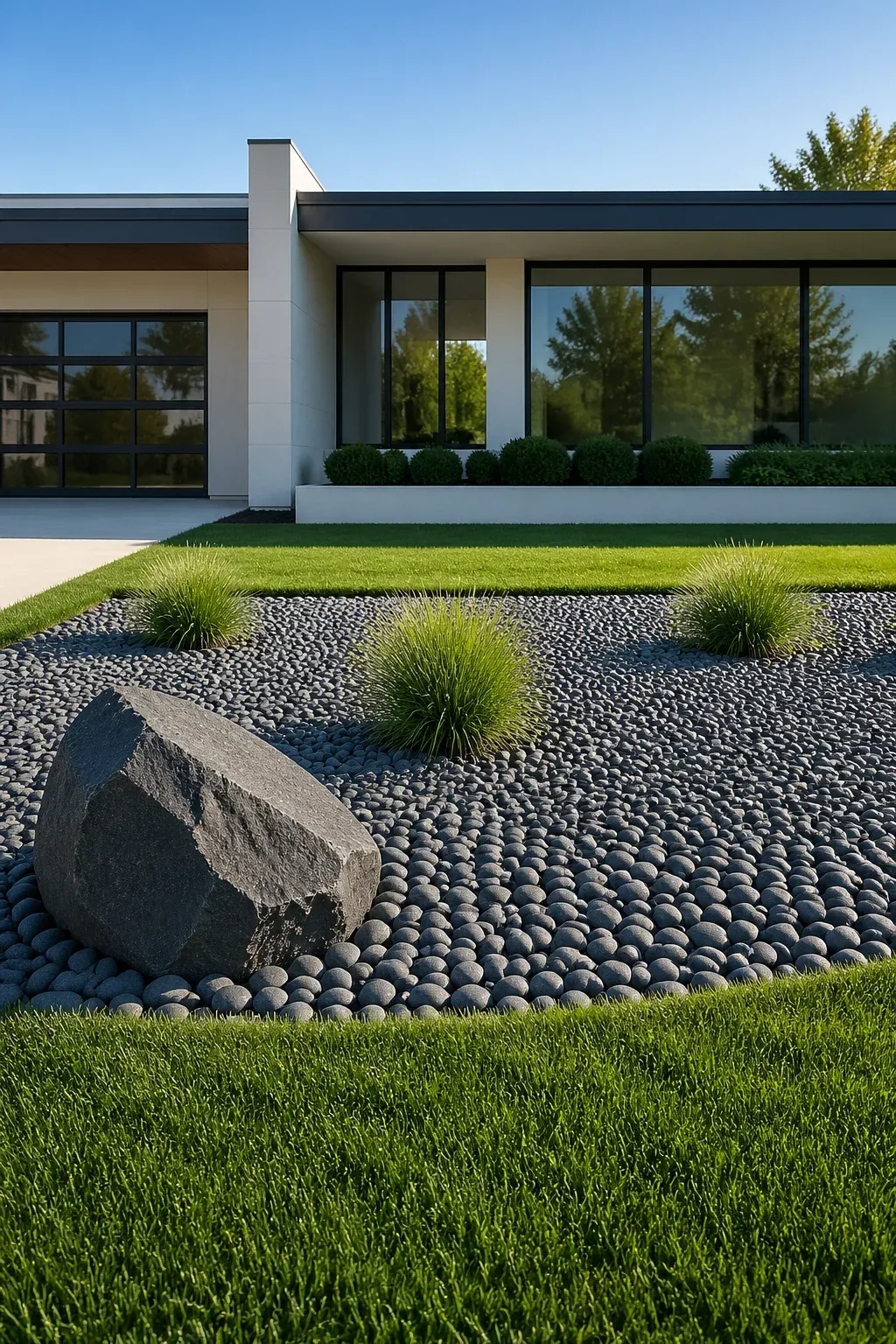
The biggest enemy of a clean landscape is clutter. To keep your yard looking its best, embrace minimalism. This means limiting the number of plant species you use and avoiding too many lawn ornaments or pots. A few well-placed items have more impact than a dozen small ones.
Maintenance is also easier when the design is simple. Use a thick layer of mulch—like dark wood chips or river rock—to suppress weeds and keep your garden beds looking tidy. Since you have chosen plants with natural structure, you won't need to spend every weekend with the hedge trimmers. Periodically check your edges with a spade to keep the grass from encroaching on your hardscaping, and your home will maintain its sharp curb appeal with minimal effort.
Updating your home exterior with clean lines is about choosing quality over quantity. By selecting structured plants and durable hardscaping materials, you create a timeless look that is both beautiful and functional. Start by defining one walkway or garden bed, and you will quickly see how much of a difference a few straight lines can make. Take a walk around your yard today and identify one area where a sharper edge could improve your home's curb appeal.