
Maintaining a lush green lawn often feels like a full-time job that drains both your time and your water bill. Many homeowners are now moving away from traditional turf in favor of modern designs that look great year-round without the constant mowing and fertilizing. By ditching the grass, you can create a front yard that reflects your personal style while being much kinder to the environment.
Key Takeaways:
- Gravel and stone provide a clean, weed-free base for modern designs.
- Native plants reduce water usage and support local wildlife.
- Structural elements like pavers and decks turn a yard into a functional living space.
- Bamboo and tall grasses offer natural privacy without the need for bulky fences.
Using Gravel and Stone for Low-Maintenance Ground Cover
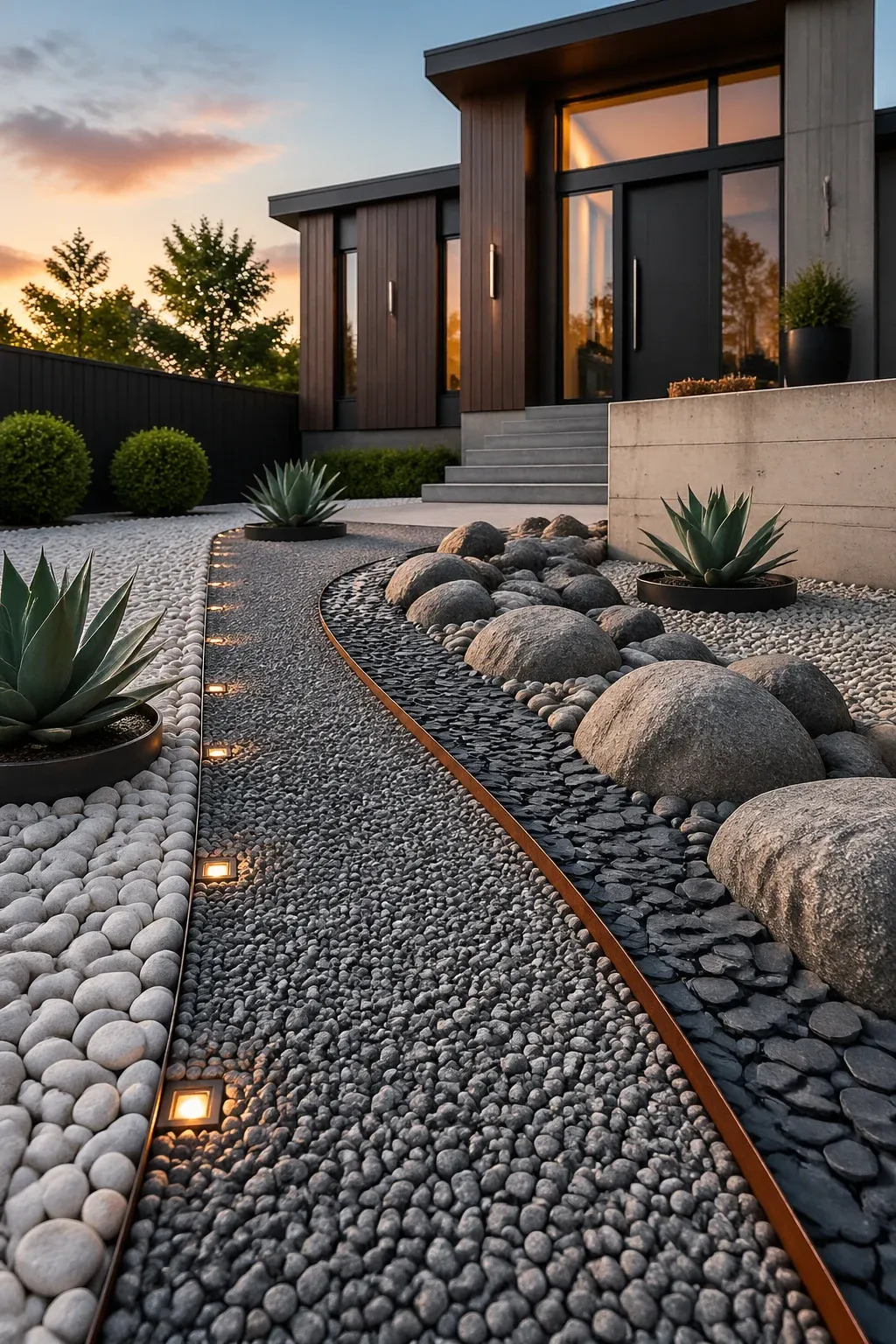
Gravel is one of the most versatile materials for a grass-free yard. It provides a clean, minimalist look that fits perfectly with modern architecture. Instead of a sea of green, you can use different colors and sizes of stone to create visual interest. Pea gravel is comfortable to walk on, while larger river rocks can be used to define borders or create dry creek beds that help with drainage.
To keep maintenance low, always lay down a high-quality weed barrier before spreading your stone. This prevents unwanted sprouts from poking through. Using different shades of grey, tan, or white stone can help break up the space and highlight specific plants. Stone doesn't need water or trimming, making it a smart choice for busy homeowners.
Selecting Drought-Tolerant Plants and Native Shrubs
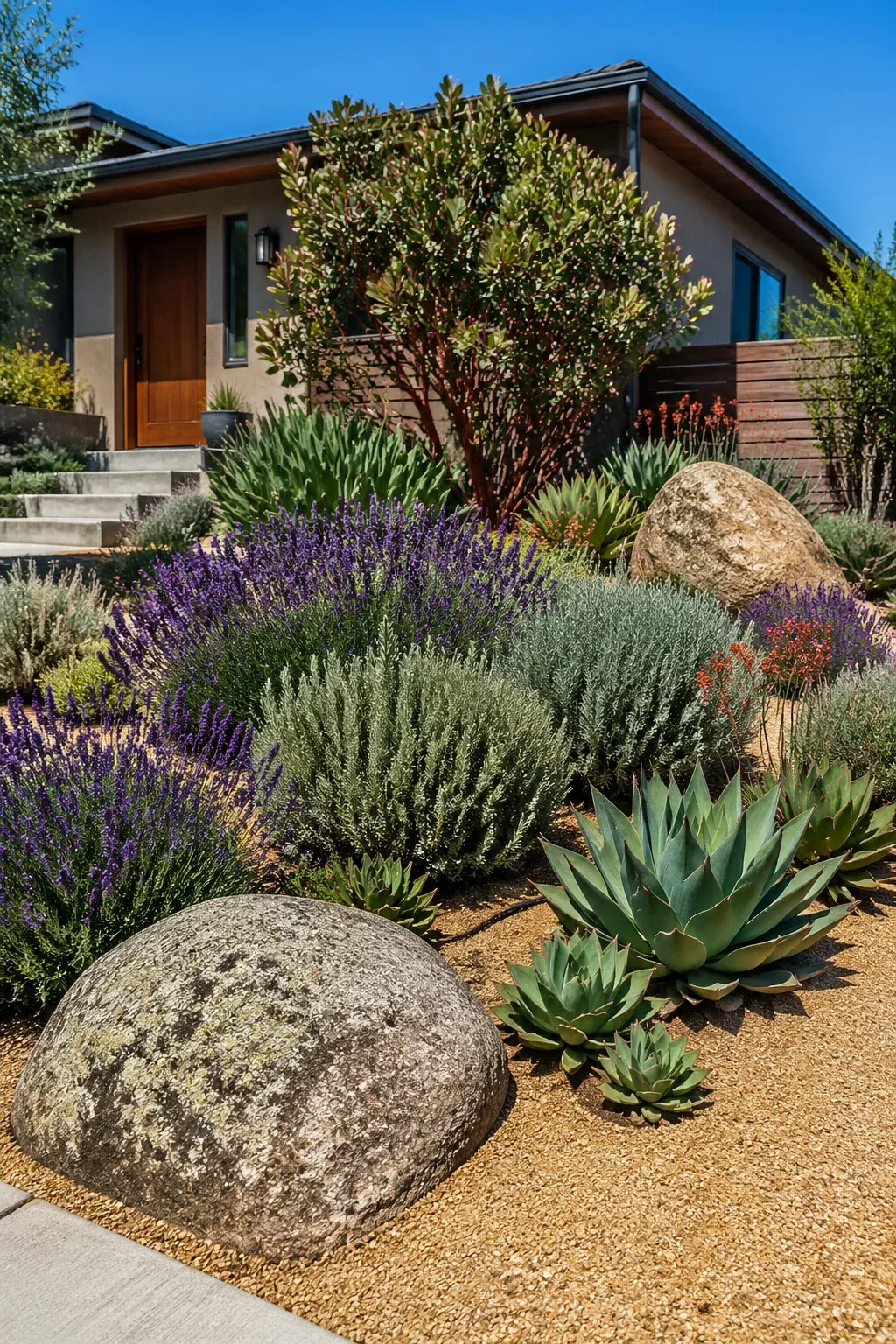
A yard without grass shouldn't be a yard without life. Drought-tolerant plants are the backbone of a sustainable front yard. Native species are particularly useful because they have adapted to your local climate and soil, meaning they need very little help to thrive once they are established. Succulents, lavender, and sage are popular choices that offer texture and color without needing a sprinkler system.
When planting, group species with similar water needs together. This practice, often called hydrozoning, ensures you aren't overwatering one plant to keep another alive. Use a variety of heights and colors to keep the yard from looking flat. Native shrubs like manzanita or spicebush provide year-round structure and shelter for local birds.
Creating Structure with Modern Pavers and Walkways
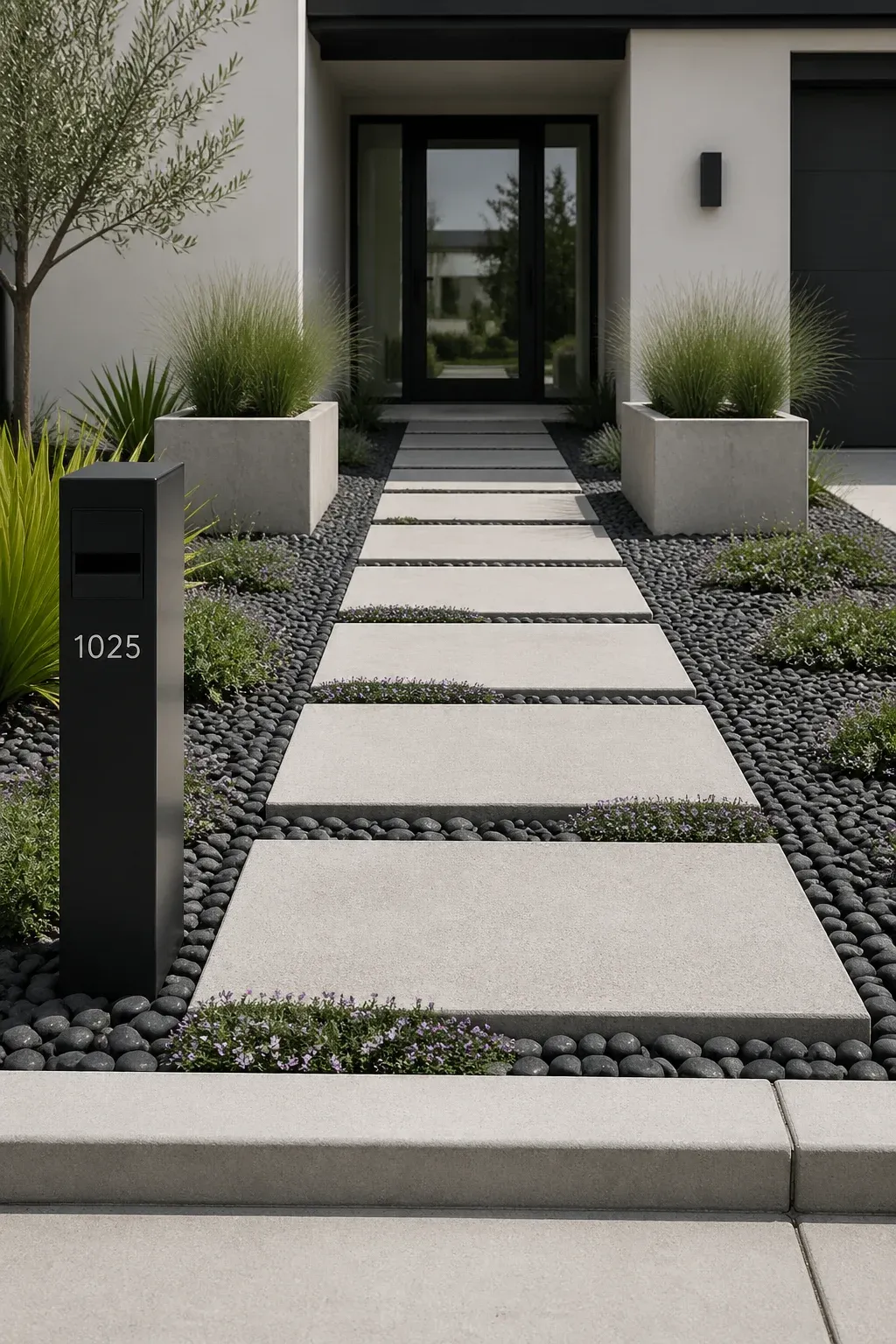
Walkways do more than just lead people to your front door; they give the yard a sense of order. Modern designs often use large-format concrete pavers with wide gaps between them. You can fill these gaps with small pebbles or ground-cover plants like thyme or moss. This look is much more contemporary than a traditional solid concrete sidewalk.
Geometric patterns work best for a modern aesthetic. Straight lines and right angles create a clean feel, while staggered pavers can add a bit of artistic flair. These hardscapes also reduce the amount of permeable surface area, so consider using permeable pavers that allow rainwater to soak back into the ground rather than running off into the street.
Adding Privacy and Height with Bamboo and Tall Grasses
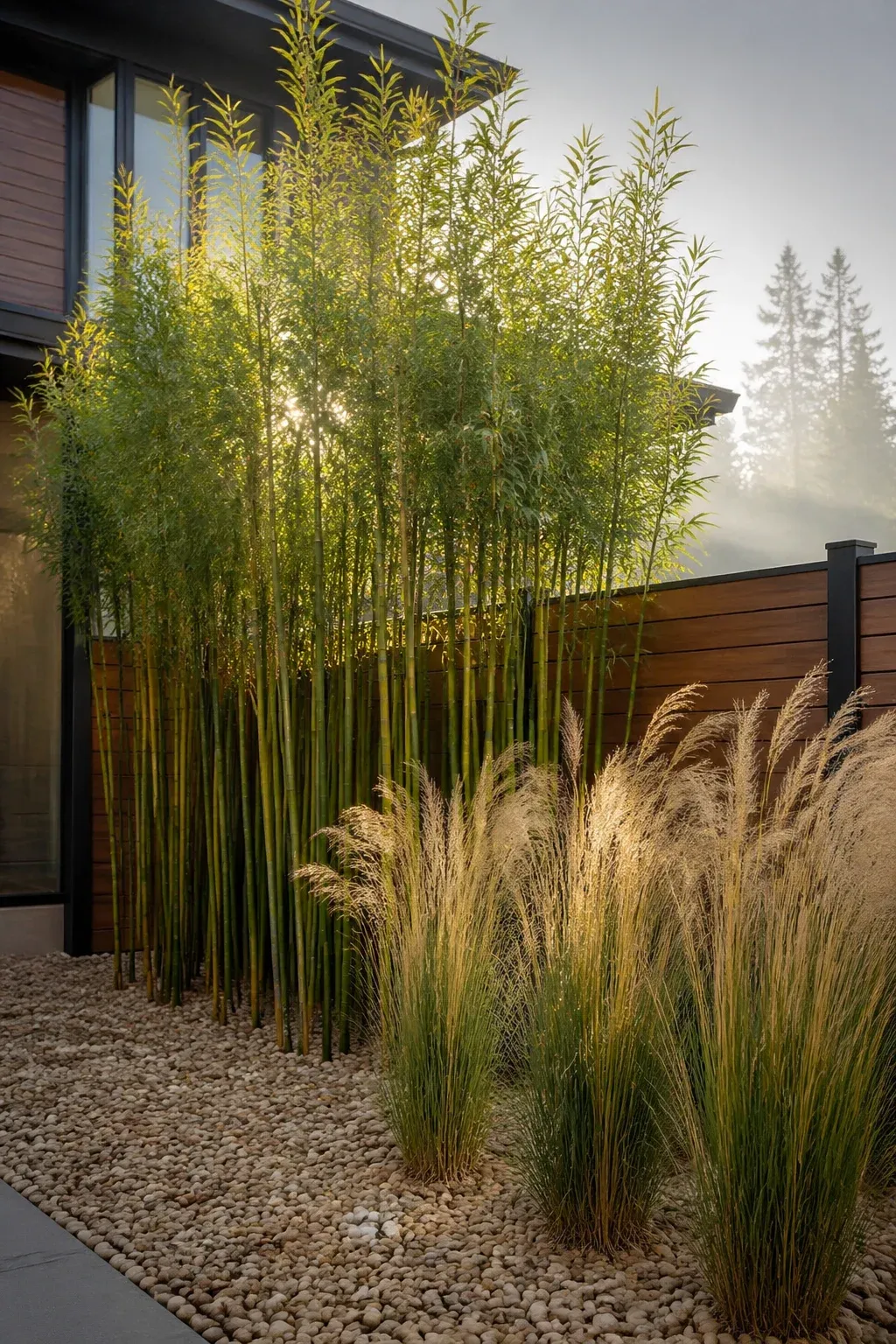
If you want to shield your home from the street without building a tall fence, plants are your best tool. Clumping bamboo is an excellent choice for creating a dense, vertical screen. It grows quickly and stays green all year, providing a soft rustling sound in the wind. Just make sure to choose clumping varieties rather than running types to keep it from spreading where you don't want it.
Tall ornamental grasses, like Maiden grass or Switchgrass, also add height and movement. These plants look beautiful in the fall and winter when they turn golden brown. They help break up the horizontal lines of your home and add a layer of privacy that feels organic rather than restrictive.
Incorporating Mulch and Wood Chips for Natural Texture
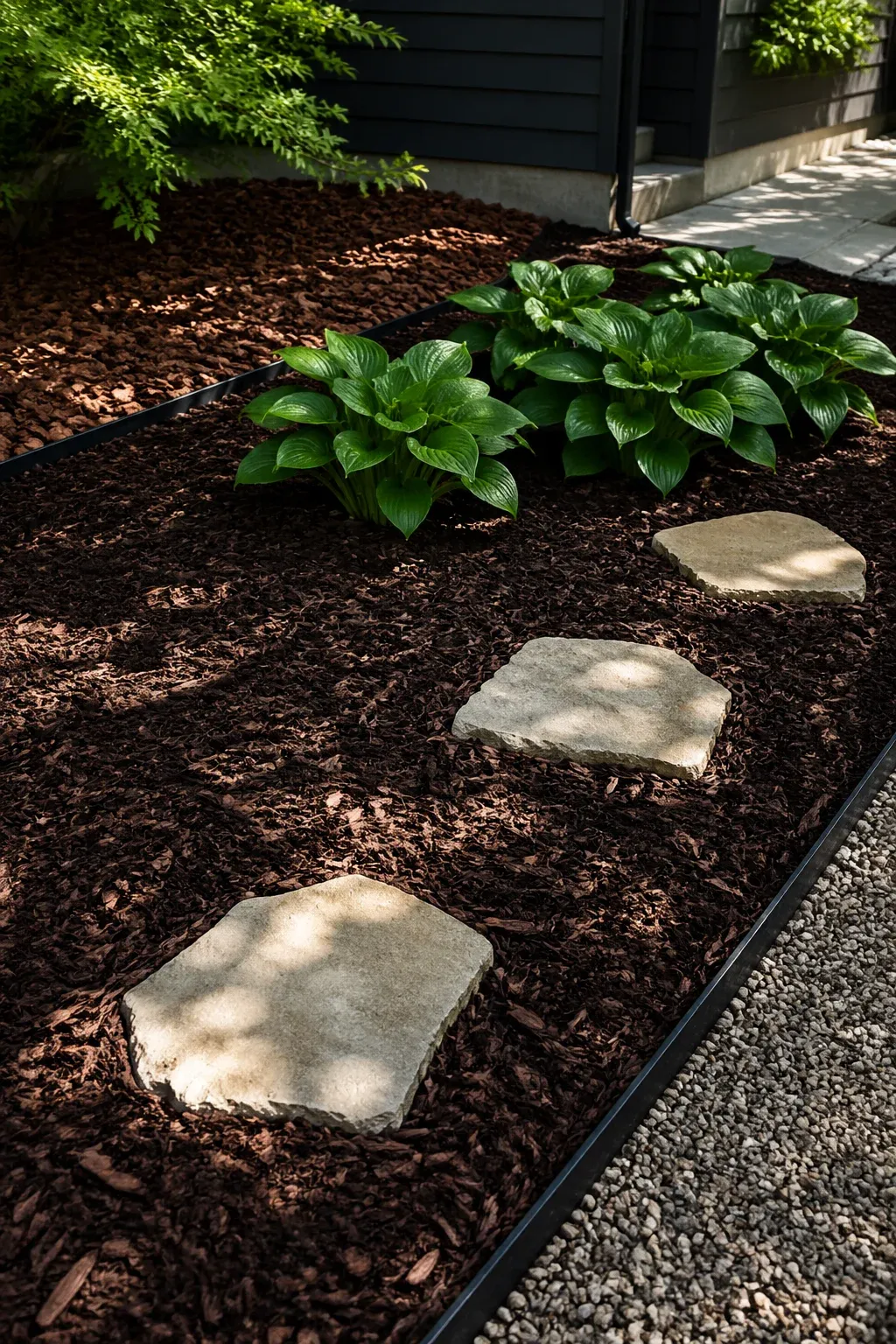
Not every inch of your yard needs to be covered in stone. Wood mulch and bark chips are great for filling in large areas between plants. They help retain moisture in the soil and eventually break down to provide nutrients. From a design standpoint, dark mulch provides a high-contrast background that makes the colors of your plants pop.
Avoid using dyed mulches that can look artificial. Instead, opt for natural cedar or pine bark. Mulch is an affordable way to cover ground quickly and is much easier to install than heavy stone. It also gives the yard a softer, more natural texture that balances out the hard lines of pavers and gravel.
Designing Functional Outdoor Spaces with Decks and Seating
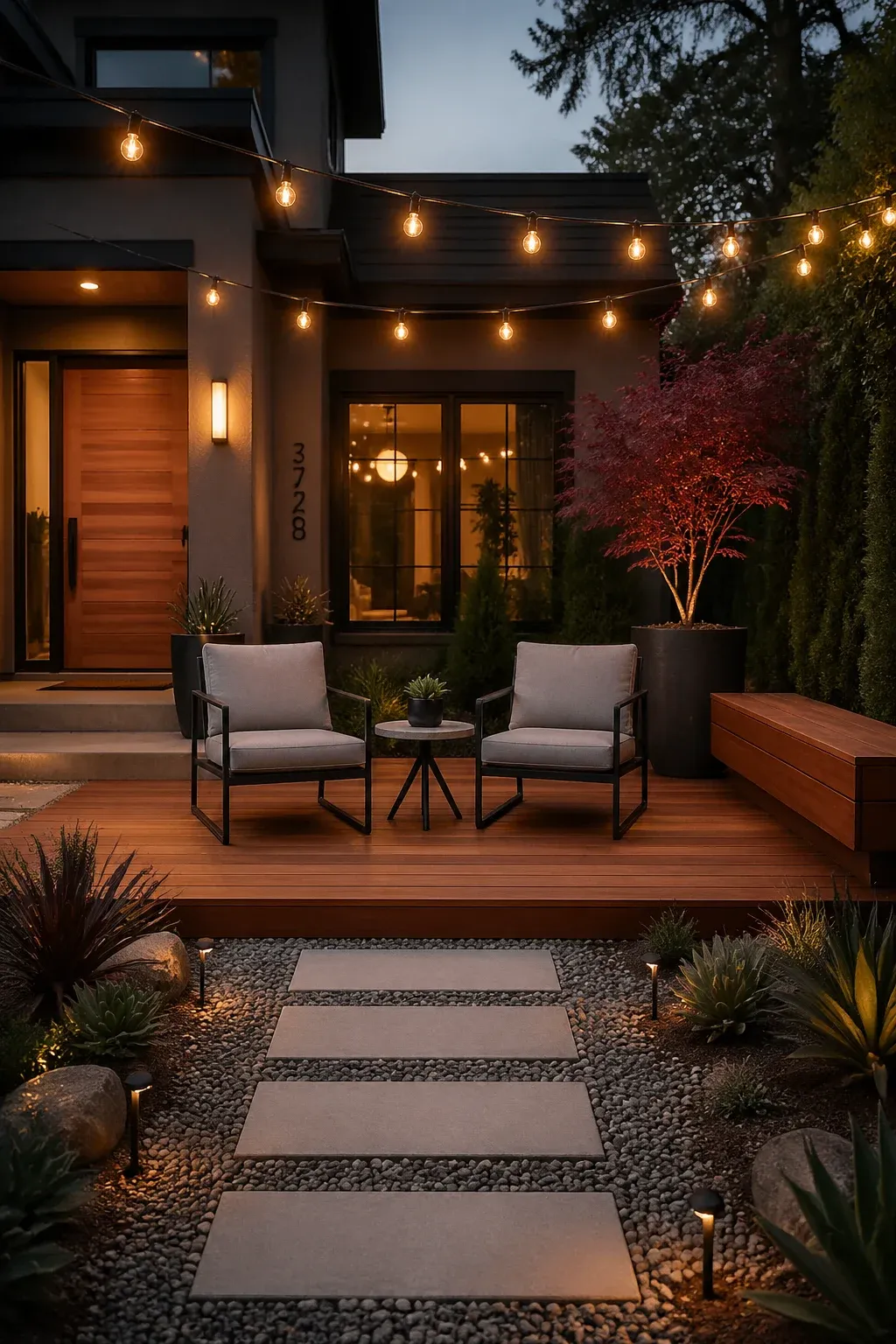
Without a lawn taking up all the space, you can treat your front yard like an extra room. A small wooden deck or a paved patio area near the entrance makes the home feel welcoming. Adding a couple of comfortable chairs or a built-in bench allows you to enjoy the neighborhood and chat with passing neighbors.
To make the space feel private, surround the seating area with mid-sized shrubs or a small decorative tree. This turns a once-empty patch of grass into a functional spot for morning coffee or evening relaxation. Lighting is the final touch—use simple path lights or small spotlights to make the space usable and safe after the sun goes down.
Transitioning to a grass-free front yard is a practical way to save resources while boosting your home's curb appeal. By mixing hard materials like stone and pavers with hardy, drought-tolerant plants, you create a space that is both beautiful and easy to manage. Start by mapping out your walkways and seating areas, then fill in the gaps with your favorite native species. You will spend less time on yard work and more time enjoying your outdoor living space.