
Small front yards often feel like a challenge, but they are actually a great opportunity to create a high-impact entrance. When you have less space, every choice matters more. Instead of trying to cram in a traditional lawn and flower beds, a modern approach focuses on simplicity and intentionality. A well-designed compact yard can make your home look more inviting and increase its value without requiring hours of weekend maintenance.
In this article, we will look at how to use hardscaping, vertical plants, and layered textures to create a sophisticated look. You will learn how to choose materials that last and how to use lighting to keep your home looking great after the sun goes down. By focusing on a few key design principles, you can turn a cramped patch of grass into a stylish, functional space.
Defining the Space with Clean Lines and Hardscaping
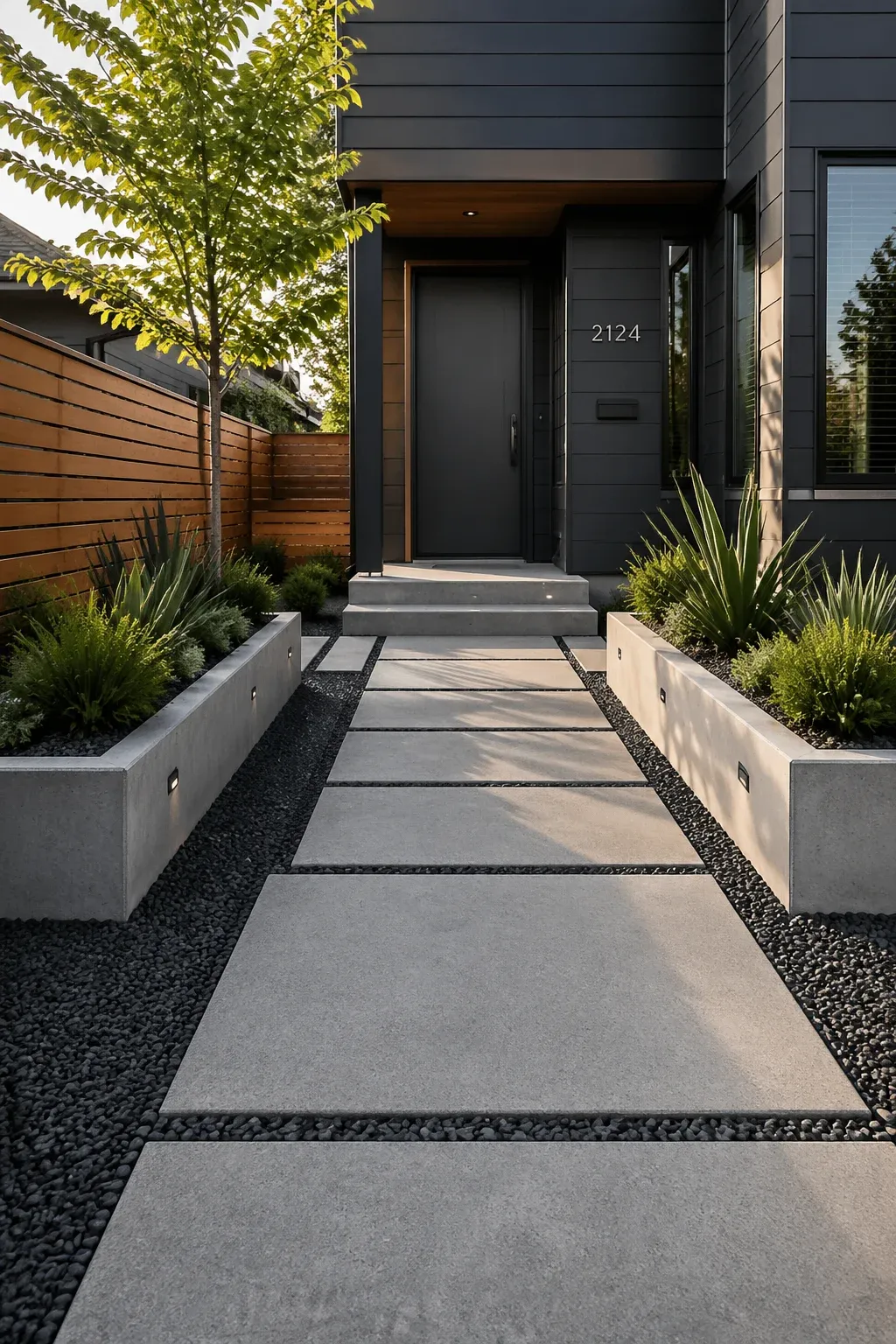
Modern design relies on structure. In a small yard, clear boundaries help the space feel organized rather than cluttered. You can achieve this by using geometric shapes for walkways and planters. Instead of curved, winding paths, try straight lines and right angles. Large concrete pavers or rectangular stone slabs create a sense of order and make the walkway feel like a deliberate part of the architecture.
Hardscaping also reduces the amount of grass you need to mow. Consider built-in planters made of smooth concrete or dark metal. These containers lift plants off the ground, which draws the eye upward and makes the yard feel larger. When you use hardscaping to define the space, you create a permanent framework that looks good in every season, even when the plants are dormant.
Choosing Plants with Vertical Growth and Architectural Shape
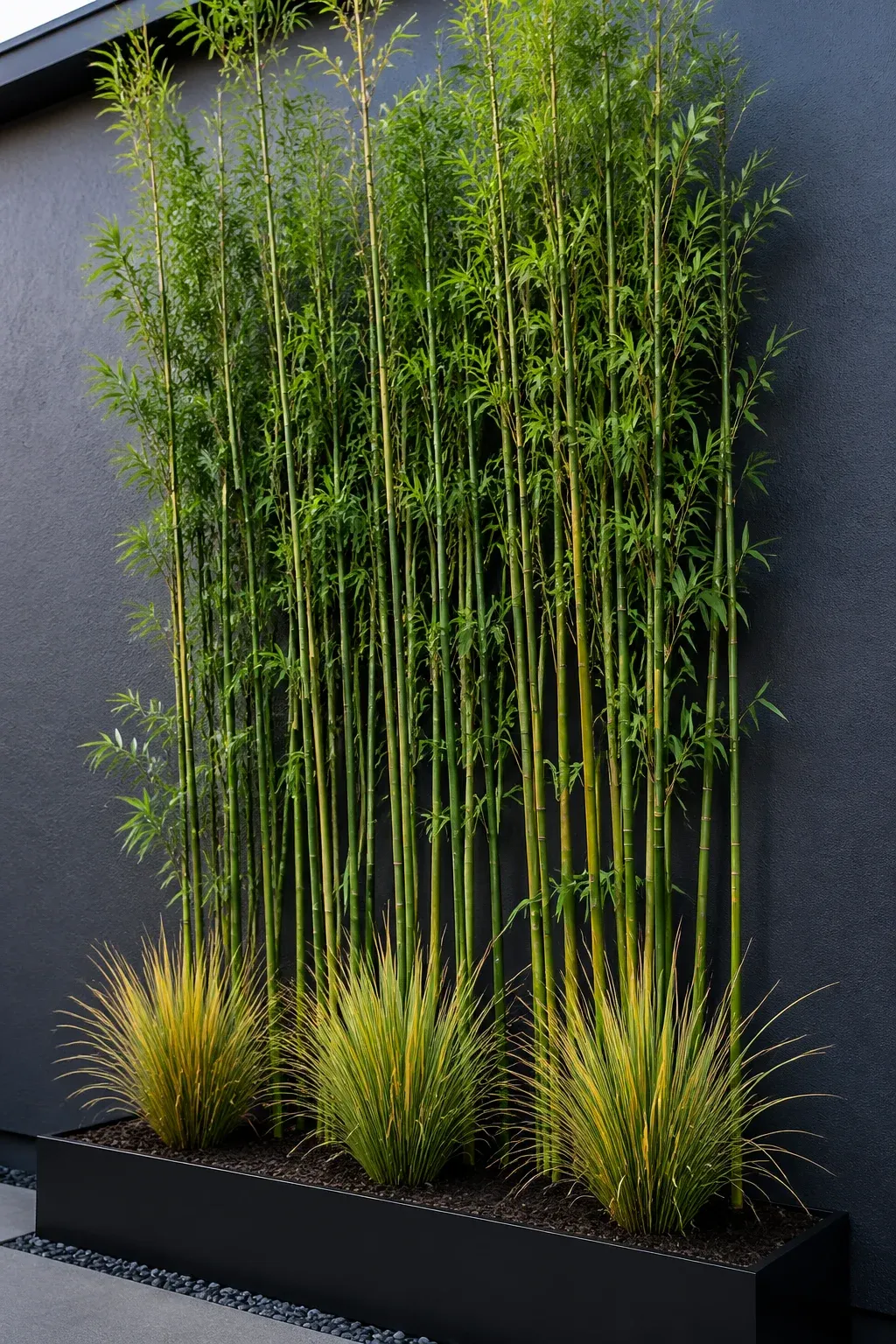
Space is limited on the ground, so it makes sense to grow upward. Architectural plants are those with distinct, bold shapes that stand out against a flat wall or fence. Clumping bamboo is an excellent choice for this. It grows tall and thin, providing a green screen without taking up much square footage. Since it grows vertically, it acts as a living wall that adds privacy and height.
Other good options include ornamental grasses, tall succulents, or upright evergreens. The goal is to choose plants that maintain their shape without a lot of pruning. Look for species that have interesting silhouettes. When you place a tall, structural plant next to a flat house wall, the contrast creates a professional, designed look that feels intentional and modern.
Using Layered Textures to Add Visual Depth
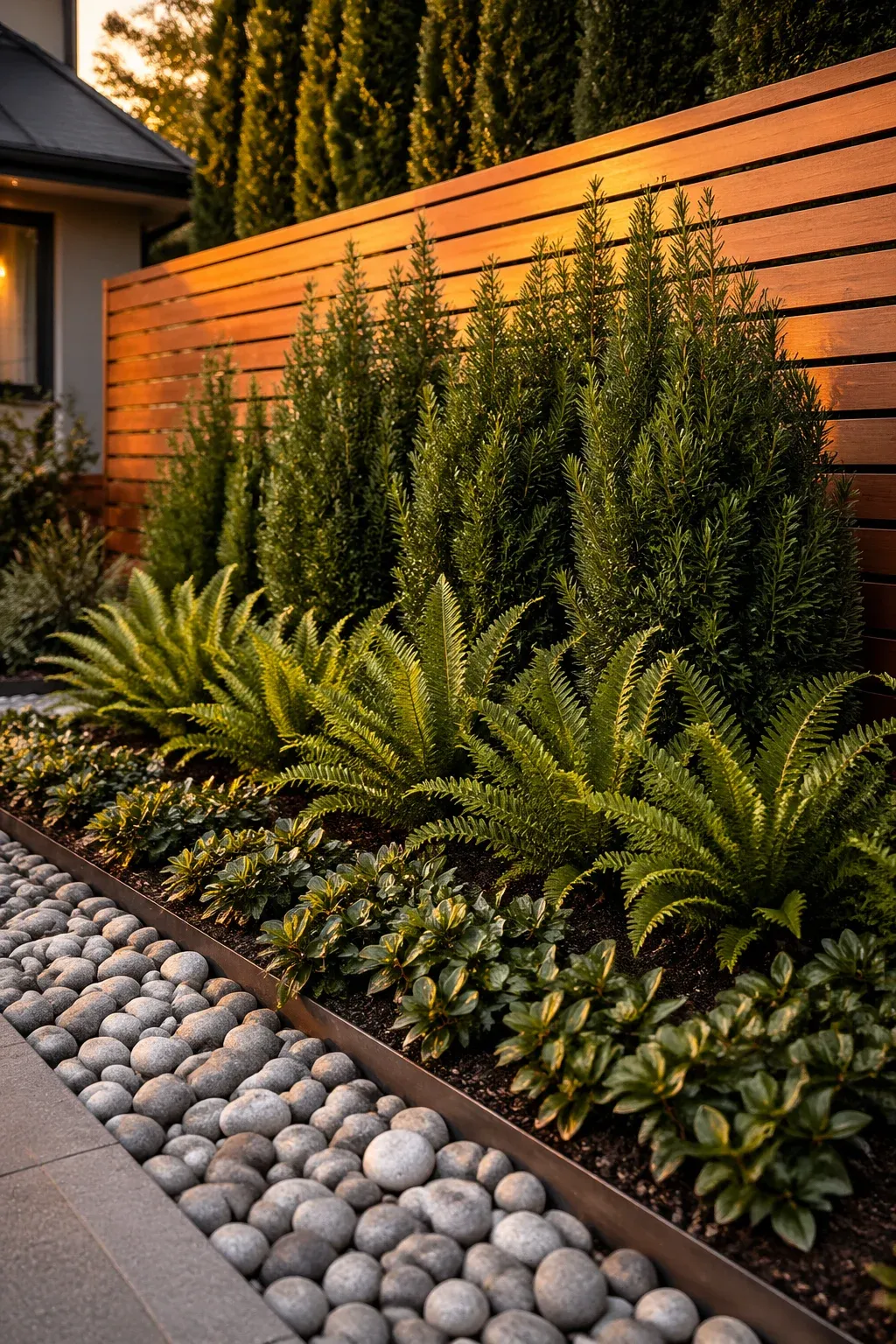
Depth is what prevents a small yard from looking flat. You can create depth by layering different materials and plant types. Start with a tall background layer, like a fence or high shrubs. In front of that, place medium-sized plants with soft foliage. Finally, finish with a low-growing ground cover or a bed of smooth stones. This creates a staircase effect for the eyes.
Mixing textures is also key. Pair the rough, organic feel of a wooden fence with the smooth, cold surface of metal planters or glass accents. If you have a lot of leafy green plants, add a section of fine gravel or river rocks to break up the color. These small contrasts make the yard feel more complex and interesting, even if the total area is only a few square feet.
Incorporating Natural Materials for a Contemporary Look
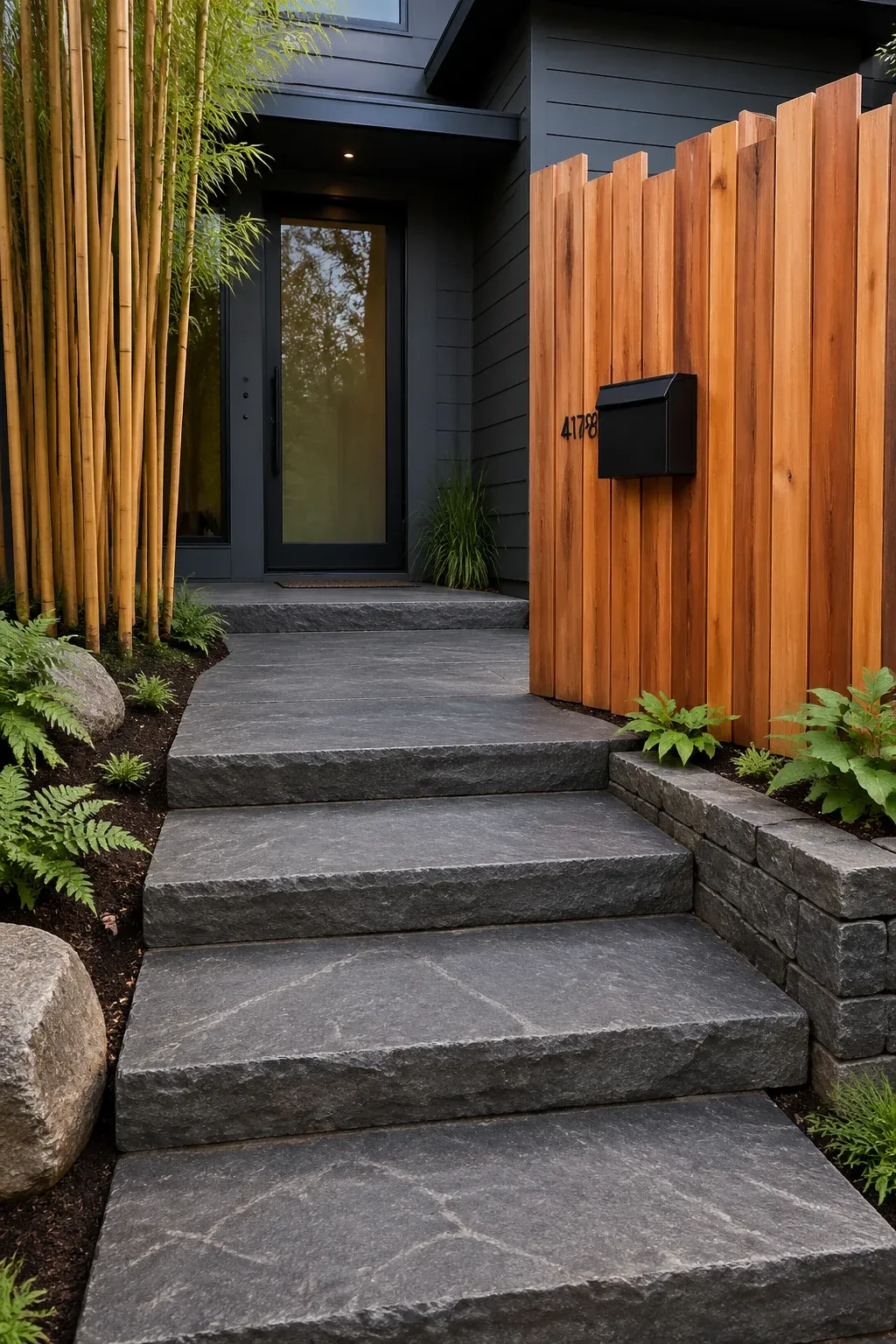
A modern yard doesn't have to feel cold or industrial. Using natural materials like wood, stone, and bamboo brings warmth to the design. Cedar or redwood slats can be used for fencing or privacy screens. These woods weather beautifully and provide a soft backdrop for green plants. Stone is another great choice; use slate or granite for steps to give the entrance a solid, high-quality feel.
Bamboo is particularly useful in modern landscaping because it is sustainable and has a very clean aesthetic. You can use bamboo poles for a decorative screen or as a natural mulch. These materials ground the design and help the home blend into its surroundings. By sticking to a limited palette of high-quality natural materials, you keep the look cohesive and avoid the messy appearance that comes from using too many different styles.
Adding Functional Lighting for Evening Curb Appeal
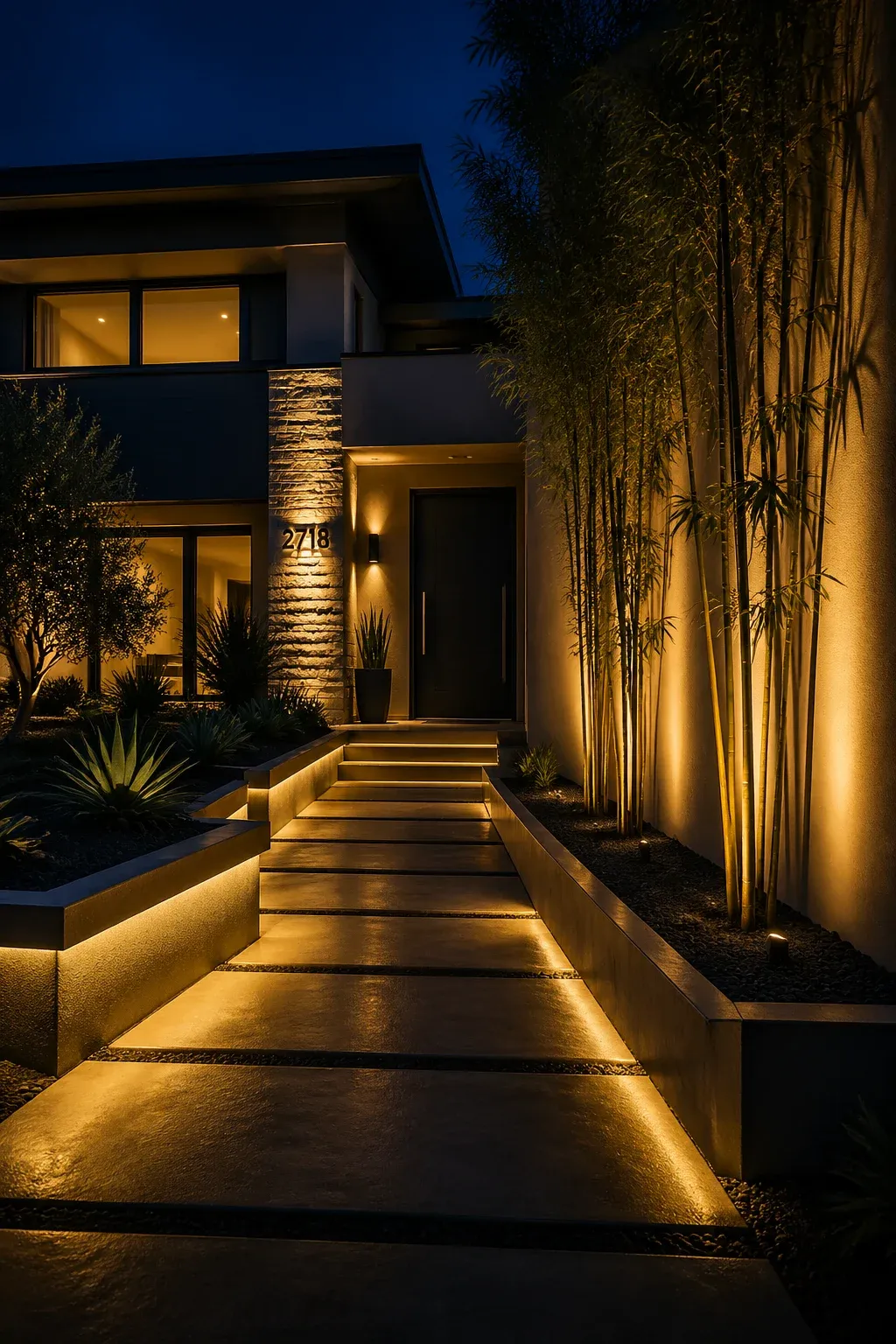
Lighting is often an afterthought, but it is one of the most important parts of modern landscaping. In a compact yard, you don't need many lights to make a big difference. Use path lights to guide guests to the door, but keep them low to the ground to avoid glare. Discreet spotlights can be aimed at the base of a tall plant or a textured wall to create interesting shadows.
LED strip lighting under the lip of a stair or a planter box adds a subtle, high-end glow. This type of lighting emphasizes the clean lines of your hardscaping. Good lighting also provides safety and security. It makes the front of your home feel welcoming at night and ensures that the design you worked hard on during the day is still visible after dark.
Selecting Low-Maintenance Ground Covers and Mulch
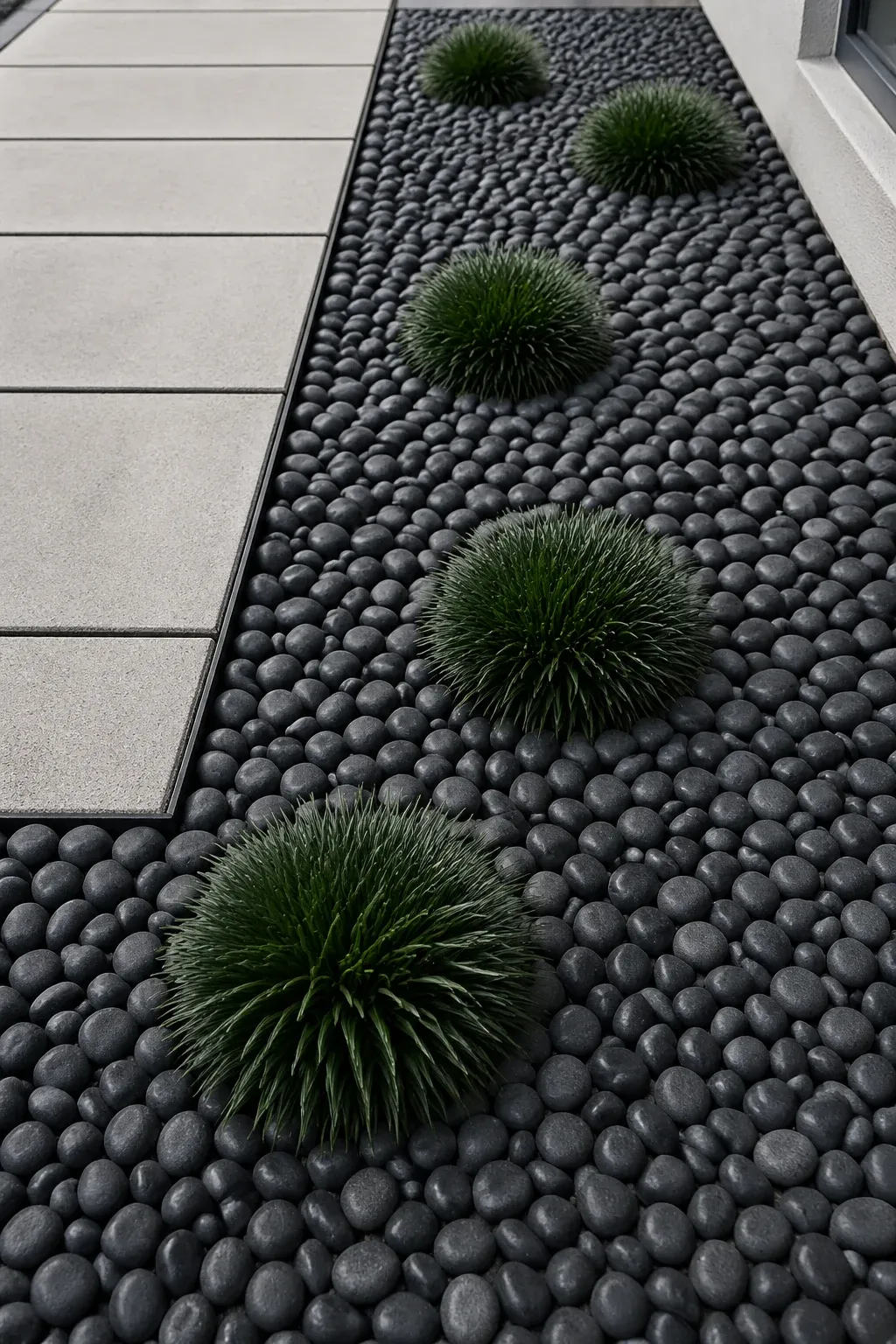
To keep a small yard looking sharp, you want to minimize weeds and bare dirt. Traditional wood mulch is fine, but for a modern look, consider inorganic options like pea gravel, crushed basalt, or Mexican beach pebbles. These materials don't break down, so you don't have to replace them every year. They also provide a clean, uniform color that makes plants pop.
If you prefer green ground covers, look for varieties that stay low and don't spread aggressively. Creeping thyme or mondo grass are good choices. They fill in the gaps between pavers and add a touch of softness to the hard edges of the yard. Using these low-maintenance options means you spend less time weeding and more time enjoying the view from your front porch.
Creating a modern front yard in a small space is all about quality over quantity. By choosing a few strong architectural plants, using clean lines in your walkways, and adding smart lighting, you can make a big statement. You don't need a massive lot to have a beautiful entrance; you just need a clear plan. Start by looking at your yard and deciding where a single straight line or a tall plant could make the most difference.