
Maintaining a pristine front yard shouldn't feel like a second job. Many homeowners spend their entire weekends mowing, weeding, and watering, only to see the same chores return a few days later. A modern approach to landscaping shifts the focus away from high-maintenance grass and toward intentional design that looks sharp with very little effort. By choosing the right materials and plants, you can create an inviting entryway that stays tidy year-round.
This guide covers how to simplify your outdoor space without losing curb appeal. We will look at replacing thirsty lawns with stone, using hardy native plants, and setting up systems that handle the chores for you. The goal is a clean, minimalist look that gives you your weekends back.
Replacing Traditional Grass with Hardscaping and Stone
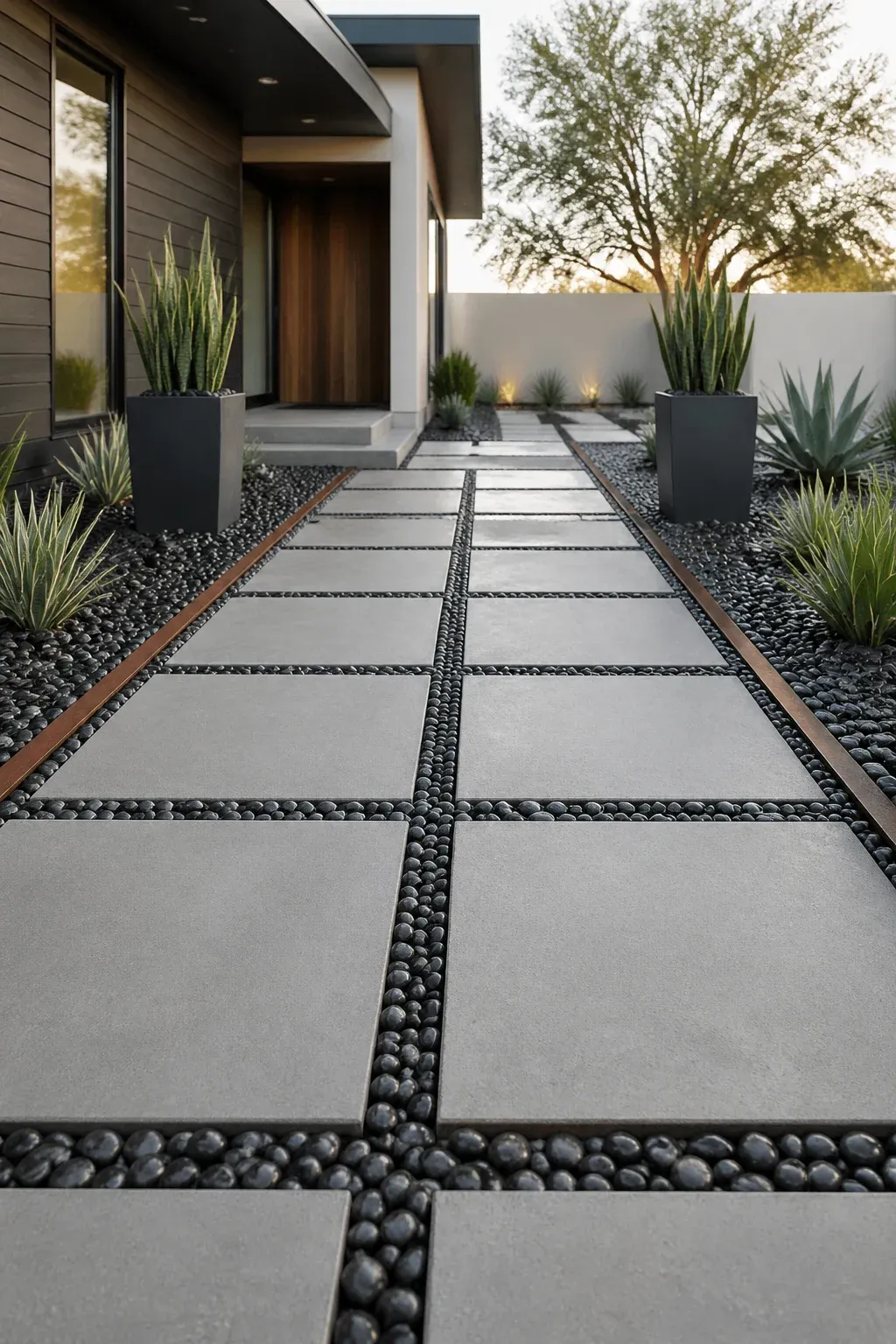
Traditional lawns are often the most demanding part of a yard. They require constant mowing, fertilizing, and huge amounts of water. Replacing sections of grass with hardscaping—like pavers, gravel, or decorative stone—instantly modernizes the space. Large-format concrete pavers create a high-end look and provide a stable walking surface. You can fill the gaps between pavers with pea gravel or Mexican beach pebbles to allow for drainage and add texture. This setup doesn't just look clean; it eliminates the need for a lawnmower entirely. If you still want the look of green but none of the work, consider high-quality artificial turf in small, strategic patches.
Choosing Native Plants and Drought-Tolerant Species
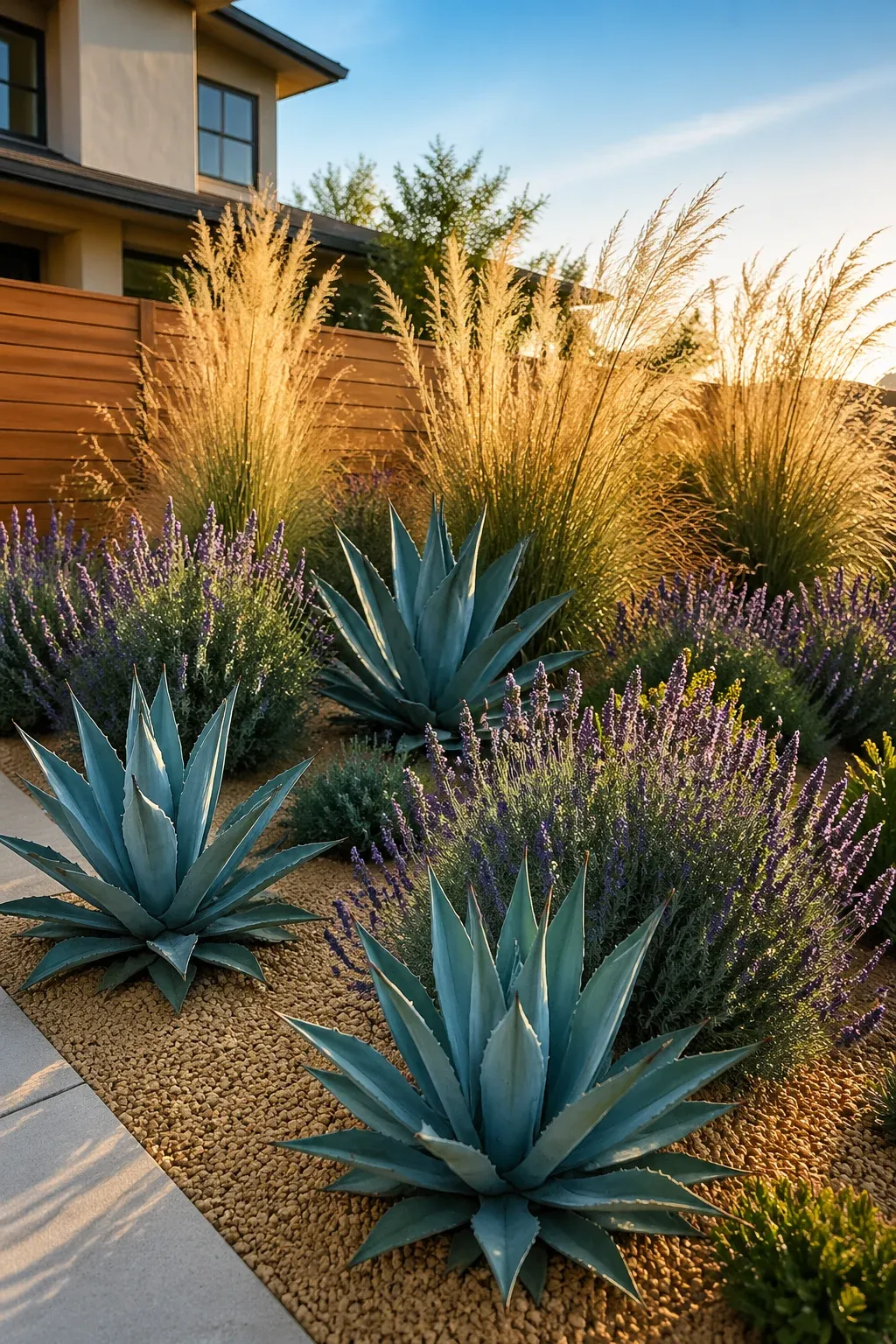
Plants that are native to your specific region are naturally adapted to the local soil and weather. This means they don't need special fertilizers or constant pampering to stay alive. When you fill your beds with drought-tolerant species like lavender, agave, or ornamental grasses, you create a garden that can survive dry spells on its own. These plants often have deeper root systems and are more resistant to local pests. Grouping plants with similar water needs together, a practice called hydrozoning, ensures that no drop of water is wasted and prevents overwatering sensitive species.
Using Clumping Bamboo for Privacy and Structure
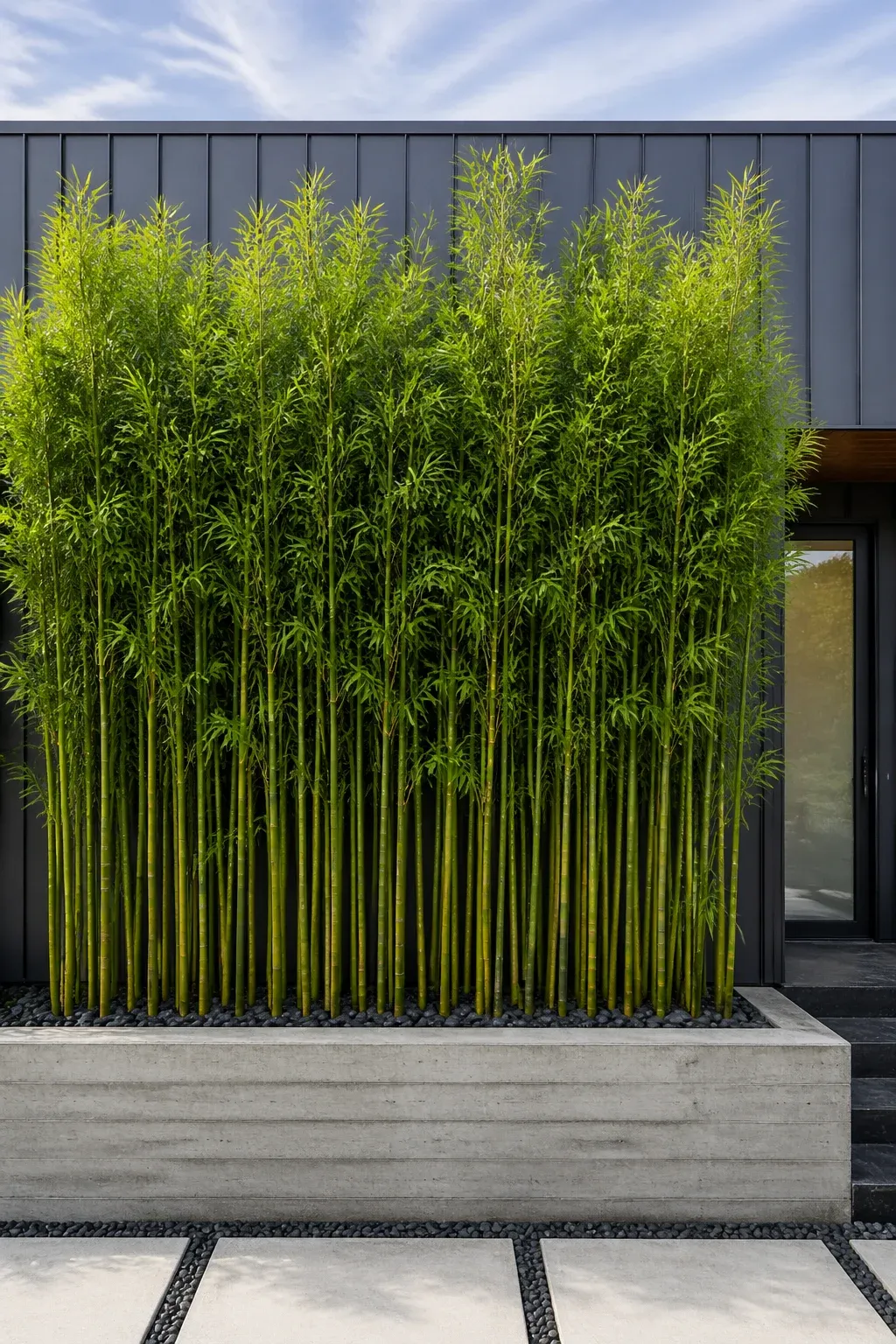
If you need a natural screen or a vertical accent, clumping bamboo is an excellent choice for a modern yard. Unlike running varieties that spread aggressively, clumping bamboo stays in a contained mound. It grows quickly and provides a dense wall of green that looks great against modern architecture. Varieties like Bambusa multiplex 'Alphonse Karr' offer striking yellow stems with green stripes. It's a low-maintenance way to get privacy from neighbors without building a wooden fence. Just make sure to choose a non-invasive clumping species suited for your climate zone to keep the maintenance minimal.
Automating Care with Drip Irrigation and Smart Timers
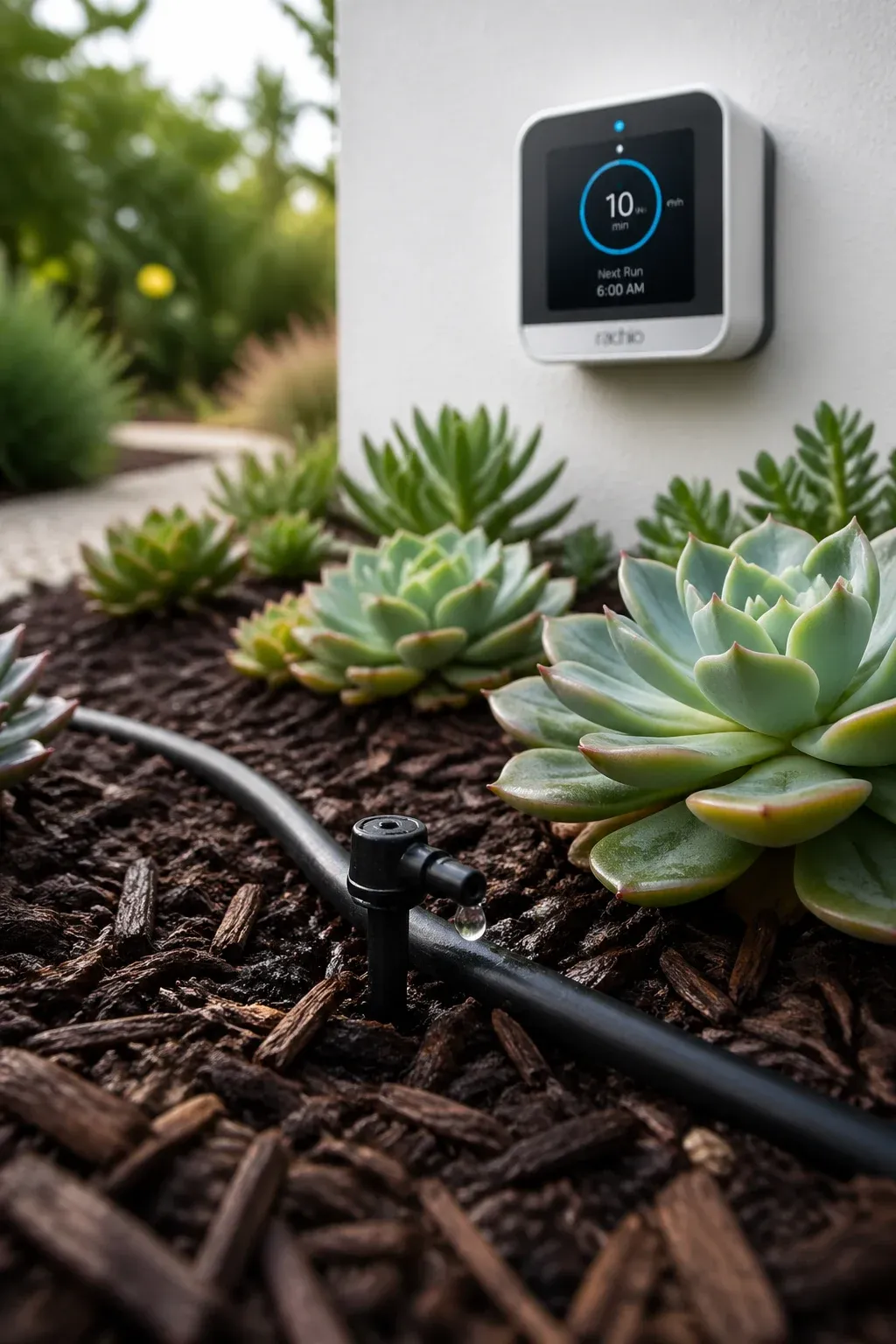
Standing outside with a hose is a time-sink you can easily avoid. Drip irrigation systems deliver water directly to the base of each plant, which reduces evaporation and prevents weed growth in the surrounding soil. When you pair this with a smart timer, the system does all the thinking for you. Many smart controllers connect to local weather stations and will skip a watering cycle if rain is in the forecast. This technology keeps your plants healthy and lowers your water bill without you ever having to turn a knob.
Adding Mulch and Ground Covers to Stop Weeds
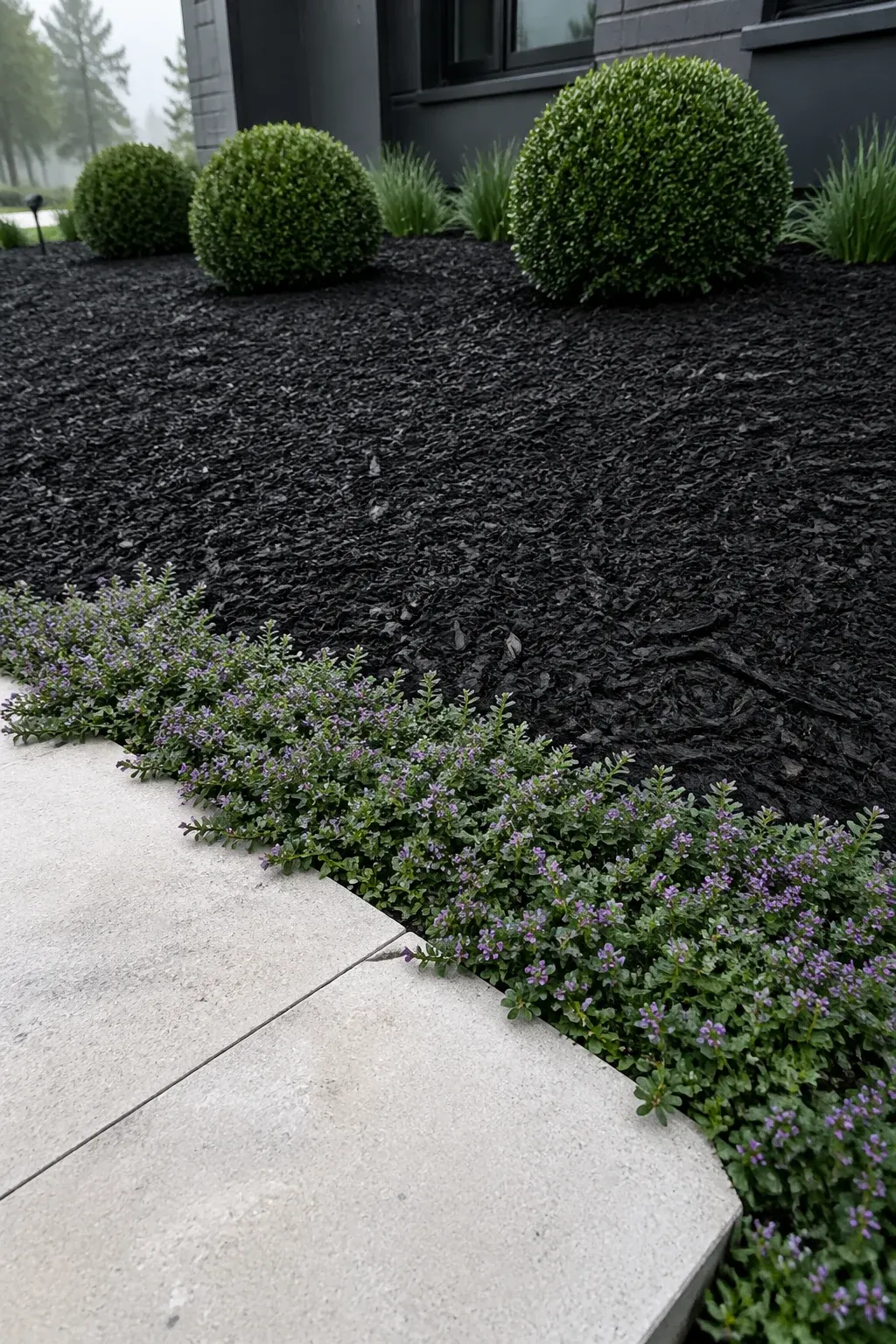
Open soil is an invitation for weeds to take over. Covering bare spots with a thick layer of organic mulch or wood chips suppresses weed seeds and helps the soil retain moisture. For a more permanent solution, living ground covers like creeping thyme or sedum can fill in gaps between larger plants. These low-growing species create a carpet of color and texture that chokes out unwanted growth. Using a dark mulch, like black or dark brown bark, also provides a sharp contrast against green foliage, which is a hallmark of modern landscape design.
Selecting Durable Materials for Pathways and Edging
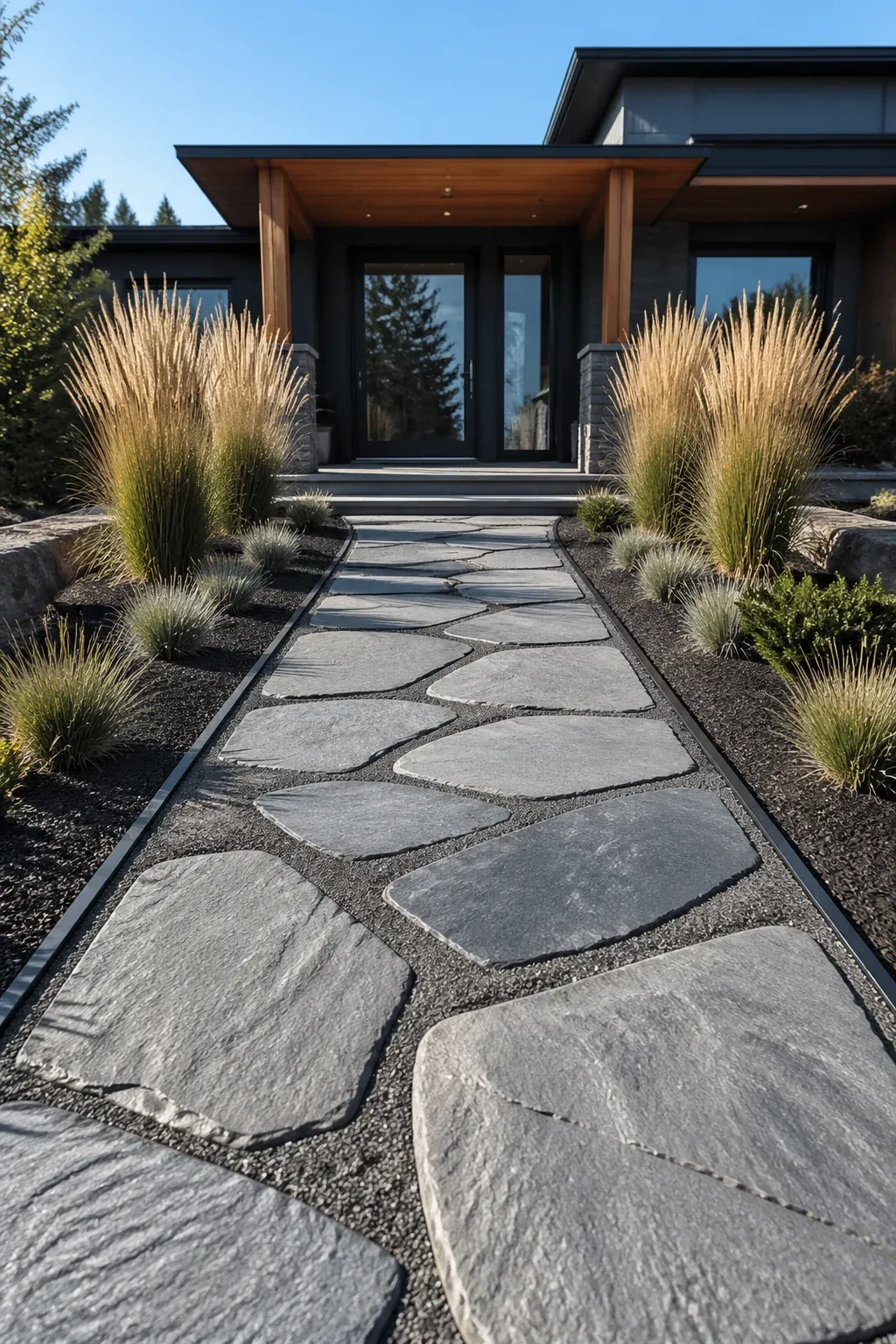
Cheap materials often break down and need frequent replacing. For a front yard that lasts, choose durable options like steel edging or natural stone. Steel edging provides a crisp, thin line between your walkway and garden beds that won't rot or crack like plastic or wood. For pathways, use materials that stay in place, such as decomposed granite or flagstone. These materials handle foot traffic well and age beautifully over time. Investing in quality materials at the start means you won't be spending your Saturdays repairing borders or filling in sunken spots in your walkway.
Moving toward a low-maintenance front yard doesn't mean sacrificing beauty. By prioritizing hardscaping, choosing native plants, and automating your watering, you create a space that looks intentional and stays clean with minimal intervention. Start by identifying one high-maintenance area of your yard to convert this season and enjoy the extra free time that a modern, efficient landscape provides.