
Traditional grass lawns are no longer the only way to create a welcoming entrance to your home. Many homeowners are turning to gravel because it offers a clean, architectural look that requires far less water and mowing than a standard yard. Using stone allows you to play with textures and colors that complement your home's exterior while creating a sustainable landscape that handles drainage well.
In this guide, we will look at how to select the right materials and install them correctly so your yard stays tidy. You will learn about ground preparation, edging techniques, and how to pair stones with modern walkways to create a cohesive design. The goal is to build a front yard that looks professional and stays easy to manage throughout the year.
Choosing the Right Gravel for a Clean Modern Look
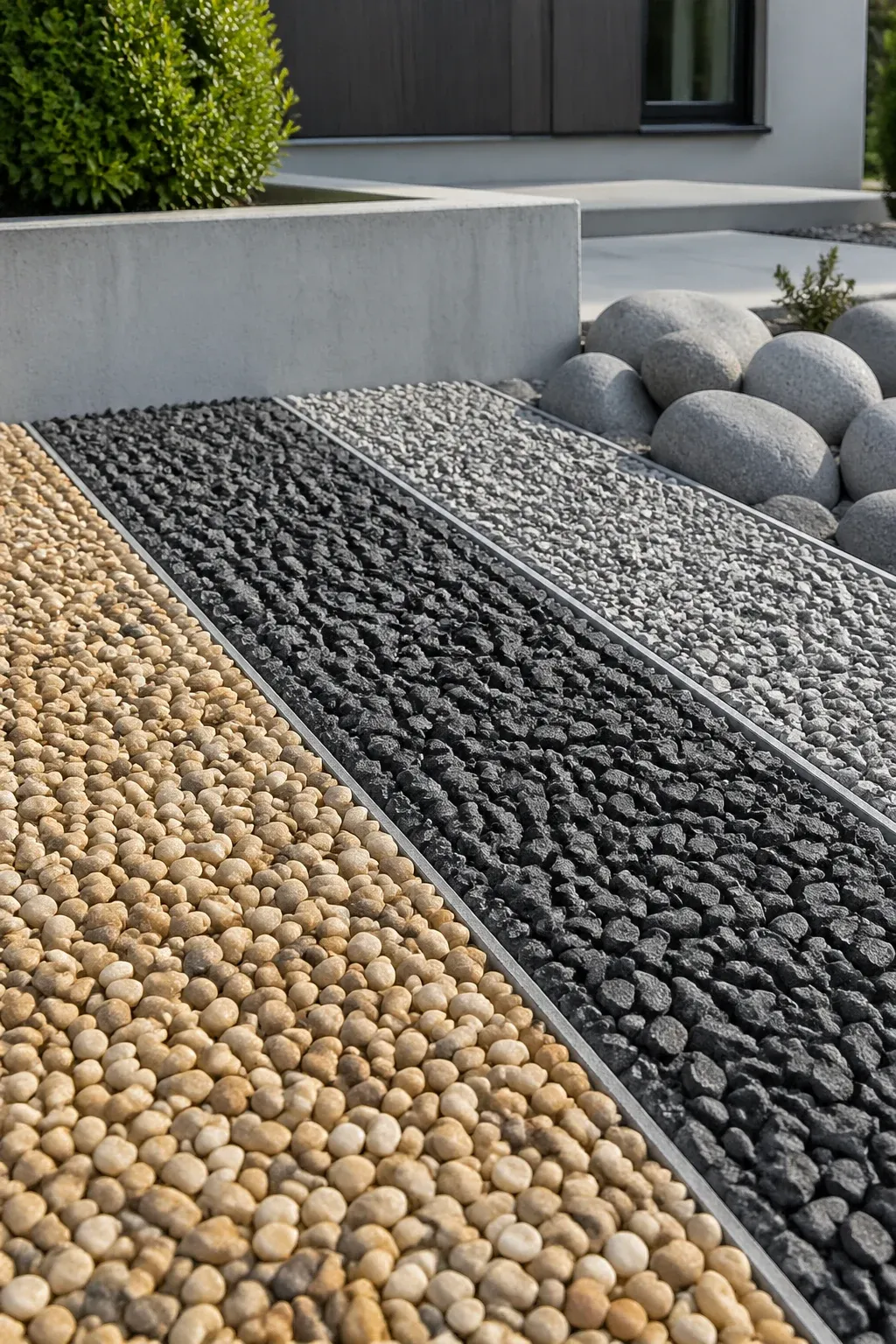
Not all gravel is the same, and the type you choose defines the style of your yard. For a modern aesthetic, people often prefer stones with consistent colors. Pea gravel is a popular choice because its rounded edges and soft earthy tones feel comfortable underfoot. If you want a sharper, more minimalist look, crushed granite or basalt in shades of gray or charcoal provides a striking contrast against green plants.
Size also matters for functionality. Small stones, usually around 1/4 inch to 1/2 inch, are easier to walk on and look more refined. Larger river rocks can be used as accents in dry creek beds or around the base of larger trees to add visual weight. Avoid using bright white rocks if your yard gets a lot of sun, as the glare can be overwhelming and they tend to show dirt more quickly than darker options.
Preparing the Ground to Prevent Weeds and Sinking
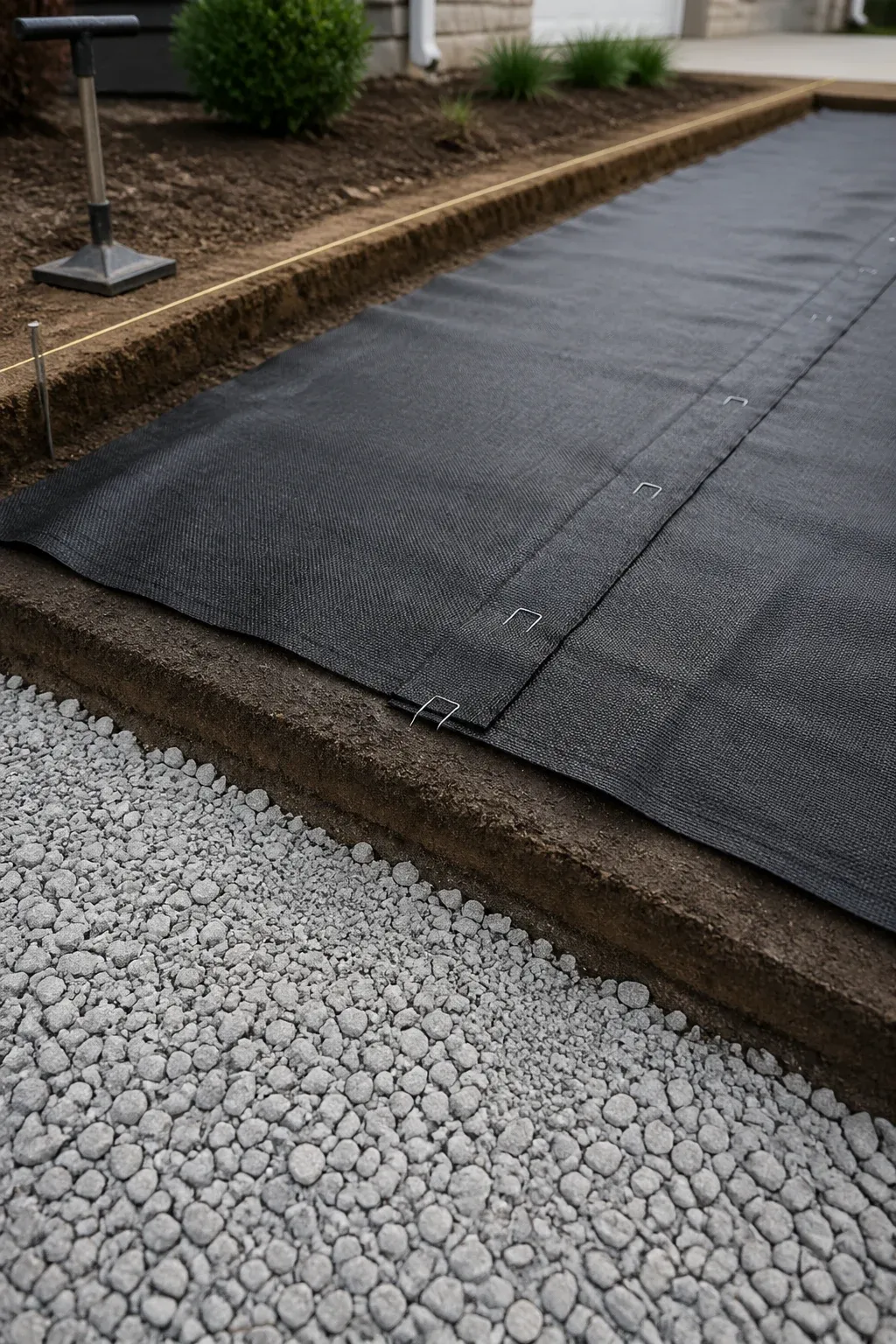
The biggest mistake in gravel landscaping is simply pouring stones over the existing soil. Without proper prep, the gravel will sink into the mud, and weeds will grow through within weeks. Start by removing the top two to three inches of soil and any existing grass. Level the area and compact the dirt using a hand tamper or a rented plate compactor to create a firm base.
Once the ground is firm, lay down a heavy-duty landscape fabric. This is a critical step because it separates the stones from the soil while still allowing water to drain through. Overlap the edges of the fabric by at least six inches to ensure no gaps are left for weeds. For high-traffic areas like paths, you might also consider a layer of crushed limestone base under the fabric to provide extra stability.
Using Edging to Keep Stones in Place

Gravel has a tendency to migrate onto your sidewalk or into your flower beds if it isn't contained. Edging acts as a boundary that keeps your design looking sharp. For a modern look, metal edging made of steel or aluminum is a great choice. It creates a thin, almost invisible line that separates the gravel from other materials.
If you prefer something more substantial, concrete curbing or large stone blocks can work well. The key is to install the edging slightly higher than the gravel level. This creates a lip that catches shifting stones. Make sure the edging is anchored deeply into the ground so it doesn't shift during a freeze or heavy rain.
Combining Gravel with Concrete Pavers and Walkways
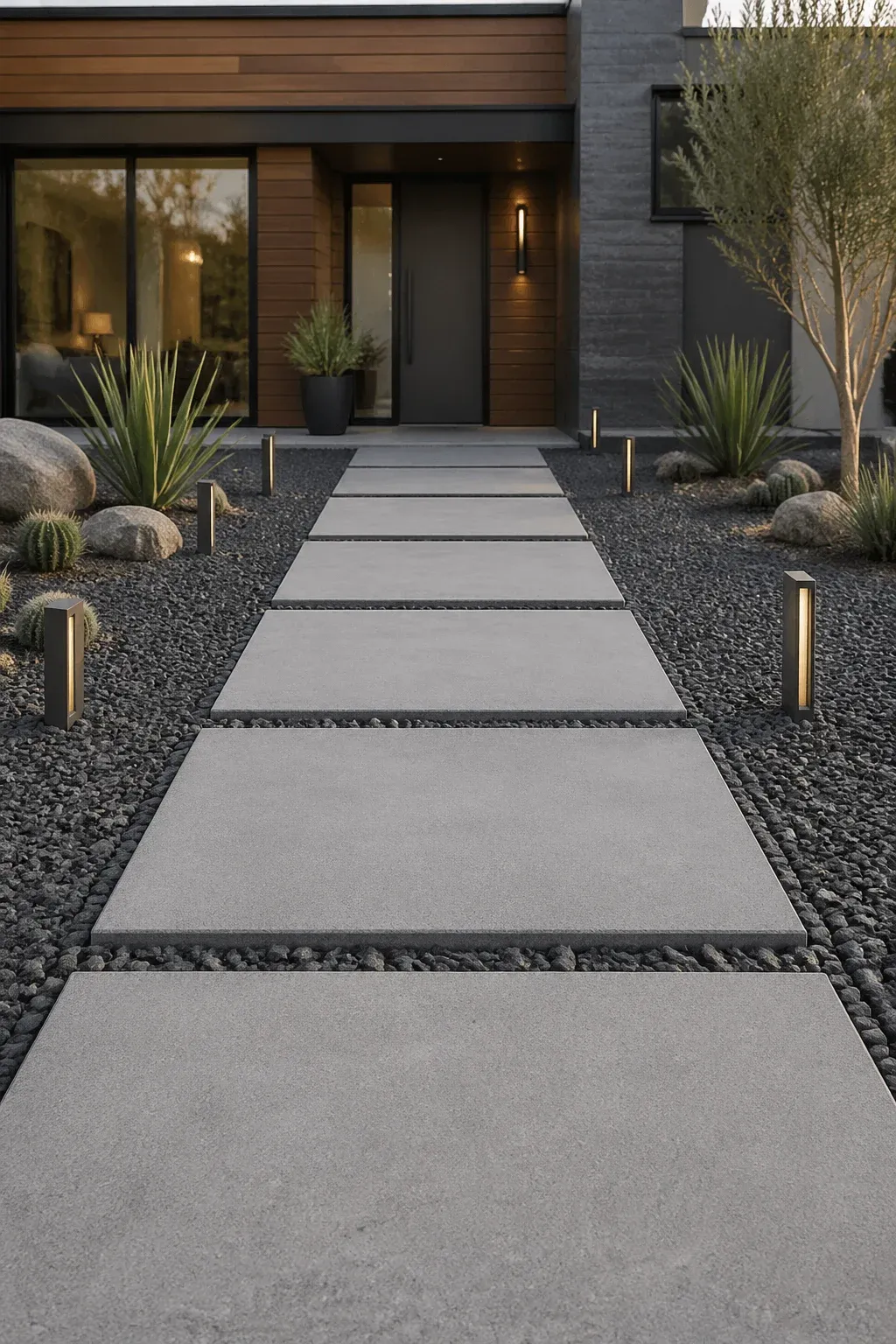
A vast sea of gravel can sometimes look unfinished. To give the yard structure, integrate concrete pavers or large flagstones to create a clear walking path. Placing large rectangular pavers with a few inches of space between them—often called 'steppers'—is a classic modern design technique.
Fill the gaps between these pavers with a contrasting gravel color to make the path pop. This combination provides a stable surface for walking while maintaining the permeability of the yard. It also breaks up the visual monotony of a single material, making the space feel more like a designed garden and less like a parking lot.
Selecting Plants That Thrive in Stone Mulch
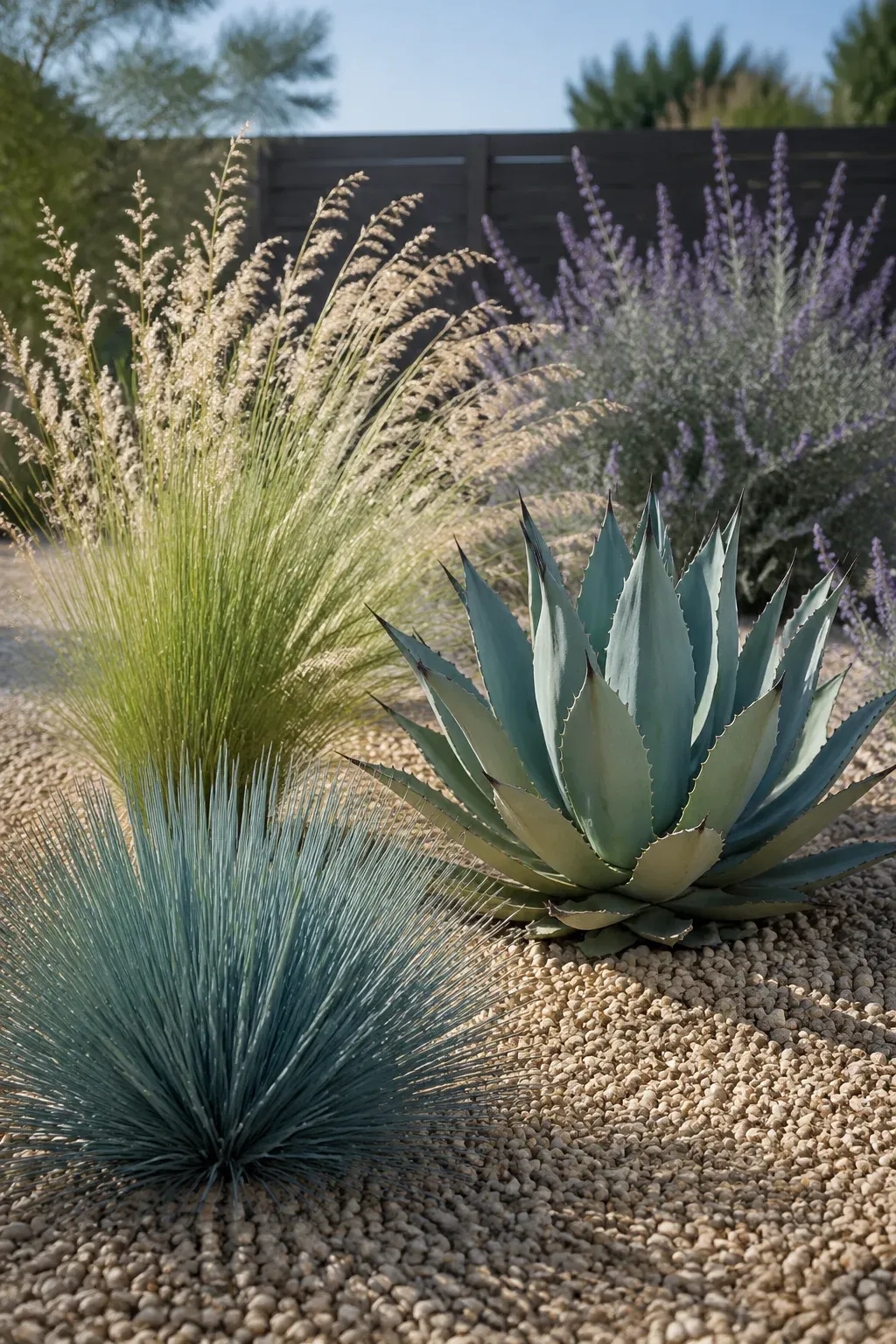
Gravel can get hot in the summer, so you need plants that are hardy and drought-tolerant. Ornamental grasses like Blue Fescue or Mexican Feather Grass look beautiful against stone and move gracefully in the wind. Succulents and agave are also excellent choices for a modern look, as their structured shapes stand out against the loose texture of the gravel.
When planting, cut an 'X' in your landscape fabric and dig a hole for the plant. Add some compost to the hole to give the plant a good start, then tuck the fabric back around the base before covering it with gravel. This keeps the soil hidden and prevents weeds from sprouting right next to your plants. Lavender and rosemary are also great options that add scent and color without needing much water.
Maintenance Tasks to Keep the Yard Looking Sharp
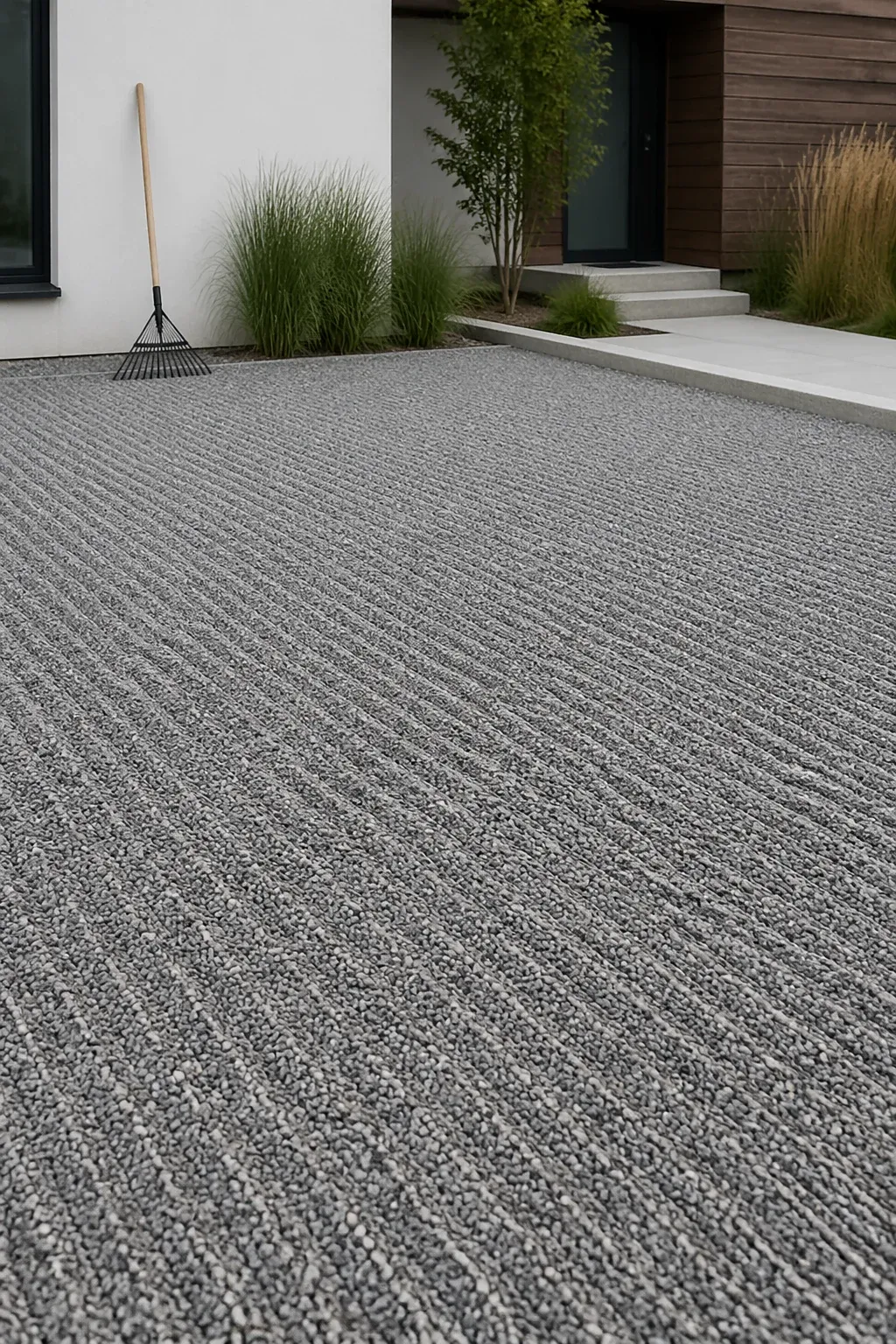
While a gravel yard is low-maintenance, it is not no-maintenance. Leaves and debris will eventually fall onto the stones. Use a leaf blower on a low setting to clear away organic matter before it breaks down into soil, which would encourage weed growth. If a few weeds do pop up, pull them immediately by hand before they can establish deep roots through the fabric.
Over time, gravel can settle or thin out in spots where people walk often. Every couple of years, you may need to add a few bags of fresh stone to top off the area and keep it looking full. If the stones get moved around by heavy rain, a quick rake will redistribute them and bring back the clean, flat appearance of the yard.
Switching to a gravel-based front yard is a practical way to boost your home's curb appeal while saving time on chores. By choosing the right stone and taking the time to prep the ground correctly, you create a durable landscape that looks good in every season. Start with a small section or a simple walkway, and you will quickly see how much character stone can add to your outdoor space.