
The path leading to your front door is more than just a place to walk. It is the first thing guests see and sets the tone for your entire home. A well-designed walkway guides people safely while making the house look more inviting and organized. Many older homes have narrow, cracked concrete paths that feel cramped, but modern updates can change the whole look of your property.
In this guide, we will look at how to choose the right materials, plan for comfortable movement, and use lighting and plants to create a polished entrance. You will learn how to balance style with practical needs like drainage and safety, ensuring your front yard looks great for years to come.
Common Materials for Contemporary Paths
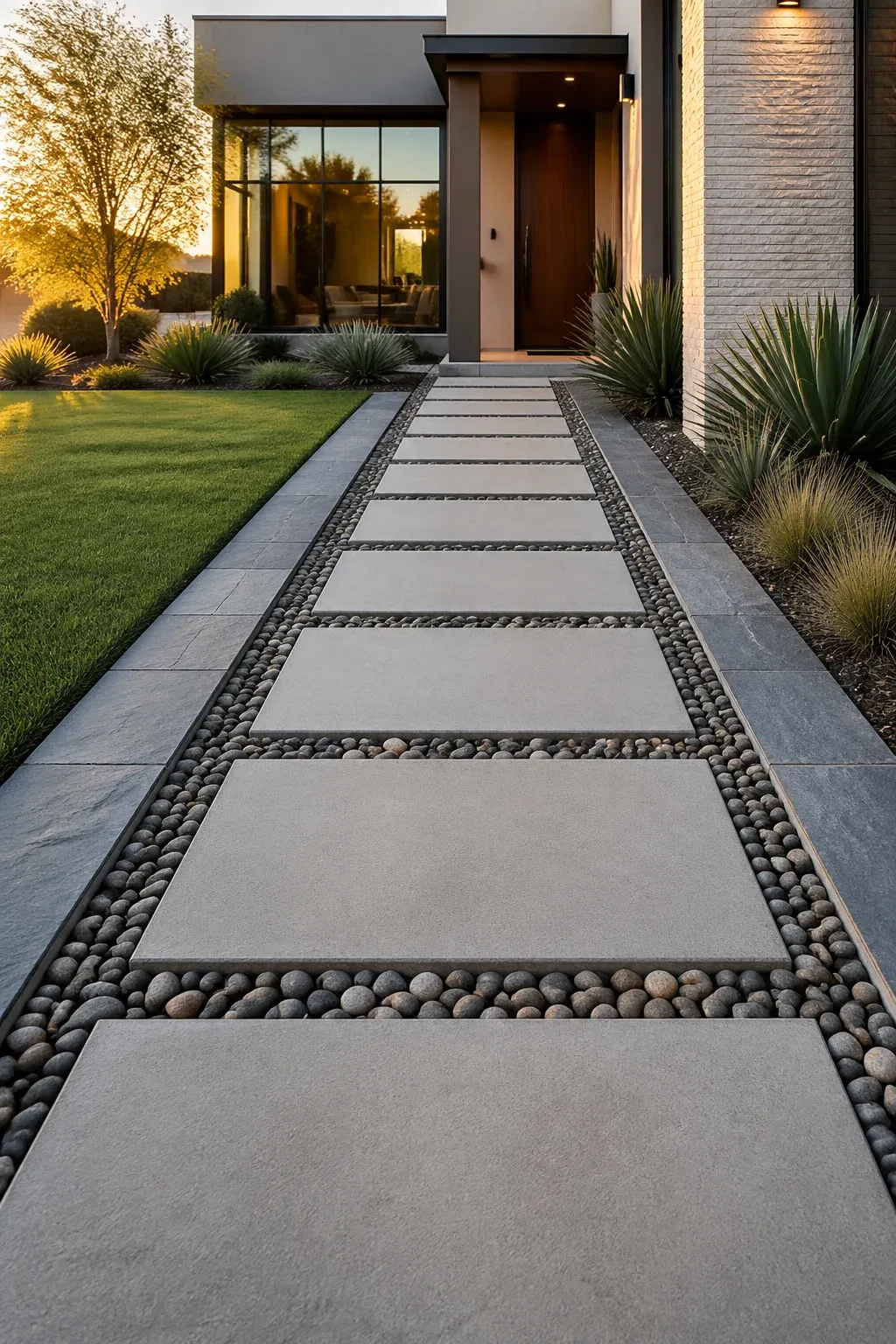
Modern walkways often favor clean lines and natural textures. Large-scale concrete pavers are a popular choice because they create a sleek, minimalist look. You can arrange them with small gaps in between filled with pea gravel or river stones to allow for better water drainage. Natural stone, such as slate or bluestone, offers a more organic feel while still looking sophisticated. If you prefer a wood look, bamboo decking or composite materials can work well, especially for raised paths. These materials are durable and resist rot better than traditional softwoods. Using a mix of materials, like wood and stone together, can add visual interest without making the space feel cluttered.
Designing for Traffic Flow and Practical Use

A walkway needs to be functional first. Most standard paths are about three feet wide, but increasing this to four or five feet allows two people to walk side-by-side comfortably. Think about the shortest distance between the sidewalk or driveway and your front door. People naturally want to take the most direct route, so avoid overly complicated curves that might lead guests to cut across the grass. If your yard has a slope, consider wide, shallow steps rather than a steep incline. This makes the walk safer and easier for everyone. Ensure the surface is level and slip-resistant, particularly if you live in an area with lots of rain or snow.
How to Use Lighting for Safety and Style
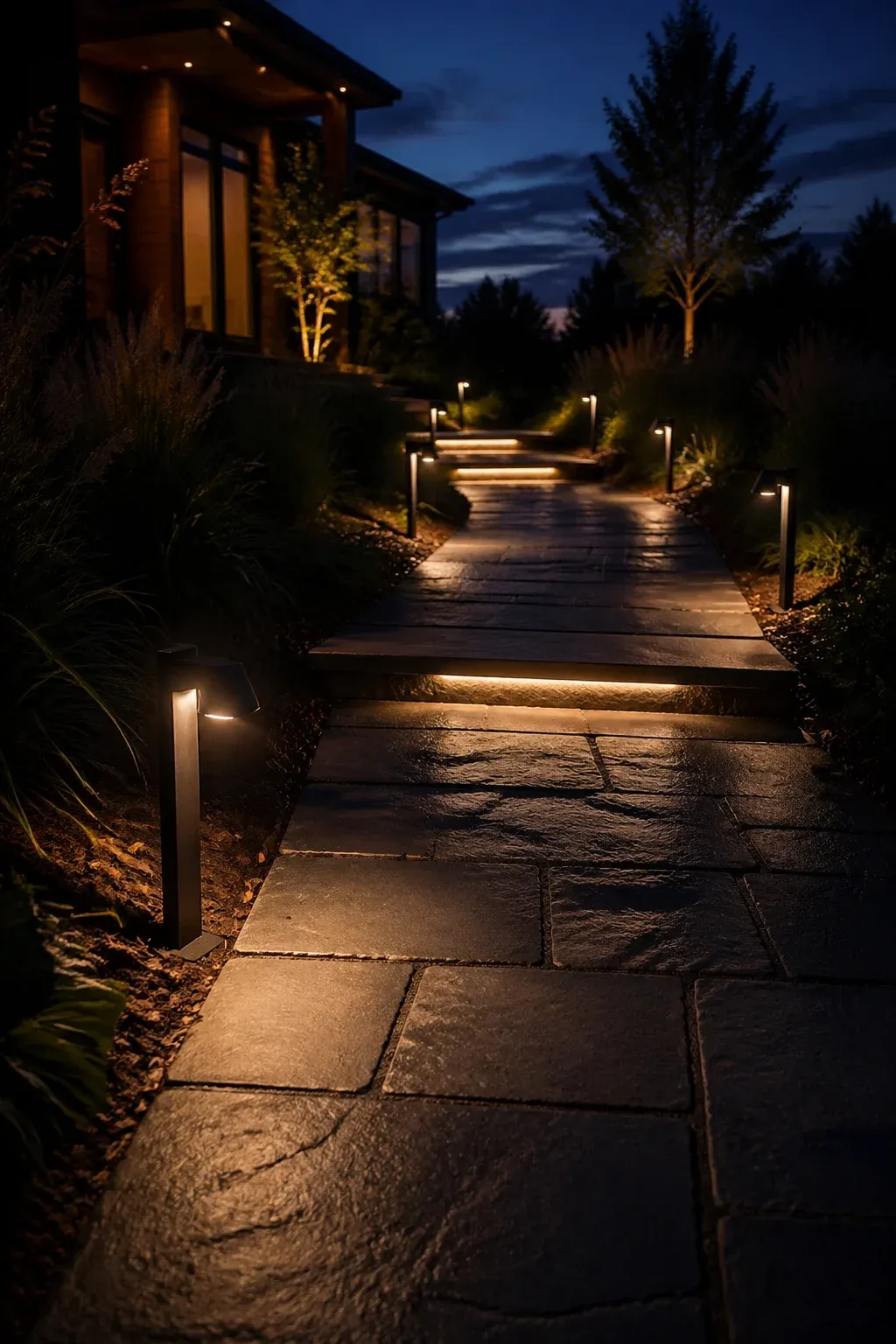
Lighting is essential for preventing trips and falls after dark. Instead of high-glare floodlights, use low-voltage LED path lights that point downward. Space them evenly along the edges of the walkway to define the borders. You do not need a runway effect; subtle pools of light are often more effective. Solar-powered stakes are easy to install, but wired systems are more reliable in shady areas. You can also hide lights inside nearby bushes or under the edges of steps to create a soft glow. This adds a layer of security to your home while highlighting the textures of your chosen walkway materials.
Integrating Plants and Ground Covers Along the Edges
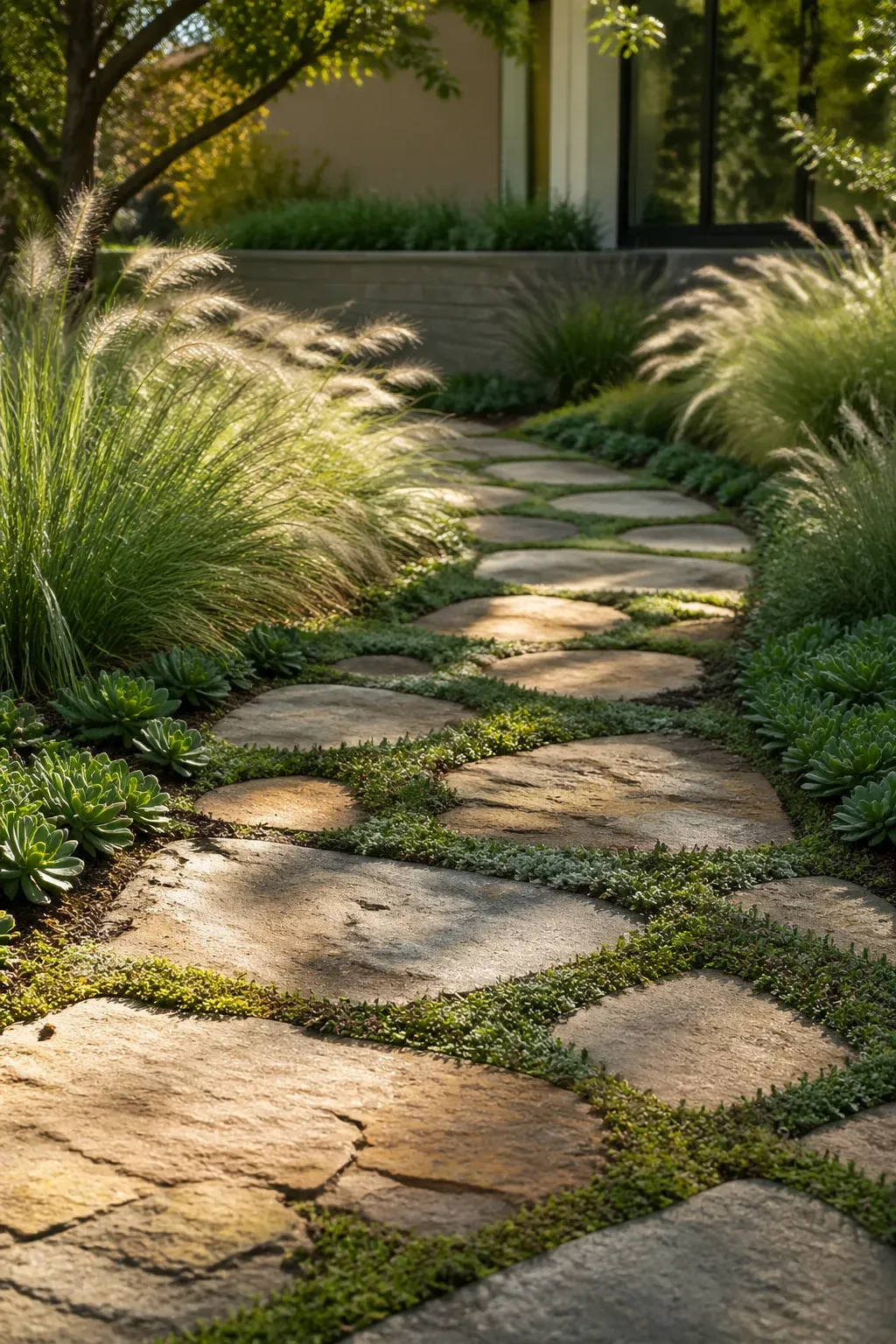
Plants soften the hard edges of a stone or concrete path. Low-growing ground covers like creeping thyme or sedum are excellent because they stay tidy and handle occasional foot traffic. If you have gaps between pavers, planting moss or small grasses in those spaces makes the walkway feel like a natural part of the landscape. For the sides of the path, choose plants that won't grow over the walkway and block the route. Ornamental grasses provide movement, while evergreen shrubs offer structure throughout the winter. Using native plants is usually best because they require less water and maintenance to stay healthy.
Maintenance Tips for Long Term Durability

Keeping a walkway looking new requires a bit of regular care. If you use pavers or stone, check the joints once a year. You may need to sweep in fresh polymeric sand to keep the stones from shifting or to prevent weeds from growing in the cracks. For concrete surfaces, a simple power wash every spring removes dirt and mildew buildup. If you have a gravel path, keep a rake handy to level out the stones and fill in any thin spots. It is also a good idea to trim back any overhanging branches or bushes so they don't drop debris or trap moisture on the walking surface, which can lead to slippery moss growth.
Updating your front walkway is one of the most effective ways to improve your home's exterior. By choosing durable materials and planning for easy movement, you create a space that is both beautiful and functional. Take a look at your current path today and see where a few simple changes in lighting or greenery could make a difference.