
Your front yard is the first thing people see when they pull up to your house. For modern and farmhouse-style homes, the goal is to create a look that feels intentional and organized without being overly fussy. By focusing on structure and natural materials, you can build a landscape that complements your architecture and adds value to your property.
Key Takeaways:
- Use geometric shapes to organize your planting beds.
- Stick to a neutral color palette for a cohesive look.
- Choose hardy, low-maintenance plants like grasses and structural shrubs.
- Mix wood and stone to add warmth and texture.
- Prioritize clear pathways and strategic lighting for safety and style.
Defining Clean Lines and Geometric Layouts
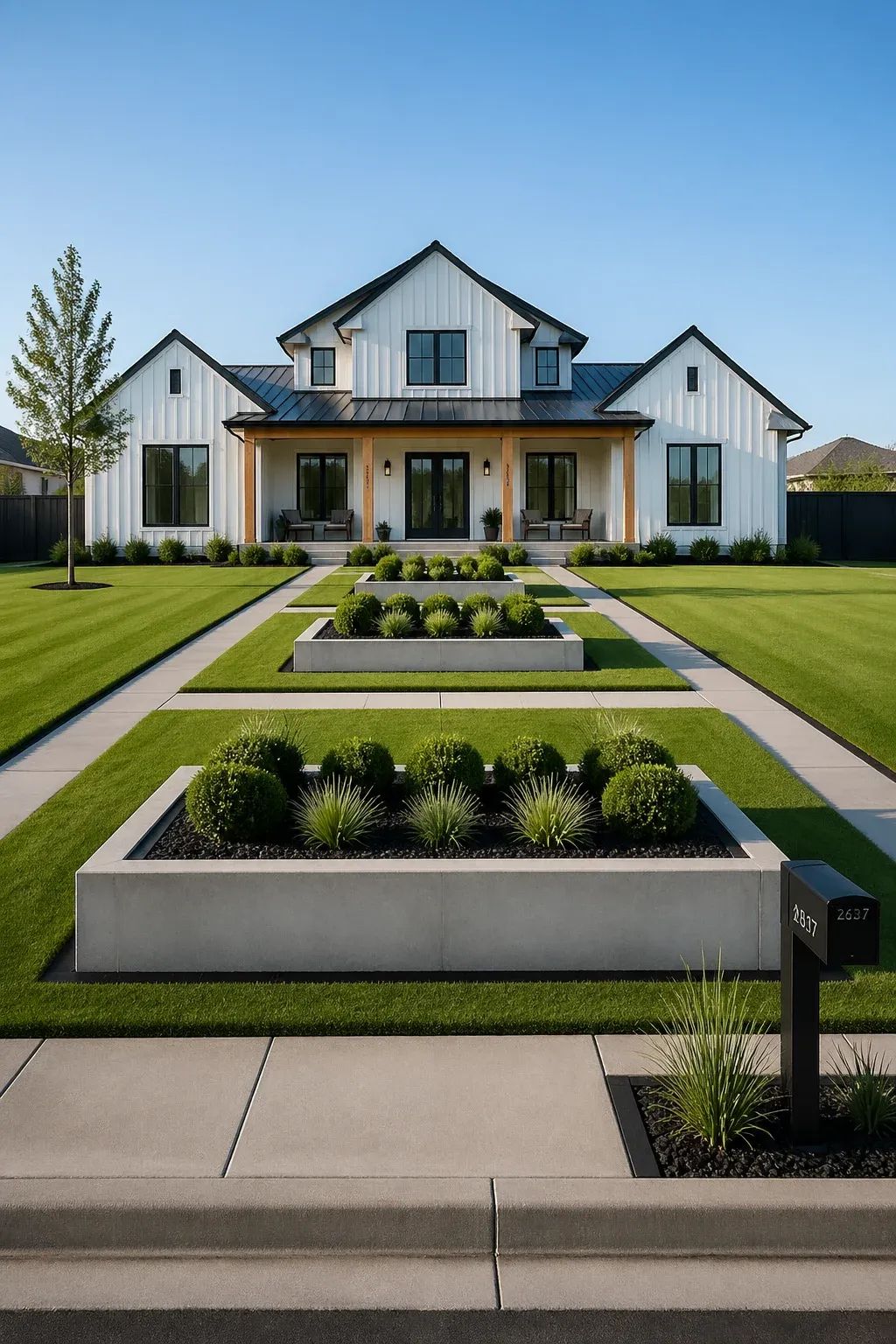
Modern landscaping relies on clear, defined shapes. Instead of the curved, rambling flower beds seen in traditional gardens, try using straight edges and right angles. This structure provides a sense of order that matches the sharp lines of a contemporary home or the simplicity of a modern farmhouse. You can achieve this by using metal edging or concrete curbs to separate the lawn from your garden beds. If you prefer a more organic feel, you can still use rectangles or squares but vary the heights of the plants within them to soften the look.
Choosing a Neutral Palette for Hardscaping and Plants
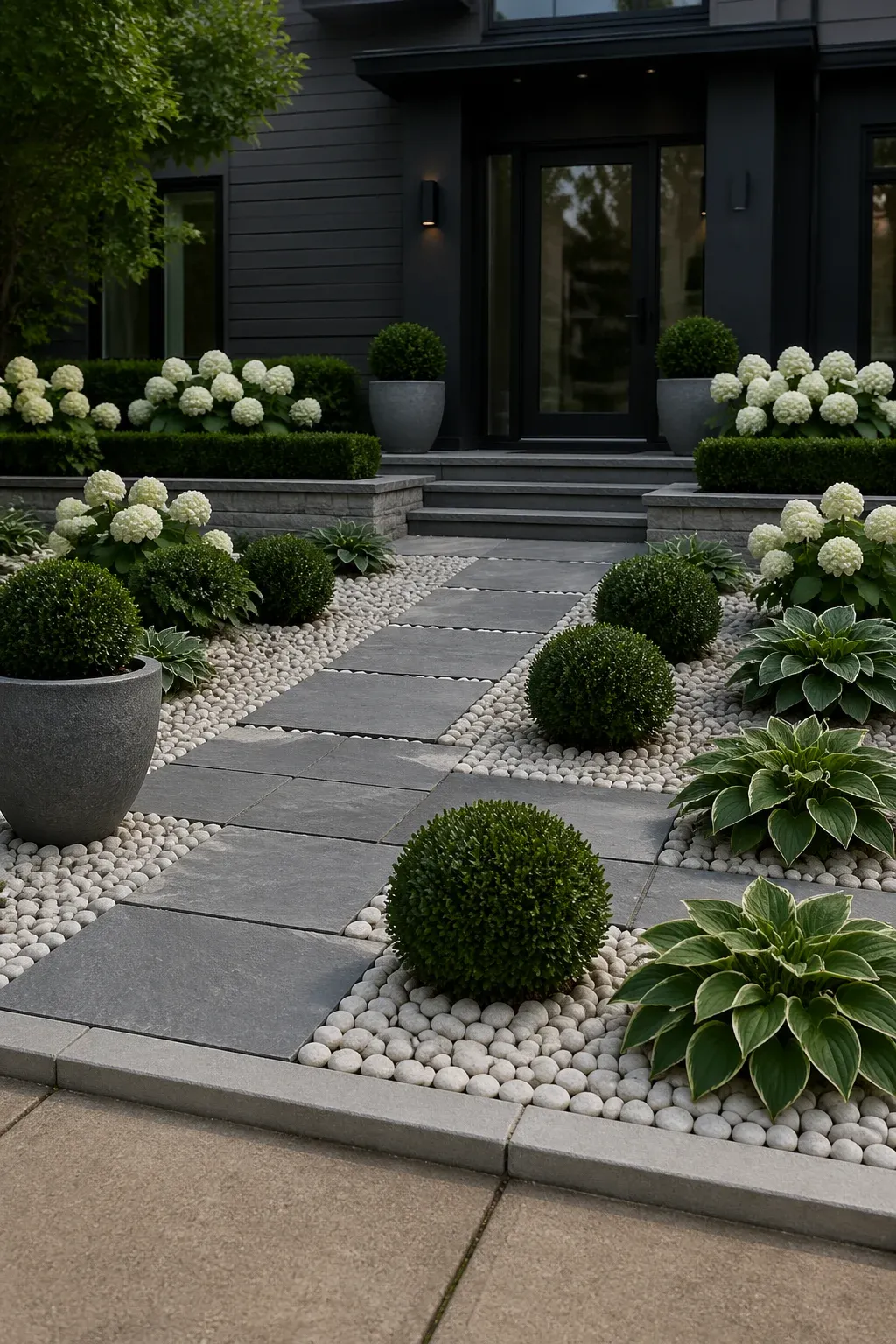
A limited color palette helps your yard look sophisticated rather than cluttered. Focus on shades of gray, black, white, and tan for your hardscaping materials. When it comes to plants, green is your primary color. Instead of a rainbow of flowers, use different shades of green and textures to create interest. If you want to add color, pick one accent hue—like a deep purple or a soft white—and repeat it throughout the space. This repetition creates a rhythm that is pleasing to the eye and easy to maintain.
Selecting Low Maintenance Grasses and Structural Shrubs
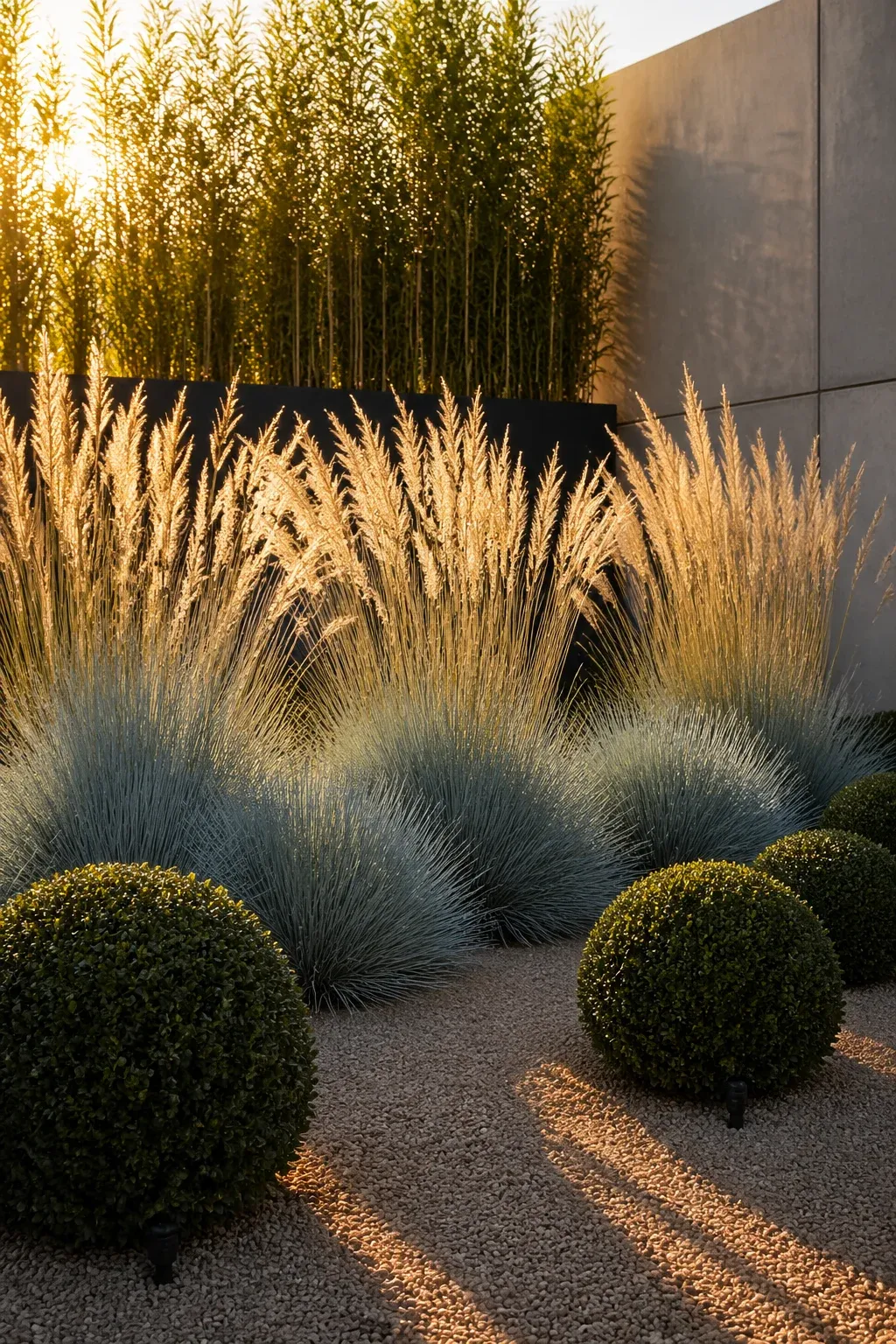
Ornamental grasses are a staple for modern yards because they provide movement and height with very little work. Species like Blue Oat Grass or Feather Reed Grass look great in clusters and stay neat throughout the year. For structure, use shrubs that hold their shape well, such as boxwoods or dwarf conifers. These plants act as the 'bones' of your garden. If you live in a drier climate, consider using bamboo in contained planters or clumping varieties to add a vertical, architectural element that fits the modern aesthetic perfectly.
Using Natural Wood and Stone for Warmth
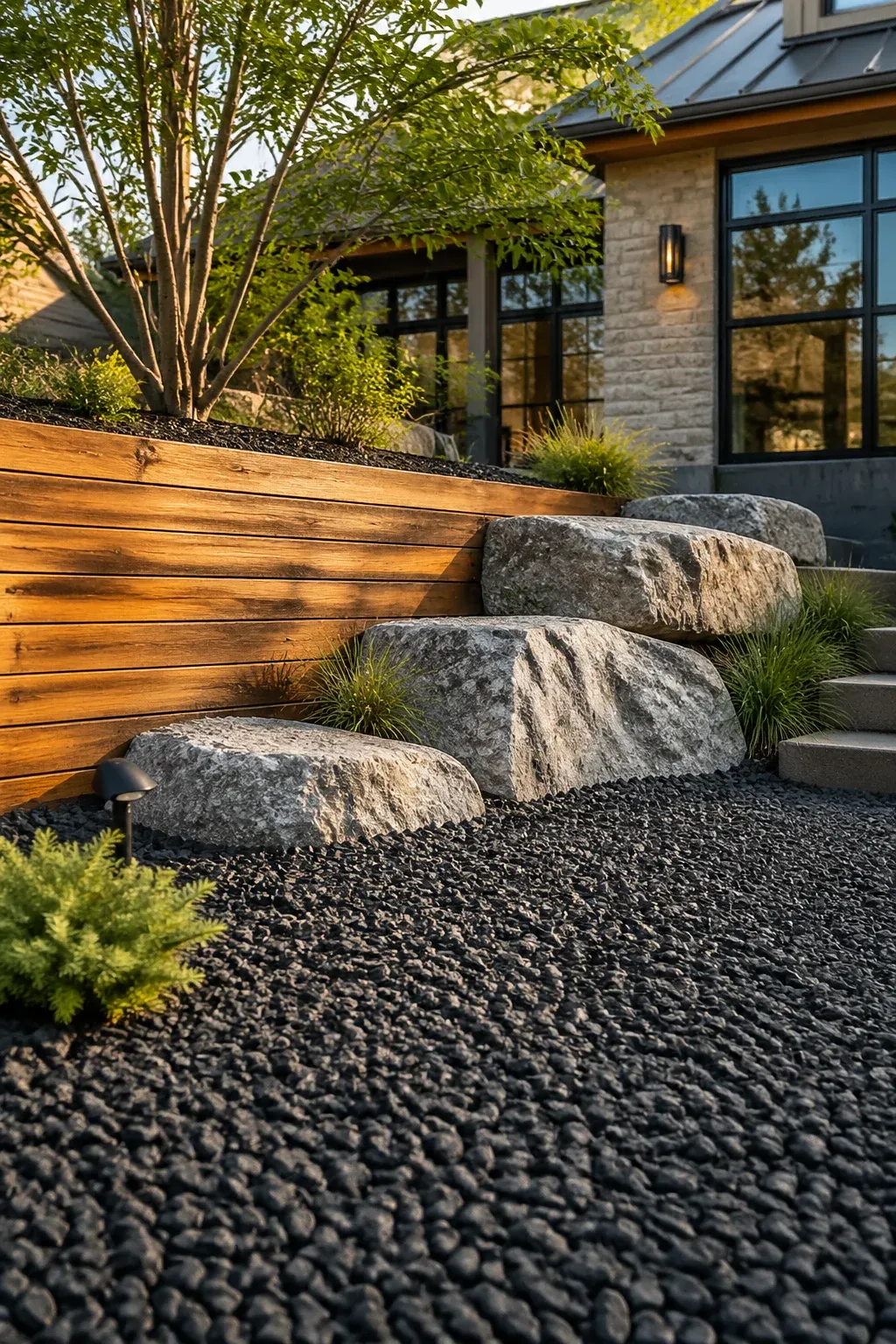
Modern design can sometimes feel cold. To prevent this, incorporate natural materials like cedar, redwood, or large stone boulders. A wood slat fence or a small timber retaining wall adds a touch of warmth that balances out concrete or metal. For stone, look for large slabs or uniform gravel. Dark basalt or light river rocks can be used as mulch in garden beds to reduce weeds while providing a clean, textured surface that doesn't wash away like wood chips.
Designing Functional Pathways and Entry Points
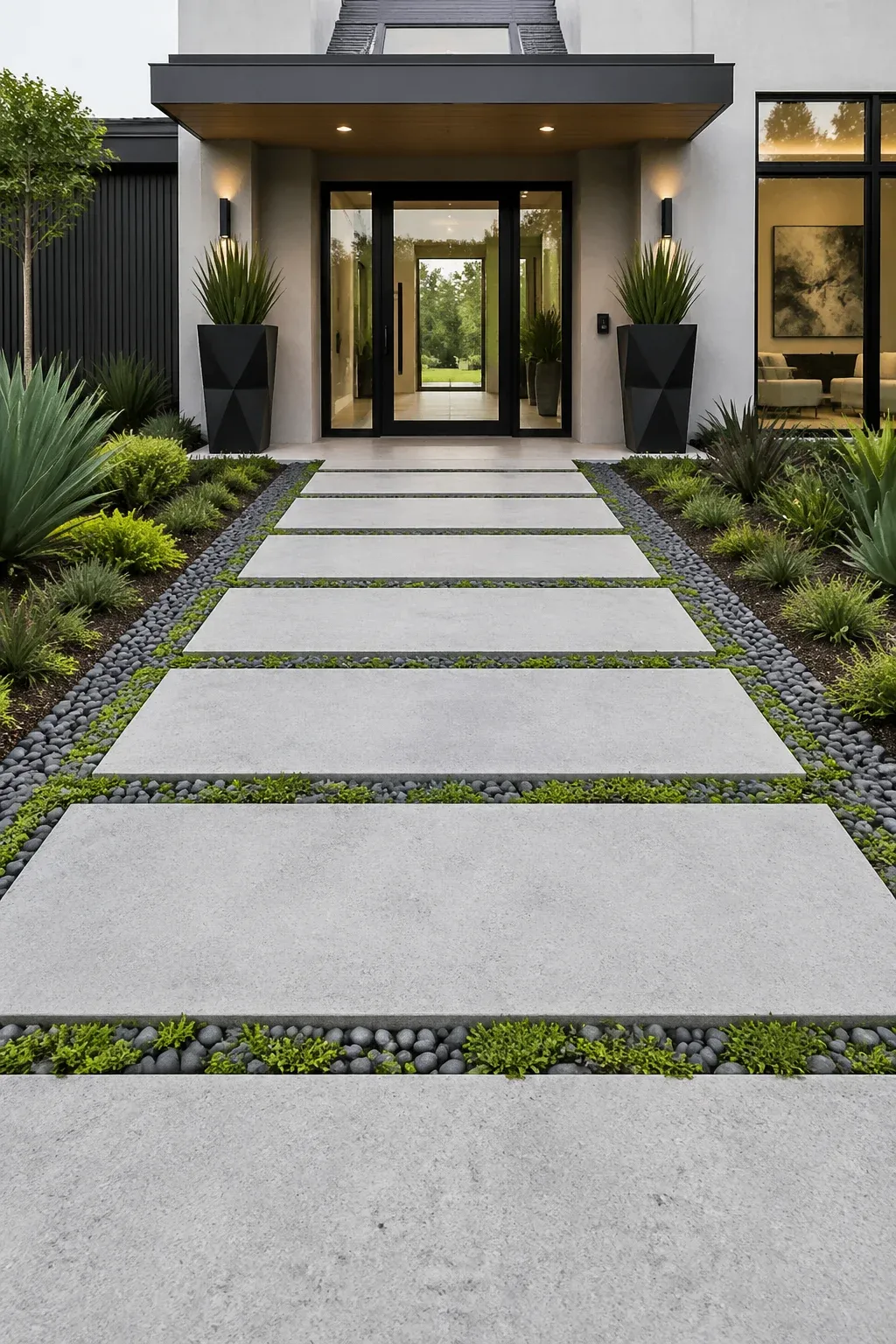
The path to your front door should be wide and inviting. Large concrete pavers with gaps filled by small stones or groundcover plants are a popular choice for contemporary homes. This 'stepper' style path looks like a piece of art while remaining functional. Ensure the path is at least four feet wide so two people can walk side-by-side. This makes the entrance feel grander and more proportional to the house. Avoid narrow, winding paths that make the space feel cramped.
Adding Privacy with Modern Screens and Hedging
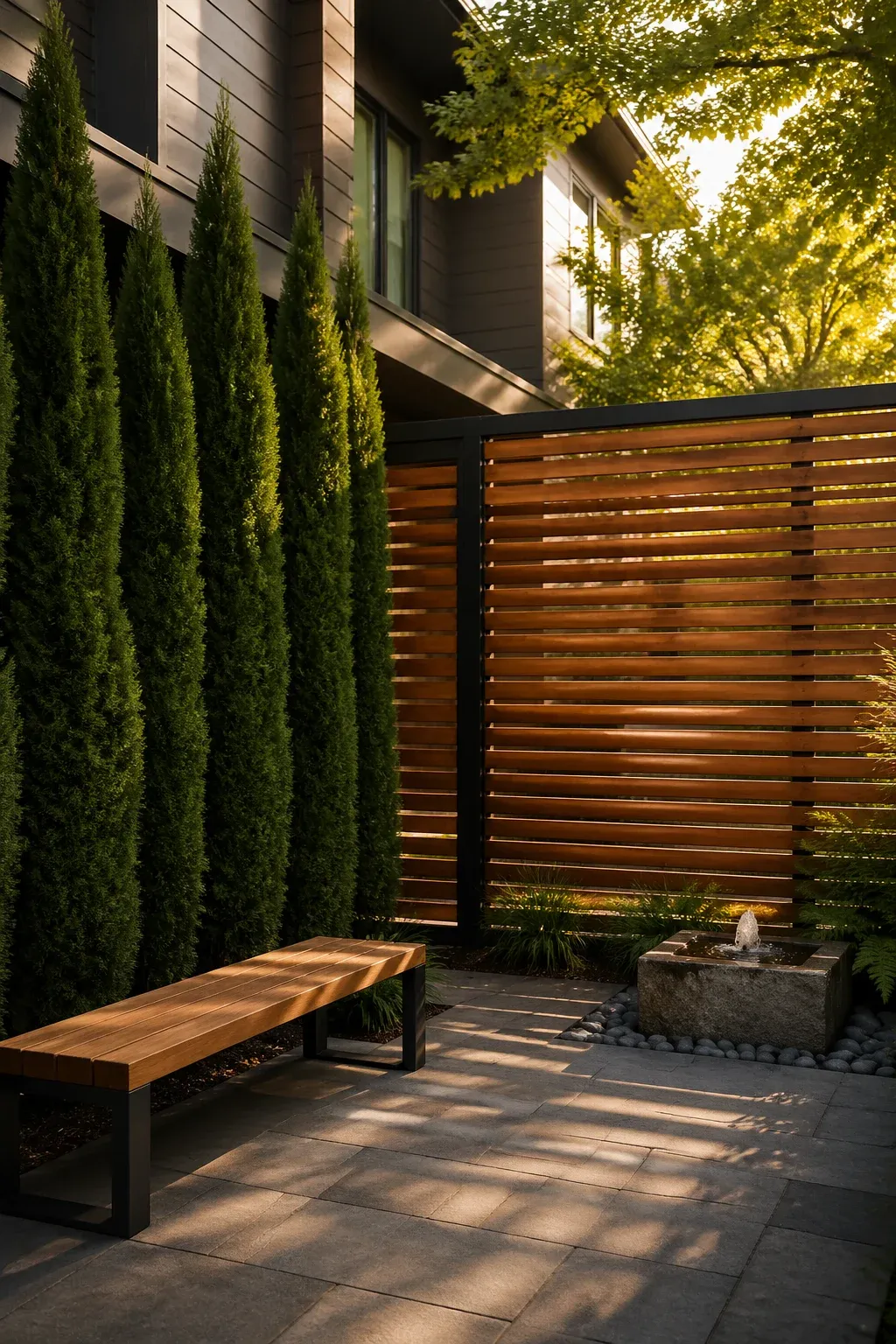
Privacy is often a concern in front yards, but you don't need a tall, solid wall to achieve it. Horizontal wood slat screens allow light and air to pass through while blocking the direct view into your windows. Alternatively, a row of tall, narrow evergreens or a well-maintained bamboo screen can create a living wall. These options provide a sense of enclosure and security without making your home look like a fortress.
Strategic Lighting for Evening Curb Appeal
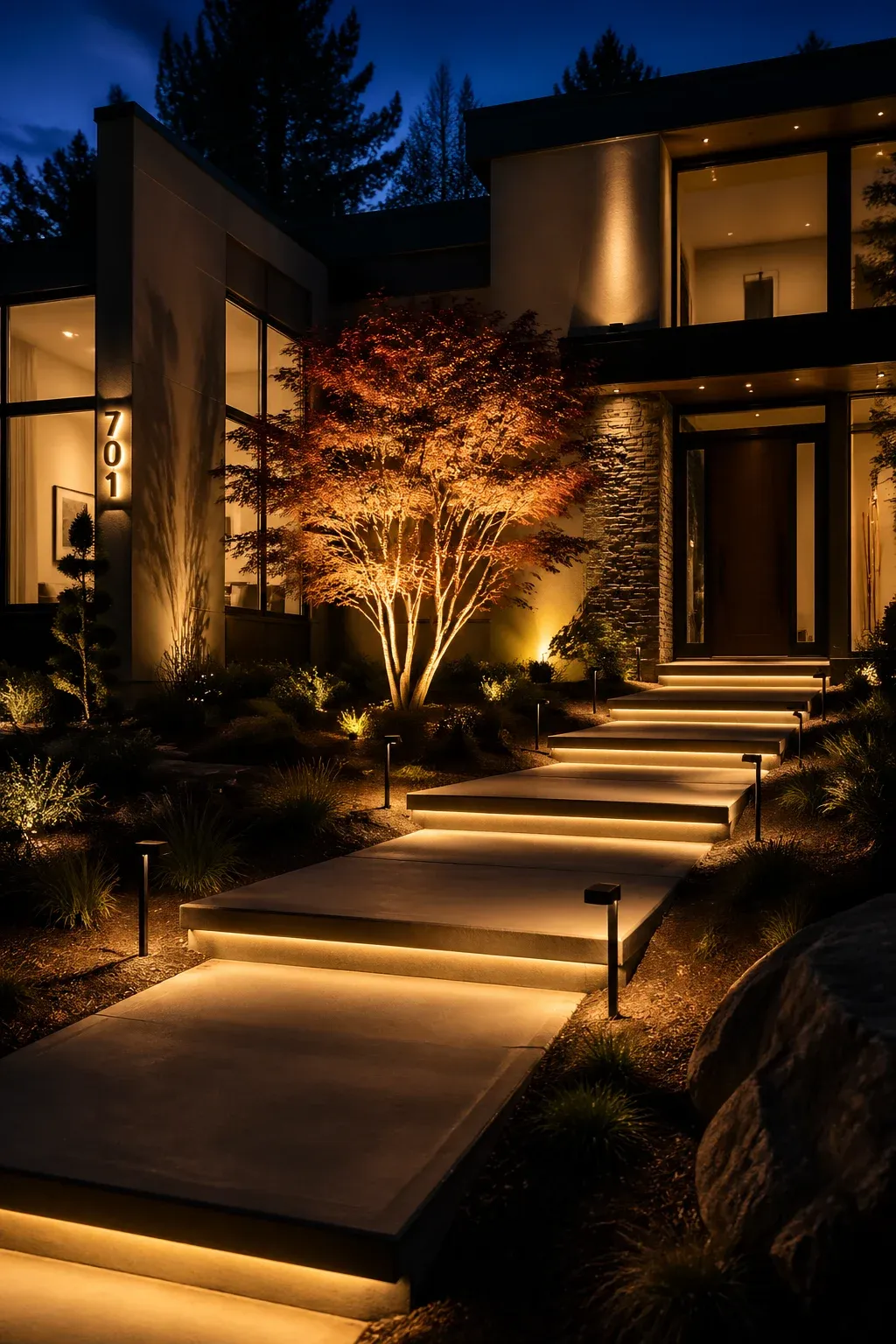
Lighting should be both functional and decorative. Use path lights to guide visitors safely to the door, but keep them low to the ground to avoid glare. Uplighting a few key trees or structural plants can create dramatic shadows and highlight the architecture of your home after dark. Linear LED strips hidden under the lip of a step or a retaining wall provide a modern, high-end look. Stick to warm white bulbs to keep the atmosphere cozy and welcoming.
Updating your front yard doesn't require a total overhaul. By starting with a few geometric beds and a neutral color scheme, you can create a modern look that lasts for years. Focus on quality materials and plants that thrive in your climate to ensure your home always looks its best. Take a walk around your neighborhood to see which modern elements catch your eye, then try implementing one or two of those ideas in your own space this weekend.