
Creating an indoor jungle often feels like a balancing act between a vibrant botanical retreat and a cluttered mess. Many people start with one or two plants and quickly find their living space overtaken by a chaotic mix of mismatched pots, trailing vines that trip guests, and a thin layer of soil dust on every surface. It is possible to have a dense collection of greenery that still feels intentional, modern, and organized.
In this guide, we will look at how to curate your plant collection for a more polished look. You will learn how to choose plants that grow in predictable shapes, how to use vertical solutions to save floor space, and how to manage the practical side of plant care like drainage and dust. By the end, your home will feel like a lush sanctuary rather than an overgrown greenhouse.
Choosing Plants with Structured Growth Habits
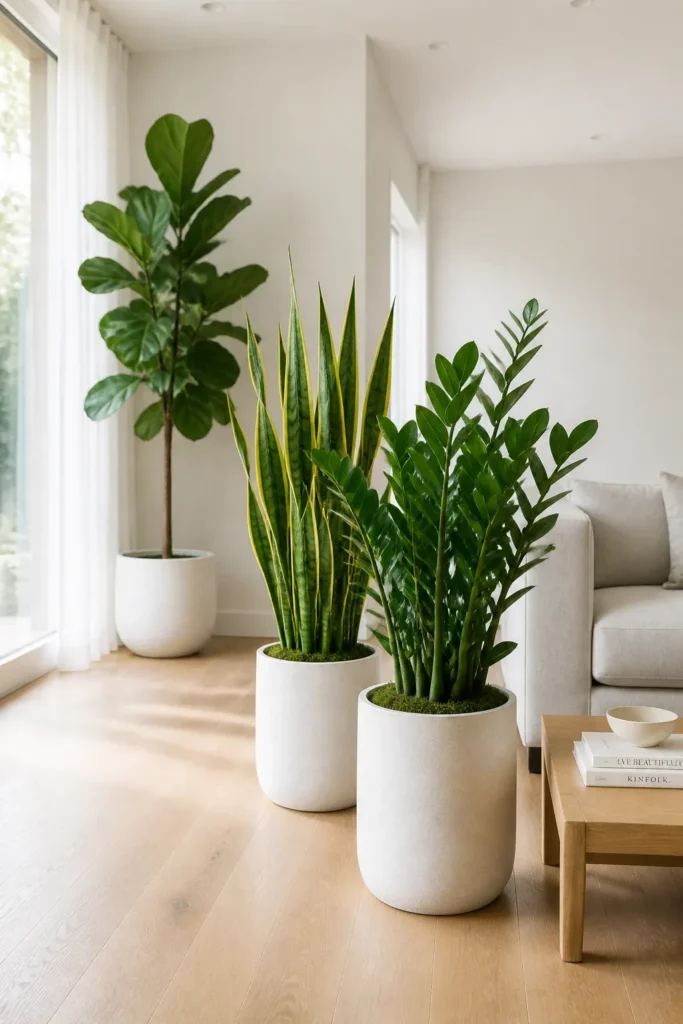
Not all plants grow the same way. To keep a clean look, focus on species that maintain a specific shape or grow upright. Plants like the Snake Plant (Sansevieria) or ZZ Plant are great because they grow vertically and rarely sprawl out of control. They provide height without taking up much horizontal space.
If you want something larger, consider a Fiddle Leaf Fig or a Rubber Tree. These plants have thick, woody stems that stay in place. Avoid plants that are naturally 'leggy' or thin unless you have a plan to support them. Choosing plants with thick, waxy leaves also helps because they don't shed as often as delicate, fern-like varieties. This simple choice reduces the amount of organic debris you have to clean up every week.
Grouping Greenery to Reduce Visual Clutter
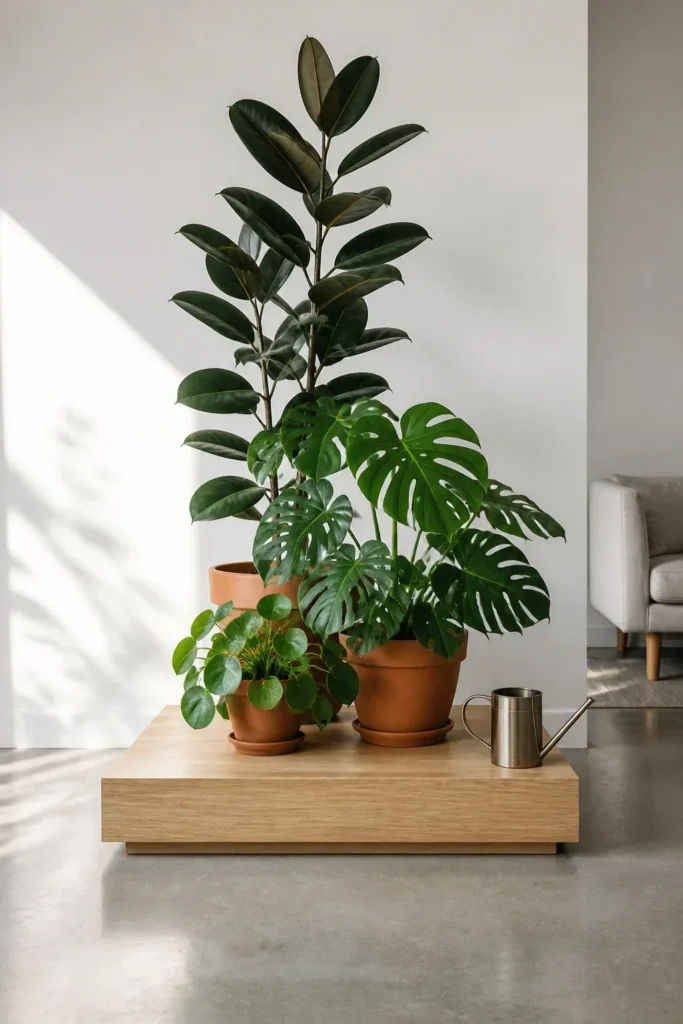
Placing a single plant in every corner of a room can make the space feel busy and unorganized. Instead, try grouping your plants in specific 'zones.' This creates a focal point and leaves the rest of your room feeling open and airy.
When grouping, use the rule of three or vary the heights of your plants. Put a tall floor plant in the back, a medium-sized bushy plant in the middle, and a smaller one in front. This creates a lush, layered look that feels like a deliberate design choice. Keeping your plants in these designated areas makes it easier to clean around them and keeps your walkways clear.
Using Vertical Space to Keep Floor Areas Clear
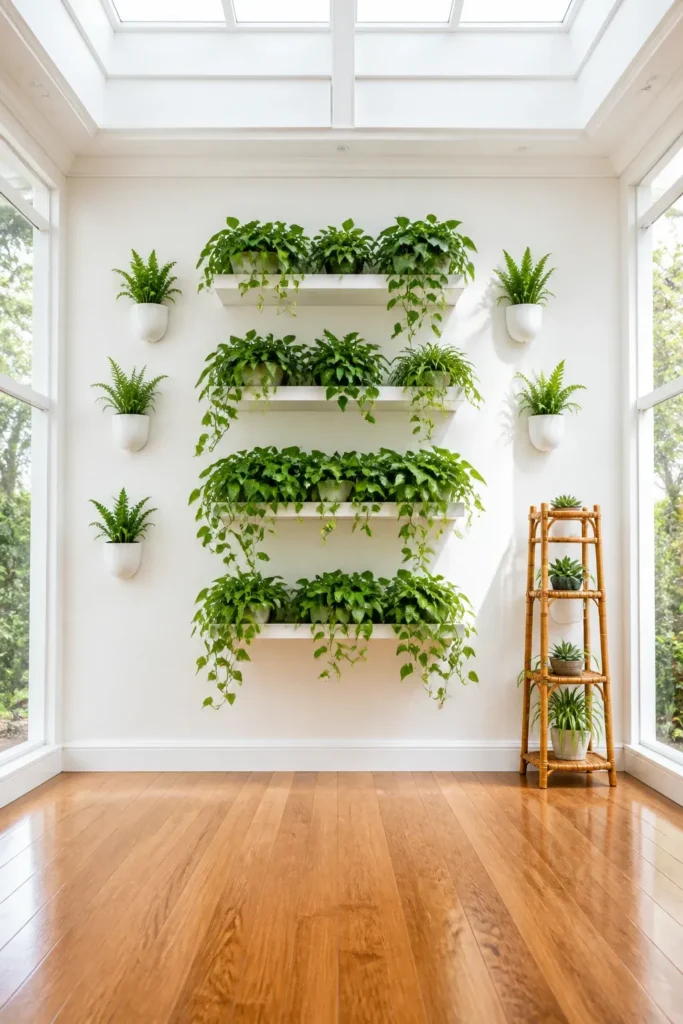
One of the quickest ways to make a room feel cramped is to fill the floor with pots. To keep a clean aesthetic, move your greenery upward. Wall-mounted planters, floating shelves, and ceiling hooks are excellent tools for this.
Using a tall bamboo plant stand can also help you stack multiple plants in the footprint of a single pot. Hanging plants like Pothos or Philodendron look great when draped from a high shelf, but make sure to trim the vines before they reach the floor. This keeps the lines of your room sharp and prevents the space from feeling like a cave.
Selecting Uniform Pots and Natural Materials
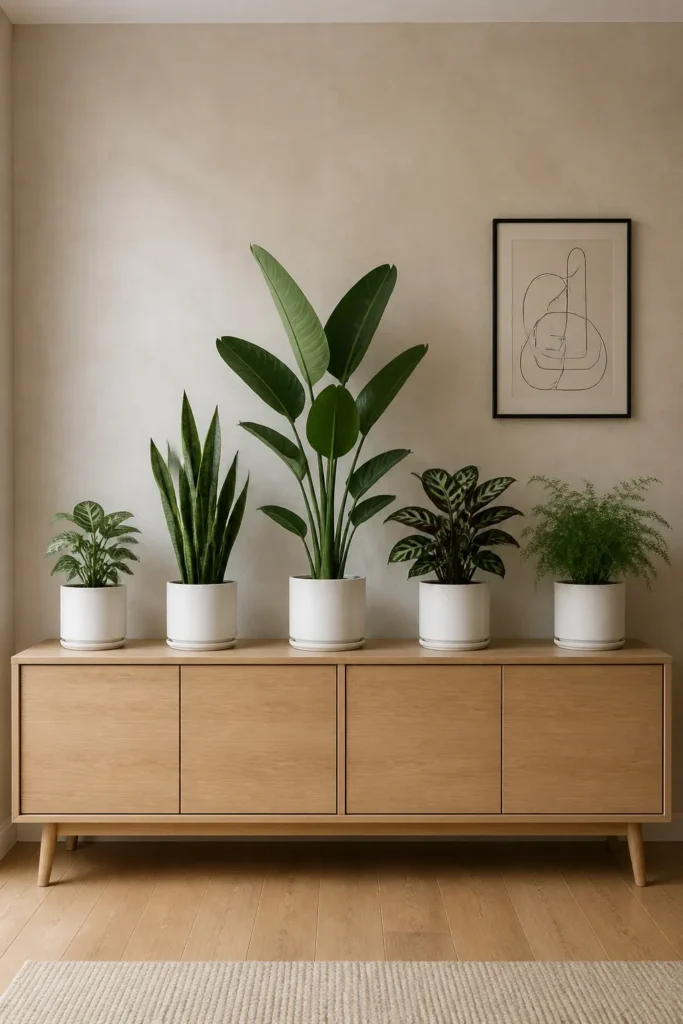
A major source of visual noise in indoor gardens is a collection of mismatched pots. To fix this, stick to a limited color palette or a single material. For example, using all terracotta pots provides a warm, earthy feel, while all white ceramic pots look modern and bright.
If you enjoy variety, try to keep one element consistent, such as the texture or the shape. Natural materials like bamboo, stone, or clay work well because they complement the plants without competing for attention. Using matching saucers for every pot also helps create a cohesive look that feels professional and tidy.
Managing Soil Mess and Drainage with Smart Solutions
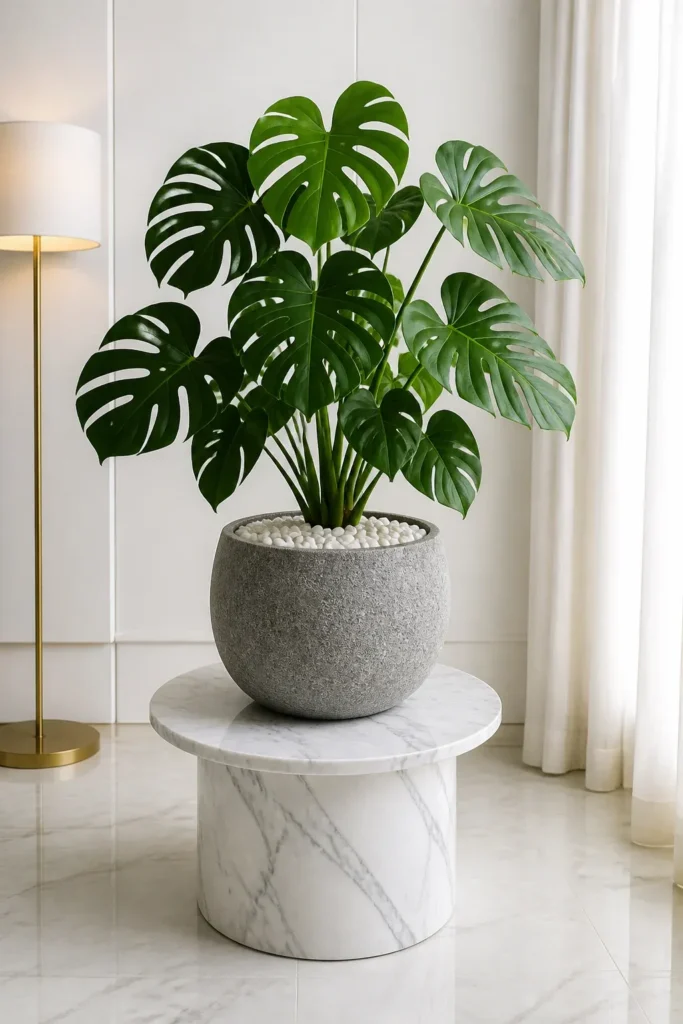
Watering plants can be messy, especially if your pots have drainage holes that leak onto your furniture. To prevent this, use the 'pot-in-pot' method. Keep your plant in its plastic nursery liner and place that inside a decorative pot without a hole. This allows you to take the plant to the sink for watering and keeps your decor dry.
Another trick is to cover the top of the soil with a layer of decorative pebbles or moss. This prevents soil from splashing out when you water and stops pets from digging. It also hides the dark, uneven look of potting soil, giving each plant a finished, clean appearance.
Pruning and Dusting to Keep Foliage Looking Sharp
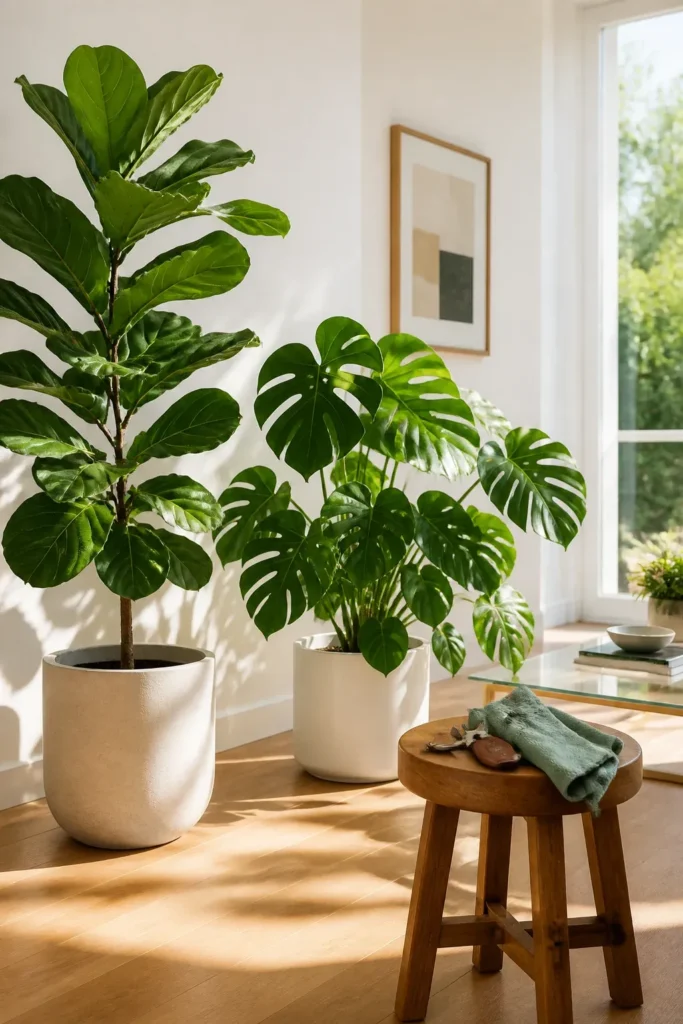
A clean indoor jungle requires regular maintenance beyond just watering. Dust settles on large leaves, which not only looks bad but also blocks sunlight from reaching the plant. Wipe leaves down once a month with a damp cloth to keep them shiny and healthy.
Regular pruning is also necessary. Remove yellowing leaves and dead stems immediately. If a plant is growing too far in one direction, don't be afraid to trim it back to maintain its shape. Keeping your plants well-groomed ensures that the 'jungle' feels managed and alive rather than neglected.
Building a lush indoor jungle doesn't mean you have to live in a mess. By choosing the right species, grouping them strategically, and staying on top of grooming, you can enjoy a vibrant green home that still feels spacious and tidy. Start by picking one room to organize and see how much better your plants—and your home—can look.