
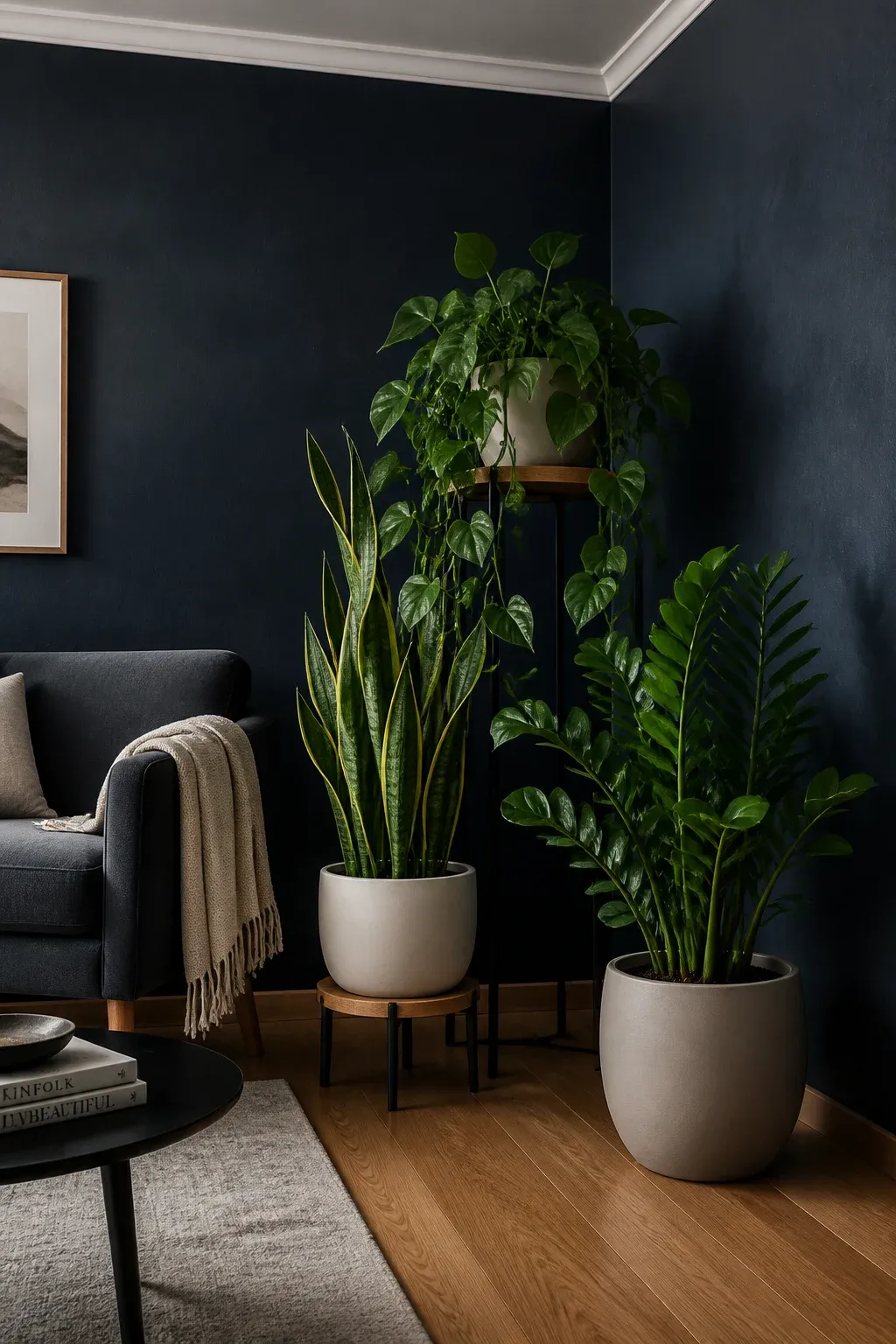
Many homes have that one awkward corner where natural light never seems to reach. It feels cold, empty, and disconnected from the rest of the room. Instead of leaving these spaces to gather dust, you can use a combination of hardy indoor plants and clever lighting to turn them into vibrant focal points. This approach doesn't just fill a gap; it changes the entire mood of your living space by adding life and warmth where it was previously missing.
In this guide, we will look at how to choose the right greenery for shaded spots and how to use artificial light to keep them healthy. You will also find practical ways to use mirrors and varied light sources to make even the dimmest nook feel open and inviting. Key takeaways include identifying durable plant species, setting up effective grow lights, and using vertical space to maximize your indoor garden.
Selecting Plants That Thrive in Low Light Conditions
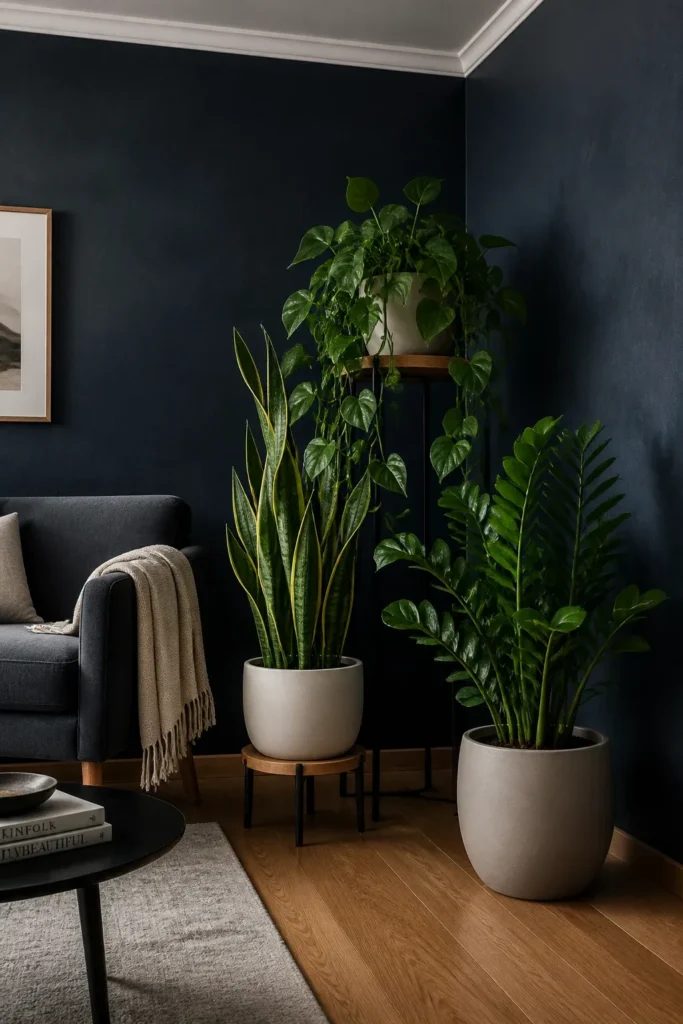
Not all plants need a sunny windowsill to survive. Some species have evolved to live on forest floors where sunlight is scarce. Snake plants are a top choice because they are nearly impossible to kill and can handle deep shade. ZZ plants are another sturdy option; they have waxy leaves that hold moisture and look great in modern decor. If you want something with more flow, heartleaf philodendrons or pothos can trail down from a shelf, adding movement to a static corner. These plants grow slower in low light, but they remain lush and green with minimal effort.
Using Supplemental Grow Lights for Plant Health
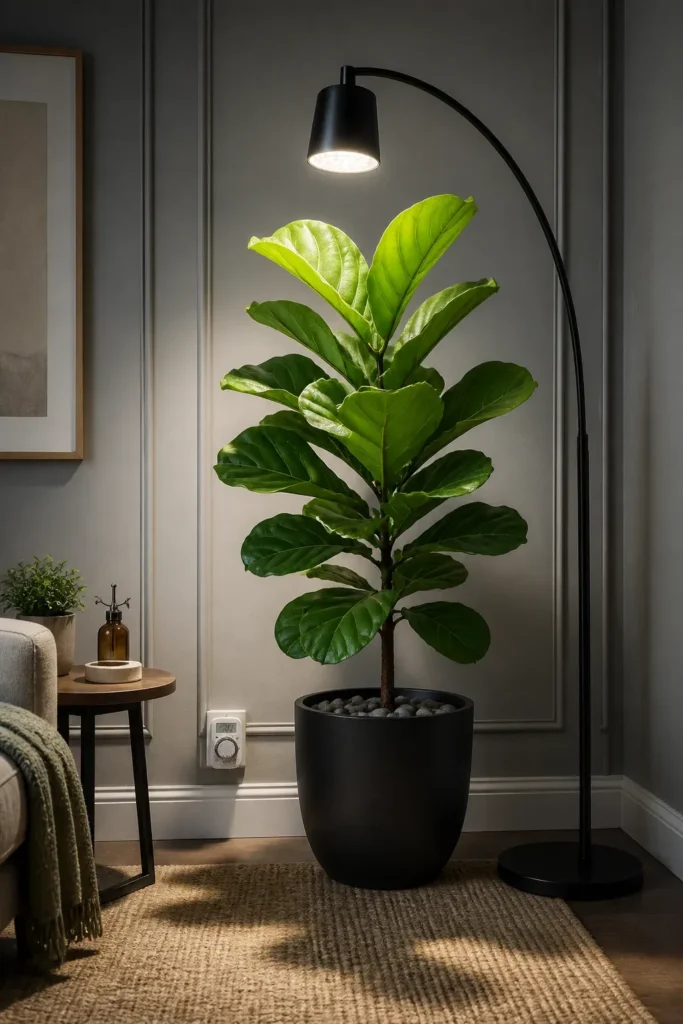
Even the most shade-tolerant plants need some light to stay healthy over the long term. If your corner is truly dark, a supplemental grow light is a smart investment. You don't need a bulky industrial fixture. Many modern LED grow bulbs fit into standard floor lamps or pendant lights. These bulbs provide the specific wavelengths plants need for photosynthesis without the harsh purple glare of older models. Aim to keep the light on for about 8 to 12 hours a day. Using a simple plug-in timer can automate this, so your plants get a consistent 'sun' schedule even when you aren't home.
Positioning Mirrors to Reflect Natural Light into Corners
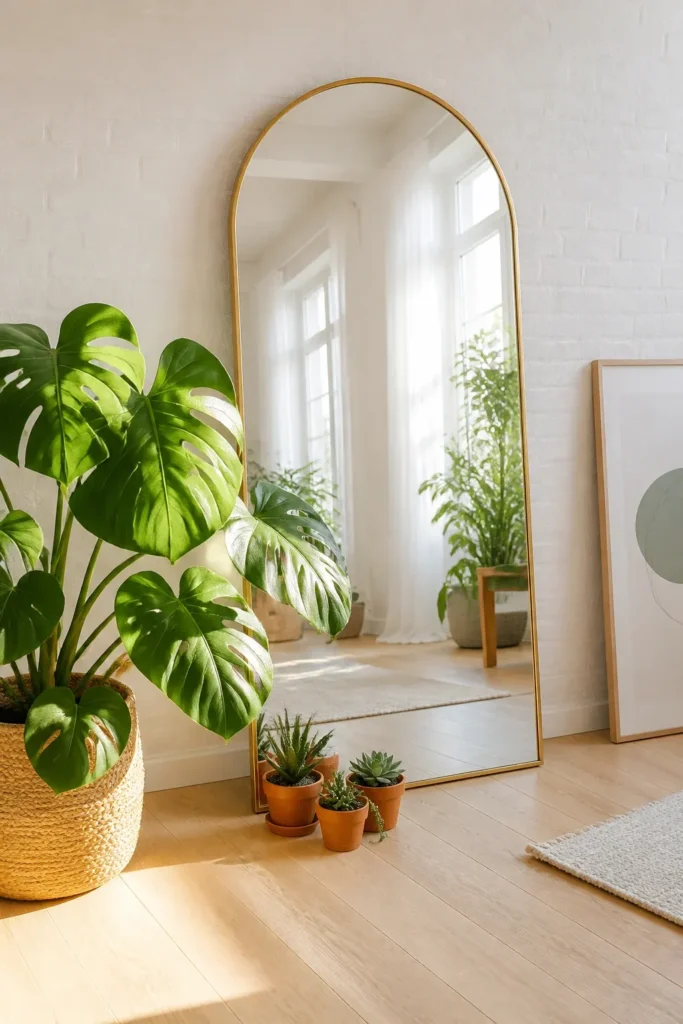
Mirrors are one of the oldest tricks for making a room feel brighter. By placing a mirror on a wall adjacent to a window, you can bounce natural light into a dark corner. This effectively doubles the reach of the sun. For the best results, use a large floor-length mirror or a cluster of smaller ones. Position them so they catch the light at an angle. This doesn't just help the plants; it also opens up the visual space, making a cramped corner feel like a natural extension of the room.
Layering Floor Lamps and Accent Lights for Depth
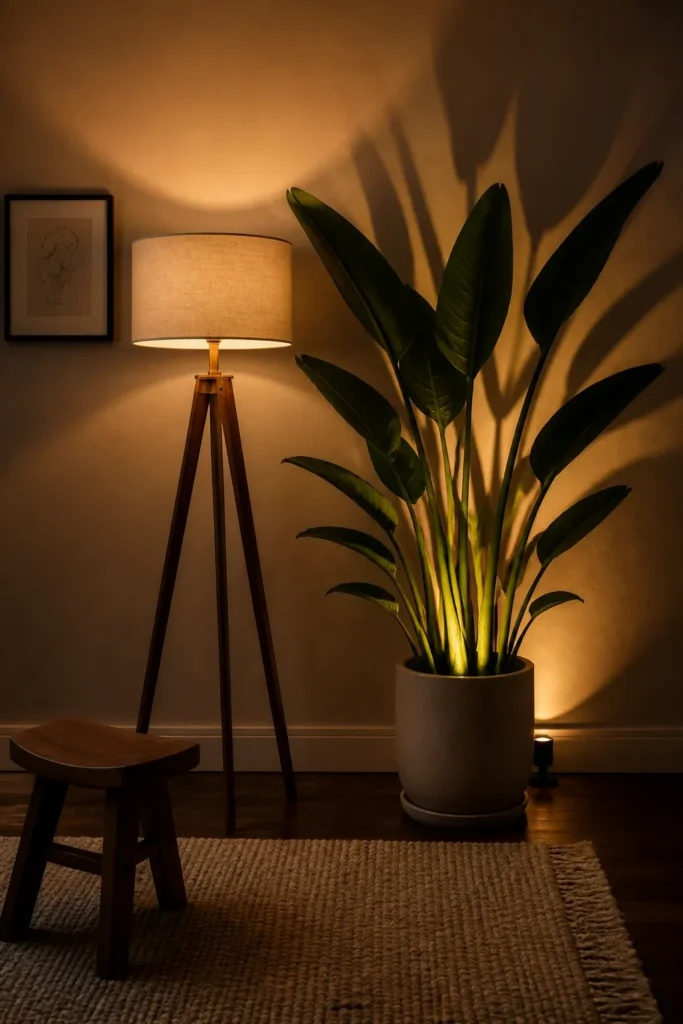
Relying on a single overhead light often makes a room look flat and creates harsh shadows. To fix a dark corner, layer your lighting. Start with a tall floor lamp to provide ambient light. Then, add a small accent light, such as a puck light or a small spotlight, tucked behind a large potted plant. This creates a beautiful silhouette of the leaves against the wall and adds depth. Soft, warm-toned bulbs usually work best for creating a cozy, natural feel that mimics the evening sun.
Arranging Vertical Shelving and Hanging Planters
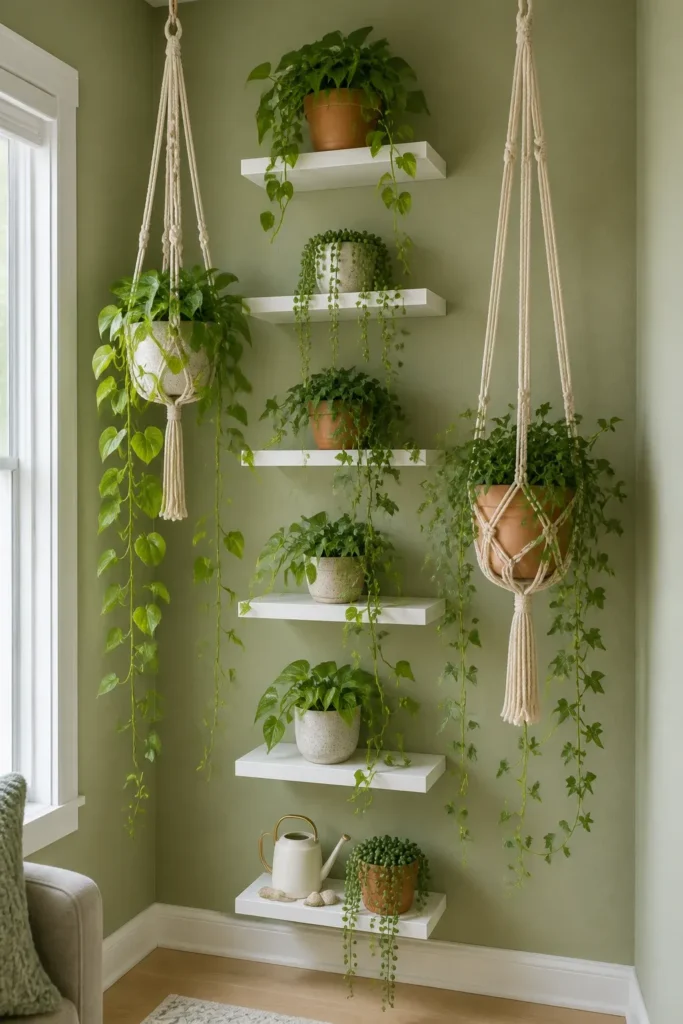
When floor space is limited, go up. Vertical shelving allows you to stack multiple plants at different heights, which fills the entire corner with greenery rather than just the floor. Hanging planters are another great way to use the volume of a room. You can hang a macrame planter from a ceiling hook to bring leaves closer to the light source. This keeps the floor clear and draws the eye upward, making the ceiling feel higher and the corner less neglected.
Maintaining Your Indoor Greenery in Shaded Areas
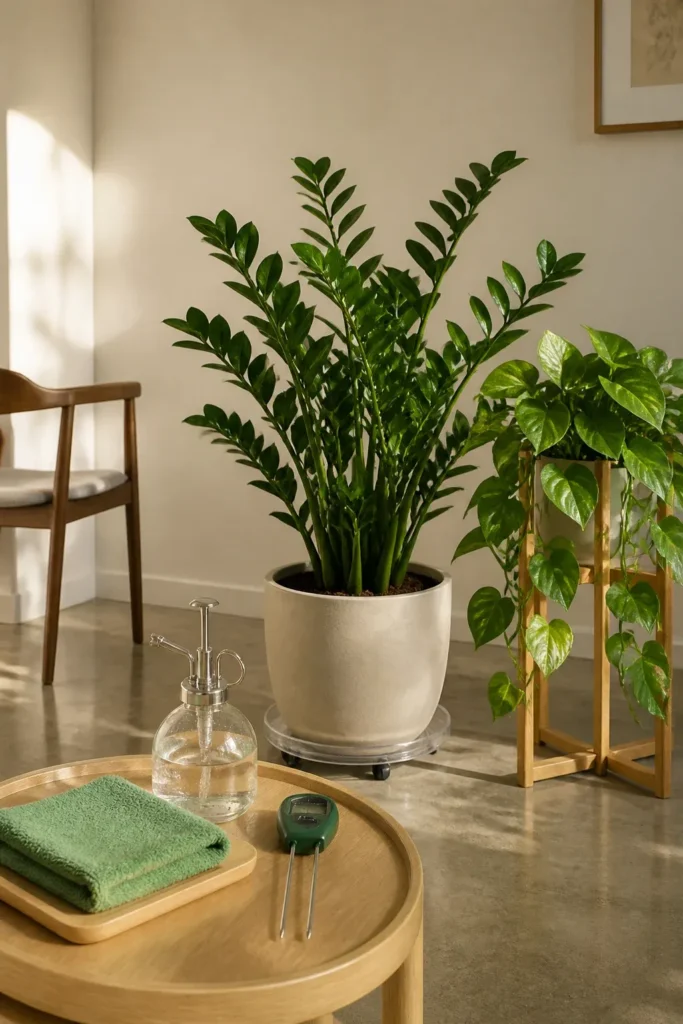
Plants in dark areas have different needs than those in bright spots. They use less water because they aren't growing as fast, so be careful not to overwater them. Always check the soil with your finger before adding more water. Dust also builds up on leaves more easily in still corners, which can block what little light the plant receives. Wipe the leaves down with a damp cloth every few weeks. Finally, rotate your pots every month so that all sides of the plant get equal exposure to your light sources, preventing lopsided growth.
Transforming a dim corner into a lush, well-lit sanctuary is simpler than it looks. By picking the right plants and supporting them with strategic lighting and mirrors, you can breathe new life into any room. Take a look at the darkest spot in your home today and imagine how a single snake plant and a warm lamp could change it. Start small, experiment with placement, and enjoy the calming effect of a greener, brighter home.