
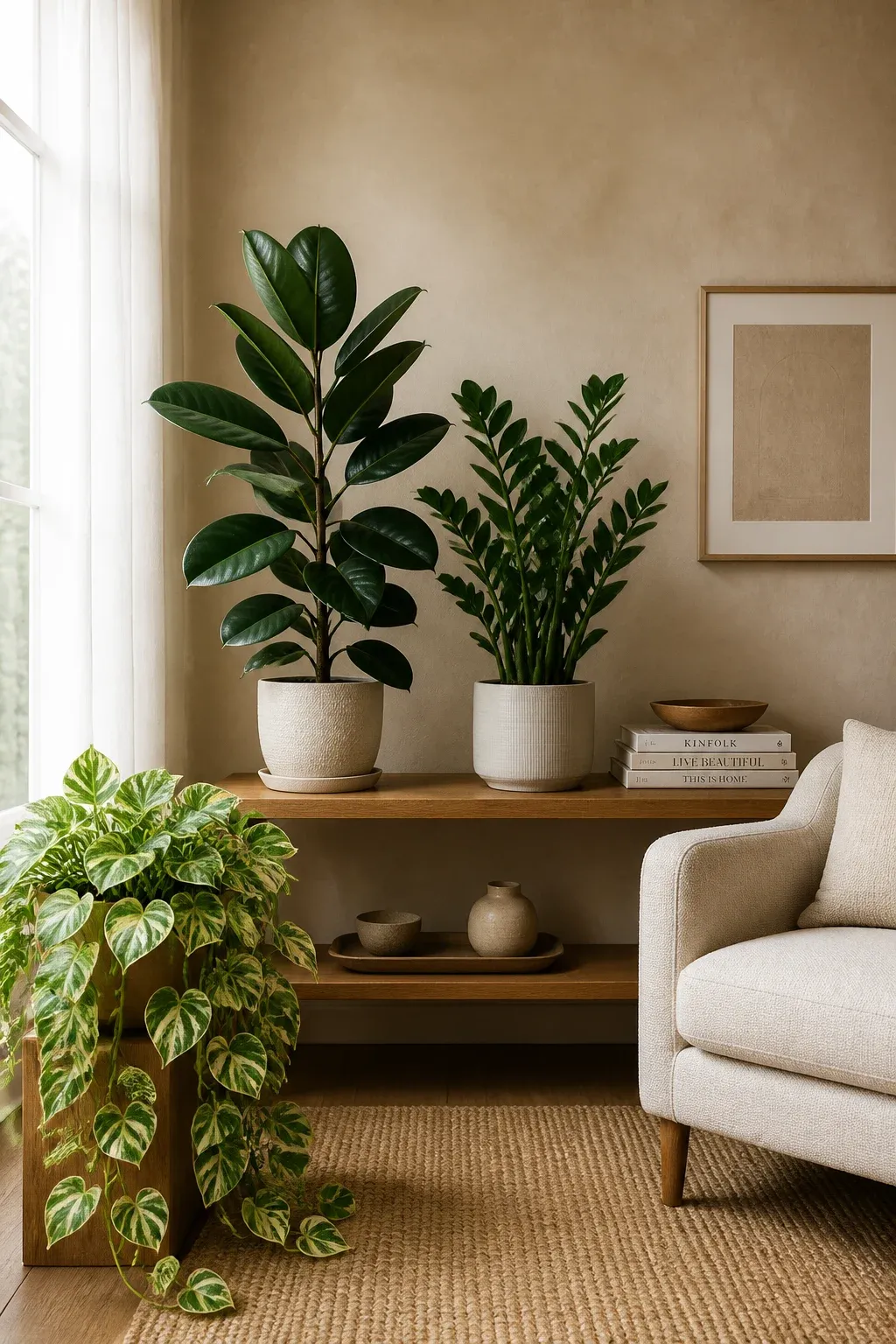
Warm neutral homes are loved for their cozy and inviting atmosphere. While beige, cream, and tan create a soft foundation, a room filled only with these shades can sometimes feel a bit flat. Bringing in live plants is one of the easiest ways to add life and movement without clashing with your existing decor. The deep greens of foliage act as a natural accent color that makes earth tones look richer and more intentional.
In this guide, we will look at how to select the right plant species for a neutral palette and how to style them using natural materials. You will learn to use height, texture, and grouping techniques to turn your living space into a balanced sanctuary that feels both modern and grounded.
Choosing Plants That Complement Beige and Earth Tones
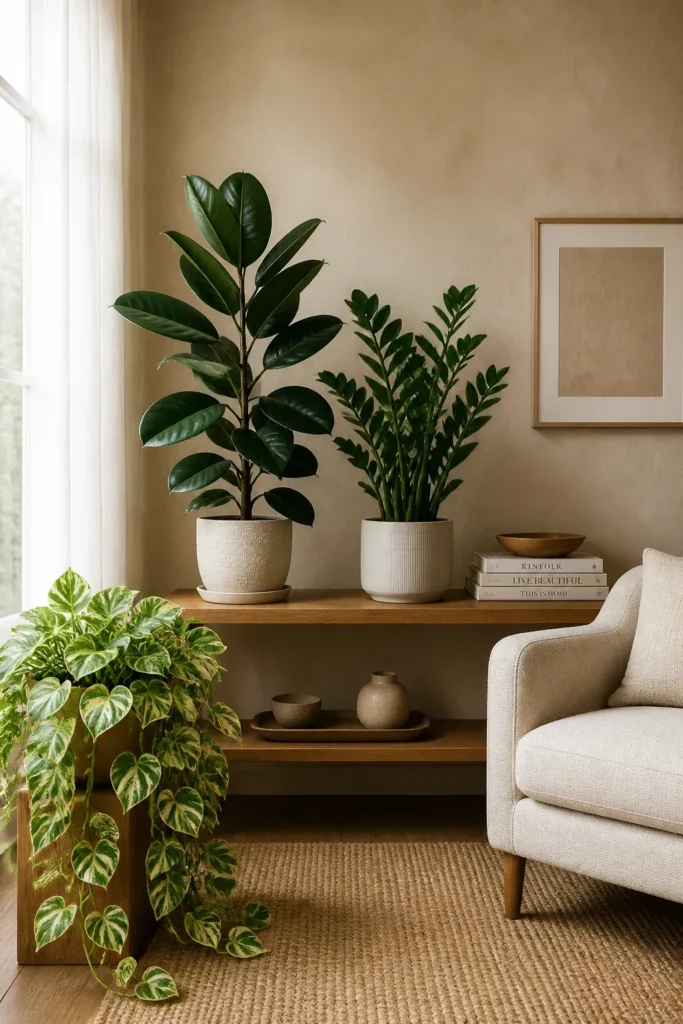
When your home is full of warm wood and beige walls, you want plants that stand out without being jarring. Deep, dark green leaves provide a sharp contrast that makes light neutral walls pop. Plants like the Rubber Tree (Ficus elastica) or the ZZ plant have glossy, dark foliage that looks sophisticated against a tan backdrop. If you prefer a softer look, plants with variegated leaves, such as a Marble Queen Pothos, introduce creamy whites that tie back into your upholstery. Avoid plants with neon or very bright yellow-green leaves, as these can sometimes make warm beige tones look muddy or yellowed.
Using Natural Materials for Planters and Pots
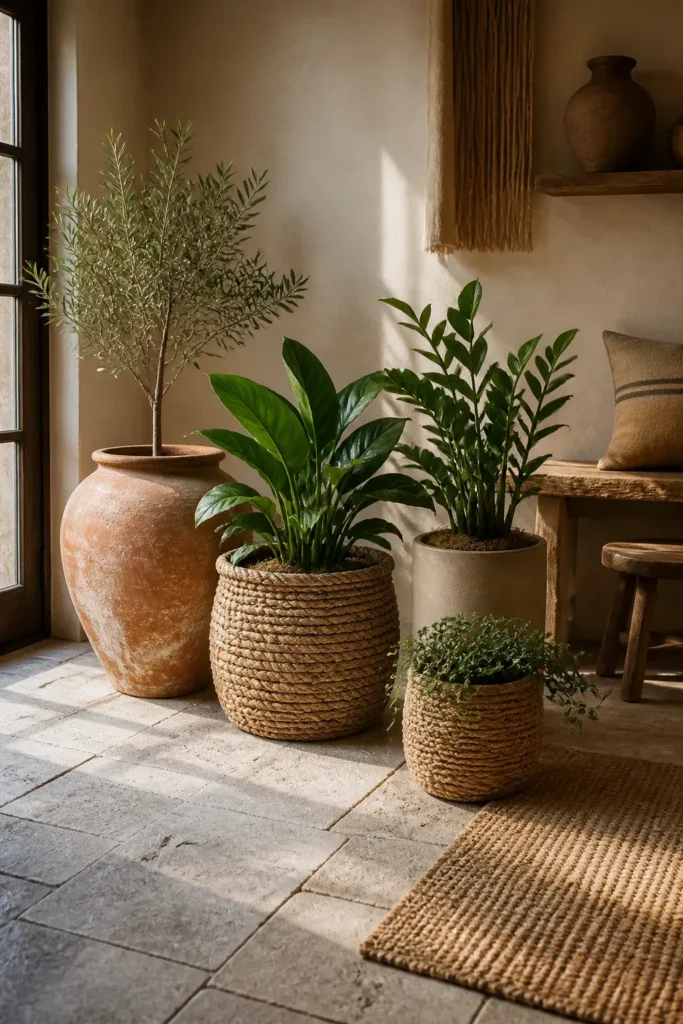
The container is just as important as the plant when you are working with a neutral color scheme. To keep the look cohesive, stick to pots made from organic materials. Terracotta is a classic choice because its burnt orange hue is the definition of an earth tone. Woven baskets made of seagrass or jute are also excellent for hiding plastic nursery pots and adding a touch of rustic texture. For a more modern feel, look for matte ceramic pots in stone, sand, or charcoal. These materials feel like an extension of the room rather than an outside addition.
Grouping Plants to Create Depth in Living Spaces
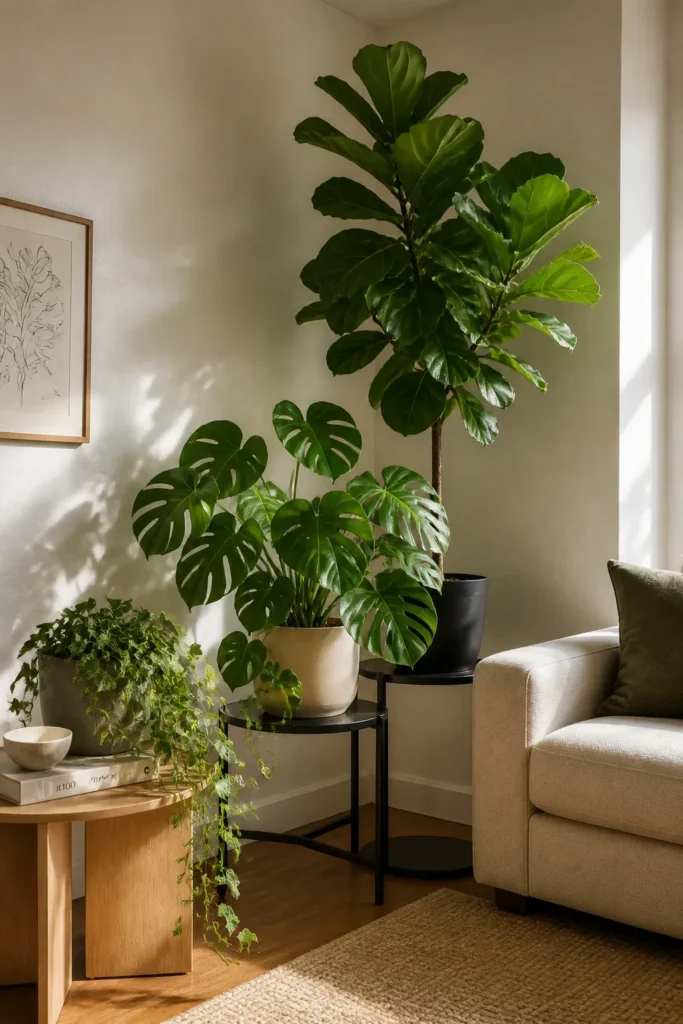
A single plant in a corner can look a bit lonely. To create a more impactful look, try grouping three plants of different sizes together. This creates a 'jungle' effect that adds depth to flat walls. Use the rule of three: one tall plant, one medium bushy plant, and one trailing plant. Place them on a side table or a dedicated plant stand. By layering the heights and leaf shapes, you create a focal point that draws the eye and makes the room feel more lived-in. This works especially well in corners where light and shadows can play off the different leaf layers.
Adding Height with Floor Plants and Indoor Trees
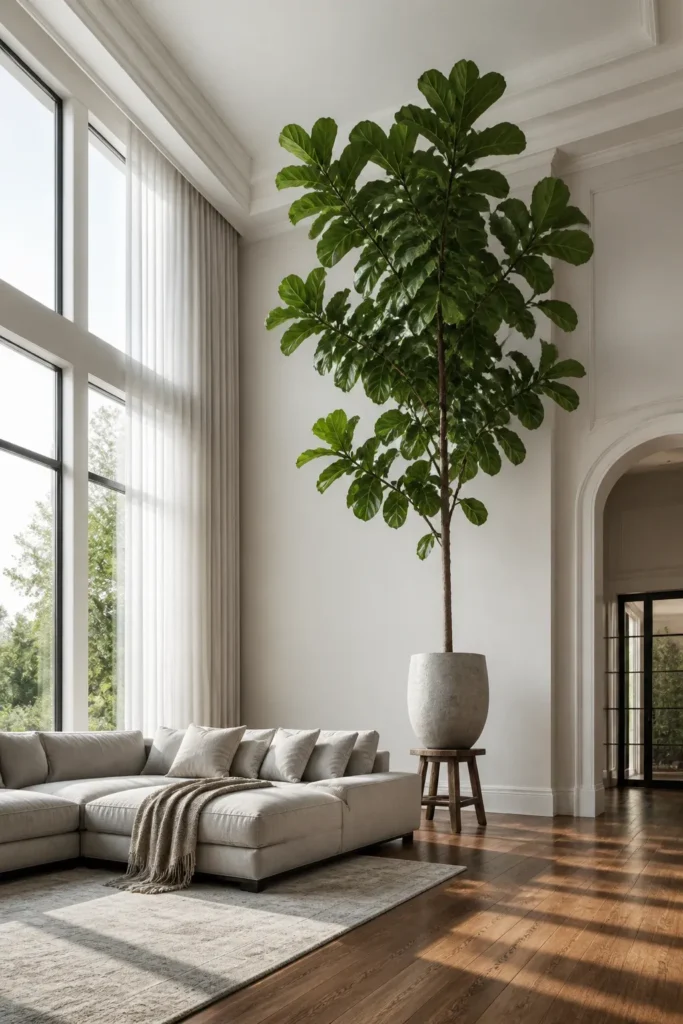
Large indoor trees are great for filling vertical space in rooms with high ceilings. A Fiddle Leaf Fig or a Bird of Paradise can act as a natural piece of furniture. If you want something more delicate, a Bamboo palm or a Dracaena offers a lighter, airier silhouette. These taller plants help bridge the gap between your furniture and the ceiling, making the room feel more expansive. If you have a small tree that isn't quite tall enough, place it on a small wooden stool or a sturdy plant stand to give it that extra foot of height it needs to command the space.
Balancing Leaf Textures Against Soft Fabrics
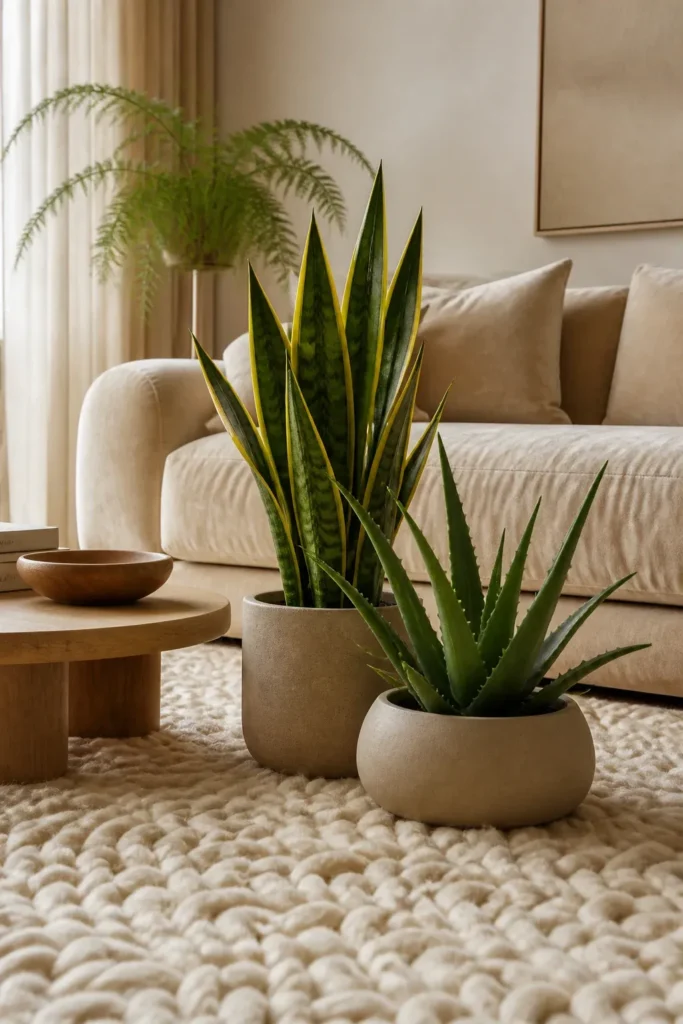
Neutral homes often rely heavily on soft textures like linen, wool, and velvet. You can use plants to provide a visual counterpoint to these materials. The sharp, structural leaves of a Snake Plant or an Aloe Vera break up the softness of a plush sofa or a thick rug. Conversely, if your room has lots of hard angles and wooden furniture, ferns with their feathery fronds can soften the edges. Think about the 'hand' of the plant—is it prickly, waxy, or soft? Mixing these sensations helps the room feel balanced and prevents it from looking too one-dimensional.
Caring for Your Indoor Garden in Low Light Areas
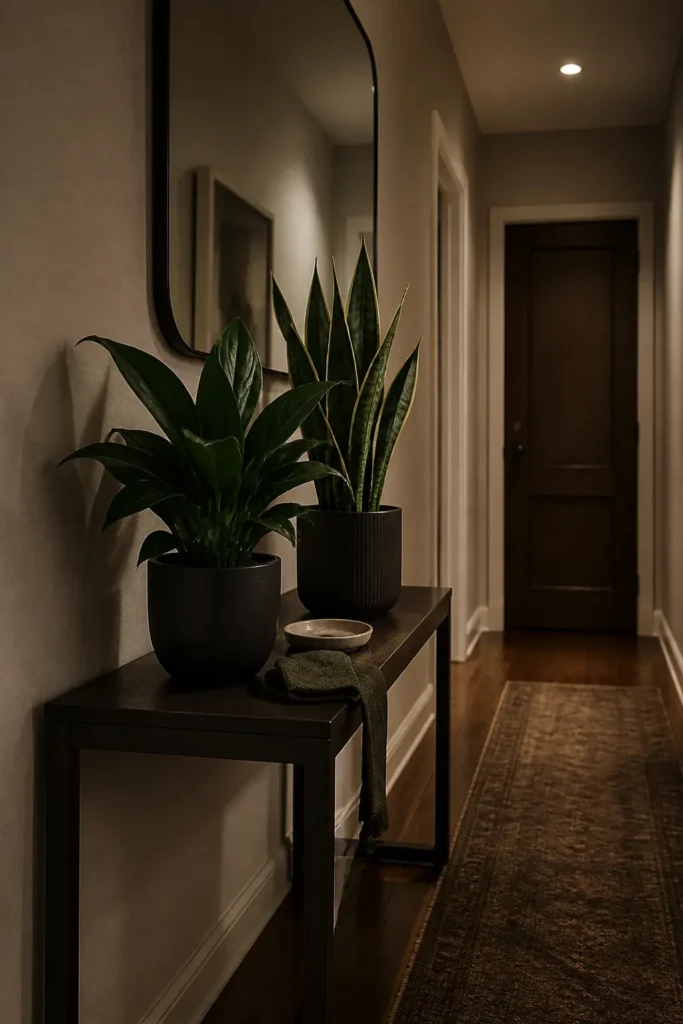
Not every corner of a cozy neutral home gets direct sunlight. In hallways or entryways, you need plants that can handle lower light levels. The Cast Iron Plant and the Snake Plant are famously hardy and can survive in dim spots. To keep them healthy, avoid overwatering, as plants in low light take longer to dry out. Clean the leaves regularly with a damp cloth; dust can block what little light the plant is getting. If a spot is truly dark, consider rotating your plants every few weeks, moving them to a sunnier window for a few days to recharge before bringing them back to their decorative spot.
Adding greenery to your warm neutral home is about more than just decoration; it is about creating a space that feels fresh and alive. By choosing the right tones, containers, and textures, you can enhance the natural beauty of your home without overcomplicating your style. Start with one or two easy-care plants and see how they change the energy of your room. Once you see the difference a bit of green makes against your favorite beige chair, you will likely find yourself looking for more corners to fill with nature.