
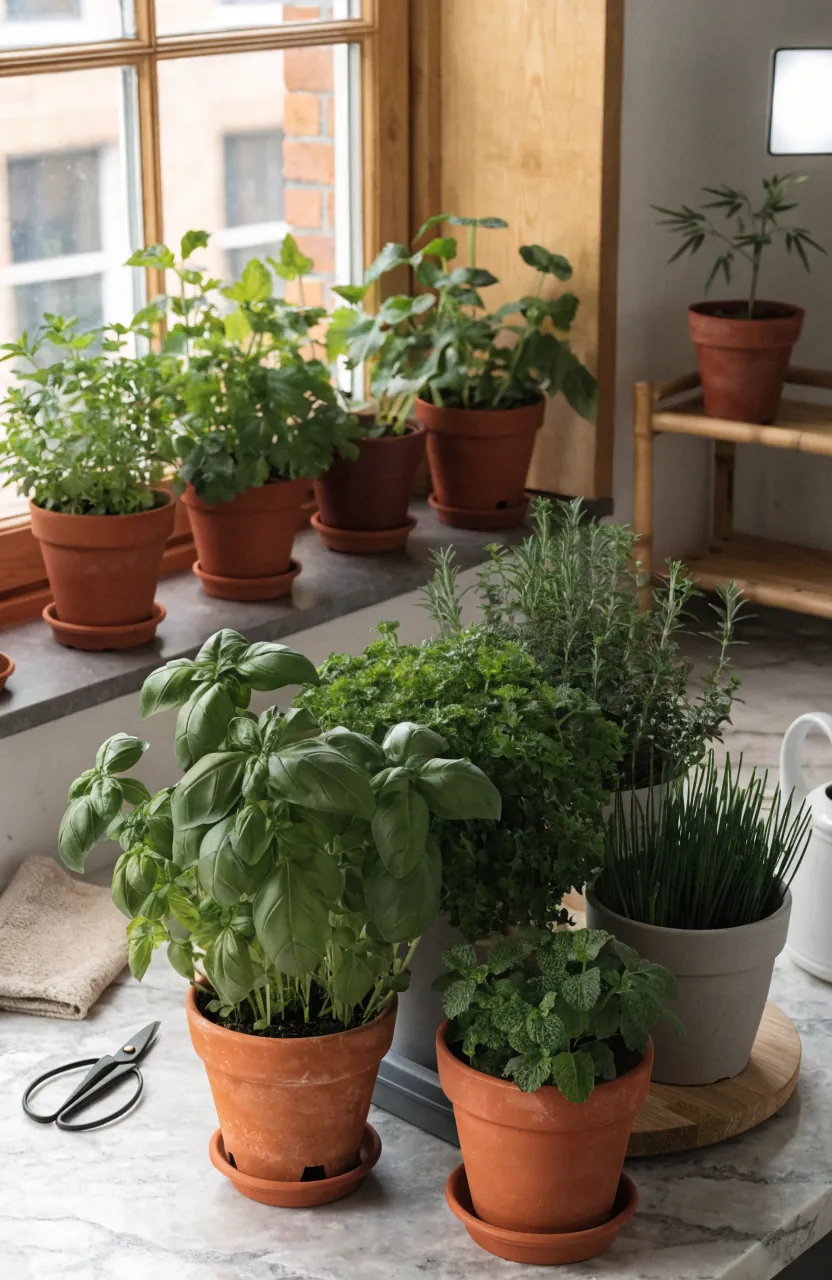
An indoor herb garden sounds simple until the basil stretches toward a weak window, the mint crowds everything, or a pretty no-drainage planter turns into a root-rot trap. The best setups are not just cute. They solve for light, drainage, airflow, and easy harvesting.
These indoor herb garden ideas are built for real kitchens, apartments, and small homes. Use them as a menu: choose one simple windowsill herb garden, combine a few herb planter ideas indoor gardeners can maintain, or build a full kitchen herb garden station with grow lights and rolling storage.
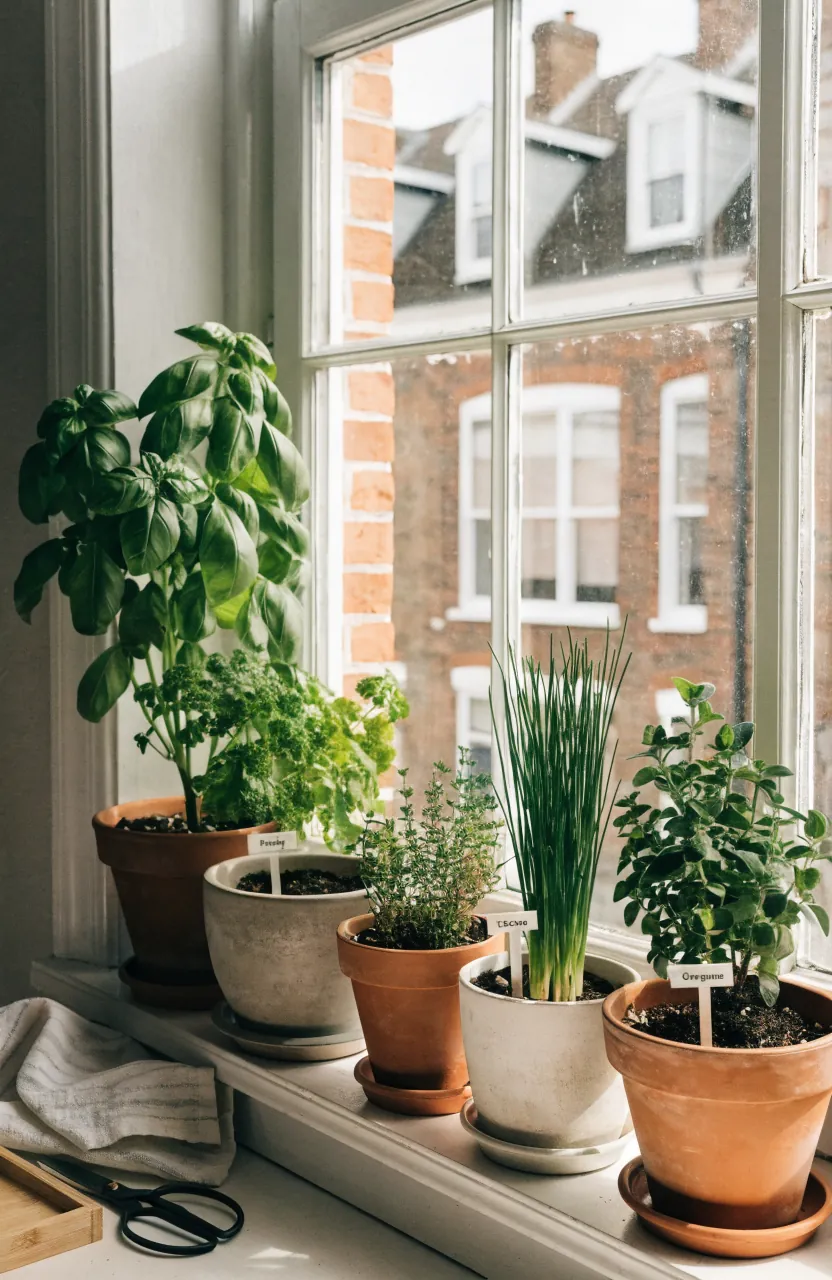
Sunny Windowsill Herb Row
A windowsill is still the easiest indoor herb garden idea, but it only works when the window is bright enough and the pots are not treated like decorations. Choose a south- or west-facing window when possible, use saucers under pots with real drainage holes, and rotate the containers every few days so the plants do not lean hard toward the glass.
This setup is best for basil, chives, parsley, thyme, oregano, and small sage plants. Keep the herbs you cook with most often closest to the prep area, then harvest lightly and often so the plants stay compact instead of tall, weak, and woody.
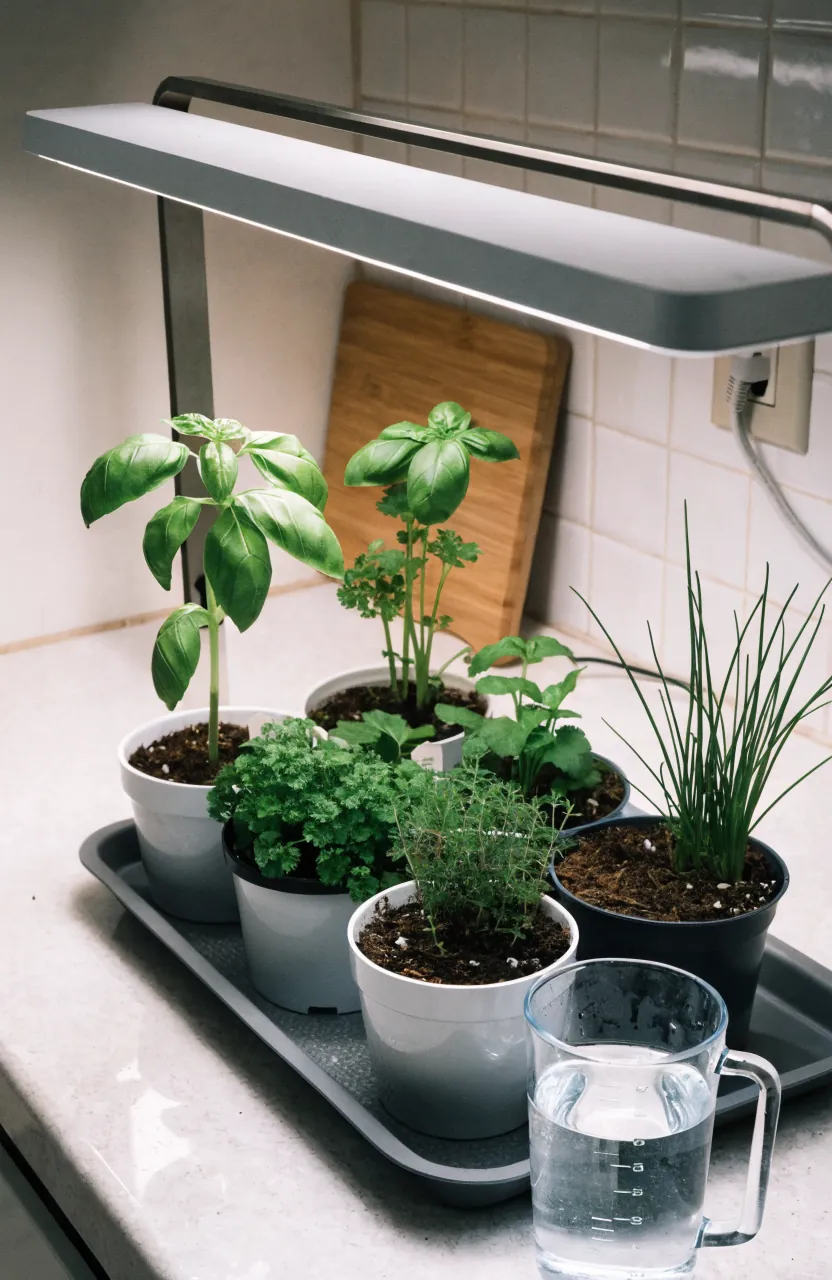
Countertop Grow Light Tray
If your window gives weak winter light, build the garden around a grow light instead of hoping the herbs will adapt. A slim tabletop light over a tray of small pots turns a dark counter into a reliable kitchen herb garden, especially for renters who cannot add shelves or drill into walls.
Keep the light close enough to prevent leggy growth, raise it as the plants fill out, and group herbs with similar watering needs. This is one of the most forgiving herb planter ideas indoor gardeners can use because the plants get consistent light even on cloudy days.
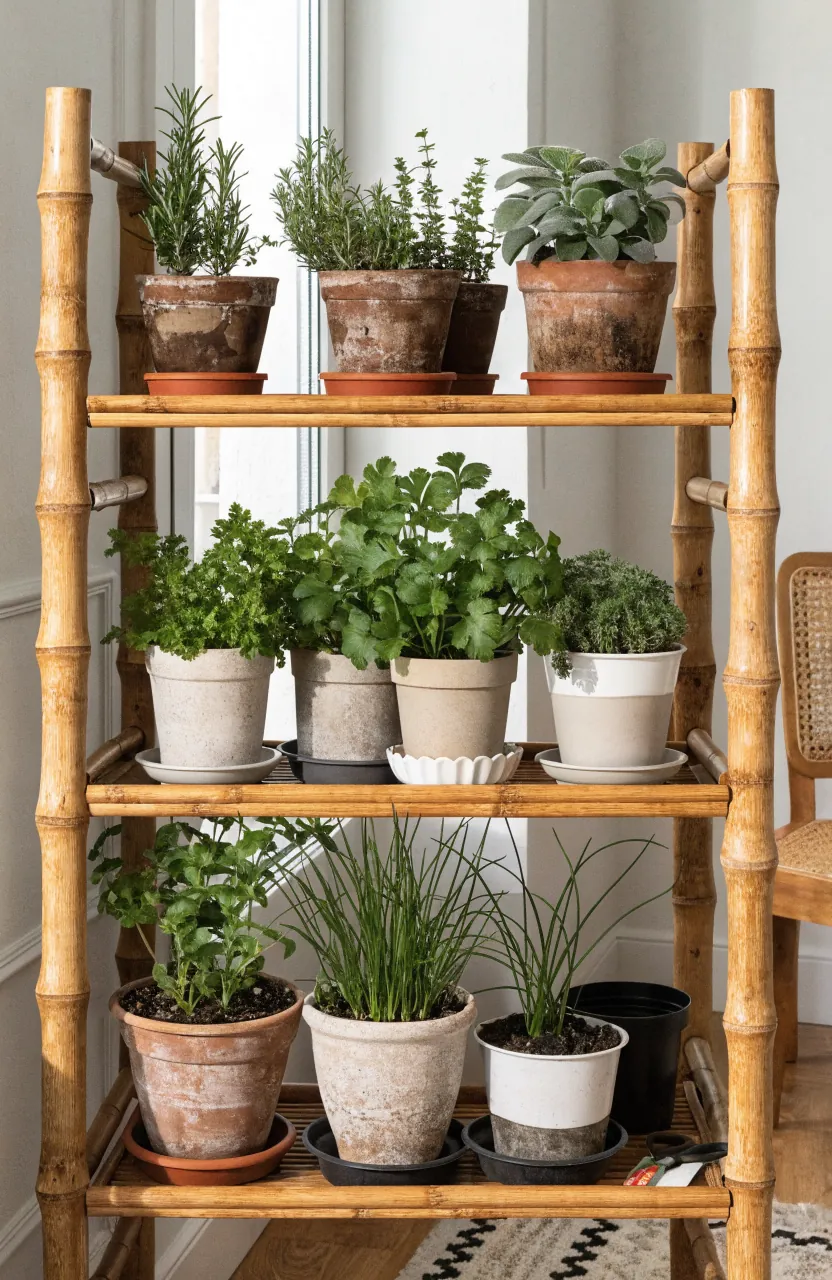
Tiered Bamboo Herb Shelf
A tiered bamboo shelf gives an indoor herb garden vertical structure without making the room feel heavy. Use it near a bright window or combine it with clip-on grow lights so each shelf gets enough light instead of shading the plants below.
Put drought-tolerant herbs like rosemary, thyme, sage, and oregano on the brighter, warmer upper tier. Place parsley, cilantro, and chives lower where conditions are a little cooler. A tray on each level keeps the shelf protected and makes watering less messy.
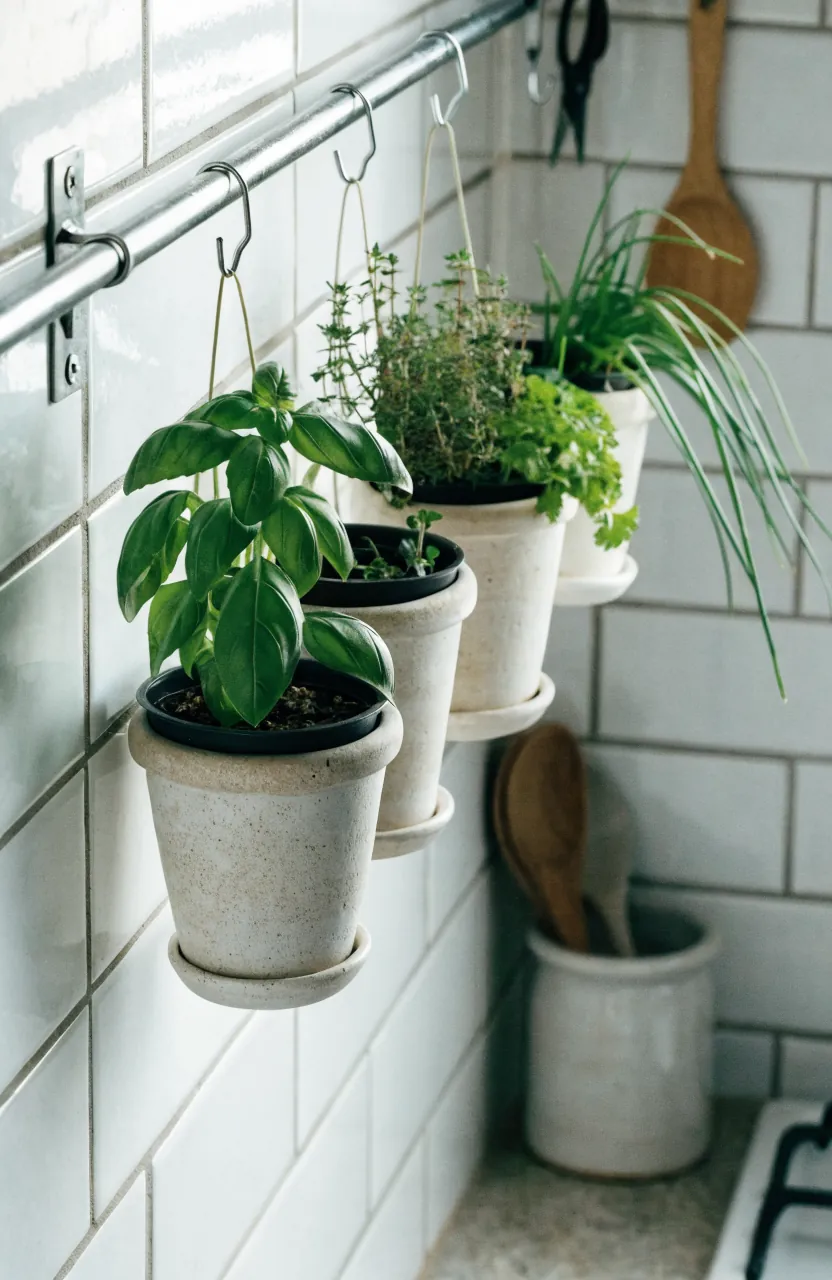
Wall Rail Herb Planters
A kitchen rail can hold small removable herb pots the same way it holds utensils. This works especially well when counter space is limited and you still want fresh herbs near the stove or prep zone.
Choose lightweight planters with inner nursery pots so you can lift each herb out for watering at the sink. Avoid packing the rail too tightly; herbs need air movement, and crowded leaves stay damp longer after watering.
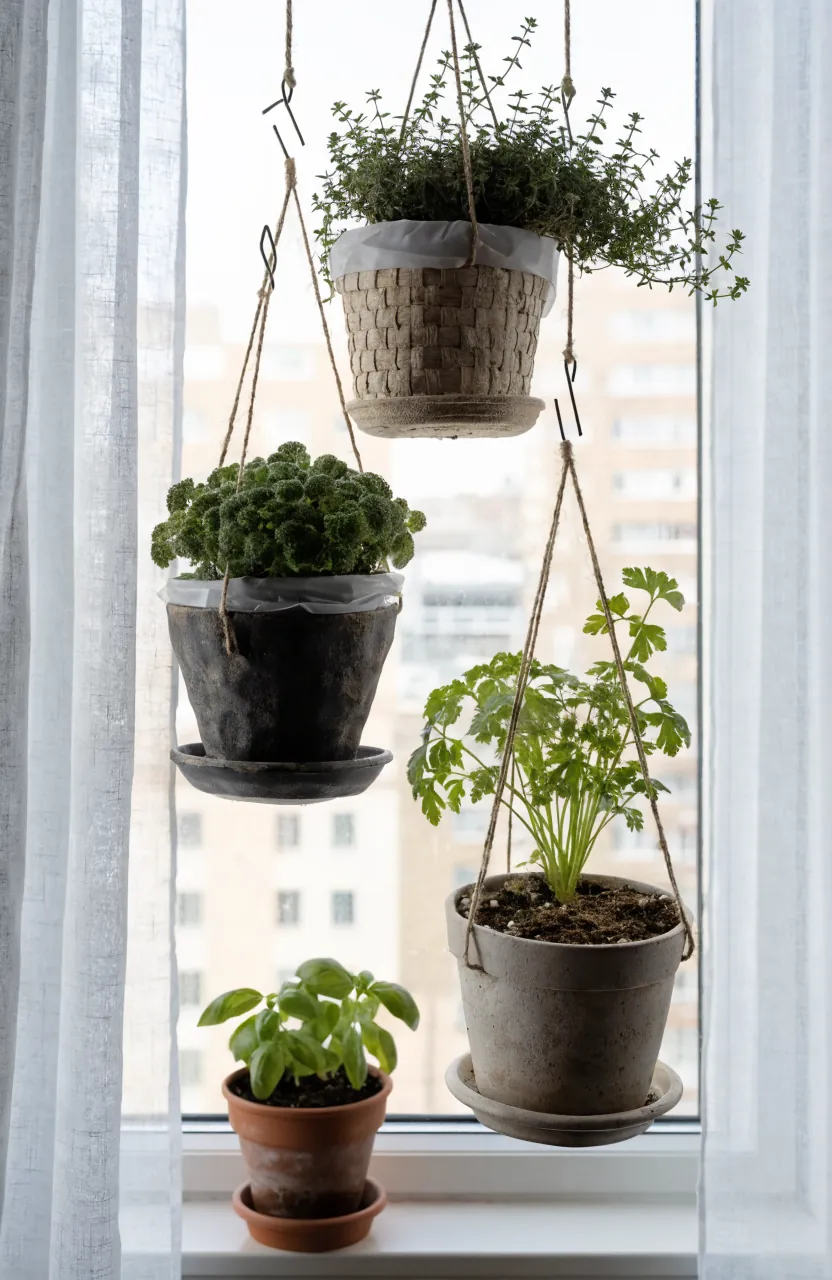
Hanging Window Herb Pots
Hanging herb pots turn a bright window into usable garden space without taking over the sill. They are best for lighter containers, compact herbs, and trailing varieties like thyme or oregano that can soften the look without becoming unmanageable.
Use secure hooks, keep pots easy to remove for watering, and avoid placing heavy wet soil over a walking path. If the plants dry quickly in the sun, add a shallow liner or choose herbs that tolerate drying between drinks.
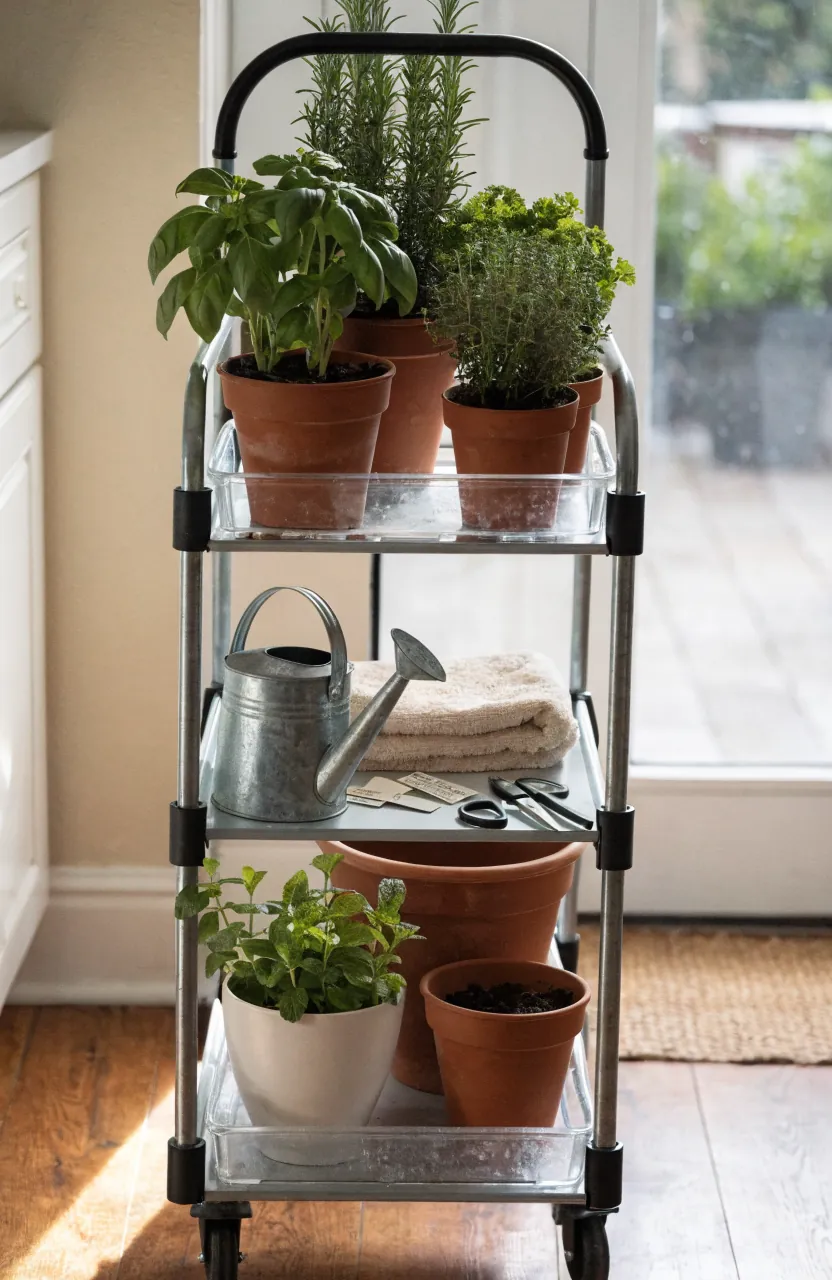
Rolling Herb Garden Cart
A rolling cart is a smart indoor herb garden DIY option because it solves the light problem by moving. Park it near the brightest window during the day, roll it closer to the kitchen when you cook, and tuck it away when you need the floor space.
Use the top shelf for sun-loving herbs, the middle shelf for supplies, and the bottom shelf for heavier pots or a catch tray. Locking wheels are worth it if the cart lives near a doorway, pets, or children.
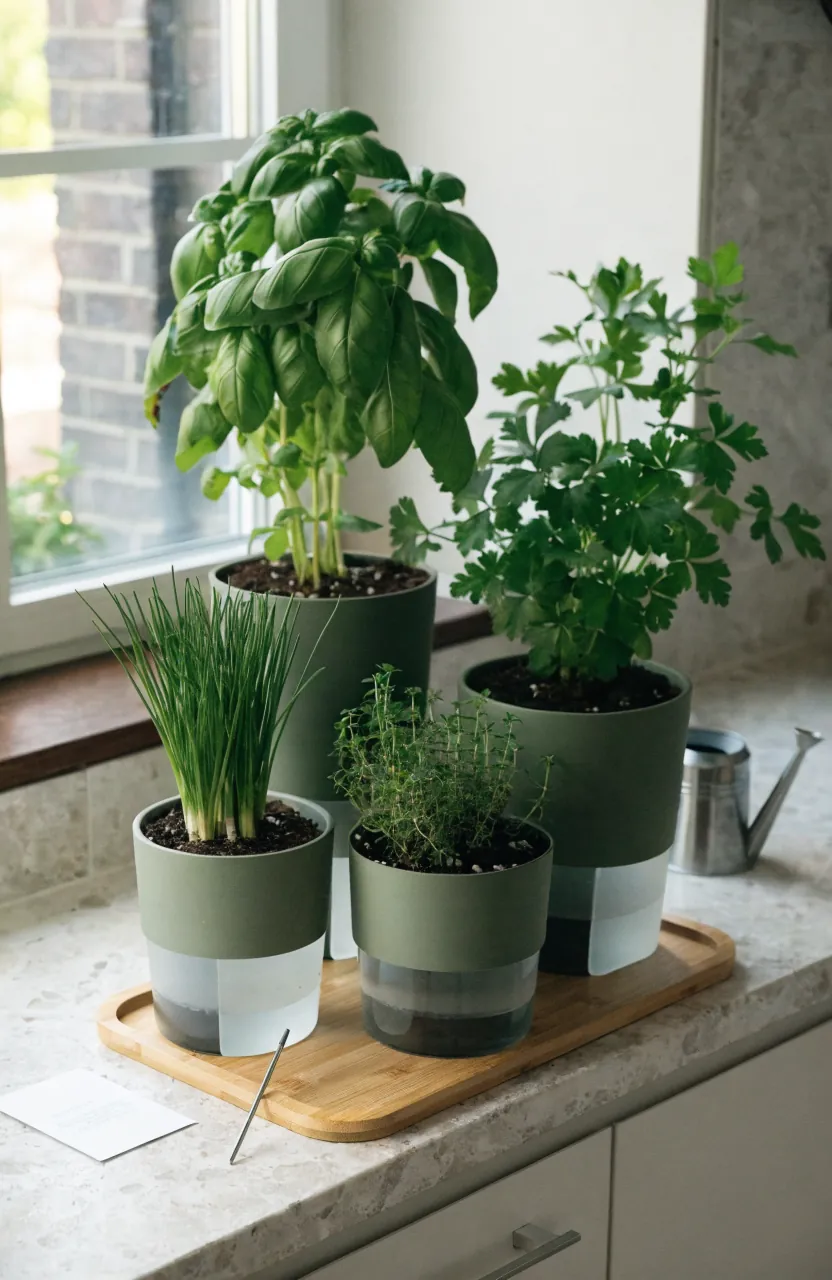
Self-Watering Herb Pots
Self-watering pots can help busy cooks keep basil, parsley, and chives from swinging between bone dry and soaked. The trick is to use them as a buffer, not an excuse to ignore the soil.
Choose pots with visible water indicators or reservoirs you can check. Let herbs that prefer drier roots, such as rosemary and thyme, dry more between refills, and use a lighter potting mix so the root zone still has air.
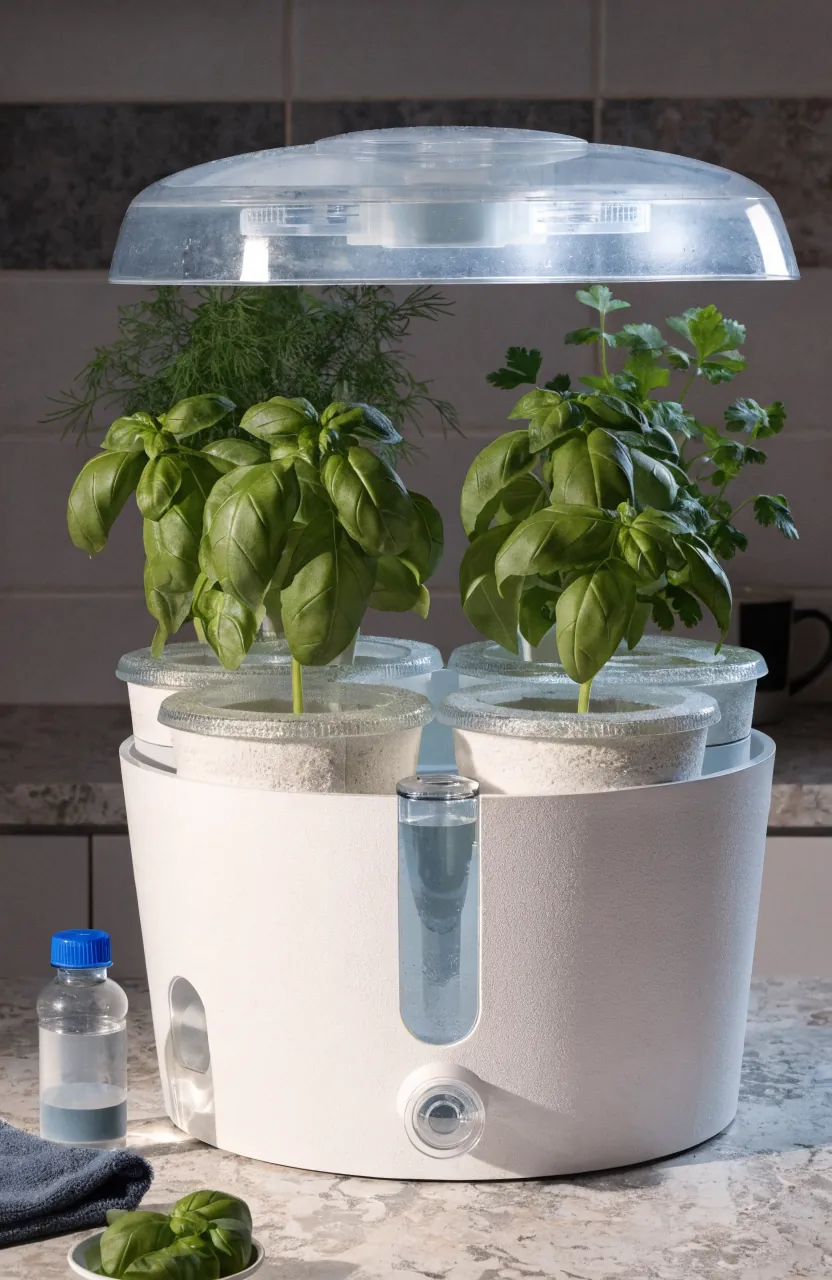
Compact Hydroponic Herb Garden
A compact hydroponic unit is the lowest-mess route if you want herbs but do not want potting soil on the counter. It is especially helpful in low-light apartments because the light and watering system are built into one tidy station.
Use it for basil, parsley, dill, and other soft herbs you harvest often. Keep the reservoir clean, follow the nutrient schedule, and thin seedlings early so one fast grower does not shade the whole unit.
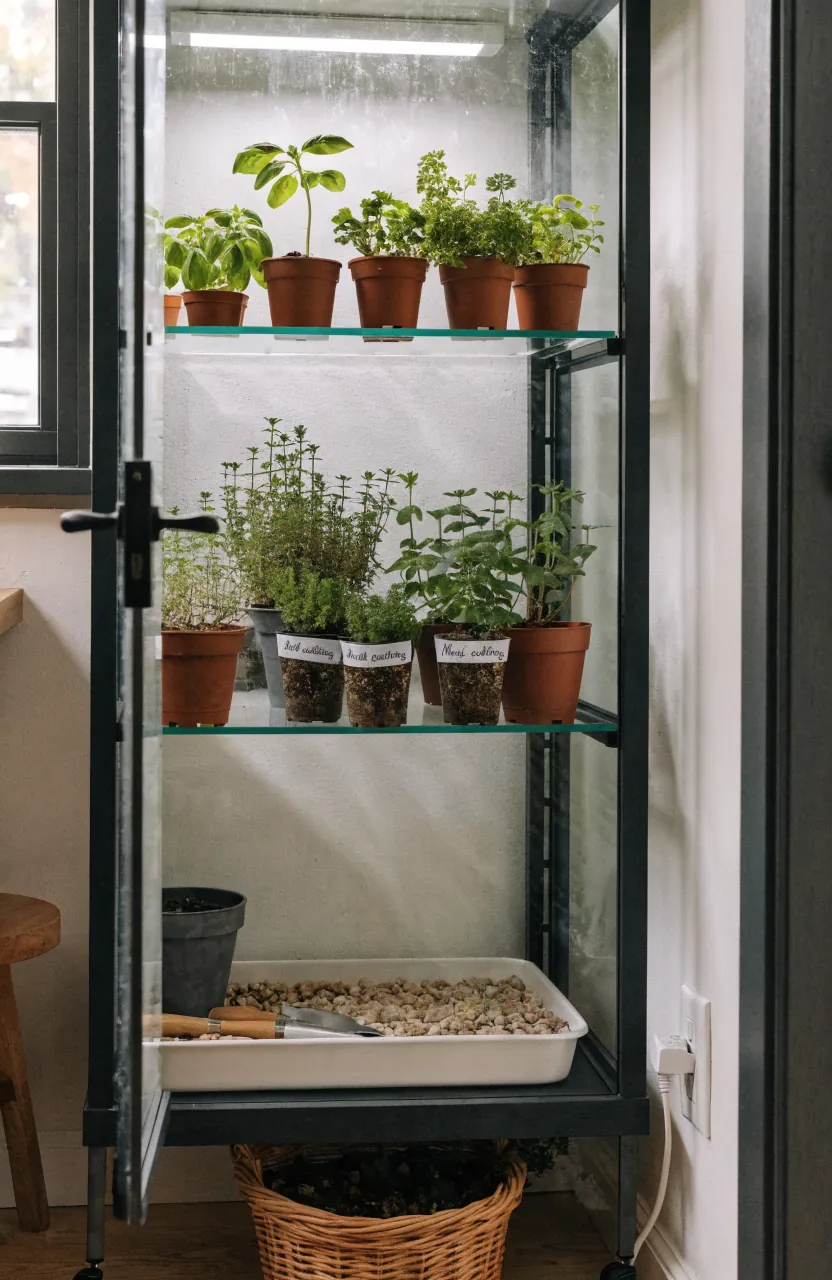
Mini Greenhouse Herb Cabinet
A mini greenhouse cabinet can stabilize dry indoor air and keep tiny pots organized. It is useful for seedlings, tender basil, and cuttings, but it needs airflow; herbs sitting in stale damp air can develop problems fast.
Choose a cabinet with vents or crack the door regularly. Put a slim grow light on a timer, use shallow trays to catch water, and leave enough space between pots so leaves are not pressed against glass.
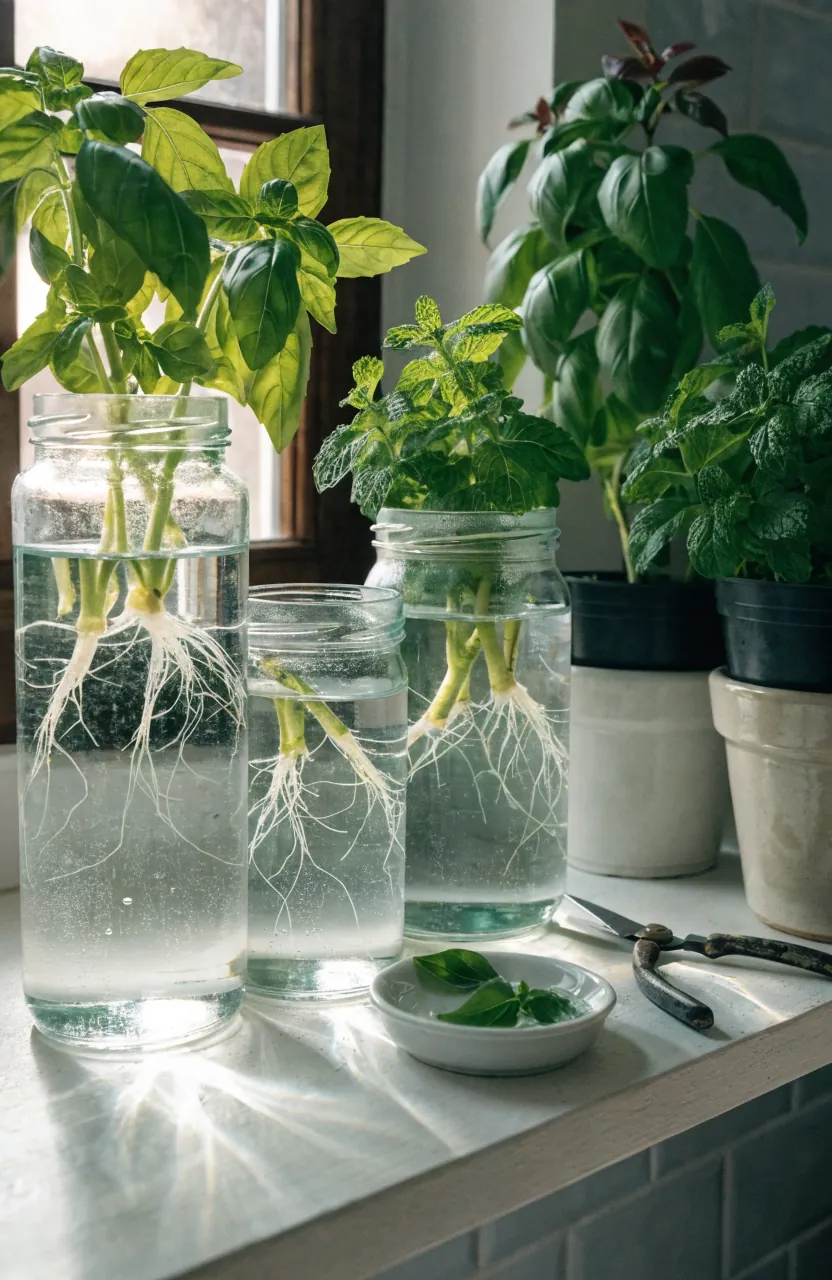
Water Propagation Herb Cuttings
A propagation shelf is not a full herb garden, but it is a useful add-on. Basil, mint, and some soft-stemmed herbs can root in water, giving you backup plants and fresh cuttings while your main pots recover.
Use clean jars, remove leaves below the waterline, and move rooted cuttings into a draining pot before they decline. This is a good way to stretch grocery-store herbs, but it should not replace soil, light, and regular pruning.
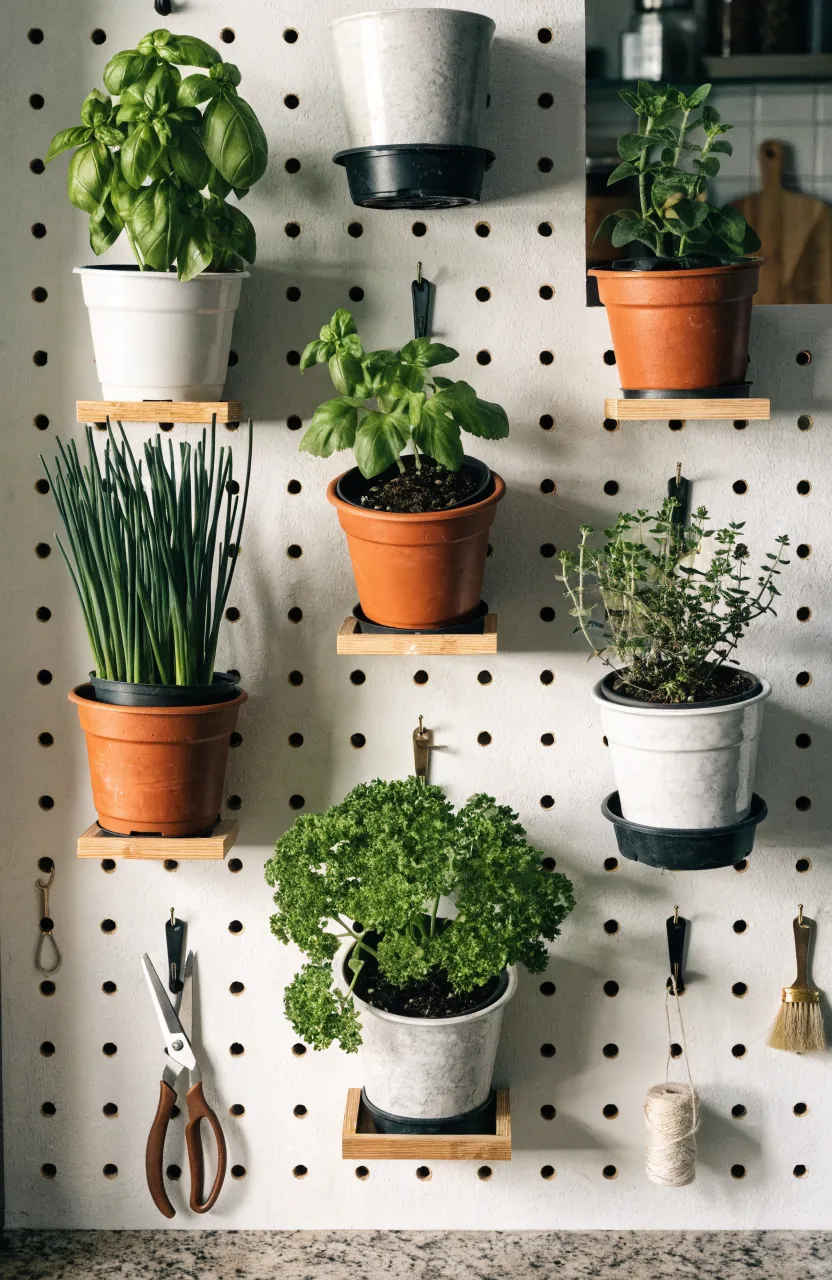
Vertical Pegboard Herb Wall
A pegboard herb wall lets you adjust height as plants grow. It also keeps tools, labels, twine, and scissors in the same place as the herbs, which makes maintenance easier.
Use removable cups or shelves instead of planting directly into fixed containers. That way each herb can go to the sink for deep watering, and you can move taller plants down before they shade smaller ones.
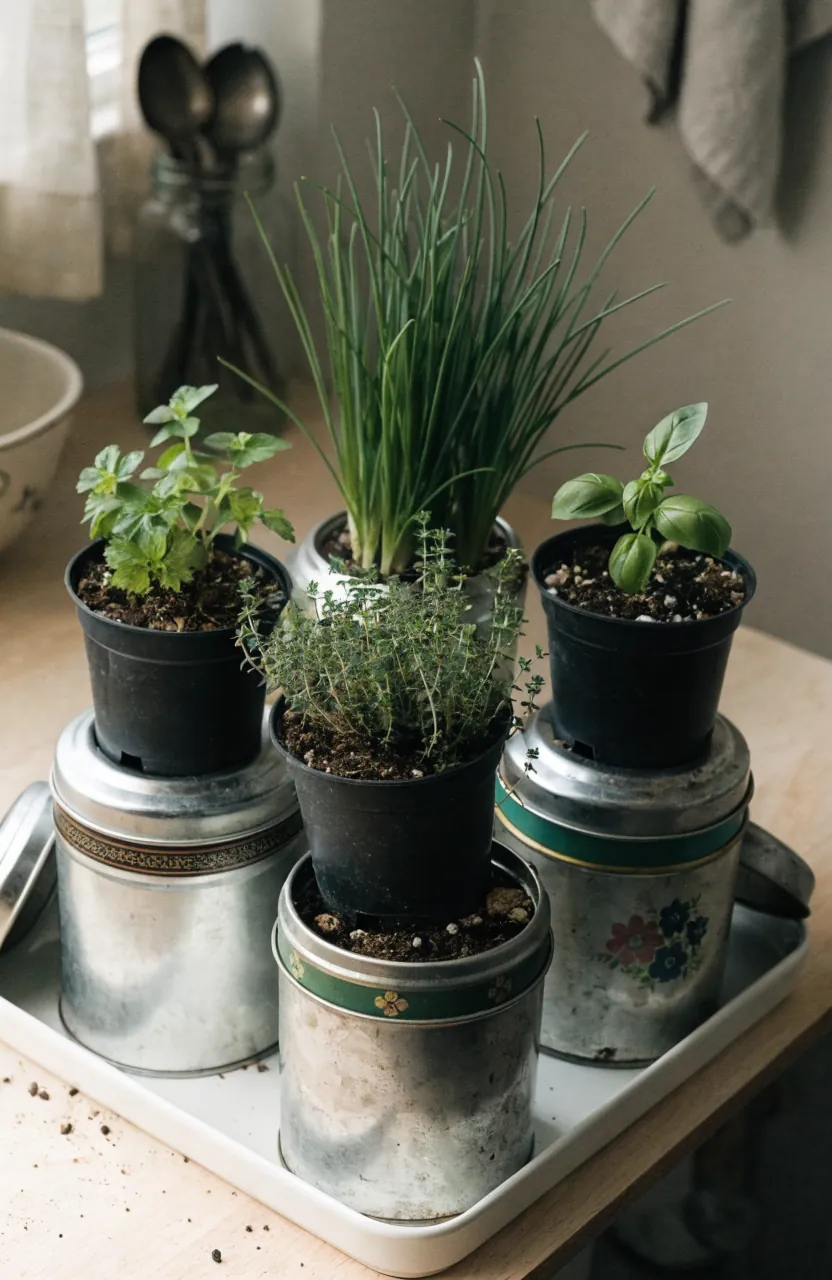
Tea Tin Cachepot Herbs
Repurposed tea tins and pretty cans can look charming, but they should act as cachepots rather than sealed planters. Keep each herb in a nursery pot with drainage, then lift it out to water and let it drain before returning it to the tin.
This idea is best for small herbs on open shelving: thyme, chives, oregano, and young parsley. It gives you color and personality without trapping water around the roots.
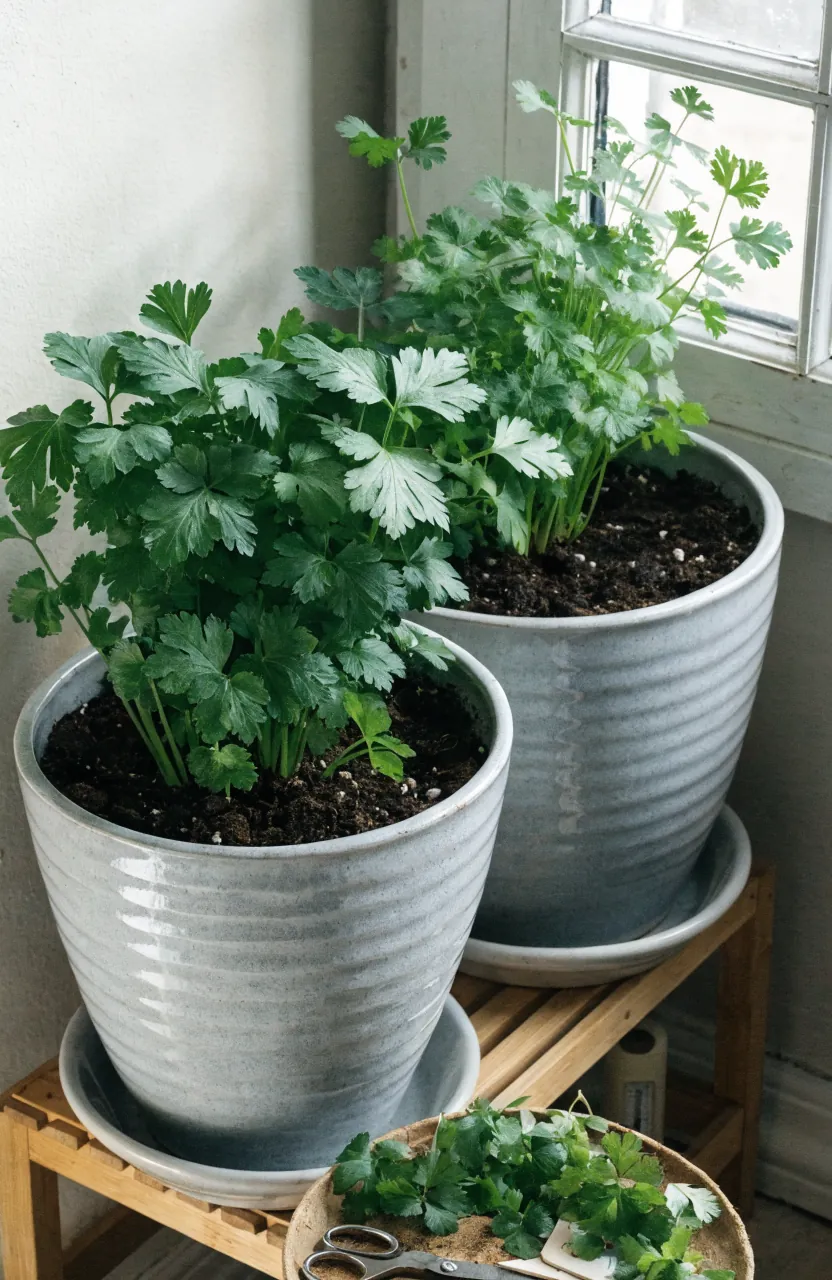
Deep Pot Parsley And Cilantro Corner
Parsley and cilantro often disappoint indoors because they are squeezed into shallow novelty pots. Give them deeper containers, bright light, and a cooler spot, and they become much more realistic kitchen herbs.
This idea works well in a bright corner away from heat vents and ovens. Sow or transplant more than one plant, thin crowded seedlings, and harvest outside stems first so the center keeps producing.
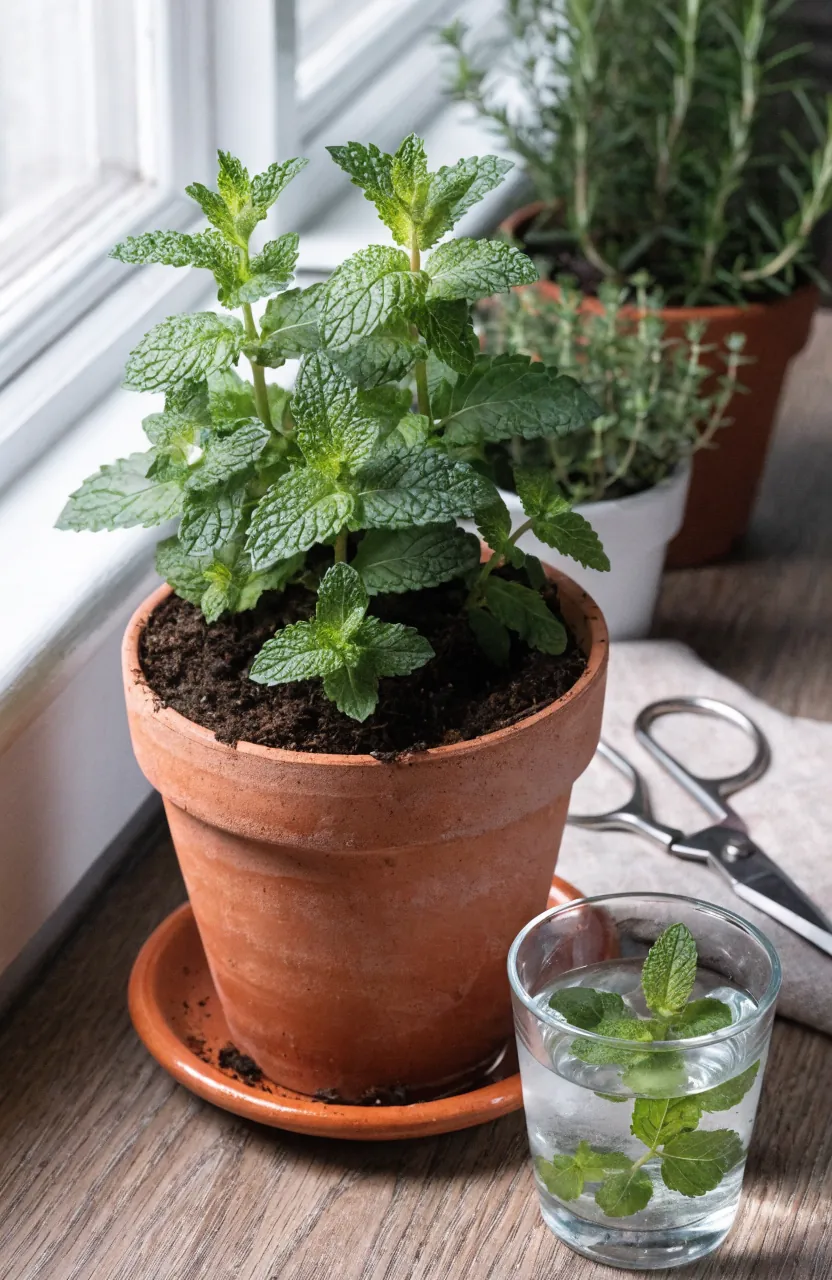
Separate Mint Planter
Mint deserves its own container. It grows aggressively, roots quickly, and can crowd gentler herbs when planted in a shared bowl.
Give mint a separate pot near bright indirect light and trim it often for tea, water, sauces, and desserts. If the pot gets full, divide it or restart with cuttings instead of letting it swallow the whole herb garden.
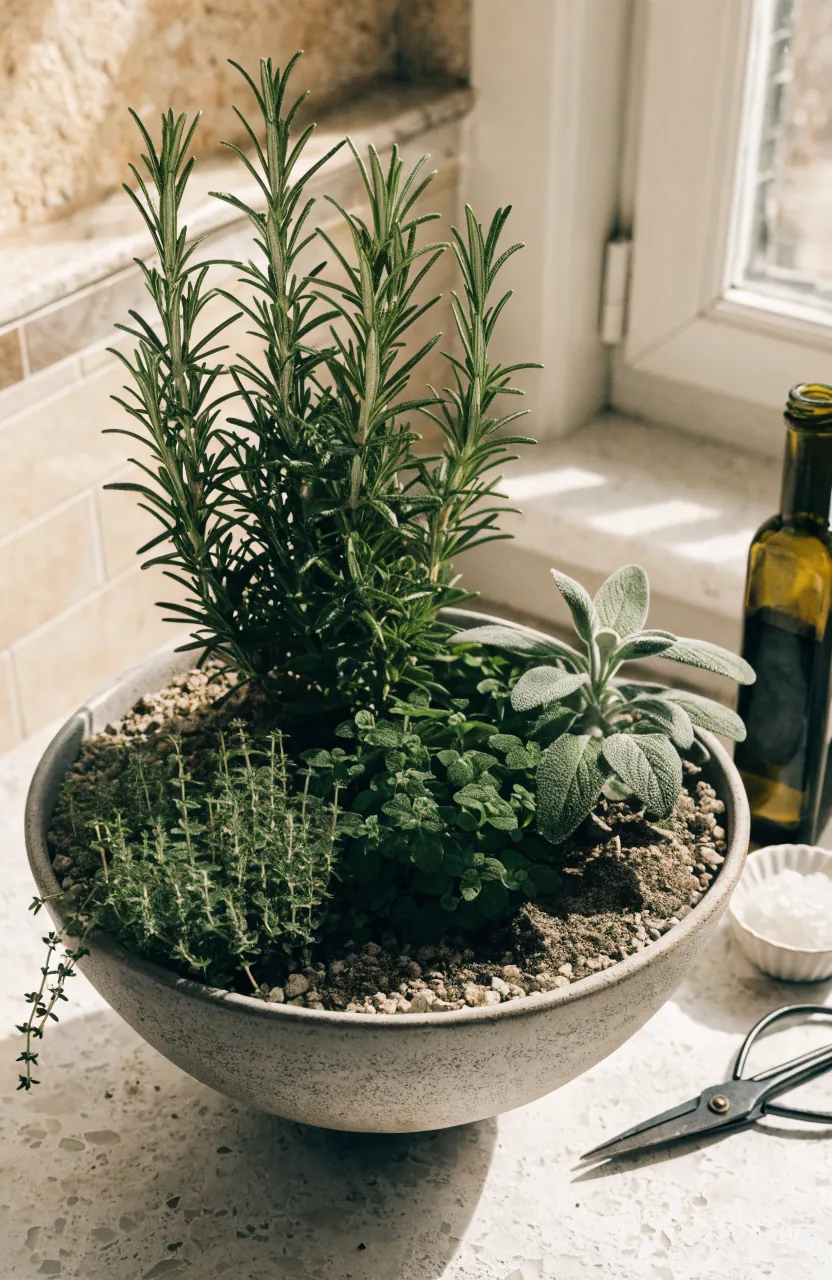
Mediterranean Herb Bowl
Rosemary, thyme, sage, and oregano can share a wide planter because they all prefer brighter light and a lighter touch with water. A shallow but broad bowl gives the roots room sideways and keeps the arrangement easy to inspect.
Use a gritty, well-draining mix and place this planter in your brightest indoor spot. It is better to let the soil dry slightly than to keep woody Mediterranean herbs constantly damp.
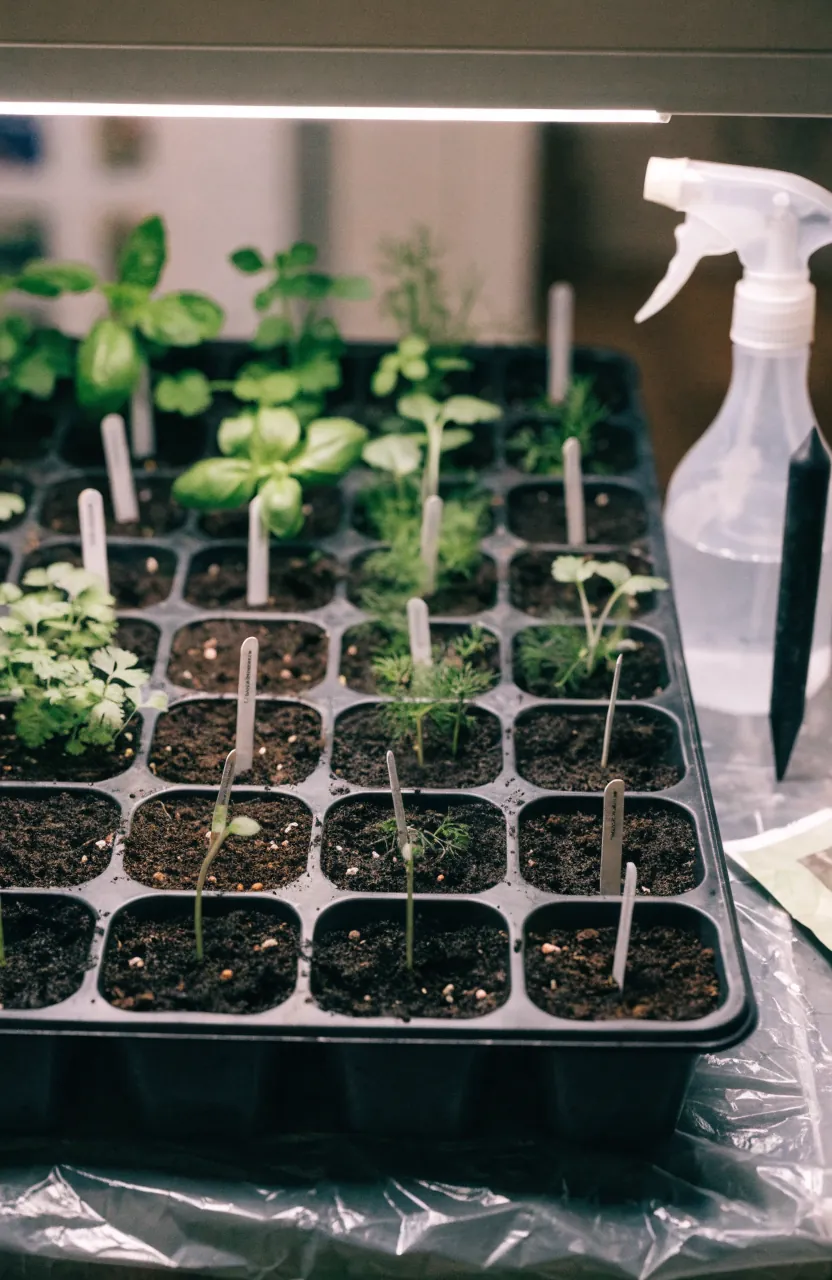
Seed-Starting Herb Tray
Starting herbs from seed gives you more variety, but it asks for patience. A seed-starting tray under a shelf light keeps the first stage contained and makes it easier to thin seedlings before they compete.
Use this for basil, cilantro, parsley, dill, and chives. Label each row, keep the mix evenly moist but not soaked, and move seedlings into deeper pots once roots and true leaves are ready.
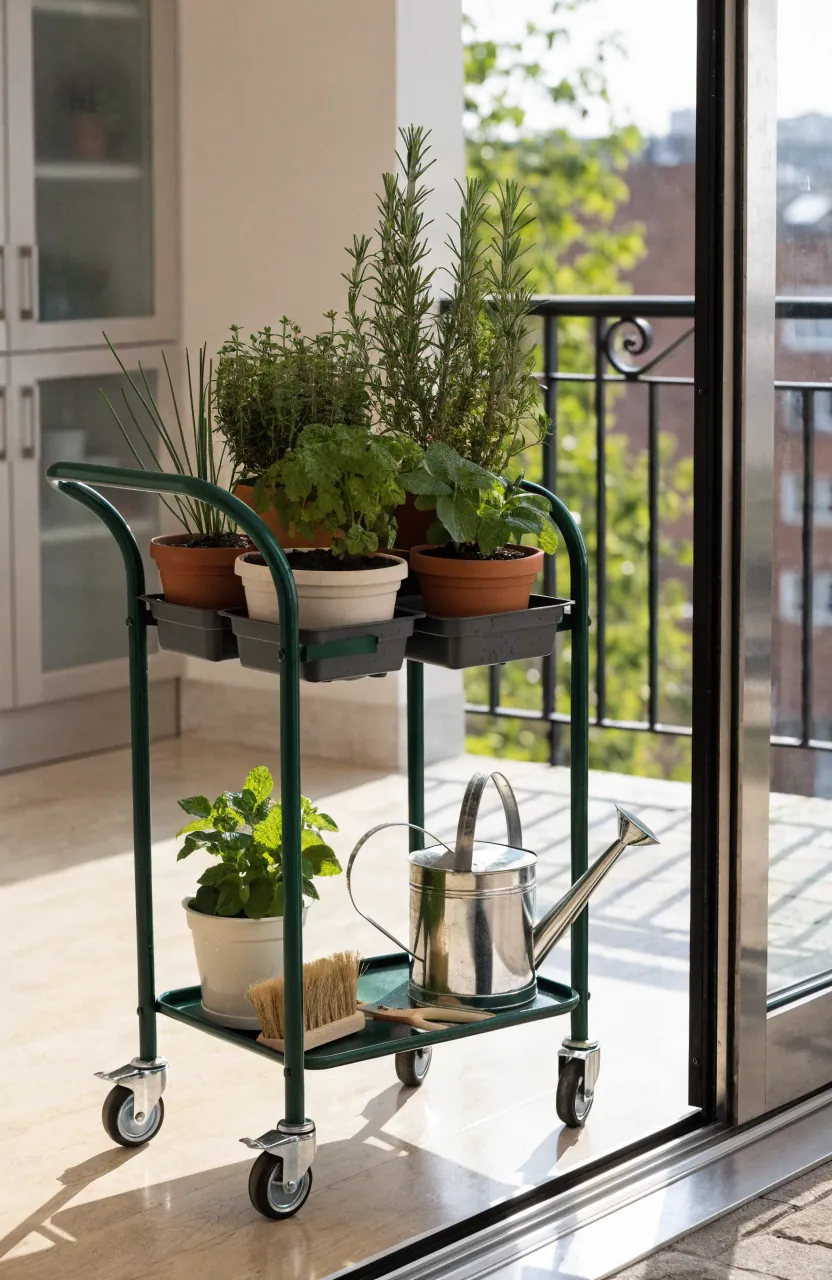
Indoor-Outdoor Herb Cart
If you have a balcony, patio, or fire-escape-adjacent door where allowed, an indoor-outdoor cart gives herbs the light they crave without committing them to harsh weather all day. Roll them out for mild sun and back in before wind, heat, or cold stress them.
This is a strong bridge between indoor herb garden ideas and herb garden ideas outdoor. Use sturdy pots, trays with lips, and herbs that can handle the transition, such as rosemary, thyme, oregano, chives, parsley, and mint in its own pot.
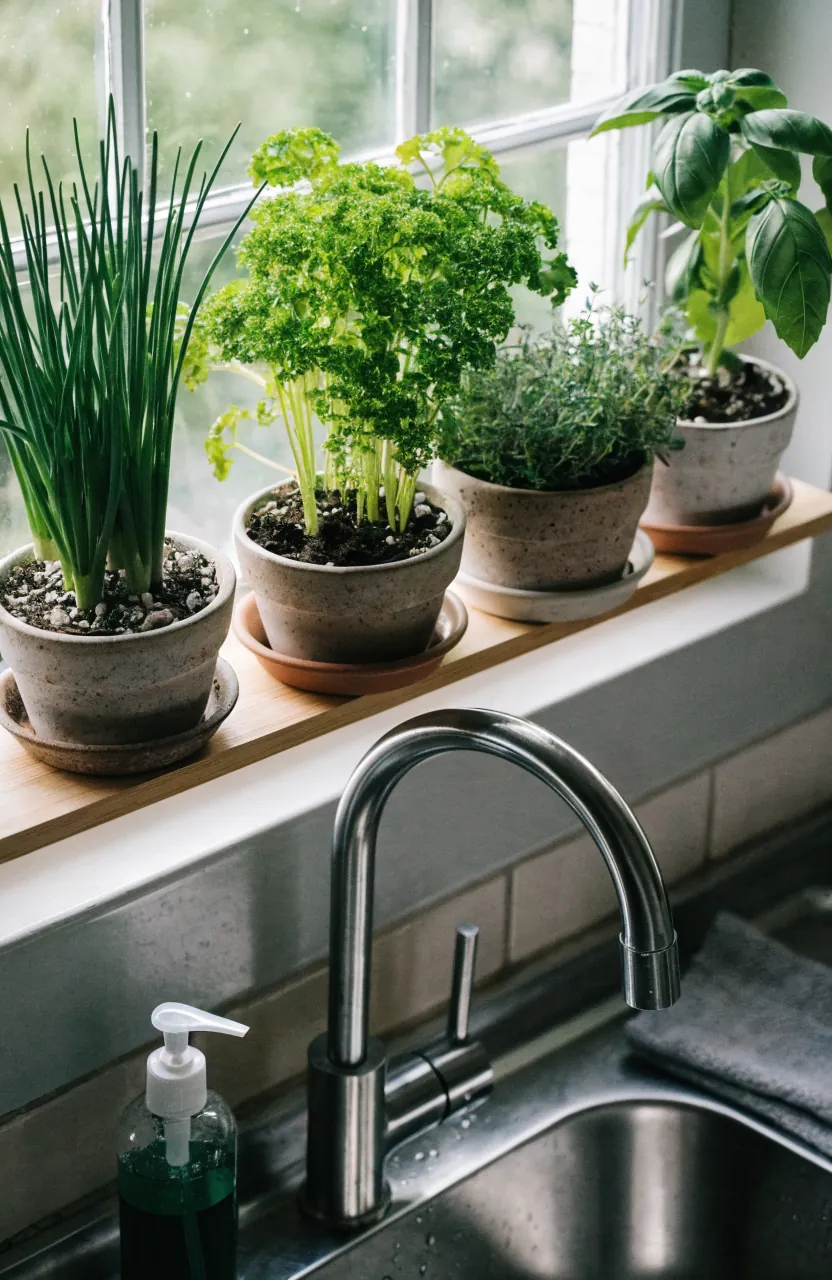
Over-Sink Herb Shelf
An over-sink shelf is handy because water is right there. It also keeps small herbs out of the main prep zone while still making them easy to harvest.
Keep the shelf narrow and stable, use lightweight pots, and make sure leaves do not press against cold glass. This setup works nicely for chives, parsley, thyme, and small basil plants if the window is bright enough.
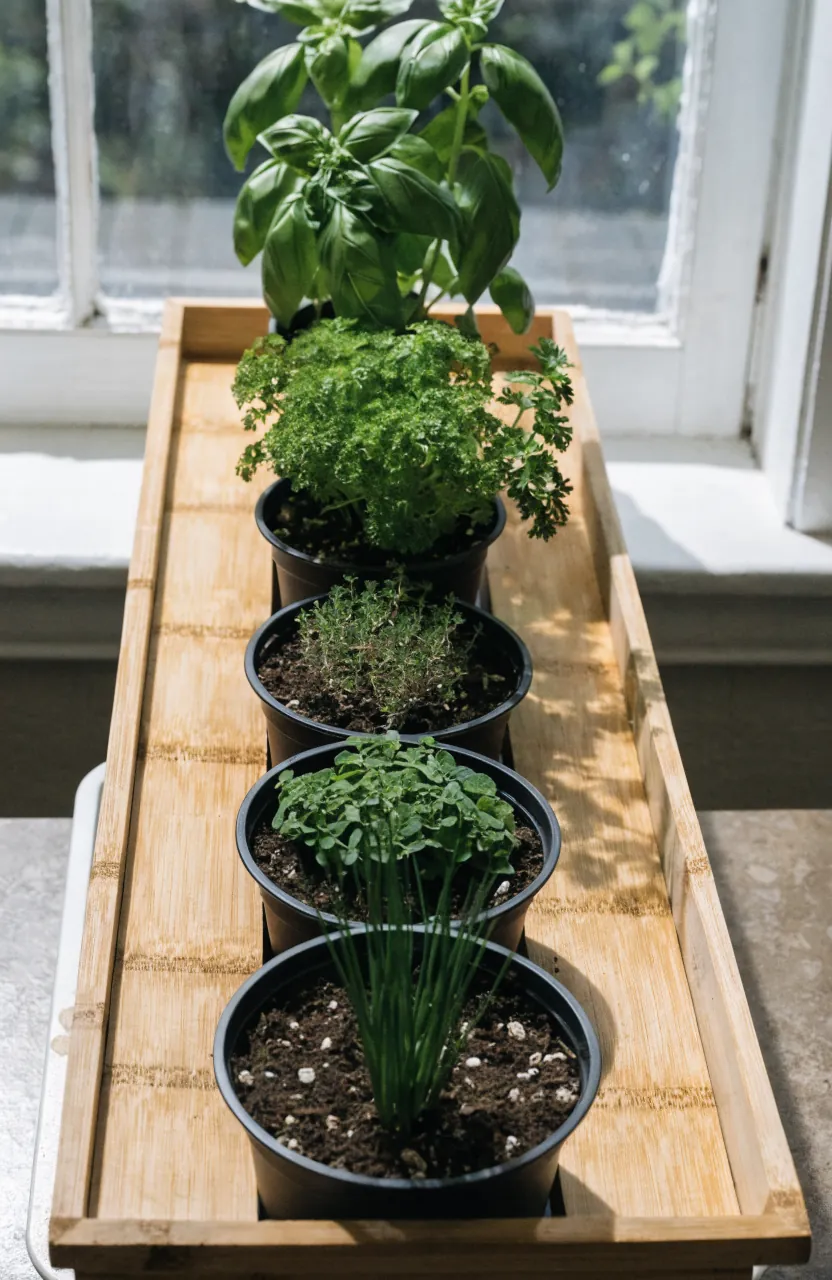
Bamboo Window Box With Dividers
A long bamboo window box looks tidy, but herbs still do better when they are separated by pot or divider. That keeps mint from invading, lets you remove a struggling herb, and makes different watering needs easier to manage.
Place nursery pots inside the box or use dividers with drainage beneath each section. This gives the clean look of one planter without forcing every herb to live under the same root conditions.
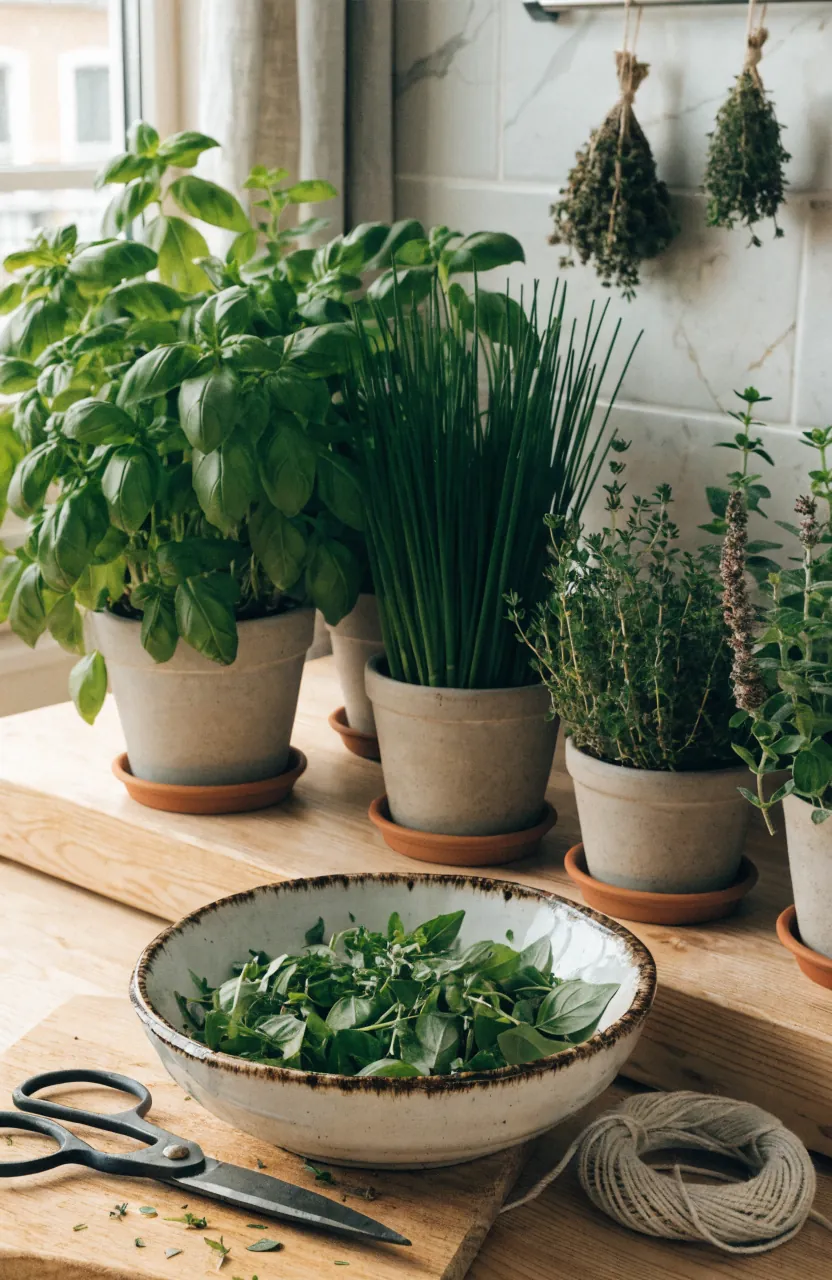
Harvest And Drying Station
The best indoor herb garden is one you actually harvest. A small drying and trimming station reminds you to pinch basil, snip chives, and dry extra thyme or oregano before the plants get woody.
Keep scissors, twine, and a shallow harvest bowl near the garden. Regular light harvesting encourages new growth and turns the setup from decor into a useful part of the kitchen.
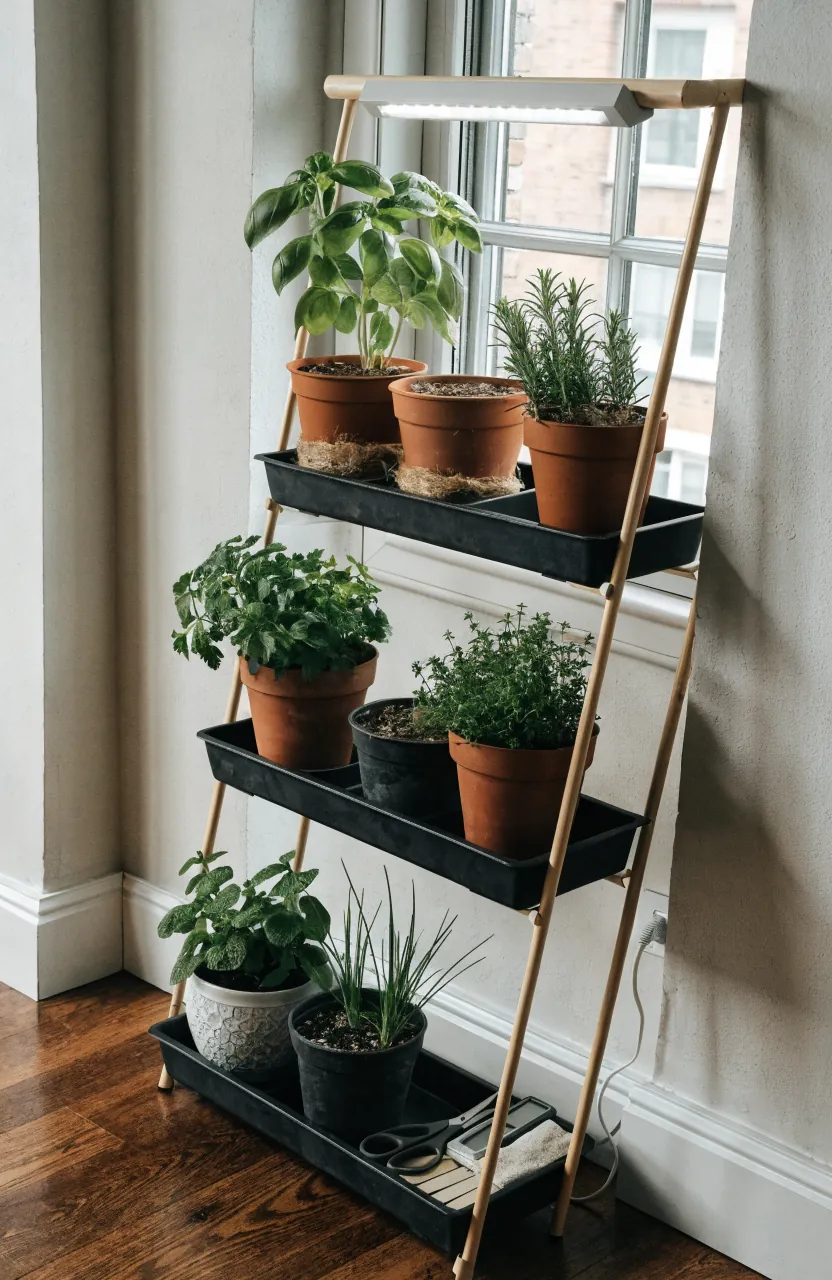
Apartment Corner Herb Stand
A dedicated corner stand is the right answer when herbs keep spreading across every sill and counter. It turns scattered pots into a small indoor garden zone with one watering tray, one light plan, and one set of tools.
Use adjustable shelves if you can, because basil, rosemary, parsley, and thyme will not stay the same height. Keep the stand airy, avoid crowding leaves against the wall, and clean trays before stale water becomes a pest magnet.
Start with the setup that fixes your biggest constraint first. If the problem is weak sun, add a grow light. If the problem is mess, use trays and removable nursery pots. If the problem is space, go vertical. A beautiful indoor herb garden is the one that keeps producing after the first week.