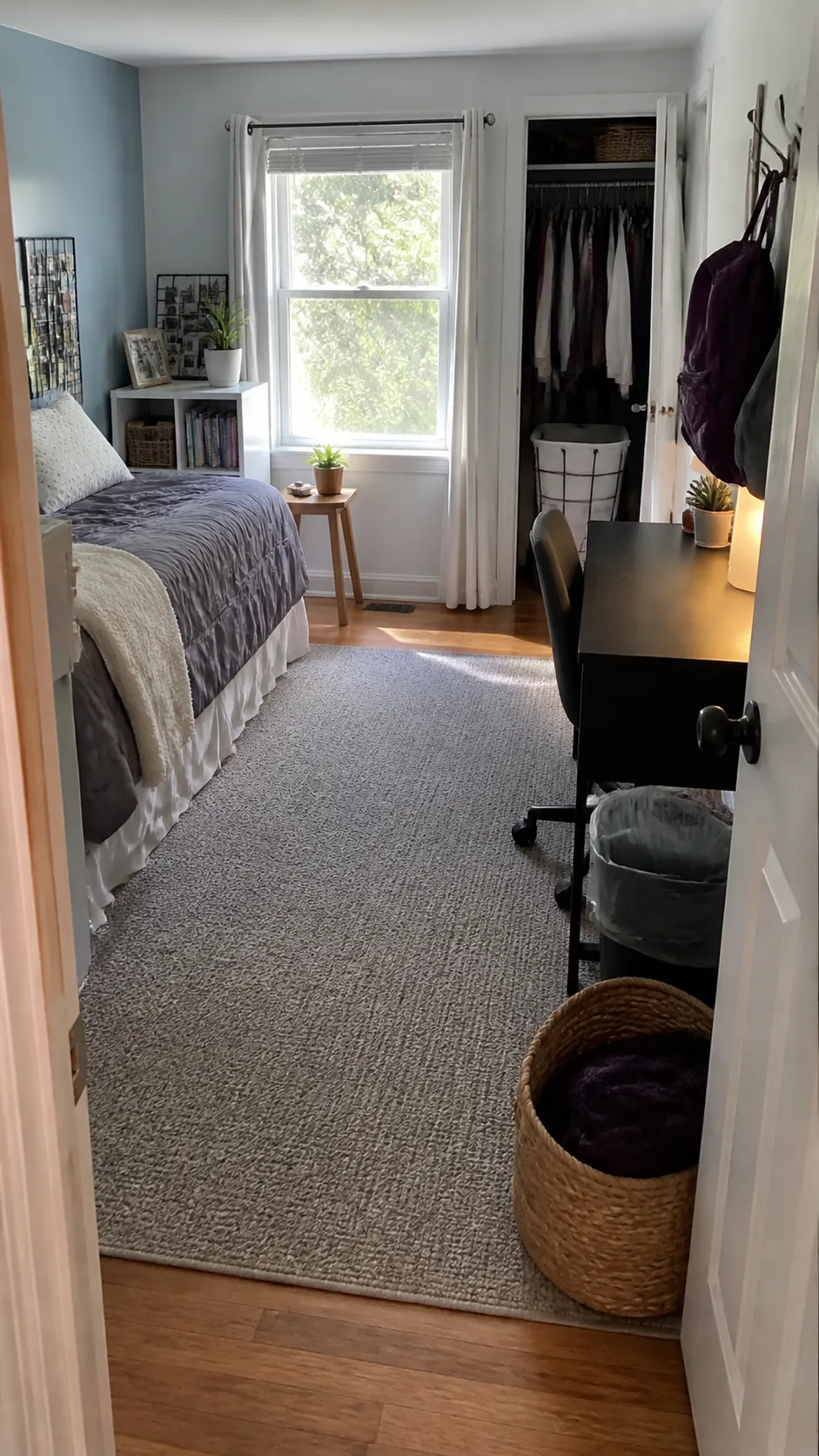
If “clean your room” feels too big, the problem is the instruction—not you. A room contains several different jobs: rubbish, laundry, misplaced objects, dirty surfaces, and floors. The fastest cleaning room hacks separate those jobs so you never have to decide everything at once.
Set a short timer, open a window if conditions allow, put on shoes, and stop when the timer ends if you need to. Your first goal is a safe path and a usable bed, not a perfect room.
Remove Only Rubbish First
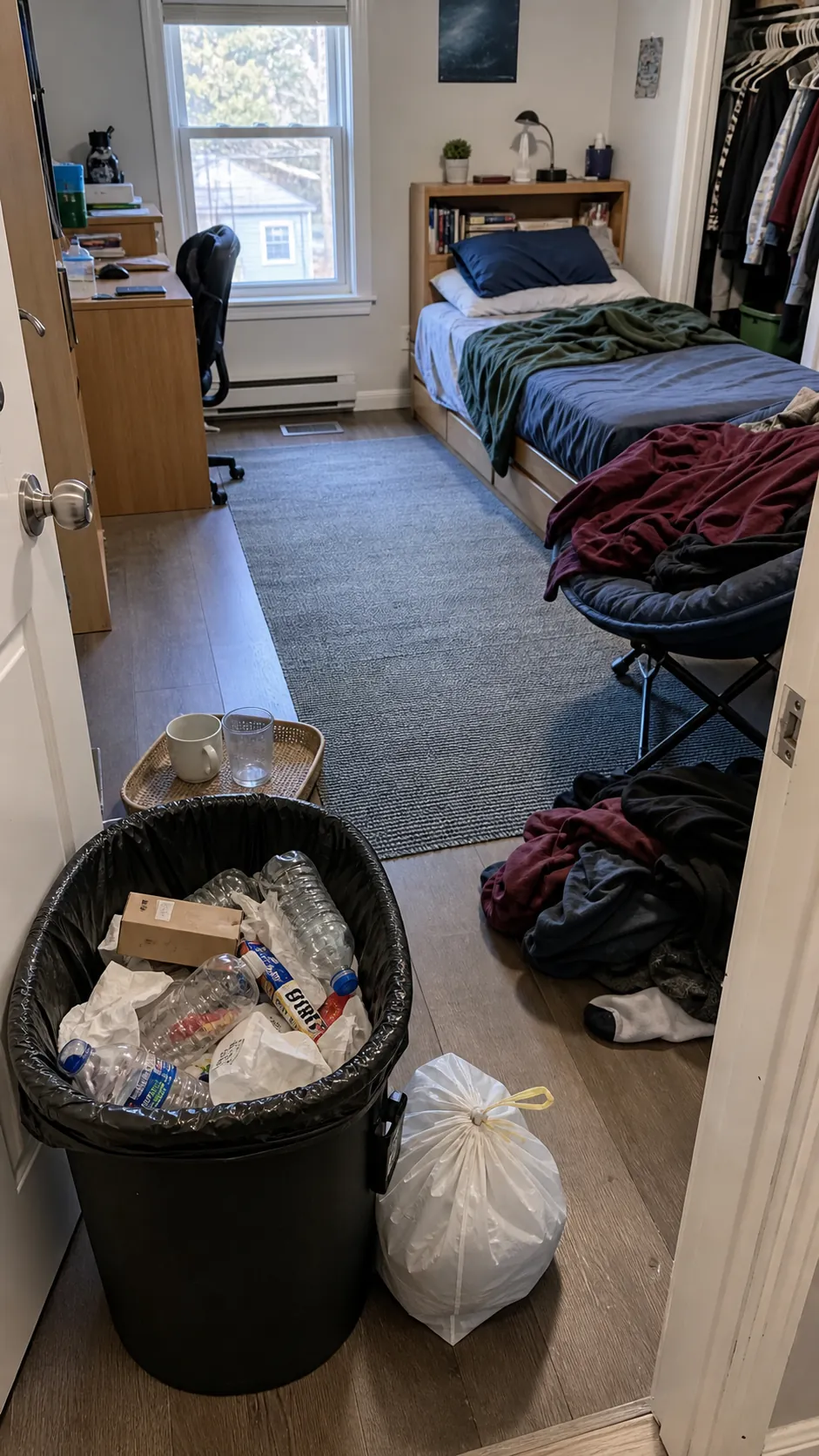
Take one bag and collect obvious rubbish: wrappers, empty bottles, tissues, packaging, and spoiled food. Do not sort clothes, read old notes, or reorganize drawers yet. If an item requires a decision, leave it for a later pass.
Start at the doorway and work clockwise so you can see what has been checked. Tie the bag and move it to the household collection point. Removing food and waste first improves the room quickly and reveals anything that needs safe adult help, such as pests, mold, broken glass, or a spill you cannot identify.
Build a Path to the Bed and Window
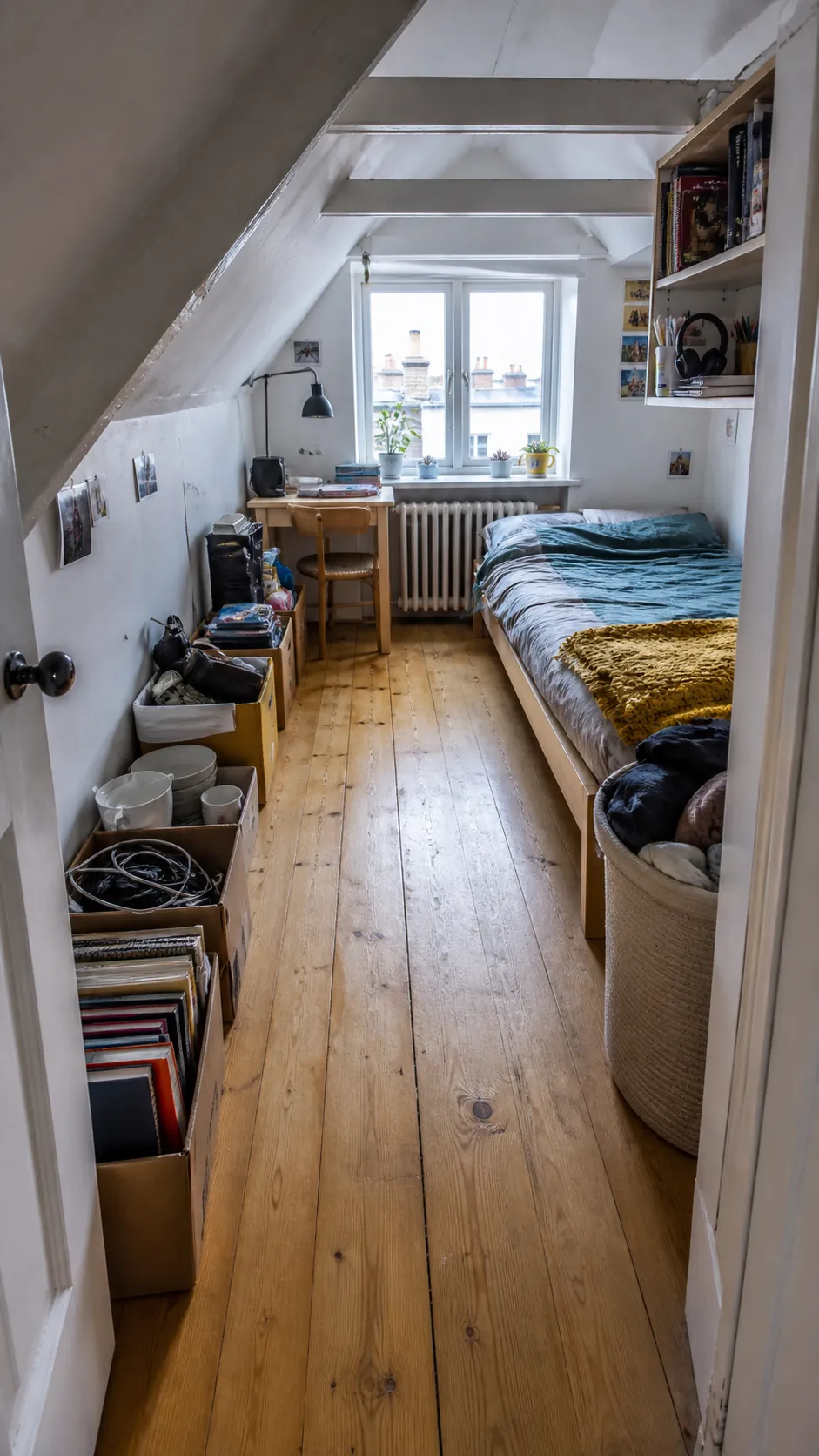
Clear a walkway from the door to the bed and, if safe, to the window. Put everything from that narrow route into broad temporary groups along the wall: laundry, dishes, books, electronics, and “decide later.” A visible path lowers the sense of chaos and makes the next passes safer.
Do not build unstable piles or block a heater, vent, door, or fire escape. Use shallow boxes or baskets if stacks slide. If the bed is covered, clear one corner at a time and put decision items into a single container rather than moving them repeatedly.
Use Two Containers for Clothes
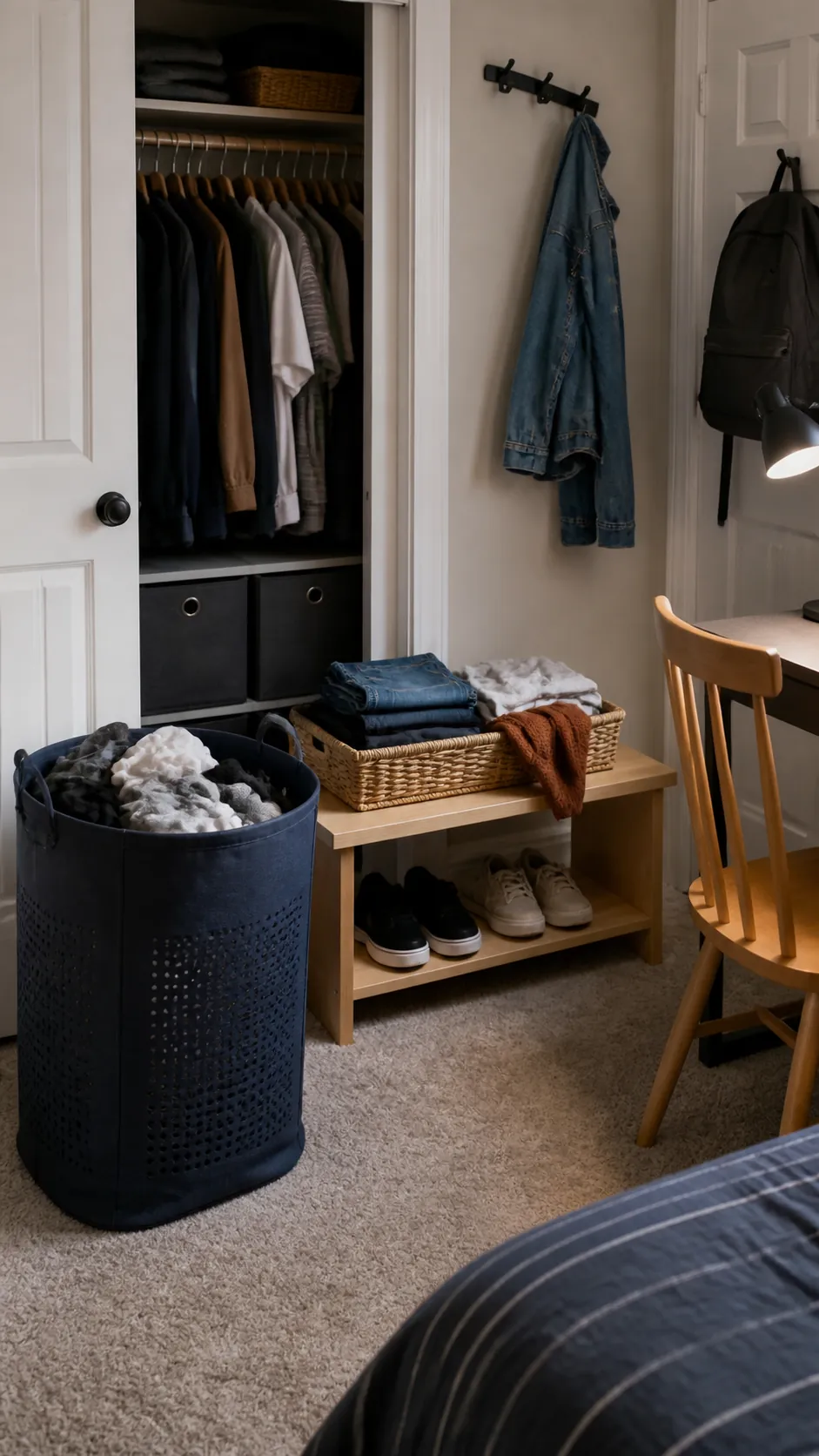
Use one hamper for dirty laundry and one open basket for clean clothes that need folding or hanging. If you cannot tell whether something is clean, wash it according to the care label. Start a load only when you can move it promptly to the dryer or drying rack.
The chair becomes a clothing pile because it is easier than the closet. Put the hamper where clothes actually come off, and place hooks or an open “wear again” basket nearby. This is one of the most useful teen life hacks because it redesigns the room around the real habit.
Clear One Flat Surface at a Time
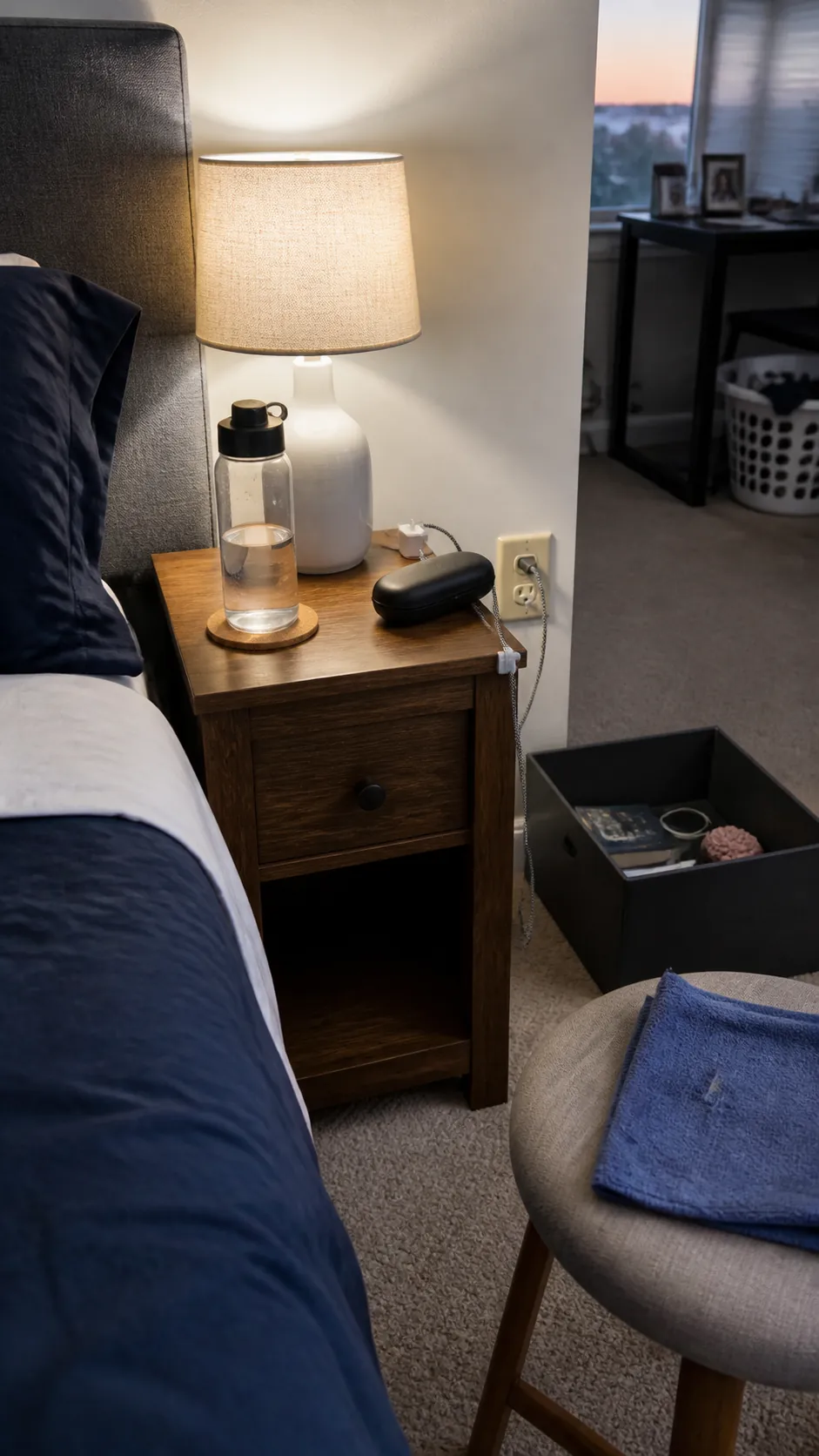
Choose the smallest visible surface—often a nightstand—and remove everything from it. Throw away rubbish, return items with obvious homes, and place all remaining decisions in the same “decide later” box. Wipe the empty surface, then return only what you use there.
Finish that surface before opening a drawer or moving to a desk. A cleared nightstand or dresser creates an immediate calm zone and somewhere to place a water bottle, lamp, or morning essentials without adding another pile.
Deep Clean From the Ceiling Down
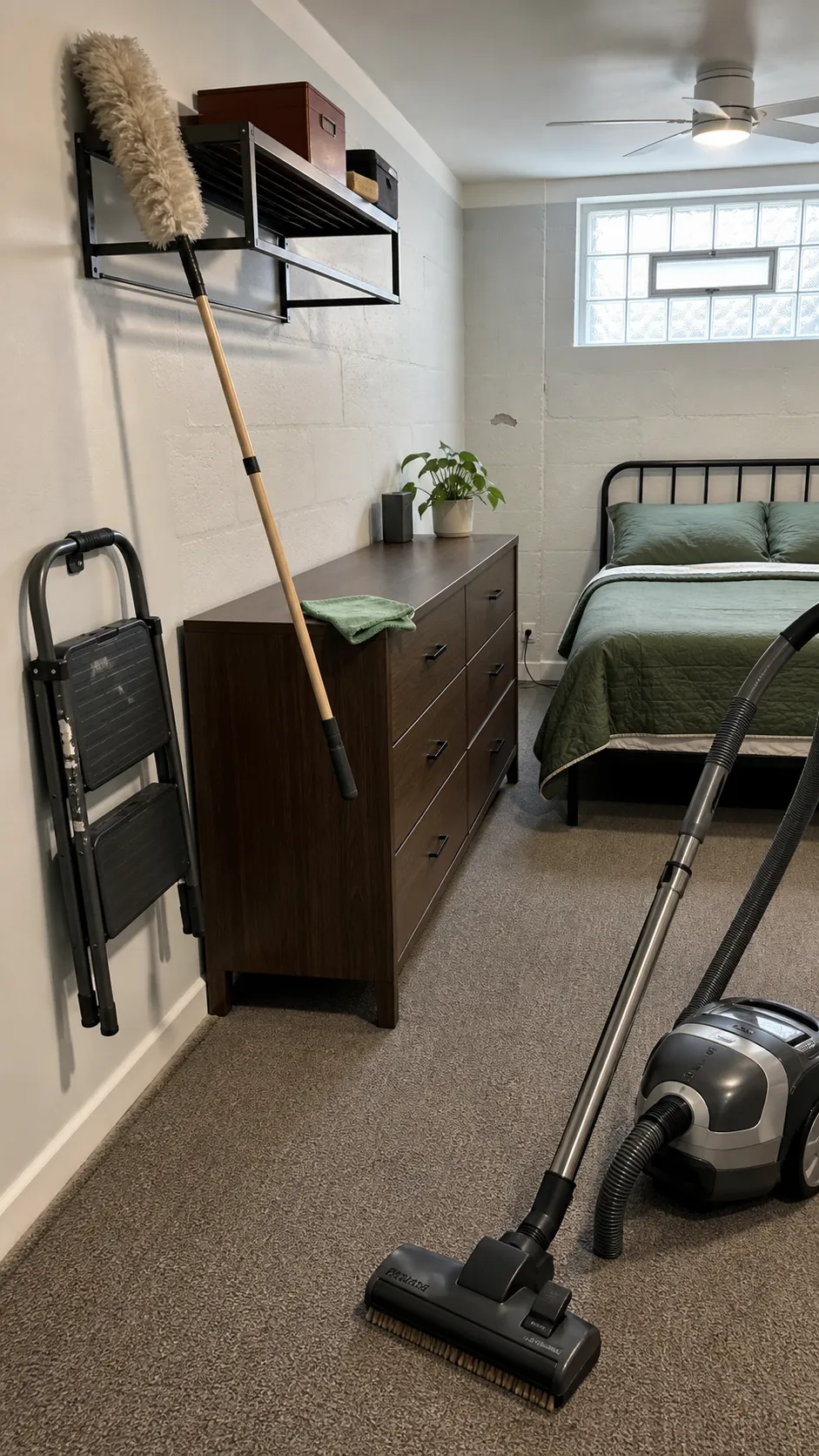
Once clutter is contained, dust the stationary ceiling fan, light fixture, curtain rod, blinds, shelves, frames, furniture, and baseboards in that order. Use tools appropriate for the surface and a stable step stool only when you can reach safely. Vacuum mattress seams and beneath the bed, then finish with the open floor.
Wash bedding and curtains according to their care labels, ventilate during cleaning, and avoid soaking carpet or upholstery. If there is mold, pest waste, unknown residue, or a strong persistent odor, ask a responsible adult, property manager, or qualified professional rather than disturbing it yourself.
Make the Clean Choice the Easy Choice
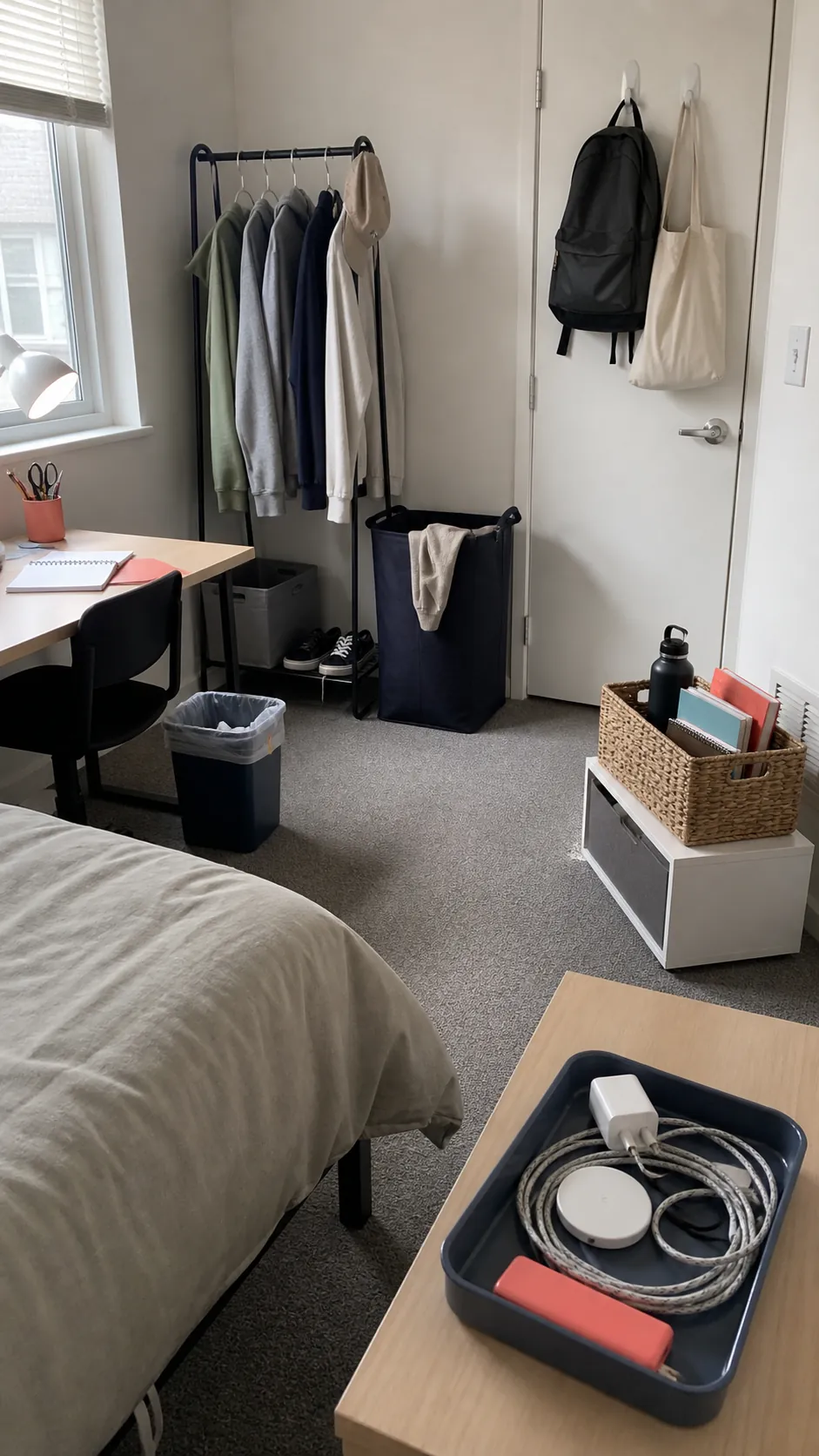
Put a lined bin beside the place where rubbish appears. Move the hamper beside the clothing pile. Add an open tray for chargers, hooks for bags, and a shallow basket for items that must leave the room. If storage has a lid you never open, remove the lid or choose open storage.
End each day with a two-minute closing shift: rubbish into the bin, clothes into one of the two containers, dishes out, and the walkway clear. Once a week, empty the “belongs elsewhere” basket and wipe the clear surfaces. How to keep your room clean is not a question of becoming a different person. It is a question of giving each recurring mess a home closer than the floor.