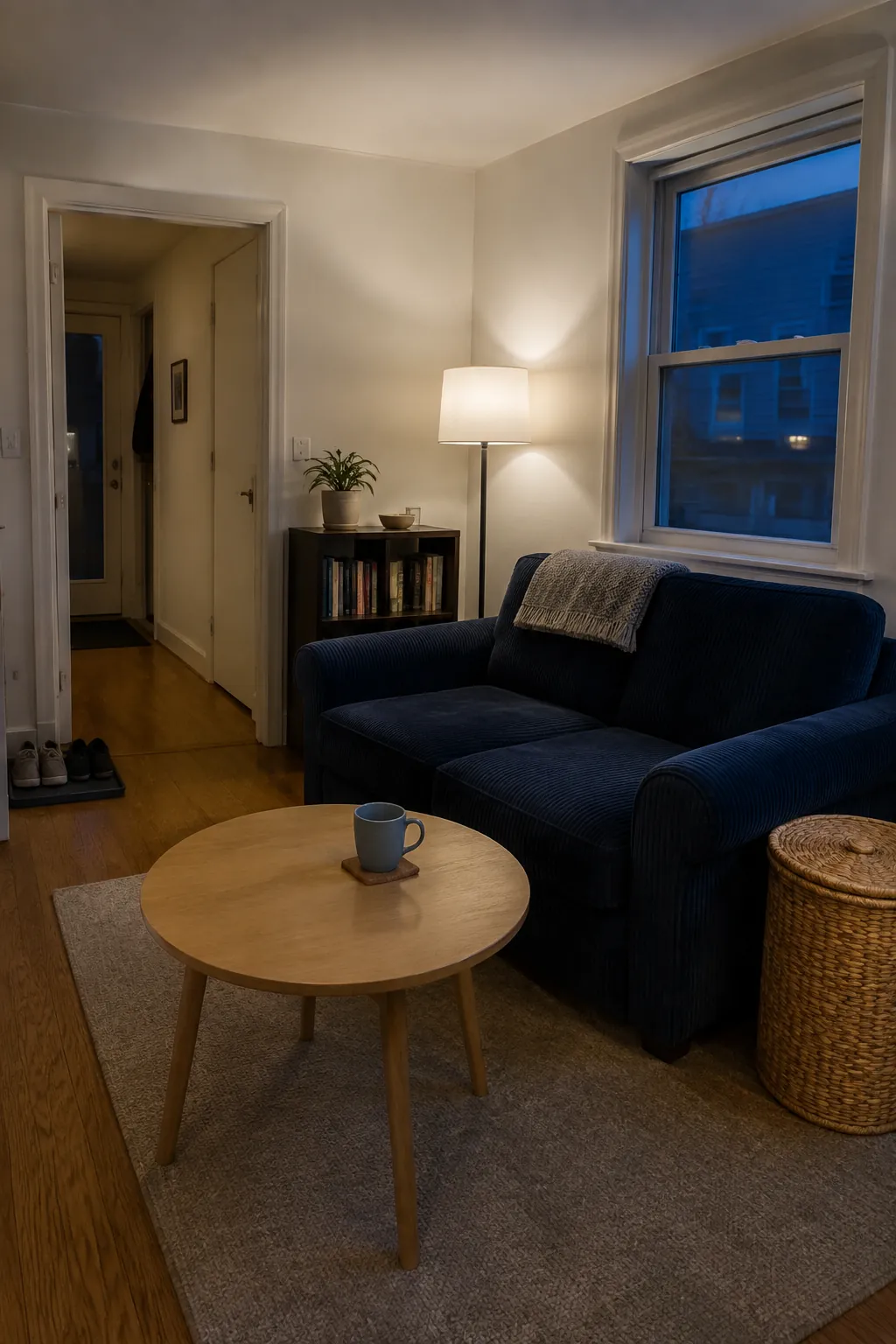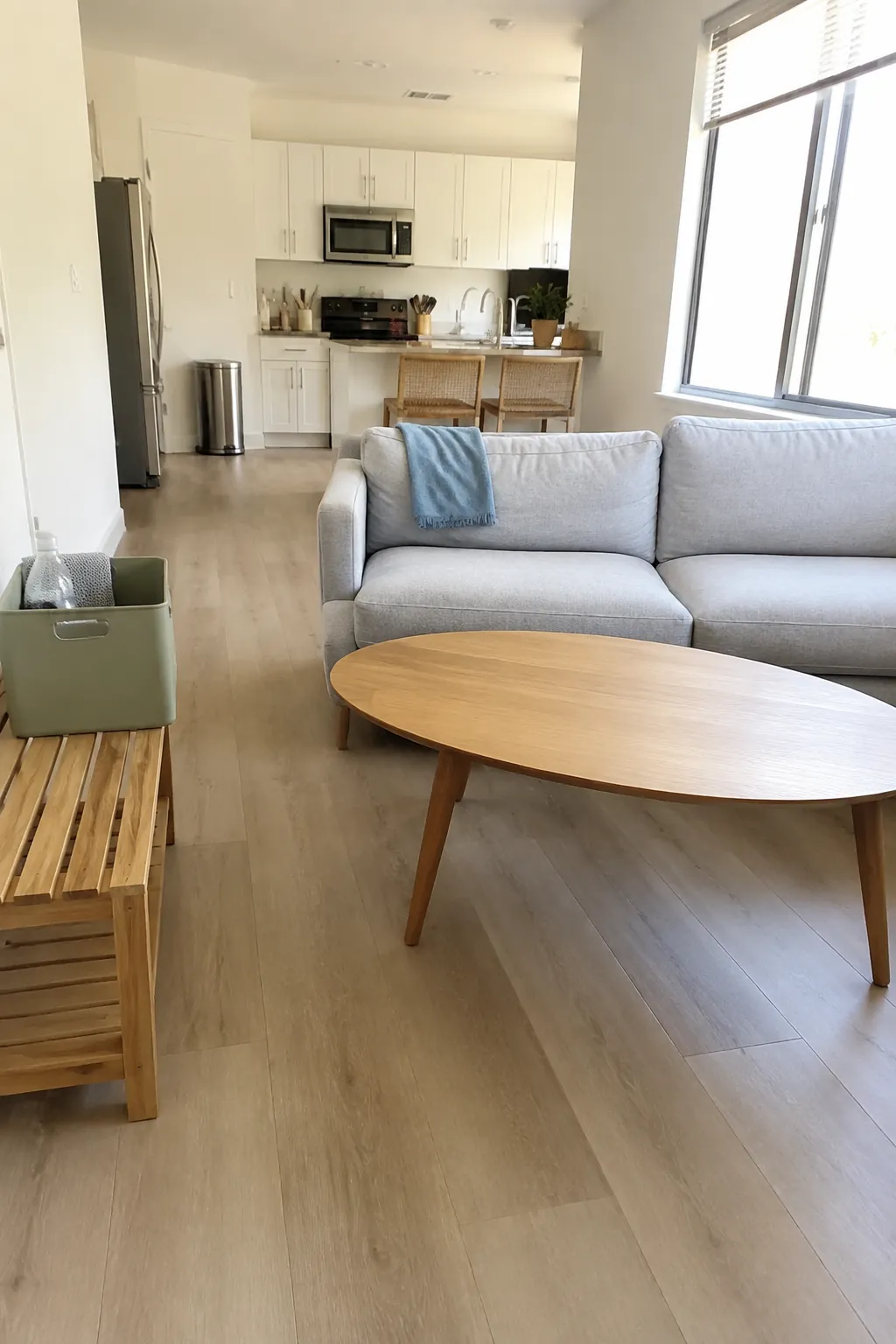
Guests are due, there are dishes on the table, and every room seems to need attention at once. Pick the spaces you will actually use, remove the loose mess, then clean surfaces before floors. You can make a home more usable quickly without finishing every cupboard or tackling months of accumulated cleaning in one afternoon.
Choose the rooms that matter before starting
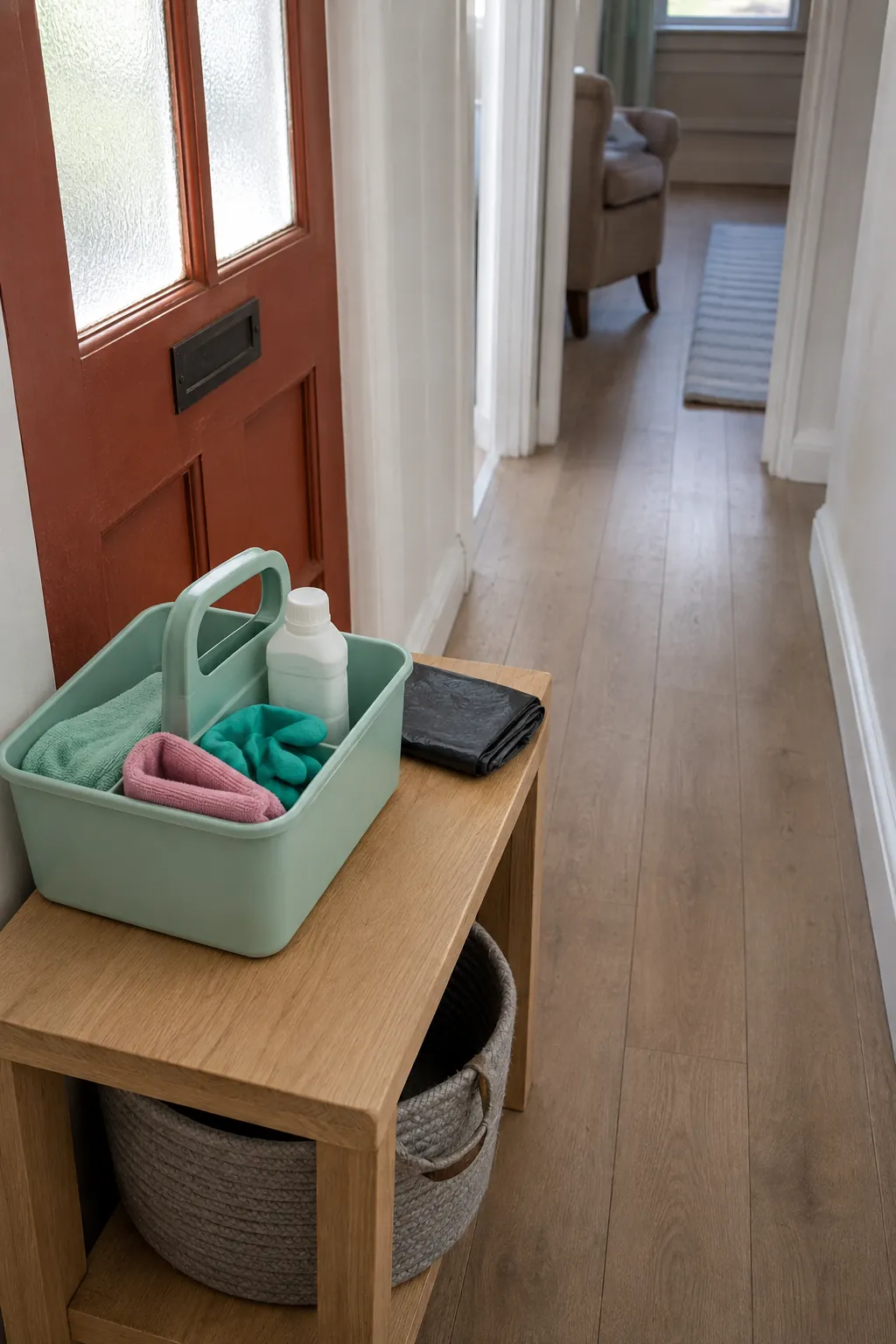
If someone is arriving soon, concentrate on the entrance, bathroom, and place where you will sit together. If you are cleaning for yourself, start with the room that will make eating, sleeping, or moving around easier today. Put a rubbish bag, laundry basket, a few cloths, and an appropriate surface cleaner within reach. This keeps the first few minutes from disappearing into repeated supply trips.
A one hour home reset is a planning window, not a promise that every home can be finished in sixty minutes. Try five minutes for setup, fifteen for loose items, fifteen for the kitchen, ten for the bathroom, and fifteen for visible surfaces and floors. Reassign those minutes to the rooms you actually need. If you only have fifteen minutes, clear the walking route, remove food waste, and make the bathroom usable.
Remove rubbish and collect loose items in one pass
Start with obvious rubbish so you can make progress without deciding where every possession belongs. Carry the bag through your chosen rooms and remove food wrappers, empty packaging, and ordinary waste. Keep important papers, medication, and unfamiliar objects out of that bag until you can identify them. Handle sharp or hazardous waste appropriately instead of reaching blindly into a pile.
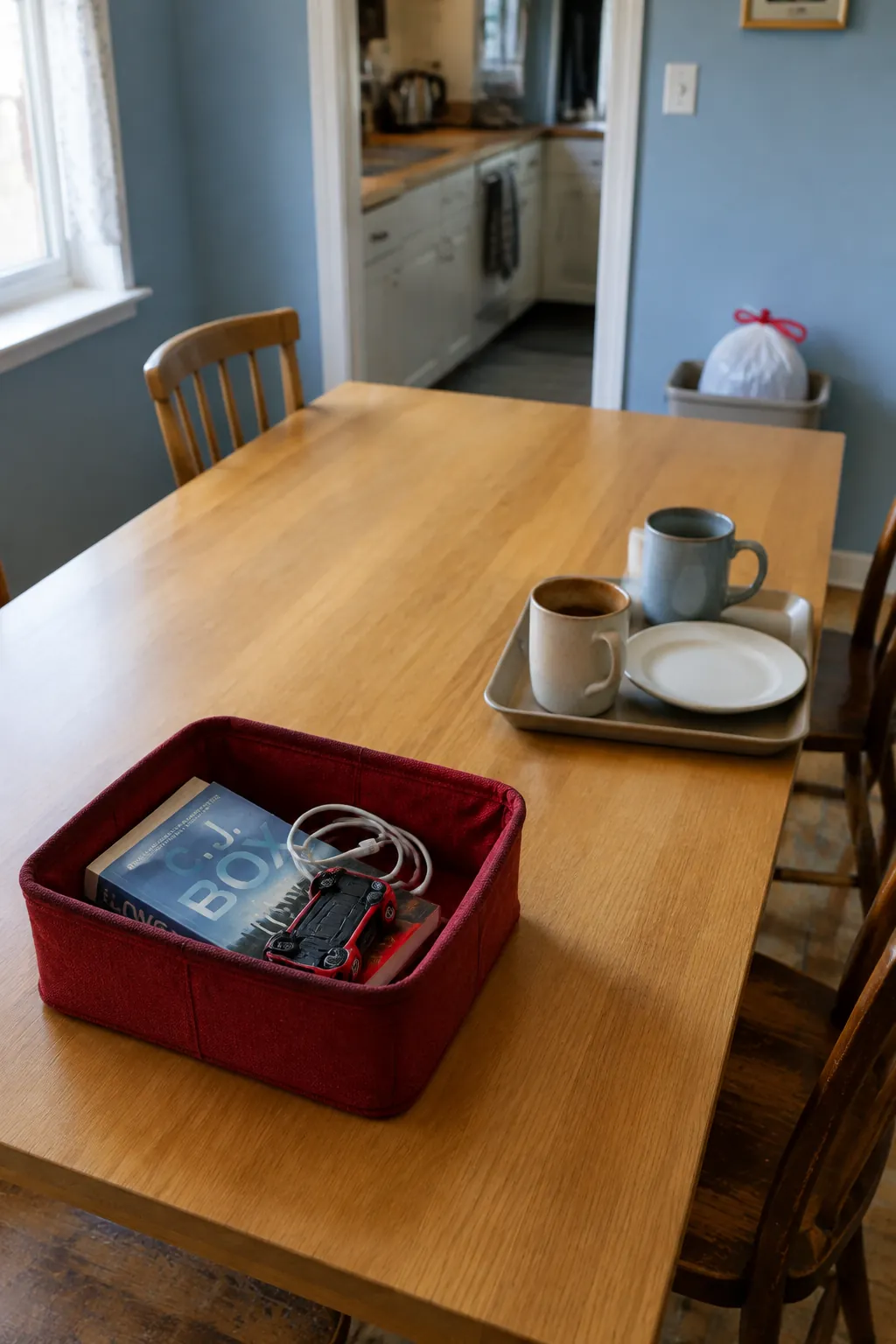
Next, take dishes to the kitchen and put dirty clothing into a hamper. Use one temporary basket for items that belong in other rooms, then park it where it will not obstruct an exit or become a trip hazard. Do not start sorting the entire wardrobe when you carry a shirt into the bedroom. This quick declutter method is a pickup pass, with a separate time later to empty the temporary basket.
Restore one usable kitchen work surface
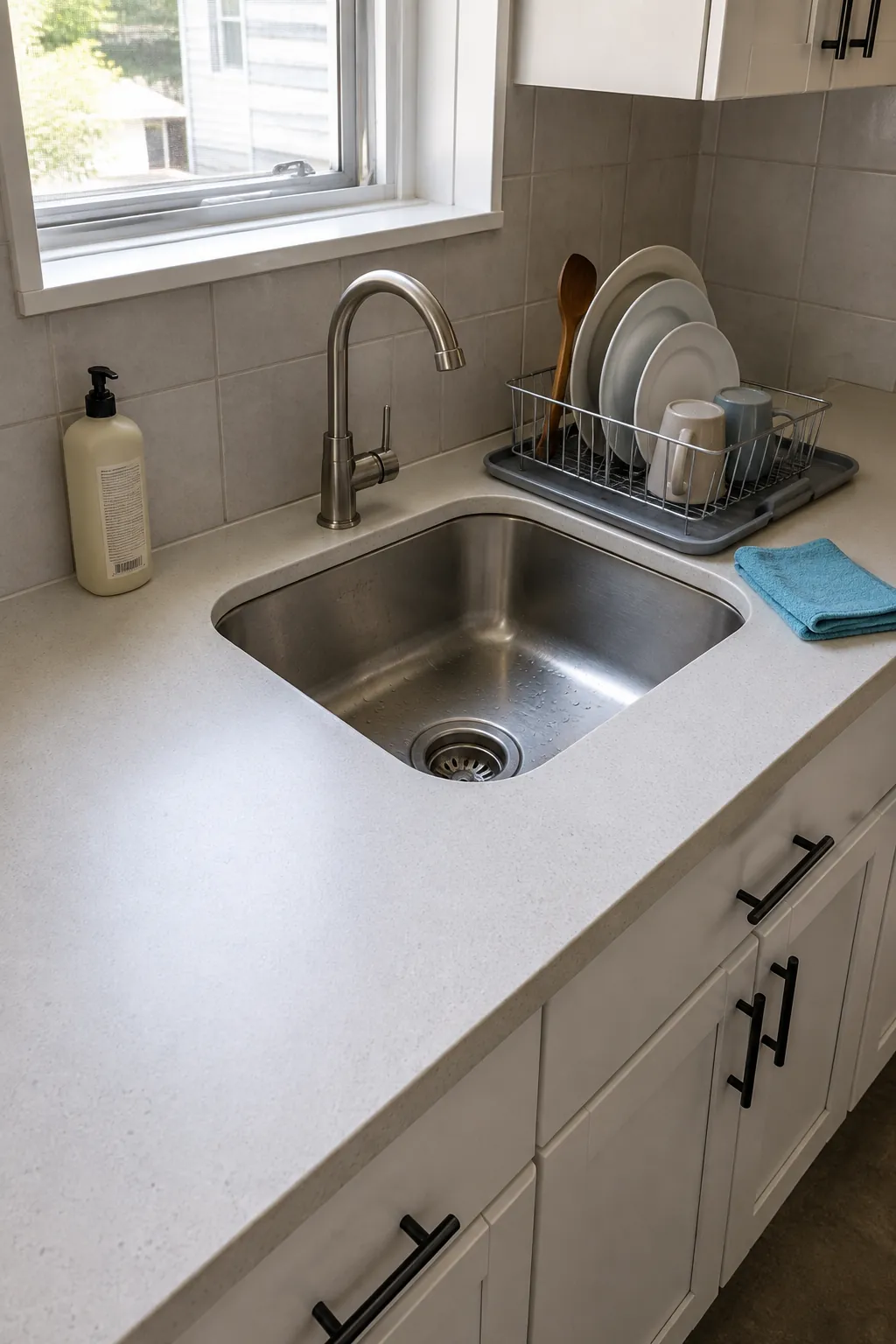
Scrape food scraps into the appropriate waste container, load suitable dishes into the dishwasher, and start it when ready. If you wash by hand, handle the dishes needed for your next meal first and put them on a stable drying rack. Never conceal dirty dishes in an oven or another appliance. Move unnecessary objects from one section of counter so you have an actual surface to clean.
Use a cleaner suitable for the countertop and follow its directions, including any rinsing required on food contact surfaces. Wipe from the back toward the front, catching crumbs rather than pushing them into drawers. Give the sink a quick wash and remove food from the drain strainer. Leave cabinet interiors, appliance detailing, and reorganizing spices for a longer session.
Make the bathroom ready for the next person
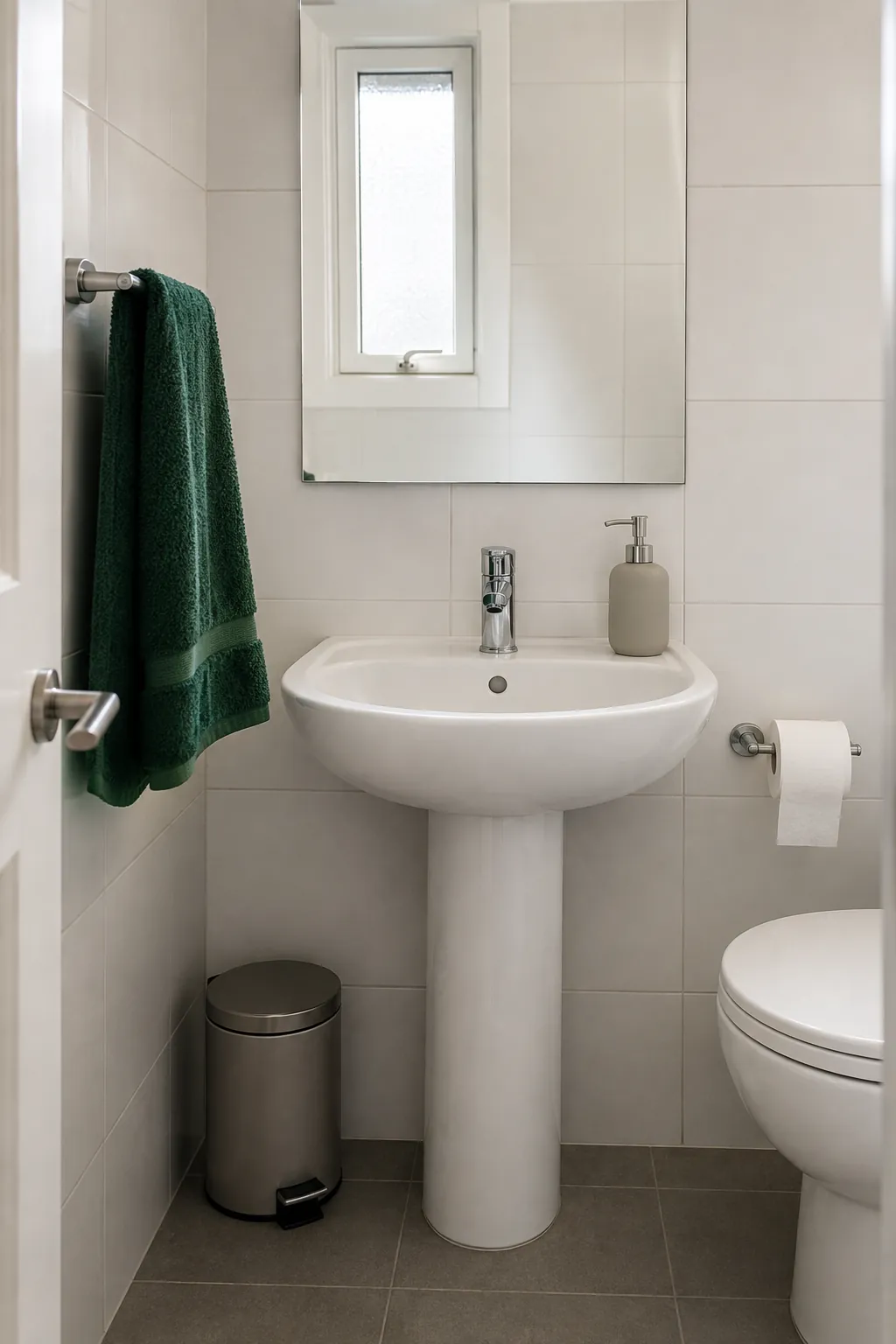
Clear the sink edge, wipe the basin and taps, and remove visible marks from the mirror. Clean the toilet with appropriate products, keeping toilet cloths and tools separate from those used elsewhere. Follow each product label for ventilation, surface compatibility, and any required contact time. Never mix cleaning products, especially bleach with ammonia or acids.
Cleaning removes dirt, while disinfecting requires the disinfectant to remain on the surface for its labeled contact time. A rushed wipe does not replace those directions. Finish by replacing the hand towel, checking the soap and toilet paper, and emptying a full bin. These small practical checks matter more to a visitor than a perfectly organized cupboard.
Wipe visible surfaces before doing the floors
Work around the room in one direction so you do not keep revisiting the same table. Lift the few objects you are keeping out, wipe underneath them, and return only what belongs there. Fold the throw, straighten the cushions, and clear a usable seat without stopping to redesign the room. Use a fresh cloth face when the one in contact with the surface becomes dirty.
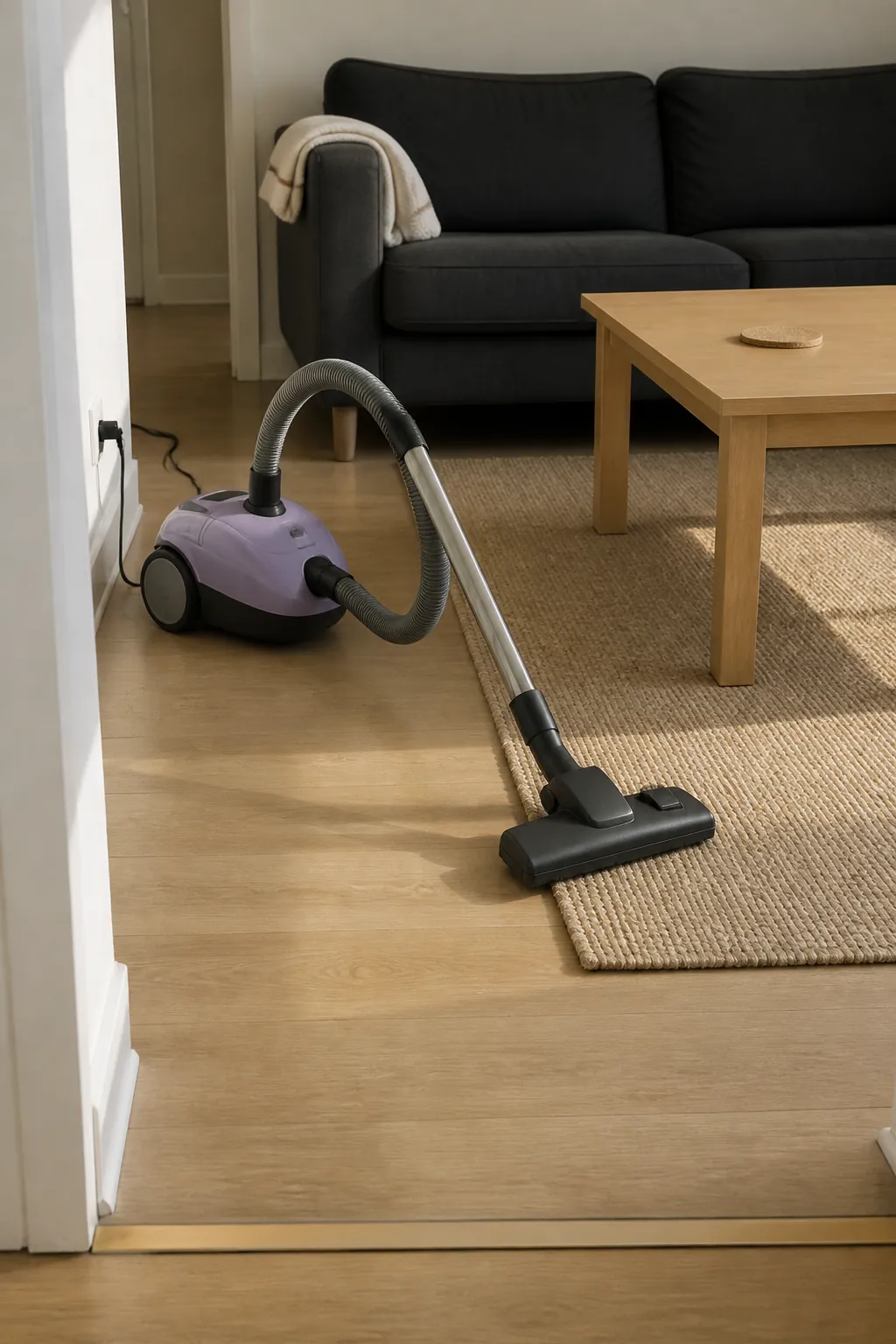
Vacuum or sweep accessible floors after crumbs and dust have come off the furniture. Prioritize the entrance, the path between rooms, and the area around the dining table. Remove sticky spills with a method suitable for the flooring, and let any damp floor dry before walking across it. Do not move heavy furniture during a fast house cleaning session unless there is a specific immediate need.
End with a reset you can maintain tomorrow
Take the rubbish to its proper disposal point and return cleaning products to their normal safe storage. Empty the temporary pickup basket if time remains; otherwise choose a specific time to return its contents, rather than leaving it as a permanent holding area. Put away the vacuum and hang reusable cloths to dry or send them to the wash as appropriate. A room is easier to use when the cleaning equipment is no longer occupying it.
If the mess has built up for months, finishing one safe route or one usable surface is still useful progress. Persistent damp, extensive mold, pests, or hazardous waste need an appropriate response beyond a speed cleaning checklist. Ask for practical help when the amount of work exceeds what you can handle alone. Tomorrow, repeat the smallest action that made the biggest difference today, whether that was clearing the sink or removing the day’s rubbish.