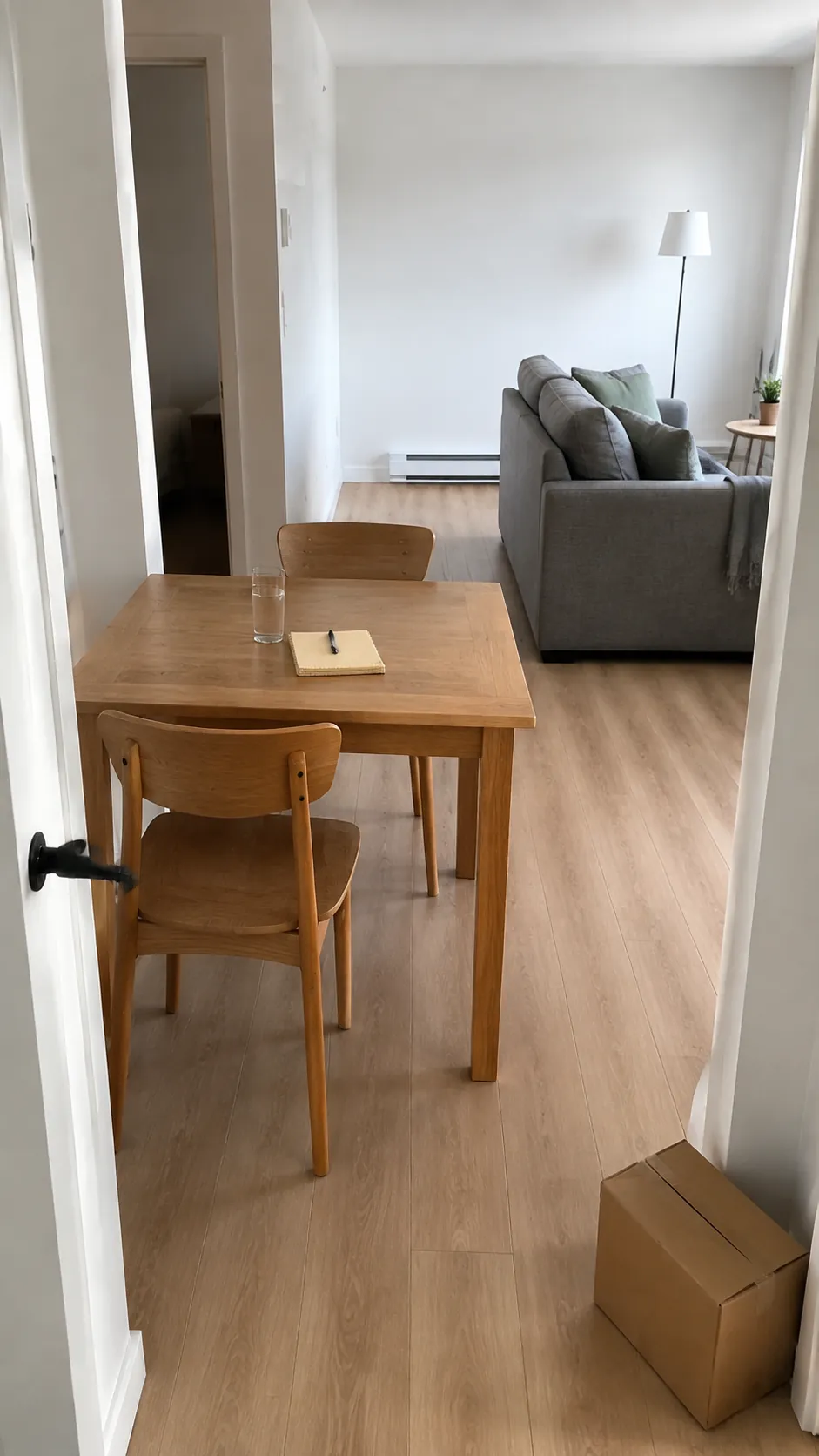
The spare room can wait if you still have to move a pile to make breakfast. Start with the spaces that interrupt your day, and give everything you remove a destination. A weekend reset succeeds when you can use your home more easily and the unwanted belongings actually leave.
This three day declutter plan suits a home with ordinary accumulated clutter and several focused work sessions available each day. It is a first pass, not a promise to sort every photograph or empty an entire garage. If your time or energy is limited, follow the same sequence across more days and reduce each session to one surface or drawer.
Before you start: choose a finish line and an exit route
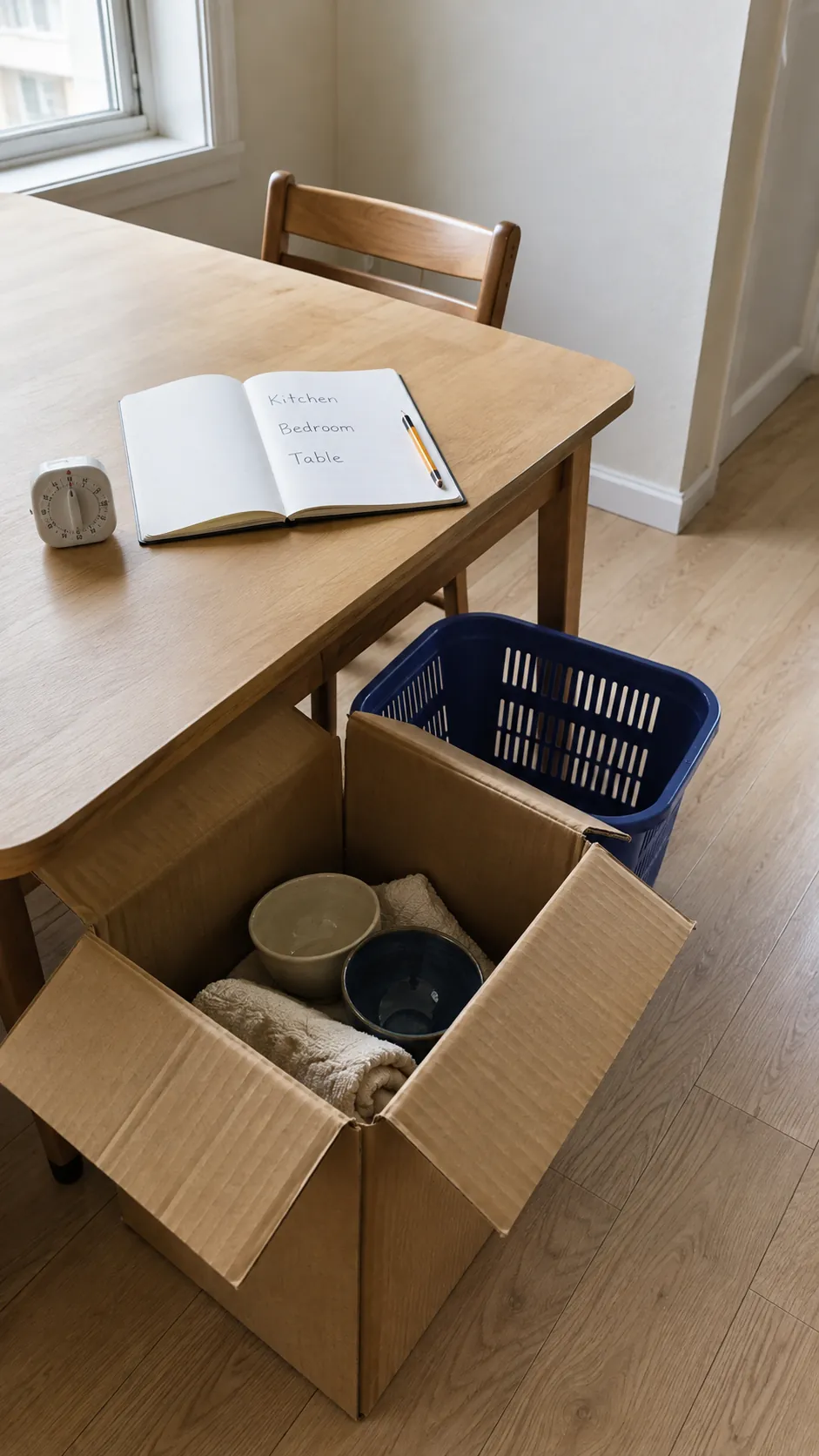
Write down three visible results: a clear kitchen worktop, a usable bedroom floor, and a dining table ready for a meal, for example. Walk through the house without opening cupboards and mark the obstacles to those results. This becomes your room by room checklist, with the most disruptive spaces first.
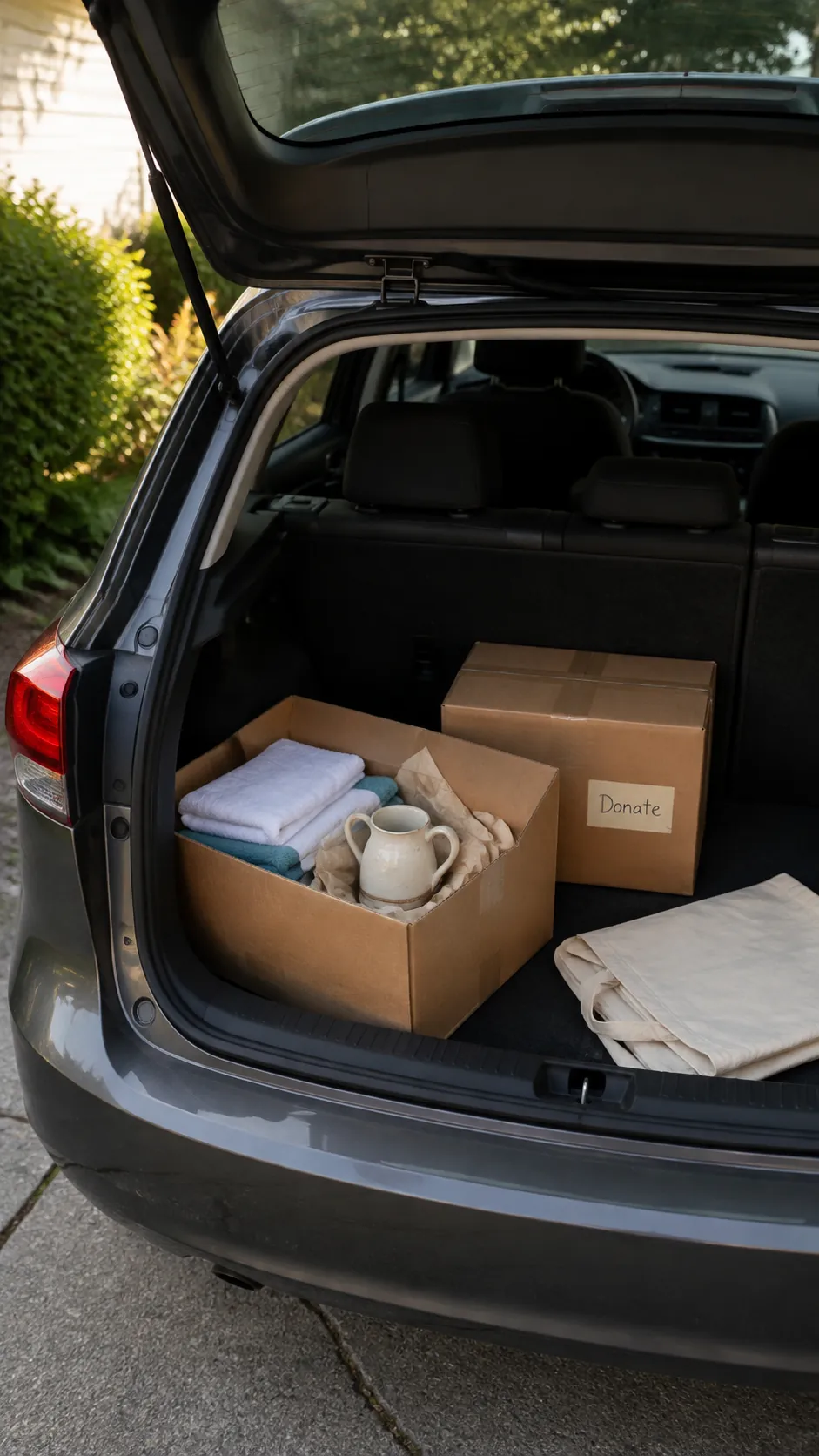
Prepare a rubbish bag, a recycling container, a donation box, and a basket for belongings that need returning elsewhere. Keep these against a wall without blocking doors or walkways. Check what your donation destination accepts and when it opens before packing, then reserve a drop off or collection slot for the third day.
Plan two or three work periods with breaks, leaving the final part of each period for putting things away. A useful starting point is 25 minutes of sorting followed by 10 minutes of closure, adjusted to your capacity. Do not buy organizers yet; you need to see what remains before deciding how to store it.
Day one morning: restore the routes you use every day
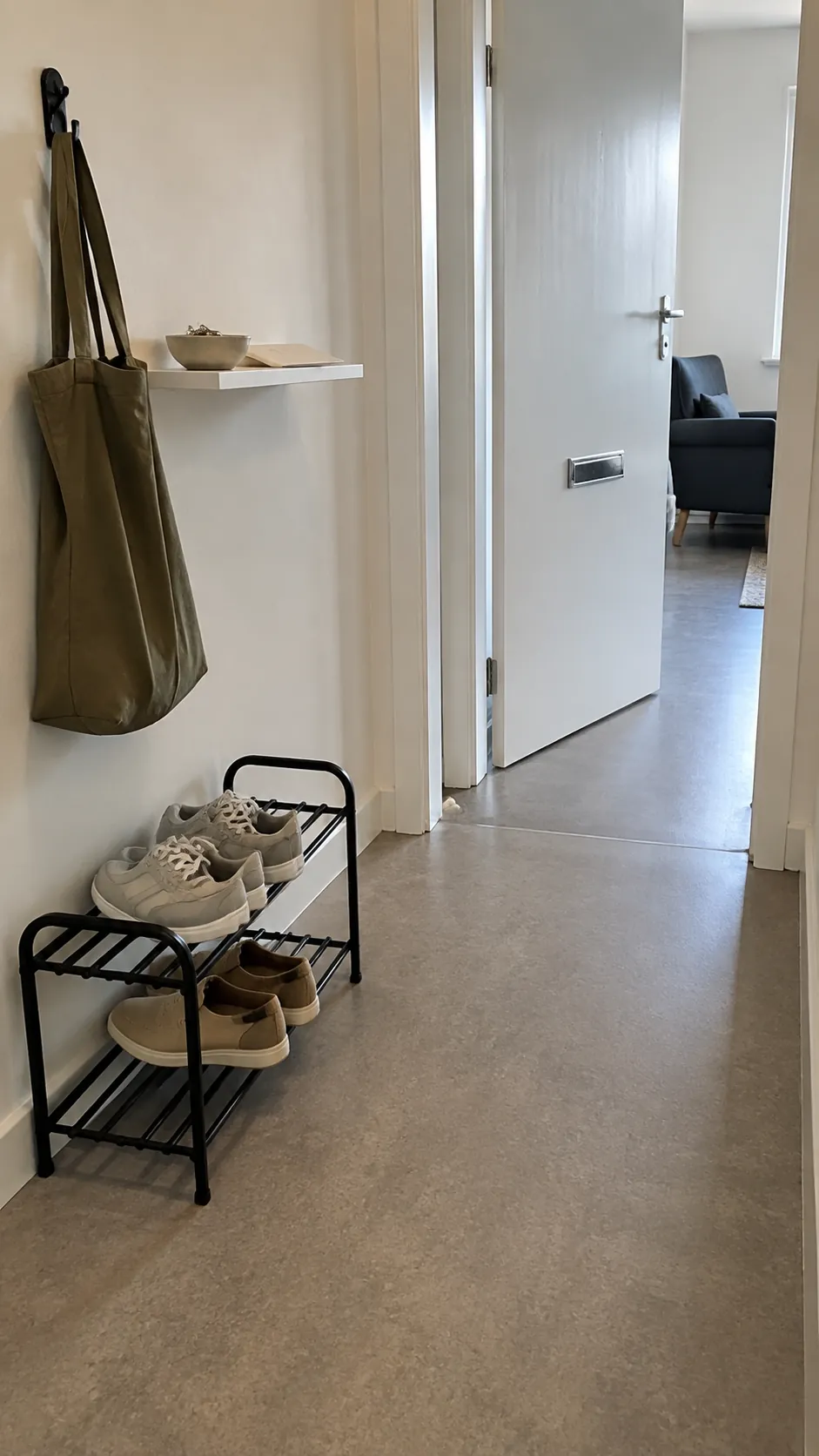
Begin at the entrance and follow your usual route into the living area. Collect obvious rubbish, return shoes to their normal spot, and move parcels to one place for opening. Leave other household members’ possessions in an agreed basket rather than deciding their fate for them.
Work across one surface at a time, keeping only objects that serve its purpose. A hallway shelf might need keys and incoming mail, but it does not need last month’s catalogues or a broken umbrella. Give action papers one tray and schedule a separate time to handle them; do not let bill paying consume the whole morning.
Stop when the doorway opens freely, the route is clear, and there is somewhere to set down a bag. Take a private progress photo if it helps you notice the change. Compare usability rather than aiming for an empty room.
Day one afternoon: make the kitchen work again
Clear the space where you prepare food before opening storage. Wash or load the dishes, put food away, and remove objects that belong in other rooms. Keep an appliance on the counter only if its frequency of use justifies the space it takes.
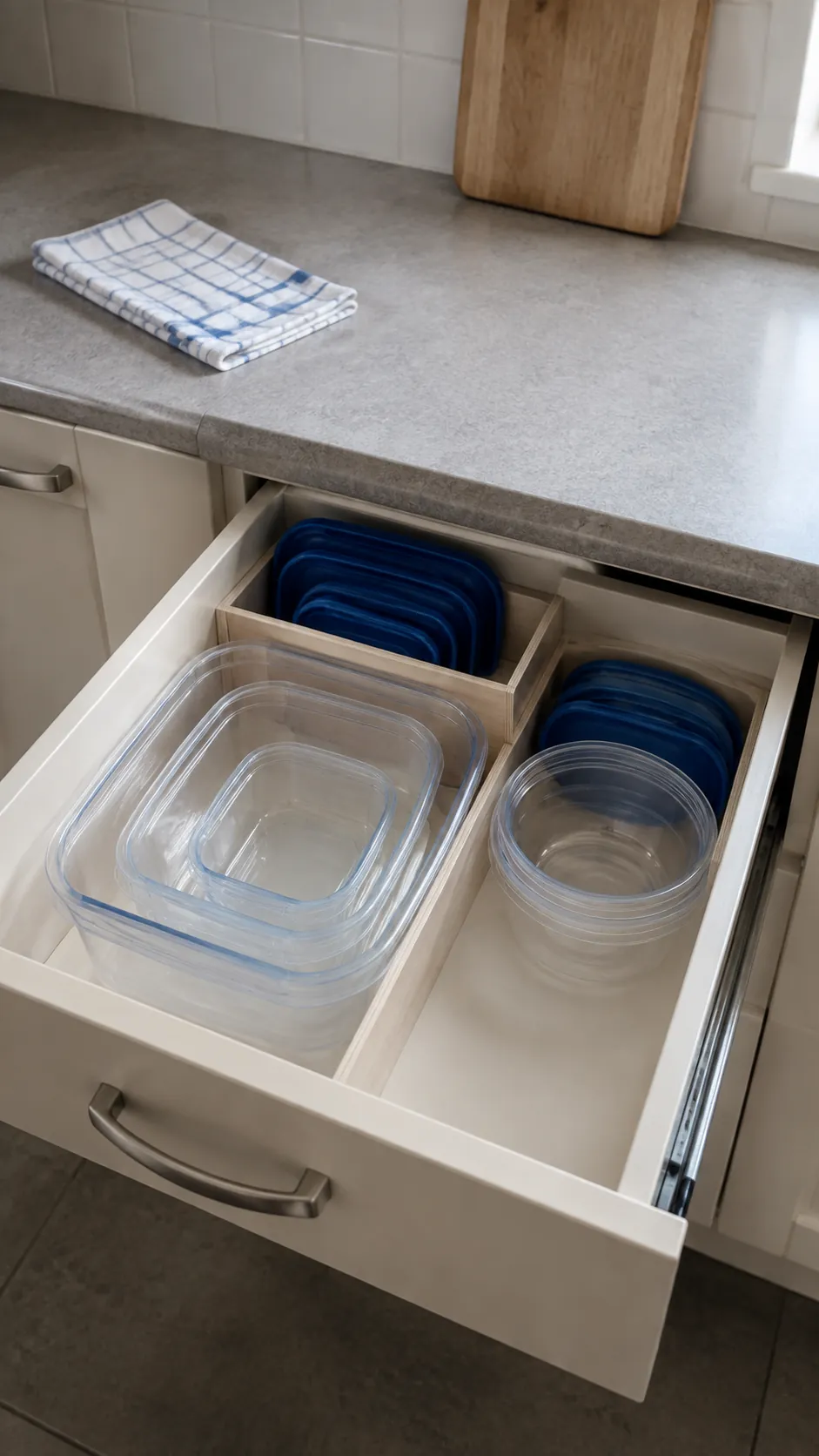
Choose one crowded drawer or cupboard next. Match containers with lids, check utensils for duplicates you do not use, and keep the tools you reach for within easy reach. Do not empty all the cupboards at once; finish a single storage area before starting another so dinner remains possible.
Check food using the product’s storage instructions and applicable safety guidance, rather than assuming every printed date means the same thing. Keep unopened suitable donations separate from damaged or unsafe goods, and confirm local acceptance rules. End the day by emptying the return basket and moving rubbish and recycling to their proper collection points.
Day two: reduce the clothing and bathroom bottlenecks
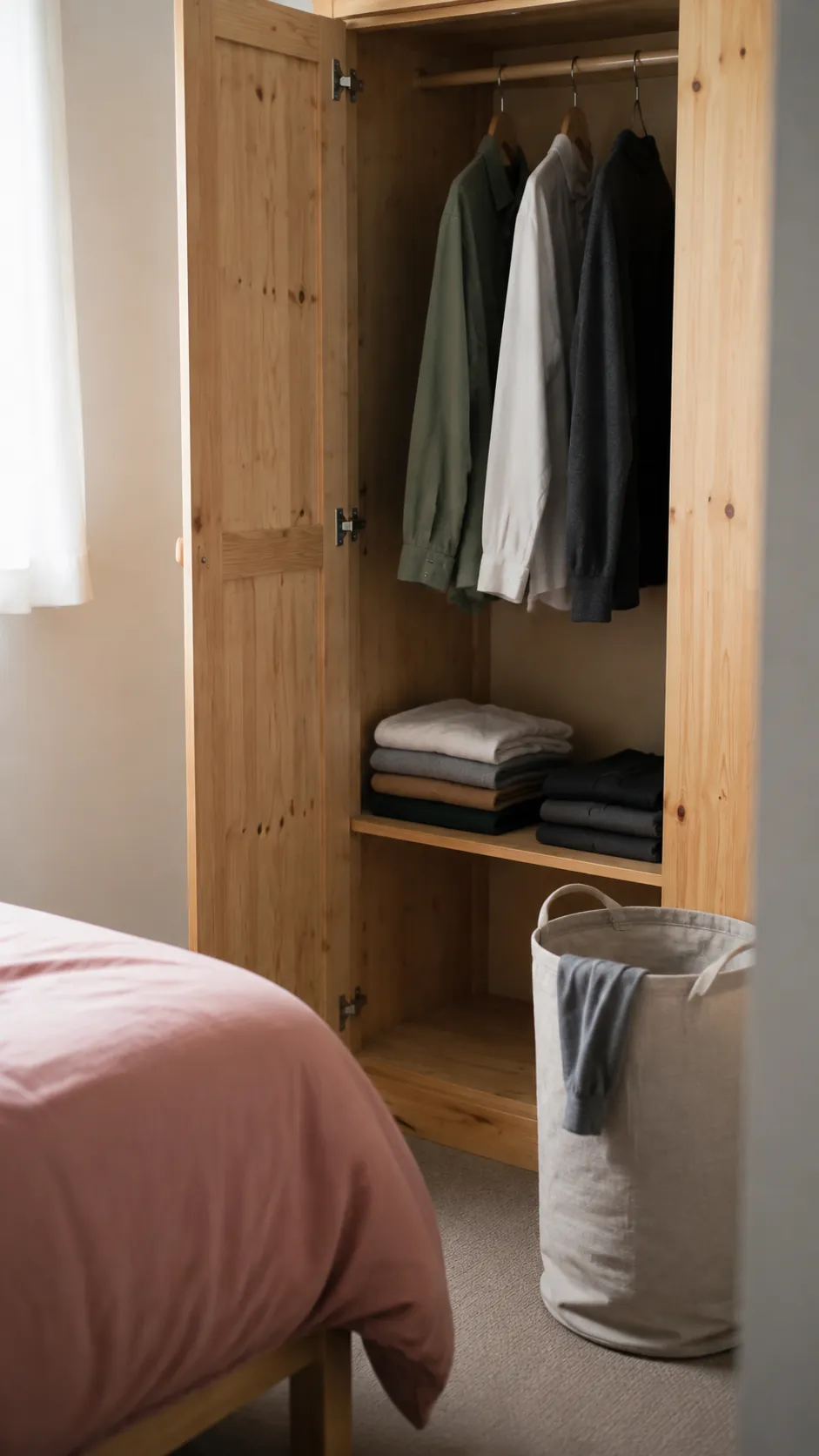
Start with the clothes outside storage: the chair pile, the floor, and the clean laundry basket. Separate items needing washing from clean clothes, then put away the garments you currently wear. This reveals whether the problem is too much clothing, an unfinished laundry routine, or both.
Sort one clothing category at a time and assess fit, comfort, condition, and whether it belongs in your current life. Keep seasonal necessities, work requirements, and special occasion pieces you realistically use. Put uncertain items in one small dated box for a later review instead of creating several indefinite piles.
In the bathroom, gather products from one shelf and group duplicates so you can use the open item first. Follow label guidance for disposal and use a local medicine return service where available; keep medicines and cleaning products secured from children and pets. Leave everyday toiletries accessible and place occasional supplies together, without transferring products into unlabelled containers.
Day three morning: finish the decisions that keep piles alive
Reserve the morning for remaining hotspots and the decision boxes you created, not a fresh attic overhaul. For papers, separate required records, actions, and material that can leave, checking retention requirements before discarding important documents. Protect sensitive information with an appropriate secure disposal method.
Set aside sentimental possessions for a deliberate session if you cannot judge them calmly today. Keep them in a defined container with a review date, and avoid pressuring another person to part with memories. The purpose of this weekend home declutter is to recover living space, not to force difficult decisions while exhausted.
Give potential sales a realistic deadline and a minimum value that makes the work worthwhile to you. Photograph and list only what you can handle within the time you reserved. If you know you will not arrange buyers or shipping, choose a suitable donation route now instead of turning the hallway into a sales warehouse.

Day three afternoon: get the boxes out and protect the space
Close the donation box method with an actual handoff: deliver accepted items, meet the booked collection, or schedule the next available option. Store anything awaiting collection safely away from exits and mark its date. Handle batteries, electronics, chemicals, and other restricted waste through the appropriate local service rather than adding them to ordinary rubbish.
Walk through your original three finish lines and return any stray items that have migrated back. Adjust storage around the habit you observed: a laundry basket where clothes collect, a small paper tray near the entrance, or everyday mugs near the kettle. Containers are useful when they give a remaining category a home and a limit.
Choose one brief evening reset and one weekly exit check for donations and recycling. If a surface fills again, ask which belongings lack a convenient home before blaming your willpower. Tomorrow morning, the test is simple: can you make breakfast without first moving a pile?