Wiping around a pile leaves the pile in charge of the room. Emptying every cupboard creates another problem: a house you cannot use until the sorting is finished. A better reset keeps each work area small and puts the tasks in an order that prevents doing them twice.
Use this deep cleaning checklist as a sequence you can spread across several sessions. Decluttering removes what does not belong, cleaning removes soil, and organizing gives the remaining items a convenient home. Finish those steps in one manageable zone before opening another.
Clear access and gather a small cleaning kit
Choose the room whose condition most affects meals, sleep, or washing, then remove rubbish and return dishes and laundry to their proper destinations. Collect unrelated belongings in a basket and put them away before the session ends. Leave sentimental sorting for another appointment if it would prevent you from reaching the surfaces today.
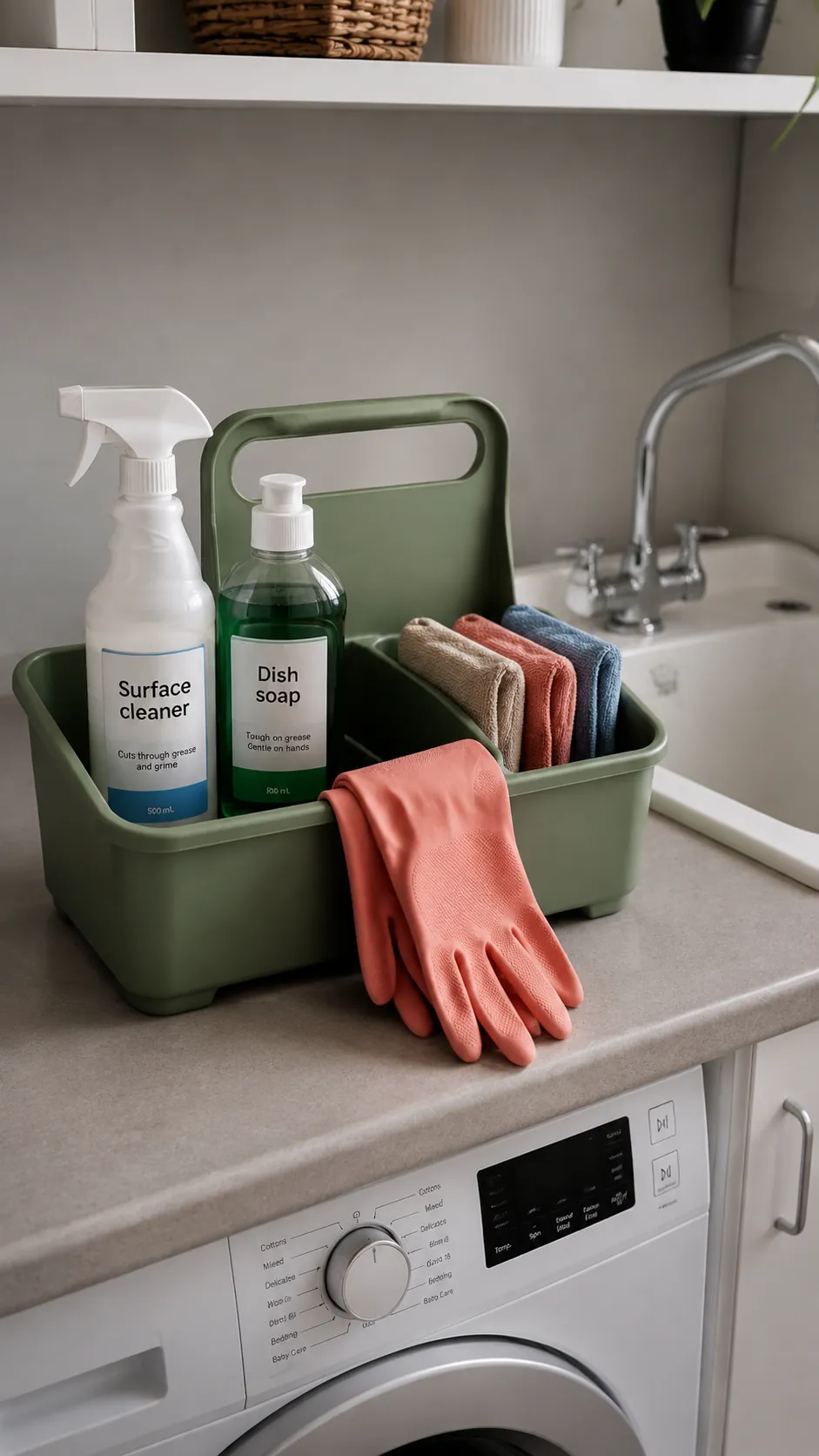
Gather washable cloths, a vacuum with suitable attachments, a mop appropriate for your floor, gloves when the product label calls for them, and the cleaners your surfaces require. Read both product labels and surface care instructions, and test unfamiliar products in an inconspicuous area. Never mix cleaning products, especially bleach with ammonia or acids such as vinegar.
Ventilate as labels direct, and keep supplies in original labelled containers secured from children and pets. Separate bathroom cloths from kitchen cloths and replace a dirty cloth instead of spreading soil. Cleaning supply organization should make the correct product easy to identify, not hide it in matching unlabelled bottles.
Remove dust before washing the lower surfaces
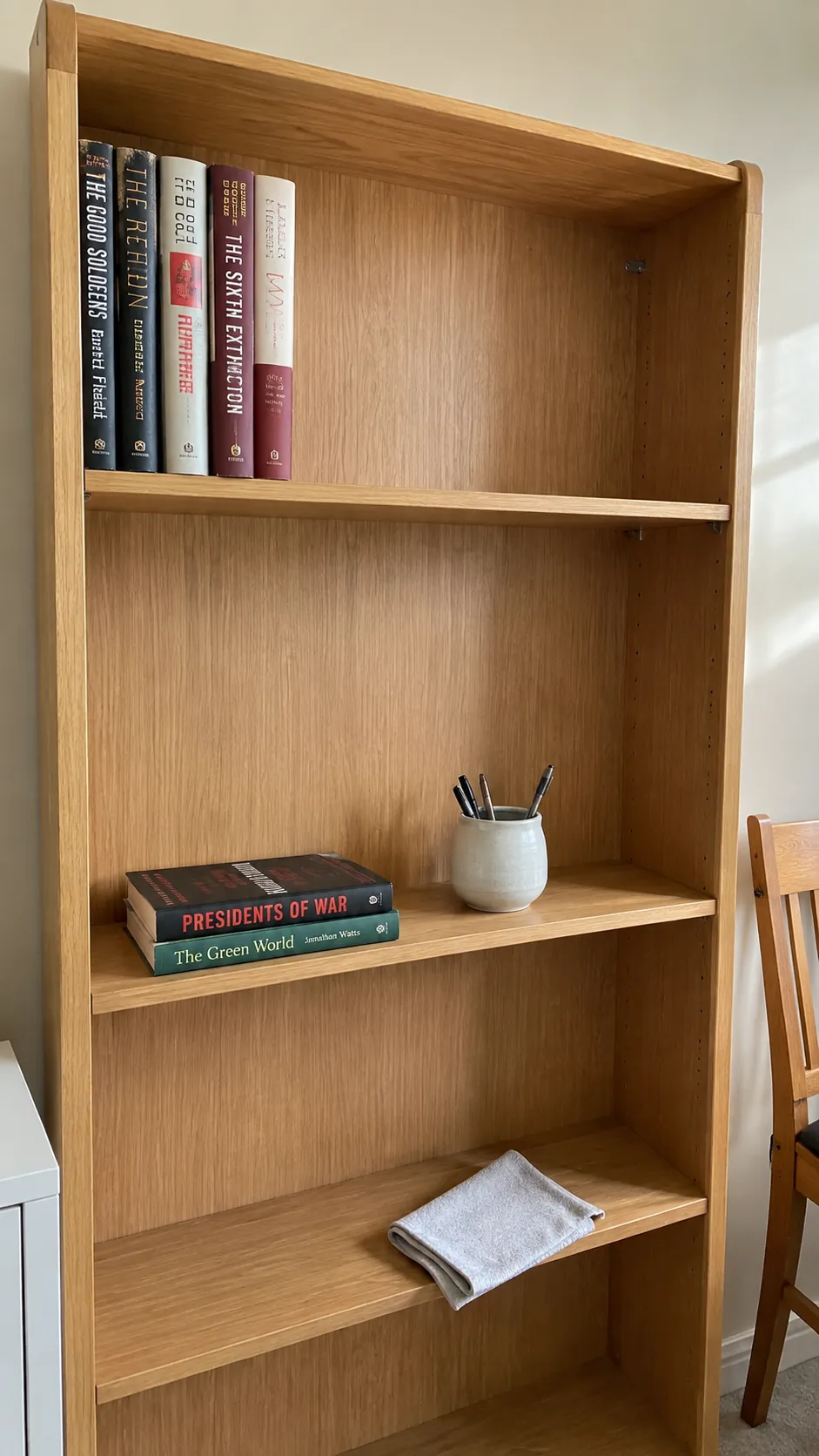
Work from reachable upper surfaces toward lower ones so loosened dust does not land on finished furniture. Use an appropriate vacuum attachment or a lightly damp cloth where the material permits, rather than sending dust into the air. Move a few shelf objects at a time and clean their bases before replacing them.
Check accessible ledges, door tops, lampshades, skirting boards, and furniture edges that routine tidying skips. Switch off and cool lamps before cleaning, and keep moisture away from electrical parts. Use stable equipment designed for access; a dining chair is not a substitute for a suitable step stool.
Inspect curtains and removable covers for care labels before deciding whether they can be washed. Start only the laundry loads you can dry and put back today. This room by room cleaning approach keeps the house functional while less visible dust traps receive attention.
Give the kitchen a clean surface before reorganizing it
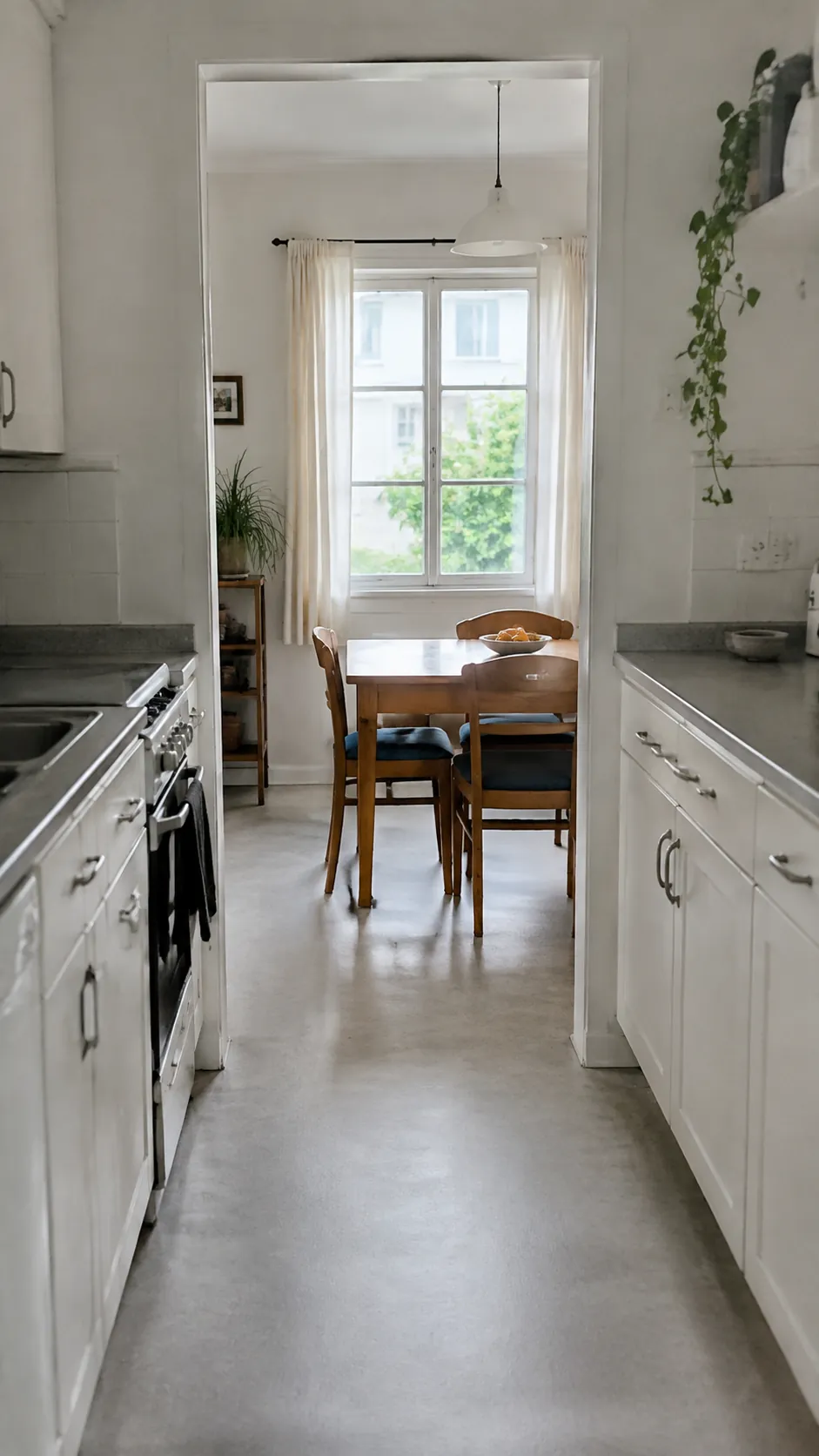
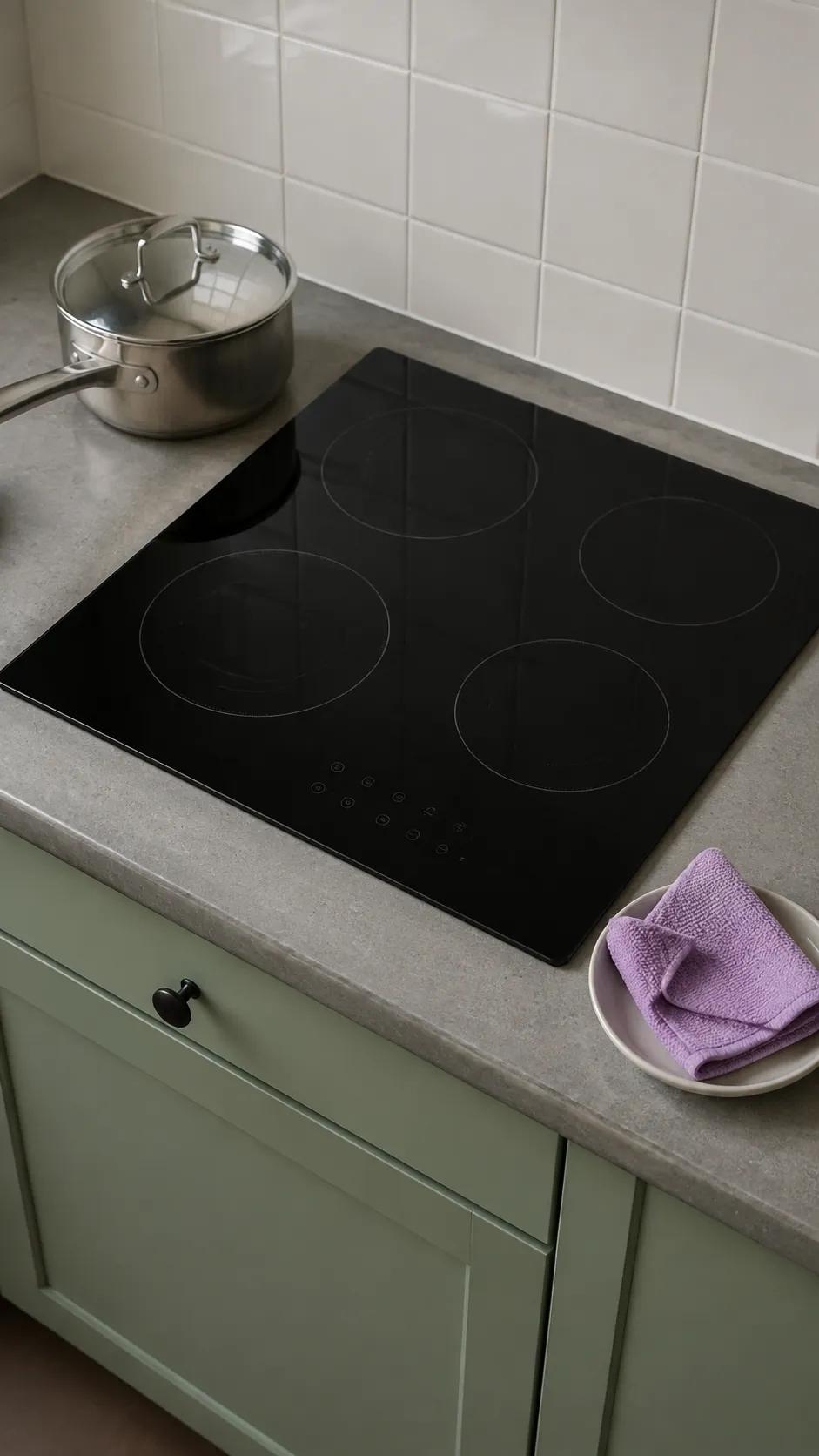
Clear the sink and worktop first, then tackle one appliance or cupboard interior. For a hob, wait until it is cool and follow its manufacturer’s cleaning method; abrasive pads can damage some finishes. Allow the chosen cleaner its instructed working time instead of immediately scrubbing harder.
Wash food preparation surfaces with an appropriate product and follow any required rinsing instructions. Clean appliance handles and cupboard fronts with a cloth suitable for the finish, avoiding soaking seams or controls. Treat oven interiors, filters, and refrigerator components as separate jobs governed by their care instructions.
Once a cupboard is clean and dry, put back only the items that belong there. Store heavy pieces low and frequent tools near the task they support, while keeping sharp tools appropriately secured. Measure spare space after this decision before buying baskets or shelf inserts.
Clean the bathroom without spreading contamination
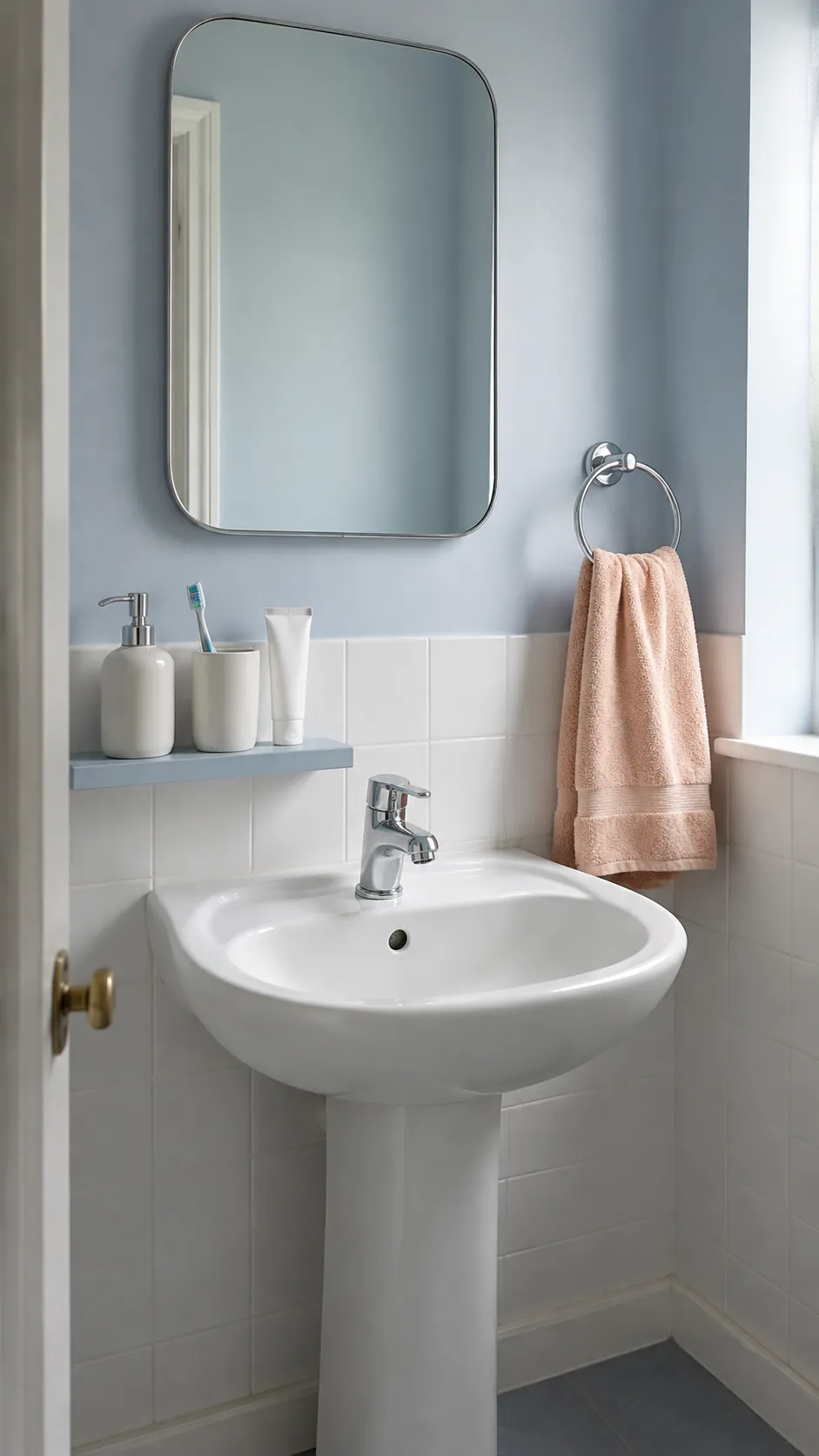
Remove toiletries from one area and clean the mirror, basin, and surrounding surfaces before tackling the toilet. Use dedicated toilet equipment and fresh cloths for other areas. Keep toothbrushes and personal items away from cleaning splashes until the work is finished.
Choose products compatible with the material: an acidic descaler that suits one fixture may damage natural stone or another finish. Follow the label for application, ventilation, contact time, and rinsing. Routine cleaning and disinfecting are different tasks; when disinfecting is needed, clean first and keep the surface wet for the product’s specified contact time.
Dry shelves before returning products and group daily toiletries within easy reach. Check recurring damp patches or failed sealant rather than assuming every dark mark needs more scrubbing. Persistent moisture problems or substantial mold growth need their cause addressed and may require qualified help.
Reset bedrooms and living spaces around actual use
Strip washable bedding early enough to dry it before bedtime, following the care labels. Vacuum accessible mattress surfaces and upholstery only as their manufacturers permit, using the right attachment. Leave enough time for any treated material to dry fully before covering or using it.
Clean beneath light furniture you can move safely, but get help for heavy pieces and avoid dragging them across the floor. Reconnect the room to its daily jobs: reading material by the chair, current clothing in accessible storage, and a laundry basket where clothes are removed. Whole home organization works better when putting something away takes little effort.
Give each crowded category a realistic boundary, such as one shelf for games or one basket for blankets. Keep objects used by children at suitable heights while securing heavy furniture and hazardous items as needed. If a container cannot close without force, reduce its contents or choose a better location rather than compressing the problem.

Finish the floors and make the next reset smaller
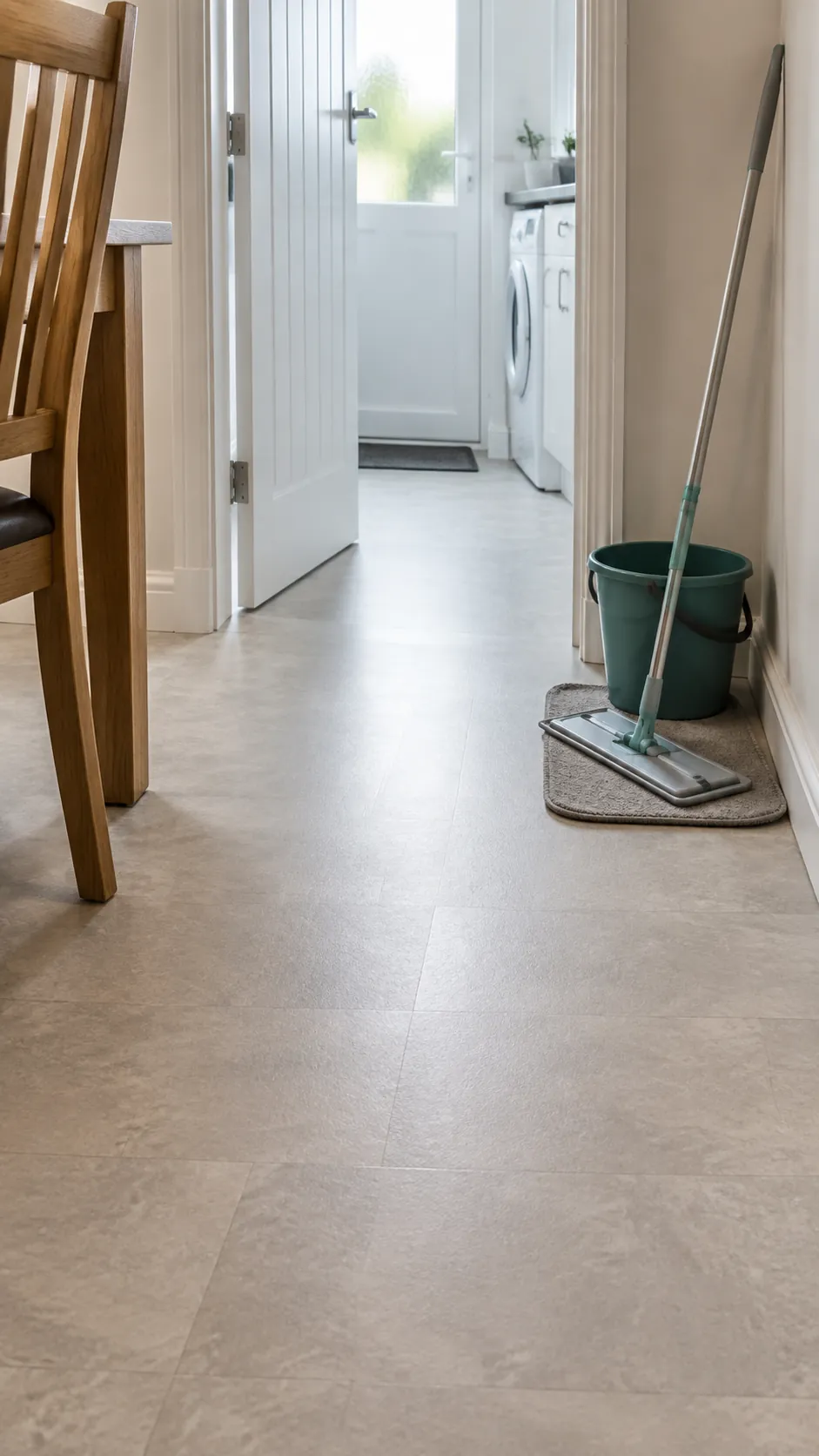
Vacuum or sweep after the higher cleaning is complete, using a floor compatible setting and paying attention to edges. Mop only where the flooring permits, with the recommended product and amount of moisture. Work toward the exit and keep people and pets off the area until it is dry.
Wash or replace used cloths, clean the equipment according to its instructions, and put supplies back into secure storage. Empty the return basket and remove the rubbish so the final cleanup does not become tomorrow’s clutter. Note any repairs separately from your cleaning schedule.
Build a home reset routine from what became difficult: dishes each evening, laundry on days you can finish it, and a rotating appointment for neglected details. A spring cleaning plan can cover the deeper tasks without making every weekend a marathon. The room is ready when you can use it comfortably and know where its everyday belongings go.