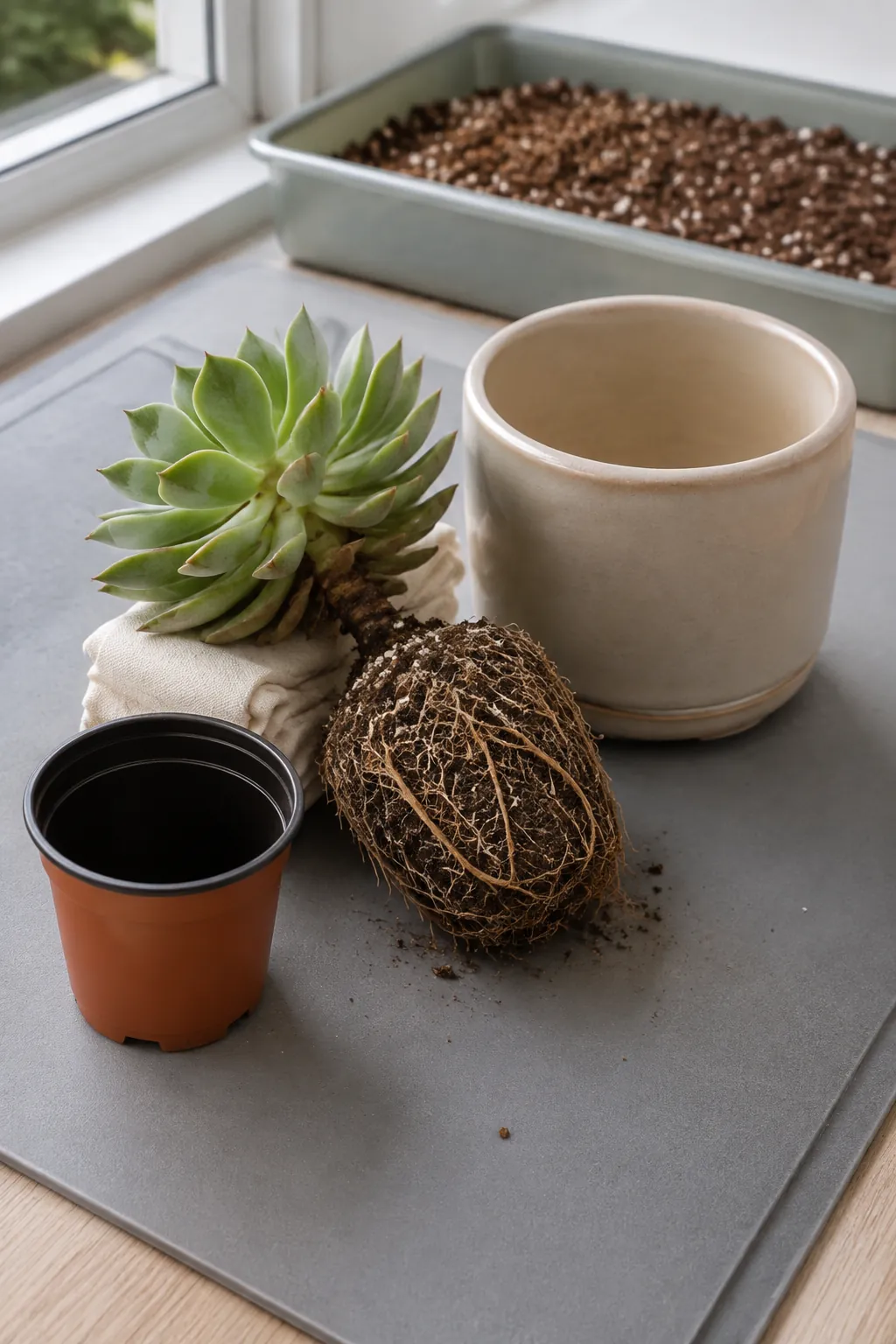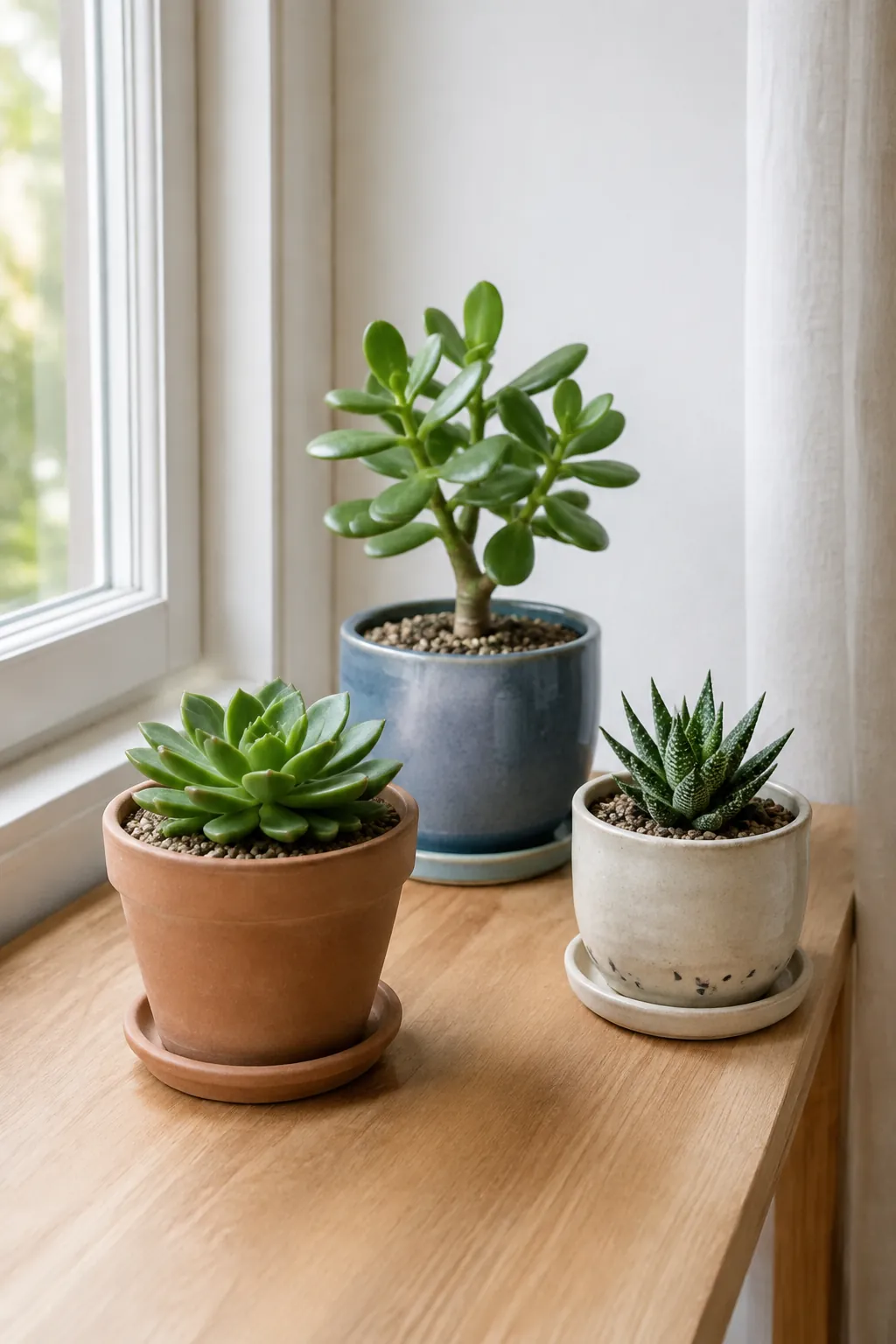
A pot can look perfect on the shelf and still make watering awkward. Start with a usable opening, enough root space and a way to remove excess water, then choose the color or texture you enjoy. The most satisfying display is one you can keep healthy without dismantling it every week.
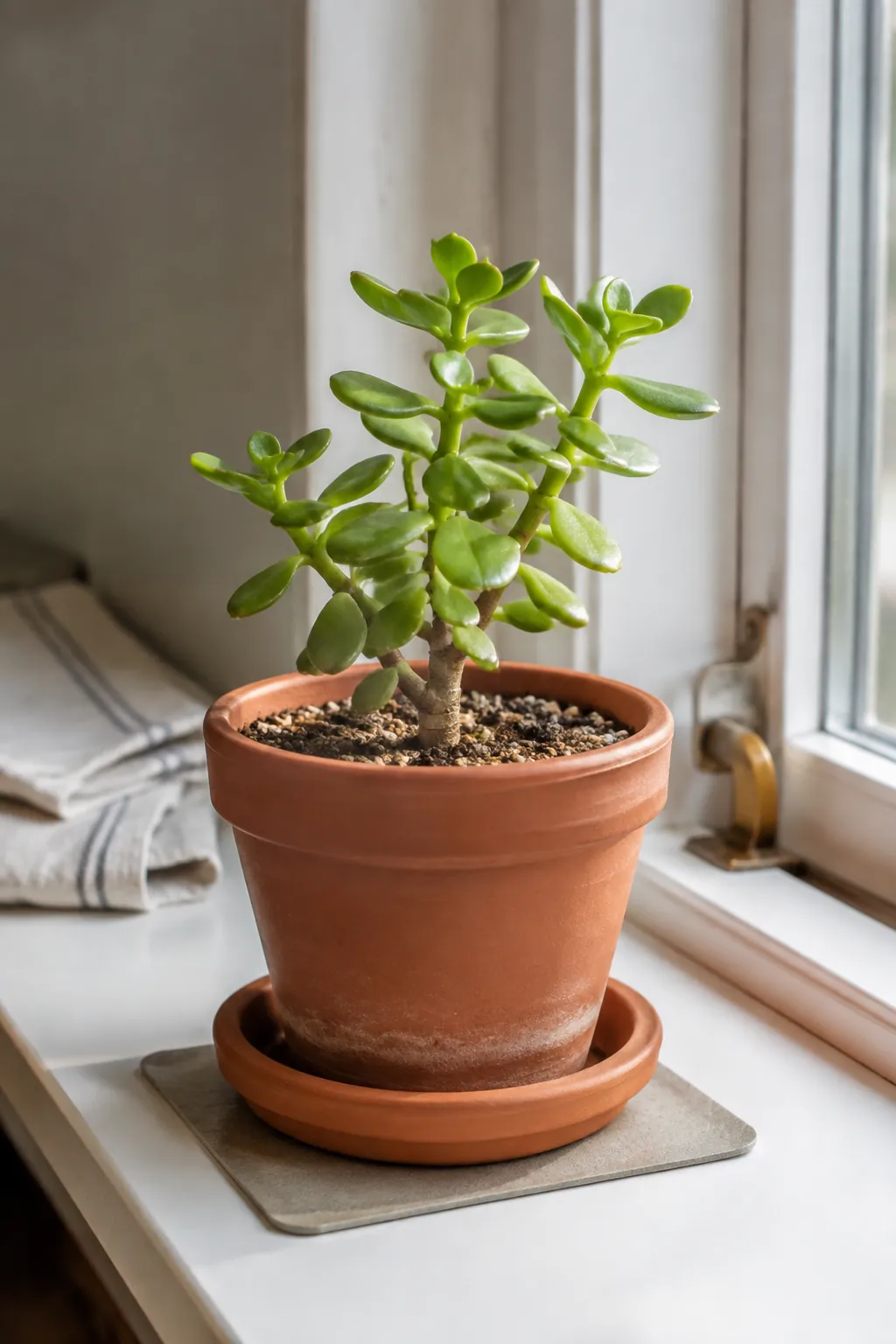
Classic terracotta with a fitted saucer
Plain clay makes an excellent starting point when you want the plant to supply the color. Its porous walls can help the mix dry, although a real outlet is still needed at the base. Empty the saucer after watering and protect furniture beneath it because unglazed clay can transmit moisture.
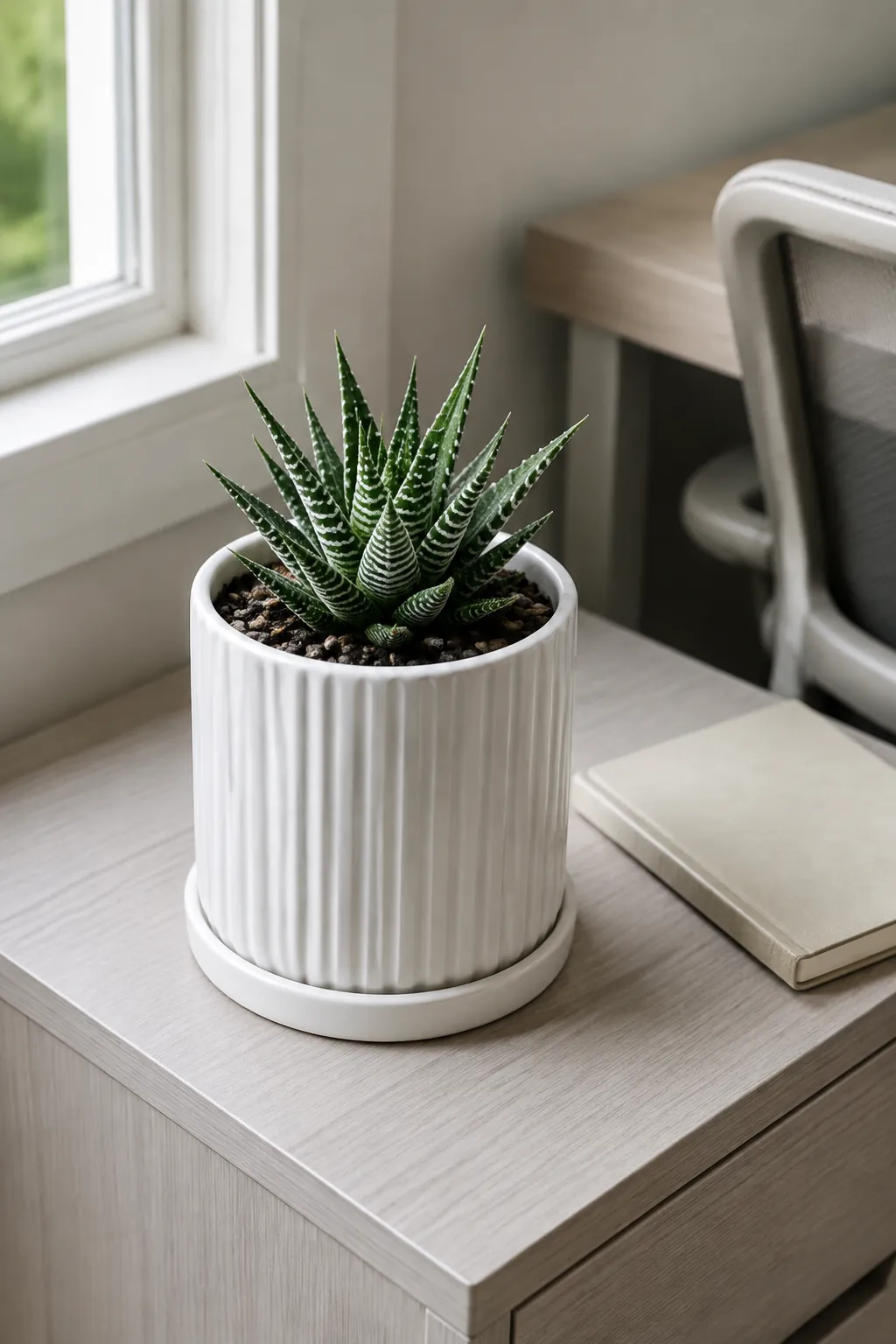
A white ribbed cylinder for textured leaves
Vertical ribs bring a little detail to a simple white pot without competing with patterned haworthia foliage. Choose a container only modestly larger than the roots so the clean silhouette does not conceal a large volume of damp mix. A matching removable saucer keeps the display neat while letting you inspect runoff.
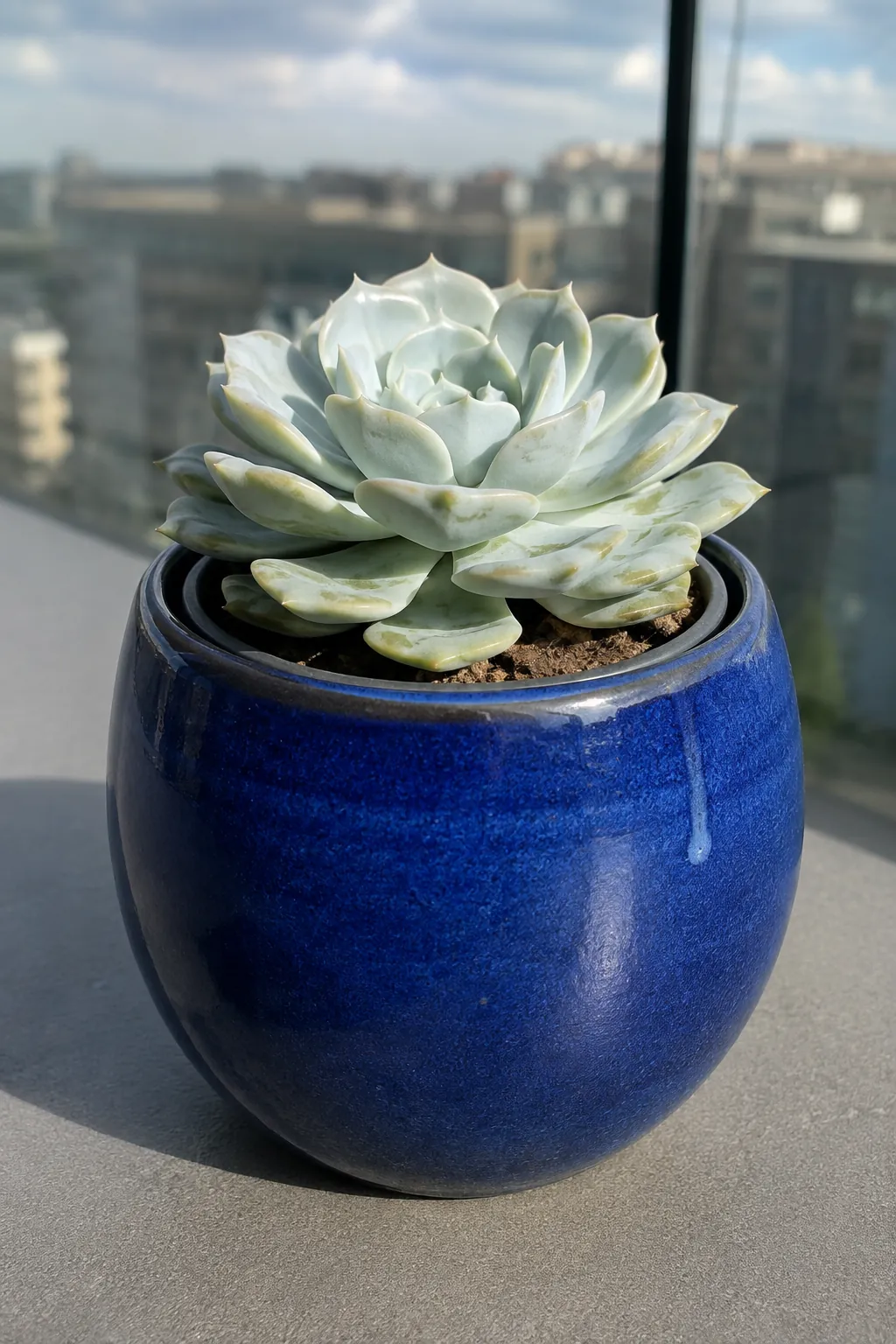
A cobalt pot for pale rosettes
Deep blue glaze makes powdery green leaves stand out. Look at the drainage arrangement before falling for the color, since decorative ceramic is often sold without an outlet. A removable draining insert can preserve the look if the outer vessel is sealed. Keep the blue pot empty of collected water between waterings.
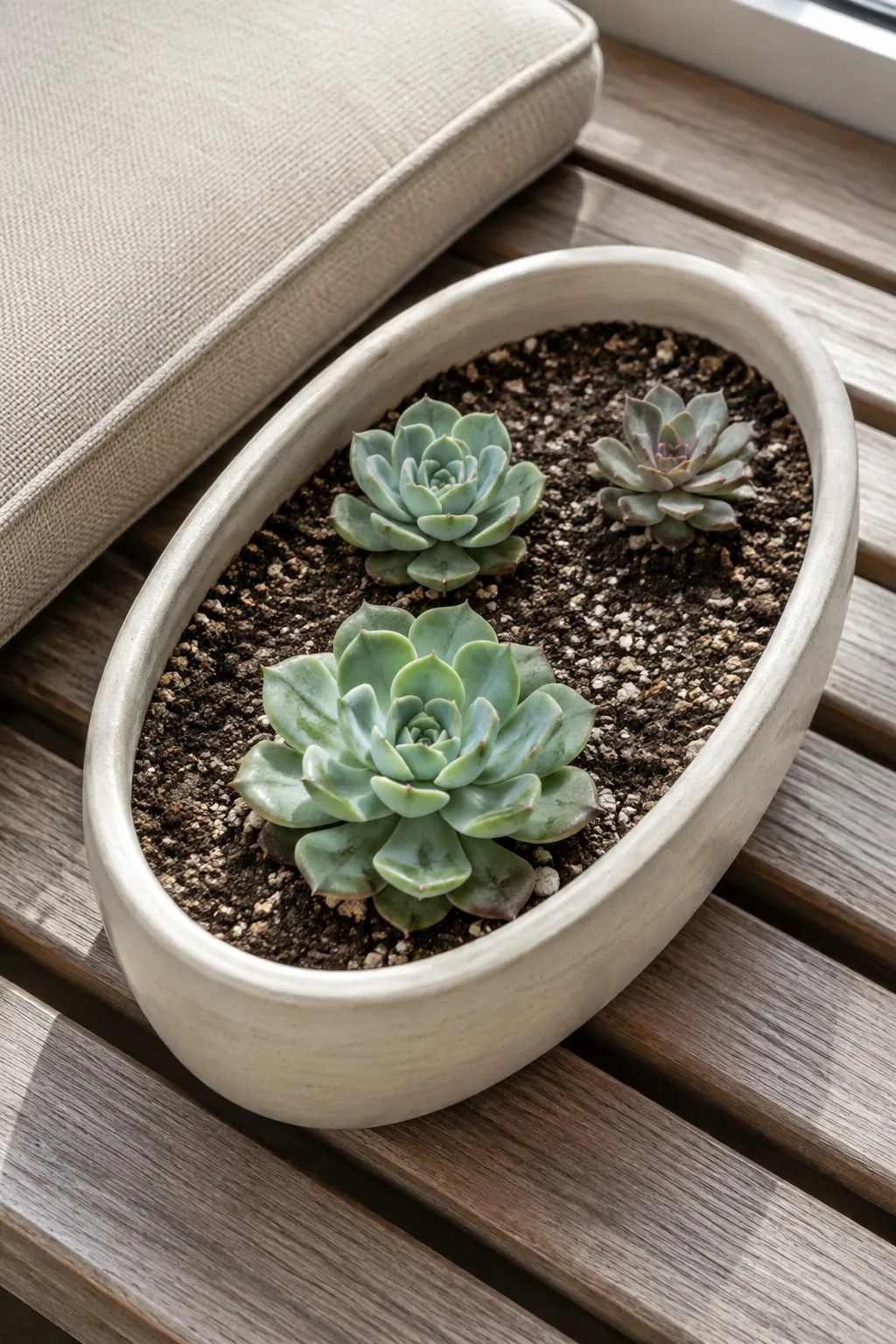
A shallow oval with open growing space
An oval bowl gives a small cluster a wider visual footprint without demanding tall growth. Use a planting depth appropriate to the roots rather than a serving dish with barely any soil space. Leave gaps between rosettes and resist filling every opening with heavy decorative gravel.
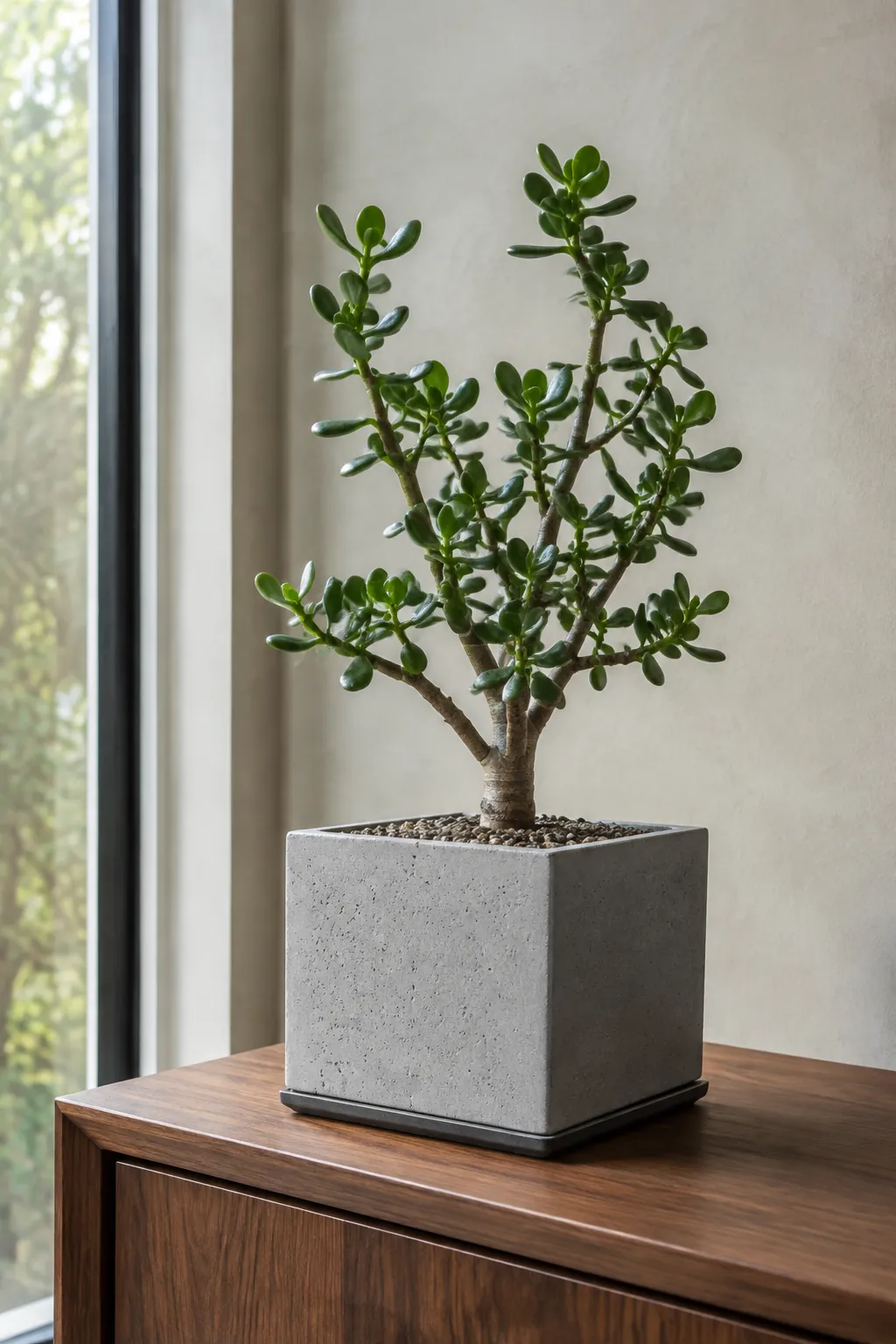
A square concrete pot for an upright plant
The straight sides of a concrete pot emphasize the branching shape of a young jade. Check that the container has cured properly and that its base drains freely. Its weight can help stability, but choose the final shelf or table before filling it.
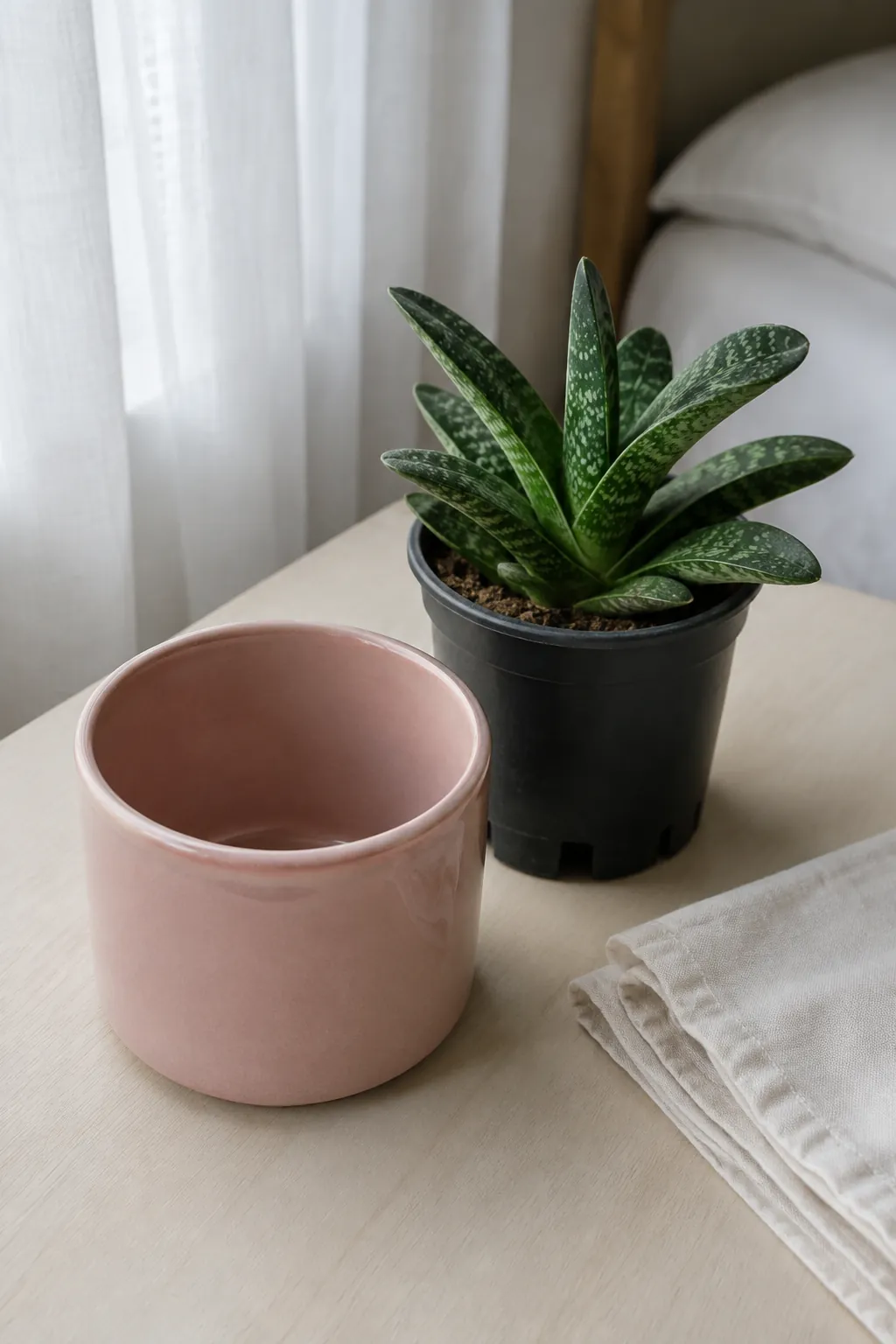
A blush ceramic cup with a removable insert
A blush vessel can soften a desk or dressing area while a nursery insert handles the growing job. The insert must lift out without squeezing foliage against the rim. Water it elsewhere and allow it to drain before returning it to the decorative cup. Avoid letting the display location drift into a dim corner simply because the color looks good there.
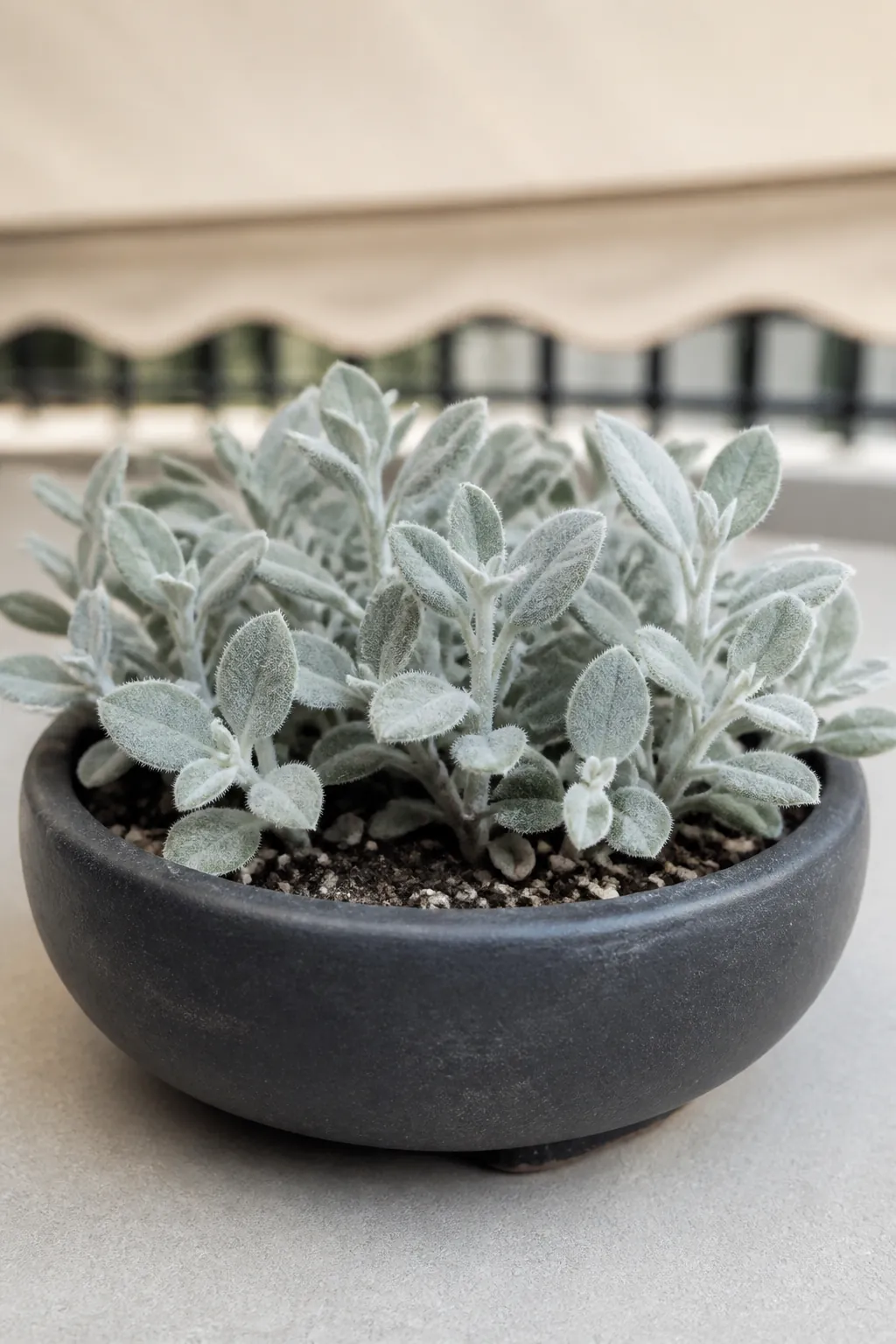
A low charcoal pot for silver foliage
Charcoal gives pale leaves a crisp outline and suits a restrained room palette. Keep some substrate visible around the stems so you can check moisture rather than hiding it under a thick stone layer. In strong outdoor sun, assess how hot the dark vessel becomes before leaving sensitive roots exposed to that heat.
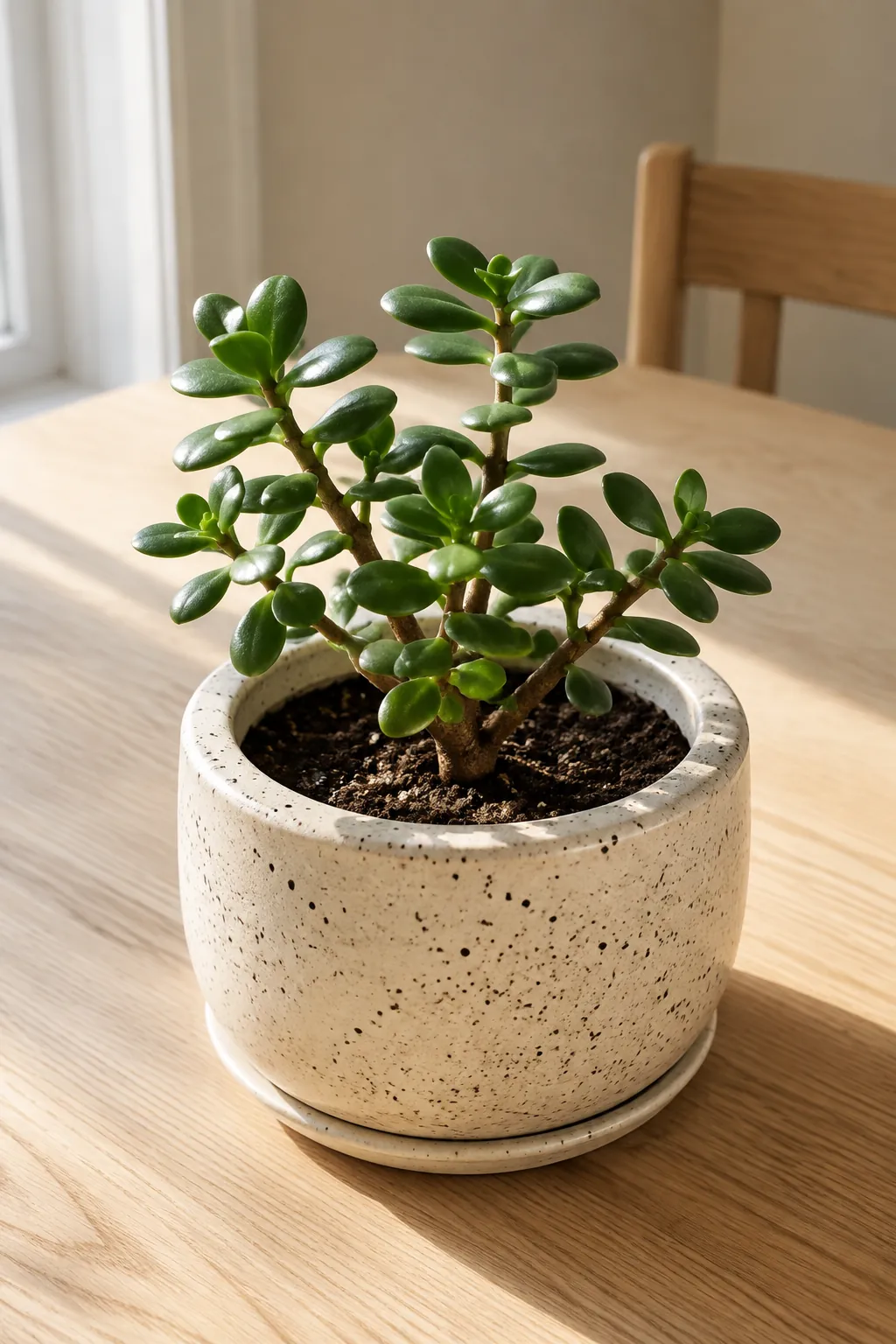
A speckled stoneware pot with a broad rim
Speckled stoneware adds visual texture when the plant itself has simple smooth leaves. A broad opening helps you reach the mix and remove the plant at repotting time. Avoid a sharply narrowed neck that traps an expanding root ball inside a beautiful container.
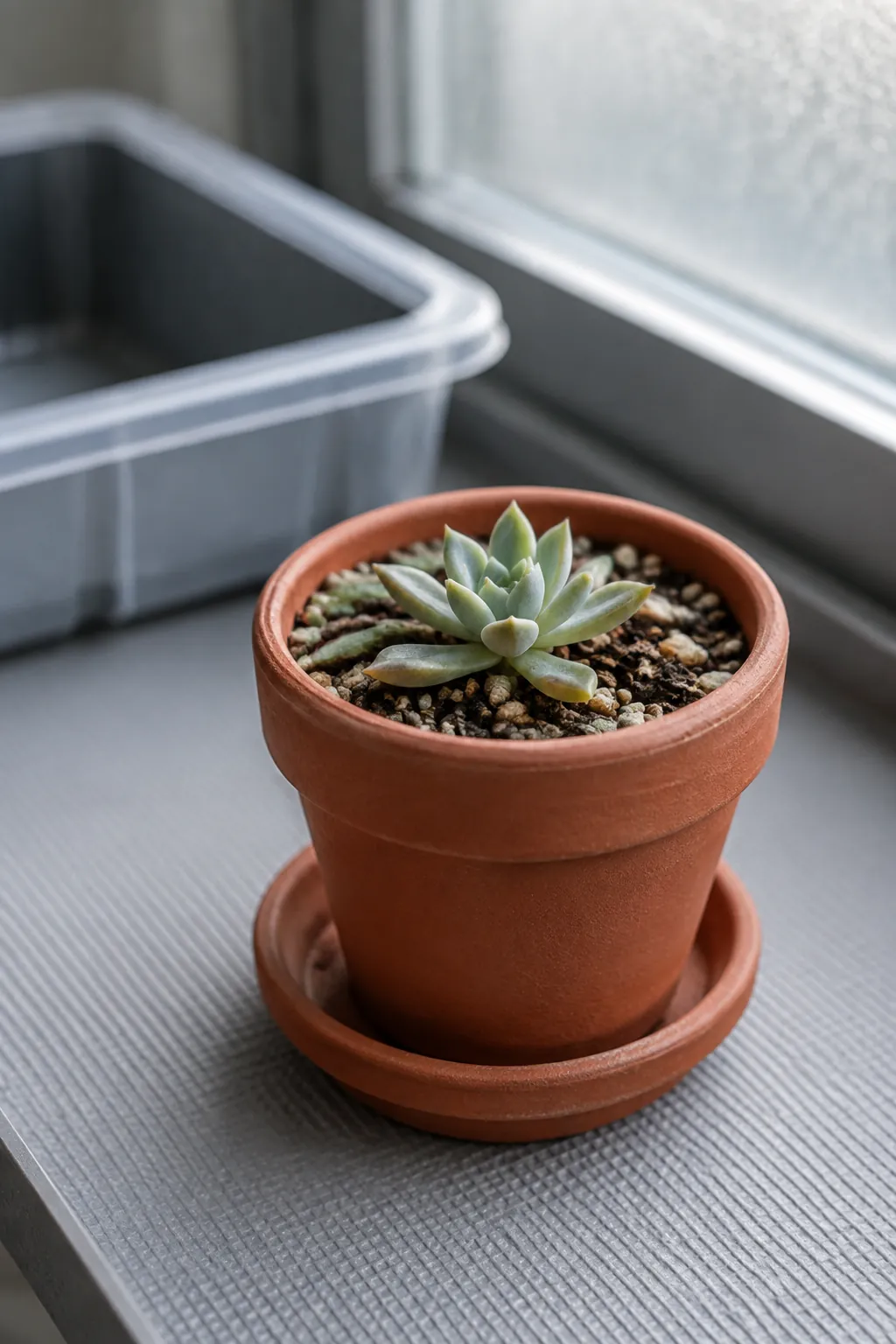
A tiny pot for a rooted offset
A small rooted offset can look intentional in its own miniature draining pot. Match the vessel to the actual roots instead of expecting a decorative thimble to support mature growth. Small soil volumes dry quickly, so inspect the plant more often during hot bright weather. Move it into a larger pot when its root system and growth justify the change.
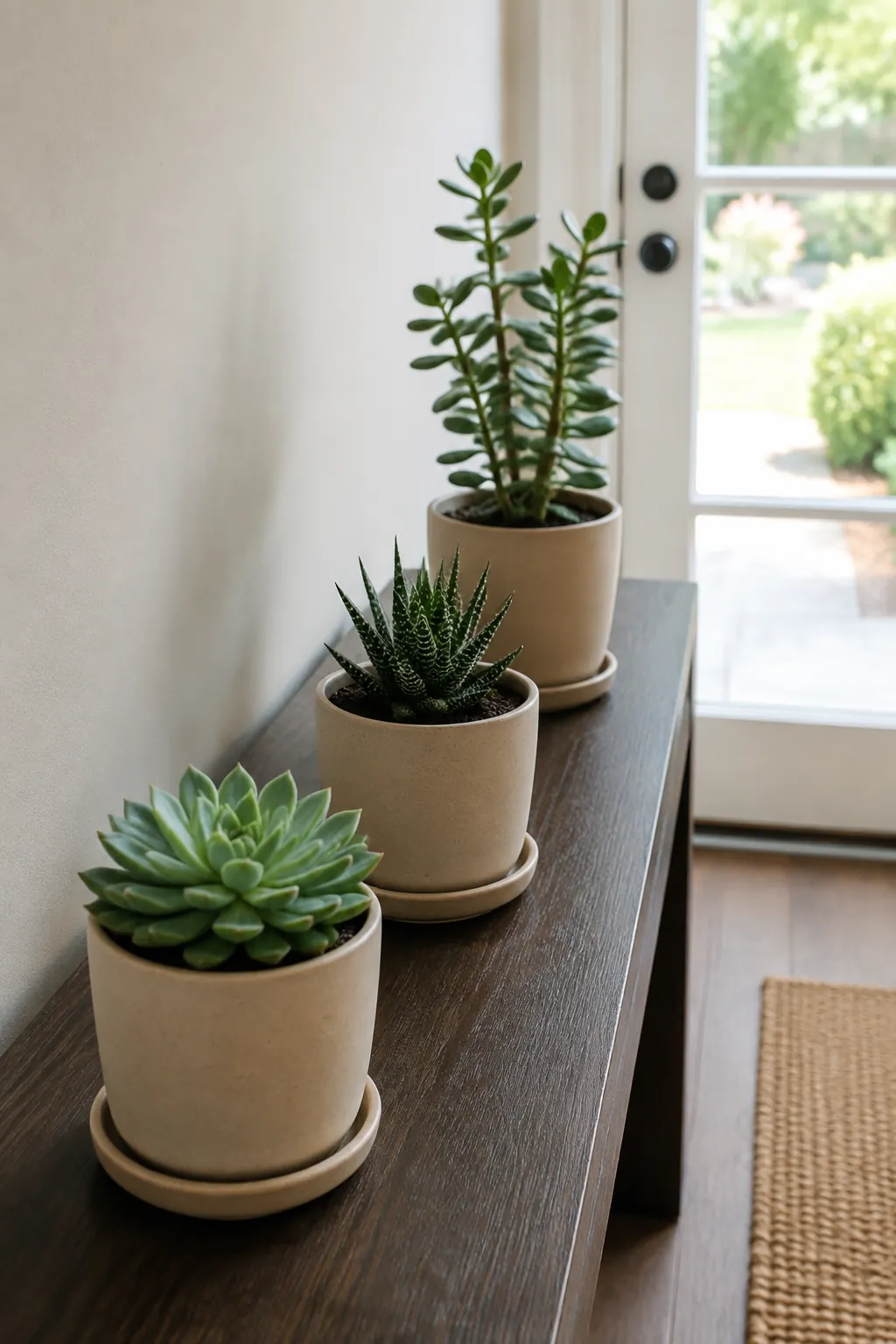
A matched trio with separate care
Three similar pots can make different succulents feel like one display. Keeping their root zones separate lets you respond when one dries sooner or needs a brighter position. Space the pots far enough apart to lift each without snapping neighboring leaves.
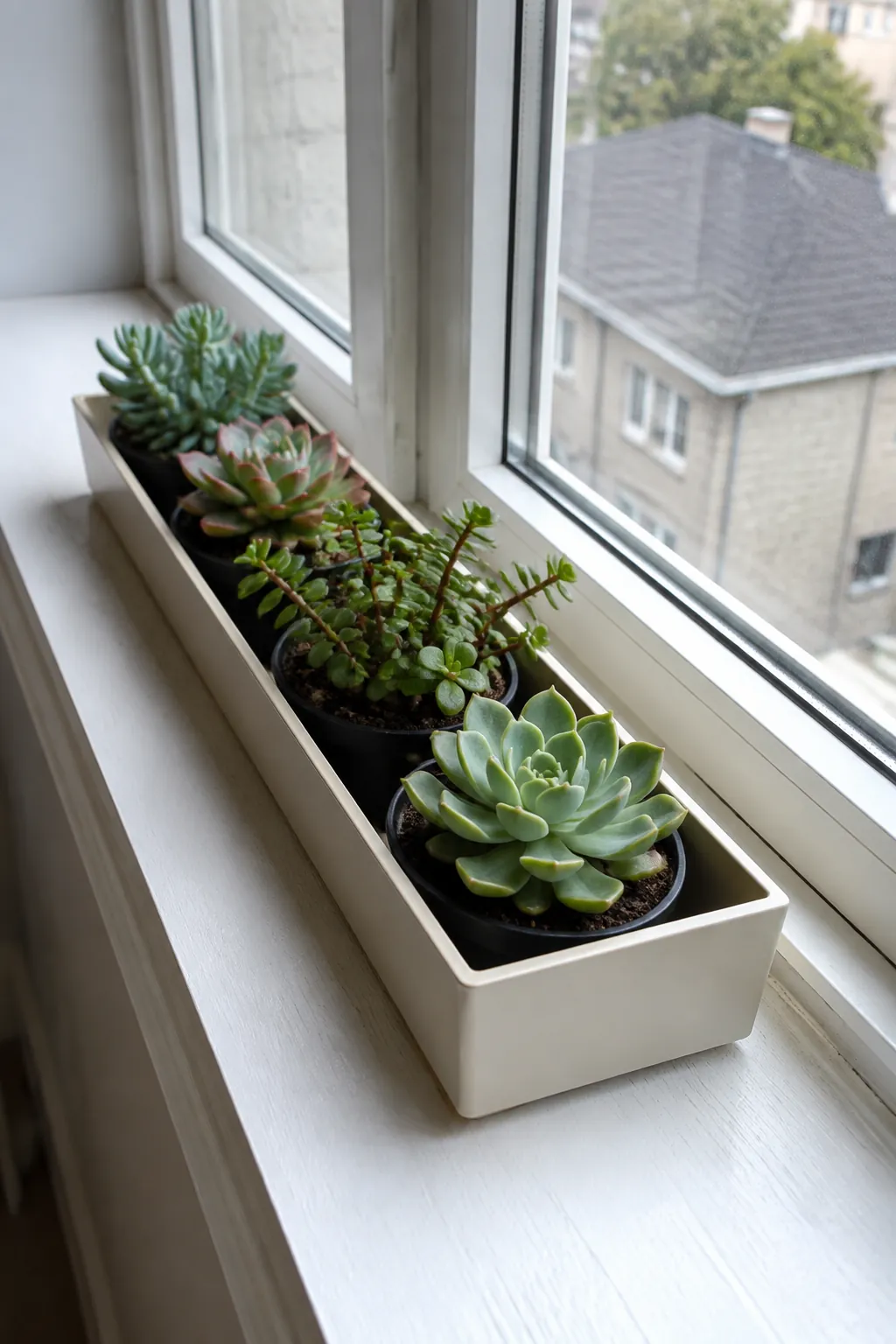
A long windowsill trough with individual pots
A narrow outer trough can organize a collection along a useful window. Fit separate draining pots inside and leave clearance to remove them for watering. Check that the whole trough rests safely on the sill and that leaves do not press against the glass. This gives the appearance of an indoor succulent garden without forcing every plant into the same routine.
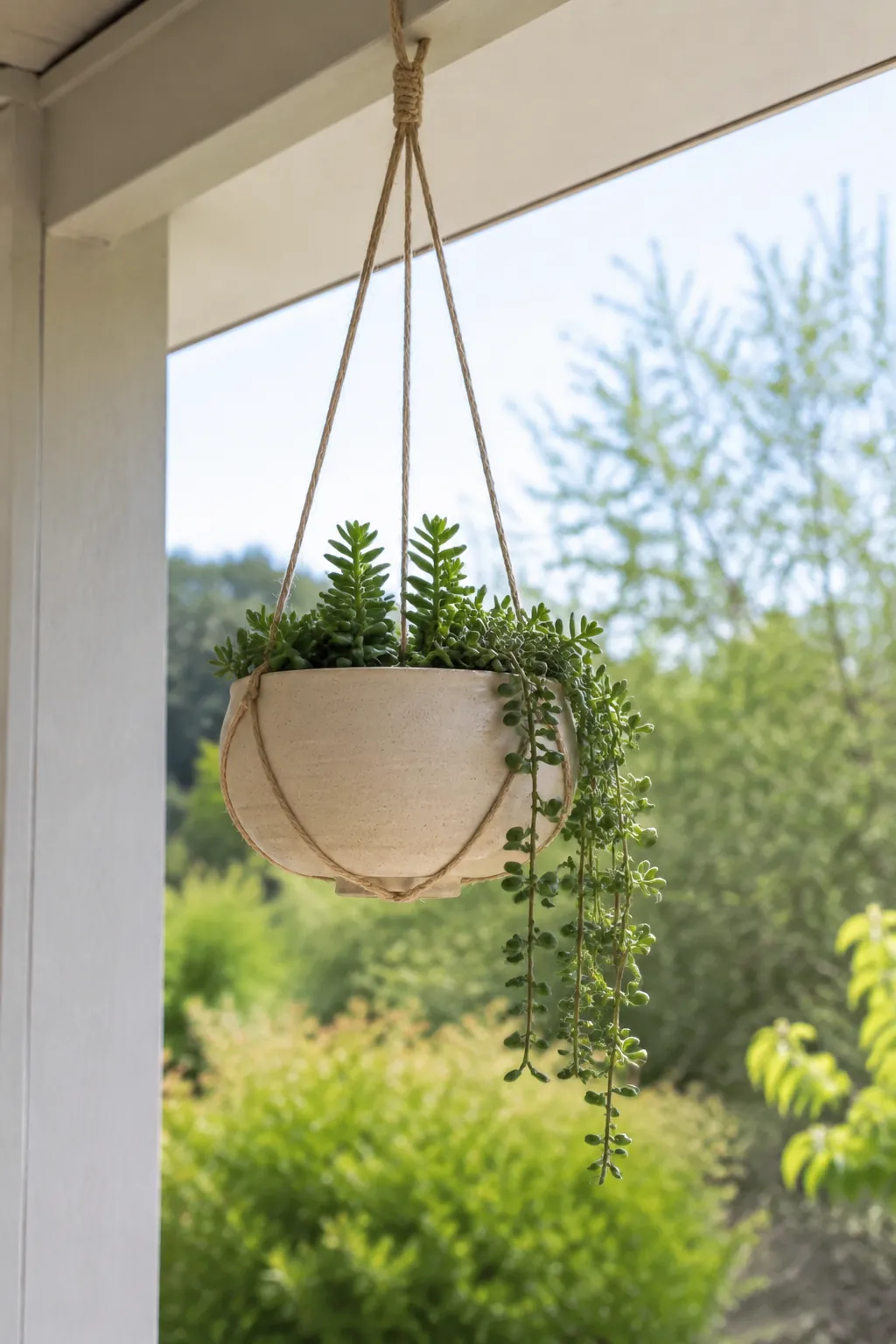
A hanging bowl for a trailing succulent
A hanging bowl puts trailing growth where it can be seen without tangling across a tabletop. Choose secure hardware rated for the wet weight and a bowl that can be taken down for watering. Place it within suitable light and keep the stems clear of curtains, doors and frequent foot traffic.
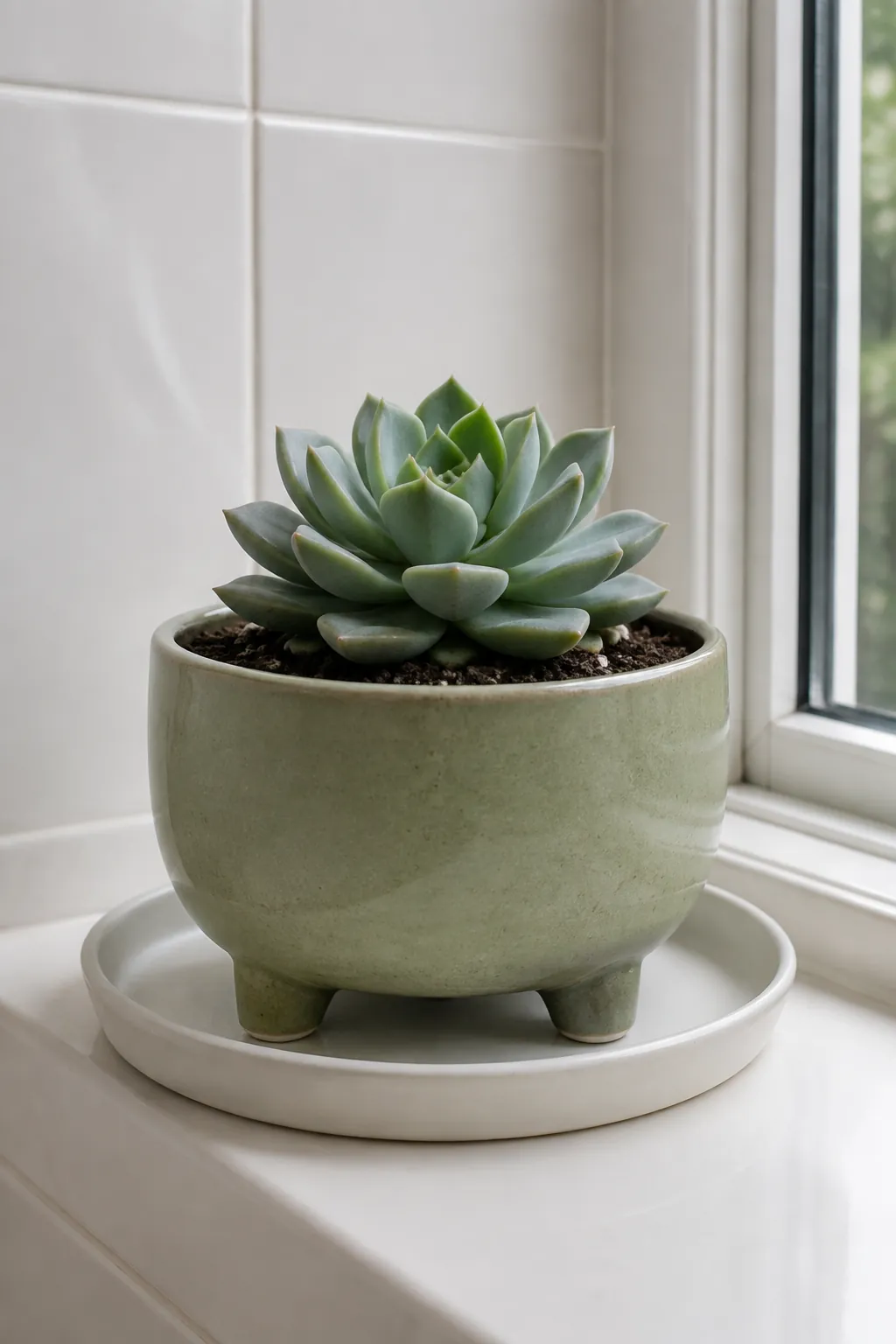
A footed planter that reveals its drainage
Short integrated feet can lift a pot visually and help keep its outlet from sitting flat against a surface. Indoors, provide a suitable tray below rather than letting drainage drip onto furniture. Make sure all feet sit evenly so the planter cannot rock as you check the plant.
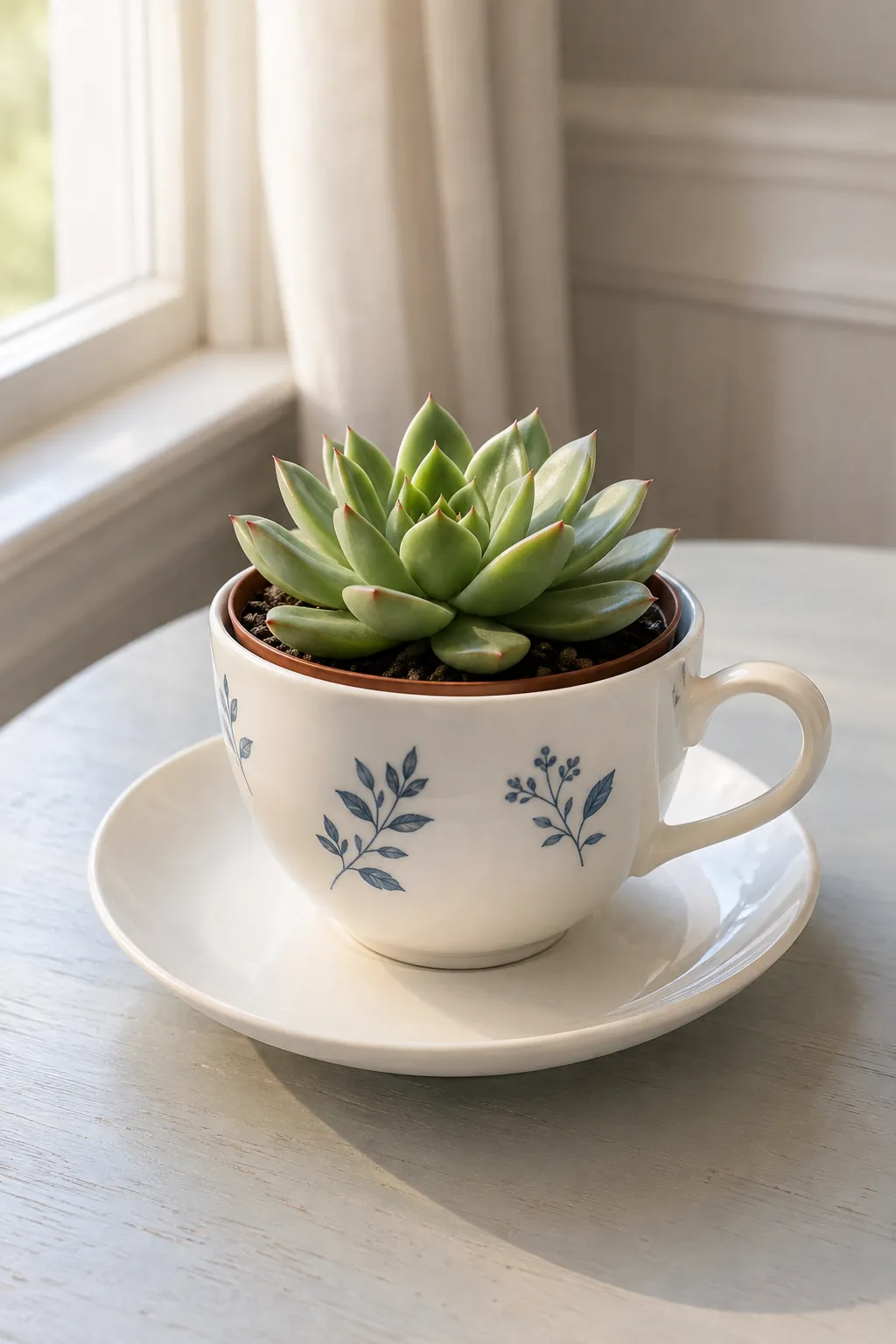
A teacup used as an outer cover
A favorite teacup can hold a small draining inner pot when you want a playful reused container. Treat the cup as a cover, not a reservoir, and remove the plant for watering. The handle is decoration rather than a reliable lifting point for a heavy planted assembly. Keep the root system small enough that the insert comes out easily.
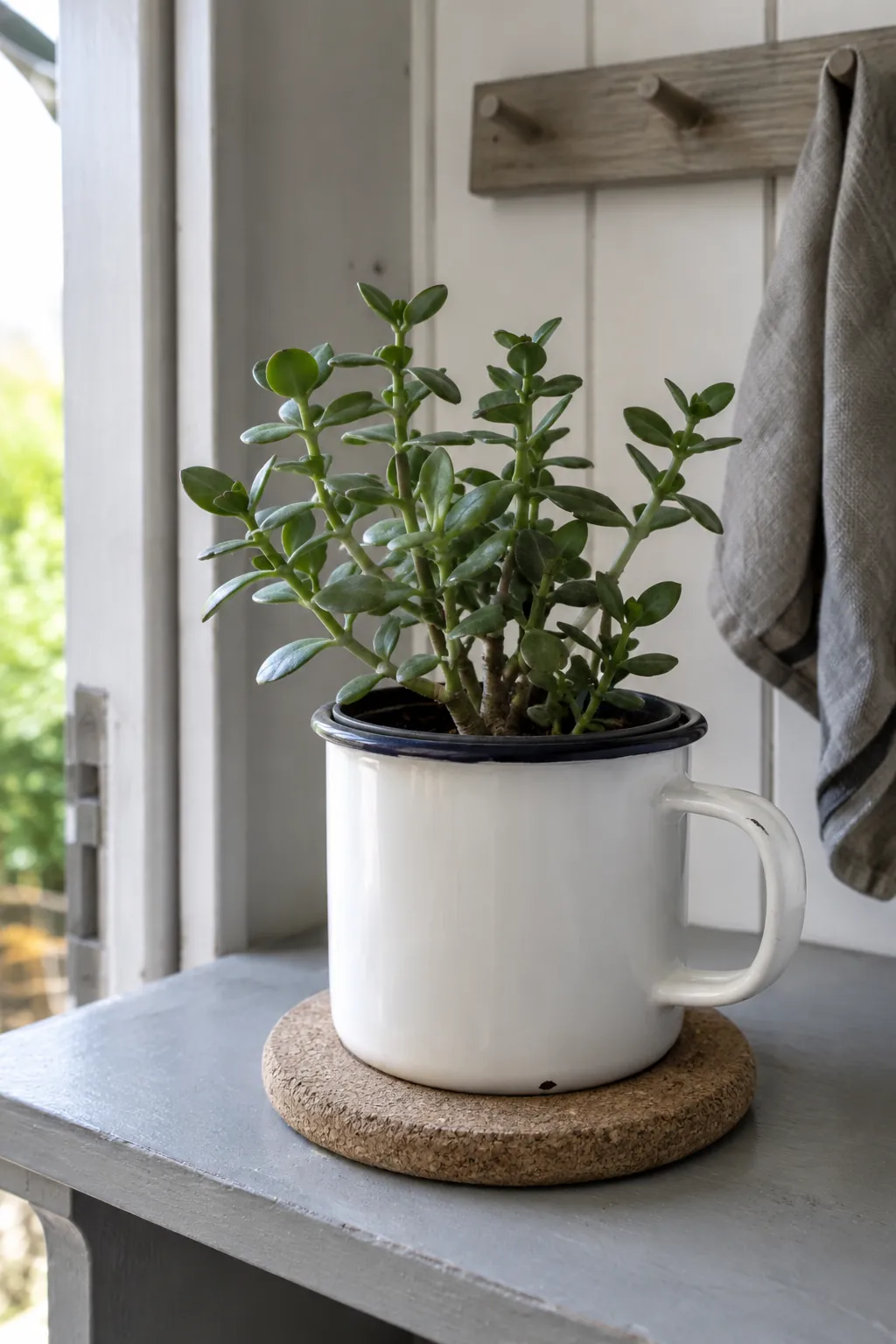
An enamel mug with a practical liner
An enamel mug gives a casual utility look to a compact plant. A separate insert avoids depending on a damaged or rusting mug base for drainage. Inspect chipped edges before handling and keep the outer mug dry inside after each watering.
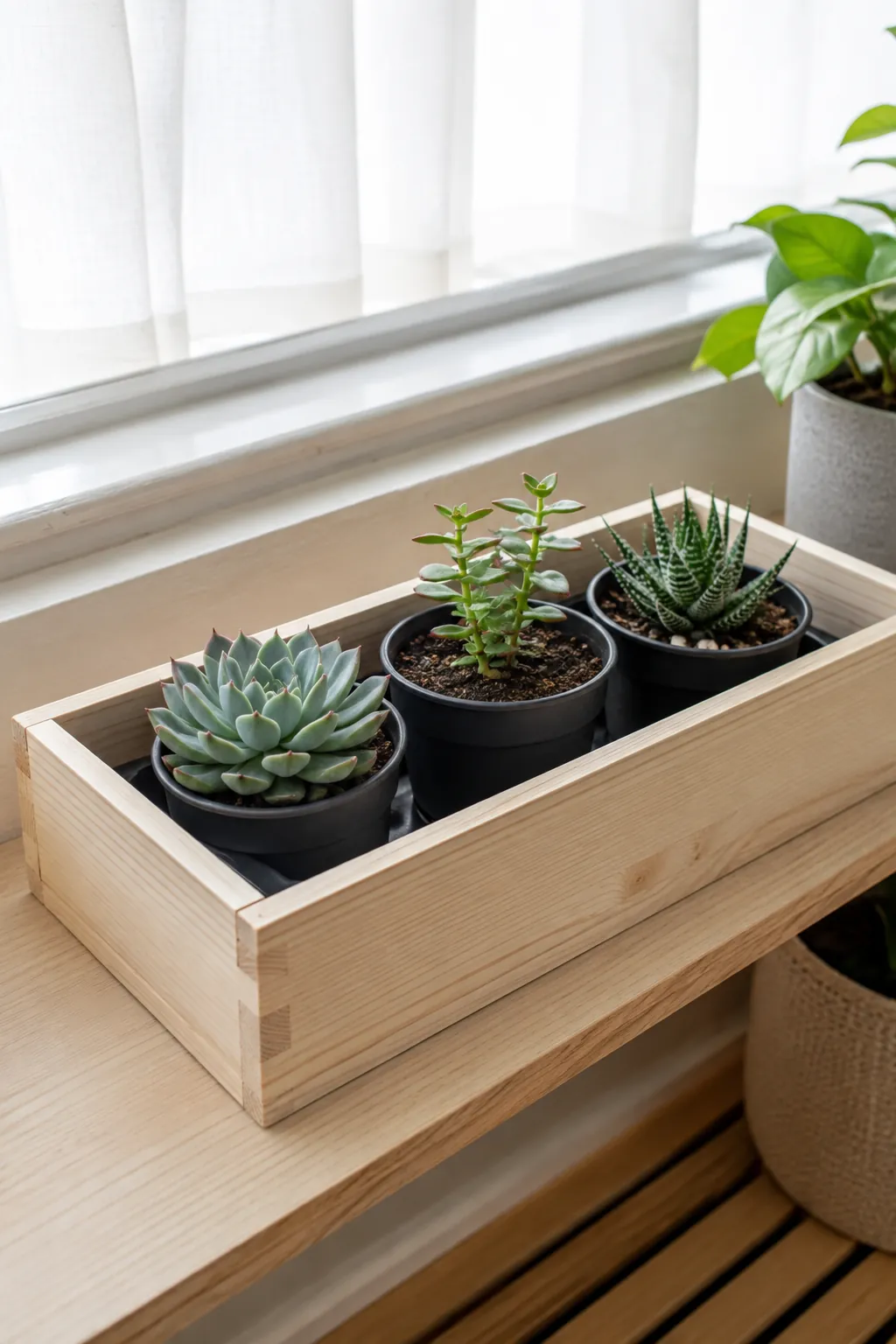
A small wooden box around nursery pots
A wooden box can unite mismatched nursery containers on a bright shelf. Keep the wood separated from wet runoff with a removable waterproof tray that you empty promptly. Do not fill the box with soil unless it was designed and lined to drain as a planter.
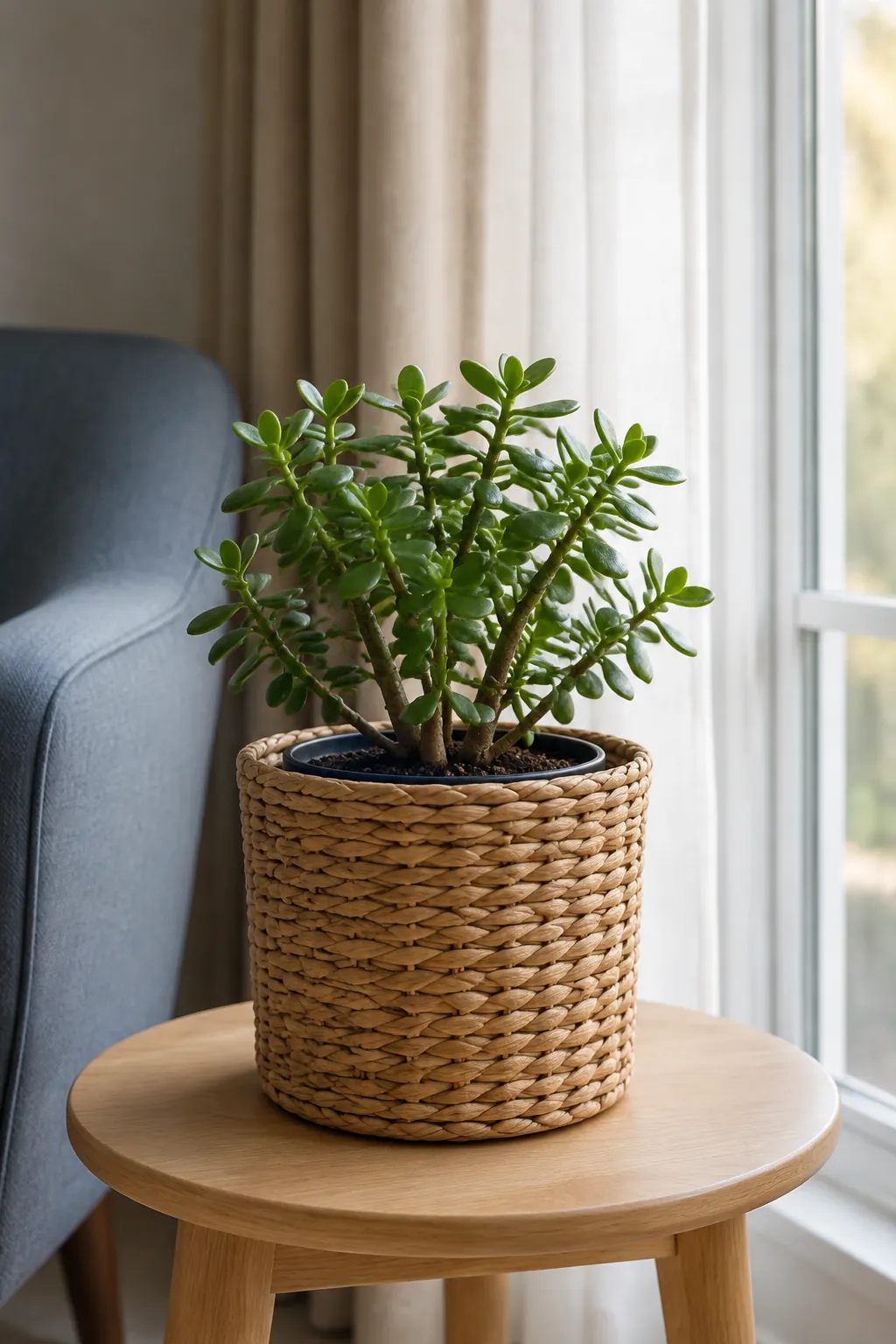
A woven basket sleeve for one pot
A basket adds soft texture around a simple plant without changing its growing conditions. Use a draining inner pot and a removable protective tray so moisture does not soak the weave. Keep the basket mouth wide enough to inspect and lift the plant.
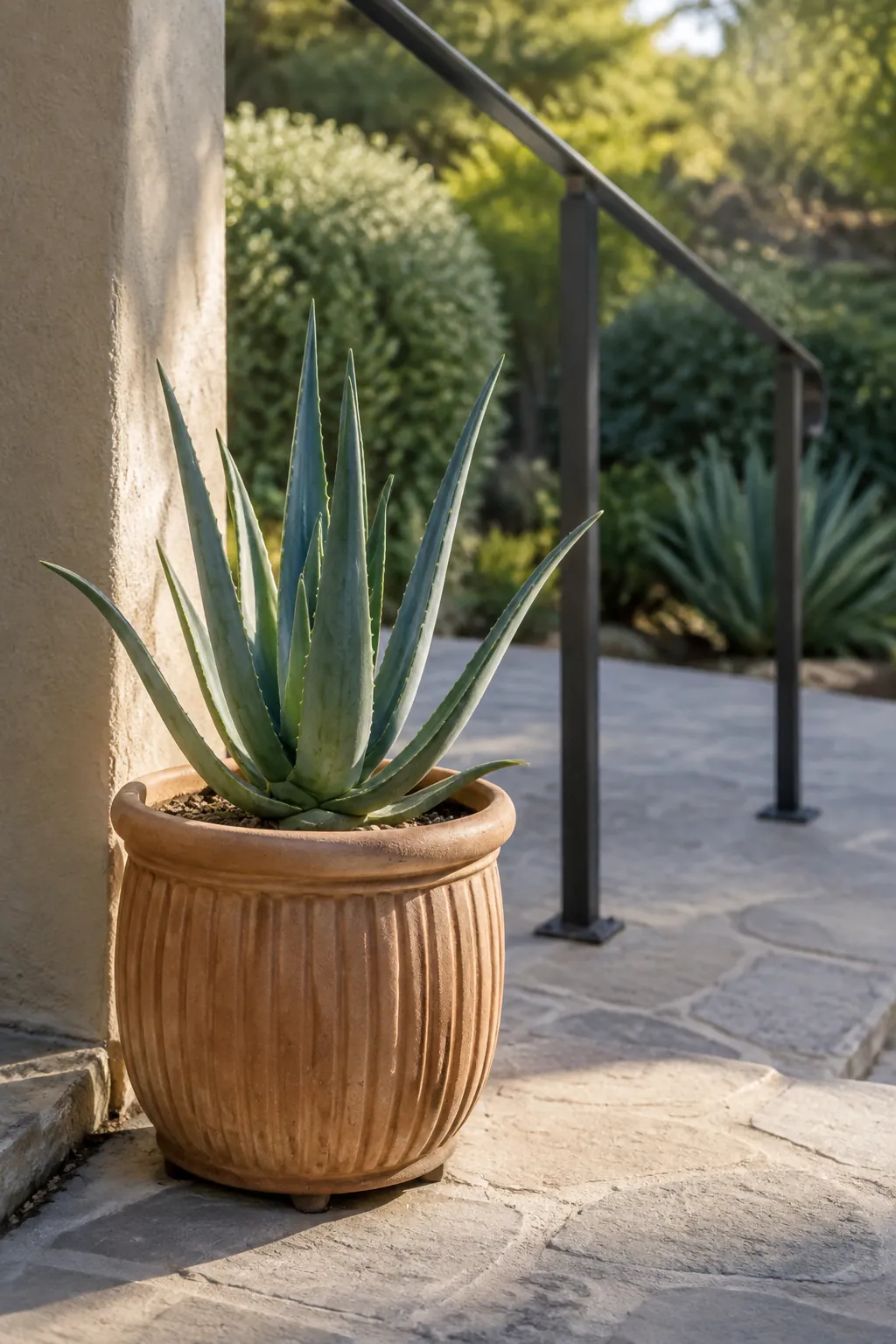
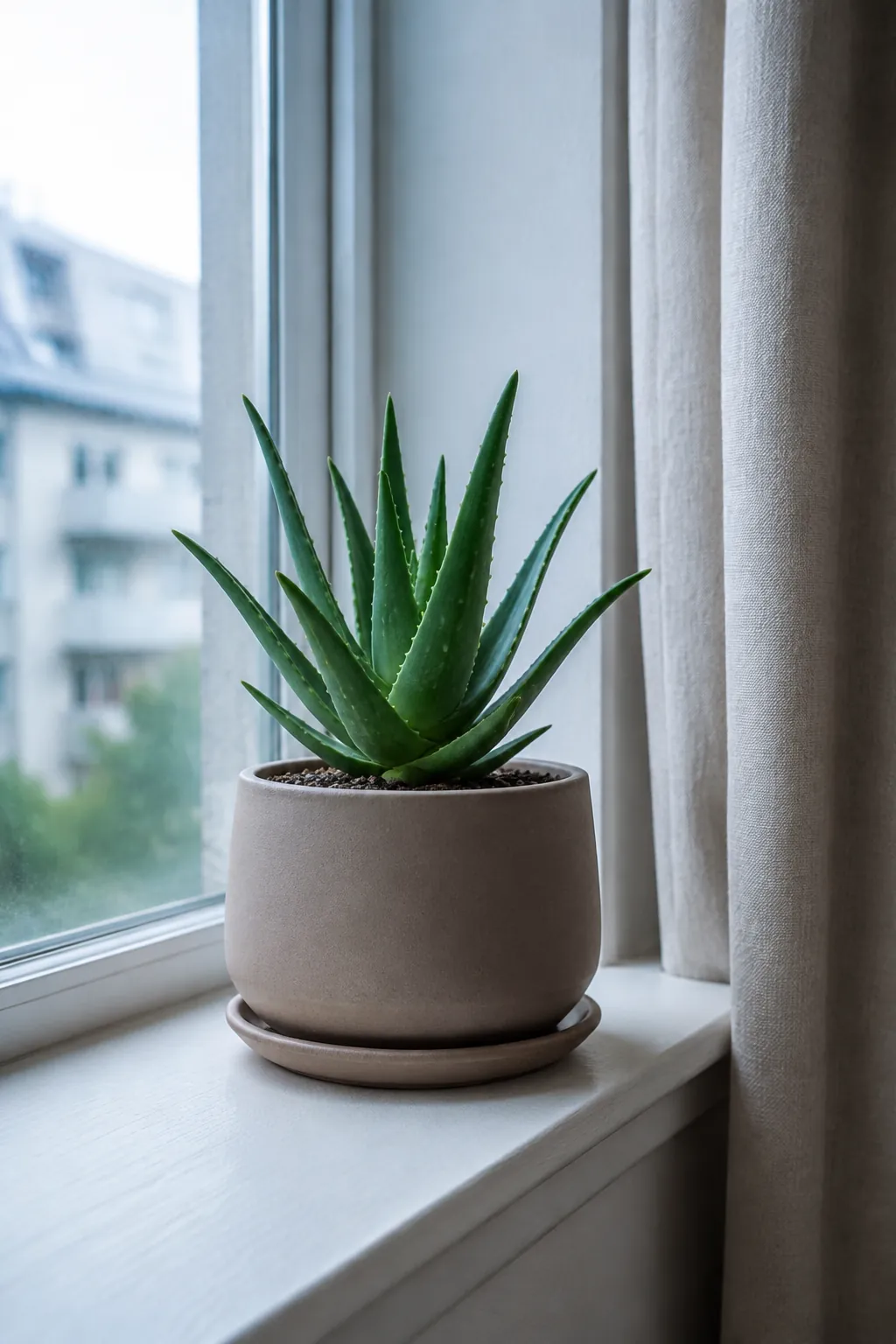
A fluted terracotta pot with a compact aloe
Fluted clay gives a familiar material more depth while an upright aloe supplies a clear silhouette. Leave pointed leaves away from passing arms and select a pot with a stable footprint. Check the plant variety before choosing the light exposure, since different aloes do not share identical tolerances.
A green glazed pot for a quiet tonal display
Green ceramic can make foliage and container read as one calm color family. Use differences in leaf shape and glaze finish to keep the result from looking flat. Because glazed walls retain moisture differently from plain clay, learn the drying behavior of this actual setup rather than copying another pot’s schedule.
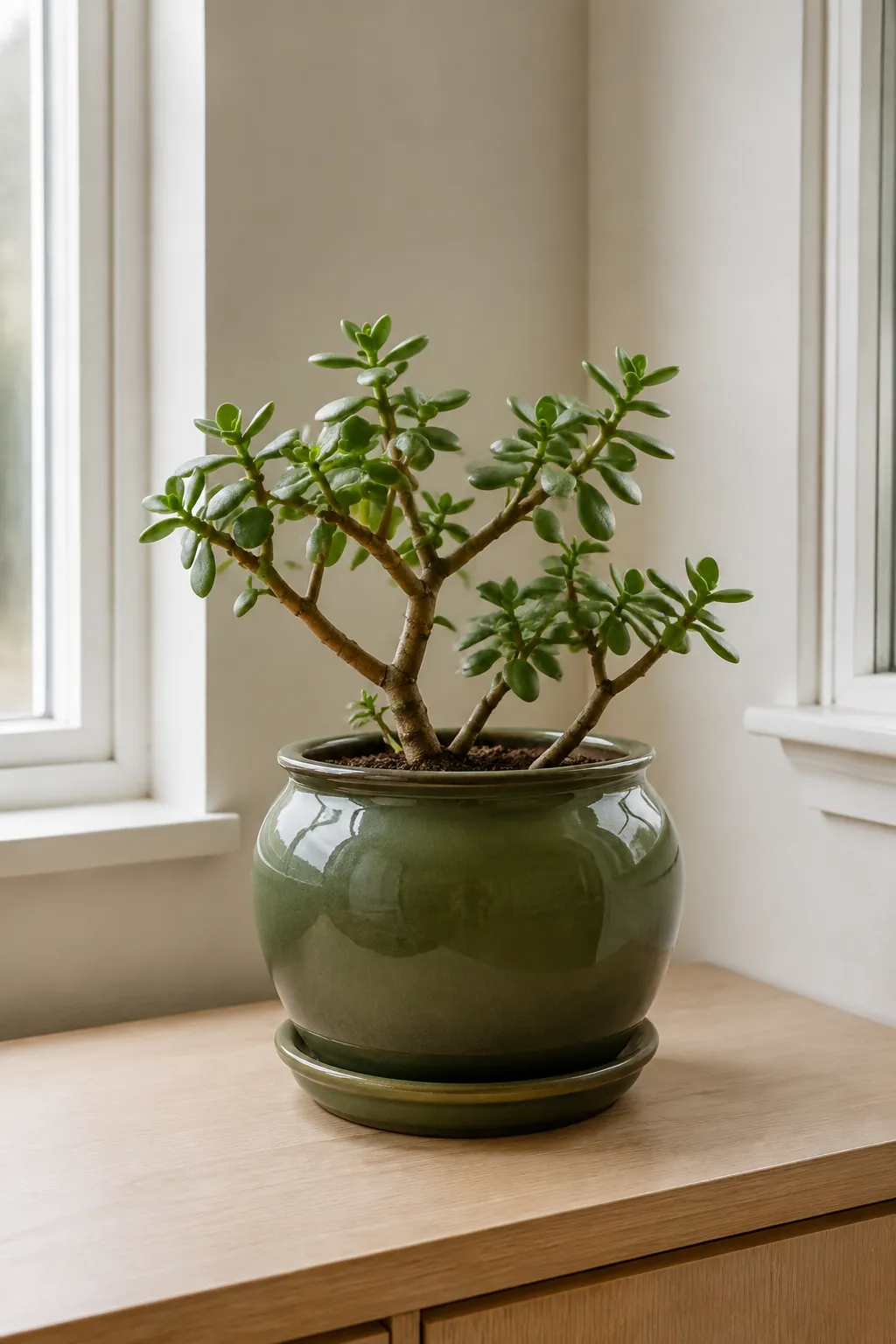
A sandy handmade pinch pot
An uneven handmade pot suits a small plant with an equally individual shape. Check for a sound base, usable root depth and a clean outlet before planting. Gentle irregularity is attractive, but a vessel that tips or traps water will be frustrating to maintain.
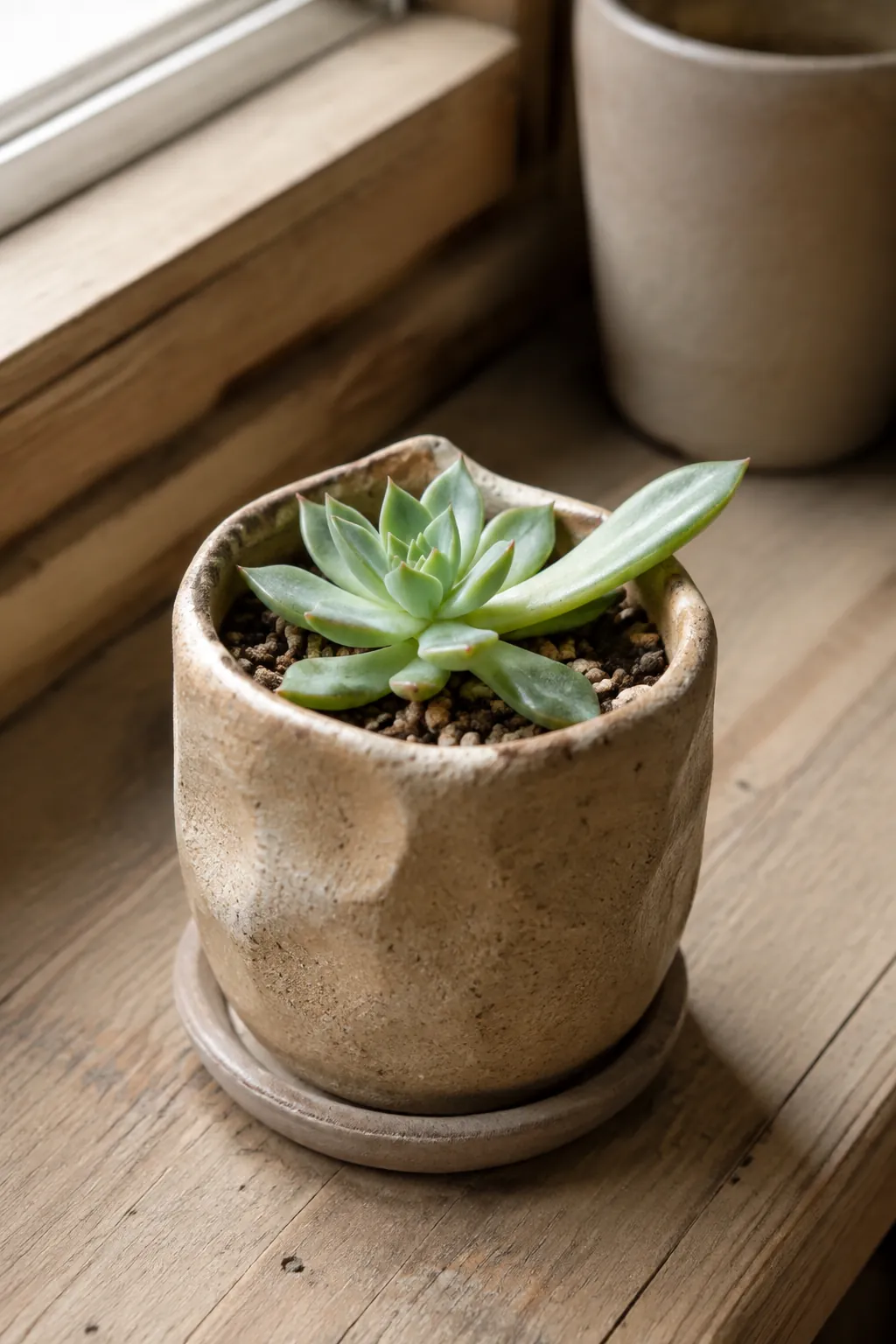
A terrazzo pot with restrained chips
Terrazzo adds pattern without needing a painted motif. Pick a quieter chip palette when the succulent has striped or spotted leaves of its own. A simple pot shape and visible growing surface keep the combination readable.
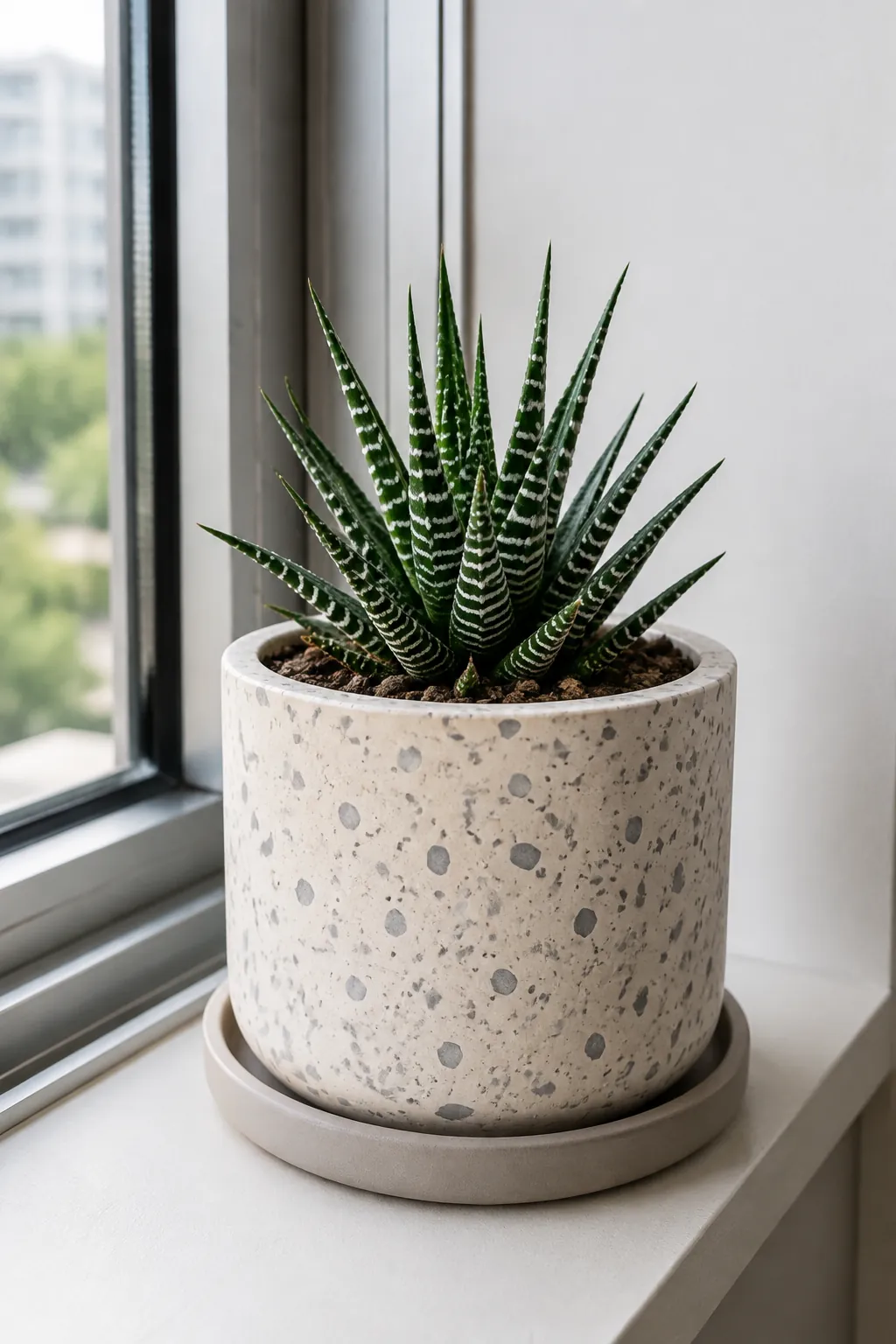
A ceramic boat for a loose row of plants
An elongated boat shape works well where you view the arrangement from above or across a low table. Choose plants with compatible needs and leave access between them for watering. If the container is purely decorative, use separate inserts instead of creating one sealed soil bed.
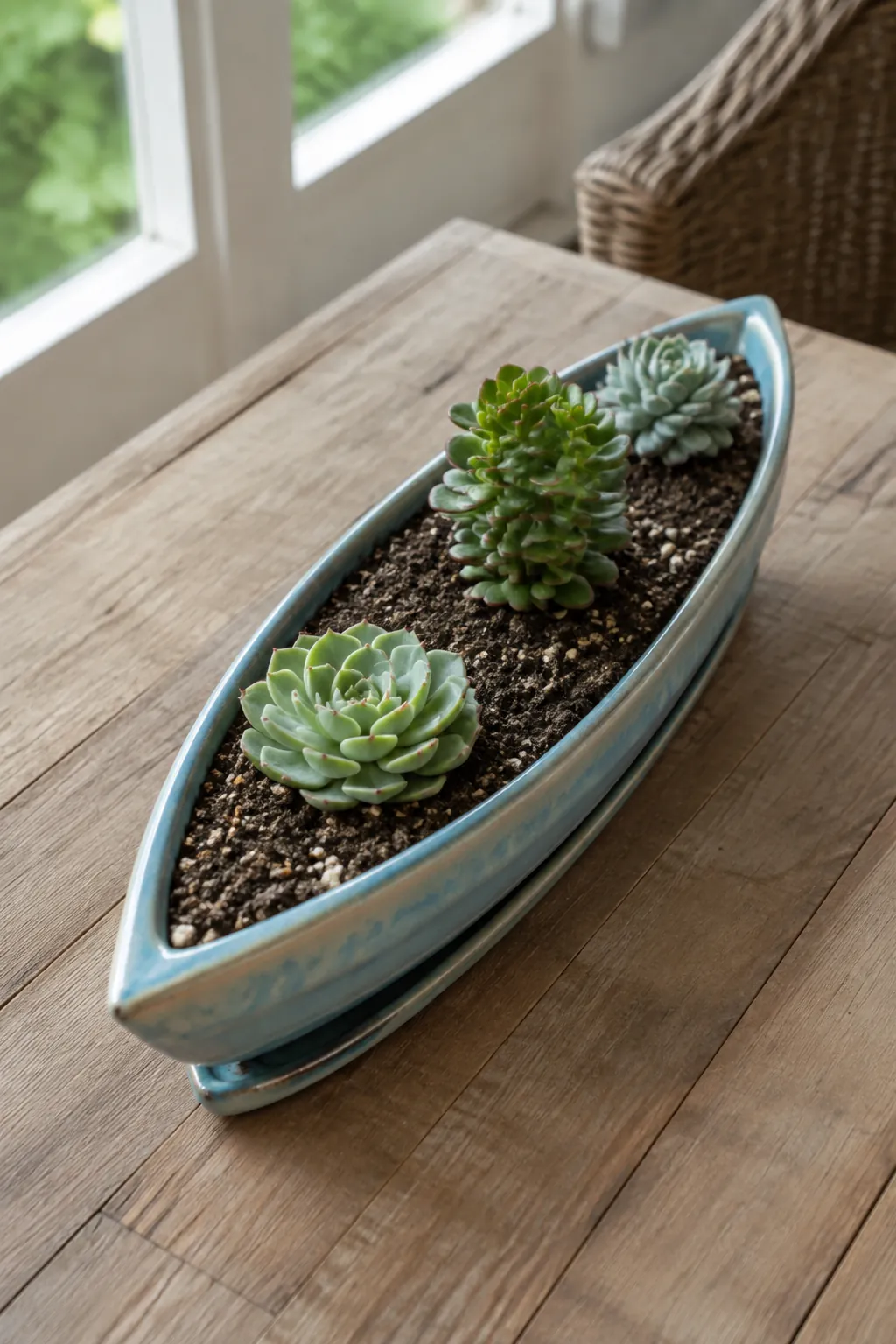
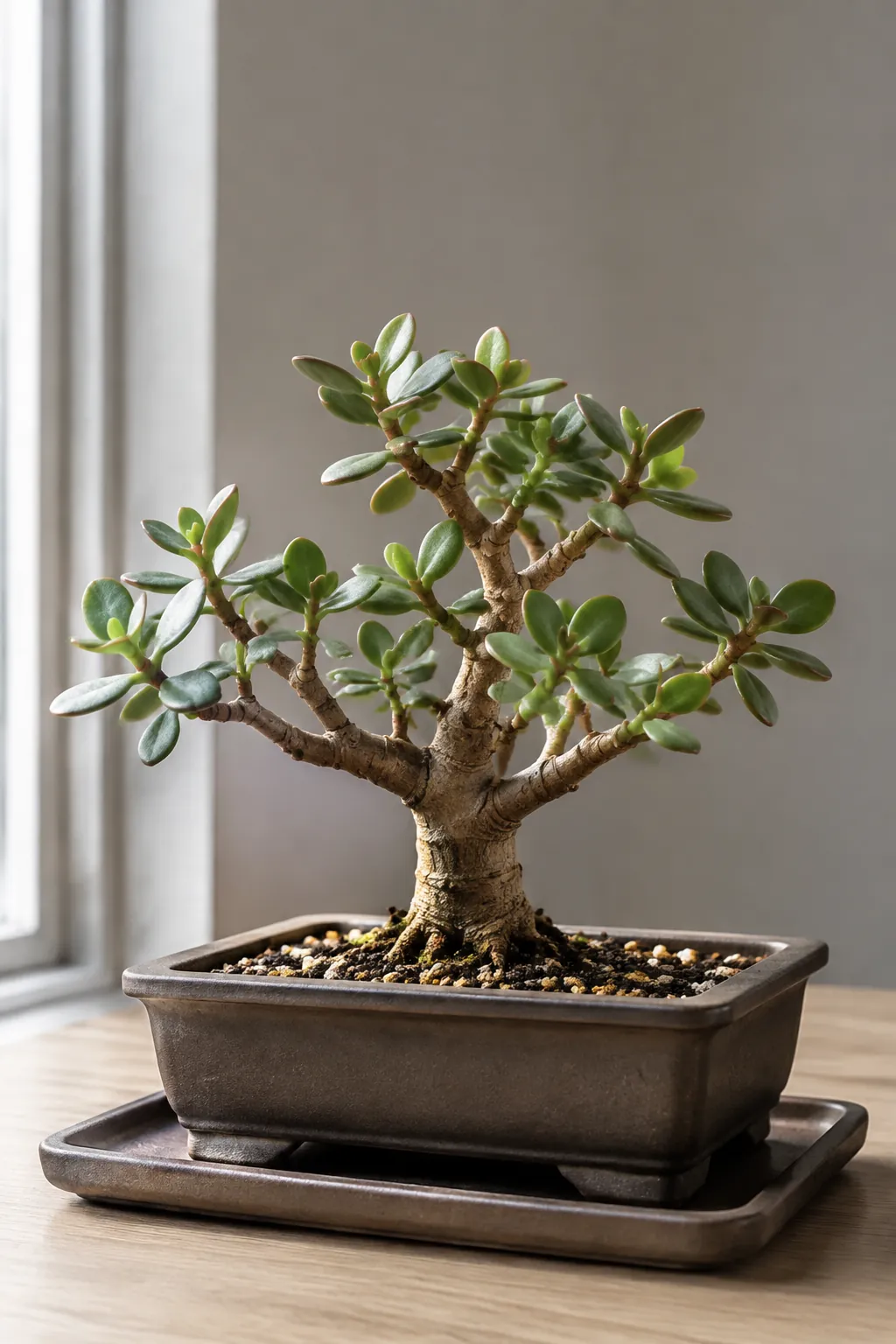
A low bonsai style pot for a small jade
A shallow bonsai style container can show off a compact jade’s trunk and branching. It needs enough root space and suitable drainage, so do not force an ordinary nursery plant into a very thin dish just for the look. Keep the planting simple and assess moisture carefully because the smaller soil volume behaves differently from a deep pot.
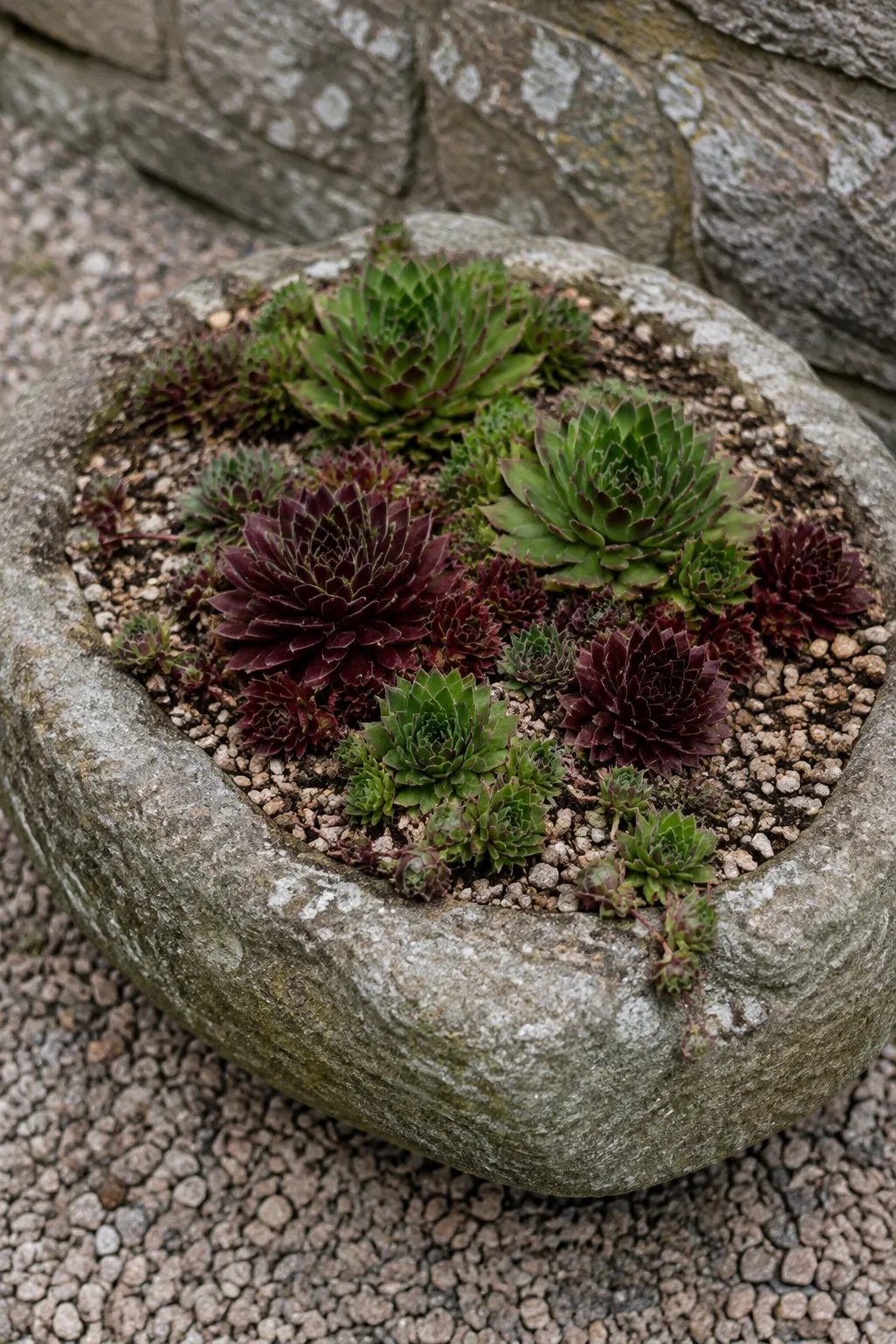
A stone trough for hardy rosette colonies
A small stone trough lets suitable sempervivum spread through offsets. Verify local hardiness and winter drainage before treating it as a permanent outdoor display. Leave open pockets around the colony rather than wedging every new rosette between decorative rocks.
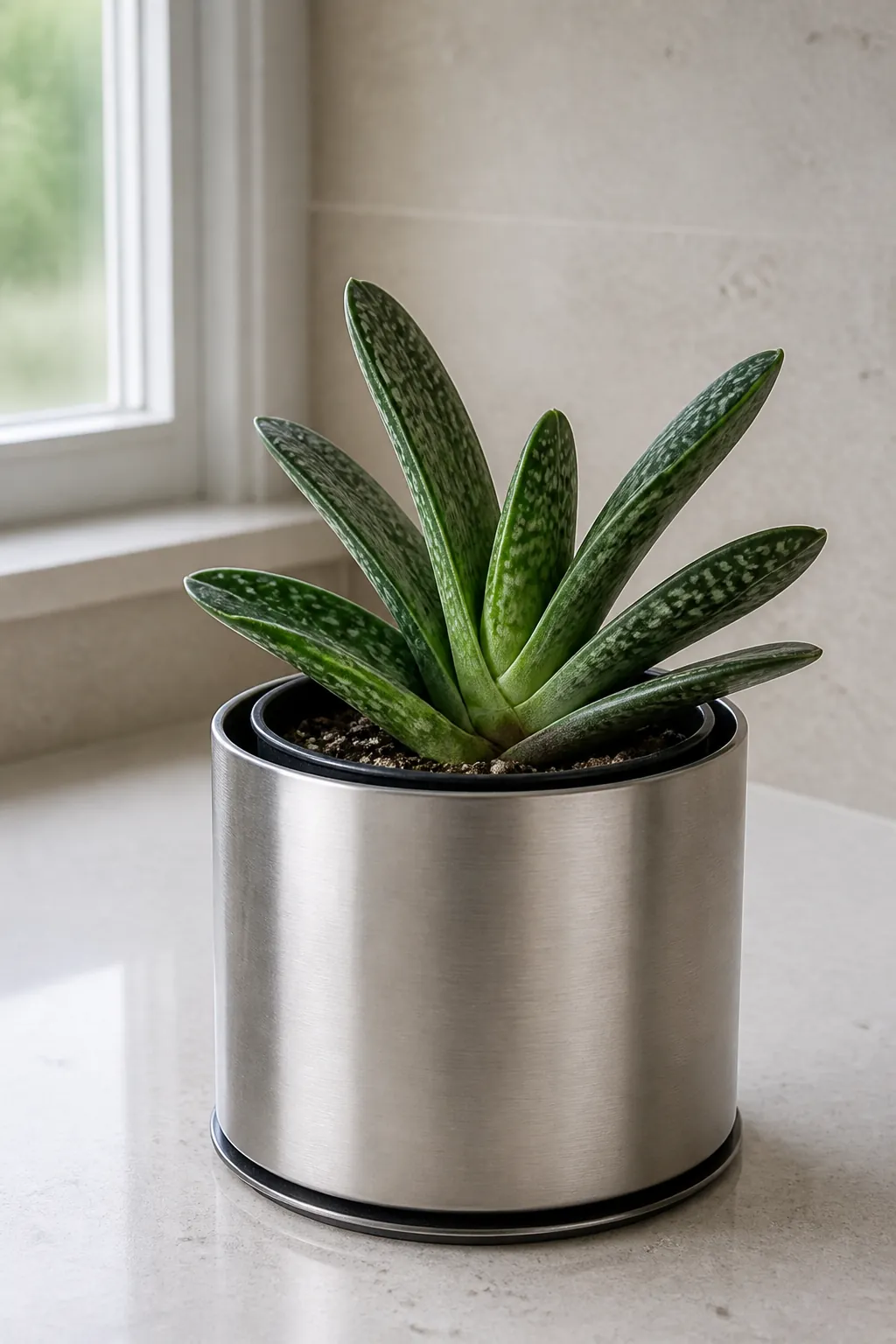
A metal cachepot on a protected shelf
A brushed metal outer pot can add a clean reflective accent in a bright room. Keep the growing plant in a removable draining container so water does not collect unseen at the bottom. Position the metal away from intense heat sources and inspect for corrosion as it ages.
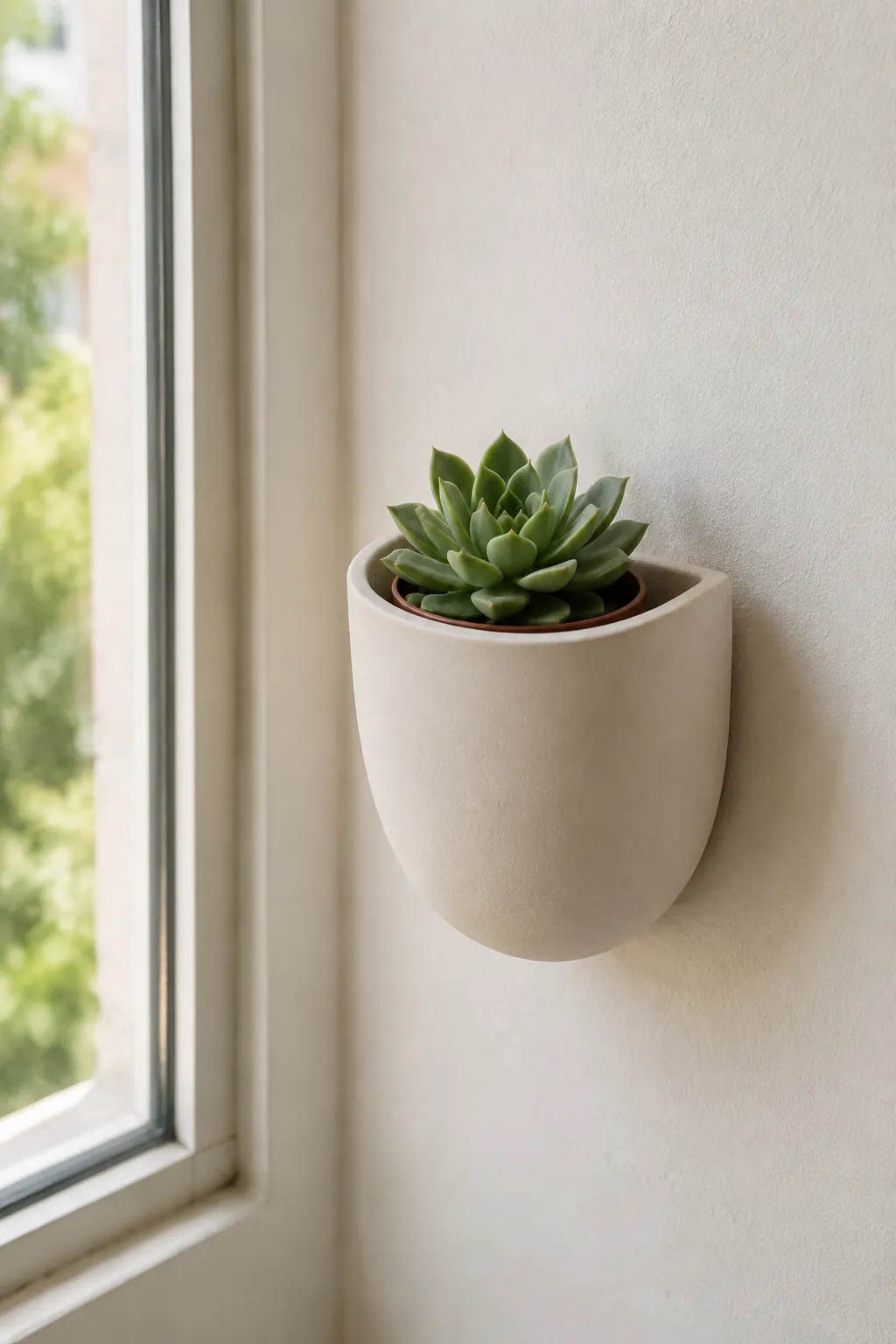
A wall pocket with a removable plant pot
A wall pocket can bring a small succulent closer to useful window light. Use secure fixings appropriate to the wall and the full wet weight, and choose a pocket that lets the inner pot come out easily. Water away from the wall to prevent stains and trapped moisture behind the display.
A ledge pot with a broad stable base
A broad base matters more than a dramatic silhouette on a narrow ledge. Keep the entire pot and its tray supported, with space between the foliage and any moving window sash. If the ledge is exposed to wind or accidental contact, relocate the plant rather than trusting a precarious balance.
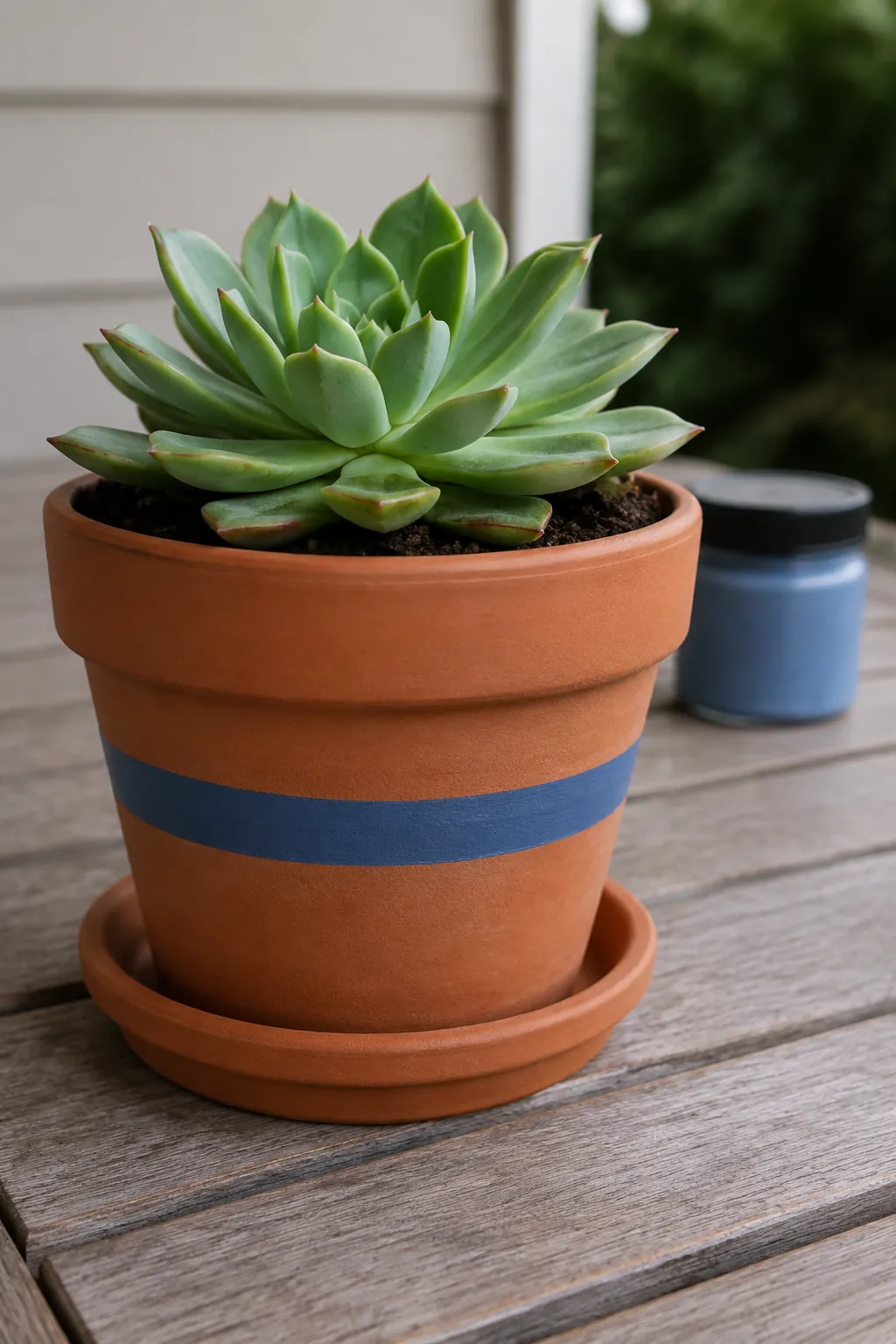
A pot with a subtle painted stripe
One painted band can make an inexpensive pot feel personal without covering every surface. Use a finish suitable for the material and keep paint away from the drainage opening and growing mix. A single stripe leaves the plant as the focal point and is easy to repeat across a small collection.
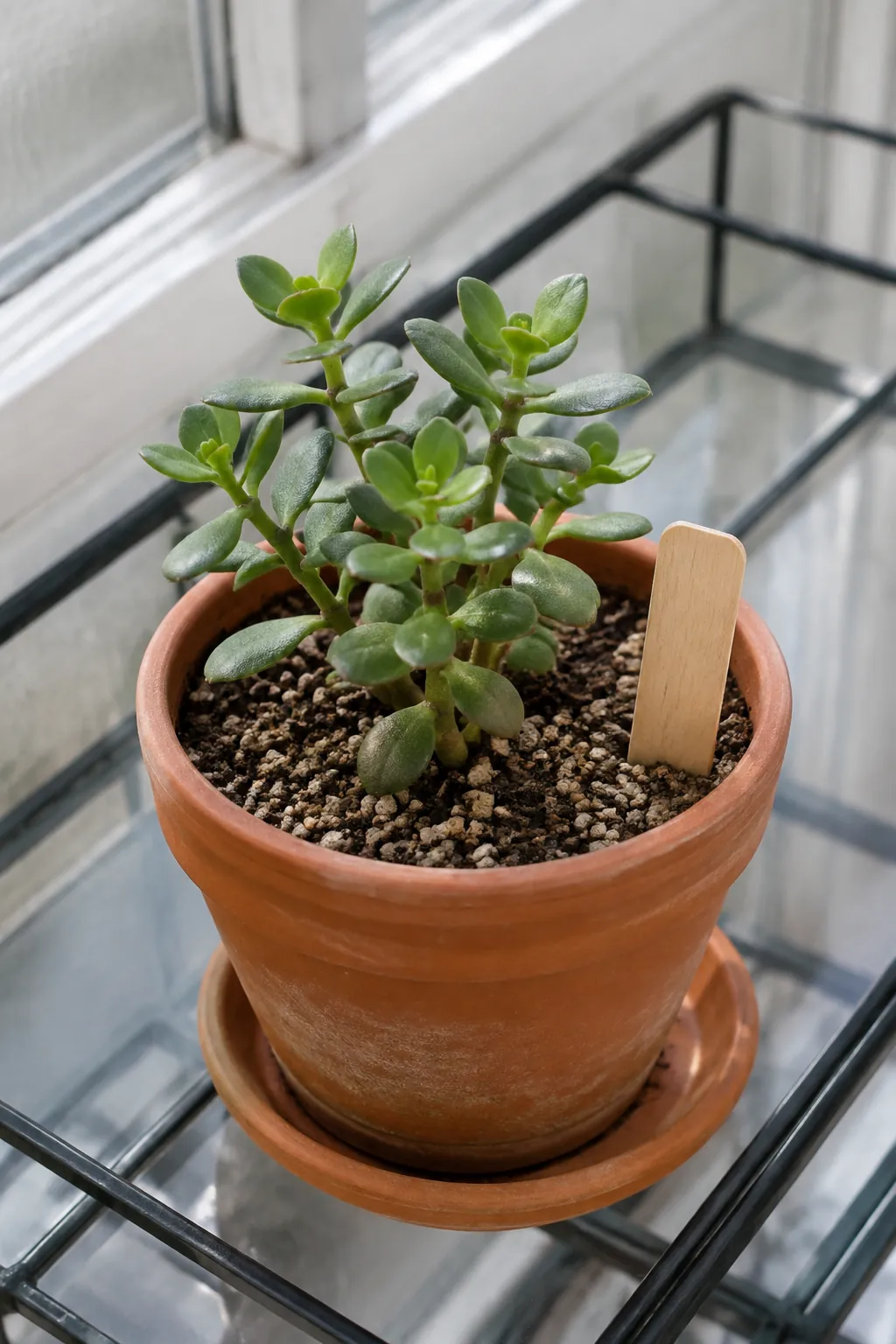
A clay pot with a removable name tag
A small label can help when similar succulents need different treatment. Use a removable tag so the pot can serve another plant later, and keep the identification separate from watering assumptions. Confirm the variety before relying on a care note that came with an unidentified gift.
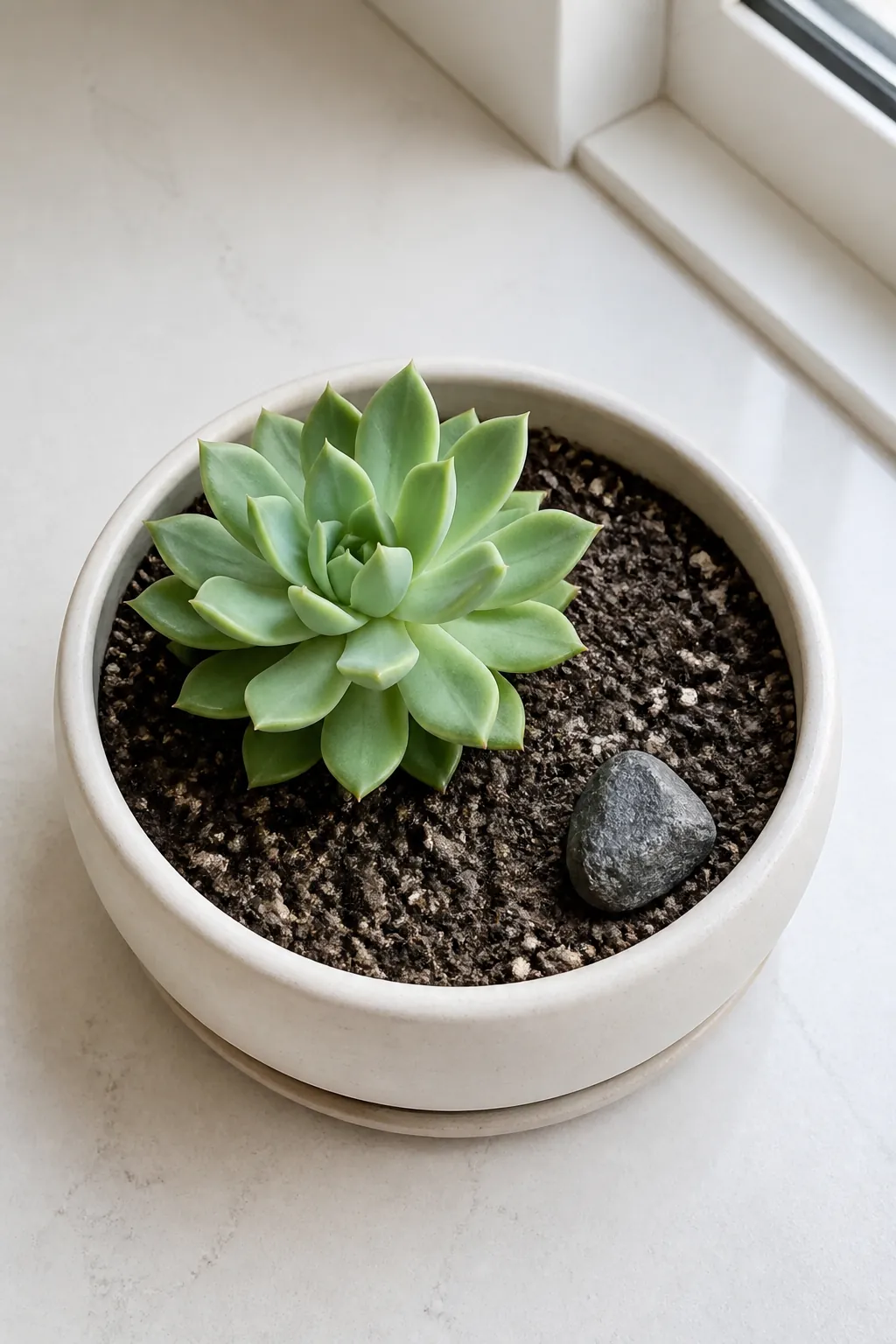
A wide pot with a single off center rosette
One rosette placed slightly off center can make a simple vessel feel deliberate. Keep the root space sensible and avoid choosing an enormous bowl for a tiny plant. A little open substrate and one modest stone are enough to balance the composition without burying the plant base.
A pot paired with a waterproof tray
A tray can make an ordinary draining pot easier to live with on a desk or console. Choose one large enough to catch runoff but small enough to empty without moving a whole collection. Water should not remain in contact with the pot base after the plant has drained.
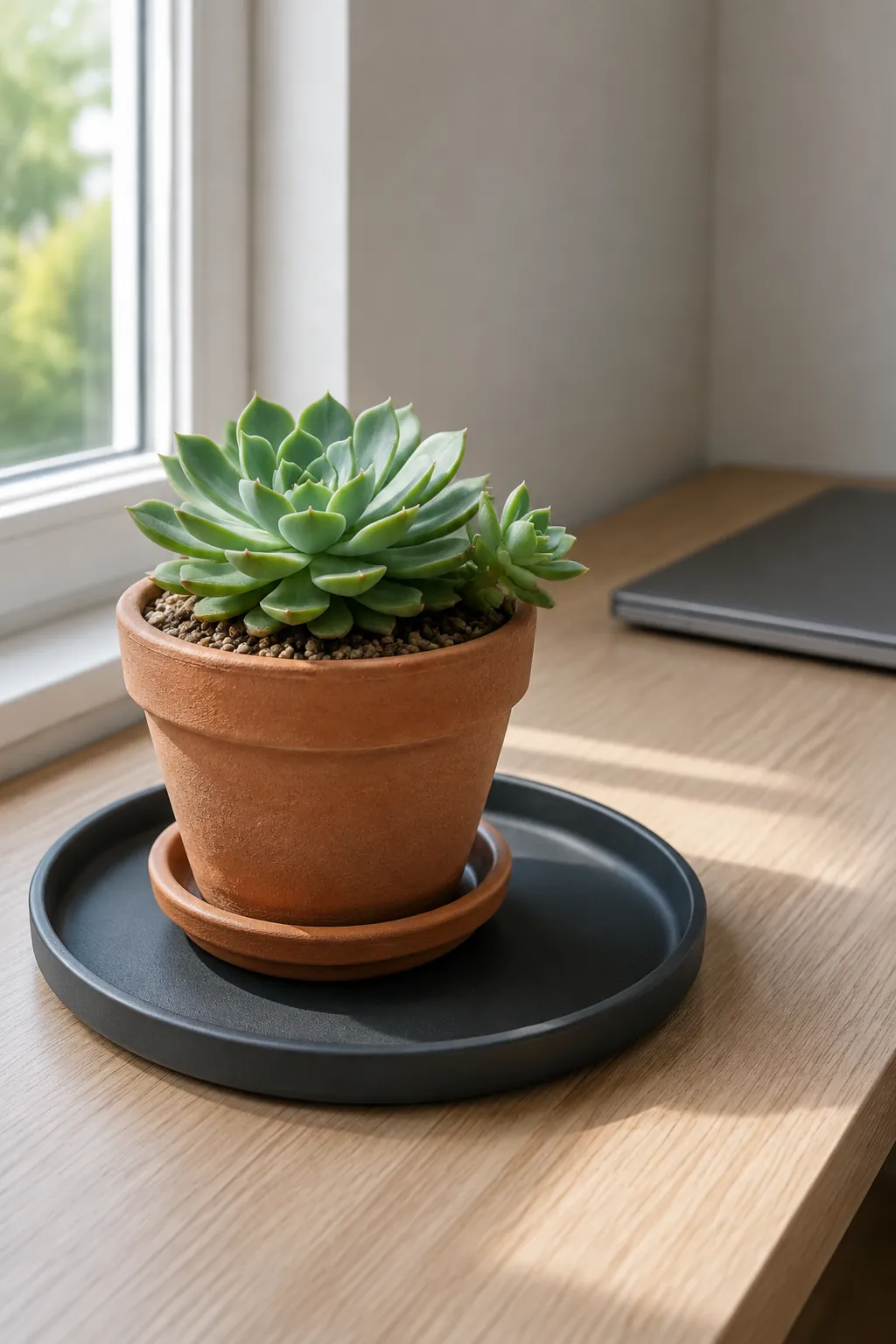
A nursery pot dressed with a reusable sleeve
A simple sleeve can improve a nursery pot’s appearance without forcing an immediate repot. Keep the bottom accessible and remove absorbent sleeves before watering. This is useful while you observe a new plant and decide whether its roots or growing mix actually need attention.
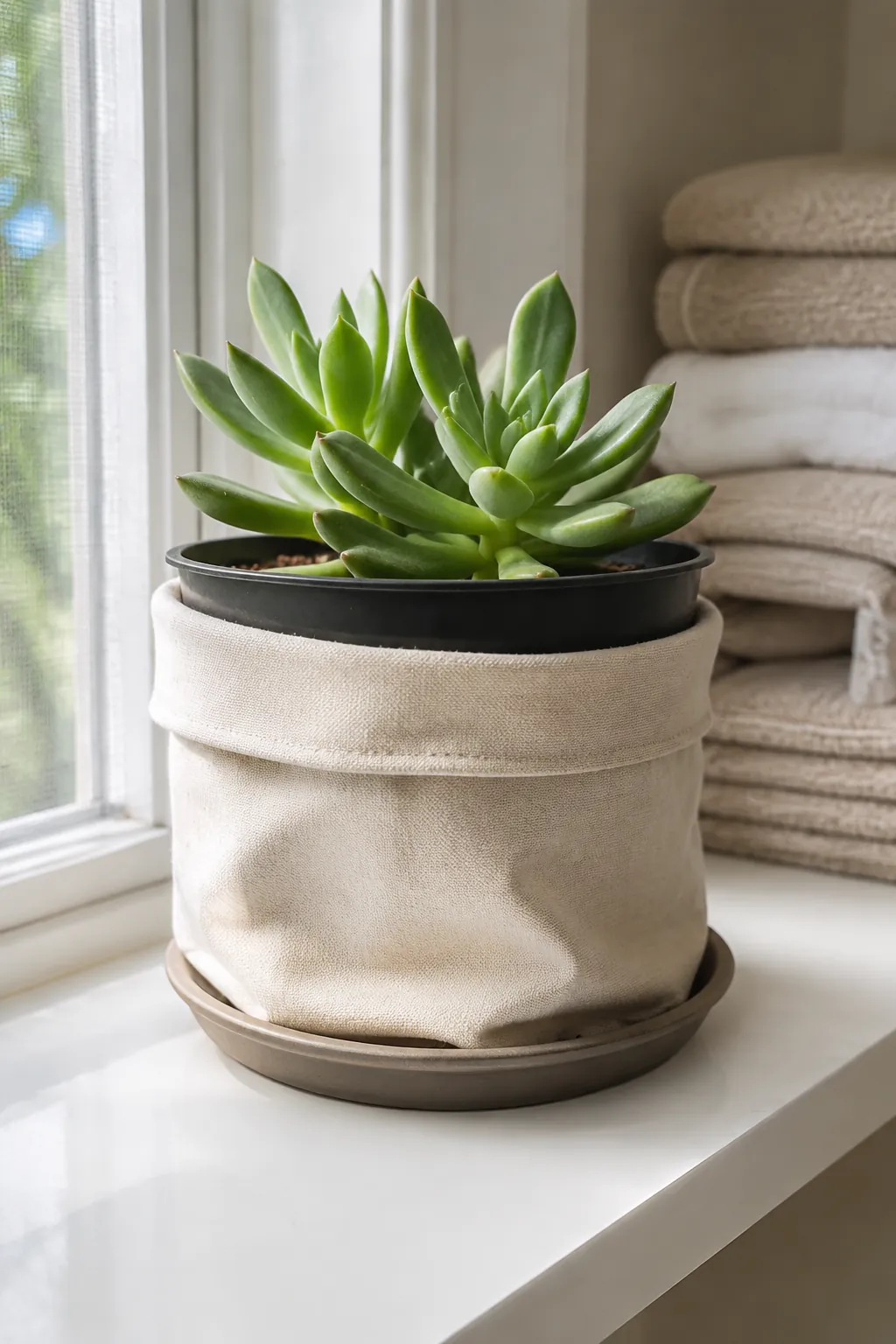
A shallow propagation pot for established starts
Once cuttings have formed roots, a modest propagation pot can gather them into an early arrangement. Allow space for each plant to develop rather than using loose unrooted leaves as permanent decoration. Introduce stronger light gradually and adjust watering to the roots and substrate instead of following a display calendar.
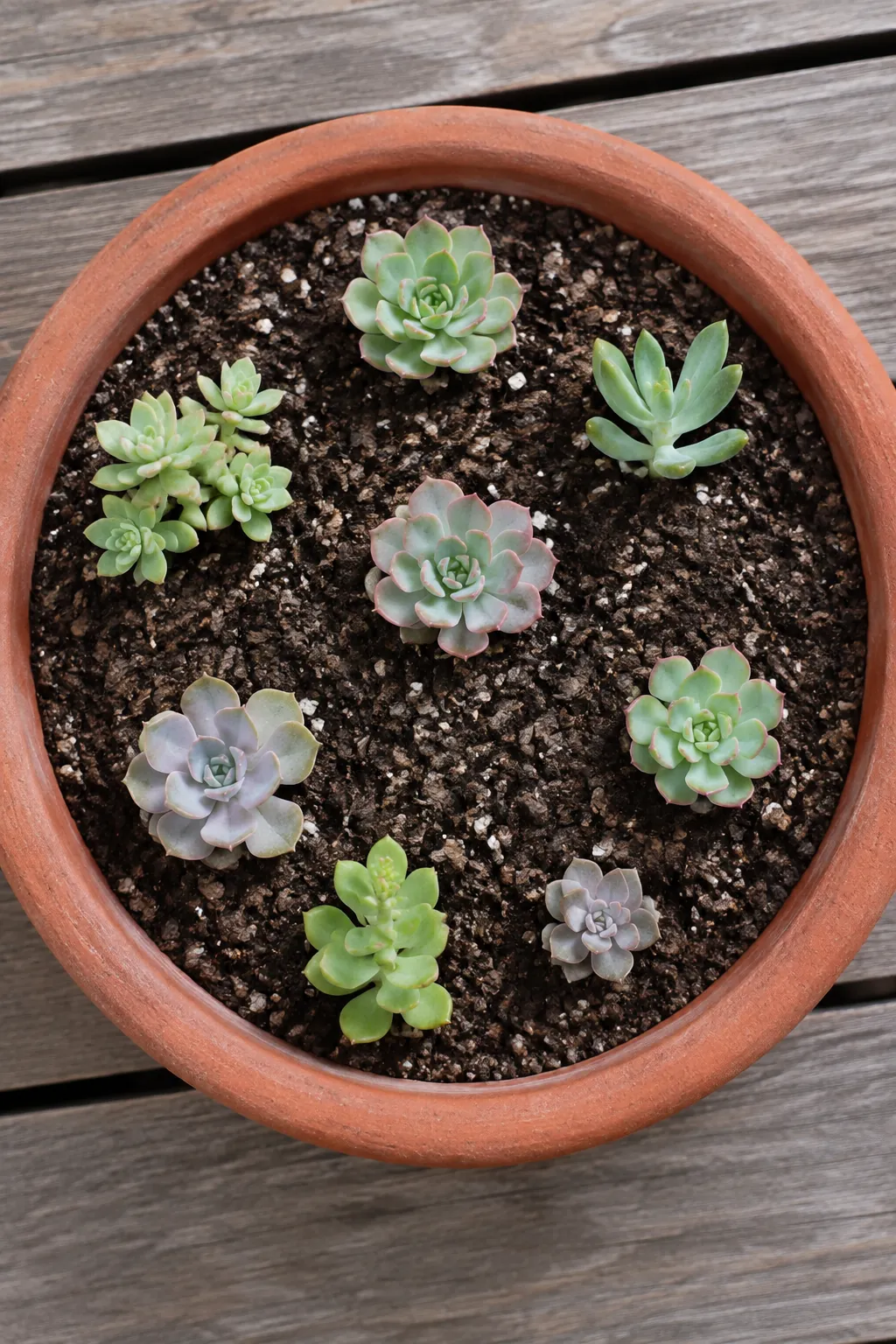
A portable patio pot for seasonal shelter
A manageable pot is easier to protect when a tender plant cannot stay outside through winter. Choose a container you can lift safely when wet, and plan a bright sheltered destination before cold weather arrives. Avoid handles or rims that were never designed to carry the planted weight.
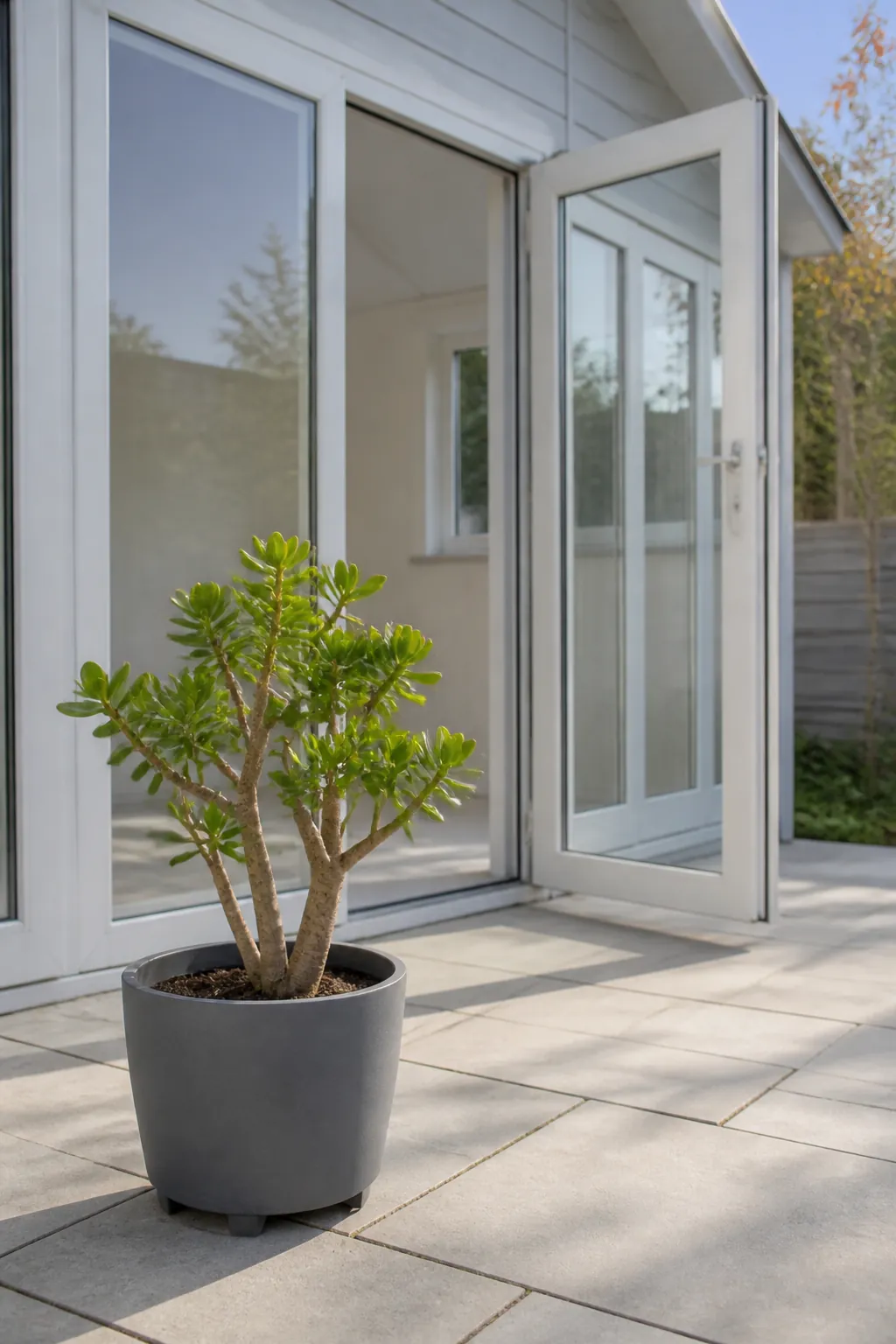
A simple pot that leaves room for the next repot
A slightly roomier pot can be the most useful design choice when roots have filled the old one. Select an opening that lets the plant slide out later and a depth suited to its root system. Keep the new mix airy, preserve the original planting depth, and give damaged roots time to recover before returning to normal care.