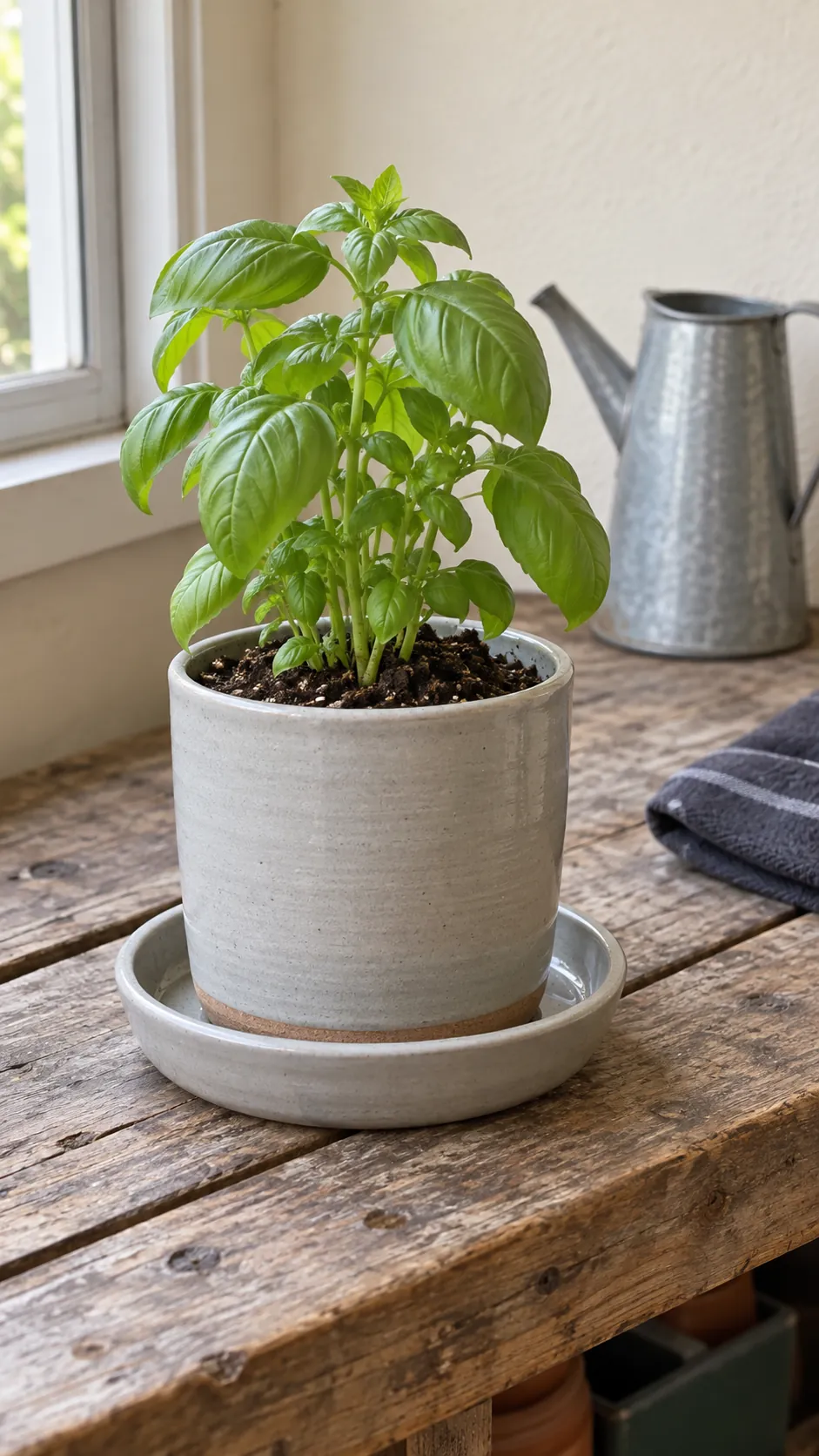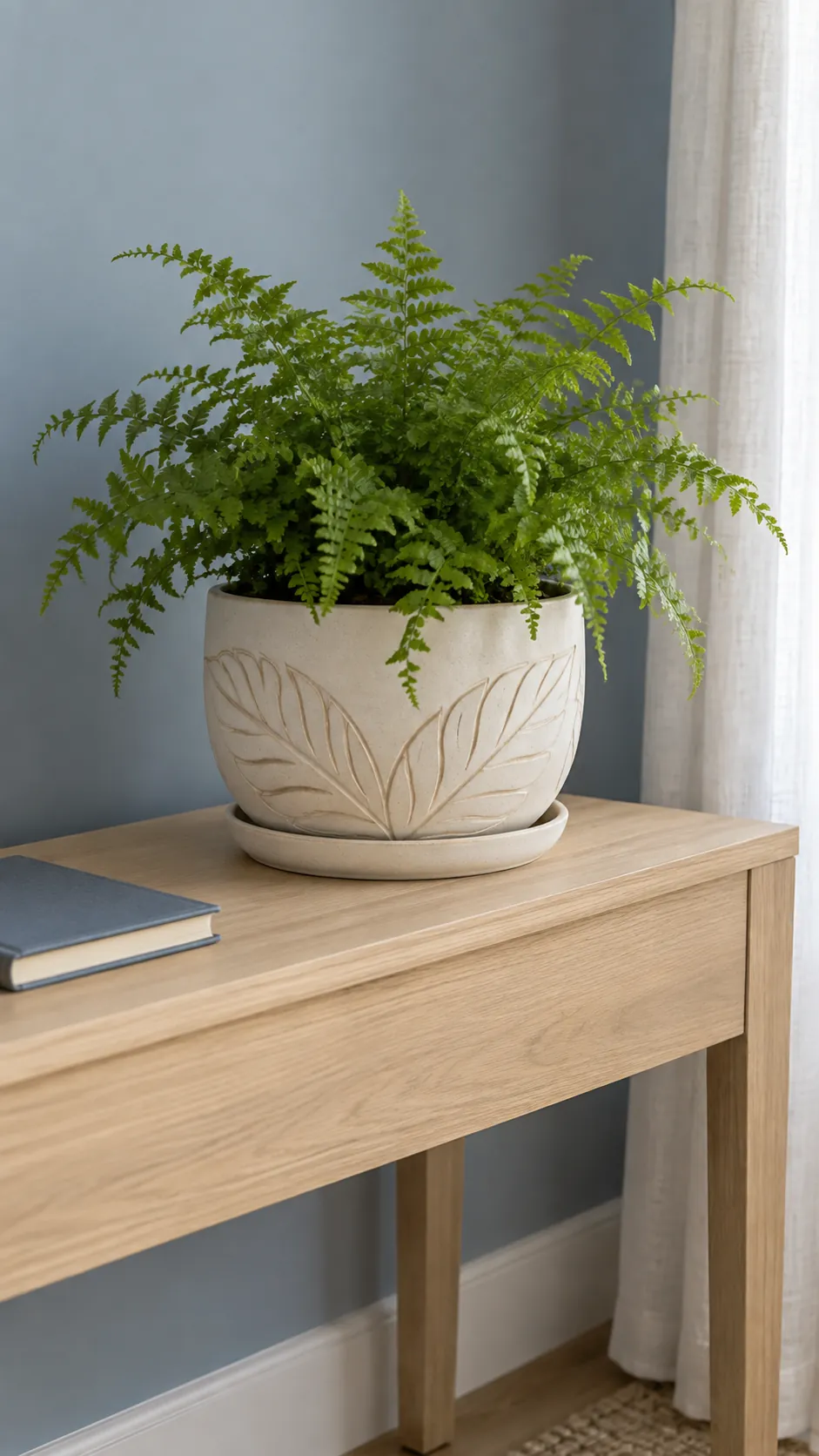
A handmade pot can look finished long before its drainage, base, and liner fit have been properly considered. Decide how water will leave the growing container before choosing a glaze or carving a pattern. Then the decorative work can support a vessel you actually enjoy using.
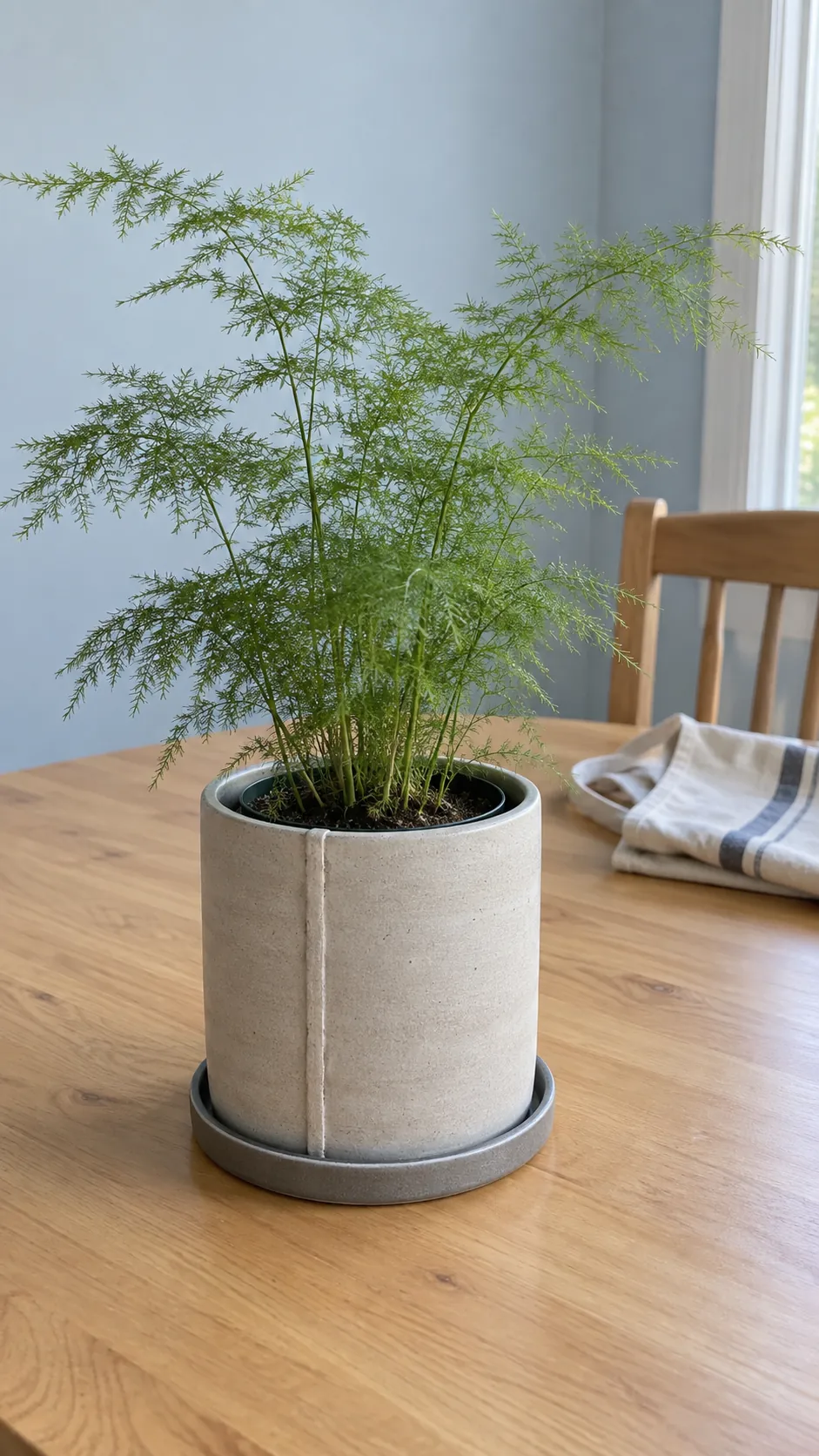
A slab cylinder with a visible seam
A clean slab cylinder is a useful starting point for hand building pottery ideas because the basic form leaves room to concentrate on a sound join. Turn the seam into a deliberate vertical detail instead of disguising it beneath busy decoration. Keep the walls reasonably even and follow your studio's joining and drying guidance. A simple shape that survives firing is more satisfying than a complicated silhouette with a weak base.
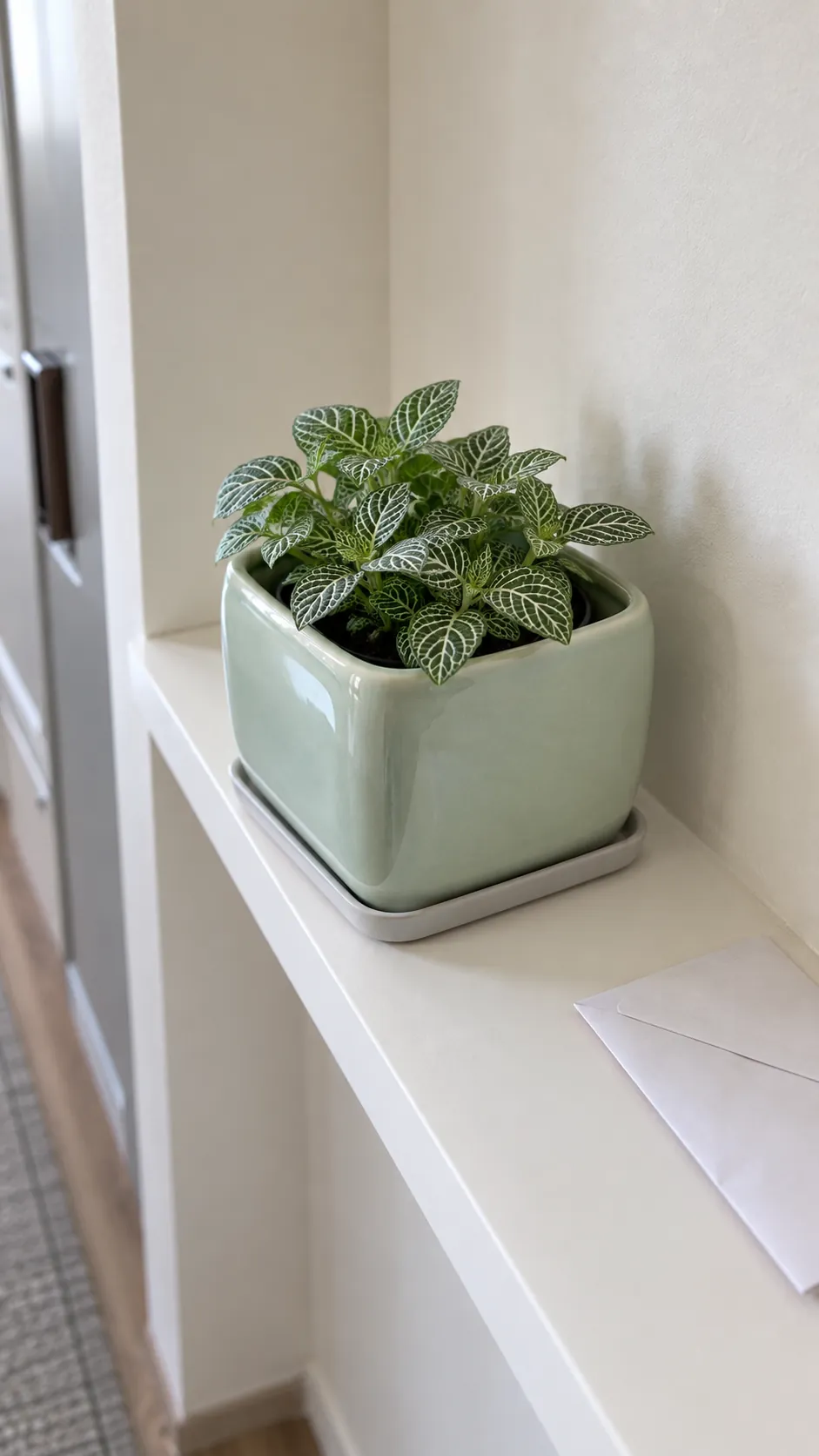
A softly squared pot with rounded corners
A square planter uses a shelf's footprint neatly, but sharp corners can make both construction and cleaning more awkward. Round the interior transitions and soften the outside edges so the form feels intentional in the hand. Fit the finished opening to a removable liner if you want the ceramic to serve as an outer shell.
A coil built bowl with a smooth interior
Visible coils give pottery planters a clear handmade identity without requiring painted decoration. Keep the interior smooth enough to clean, and join the coils thoroughly according to the clay and technique you are using. The exterior can retain its rhythm while the growing space remains practical. Plan the drainage opening before firing rather than treating drilling as a guaranteed repair later.
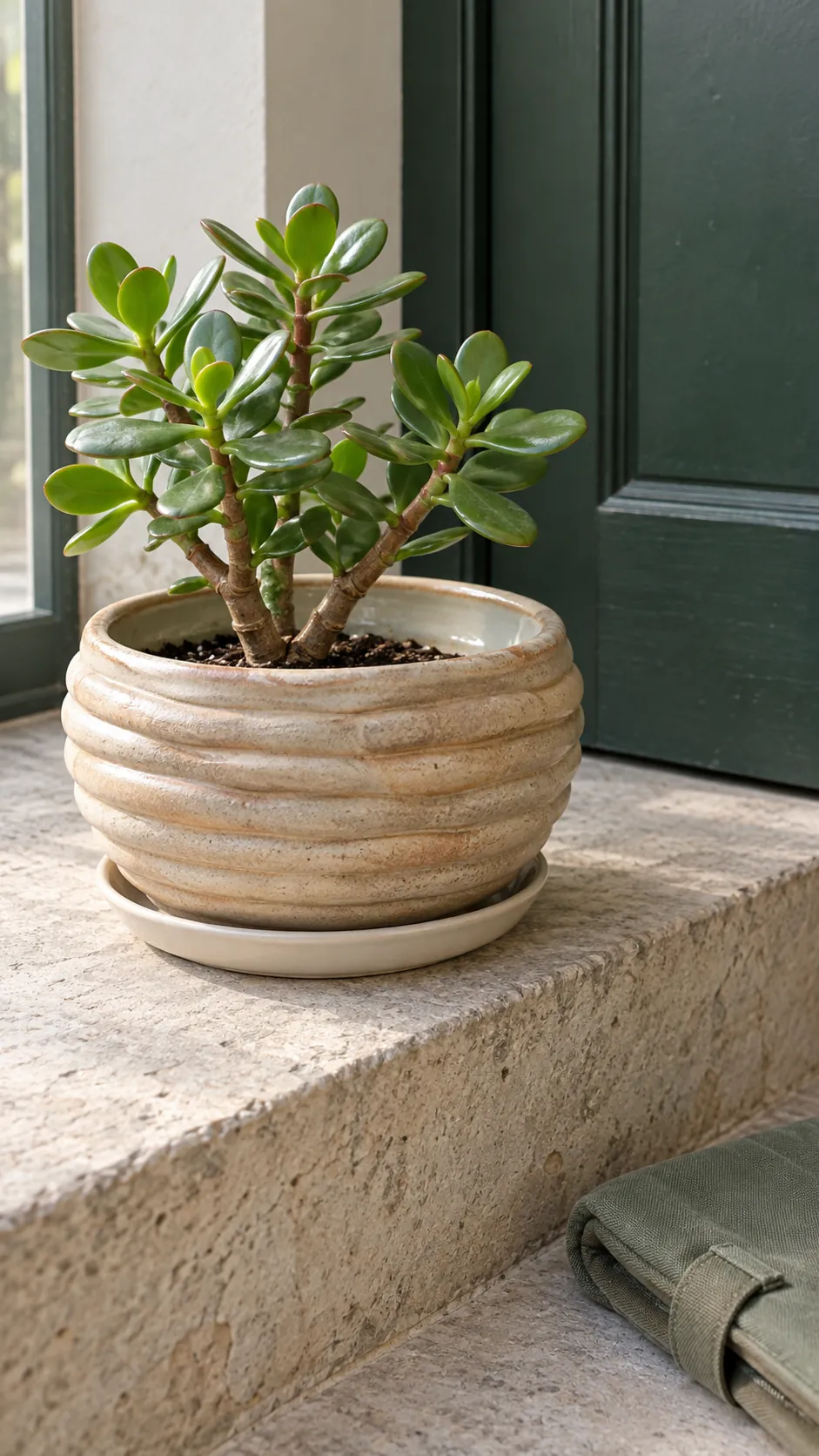
A leaf impressed planter with shallow detail
Pressing a leaf into clay can produce a quiet botanical pattern that still looks attractive after the plant grows. Use shallow impressions so glaze does not bury the entire design or leave a surface that is difficult to wipe. Test the finish on a small sample first, especially when you want fine veins to remain visible.
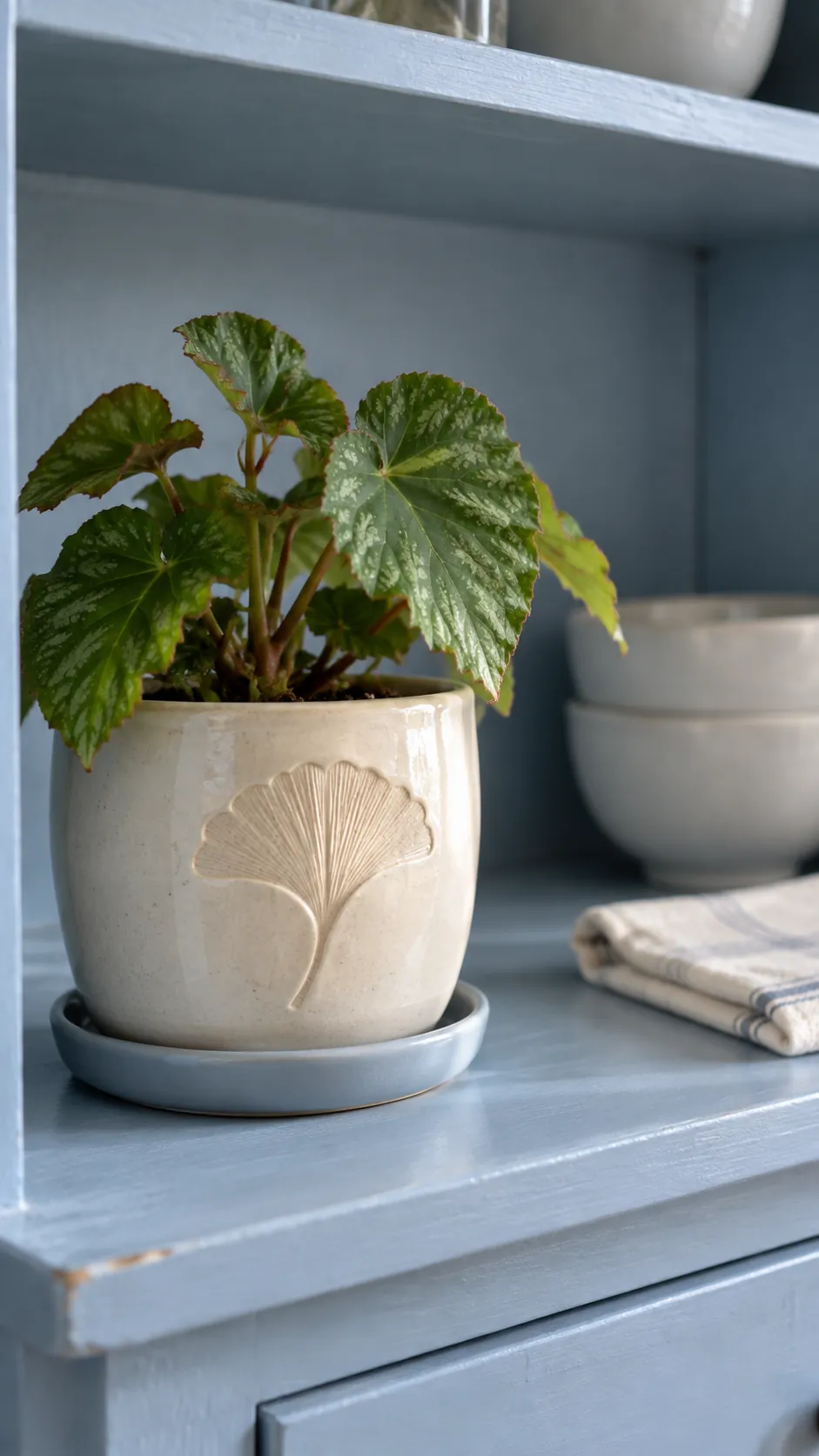
A sgraffito pot with bold fern shapes
Sgraffito can make a small vessel distinctive when the carved pattern has enough scale to read from across a room. A few broad fern shapes work better than a dense field of tiny marks if foliage will cover part of the pot. Keep the carving within a suitable surface layer and avoid weakening the wall. Follow the studio's timing and material guidance for the clay and slip combination.
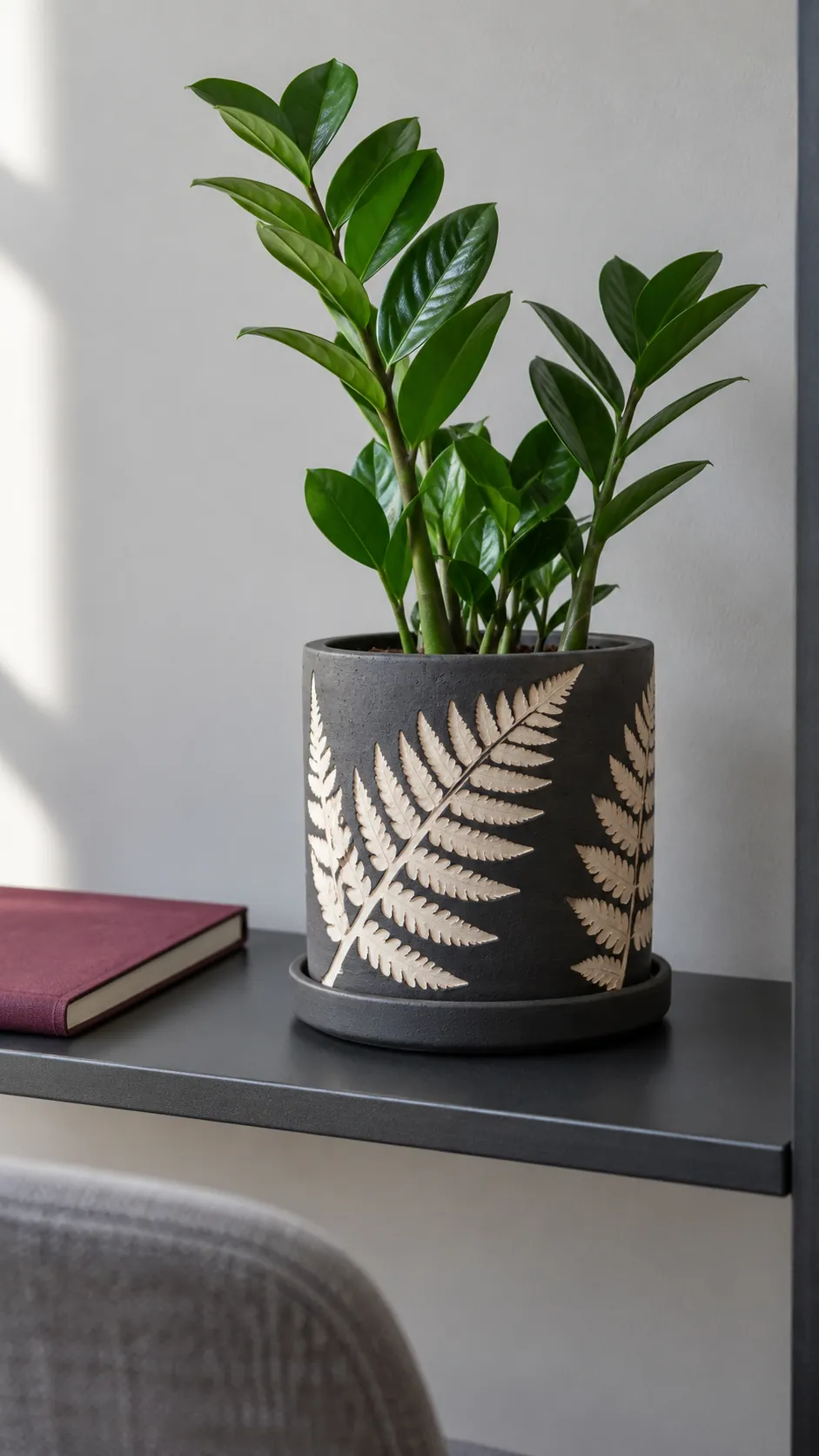
A scalloped rim kept low and sturdy
A shallow scalloped rim can add personality without turning the top into a fragile crown. Keep the dips broad and the high points rounded, then make sure the opening still admits the intended nursery pot. The rim should be comfortable to wipe and easy to pass your fingers around when lifting a liner.
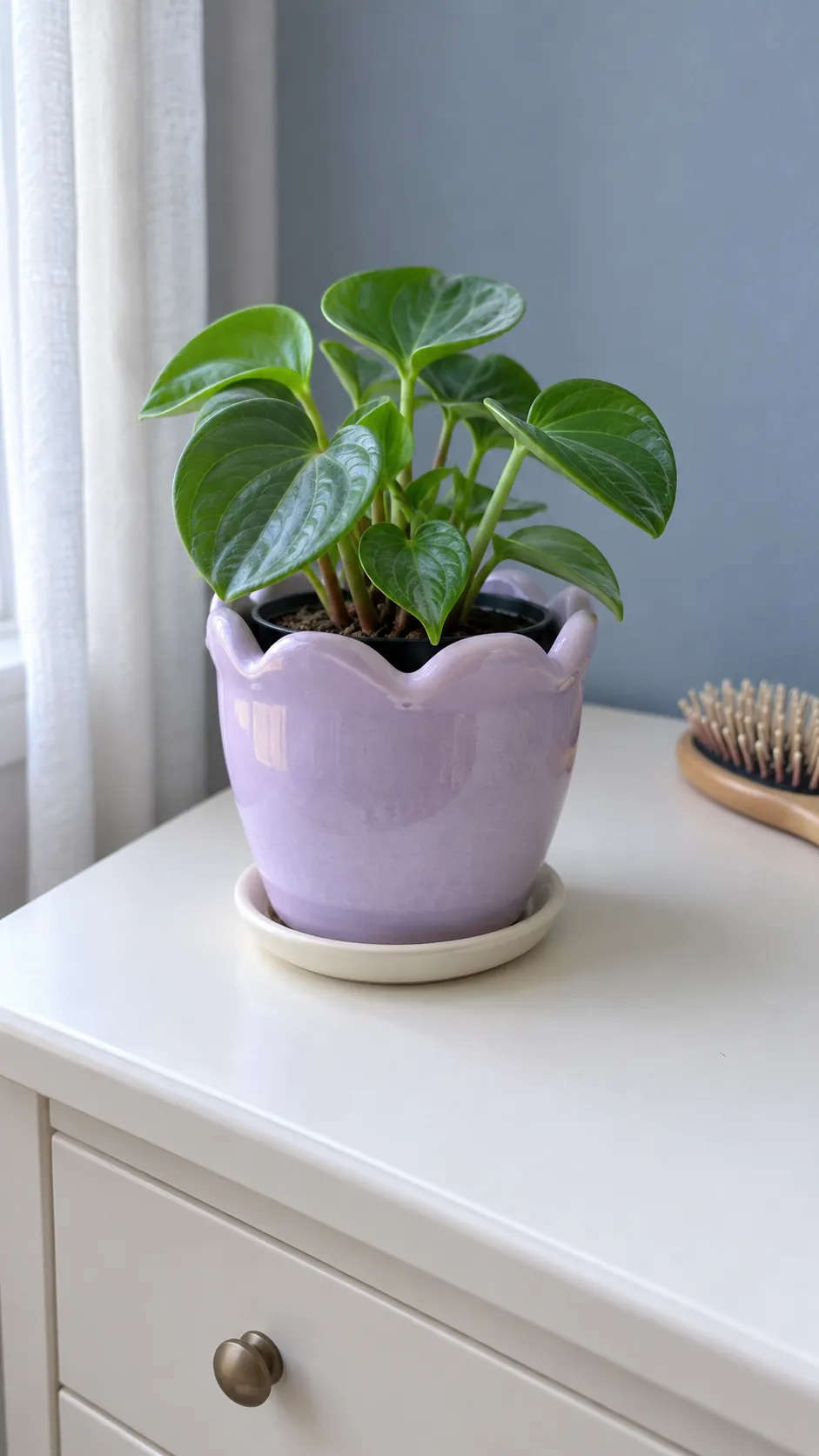
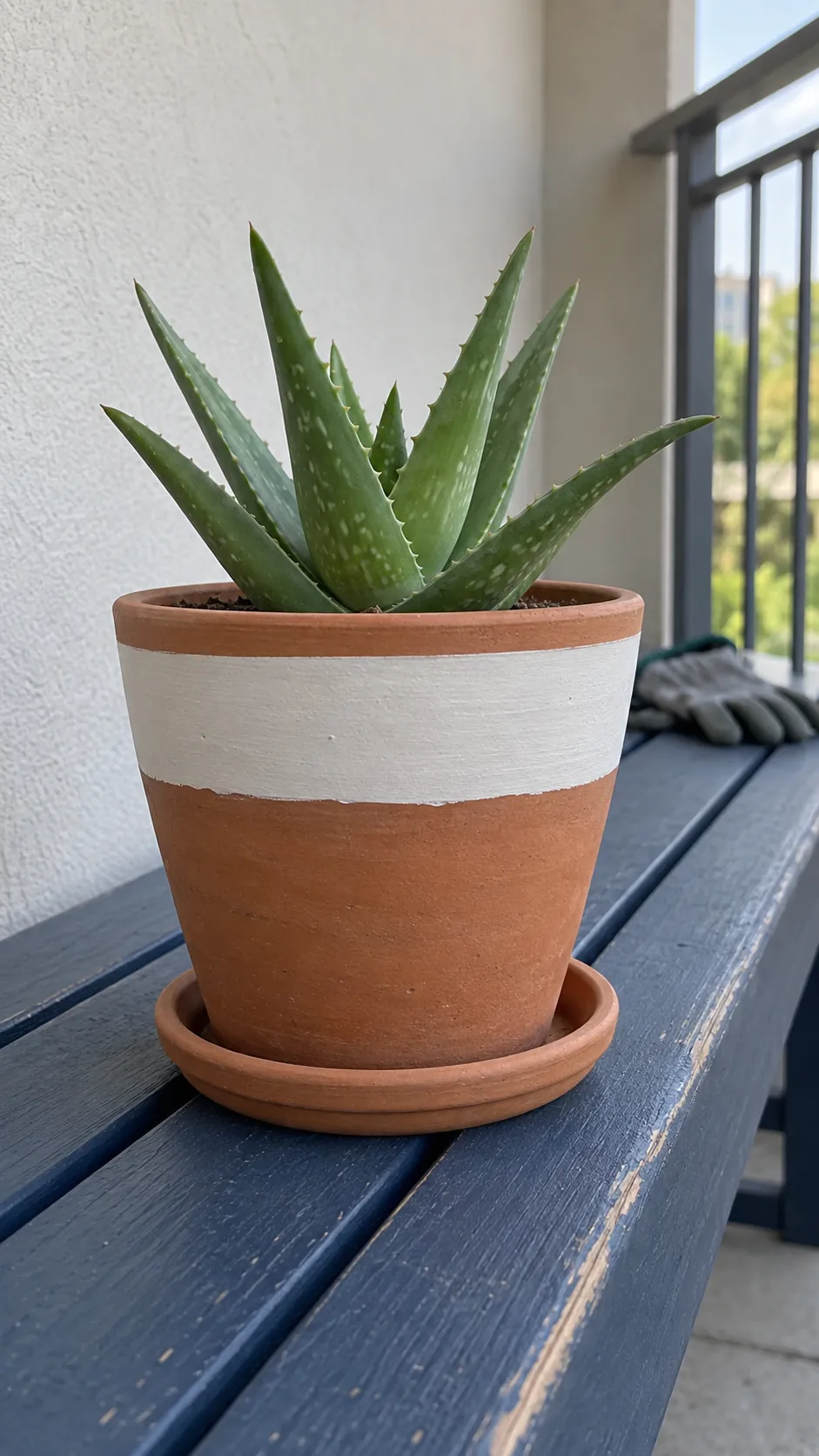
A terracotta pot with a white slip band
A single white slip band lets the clay body remain part of the design. Place the band where it will still be visible below the foliage, and test the slip with your chosen clay rather than assuming any two materials are compatible. For direct planting, provide drainage and a suitable saucer. Porous clay does not remove the need to monitor the growing mix.
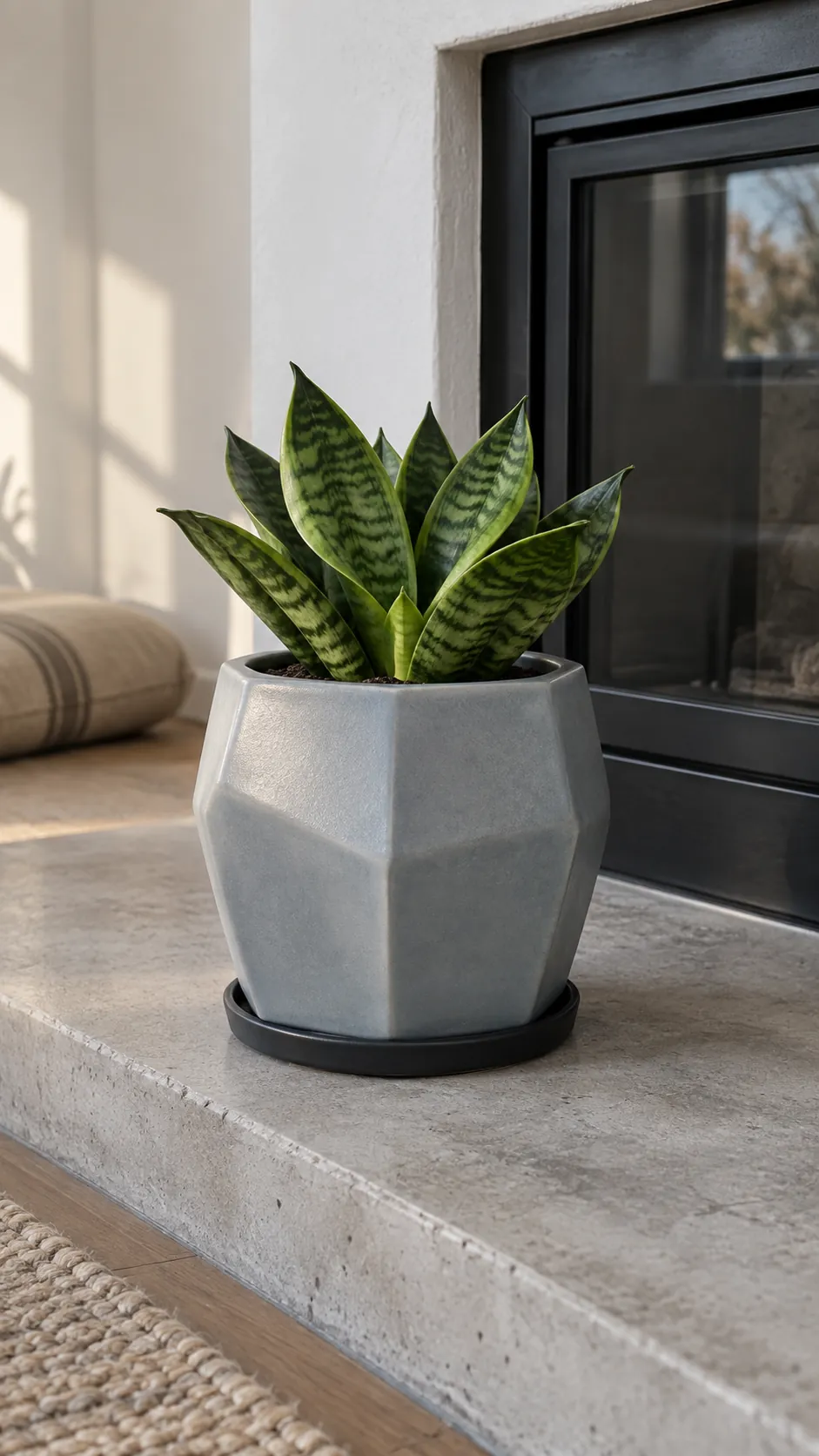
A faceted planter with a calm glaze
Broad facets can give a plain pot changing light and shadow without adding multiple colors. Preserve enough wall thickness when shaping the facets, particularly near the base and rim. A restrained glaze makes the geometry easier to see. Choose a flat, stable foot so the angular sides do not translate into a rocking container.
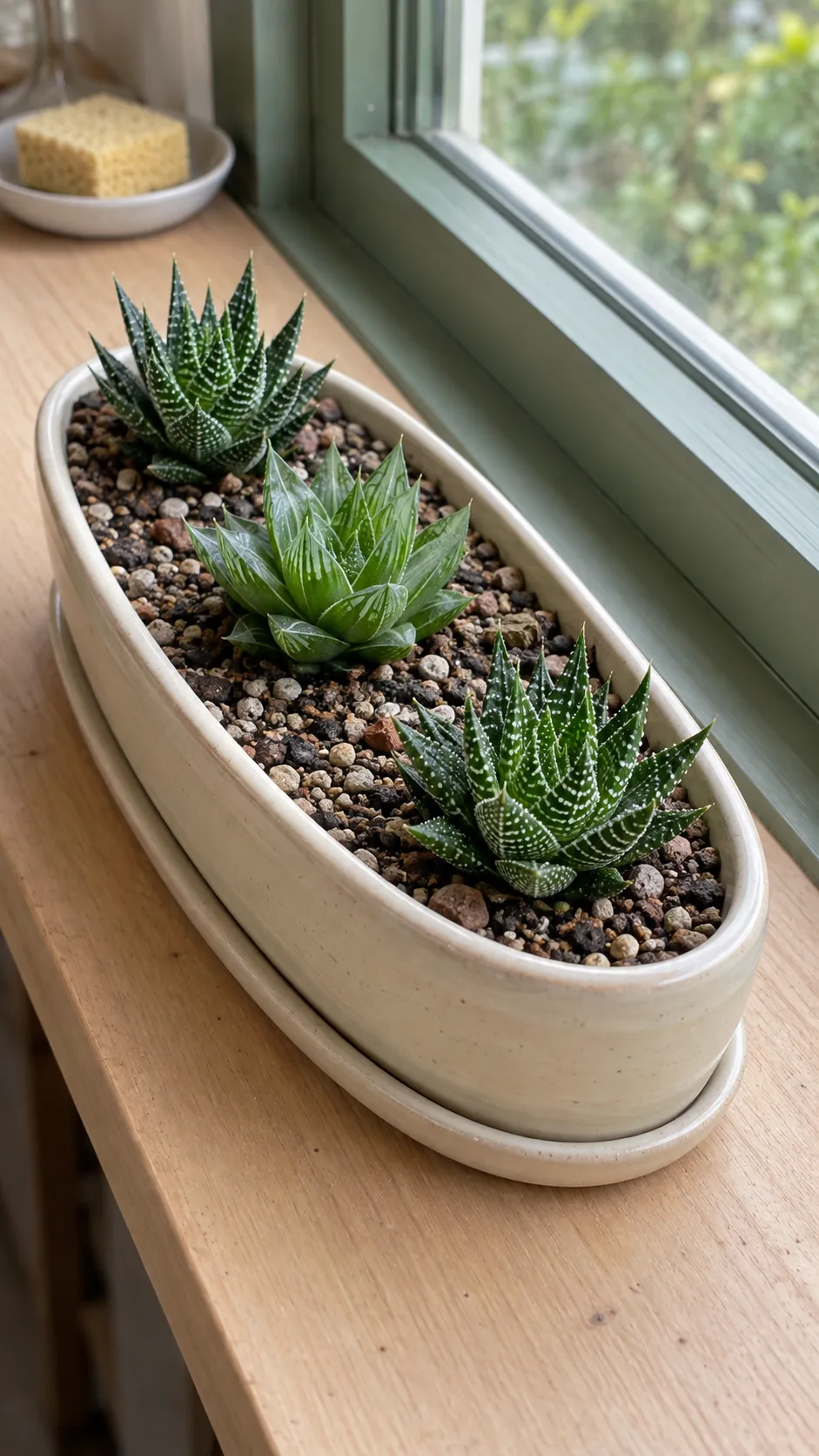
A shallow oval for a small succulent group
An oval container suits a short row of small succulents when each plant has space around it. Match the plants' light and moisture needs, and use an actual drainage opening in a vessel deep enough for their roots. Decorative stones cannot turn a sealed bowl into a draining pot.
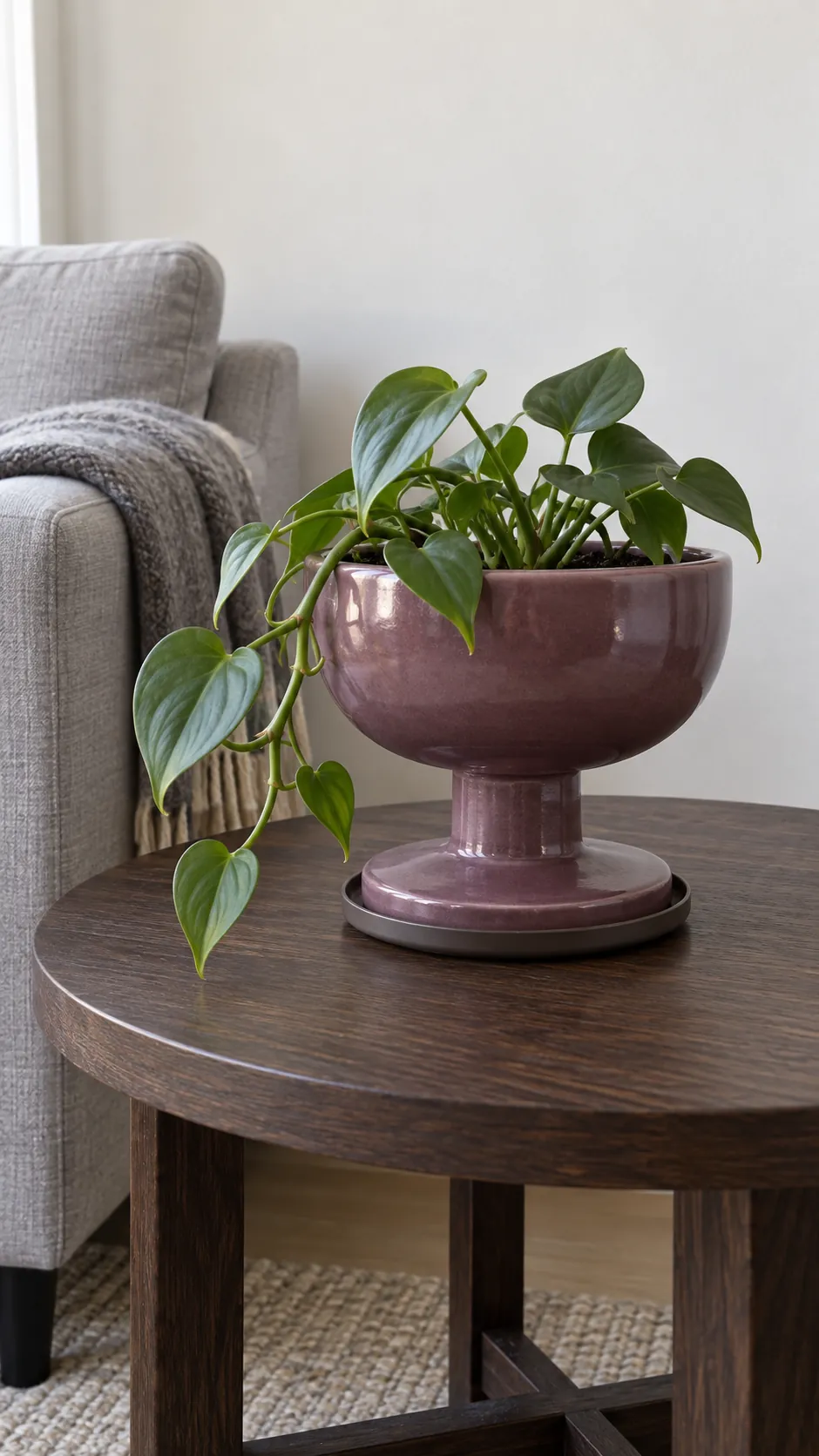
A pedestal pot with a broad supporting foot
A low pedestal can give trailing foliage more room while keeping the planter on a tabletop. Make the foot broad enough for the planted weight and check that the completed piece stands level. Keep the rise modest if the pot will sit near children, pets, or a busy walkway. A dramatic narrow stem is a sculpture choice that deserves more caution than an everyday planter.
A paired pot and separate catch tray
Designing the tray alongside the pot lets you check how the two parts work together. Allow for clay shrinkage and glaze clearance, using your studio's tested measurements rather than guessing the fit. The tray needs enough room to collect runoff and enough access to empty it. A beautiful matching set is only useful if the pot does not become locked into its saucer.
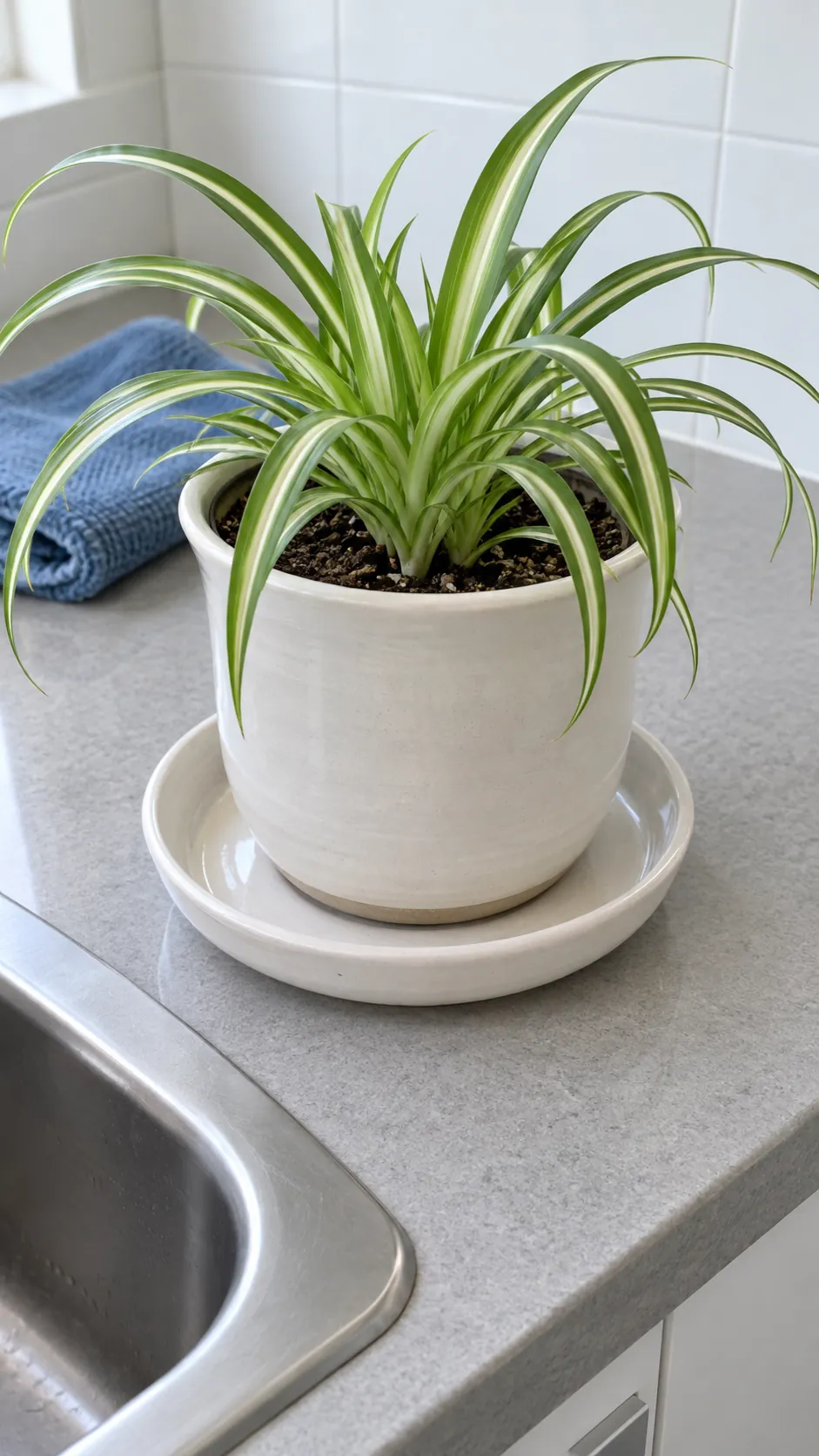
A two tone dipped finish
A dipped color boundary can emphasize the curve of a wheel thrown pot with very little decoration. Choose compatible finishes and test their overlap, since glaze combinations can move or behave differently during firing. Leave the foot prepared according to your kiln operator's requirements. The cleanest design is often the one that respects how the materials actually fire.
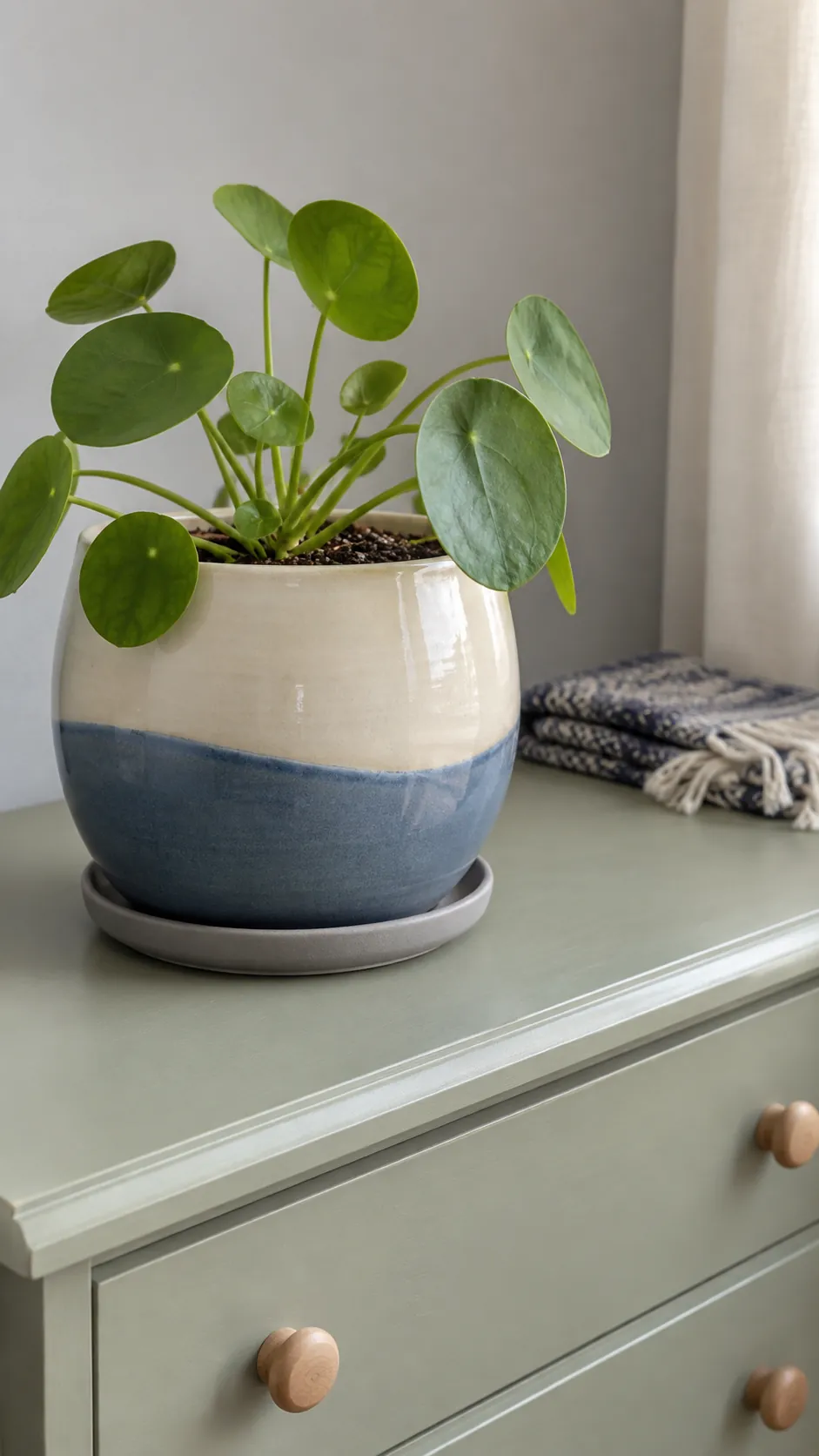
A carved arch pattern on a straight body
Repeating arches can give a simple cylinder an architectural feel without changing the opening. Keep the carving shallow and leave a quiet band near the rim so the pattern has a clear stopping point. If the pot holds a dense plant, place the strongest detail lower on the body where it will remain visible.
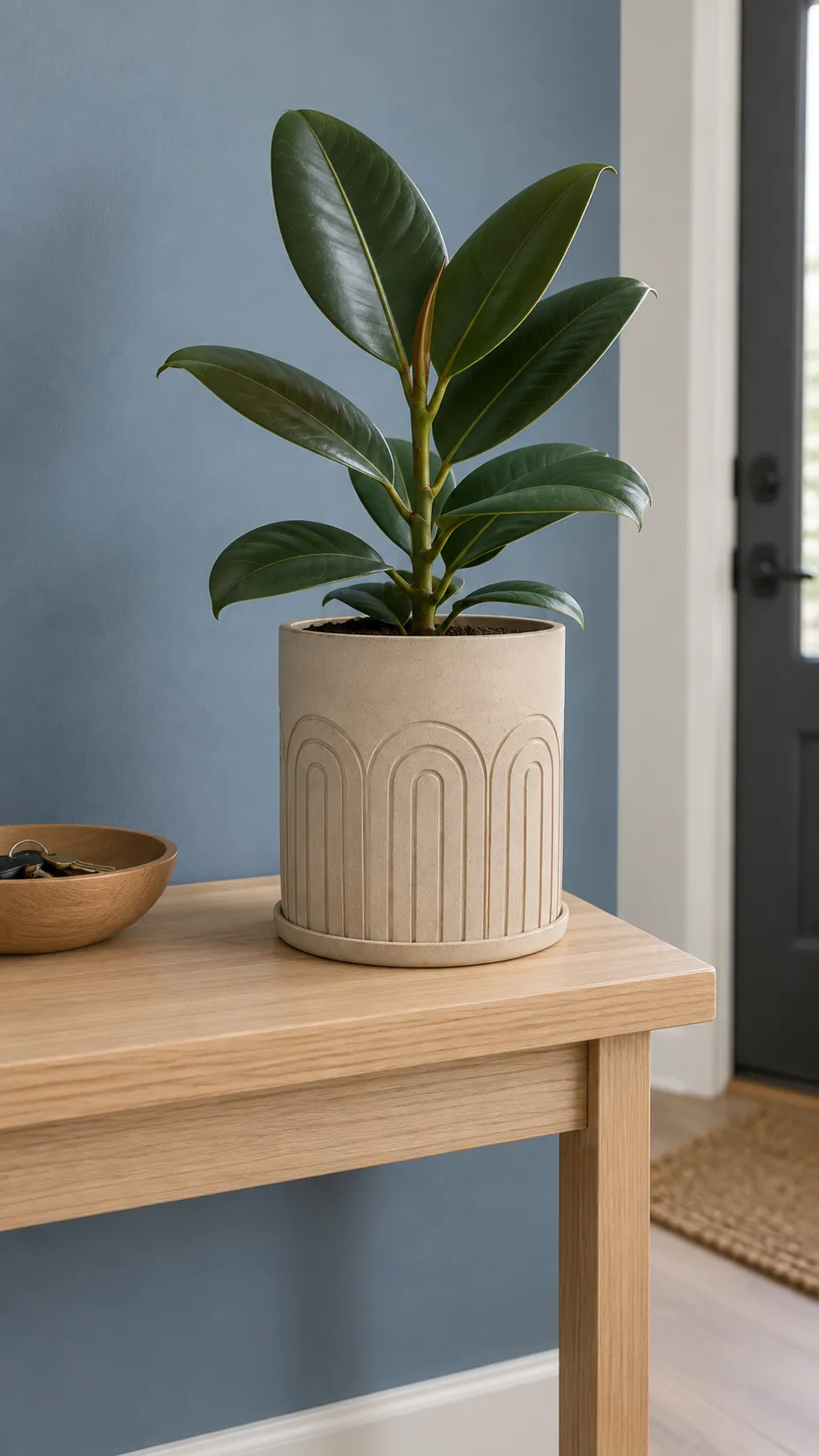
A rounded belly with an open mouth
A generous belly feels sculptural, but a narrow neck can trap a mature root ball. Keep the mouth wide enough for repotting or use a liner that can be removed easily. Test the fit with the actual inner container after firing, because clay shrinkage changes the available space. The outside curve should not make the next care task harder.
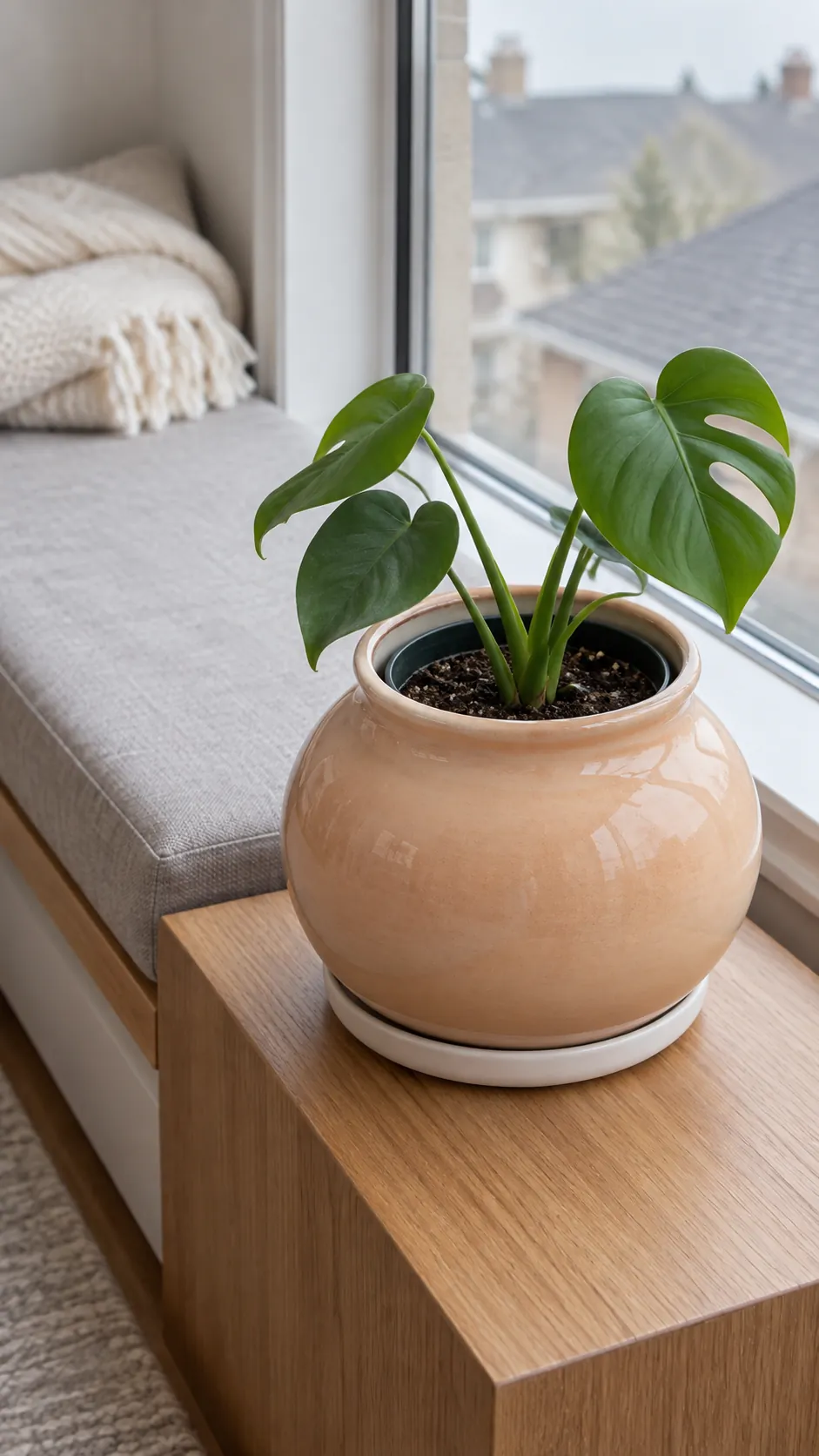
A small tripod planter for a sideboard
Three short feet can make a little pot feel lively while exposing the space beneath it. Keep their attachments sound and their contact points level, then place the vessel on a waterproof catch tray. The feet should lift the body only as much as the design needs. Long delicate legs increase the chance of a bump becoming a broken planter.
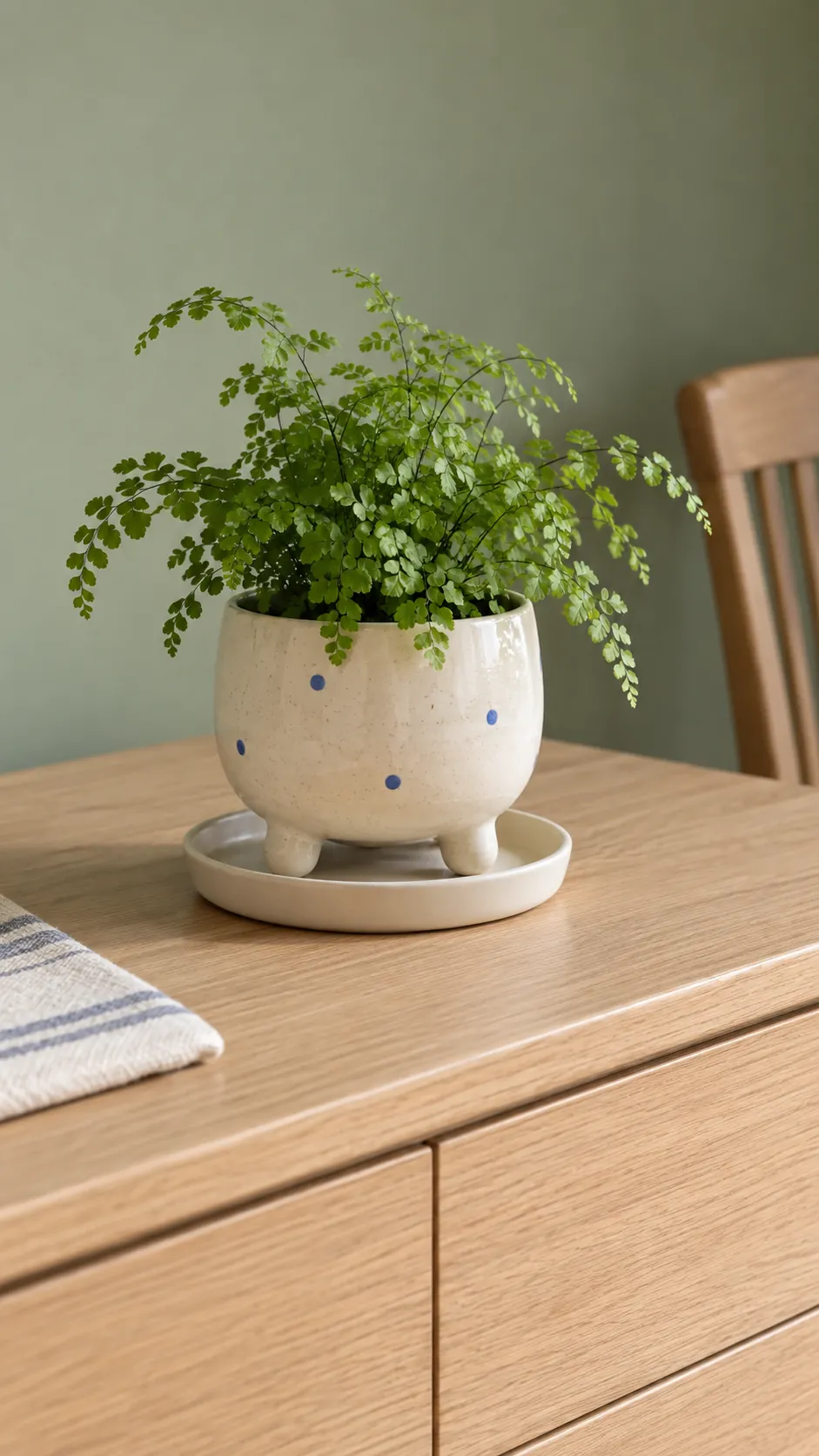
A checkerboard painted in quiet colors
A cream and muted blue checkerboard can bring pattern to pottery plant pots without overwhelming the plant. Map the pattern around the actual circumference so the final join looks considered rather than squeezed into a narrow leftover strip. Use the appropriate ceramic coloring materials and firing process for your studio. Keep the rim comfortable and the inside easy to clean.
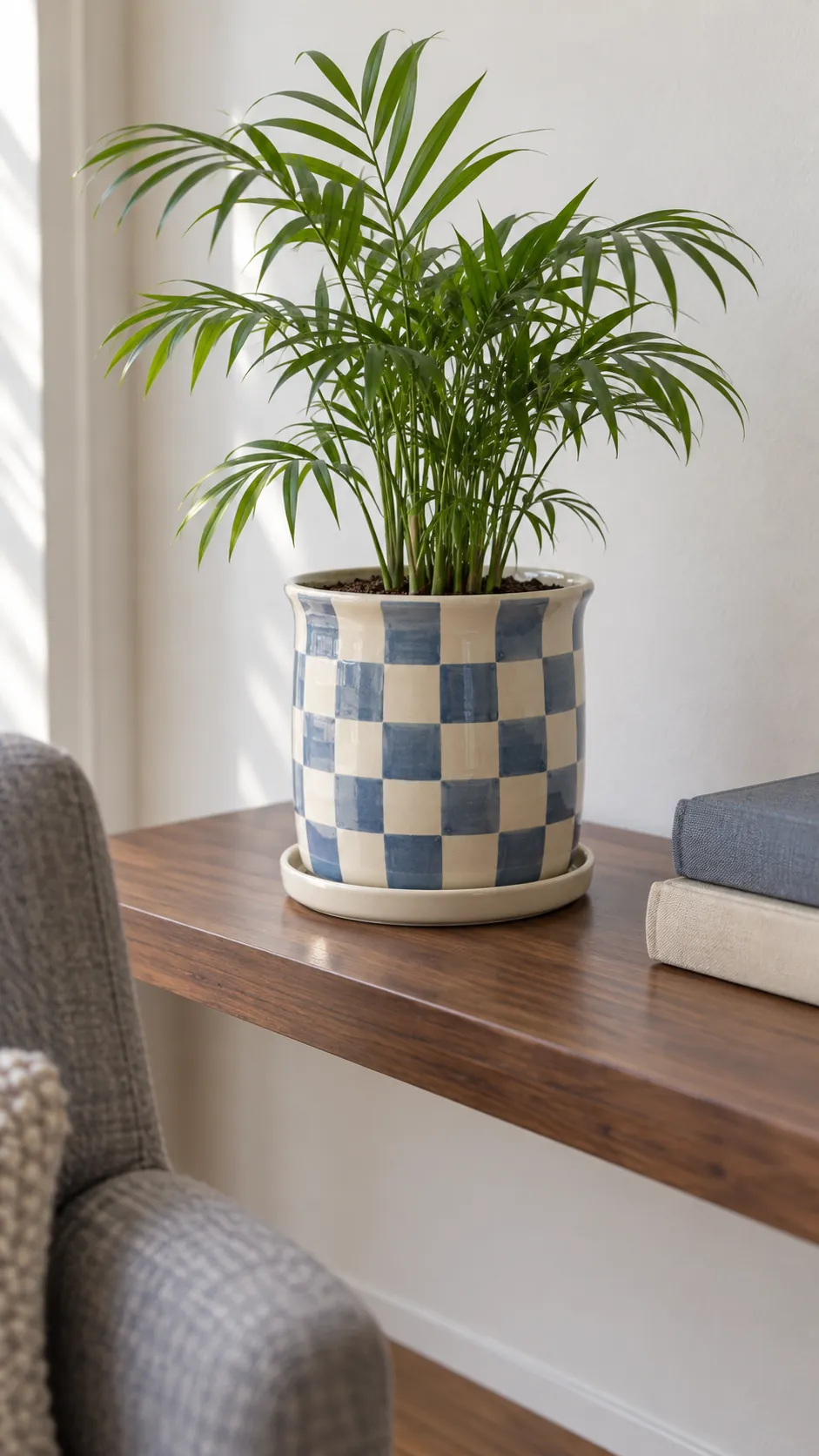
A textured rope band around the middle
A shallow rope impression can give the pot a tactile band while leaving the top and base smooth. Restrict the texture to one zone so it does not become a dirt catching surface everywhere. Try the impression on a test piece before committing to the final planter, because glaze thickness can change how much detail survives.
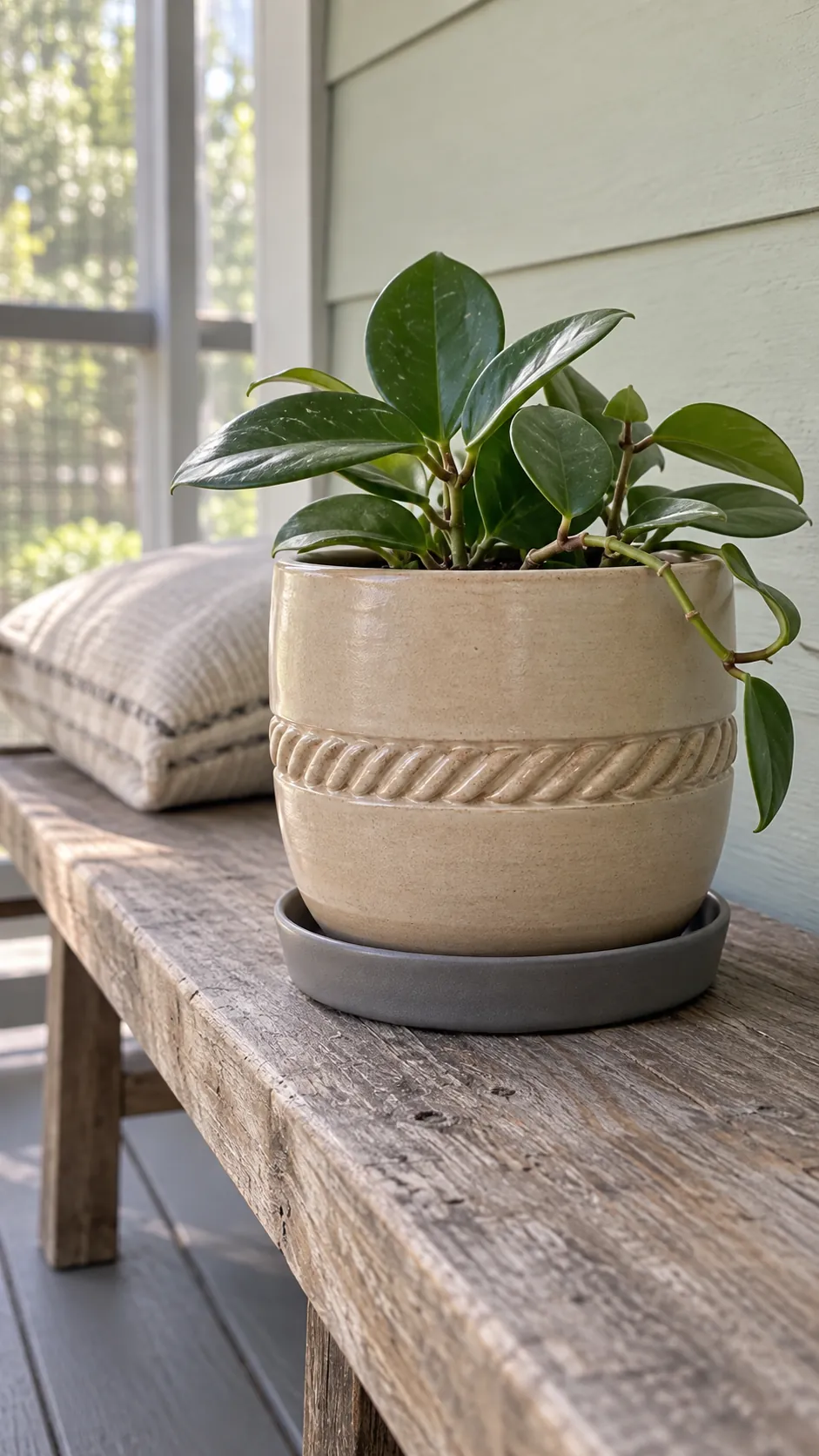
A low rectangular bulb bowl
A rectangular pottery bowl can hold separate small bulb containers for a seasonal display. Keeping the plants in inserts makes it easier to remove fading growth and check water independently. Protect the furniture beneath the ceramic and empty collected runoff. When the season changes, the same outer vessel can serve another temporary arrangement without disturbing a shared root mass.
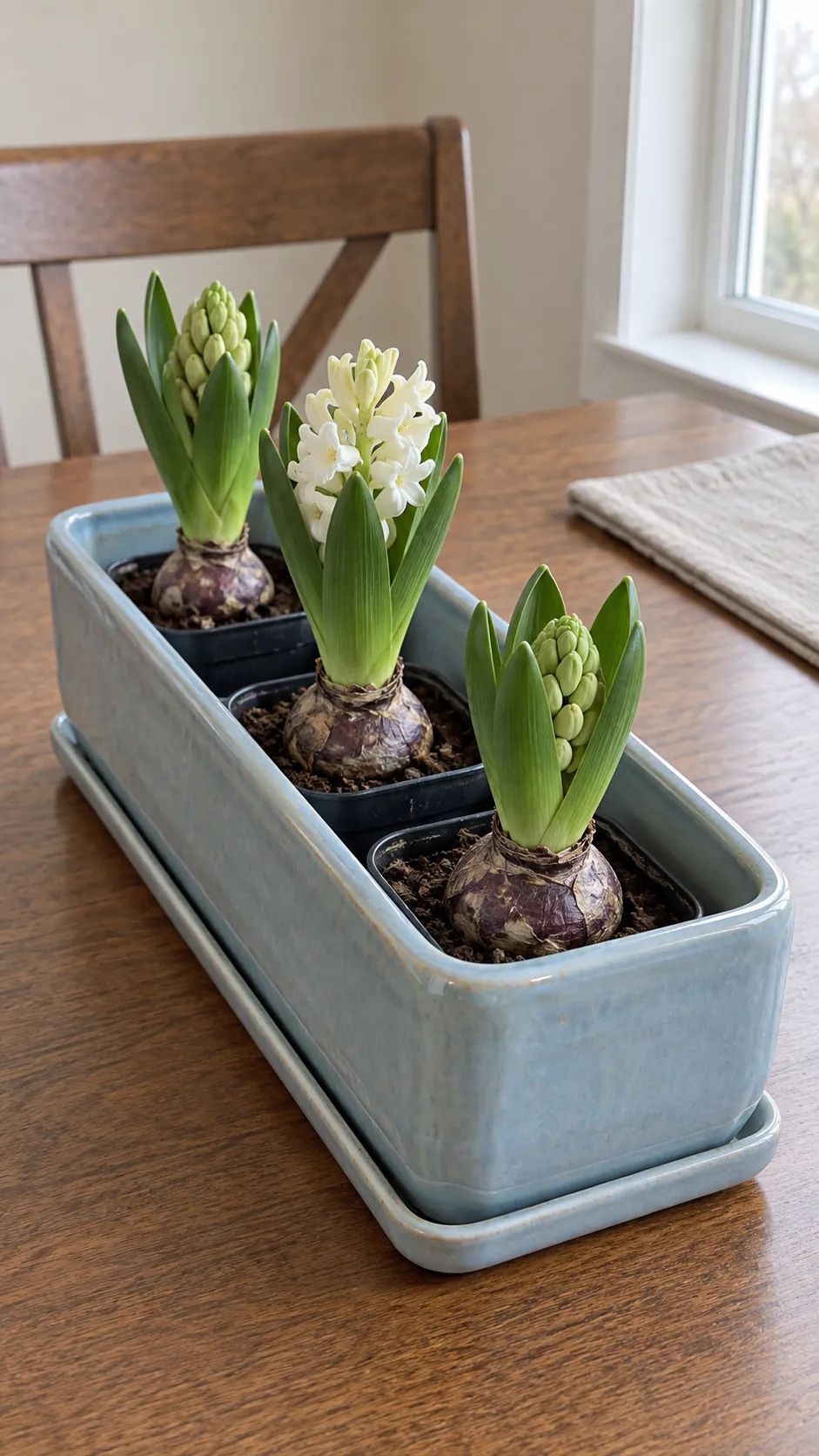
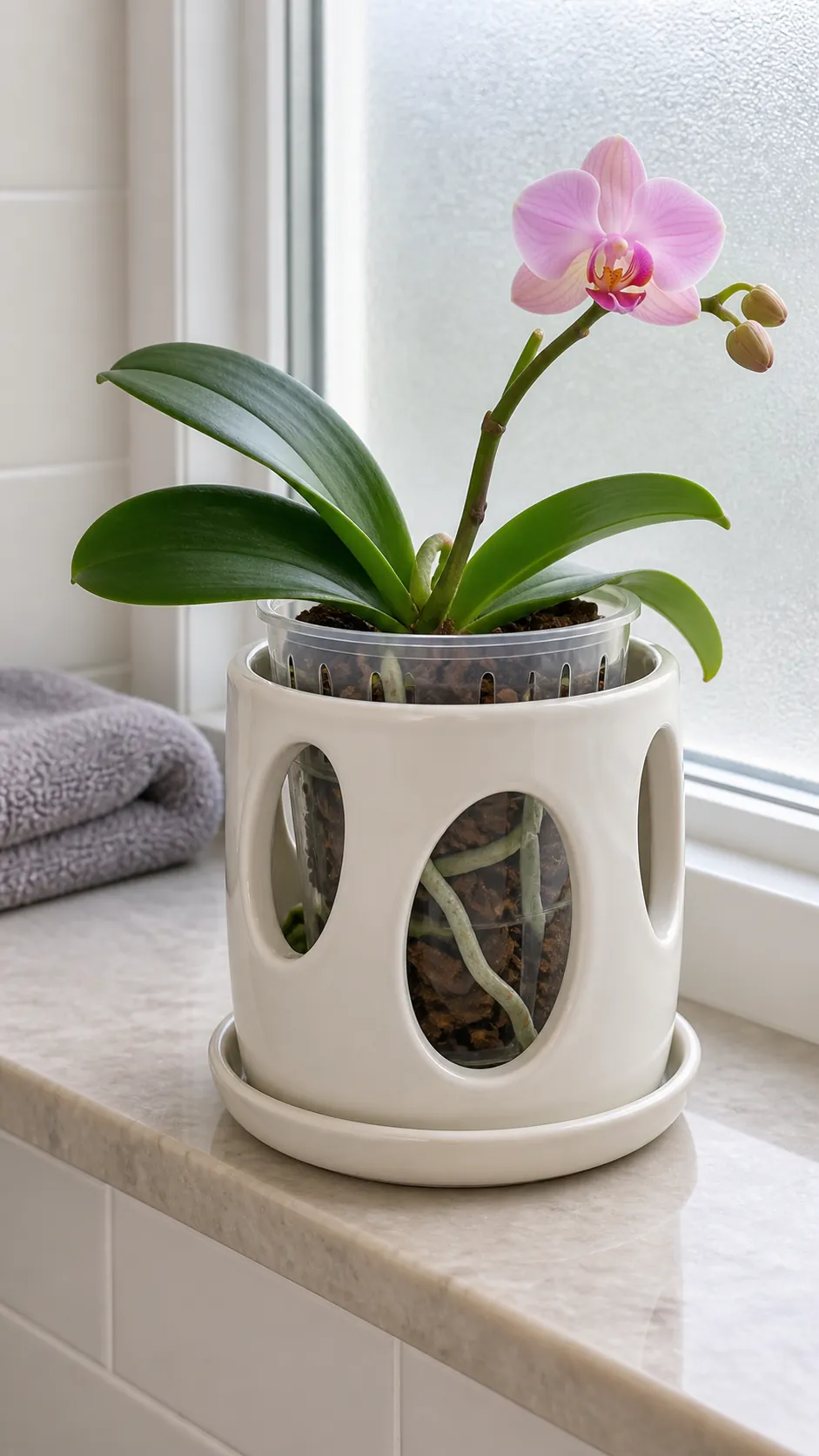
A pierced orchid shell with a clear insert
A pierced ceramic shell can reveal glimpses of an orchid's clear nursery pot while giving the display a crafted outer form. Leave enough solid clay between openings for strength and soften every cut edge. The clear insert should lift out without catching on the pierced pattern. Check roots and medium directly instead of assuming the decorative openings guarantee the right growing conditions.
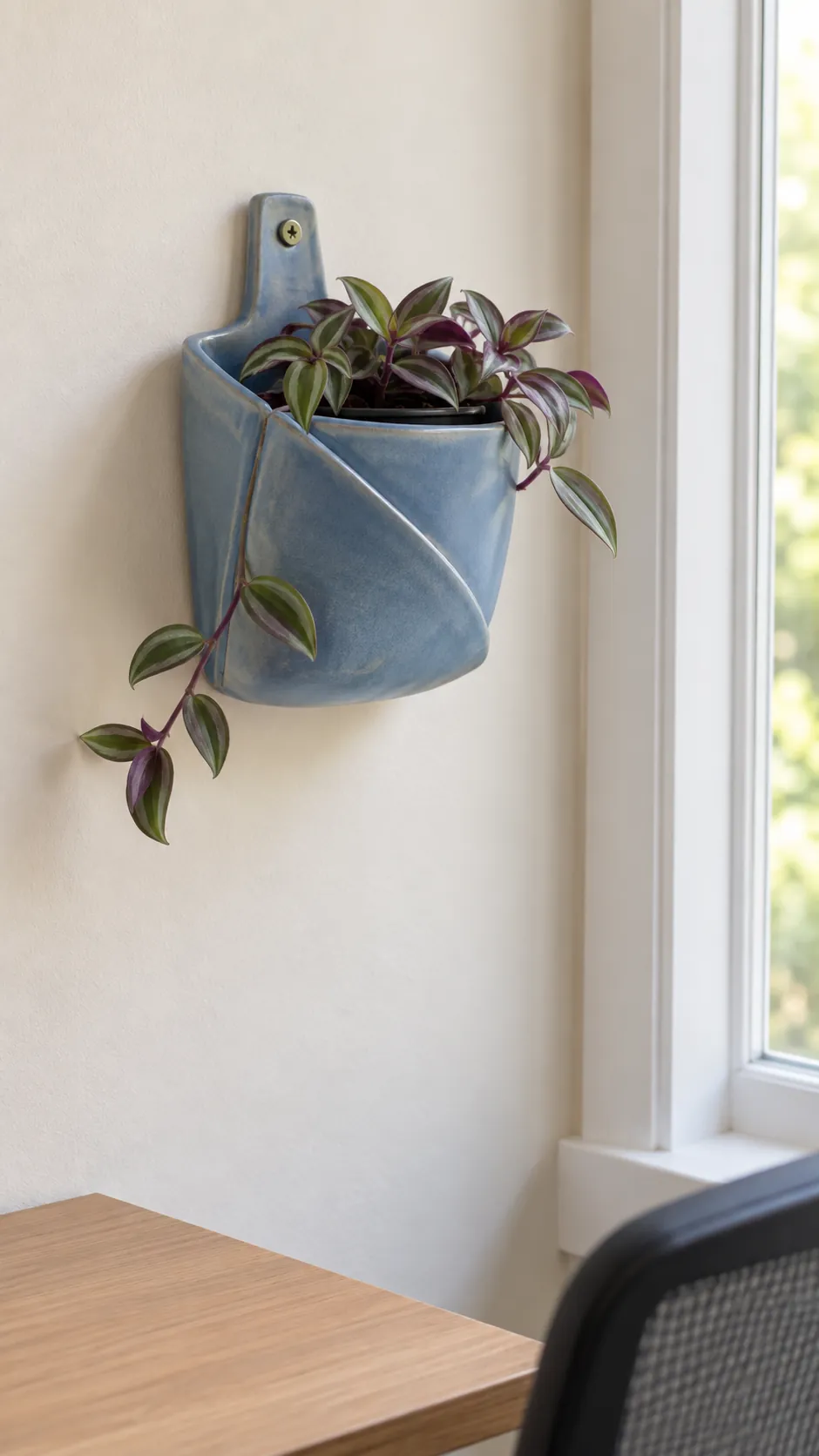
A folded slab pocket for a small wall plant
A folded slab pocket is a compact form with a clear practical constraint: the mounting must support its filled weight. Build a sound attachment area and use suitable wall hardware for the finished piece. A removable insert lets watering happen away from the wall. Keep the pocket within safe reach so regular inspection does not require climbing on furniture.
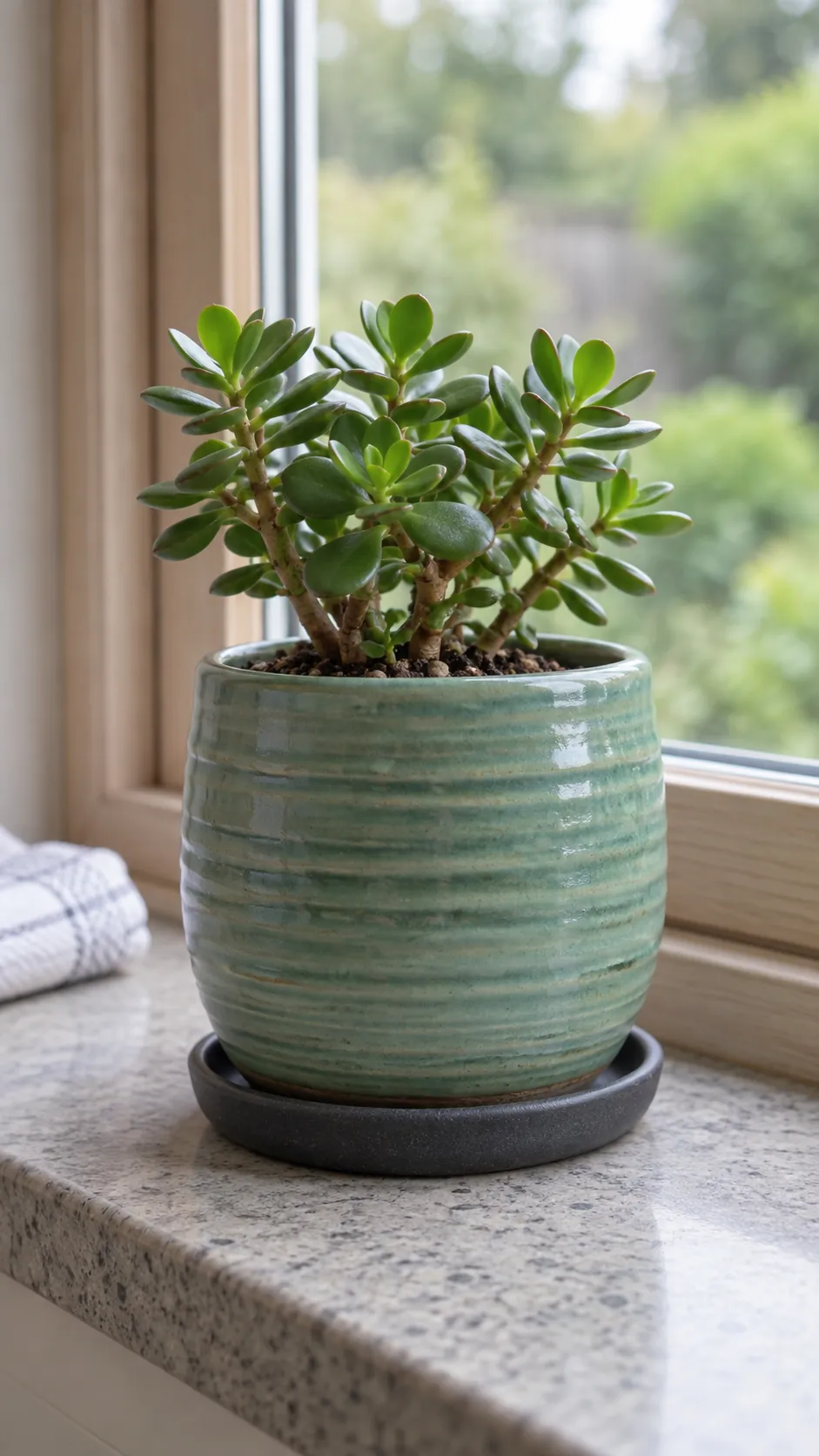
A wash of glaze over throwing rings
Subtle throwing rings can become the decoration when a tested glaze pools lightly in the grooves. Keep the ridges gentle so the pot is pleasant to handle and wipe. Color changes over raised texture are not automatically structural cracks, but a new crack or leak deserves inspection rather than a decorative explanation.
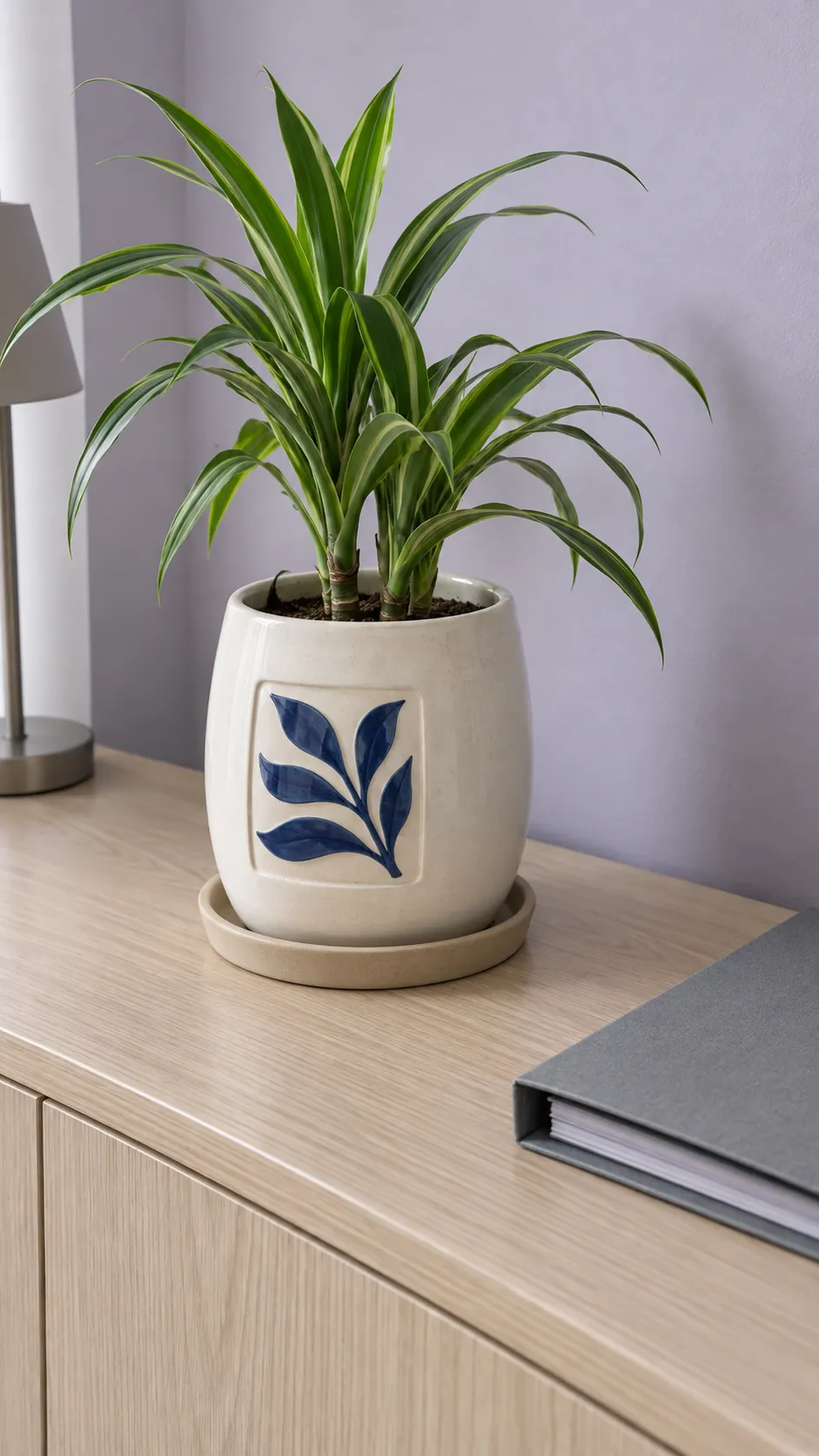
A small pot with an inset color panel
One inset painted panel gives handmade ceramic planters a focal area without covering the whole surface. Use a simple abstract leaf silhouette or a few broad lines that remain visible beneath the plant. Keep the panel shallow and avoid turning it into a weak thin patch. The surrounding plain clay gives the design room to read.
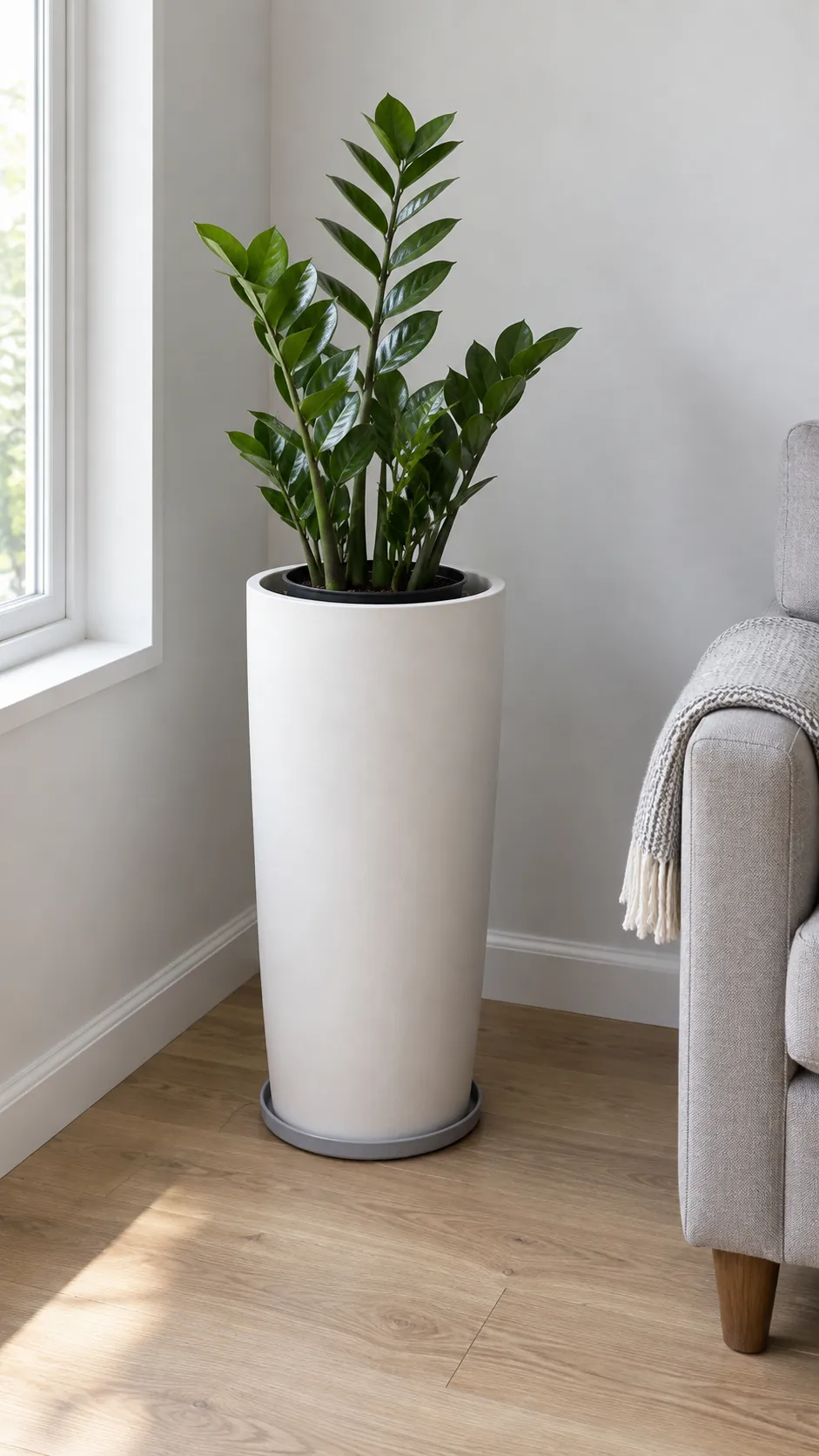
A tall outer pot with a supported liner
A tall decorative shell can suit a narrow corner even when the plant's roots need a much smaller container. Use a stable support designed for the liner, and keep the base accessible for checking trapped water. Do not fill the unused depth with stones and call it drainage. The liner should lift out without having to pull on the plant.
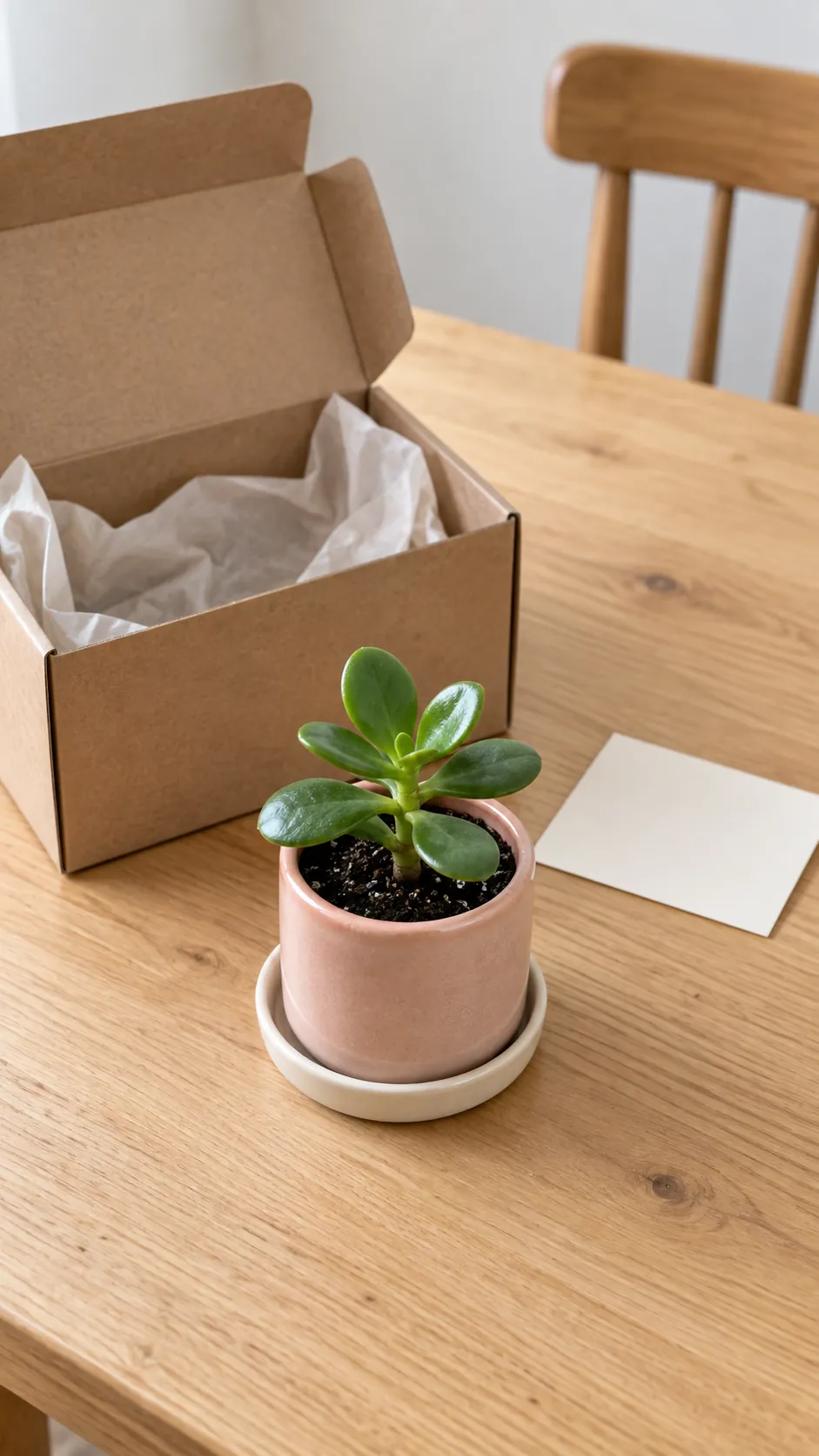
A miniature planter made as a thoughtful gift
A tiny finished pot feels more useful when it comes with an appropriately sized nursery plant and clear care information. Check the base for leaks and rough spots before wrapping it, and include a separate protective tray when needed. Tell the recipient whether the ceramic is a direct planting pot or an outer shell. That small explanation prevents a decorative gift from becoming a confusing watering problem.
A plain test planter that earns its place
Before committing to a large piece, make a small straightforward planter with the clay, glaze, and firing process you intend to use. Check its stability, drainage access, surface condition, and behavior during ordinary watering. Ask the maker or studio about unexpected crazing, cracks, or leaks instead of assuming a coat of sealant solves every problem. The best pottery pot ideas are the ones you can keep using after the first photograph.