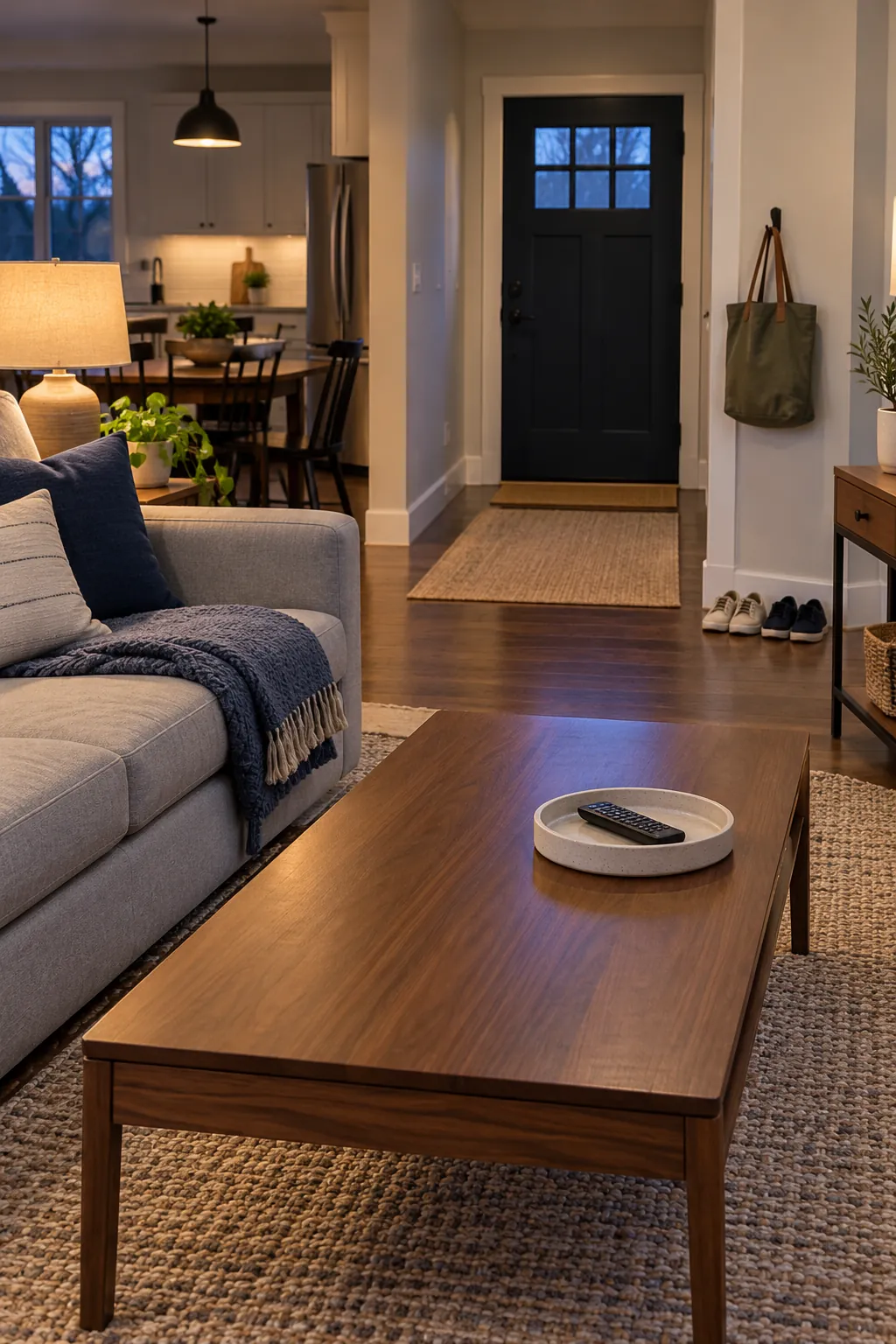
A home rarely feels lighter because every drawer was emptied in one exhausting weekend. The bigger change comes from reducing visual pressure, giving repeat clutter a clear destination, and making daily resets easier than the habits that created the mess. Start where the house makes you pause or sigh, then build a system that still works on a busy Tuesday.
Clear One Daily Landing Zone
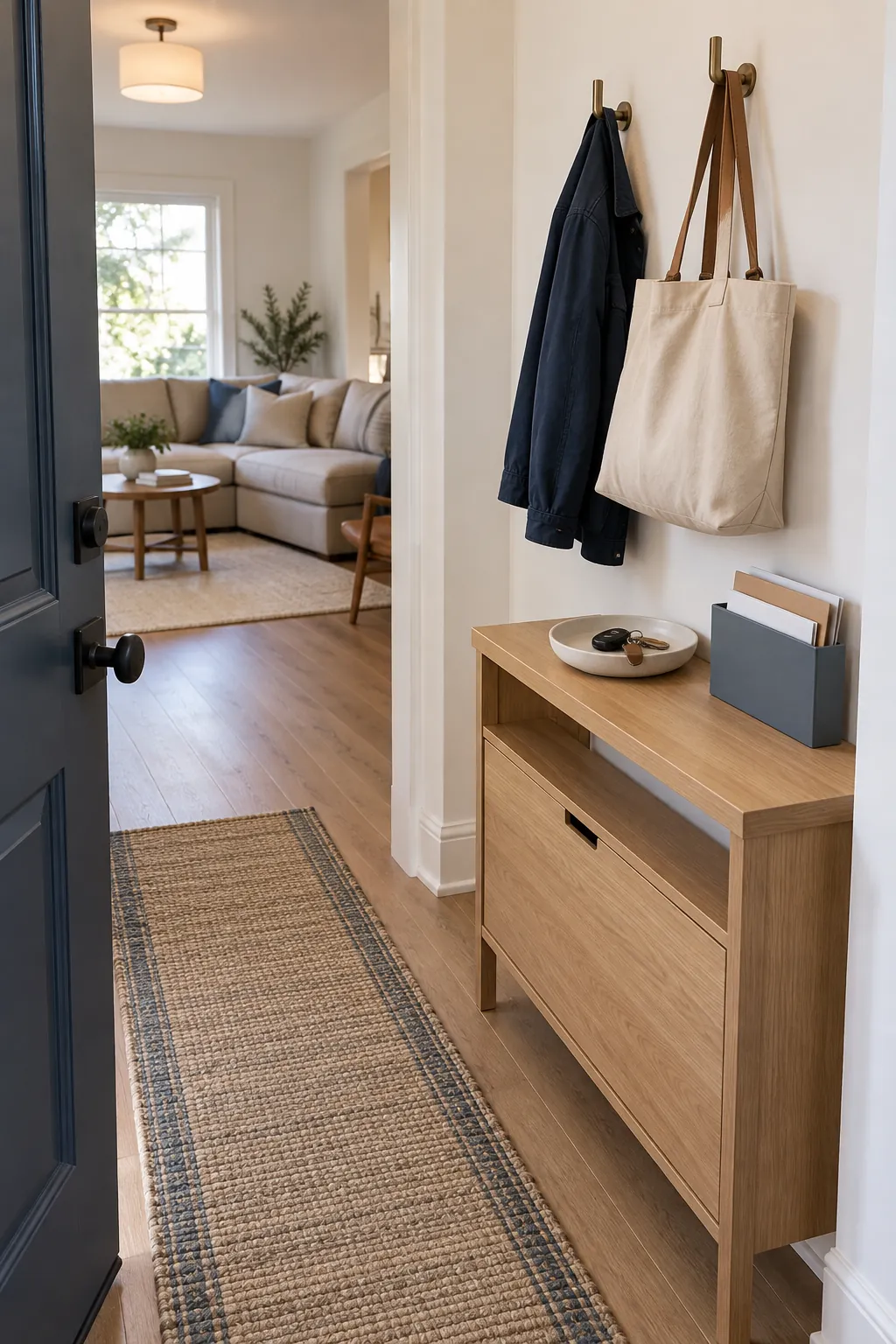
Choose the surface that collects mail, bags, keys, and half finished decisions. Remove everything, return only what belongs there, and assign a nearby tray or drawer to the few items that arrive every day. Move donations and recycling out of the room immediately so the cleared area does not become a sorting station. A calm entry or kitchen counter creates a visible result before motivation fades.
Remove Decor Before Adding Anything
Seasonal transitions feel fresh when the room gets quieter before it gets new accessories. Pack holiday pieces by category, wipe the exposed surfaces, and live with the simpler room for a day. Bring back only objects that add function, texture, or personal meaning. This pause prevents a home refresh from becoming another shopping project.

Fix the Clutter That Comes Back
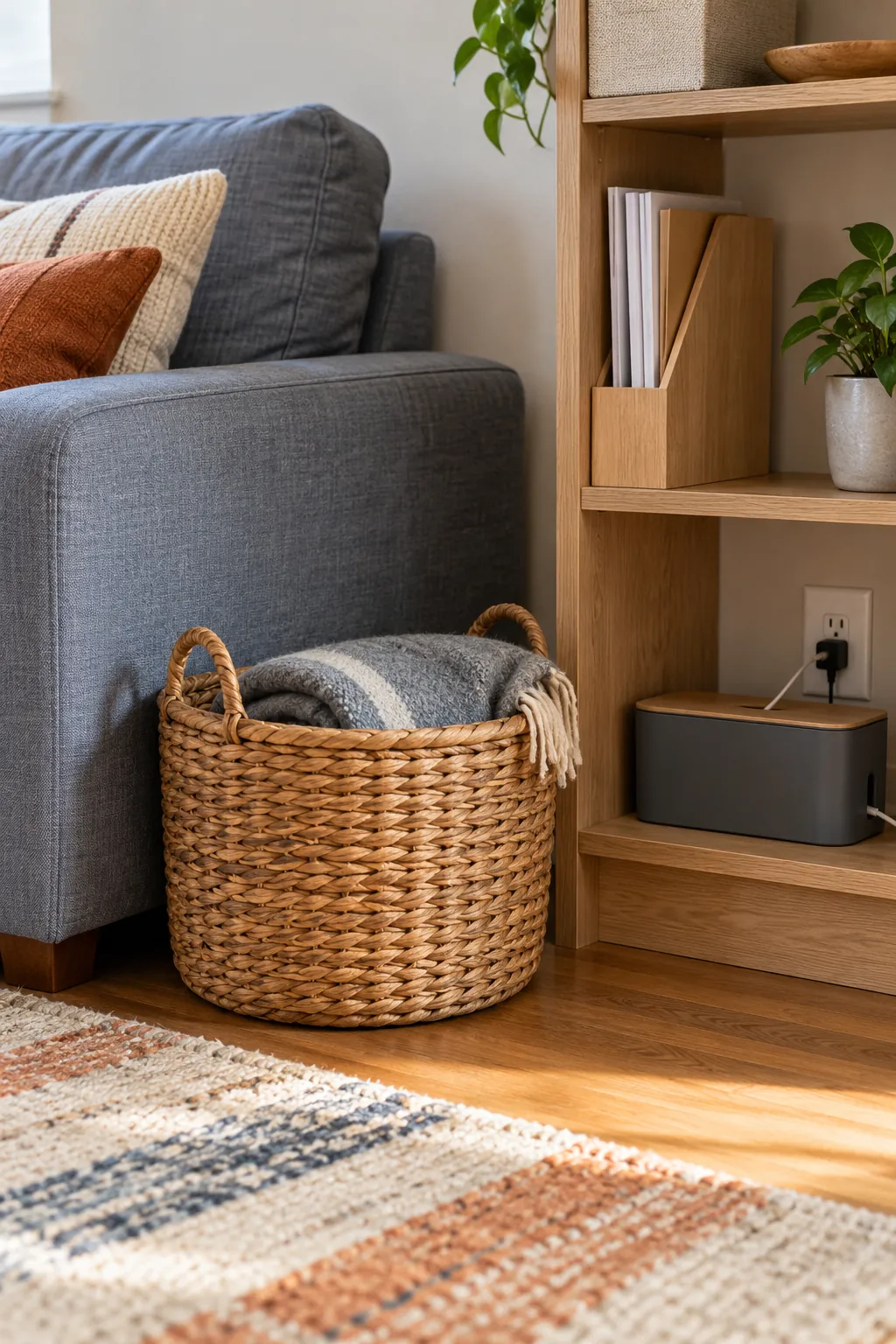
A pile that returns is useful information, not proof that you failed. Notice what gathers there, then create storage at the point of use: a basket for blankets, a file for school papers, or a shallow box for chargers. Keep the container smaller than the available space so it signals when the category is full. Maintenance improves when putting something away takes one simple motion.
Open the Floor and Window Lines
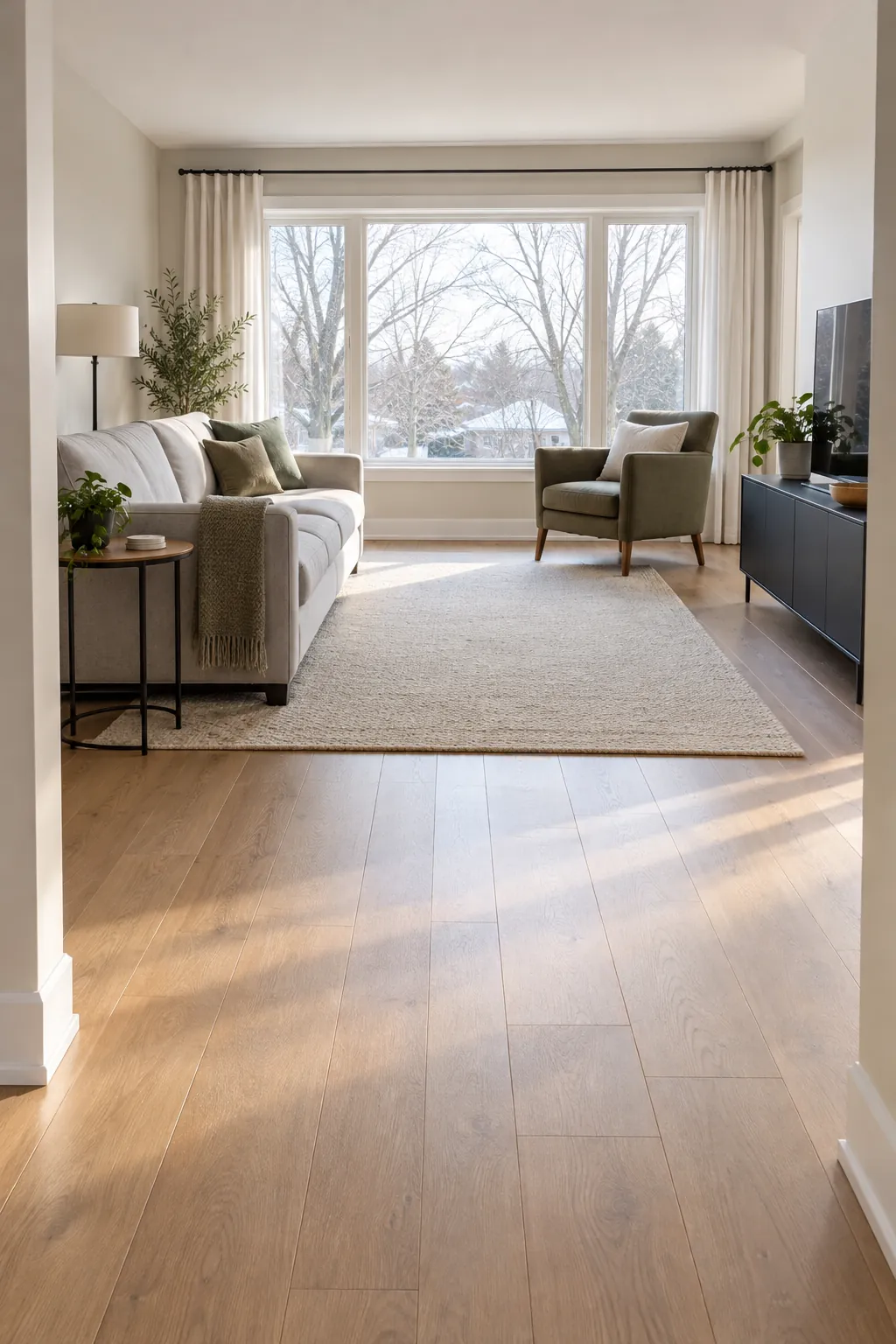
Rooms feel heavier when furniture blocks movement or interrupts natural light. Pull small pieces away from walkways, remove anything stored in front of windows, and check whether each side table earns its footprint. Wash the glass and open curtains fully during the brightest part of the day. The extra breathing room can matter more than a new paint color.
Reset One Closed Storage Area
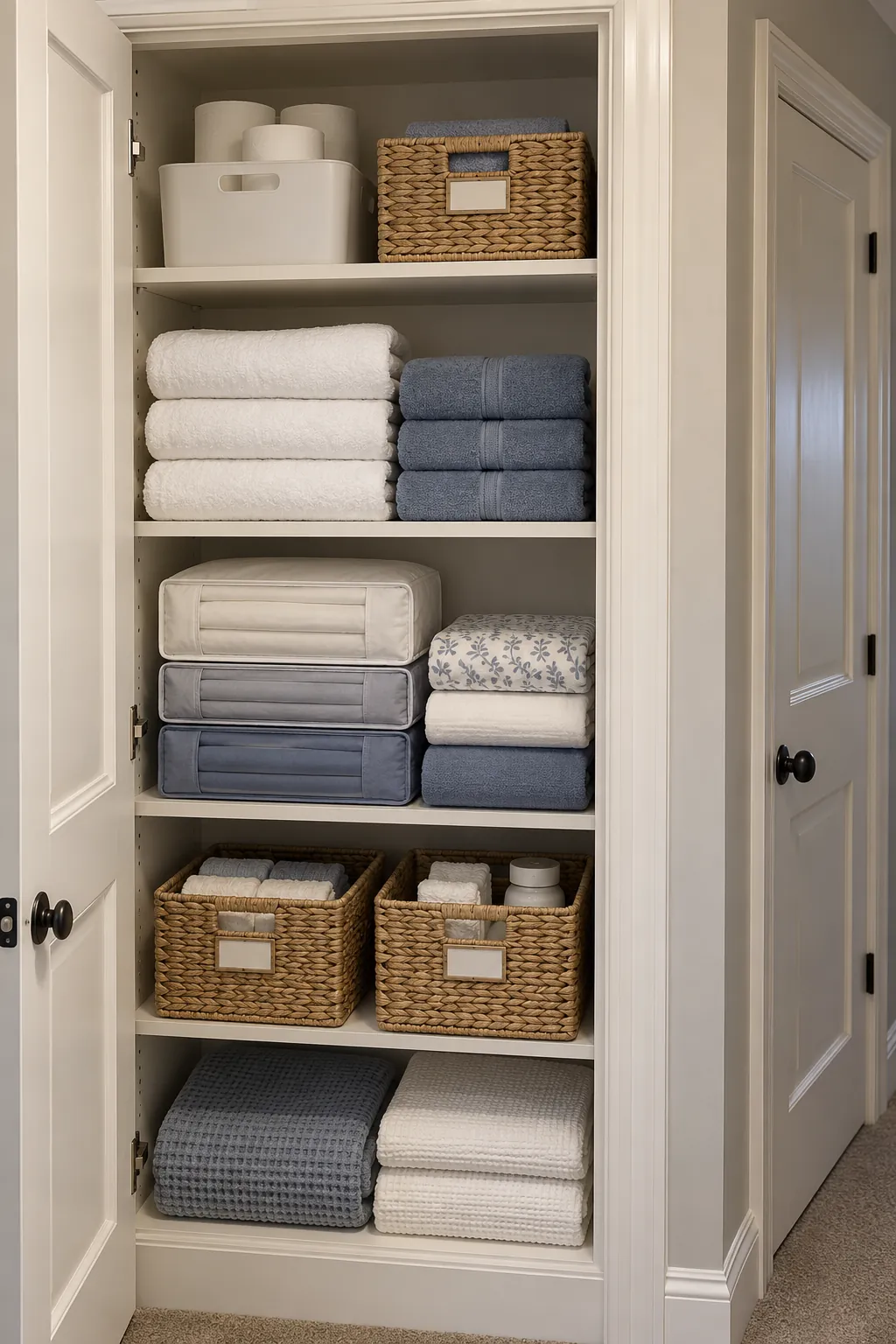
Pick one cabinet, pantry shelf, or linen cupboard that causes regular frustration. Work on a single shelf at a time, group like items, and discard expired or unusable supplies before choosing containers. Place frequent items between waist and eye level, while backups can sit higher or lower. A small completed zone is easier to maintain than a whole house left half sorted.
Create a Ten Minute Evening Reset
End the refresh with a routine small enough to repeat. Return items to their rooms, clear one main surface, prepare the entry for tomorrow, and stop when the timer ends. Leave complex decisions for a planned session instead of turning every evening into a purge. The house feels lighter when the reset protects your energy as well as the rooms.