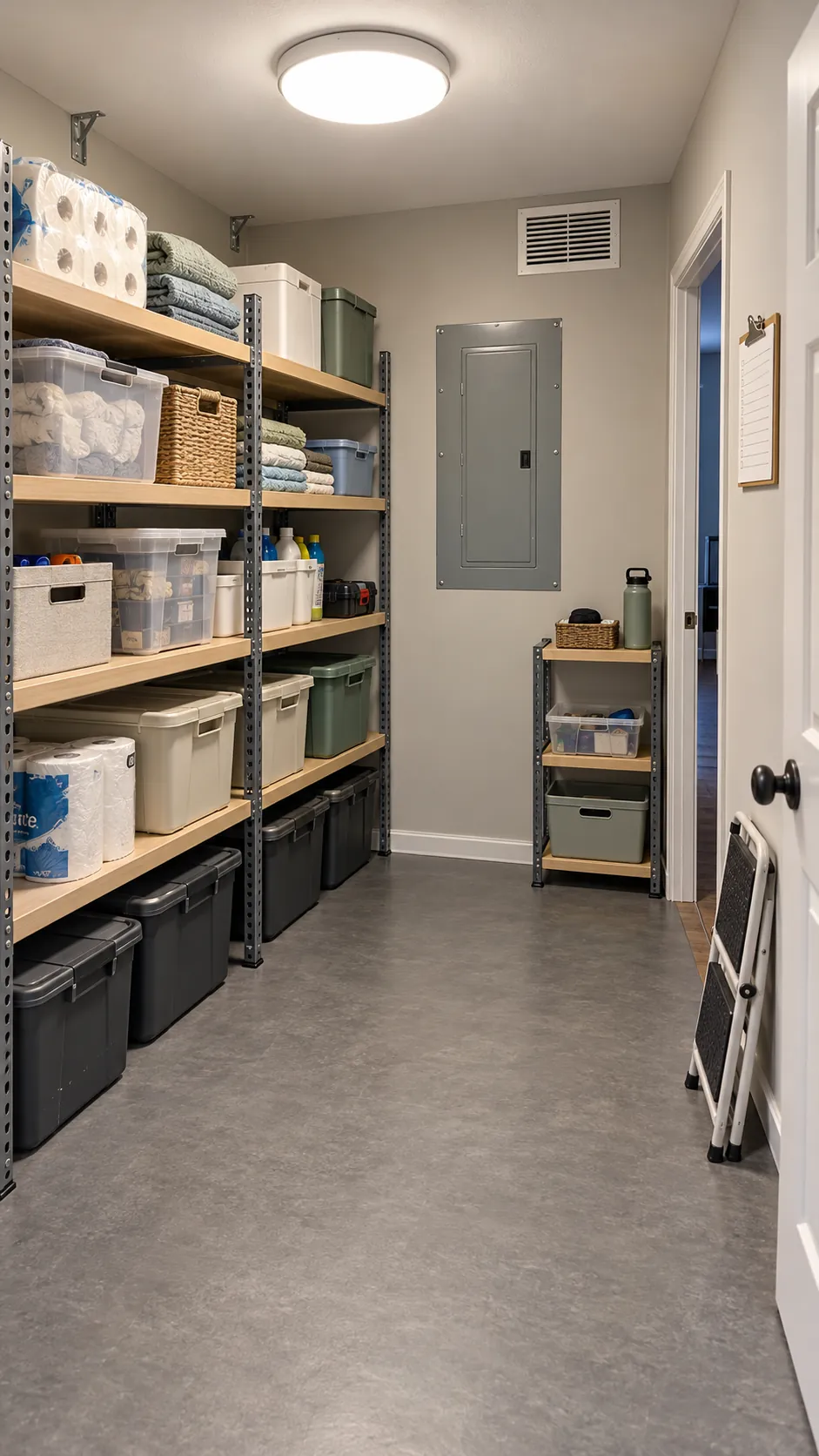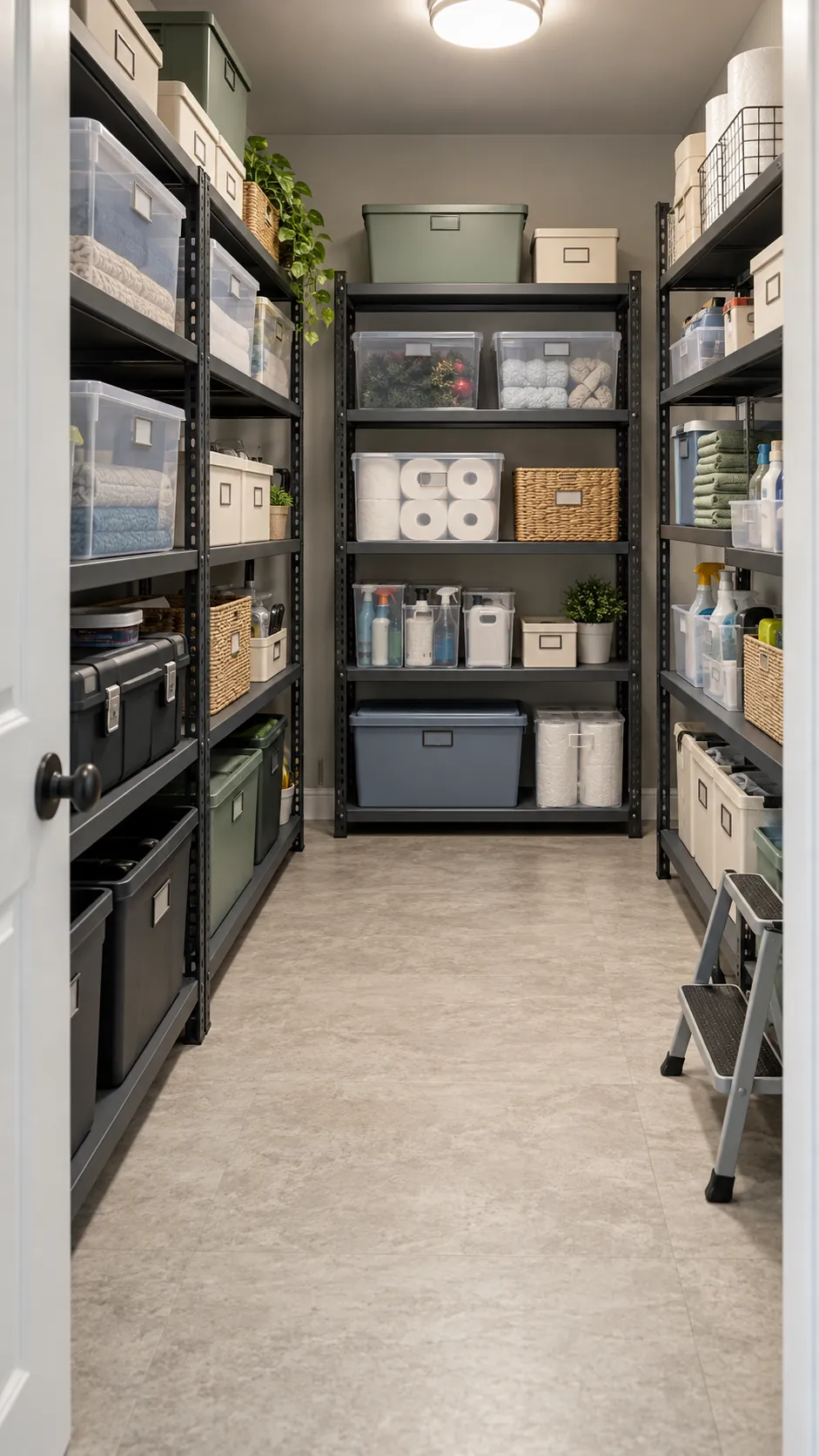
A spare room can hold a surprising amount, yet it can become frustrating when every useful item is hidden behind something else. The goal is not to fill every inch. The goal is to create clear access, safe support, and a simple system that still works after a busy week.
A practical storage room starts with the objects you already own. Measure them, group them by use, and give the most important items the easiest positions. This method works for a compact closet conversion, a utility storage space, or a full room used for bulk household storage.
Plan the room around what you store
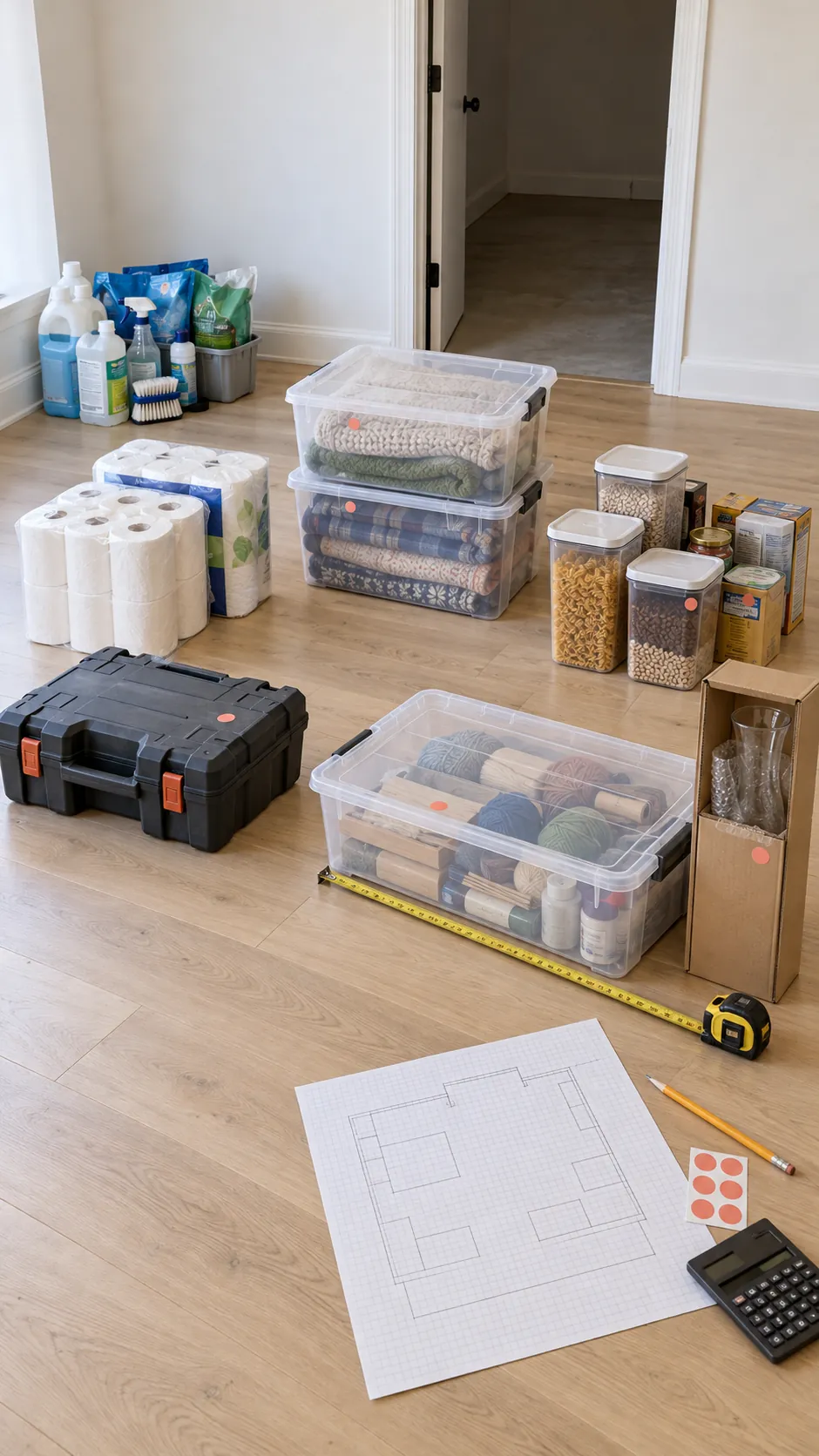
Begin with broad groups such as cleaning supplies, tools, seasonal decorations, pantry extras, paper goods, and hobby materials. Count the containers in each group and note any object that is unusually tall, wide, heavy, or fragile. These facts determine the shelf spacing more reliably than a photograph of another room.
Next, mark how often each group is used. Daily and weekly items belong near the door and between waist and shoulder height. Rarely used items can sit higher or farther from the entrance, while heavy items should stay low so nobody has to lift them from above.
Clear the room and record every measurement
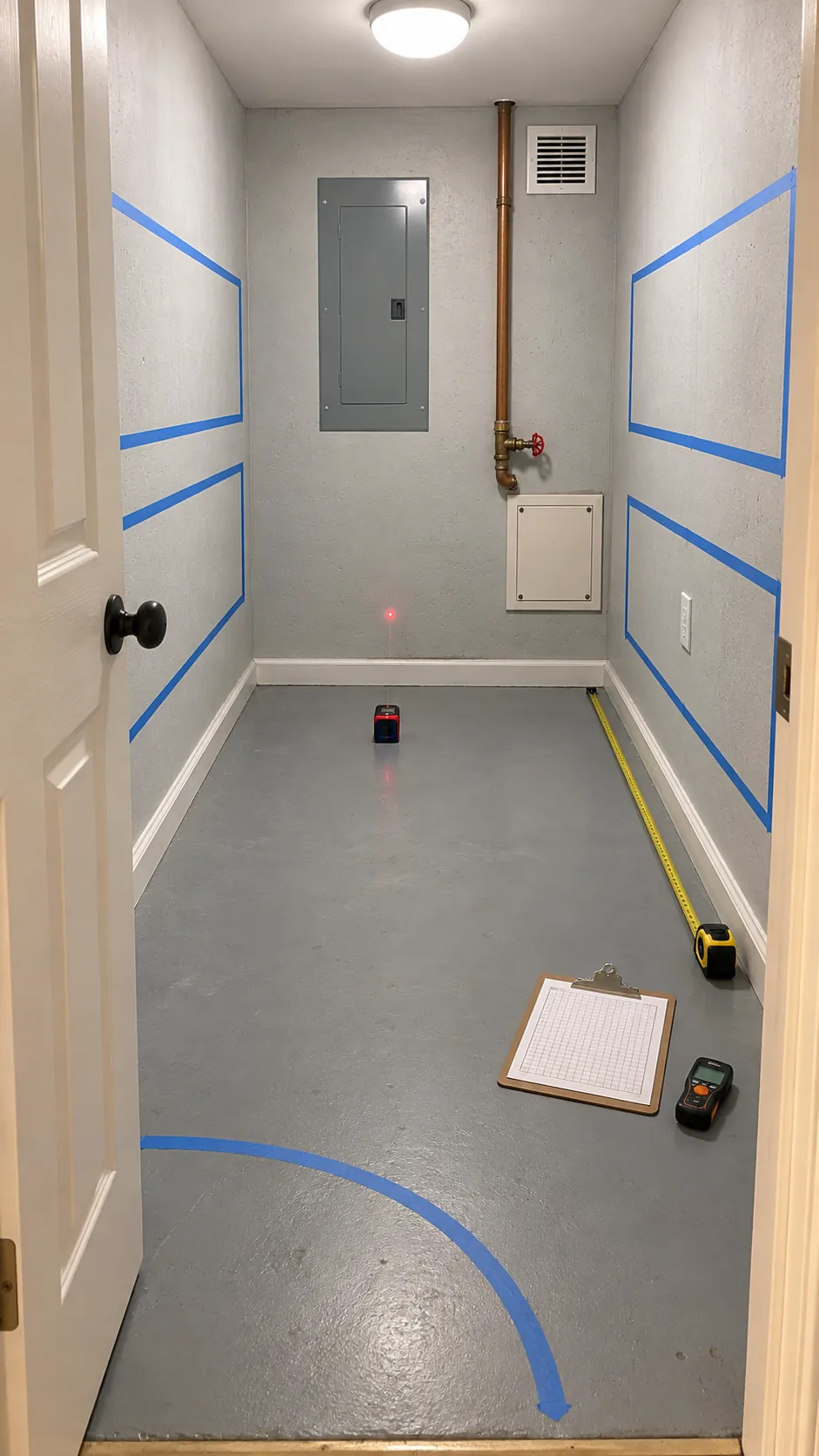
Empty the room before choosing shelves. Measure wall width, ceiling height, door swing, trim, outlets, vents, pipes, and any access panel. Record the narrowest point in the walking path because a deep shelf near the entrance can make the whole room awkward.
Sketch a simple storage room floor plan with the door, fixed obstacles, and usable wall lengths. Leave room to open containers while they rest on a shelf. Also keep a clear route to electrical panels, water controls, and equipment that may need service.
Check the room for moisture, pests, weak flooring, and poor ventilation before you move supplies back inside. A damp wall or a small leak can ruin cardboard, fabric, and paper. Correct the cause first, then choose containers that suit the conditions.
Choose shelving for the load and the room
Freestanding metal shelves are useful when you want adjustable levels and a fast installation. Built wood shelves can use an irregular wall more efficiently, but they need sound framing, suitable fasteners, and enough support for the expected load. Always follow the shelf maker instructions and confirm that the wall anchors match the wall material.
Floor to ceiling shelving increases capacity only when every level remains safe and reachable. Keep the deepest shelves for large containers and use shallower shelves for small supplies that would disappear at the back. Match shelf height to the actual bins, with enough clearance for fingers and lids.
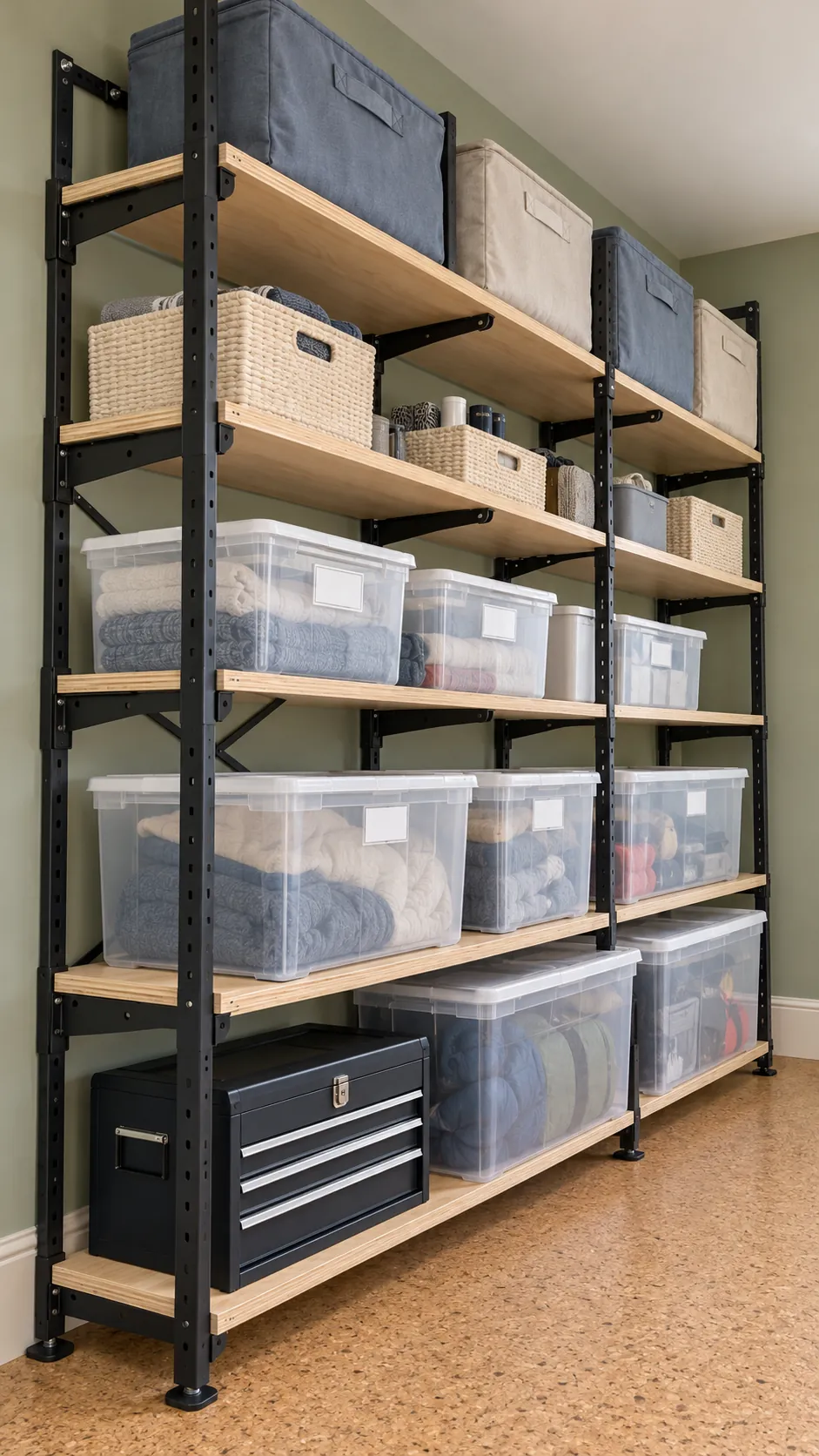
Create zones with a clear access path
Assign one zone to each major group and keep related supplies together. Cleaning refills can sit near household paper goods, while tools and repair parts can share another wall. This organized supply room approach makes it easier to see what you have before you buy more.
Avoid long stacks on the floor. People often stop using a system when they must move three containers to reach a fourth one. Shelves or individual bin rails let each container come out without disturbing the containers above it.
Keep the center path open and make the turning space generous enough for the largest container. If the room is narrow, place deeper storage on one wall and shallow storage on the other. A small step stool can have a dedicated parking spot near the door without blocking the route.
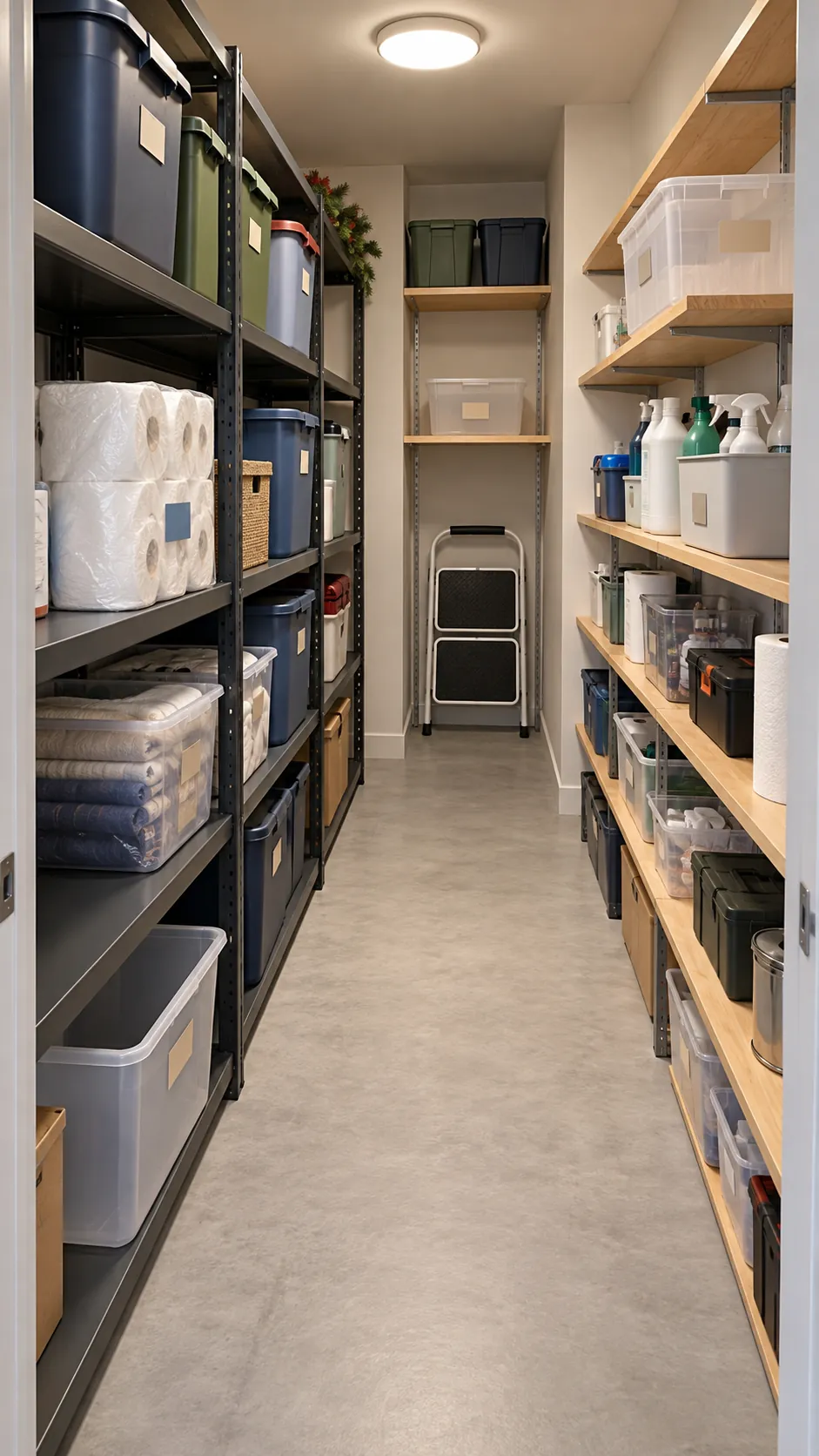
Use containers and labels that stay useful
Choose a small range of container sizes instead of many unrelated shapes. Repeated sizes fit shelves more efficiently and make future replacements easier. Clear boxes reveal their contents, while opaque boxes protect light sensitive items and create a calmer view.
Labeled storage bins work best when every label names a specific category. A label such as batteries and chargers is more useful than miscellaneous. Place the same label on the front and lid when a container may move between a shelf and the floor.
Leave a little empty capacity in active categories. A container that is packed to the rim is hard to search and hard to maintain. One open shelf or spare bin also gives incoming items a temporary place while you decide where they belong.
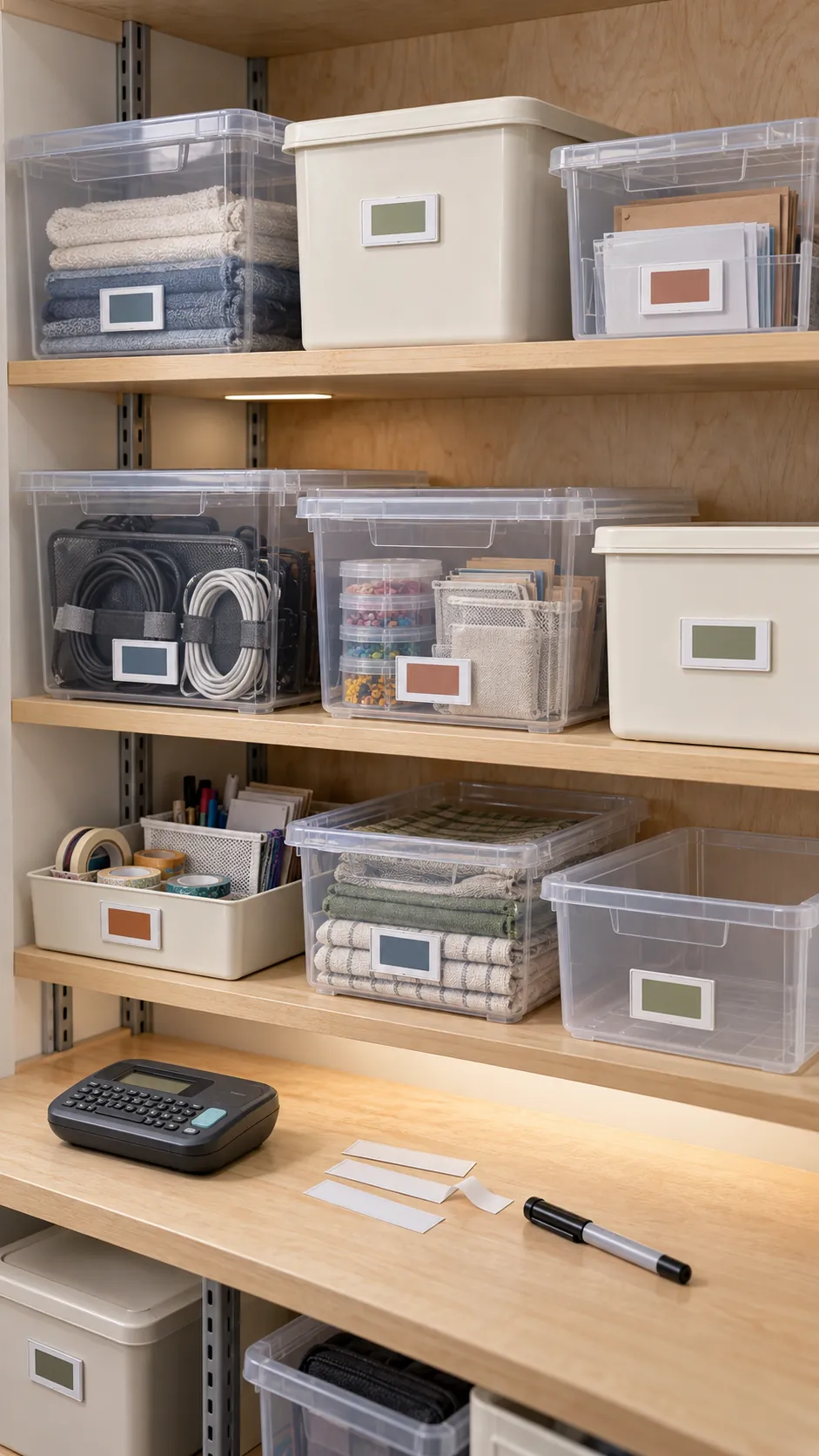
Finish with light, safety, and a reset routine
Bright, even lighting lets you read labels and notice leaks or pests early. Use an approved fixture for the room and keep bulbs away from stored material. Do not cover outlets, vents, detectors, electrical panels, or equipment controls.
Secure tall shelving as its maker requires, keep chemicals in their original containers, and separate anything that should not be stored together. Put weight limits where household members can see them. Store breakable items below eye level and never create a shelf above a door where an object could fall onto someone.
Set a short monthly reset. Return loose items, remove empty packaging, update labels, and check that the path remains clear. A yearly review of seasonal and bulk supplies prevents the room from becoming a permanent holding area for things nobody uses.