
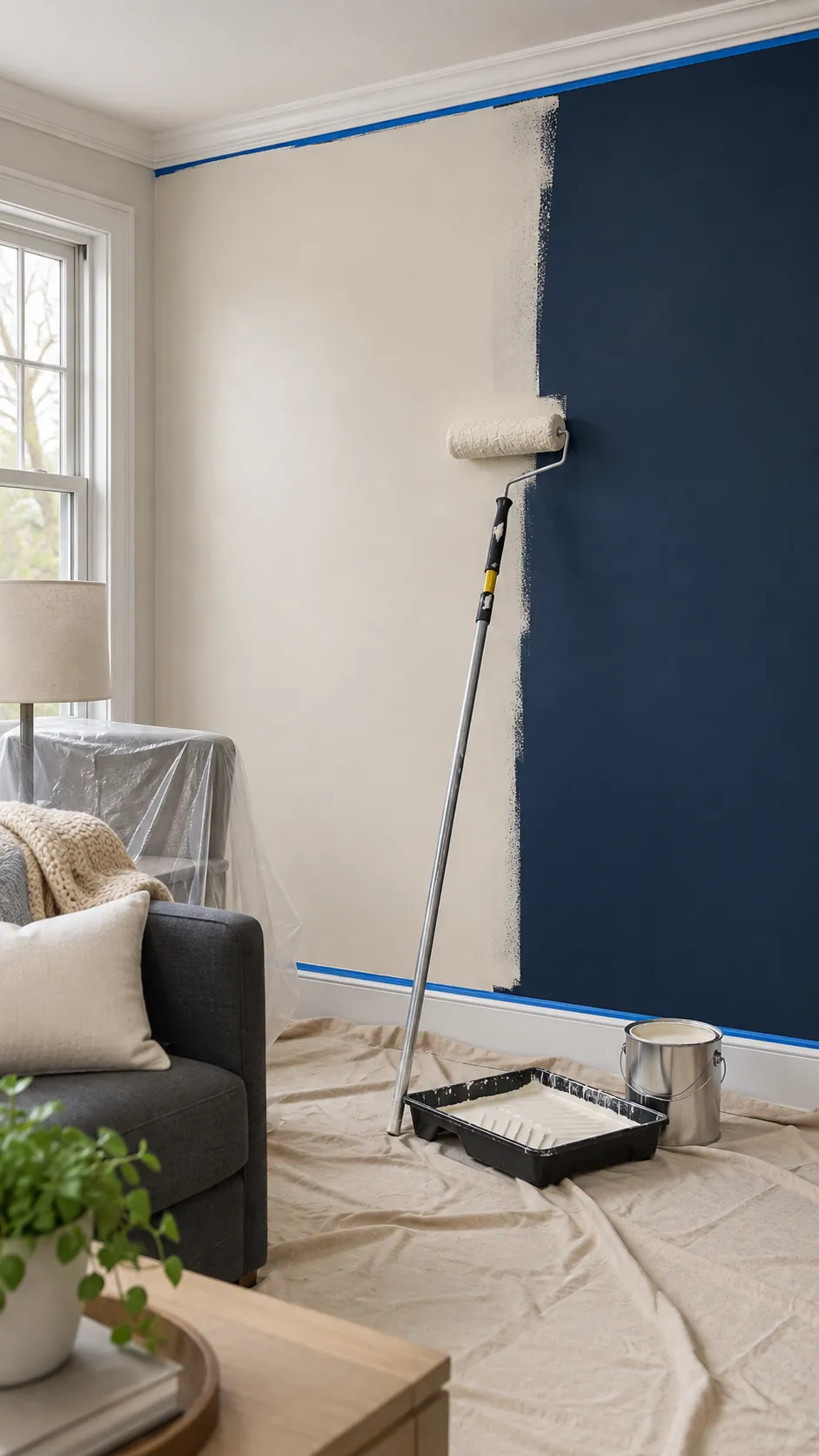
Painting a dark wall a light color is not difficult, but it exposes shortcuts. Deep blue, red, green, or charcoal can show through thin coats and make a pale finish look uneven. The reliable method is to repair and clean the surface, use primer when it improves the base, and apply controlled finish coats.
Check and clean the existing wall
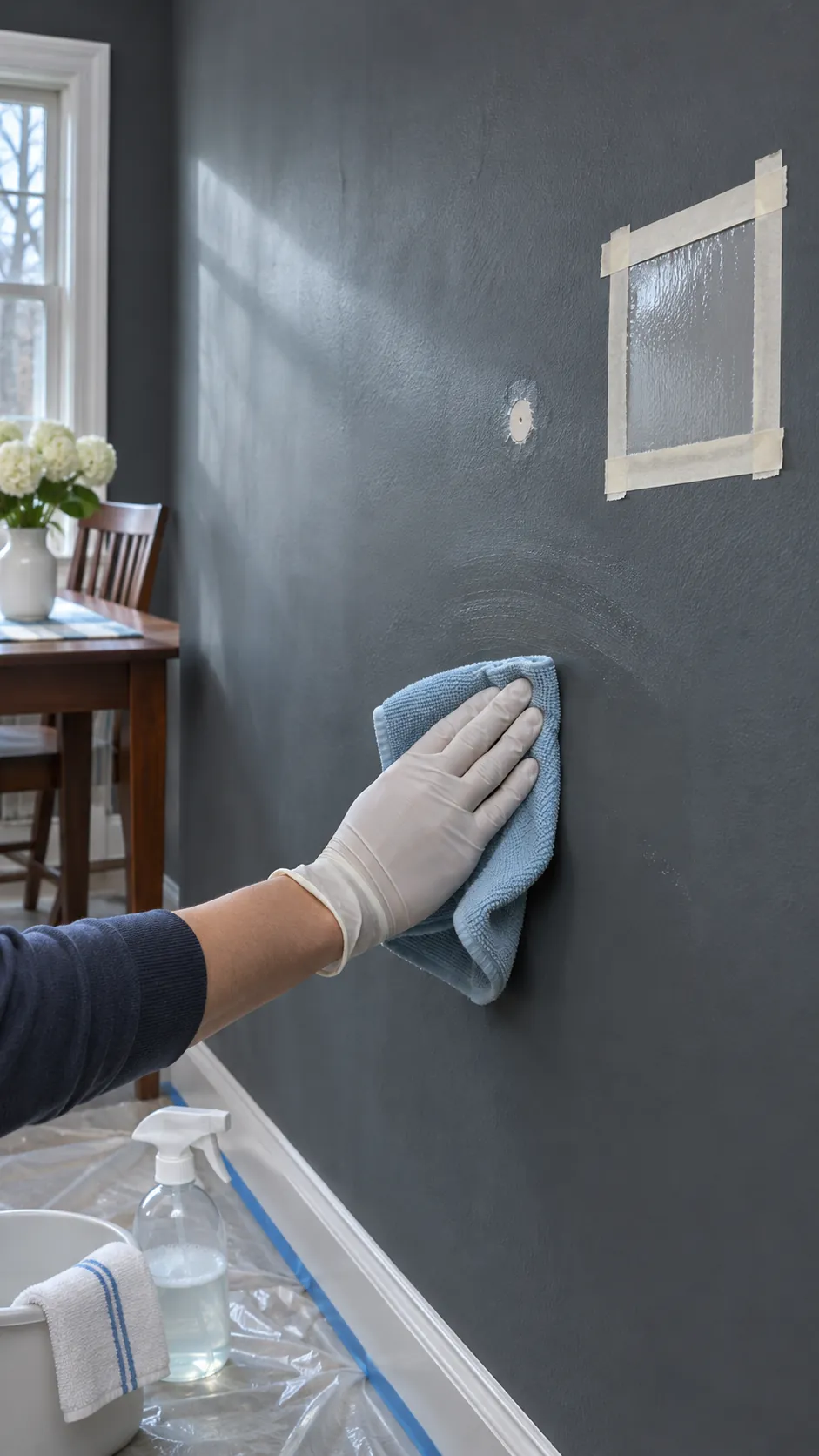
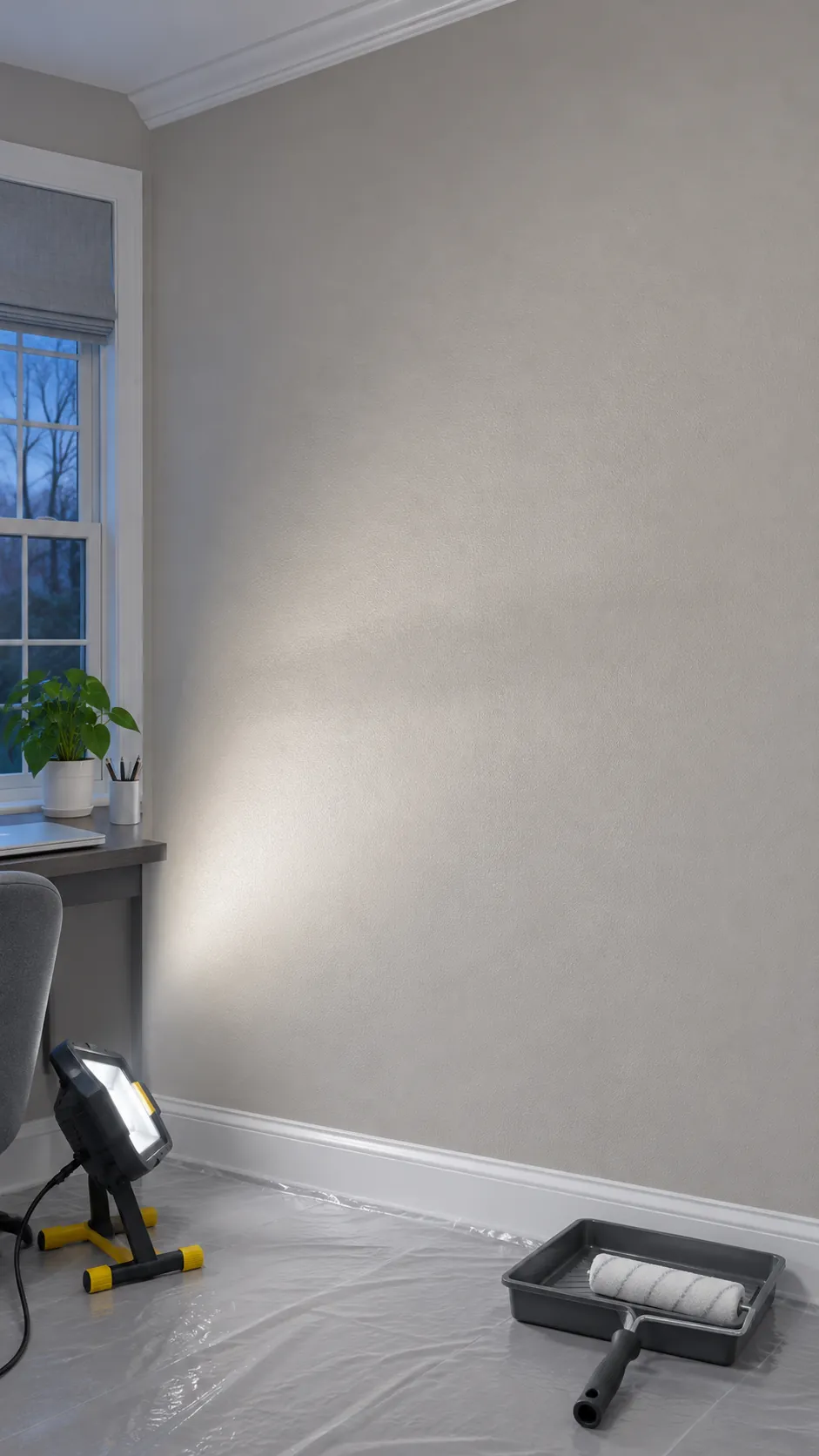
Inspect the wall in daylight and with a lamp held at an angle. Mark holes, dents, grease, glossy patches, loose paint, and stains. Wash away dust and grime with a mild cleaner, rinse if required, and let the wall dry. Scuff-sand glossy paint, then remove all sanding dust. If the old coating peels, solve the adhesion or moisture problem before adding paint.
Protect the room and repair defects
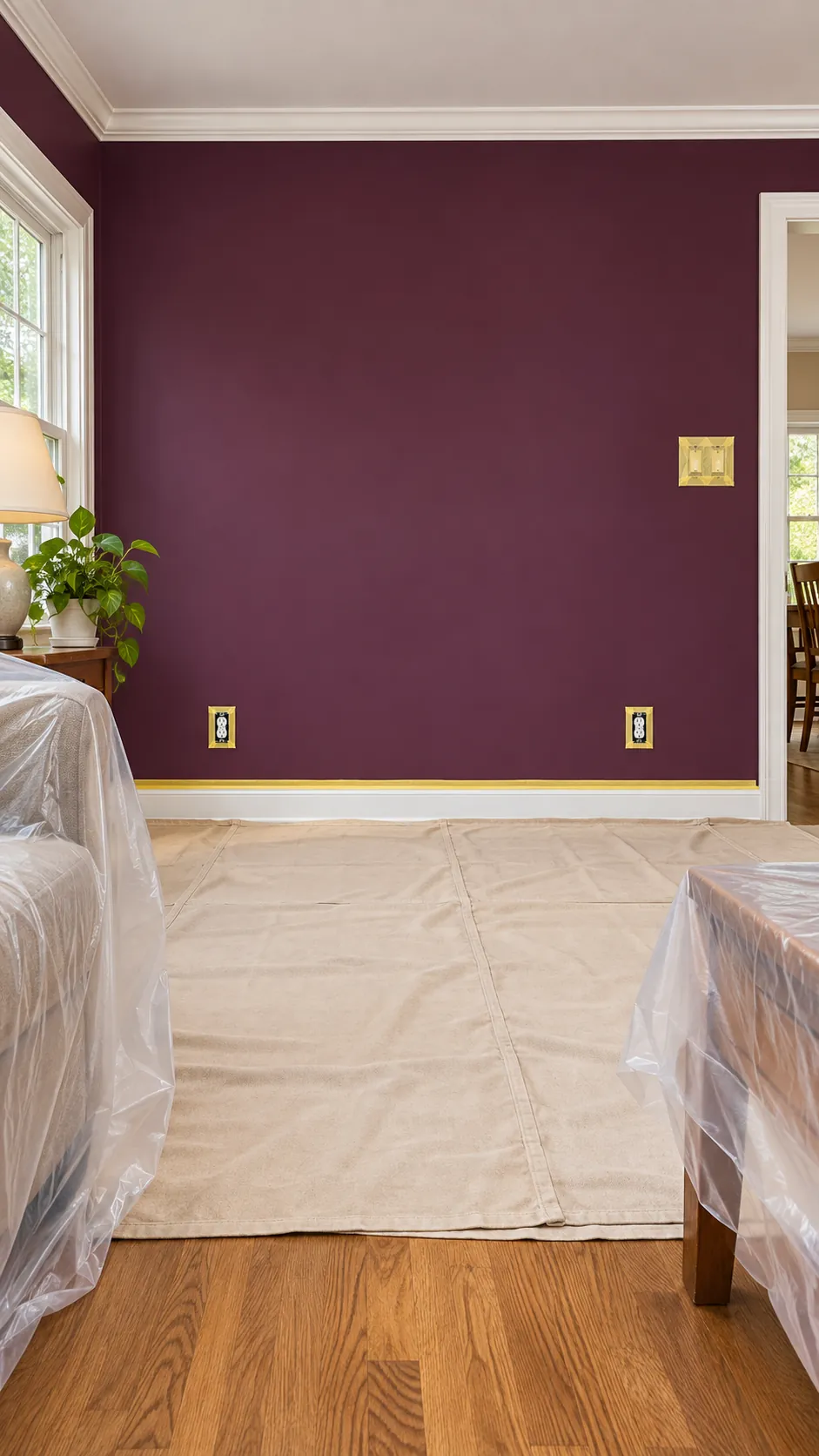
Move furniture away from the wall and cover the floor with canvas. Remove outlet and switch plates safely. Fill holes and dents with the correct compound, let it dry, sand it level, and spot-prime porous repairs. Mask edges that you cannot cut cleanly. Press tape down firmly, but do not leave it longer than its label permits.
Decide whether you need primer
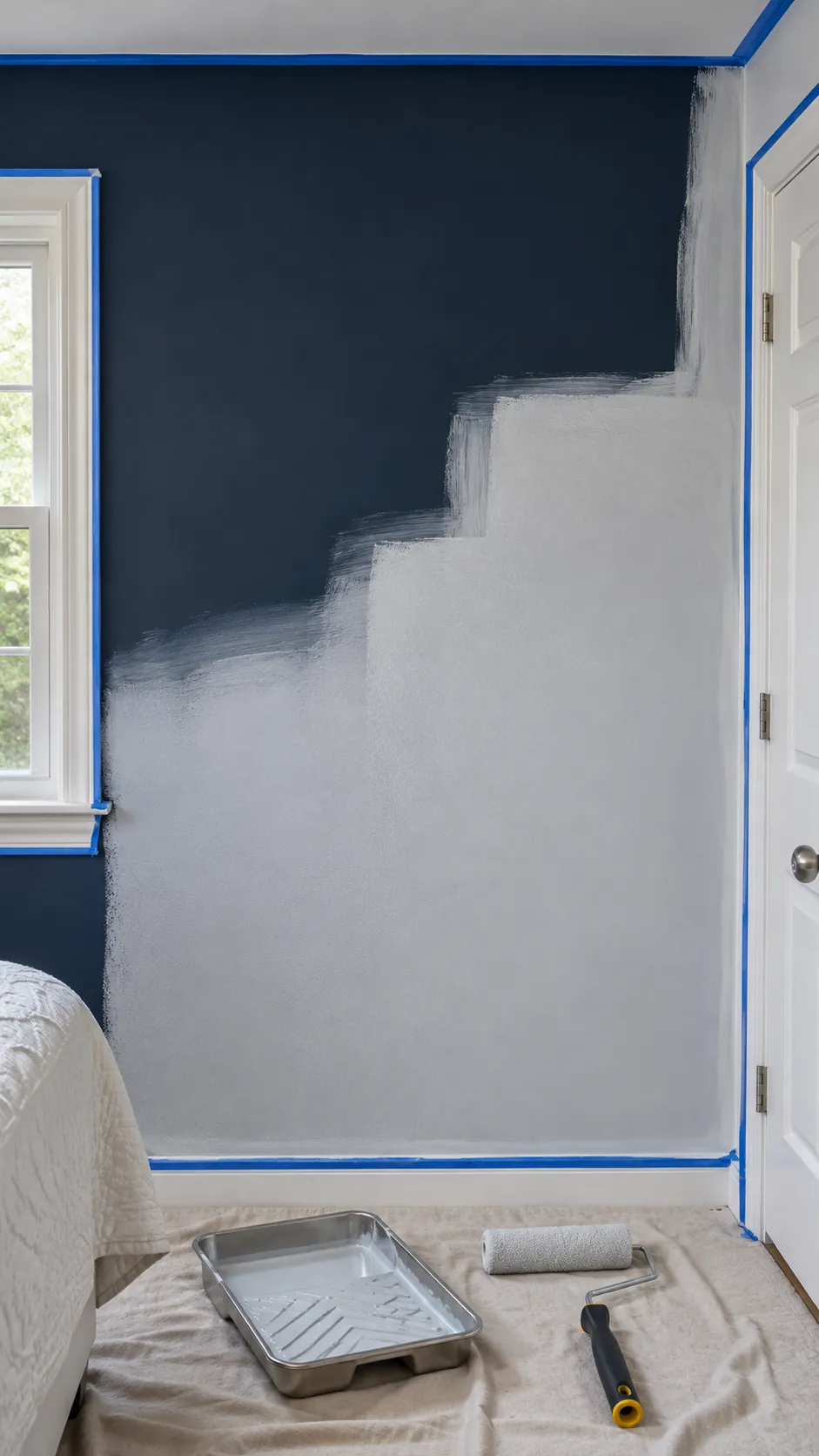
Primer helps when the color change is extreme, the surface has repairs or stains, or the old finish is glossy or unknown. A high-hiding acrylic primer creates a consistent base and helps finish paint cover predictably. It may not reduce the total number of coats, so compare its cost and drying time with an extra finish coat. Ask whether white, gray, or a lightly tinted primer best suits the topcoat.
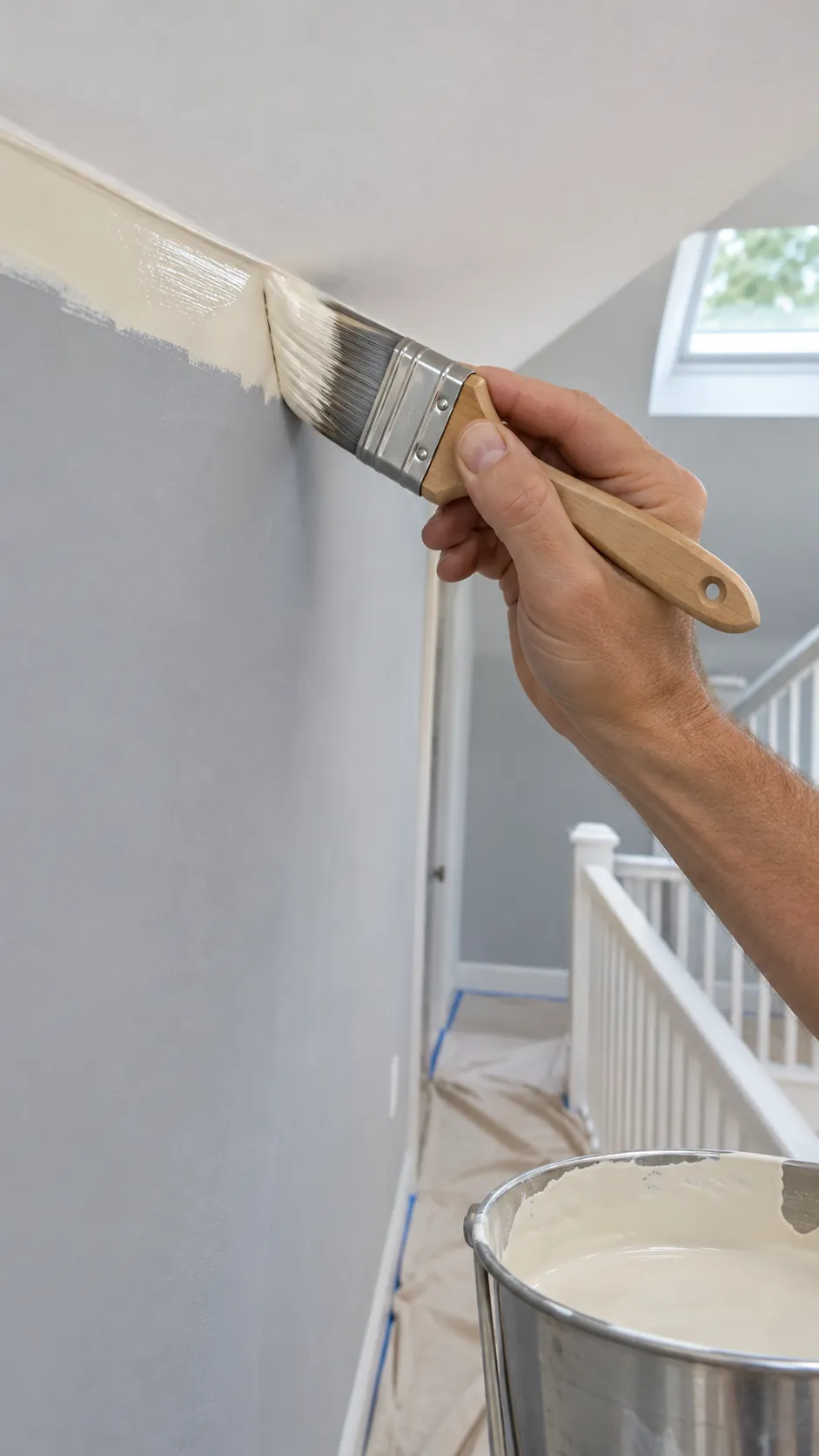
Cut in a workable section
Stir the paint thoroughly. Use a quality angled brush around the ceiling, corners, trim, and openings. Cut in only as far as you can roll while that border remains wet. This prevents brushed and rolled textures from drying as separate bands. Spread the paint evenly instead of leaving a heavy ridge.
Roll in consistent overlapping passes
Choose the nap recommended for the wall texture. Load the roller evenly, remove excess on the tray ramp, and work top to bottom in sections. Overlap each pass while the previous edge stays wet. Use moderate pressure; pressing a dry roller harder creates ridges and thin coverage. Finish with light strokes in one direction, then leave the section alone.
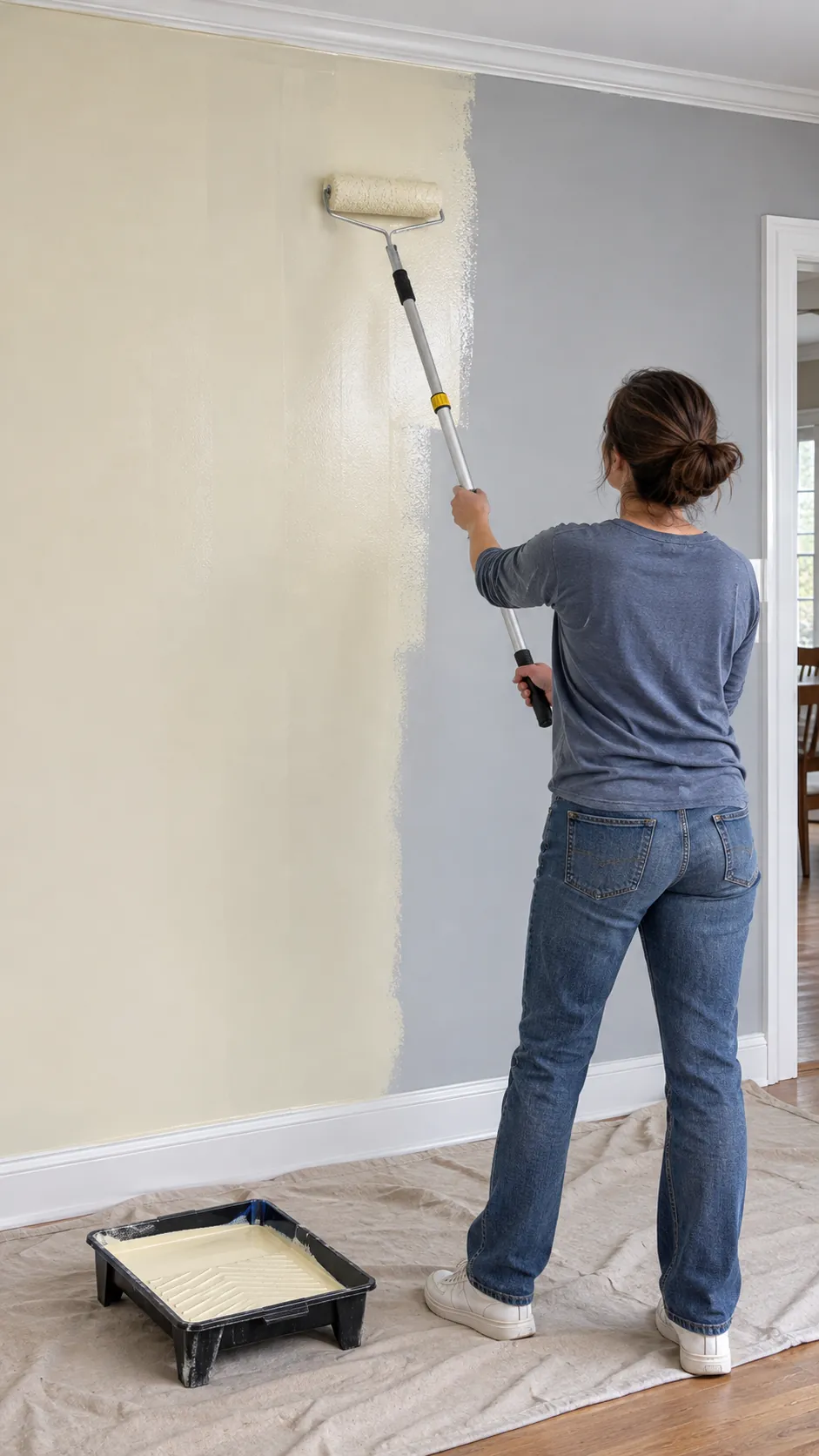
Let each coat dry before judging it
Wet paint can look more opaque or more uneven than it will after drying. Follow the stated recoat time and allow longer in cool or humid rooms. Inspect the dry wall under normal and raking light. If the old color, repairs, or roller bands remain visible, apply another full coat. Spotting isolated thin areas can leave a different texture or sheen.
How many coats should you expect?
Many extreme dark-to-light changes need one primer coat and two finish coats, or two to three finish coats when primer is unnecessary. Paint quality, colorants, sheen, wall texture, roller choice, and film thickness all affect coverage. Treat coat count as a planning range. Stop only when the dry wall has uniform color and sheen from corner to corner.
Avoid common coverage mistakes
- Do not skip cleaning because the wall looks clean.
- Do not expect paint-and-primer labeling to seal stains or fix weak adhesion.
- Do not stretch paint beyond its coverage rate.
- Do not roll over paint that has started to become tacky.
- Do not judge the final color until it is dry.
A uniform base and steady application matter more than one unusually thick coat. After the last coat dries, remove tape carefully, reinstall plates, and wait for the paint to cure before washing the wall.