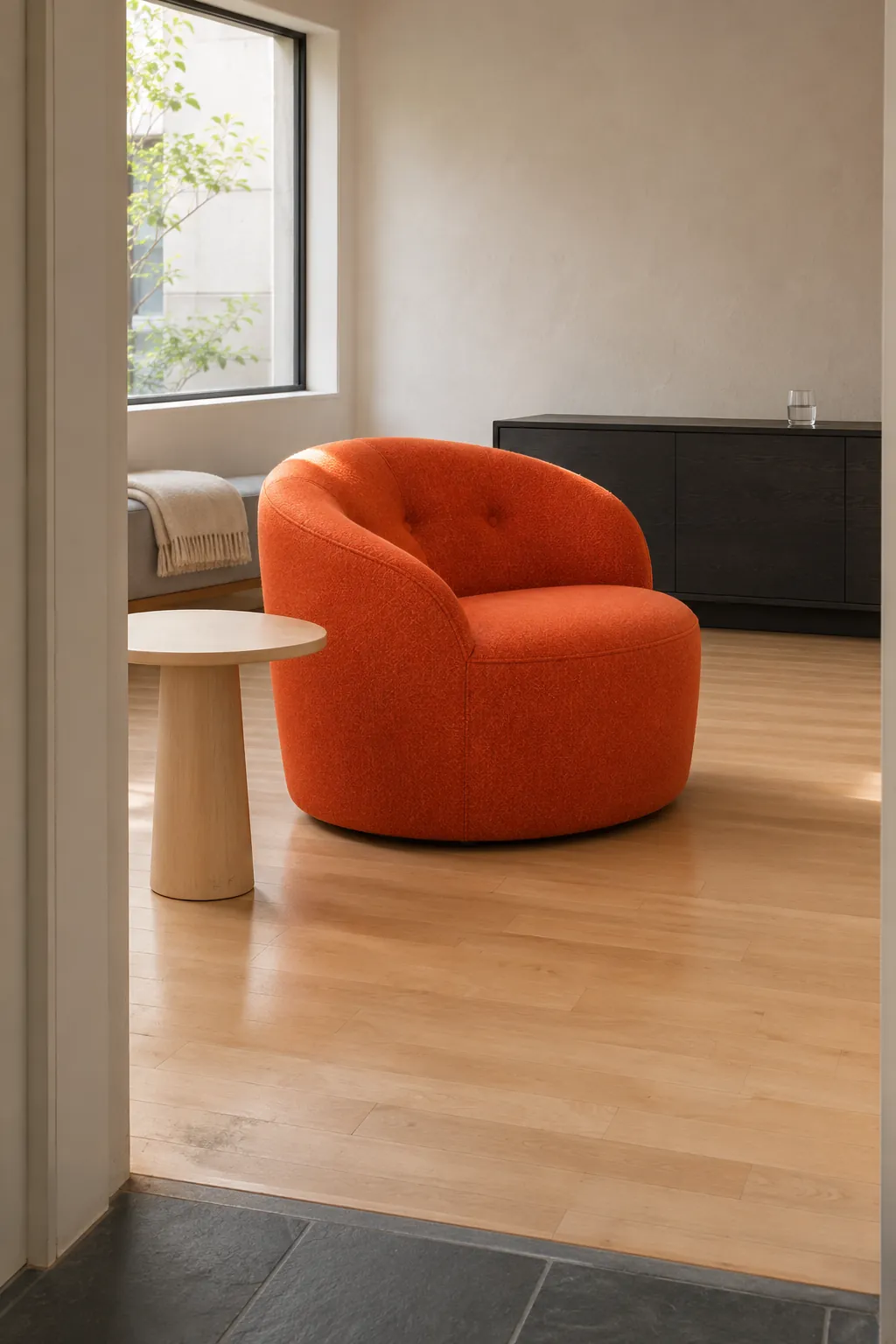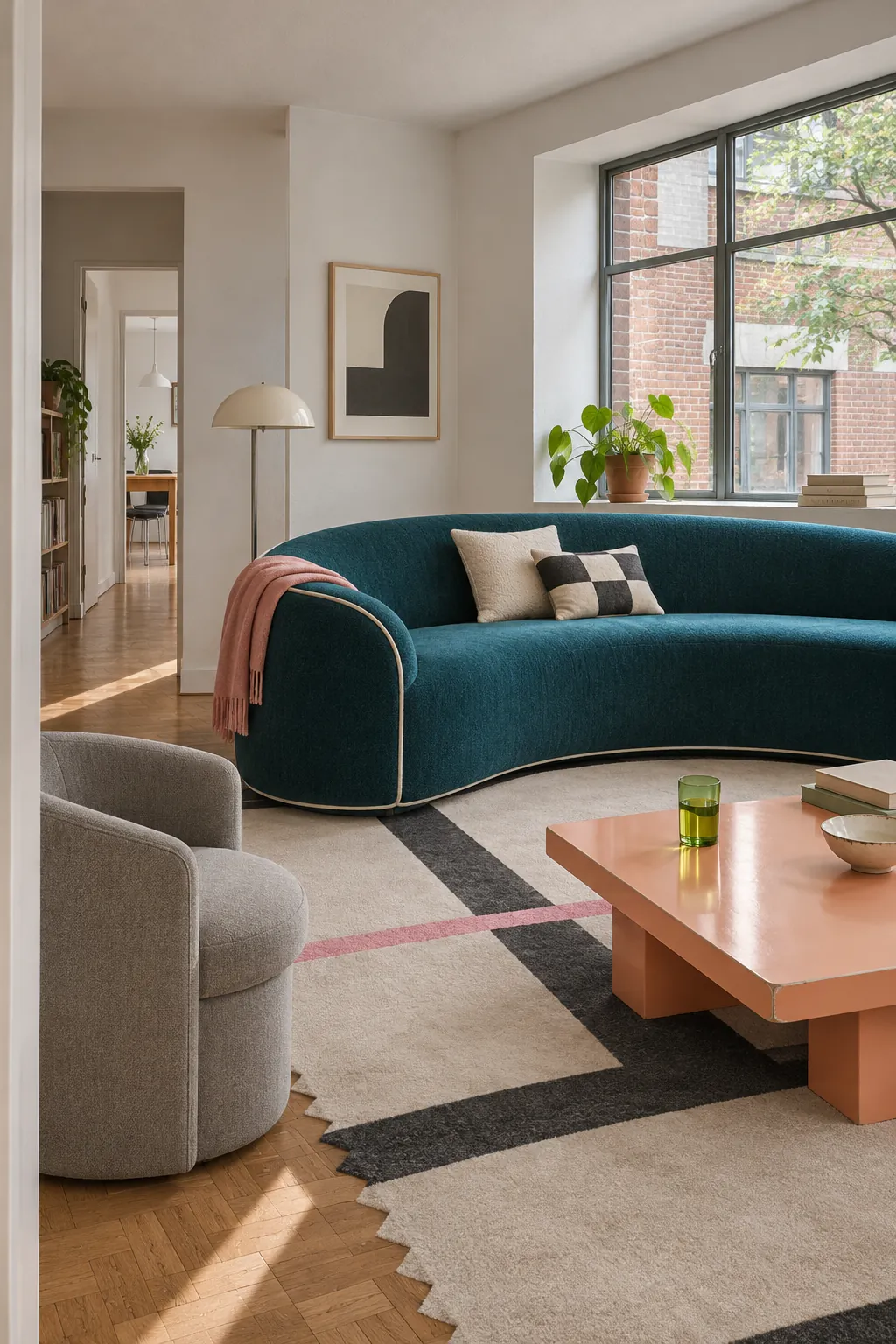
A white room with a few black pieces is a good place to start. One bright shape or unexpected material can change how the whole room reads. The choices below range from a cushion you can move in a minute to layout changes worth testing with tape before you buy furniture.
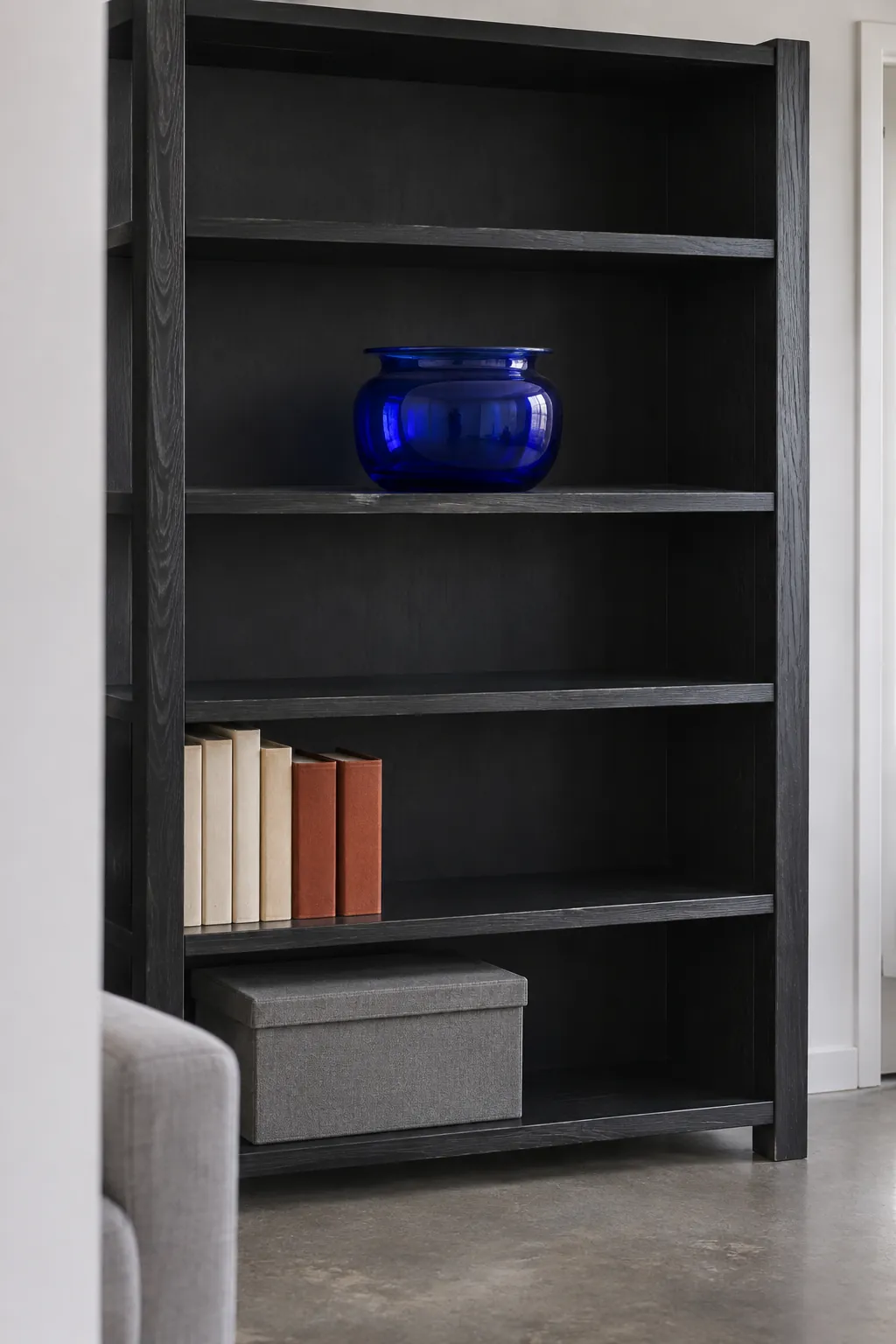
Keep the black pieces you already own
A black bookcase or table can give bright objects a clear edge. If the big pieces are already dark, start with one bold accent at eye height and leave the rest of the shelving open. Walk into the room from its usual entrance to see where the color appears first.
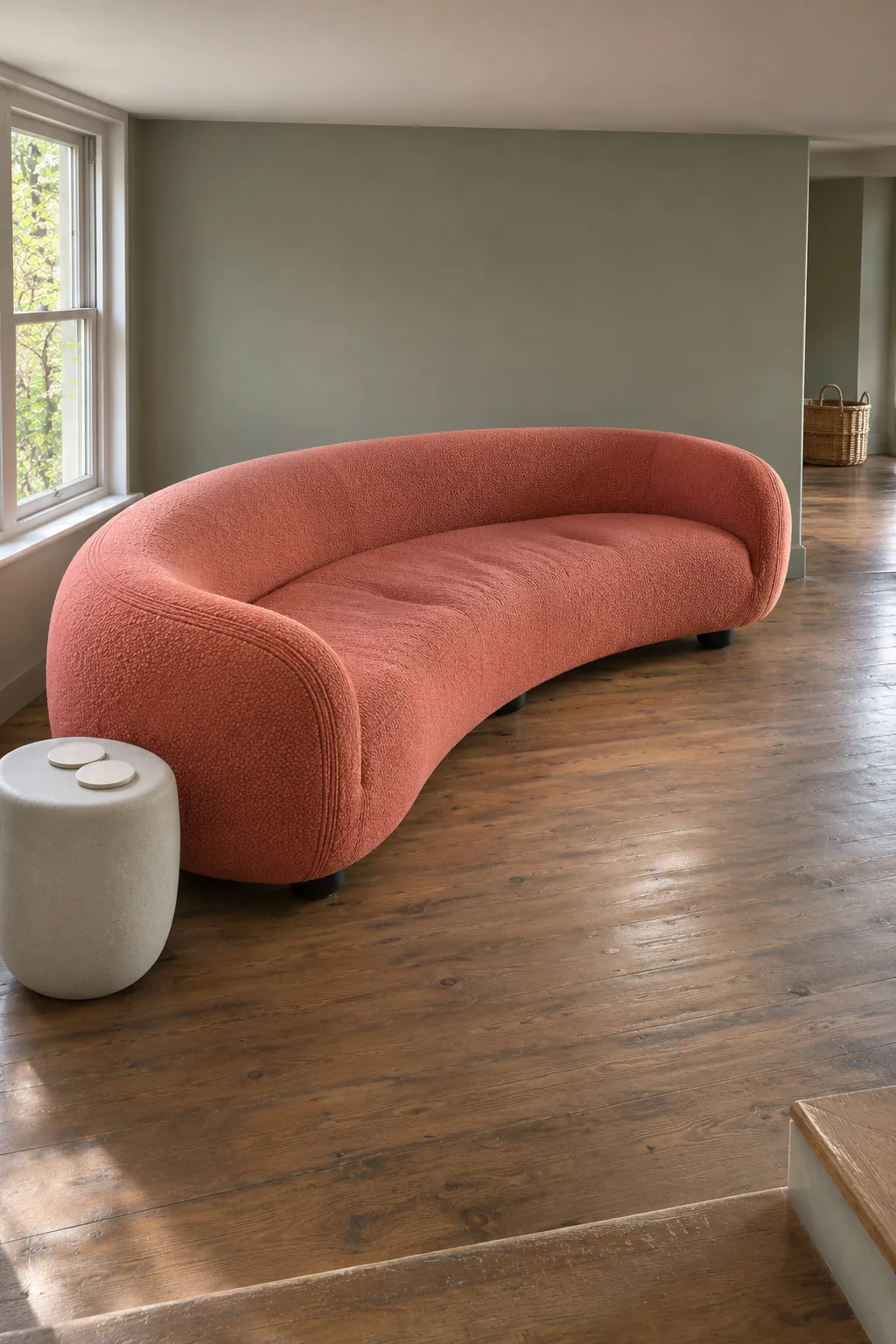
Give one curved sofa a clear outline
A curved statement sofa needs enough open space to show its ends. Set it far enough from the wall to expose the shape of the back if that is part of its appeal. Tape out the curve on the floor and check walking clearance before buying.
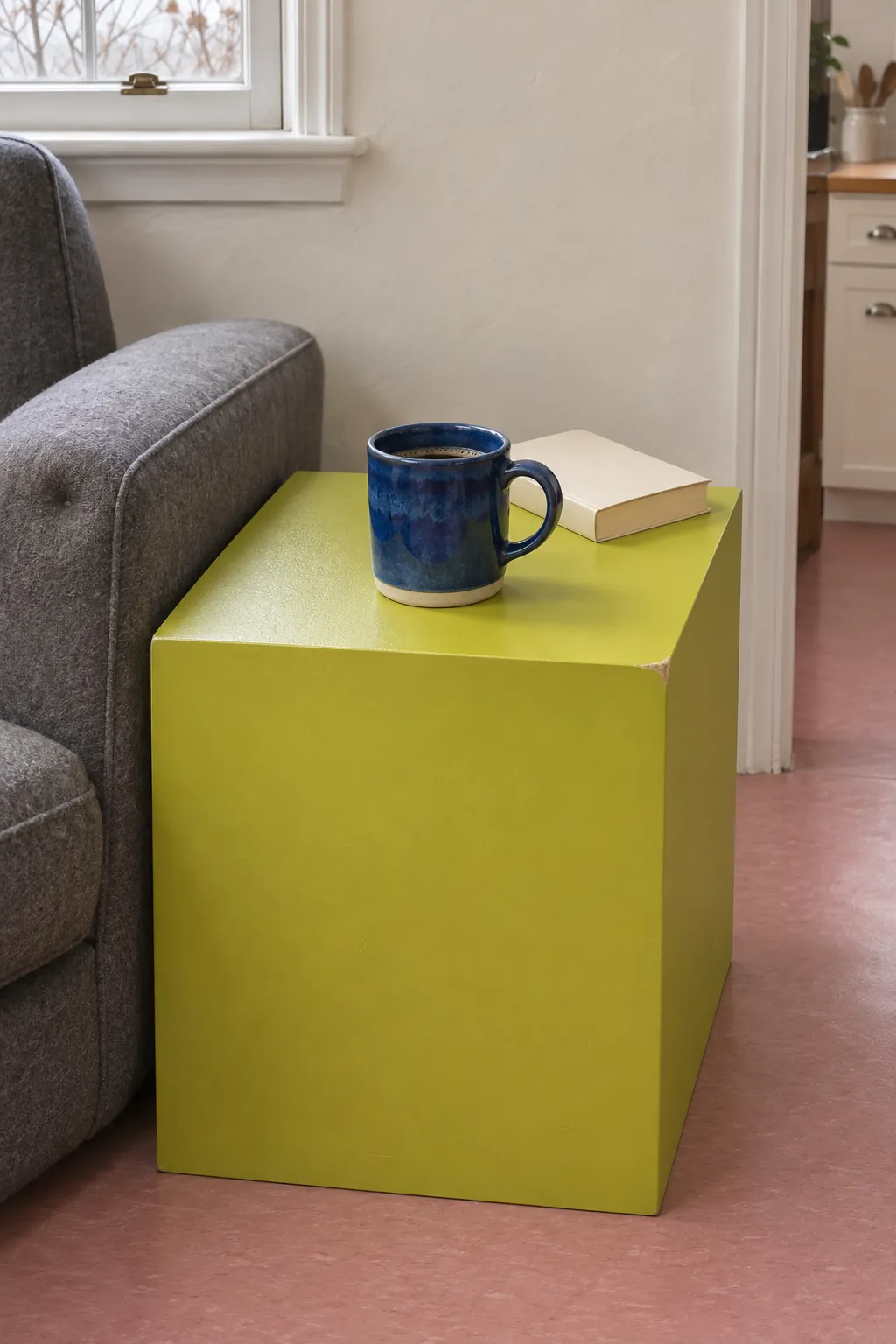
Use a bright cube as a working side table
Set a colored cube where you can reach a mug or slide a book onto it. Choose an even top and enough weight to stay put when the edge gets bumped. Compare the height with your seat so the cube is useful as often as it is visible.
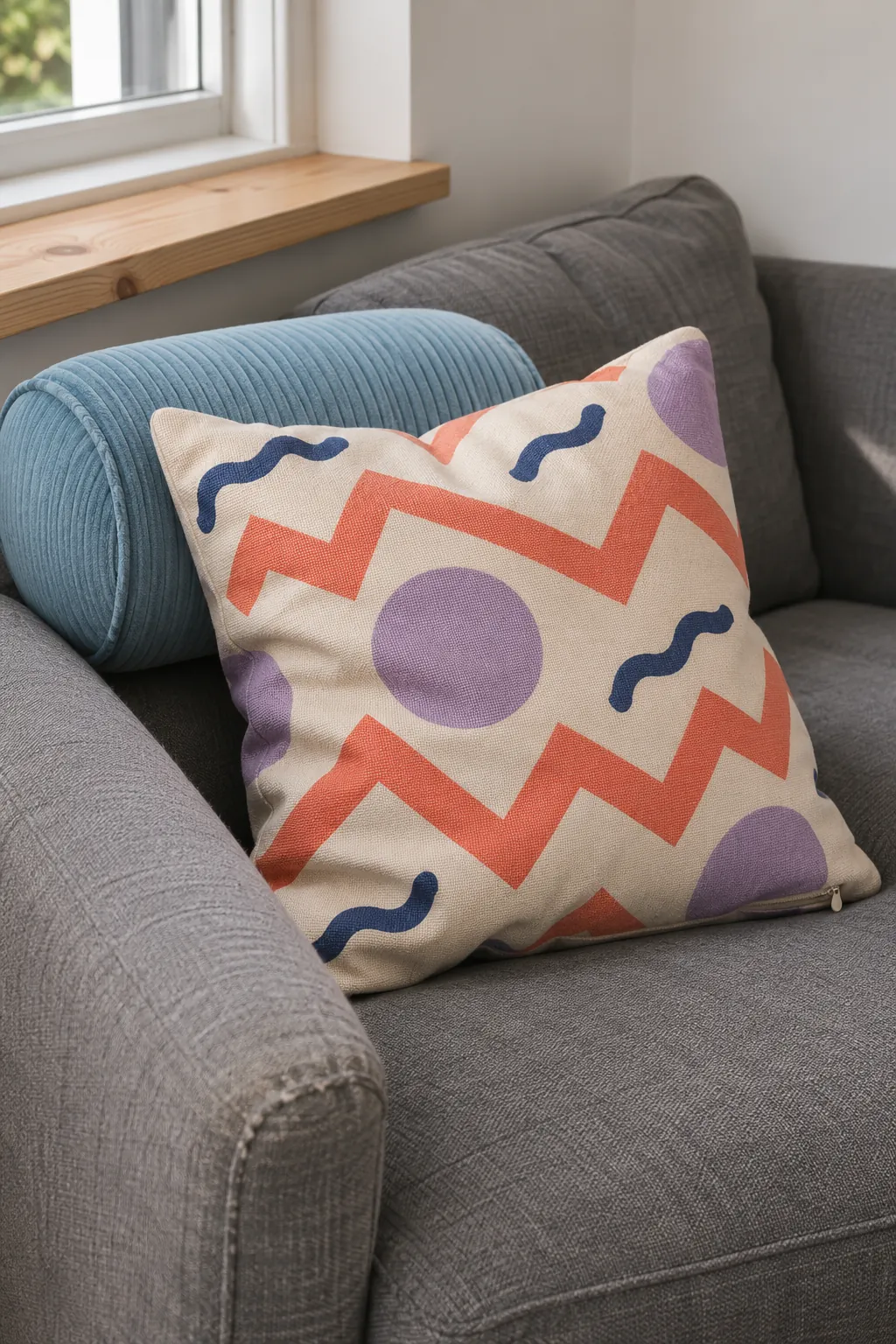
Start with a Memphis inspired cushion
A cushion lets you try a squiggle or geometric pattern on a sofa you already own. Give it room beside a solid colored cushion with a different texture. Look for a removable cover if the cushion will live beside the seat your family uses most.
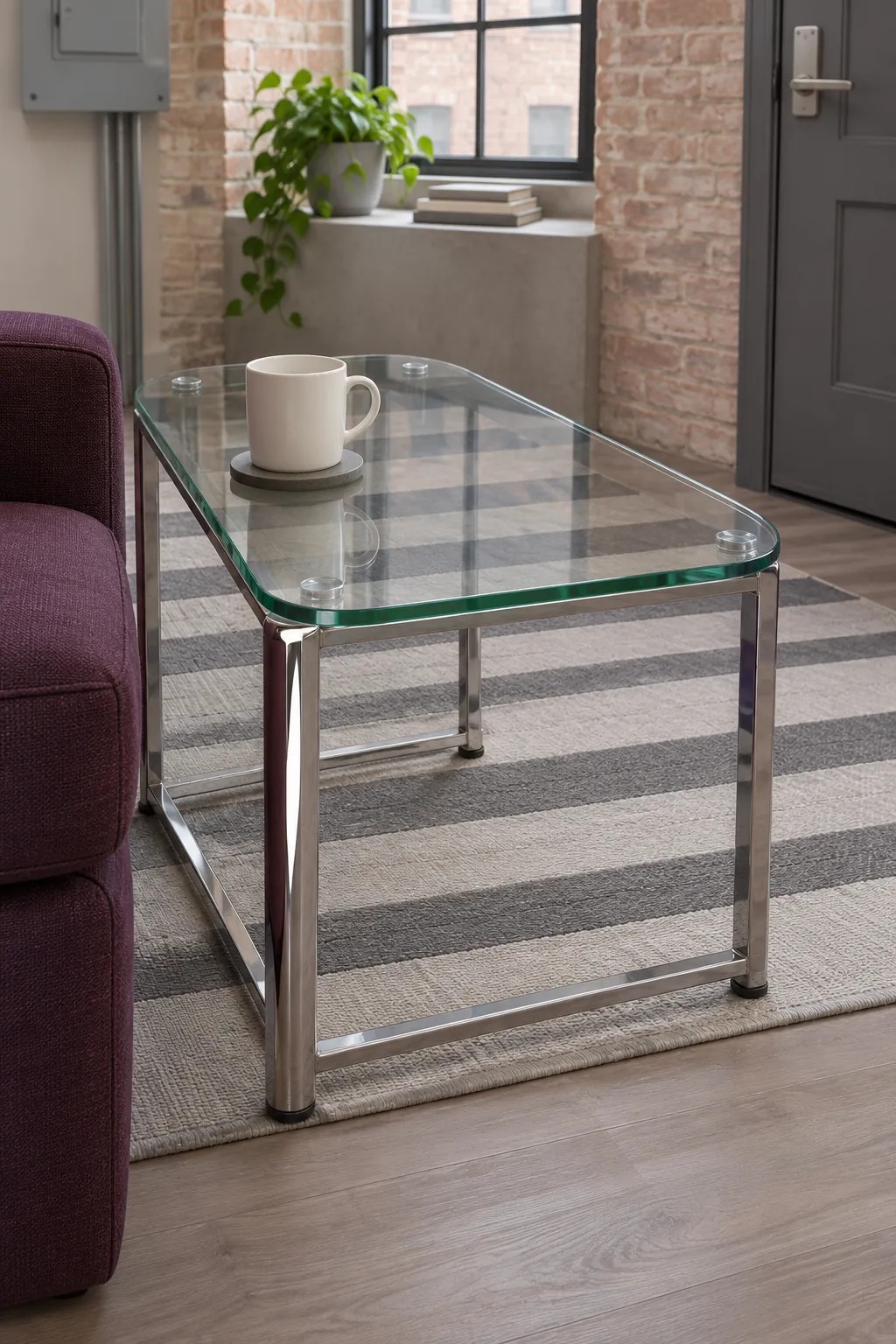
Choose a chrome and glass table for a tight layout
A clear tabletop lets a small room retain the view of its rug and floor. Set the table where you can see its frame at the approach. Choose a stable piece with a top designed for furniture use, and check the joints and edges if buying secondhand.
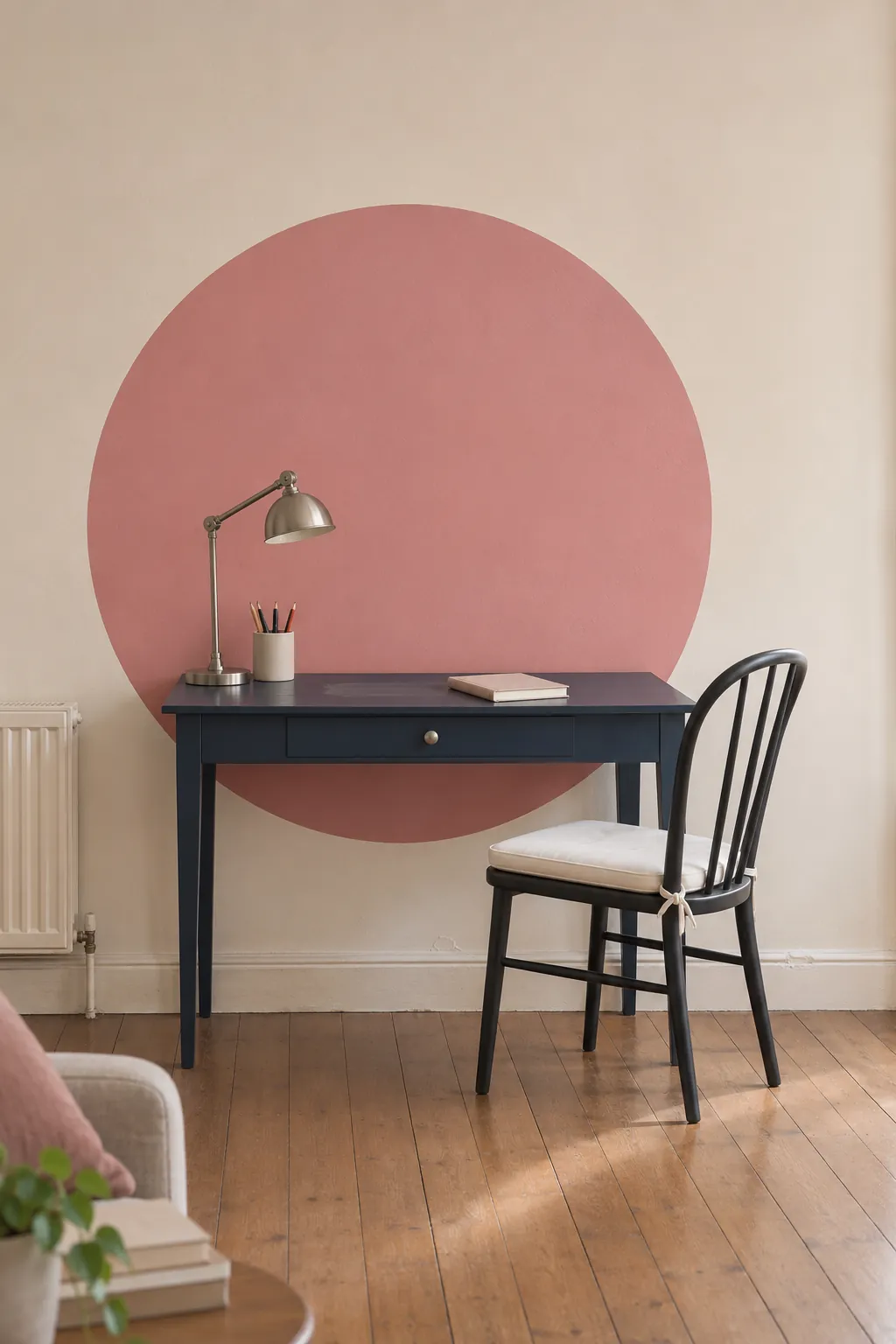
Paint one round color field behind a desk
A circle of color gives a narrow desk a place of its own inside a shared room. Use a paper outline to check its size against the desktop and chair before painting. Leave the wall around it clear enough to see the full circle when you walk in.
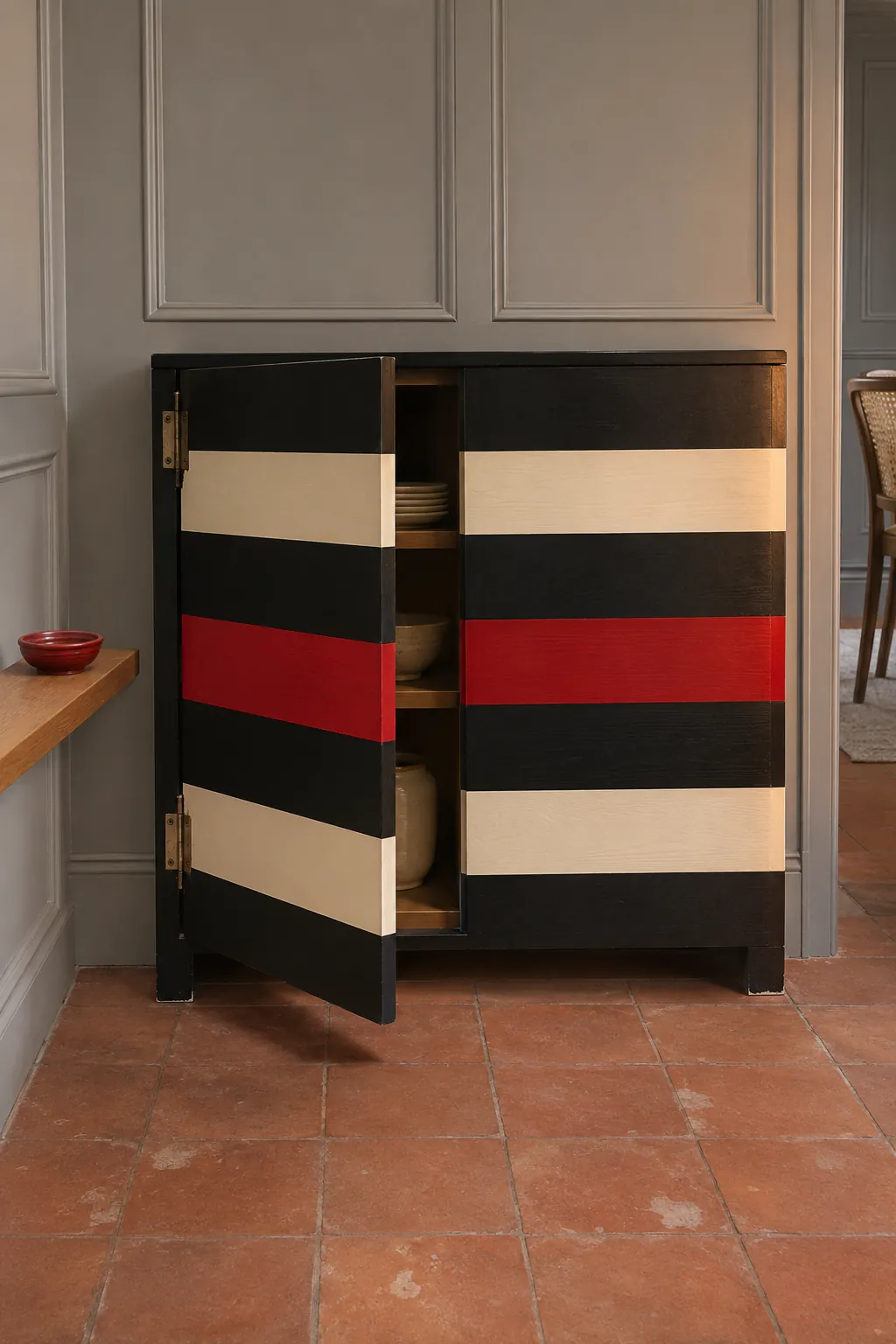
Give a striped cabinet one quiet neighbor
Bold stripes can carry a corner when the rest of the wall stays calm. Repeat one stripe color in something small on a nearby surface. Open the cabinet in its intended spot before settling on the orientation, especially if the door needs room beside a wall.
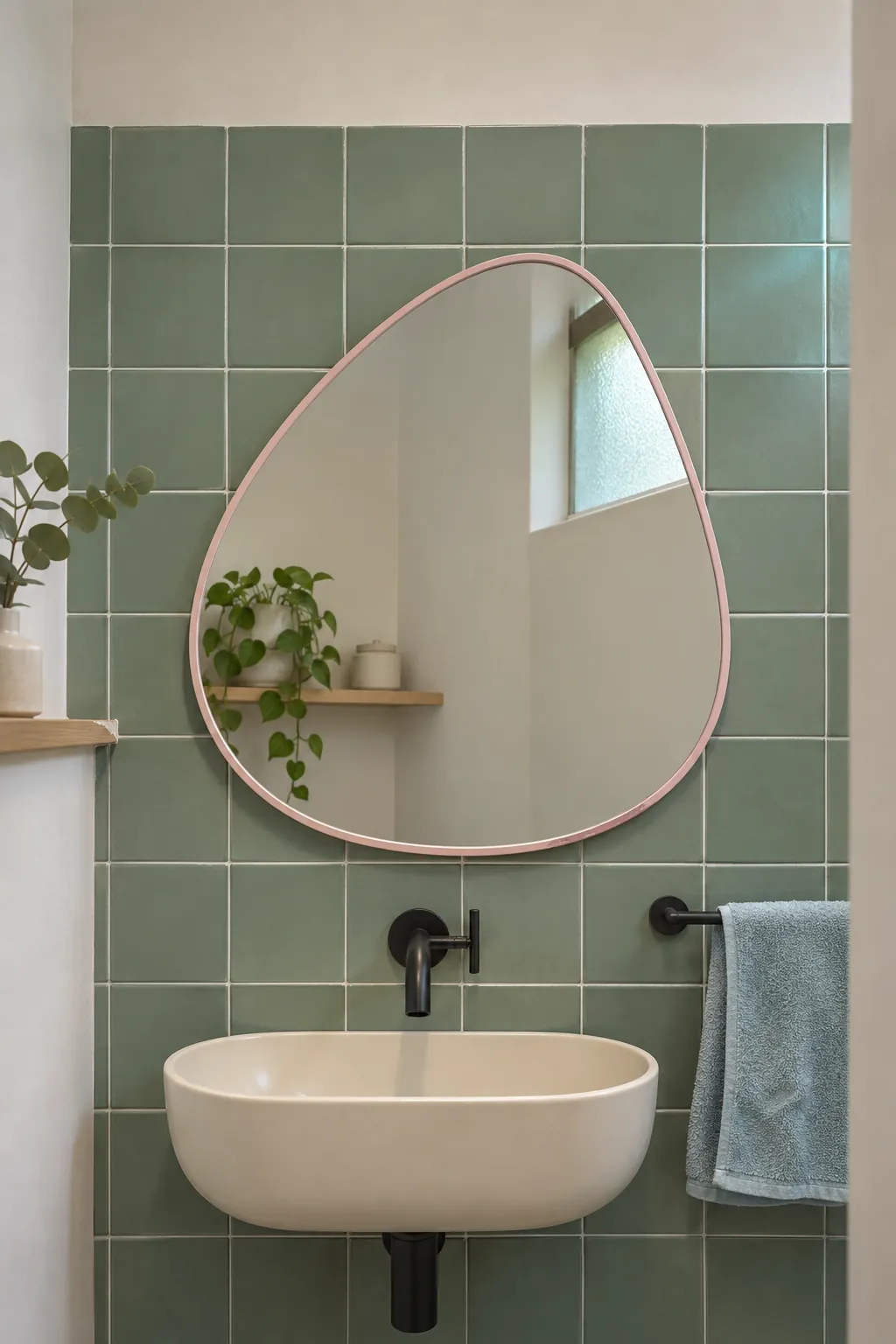
Break a grid with one curved mirror
A curved mirror interrupts the straight lines of bathroom tile or shelves. Test the reflection at the height you use it. Let the practical view of your face set the mounting position before you judge the mirror against the tile joints.
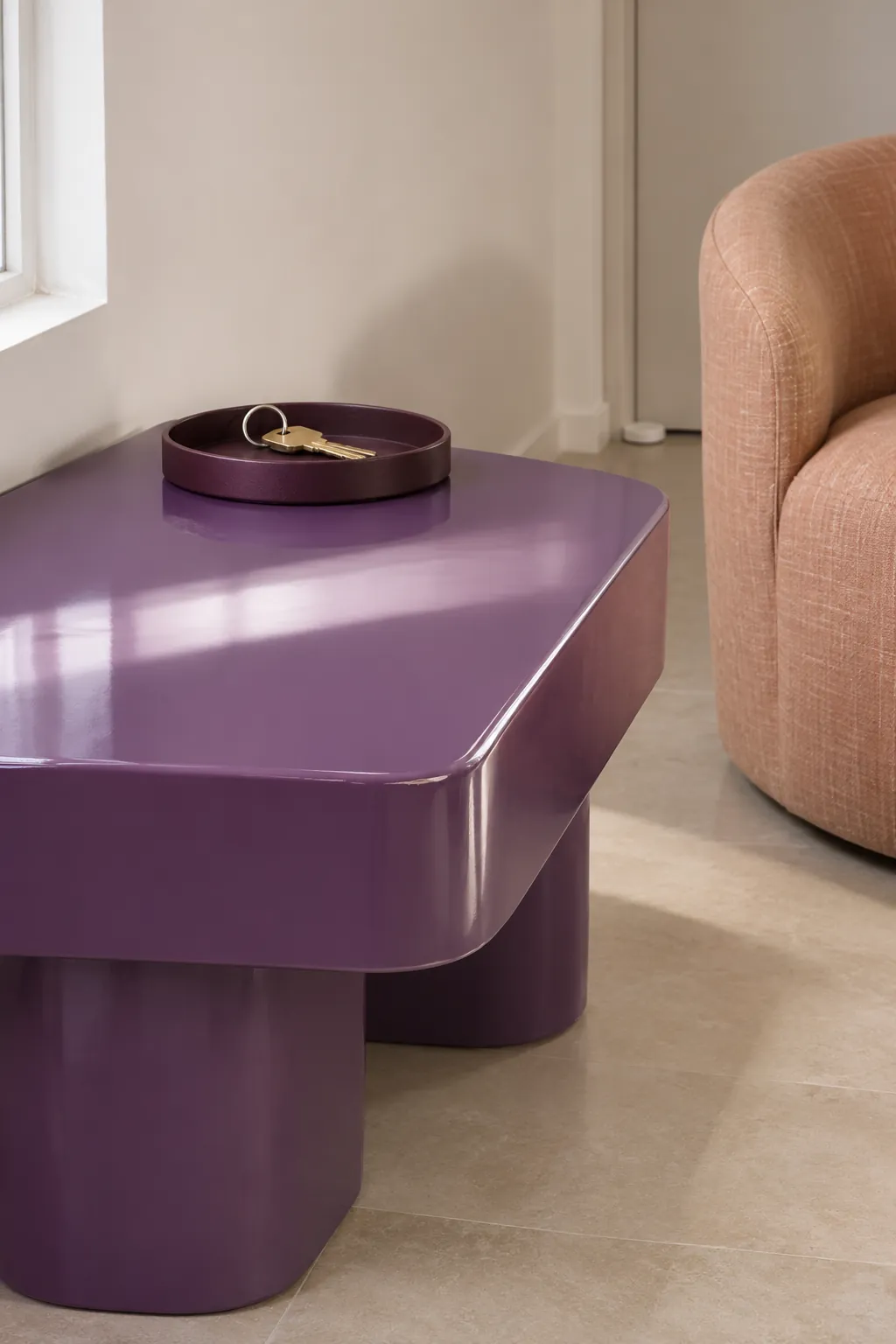
Try a glossy block in a matte room
A lacquered table has a different presence from cloth or plain wood because it picks up light. Set it near a window where that reflection can describe its shape. Keep a tray handy if the top is likely to collect keys or other hard items.
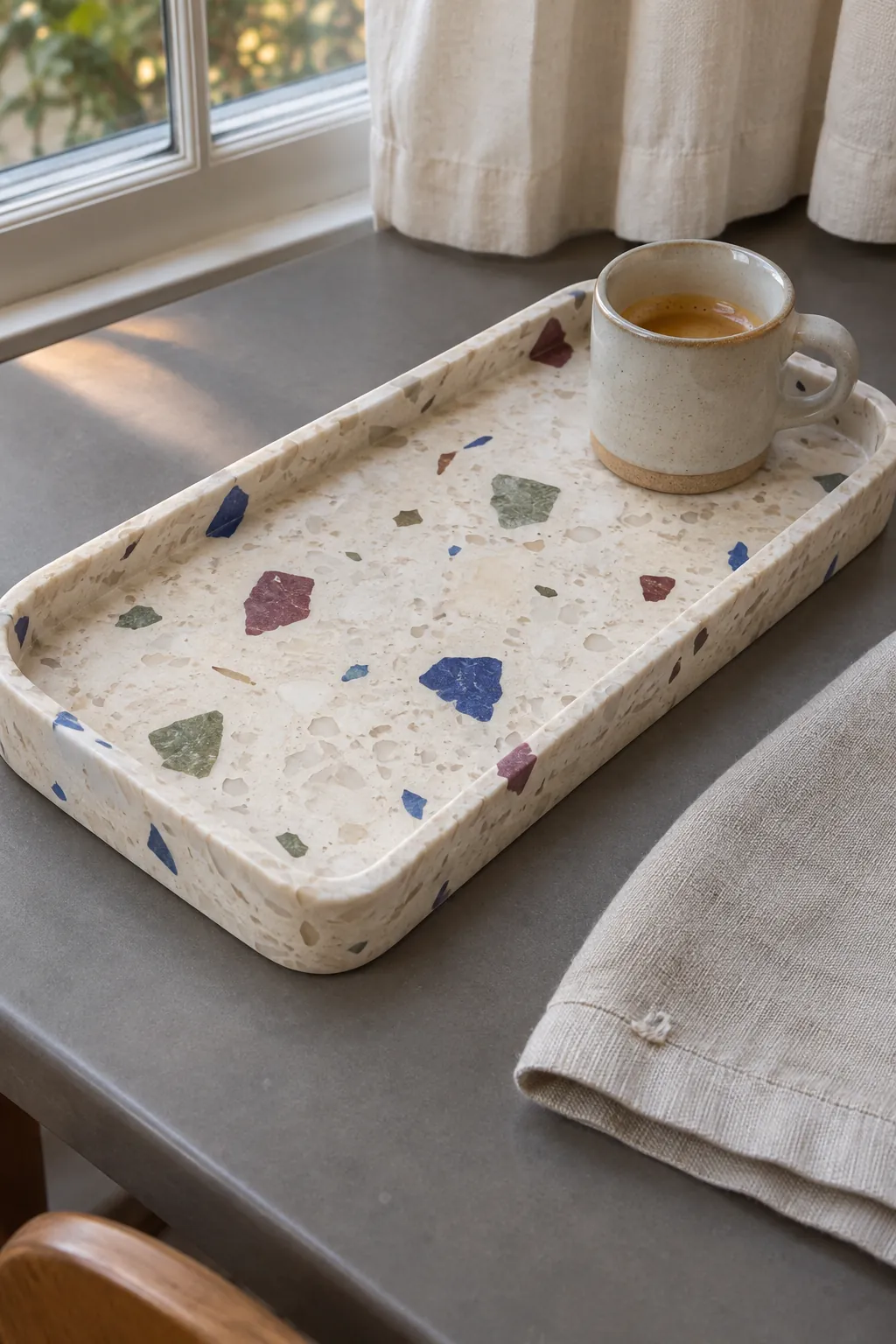
Use terrazzo in one small hard working place
A terrazzo tray or side table can add flecks of color without changing the whole floor. Pick a chip size that reads at the distance you will see it. Check the care instructions for the binder and tray surface before using it for wet cups or food.
Bring back mauve and teal
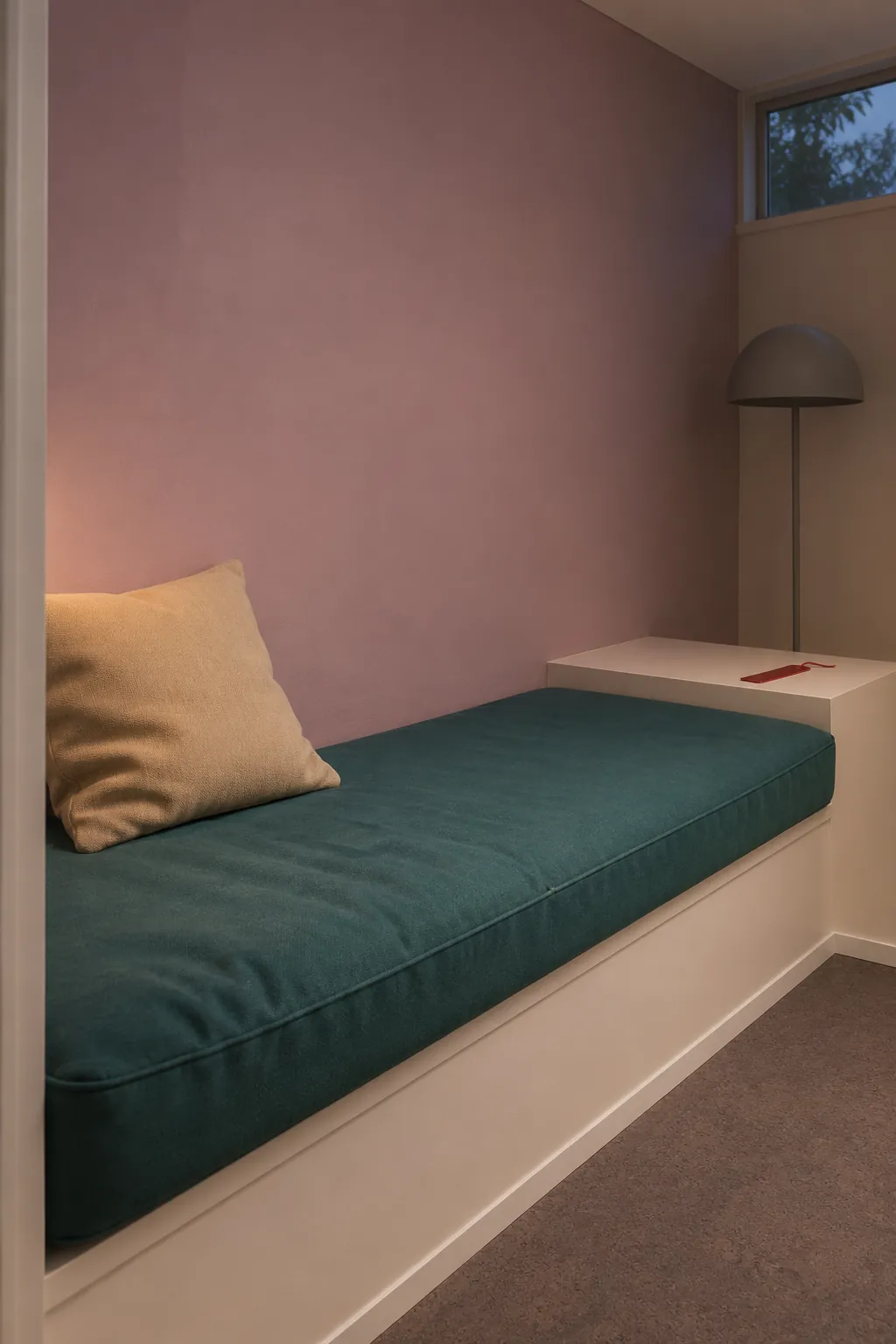
Mauve and teal can suggest the period with less contrast than a pair of primary colors. Give the lighter color a broad surface and look for a blue green that holds its color in evening light. Use a small red detail if the room needs a sharper point of interest.
Set an angled lamp over flat furniture
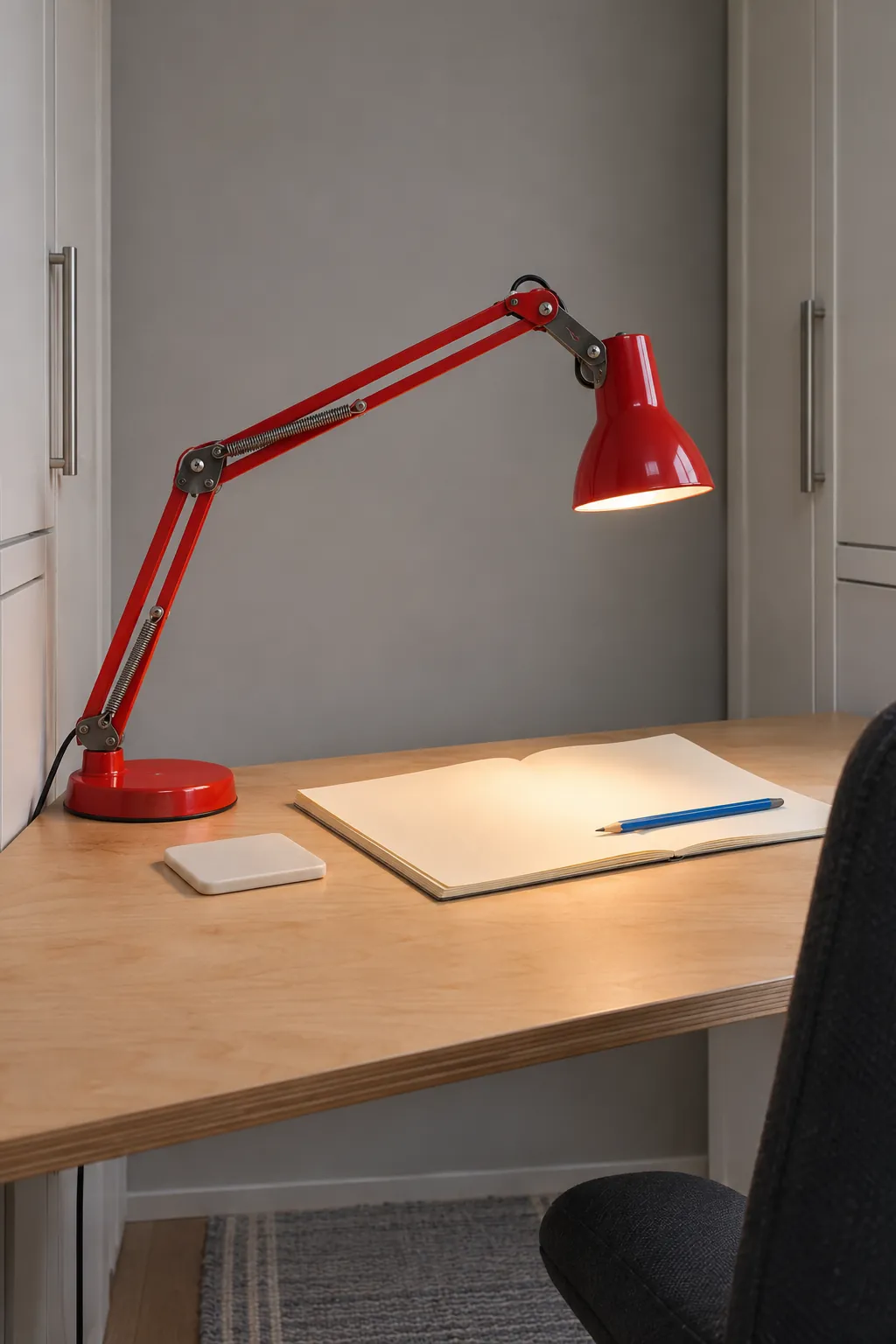
An adjustable angled lamp can bring a strong line to a simple desk. Aim the shade at the paper or keyboard before deciding where its base goes. Check that the head can move past the wall and that the cord sits clear of the writing area.
Mix a thrifted piece with a plain new one
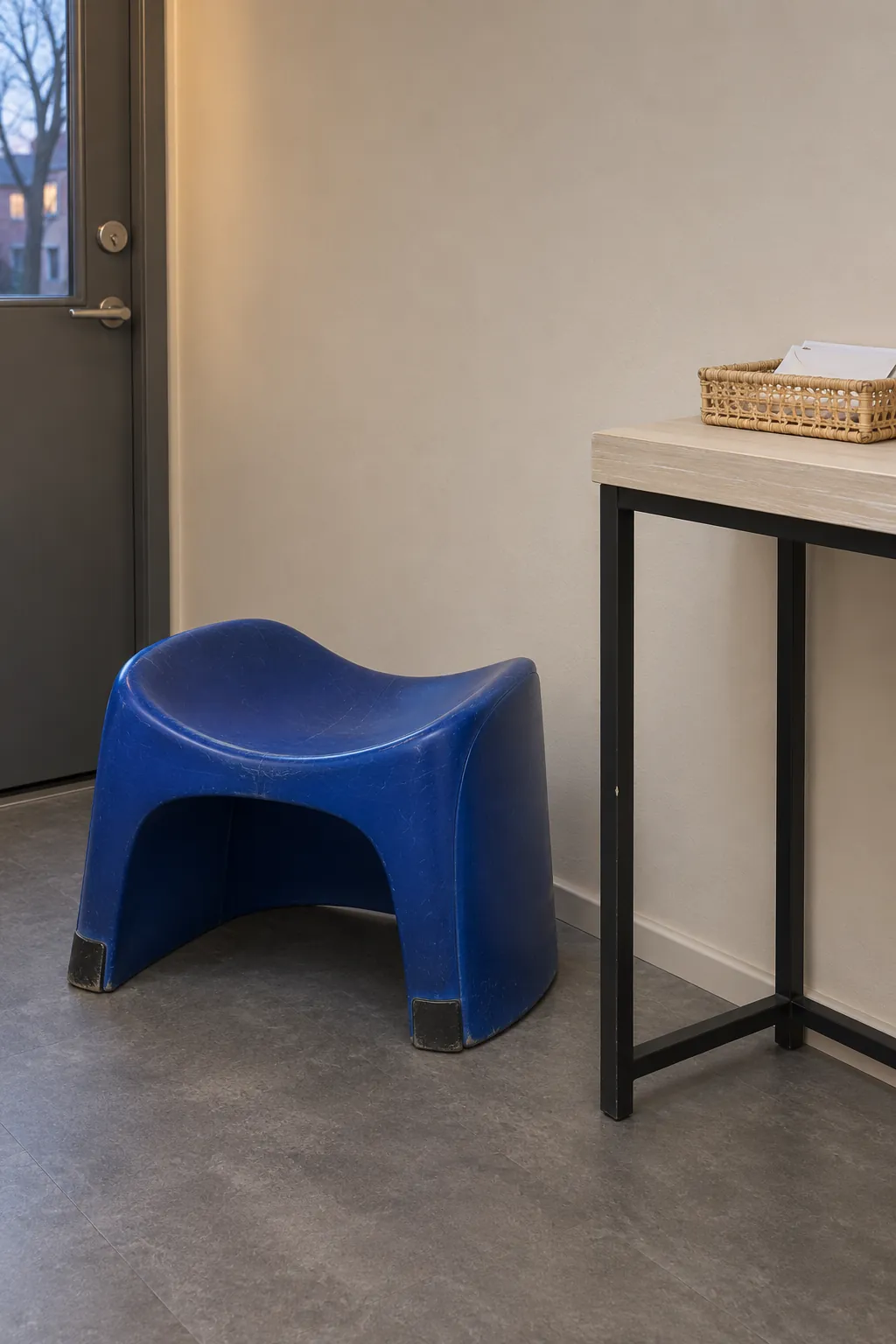
Put one sculptural vintage piece beside a simple current item you actually use. Look for an outline or material that links them, such as black feet or a flat ivory surface. Keep enough distance between them to read each shape from the doorway.
Use a shelf edge for a band of color
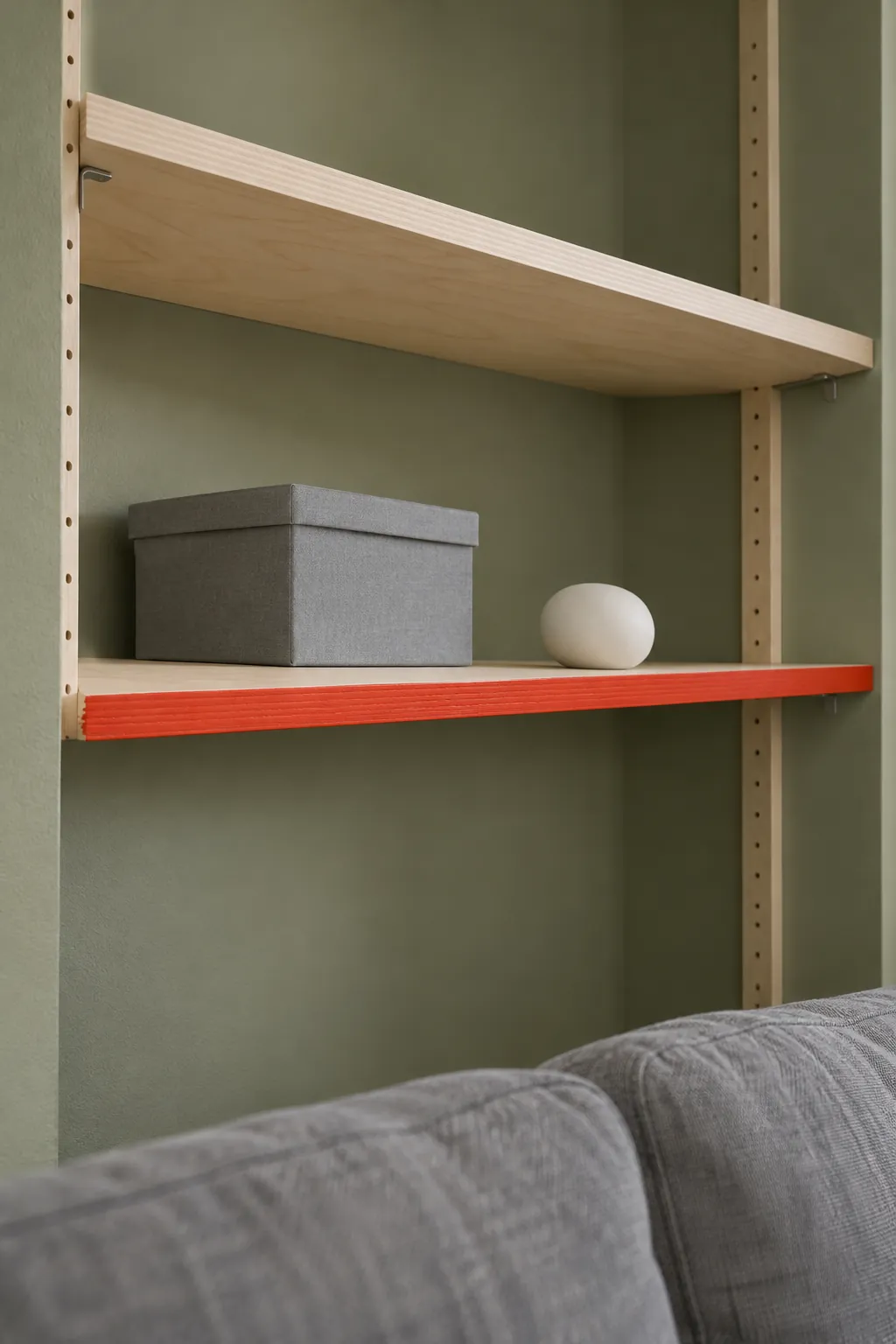
Paint the front edge of one shelf to give plain storage a sharp short line. Sample the paint against the wood and contents first, since a thin strip looks different from a full color chip. Check which shelf edges are visible from your main seat.
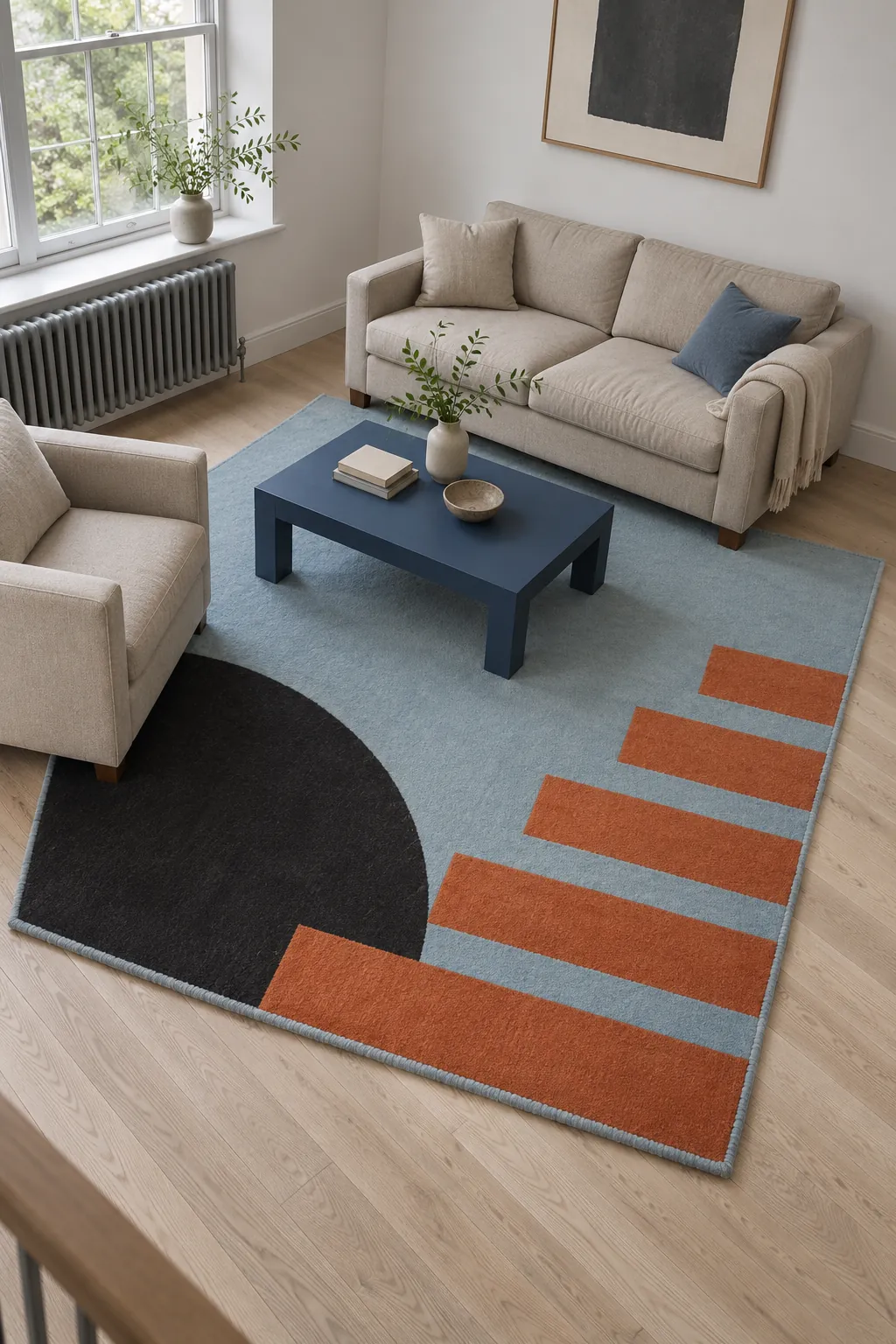
Set a geometric rug below simple seats
A rug with large shapes works best when some of the pattern remains in view. Position seats and tables over the least important parts of the design. Pull the rug far enough into the furniture group that it anchors both seats rather than floating between them.
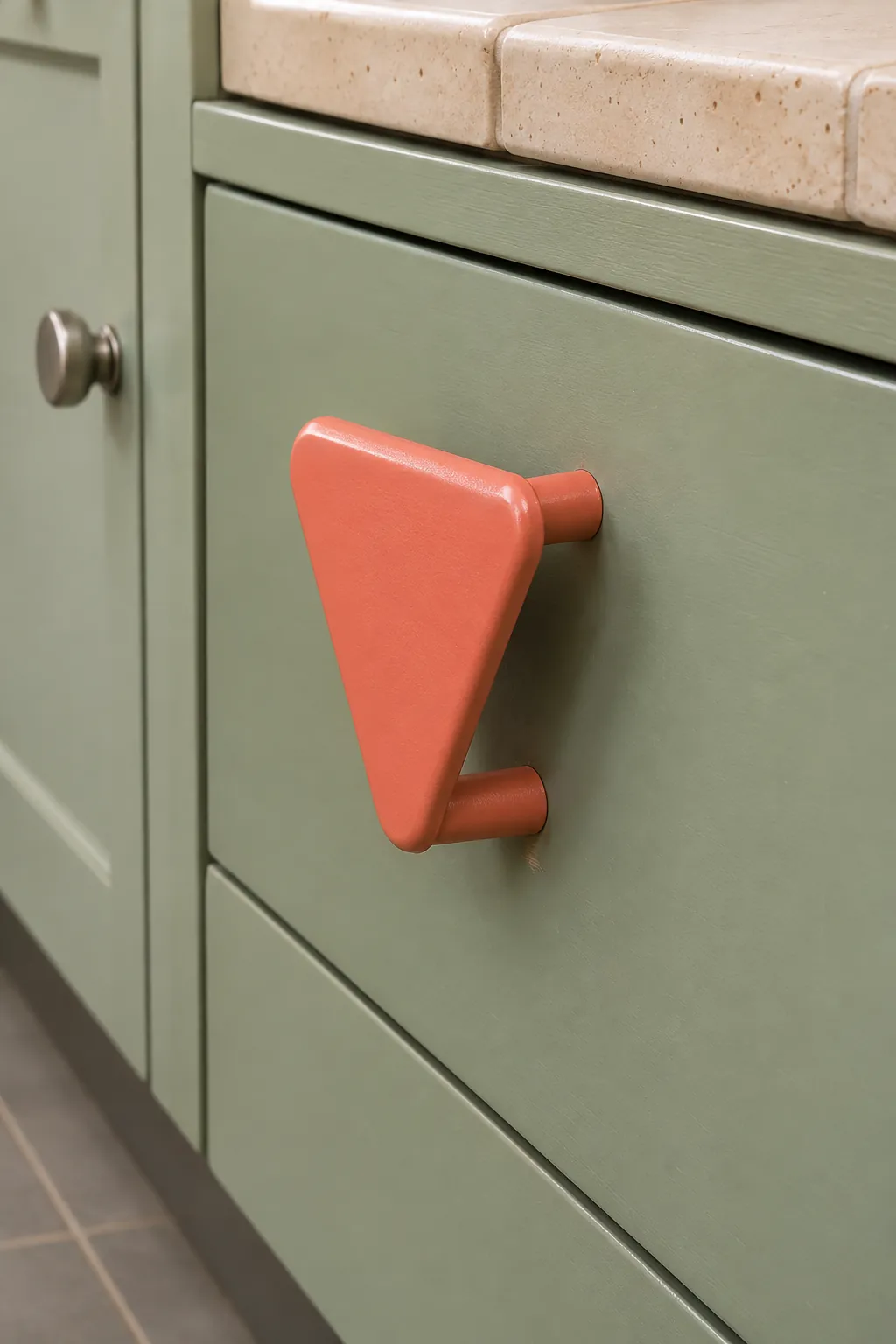
Swap one ordinary knob for a geometric pull
A large contrasting pull can give a plain drawer a stronger shape. Measure the existing screw spacing and check finger clearance before you order it. Close the neighboring door to make sure the new pull has room.
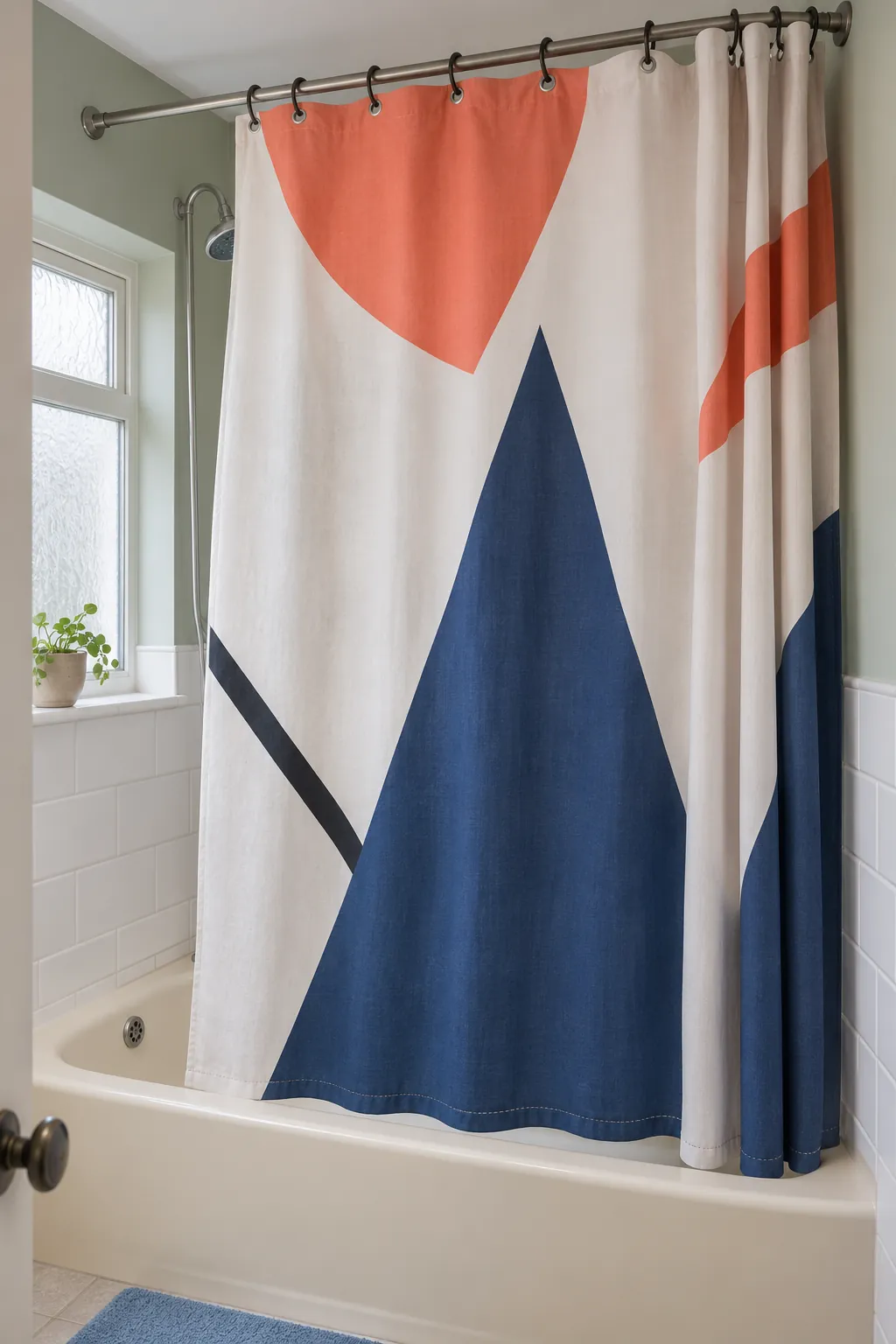
Use one graphic curtain in a small room
Put a geometric print on a curtain when you want pattern you can gather away. See how the main shapes read both flat and folded. If the print looks busy in deep pleats, try a larger repeat or simpler rule before choosing the fabric.
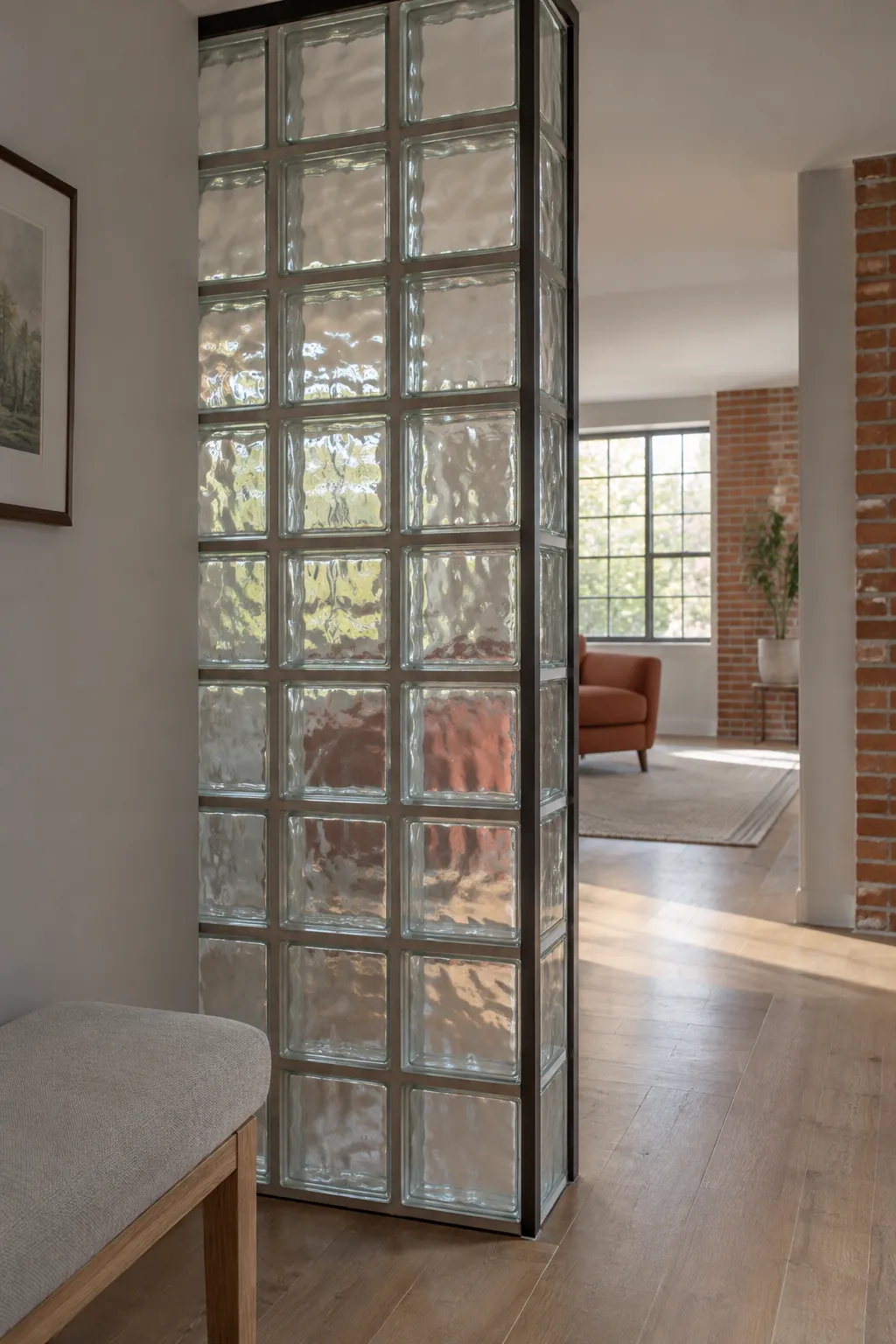
Let a glass block screen borrow light
A glass block divider can bring light into a darker zone while breaking up the view. Check how clearly shapes show through a sample before relying on it for privacy. Ask a qualified installer to check support and placement if the plan involves new construction.
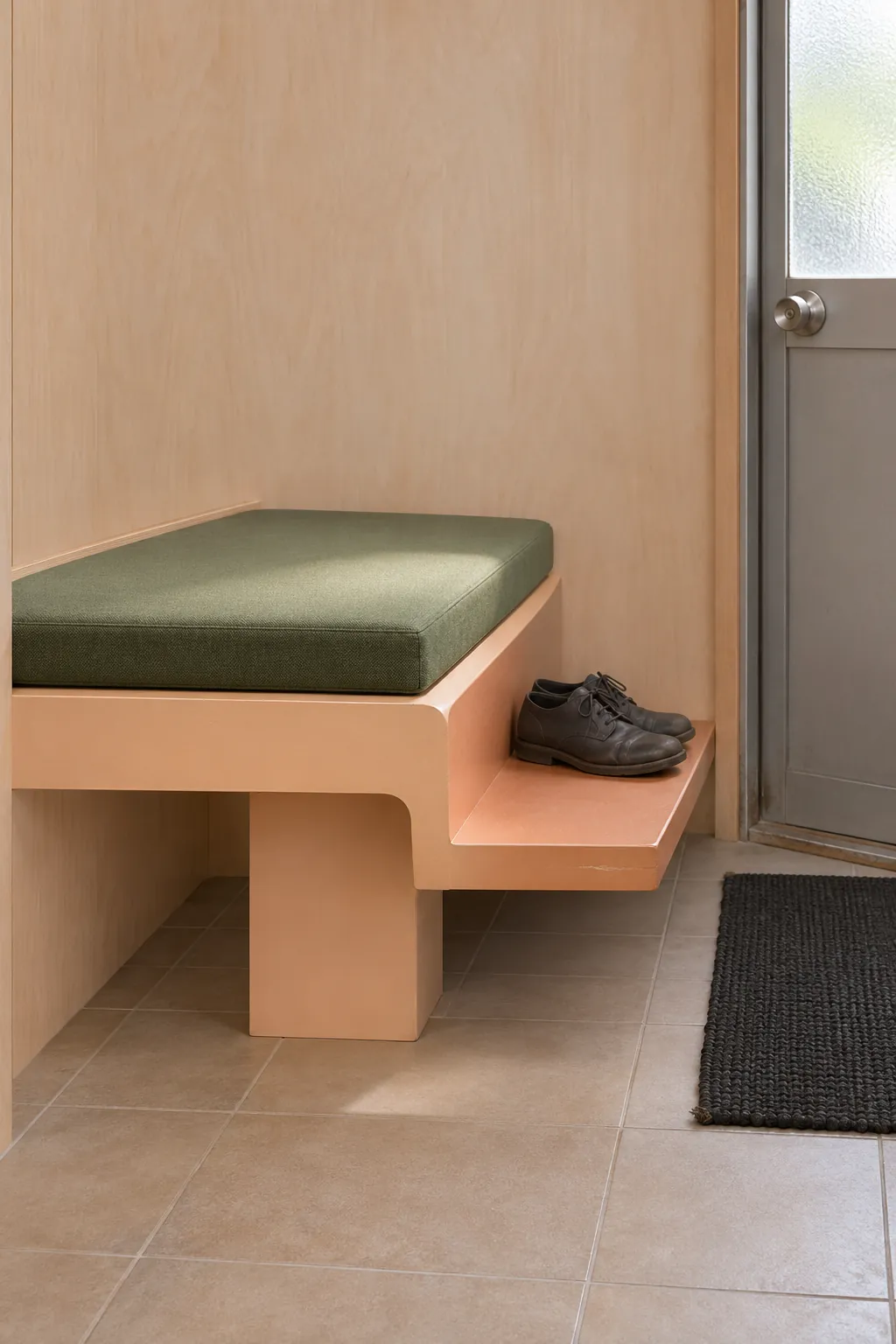
Pick a stepped bench with usable seat depth
A stepped bench can suggest postmodern architecture at furniture scale. Look for a main seat deep enough for sitting and a lower level that gives shoes a place. Keep the varying heights in view so people can tell where to sit.
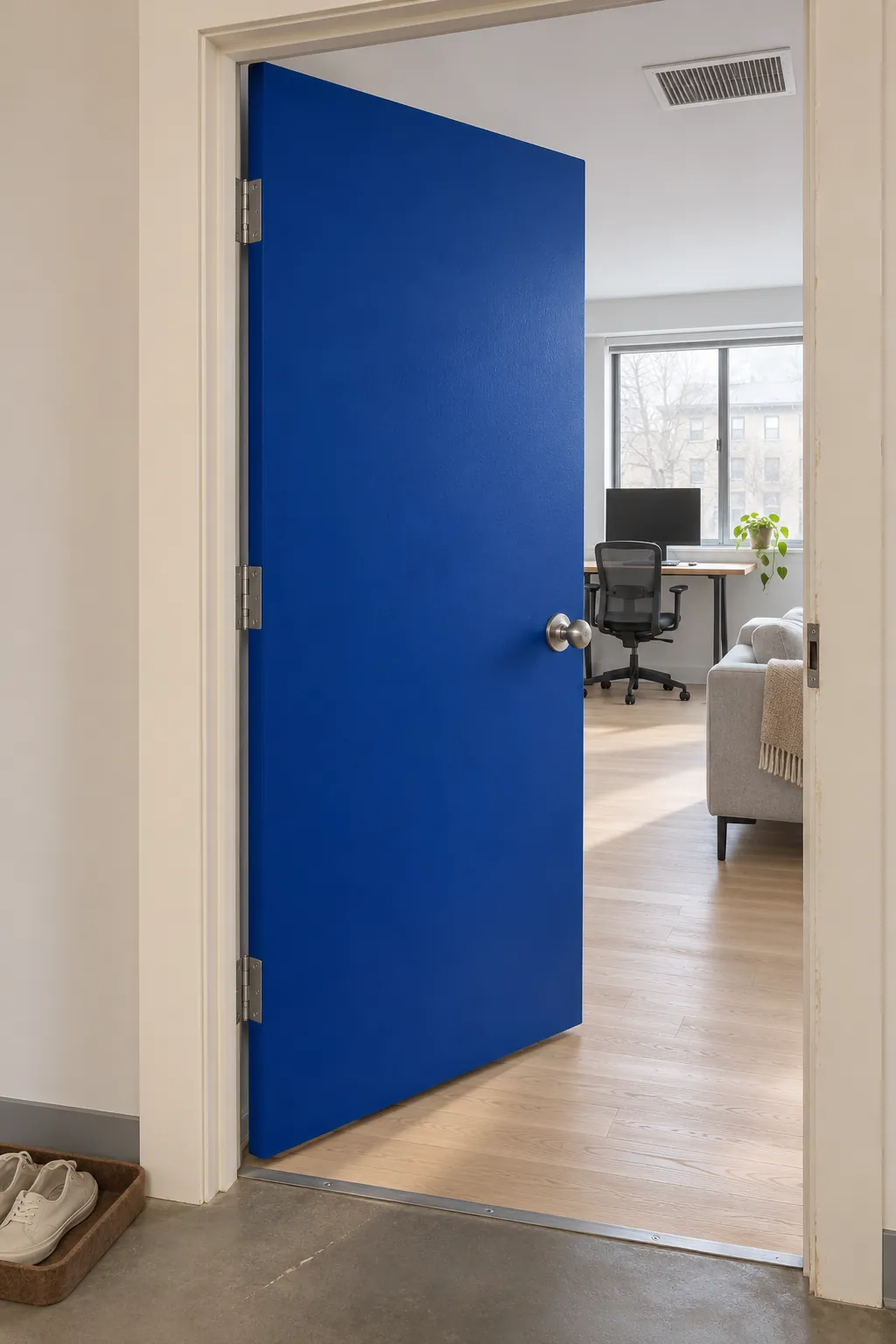
Turn a door into a color block
A strong door color gives a plain hall a finish you see from more than one room. Compare the sample with both rooms while the door is open. Pair the door with quiet trim if you want the change to stay within a single plane.
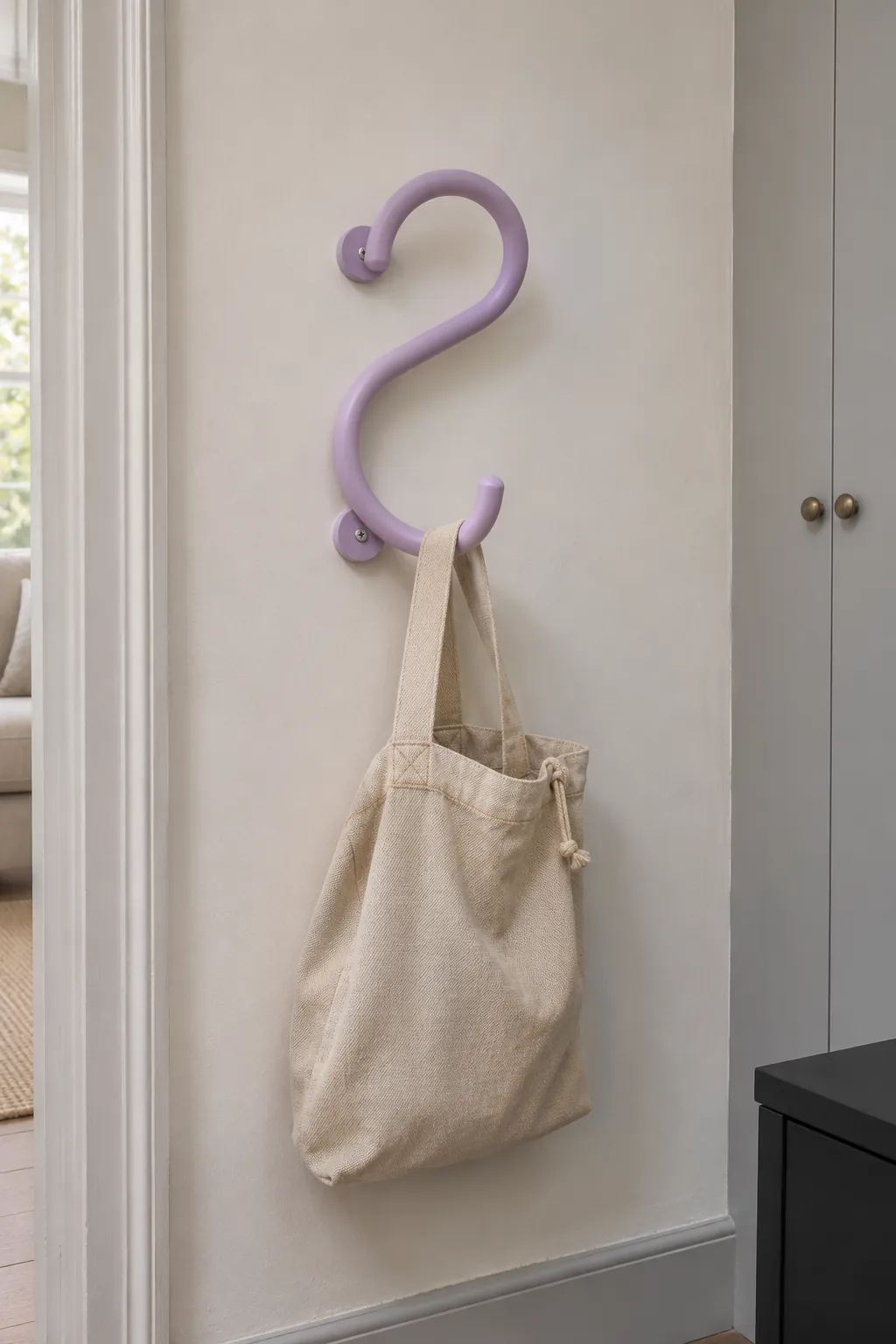
Try a squiggle as a single wall object
A tubular squiggle hook can give an empty entry wall a playful outline and still hold a lightweight bag. Choose a fixture rated for your use and install it into a suitable wall with the specified fasteners. Keep adjacent hardware quiet so the curve remains easy to see.
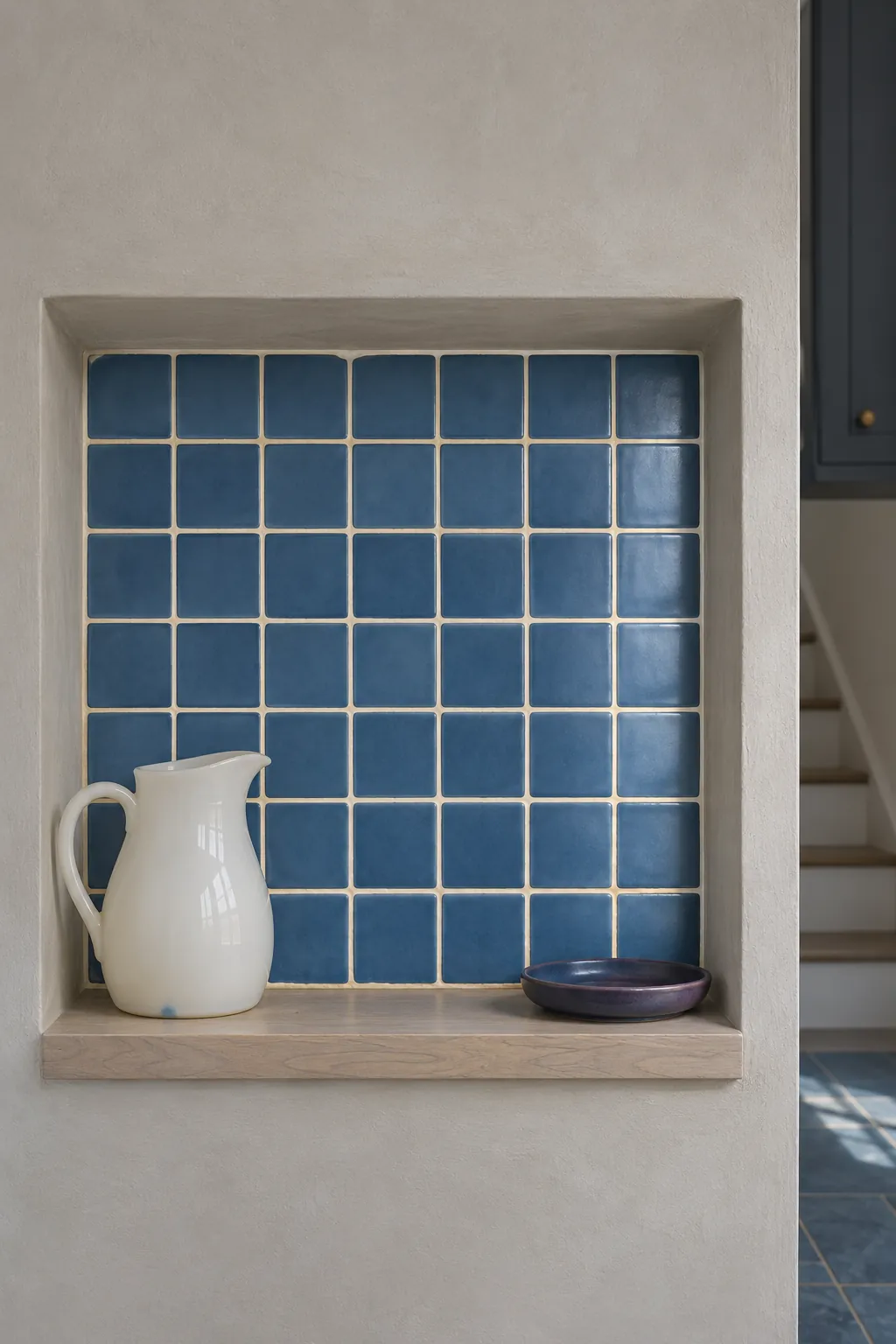
Show a grid inside a small niche
A high contrast tile grid can give a narrow recess more definition. Start at an edge or center line that you can see from the doorway and plan the cuts before setting tile. Use fewer objects in the recess if you want the grid to stay readable.
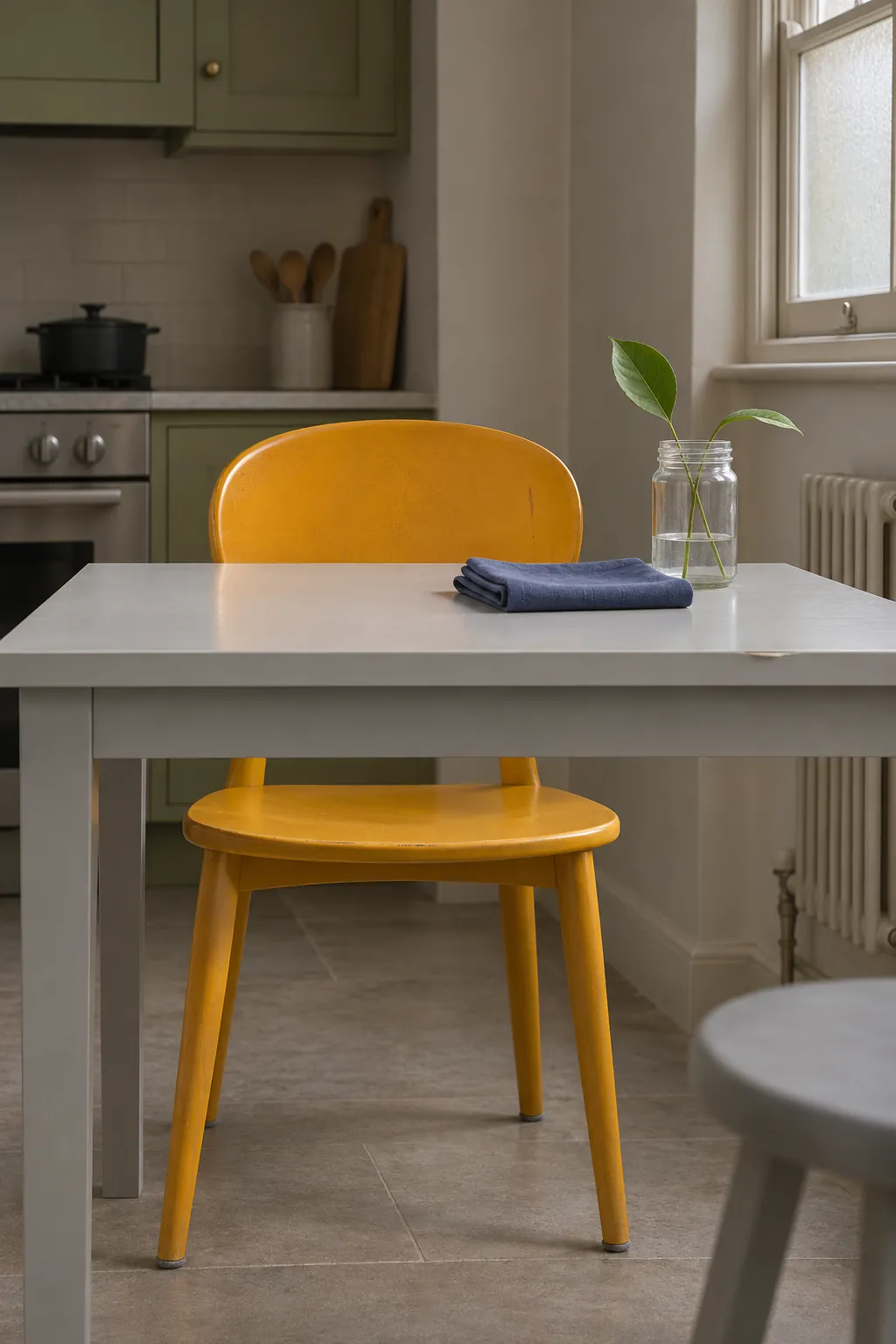
Pair a bright chair with a calm table
One bright chair can draw attention to a breakfast corner. A plain tabletop leaves the chair visible in a room where there are already other colors. Test how much of the chair is visible when it is pushed in, because that is how the room will usually look.
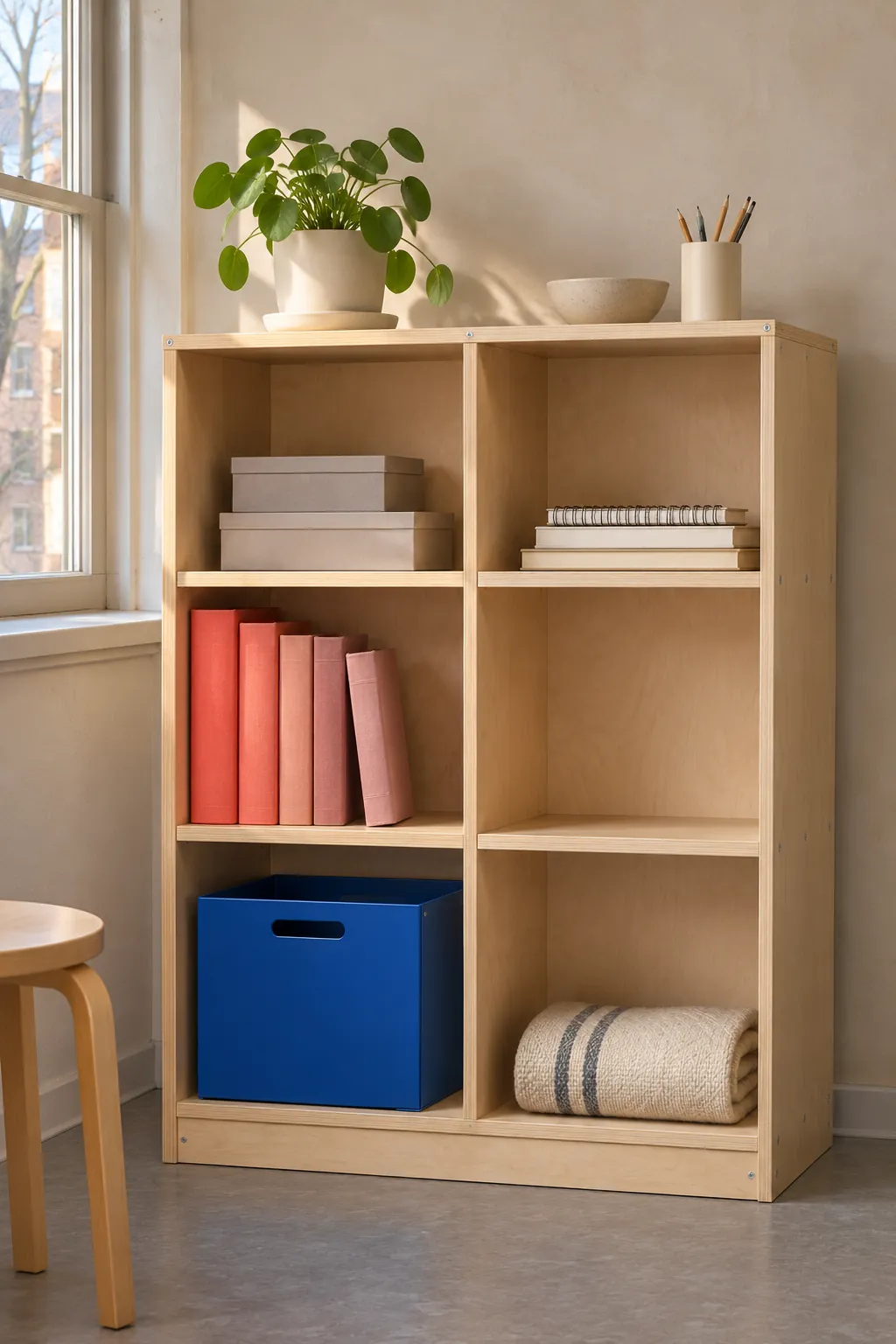
Stack blocks of color in a small bookcase
Organize objects to keep the bookcase useful, then choose one or two open sections for larger blocks of color. Use a colored box to gather smaller belongings and retain an empty inch or two around it. Group related books together so you can still find them.
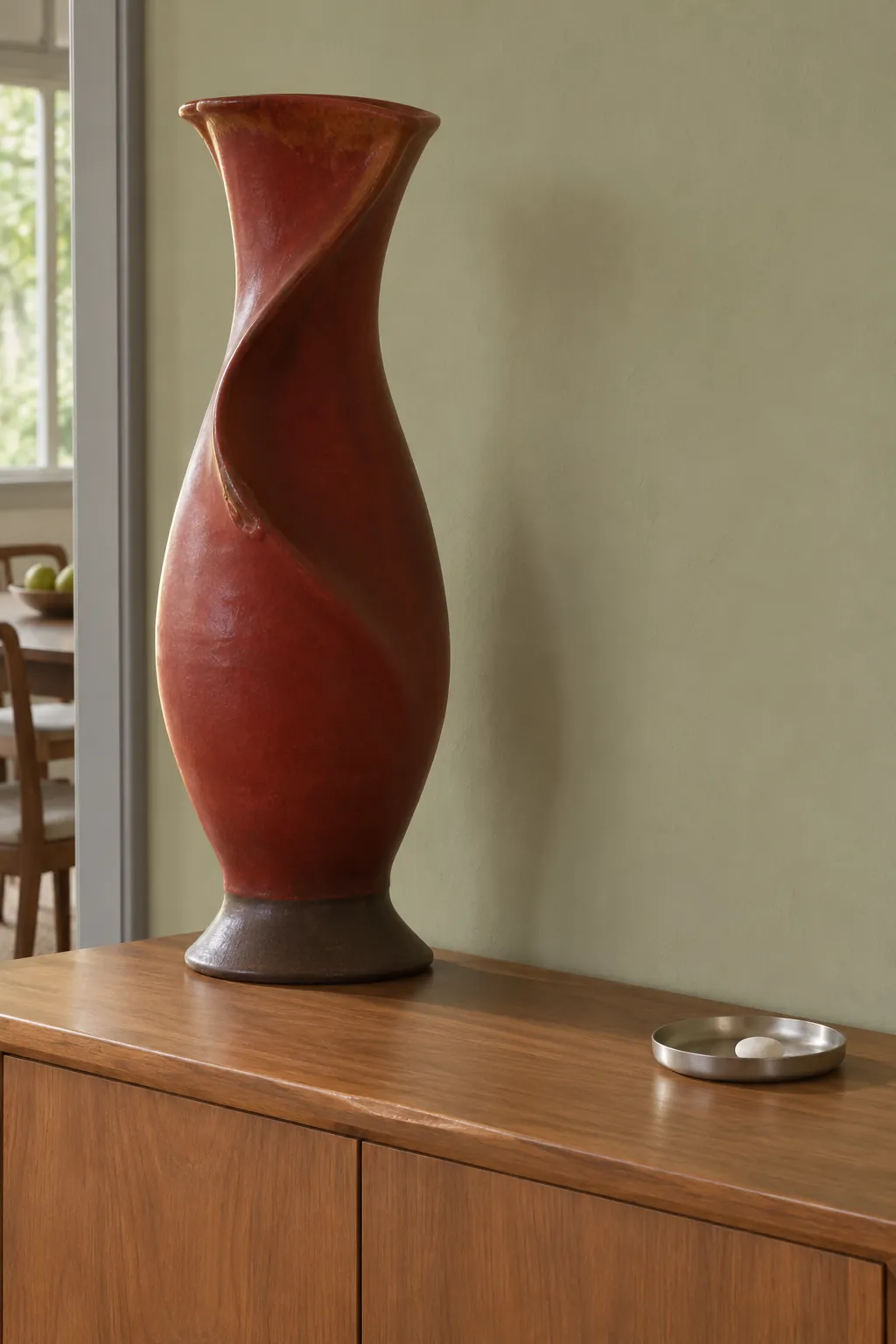
Put an oversized form next to small objects
One large sculptural vase can underline the scale of a low cabinet. Put it far enough from the edge to keep it secure and give it enough wall behind to show its outline. Use one modest tray nearby to show the contrast in size.
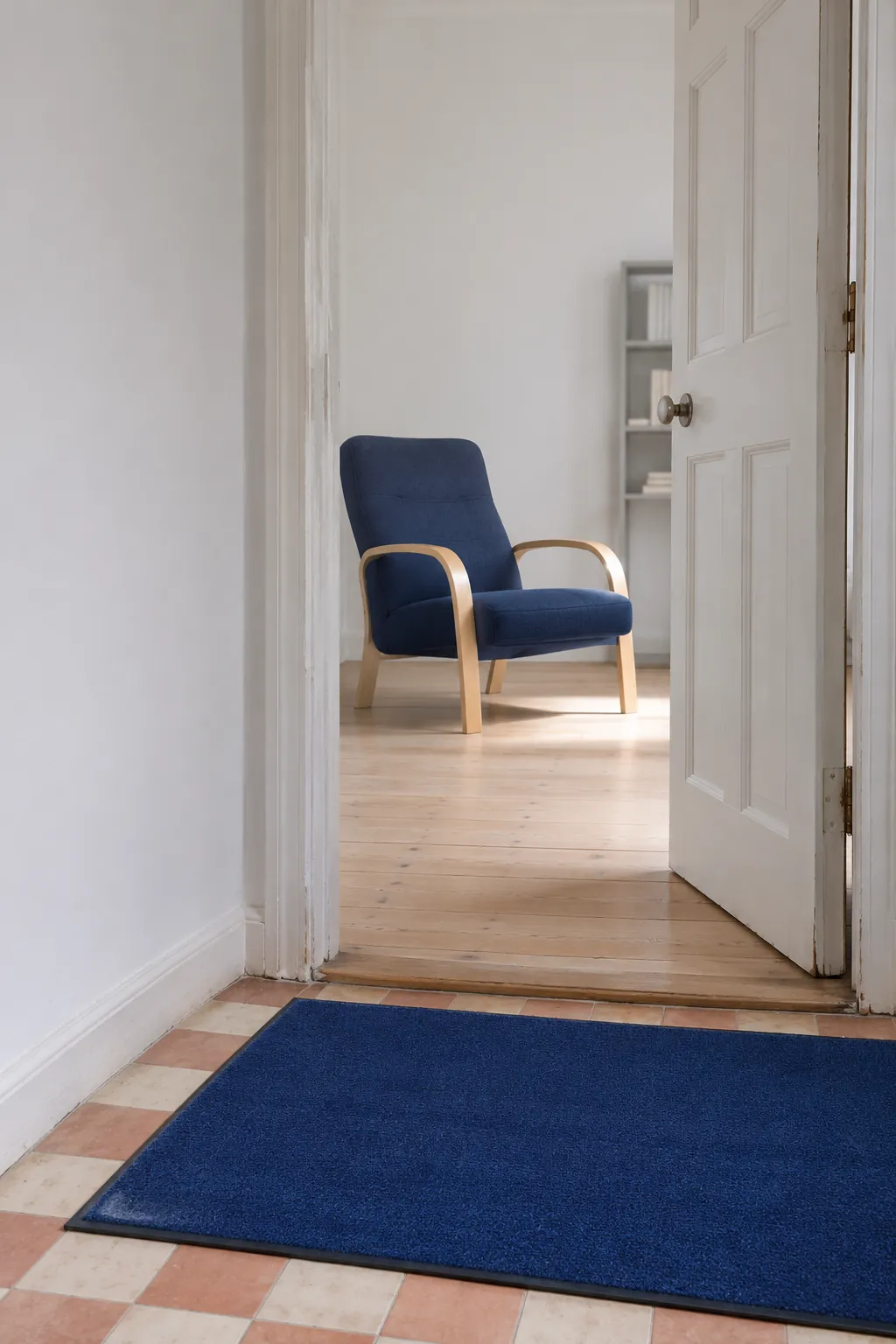
Give the room a calm transition
A quiet threshold can connect a boldly patterned room with a simpler one. Carry a single color through the doorway in two different materials, such as a blue mat in one room and a blue chair in the other. Check both views with the doors open.
Choose what to see first
Take a picture from the entrance and look at it small on your phone. If the eye pauses equally on several unrelated pieces, move one of them out of view and take a second picture. Choose the arrangement that still gives you a useful place to sit, work or put things down.