
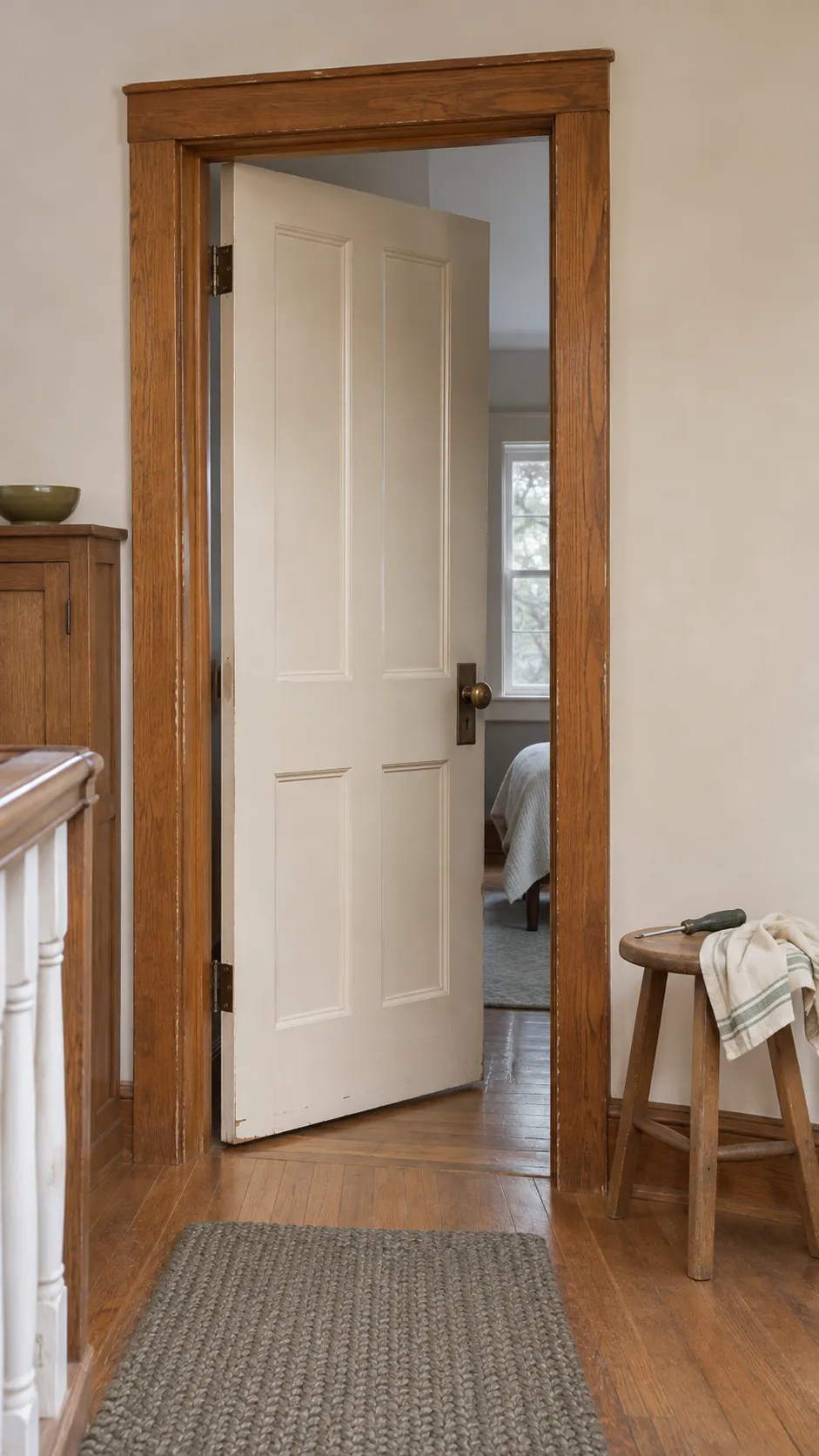
If an interior door starts sticking again a week after you adjust it, the part you moved may never have been the problem. A latch can miss because a hinge is loose, the wood has swollen or the frame has shifted. Find what changed before you buy a slab or take more wood off the edge.
Find the first point of contact
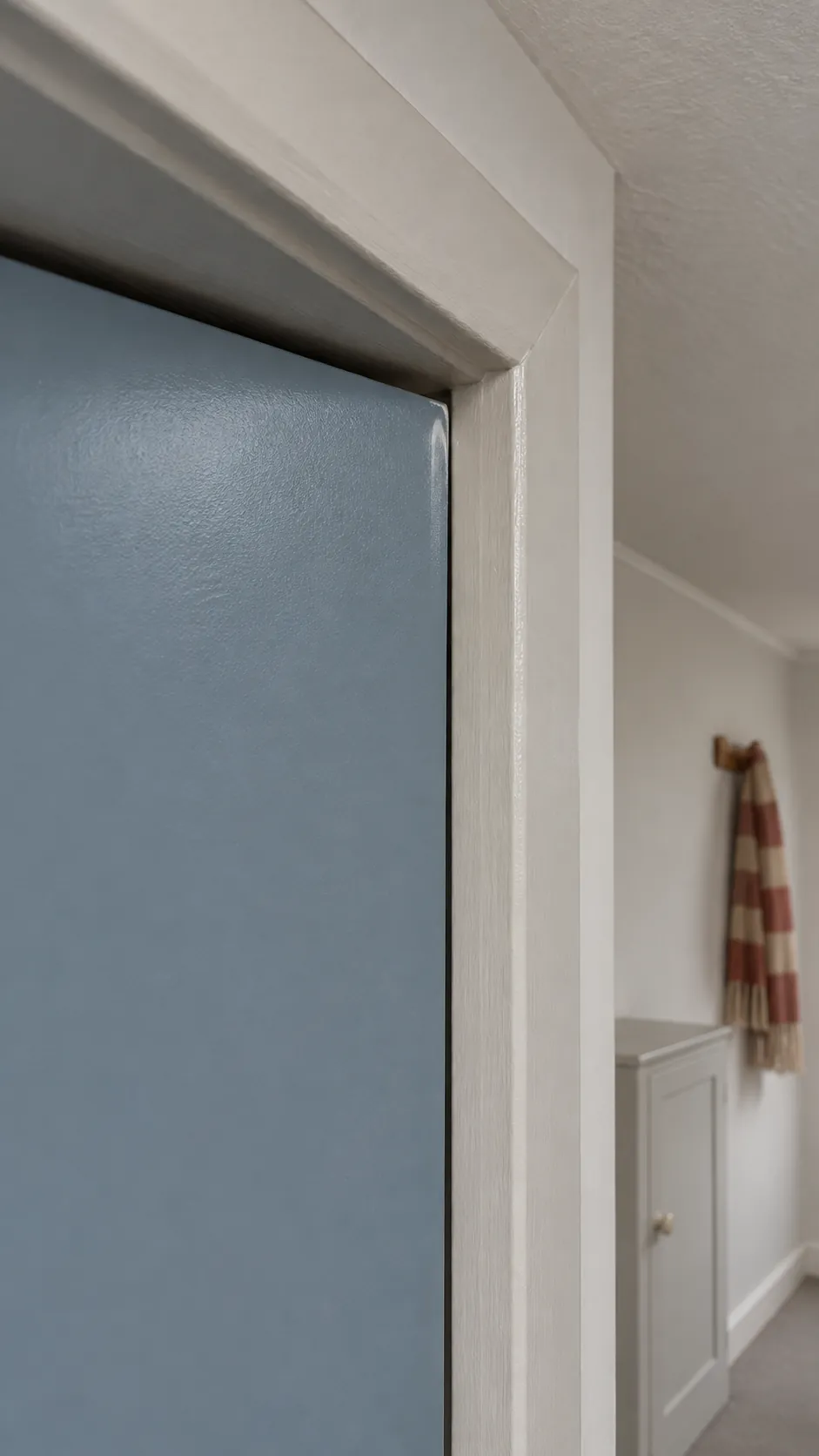
Close the door slowly and note whether it hits at the top, the latch edge or the floor. If it swings freely but needs a push to latch, watch how the latch approaches the strike. Check the clearance around the door with the latch disengaged so you can see the fit of the slab itself.
If the gap near the upper latch corner has changed, check the upper hinge for play with the door supported. A rub on the floor may follow a flooring change, while a broad rub along one side can point to swelling or a bowed jamb. Photograph the gaps so you can compare them after a repair.
Repair hardware that has a sound place to attach
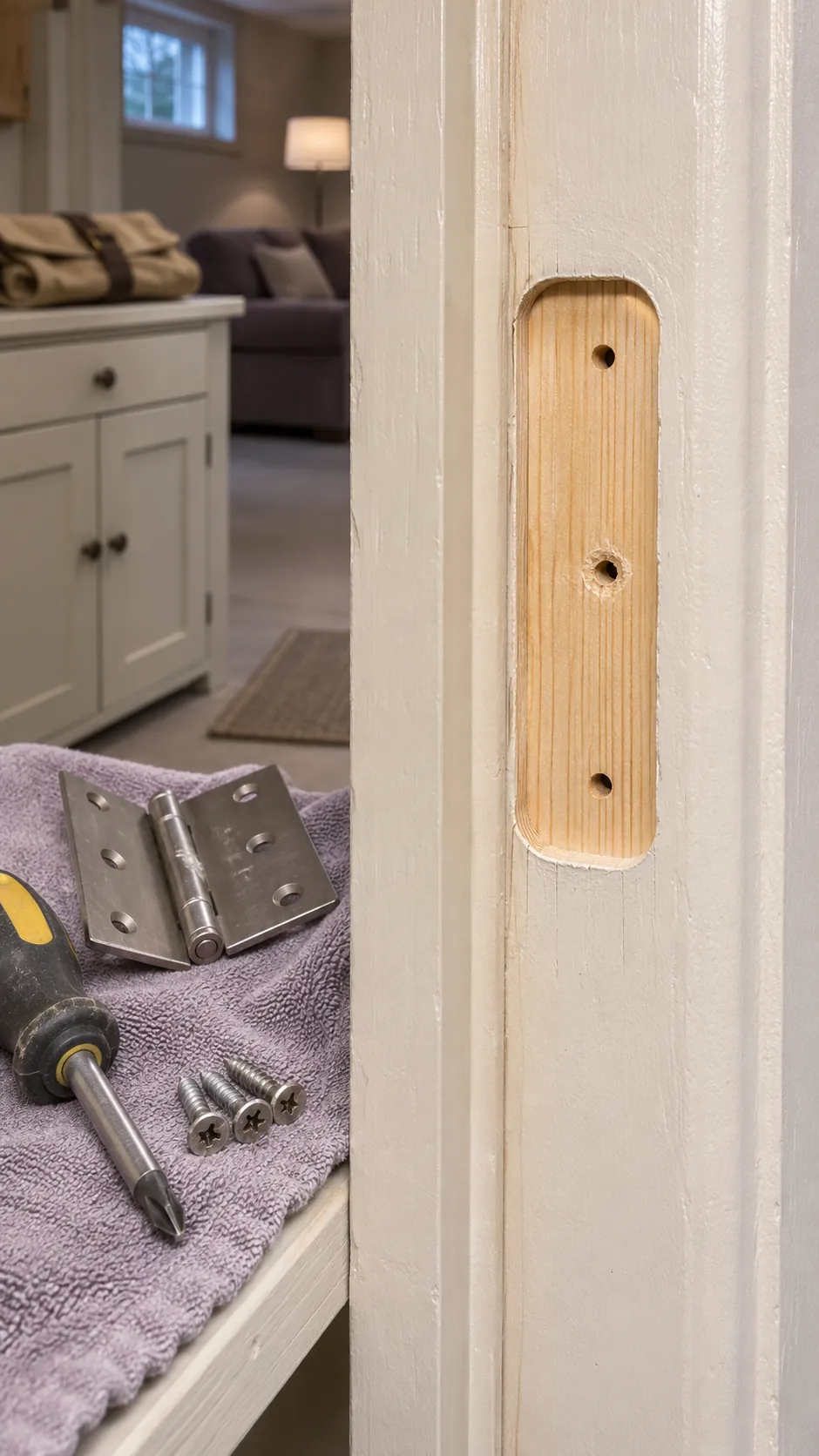
Tighten loose screws with the door supported. Replace badly worn hinges with ones that fit the mortises, or restore stripped screw holes using a repair suitable for the material and the load. Stop tightening when the hinge is secure. Overdriving screws can distort the jamb or strip the replacement fixing.
Check the latch after the door sits correctly. A worn latch or strike is often a separate repair you can make without replacing the slab.
Check for humidity before trimming the slab
If the door sticks only in humid weather, inspect the area for dampness, poor ventilation or a leak. Correct the moisture issue and give the door time to dry before deciding what to trim. Taking off too much wood while the door is swollen can leave an excessive gap later.
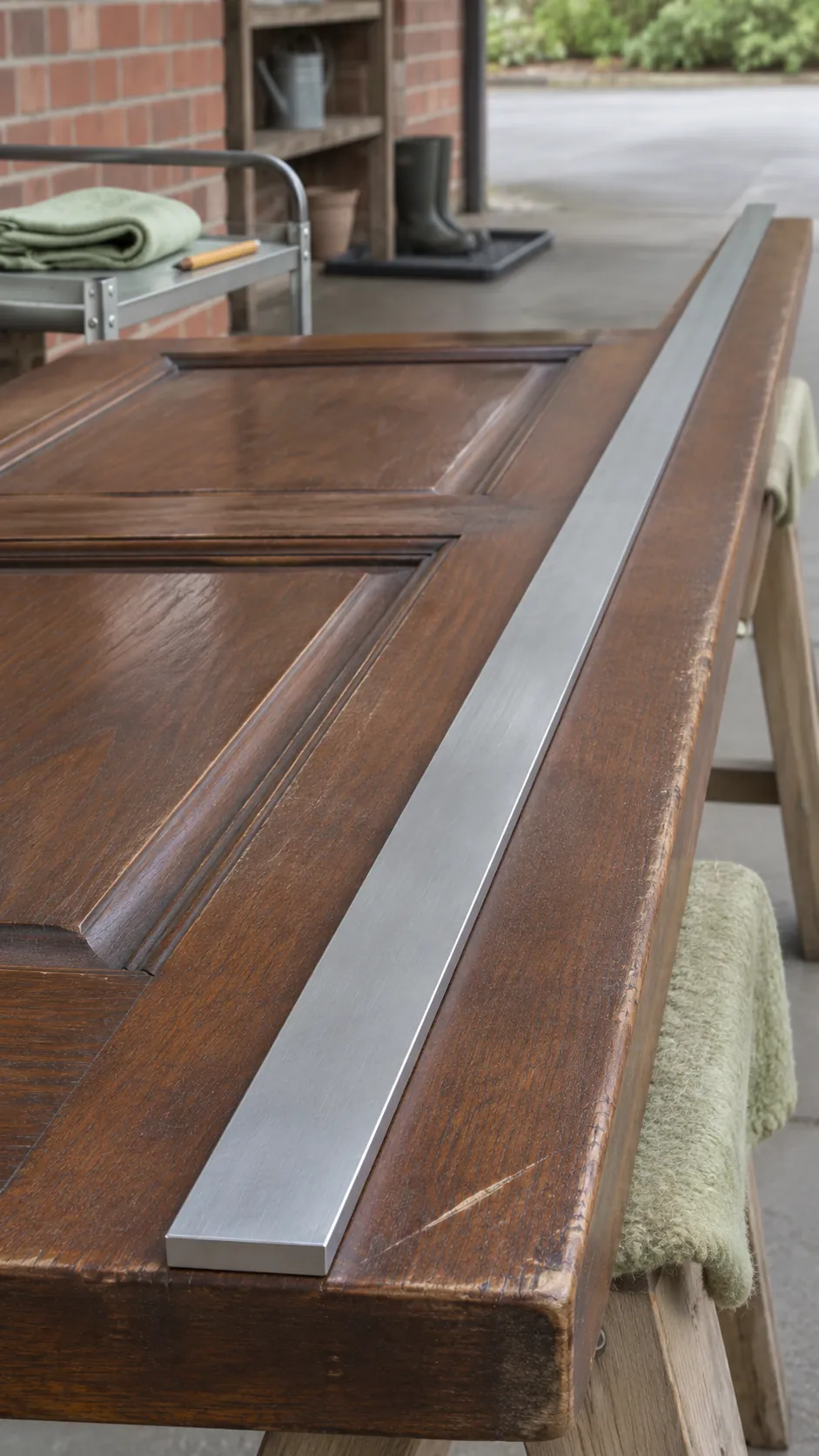
Use a straightedge along each stile to look for a lasting bow, and compare how the corners meet the stops. Confirm that the jamb is straight before blaming the slab. If light trimming is appropriate, stay within the manufacturer’s limits and seal any exposed edge.
Replace the slab if the jamb is sound
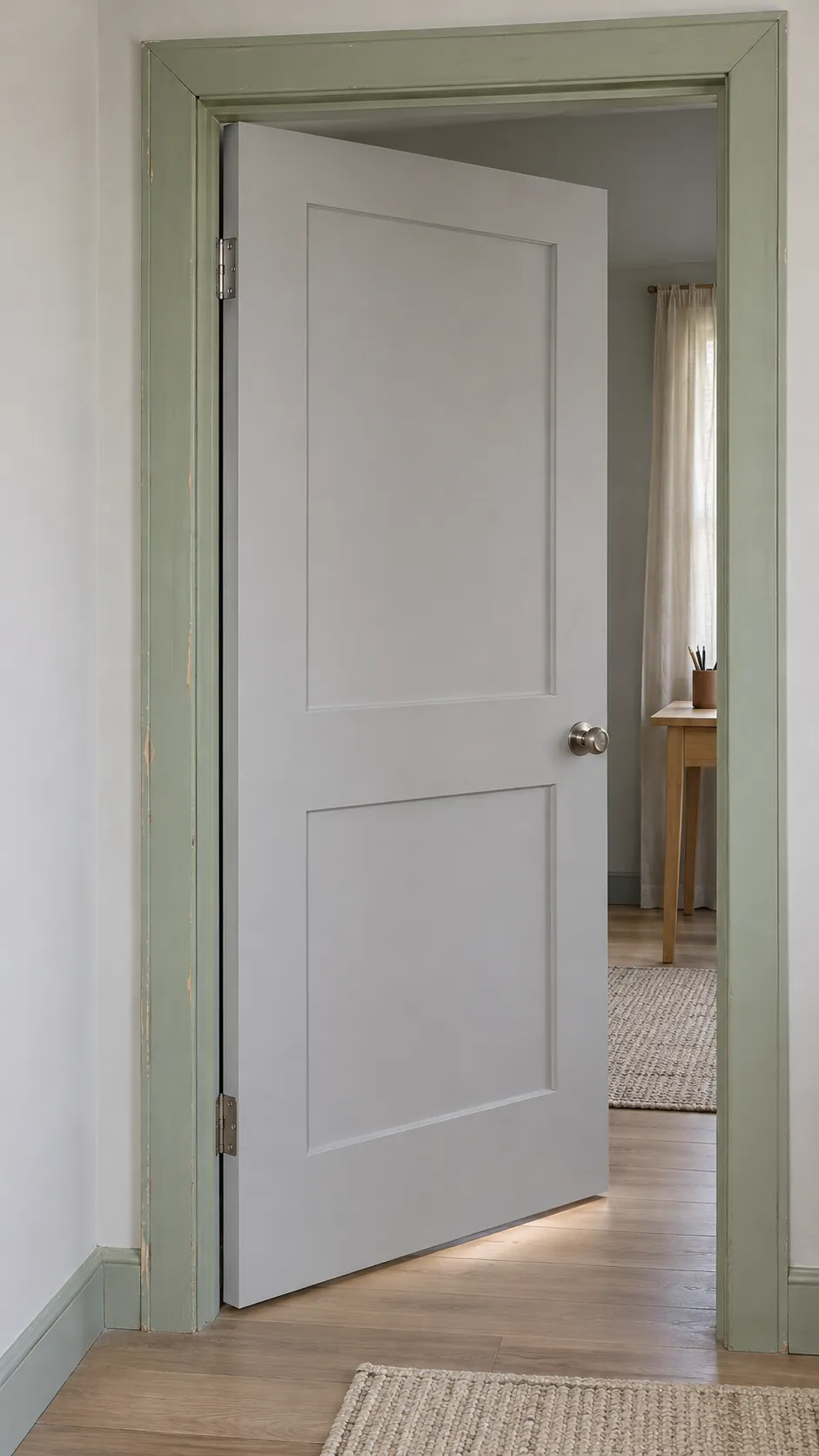
A door with extensive delamination, a crushed edge or a lasting twist can be a poor repair candidate. If the jamb is firm and the opening is reasonably square, you may be able to fit a new slab and keep the casing. Measure the old slab in several places, then record the hinge locations, backset and the position of the latch.
Ask the supplier what machining the replacement requires. A plain slab can cost less up front, but cutting its hinge recesses and fitting the latch still take time.
Replace the frame when it cannot hold alignment
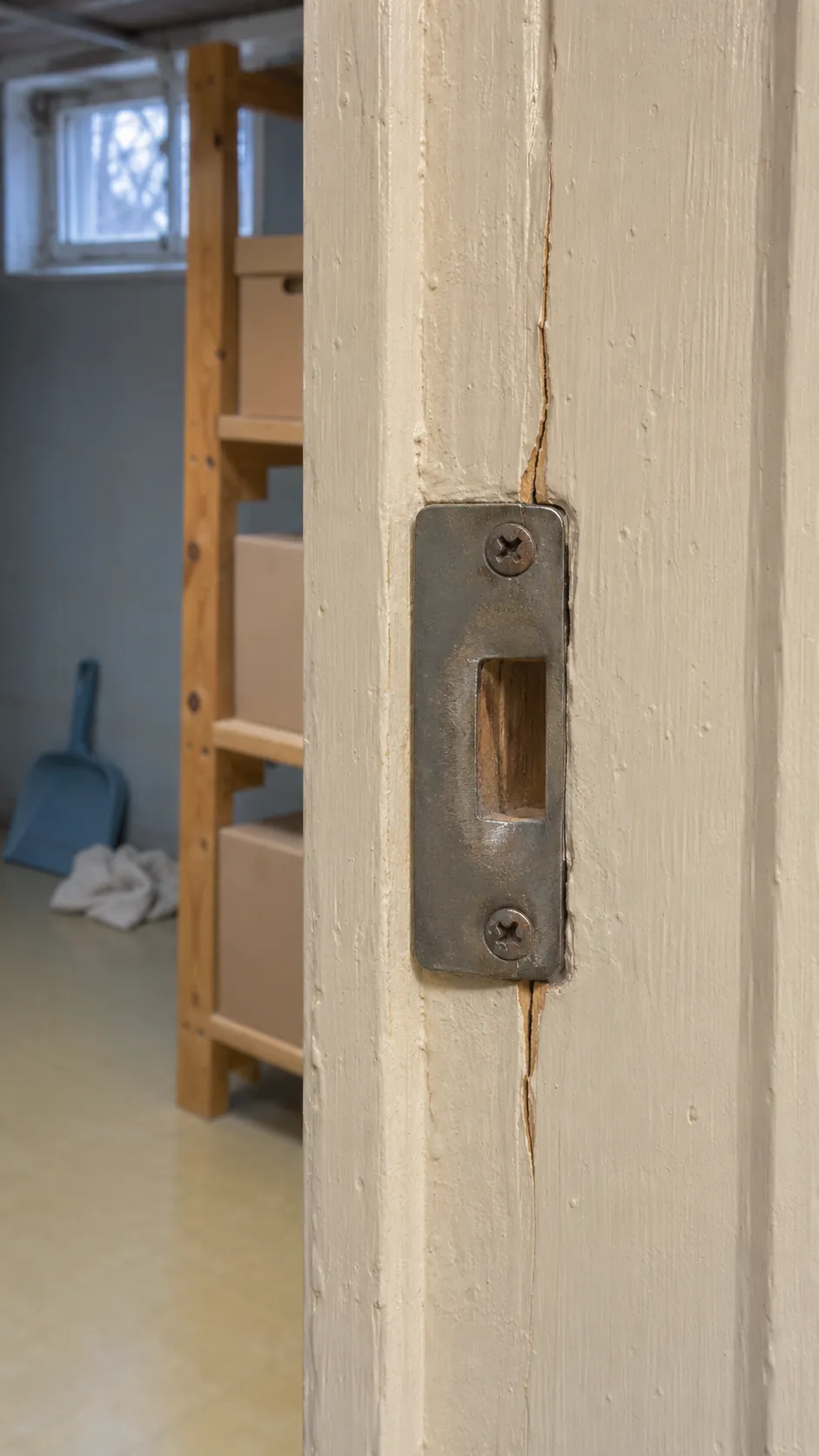
Inspect where the hinges and strike attach. One isolated damaged screw hole can often be repaired. If the jamb is soft, split through several mounting points or repeatedly moves out of line, repair the frame or choose a prehung door that includes a new one.
If more than one opening starts sticking, or you see new wall cracks, investigate movement or moisture before replacing a frame. A new frame can go out of alignment again when the underlying cause persists.
Compare the cost of a lasting fix
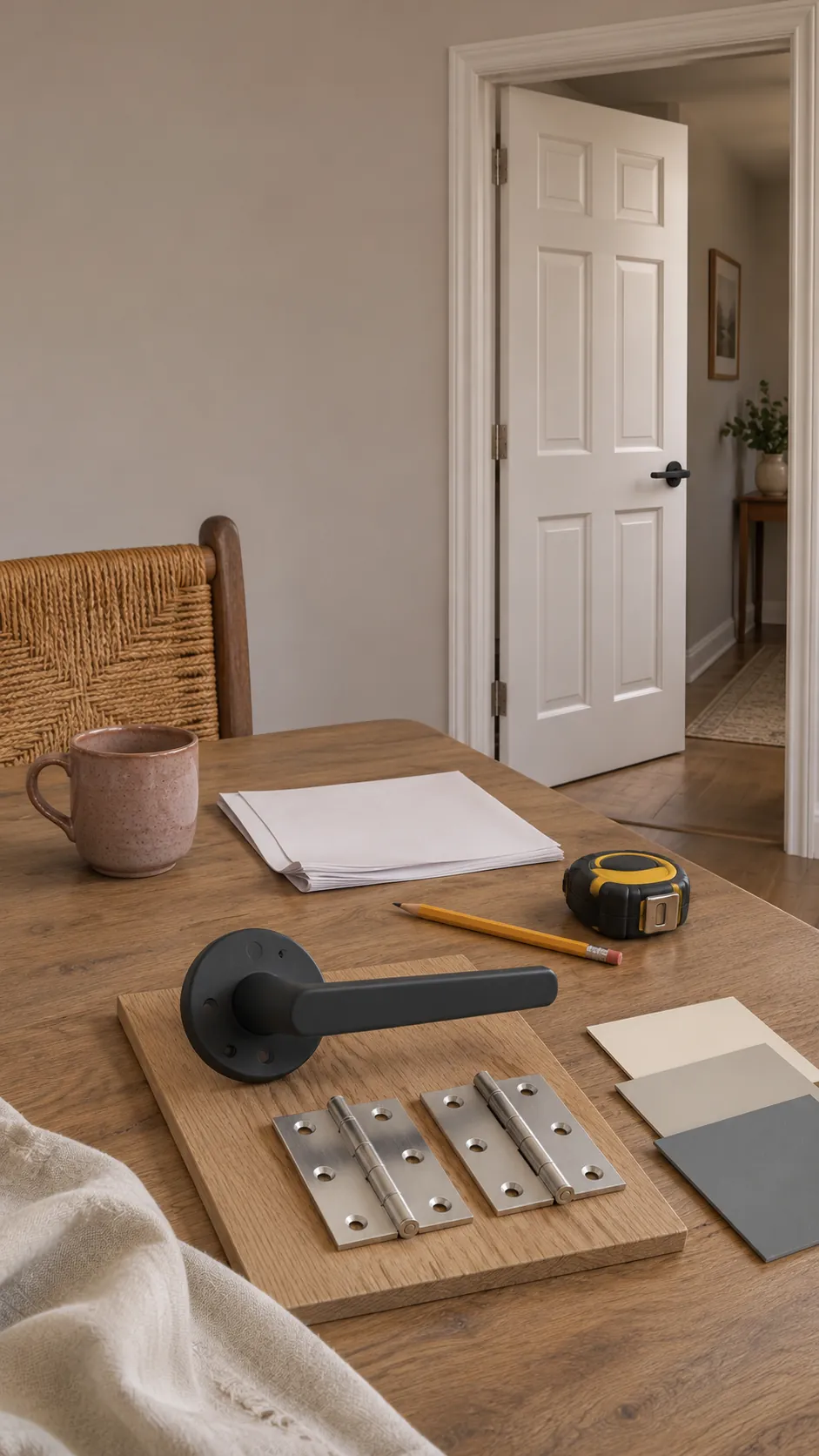
Compare the full quotes for the work you actually need. Include hardware, fitting, paint and any casing or wall repair, along with disposal if you replace the unit. A hinge repair makes sense when it holds the door straight and restores normal operation. If you have already made the same adjustment several times, ask the installer to identify what is moving and show how the proposed fix will keep it in place.