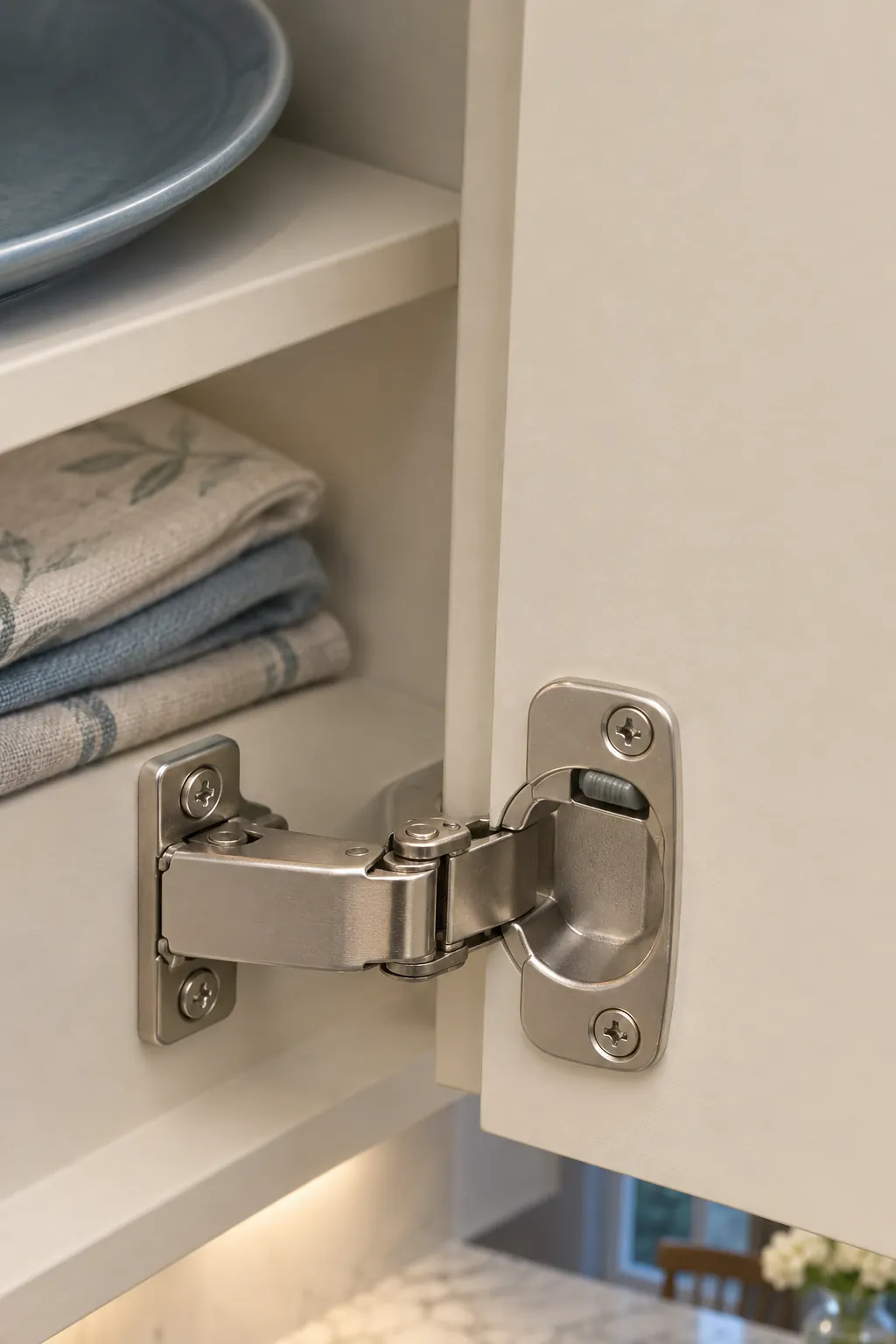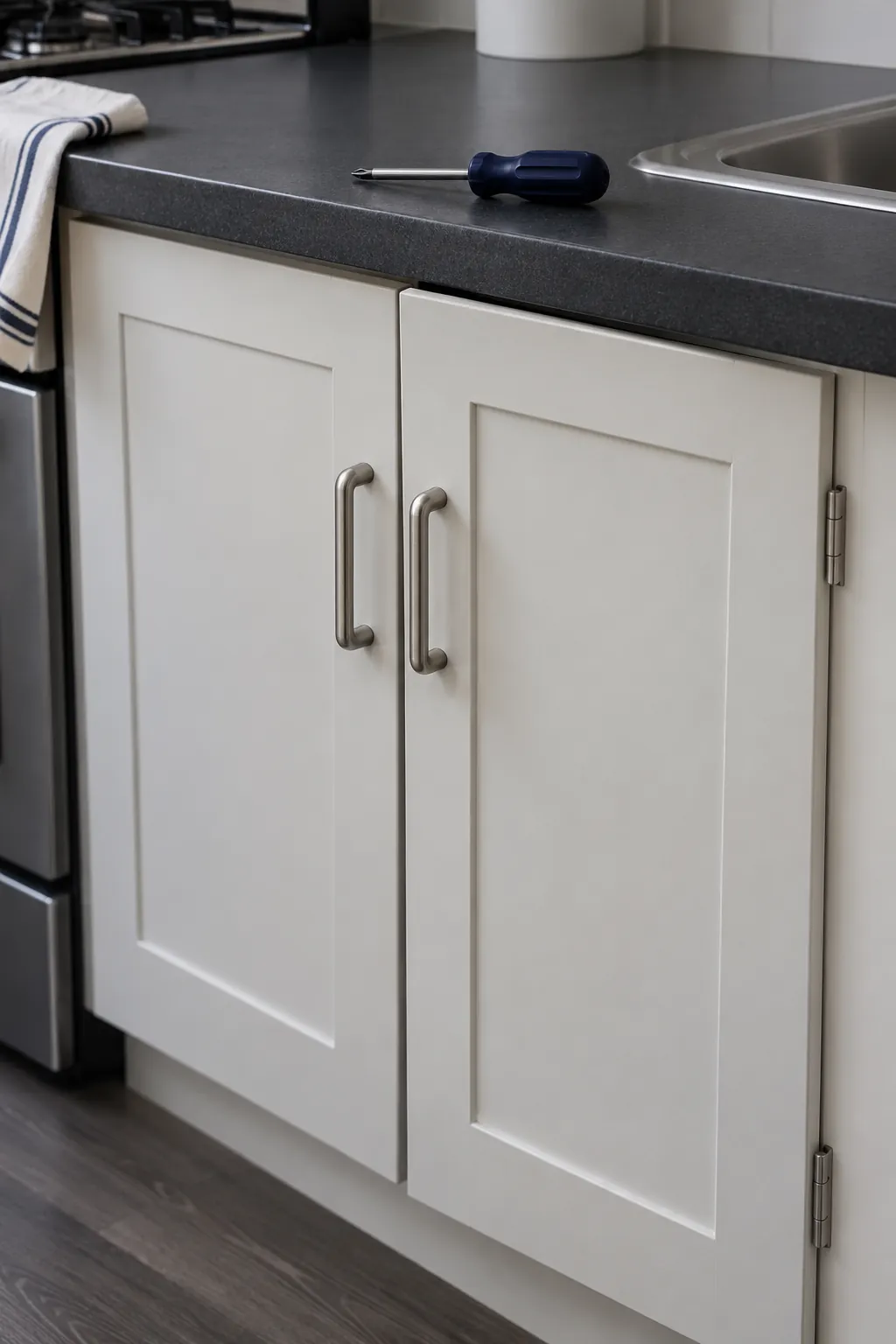
The door stops a finger width from the cabinet, then springs back when you let go. Before you turn a screw, empty the front of the shelf and watch the door from the side as it closes. The first point of contact tells you whether a hinge adjustment will help.
Rule out anything in the door’s path
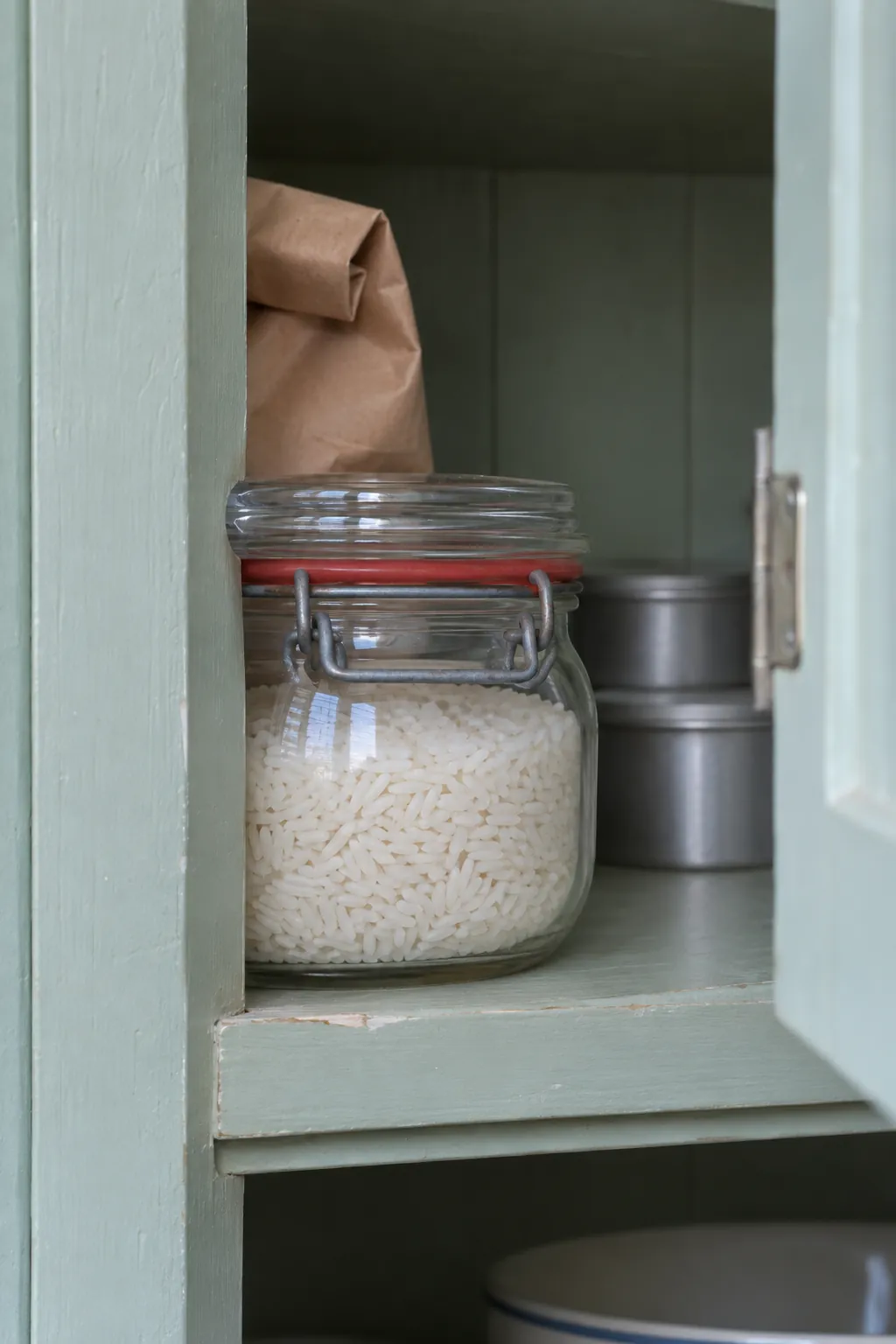
Move tall packages, protruding shelf liners, and pullout trays back from the opening. Check for a bumper that has slipped onto a raised part of the frame. If the door shuts once you clear the opening, test it again after putting things back one at a time.
Check that the hinge stays put
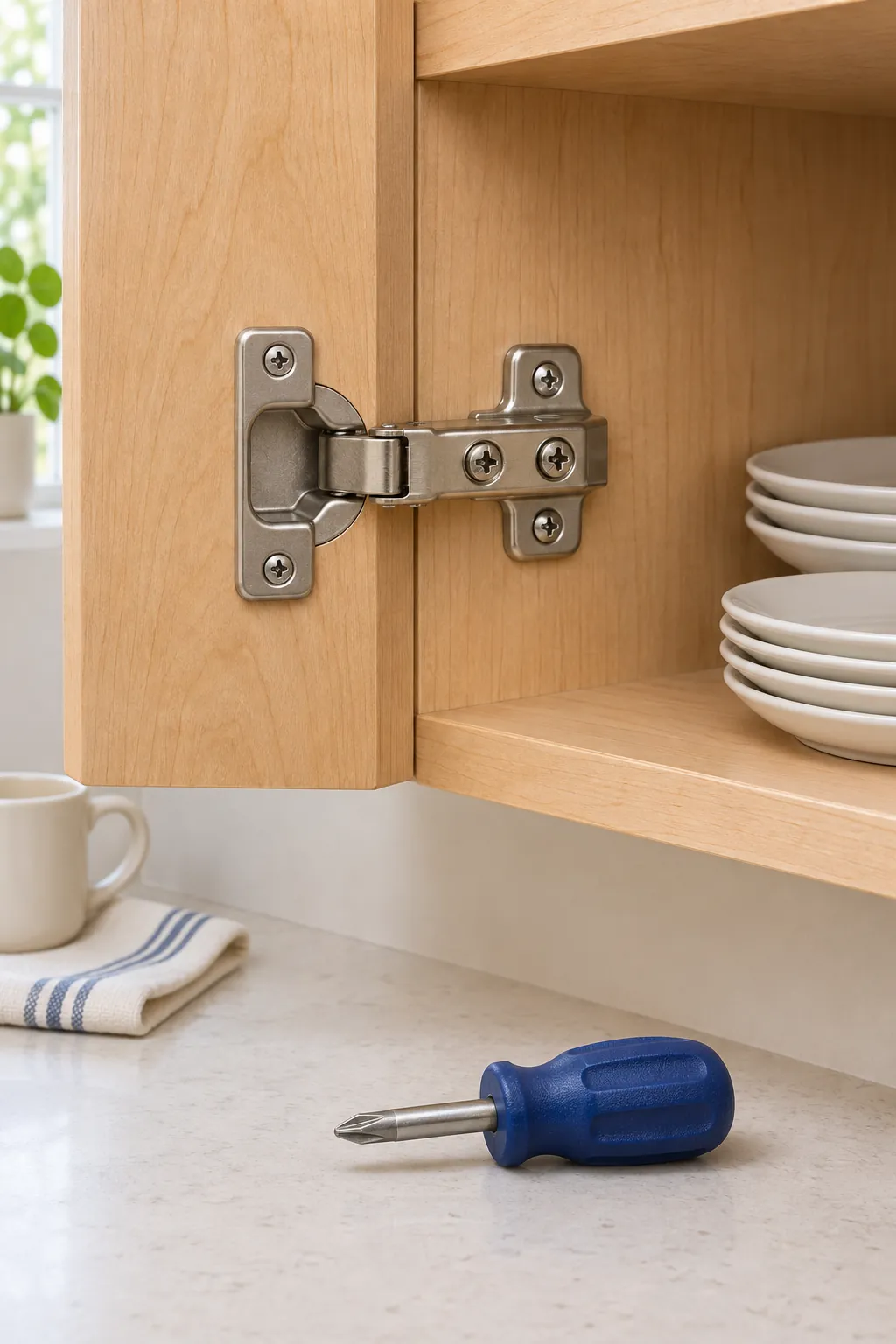
Open the door and support its outer edge while you gently lift it. If a hinge plate lifts away from the cabinet wall or the cup shifts in the door, the hardware needs to be secured before you align anything. Snug loose mounting screws with the correct hand screwdriver. If a screw spins without gripping, repair the mounting hole first. If a clip mounted hinge is partly unseated, support the door and reseat the clip according to the manufacturer’s instructions.
Match the adjustment to the gap
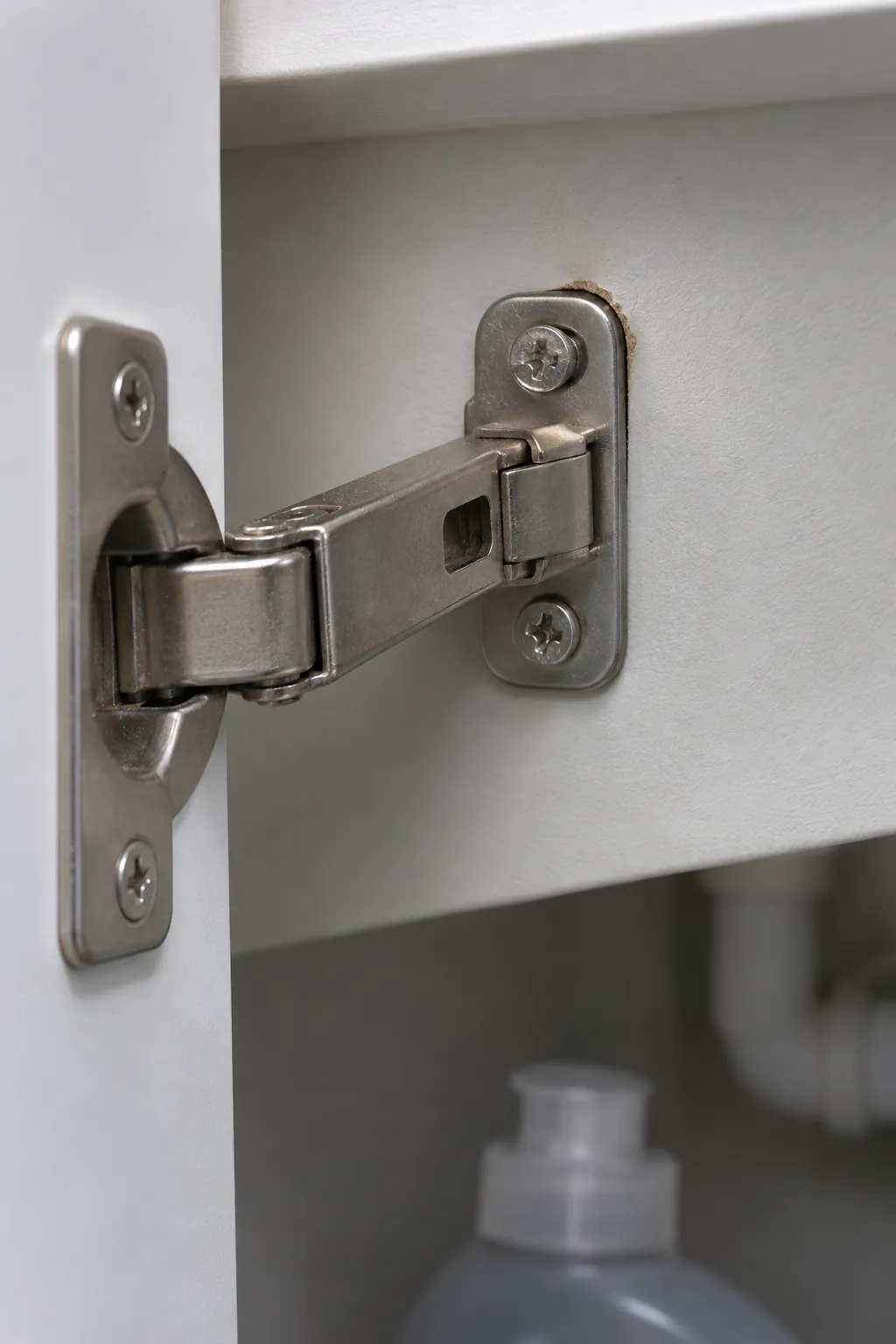
A door that catches on a neighbor needs sideways clearance. A bottom corner that strikes the opening may need a height change. When the edges clear but the door sits proud or binds on its hinge edge, check the depth. The exact screw locations and turning directions vary across concealed cabinet hinges. Look up the hinge model to confirm which screw controls each direction.
Take a photo of each hinge before starting. On a screw driven adjuster, try a quarter turn and gently close the door. If the gap gets worse, return the screw to where it started and try the opposite direction. On a hinge with a clamp screw and a sliding slot, loosen just enough to move the part, then snug the screw before testing.
Move a rubbing edge sideways
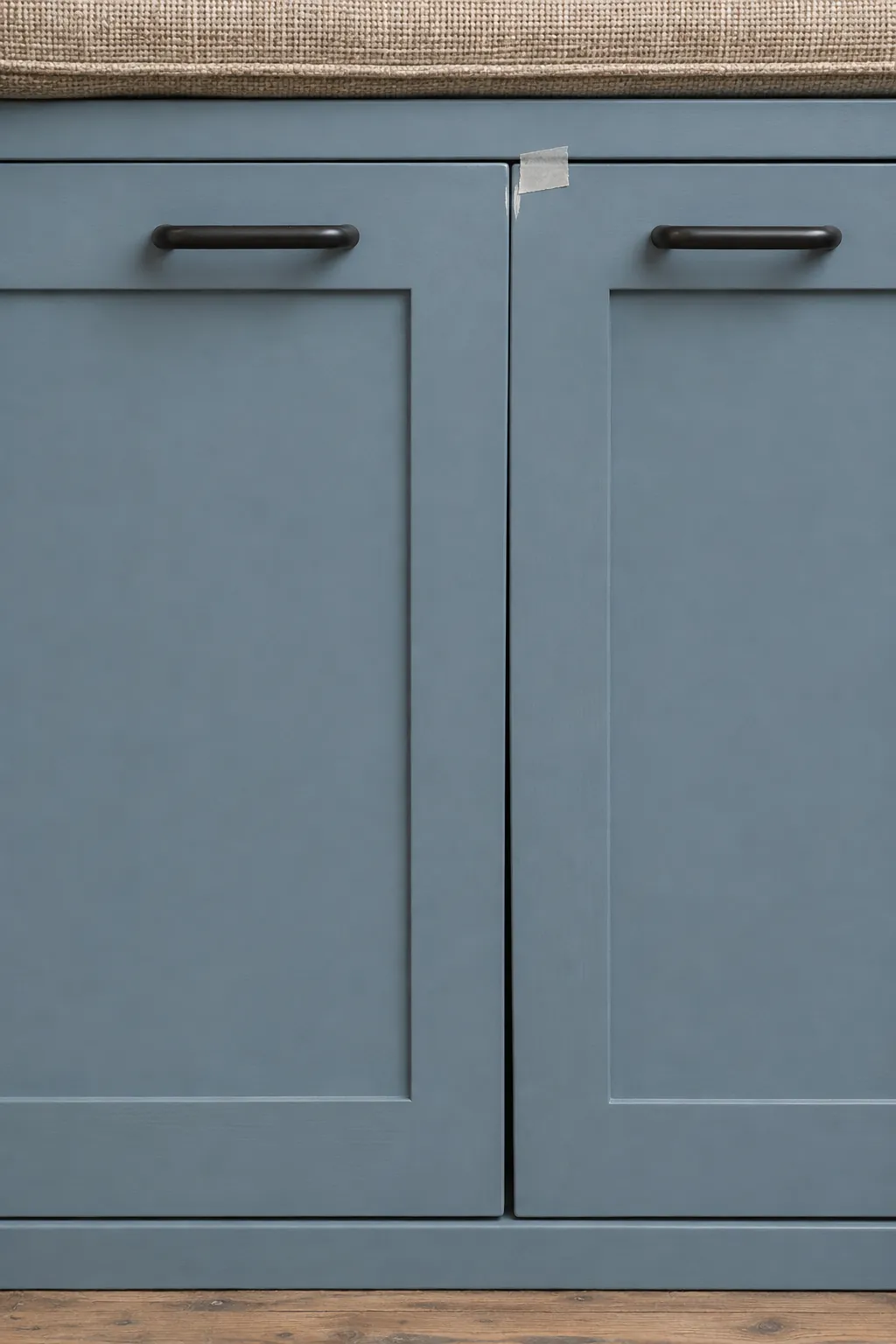
If the whole edge sits too close to the next door, make small sideways changes at both hinges so the door moves across evenly. If the gap narrows mainly at one corner, adjust in smaller steps at the hinge nearest that corner and watch the opposite end. With a pair of doors, use the one that already closes freely as your reference.
Correct height or depth one at a time
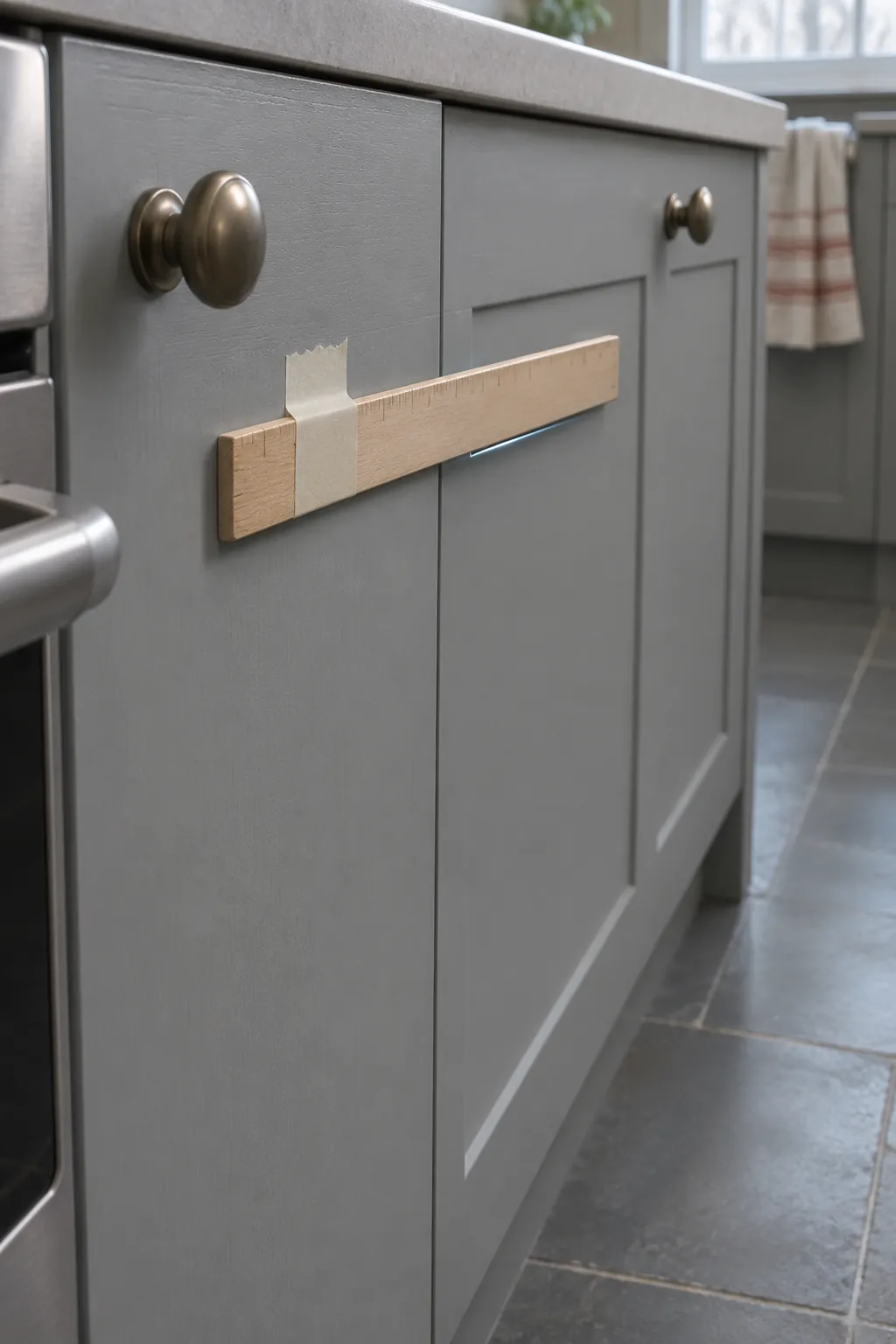
For height, support the door at the level you want while making the adjustment at its mounting plates. Many plates slide in slots, while others have a height cam. If the door has a third hinge, adjust it as directed by the hardware maker so it follows the other two without binding.
For depth, compare the door face with the next cabinet door and look at the gap at both hinges. If the hinge edge pinches as the door swings, give it a little more clearance before trying to bring the face flush. Move both hinges by small, similar amounts when the whole face needs to move. If only one corner sticks out, check whether the door is twisted before trying to pull it into line with the screws.
Test the last inch of travel
Open the door fully, then let it close from a few different starting points. It should clear the frame and its neighbor through the whole swing. If it only stalls in the last inch and has no visible contact, check the soft close settings. On models that permit it, try turning off one damper on a light door and compare the result. If the door still rebounds, check for a bent hinge or a failed closing spring. When the problem started after a hinge swap, verify that the replacement matches the old hinge’s mounting plate and door overlay before turning the adjusters farther.