
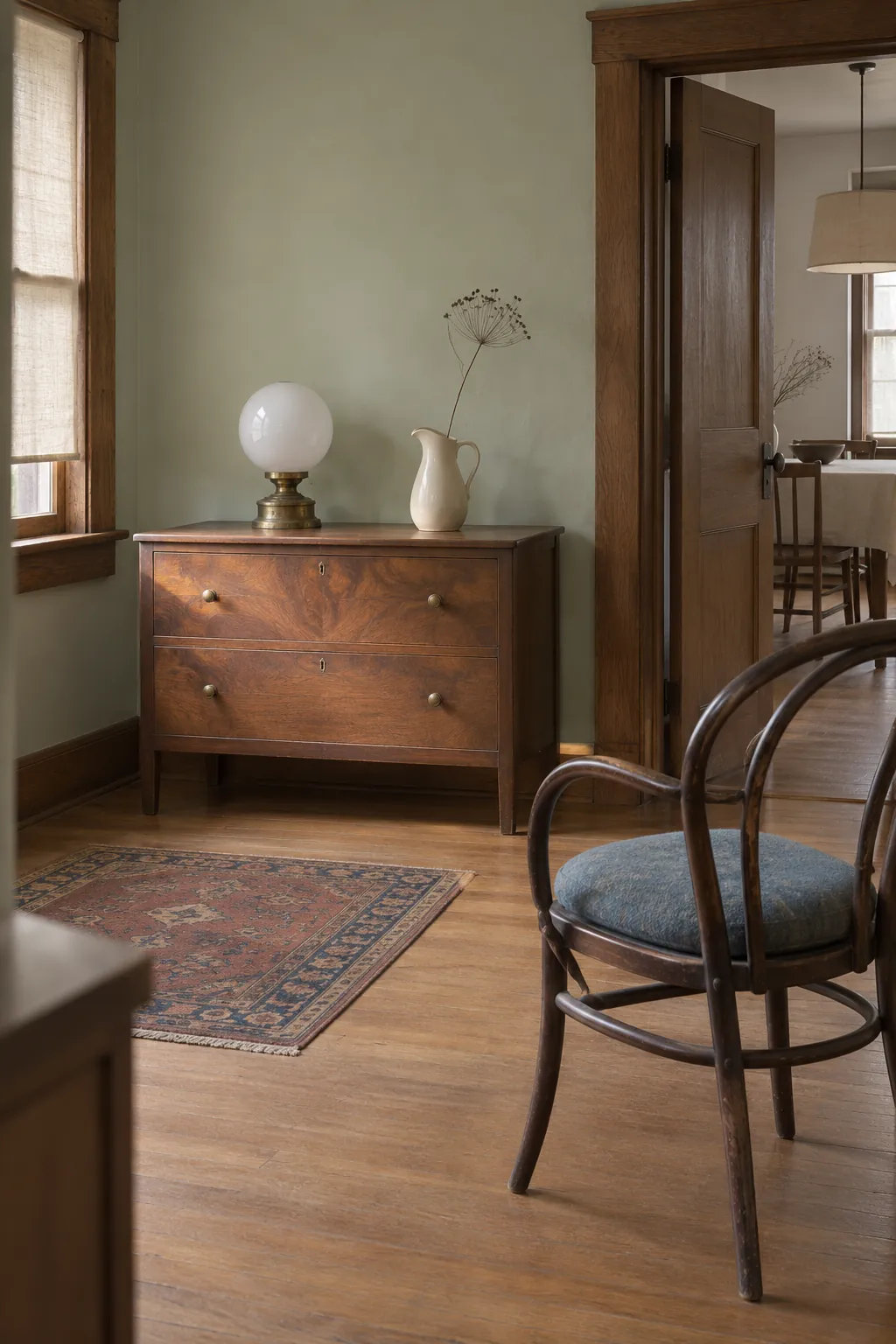
A thrift find has to survive two tests. You have to get it home, and it has to work where you put it. A drawer that sticks or a lamp with a loose shade can cost more time than a worn finish. Measure the spot before you shop, and check the part that will do the job before you pay.
Look for a Walnut Dresser With Working Drawers
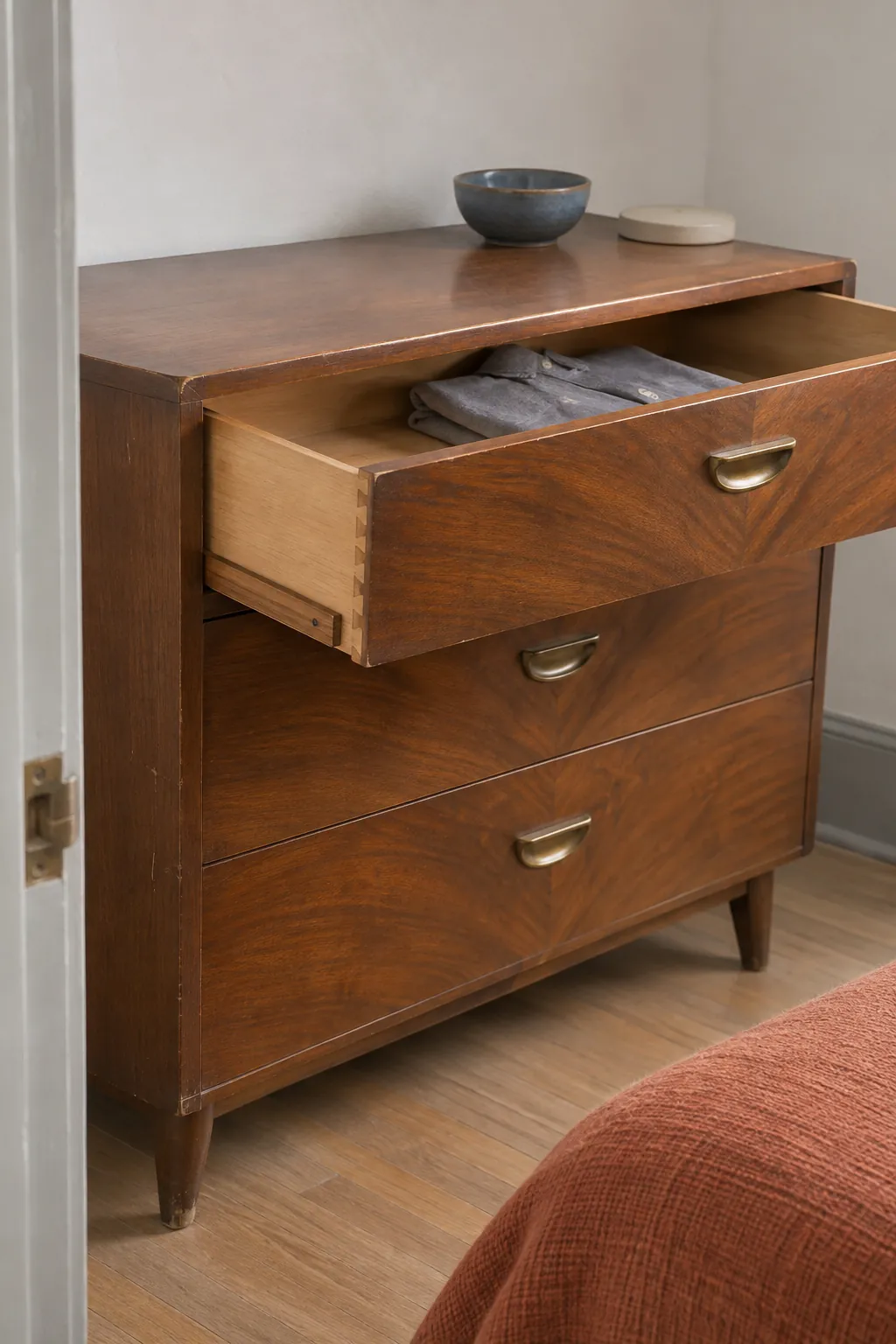
Pull every drawer before you pay, even if the veneer looks perfect. Look for broken runners and bottoms that bow when you press on them. Lift a drawer partly out and see how much the side moves from left to right.
A shallow chip near the base may be easier to live with than a good looking drawer that jams every morning. A fresh scrape on the inside of one frame can show where a drawer rubs. Open that one again with a few things in it if the seller allows.
Buy a Bentwood Chair for One Useful Spot
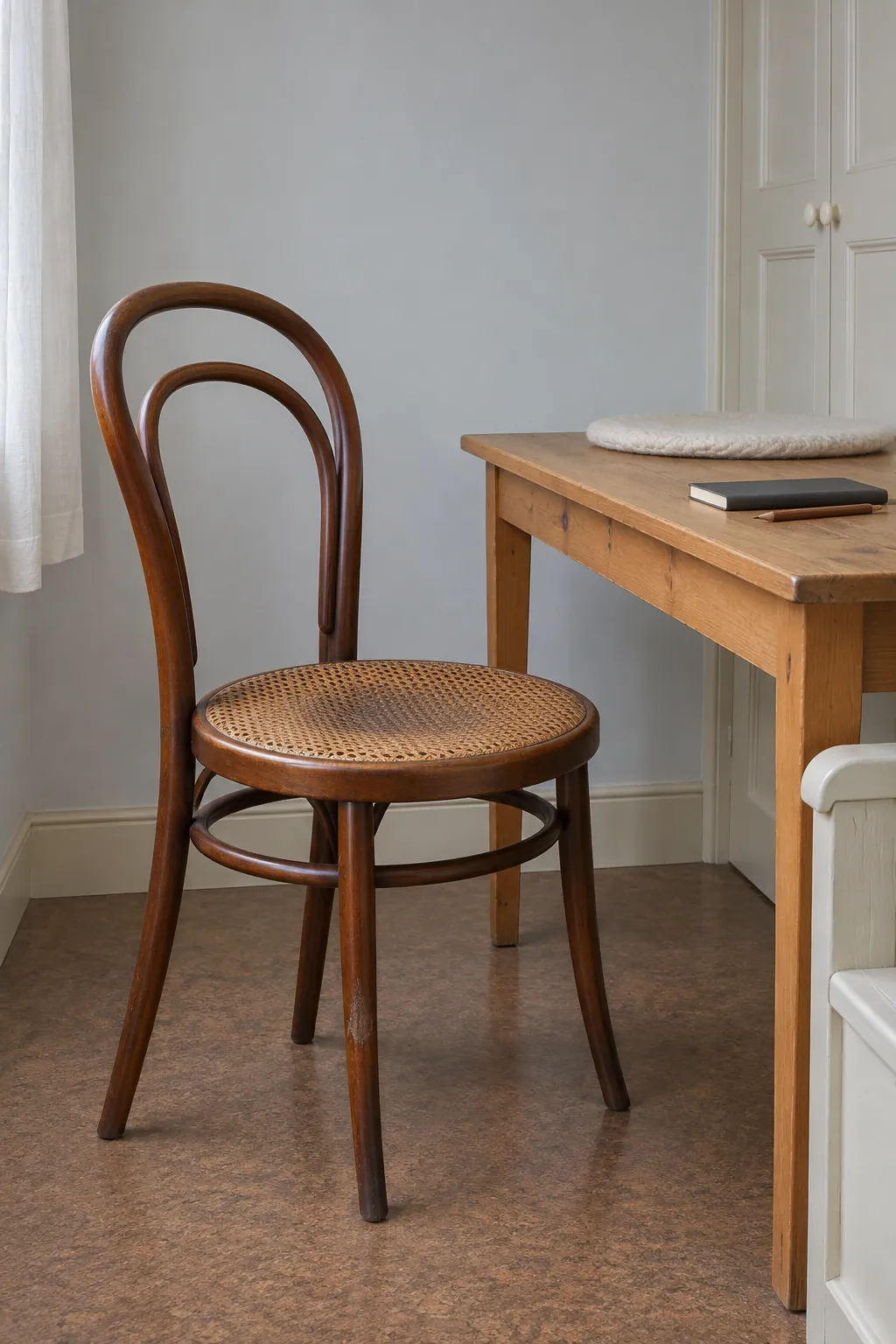
One bentwood chair can serve at a small desk or as a spare seat at the table. Check the joints at the legs and back with the chair on a level surface. A little finish wear is normal, but pass on a loose chair if you cannot repair it safely.
Choose an Opal Glass Lamp With a Sound Shade
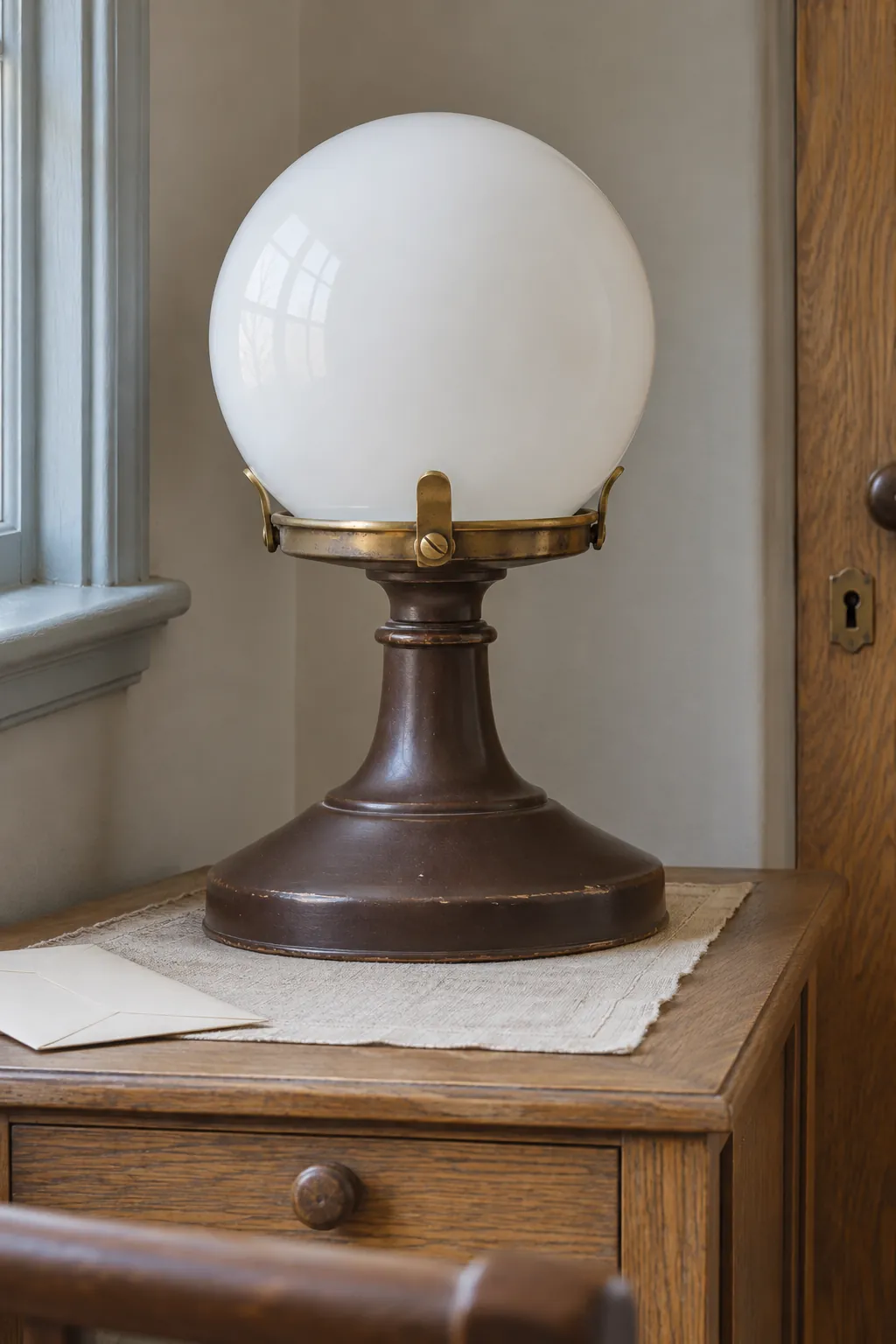
Hold an opal shade up to the light and inspect the rim where clips hold it. A chip there can make the shade hard to secure, even if the visible dome looks whole. Have an older lamp checked for safe wiring before using it, especially if the plug or insulation looks damaged.
Use a Ceramic Pitcher to Hold Dry Stems
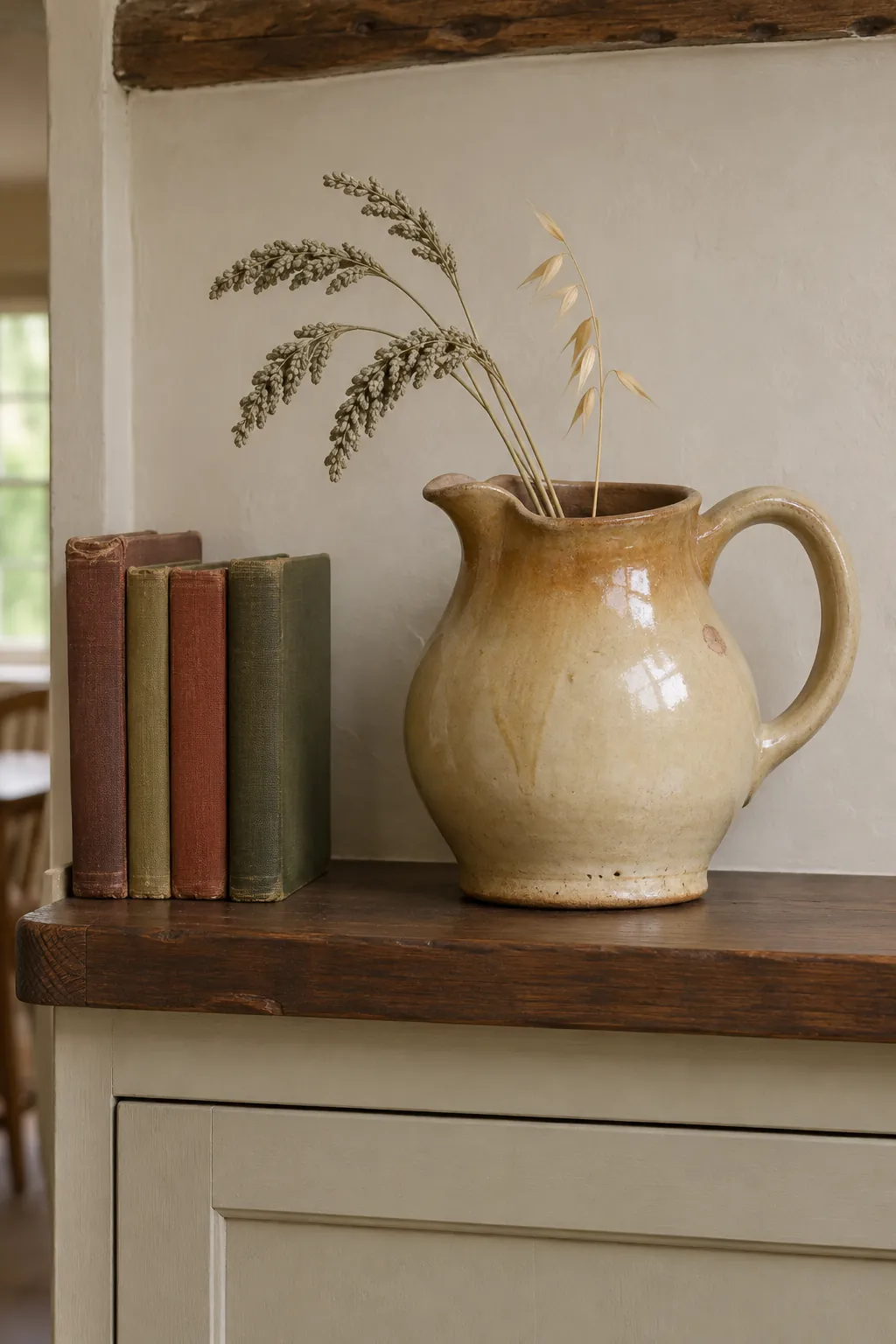
A single glazed pitcher can give a shelf a shape that stands apart from rows of straight books. Run a finger along the base to check that it sits flat and will not scratch the shelf. Use a pitcher of unknown glaze history for dry display and keep it away from food service.
Give a Teak Tray a Job at the Door
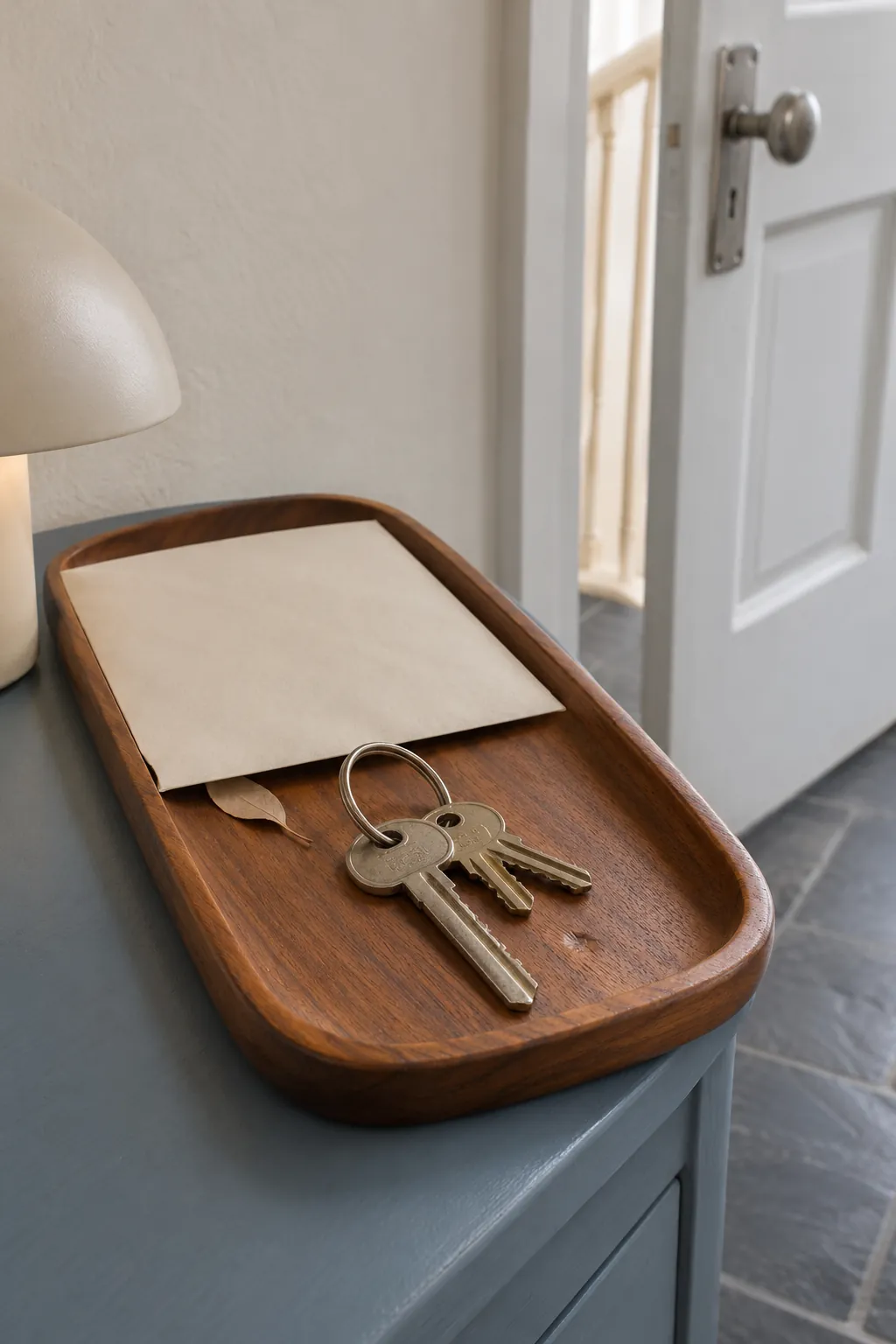
A low tray on the entry cabinet puts keys and the mail you need to take out in one place. Look for a slightly raised lip and check the underside for a split. Choose a size that leaves room for a bag or a lamp on the same surface.
Size a Vintage Runner Before You Shop
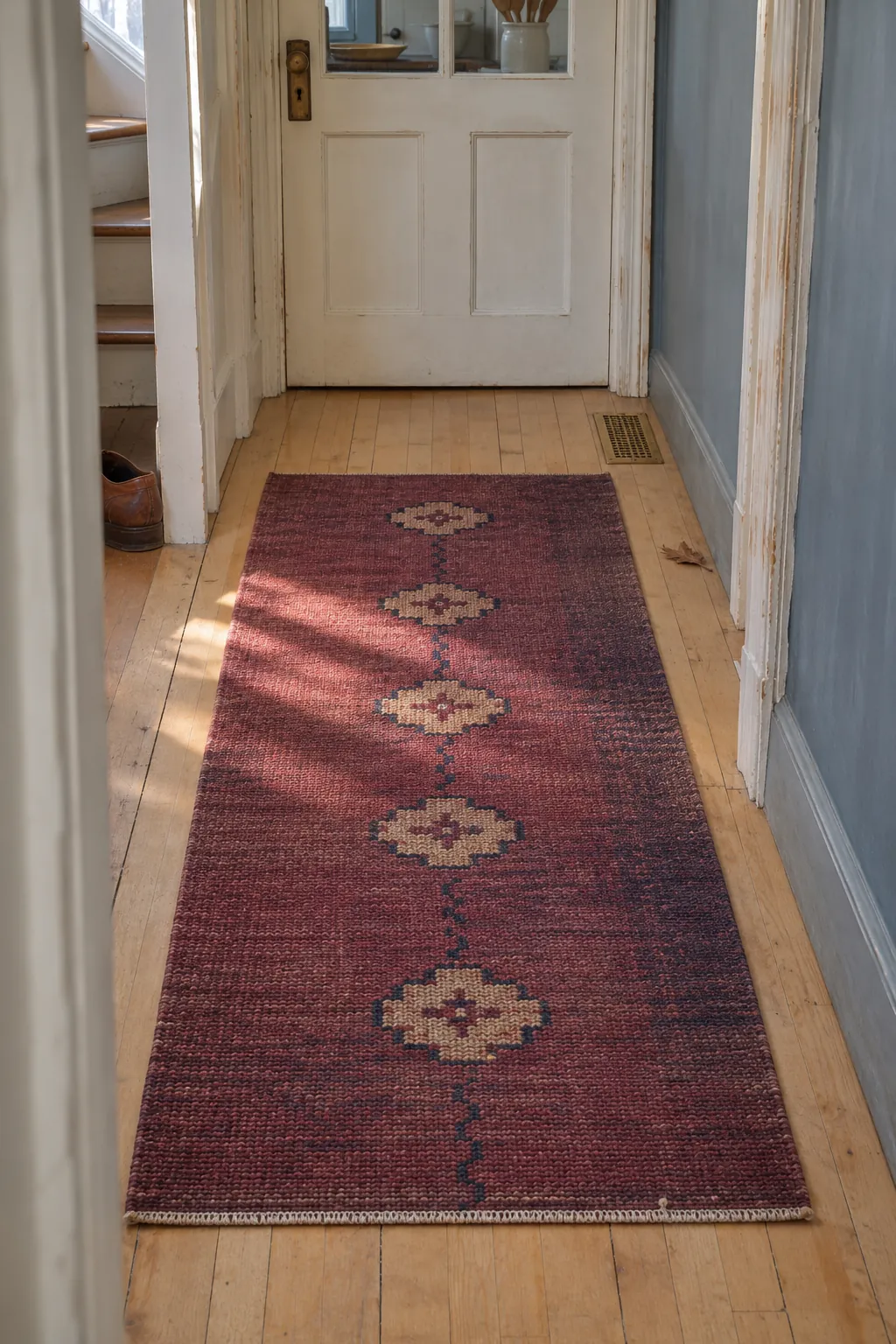
Measure the skinny part of the hall first, then check the rug’s full dimensions against the door swings. Look at both sides for moth damage, old damp, or a repair that makes one edge thicker. Use a suitable nonslip pad and let the floor show beside the runner.
Hang a Small Brass Mirror Where It Finds Light
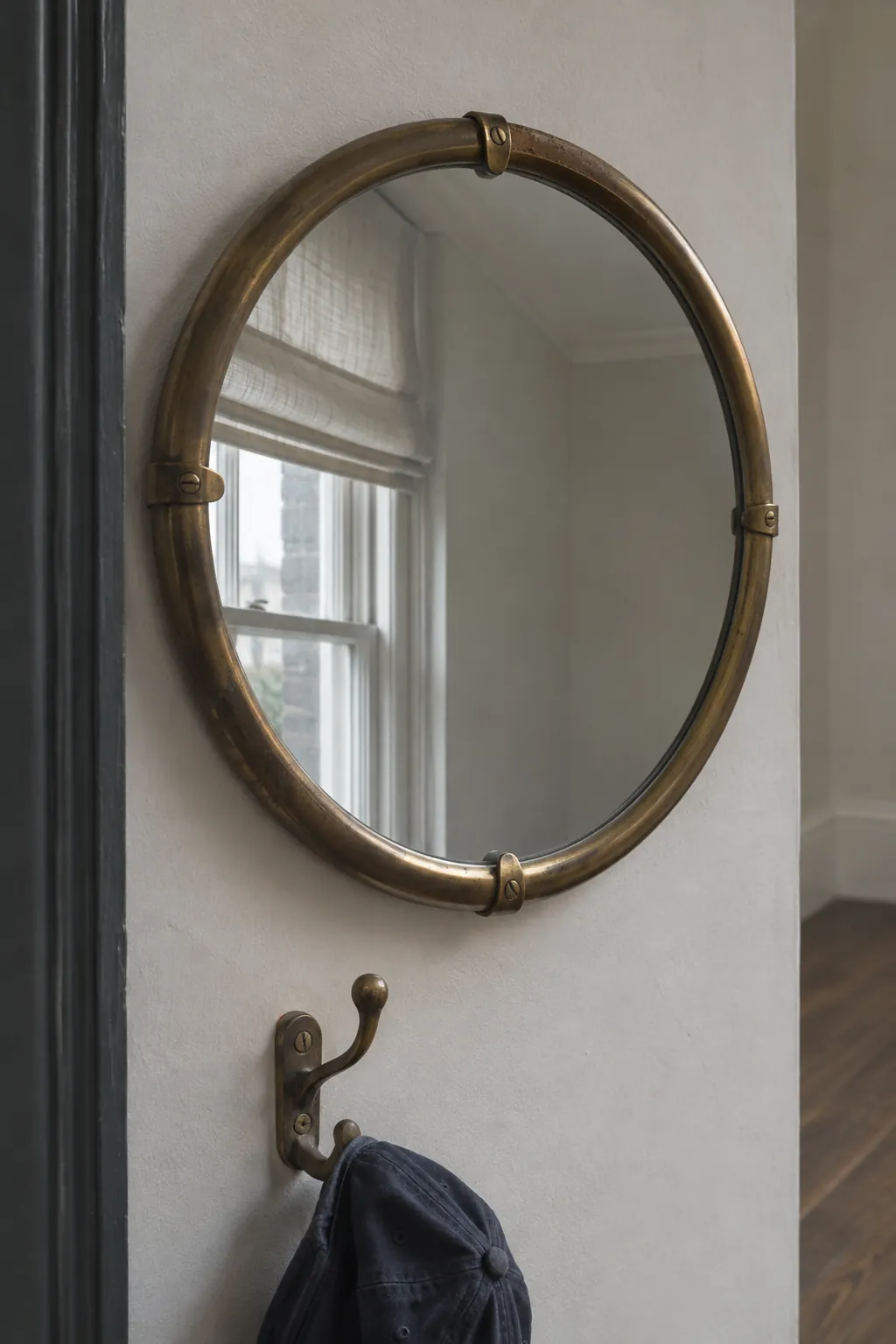
A brown or brass rim can bring some age to a room with plain white walls. Inspect the old backing and supports before hanging the mirror, since the frame can look good with loose glass behind it. Hold it by the proposed spot and check the reflection from the doorway.
Frame an Old Botanical Page
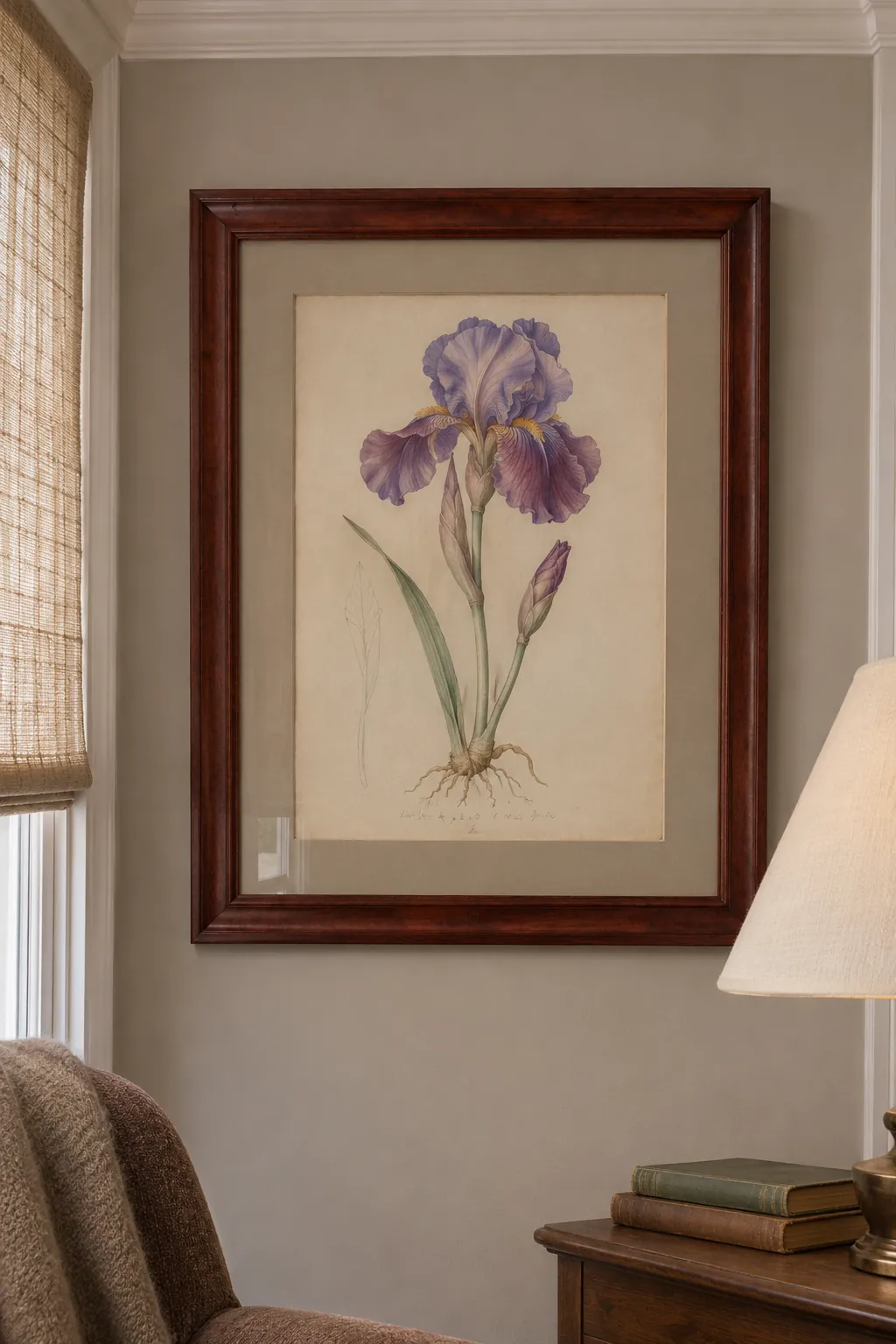
A loose old botanical print looks settled in a slightly larger frame with a simple mat. Look for a page whose best detail will be clear from where you pass or sit. Use a copy if the paper is brittle or valuable, and choose a spot away from direct sun.
Group Stoneware Bowls by Glaze
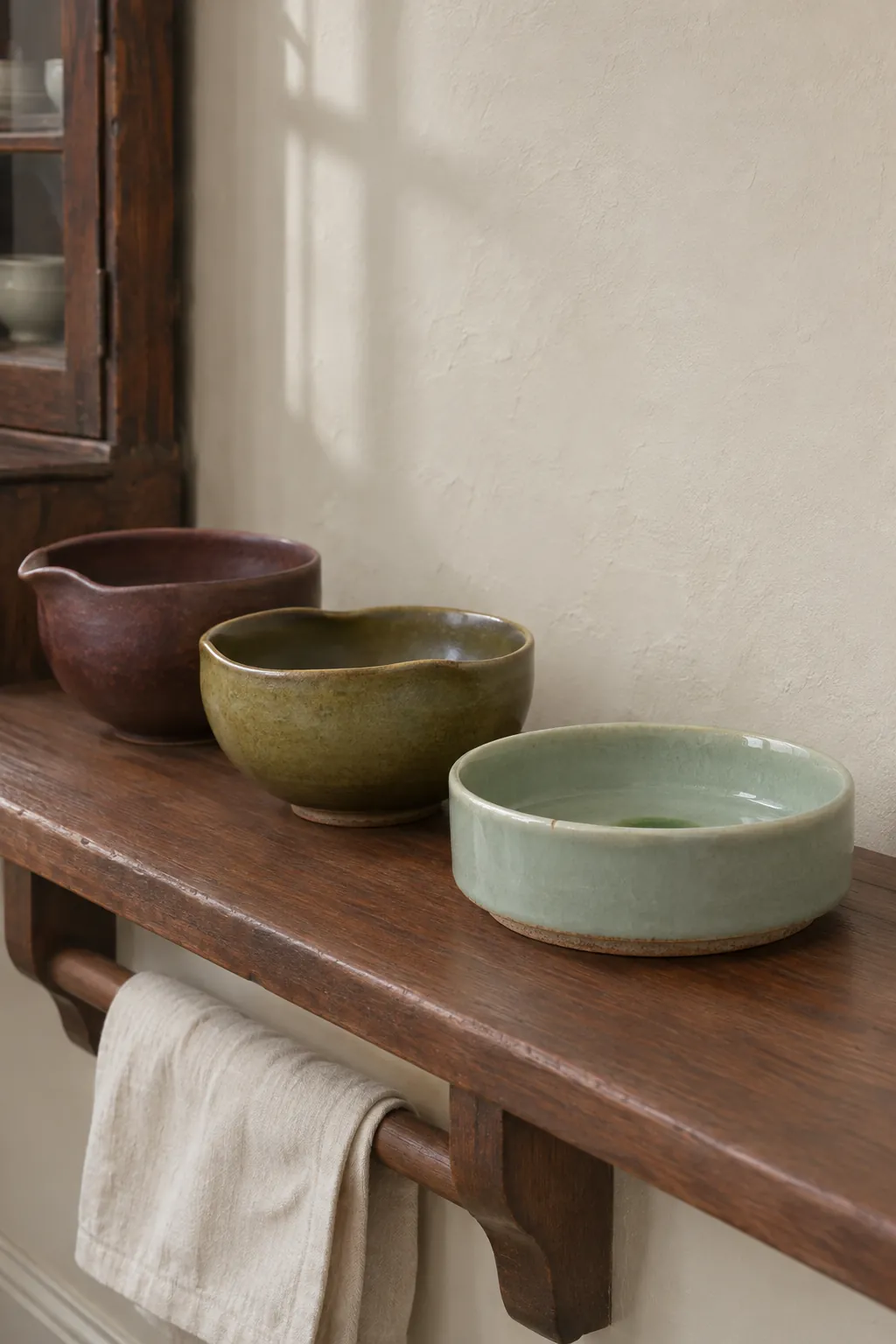
Look for several shallow bowls with related colors and different rims. Leave enough space between them to see where each one changes shape. Keep pieces with unknown glaze safety or cracks for display.
Put a Solid Stool to Work as a Plant Stand
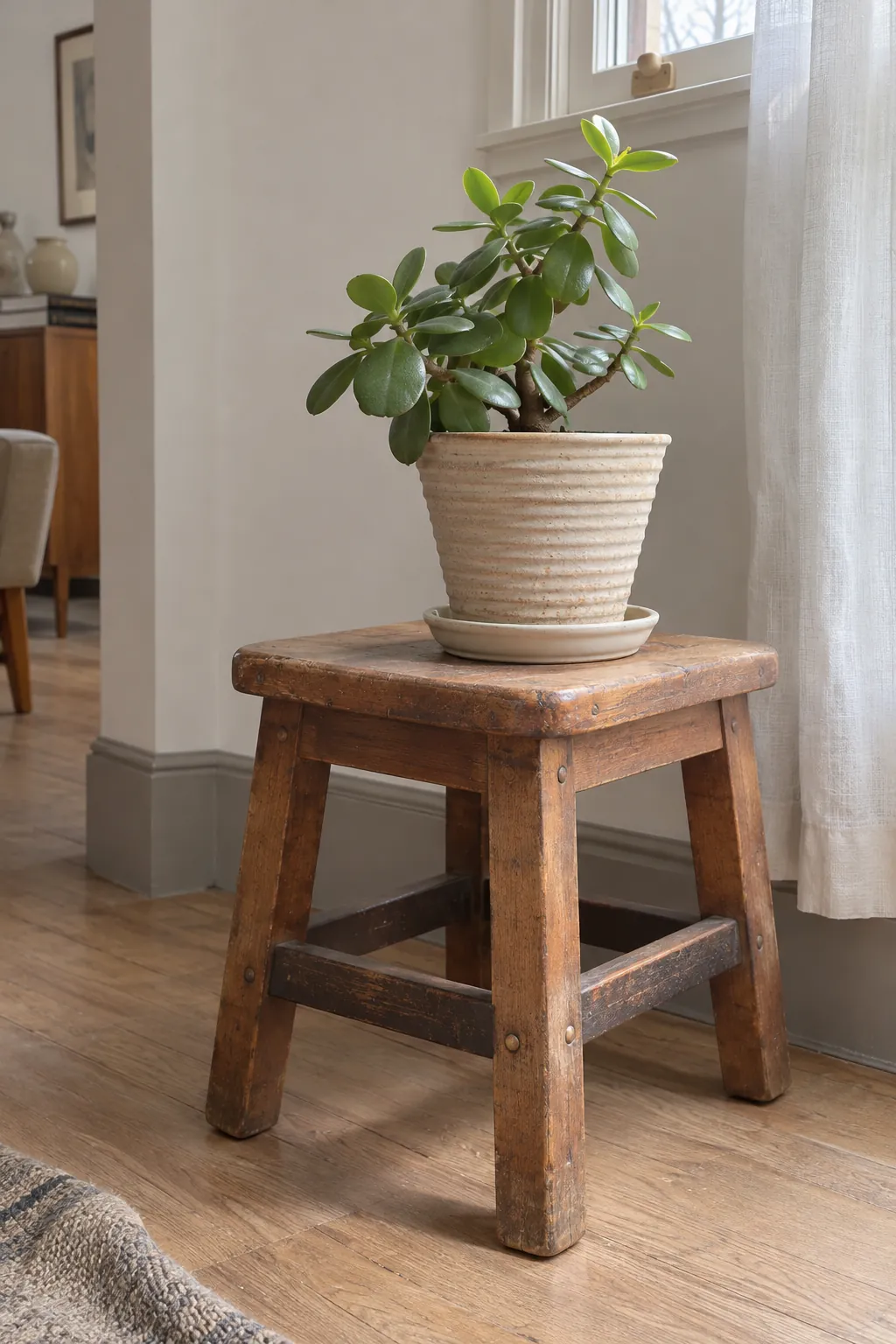
A solid small stool can lift a plant into the light near a window. Check that its feet are level and the pot’s base fits entirely on the seat. A waterproof saucer protects the wood, especially if the stool has an older waxed finish.
Use an Old Sewing Basket for Small Repairs
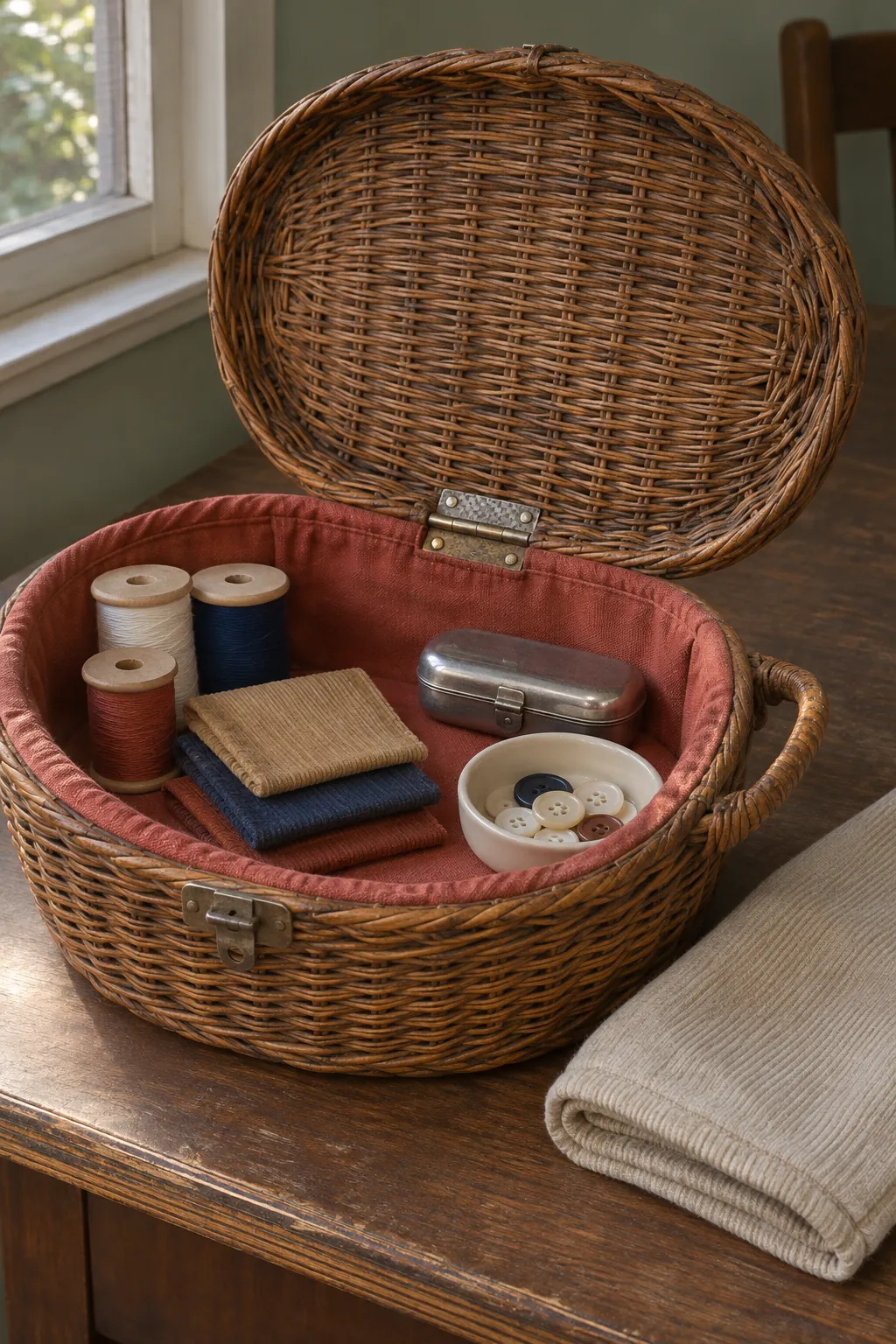
A lidded sewing basket can hold spare buttons, mending thread and the patches you need for a repair. Check the hinges and wicker for sharp loose ends. Put needles into a secure case before adding them to the basket.
Park Reading Material in a Low Rack
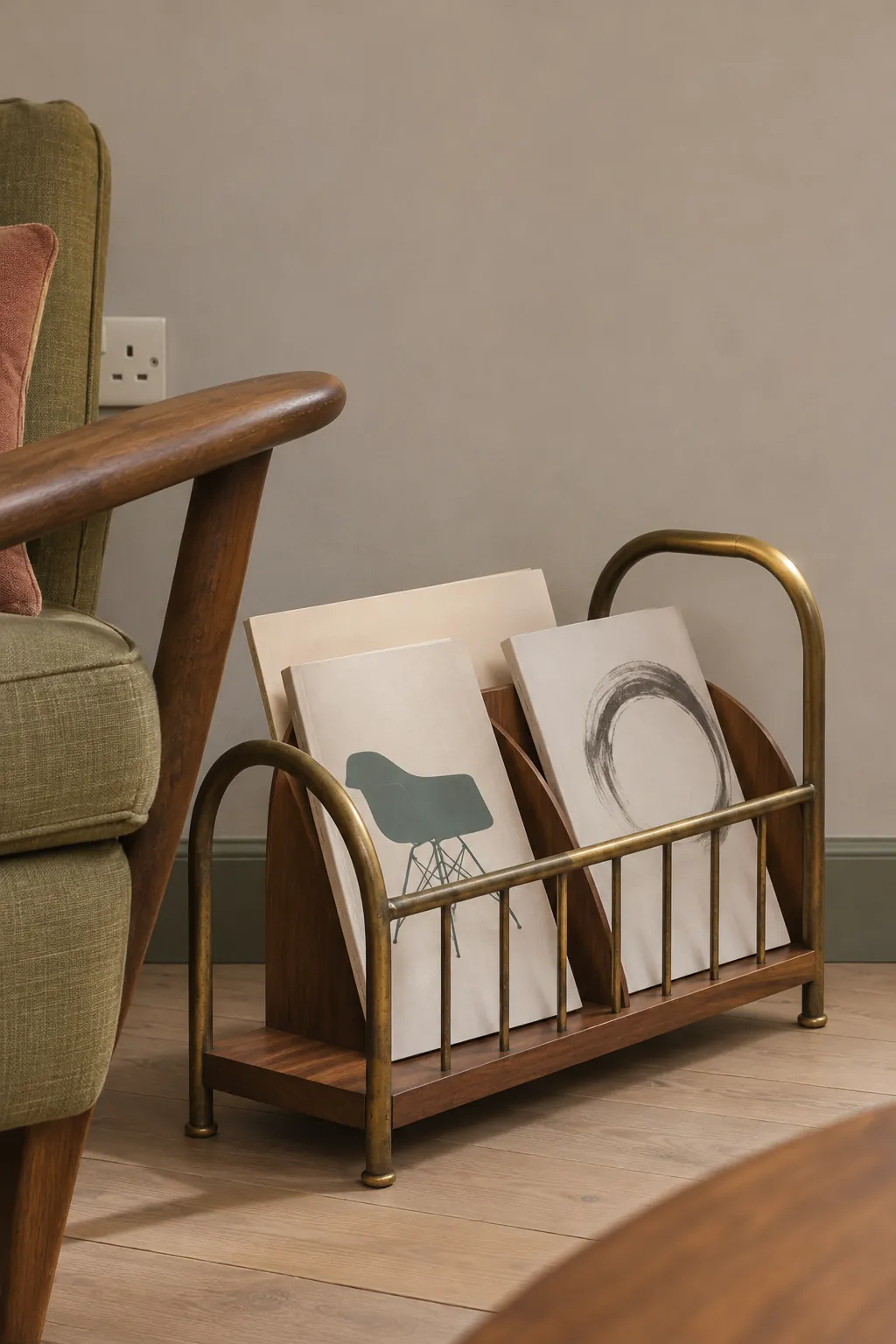
A low rack keeps magazines where you sit without adding another surface to dust. Carry one of your largest books or magazines if you have an appointment to look at a piece. Check whether its dividers hold narrow magazines upright or let them slump into a stack.
Look for Color in a Ceramic Lamp Base
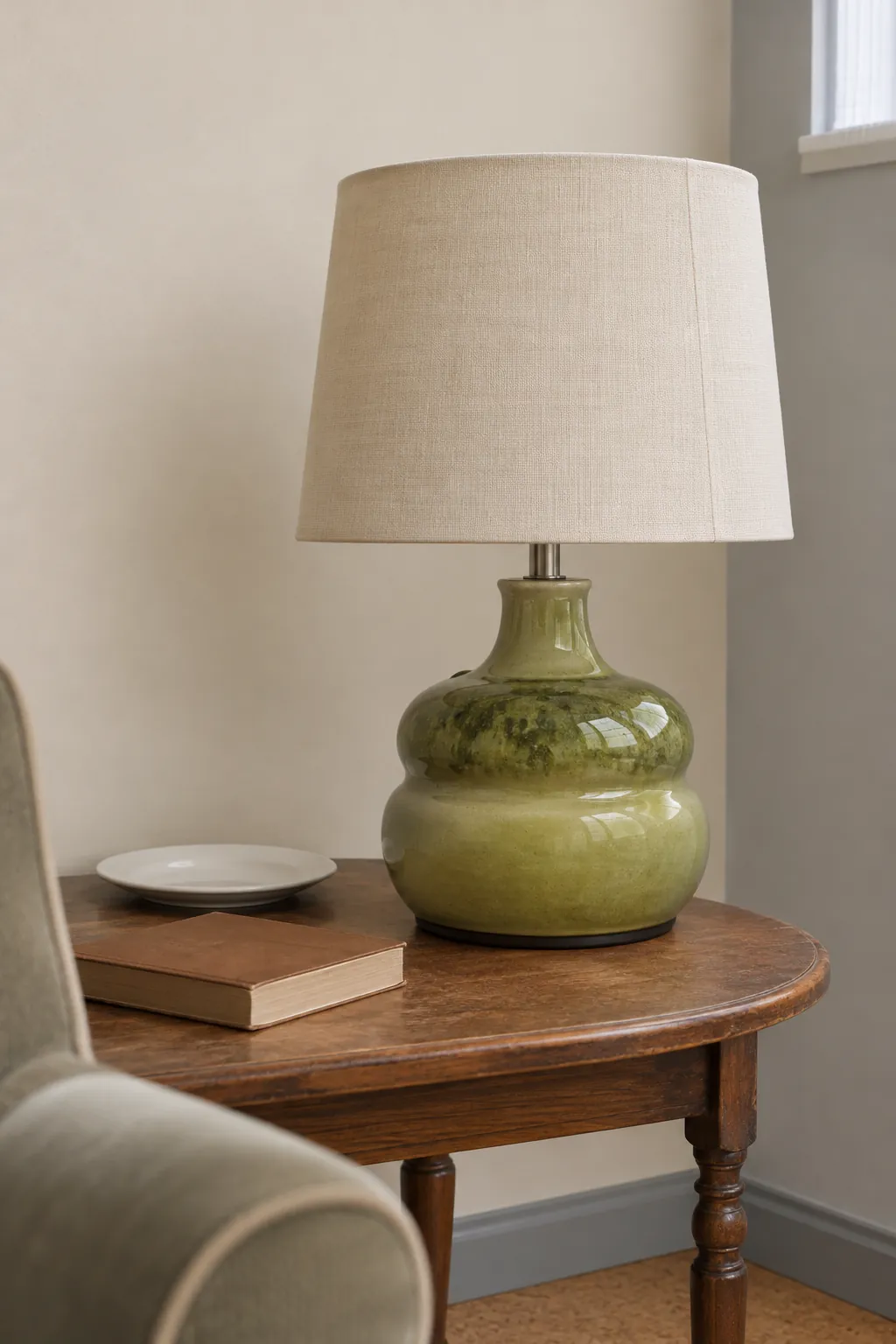
An avocado or blue glaze brings color to a corner even when the light is off. Look under the base for cracks that reach the hardware and have the electrical parts checked before use. Try a shade in proportion to the base and keep it clear of the bulb as the lamp maker specifies.
Try an Old Linen Cloth as a Table Runner
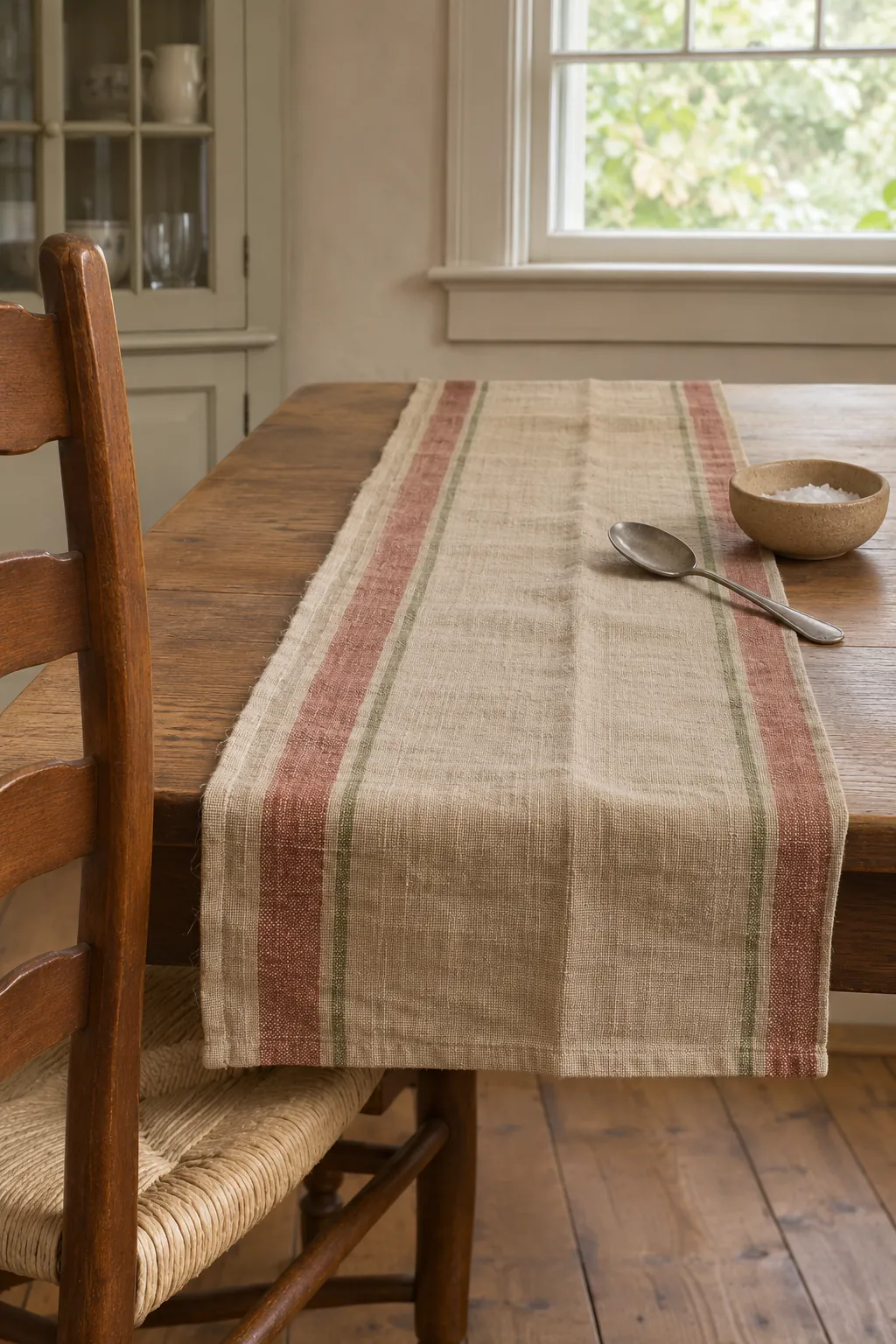
A narrow old tablecloth can work folded once or twice down the length of the table. Hold it up to see thin patches before washing, since a deep crease can conceal a weak spot. Put the more worn edge under the fold and keep the center clear for serving dishes.
Save a Set of Matching Drawer Pulls
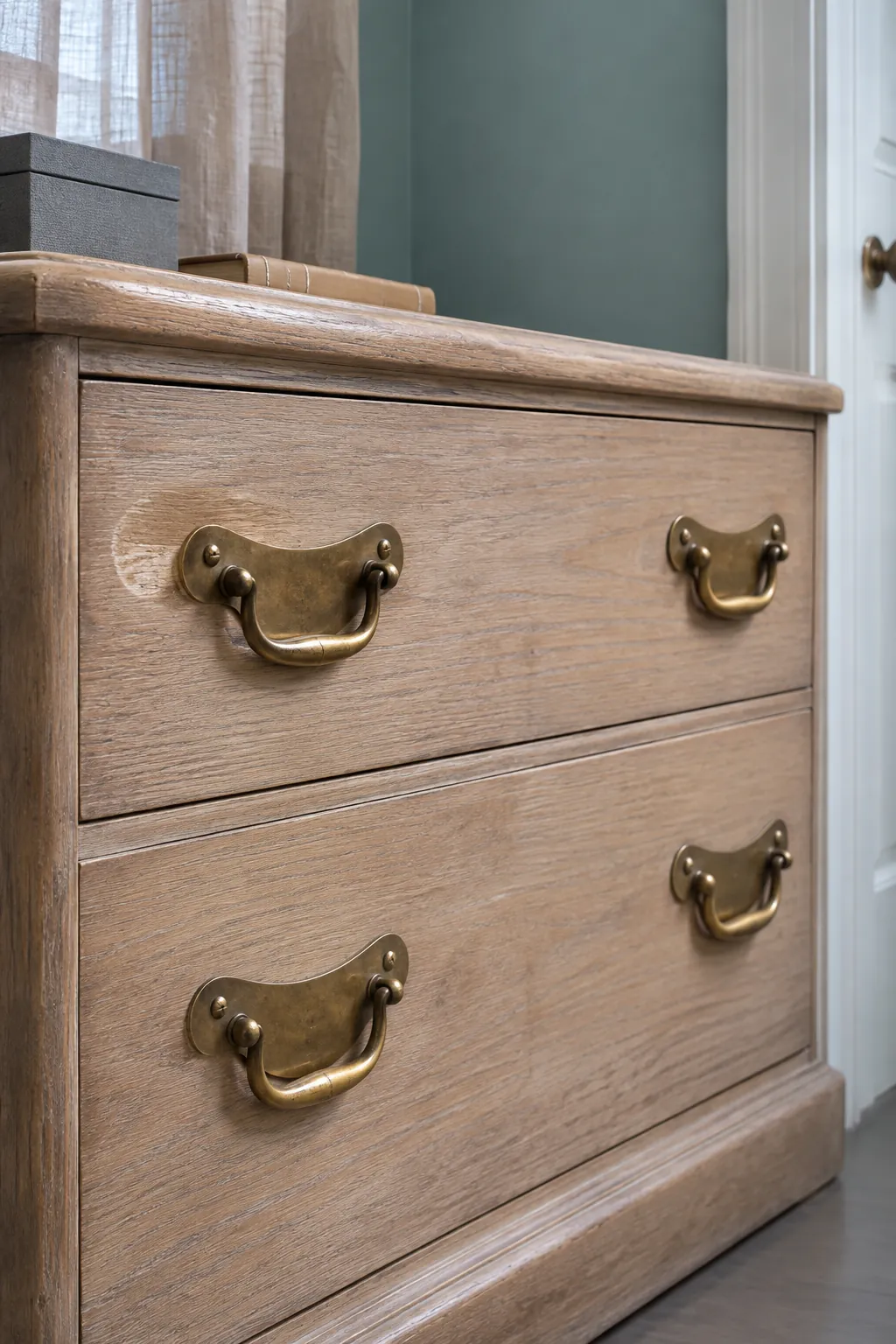
Take the distance between the screw centers before hunting for drawer pulls. Bring an old screw or measure its thread so you can check the replacement hardware. A matched set can tie a chest together even when the finish shows age.
Look for a Lidded Woven Hamper
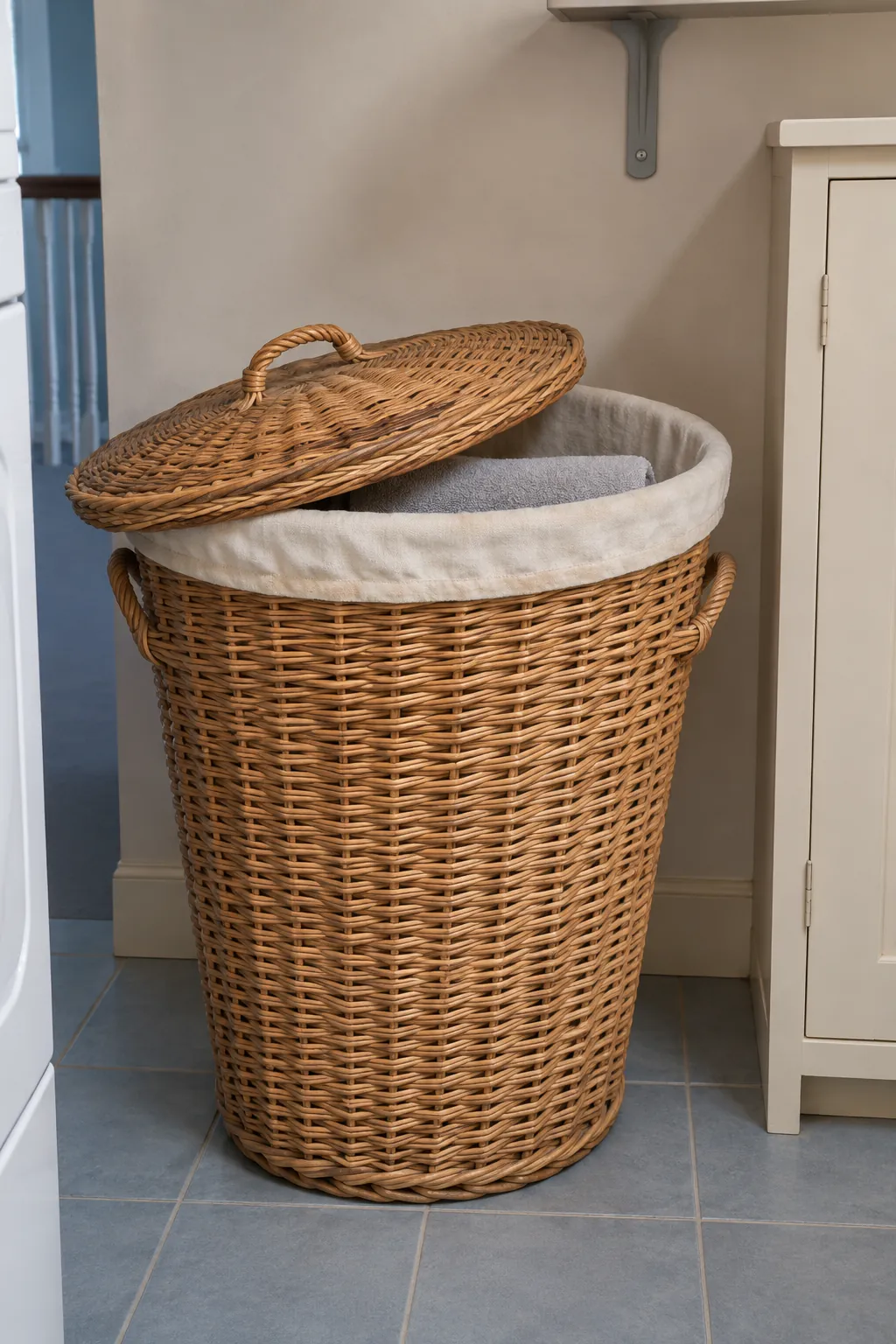
A ventilated woven hamper takes some visual weight out of a plain laundry corner. Check the base and lid for broken strands or a smell that suggests old damp. A washable liner makes it easier to empty without catching clothes on wicker.
Choose a Small Clock You Can Read
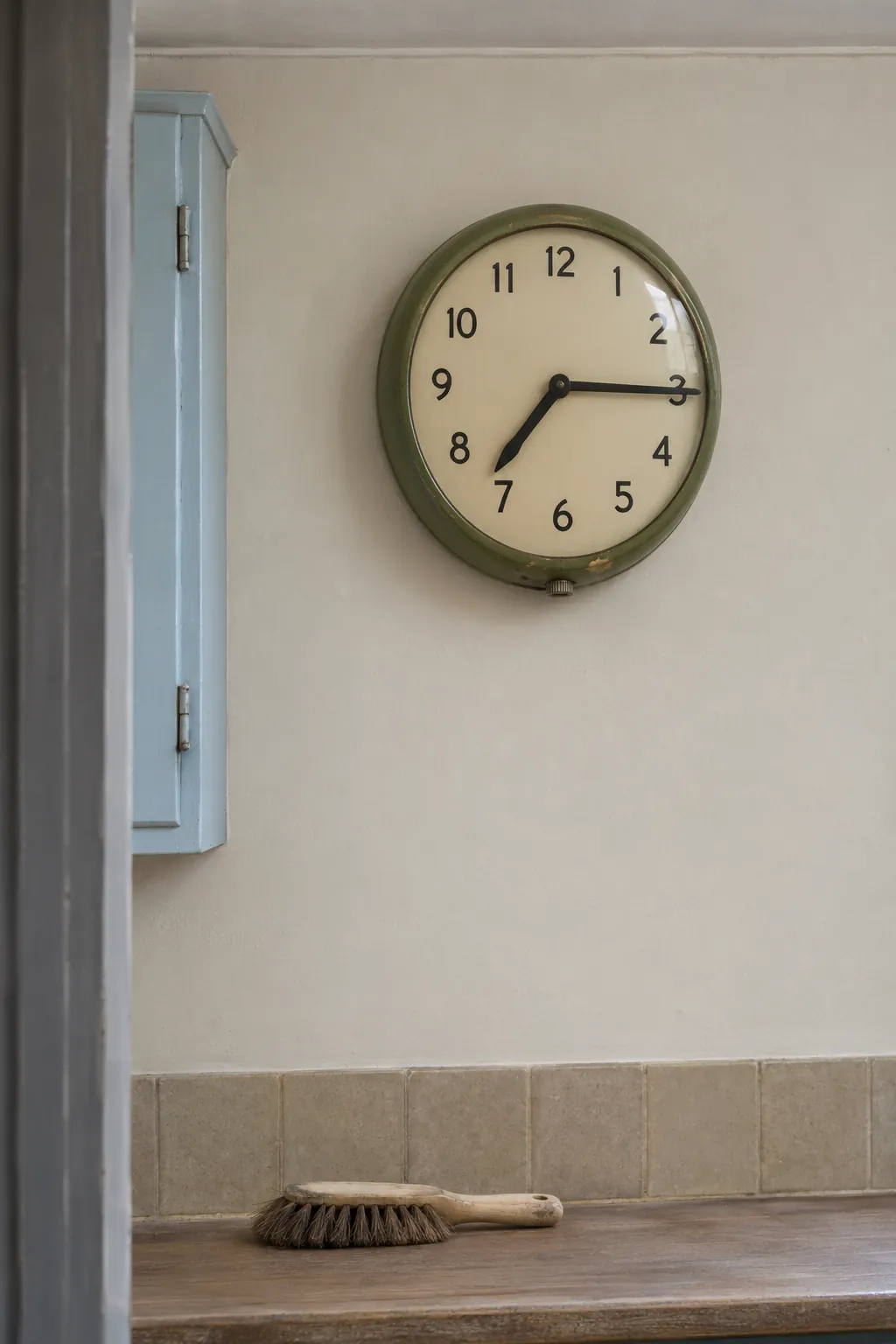
A round clock with dark numbers can be useful from the kitchen doorway. Check the battery contacts and ask to see it run, or price a compatible replacement movement into the purchase. Test the sound in a quiet room if it will hang near a bed.
Use Heavy Bookends on a Short Shelf
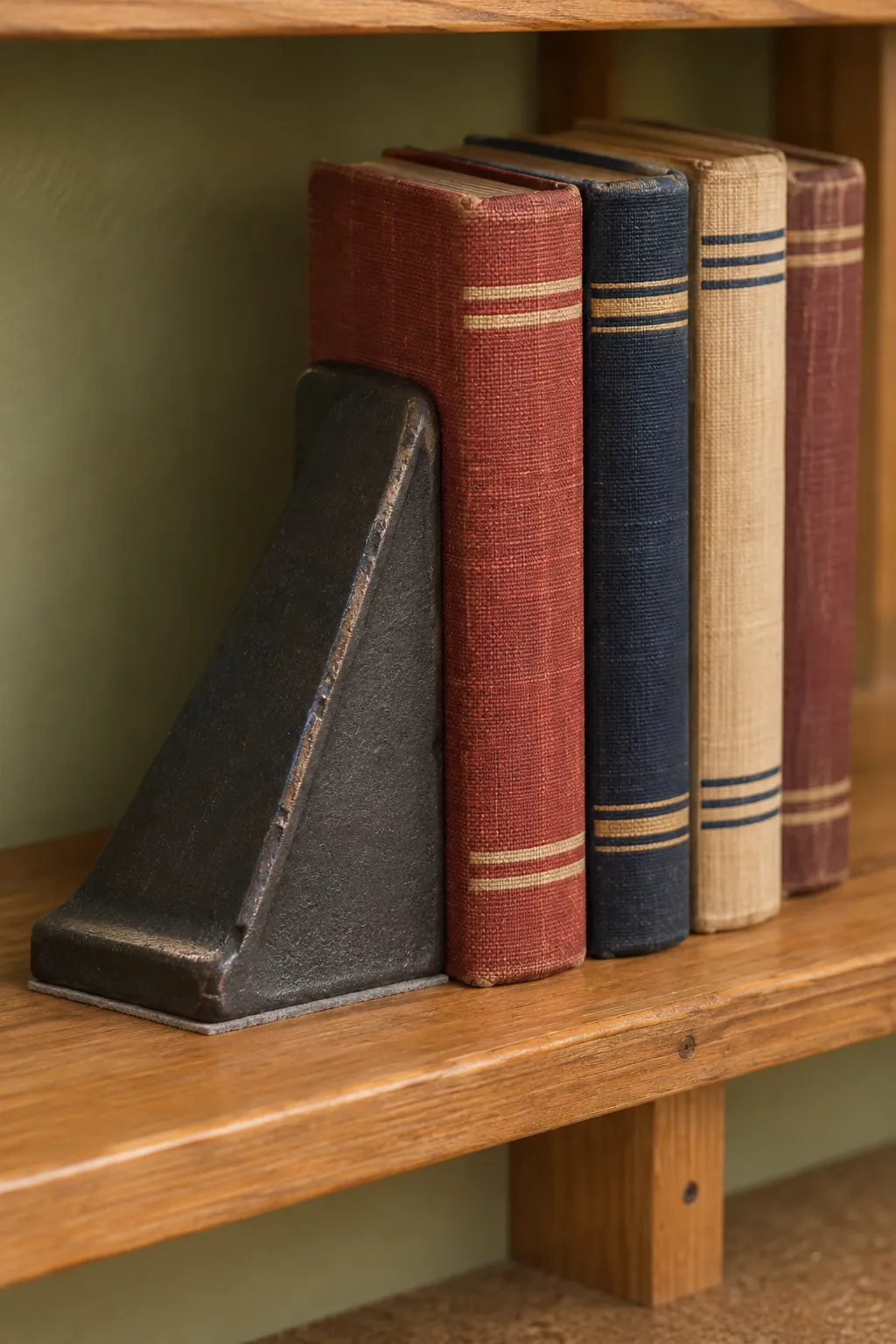
A small sculptural bookend brings the weight needed for a short row of books. Check for a level underside and renew a worn felt pad so the bookend does not mark the shelf. Give heavy pieces a low shelf, particularly in a room children use.
Pick a Vinyl Seat You Can Clean
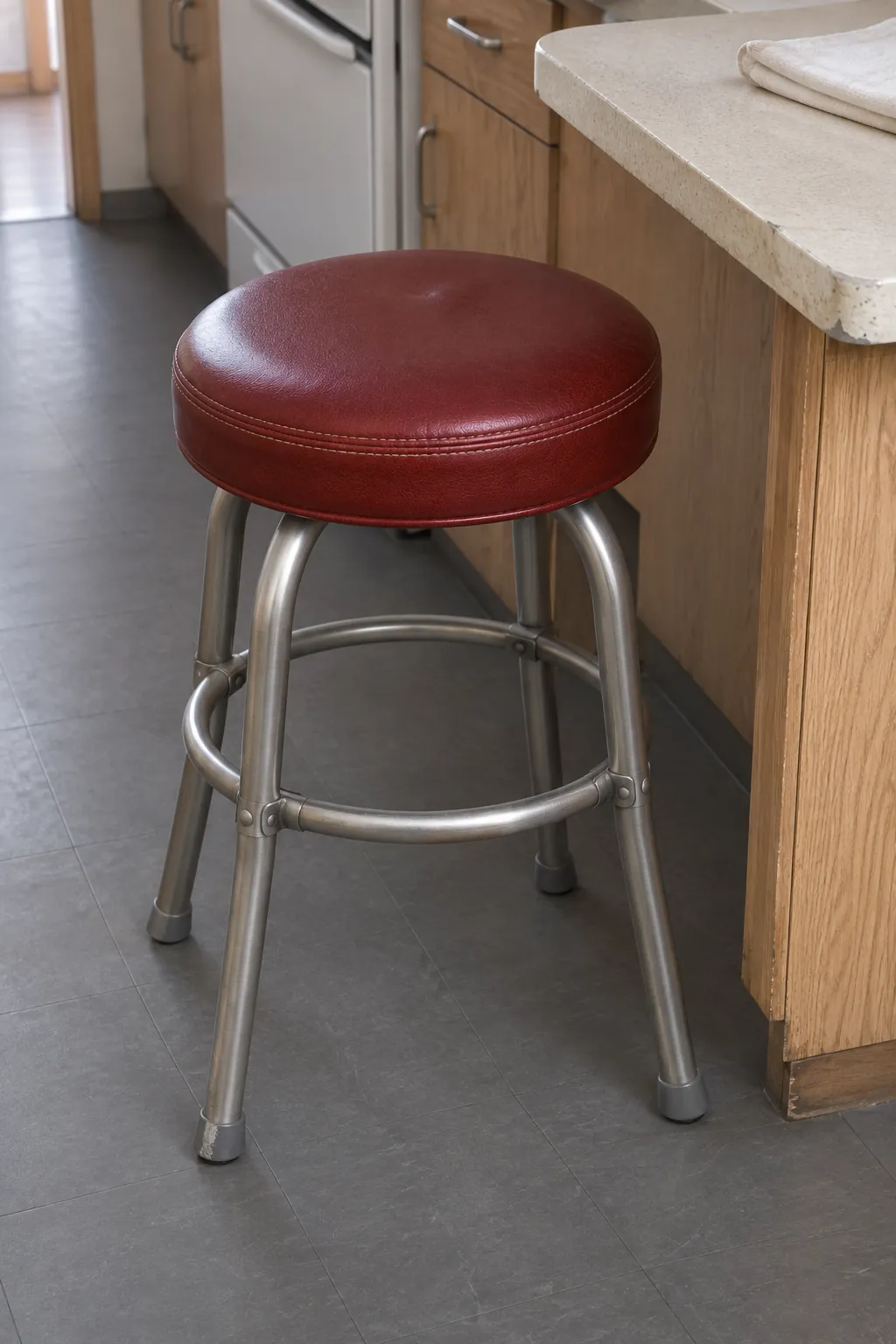
A small vinyl stool can take a lot of daily use by a kitchen counter. Check whether the seat has splitting around screw holes or along seams, where water can enter the padding. Before buying, test the seat height against your counter and confirm the feet have intact caps.
Put a Printed Tin to Work With Dry Supplies
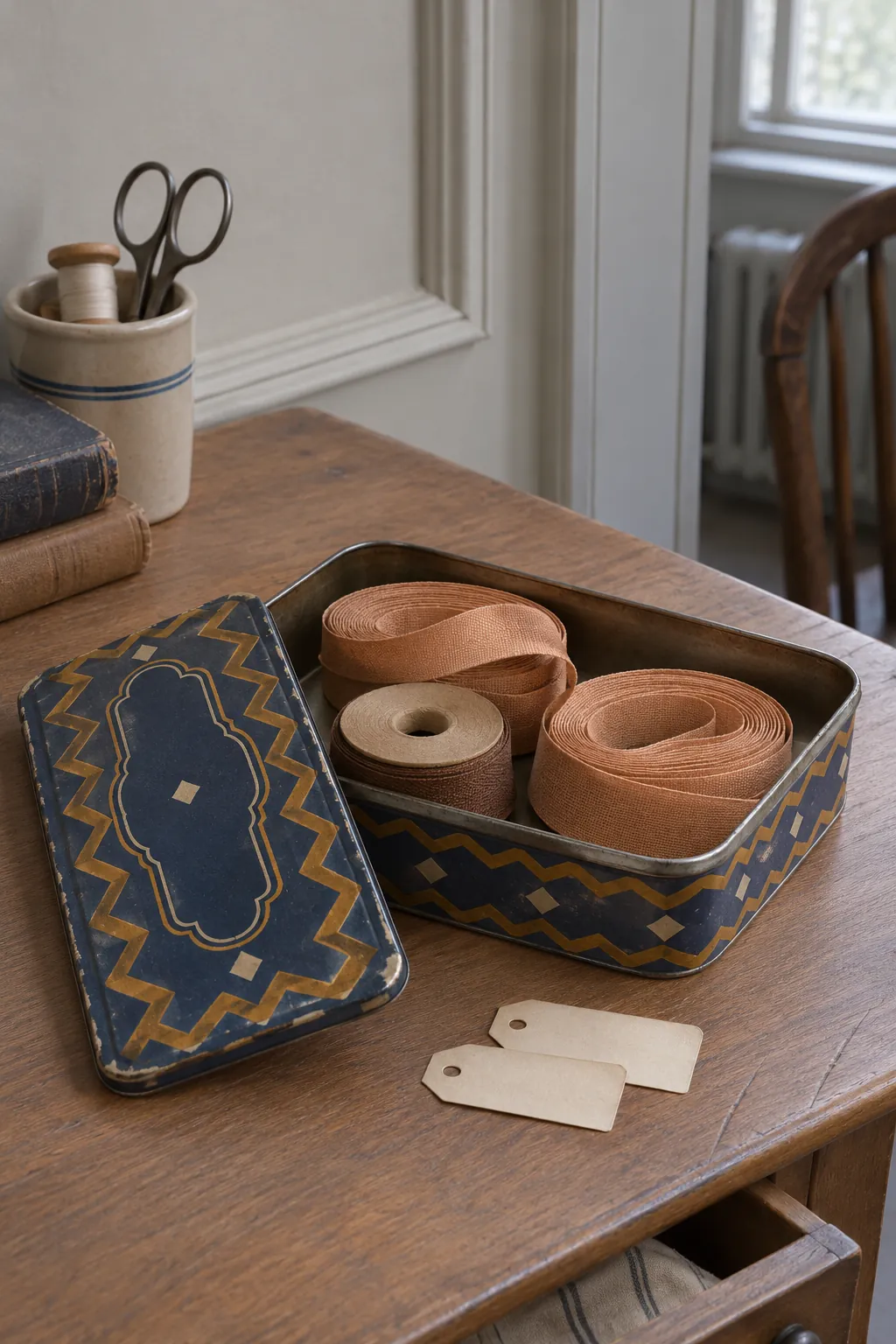
An old printed tin makes a useful box for ribbon, labels or sewing notions. Open and close the lid to see if it catches, and watch for rust around the rim. Keep the tin out of food use unless you know its condition and intended use.
Display an Iron Trivet at the Ready
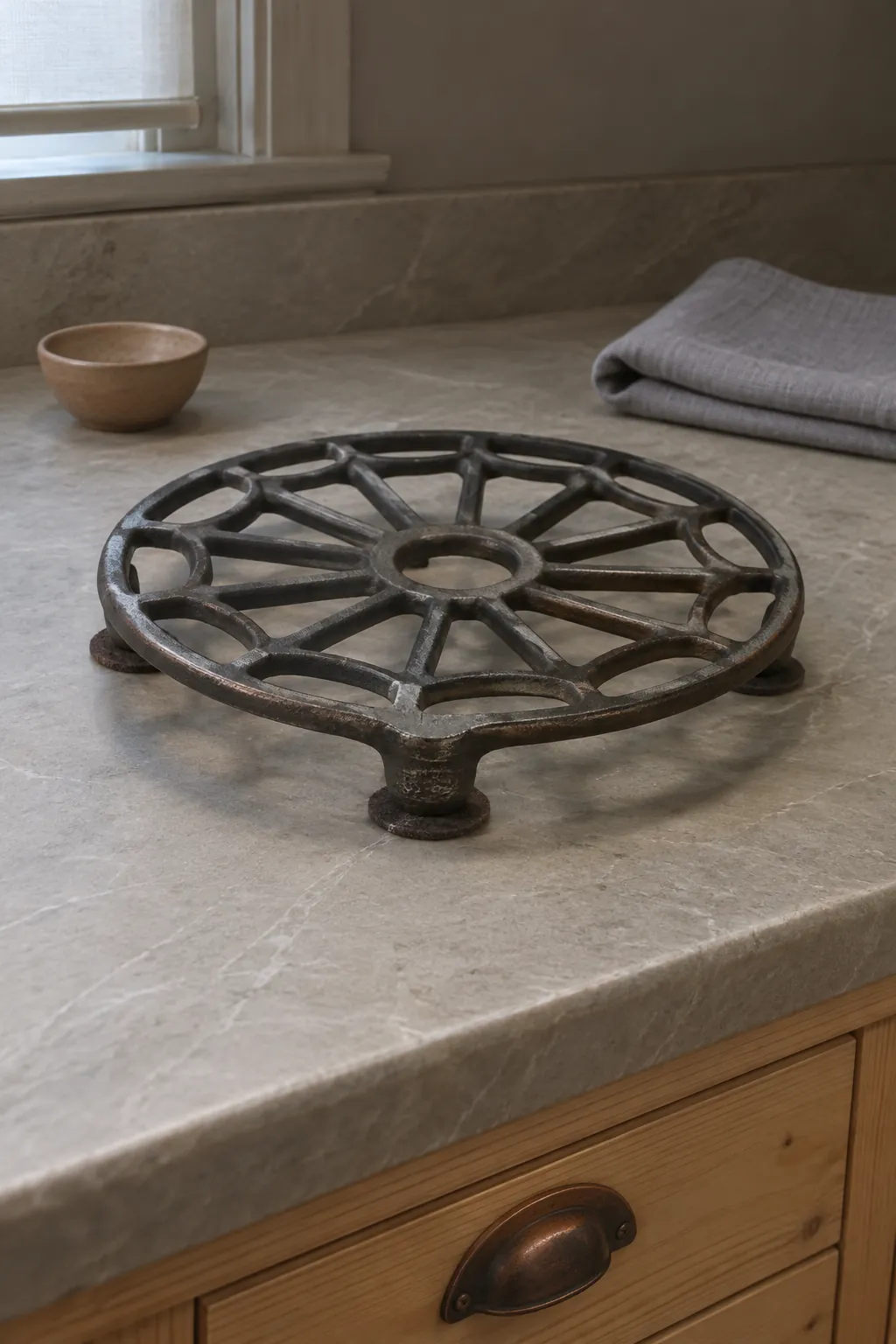
A flat cast iron trivet with an open pattern can sit where you set hot dishes down. Check whether the legs match in height and add surface protection suited to your counter. Save detailed patterns you like for a spot you can wipe without shifting heavy things.
Try a Folding Cane Screen in a Wide Room
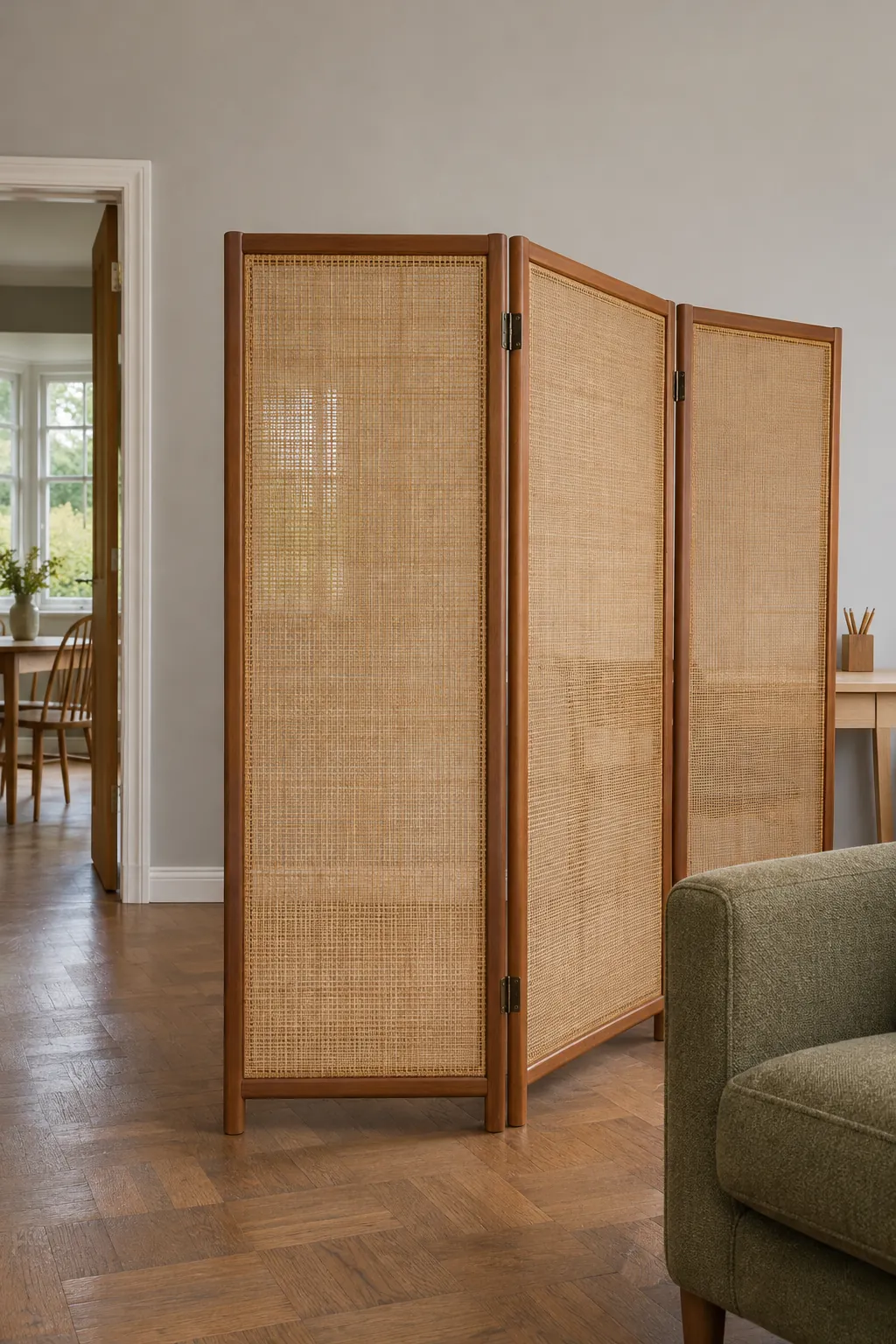
A folding screen can keep a work corner out of the main view when the room has enough width. Check every hinge and look for cane that has pulled out of its frame. Set the screen on a level surface to see whether all the feet touch.
Open it fully enough for stability and place it away from door swings or busy paths. A thin screen may still show some of what is behind it in strong side light. Look at it from the place you usually sit before you decide where it should stand.
Set an Etched Glass Vase Against a Dark Wall
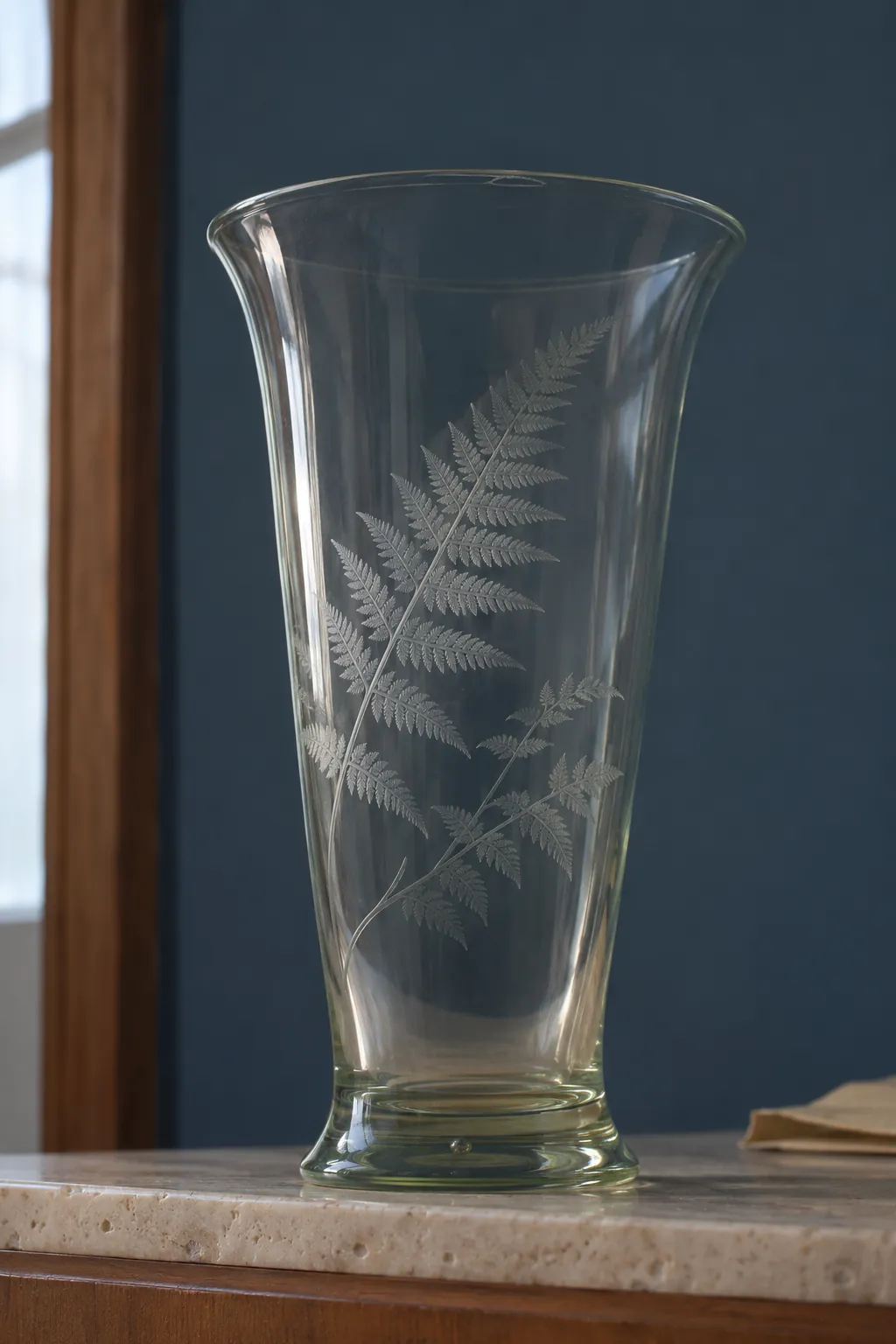
Etched details can disappear against bright clutter. Move the vase in front of a darker plain wall and see whether sidelight reveals the pattern. Check the lip for chips and take out any old deposits gently using a method suitable for the glass.
Restore the Feet of a Low Coffee Table
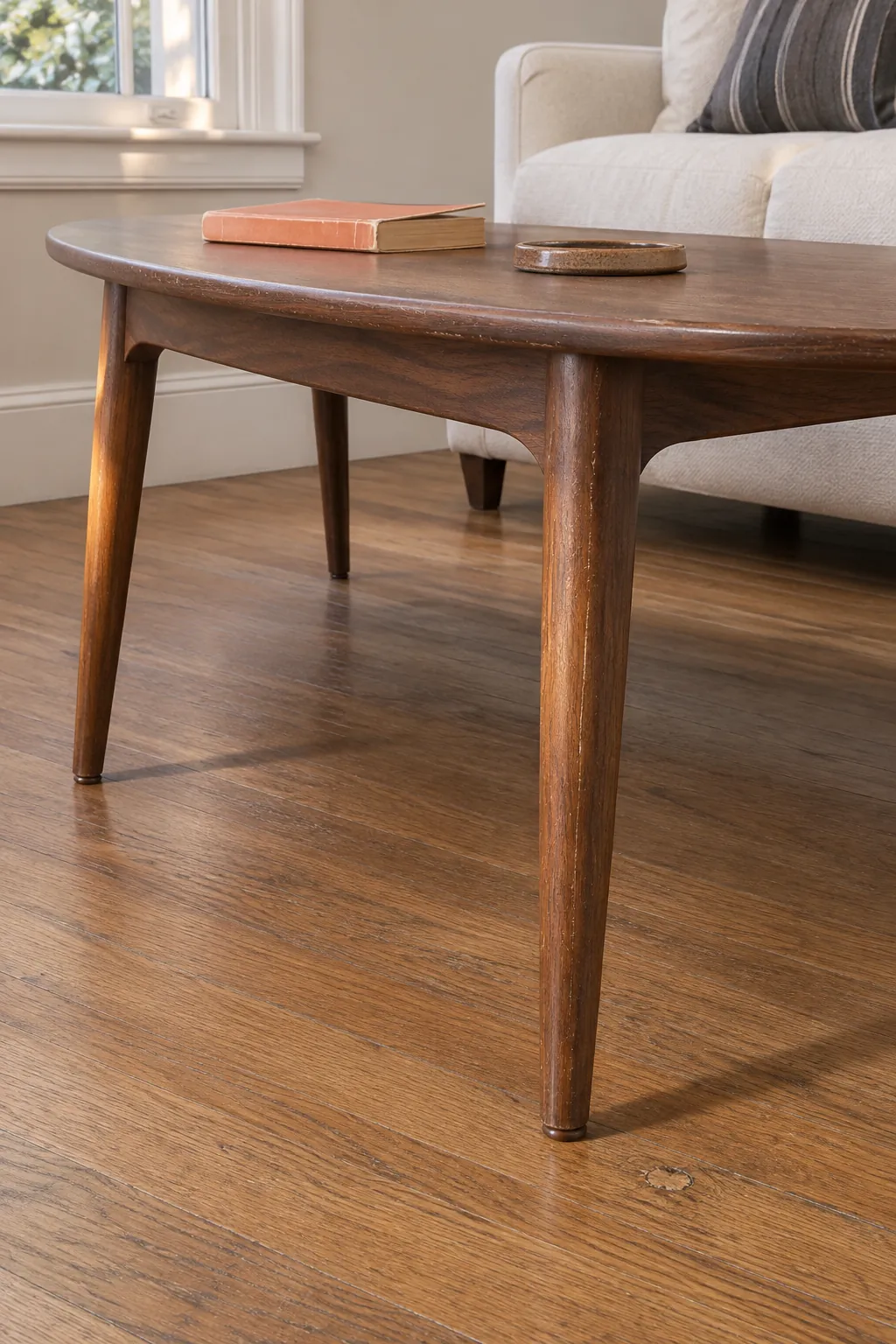
The long line of tapered legs is easiest to see on a table with space underneath it. Sight along each leg to check for damage and rock the table gently on a level floor. If all it needs is a set of matching furniture glides, fit them before moving it onto softer wood.
Hang a Small Woven Textile From a Rod
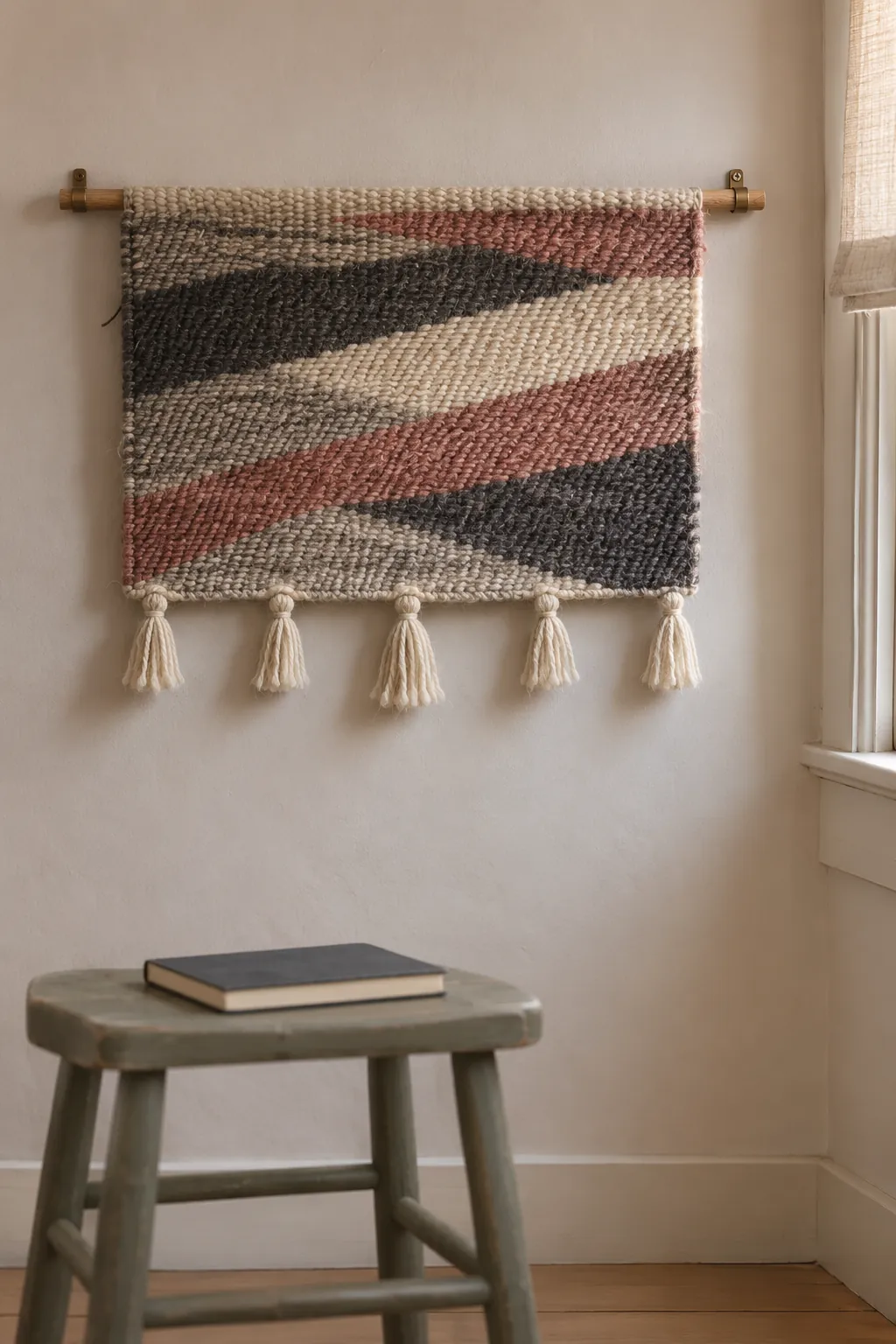
An older woven textile can soften a corner without the glare of a glazed frame. Check the edges for weak fibers or signs of insects, and clean it according to its material. Spread the weight along a sleeve or another suitable support to avoid pulling on one thread.
Use a Narrow Shelving Unit for Light Objects
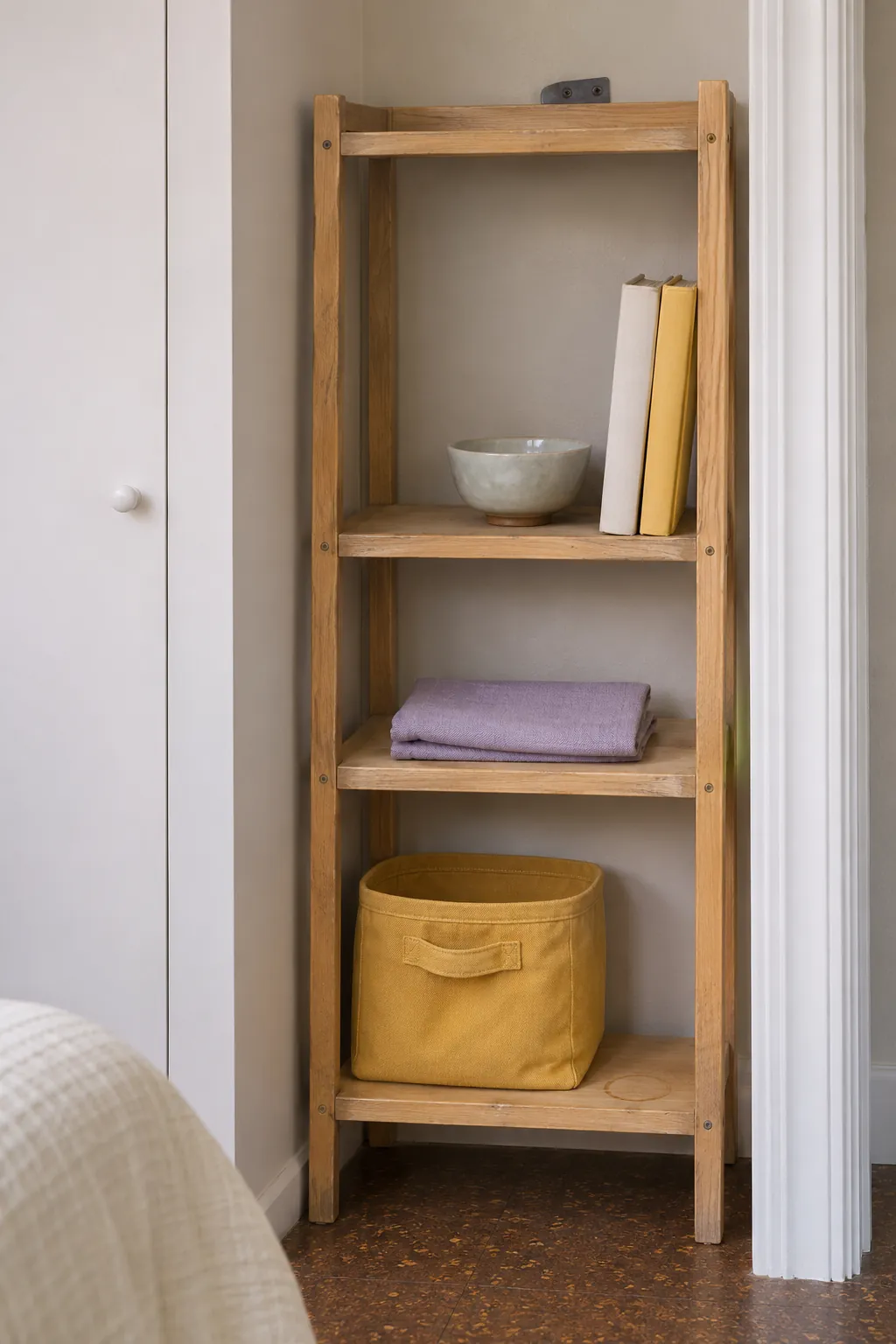
A light shelving unit can fill a recess without the weight of a cabinet. Look for splits at the fasteners and check that all shelves sit level. Secure it as its maker directs and keep heavy things on a stable lower shelf.
Turn an Old Umbrella Stand Into a Useful Entry Piece
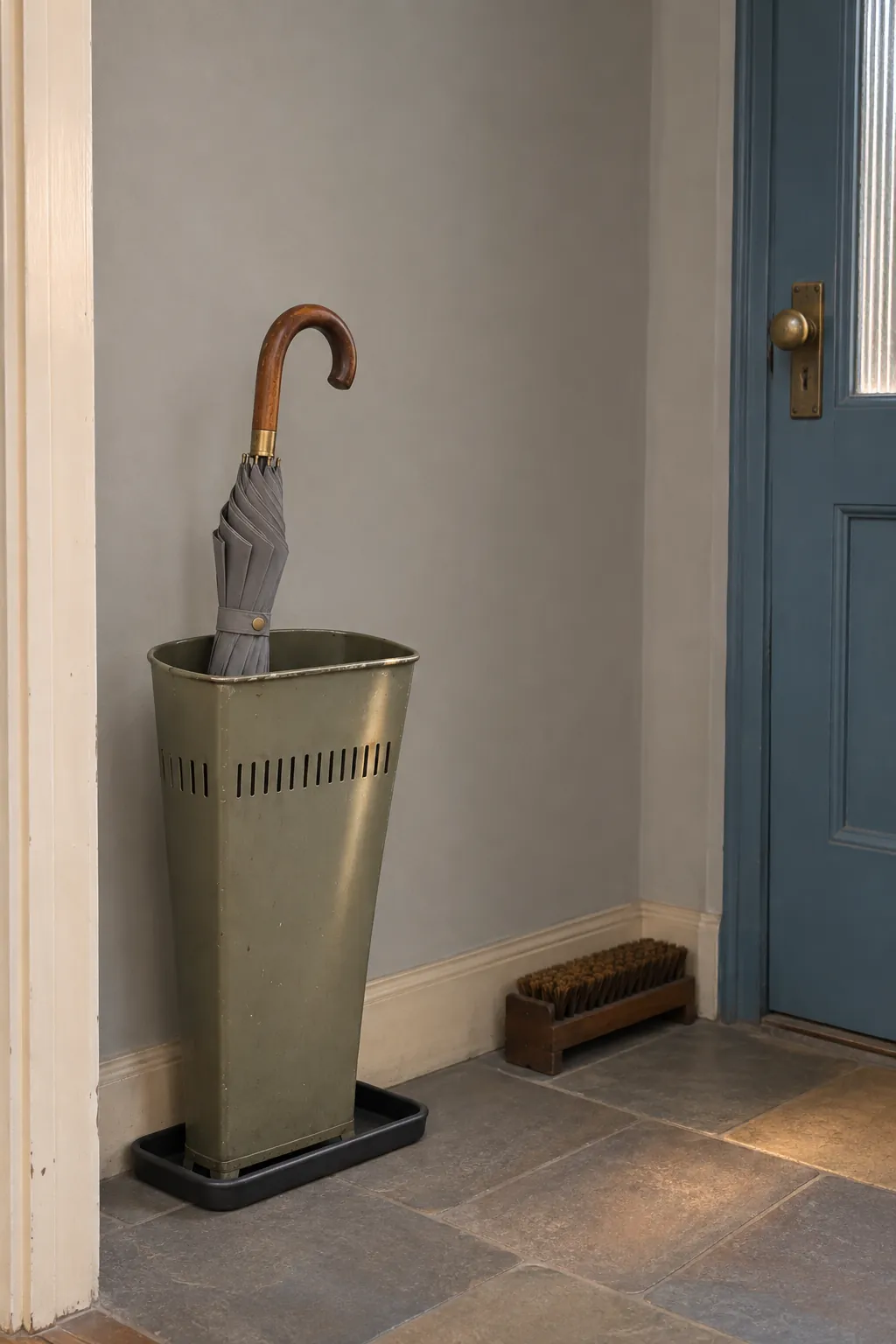
Tall umbrella stands often have a separate cup to catch water. Check whether that part is present or whether a washable tray can fit. Leave space to lift a full length umbrella clear of coat hooks, and let umbrellas dry before storing them closed.
Look for a Stoppered Decanter With Both Pieces
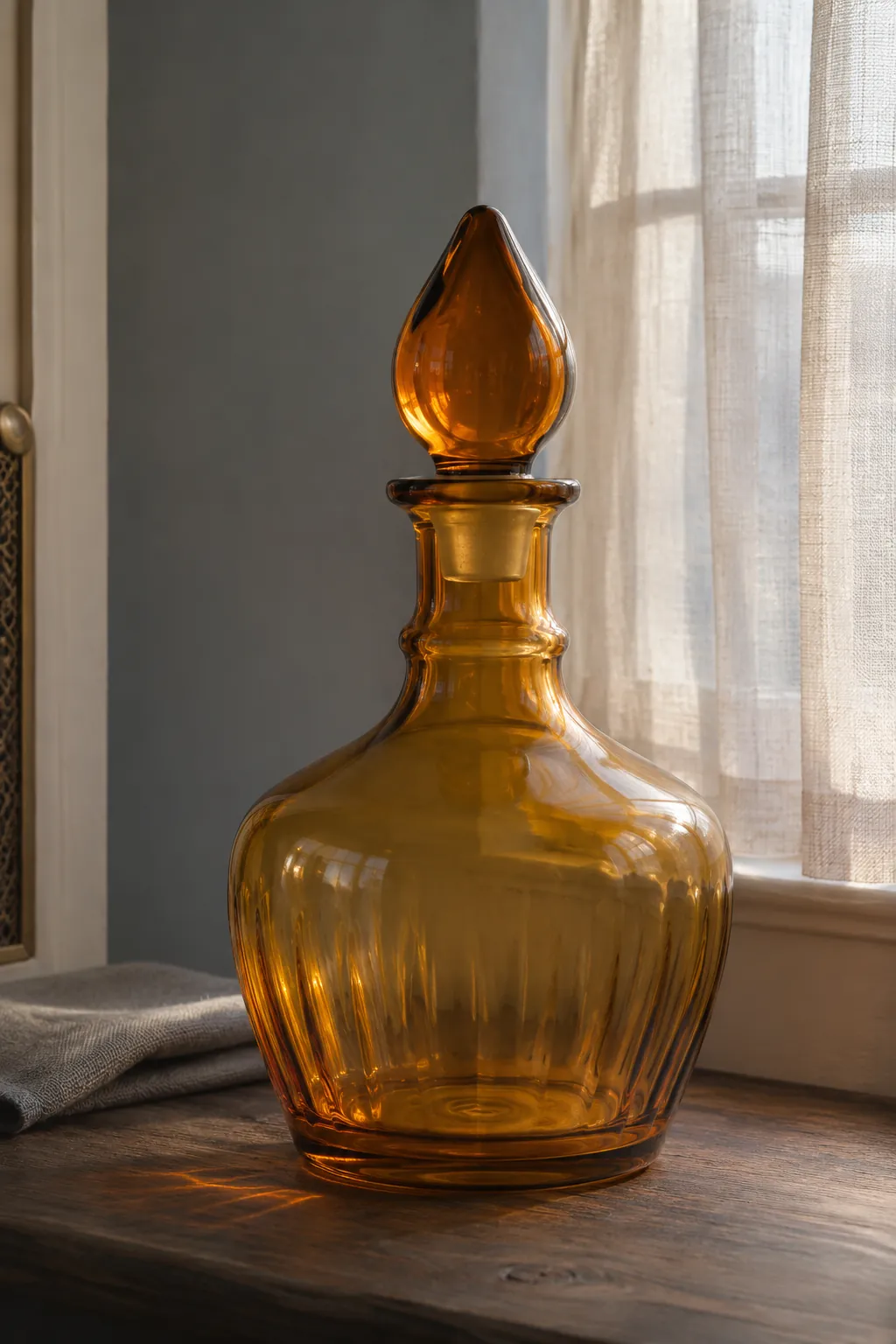
Try the stopper before buying a decanter, as a spare can look close without fitting. Inspect the neck for hairline cracks, then place the piece where light can pass through it and reveal the color. Use it for display if you cannot verify the glass and its intended use.
Put a Trolley Beside a Dining Table
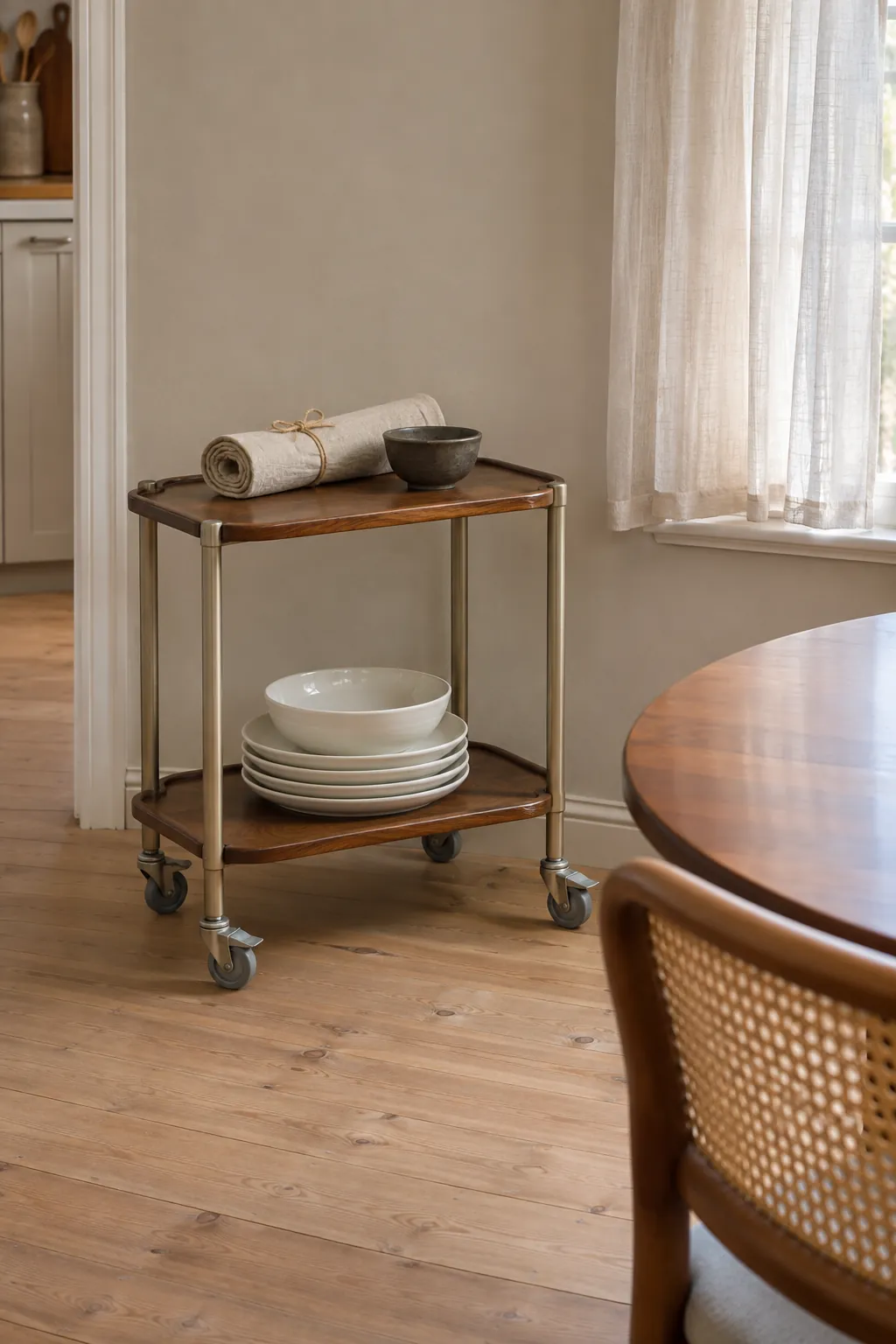
A small trolley can carry napkins and dishes when the table is full. Check whether all wheels turn smoothly and whether the brakes hold where fitted. Load the lower shelf first and keep fragile items out of the path when you roll it away.
Pair Frames With Similar Outer Shapes
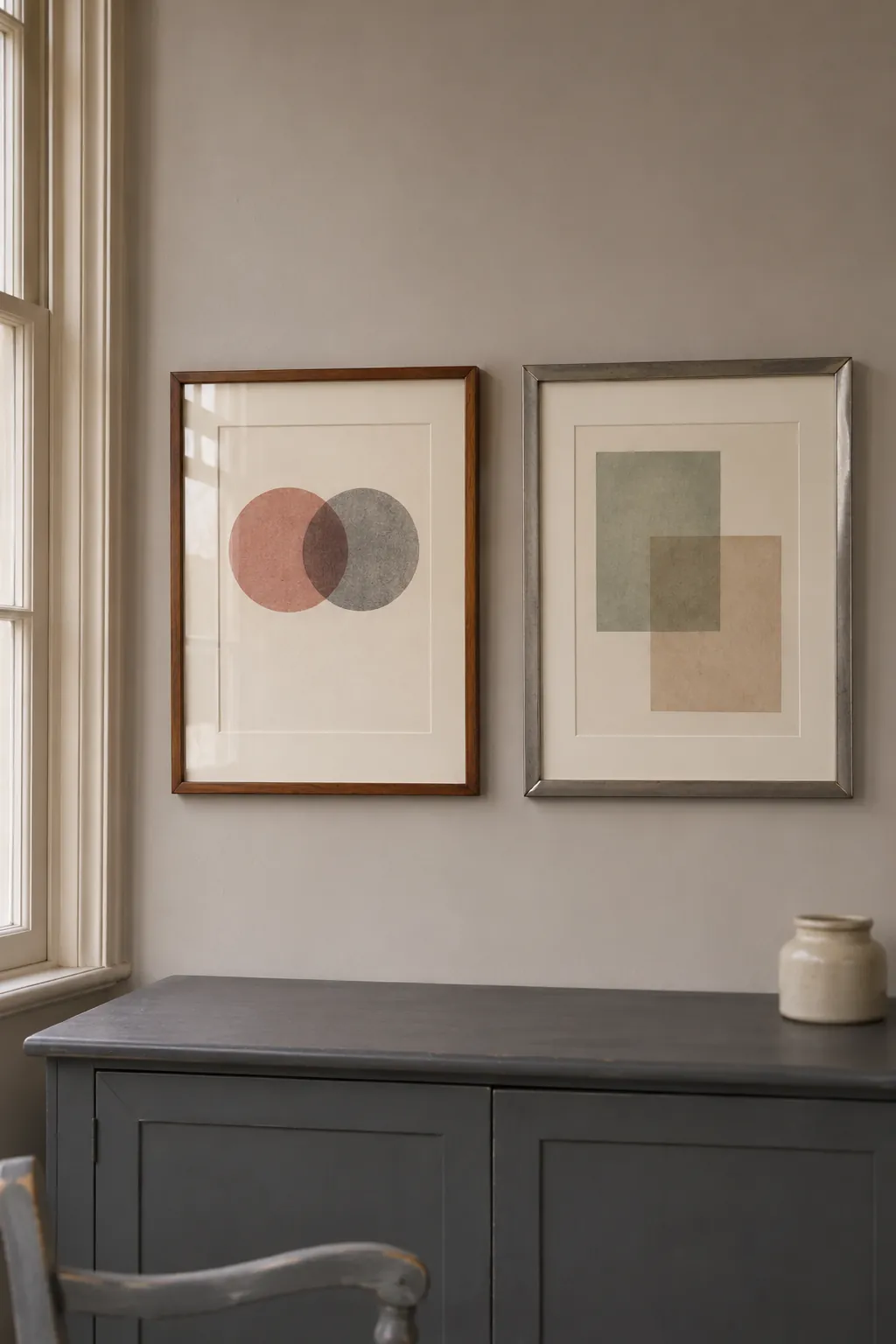
A pair of frames can look related when their outer sides have a similar weight, even if one is wood and one is metal. Lay them side by side and look at the gap before you hang them. Check the glass and fit secure mounting hardware suited to the wall.
Leave Space for Each Find
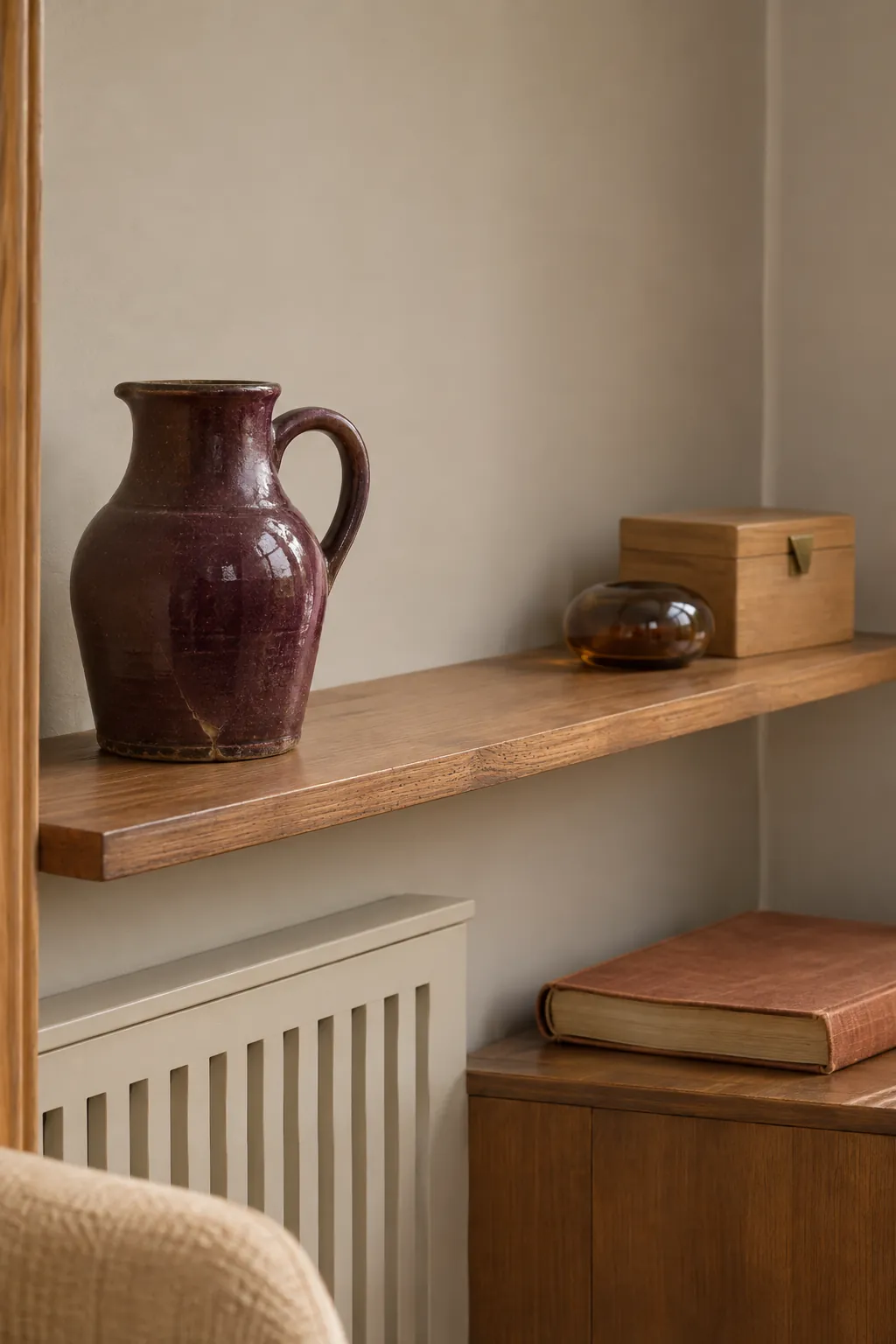
Clear a shelf before you bring a new piece home so you know where it will sit. Put the piece with the strongest outline beside a gap where you can actually see it. If two things need the same space, try each one for a few days and keep the one you use or look at most.