A room can collect the right colors and still feel uncomfortable. Start with where you sit, how you move, and what you use each day, then choose the period details that support those habits. This approach leaves room for personality without asking an existing home to become a time capsule.
Light the Dining Wall Without Glare
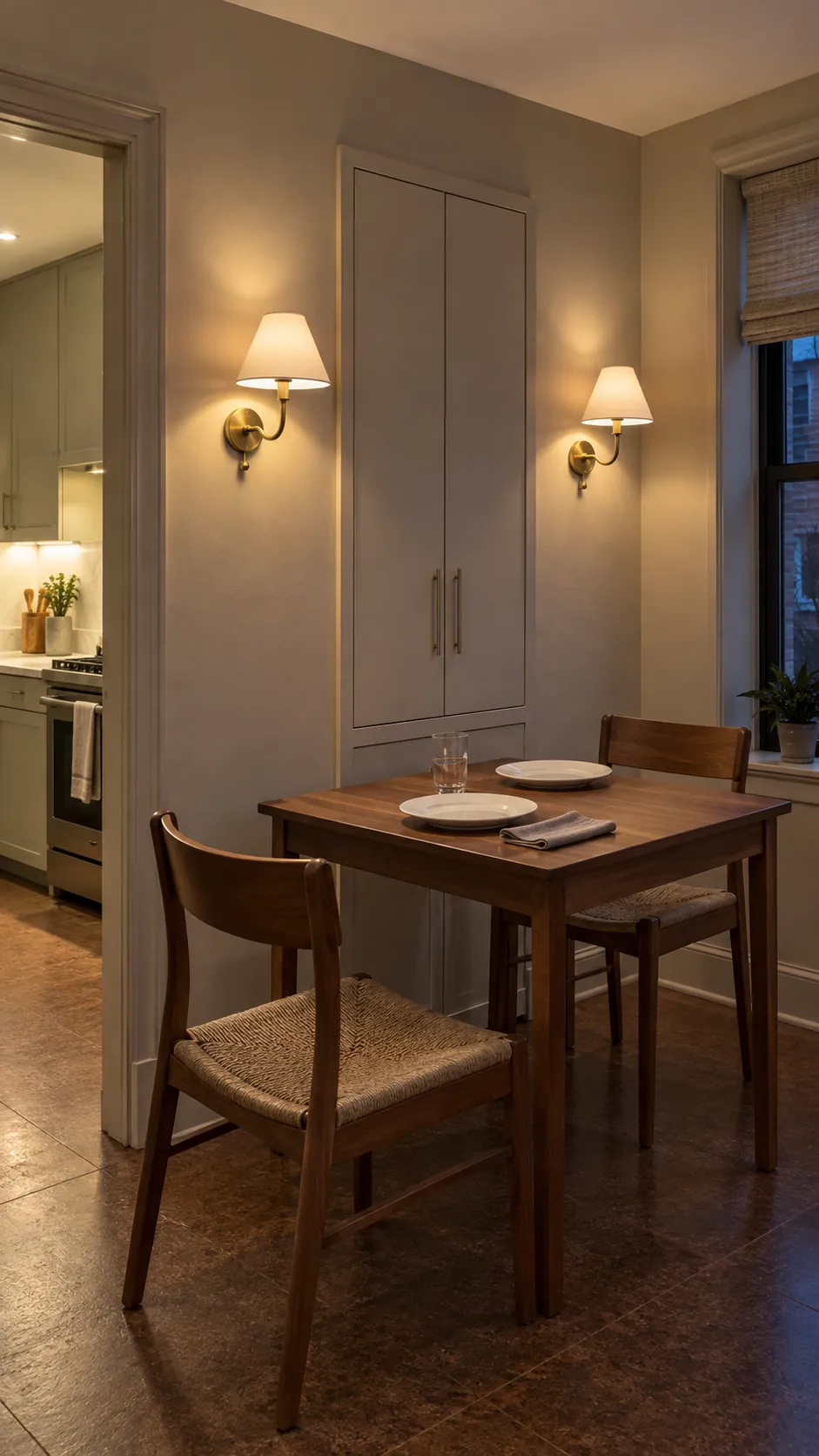
A pair of shaded sconces can make dinner feel more comfortable than a single bright ceiling bulb. Place them where their light reaches the wall without shining straight into seated eyes. Plug in fixtures can avoid new concealed wiring, but their cords still need a safe route. Ask an electrician to assess older fittings before putting them into service.
Use Ochre as an Accent Rather Than a Filter
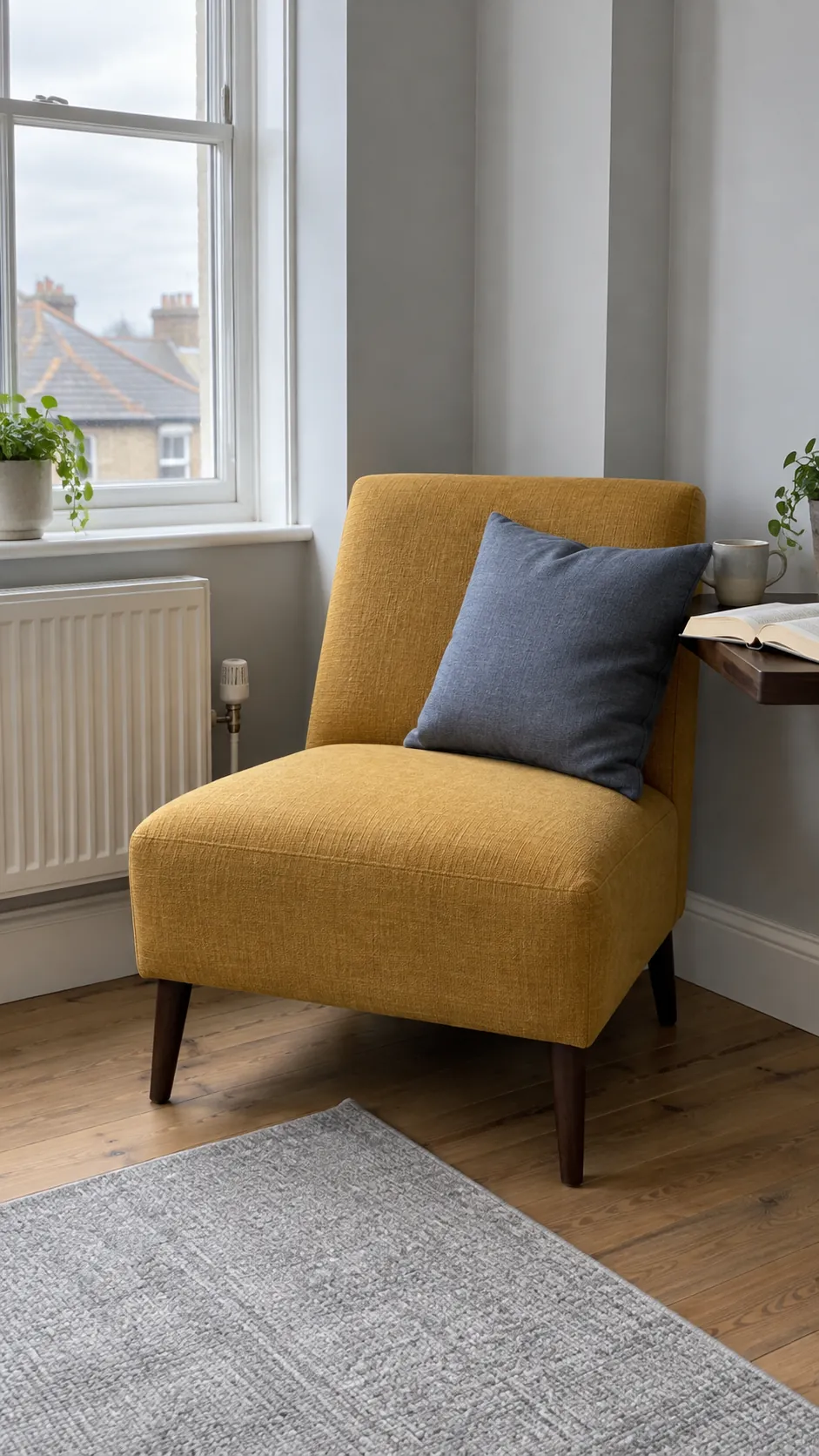
Ochre has enough character to carry a small corner without turning the entire room yellow. Try it on a chair cover or a curtain panel beside cream and dark brown. View the material under your actual lamps because warm bulbs can change the color considerably. A cool blue or gray nearby gives the palette more separation.
Create a Conversation Zone on a Level Floor
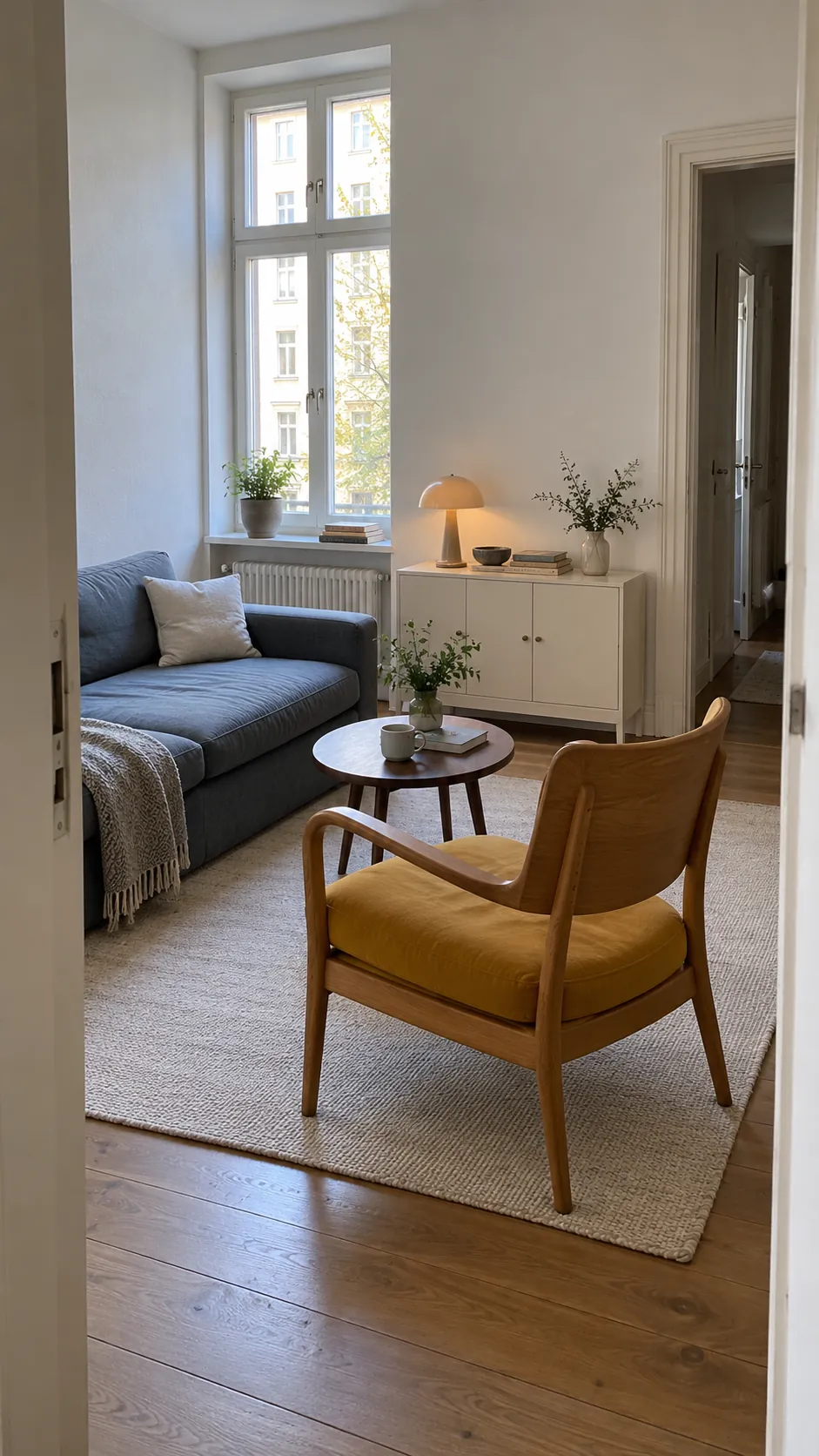
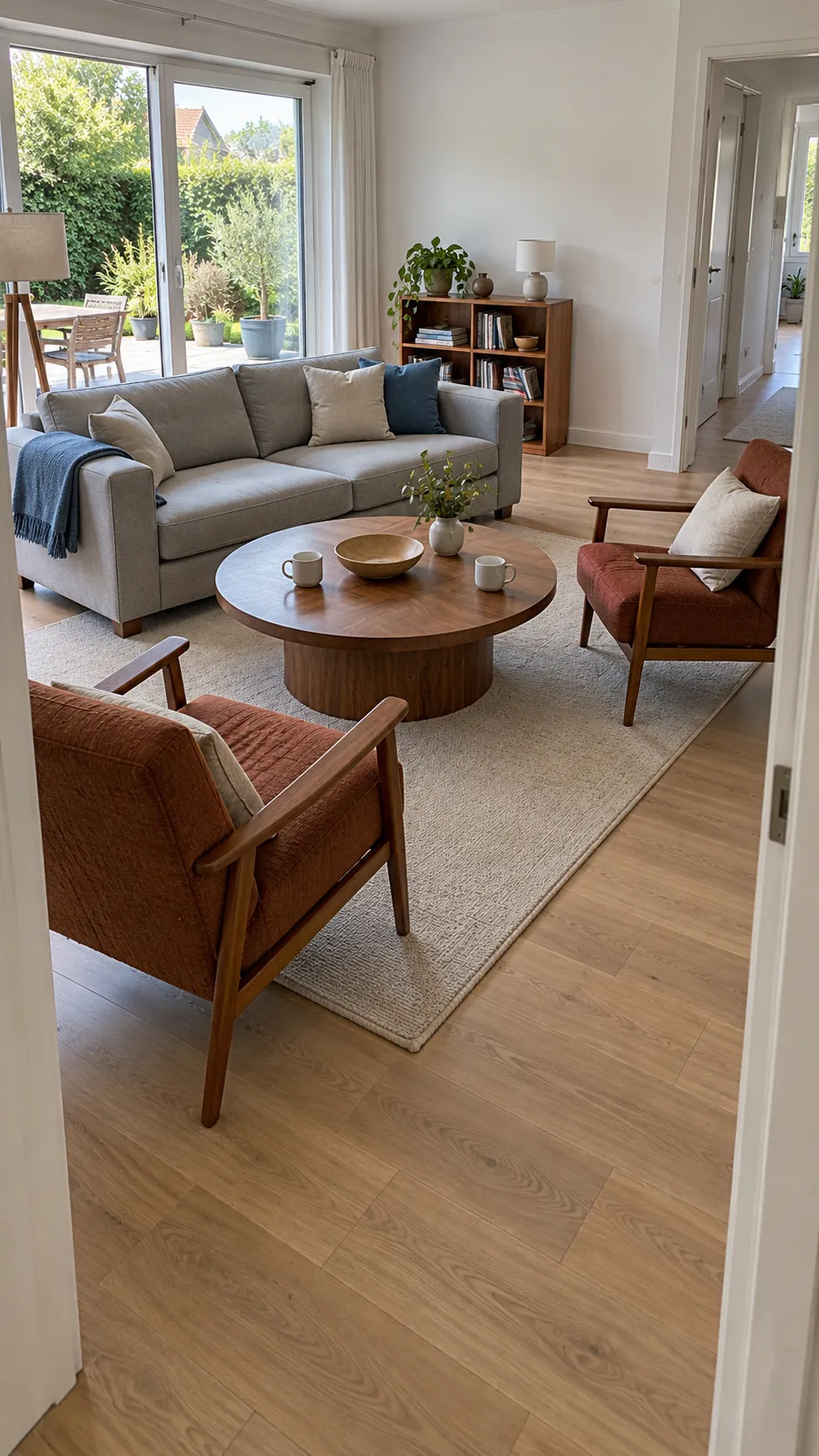
You can borrow the social idea of a conversation pit without cutting into the floor. Arrange seats to face one another around a reachable table, keeping the main route behind the group. Use a rug to define the area instead of adding a step that interrupts access. If you want a structural sunken area, treat it as a building project that needs professional assessment. Check fall risks, drainage where relevant, and access before discussing finishes. The useful feature is the arrangement of people, not the depth of the floor.
Hang Greenery Where It Can Be Watered
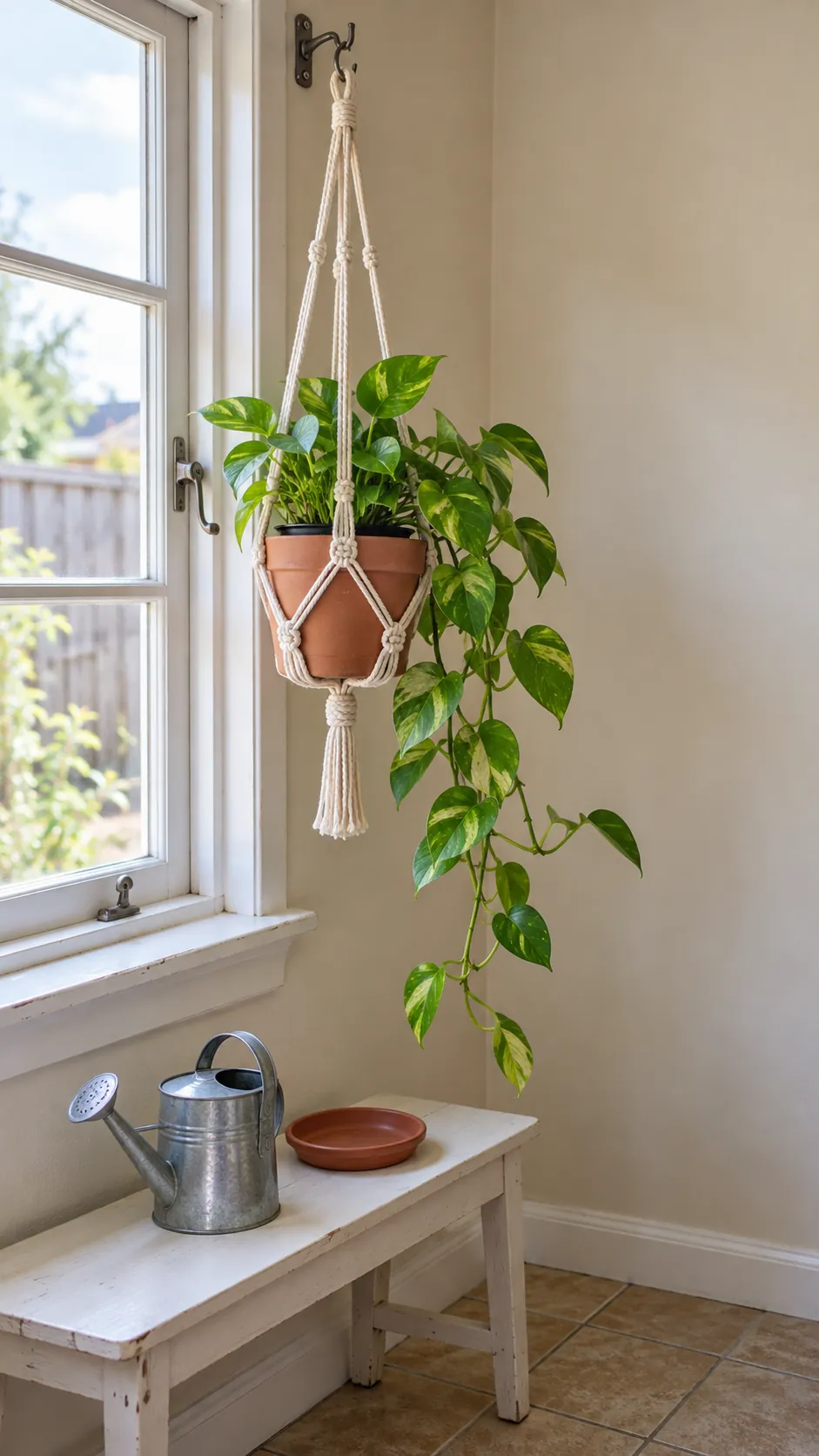
A hanging planter adds height when floor space is limited. Choose a position with suitable light and enough head clearance, then use a fixing rated for the container’s full watered weight. Take the plant down to water it if that keeps drips away from furniture. Check the hanger and its knots regularly rather than assuming a decorative cord is permanent support.
Pair One Vintage Shape With Plain Modern Seating
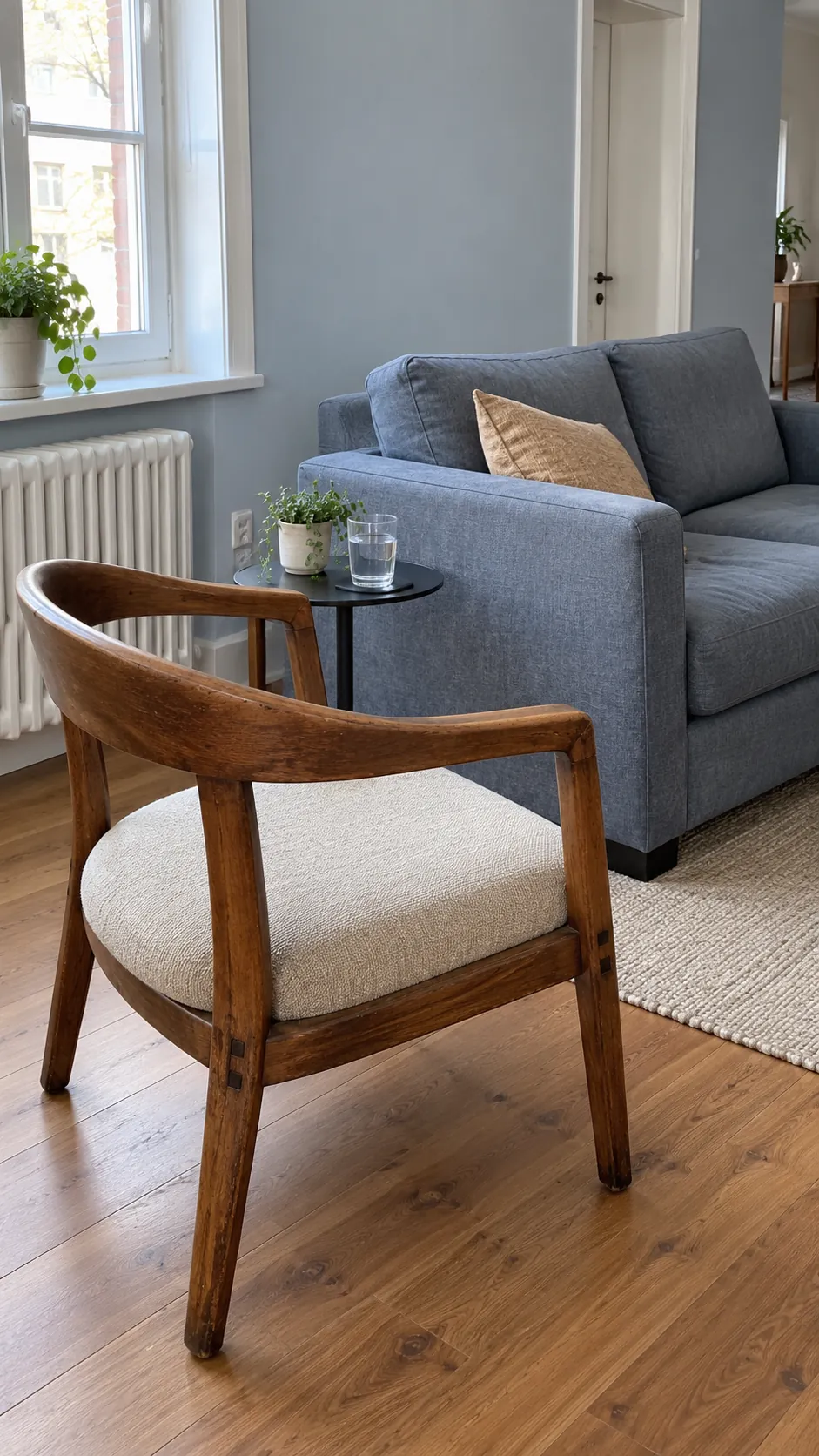
Modern retro interior design becomes easier to control when one older shape does the expressive work. A curved timber lounge chair can sit beside a simple contemporary sofa without needing a matching cabinet and lamp. Repeat a material or color so the two pieces relate. Inspect the chair’s joints and seat support, then compare its comfort with the seating you already use.
Give a Large Floral Pattern a Quiet Neighbor
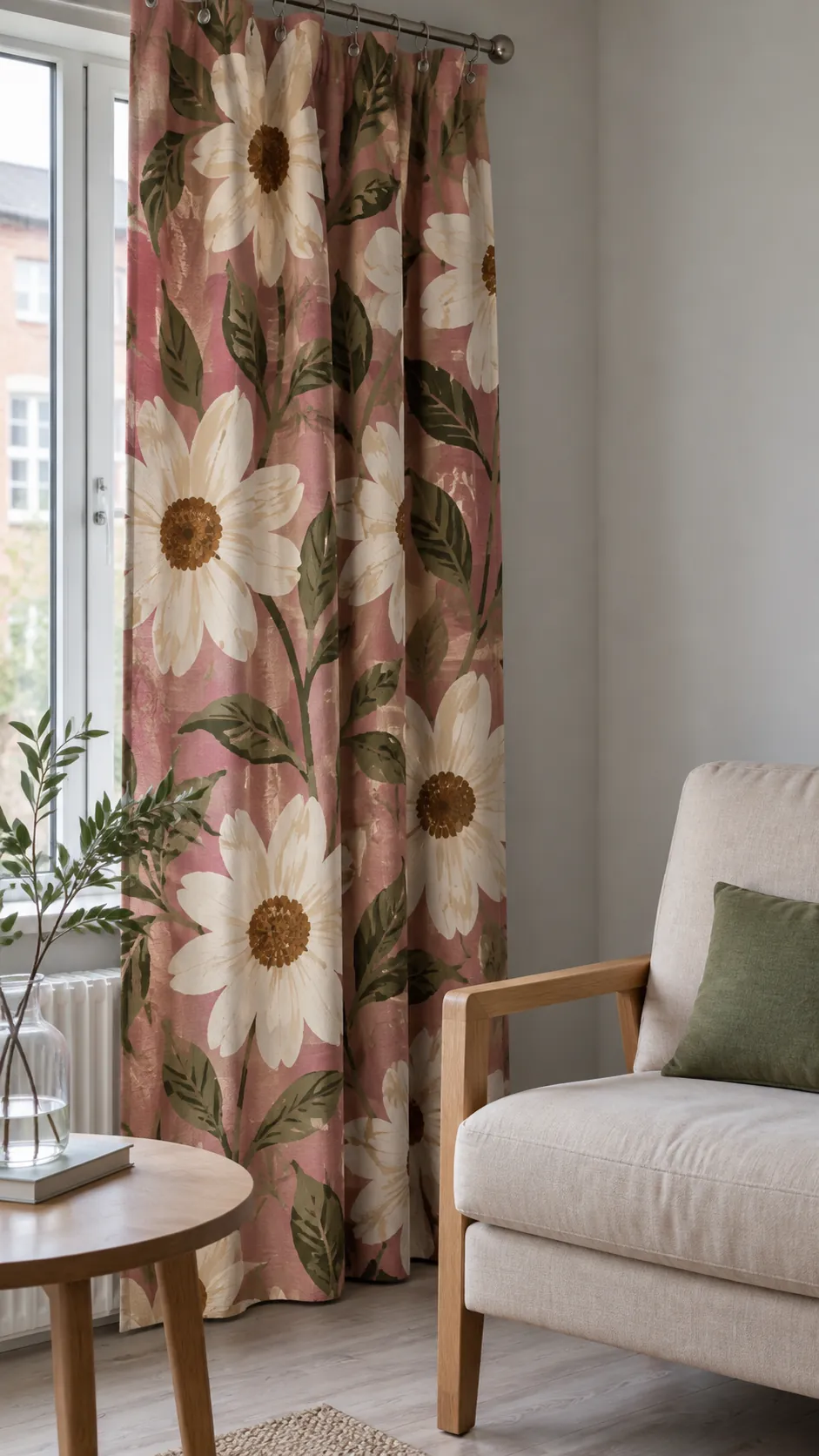
A large floral print needs space around it to show its shapes clearly. Put it on a modest chair or curtain and keep the adjoining upholstery plain. Match one leaf or petal color elsewhere instead of trying to match every color in the print. This makes a 70s inspired living room feel intentional while leaving room for everyday objects.
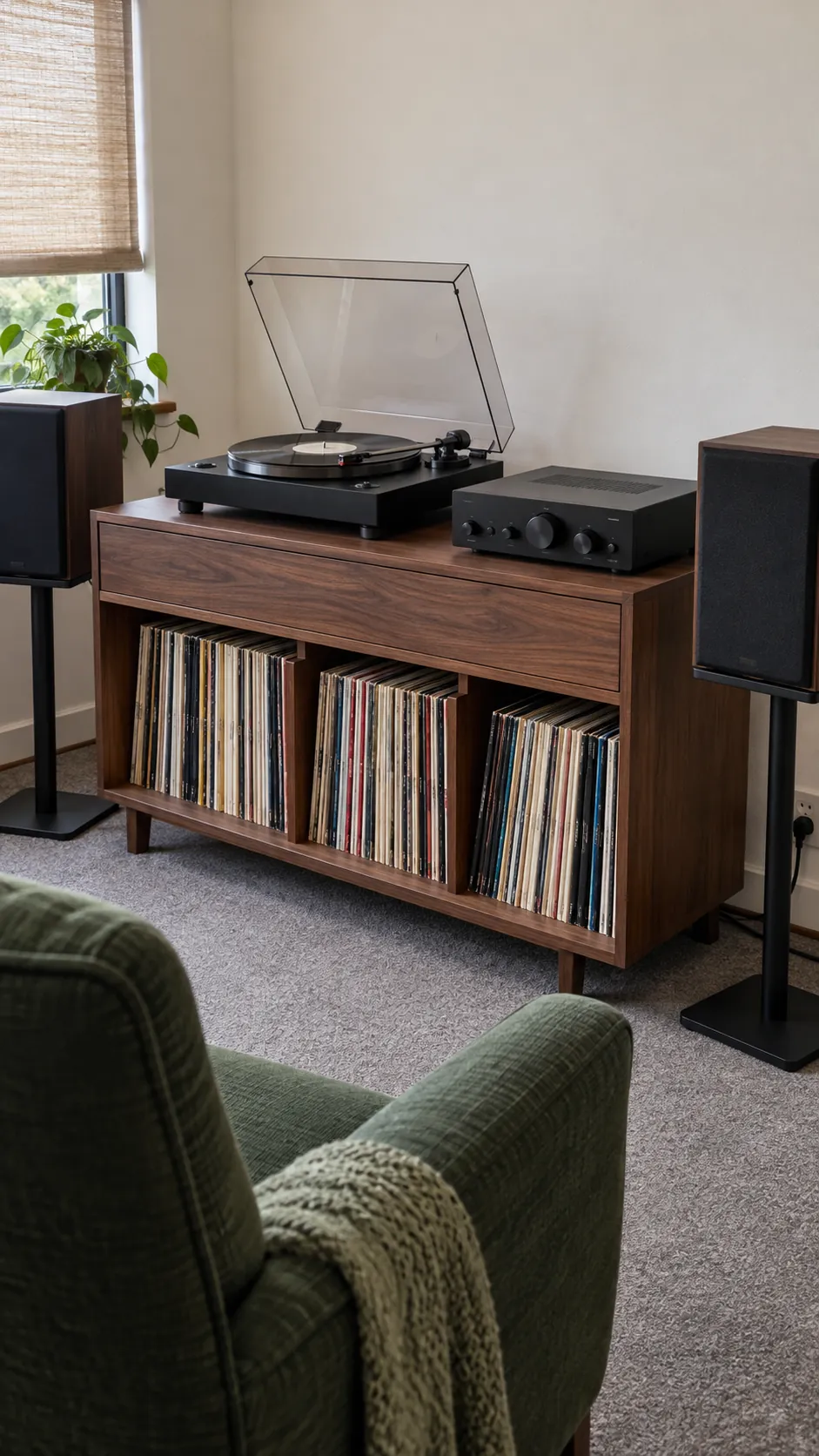
Build a Listening Corner Around the Equipment
A turntable can give a retro room a real activity rather than another decorative prop. Put it on a stable level surface and follow the maker’s clearance and ventilation requirements. Keep speakers away from the turntable when vibration causes feedback. Store records upright with enough support to prevent leaning. Avoid direct sunlight and heat sources around the collection. Leave space to open the lid and handle a record without moving a lamp first.
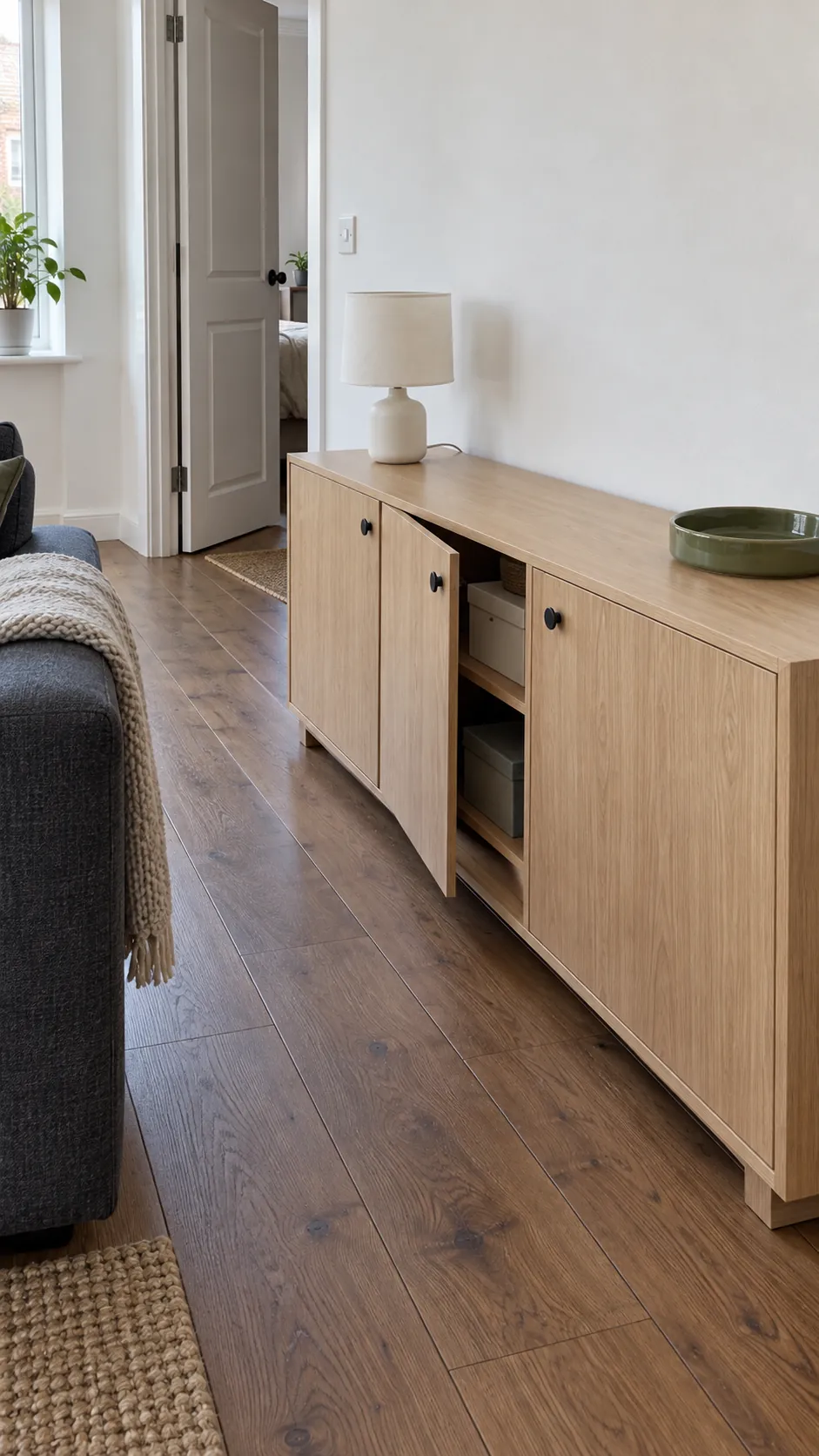
Use Low Storage to Keep a Small Room Open
A low cabinet creates display space without filling the whole wall. Choose depth for the objects you need to store, because an oversized sideboard can narrow an apartment walkway. Closed doors make practical storage possible behind a calm surface. Secure furniture against tipping where needed and keep any wall outlets accessible.
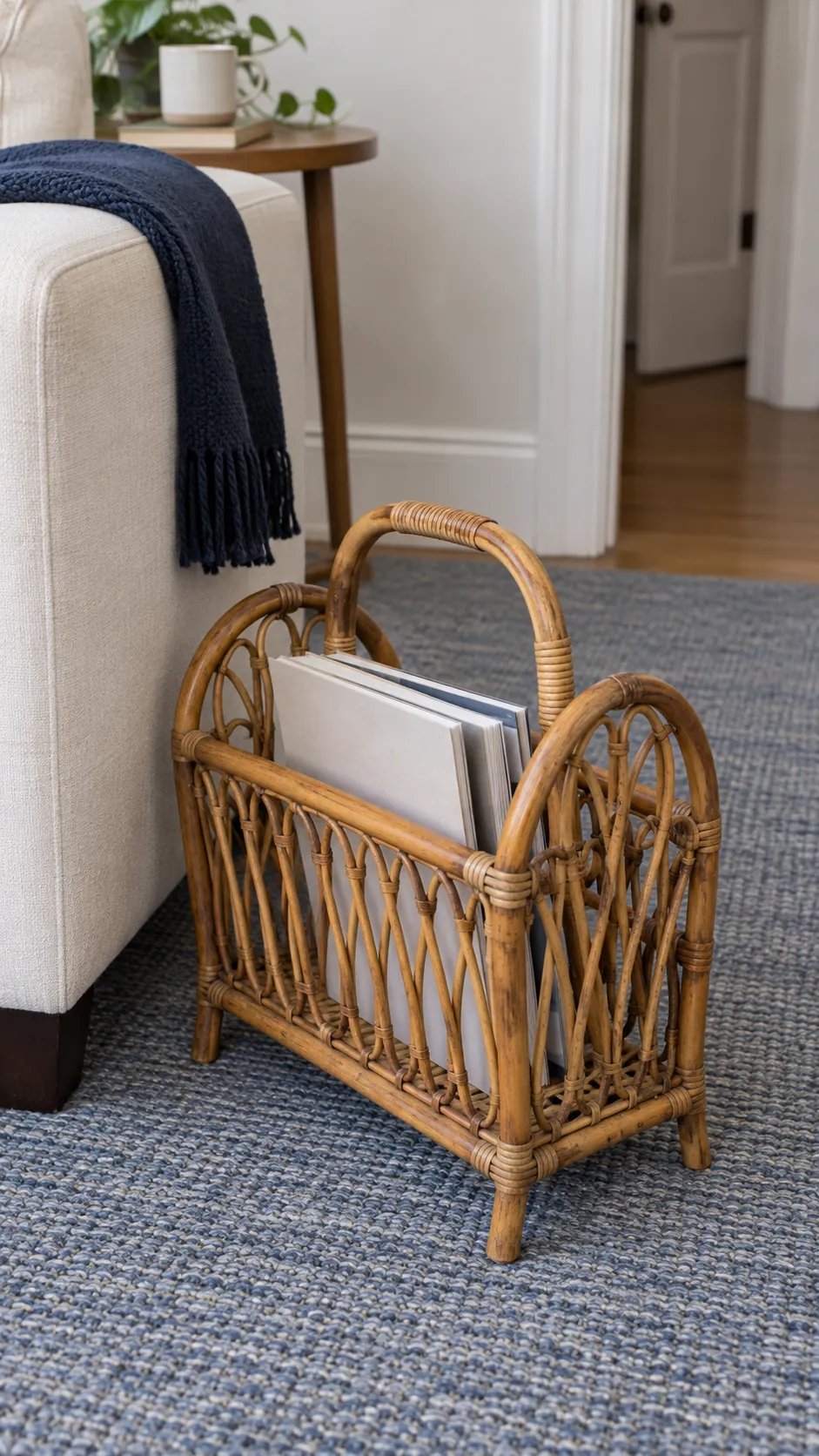
Bring Rattan Into a Dry Indoor Corner
Rattan introduces an open woven texture beside solid wood and upholstered furniture. Start with a magazine rack or small stool if a full chair would crowd the room. Keep it away from persistent damp and follow the maker’s cleaning guidance. Check secondhand pieces for loose joints and broken strands before placing weight on them.
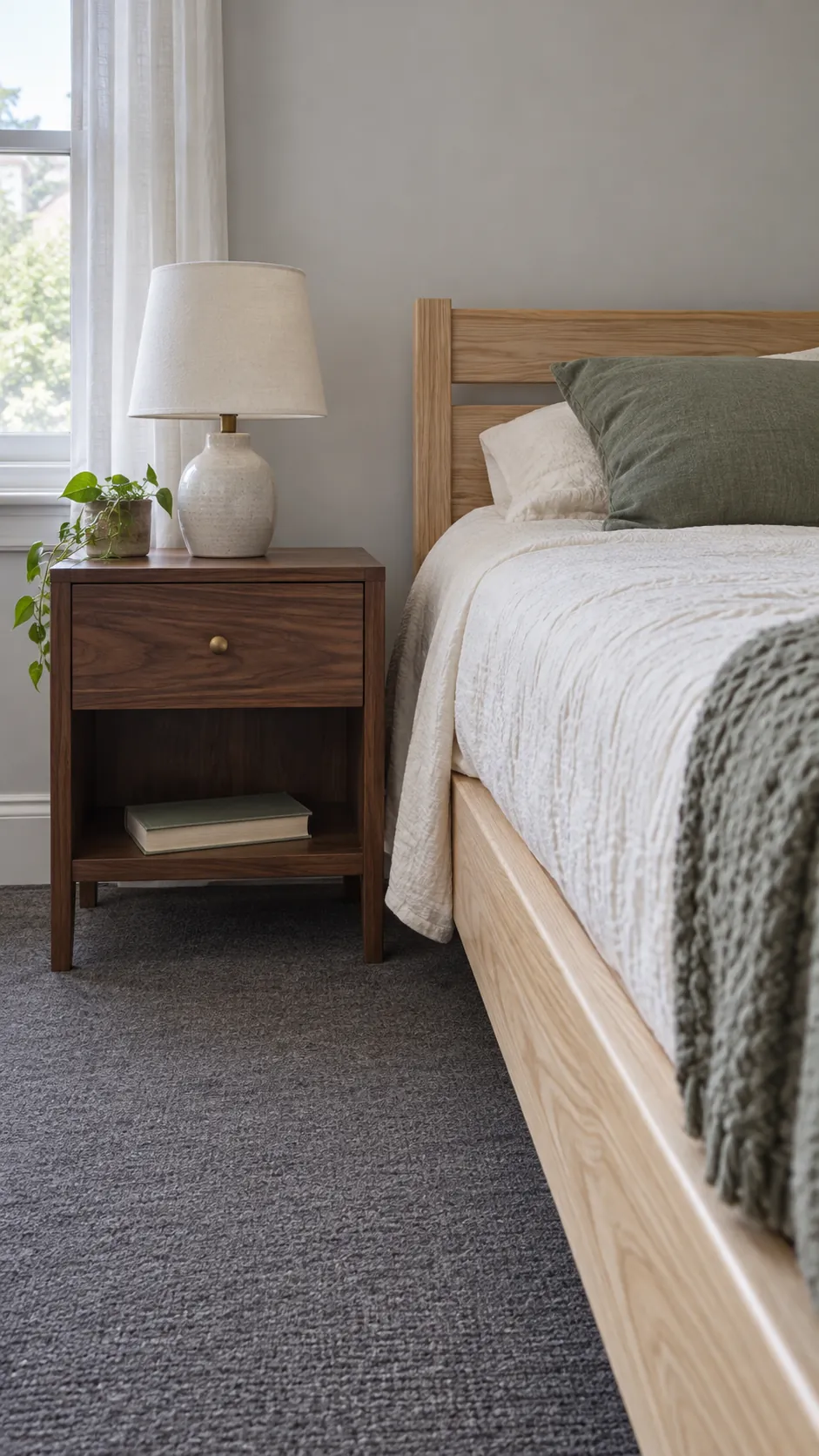
Repeat Wood Tones Without Buying a Matching Set
A retro house interior can hold different wood finishes when they share a clear relationship. Let one tone dominate, then introduce a second in a smaller piece with a similar warmth or grain character. A rug or plain textile can separate two finishes that look awkward when they touch. Bring a photo and measurements when shopping, but remember that phone colors are only a rough guide.
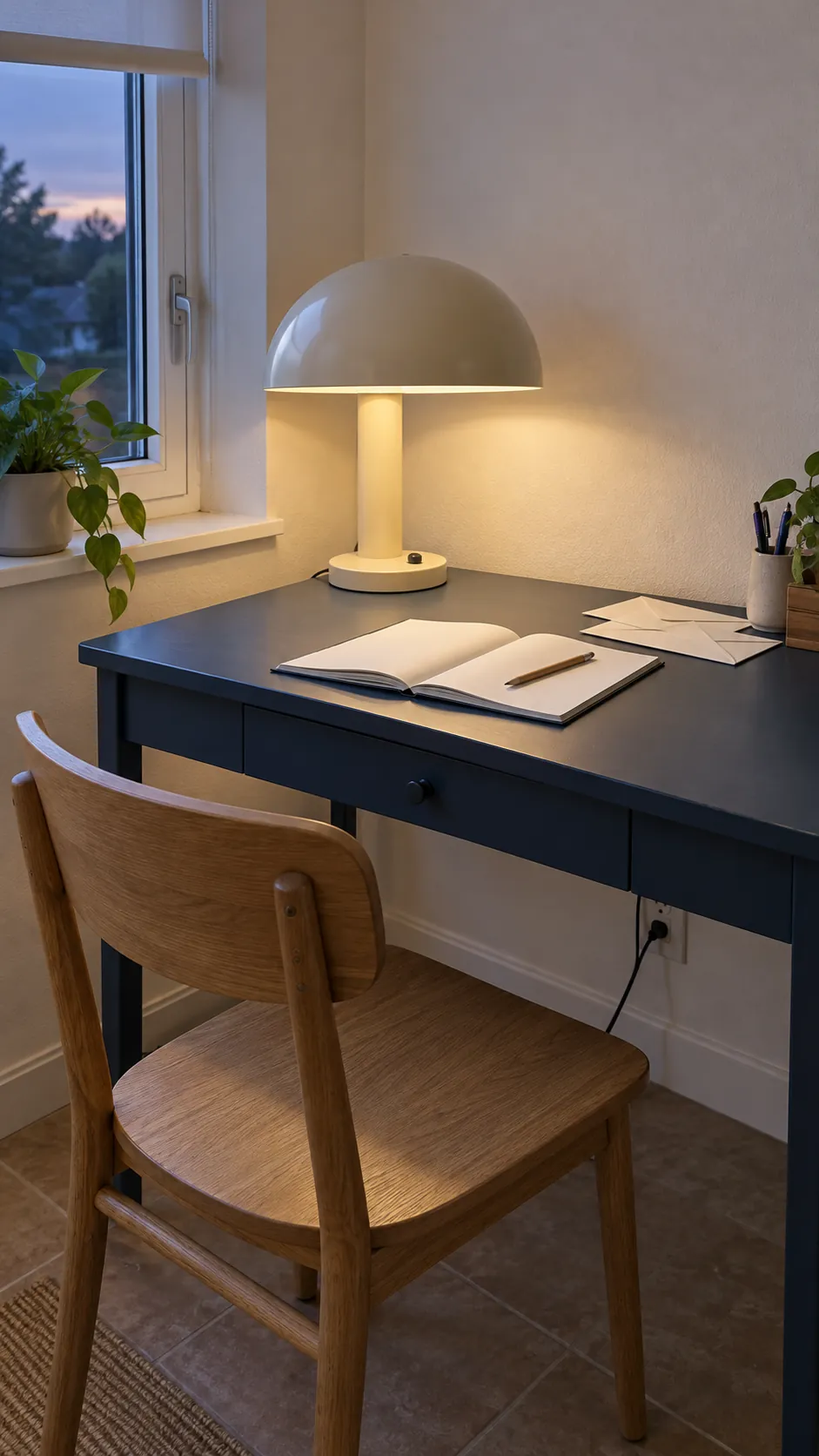
Choose a Lamp That Serves a Daily Task
A mushroom shaped lamp earns its space when it lights a real task such as reading or sorting mail. Check the shade opening and bulb position from the height where you will sit. Place the base on a stable surface and route the cord away from the walking path. A sculptural shape is useful only if you can comfortably see beside it. Keep the most practical light, then let its color or outline carry the nostalgic reference.