The best secondhand find can become the wrong purchase if it blocks a doorway or needs repairs you cannot manage. Choose pieces for a real job first, then use color, fabric, and a few personal objects to connect them. An apartment can feel collected and homey without permanent changes or a room full of antiques.
A comfortable retro chair as the anchor
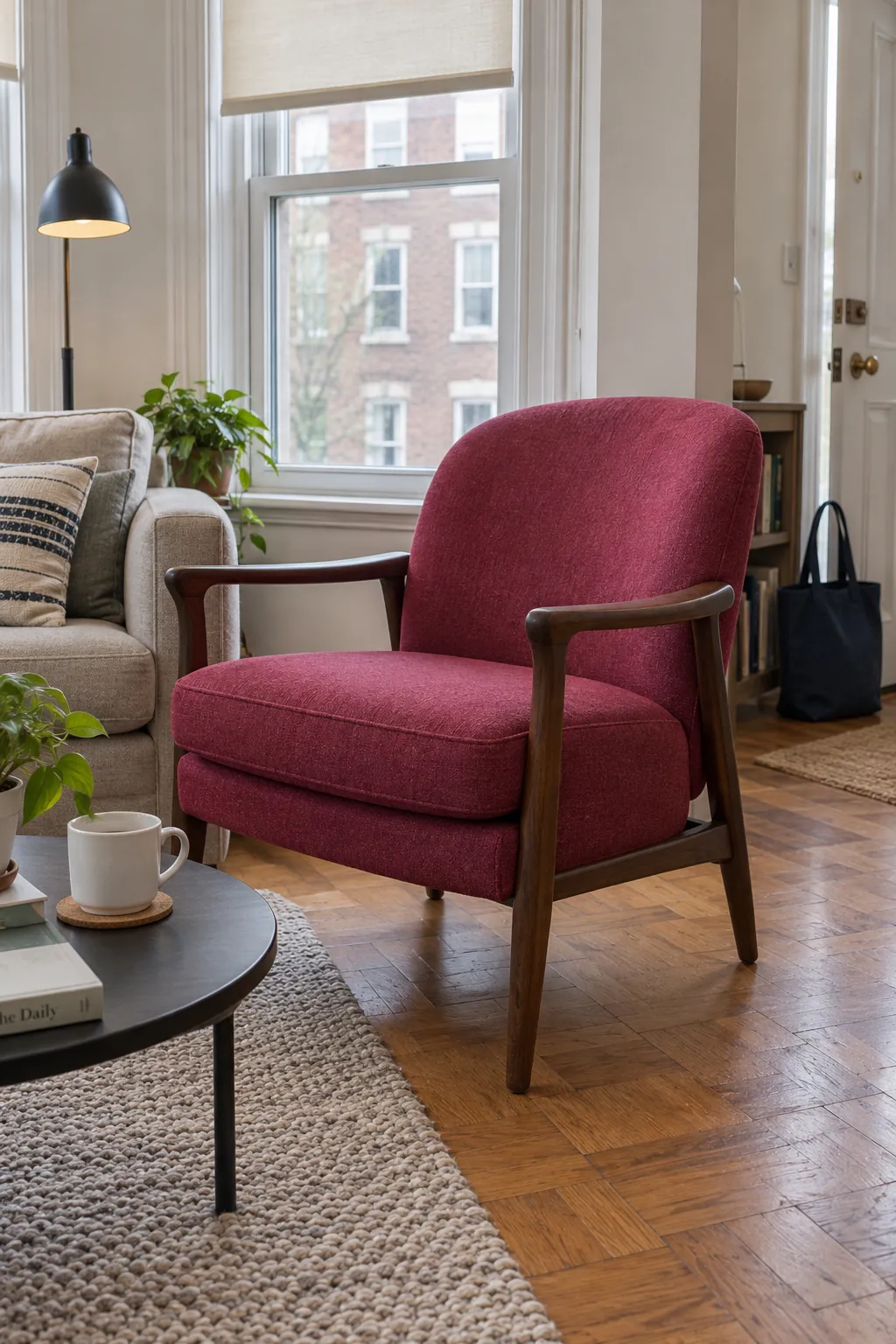
Start with one chair that earns its floor space through comfort as well as shape. Sit in it, check the frame for movement, and inspect the underside before buying used upholstery. A plain sofa nearby gives a colorful chair room to stand out without making the whole living area busy. Measure the doorway and stair turns as carefully as the spot where it will sit.
A poster group with a clear visual link
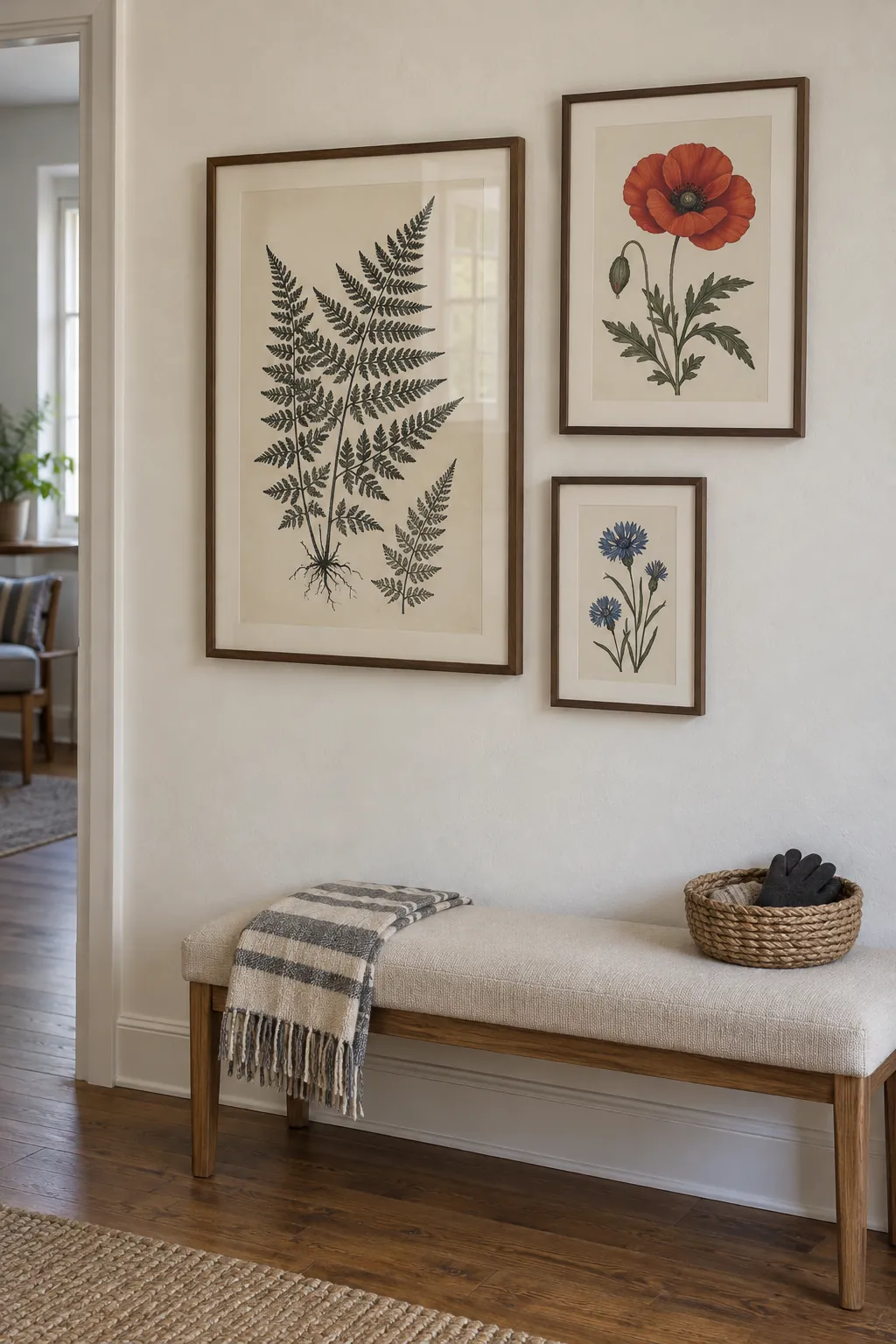
A small poster collection looks intentional when the prints share a color, subject, or border treatment. Try three graphic botanical prints in different sizes before buying enough frames to fill a wall. Lay the arrangement on the floor first and check the hanging method against your lease. Use reproductions when original paper is too fragile or costly for a sunny room.
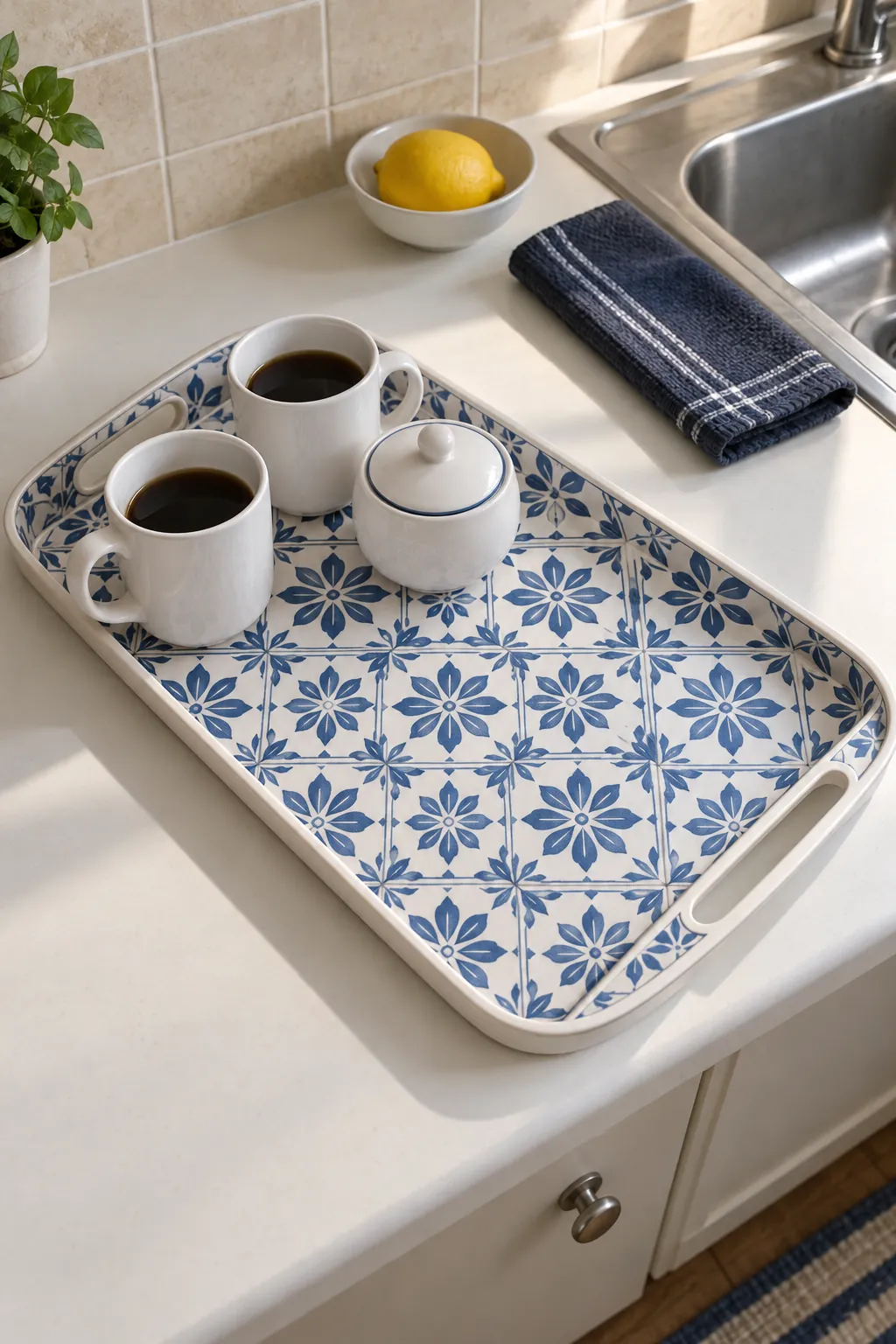
Pattern on a movable kitchen surface
A patterned serving tray can bring a tile inspired motif into a kitchen without changing the backsplash. It can carry cups, contain small objects, and move with you at the end of the lease. Choose a surface that is easy to wipe, and keep it away from heat unless the maker confirms suitability. Permanent tile work needs permission, while adhesive products still need a finish test and careful removal planning.
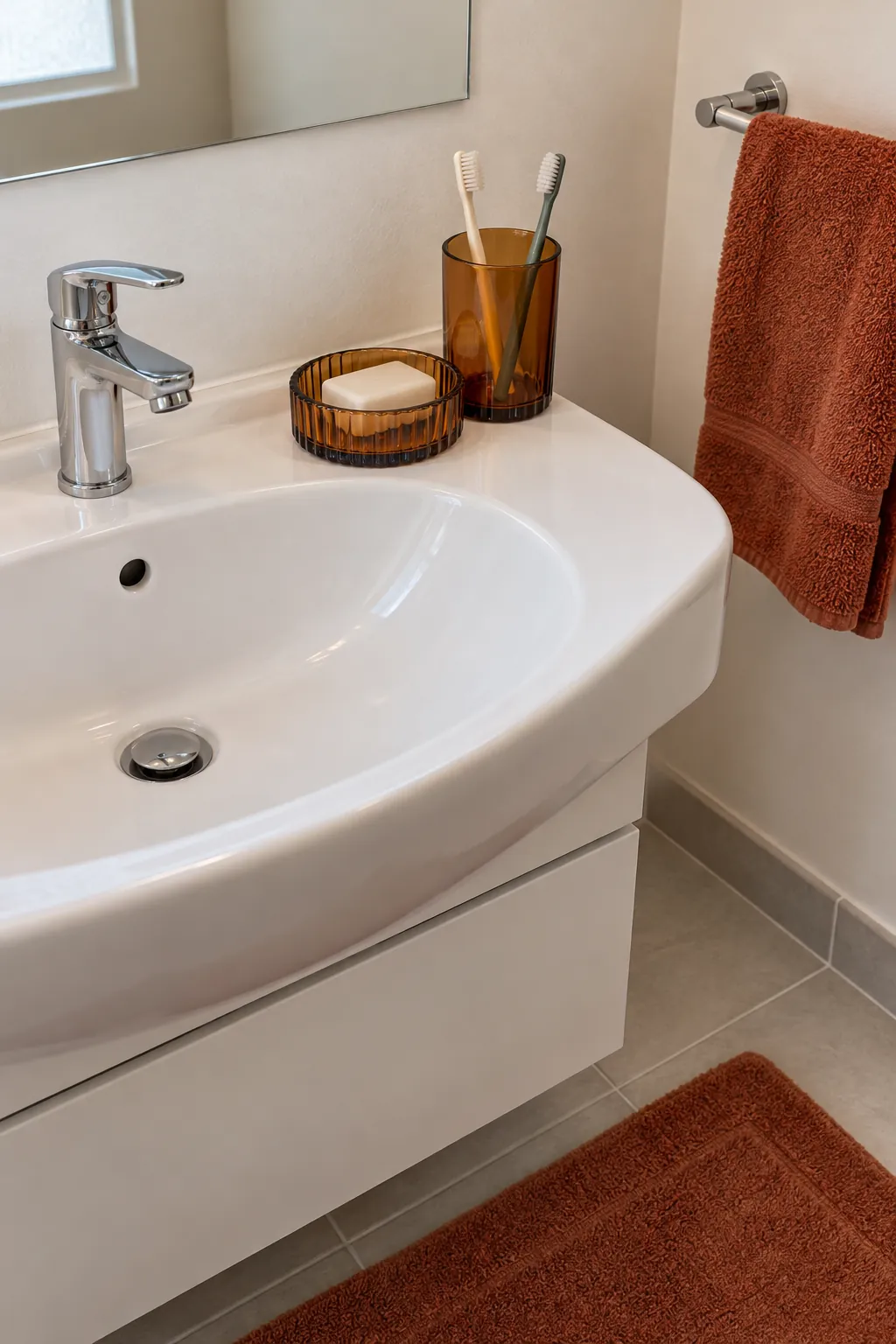
Color through bathroom accessories
A plain bathroom can take on a retro character through a coordinated towel and soap dish. Amber glass works with cream or white surfaces, while a washable rust mat adds a stronger color low in the room. Keep bottles that must be handled frequently on a stable surface with enough space around them. Check the mat’s care instructions and floor grip rather than choosing it only for its pattern.
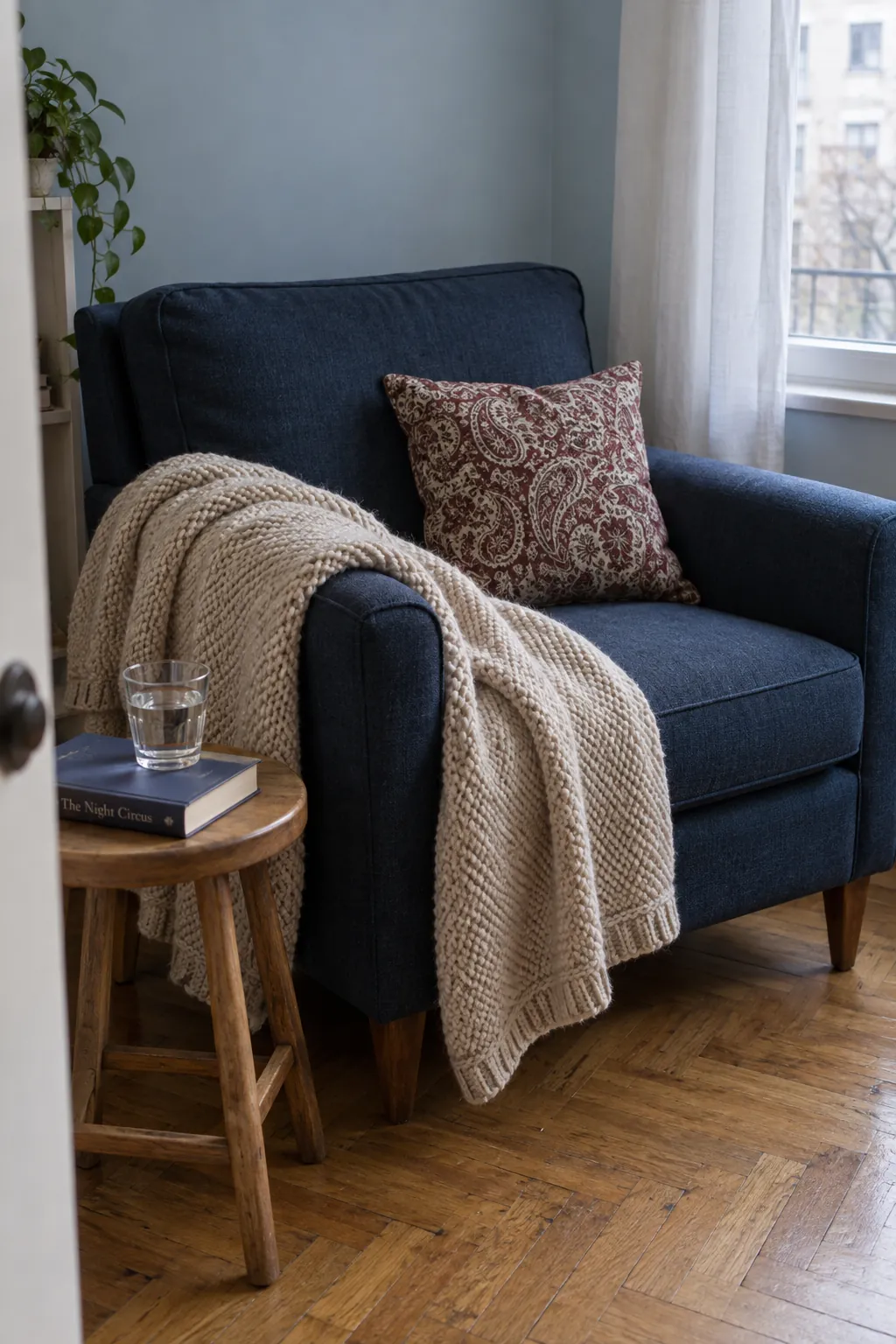
A textile layer that adds actual comfort
A soft throw changes a reading chair when the room feels chilly or the upholstery needs a little visual relief. Choose a washable layer for frequent use and let the main seat surface remain easy to sit on. Pair a textured solid with one patterned cushion instead of stacking several unrelated prints. In a cozy vintage apartment, useful softness makes more sense than fabric arranged solely for a photograph.
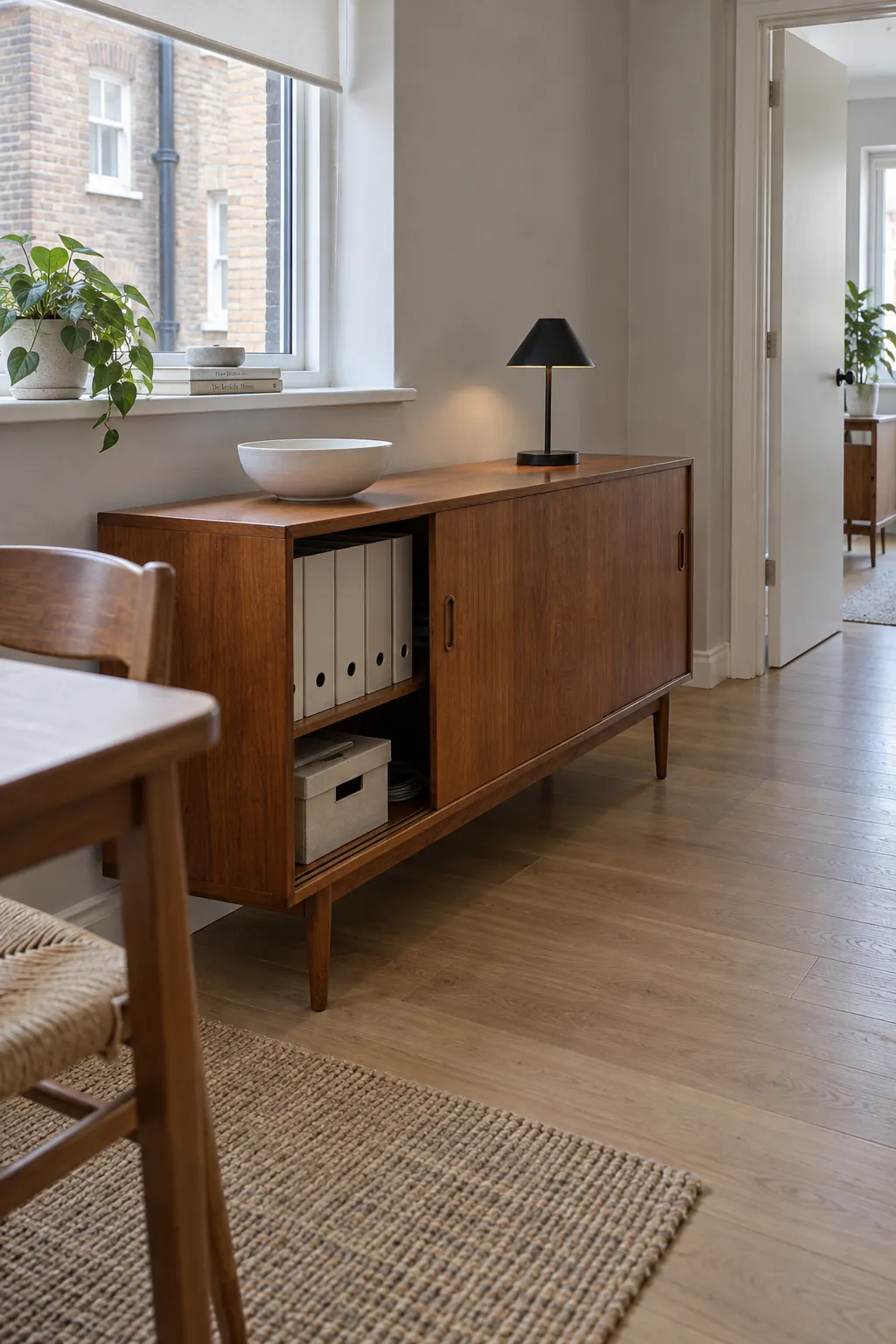
A sideboard scaled to apartment storage
A shallow sideboard can store documents, tableware, or cables while its top provides one quiet display surface. Measure its depth with the doors open, since a cabinet that fits closed may still block a passage. Inspect drawer runners, hinges, and veneer before negotiating a price. A thrifted apartment feels more settled when attractive furniture also solves an everyday storage problem.
Dark wood balanced with light fabric
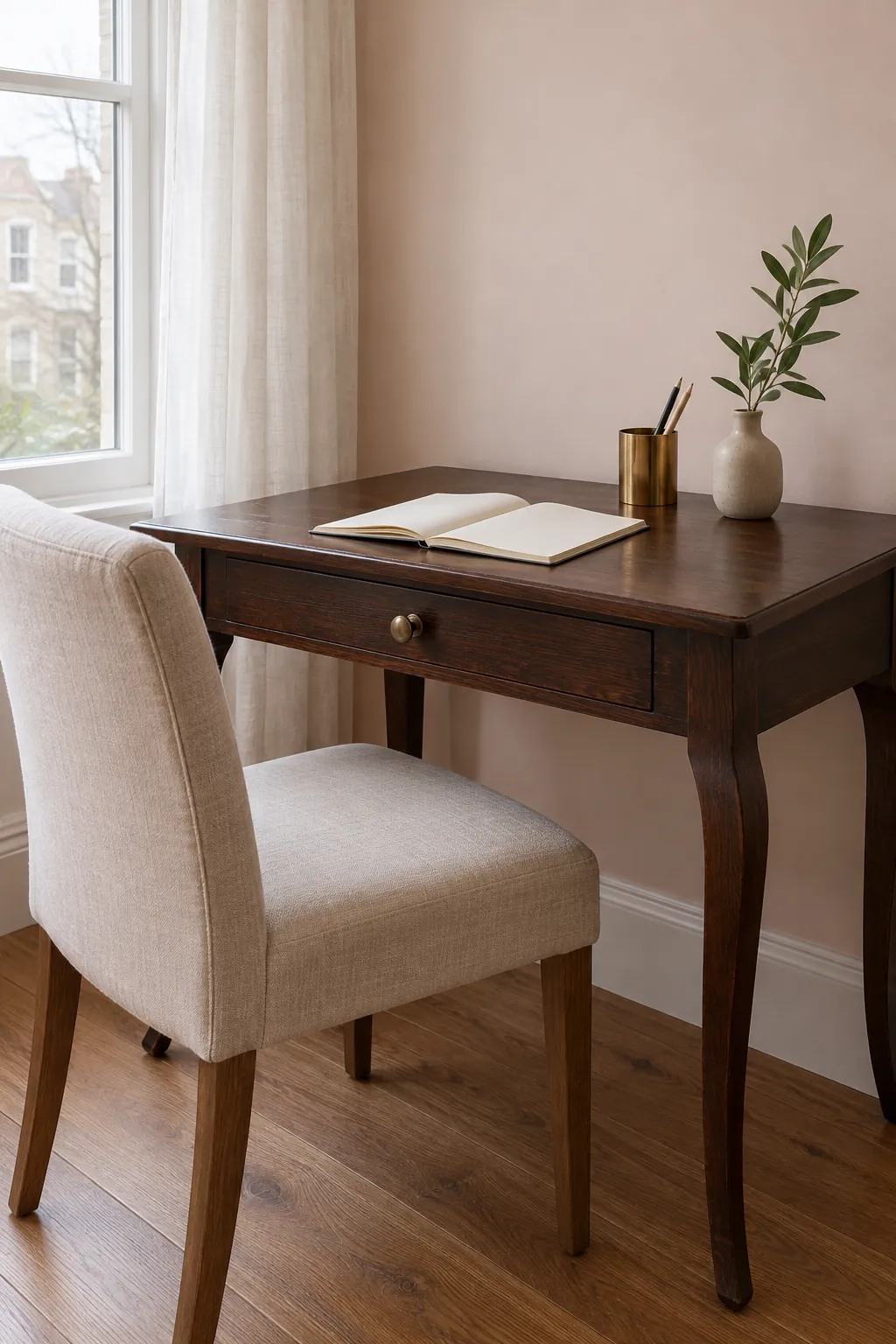
Dark wood can give a small corner depth without requiring an entirely dark room. A compact writing table beside a pale curtain or linen chair keeps the contrast clear. Use the table for a task you actually perform, and check that the chair clears its apron. If the finish is sound, a suitable gentle clean may be enough; do not start with stripping just to make the piece look newer.
One retro accent in a quiet living area
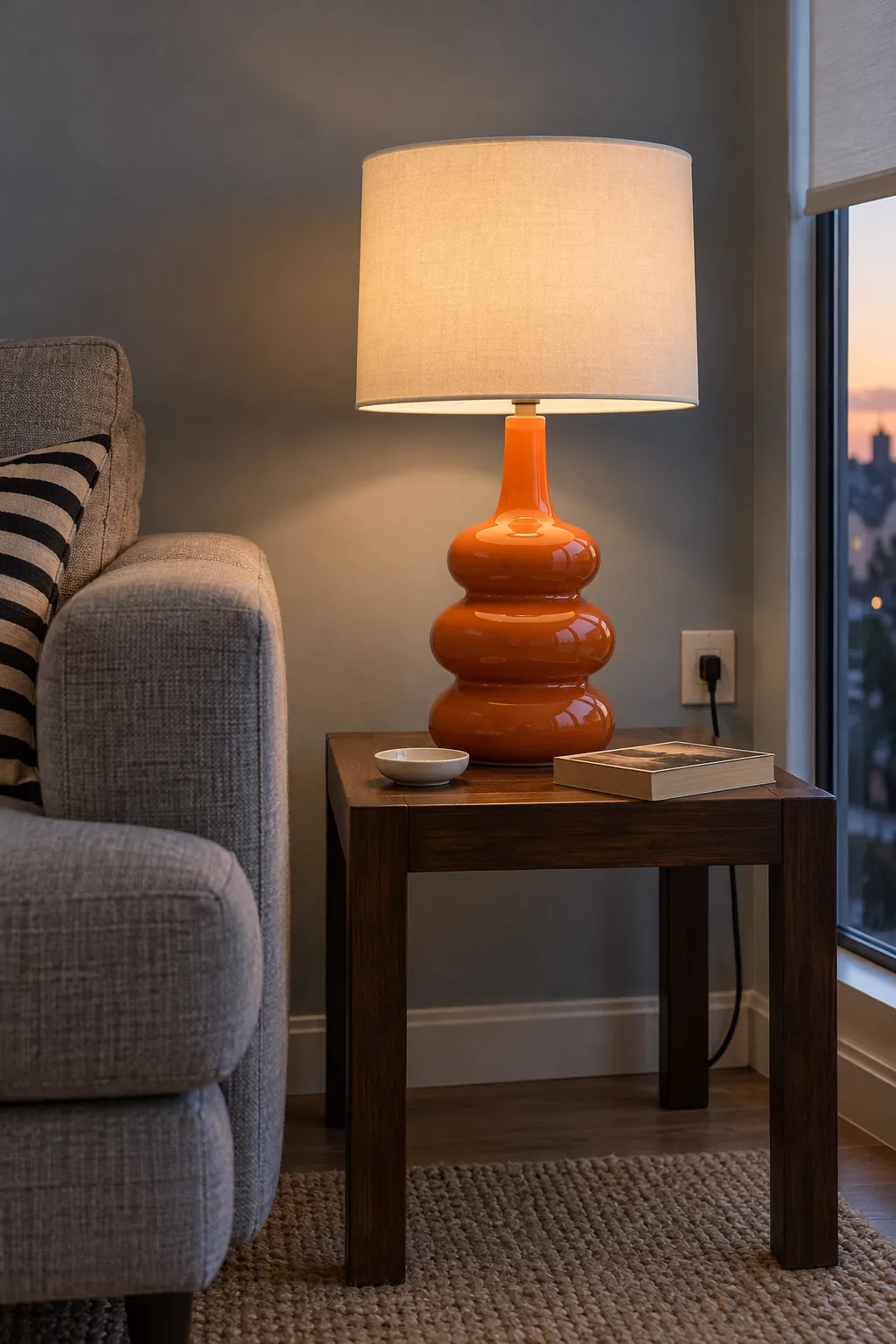
A curved ceramic table lamp can carry a strong retro reference while the room around it stays simple. Put it near a useful seat and keep its cord away from the walking route. Check older wiring and fittings with a qualified repairer before use. A striking silhouette has more impact when it does not have to compete with several other novelty objects.
Vintage dishes with a practical home
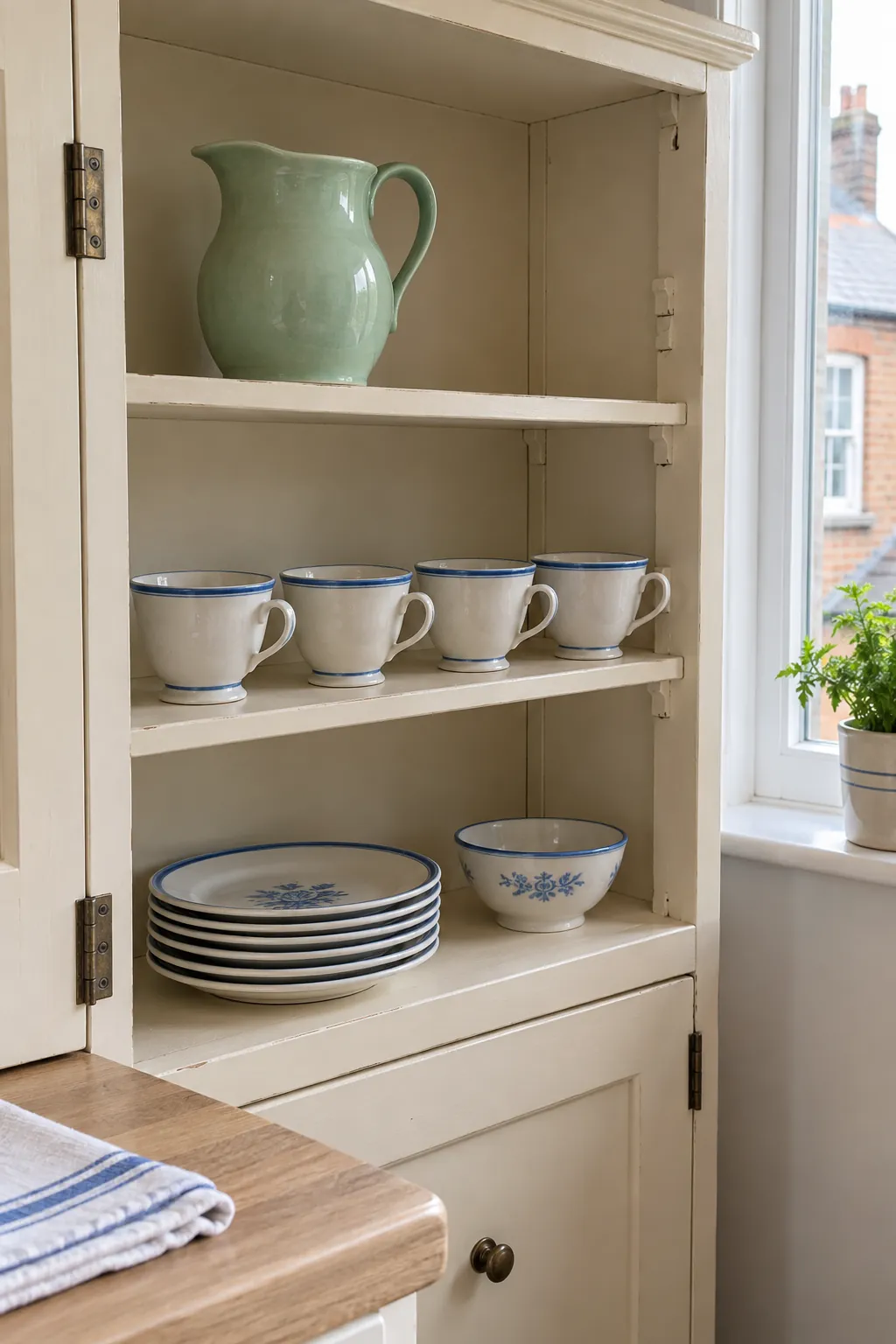
A small collection of cups looks better when it has a defined shelf rather than spreading over every counter. Use dishes for food only when their condition and intended use are suitable, especially if old glazes or decoration are uncertain. Decorative pieces can still be displayed separately from everyday tableware. Keep heavy stacks low and avoid shelves that exceed the load their supports can safely carry.
Seating arranged for the room you have
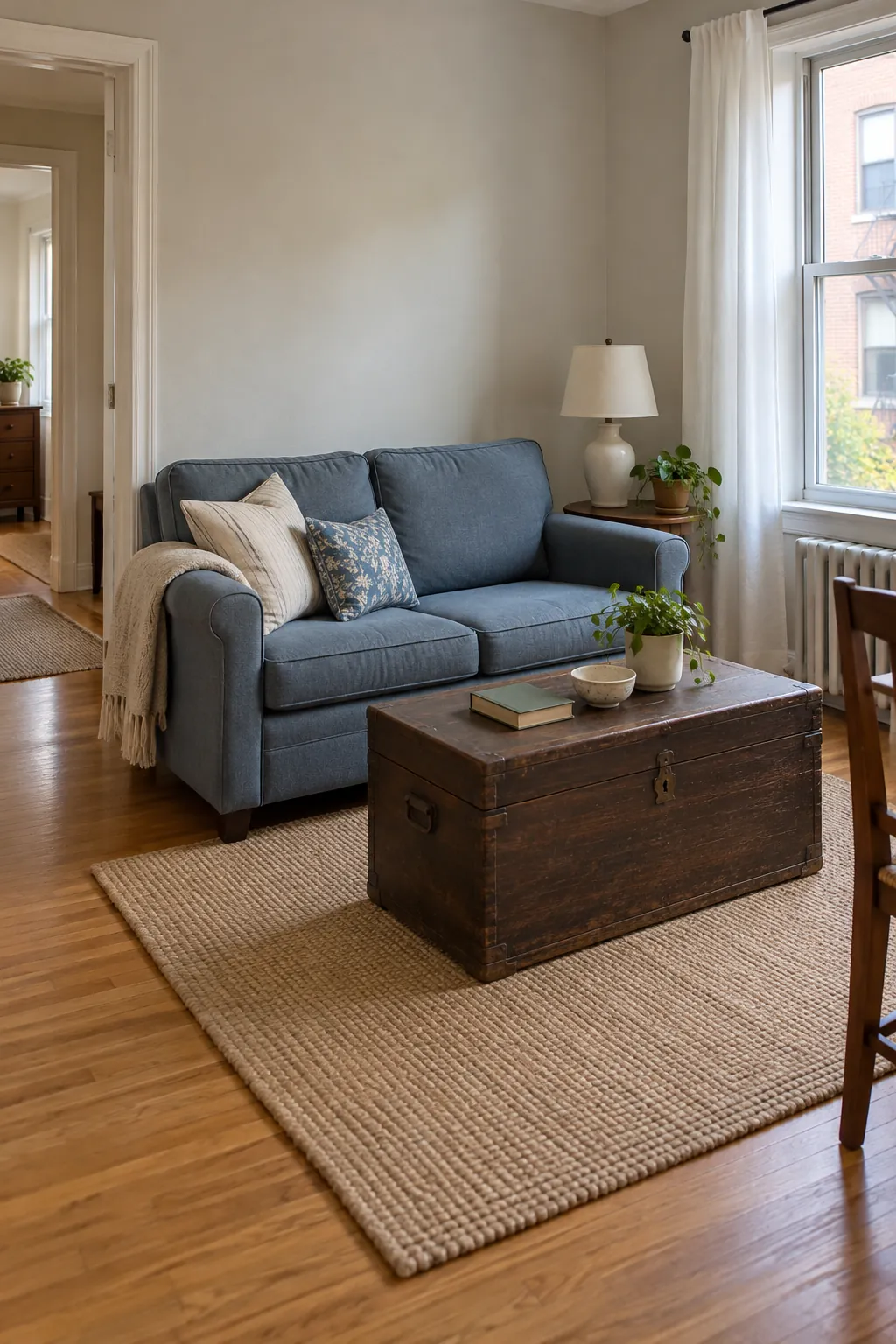
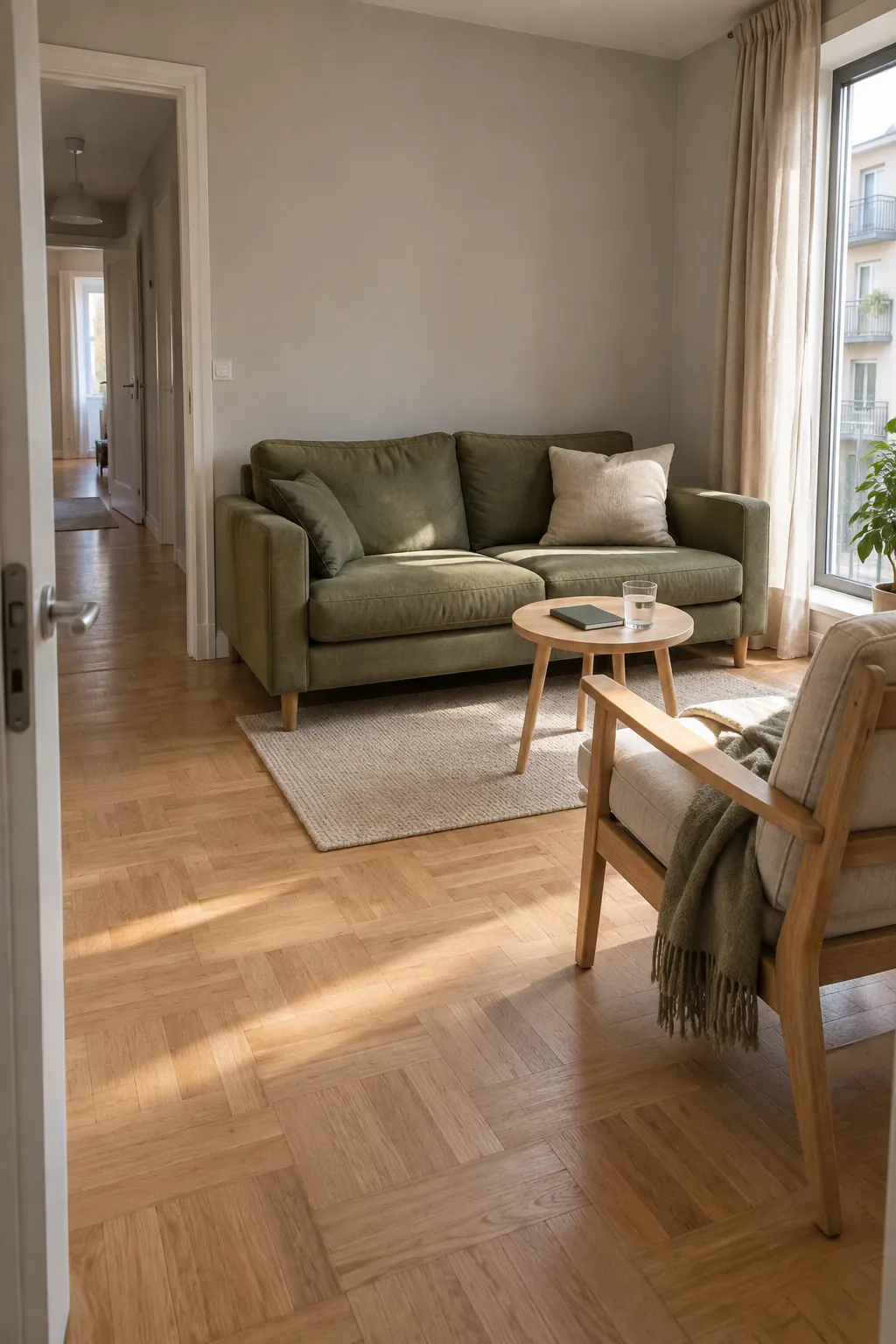
A compact sofa and one movable chair often serve an apartment better than two large couches facing each other. Place them close enough for conversation while leaving the route between doors clear. Use a lightweight side table when a central coffee table would crowd the room. Before buying anything, mark the furniture footprint with removable tape and test how you move through it.
A clock with a little breathing room
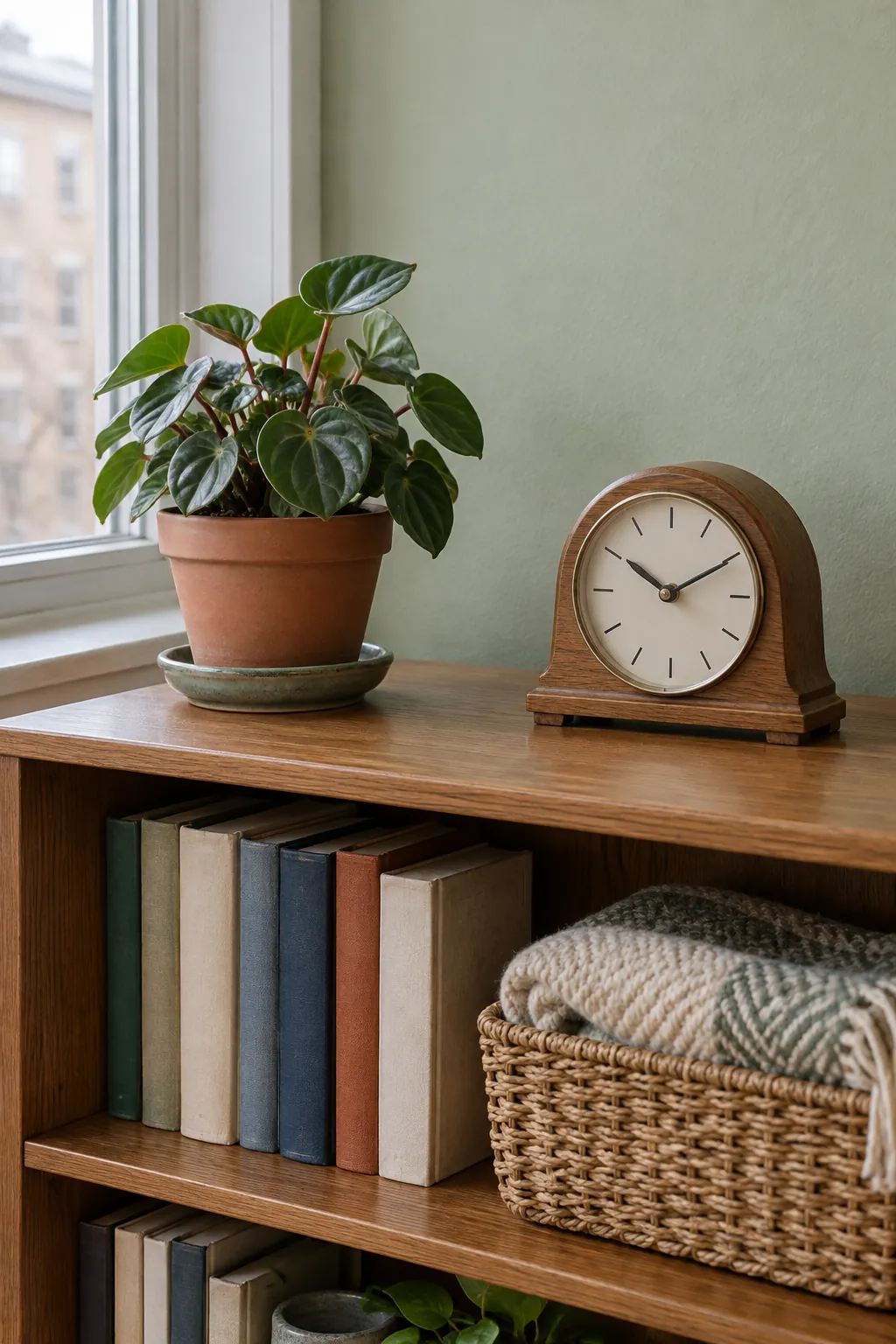
A small mantel clock gives a shelf an everyday function as well as a vintage reference. Pair it with one plant that suits the available light, keeping leaves clear of the hands or clock face. Place a saucer under the pot so water cannot reach the wood or mechanism. If the clock no longer works, decide whether repair is worthwhile before building a whole display around it.
Art chosen for a specific subject
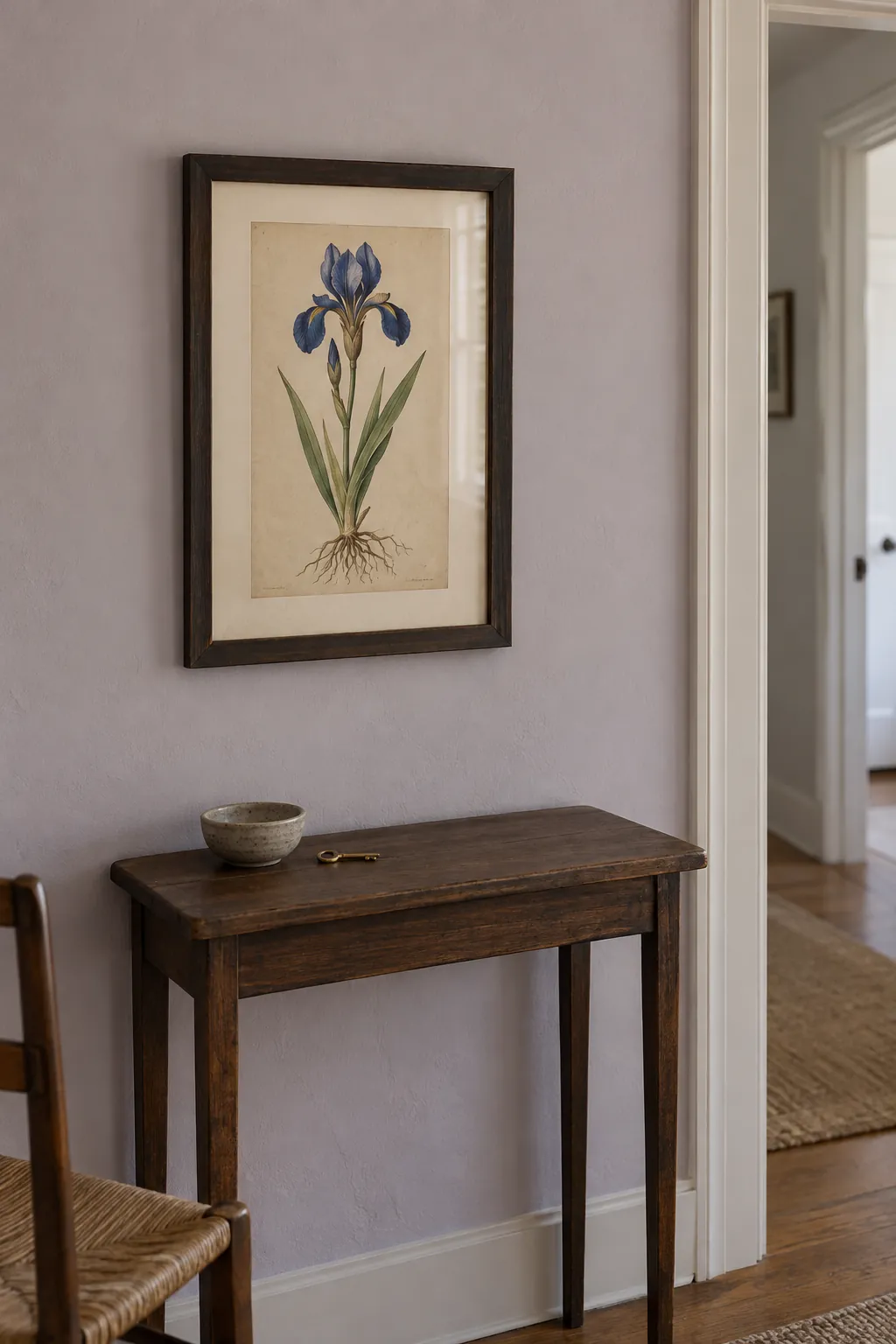
A botanical study or charcoal portrait brings more personality than a print bought only to fill an empty rectangle. Choose a subject you want to see every day, then select a frame that supports the paper without overwhelming it. Keep delicate originals out of direct sunlight and ask a framer about suitable backing when needed. Vintage living room ideas become more personal when the collection grows slowly instead of arriving as one matching set.
Bedding with one vintage pattern
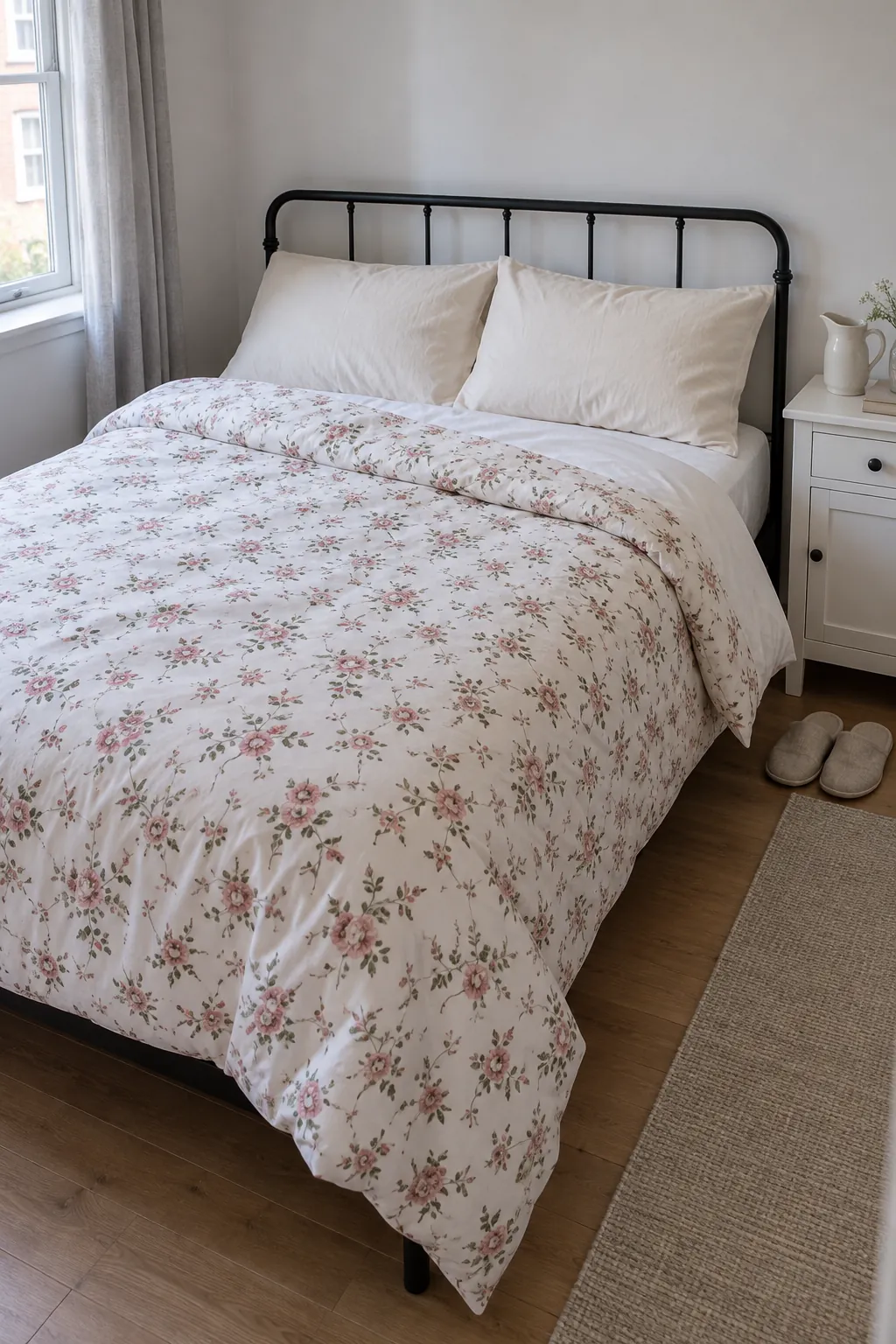
A floral duvet cover can establish the bedroom’s character while plain sheets keep the bed visually calm. Compare the pattern at full size, since a tiny online swatch can hide a large repeat. Choose a fabric you can wash and dry with your actual laundry setup. Vintage bedroom decor still has to feel comfortable against the skin and suit the way you sleep.
A light source for each useful spot
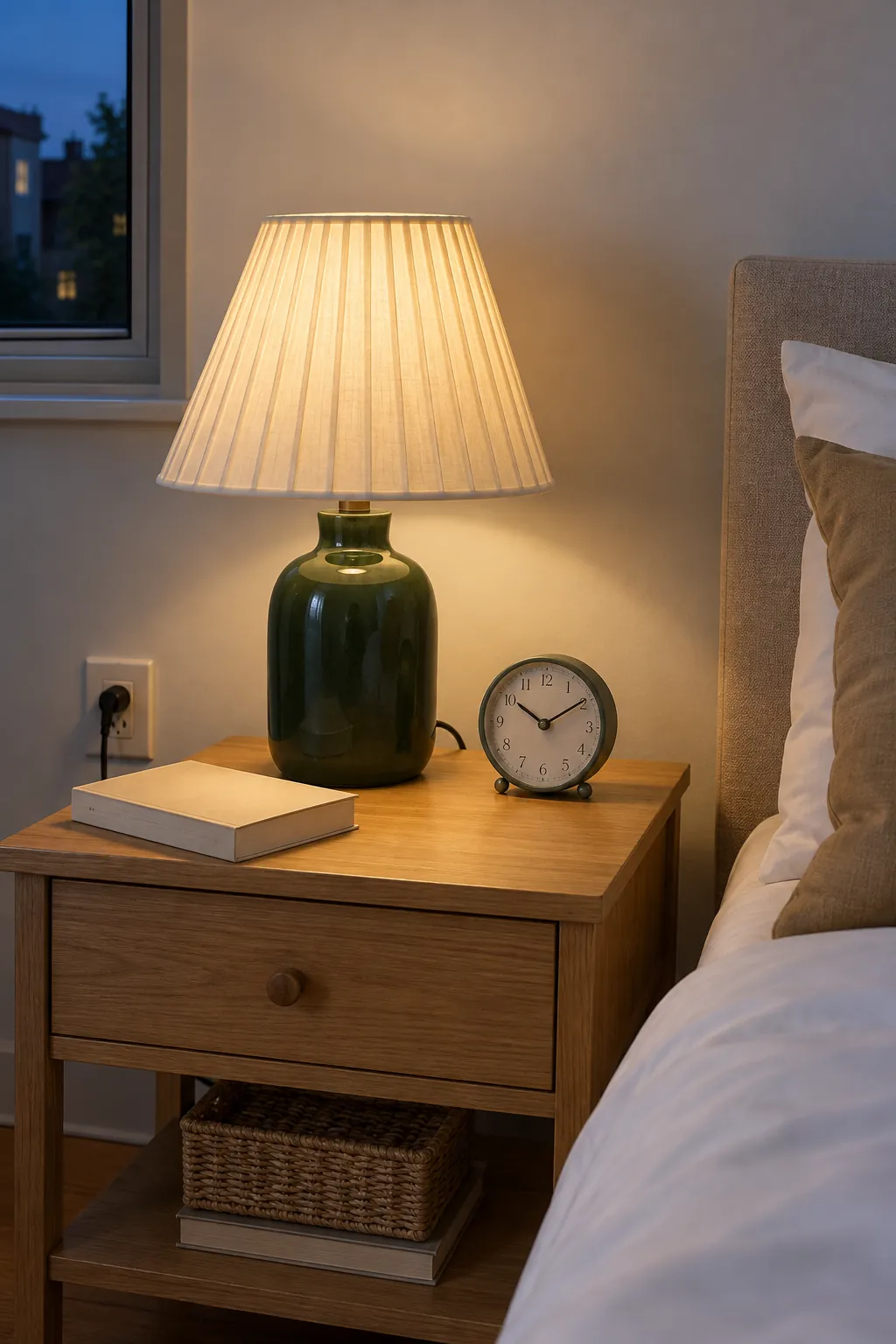
A bedside lamp with a pleated shade provides a different function from the ceiling light. Place it where you can reach the switch without stretching across the bed. Match the bulb and shade to the fitting’s stated limits, and keep fabric clear of heat. If you cannot alter ceiling fixtures in a rental, a checked table or floor lamp offers a portable way to change evening light.
An antique mirror with a safe position
A mirror can reflect a window or a pleasant part of the room, but its effect depends on what faces it. Check the view from normal standing and sitting positions before choosing a location. Heavy mirrors need a suitable fixing system and permission where required, rather than an adhesive hook chosen by appearance. Keep the frame clear of door swings and narrow routes.
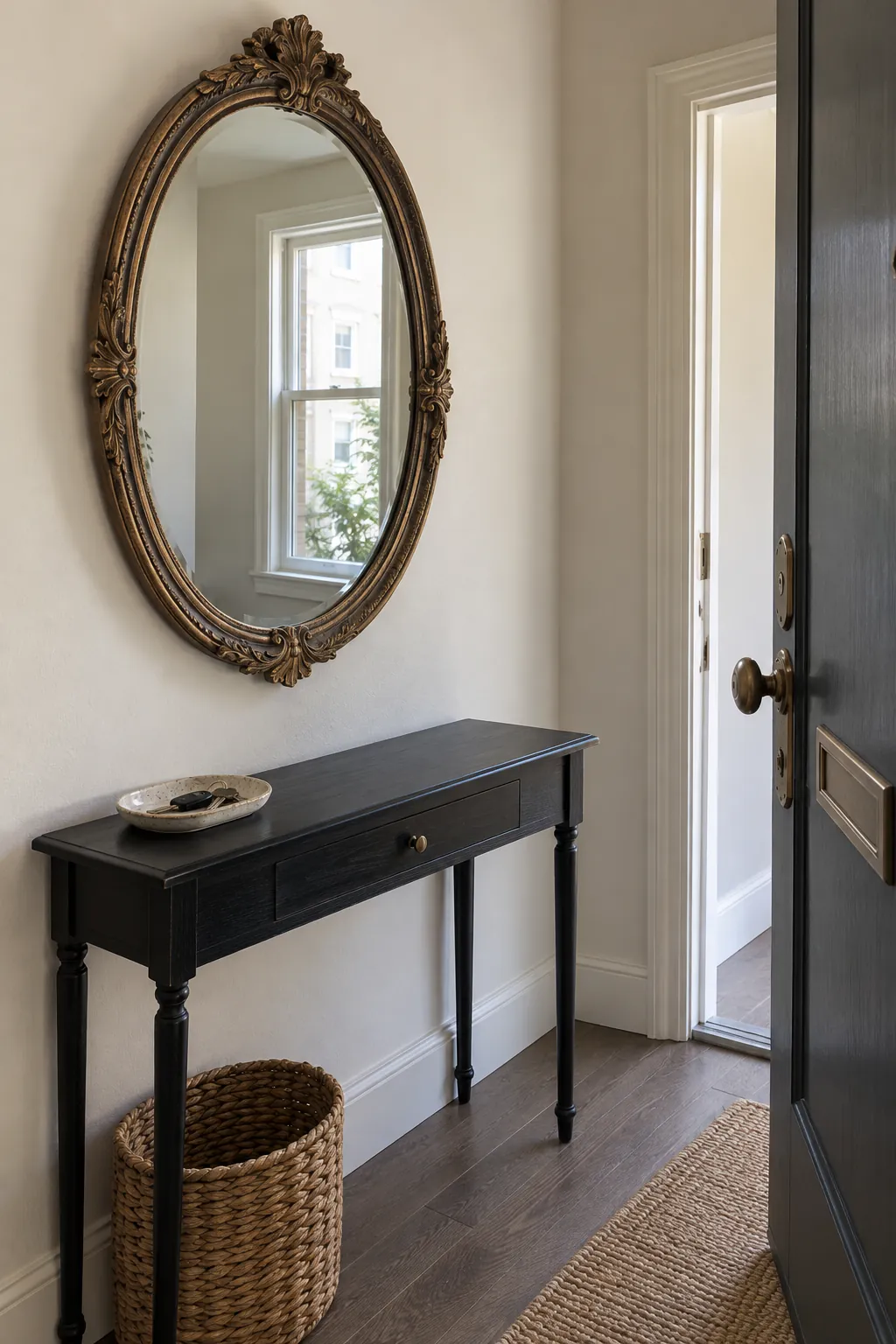
Shelves edited around a small collection
Give a shelf one main collection, such as pottery, rather than filling every gap with unrelated objects. Group pieces by scale and leave enough space to lift each one without knocking its neighbor. Put frequently used books within reach and keep unstable objects away from edges. Tall furniture needs suitable restraint where appropriate, especially when children may climb it.
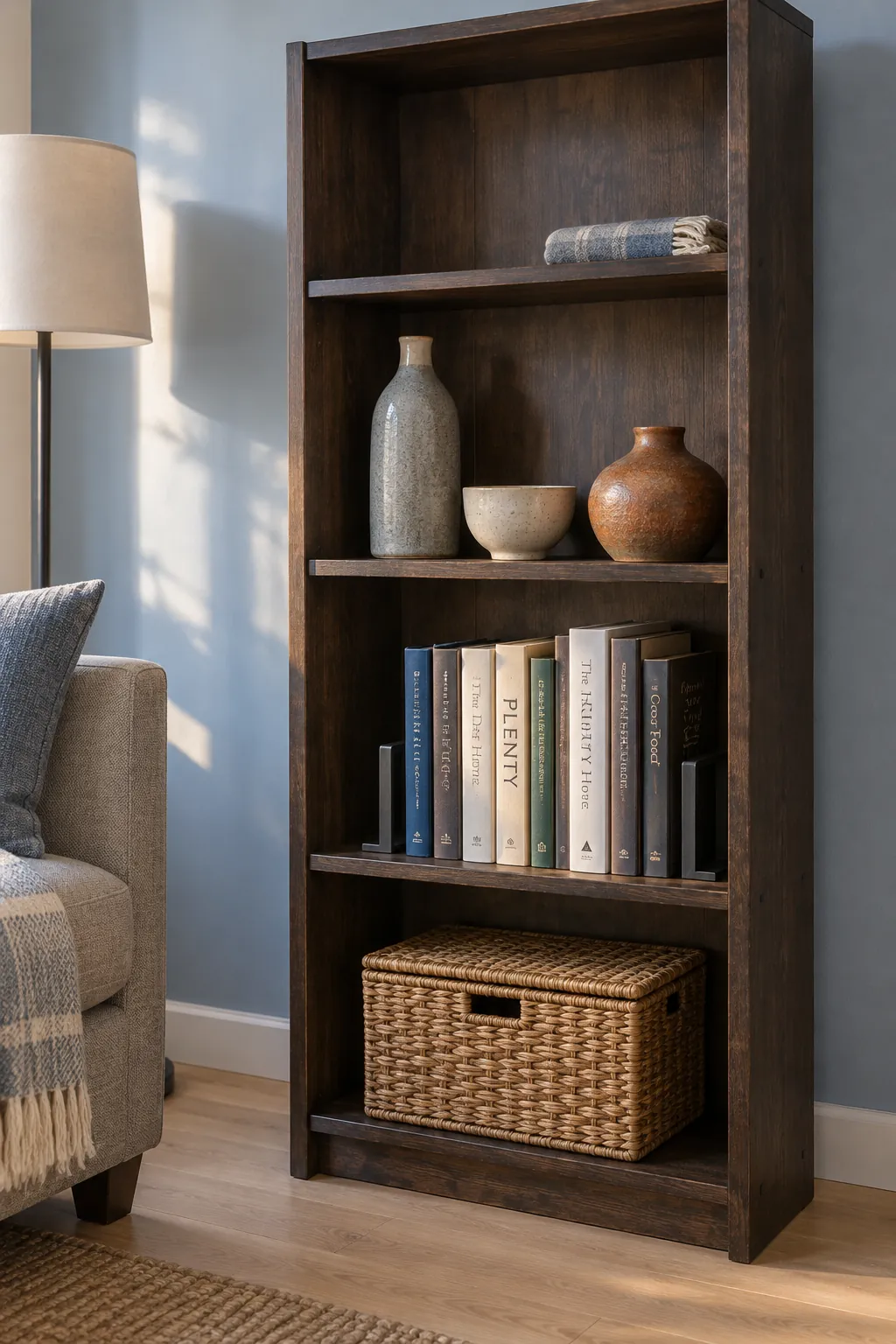
A rustic accent with a real purpose
A small timber bench can add rustic texture while serving a dining corner or entry. Check for splinters, loose joints, and a finish that suits its intended use before bringing reclaimed wood indoors. Balance the heavier grain with simple surrounding pieces so the apartment does not feel crowded. A woven basket beneath the bench can hold scarves or table linens if it leaves your feet enough room.
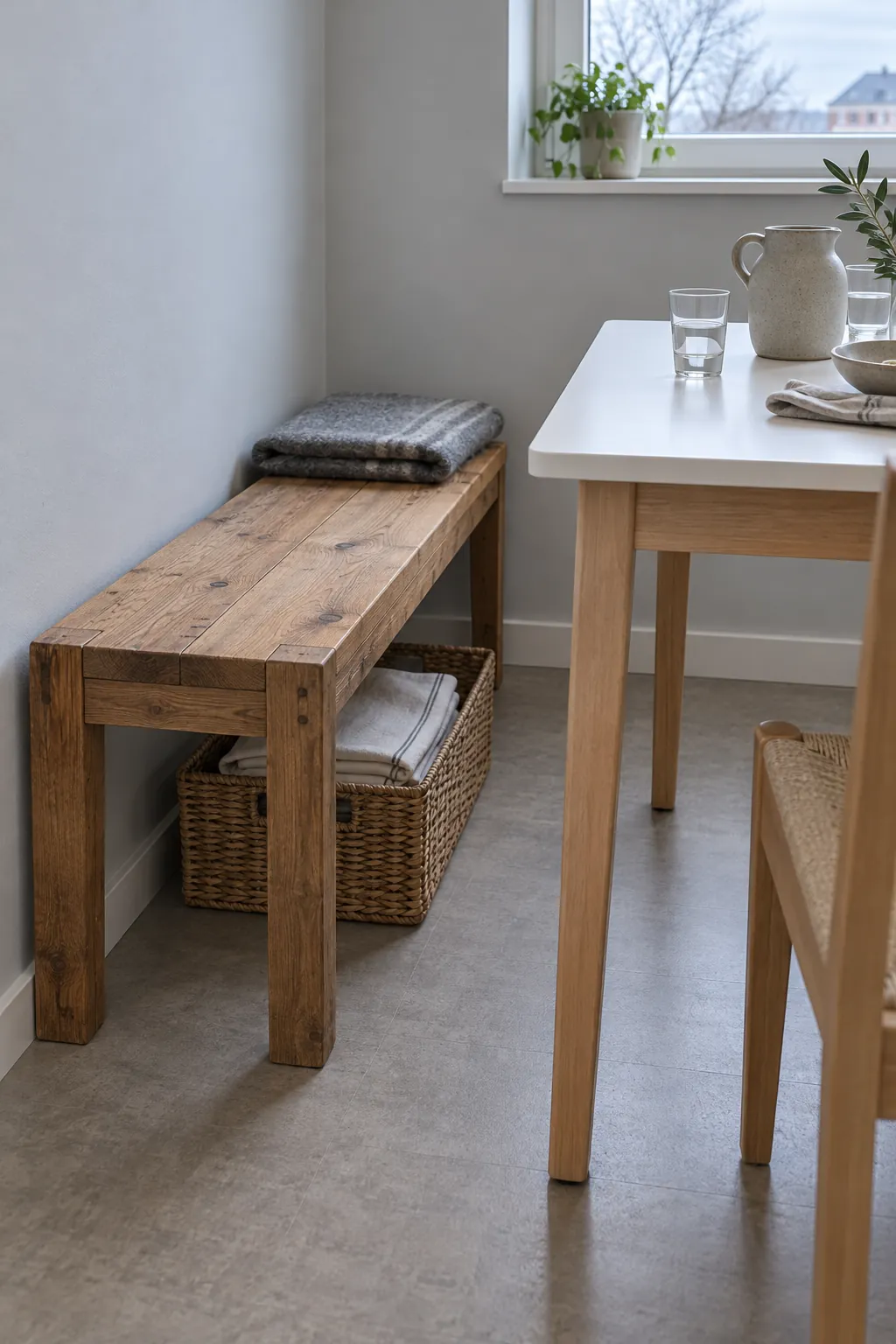
A record player set up for listening
A record player earns its place when it is stable, accessible, and connected to a usable sound setup. Leave space to open the lid and lift records without scraping a shelf above. Keep speakers separate from the turntable where practical to reduce vibration reaching the stylus. Store records upright and away from direct heat, with only a small selection beside the player.
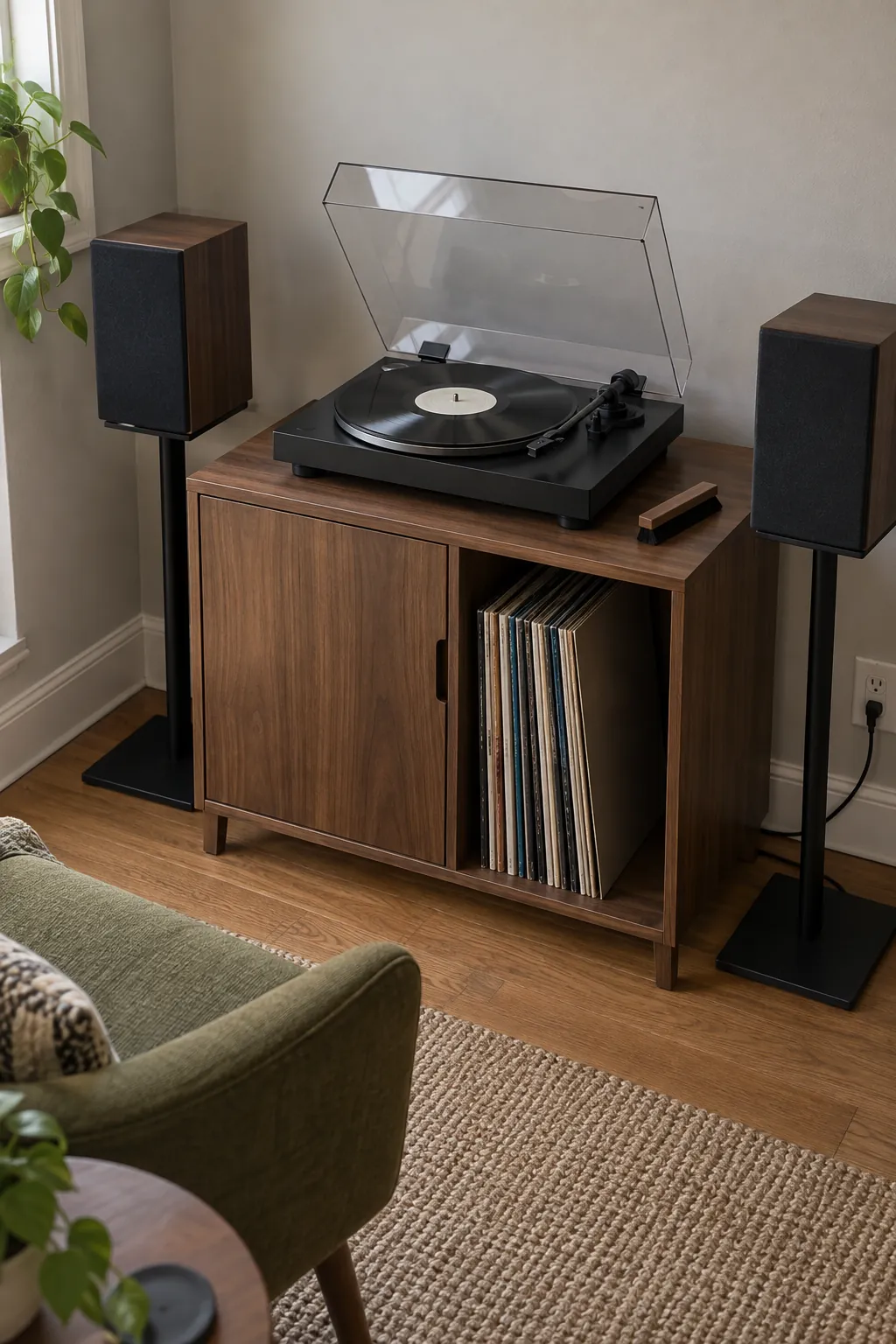
An entry table that handles daily clutter
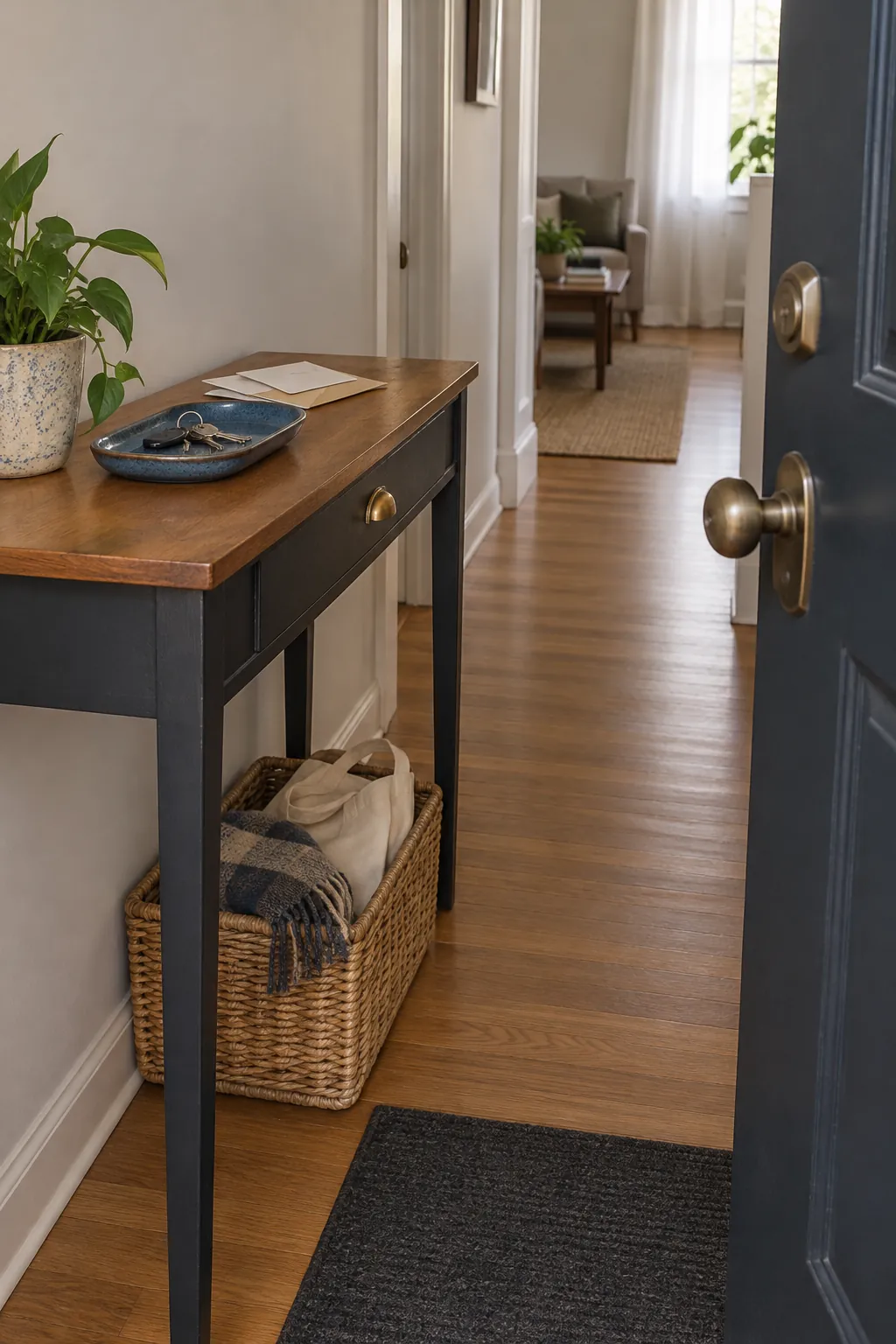
A narrow console can give keys and mail a defined landing spot before they spread into the apartment. Choose a depth that leaves the door and walking route free. One tray and a basket are usually more useful here than a crowded decorative arrangement. A vintage apartment aesthetic feels easier to maintain when the first surface inside the door has a clear job.
A small repair before a decorative makeover
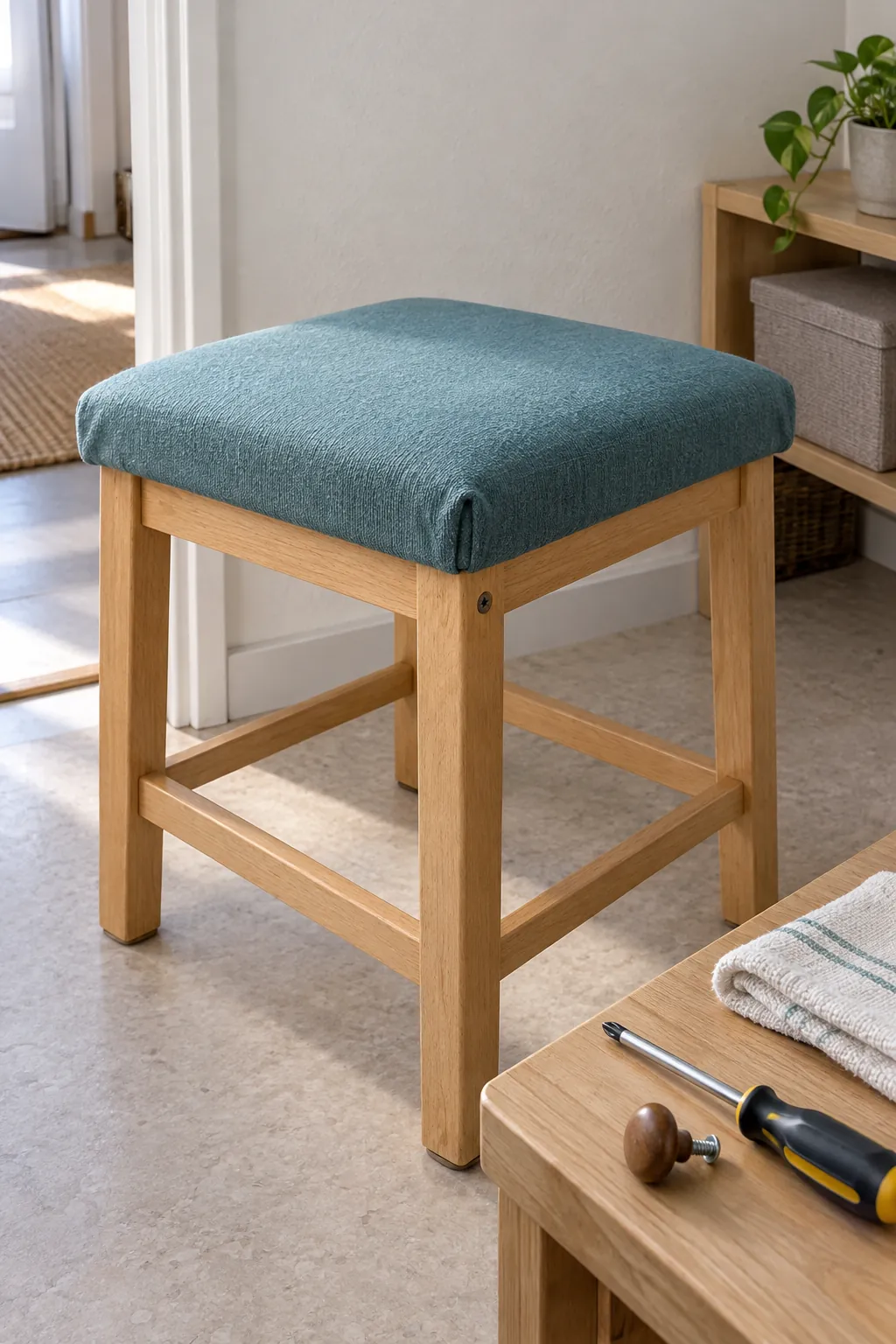
A loose drawer pull or worn seat cover is a more manageable first project than a full furniture refinish. Confirm that the frame is sound and the materials are safe to work on before buying tools or paint. Older coatings can require professional advice, so do not sand an unknown finish casually indoors. Choose the smallest repair that makes the piece useful, then live with it before deciding what else to change.