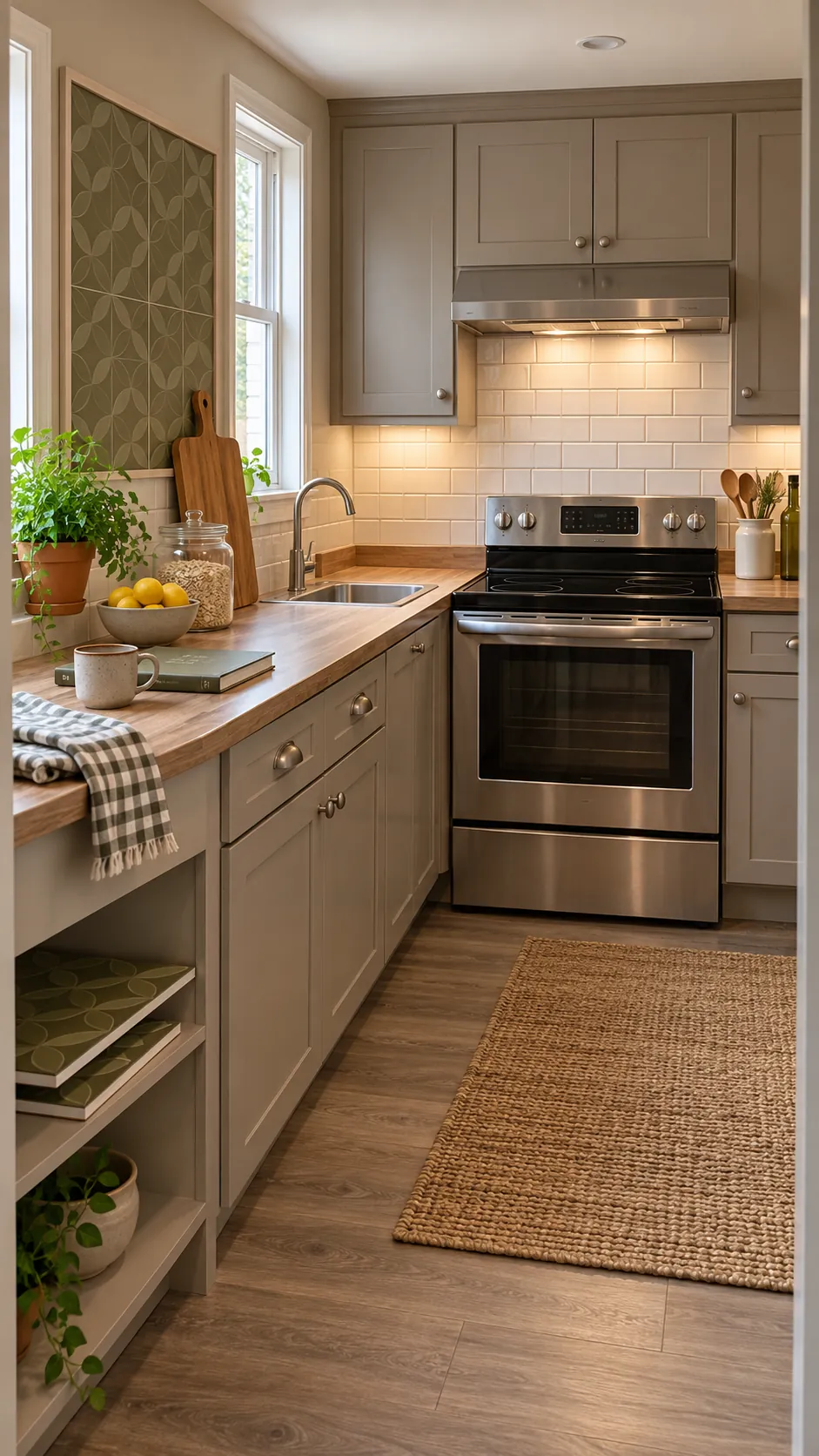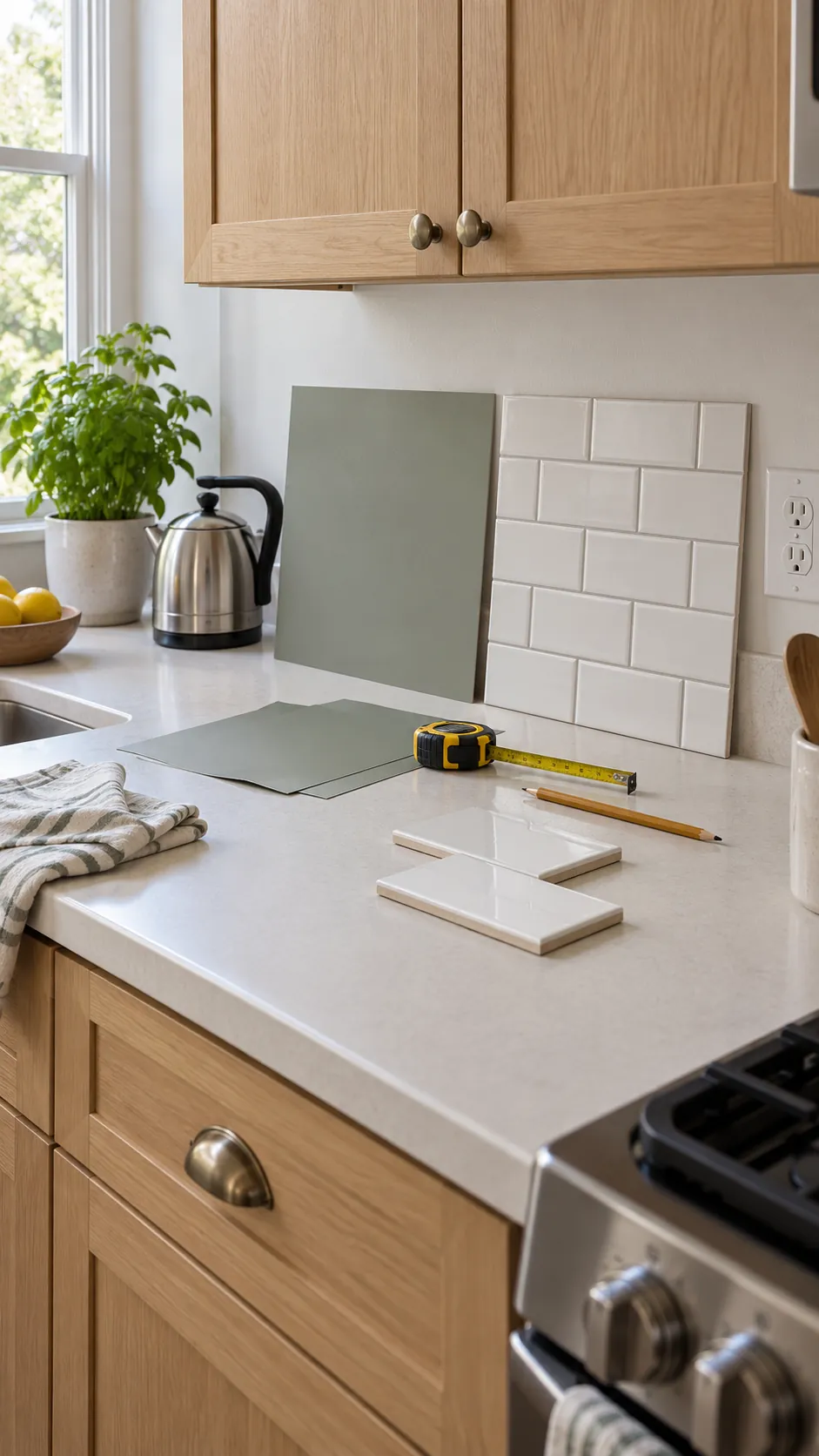
A low price on the shelf does not always mean a low total project cost. The better backsplash choice depends on the wall, the heat and water near it, how long the finish must last, and whether removal matters later. Compare those conditions before you compare colors.
Peel and stick panels can refresh a sound wall with fewer tools. Ceramic tile usually takes more preparation and labor, but it gives you a durable surface with replaceable grout and a long service life. This guide explains the costs and limits that are easy to miss.
Start With The Wall Condition
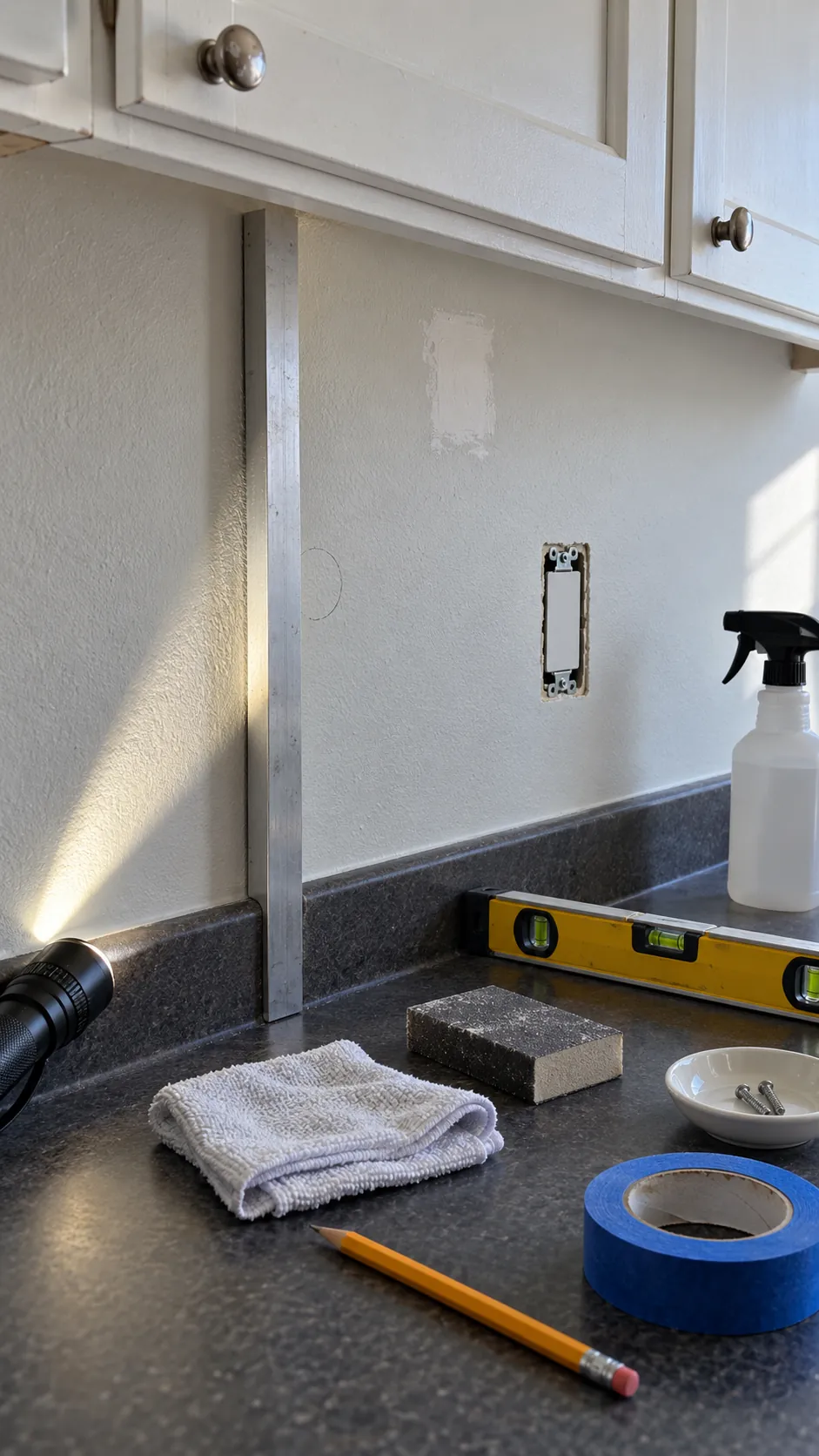
Both materials need a firm, clean, dry wall. Grease, soap residue, loose paint, dust, and uneven patches can weaken adhesive or make tile sit badly. Hold a straightedge against the wall, check the corners, and repair soft drywall before buying the finish.
Peel and stick products reveal bumps and damaged paint because the thin material follows the surface. Many products also need a smooth sealed substrate. Ceramic tile can bridge small texture differences with properly applied setting material, but it cannot correct loose plaster, moisture damage, or a badly bowed wall.
Compare The Complete Material Cost
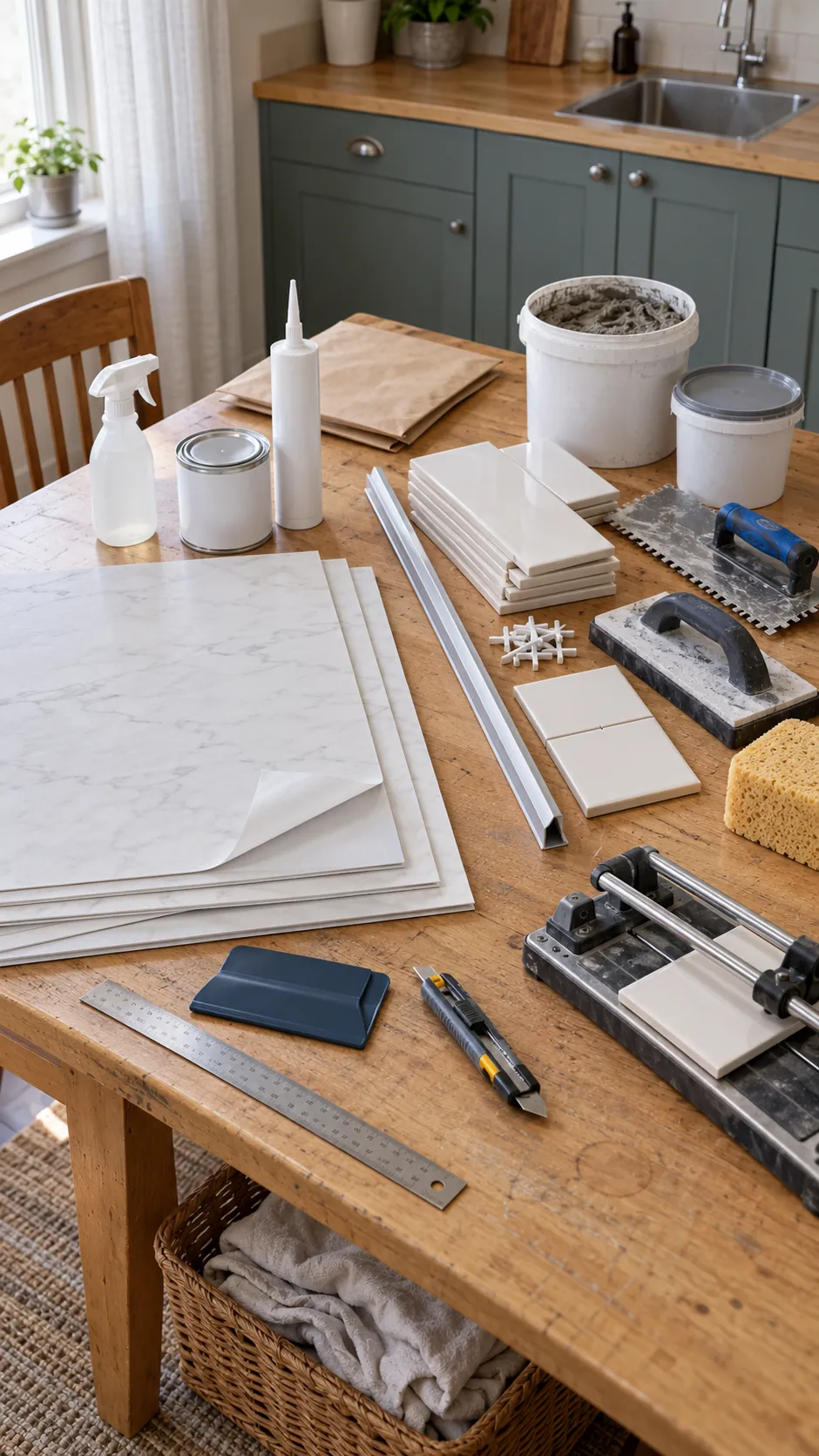
For peel and stick, count the panels, extra material for cuts, surface cleaner, primer if the maker requires it, a cutting tool, and edge sealant when specified. Order from one production lot when possible because color and pattern can vary. A cheap panel that needs early replacement is not a bargain.
A ceramic tile budget includes tile, setting material, grout, spacers, edge trim, sealant, and waste. Tool costs may include a notched trowel, grout float, buckets, level, tile cutter, or wet saw rental. Professional labor can become the largest line, especially when outlets, corners, windows, or wall repair add time.
Treat Heat Zones As A Separate Decision
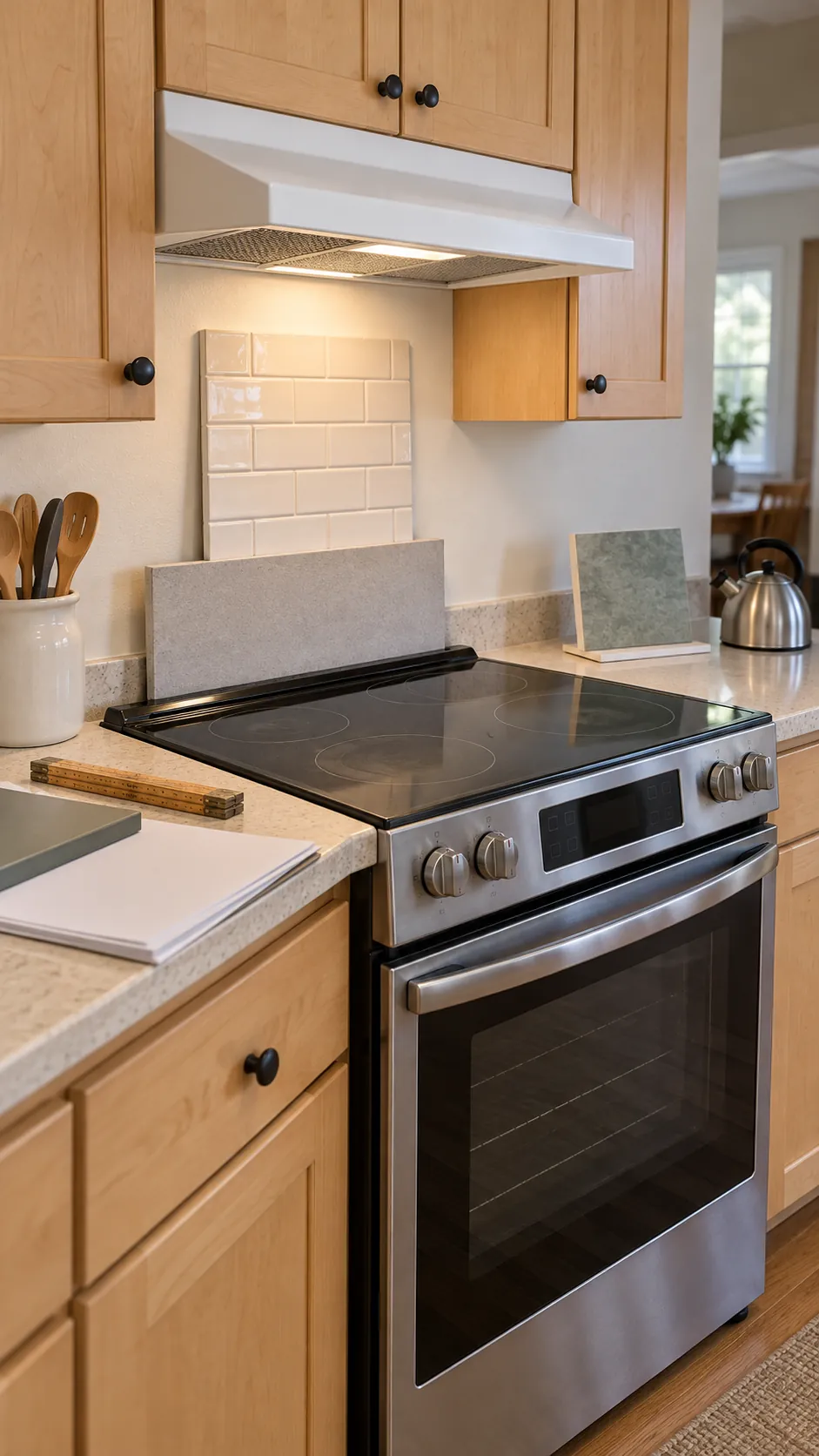
Do not assume every self adhesive backsplash is suitable behind every cooking appliance. Heat resistance and required clearances vary by product and appliance. Read both manufacturers’ instructions, and use the more restrictive requirement when the guidance differs.
Ceramic tile itself handles ordinary kitchen heat well, but the full assembly still matters. The wall, setting material, grout, trim, and nearby sealants must suit the location. A qualified installer or the appliance maker can clarify unusual conditions such as a powerful range, a wall mounted broiler, or a very tight clearance.
Plan For Water At The Sink
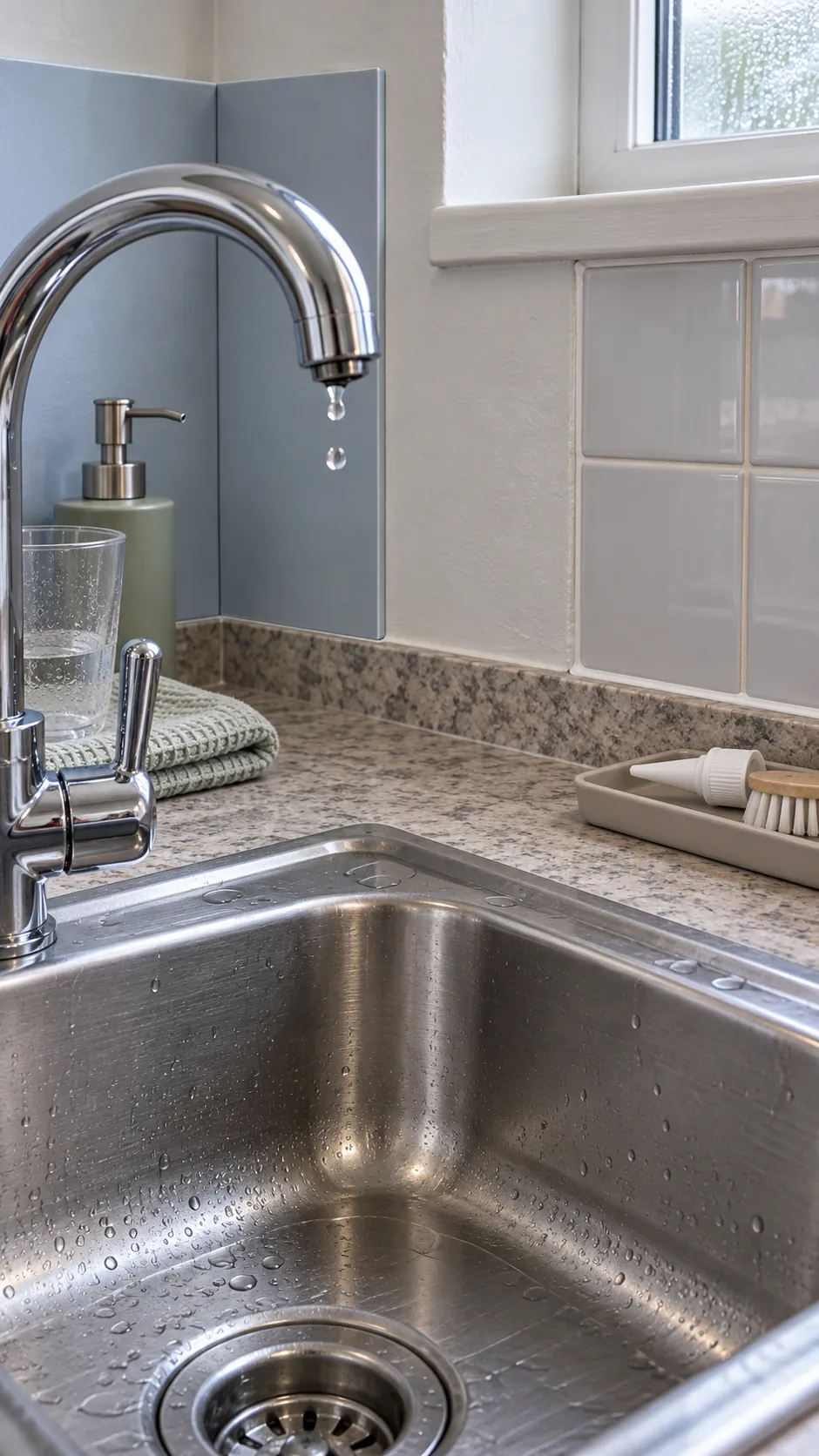
Water resistance is a system property, not a promise created by the face material alone. Water can enter through open seams, lifted corners, outlet cuts, and the joint where the backsplash meets the counter. Follow the panel maker’s instructions for overlap, edge treatment, and sealant.
Ceramic tile needs sound grout joints and flexible sealant where surfaces change direction. Grout may discolor or need periodic cleaning, while a damaged sealant joint should be replaced before water reaches the wall. Neither option should cover an active leak or damp substrate.
Consider Installation And Future Removal
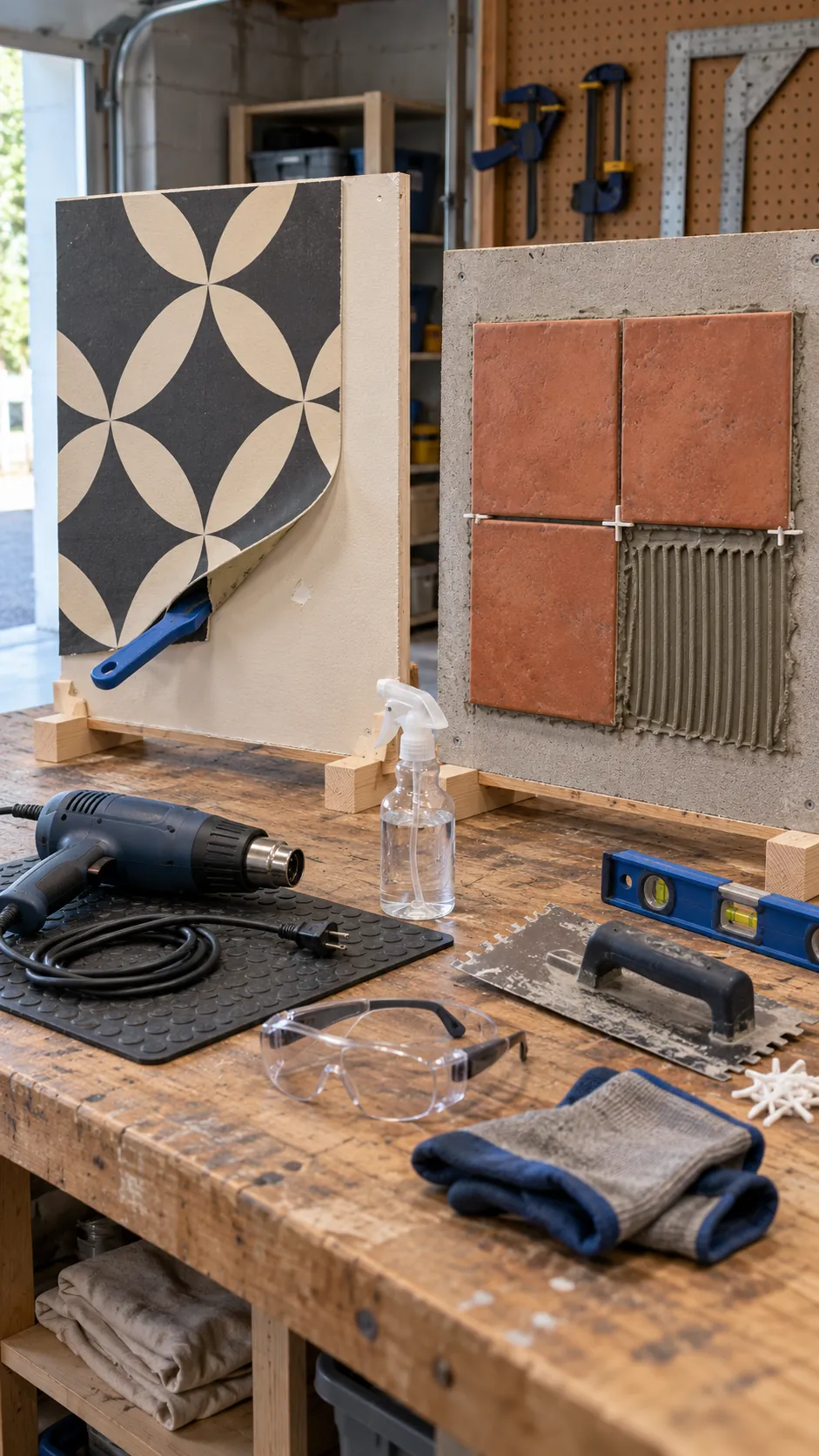
Peel and stick work is faster only when preparation and layout are done carefully. Dry fit the first rows, mark a level reference, test cuts around outlets, and press according to the product directions. A small test piece in a hidden area can reveal poor adhesion or paint damage before you cover the whole wall.
Removal is not always damage free. Adhesive can pull weak paint or paper from drywall, especially after years of heat and moisture. Renters should obtain approval and test the actual wall finish rather than trust a general claim that a product is removable.
Ceramic tile needs more skill and curing time. Straight layout lines, consistent setting depth, clean cuts, and well filled grout joints affect the final result. Later removal is noisy and destructive, and it often requires drywall repair, so tile makes the most sense when the layout will remain for years.
Choose By Service Period And Daily Use
Choose peel and stick when the wall is smooth and sound, the product is approved for the exact location, the budget is tight, and a shorter service period is acceptable. It can be a practical bridge before a larger renovation. Keep spare pieces from the same lot for a damaged area.
Choose ceramic tile when durability, heat tolerance, repairable grout, and a permanent finish matter more than quick installation. It is often the stronger value for a busy cooking zone that will not change soon. The best budget choice is the one that fits the room conditions without forcing a second project too early.