
Small bathrooms often feel cramped and cluttered, but changing your floor-standing cabinet for a floating model can change the whole feel of the room. By lifting the vanity off the floor, you create a visual trick that makes the floor area look larger while giving the space a modern, clean look. This guide explains how to pick the right unit and what you need to know about the installation process to ensure it stays securely on the wall.
Key Takeaways:
- Floating vanities increase visible floor space, making small bathrooms feel bigger.
- Precise measurements are vital to ensure doors and drawers can open fully.
- Wall reinforcement is often necessary to support the weight of the vanity and sink.
- Plumbing may need to be moved inside the wall for a clean, professional finish.
Practical benefits of wall-mounted vanities in compact bathrooms
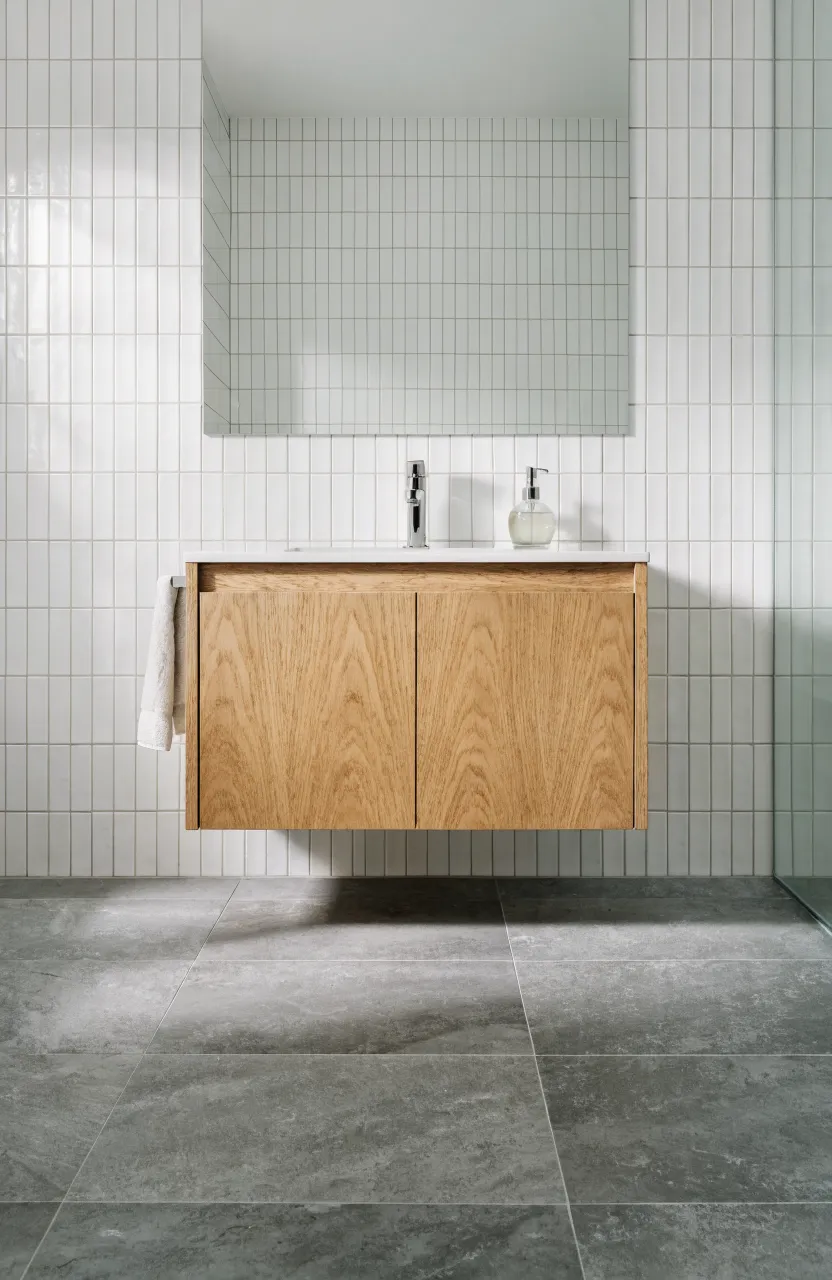
A wall-mounted vanity removes the bulky base that traditional cabinets use. This opens up the floor, which is one of the most effective ways to make a small room feel less restrictive. Beyond looks, these units make cleaning much easier since you can mop all the way to the wall without reaching around cabinet corners. They also offer flexibility in height. You can mount the vanity at the exact level that is comfortable for you, rather than sticking to the standard height of pre-built floor units.
Measuring your space for a proper fit
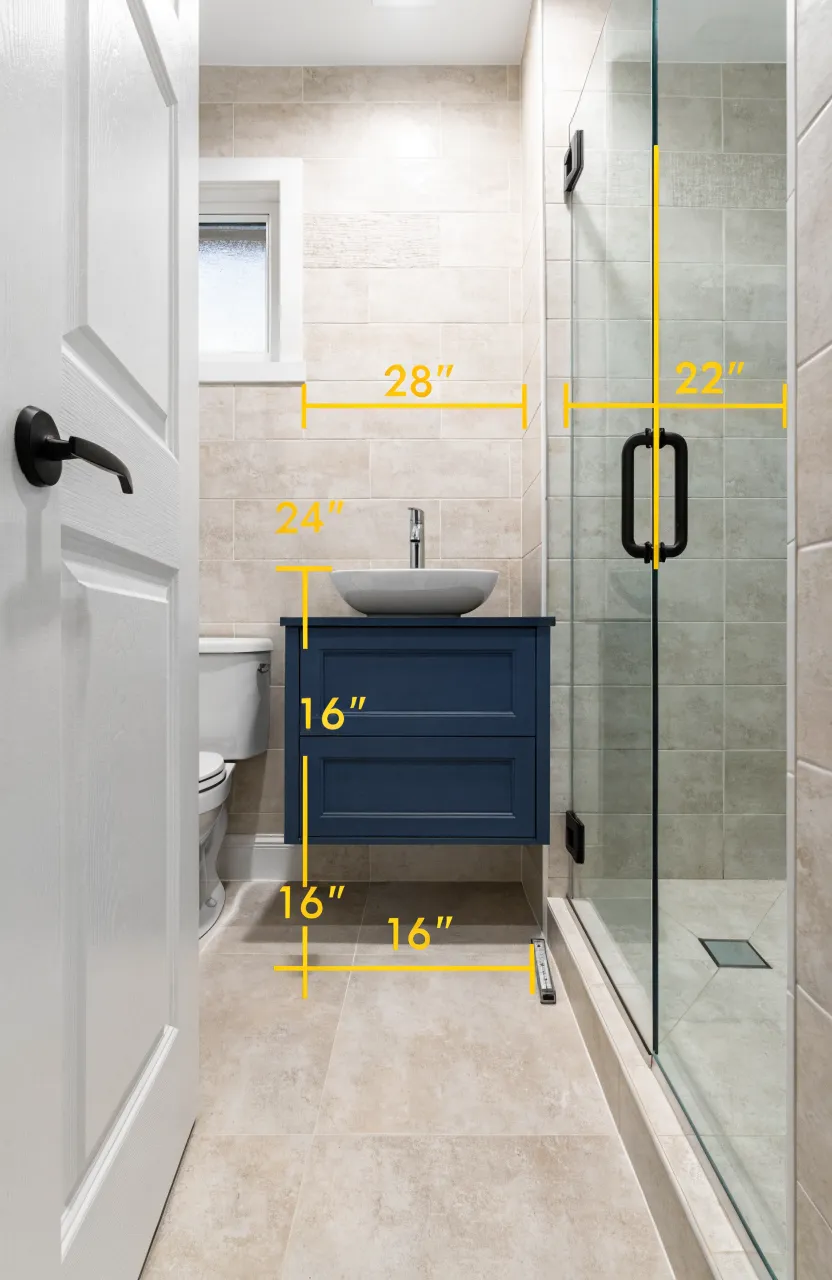
Before buying a vanity, you need to measure more than just the width of the wall. Check the 'swing zone' for the bathroom door and the shower door to make sure they won't hit the new cabinet. Open the drawers or doors of the vanity you are considering and measure that depth too. In a tight space, even an extra inch can block a walkway. Don't forget to check the height of your existing baseboards, as you will likely need to cut or remove a section of them to get the vanity flush against the wall.
Selecting durable materials for humid environments
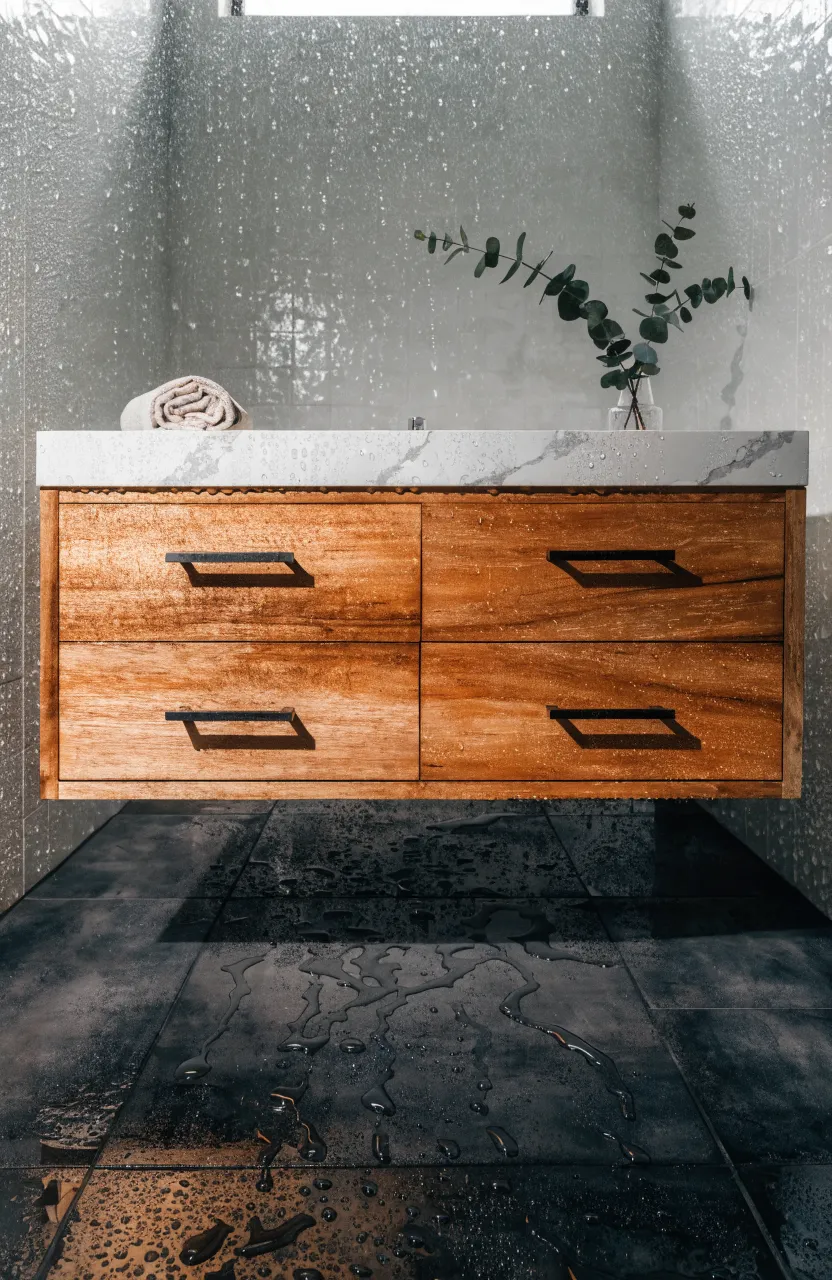
Bathrooms are naturally damp, and small bathrooms trap steam even more easily. Avoid cheap particle board, as it can swell and peel when exposed to moisture over time. Look for vanities made from marine-grade plywood or solid wood like teak or bamboo, which handle humidity well. If you prefer a painted finish, ensure it is a high-quality lacquer or powder-coated metal. Natural stone or solid surface tops are better than laminate because they won't delaminate if water sits on the edges.
Storage options for small vanity cabinets
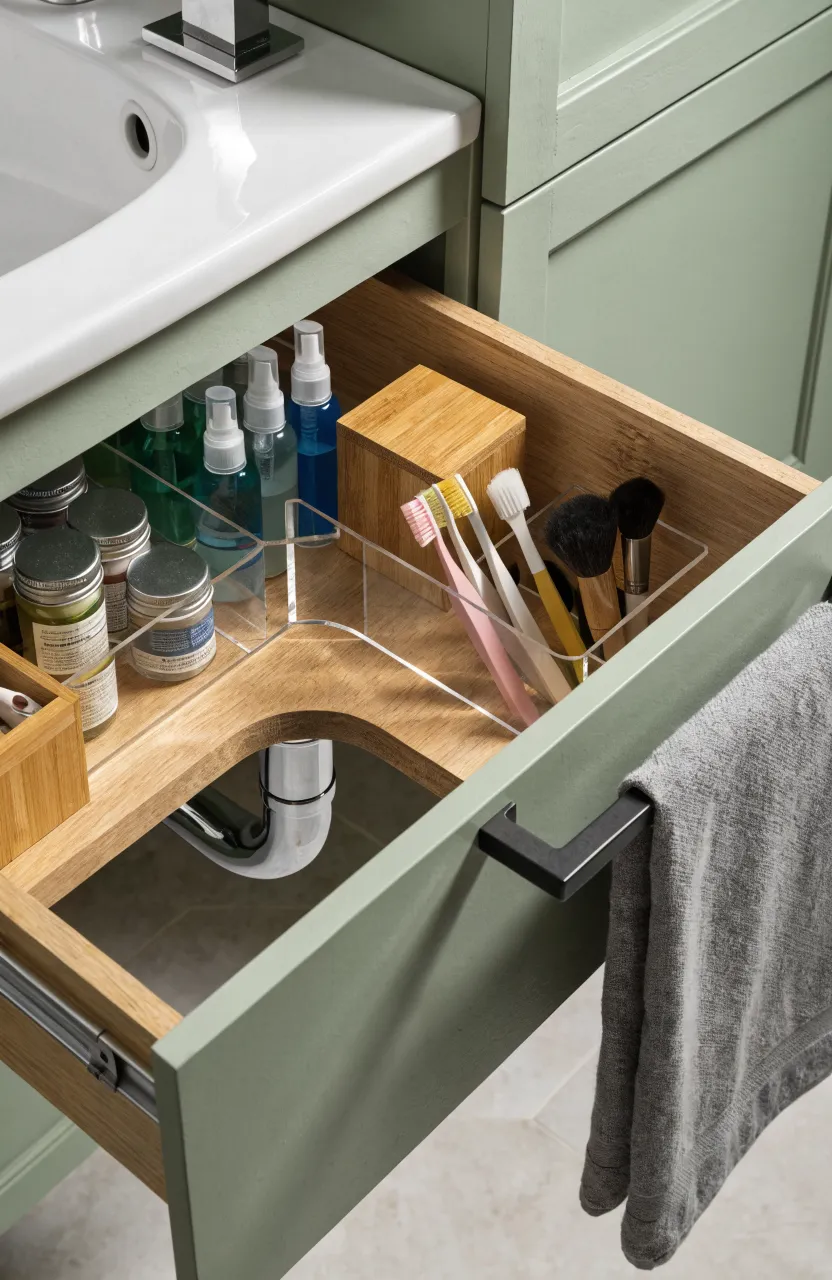
Since floating vanities are usually smaller, you have to be smart about storage. Many modern designs feature deep U-shaped drawers that fit around the sink plumbing, giving you usable space right under the basin. If the vanity is very small, look for models with built-in towel bars on the side or open shelving at the bottom. Using internal drawer dividers can help keep small items like toothbrushes and cosmetics organized so they don't get lost in a deep cabinet.
Installation requirements and wall support needs
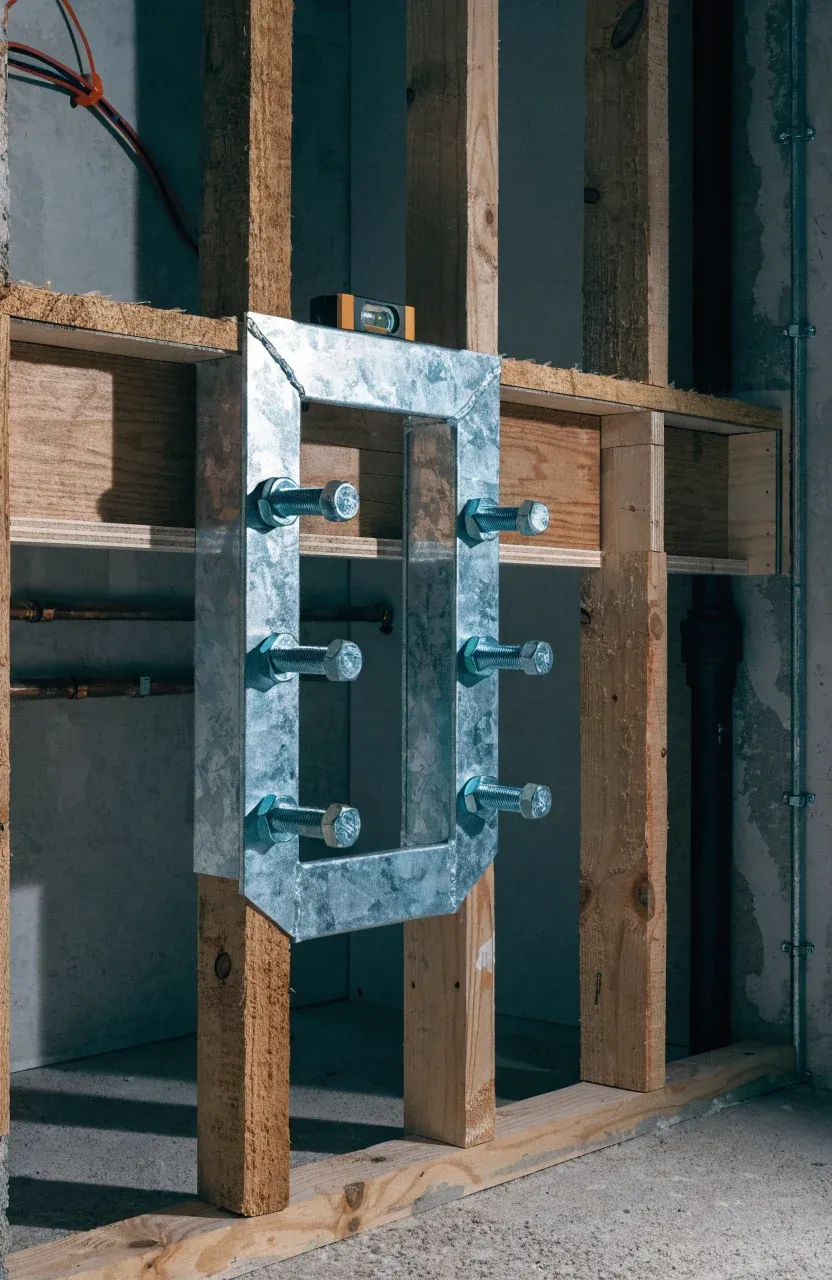
A floating vanity is heavy, especially once you add a stone top and a sink full of water. You cannot simply screw it into the drywall. You must locate the wall studs and secure the mounting bracket directly to them. If the studs don't line up with the vanity's mounting points, you will need to open the wall and install 'blocking'—horizontal wood supports between the studs. Always use heavy-duty lag bolts rather than standard wood screws to ensure the unit never sags or pulls away from the wall.
Plumbing considerations for off-the-floor designs
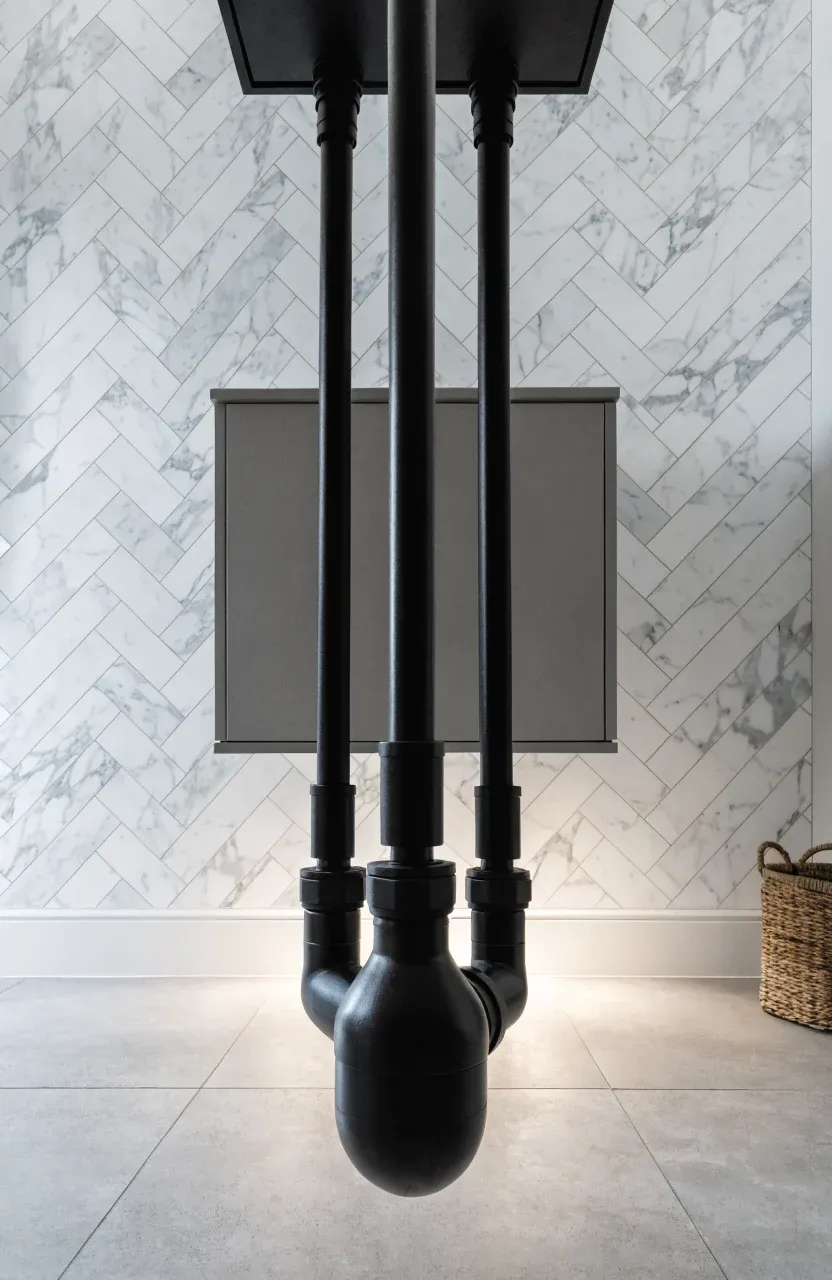
With a traditional vanity, the pipes usually come up through the floor or low on the wall, hidden by the cabinet base. With a floating vanity, these pipes will be visible underneath if they aren't positioned correctly. You may need to move the water supply lines and the drain higher up so they enter the wall inside the vanity cabinet. Use an attractive P-trap, such as a chrome or matte black bottle trap, if any part of the plumbing remains visible. This keeps the look intentional and tidy.
Switching to a small floating vanity is a practical way to update a bathroom while gaining a sense of space. While the installation requires more prep work than a standard cabinet, the clean look and ease of maintenance are worth the effort. Take the time to reinforce your walls and plan your plumbing layout before you start, and you will have a sturdy, stylish fixture that lasts for years.