
A bathroom mirror is more than just a place to check your reflection. It acts as a focal point that can make a small room feel larger and brighter. Getting the choice right involves balancing the size of your vanity with the available wall space and ensuring the style matches your home's decor.
Before you buy a new mirror, you need to think about practical factors like moisture resistance and lighting. This guide will walk you through the steps of measuring your space, picking the right materials, and safely mounting the mirror to your wall.
Sizing the mirror to fit your vanity and wall space
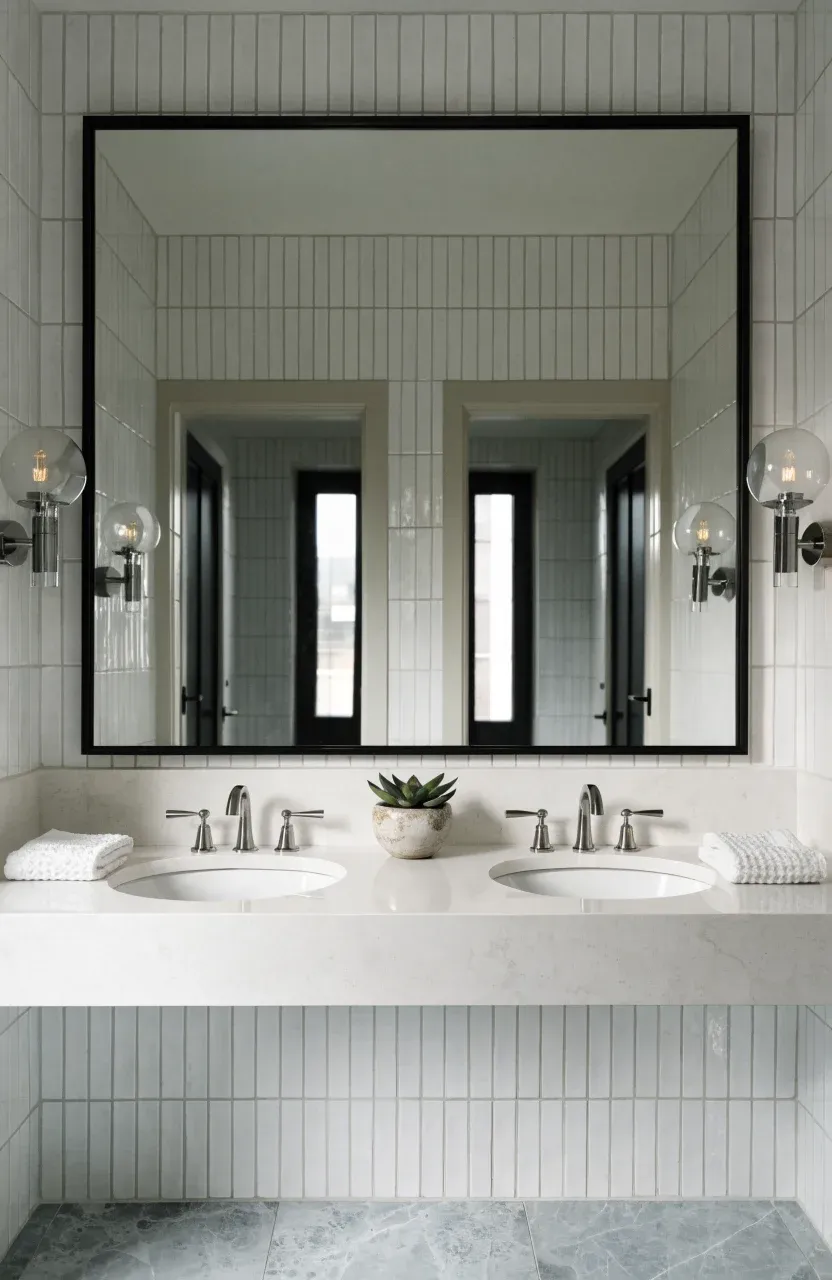
The most common mistake people make is choosing a mirror that is too wide for the vanity. As a general rule, the mirror should be about one to two inches narrower than the countertop on each side. This creates a balanced look and prevents the mirror from feeling like it is hanging over the edge. If you have a double vanity, you can choose one long mirror that spans both sinks or two separate mirrors to define individual stations.
Height is also important. You want the mirror to be tall enough to accommodate everyone in the household. Typically, the top of the glass should be about 75 to 80 inches from the floor. Make sure there is enough space between the top of the faucet and the bottom of the mirror—usually about 5 to 10 inches—to prevent water splashes from constantly spotting the glass.
Selecting a shape that complements your bathroom layout
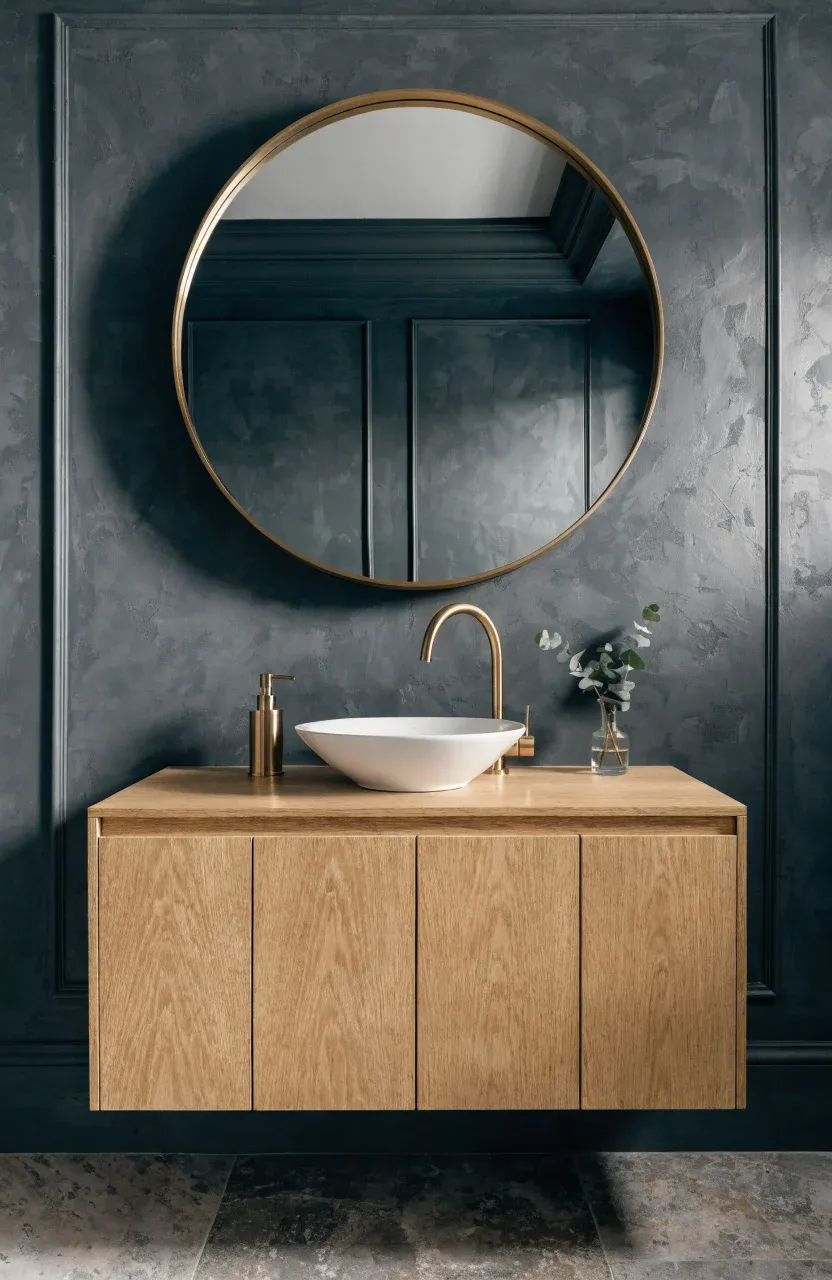
Rectangular mirrors are a classic choice because they offer the most surface area for viewing. They work well in modern and traditional bathrooms alike. However, round or oval mirrors can soften the hard lines of a square vanity and tiled walls. They are great for smaller spaces because they leave more wall exposed, which can make the room feel less cramped.
If you want something more unique, consider an arched mirror or a geometric shape like a hexagon. These act more like art pieces. When choosing a shape, look at the other fixtures in your room. If your faucets and cabinet handles have sharp, square edges, a rectangular mirror often fits best. If your fixtures are curved, a round mirror will tie the look together.
Frame materials and finishes that handle moisture
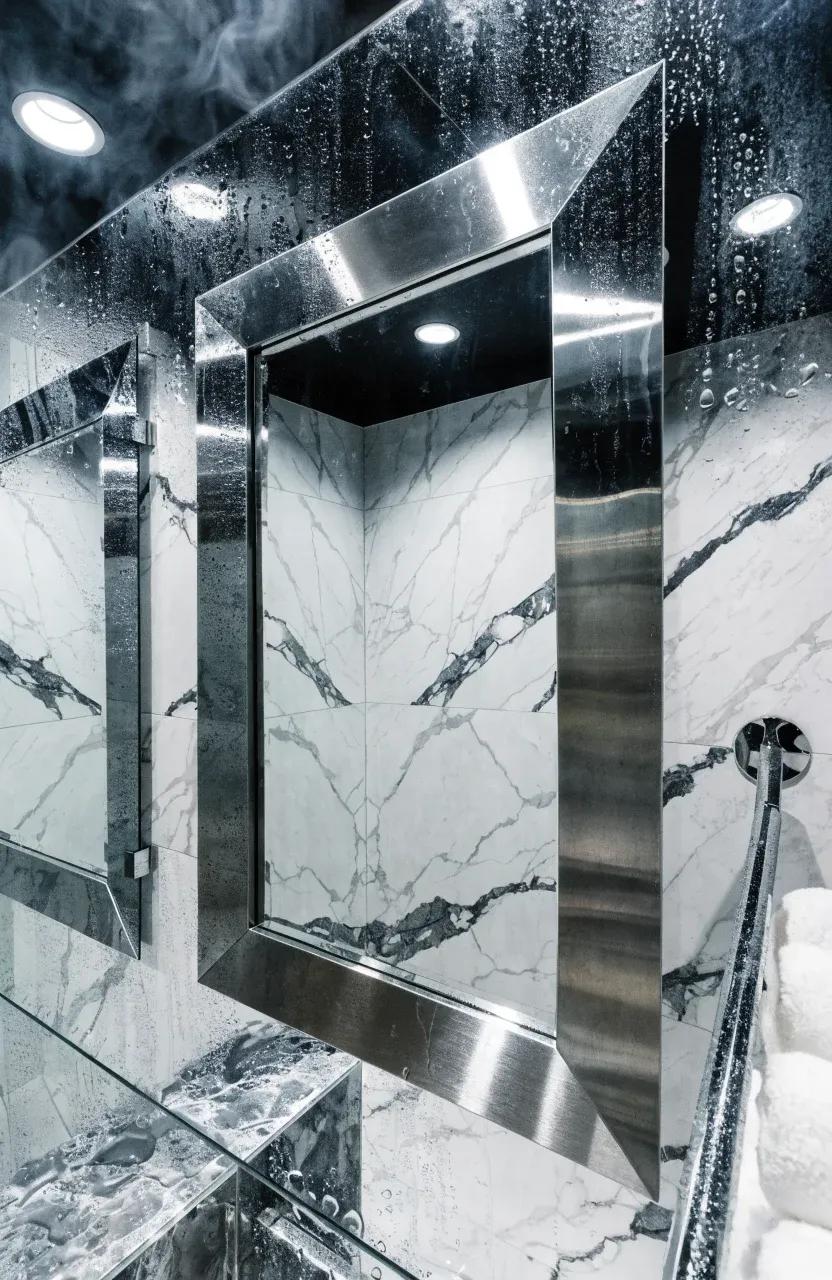
Bathrooms are humid places, so the material of your mirror frame matters. Natural wood is beautiful but can warp or rot if it isn't sealed correctly. If you want a wood look, bamboo is a great choice because it naturally resists moisture better than many hardwoods. Metal frames made of stainless steel or aluminum are also durable options that won't rust easily.
Avoid frames made of cheap MDF or unprotected particle board, as these will swell and peel within a year or two of exposure to shower steam. For a minimalist look, frameless mirrors with beveled edges are a smart choice. They don't have any material that can be damaged by water, and they are very easy to wipe down.
Lighting options for better visibility and morning routines
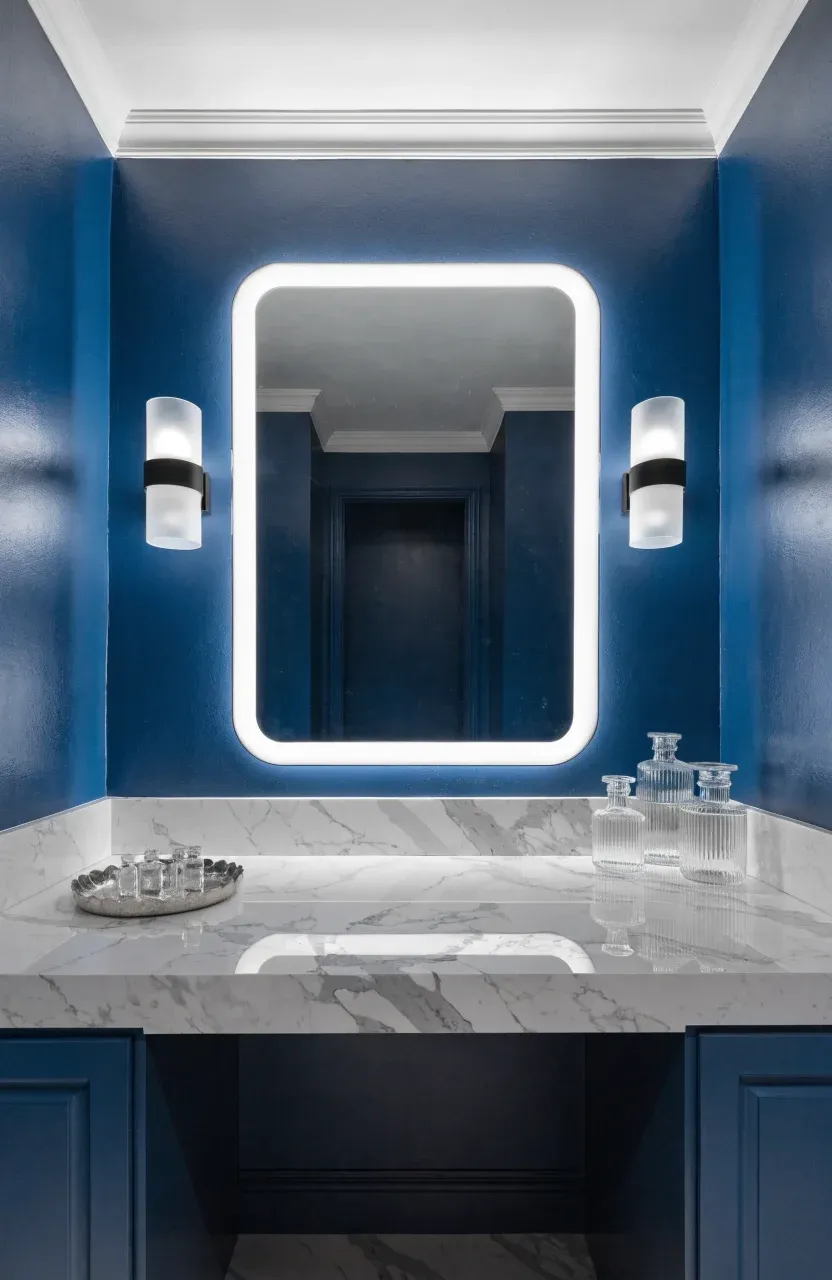
Good lighting is essential for tasks like shaving or applying makeup. Avoid placing a single light directly above the mirror, as this creates harsh shadows on your face. Instead, try to place wall sconces on either side of the mirror at eye level. This provides even lighting across your face.
If your bathroom is small and doesn't have room for side lights, an LED-backlit mirror is a helpful alternative. These mirrors have built-in lights that glow through the glass. They provide a clean, modern look and save you from having to hire an electrician to move wiring for new wall fixtures. Just ensure the light temperature is 'cool white' or 'daylight' to get the most accurate reflection.
Installation methods for different wall types and mirror weights
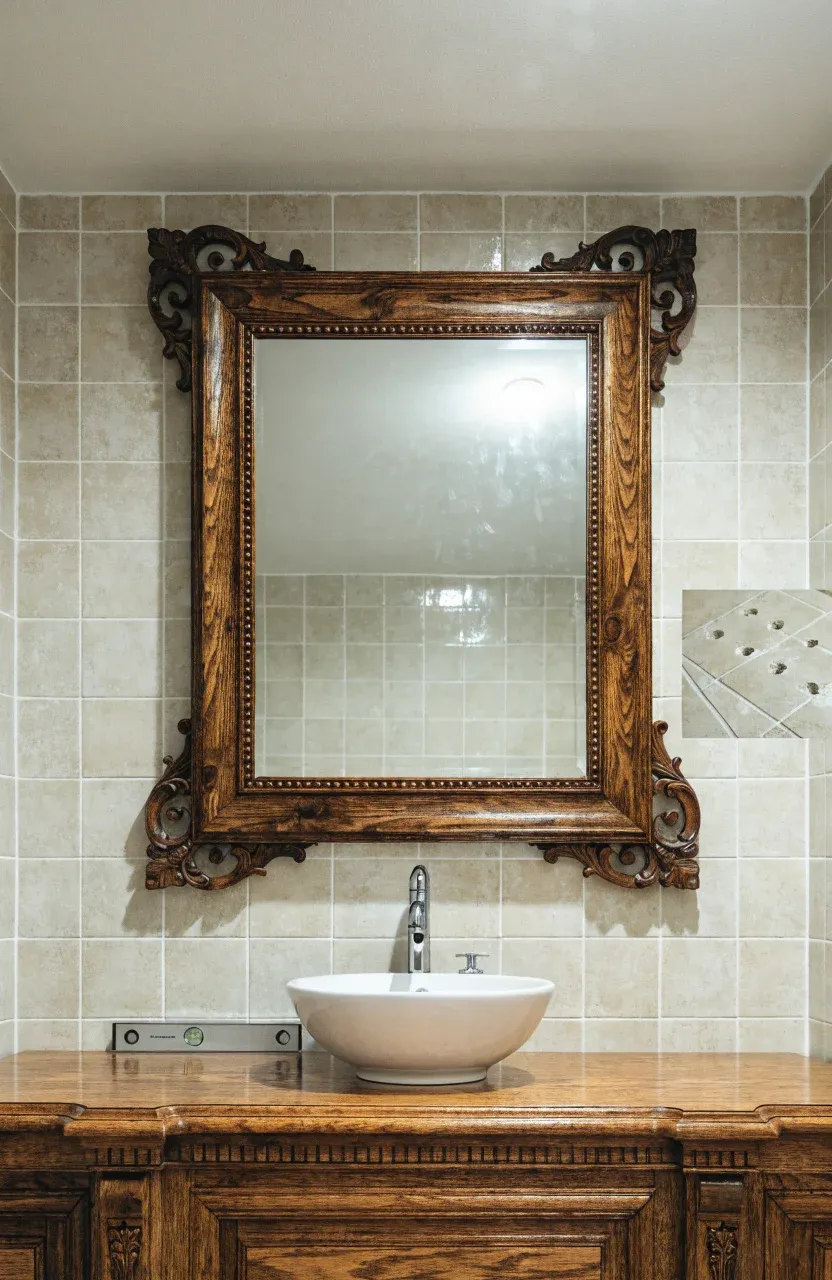
How you hang the mirror depends on how much it weighs and what your walls are made of. For heavy mirrors, you must use a French cleat or heavy-duty wall anchors. Never rely on a single nail or a flimsy wire. If you are drilling into tile, use a diamond-tipped drill bit and go slowly to avoid cracking the surface.
For drywall, try to find a stud to screw into. If no stud is available, use toggle bolts which expand behind the wall for a secure hold. If you are installing a frameless mirror, you can use specialized mirror clips or industrial-strength mirror mastic (glue). If you use glue, remember that it is permanent and will damage the drywall if you ever try to remove the mirror.
Maintaining and cleaning glass and frame surfaces
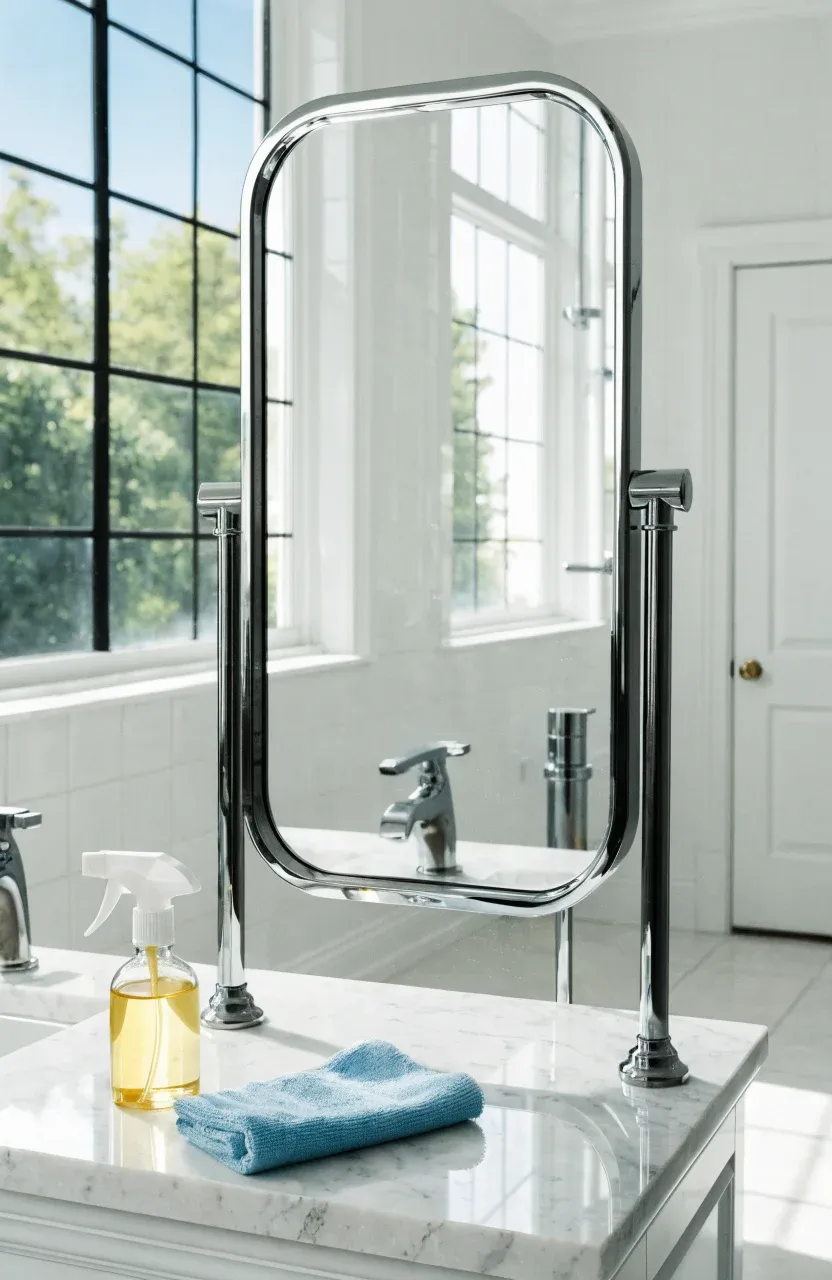
To keep your mirror clear, avoid using ammonia-based cleaners which can damage the silver backing over time if they seep behind the edges. A simple mixture of water and a small amount of dish soap or white vinegar works best. Use a microfiber cloth to prevent streaks and lint.
Don't spray the cleaner directly onto the mirror. Instead, spray it onto the cloth first. This prevents the liquid from running down into the frame or the bottom edge of the glass, where it can cause 'black edge'—a permanent tarnish caused by moisture hitting the silvering. For the frame, a quick dust with a dry cloth is usually enough, though metal frames may occasionally need a damp wipe to remove water spots.
Choosing the right vanity mirror is a simple way to update your bathroom without a full remodel. By measuring carefully and picking materials that stand up to steam, you can ensure your mirror stays functional and beautiful for years. Once you have your tools ready, take your time with the installation to make sure everything is level and secure.