
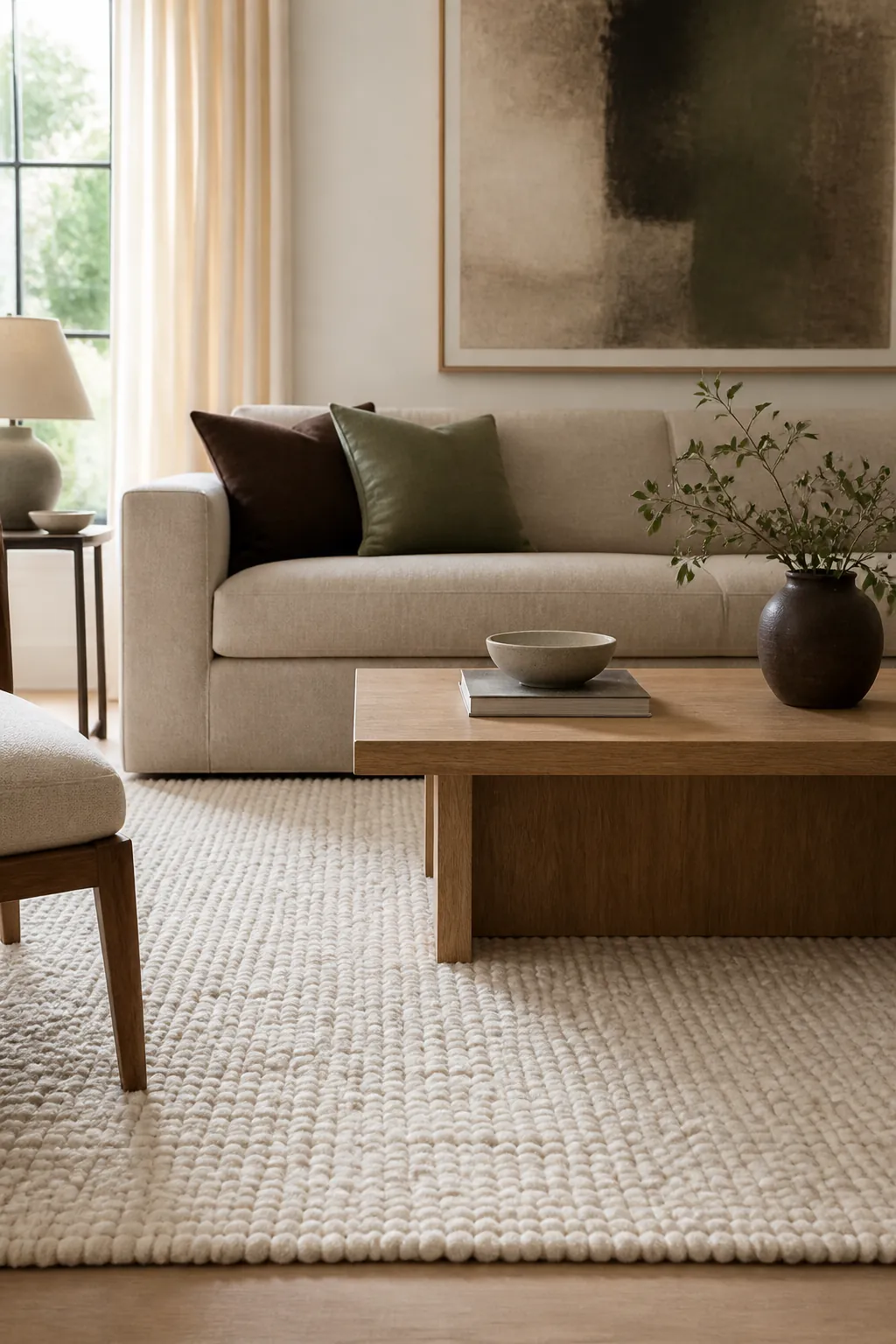
A cream rug softens a neutral room when it introduces texture and light—not when it erases every edge. The goal is gentle contrast: enough tonal difference to separate the floor, furniture, and textiles while keeping the room quiet.
Choose Cream by Undertone
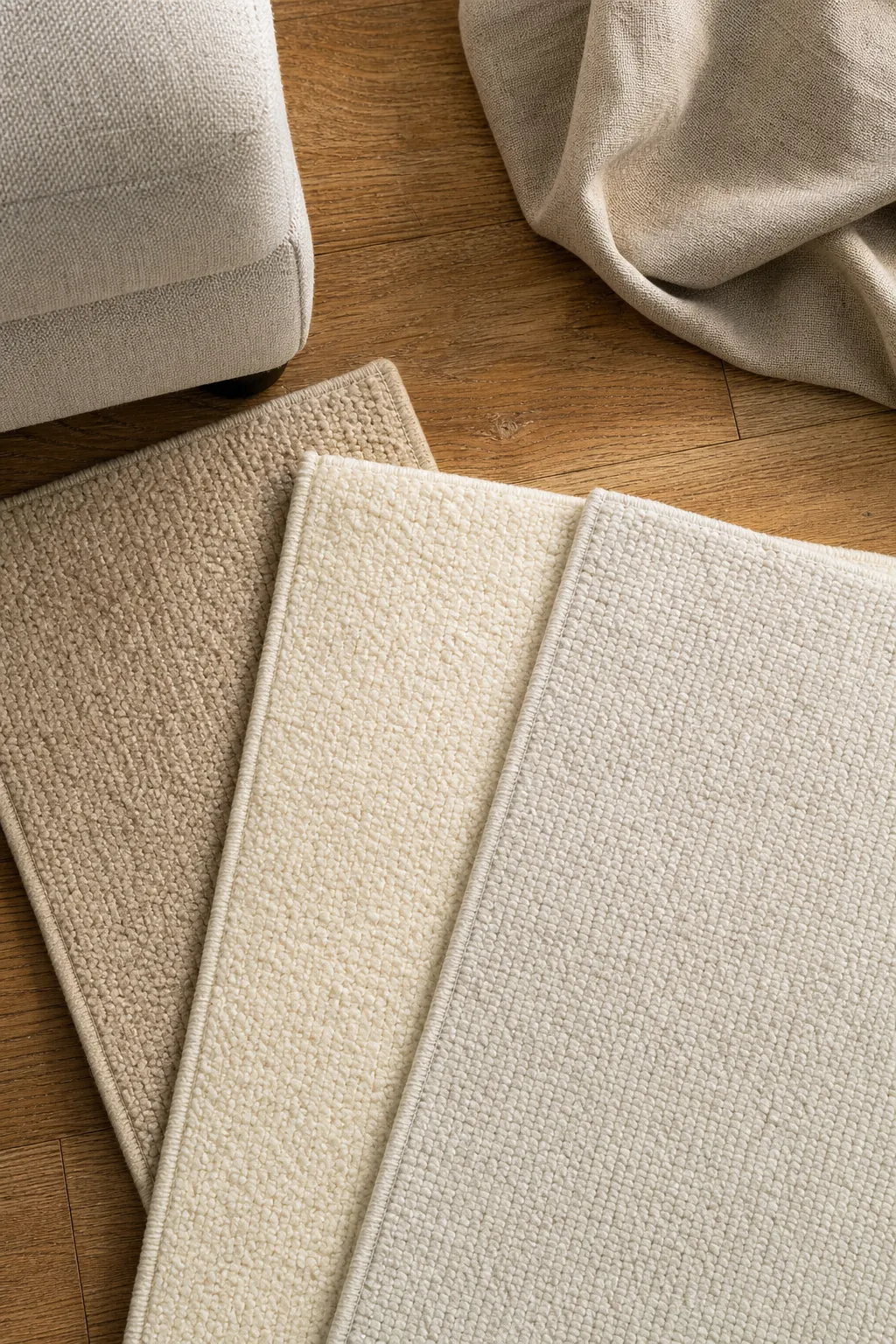
Ivory leans clean and bright; oatmeal feels earthier; ecru works naturally with flax and wood. Compare the rug beside the floor and sofa rather than against a white product-page background.
Anchor a Neutral Living Room
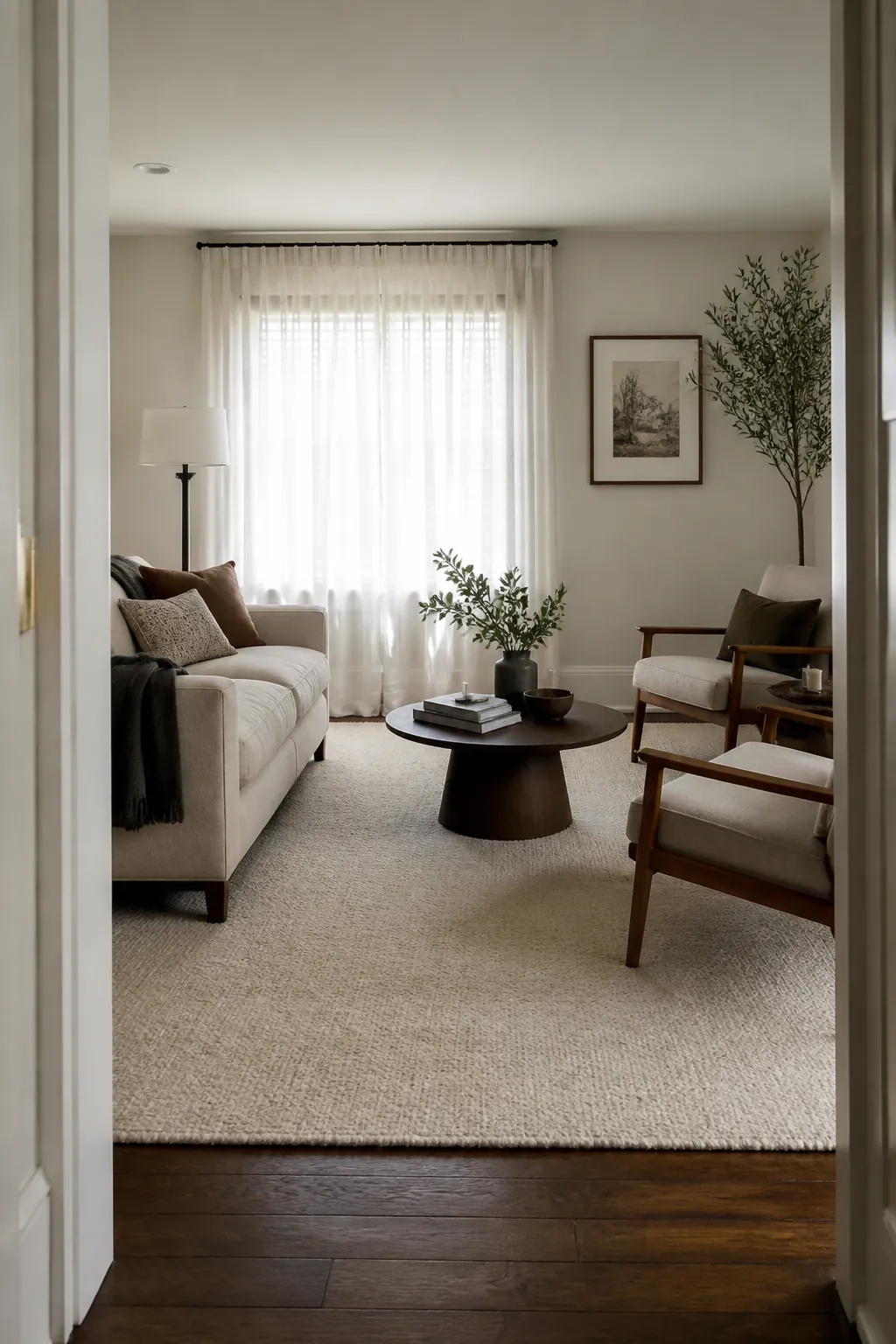
Use a generous living room rug that reaches under the seating front legs. A visible border of wood creates definition while the cream field brightens the center.
Add Relief Instead of Loud Pattern
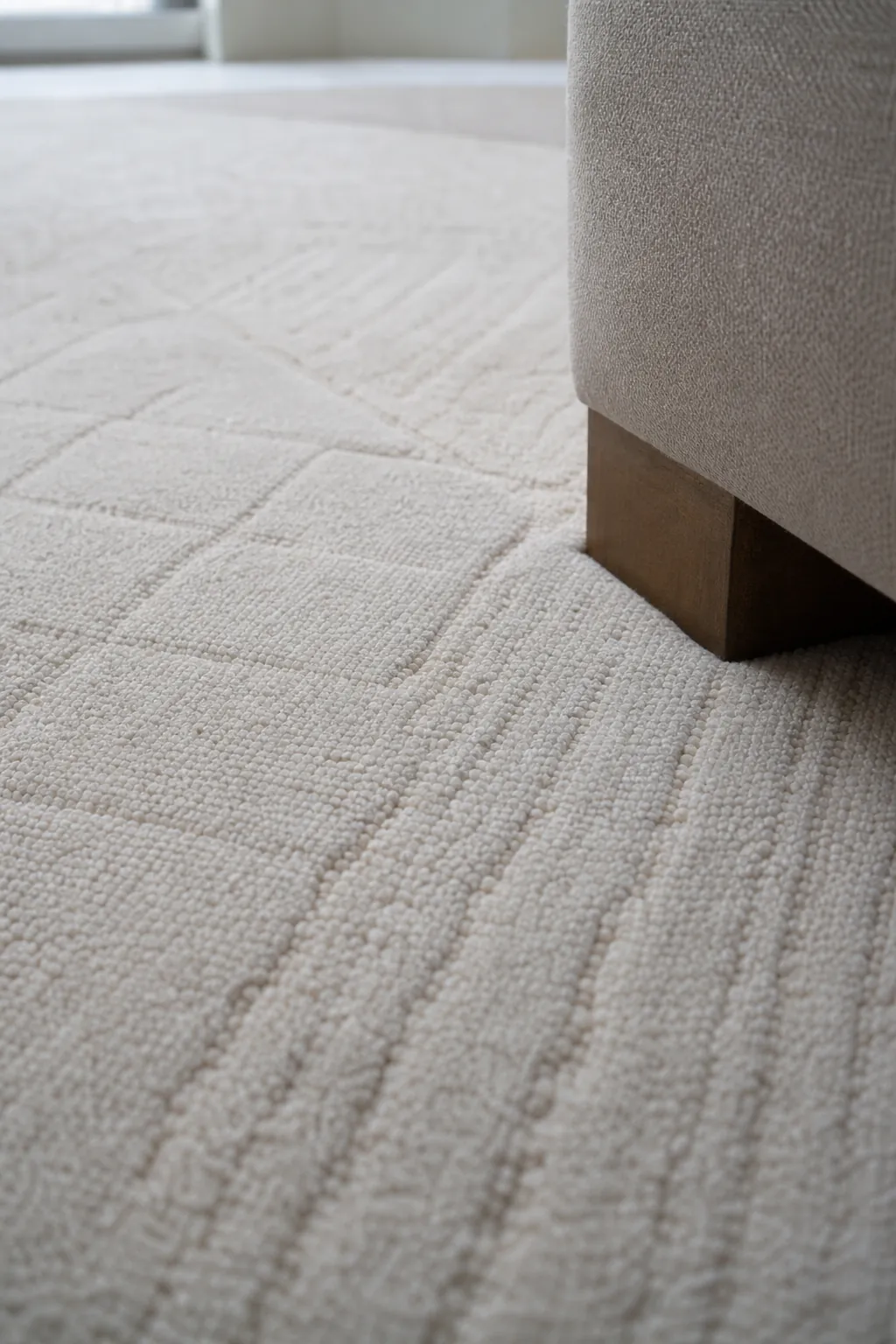
Broken lines, alternating pile, and tiny flecks add movement without disrupting soft decor. They also disguise the small marks that make a flat solid cream rug feel demanding.
Warm the Palette With Wood and Flax
Natural oak, walnut, rattan, linen, and unglazed pottery prevent cream decor from feeling icy. Use black sparingly for a crisp outline and repeat it only two or three times.
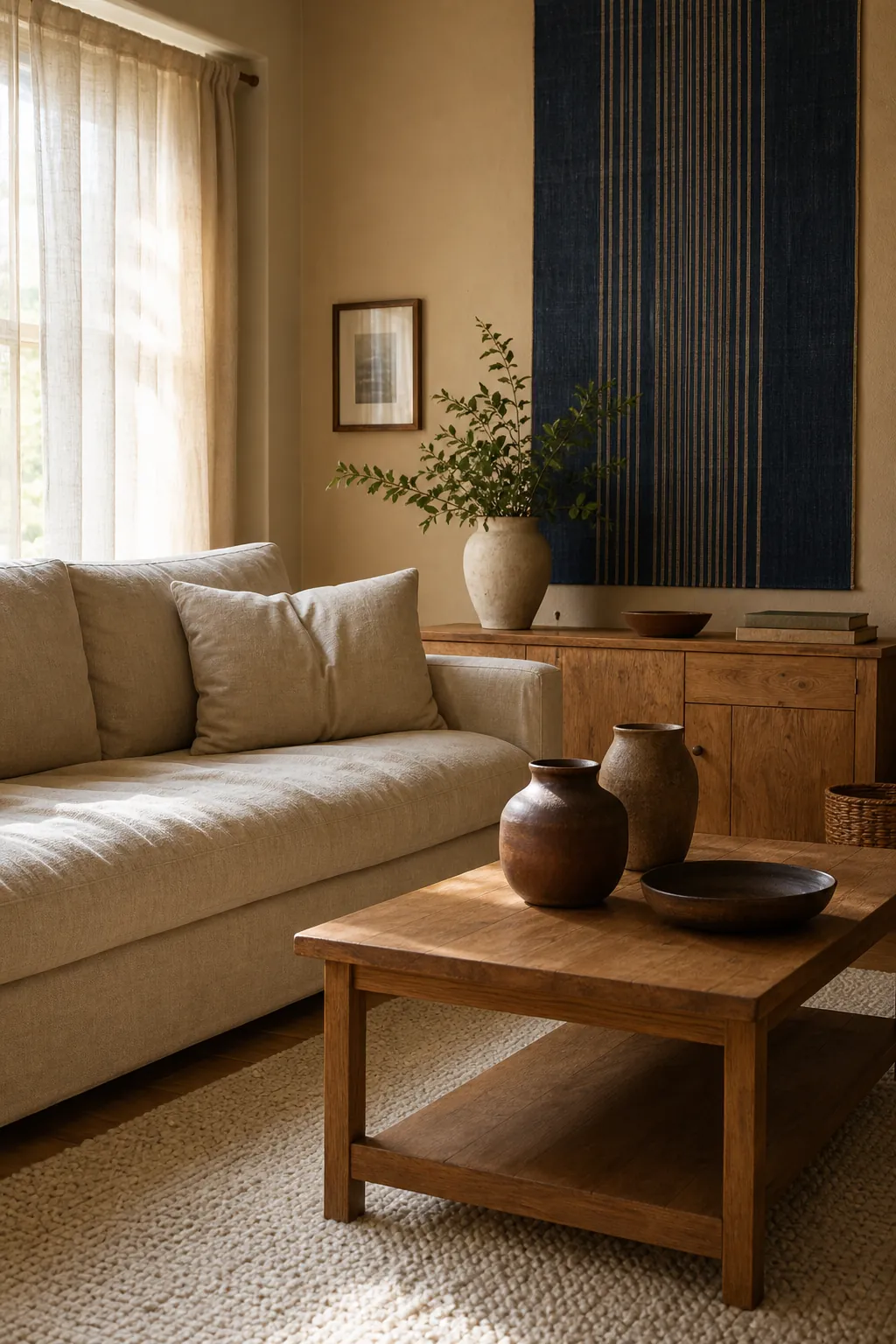
Bring Softness Into a Bedroom
In a bedroom, extend the rug beyond the bed sides so bare feet land on it. A lower pile under the frame keeps doors and drawers moving freely.
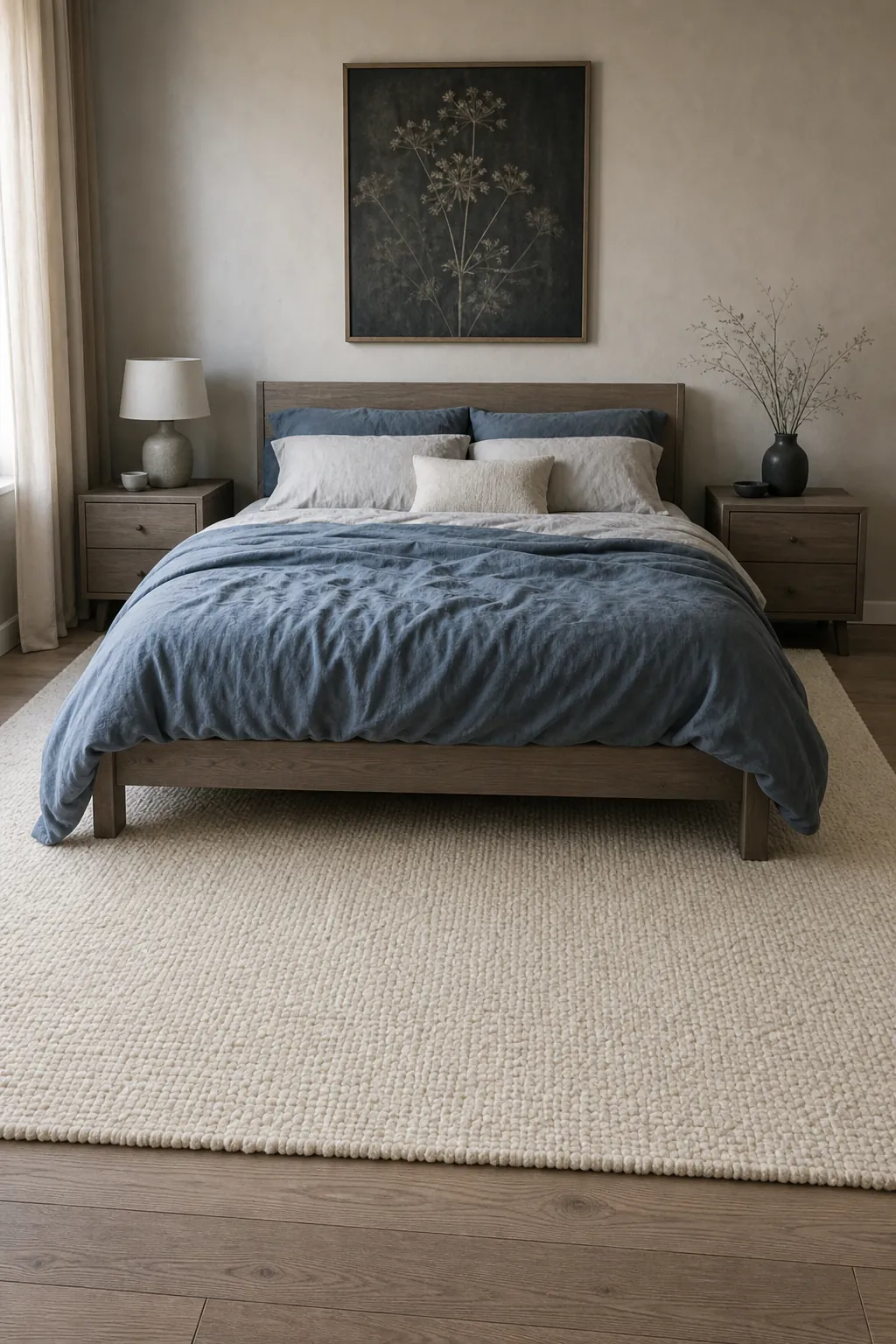
Make Pale Color Practical
Choose dense low pile for busy rooms, use a rug pad, vacuum consistently, and keep a manufacturer-approved spot-cleaning method close. Flecked cream is more forgiving than optic white.
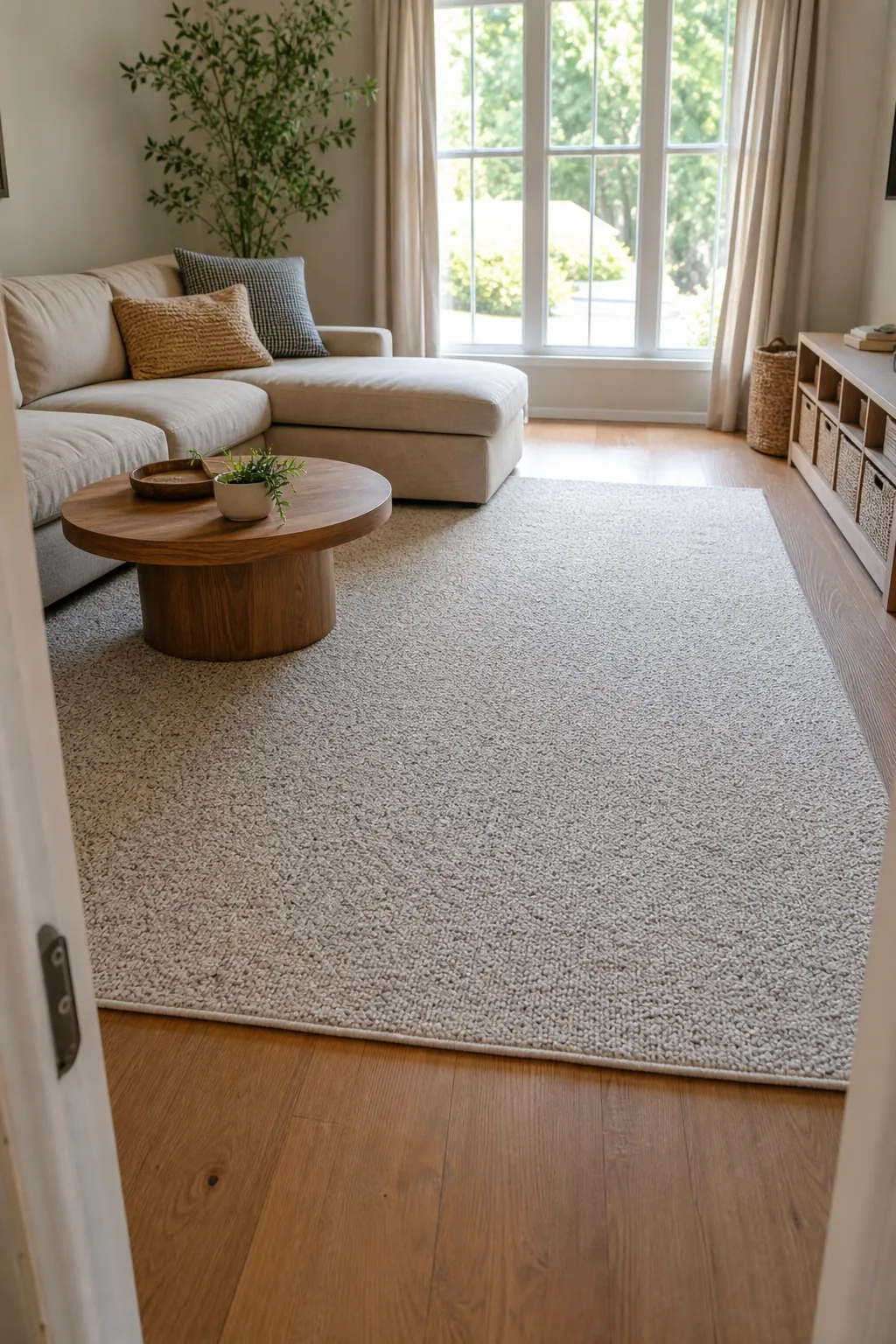
A softer room still needs structure. Let the cream rug brighten the foundation, then use wood grain, tactile textiles, and a few deeper accents to keep it grounded.