
Imagine sitting down for dinner surrounded by lush greenery and the soft scent of damp earth, all while staying sheltered from the wind and rain. Integrating a garden inside the house is no longer just for grand estates; it is a way to make your daily living space feel more alive and breathable. By blending indoor garden architecture with your dining area, you create a sanctuary that changes with the seasons and improves your home's air quality.
In this guide, we will look at how to plan and maintain a green dining space. We will cover everything from structural needs for an indoor courtyard design to picking the right furniture for a greenhouse dining room. Whether you have a large conservatory or a small indoor courtyard, these ideas will help you bridge the gap between your home's interior and the natural world.
Structural Planning for Indoor Garden Architecture
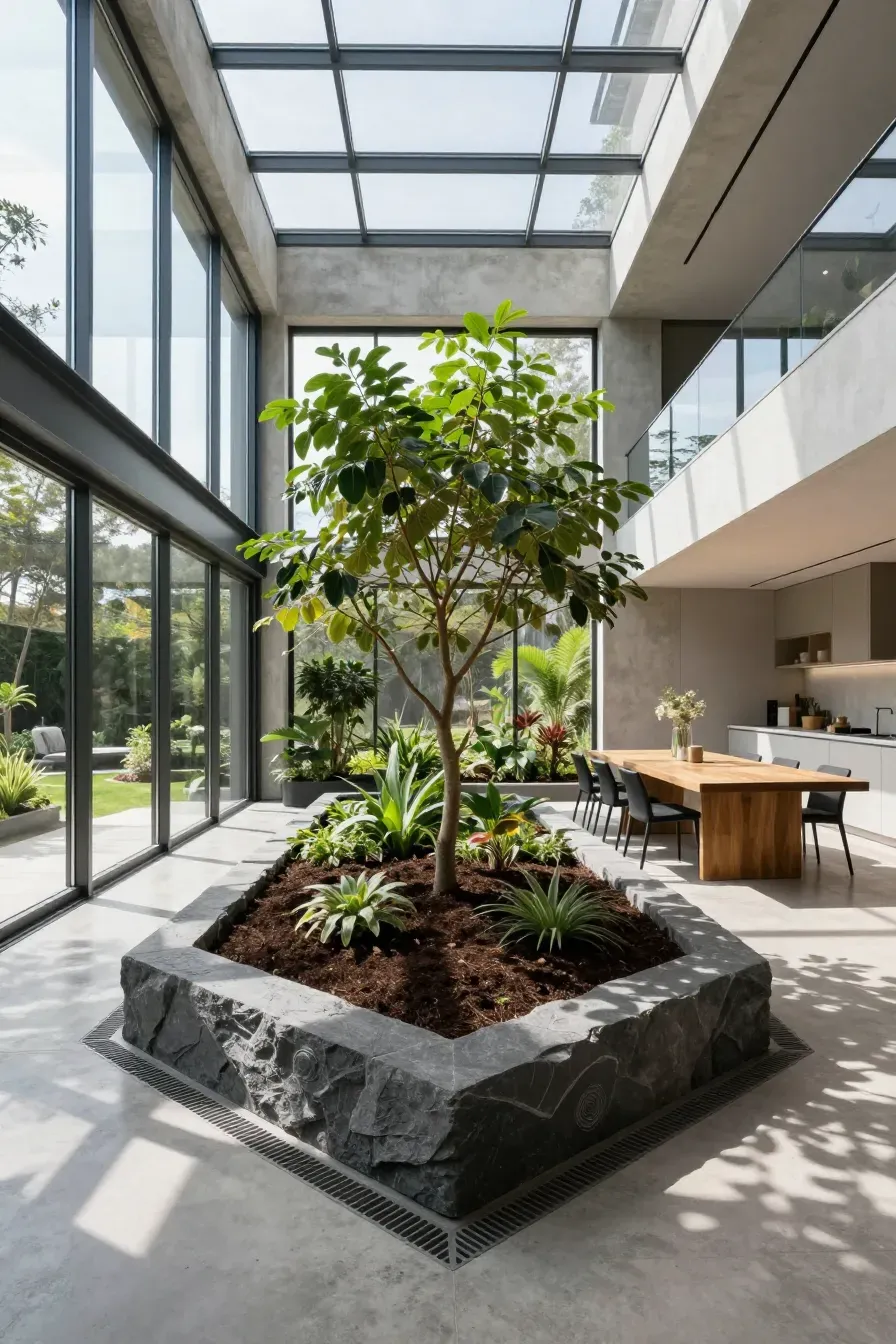
Building a space that houses both people and plants requires careful thought about the building's bones. Indoor garden architecture starts with understanding load-bearing limits and waterproofing. If you are adding a heavy planter or a small tree, the floor must support the extra weight of wet soil. You also need to think about drainage. It is best to install a recessed floor area with a dedicated drain to prevent water from seeping into your main living zones. Skylights or large glass walls are essential to provide the natural light that most plants need to survive indoors.
Furniture Selection for Greenhouse Dining Room Layouts
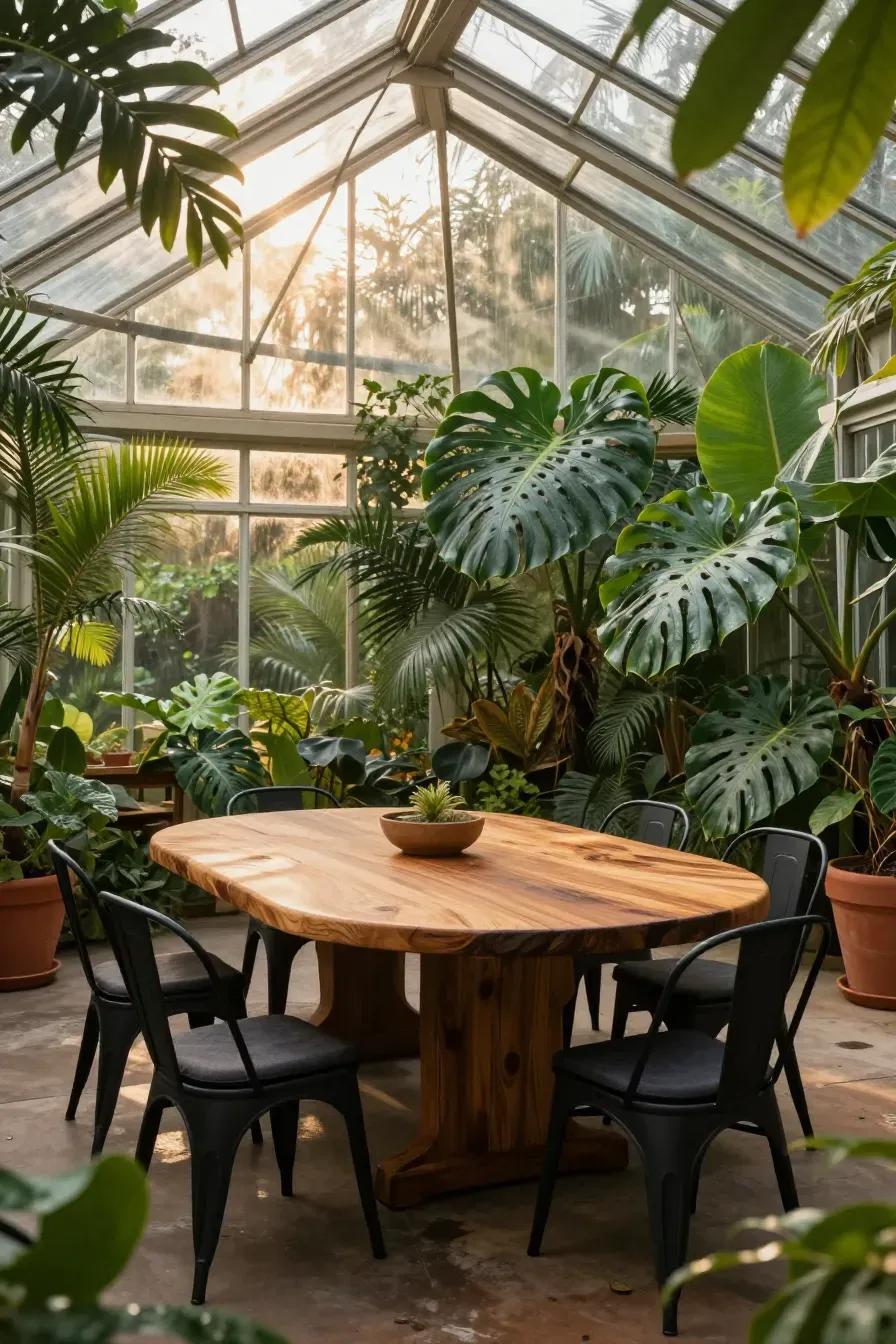
A greenhouse dining room is often exposed to more direct sun and humidity than a standard room. Because of this, you should choose furniture that can handle these conditions. Teak, metal, and high-quality treated wood are better choices than delicate fabrics or untreated veneers which might fade or warp. Keep the layout open so you can move around easily to water your plants. A round table often works well in these spaces because it allows for flexible seating and lets the organic shapes of the surrounding foliage take center stage.
Designing a Small Indoor Courtyard for Intimate Meals
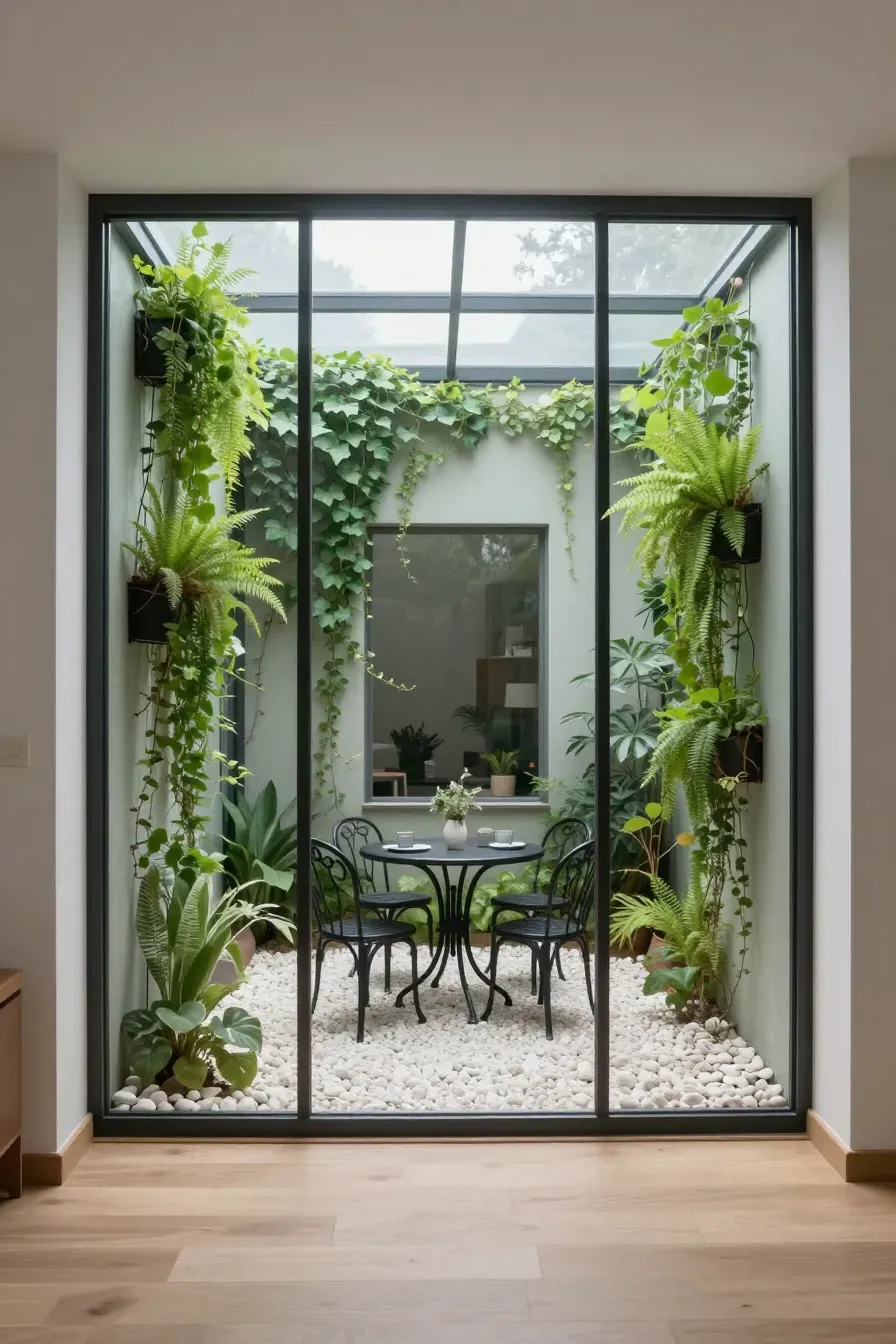
You do not need a massive floor plan to enjoy a small indoor courtyard. Even a tiny glass-enclosed space in the center of a home can serve as a beautiful backdrop for a bistro table and two chairs. To make the most of a compact area, use vertical space. Wall-mounted planters or climbing vines like ivy can create a lush feel without taking up valuable floor real estate. Mirrors can also be used to reflect the greenery and make the small courtyard feel twice as large as it actually is.
Using Inside Garden Ideas to Separate Living and Dining Spaces
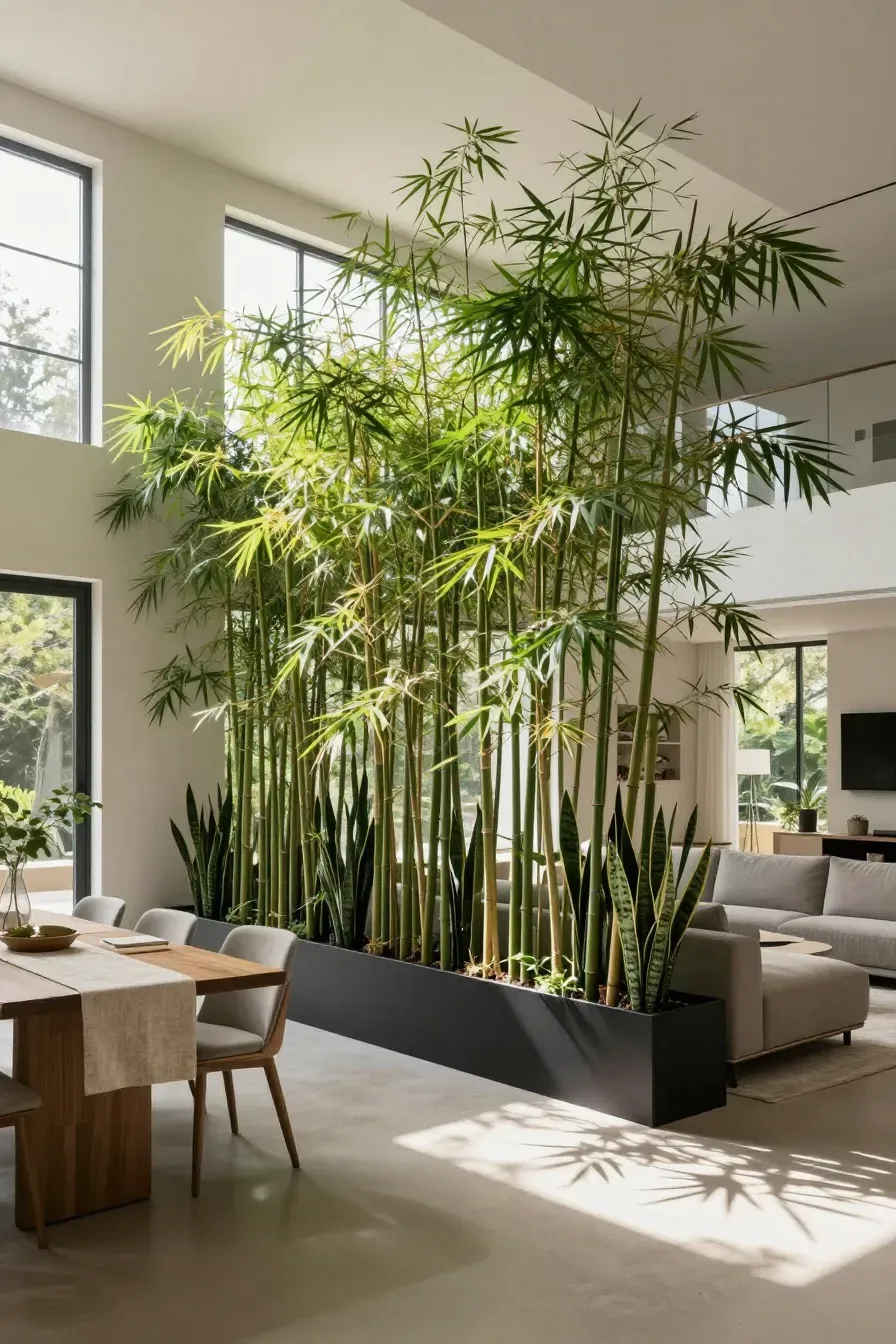
Inside garden ideas interiors often use plants as natural room dividers. Instead of a solid wall, a long, narrow planter filled with tall grasses or bamboo can separate a dining area from a living room. This keeps the floor plan feeling open while providing a clear visual boundary. It also helps with acoustics, as the soft leaves can absorb some of the echoes that often happen in open-plan homes. This approach allows light to flow through the entire house while still giving the dining space its own identity.
Plant Species That Thrive in Indoor Courtyard Ideas for Living Rooms
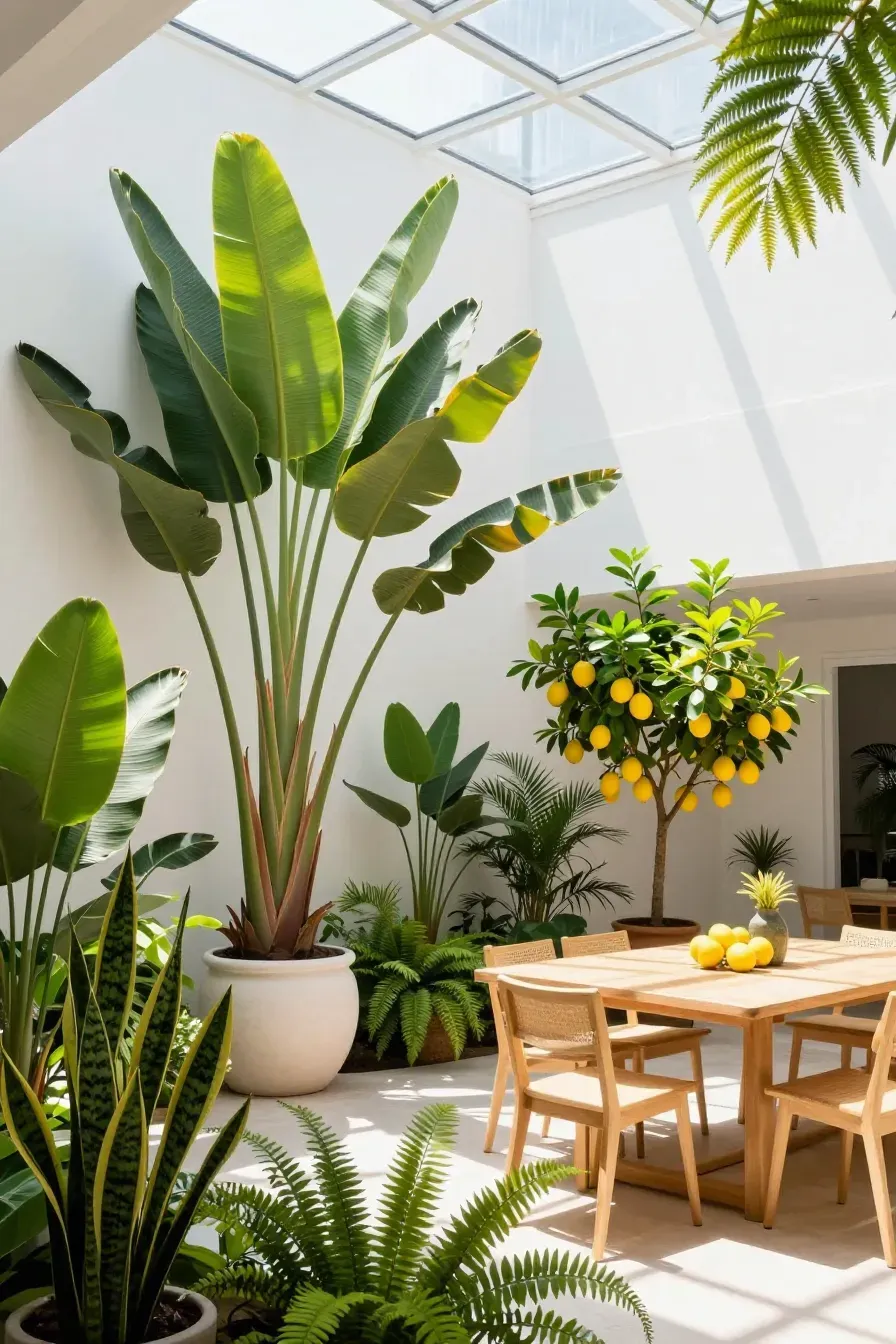
When looking at indoor courtyard ideas living rooms, the choice of plants is vital. You want species that look good year-round and can handle indoor temperatures. Peace lilies, snake plants, and various types of ferns are hardy and handle lower light well. If your courtyard gets plenty of sun, consider citrus trees or bird of paradise for a more tropical feel. Always group plants with similar water and light needs together to make maintenance easier and ensure they all thrive in their shared environment.
Managing Light and Humidity in a Conservatory Dining Space
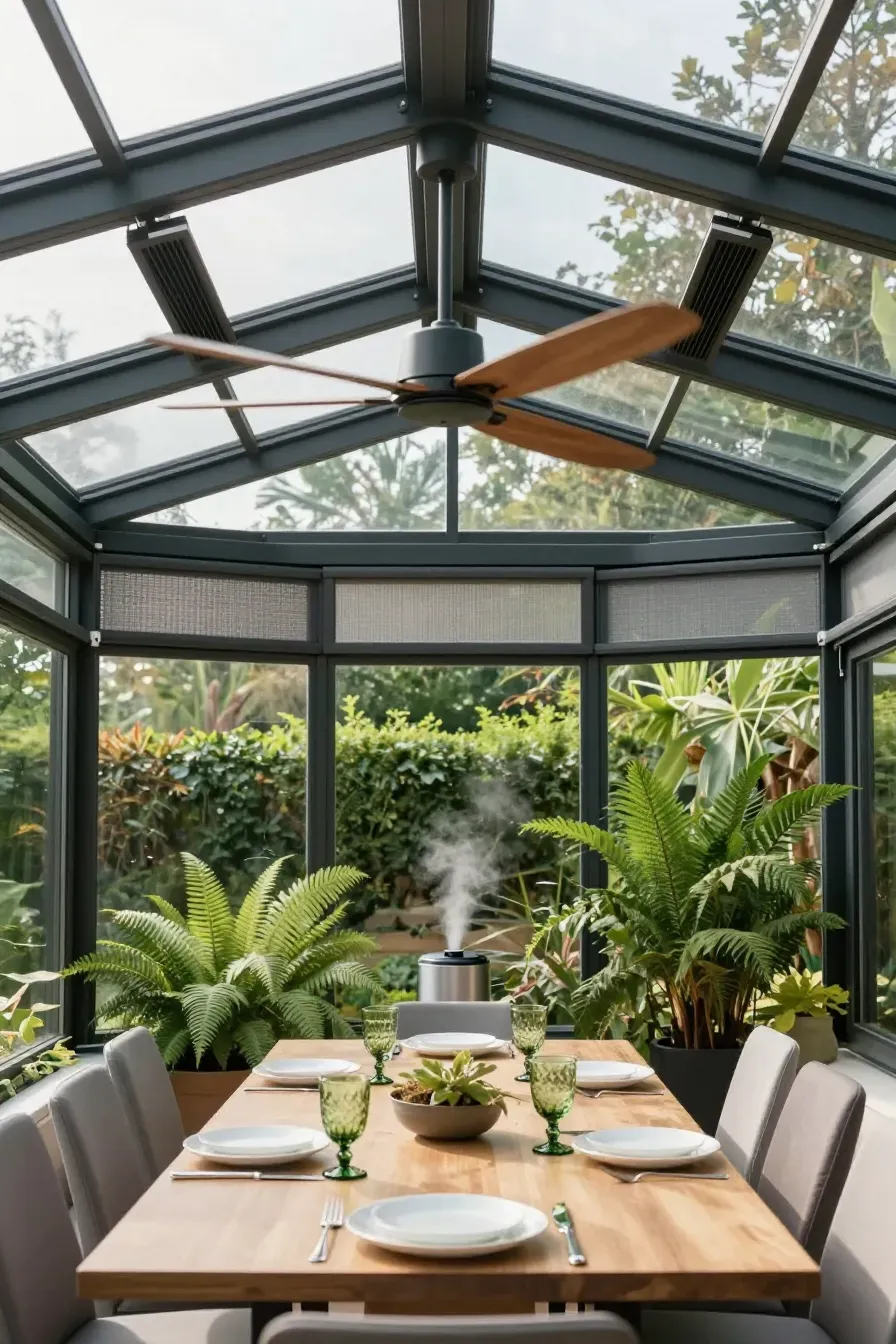
Maintaining a conservatory dining area means balancing the needs of your guests with the needs of your plants. Plants love humidity, but people usually do not want to eat in a damp room. To fix this, use automated vent windows or ceiling fans to keep air moving. During winter, you might need a humidifier, while in summer, blinds or solar film on the glass can prevent the room from becoming too hot. Proper ventilation is the most important factor in preventing mold and keeping the air fresh for dining.
Flooring Materials for a Durable Indoor Outdoor Room
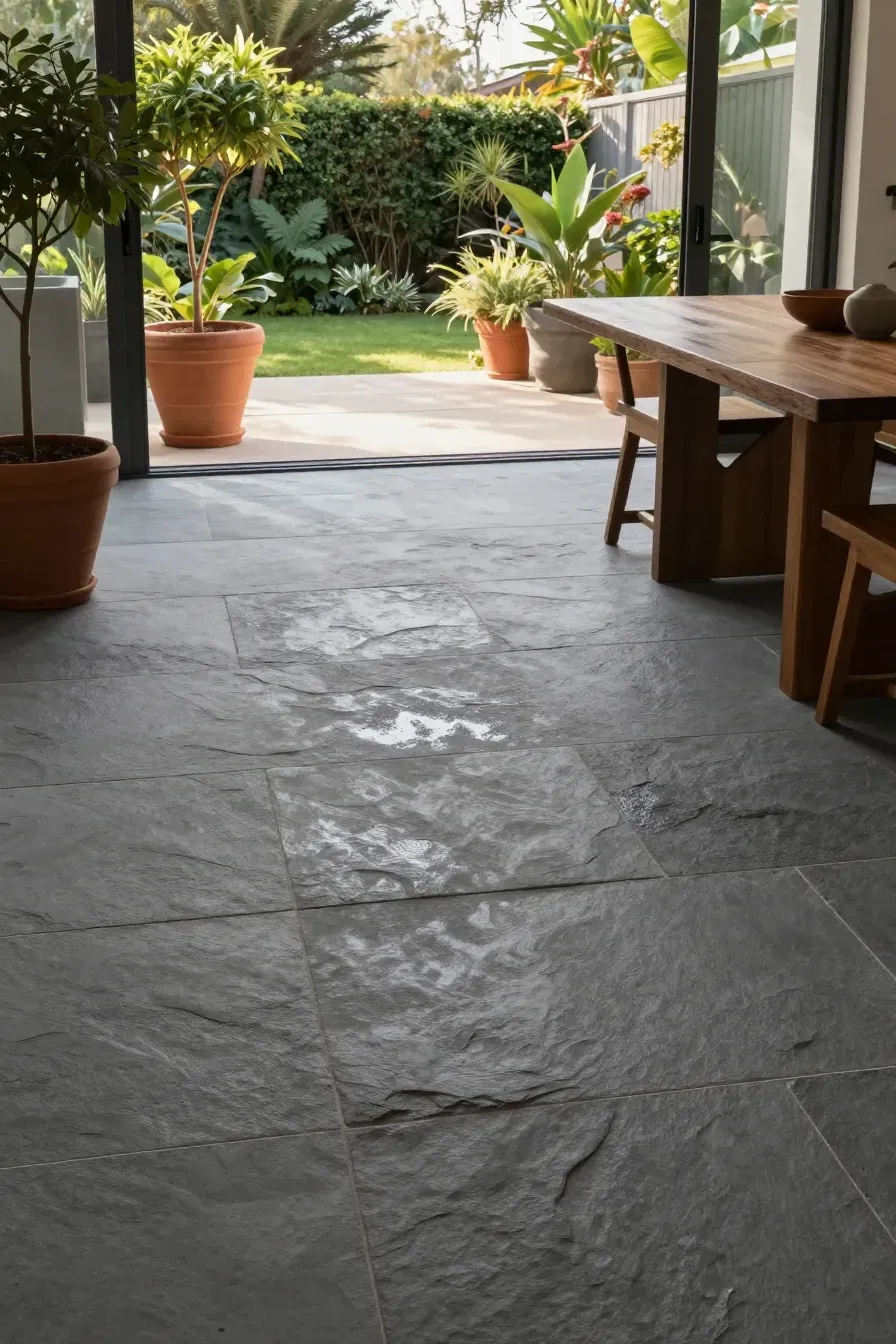
The floor of an indoor outdoor room has to be tough. It will likely face water spills, dirt from pots, and heavy foot traffic. Stone tiles, slate, or polished concrete are excellent choices because they are easy to clean and water-resistant. These materials also hold heat from the sun during the day and release it slowly at night, which helps regulate the room's temperature. Avoid wall-to-wall carpeting or laminate flooring that can swell and ruin if it gets wet during plant care.
Integrating a Garden Inside the House with Smart Irrigation
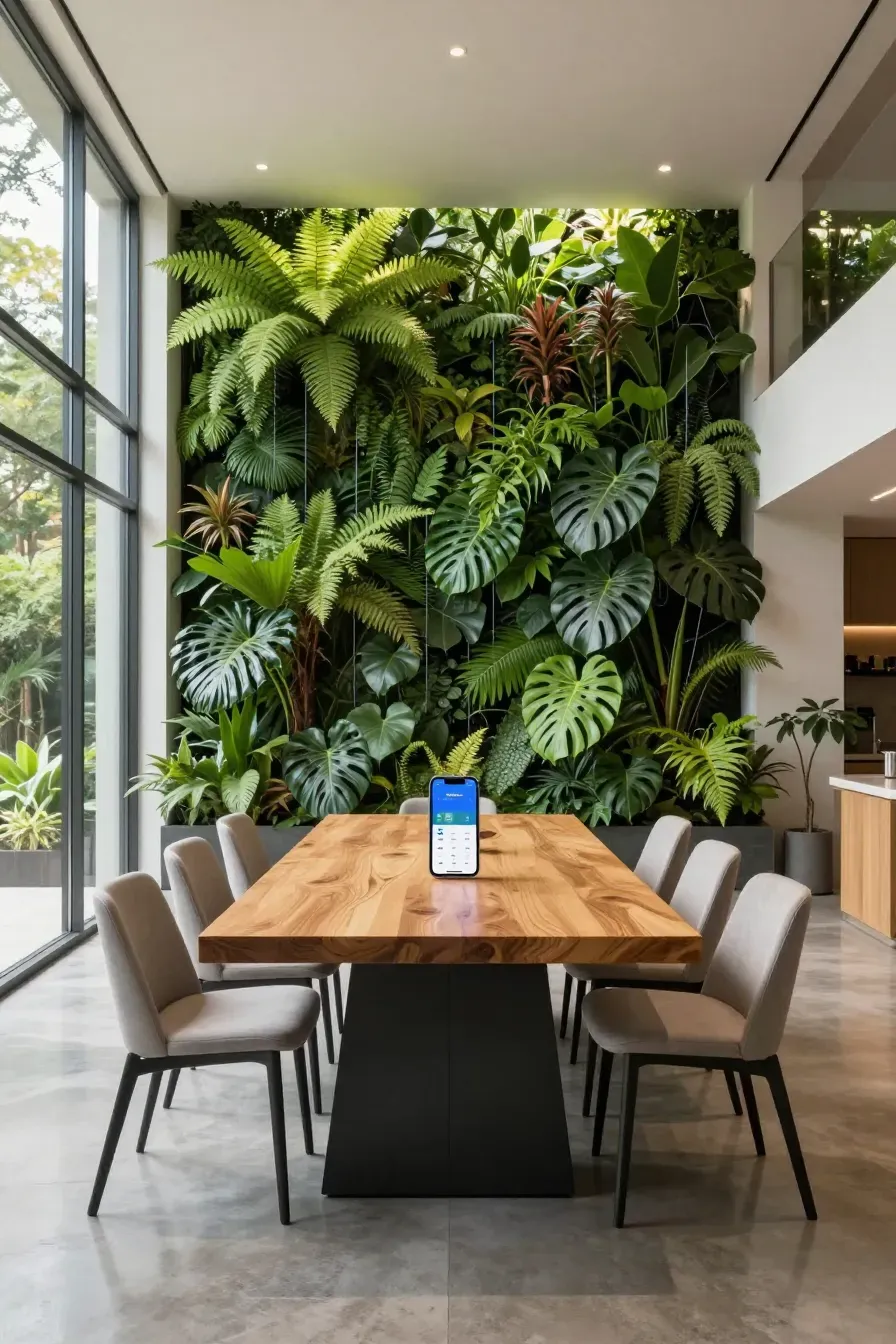
A garden inside the house is much easier to manage with modern technology. Smart irrigation systems can be hidden behind walls or under flooring to deliver the exact amount of water each plant needs. Drip lines are particularly useful for indoor gardens because they deliver water directly to the roots without splashing the furniture or the floor. You can even set these systems to a timer or control them from your phone, ensuring your indoor garden stays green even when you are away on vacation.
Balancing Furniture and Foliage in Your Indoor Garden Design
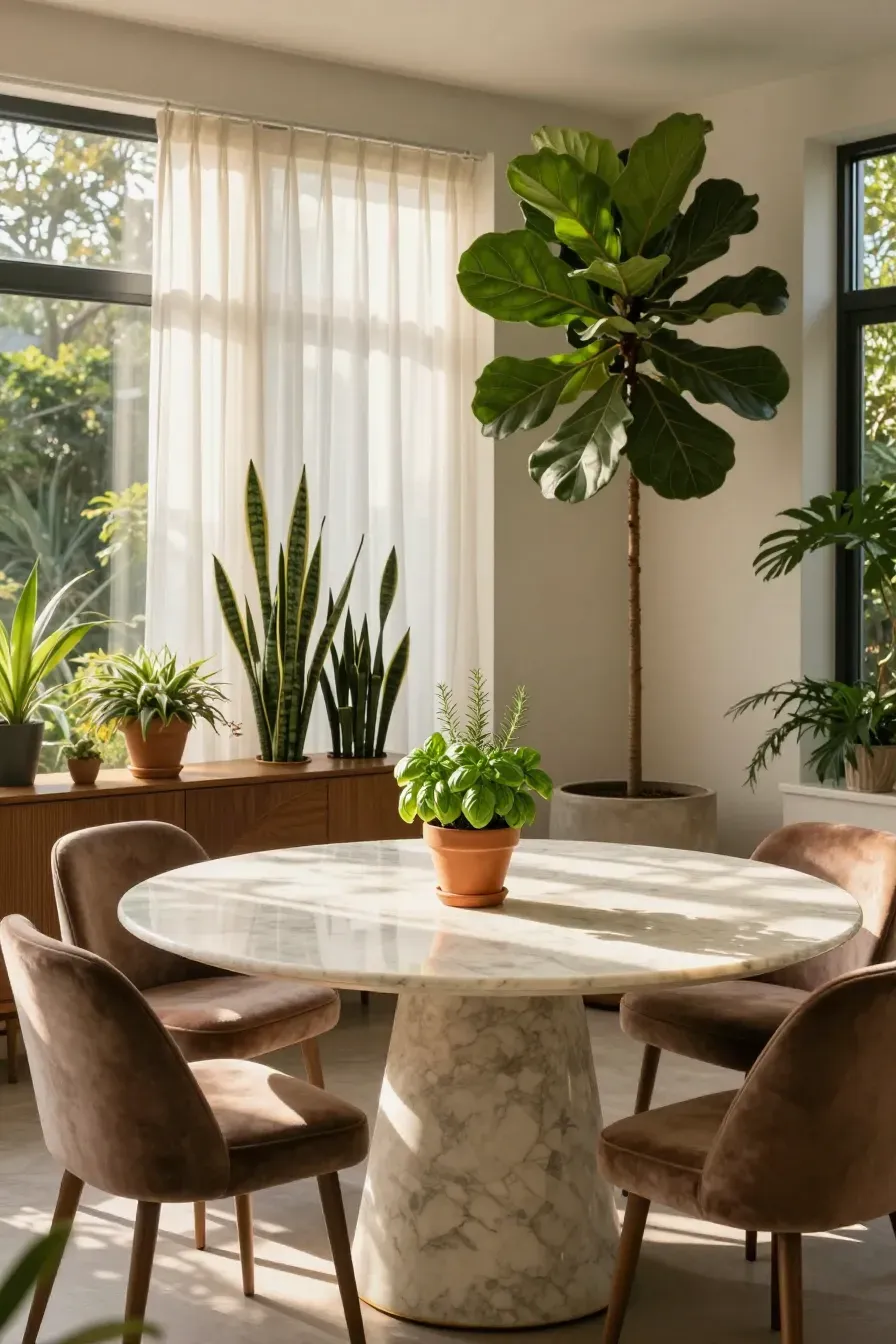
Successful indoor garden design is about finding a balance so neither the furniture nor the plants overwhelm the space. Avoid crowding the table with too many large pots, which can make the room feel cramped. Instead, use a mix of large floor plants in the corners and smaller potted herbs on the table or sideboards. This creates layers of green at different heights. Make sure there is enough space for chairs to be pulled out comfortably without hitting a branch or a planter.
Creating a garden dining area is a practical way to bring nature into your daily routine. By focusing on durable materials, the right plant species, and smart structural planning, you can build a space that is both beautiful and functional. Start small with a few large floor plants or a dedicated green corner, and see how it changes the mood of your home. A bit of greenery goes a long way in making a house feel like a home.