
Small cottage kitchens often feel like the heart of the home, but their limited size can make daily cooking feel like a puzzle. When you have more pots and pans than cabinet space, every square inch counts. However, a compact kitchen doesn't have to be a source of frustration. With the right design choices, these small spaces can become highly efficient workstations that feel cozy rather than cramped.
In this guide, we will look at how to make your cottage kitchen more functional. We'll cover everything from floor plans that improve workflow to choosing materials that bring warmth to the room. By focusing on smart storage and the right lighting, you can create a kitchen that handles daily meals with ease while maintaining that classic cottage charm.
Practical layouts for limited floor space
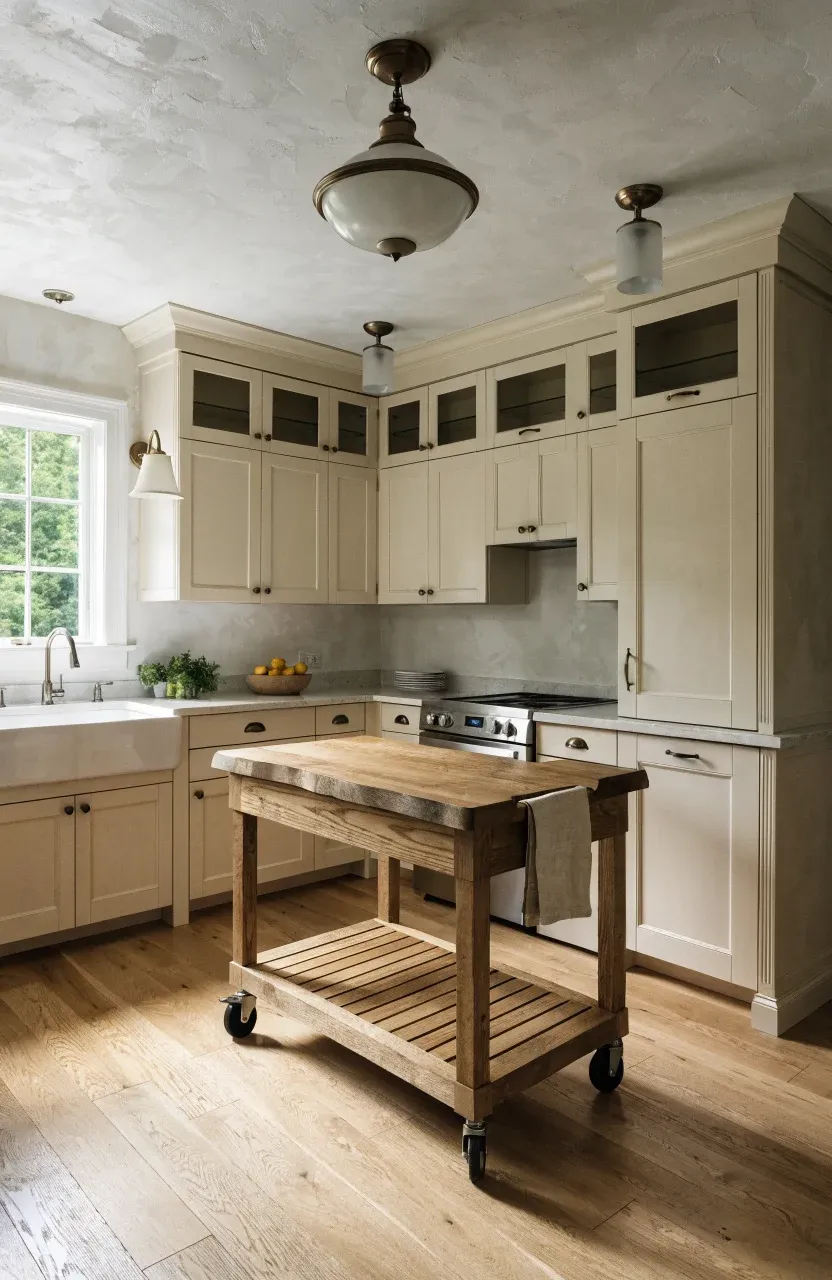
The most successful small kitchens focus on the work triangle—the distance between the stove, sink, and refrigerator. In a cottage, a galley or L-shaped layout usually works best. A galley layout uses two parallel walls, keeping everything within a step or two. If your space is an L-shape, it opens up the floor, making it easier for more than one person to be in the room. If you lack counter space, consider a small butcher block on wheels. You can move it to the center of the room while prepping dinner and tuck it into a corner when you are done.
Selecting natural materials for a warm atmosphere
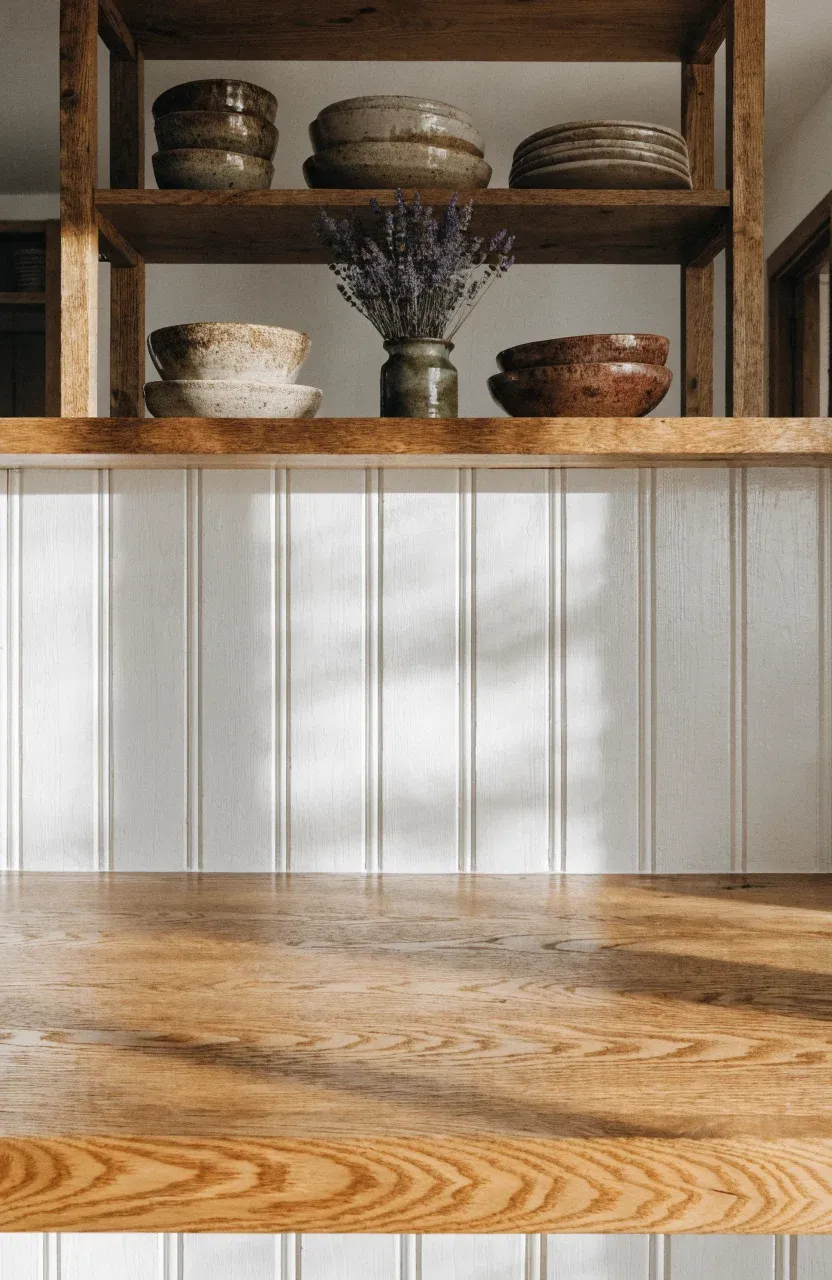
Cottage style relies on materials that feel grounded and real. Wood is a top choice for countertops or open shelving. It adds a sense of history and warmth that stone or laminate sometimes lacks. Bamboo is another excellent option because it is durable and has a fine grain that doesn't overwhelm a small room. For the backsplash, simple ceramic tiles or even beadboard paneling can create a clean, classic look. These materials age well and can handle the wear and tear of a busy kitchen.
Smart storage solutions for walls and ceilings
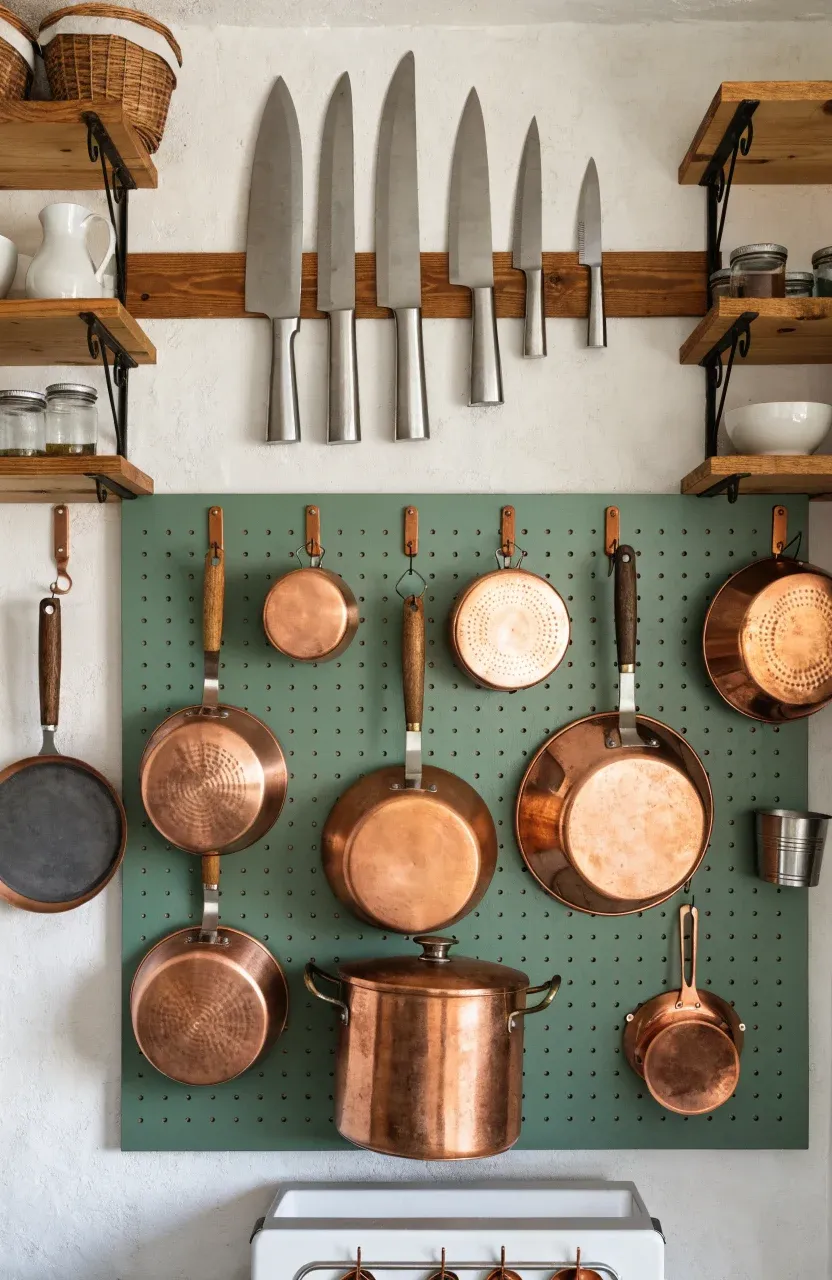
When you run out of floor space, look up. Walls offer huge storage potential that often goes unused. Install a magnetic strip for knives to save drawer space, or hang a heavy-duty pegboard for your most-used pots and pans. Ceiling-mounted pot racks are great for high ceilings, but in lower cottage rooms, a simple rail over the stove works better. Open shelving is a staple of cottage design. It keeps the room feeling airy, though it does require you to keep your dishes somewhat organized. Use baskets on higher shelves to hide items you don't use every day.
Choosing appliances that fit small footprints
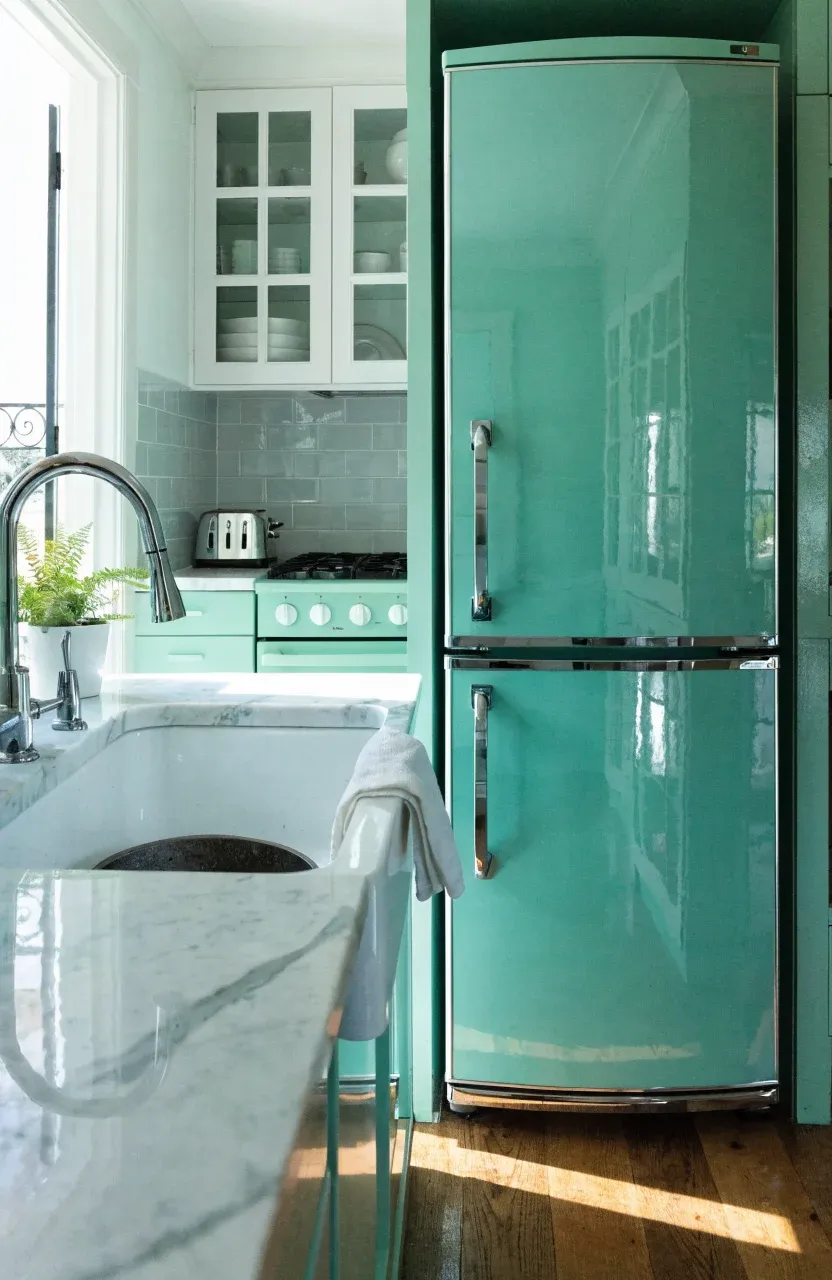
Standard appliances can easily swallow up a small kitchen. Look for apartment-sized or 'slimline' models. Many brands now offer 24-inch wide refrigerators and ranges that perform just as well as full-sized versions. A single-bowl sink that is deep can be more useful than a shallow double-bowl sink, as it allows you to soak large pots without taking up extra counter width. If you don't bake often, a high-quality convection microwave might replace a traditional wall oven, freeing up space for more cabinets.
Lighting techniques to make the room feel larger
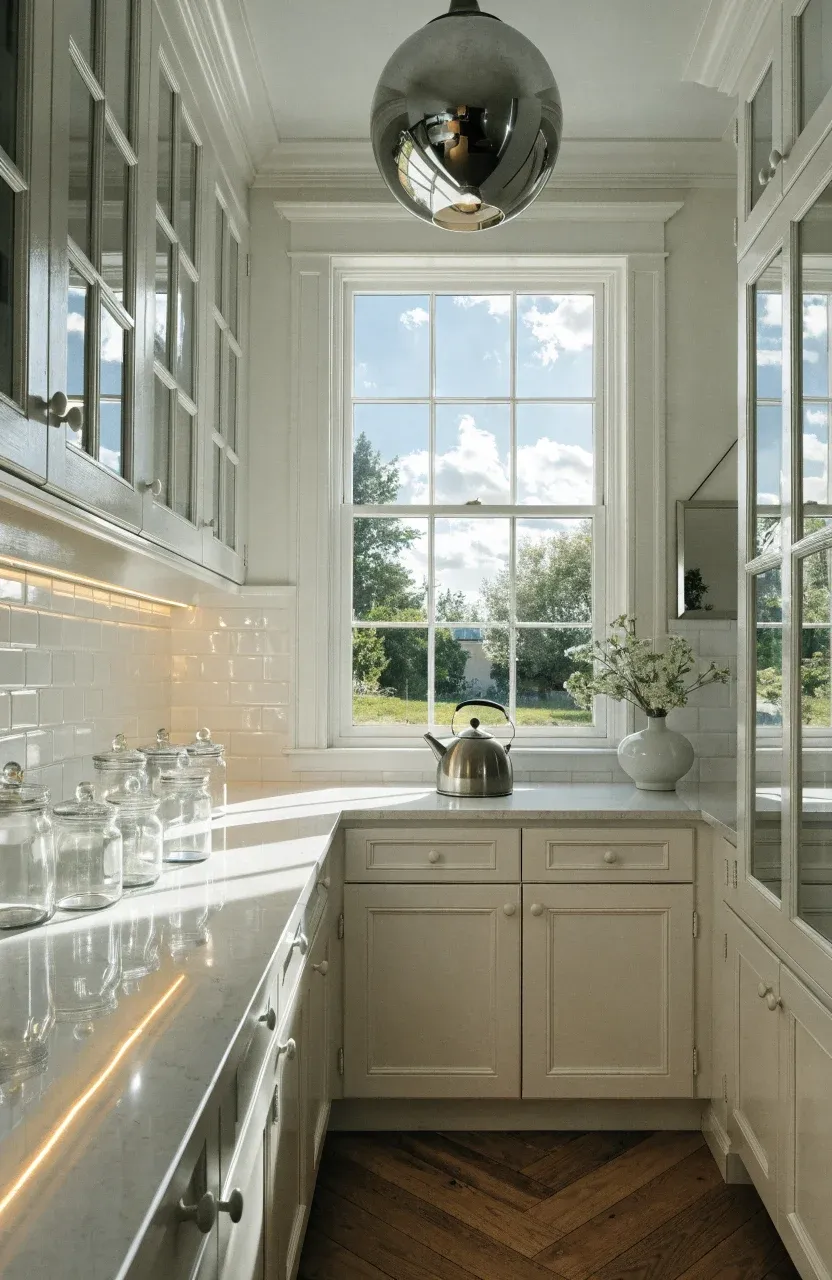
Dark corners make a small room feel even smaller. Start by maximizing natural light; use sheer curtains or no window treatments at all. For artificial light, layering is key. Don't rely on just one overhead fixture. Install LED strip lights under the upper cabinets to brighten your workspace. If you have open shelves, small puck lights can add depth. Using mirrors or glossy finishes on the backsplash can also help bounce light around the room, giving the illusion of more breathing room.
Adding character through hardware and textiles
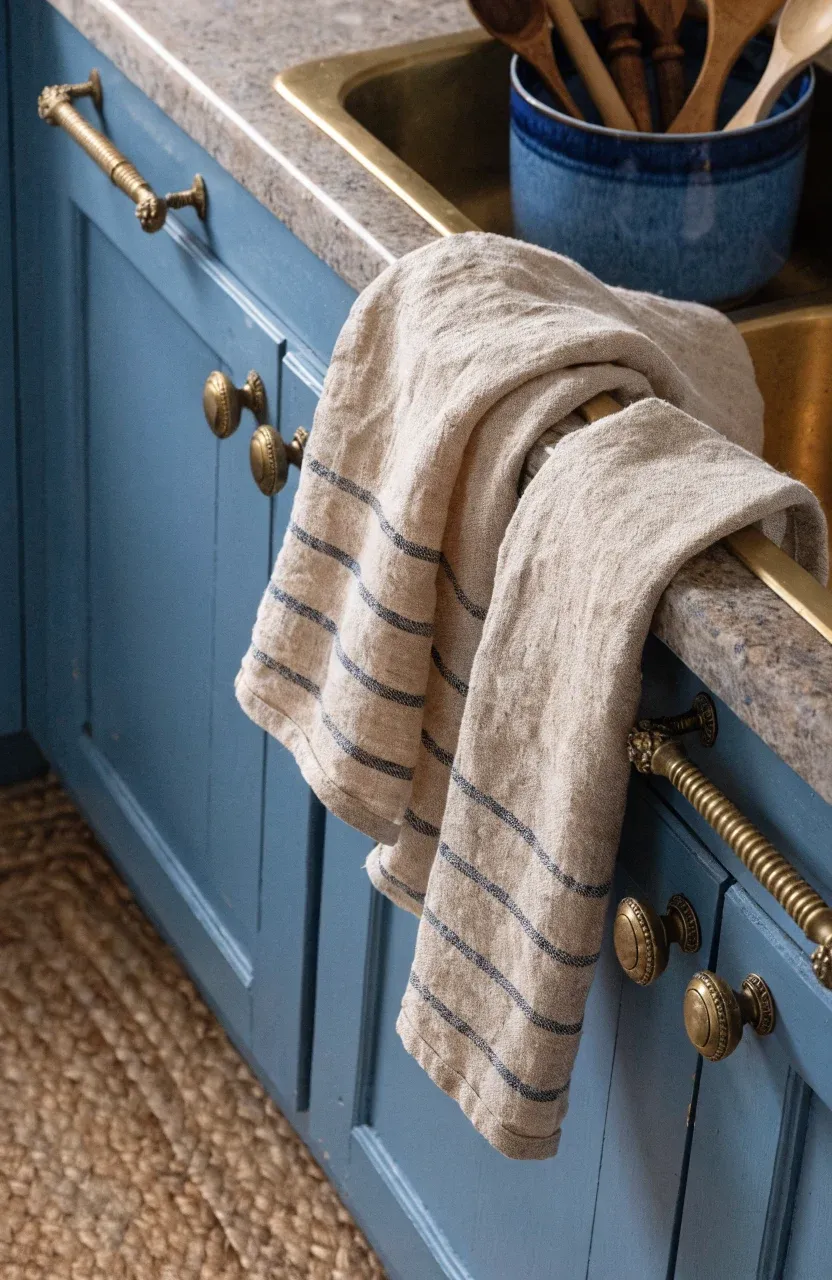
The final details are what make a cottage kitchen feel personal. Swap out generic plastic handles for brass, copper, or ceramic knobs to give the room a vintage feel. Textiles like linen tea towels and braided rugs add softness to the hard surfaces of the kitchen. Since space is tight, choose items that are both beautiful and useful. A colorful ceramic crock for wooden spoons or a linen cafe curtain can add a pop of color without adding clutter. These small touches pull the design together and make the space feel like home.
Organizing a small cottage kitchen is all about balancing beauty with utility. By choosing a layout that flows well and using every bit of wall space, you can turn a tiny room into a highly productive space. Focus on natural materials and good lighting to keep the atmosphere light and welcoming. Once you have the basics in place, add your own personality through textiles and hardware. Start with one small change today, like clearing your counters or adding a new shelf, and see how much better your kitchen feels.