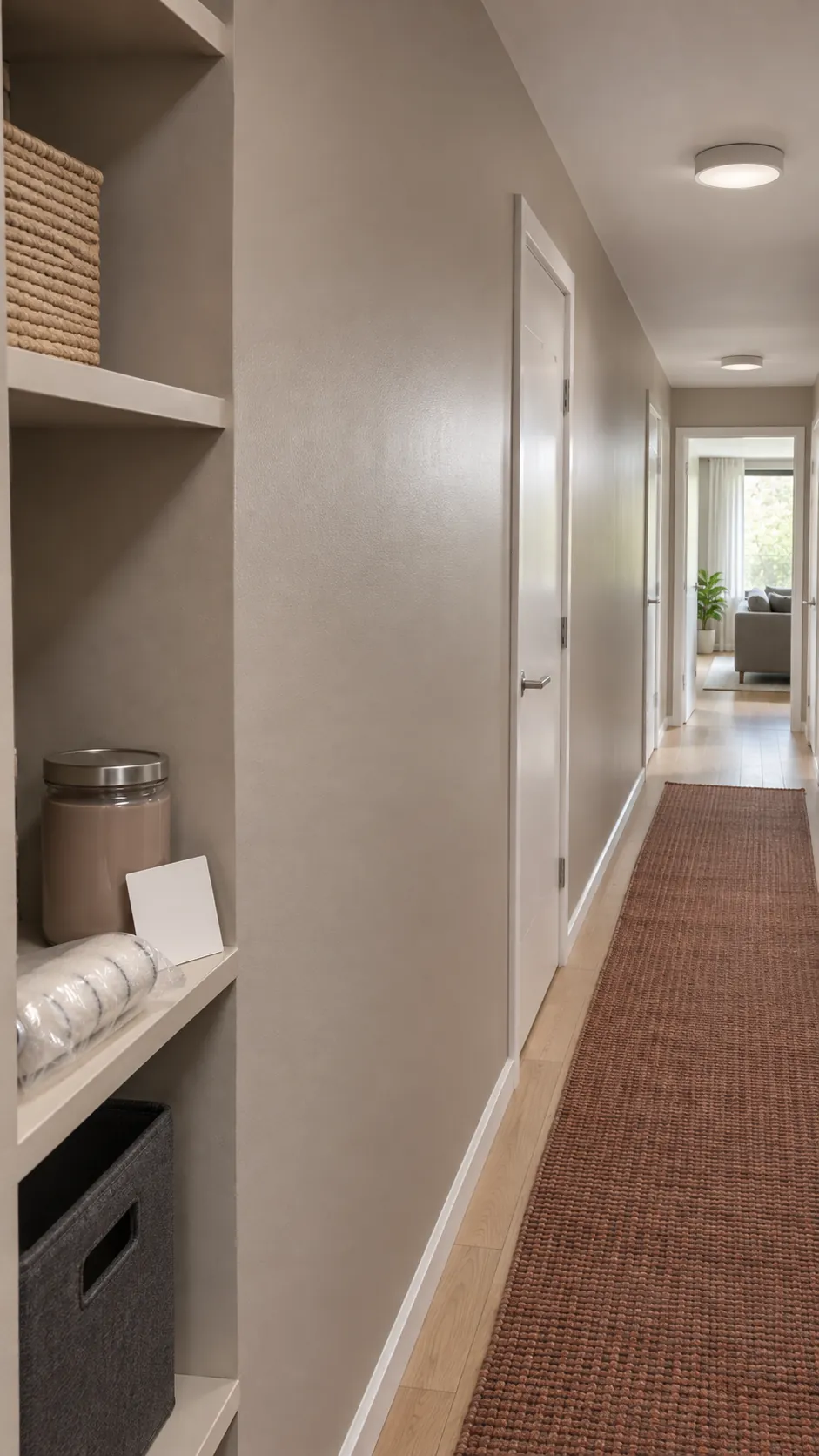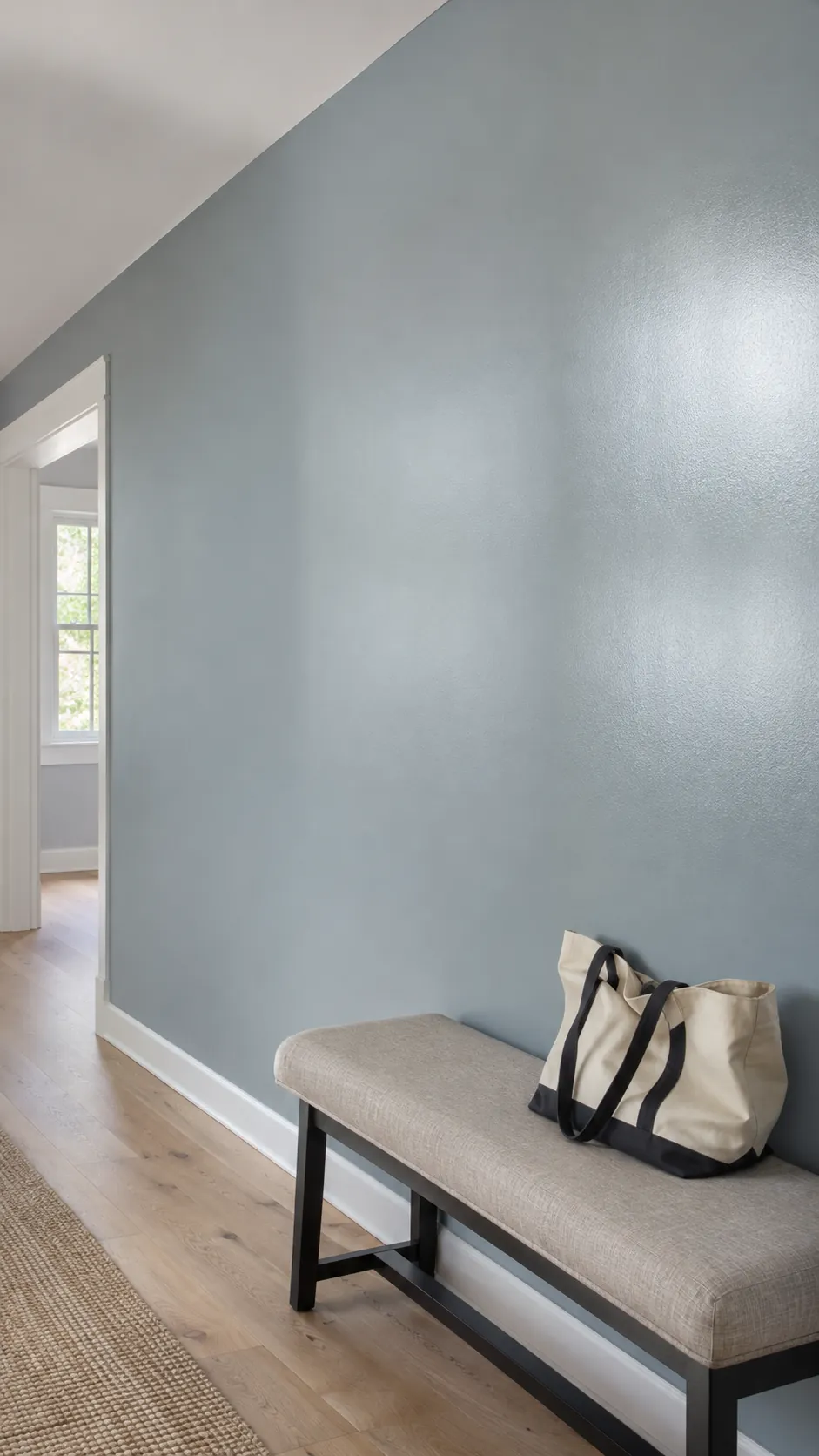
The busiest wall in a home rarely fails because someone chose the least fashionable sheen. It fails because the finish does not match what touches the wall, how often it is cleaned, and how much side light exposes every repair. A narrow hallway with children, bags, and pets asks more of paint than a quiet adult bedroom.
Sheen names also shift between manufacturers. One brand’s eggshell may reflect as much light as another brand’s satin. Compare products within one range, then use a real sample on the wall before committing to several rooms.
Start With the Wall’s Cleaning Load
List what actually reaches the surface during a normal week. Hallways collect shoulder rubs, fingerprints, shoe marks, and dust along corners. Stair walls face hand contact at changing heights, while entryways receive damp coats and bags.
A washable wall paint matters when marks must be removed often, but sheen alone does not guarantee durability. Resin quality, cure time, surface preparation, and the cleaner you use all affect the finish. Check the product sheet for washability and cure guidance instead of assuming every satin paint can withstand hard scrubbing.
Flat Paint Hides More but Tolerates Less
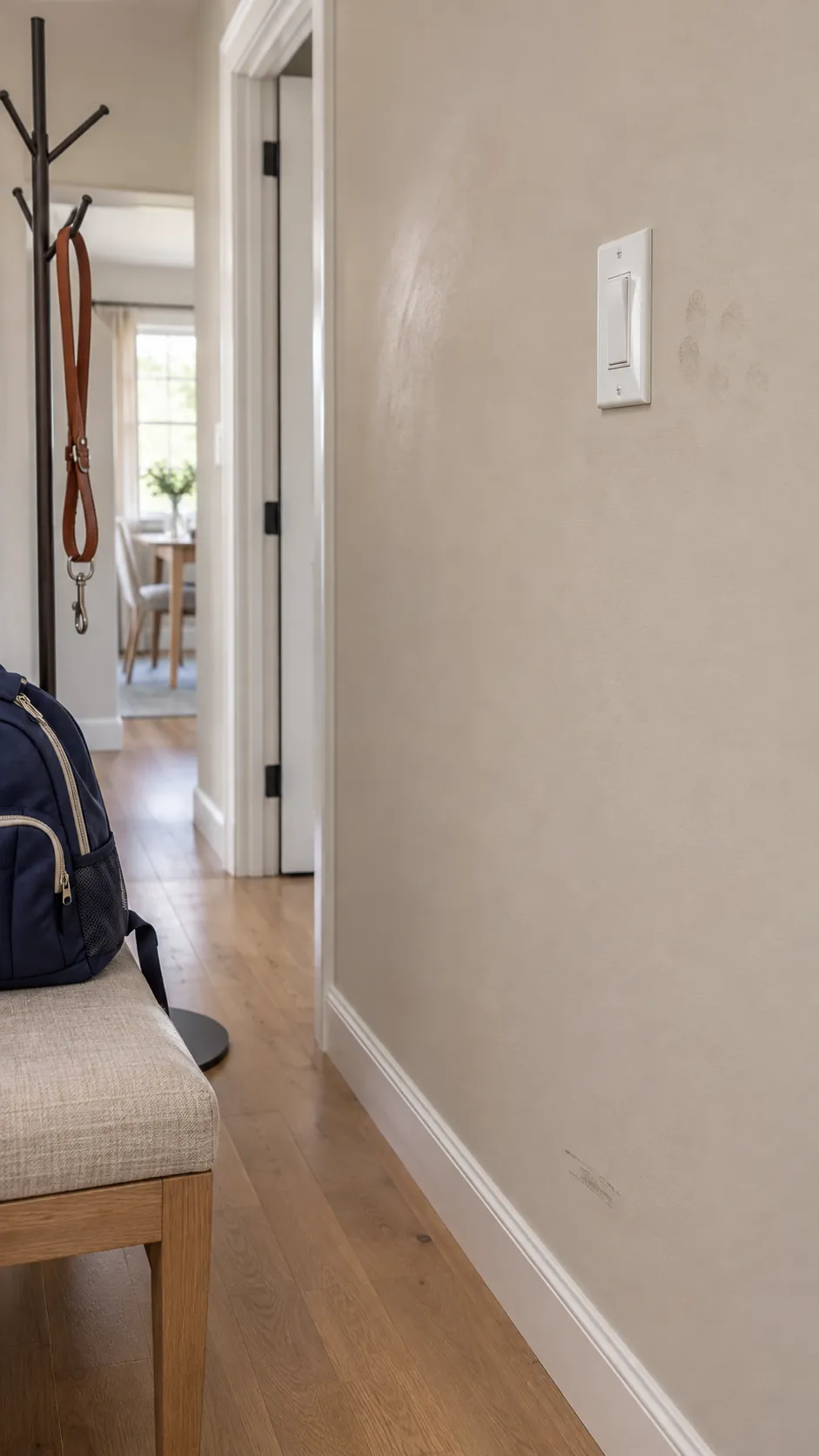
Flat wall paint scatters light, so shallow patches, uneven roller texture, and minor waves look less obvious. That quality can calm an older wall under strong daylight. It also gives deep colors a soft appearance without bright reflections.
The compromise appears during maintenance. Repeated wiping may burnish the surface and leave a shinier spot, while oily marks can soak into a porous film. Premium washable flat products can perform better than basic flat paint, but you still need to judge the exact product rather than rely on the label.

Eggshell Gives the Most Useful Middle Ground
Eggshell wall paint adds a low soft reflection that usually improves stain resistance without making every patch prominent. For many family hallways and living areas, that balance is easier to live with than either extreme. A gentle wipe is less likely to change the surface than it would on basic flat paint.
Eggshell is not invisible under side light. Poor drywall finishing, thick touchups, and uneven rolling can still flash as different sheen. Prepare the wall carefully and maintain a wet edge so the final coat dries with consistent reflection.
Satin Suits Walls That Need Frequent Wiping
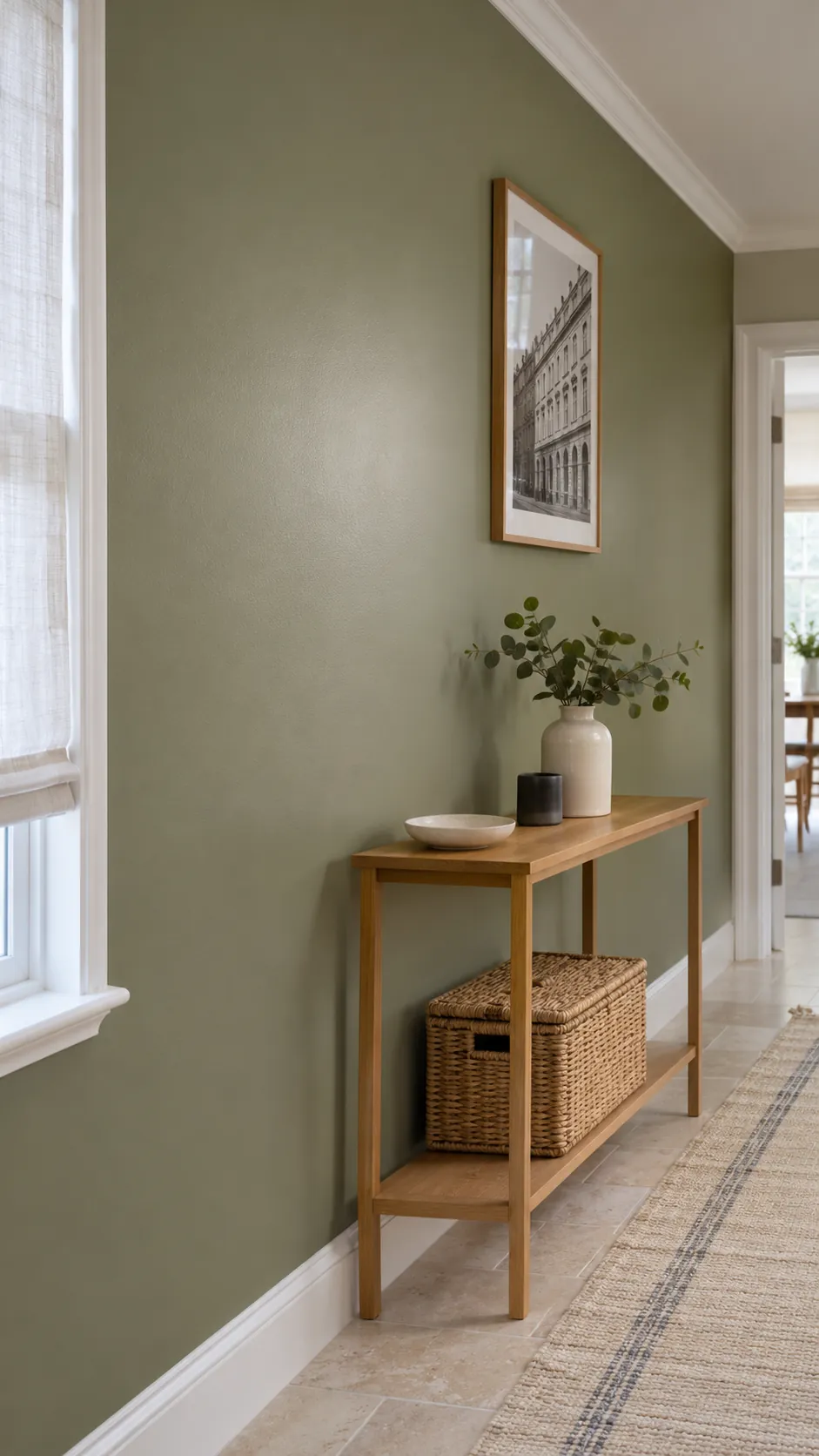
Satin wall paint forms a smoother, more reflective film that generally releases grime more easily. It can make sense near a busy entry, in a utility passage, or where pets brush the same route every day. The extra sheen also gives deeper color a clearer highlight.
That reflection exposes dents, ridges, and lap marks. A satin touchup may look different even when the color matches because the new film sits at another angle or thickness. Choose it when cleaning performance outweighs the need to disguise an imperfect substrate.
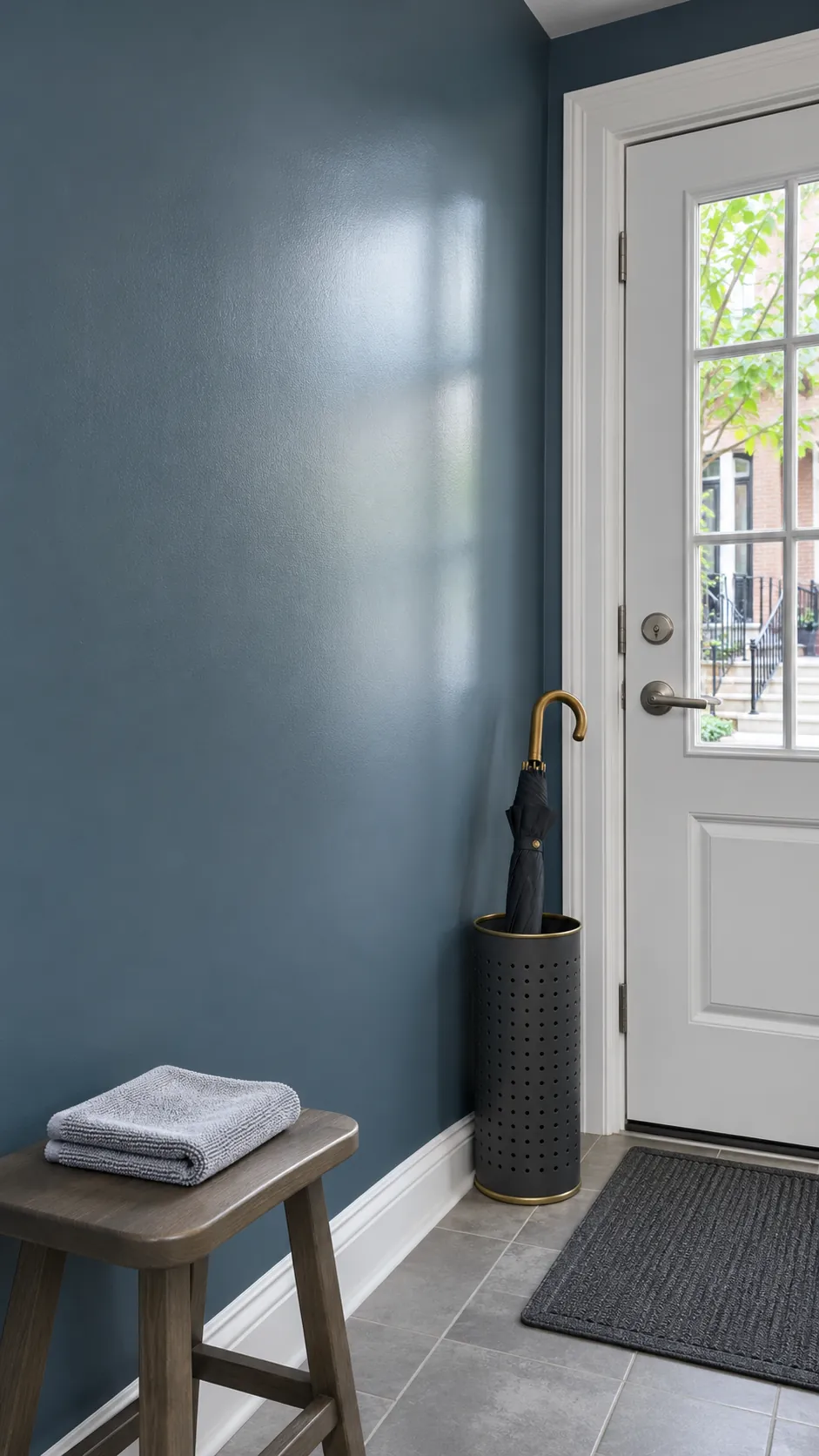
Test Sheen Where the Wall Will Be Seen
Paint large sample areas with the actual product and color, using the same roller planned for the job. Place samples where daylight travels across the wall and where evening lamps create reflections. Let them cure before judging color, sheen, or cleanability.
Rub each sample with a clean dry cloth, then test the mild cleaning method recommended by the manufacturer. Look from the doorway and along the wall, not only straight at it. The winning sample should survive realistic care while keeping defects acceptably quiet.
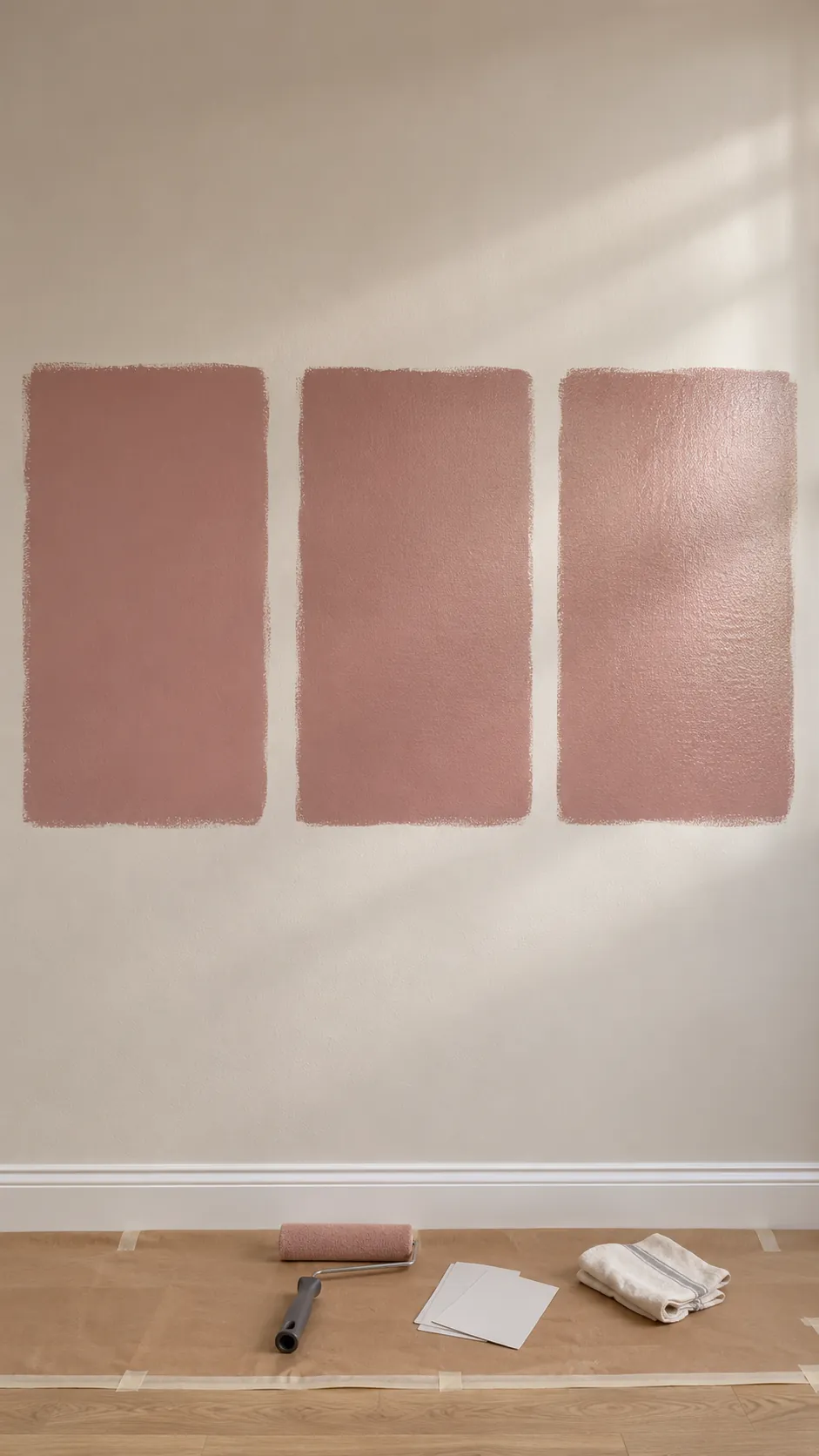
Choose by Room and Repair Strategy
Use flat where appearance matters more than frequent washing and the wall needs help hiding surface variation. Choose eggshell for the broadest balance in corridors, family rooms, and stairways. Reserve satin for the contact zones that truly require easier cleaning and can support the extra reflection.
Keep a labeled amount of the same paint, note the roller nap, and record the application date. Small marks may clean away, but large repairs often blend better when the full wall plane receives one new coat. The best finish is the one you can maintain without turning every wipe or patch into a visible event.