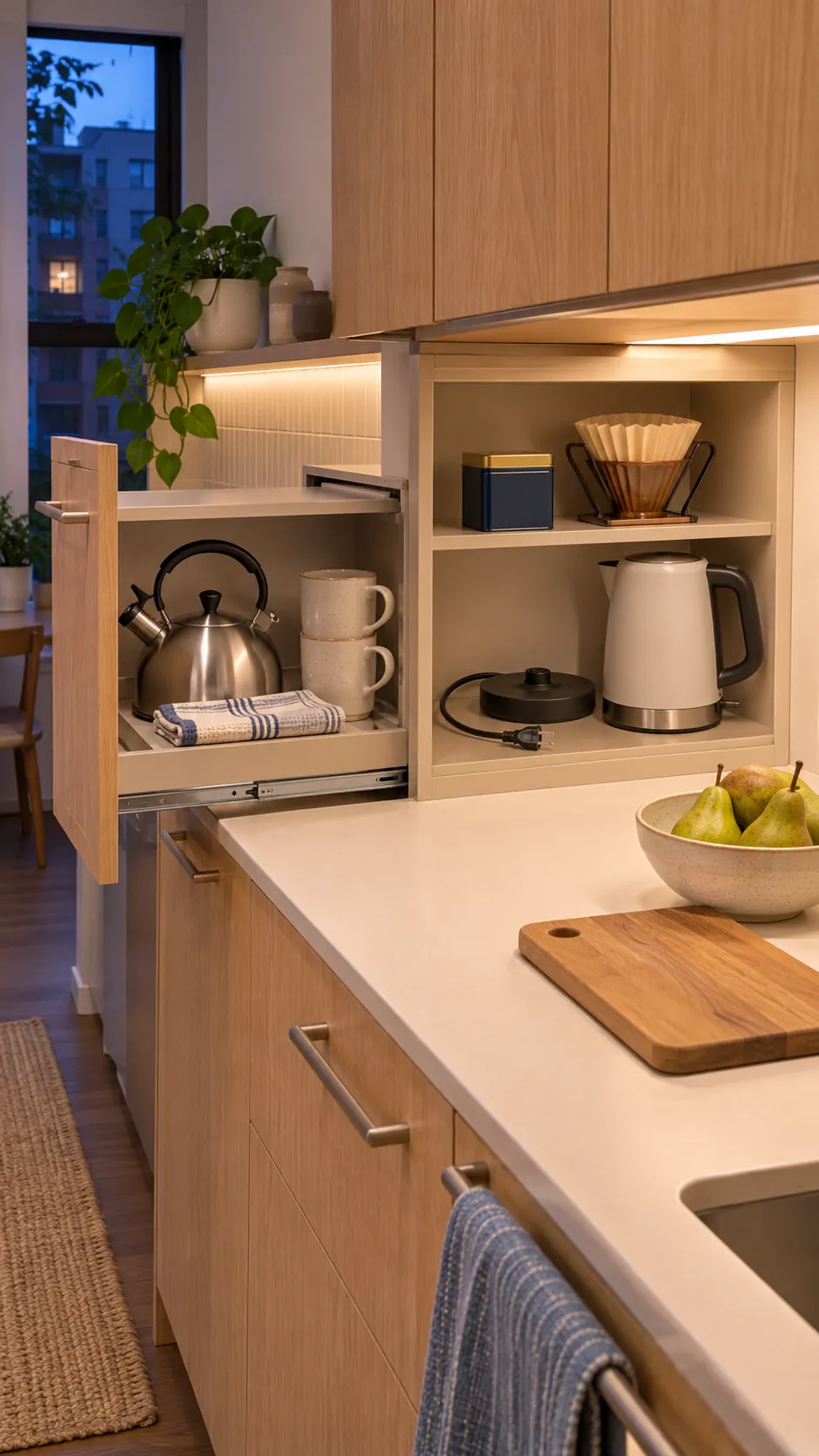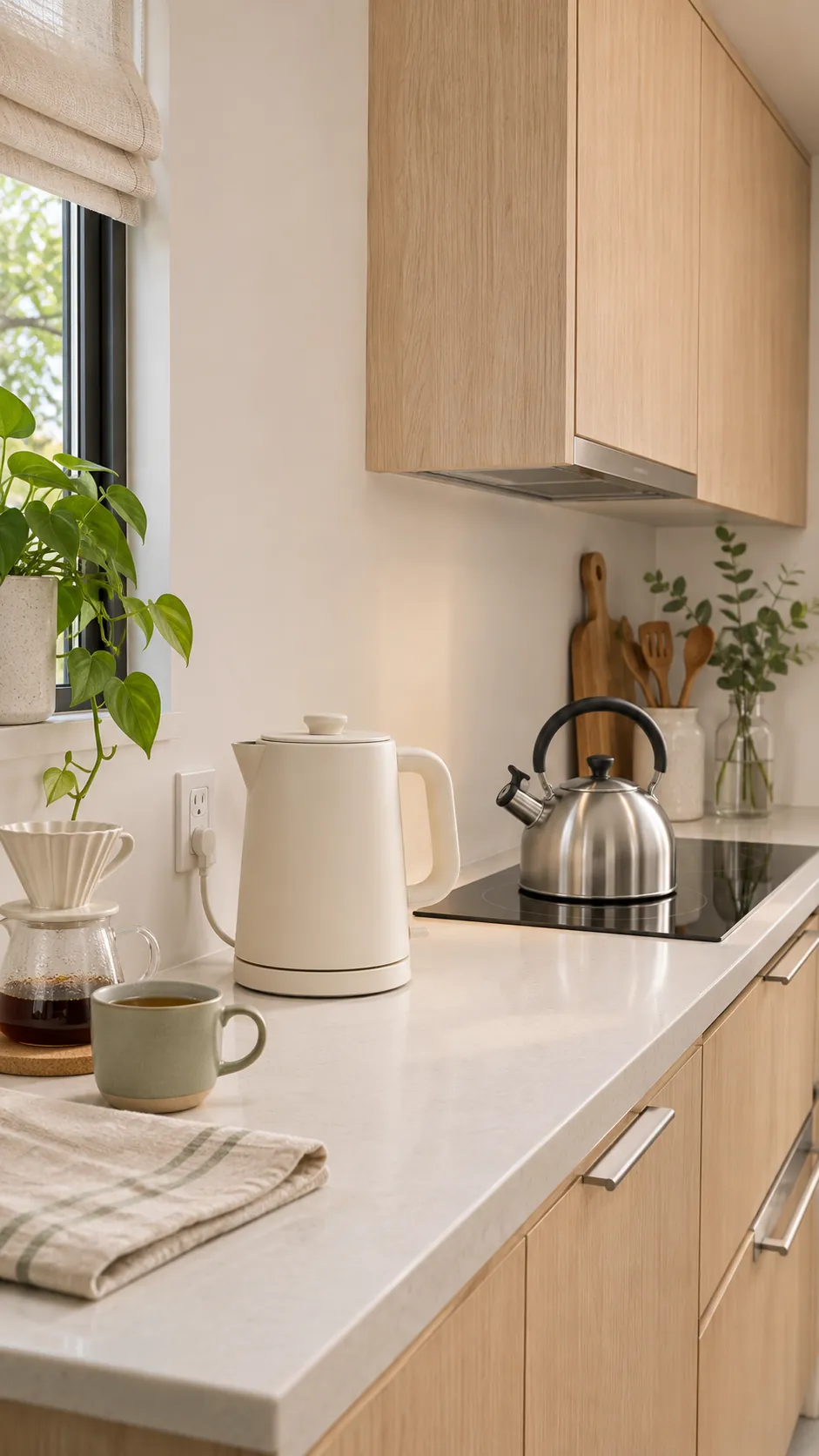
A kettle can earn its place in a small kitchen, or become one more object that blocks the only useful work surface. The right choice depends less on the label and more on where the kettle lives, how often you heat water, and whether speed or flexible storage matters most.
The quick answer for a tight kitchen
Choose a compact electric kettle when you heat water several times a day, want automatic shutoff, or need reliable temperature control for tea and coffee. Choose a stovetop kettle when your counter has no permanent appliance zone, your stove is usually clear, or you want a vessel that can move into a cabinet between uses.
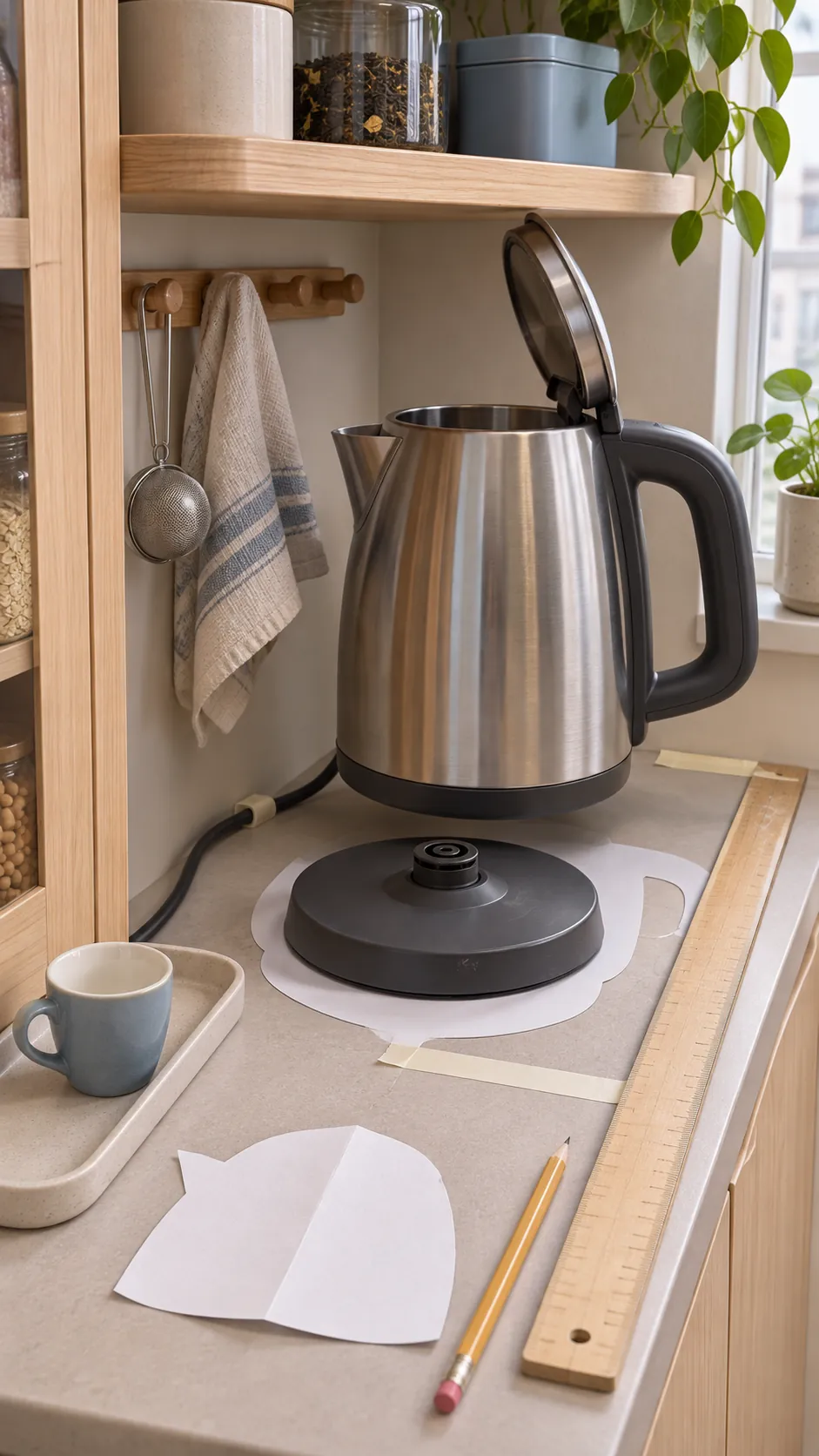
The best small kitchen kettle is not always the model with the smallest capacity. A narrow body, a base that does not project beyond the kettle, and a handle that stays within the body width can matter more than saving a few ounces of volume. Measure the complete resting footprint, including the electric base, cord path, handle, and the room needed to lift the lid.
Counter footprint and storage
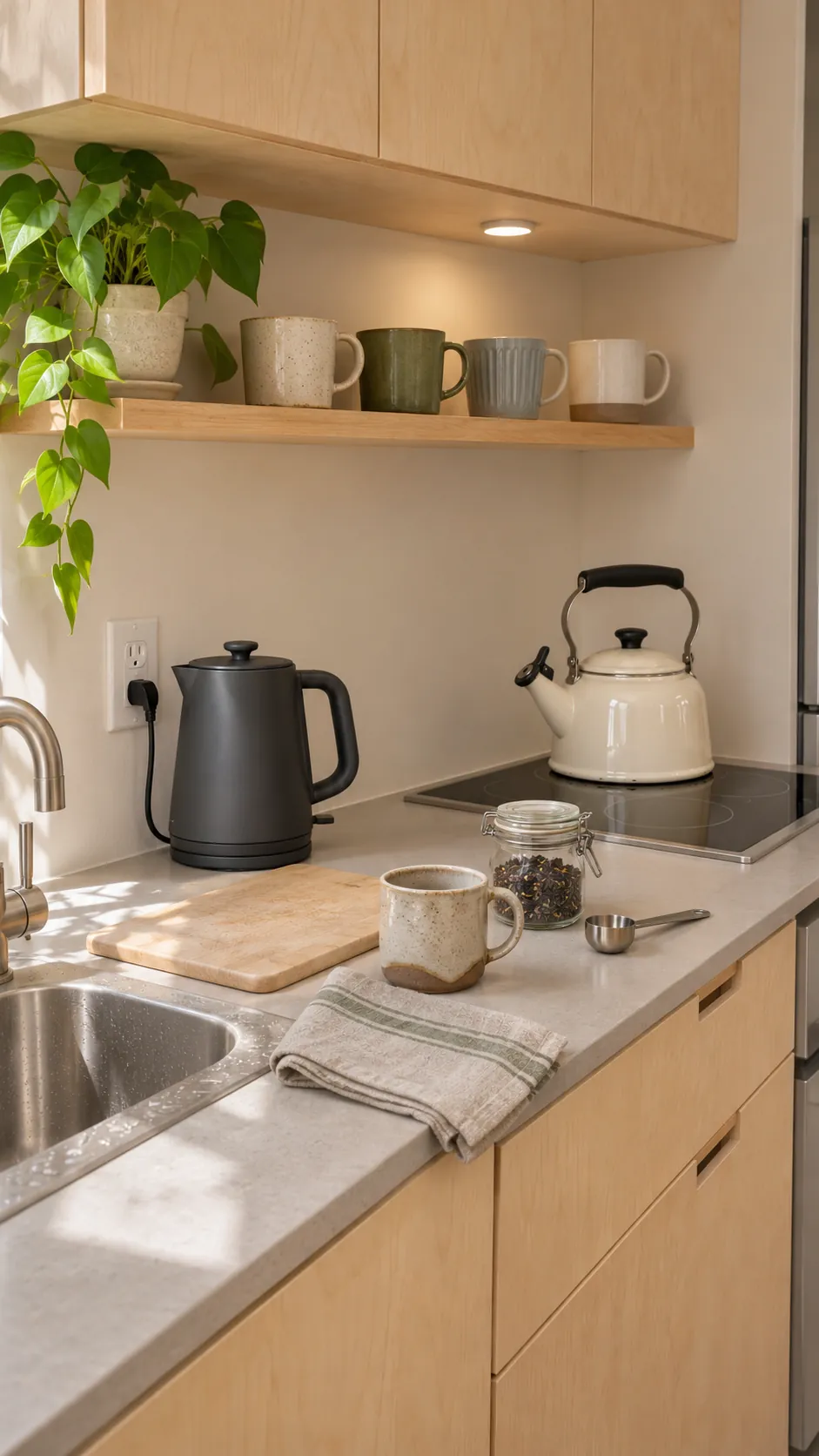
An electric model needs a safe outlet, a dry landing area, and enough open height to fill it. Its base often stays on the counter even when the vessel moves. That permanent claim can still be efficient if it replaces a coffee kettle, a saucepan, and repeated trips to the stove.
A stovetop kettle uses burner space while heating but does not require an outlet. It can sit on an unused rear burner, though that is only sensible when nearby cooking heat and grease will not damage it. Cabinet storage works well when the spout and handle do not snag on shelves. Before buying, trace the footprint on paper and place it in the intended zone for a day.
Boil speed and everyday convenience
Electric kettles usually make the routine easier because the heating element works directly beneath the water and automatic shutoff removes the need to watch a burner. Actual speed depends on electrical supply, kettle wattage, water volume, starting temperature, and the stove. A powerful induction burner can narrow the difference, while a weak electric coil can make the stovetop option feel slow.
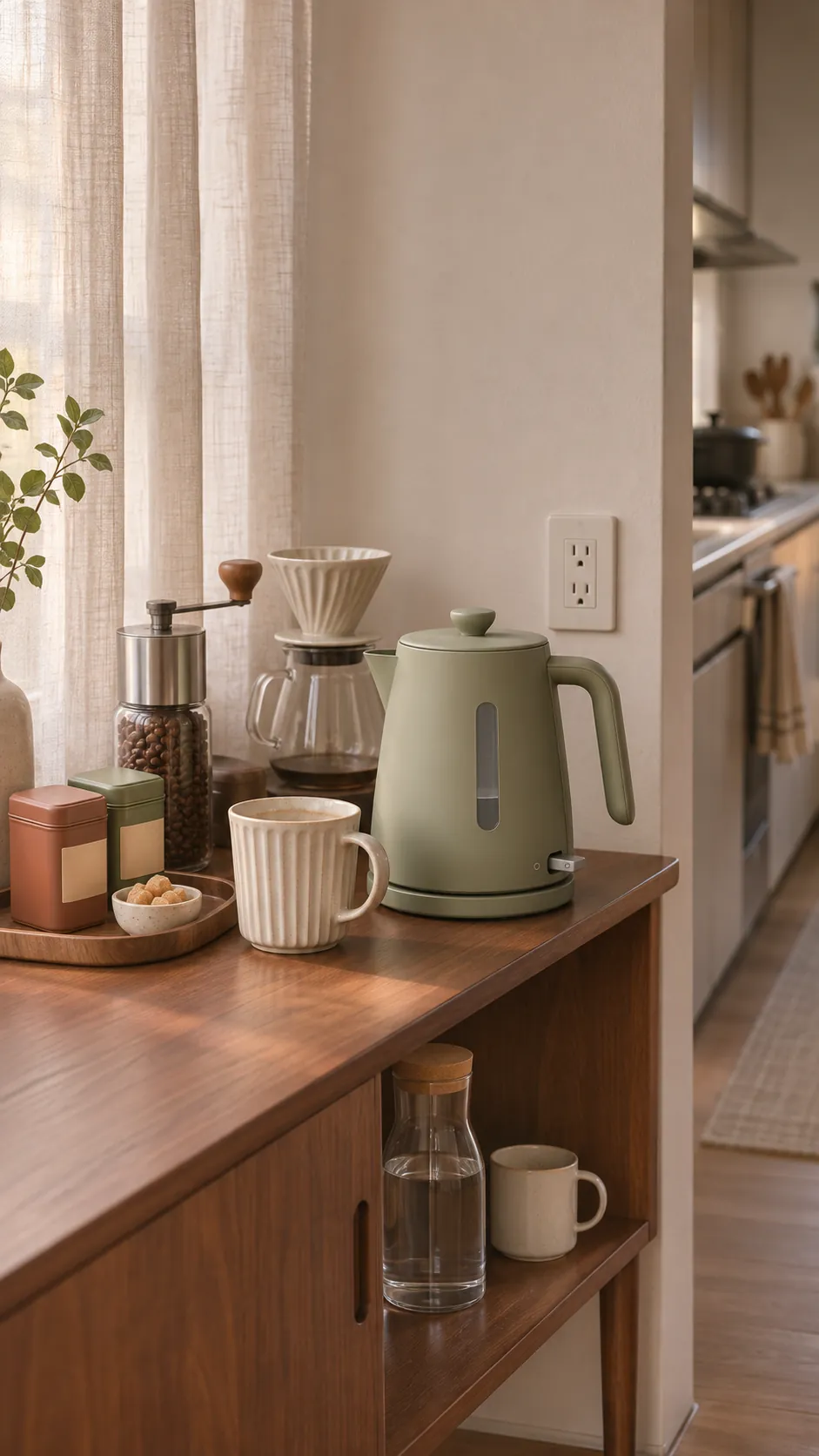
Only heat the amount you need, provided it remains above the marked minimum. A small fill boils faster, reduces wasted energy, and makes a compact kettle easier to lift. For a morning drink station, keep the mug, tea, coffee tools, and kettle within one short reach so convenience does not create clutter across the whole counter.
Temperature control for tea and coffee
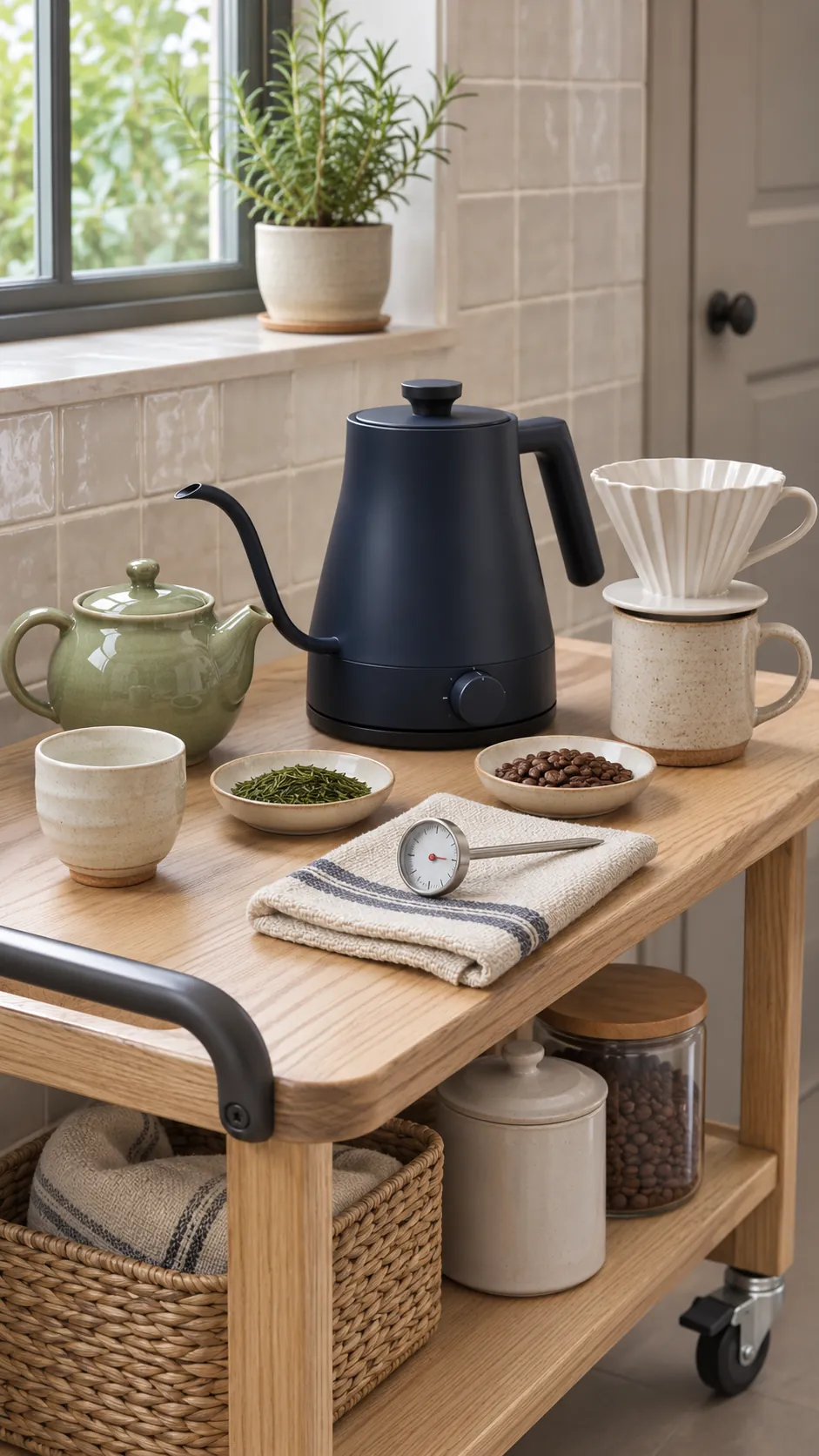
Variable temperature control is the strongest reason to choose an electric kettle for delicate tea or careful coffee brewing. It lets you repeat a preferred setting without juggling a separate thermometer. A keep warm setting can help during a slow breakfast, but it also consumes energy and may encourage the kettle to occupy the counter all day.
A stovetop kettle is perfectly capable of precise work when paired with a thermometer and a consistent routine. It asks for more attention, yet some people prefer the simple vessel and direct control. A gooseneck spout helps controlled pouring for coffee in either format, though the projecting shape can make cabinet storage harder. Buy that shape only if controlled pouring is part of your normal method.
Cleaning, materials, and taste
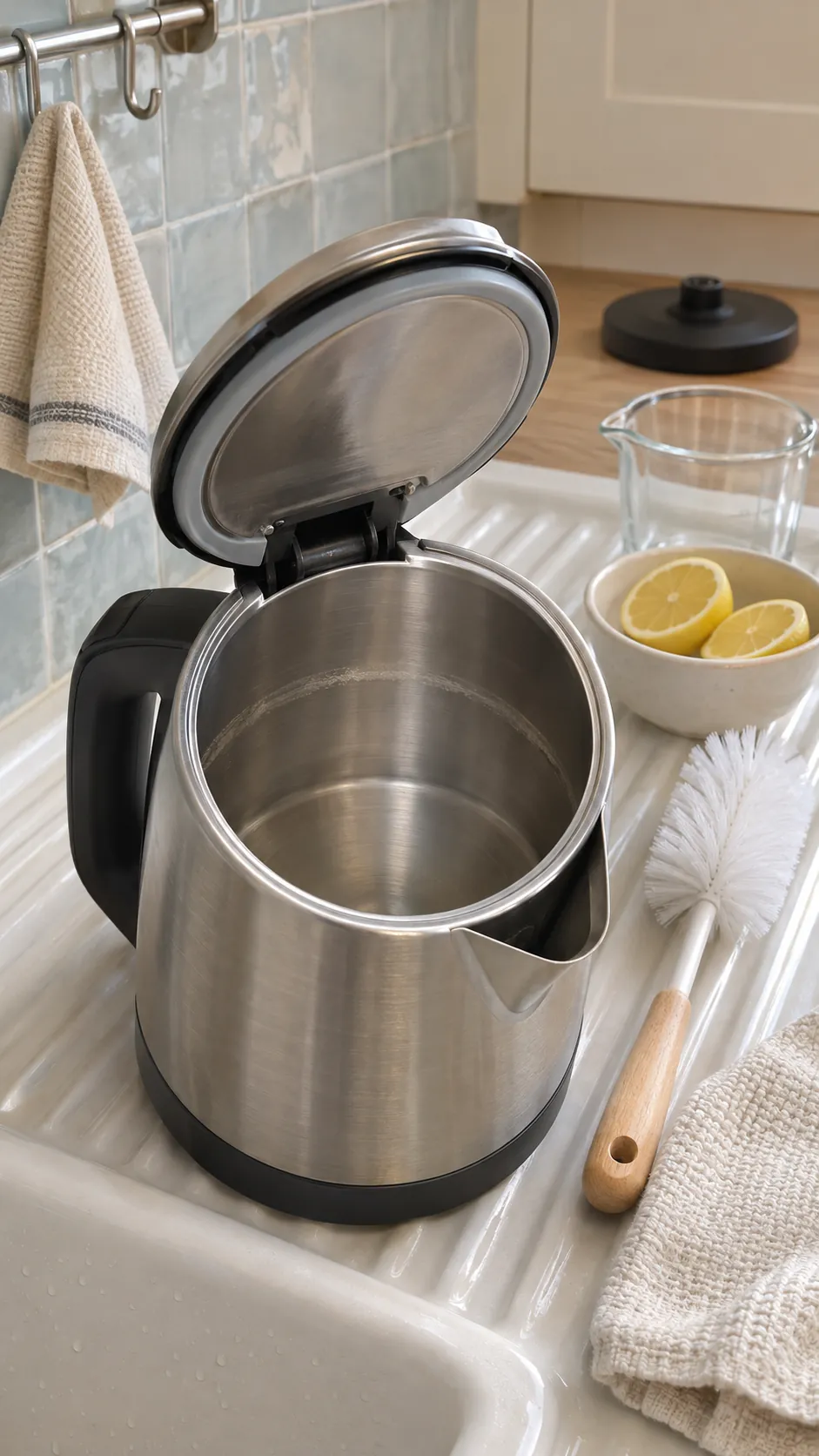
Look inside before judging the exterior. A wide lid opening and a smooth stainless steel interior make scale easier to see and remove. Check whether water touches plastic around the window, lid, or filter if that matters to you. Glass shows mineral buildup clearly but adds weight and can reveal every water mark.
Both types need regular descaling in hard water areas. Follow the manufacturer instructions, rinse thoroughly, and clean the spout filter when one is fitted. Never immerse an electric base, and let any kettle cool before reaching inside. Persistent taste problems often come from residue, stale standing water, or scale rather than the heating format itself.
Safety and kitchen compatibility
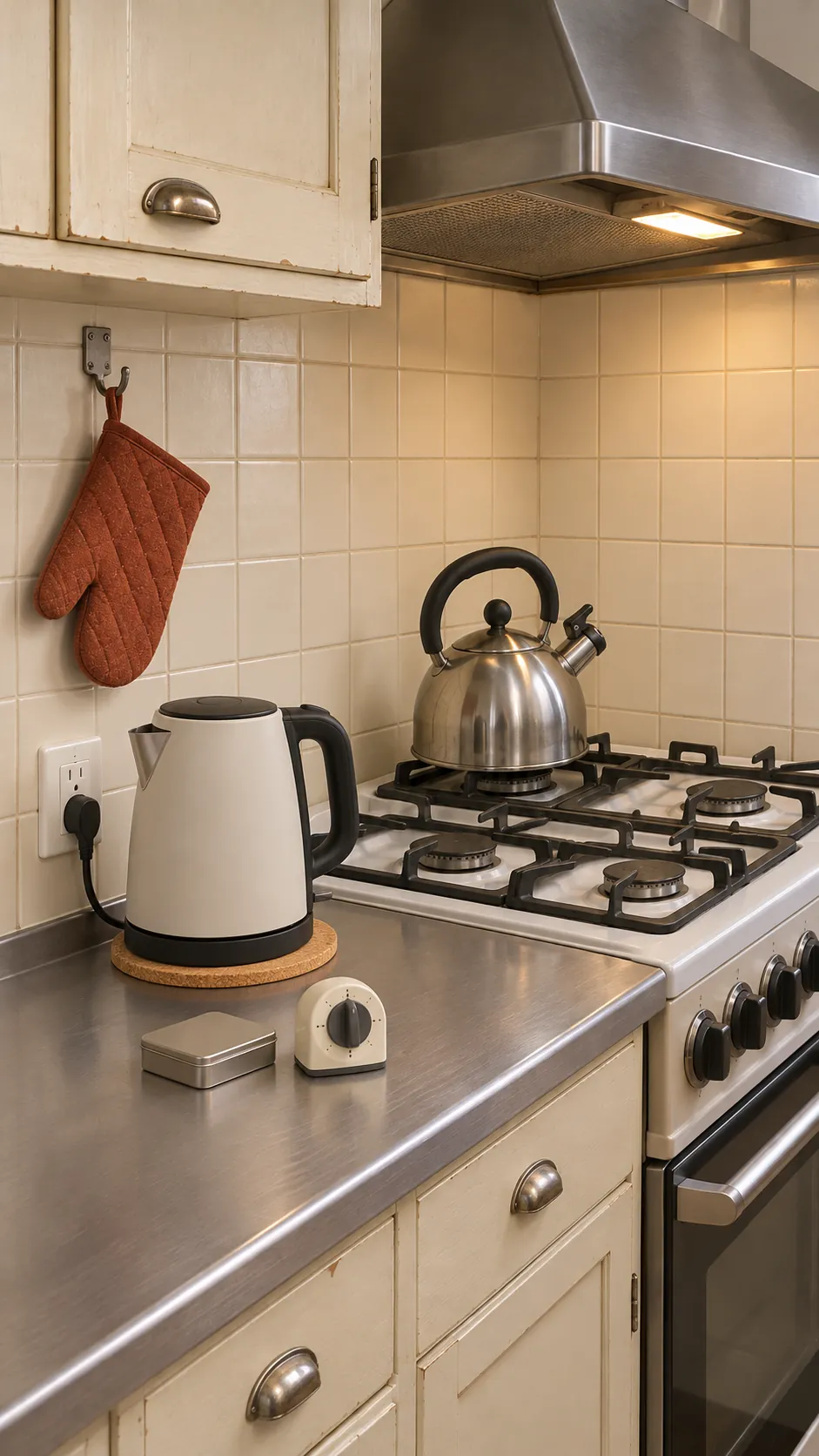
Automatic shutoff and boil dry protection give electric kettles a practical safety advantage, especially during a busy morning. Keep the cord short and away from the counter edge. The outlet should match the appliance requirements, and the kettle should not share an overloaded connection with another high power appliance.
A stovetop model must match the cooktop. Confirm induction compatibility when needed, position the handle away from neighboring flames or hot elements, and do not leave the burner unattended. A whistle is useful only if you can hear it and respond promptly. A gas stove can also heat water during some electrical outages, which may be valuable in places where outages are common.
A simple decision based on your routine
Pick electric when fast repeat use, automatic shutoff, and temperature settings will improve your day enough to justify a permanent counter zone. Pick stovetop when storage flexibility, simple construction, and freedom from another outlet matter more than unattended convenience.
Then compare real measurements rather than capacity labels alone. Check base width, total depth with the handle, open lid height, minimum fill, cord length, cooktop compatibility, and cleaning access. The better kettle is the one that fits the space after the drink is made, because that is where a small kitchen feels the difference.