
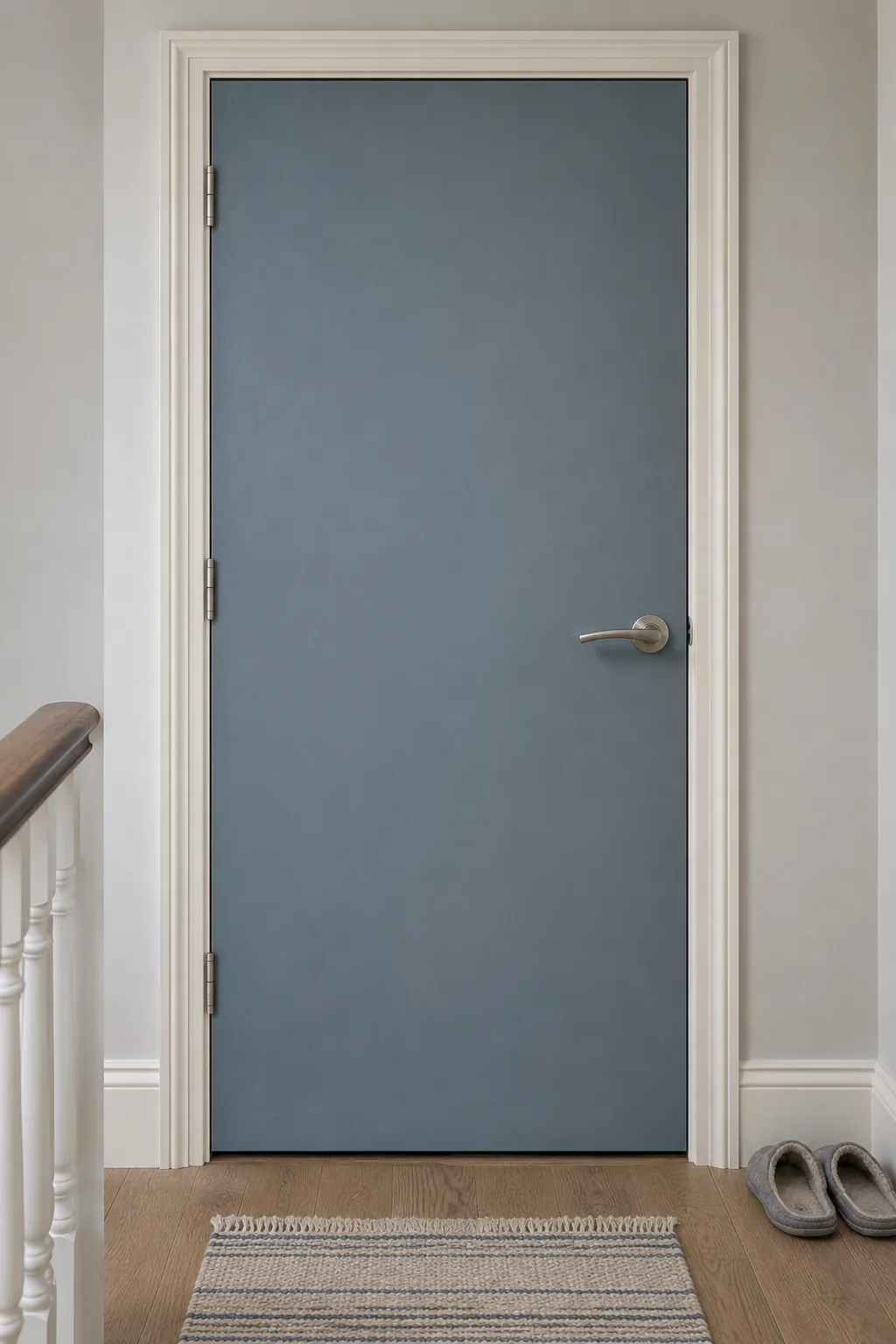
If you can follow a conversation through a closed bedroom door, listen near the floor before shopping for a heavier slab. A solid core can make voices less distinct, but a wide gap can give those same voices a clear path into the room.
What the extra weight buys you
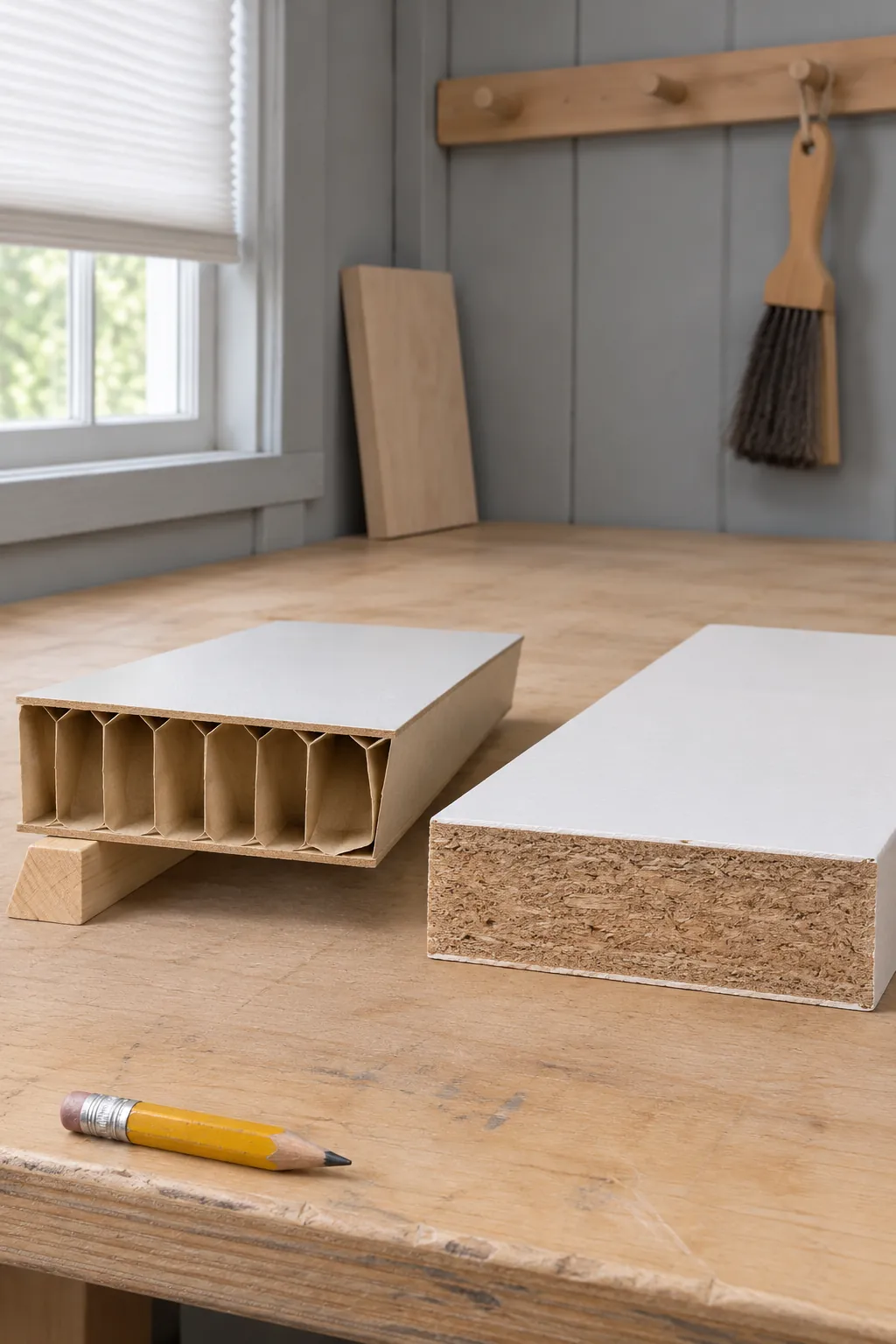
Most hollow core doors have thin faces supported by a light internal structure, often a paper honeycomb. Solid core doors have a denser interior, often made from engineered wood. With doors of similar size and fit, a denser slab generally passes less airborne sound. Solid wood is a separate construction option, so check the product specification if the doors on display look alike.
The improvement is most relevant for speech, television dialogue and other sounds you hear through the opening. Low bass and footsteps that travel through the floor or walls can still be audible. Door weight gives you a clue about construction, but it cannot tell you how quiet the room will be after installation.
Check where the sound gets through
Play a spoken recording at an ordinary volume in the hallway and close the door. Keep the speaker in the same place while you listen near the center of the slab, along the latch side and at the floor. Use this check to find conspicuous leaks, since sound can reflect around a room and make smaller differences hard to judge.
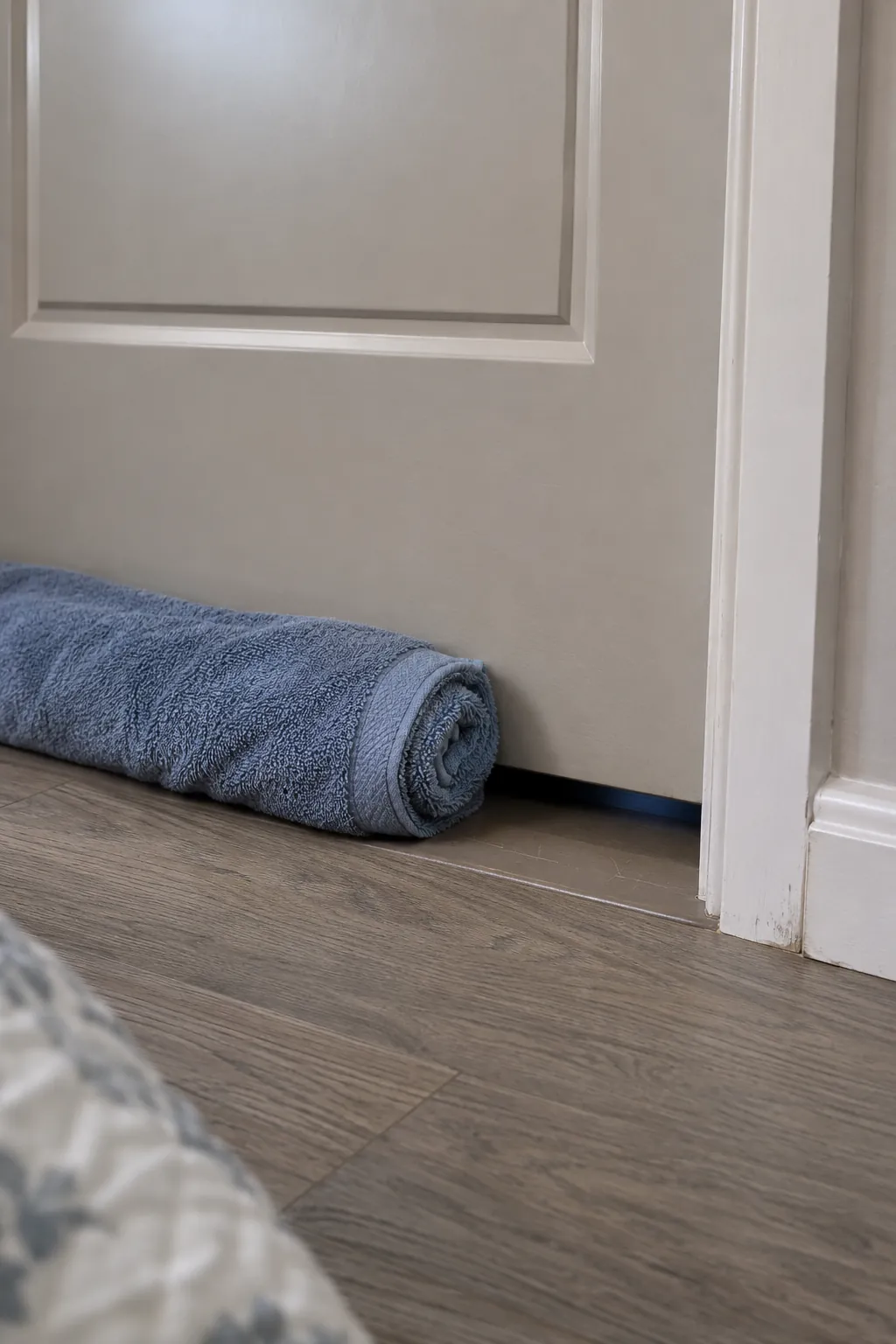
For a brief comparison, hold a rolled towel against the bottom gap while you listen from inside. Remove it when you finish. If the words become harder to make out, investigate the gap before you commit to a door replacement.
Close gaps without losing return airflow
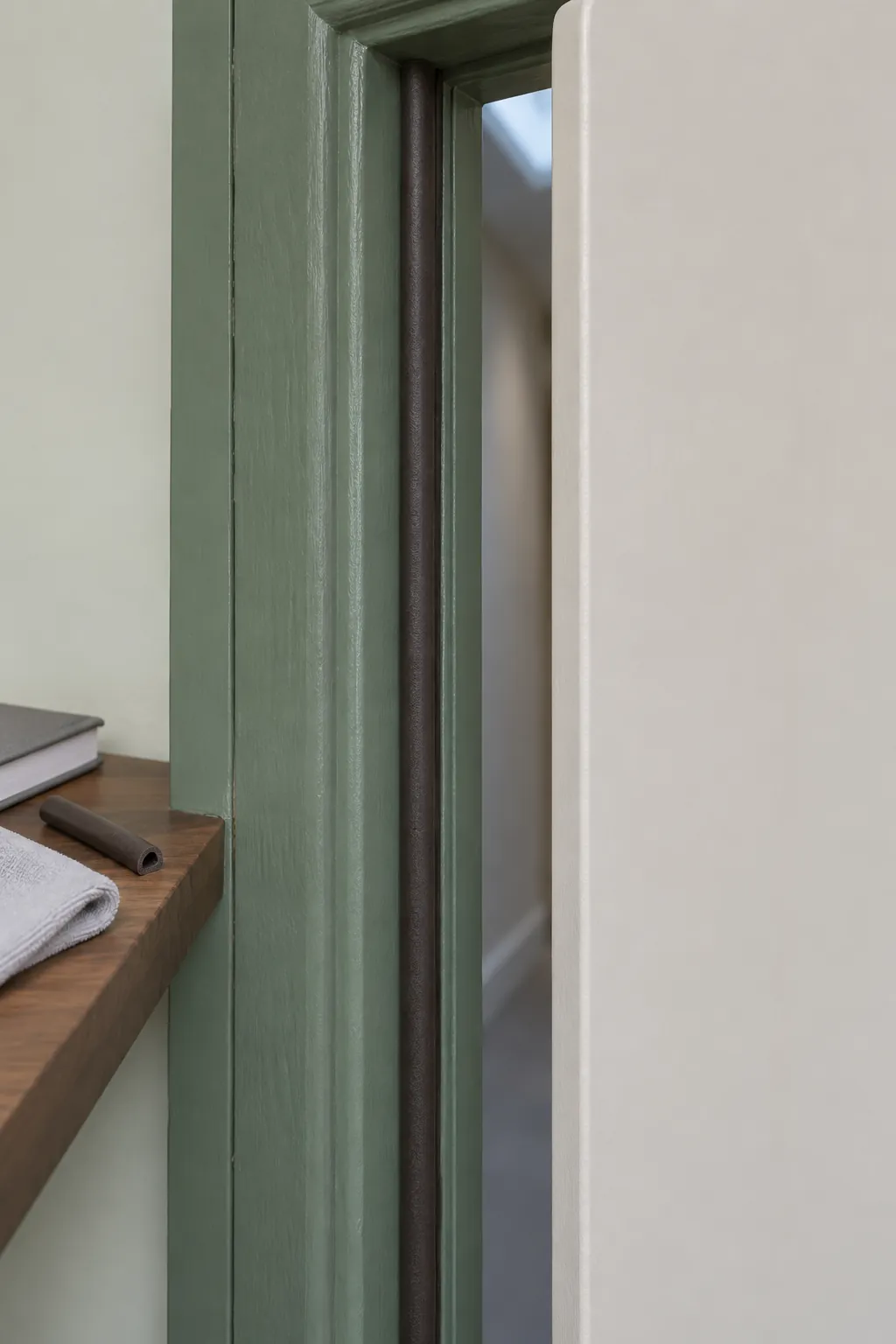
Check that the slab closes evenly against the stops. If the latch side has an irregular gap, correct sagging hinges or poor alignment before fitting a compressible perimeter seal. Choose a seal thick enough to make contact without making the latch hard to engage.
A bottom seal can help where the floor is even and the gap serves no ventilation function. Some rooms rely on the undercut to return air to a central return grille. Check the return air path before adding a permanent sweep or drop seal, especially if the room has a supply register and no return grille of its own. An HVAC professional can assess the room and recommend a suitable return path if needed.
Compare the rating for the complete door
If a supplier lists a Sound Transmission Class rating, ask what was tested. A rating for a slab does not account for the gaps around your installed door. A tested assembly specifies the frame, perimeter seals and bottom detail, so those components matter when you compare quotes.
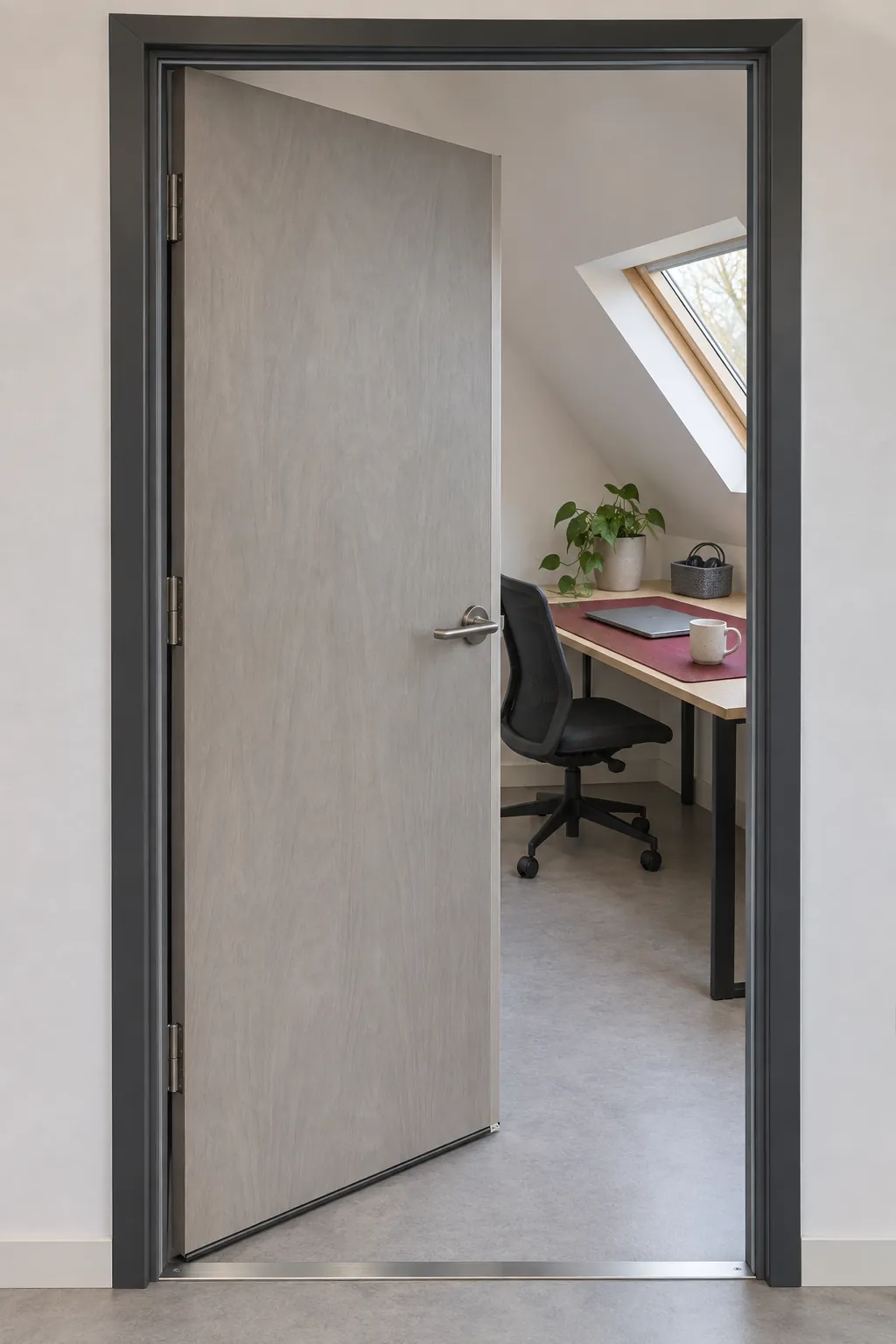
Use comparable assembly ratings to shop for speech privacy. If the noise sounds strongest near a shared vent or comes through a wall even with the hallway source switched off, investigate that path before paying for a higher rated door.
Price the hardware and fitting
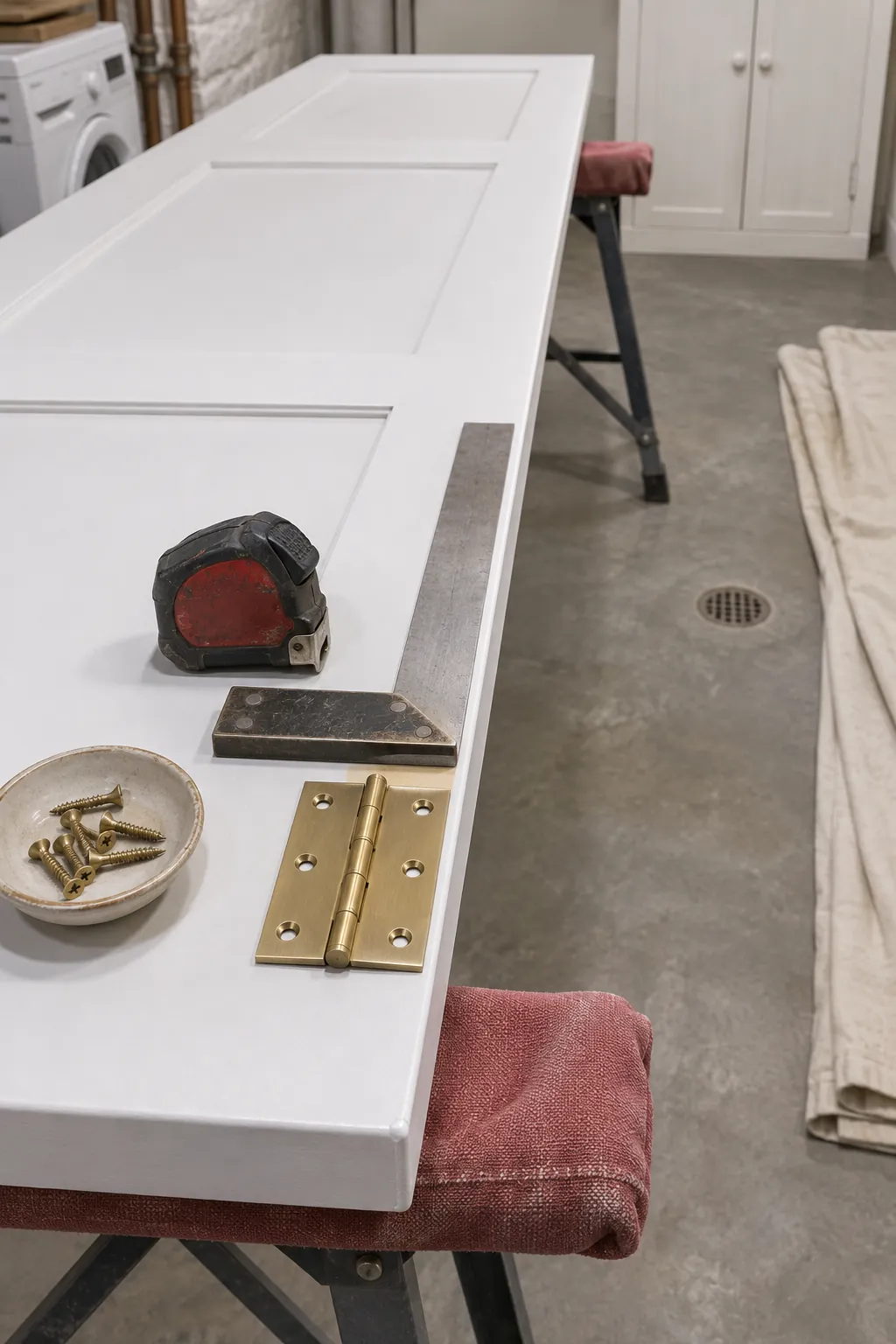
Before ordering a replacement slab, measure the existing door width, height and thickness. Record the hinge locations and latch position. Check the jamb and hinge attachment for damage, then ask the supplier to confirm hinge size and load capacity for the new slab. A heavier door can expose an attachment problem that a light slab never did.
Compare quotes for the full job, including the slab or frame, hardware, seals, finishing and labor. Keeping a sound, square jamb can save work if a compatible slab is available. Where the frame is damaged or badly out of square, ask about a complete prehung unit and include any trim repair in the price.
Upgrade the room that needs privacy most
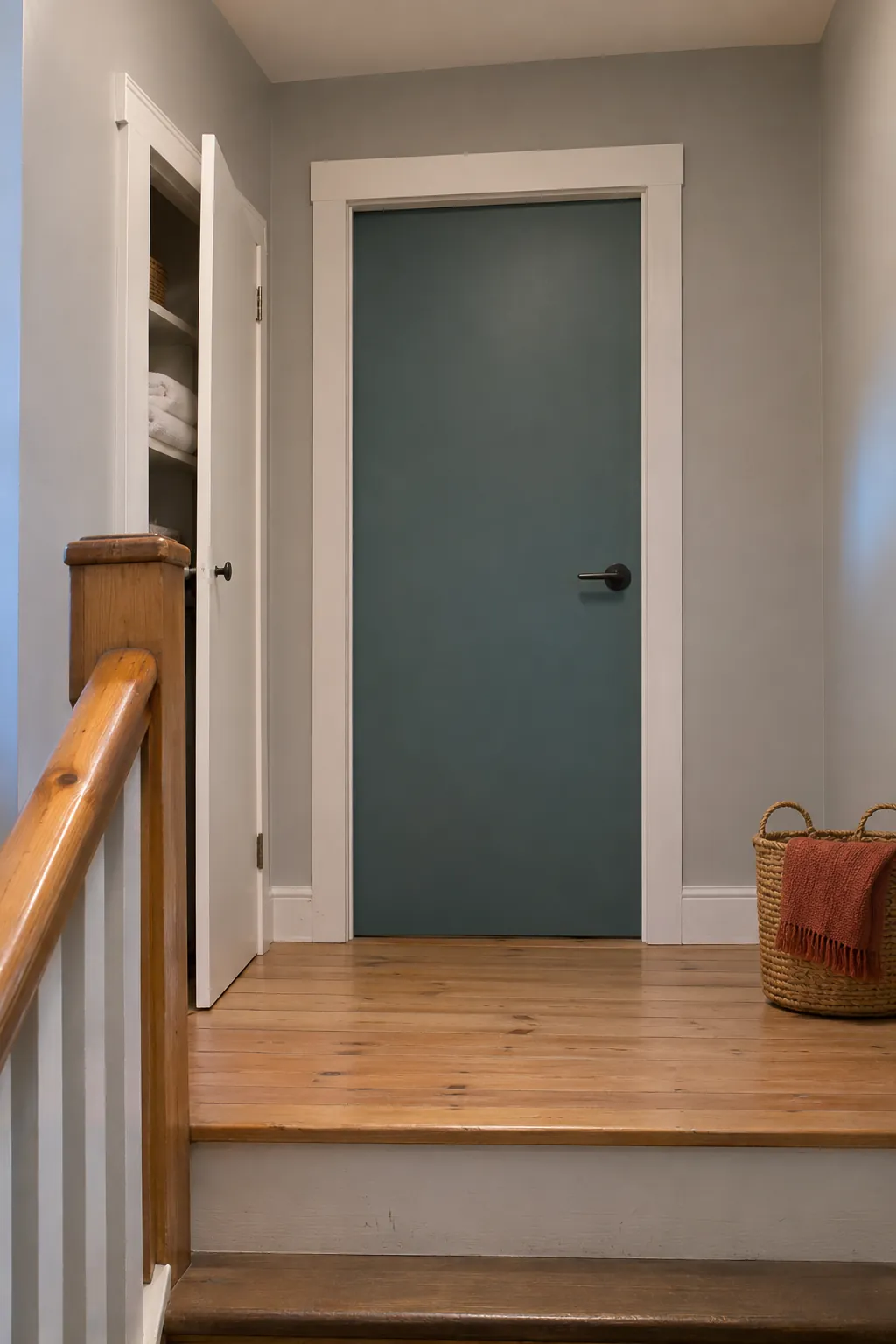
Keep a light door where sound privacy rarely matters, such as a linen closet. For a bedroom off a busy hall or an office where calls need privacy, start with the opening that causes the most trouble. If the test points to the slab and the frame can support the weight, a well fitted solid core door is a sensible first upgrade. Once it is installed, repeat the recording test from the same place before buying doors for the rest of the house.