
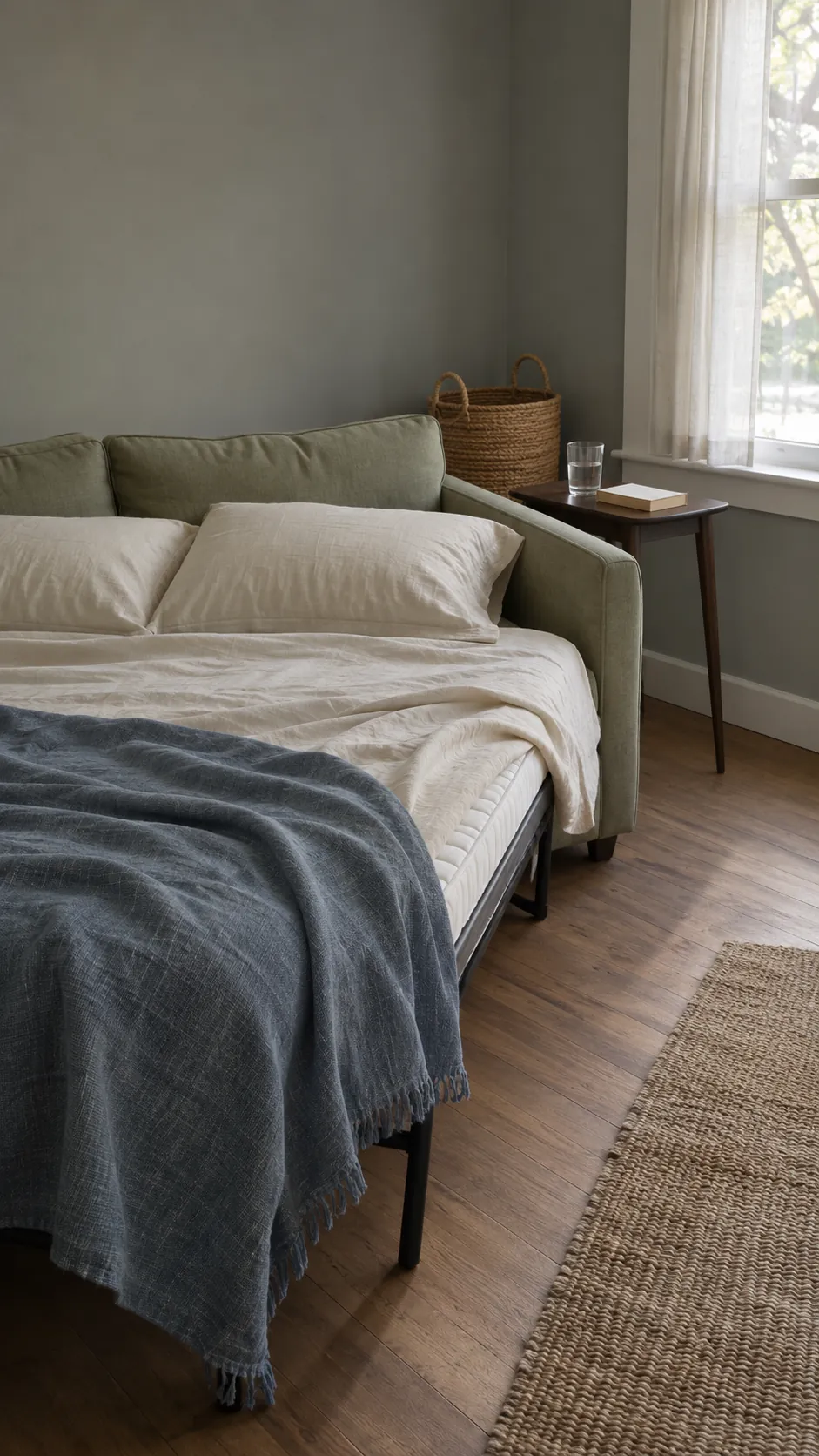
You pull out the guest bed, lie down to check it, and feel a hard line across your back. A thick foam topper looks tempting until you picture where it will go the next morning. Start with a short test of the bed you own. What you feel tells you whether to spend time on the frame, the mattress, or the bedding.
Find the hard spot before shopping
Open the sleeper all the way on a level floor and check that the legs are fully deployed as the manual shows. With the bed bare, lie in the positions your guest is likely to use. Notice whether the whole surface feels firm, one straight ridge presses through, or your hips drop into a dip.
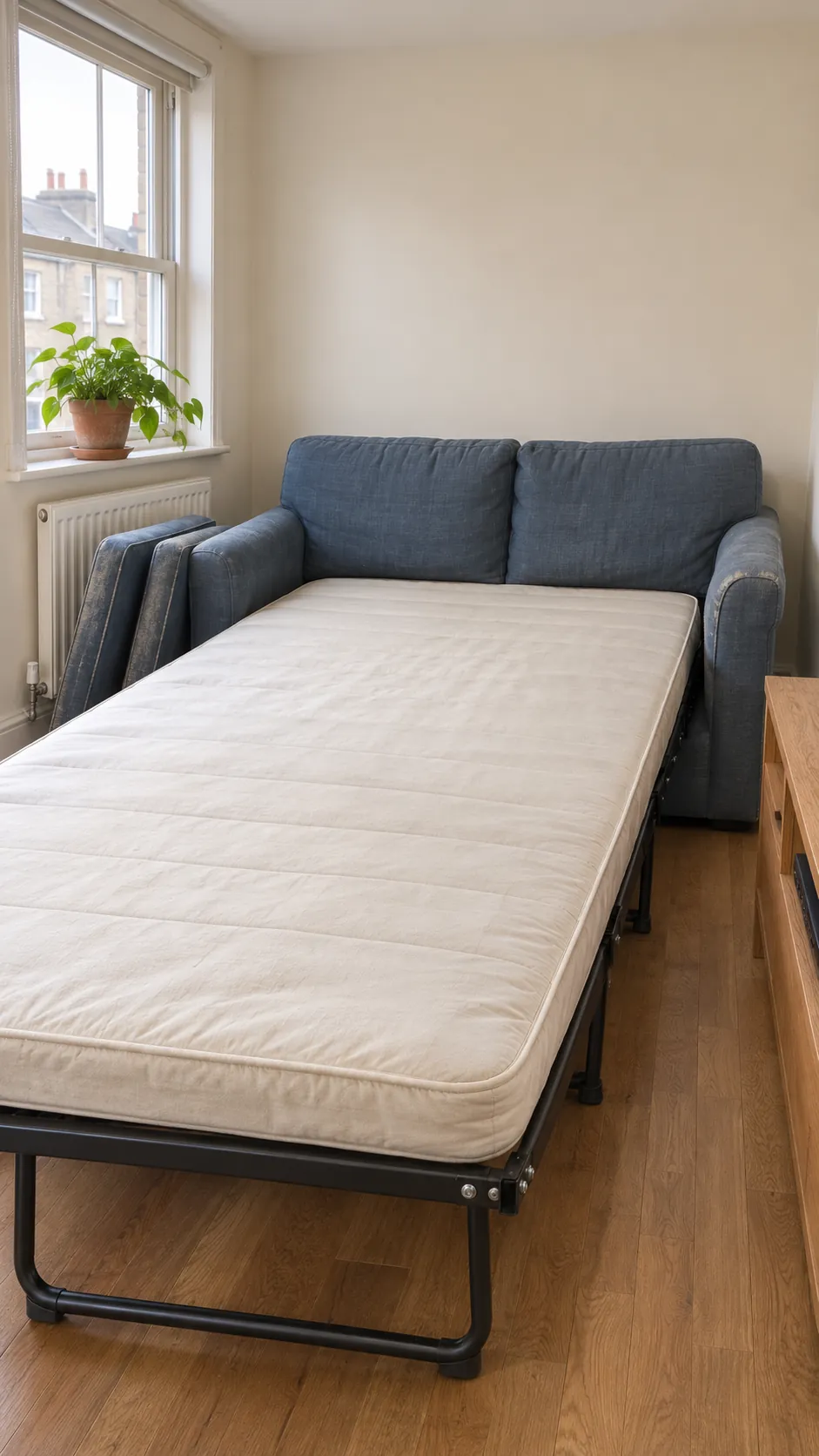
A uniform firm feel is a good candidate for a little cushioning. A moving frame, a deep dip, or a sharp ridge under the mattress deserves a closer look before you add anything.
Deal with movement and sag first
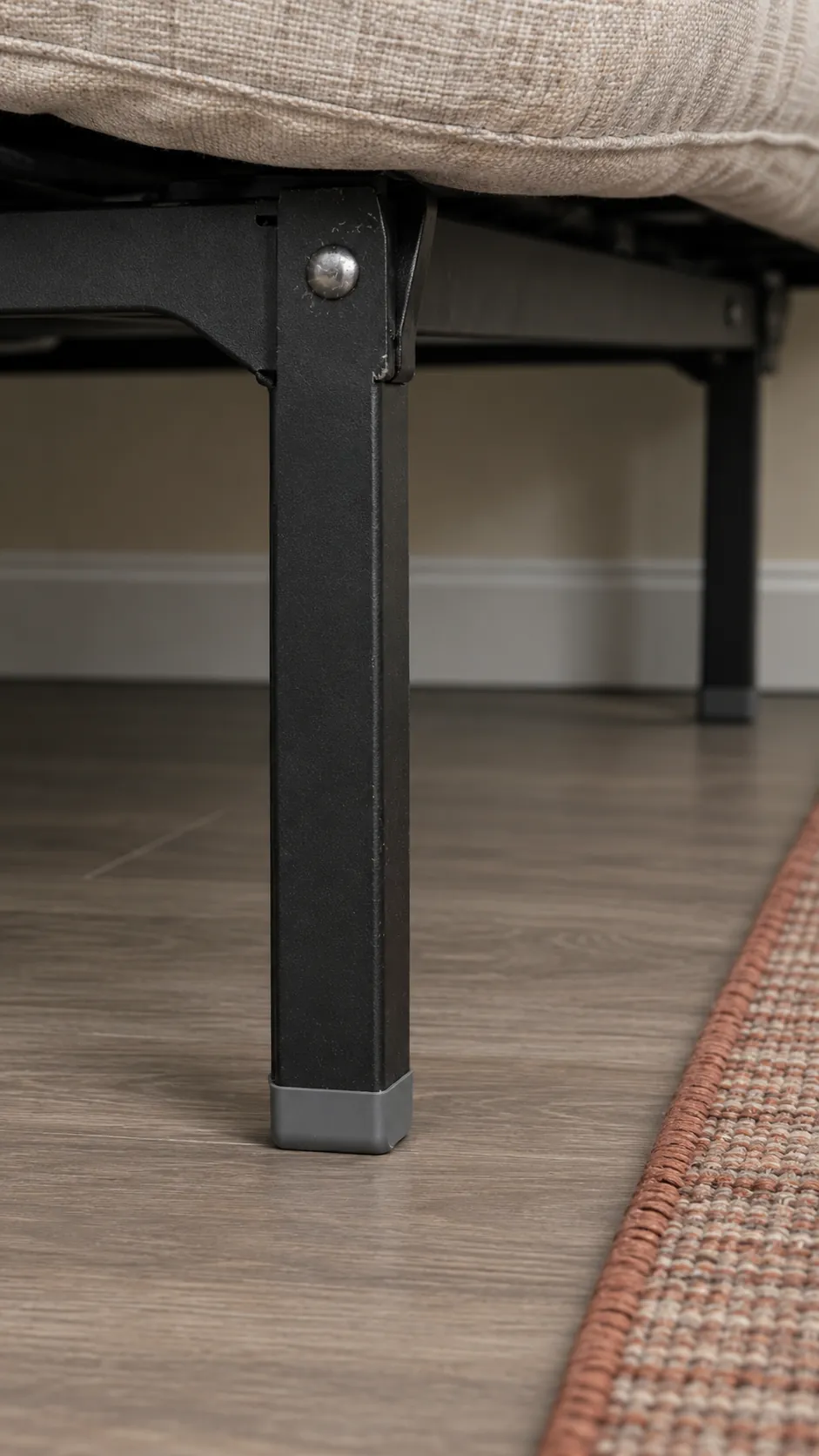
Check where each leg meets the floor and whether a rug edge sits under just one foot. If the mattress lifts off easily and the manual permits it, look at the support deck with the bed empty. A torn deck, disconnected spring, bent leg, or loose hinge calls for manufacturer guidance on a repair or replacement part.
If the deck is sound but a crossbar is easy to feel through the mattress, ask whether the maker offers a compatible support insert. Match the insert to the mechanism and remove it before closing unless the instructions explicitly allow it to stay. A layer of soft foam can soften surface pressure, but a deck that gives way under your hips still needs attention.
Try a thin layer after the frame checks out
For a firm mattress with even support, start with a washable quilted pad if you want just a little softness. If shoulders or hips still feel pressure, a thin foam layer usually changes the feel more than quilting. Try one you already own if it lies flat and fits the surface. For a sofa that turns into a bed by extending its cushions, check for height differences at the join before adding the pad.
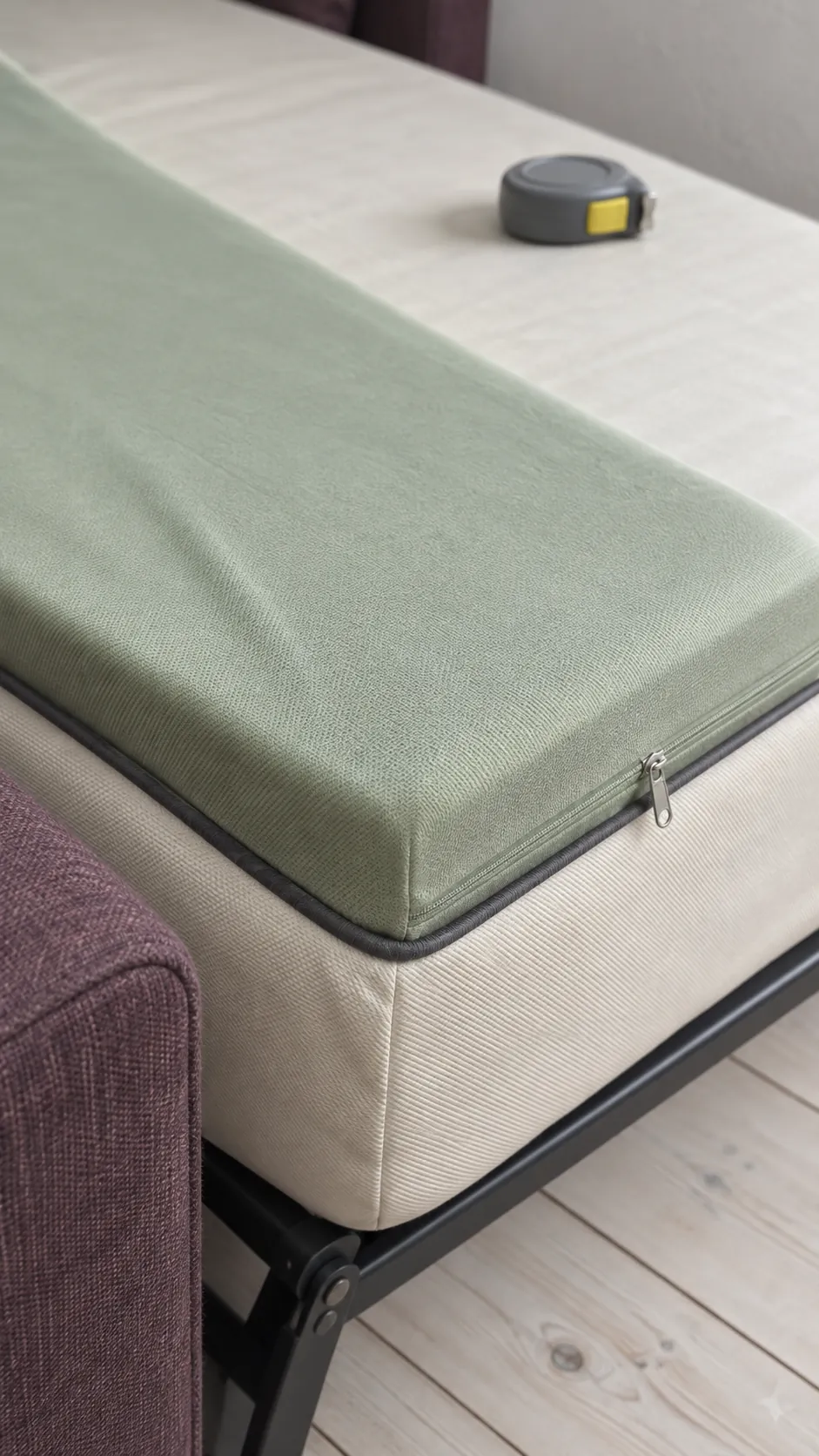
Measure the open sleep surface from edge to edge before ordering. A nominal full or queen size can differ from your sleeper sofa mattress, and excess foam hanging over the side makes it harder to fit the sheet. If you can test a returnable option, lie on it in your usual position before deciding whether the extra bulk earns its closet space.
Measure the space where the topper will live
Measure the opening as well as the shelf depth or underbed clearance. Compare those numbers with the topper’s dimensions when stored as directed by the maker. A roll that fits the shelf may still be awkward to feed past a sliding closet door.
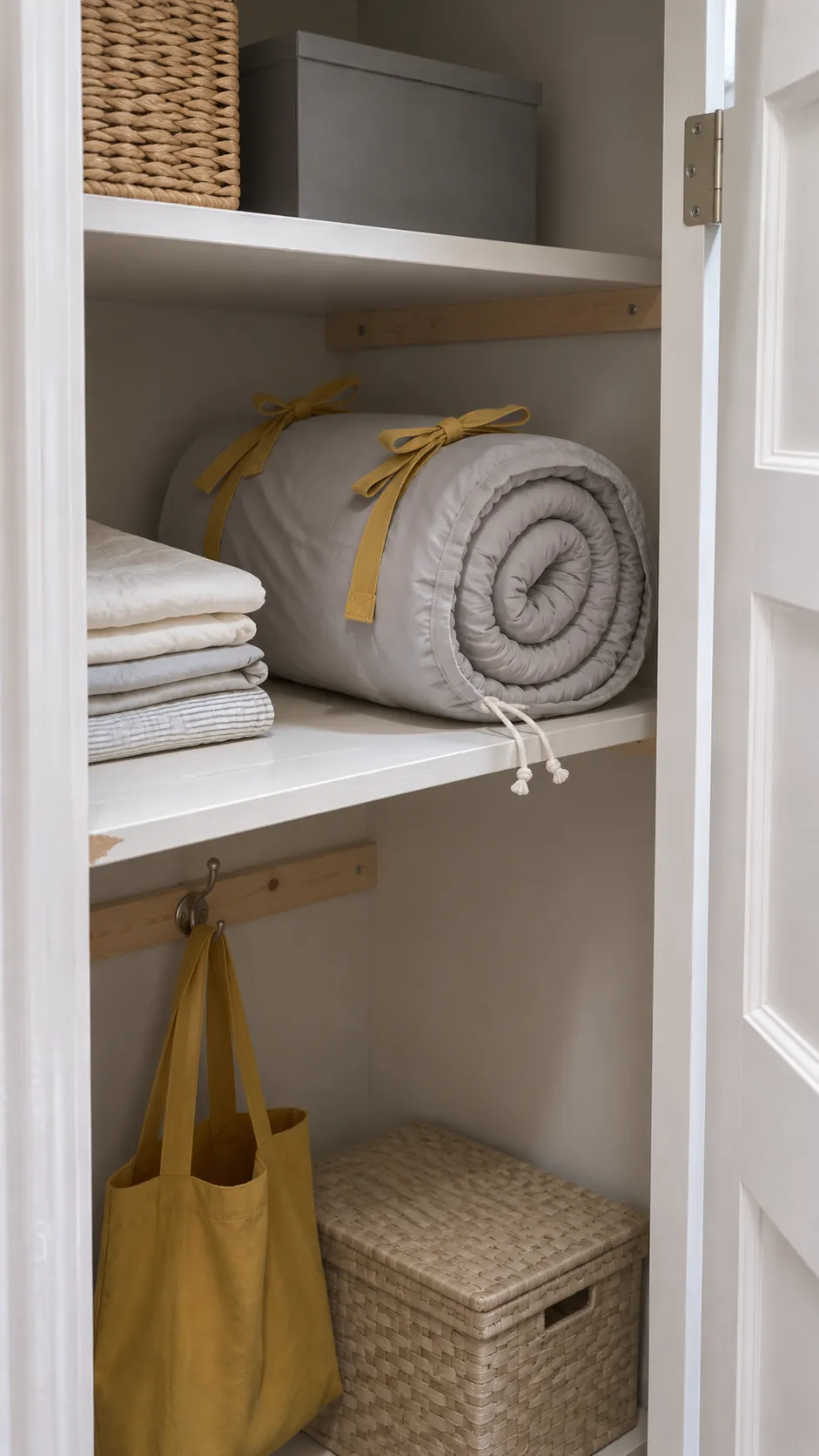
If you choose a foldable bed topper, check the folded thickness and whether you can lift it comfortably. Let the pad air out after use, especially if the room was warm, and keep it dry before putting it in its bag. Check the care label before bending or compressing foam for storage.
Use bedding that stays put overnight
Measure the depth of the mattress and pad together and choose a fitted sheet that can grip both. If the corners pull loose when you roll over, try a sheet with a closer pocket depth or a stronger elastic edge. Give your guest a blanket they can easily remove if they warm up.
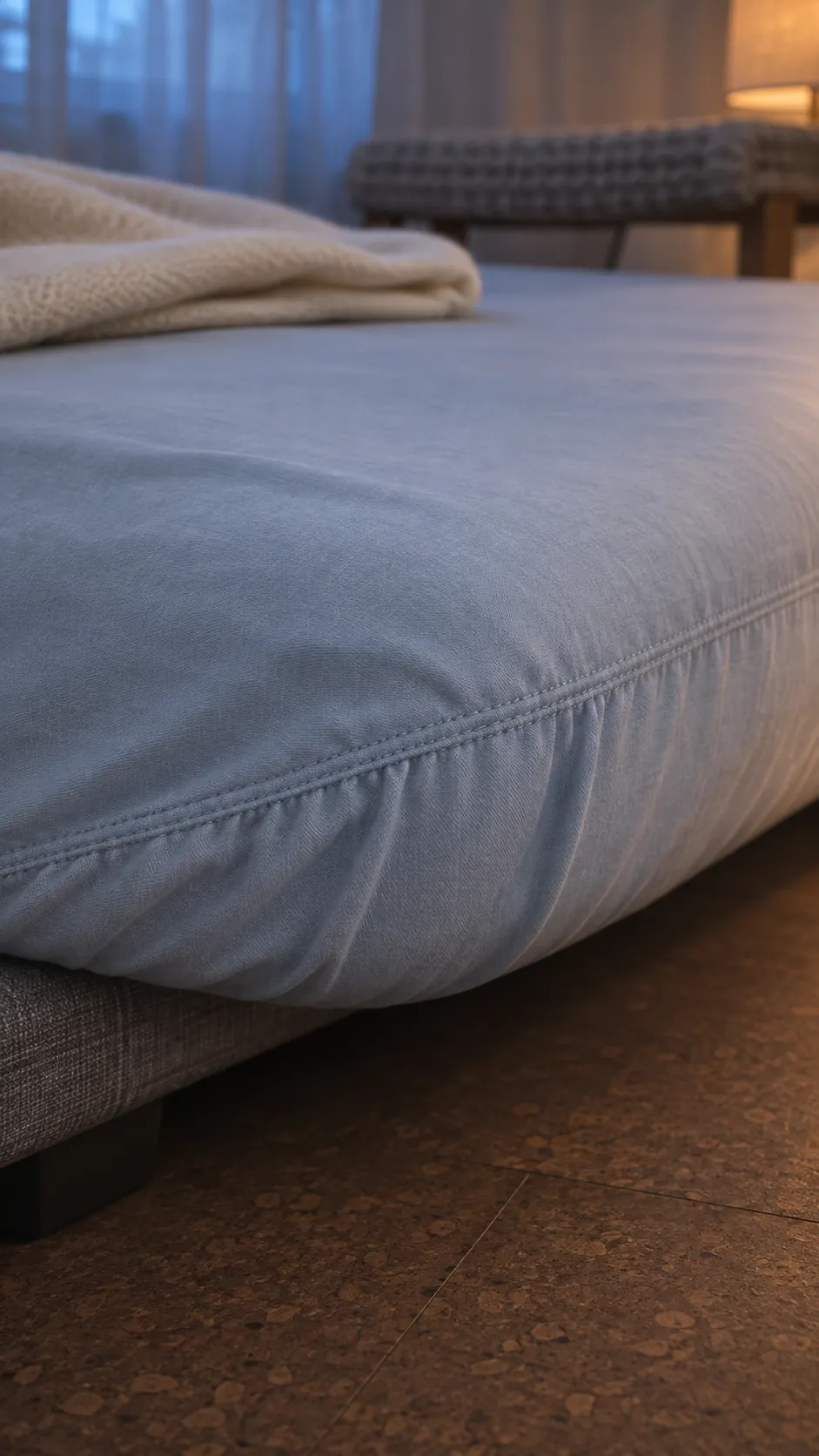
Unless the sofa manufacturer says those layers can stay on, strip the bed before folding it away. Take the pillows off first and check that no sheet corners or protector straps have dropped into the mechanism. You should be able to close the sofa with its usual motion and effort.
Test the whole setup before guests arrive
Make the bed once when you have enough time to undo it. Turn over, sit up, and get out on the side your guest will use. Check that there is room to put both feet on the floor, reach a lamp, and follow a clear path through the living room.
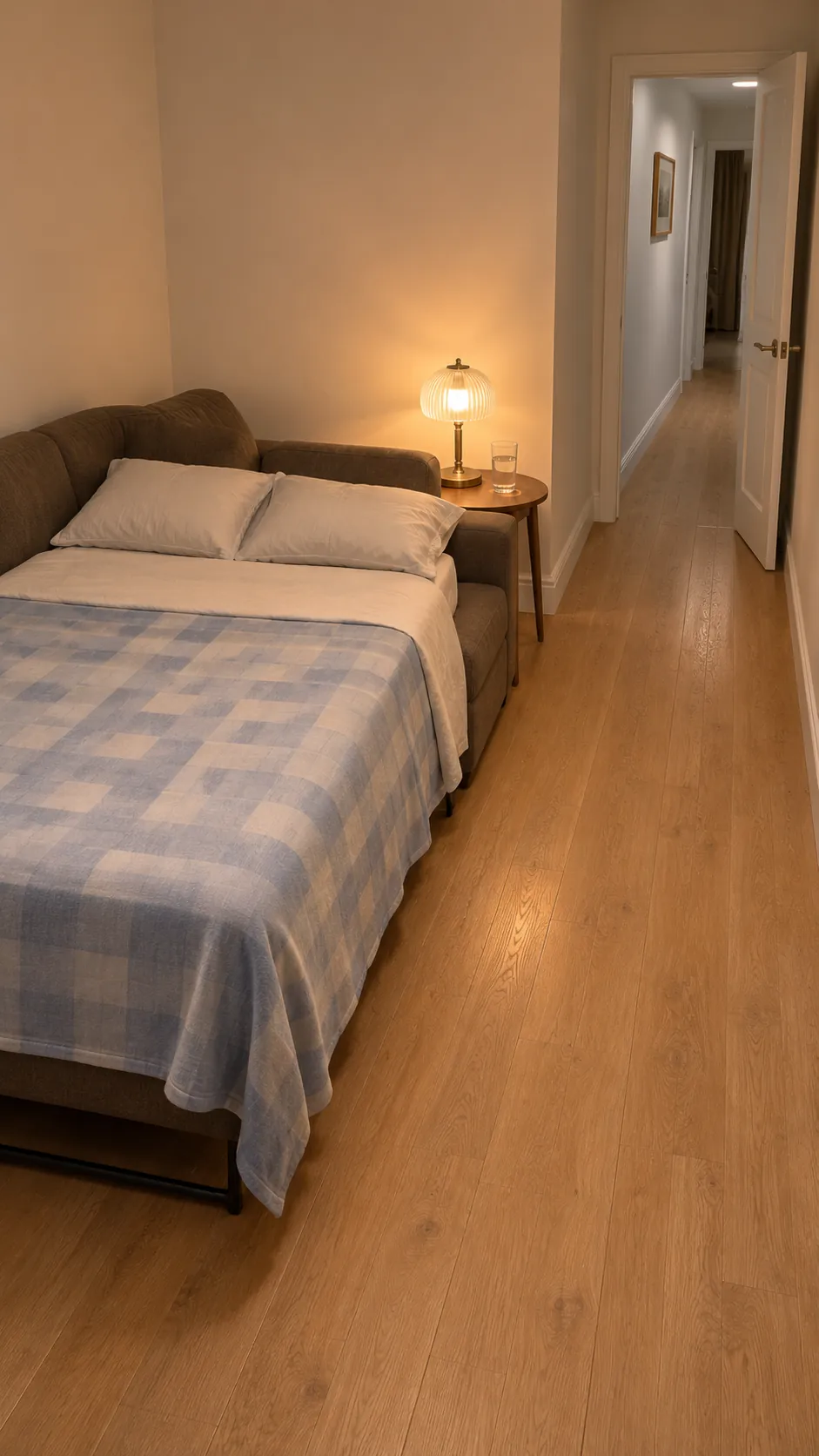
The following morning, time how long it takes to air the bedding, store the pad, and close the sofa. If that feels like too much work for a visit, take out one layer and test again. The setup worth keeping is the one that takes care of the hard spot and fits back into the room.