
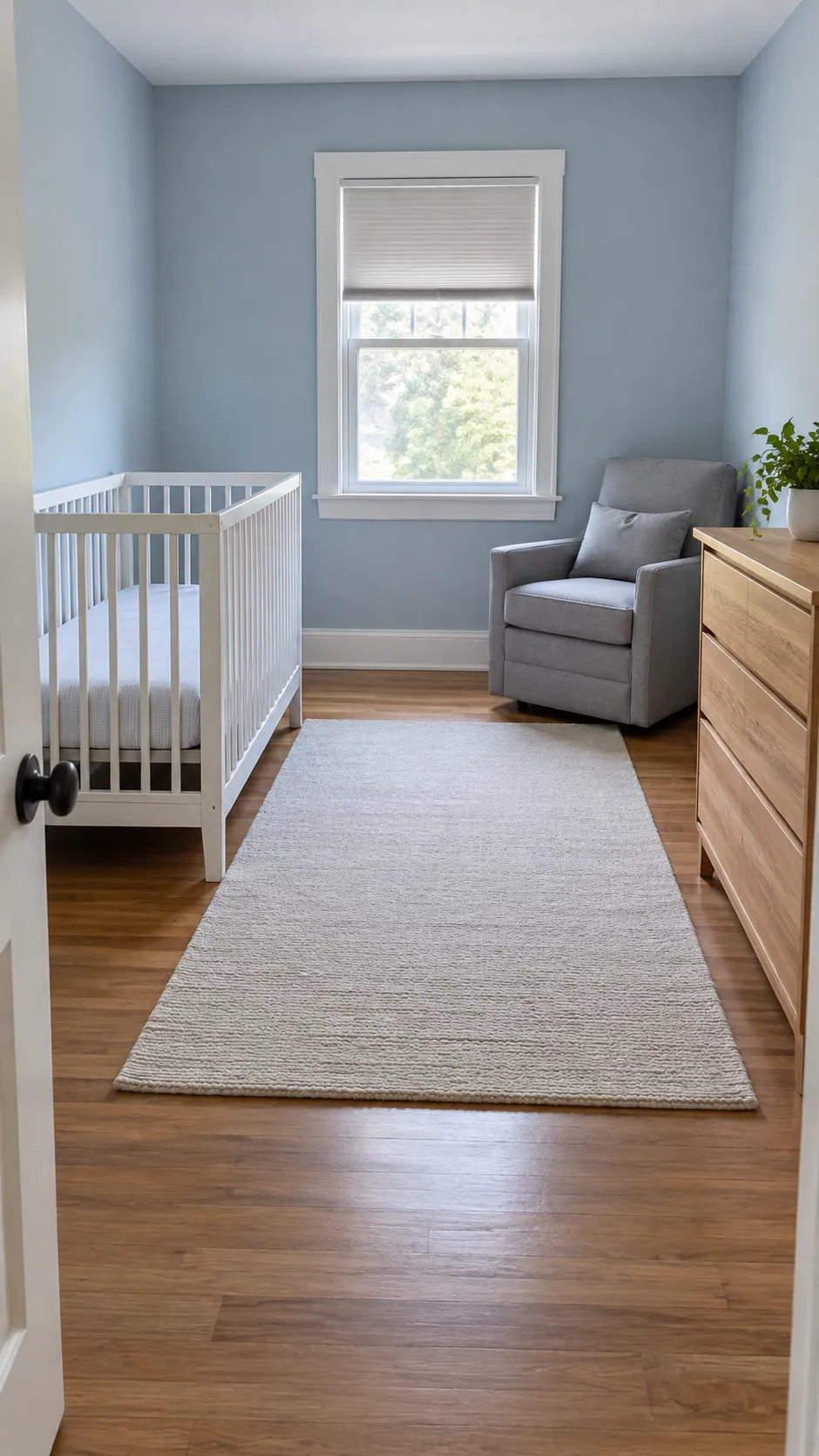
The expensive mistake is buying a roomful of furniture before checking how you will move between it. A comfortable nursery starts with a clear route, a suitable sleep space, and supplies where you need them. Choose the decorative details after those decisions, and the room can feel personal without becoming crowded.
Measure the room before choosing furniture
A crib can fit against a wall and still make the room awkward to use. Measure the room, then mark windows, door swings, closet access, outlets, vents, and any fixed heaters on a simple sketch. Record the actual outer dimensions of furniture rather than relying on a mattress size or a product photograph.
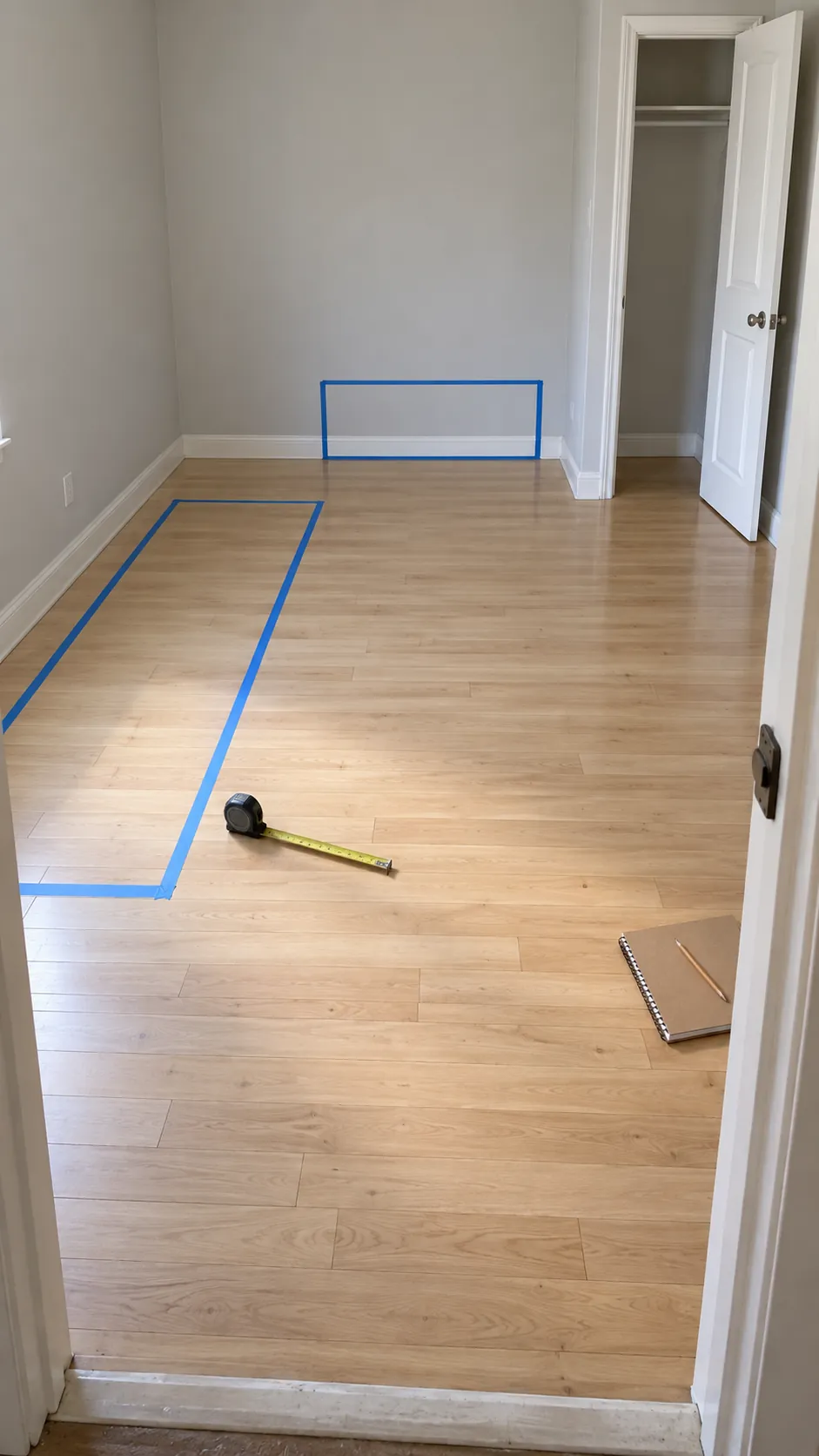
Use painter’s tape to outline the crib, dresser, and chair on the floor. Open every drawer and door, and allow for the chair’s full rocking or reclining movement. Walk the route from the doorway to each station while imagining that you are carrying your baby. If the route requires squeezing past a corner, revise the small nursery layout before placing an order.
A nursery furniture plan should also reflect where your baby will sleep initially. The American Academy of Pediatrics recommends room sharing without bed sharing for at least the first six months, using a separate infant sleep surface. Your nursery can serve as a changing and clothing space while the baby sleeps in your room. That makes a complete matching furniture set less urgent.
Give the crib the safest position
Crib placement starts with a suitable sleep space, not a feature wall. Choose a crib that meets current local safety standards, follow its assembly instructions, and use the specified firm, flat mattress with a fitted sheet. Keep pillows, loose blankets, bumpers, toys, and positioners out of the sleep space. Place babies on their backs for sleep.
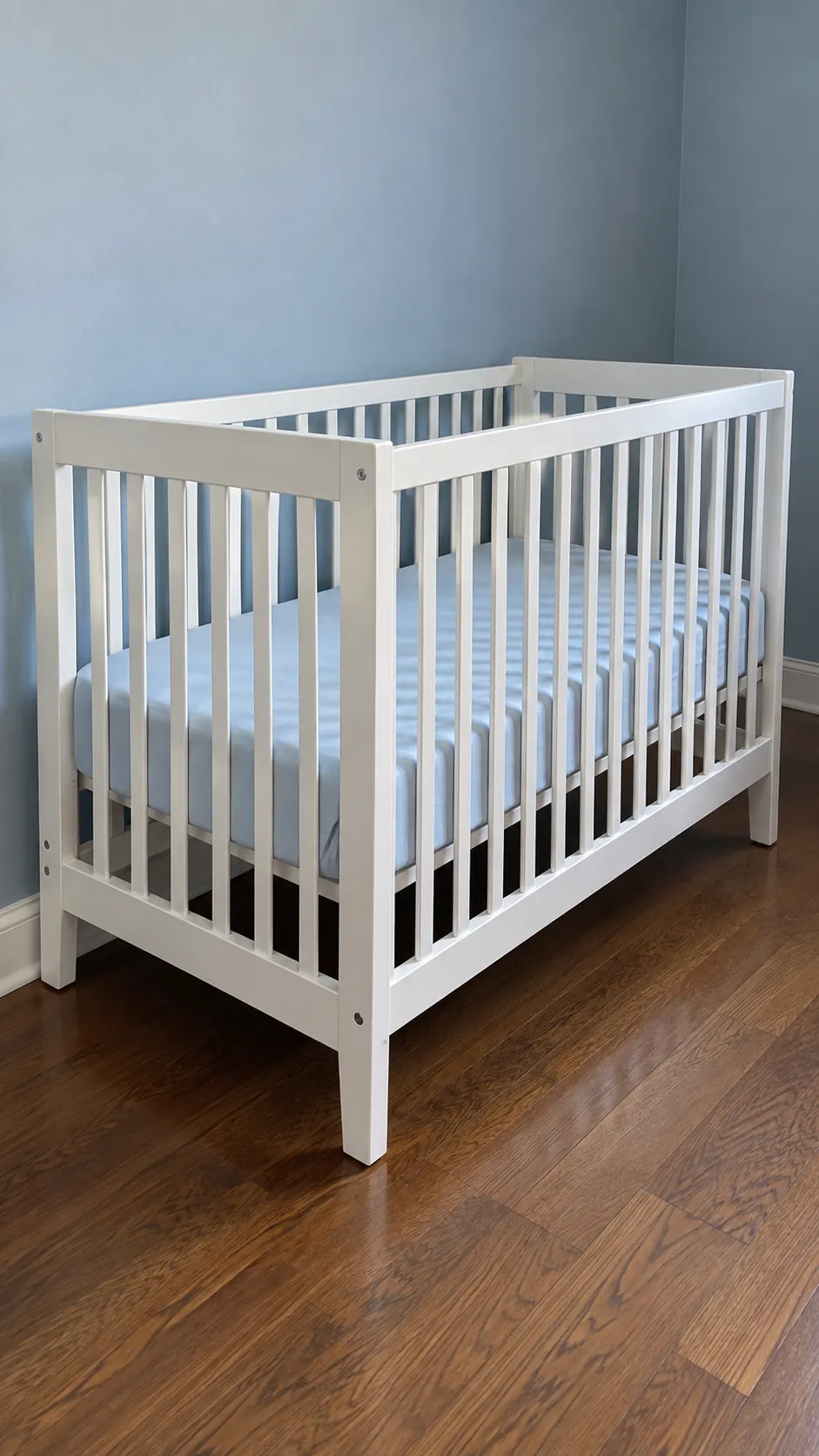
Keep the crib away from windows, blind cords, curtains, heaters, and reachable electrical cords. Avoid shelves or heavy decorations above it, and consider what a standing child could reach later. A bare wall is a perfectly good backdrop. Check the crib manufacturer’s placement guidance and keep furniture from creating access to window coverings.
Anchor dressers and other furniture according to their instructions, even before your baby is mobile. Use cordless window coverings where possible. For a secondhand crib, check recalls and confirm that all original hardware and assembly instructions are available; missing parts are a reason to choose something else.
Build a changing station around your reach
A changing station works when the adult can reach supplies without stepping away. Use a changing surface intended for the purpose, with its compatible pad secured as directed. Keep a hand on your baby throughout a change and follow the product’s restraint instructions; a strap does not replace supervision.
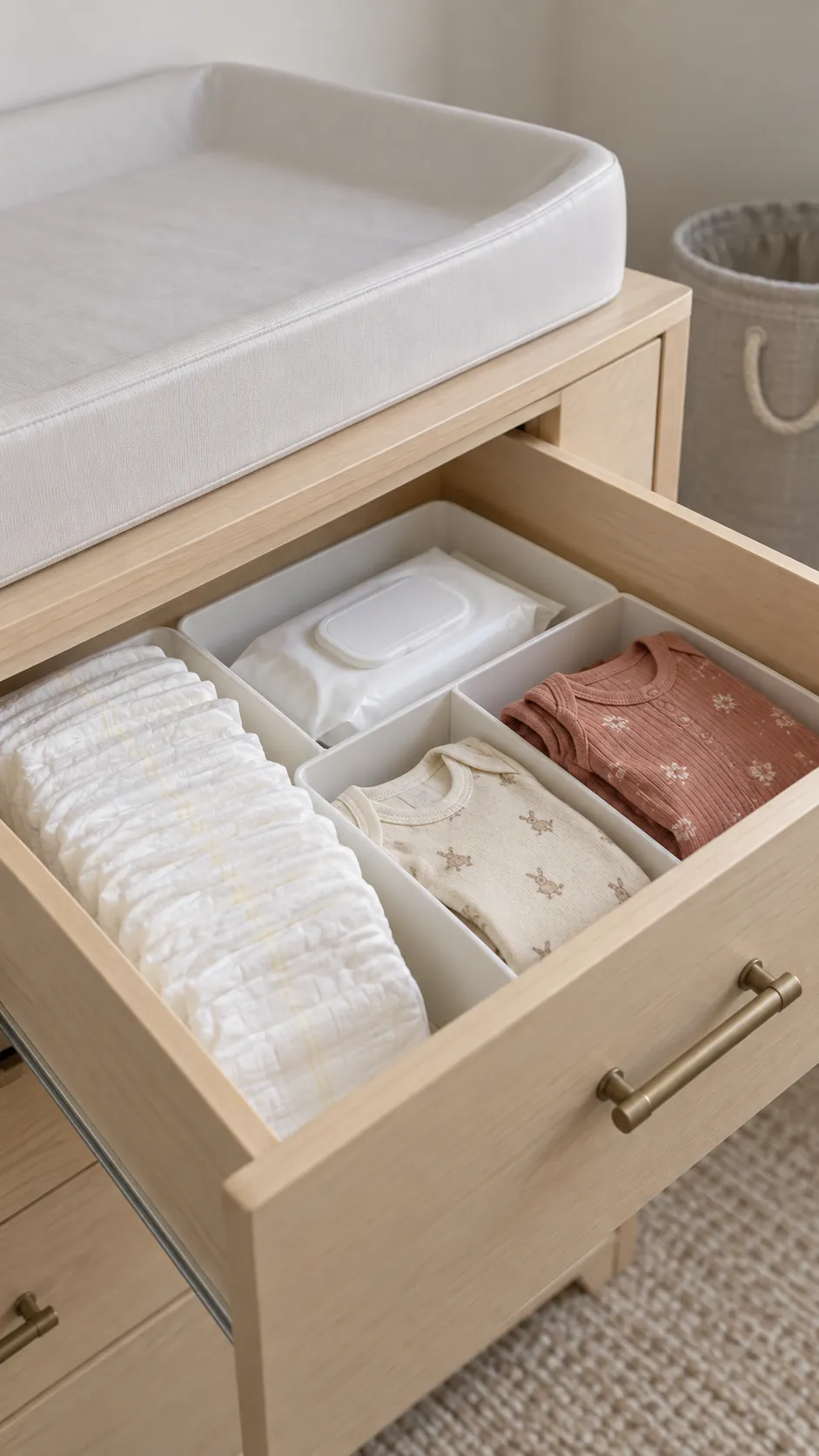
Place a small supply of diapers, wipes, and clean clothes within your reach but beyond the baby’s reach. Store refill packs elsewhere so they do not crowd the working surface. Choose closed storage for toiletries and other items that need to remain inaccessible as your child grows. A nearby laundry hamper saves a second trip, provided it does not narrow the walking route.
Test the chair and lighting together
Sit in a possible feeding chair before committing to it. Your feet should rest comfortably, your back should feel supported, and you should be able to stand without an awkward push. Test the chair’s full movement in the proposed corner instead of judging it only in its upright position.
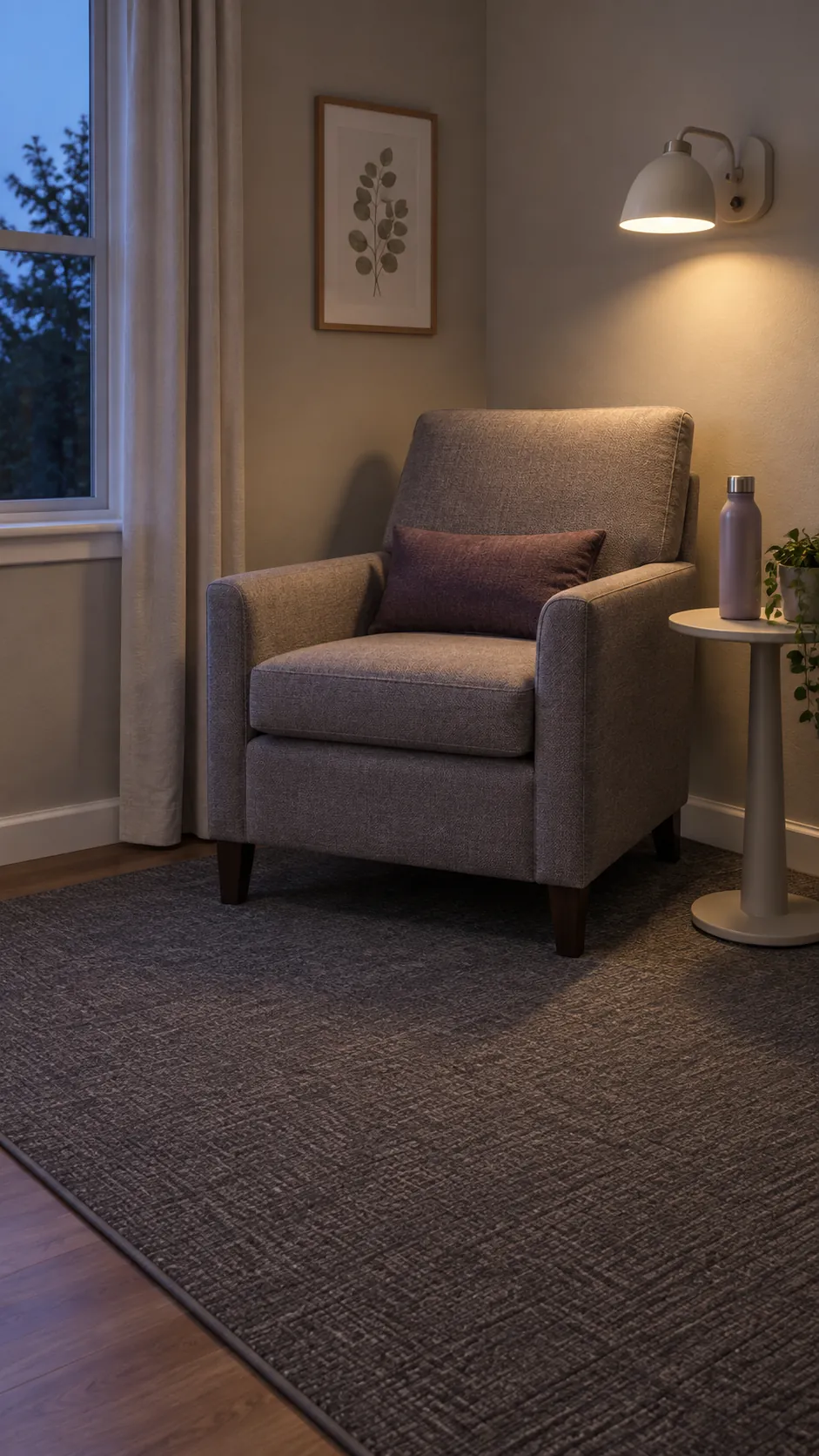
Nursery lighting ideas are most useful when they solve different tasks. A general ceiling light helps with cleaning and dressing, while a dimmable lamp can provide enough light for nighttime care without lighting the whole room. Position the task light so you can see what you are doing without a bulb shining directly into your eyes. Keep cords secured and beyond the child’s reach.
Use the chair for awake feeding and comforting. If you feel sleepy, place your baby in their own safe sleep space; sofas and armchairs are not safe places for infant sleep. Keep a clear route to that sleep space rather than filling the gap with a large footstool.
Choose color after the practical pieces
Baby room color ideas are easier to compare once you know the floor, furniture, and daylight you are working with. Paint large samples on movable boards and check them beside the crib and window at several times of day. A shade that looks soft in a shop can feel much cooler or darker in your room.
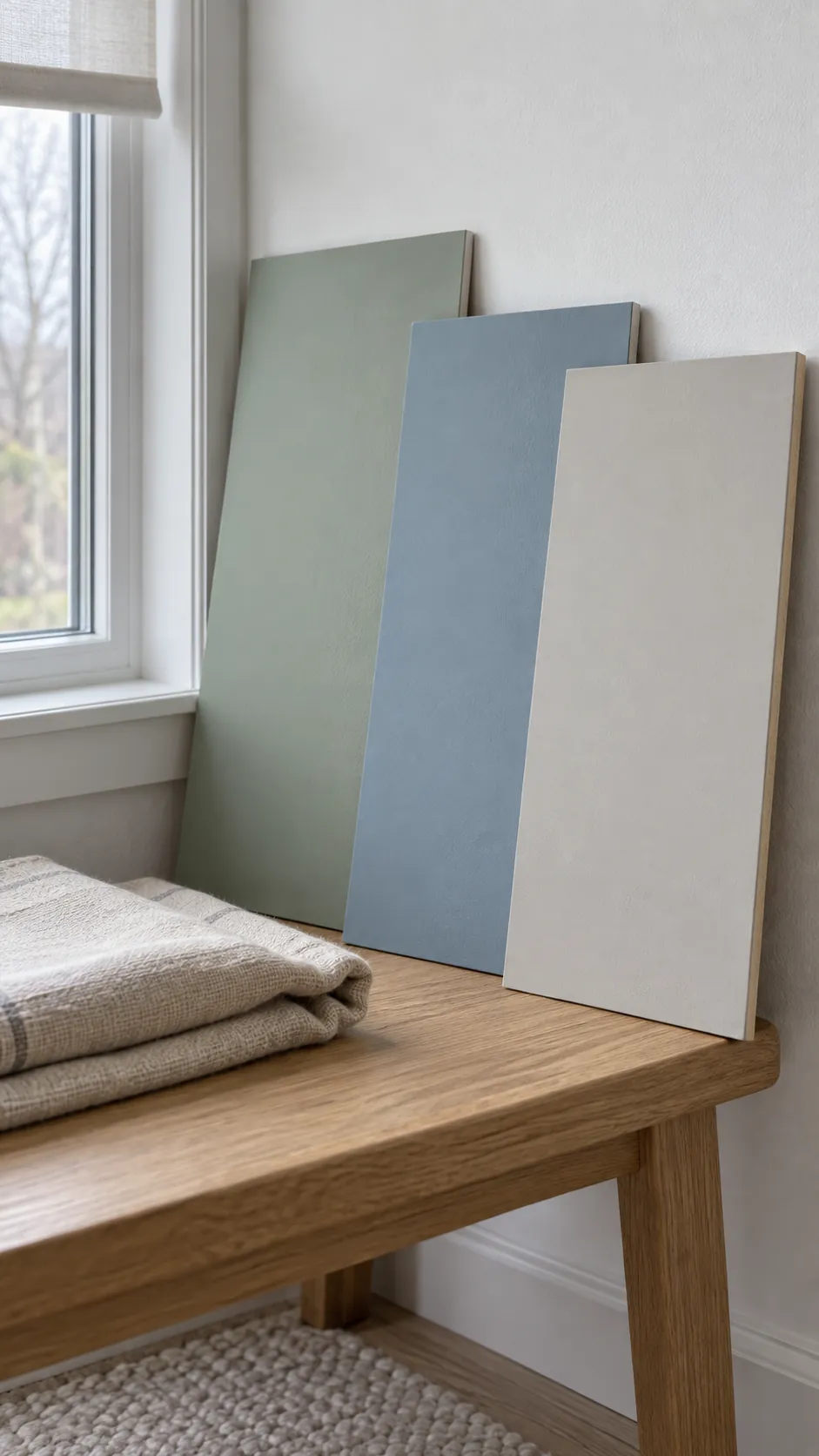
For a gender neutral nursery, begin with a quiet base and one accent you enjoy, such as muted blue, moss green, or dusty rose. Repeat that accent in a washable rug or a small decoration away from the crib. Matching every object usually makes the room harder to change later. Let the room’s larger surfaces stay simple and give your budget to comfortable, useful pieces first.
Store for the routine you actually use
Baby room storage should make the next change easier, not display everything you own. Keep clothes that currently fit in the most accessible drawer, with larger sizes separated in another space. Give outgrown clothing a temporary container so it does not drift back into circulation. Check container dimensions before buying multiples, especially in shallow drawers or narrow closets.
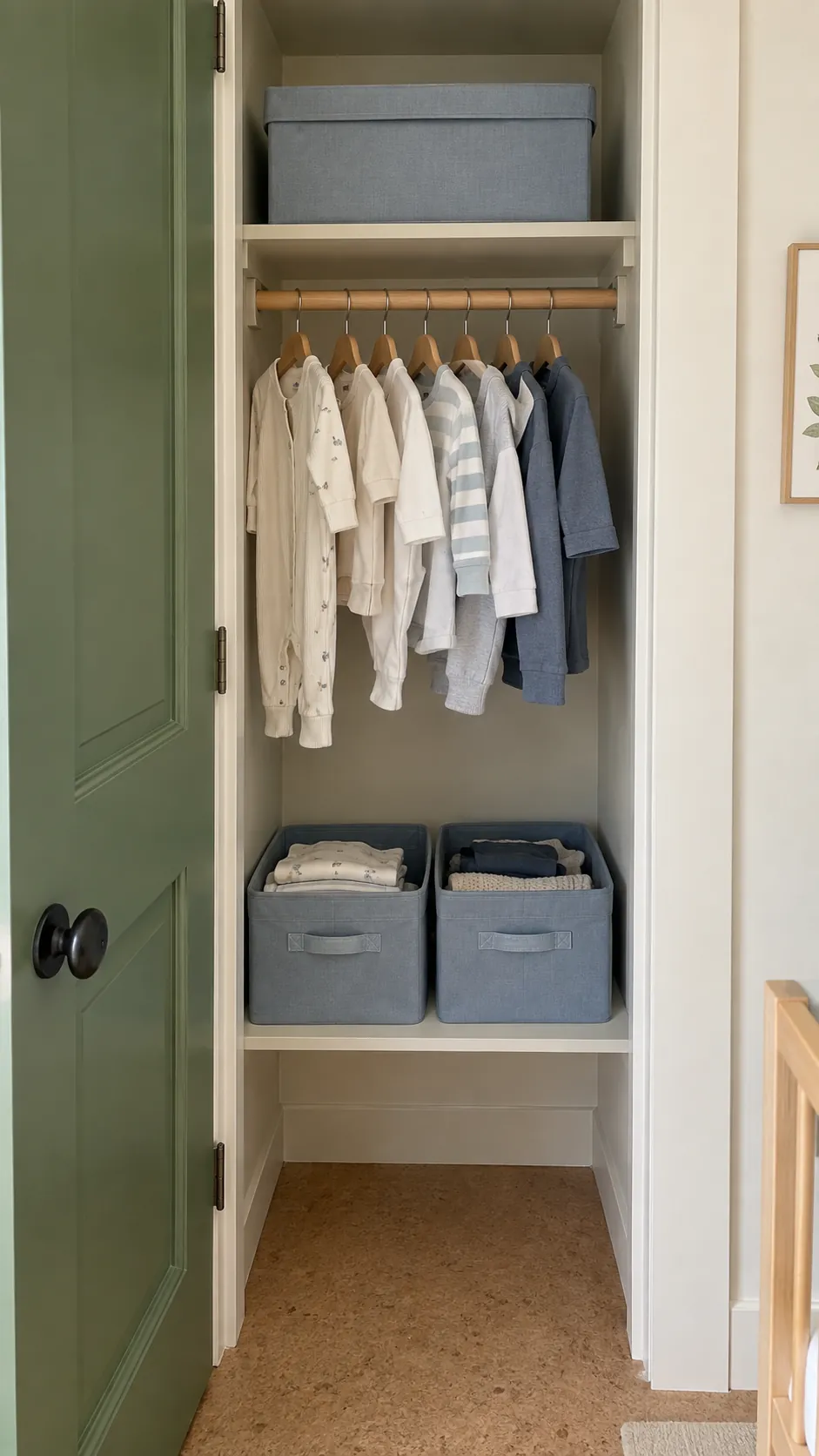
Keep frequently used supplies near their task and reserve high or less convenient shelves for adult access to backups. Avoid placing storage where it can fall into the crib or encourage climbing. Choose washable containers with handles you can comfortably lift, and keep the floor route clear of baskets.
Before calling the room finished, rehearse an evening change with the lights set low. Can you find clothes, reach wipes, open the hamper, and return to the doorway without moving furniture? Change the location of the troublesome item first. Cozy nursery decor works best when the room still feels easy to use with one hand occupied.