A small house becomes difficult to furnish when every useful object is treated as essential. The better approach is to choose pieces around repeated activities, actual dimensions, and clear movement. That turns limited floor area into a practical filter instead of a design obstacle.
Buy slowly. A room that feels slightly incomplete for a few weeks is easier to fix than one filled with expensive furniture that blocks doors, crowds chairs, or leaves no place for daily storage.
Measure the Room and Its Moving Parts
Record wall lengths, window heights, outlets, radiators, door swings, and the space needed to open cabinets. Then measure the route from the entrance to each room. Furniture must fit through that route before it can fit the final location.
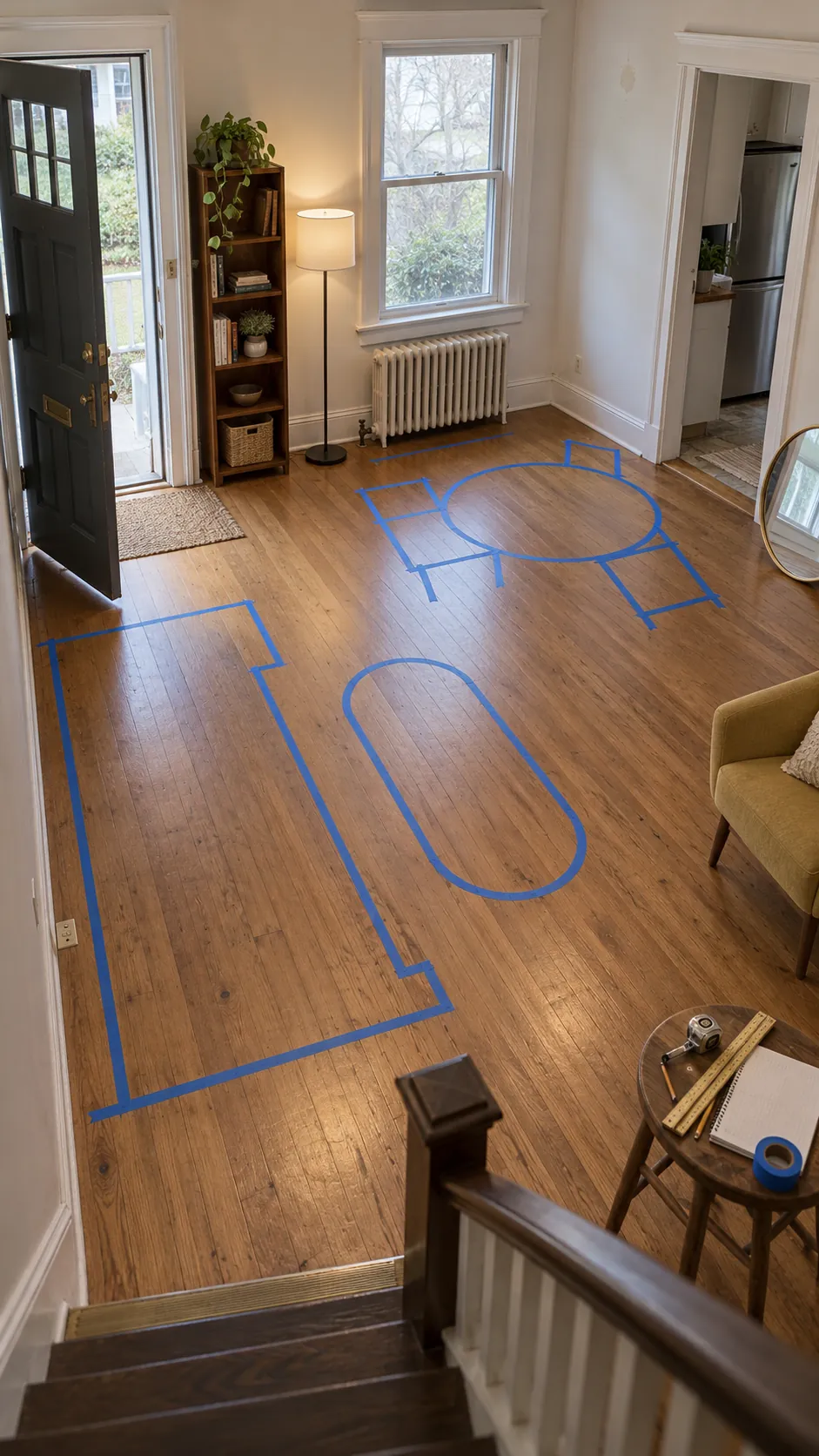
Use painter tape to mark the full footprint of each planned piece. Include the depth of open drawers and the area behind dining chairs when someone is seated. Live with the taped layout for a day, and notice whether groceries, laundry, and people can move without repeated turns.
Choose a Sofa for Real Seating Needs
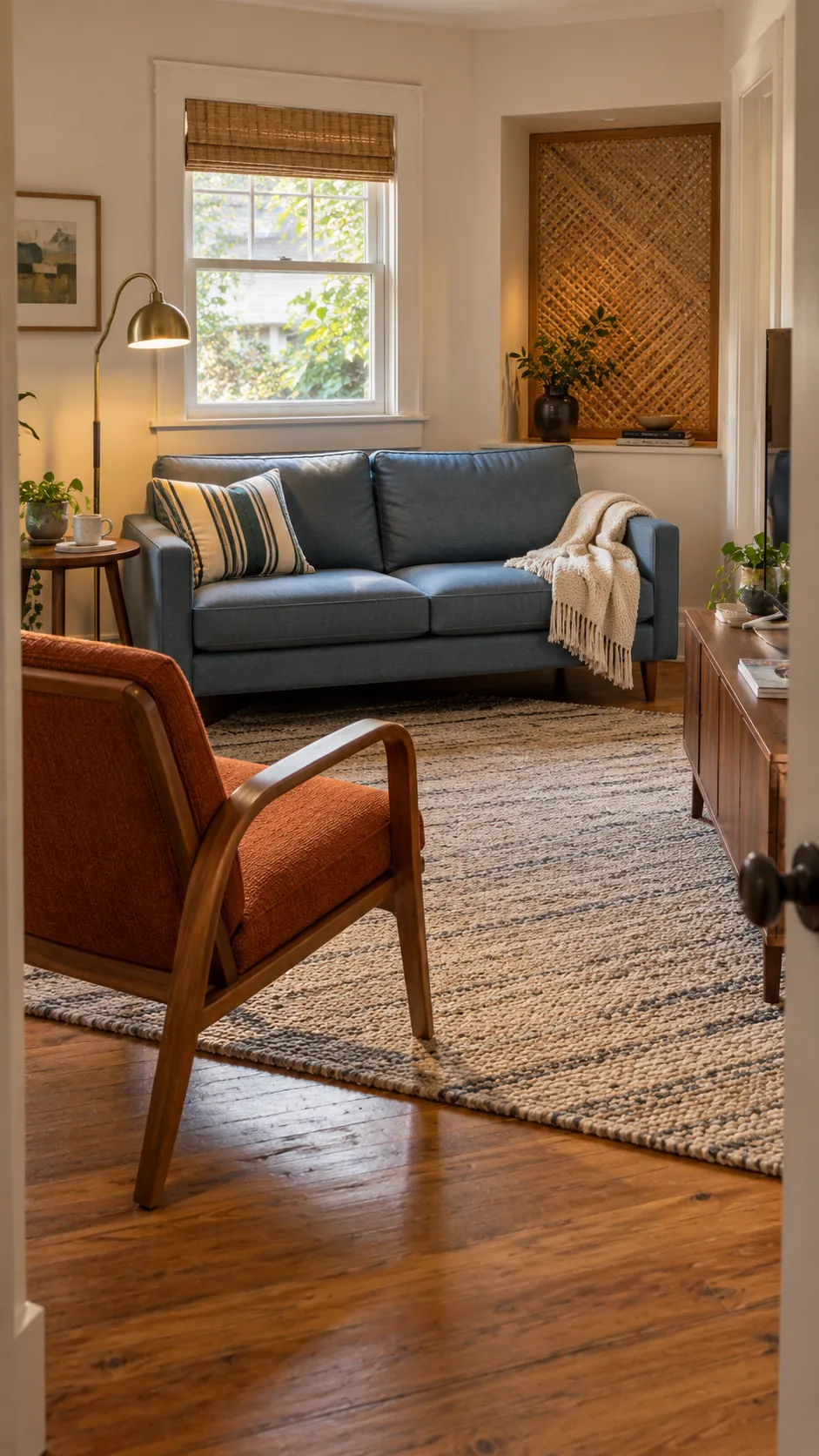
Compact sofa ideas should begin with the number of people who sit every day, not the largest piece the wall can accept. A supportive two seat sofa and one lightweight chair often provide more flexible comfort than a deep sectional. Check seat depth, arm width, and the amount of visible floor beneath the frame.
A sofa with narrow arms can preserve useful seat width without consuming extra floor space. Keep enough clearance for nearby doors and tables. If guests sometimes sleep over, compare a sleeper sofa with other options before committing, because the open bed requires its own clear footprint.
Fit Dining to the Way You Eat
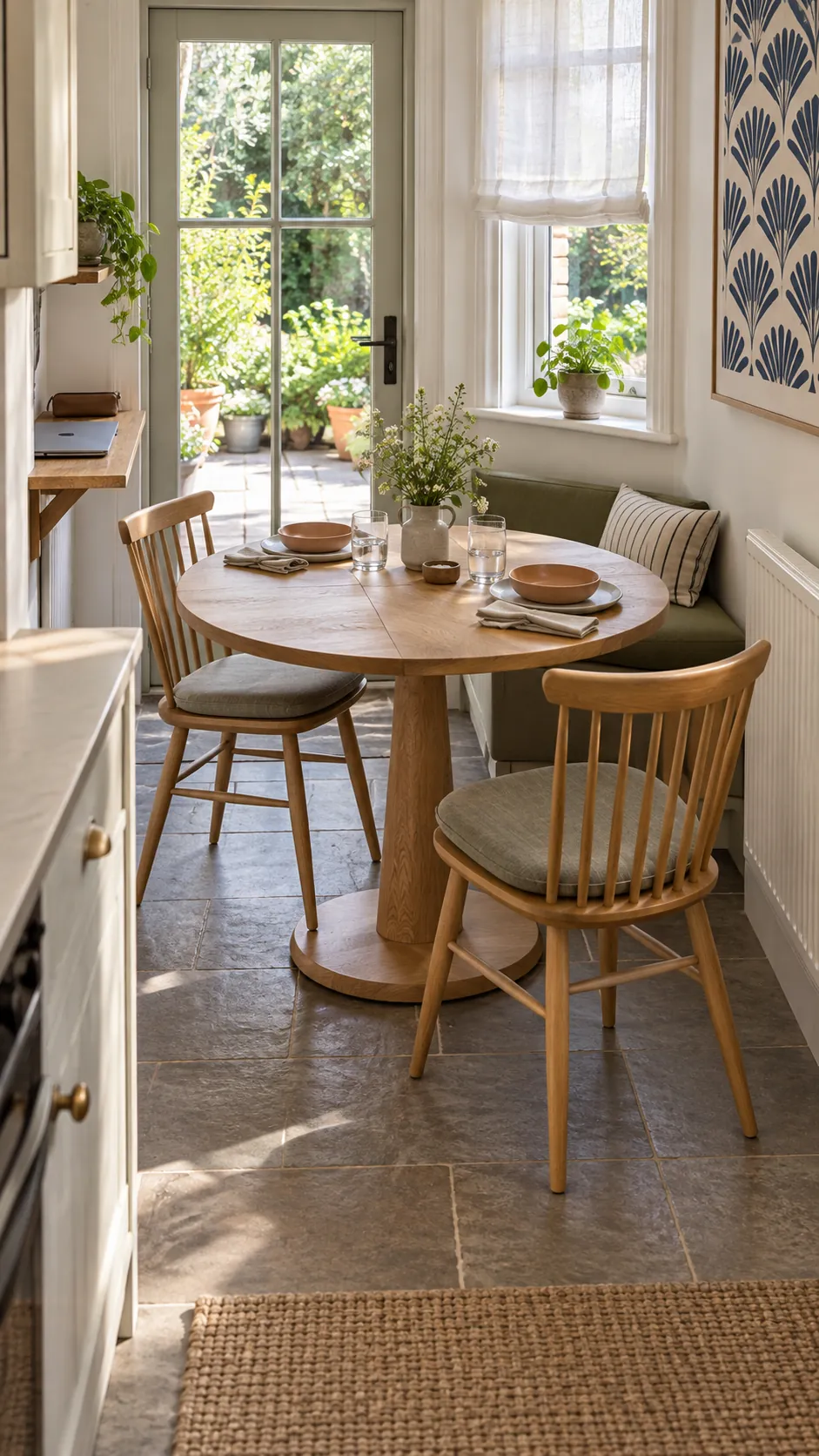
Small dining furniture works best when it matches normal household size. A round table eases movement around tight corners, while a drop leaf table can expand for occasional guests. A bench may tuck under one side, but it is less convenient when people need to leave the table often.
If a kitchen island already provides comfortable seats, ask whether a second full dining set earns its space. A smaller table near a window can serve meals, work, and hobbies without competing with the living area. Choose chairs that are comfortable enough for their longest expected use.
Give Multifunctional Pieces One Clear Job First
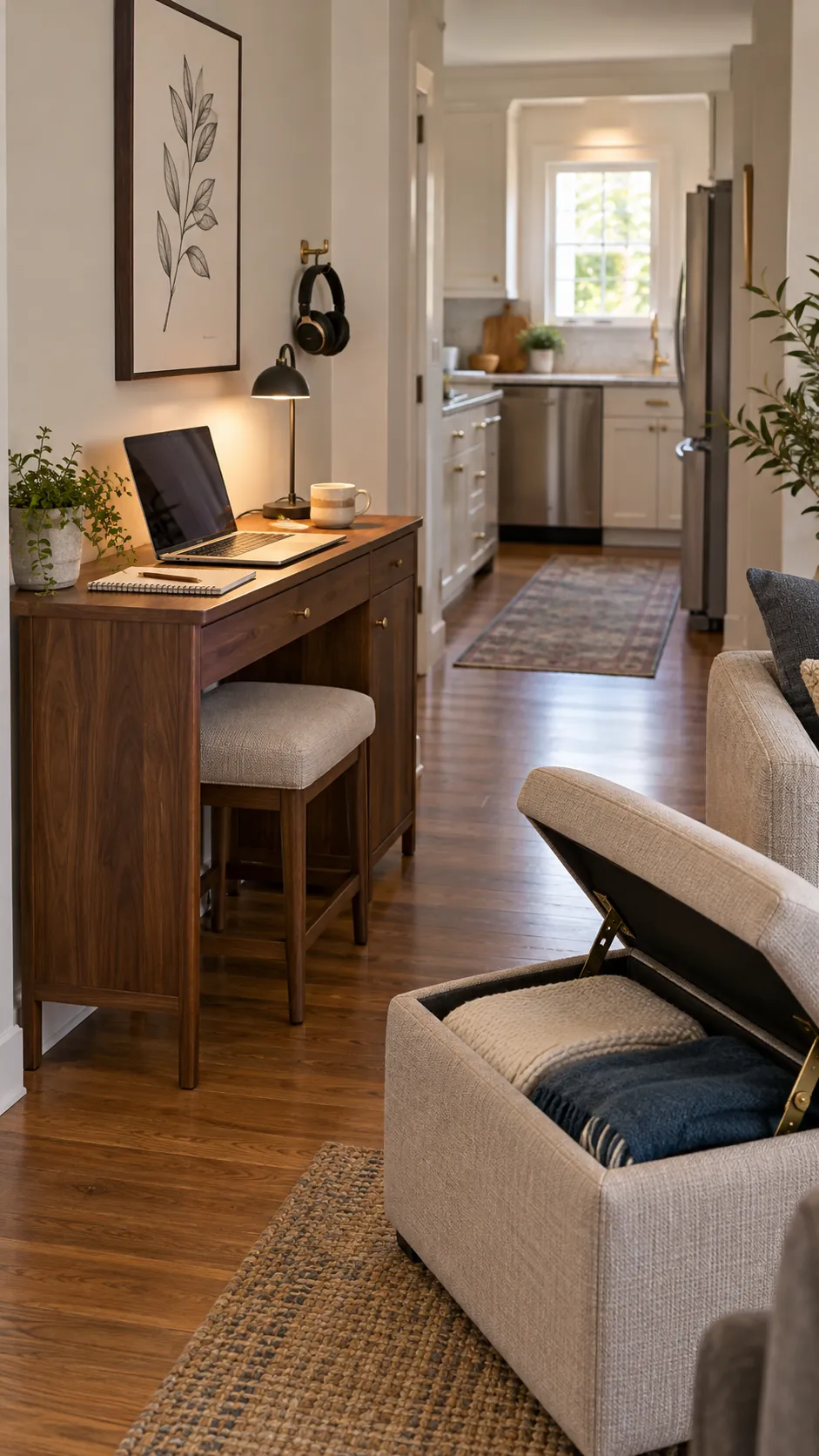
Multifunctional home furniture is useful only when its main function is comfortable. An ottoman can hold blankets and offer an occasional seat, but it should still sit at a useful height. A console can become a desk, yet its depth must support a laptop and safe posture.
Avoid pieces that require several objects to move before they can change purpose. Simple actions are more likely to become part of daily life. Closed storage is especially valuable for categories that create visual noise, while open shelves suit a small number of items used or enjoyed often.
Use the Bed for High Capacity Storage
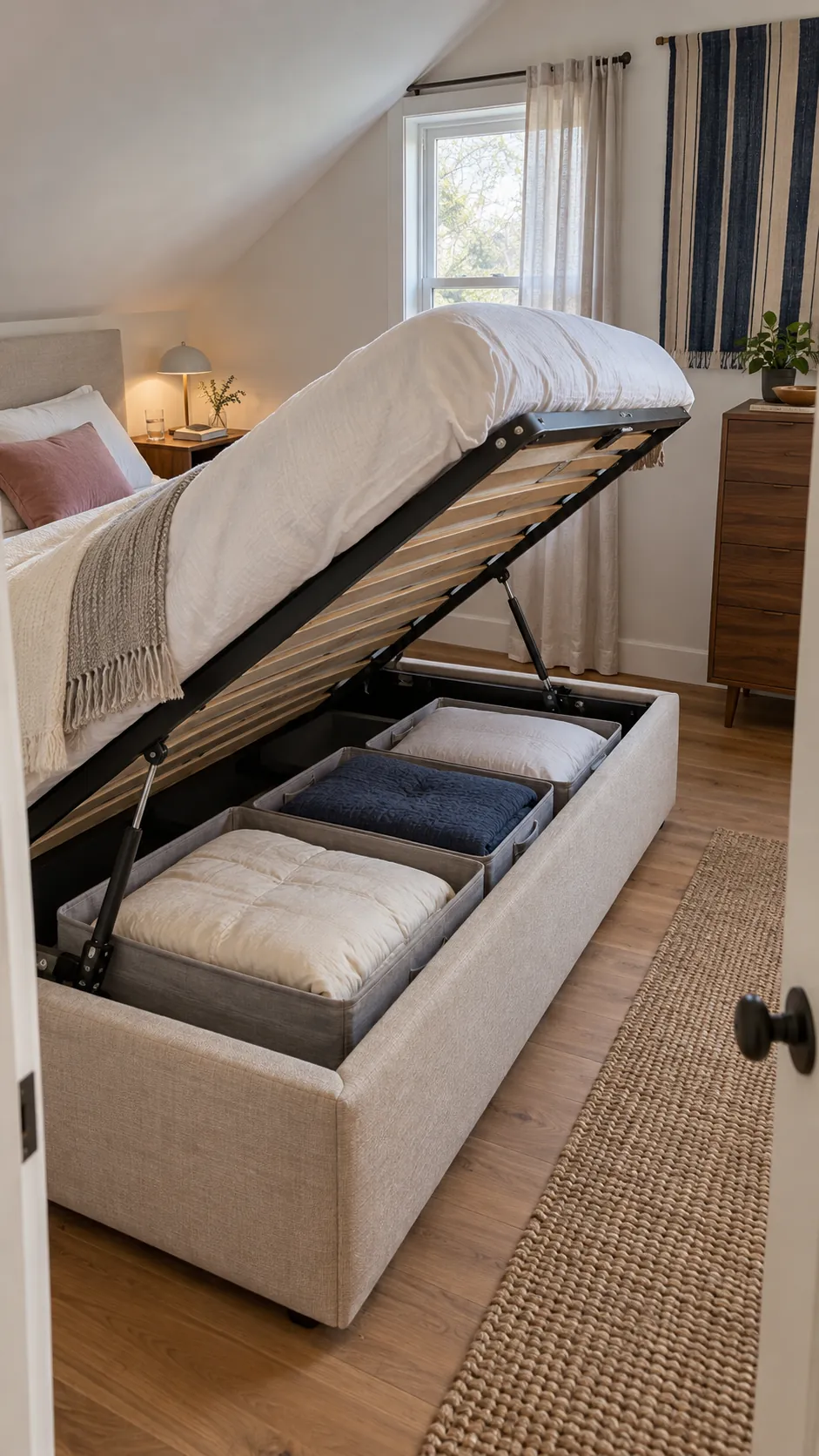
Storage bed ideas can replace a separate dresser or several loose boxes. Drawers need side clearance, while a lift frame needs safe overhead access and hardware that is easy to operate. Match the opening method to the room before choosing a model.
Keep frequent items in the easiest compartments and seasonal items deeper inside. Use containers that fit the available cavity rather than wasting height. Leave one bedside surface for a lamp, water, and a book instead of surrounding the bed with narrow storage units that make changing linens difficult.
Keep Secondary Surfaces Light and Moveable
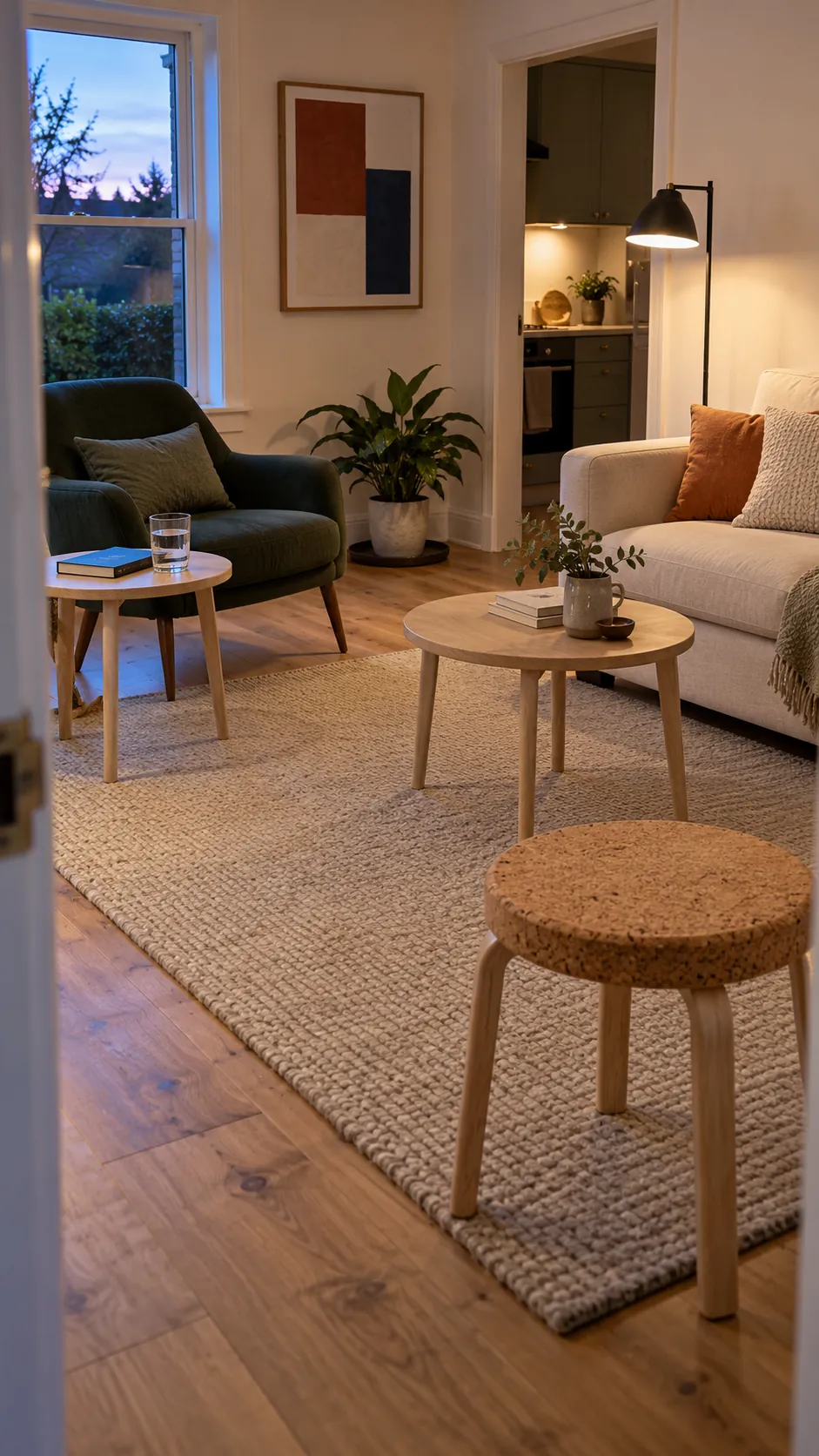
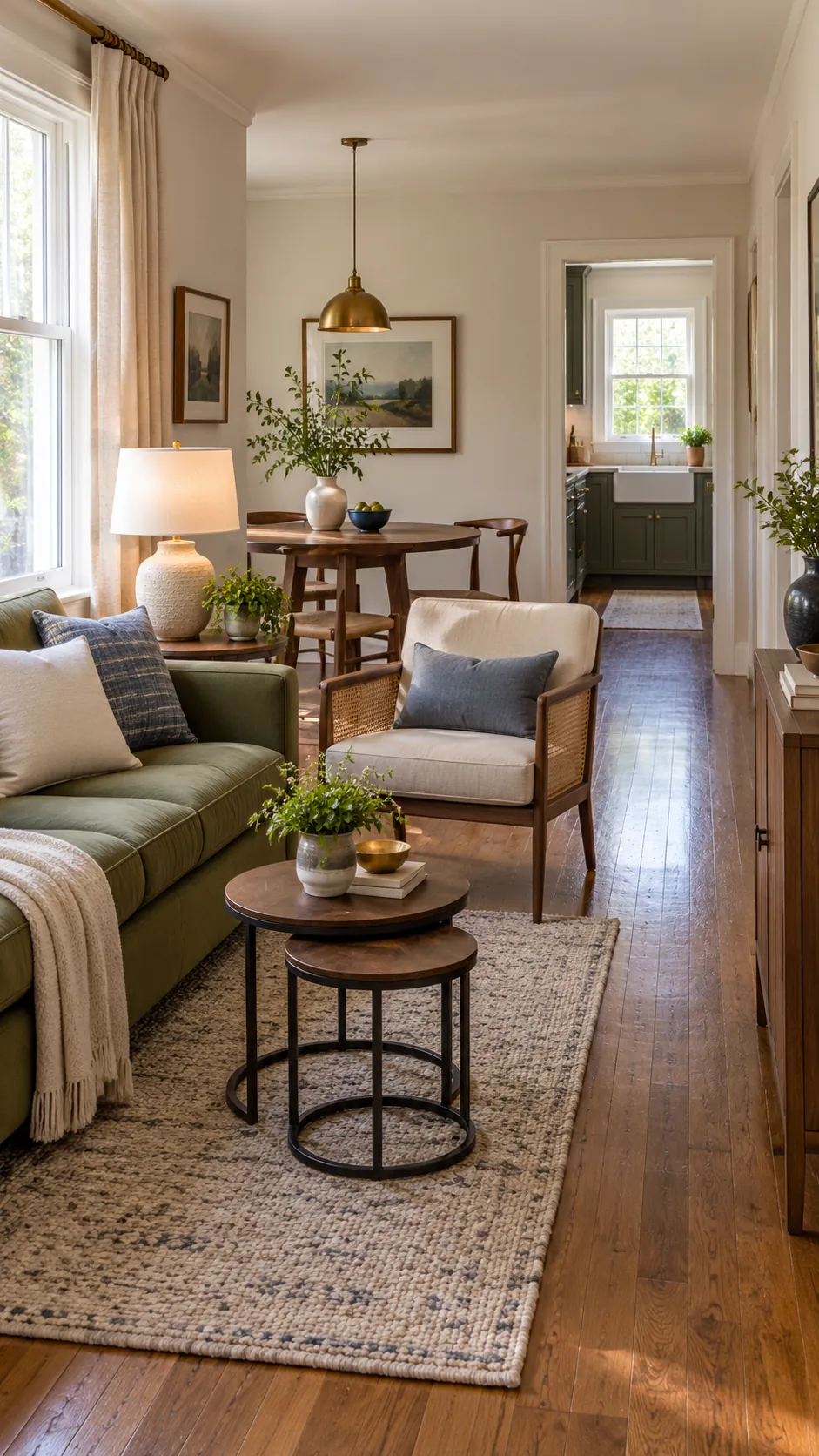
Nesting tables and lightweight moveable furniture let a room change without becoming empty. Pull out an extra surface for a guest, then return it beside the sofa. A small stool can serve as a plant stand or spare seat if it is stable and comfortable enough for both jobs.
Limit the number of flexible pieces so they do not become obstacles. Choose handles, edges, and weights that are easy for the household to manage. When the main sofa, dining table, bed, and storage solve their primary tasks, these smaller pieces can adapt the house without asking it to hold more furniture than it needs.