
You can spend the whole evening cleaning and still greet guests with nowhere to put their coats. Start with the moments people will notice: arriving, finding a seat, using the bathroom, and eating comfortably. Put those needs in order, and the house can feel ready before every room is finished.
Set a stopping time before you start
The fastest way to lose an evening is to begin a task that creates another task. Emptying every cupboard, washing all the curtains, or rearranging the living room can leave the house less usable when you finally run out of energy. Choose the rooms your guests will actually enter and leave private spaces for another day.
Give yourself a two and a half hour window as a planning example, not a promise that every home will take the same time. Allow about 10 minutes to decide priorities, 15 for the entrance, 20 for the bathroom, 25 for seating and dining, 20 for the kitchen, 20 for overnight basics if needed, and 20 for final touches. That leaves 20 minutes for interruptions or a task that takes longer. If you have less time, protect the bathroom, safe walking routes, and usable seats before decoration.
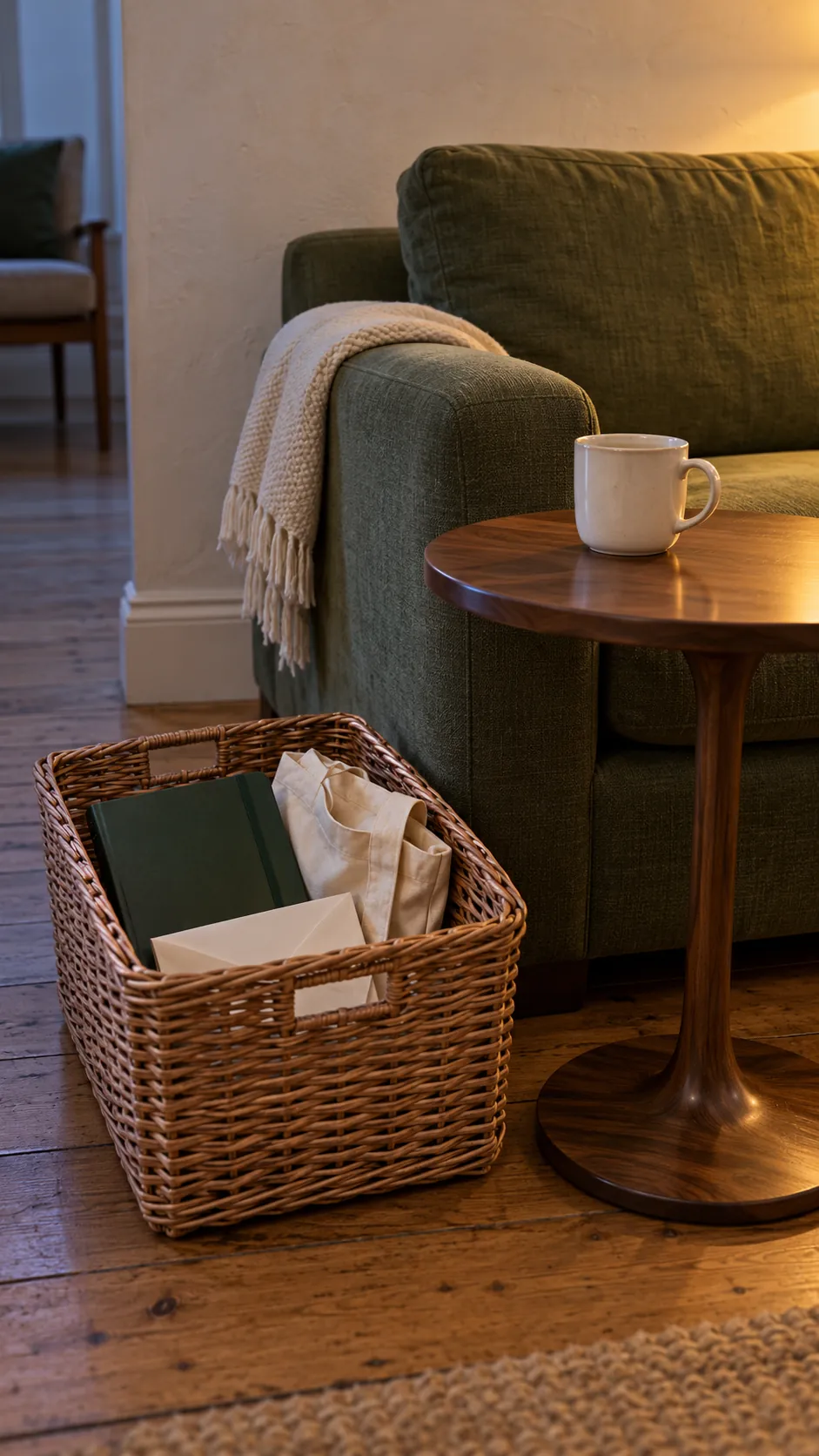
Carry one basket through the public rooms and collect objects that belong elsewhere. Put work documents and valuables somewhere secure rather than burying them in a mixed pile. Set the basket in a private spot you can return to after the holiday, without blocking a door or a bed. If someone is helping, give them a complete task such as stocking the guest bathroom, instead of asking them to make the house look better.
Clear the route from the door to the gathering space
Open the front door fully and walk the route your guests will take while carrying a coat and a bag. Move shoes, delivery boxes, pet toys, and loose cords out of that route. A clear floor does more for a welcoming first impression than a decorated console surrounded by obstacles.
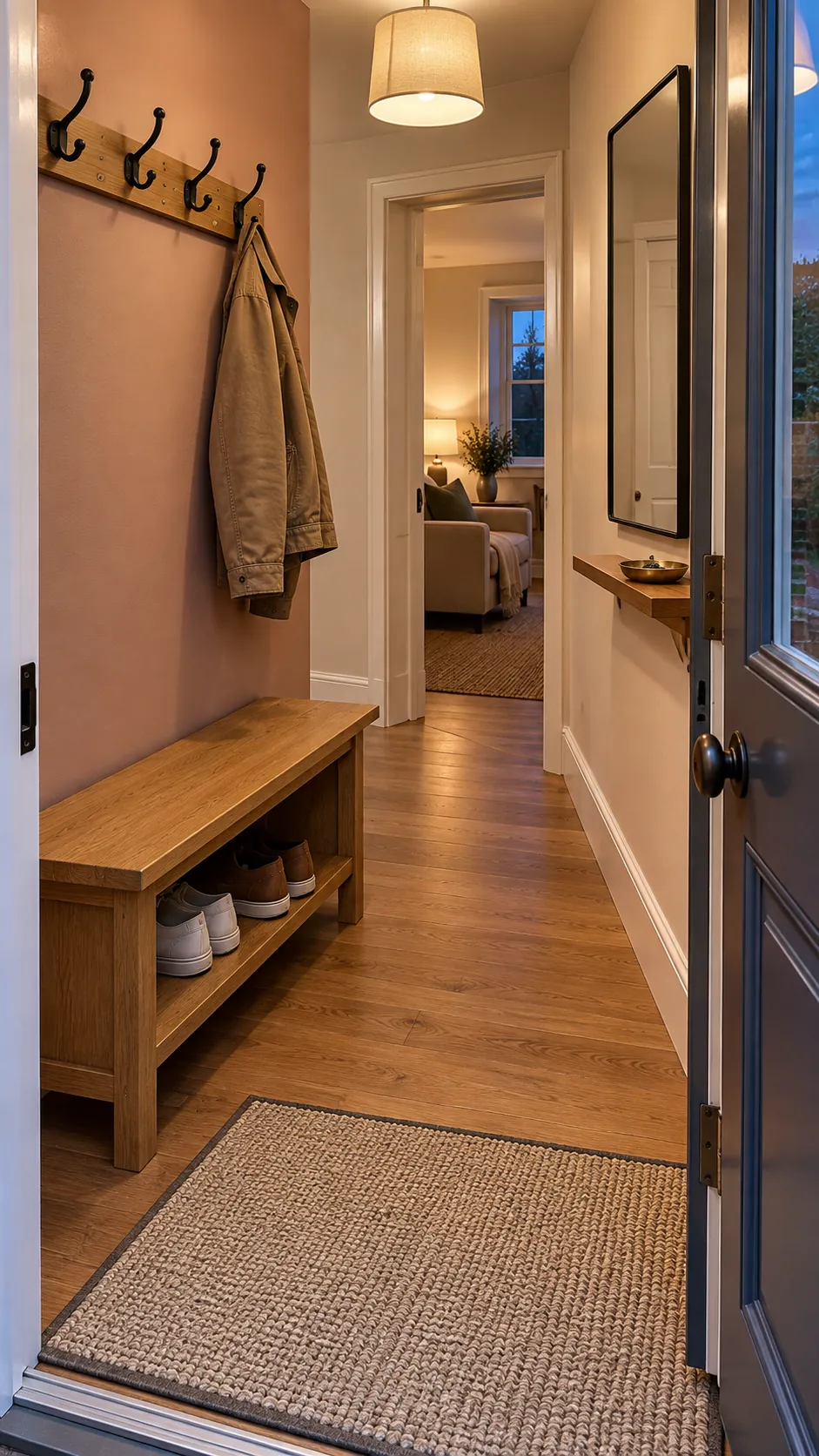
Decide where coats will go before the first arrival. Empty a few hooks or hangers, or clear a designated bed if that room is not being used for sleeping. Keep bags off stairs and away from the dining chairs. If rain is likely, place a stable absorbent mat inside the door and a towel where you can reach it.
Check that the porch or hall light works, and wipe the door handle if it needs attention. Sweep or vacuum the entrance and the main walking path rather than starting every floor in the house. For anyone who needs more room to move, ask what would help and test the route with the actual furniture in place.
Make the bathroom easy to use without asking
A guest should not have to search through cupboards for toilet paper or wonder which towel to use. Clean the toilet and sink, wipe the mirror where marks are visible, empty the bin, and put out a fresh hand towel. Follow the directions on your cleaning products and keep different cleaners separate.
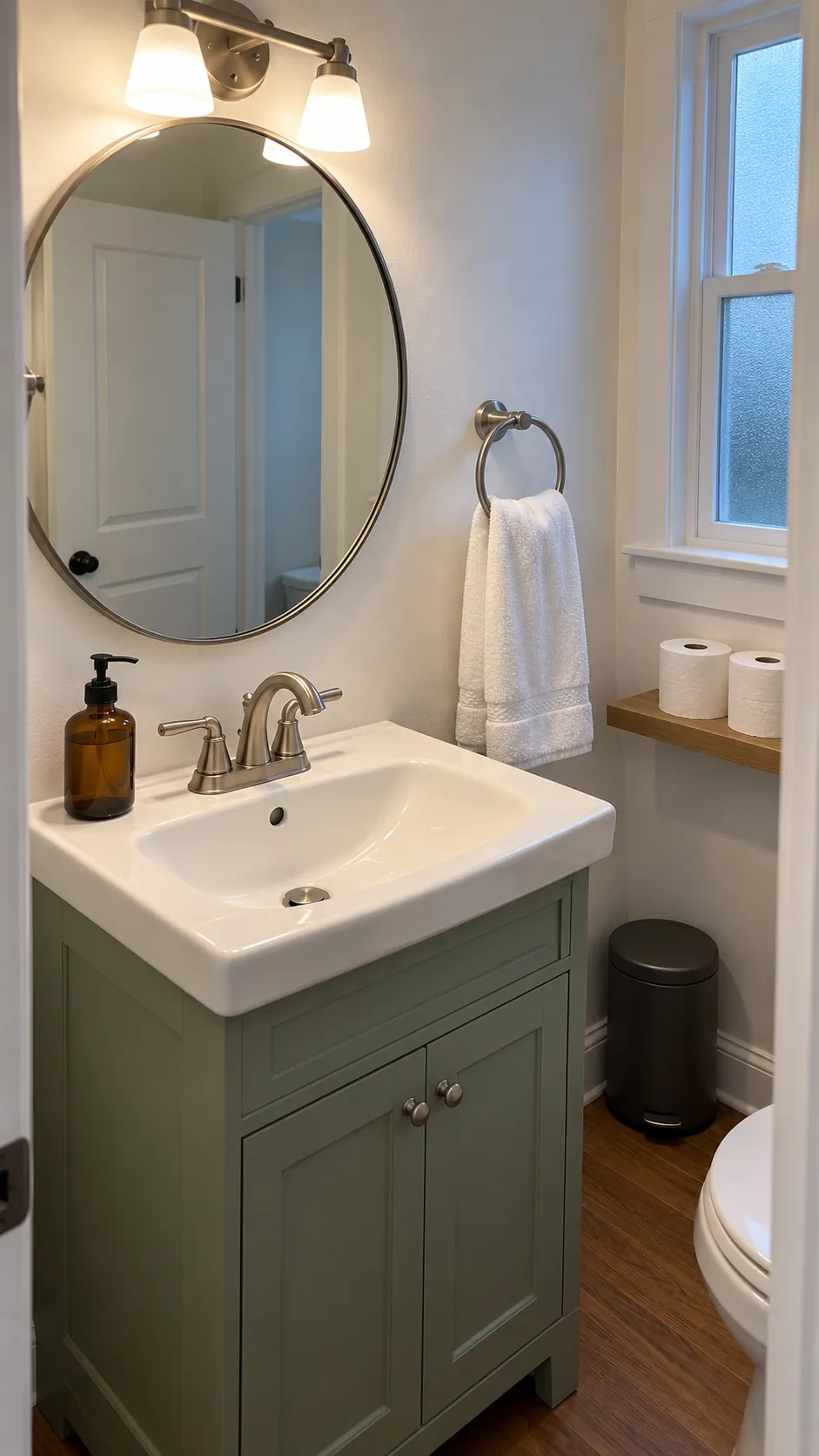
Place a spare roll within easy reach and check that the soap dispenser works. Keep a plunger accessible and remove private medicines or personal items from open surfaces. If the bathroom is shared with the household, leave a second clean towel nearby so replacing a damp one takes seconds. Strong fragrance is unnecessary; ventilation and a clean bin solve more problems than a scented spray.
Count usable seats and clear the surfaces people need
Count people, then count real seats. Include the spots guests will use before and after the meal, not just the dining table. A decorative stool or a low side table does not automatically become a suitable dining chair. Bring out any folding chairs now, check their locks, and sit on them to make sure they are stable.
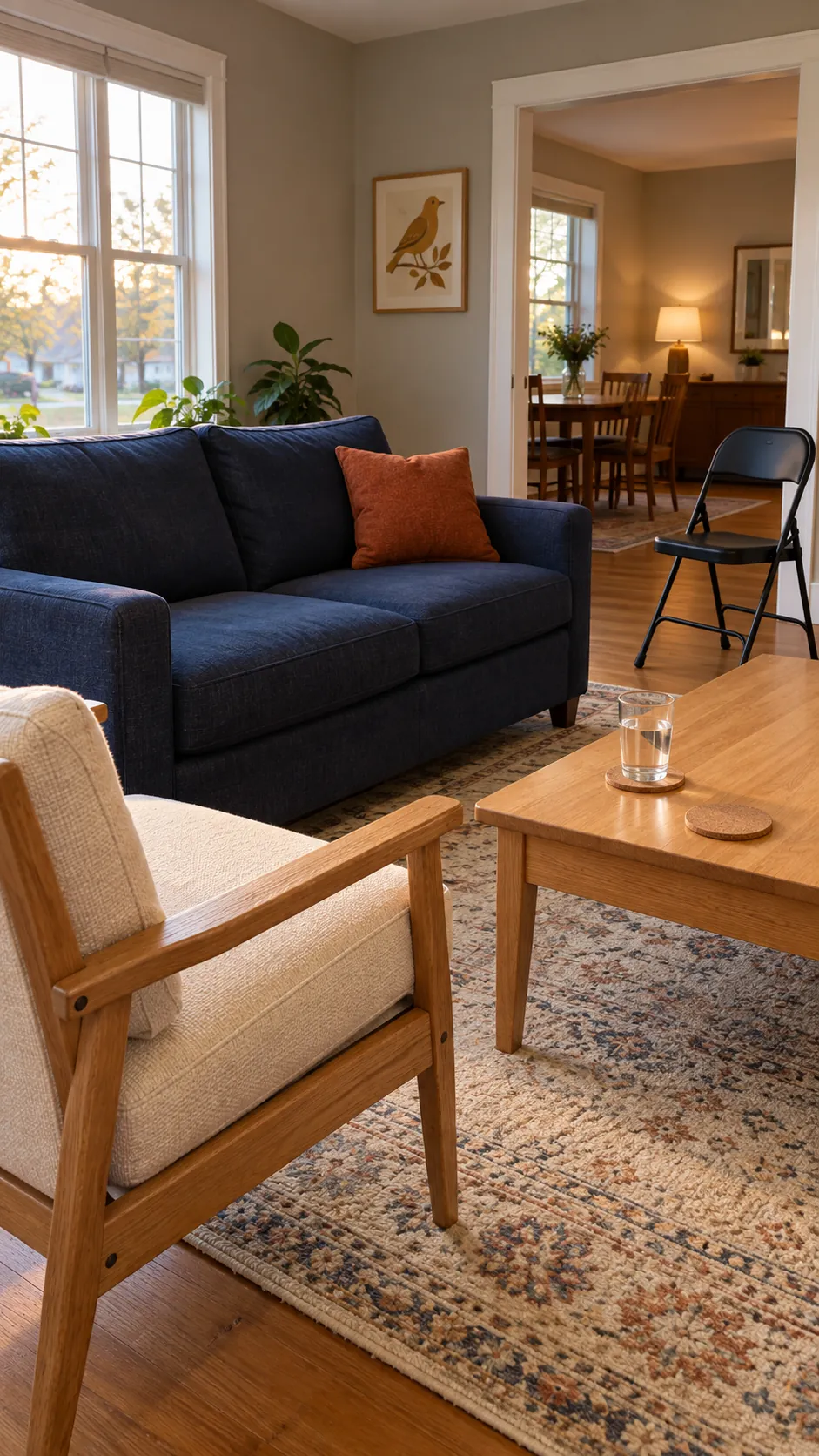
Pull the dining chairs back as if people were standing up with plates in their hands. Remove the extra basket or side table that catches a chair leg. Clear the coffee table enough for a drink to rest safely, and give a person with limited mobility a comfortable seat with an easy route to the bathroom.
Set out the plates, glasses, and cutlery you expect to use so missing pieces show up tonight. Keep the middle of the table low and leave room for serving dishes if food will be passed around. A simple runner is optional. If it makes chair movement awkward or hangs where a child can tug it, leave it off.
Do a quick pass over the surfaces guests will touch, then vacuum crumbs from seating and the visible floor. Stop before cushion cleaning or furniture moving becomes a separate project. The aim of this family gathering home setup is a place to sit, eat, and talk comfortably.
Prepare tomorrow’s kitchen without undoing tonight’s work
An empty patch of counter is useful even if the rest of the kitchen is busy. Clear one food preparation area and one landing spot for a hot dish, using a suitable heat resistant surface or trivet. Put everyday mail and chargers somewhere else so they do not return to the counter during cooking.
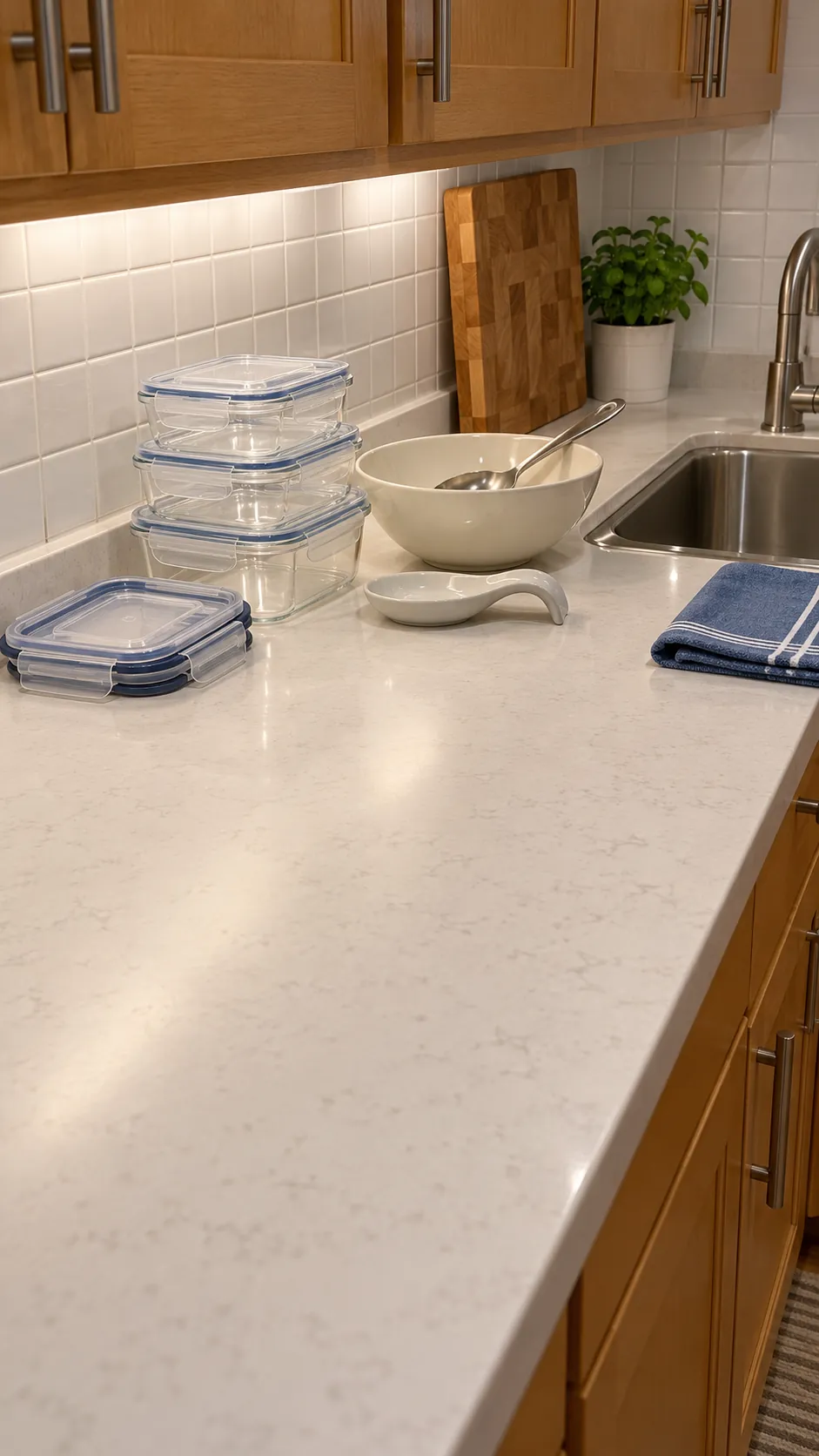
Wash what you need for the first cooking tasks, empty the dishwasher if you have one, and check the bin liner. Pair serving dishes with their utensils while you can still think clearly. Stack clean leftover containers with their matching lids in one reachable spot. This prevents a late search through a drawer when people are ready to leave.
Make a modest space in the refrigerator for the food you expect to store. Keep perishables chilled while you sort, and move only what you can put back promptly. Do not trade safe food storage for a visually empty refrigerator or use the evening refresh as a reason to leave prepared food on the counter.
If the menu is still overwhelming, simplify one dish or ask an already invited helper to bring a specific item. Give that person the arrival time and any serving needs. Tomorrow’s cooking has its own schedule; tonight’s house preparation should make that schedule easier, not expand it.
Prepare the sleeping space only when someone is staying
If guests are going home after dinner, spend this time on whichever essential task is unfinished. Welcoming overnight guests adds different needs: a clean sleeping surface, bedding, privacy, and a clear path to the bathroom. Make the bed or set up the air mattress now so a missing sheet or a leak is discovered before bedtime.
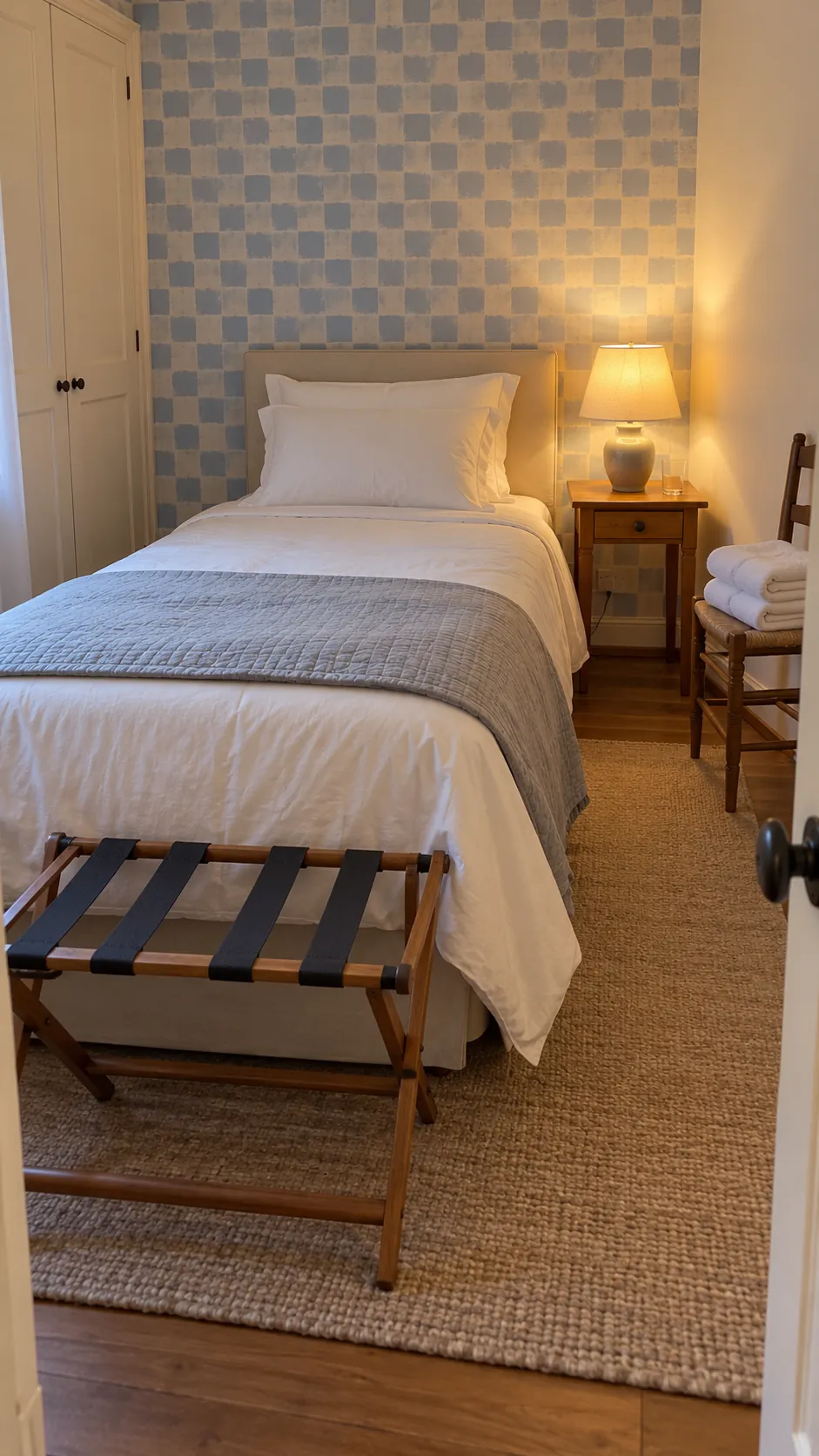
Put a towel where it is easy to find, make room for a bag, and provide a reachable bedside light. Check for a safe accessible outlet rather than running a loose extension cord across the floor. Let guests know which bathroom to use and where they can get drinking water.
Move household storage off the sleeping area without filling the only place a guest can put a suitcase. If the room also serves as an office, secure private papers and explain anything that must stay untouched. A spare blanket and a place to charge a phone are more helpful than a crowded display of decorative pillows.
Add one welcome detail, then walk the route again
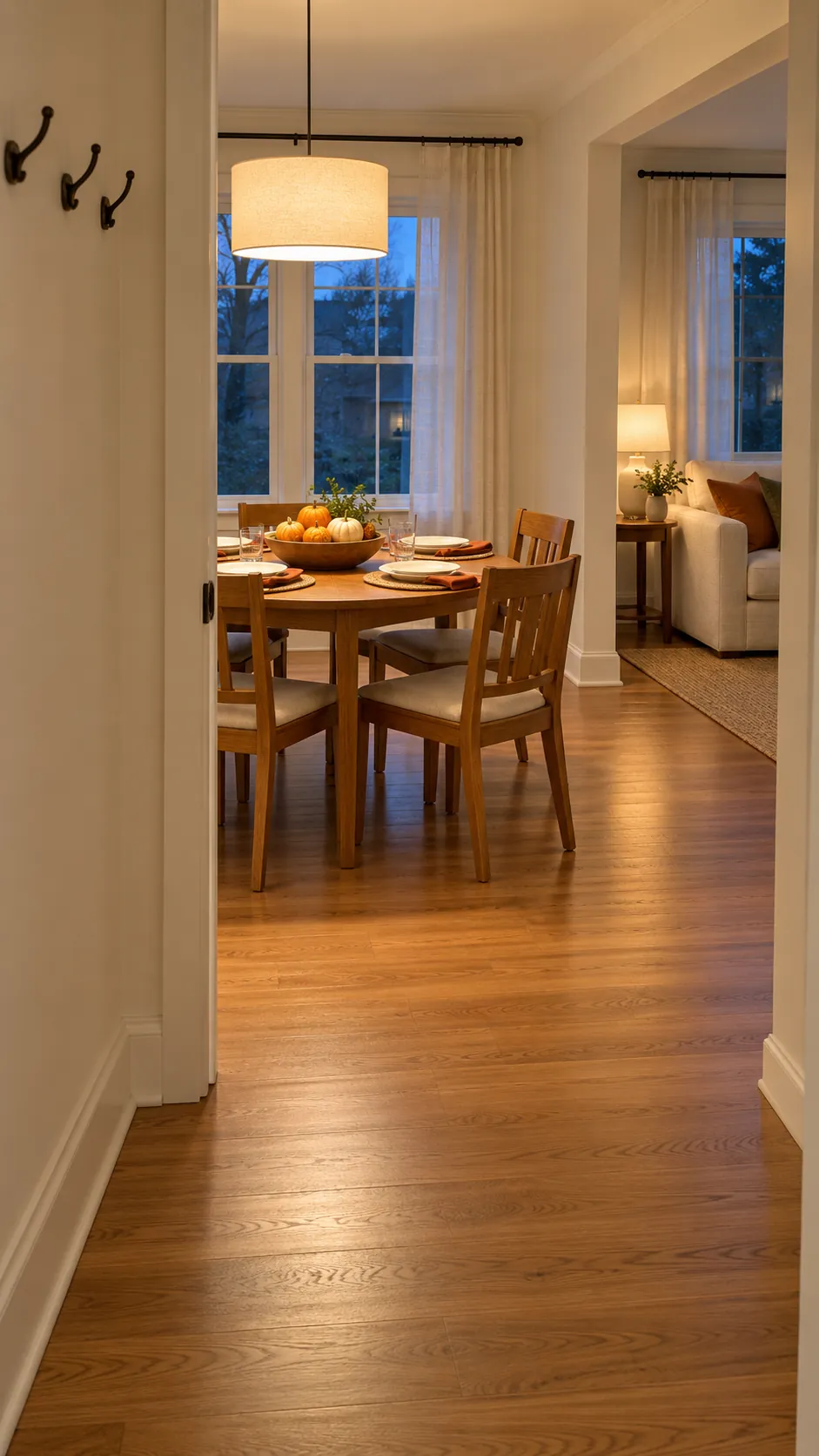
Choose one quick holiday decorating detail after the practical work is finished. A shallow bowl of sound small pumpkins, a few clipped stems in a stable vase, or folded napkins in an autumn color can make the meal space feel considered. Use what you already have rather than beginning a shopping trip or an elaborate craft.
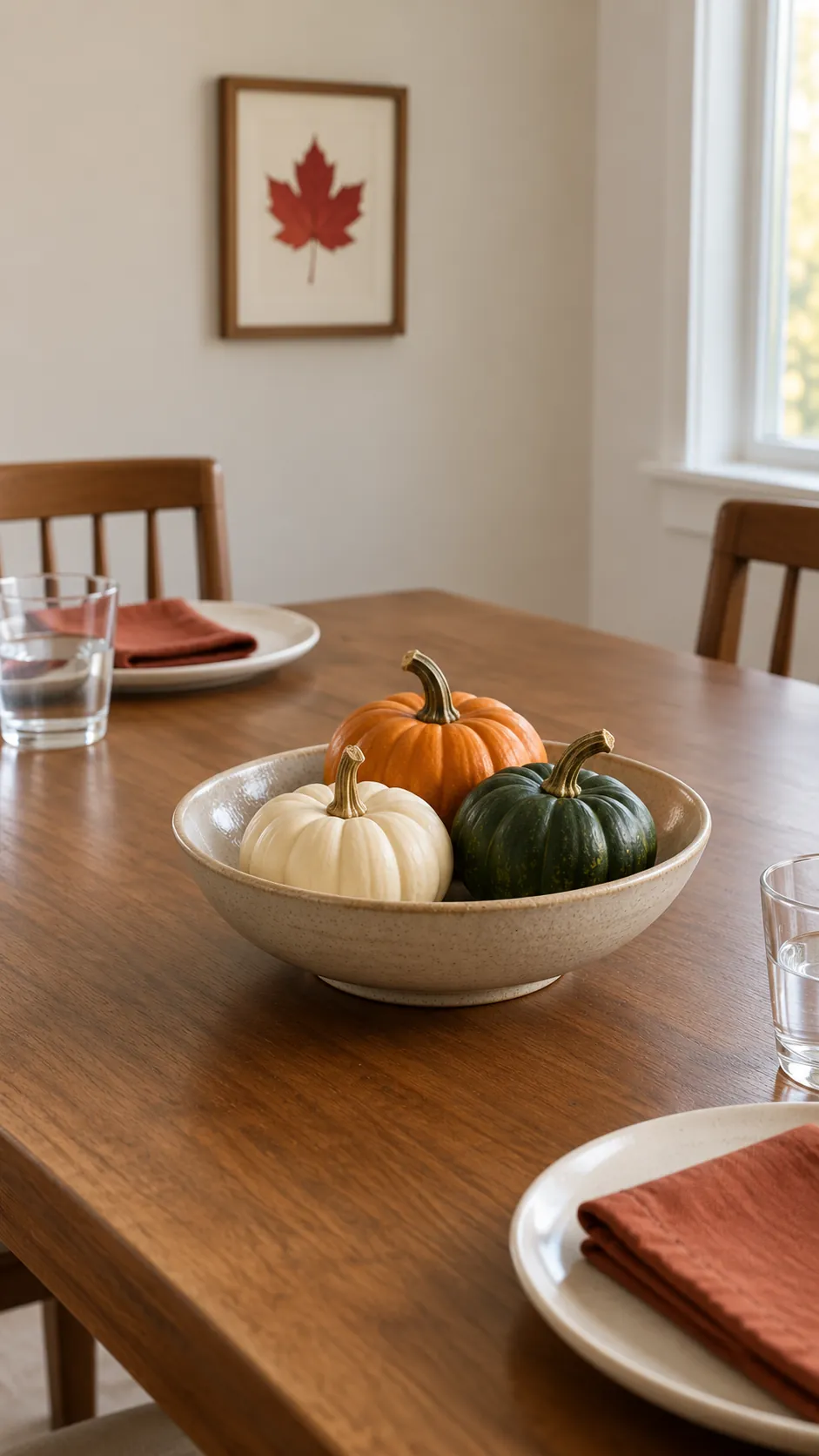
Keep the arrangement below conversation height and away from the serving area. Avoid loose glitter, strong scents near food, and flames beside fabric or dry foliage. A working lamp and a clear table are enough if the decorating time has disappeared.
Walk from the entrance to a seat, to the bathroom, and back again. Check the coat space, soap, light switches, and chair clearance, then set tomorrow’s essential supplies where you can reach them. Close the door to unfinished private rooms if that suits your household. Stop at the time you chose, with the routes usable and the basics ready; rested attention will matter more to your guests than one more polished shelf.