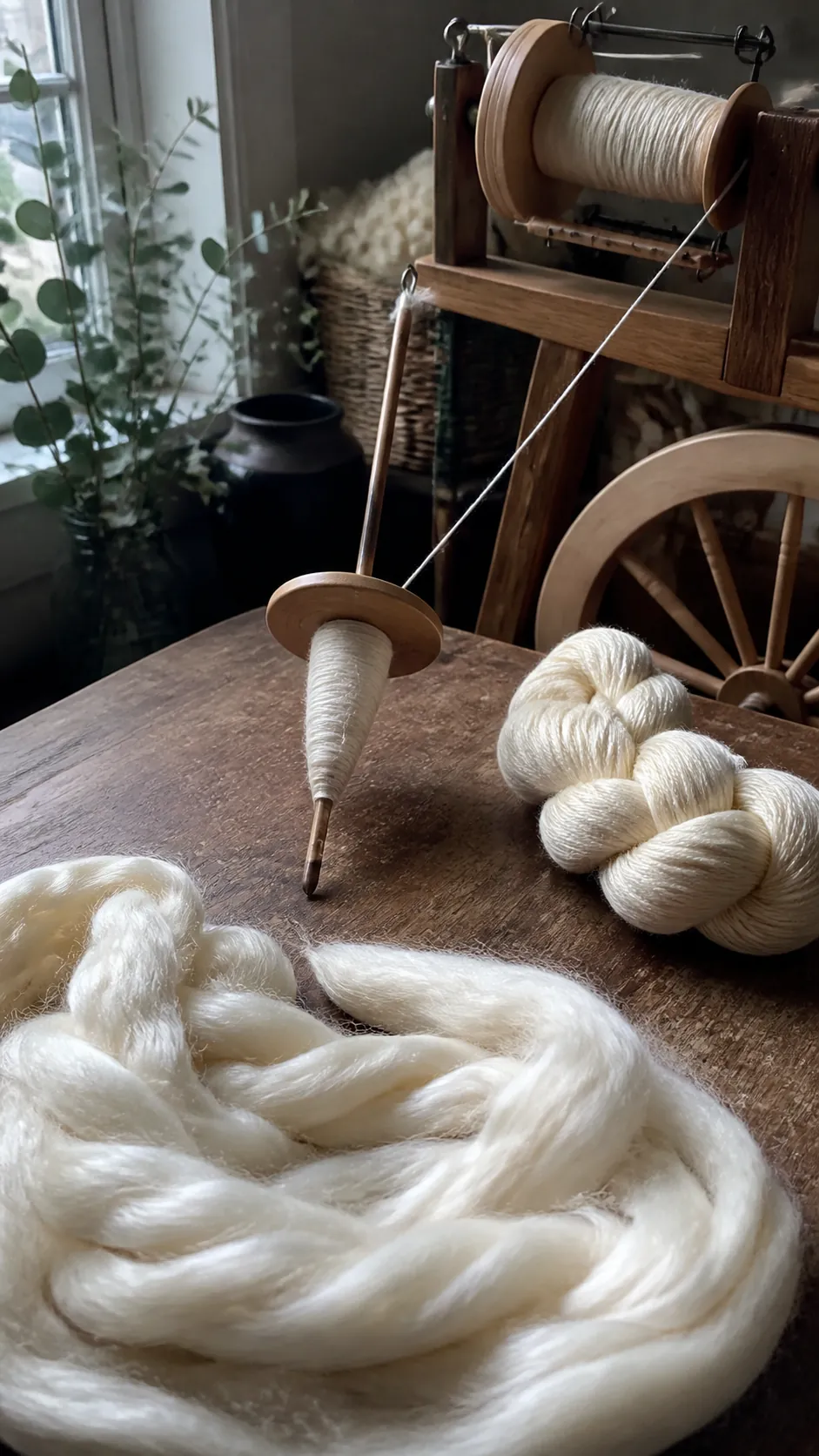
Bamboo top looks invitingly silky, then slips through your fingers faster than wool. The material sold to handspinners is usually regenerated bamboo viscose: fine, smooth staple with little natural crimp. The easiest way to learn how to spin bamboo yarn is to slow the fiber, control the drafting triangle, and let enough twist enter before take-up.
Know What Is in Your Bamboo Roving
Check the seller’s fiber description before setting up your wheel or spindle. Most glossy bamboo fiber roving is combed regenerated cellulose, not mechanically stripped fiber from a culm. Its parallel staple, smooth surface, high density, and lack of crimp make it behave more like viscose or silk than springy wool.
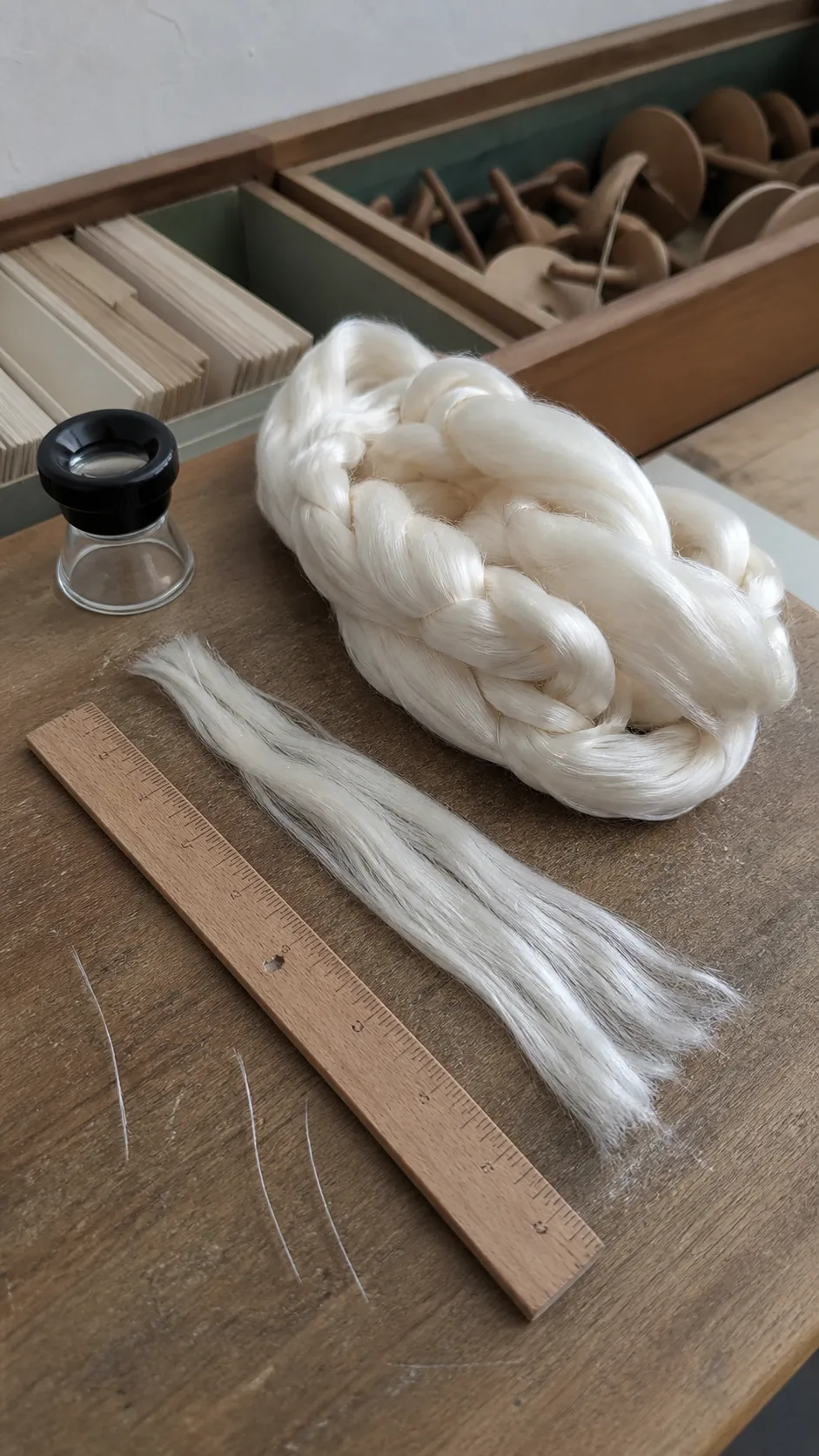
Pull out a few individual fibers and measure their staple length. Keep your hands farther apart than that length so you are not gripping both ends of the same fibers. This simple check prevents the “stuck, then suddenly thin” drafting pattern that frustrates new spinners.
Prepare Small, Manageable Strips
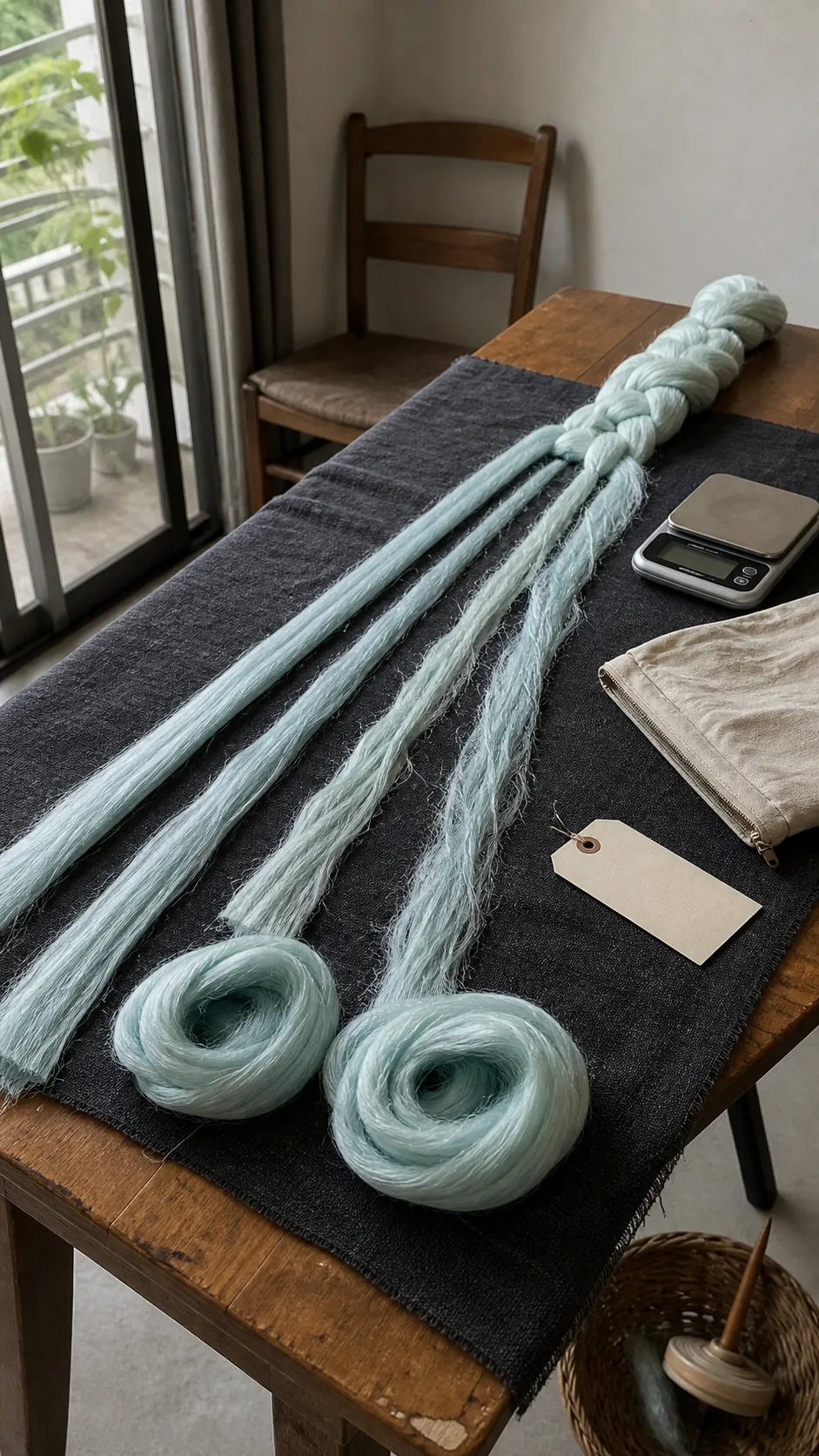
Open the braid gently and divide it lengthwise into narrow strips rather than pulling off dense chunks. Fluff compressed areas with your fingers, but avoid aggressive pre-drafting: loose bamboo can become so slippery that thin sections separate before twist reaches them. A towel or lap cloth keeps the bright fiber from drifting onto the floor.
For a first sample, weigh or set aside a short length and leave the remaining supply bagged. Spin a few yards, stop, and examine the result before committing the whole braid. Sampling makes it cheap to change wheel ratio, spindle weight, drafting distance, or blend percentage.
Start With Park and Draft
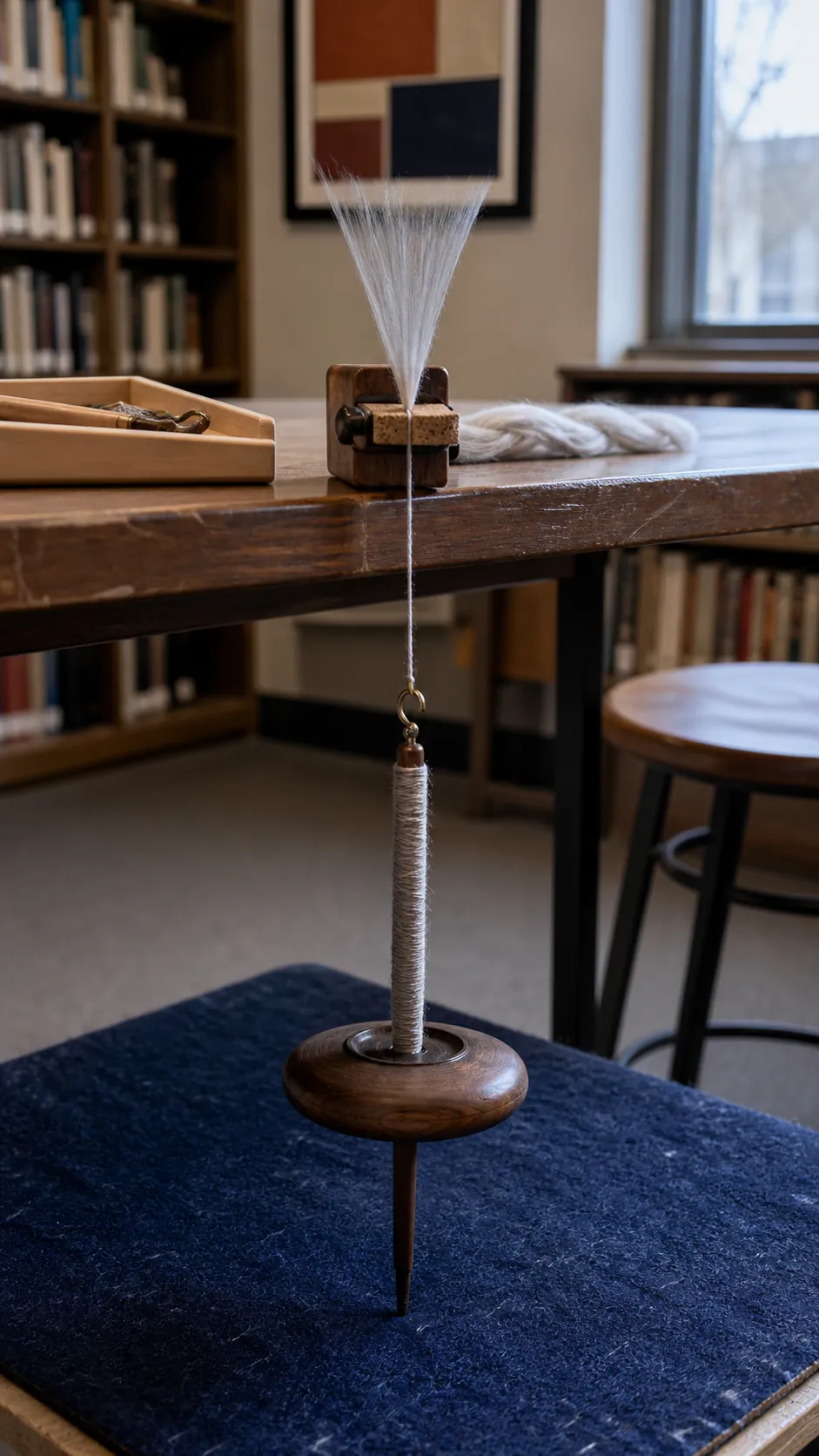
On a drop spindle, add twist to a leader, park the spindle, pinch the twist, and draft a short section of bamboo. Release the pinch gradually so twist runs into the thinned fibers, then wind on. Separating drafting from spindle motion removes the rush that makes slippery fibers escape.
Use a spindle light enough that the new single does not break before it gains strength. If the spindle repeatedly drops, shorten the drafted section or add more twist before releasing your pinch. Once the sequence feels automatic, let the spindle turn while you draft.
Slow the Wheel and Reduce Take-Up
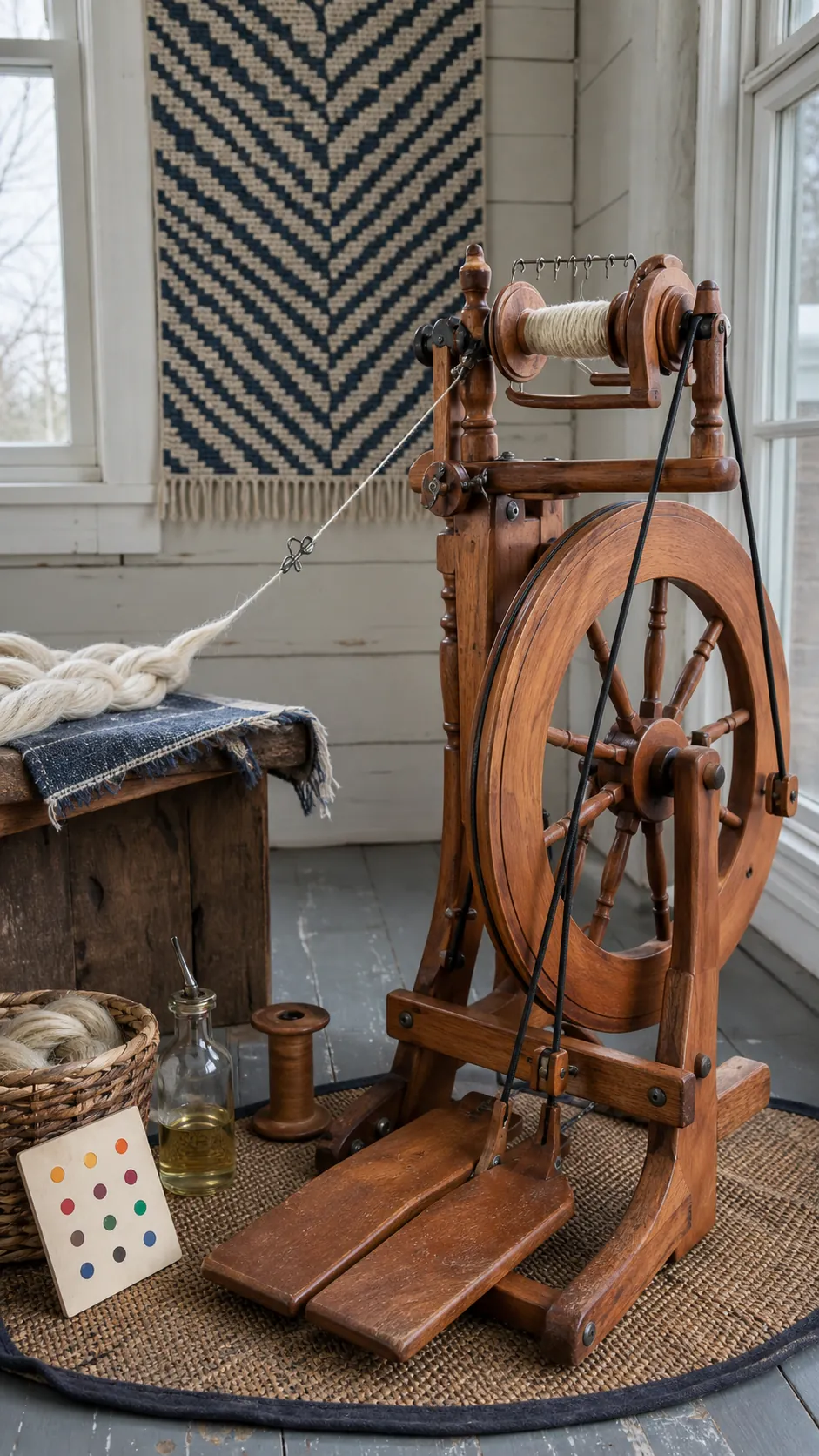
For wheel spinning, begin with a slow treadling rhythm, a moderate ratio, and lighter take-up than you might use for wool. Strong pull can snatch the fine bamboo top through the orifice before the drafting zone is even. Keep the fiber hand relaxed and the forward hand in charge of twist entry.
A short forward draw produces a smooth worsted-style single that suits aligned top. Draft a modest distance, pinch, allow twist in, and feed the completed section onto the bobbin. If a thick patch appears, stop treadling and correct it instead of racing the wheel.
Balance Twist, Thickness, and Ply
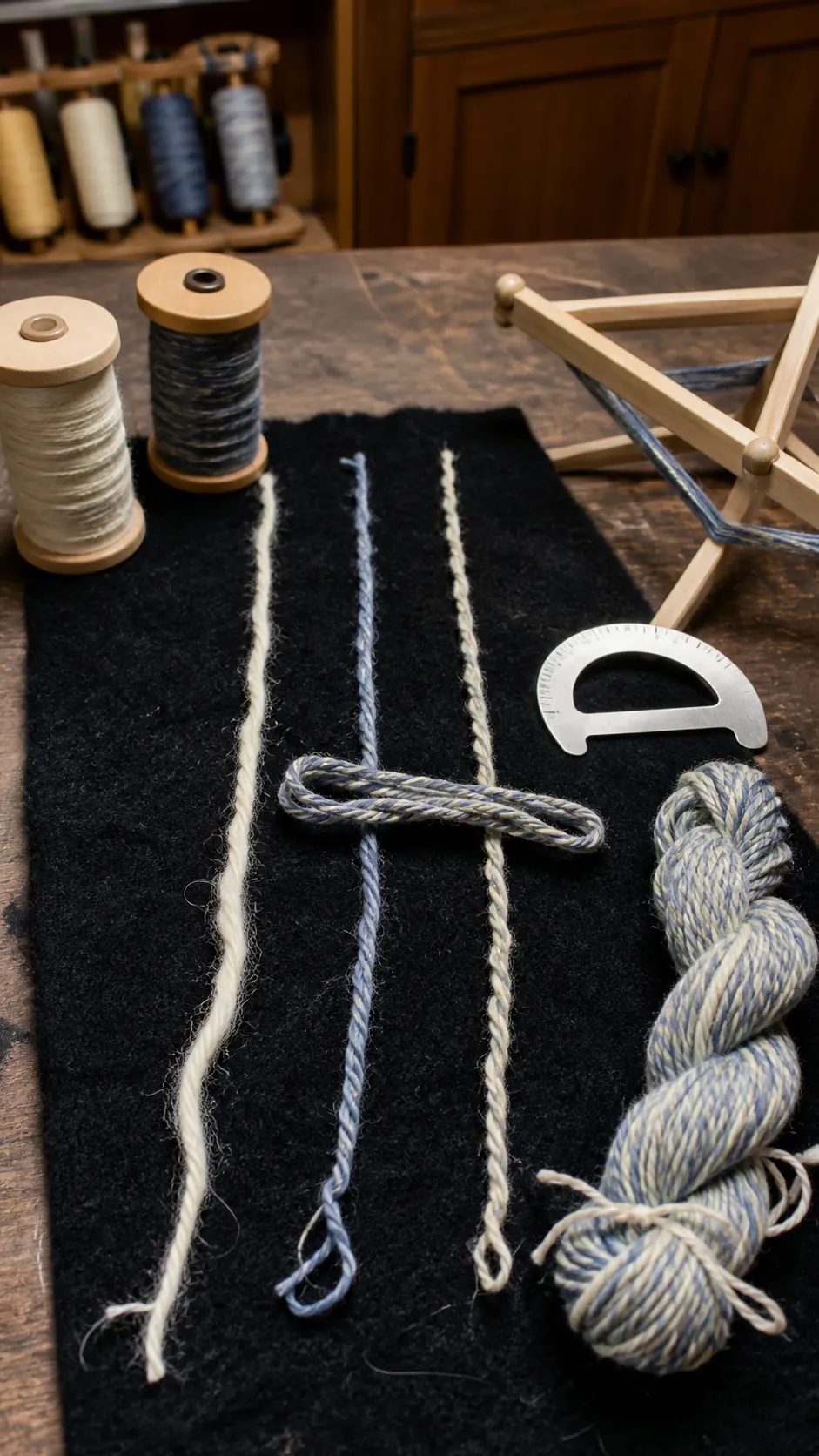
Smooth plant-based fibers need enough twist to create friction, but excessive twist makes the single wiry and can hide bamboo’s drape. Make a folded-back ply sample every few minutes: let a fresh length double on itself, then compare its angle and hand with the yarn you want. Record the wheel ratio and treadling rhythm that produced the best sample.
Two-ply yarn is forgiving because plying redistributes minor inconsistencies and adds abrasion resistance. Rest the singles, ply in the opposite direction, and add only enough ply twist for a coherent balanced strand. A finished skein that hangs without a violent corkscrew is a more useful guide than counting turns alone.
Blend Bamboo for an Easier, More Useful Yarn
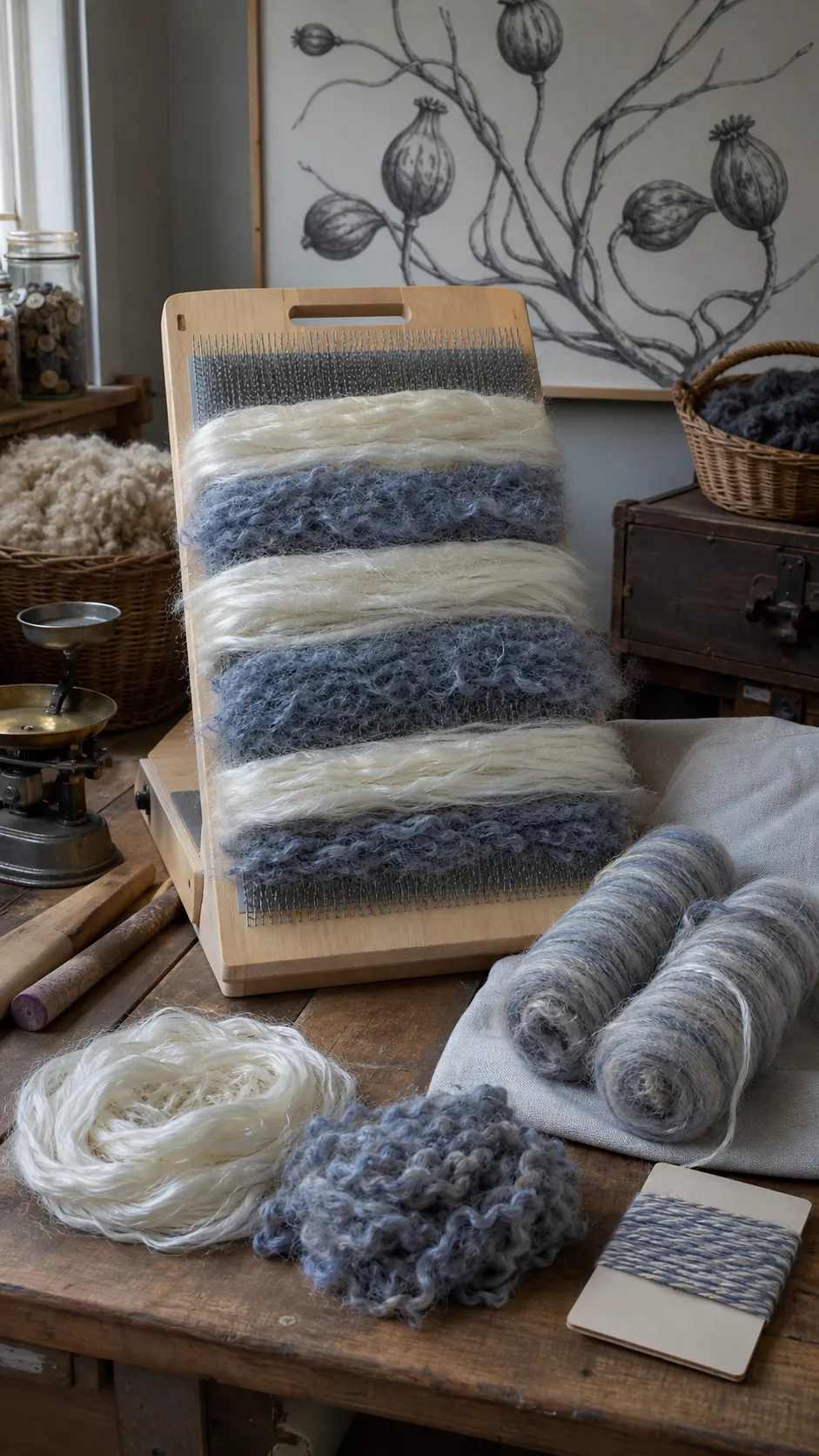
If pure bamboo keeps sliding apart, blend it with a crimpy wool that supplies grip and elasticity. Start with roughly 20–30 percent bamboo, make small repeatable layers on hand cards or a blending board, and spin a sample before increasing the proportion. Cotton can also work, but it does not add wool’s bounce.
Bamboo contributes sheen, softness, weight, and fluidity, while the partner fiber changes memory and structure. Keep written blend ratios so a successful bobbin can be repeated. The goal is not maximum bamboo content; it is a stable sustainable yarn that fits the intended cloth.
Finish the Skein Without Rough Handling
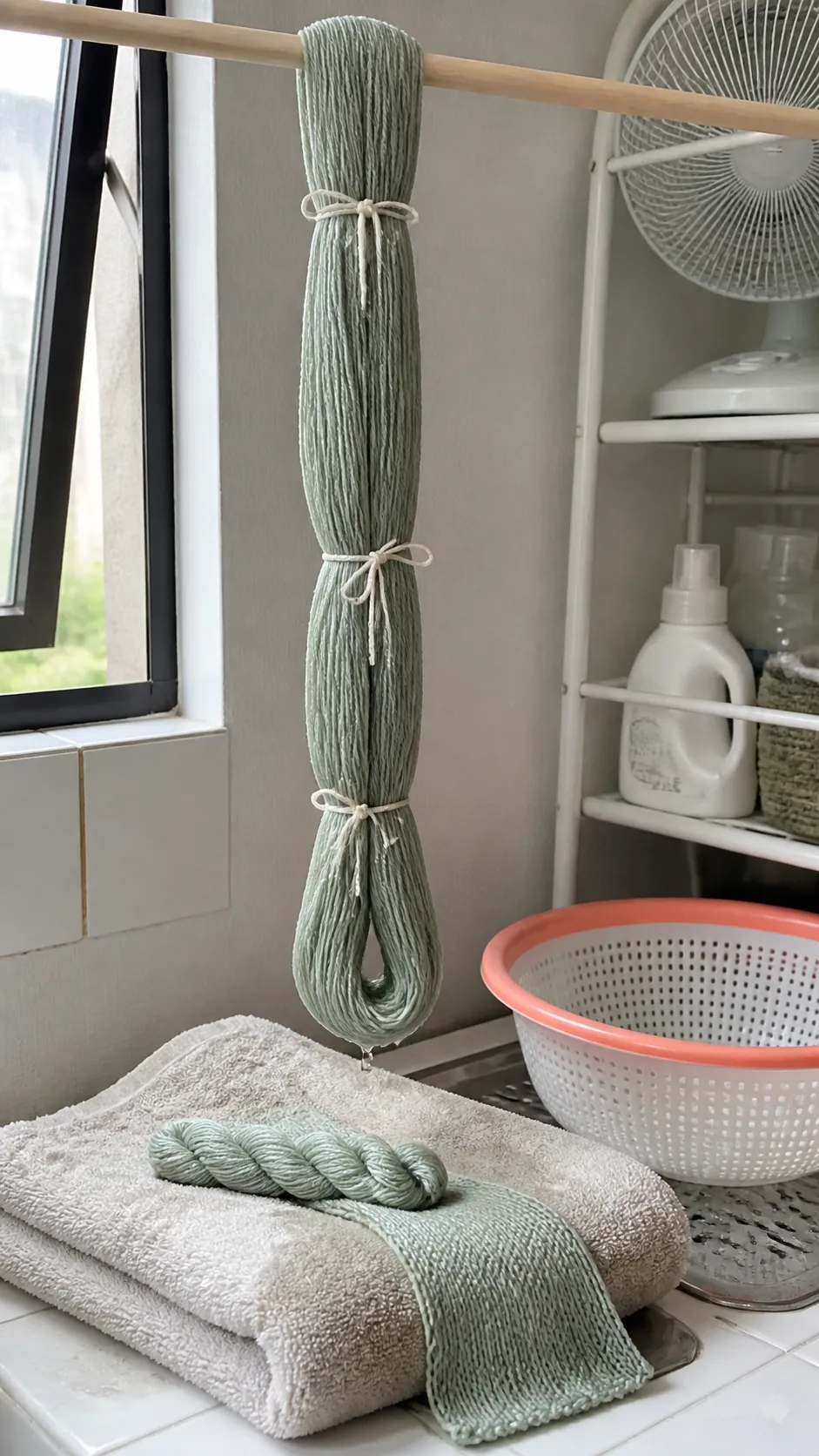
Wind the plied yarn onto a niddy-noddy, secure it with several loose figure-eight ties, and wash it in lukewarm water with a small amount of gentle cleanser. Support the wet skein because regenerated cellulose can be more vulnerable when saturated. Press water out in a towel instead of twisting or wringing.
Hang the skein where air can circulate, with little or no weight unless a sample shows that weighting improves the result. After drying, judge balance, softness, abrasion, and drape before planning a project. Controlled hands and patient sampling matter more than speed when turning slippery bamboo top into dependable handspun yarn.