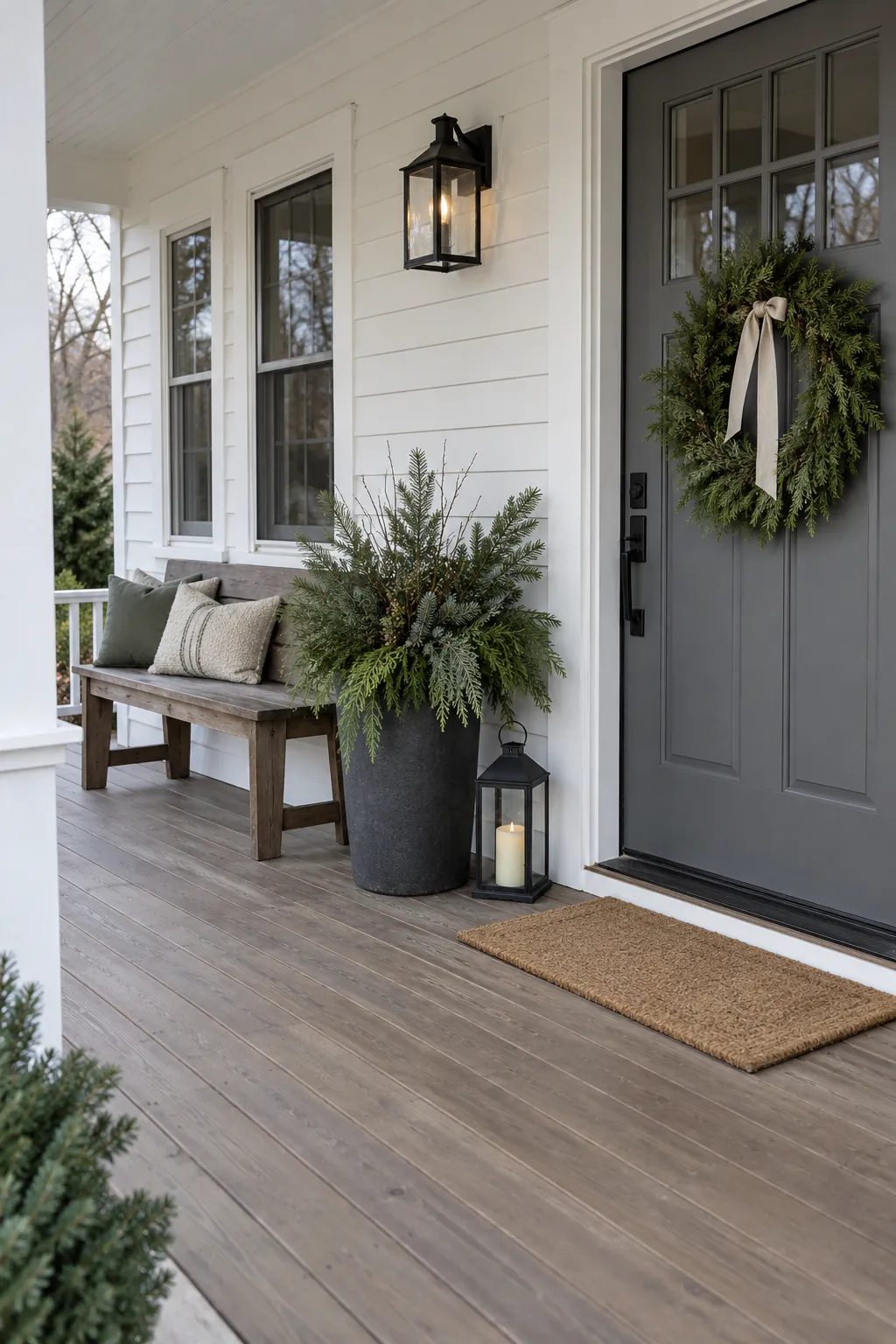
The end of pumpkin season does not make every porch piece obsolete. Your containers, seating, and lanterns may already provide the structure you need, while the flowers and loose accents are ready to change. Keep what can handle the coming weather, then make a small number of deliberate swaps.
Keep the Structure and Remove the Short Lived Accents
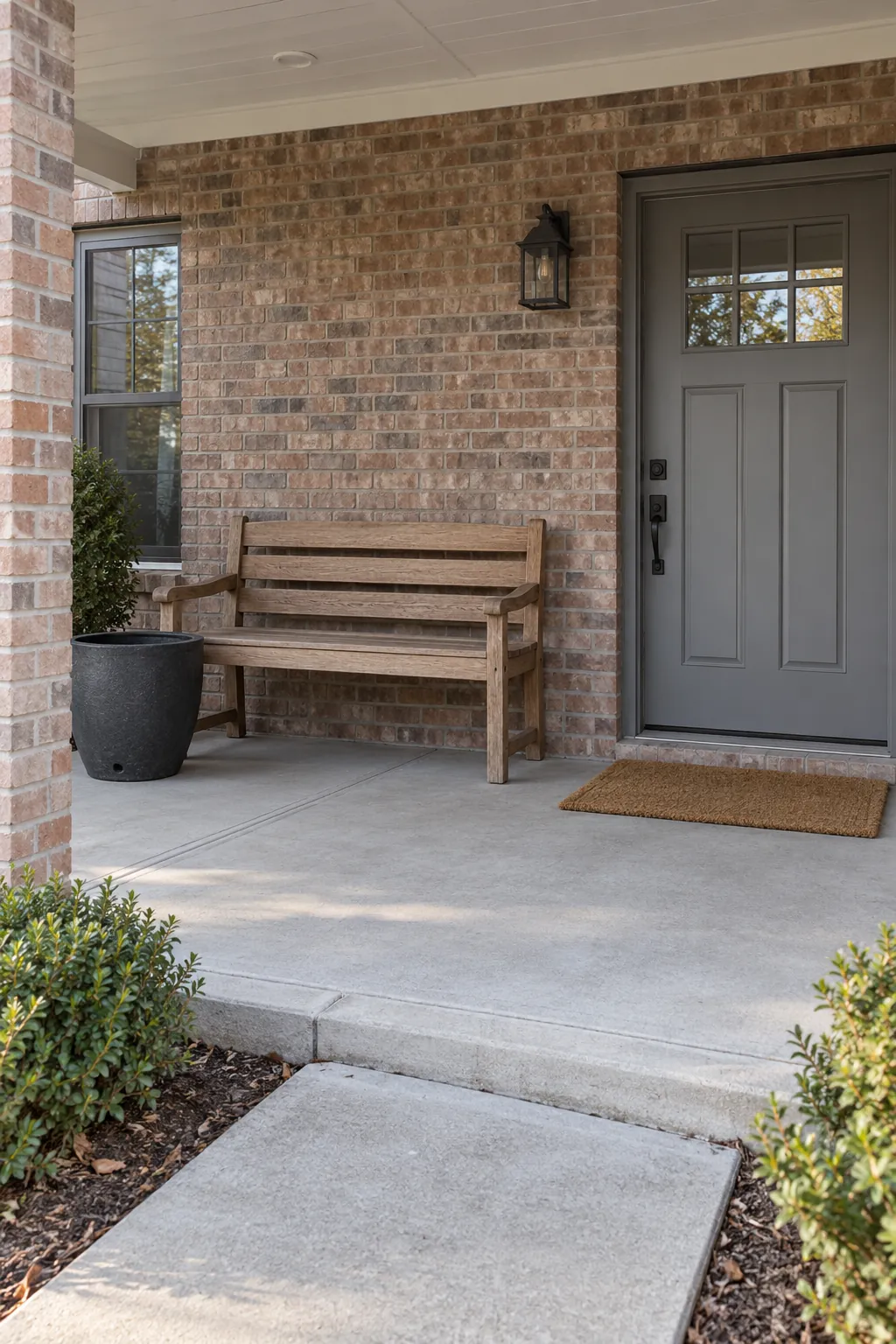
Start with the pieces that already work: sound outdoor planters, a usable bench, sturdy lanterns, and a plain doormat. Remove soft pumpkins, faded annuals, loose leaves, and anything that has become damp or damaged. This separates the porch’s useful structure from the seasonal material that needs attention.
Check each container’s cold weather guidance before leaving it outside. A planter that tolerates rain may still crack when retained water freezes. Bring unsuitable containers into protected storage, and keep only pieces rated for the conditions your porch will face.
Change the Planter Insert Rather Than the Whole Container
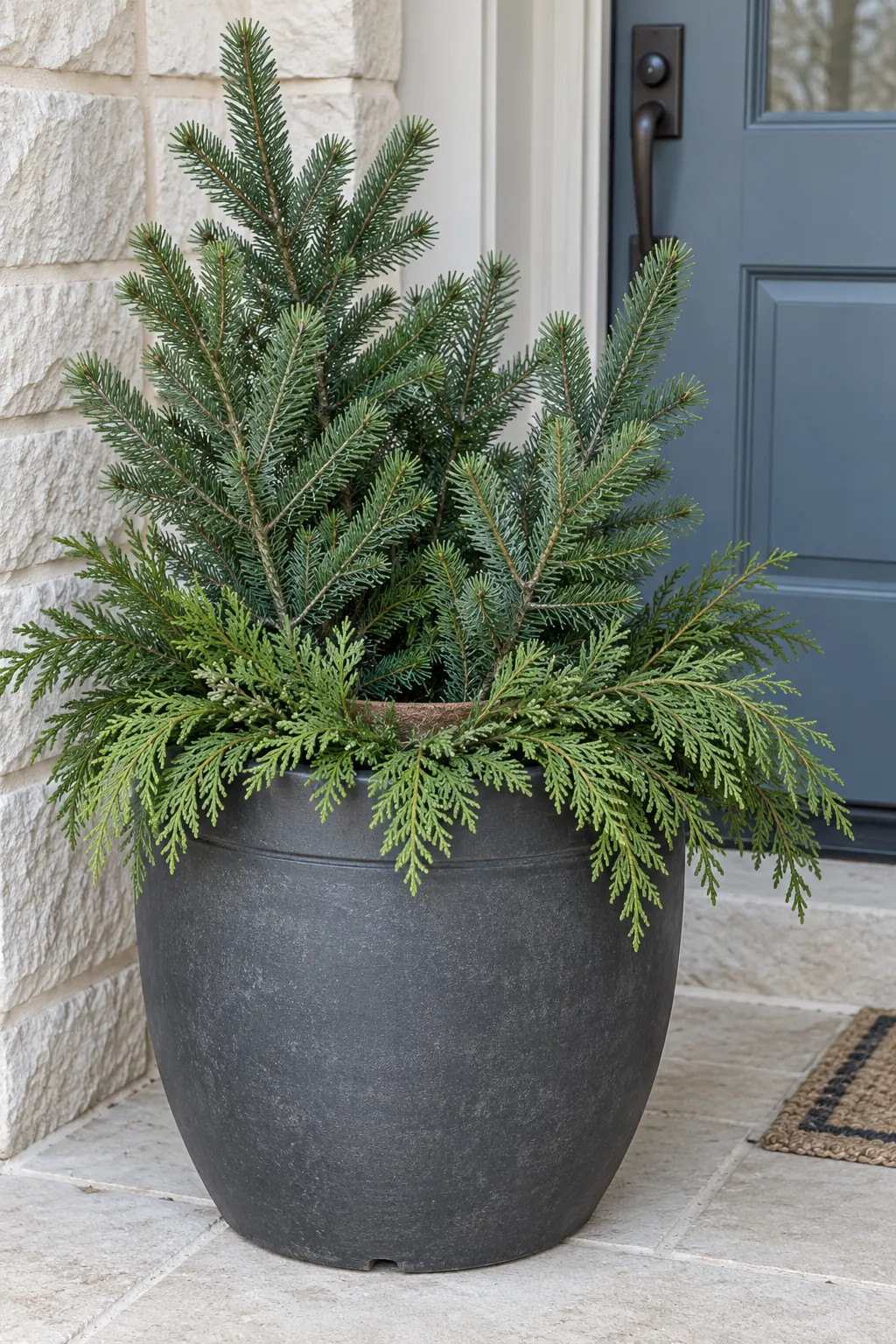
If the outer planter is suitable for winter, replace its fall display with a removable insert of cut evergreen branches or outdoor rated artificial greenery. Cut stems are decorative material, not a living shrub, and they will eventually dry or shed. Arrange a few taller branches at the back and shorter greenery around the rim so the doorway stays clear.
Use an insert that fits securely and lets drainage work according to the container’s design. Do not seal a pot full of water before freezing weather. Check cut greenery regularly, keep it away from ignition sources, and replace dry pieces instead of hiding them under another layer.
For a living evergreen, choose a plant and winter care plan suited to your local climate and container conditions. A hardy garden plant can be more exposed in a pot than in the ground. Ask a local nursery about the specific species rather than assuming every small evergreen can stay on a porch all winter.
Reuse Lanterns After a Practical Weather Check
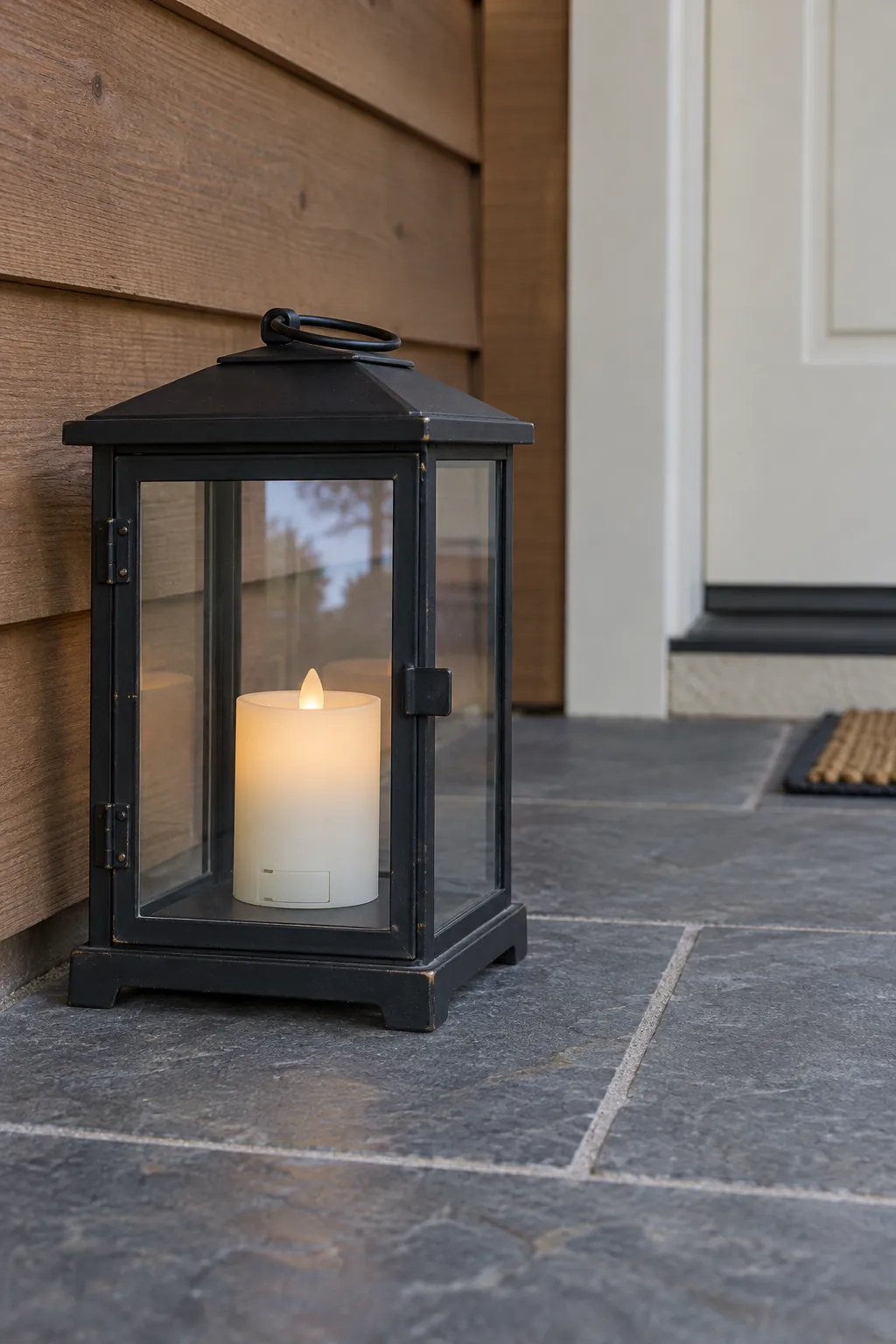
Clean lantern glass and check hinges, seals, and the battery compartment before carrying reusable outdoor lanterns into the winter arrangement. Follow the product’s exposure and operating temperature guidance, because a roof does not remove cold or wind driven rain. Replace a failing accessory rather than treating a decorative housing as weather protection.
Keep a battery candle in a stable lantern away from dry greenery and the walking route. Leave space around the base to sweep leaves and inspect for pooled water. If your porch gets ice or drifting snow, move the lantern to a more protected location or bring it inside.
Use a Neutral Palette Before Adding Holiday Color
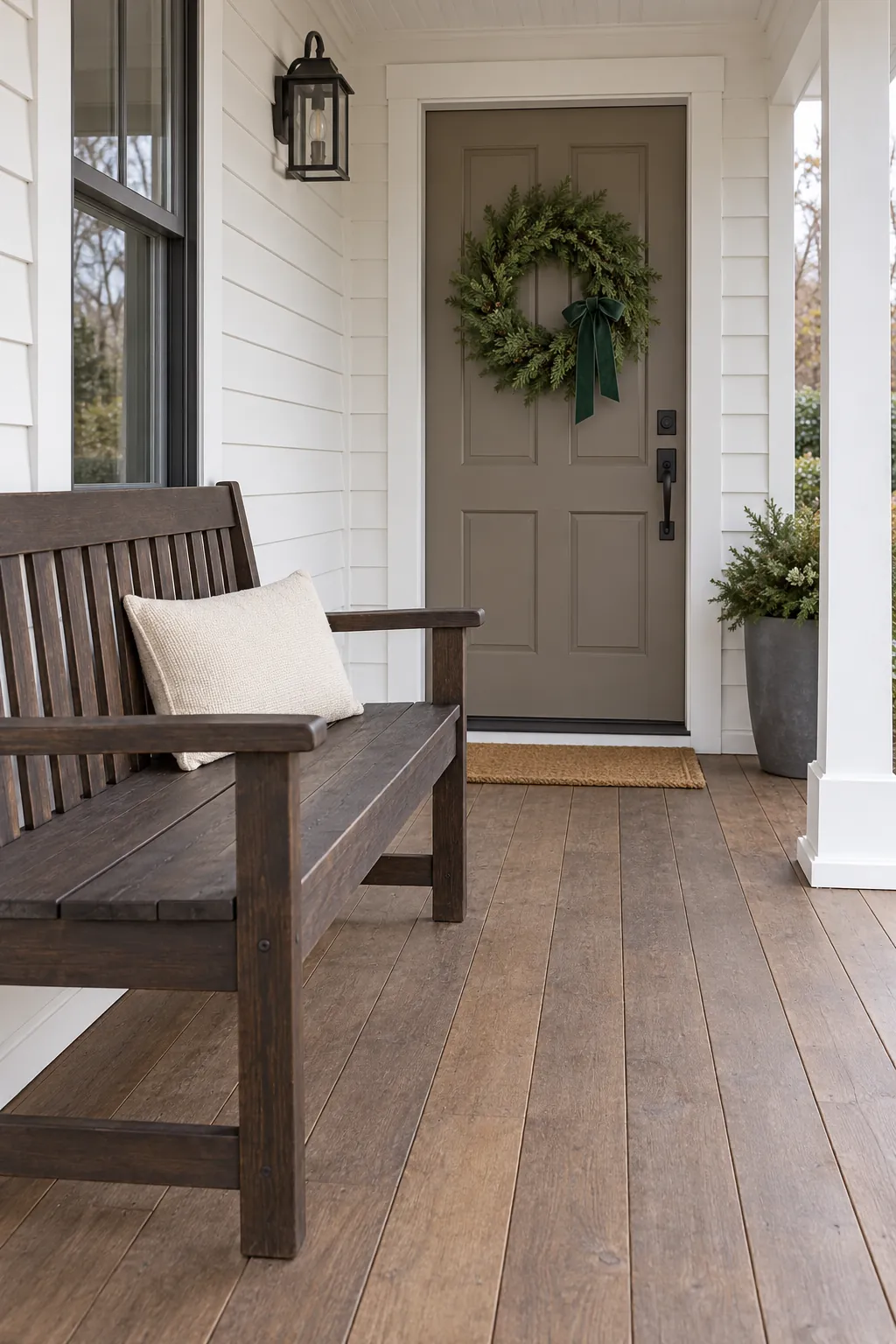
Cream, charcoal, natural wood, and evergreen foliage can carry the entry through November without forcing a holiday theme. Replace an orange ribbon with a plain cream or deep green one, and let existing wood or metal provide the other colors. Choose outdoor suitable fabric and remove it when it becomes damp.
Leave some empty space between the bench, planter, and door. A seasonal porch transition feels more deliberate when the useful shapes stay visible instead of being buried under every winter accent at once. You can add a small holiday detail later without rebuilding the whole arrangement.
Store Fall Pieces Clean and Dry
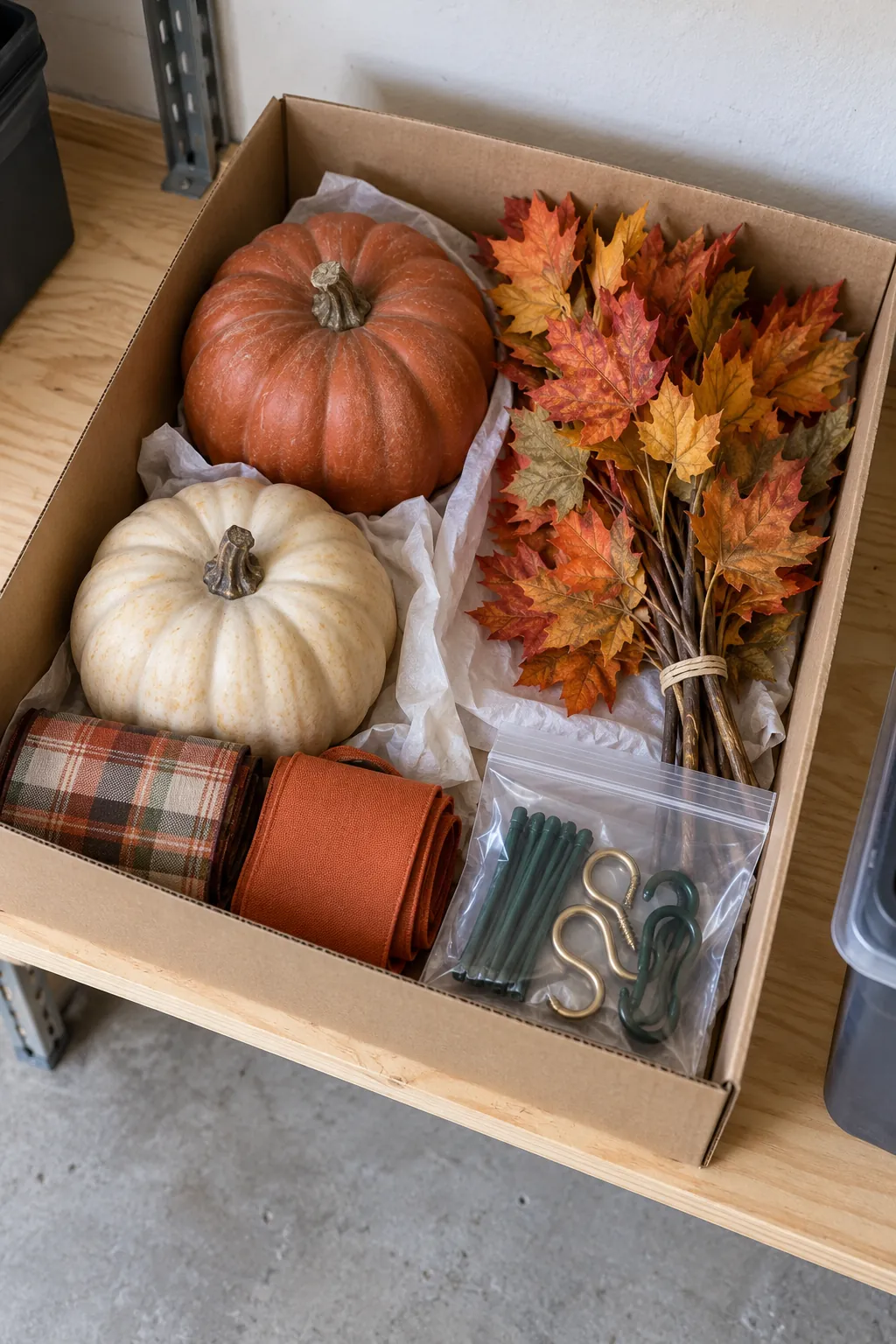
Clean reusable faux pumpkins and foliage according to their material instructions, then let them dry fully before closing a storage box. Keep delicate stems in a shallow container or supported bundle so heavier objects do not crush them. Put hardware and ribbons together with the item they belong to, making the next autumn setup easier.
Check living plants separately from the decor. Identify each plant, inspect it for pests before moving it near indoor plants, and choose storage or overwintering conditions appropriate to that species. A dark garage that works for empty containers may be unsuitable for a growing plant.
Take one photo of the useful base arrangement before packing the seasonal pieces. Save it with a short note about which planter fits the insert and where the attachment hardware is stored. That record is more useful than keeping damaged decorations because you might need them someday.
Finish With a Clear Route and a Maintenance Routine
Walk from the steps to the door with a bag in each hand and check whether the new arrangement narrows the route. Keep door swing space, handrails, house numbers, and access to the mat unobstructed. Move planters away from places where you normally clear snow or track water indoors.
Check drainage, attachments, and greenery after rough weather, and sweep loose needles before they collect under the mat. Bring movable pieces inside when the forecast calls for conditions beyond their intended use. Keeping the useful base is worthwhile only if the porch remains easy to enter and care for.