
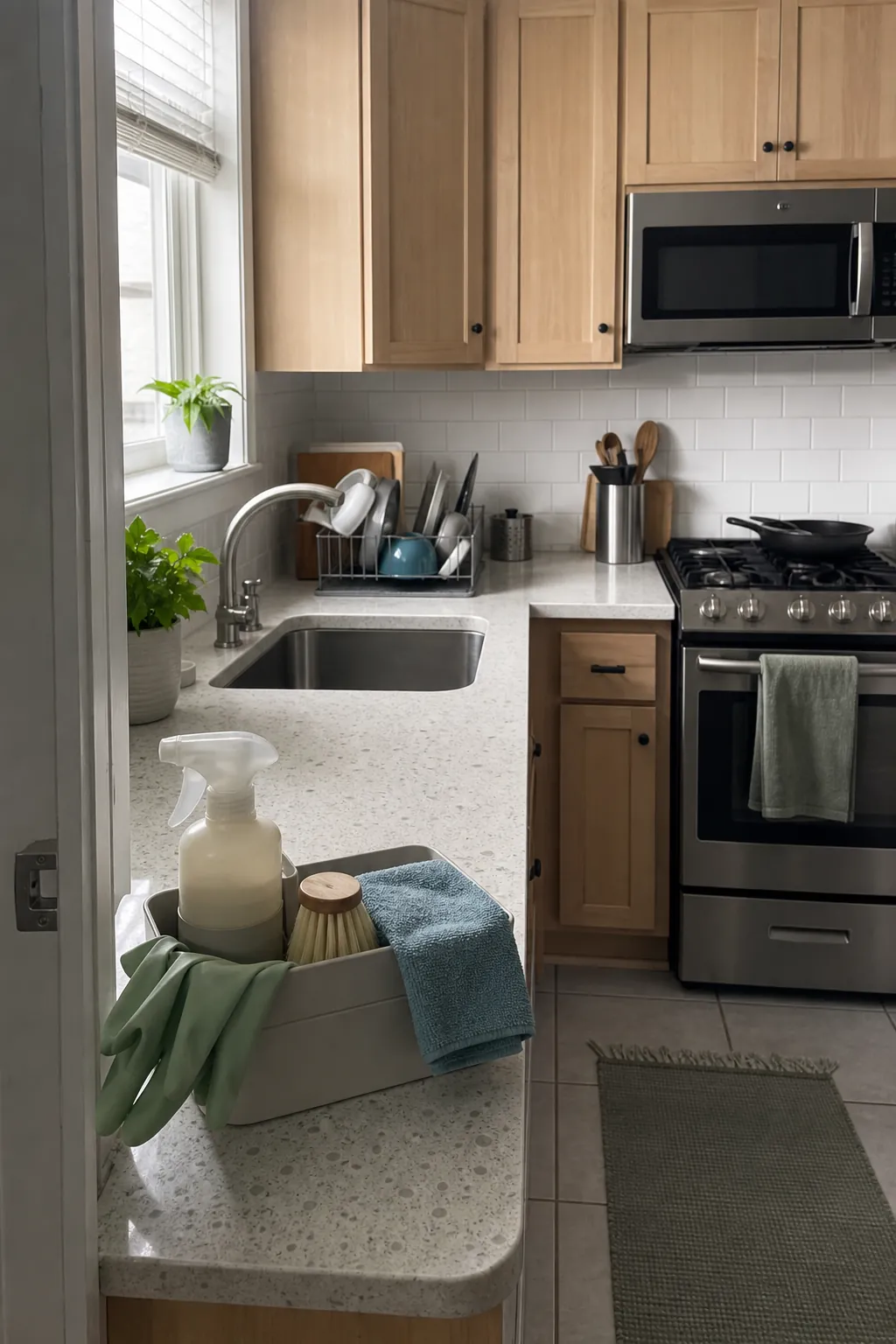
The kitchen becomes overwhelming when dishes, food, grease, crumbs, and decisions all compete for the same counter. The best kitchen cleaning hacks reduce the number of things you handle twice: clear one landing zone, work from cleanest to dirtiest, let the right product dwell, and finish with a reset that makes tomorrow easier.
Safety comes first. Never mix bleach with vinegar, ammonia, acids, or another cleaner. Read appliance and surface care directions, ventilate, and keep chemicals away from food. Cleaning removes soil; sanitizing is a separate step used when needed on an already clean, compatible food-contact surface.
Clear one counter before you clean anything
Start with trash, dishes, and food that belongs in the refrigerator. Put misplaced objects into one temporary basket instead of leaving the room repeatedly. Clear a single counter completely; it becomes the clean landing zone for items from the next section. This is declutter help with a boundary, not a surprise whole-house project.
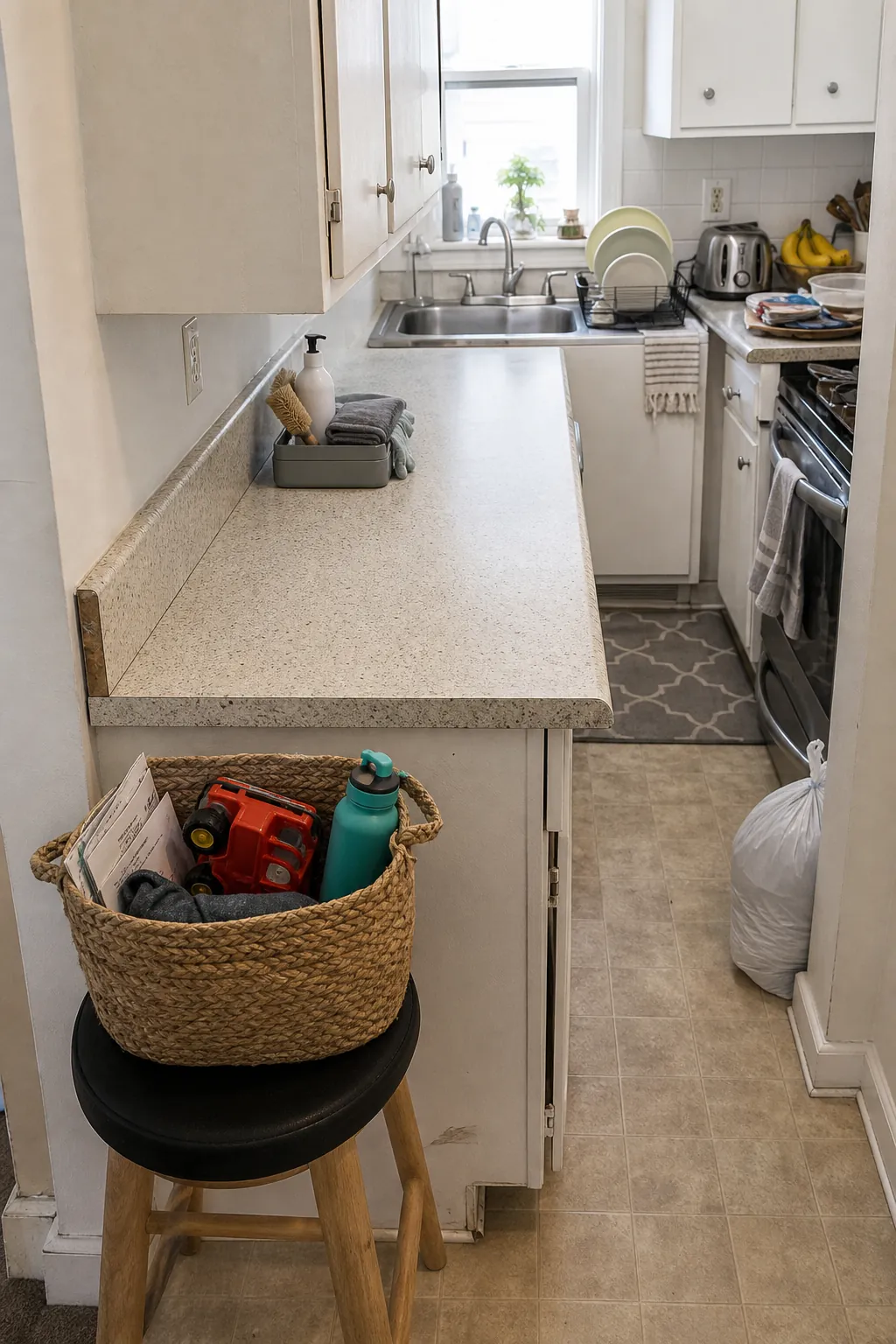
Limit the tools to gloves, two microfiber cloths, dish soap, a soft brush, and one surface-approved cleaner. Extra bottles create more choices and more risk. Work clockwise in small zones so unfinished areas remain obvious.
Soften grease before scrubbing painted cabinets
Grease near the stove attracts dust until it becomes sticky. Test a hidden spot first. For many washable finishes, a lightly damp cloth with warm water and a little dish soap is the safest starting point. Apply it to the cloth rather than flooding seams, allow brief contact, and wipe with the grain or finish direction. Follow with a clean damp cloth and dry immediately.
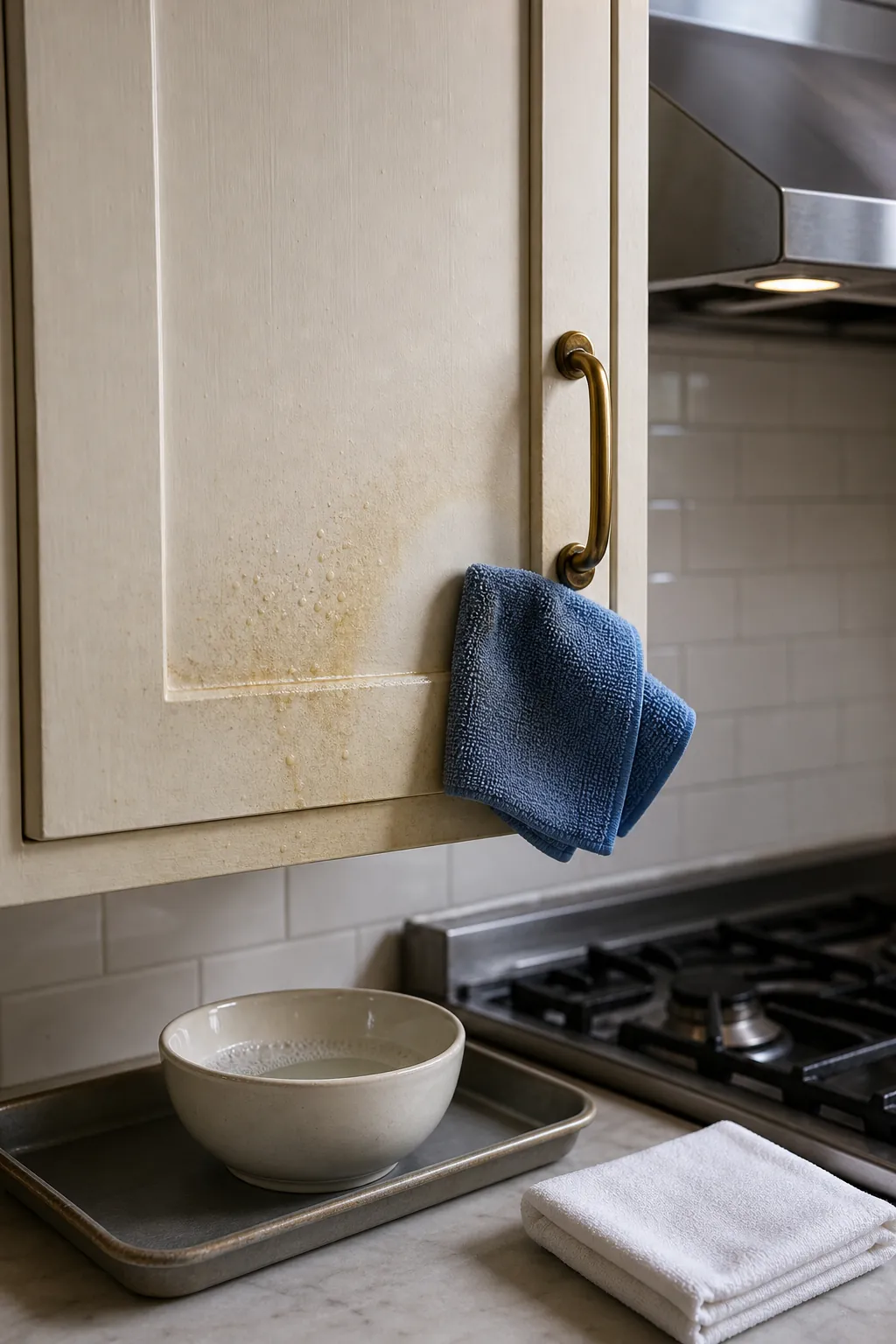
Avoid abrasive pads and aggressive degreasers on unknown paint, veneer, waxed wood, or specialty finishes. Sticky residue that survives a gentle pass calls for the cabinet maker’s guidance, not escalating random cleaning hacks tips and tricks.
Use dwell time on the cooktop and hood
Wait until appliances are cool. Remove grates, burner caps, or filters only as the manual allows. Lay a warm, damp, soapy cloth over softened splatter for a few minutes, then lift residue with a non-scratch tool approved for the surface. Wipe controls rather than spraying them directly.
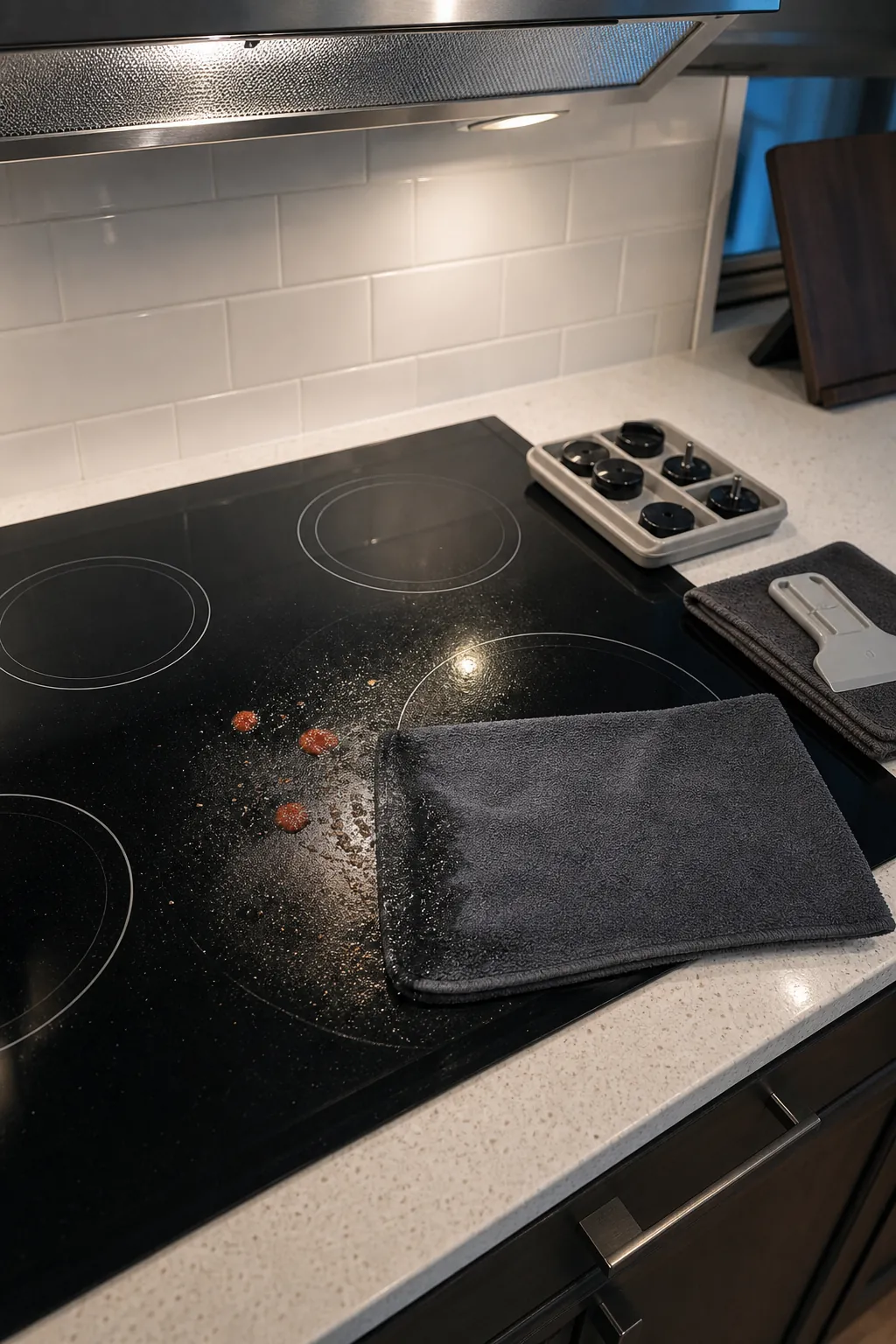
Clean the range hood exterior from bottom to top to control streaks, then finish top to bottom. Wash or replace the filter on its prescribed schedule. A loaded filter redistributes greasy dust around the room, making cabinets seem impossible to keep clean.
Clean first, then sanitize food-contact surfaces
Wash counters, boards, knives, and sink areas with soap and water to remove food and grease. After raw meat contact or another contamination risk, use a sanitizer labeled for that food-contact material, following its dilution, dwell, rinse, and air-dry directions. Never spray chemicals near uncovered food.

Do not wash raw meat or poultry in the sink; splashing can spread germs to faucets, counters, and utensils. Wash hands, use separate equipment, and launder or replace contaminated cloths. A cleaning aesthetic is not the same as food safety.
Rotate one appliance interior each week
Trying to deep clean the kitchen, refrigerator, oven, microwave, dishwasher, and pantry in one day creates burnout. Rotate. Wipe microwave splatter this week, refrigerator shelves next week, then oven or dishwasher according to the manual. Keep cold food out only briefly and discard anything unsafe or expired.
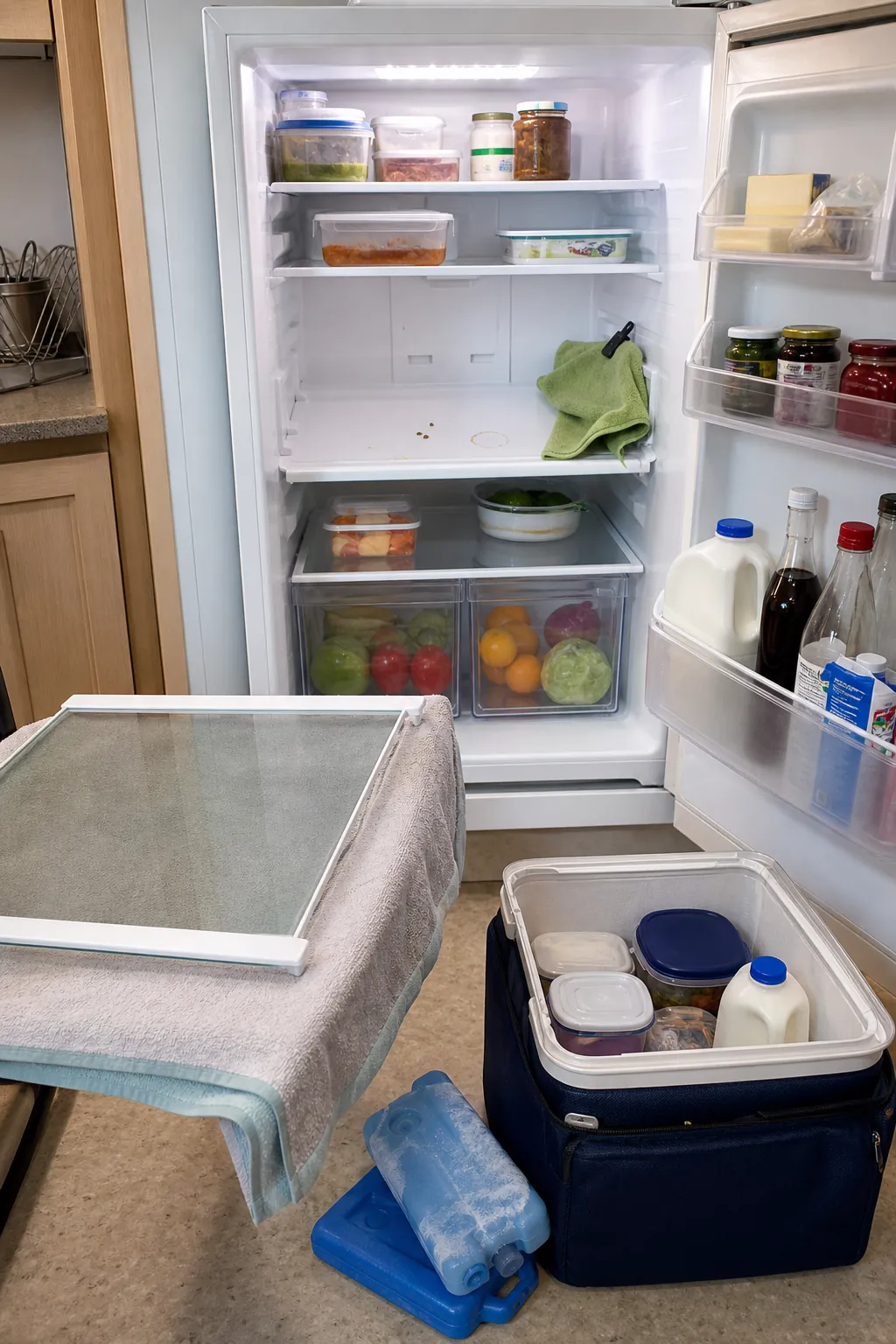
Clean crumbs from seals and hinges with a soft brush, never a sharp tool. Vacuum refrigerator coils only when the manufacturer permits and the appliance is safely disconnected. Small scheduled work beats a heroic annual rescue.
Finish low and reset for tomorrow
Sweep or vacuum after counters so crumbs fall only once. Mop with a product approved for the flooring and keep water away from vulnerable seams. Return only daily-use items to the counter; store duplicates, donate usable extras, and discard broken tools.
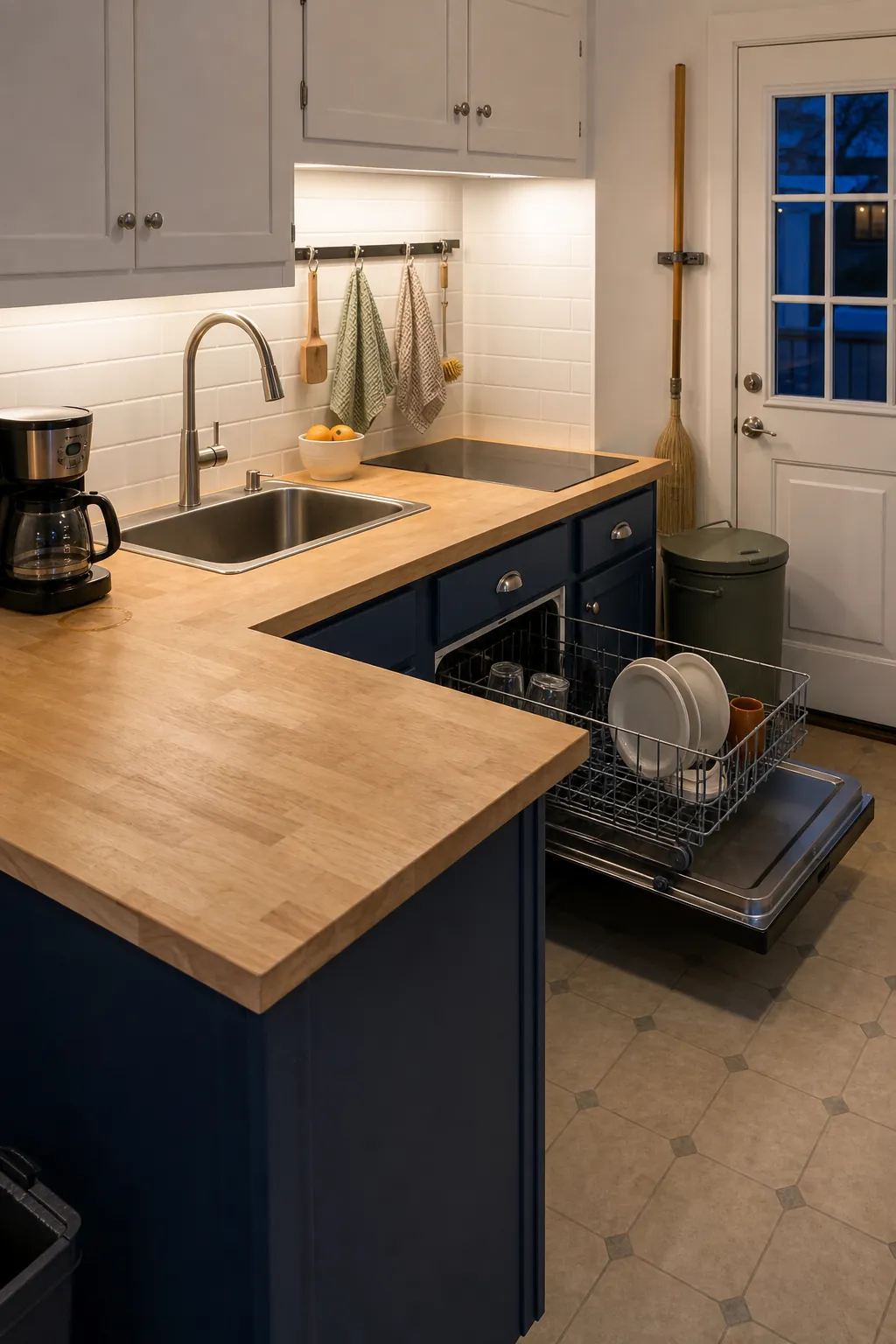
The nightly reset is short: load or wash dishes, wipe the prep zone and cooktop, clear the sink, hang cloths to dry, take out food waste when needed, and sweep visible crumbs. A kitchen that starts the morning ready for breakfast needs fewer deep cleaning hacks because yesterday’s residue never gets a chance to harden.