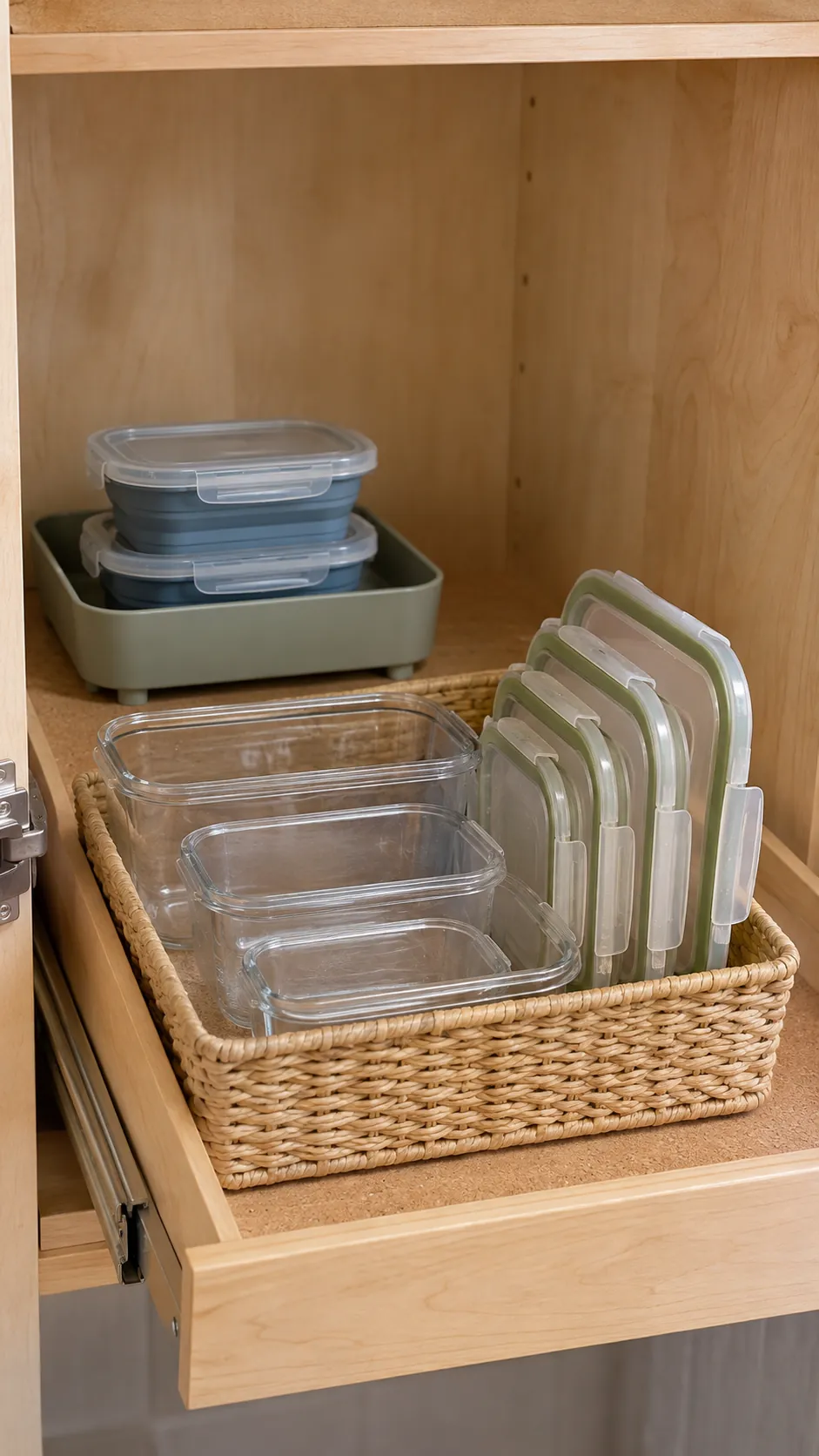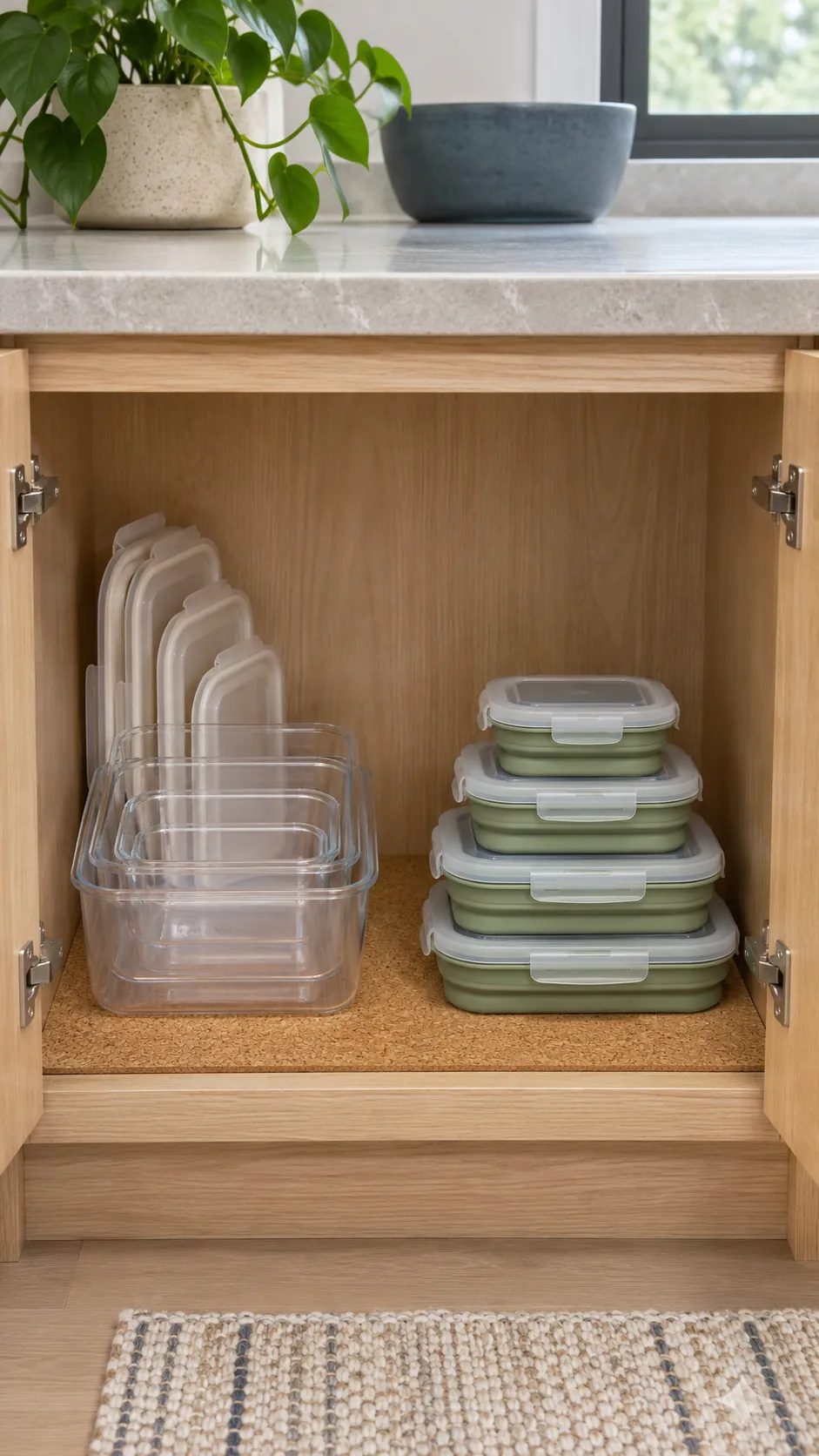
A container that looks compact on a product page can still waste cabinet space once its lids, awkward shapes, and drying needs enter the kitchen. The useful question is not which design becomes smallest in isolation. It is which set stays compact after repeated meals, washing, drying, and hurried cleanup.
Choose Nesting Containers for Daily Reliability
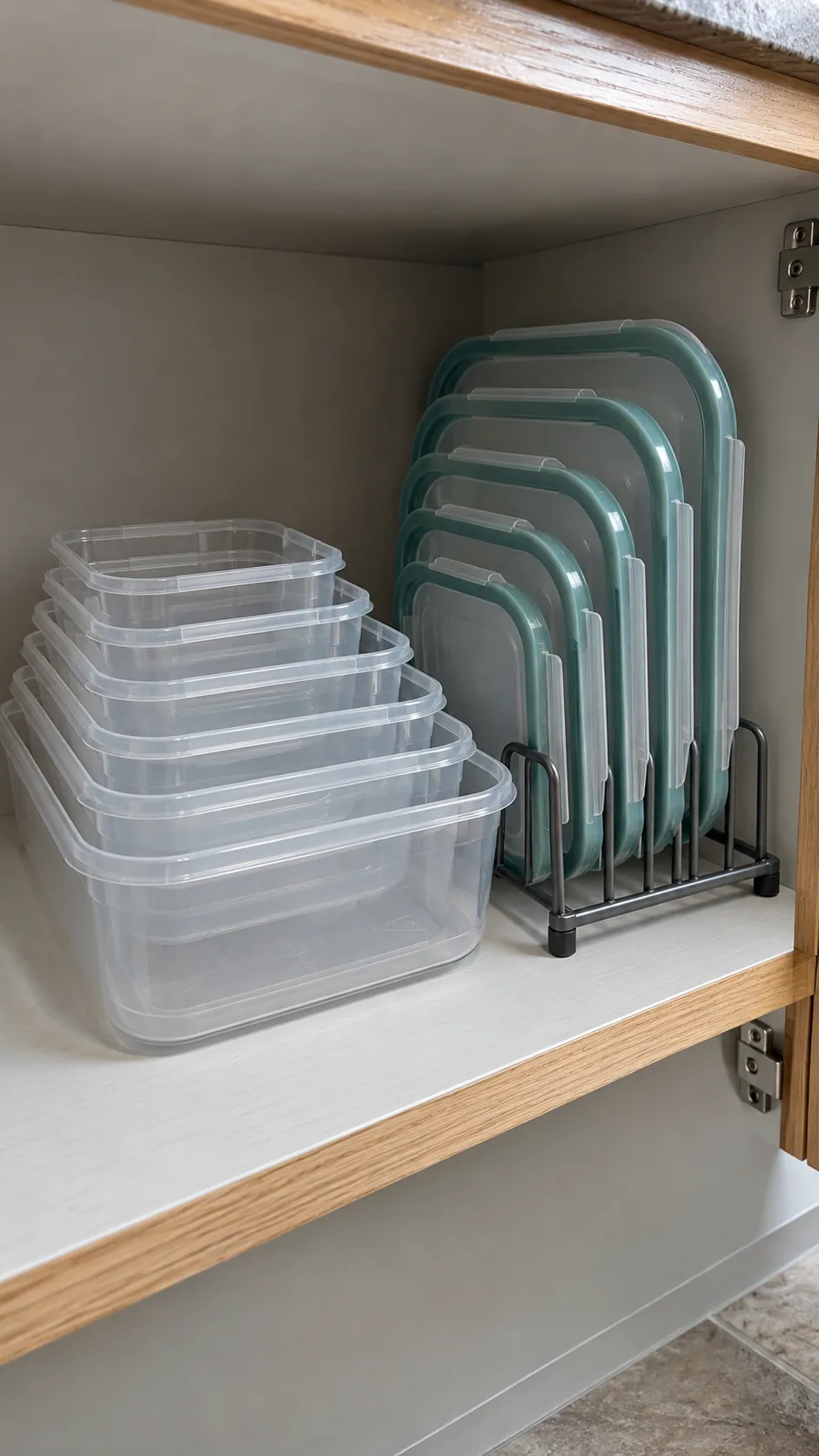
Nesting food containers slide inside one another, so a full set uses roughly the footprint of its largest piece. Rigid walls make filling, carrying, stirring, and stacking predictable. They are usually the stronger choice when containers move between the refrigerator, lunch bag, dishwasher, and cabinet every day.
The real space cost comes from height and lid storage. Measure the tallest nested stack and reserve a nearby vertical slot for stackable container lids. A set with several shared lid sizes often stays easier to manage than a larger collection with a unique lid for every base.
Choose Collapsible Containers for Maximum Volume Savings
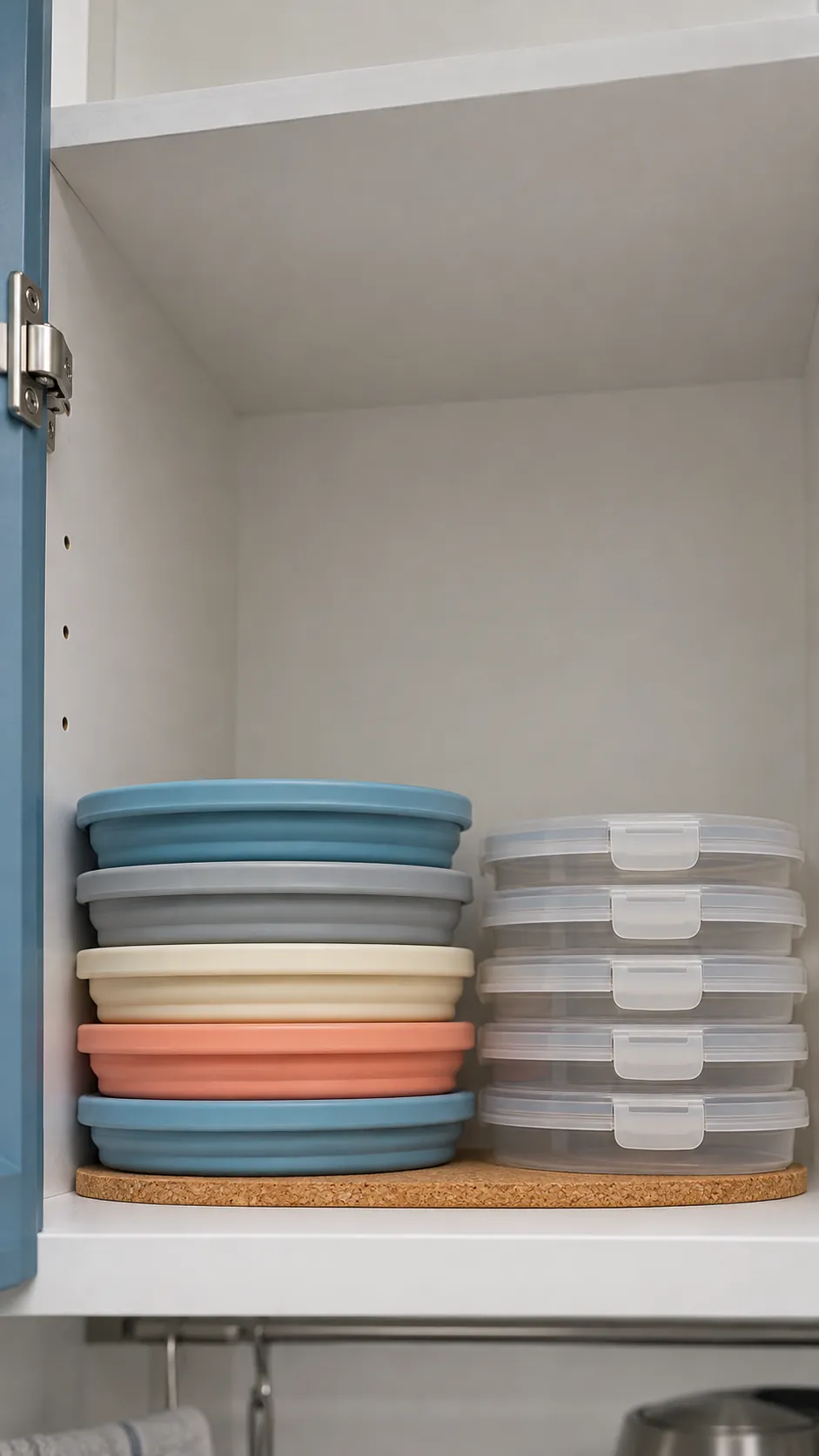
Collapsible food containers compress their sidewalls, which can turn several full height bowls into a short stack. That advantage matters in a shallow cabinet, camper, office drawer, or lunch bag where every centimeter has a job. The savings are greatest when each container collapses evenly and the lids stack without protruding clips.
Flexible walls are less convenient for heavy soups or one handed carrying. Expand the container fully before filling it, and support the base when moving hot or liquid food. Check the maker instructions for temperature, microwave, freezer, and dishwasher use because silicone and plastic constructions vary.
Compare the Complete Storage Footprint
Measure each candidate as a complete dry set, not as one empty sample. Record cabinet width, depth, and usable height, then include the lid rack, any organizer, and the finger clearance needed to lift the stack. A collapsible set can lose its advantage if rigid lids require a second wide pile.
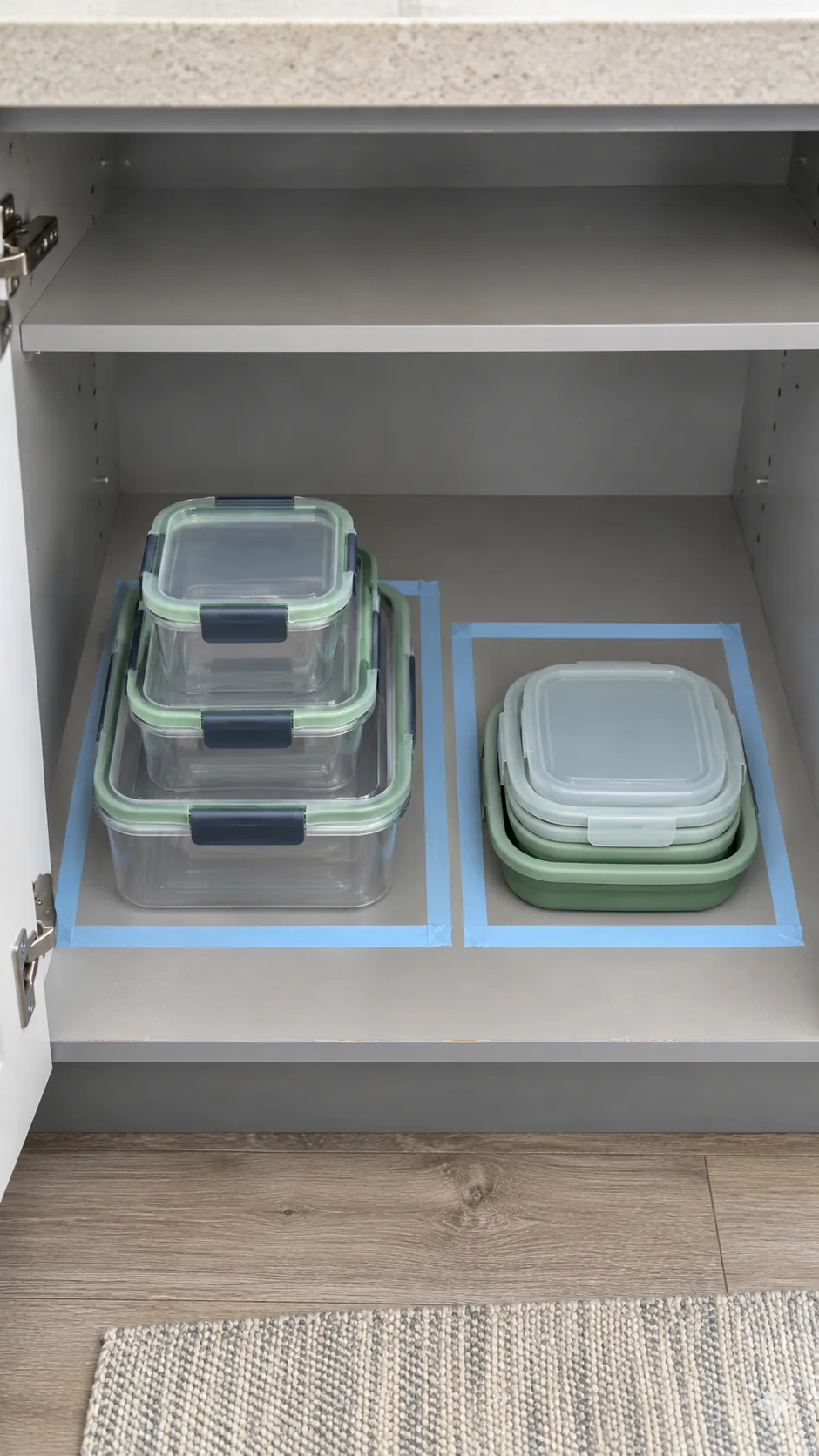
Nesting sets often occupy more vertical space but use a clean rectangular footprint. Collapsible sets can create a shorter stack with more irregular edges. Mark both footprints with removable tape inside the cabinet before buying, then test whether nearby bowls or pantry supplies remain accessible.
Inspect Seams, Rims, and Drying Space
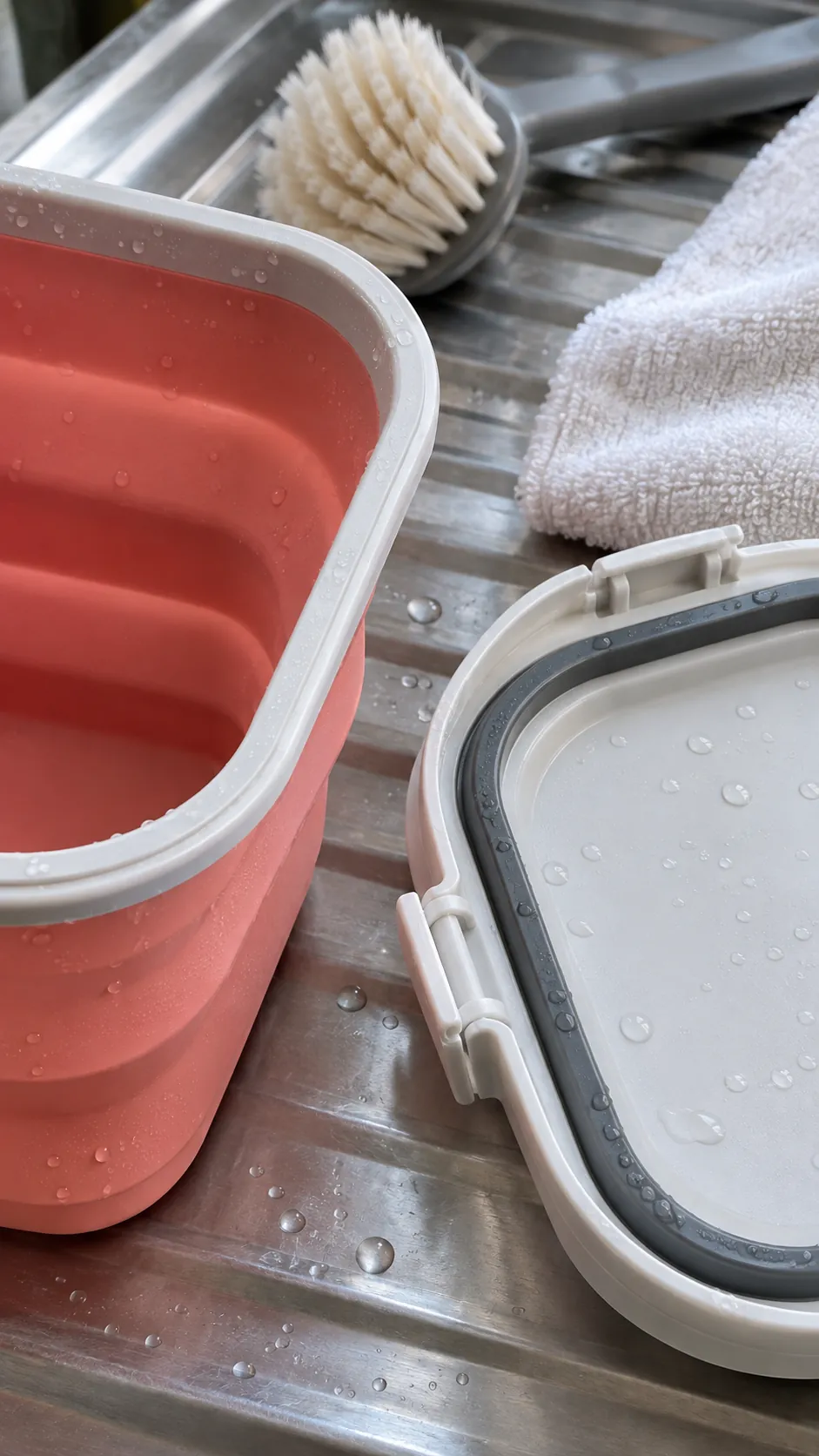
Collapsible walls form folds that deserve careful washing and complete drying. Food residue can collect where the flexible wall meets a rigid rim, especially after oily sauces. Open every fold during cleaning and store the container only when the channels are dry.
Rigid nesting containers have fewer moving folds, but narrow lid gaskets and locking tabs still need attention. Remove a gasket only when the maker permits it and reinstall it evenly. Whichever design you choose, cabinet storage must leave wet pieces out until moisture has evaporated.
Match Durability to How You Carry Food
Rigid containers resist accidental collapse and provide a stable base in a crowded refrigerator. Glass adds weight but handles staining and repeated reheating well when the product instructions allow it. Rigid plastic is lighter, although surfaces can scratch or cloud with use.
Flexible silicone can survive drops and pack flat after lunch, but repeated folding puts stress on creases and bonded rims. Examine those points regularly for splitting, lingering odor, or loss of shape. Replacement lids and interchangeable sizes can extend the useful life of either system more than a minor difference in packed volume.
Use a Small Mixed Set When Needs Differ
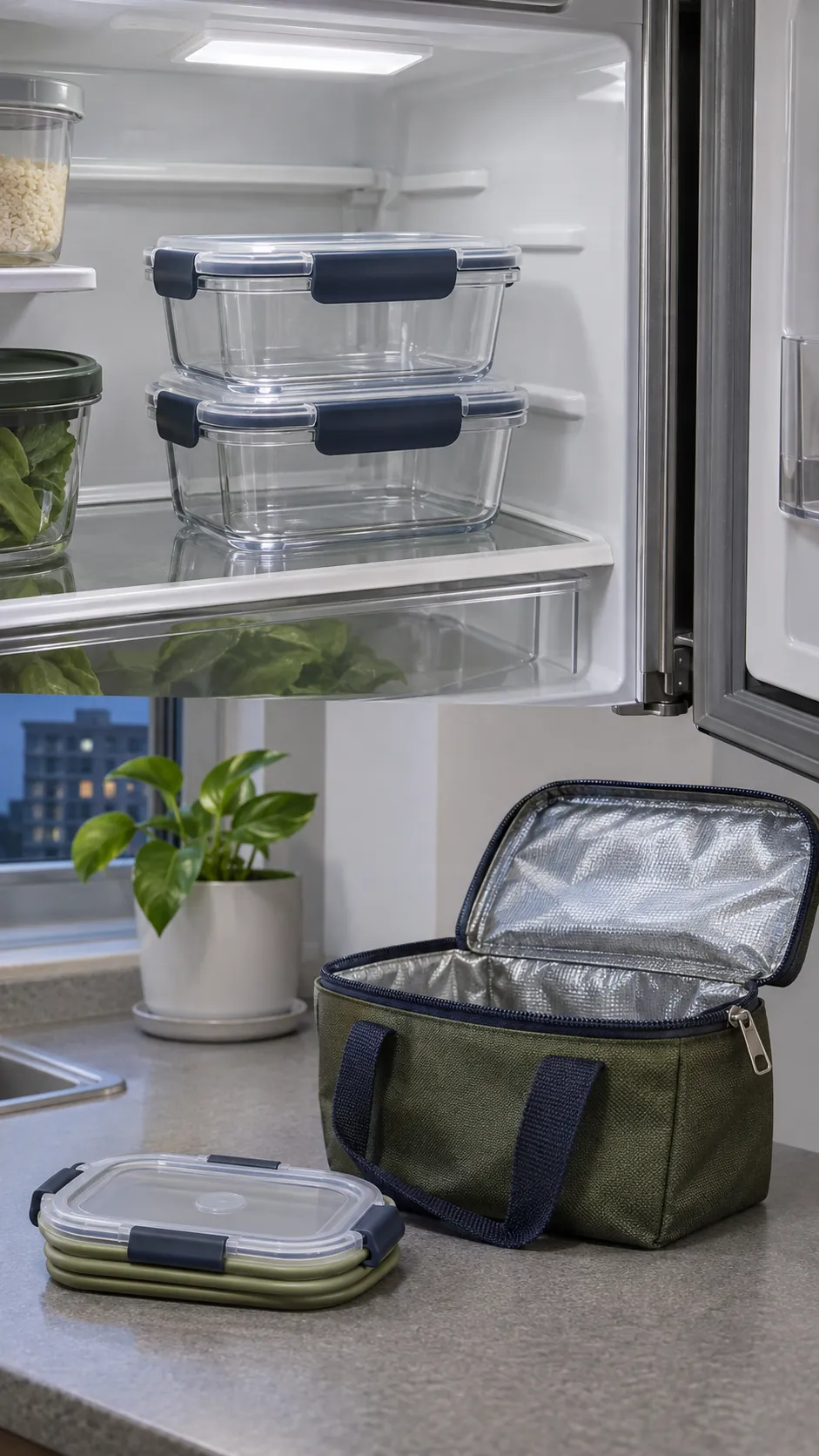
A small kitchen does not require absolute loyalty to one design. Keep a compact nesting set for leftovers, soups, and frequent refrigerator stacking, then add one or two collapsible containers for travel or occasional overflow. Limit both groups to sizes that serve a known meal or task.
Store each group as one complete unit and remove pieces that no longer seal, collapse, or match. This mixed approach preserves the reliability of rigid containers while gaining volume savings where they matter most. The best cabinet system is the smallest complete collection that returns to order without careful arranging.