
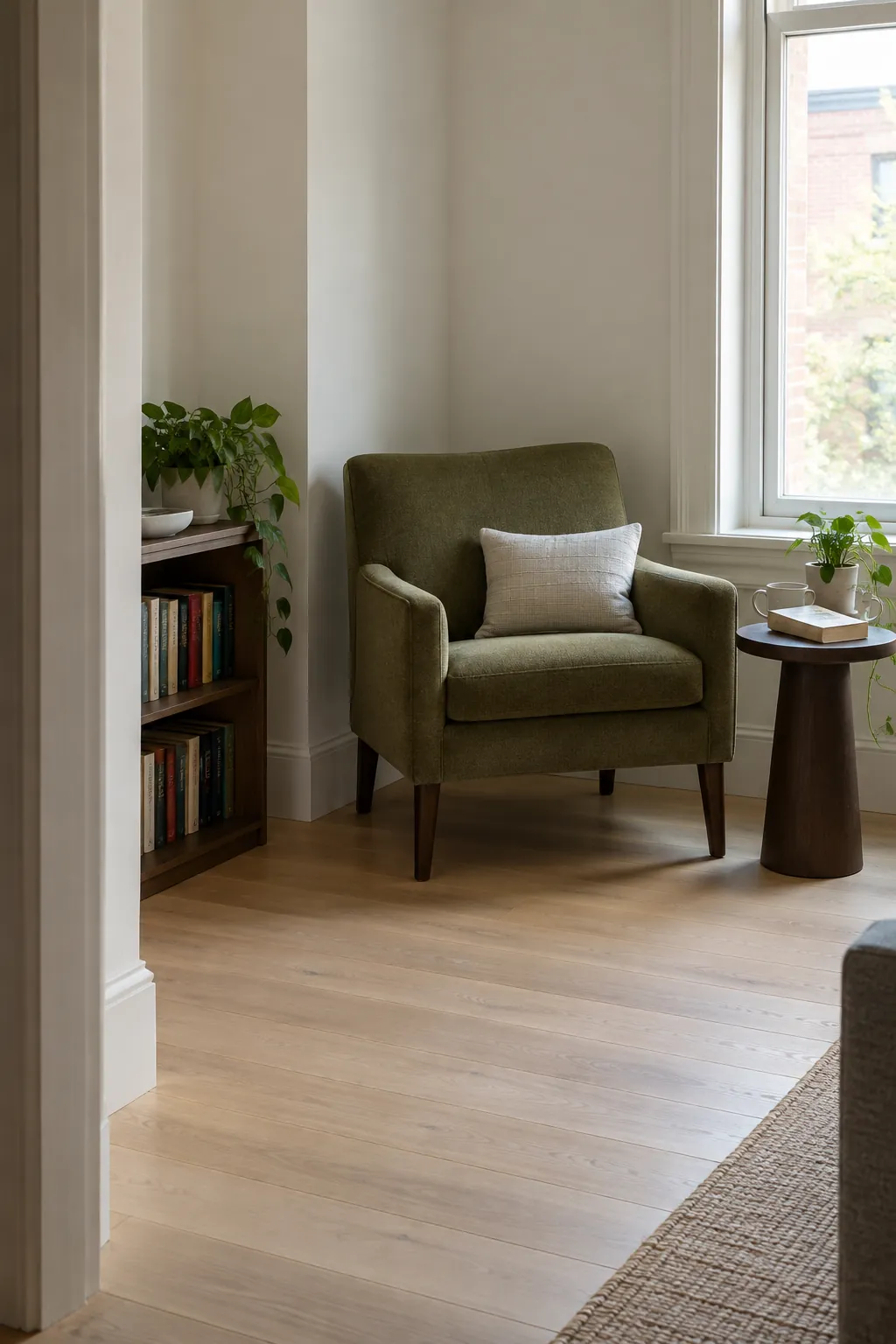
An empty recess does not need furniture just because it is empty. The useful choice is the one that solves a problem in the room without making the route through it harder. Start with what you need nearby, then let the depth, light, and access decide what belongs there.
Measure the space people actually use
An alcove can look deep enough for a chair while leaving nowhere for your knees. Measure its width at the floor and above the baseboards, then check depth, ceiling height, outlets, vents, and any nearby door swing. Tape the footprint of a possible piece onto the floor and walk past it carrying a laundry basket.
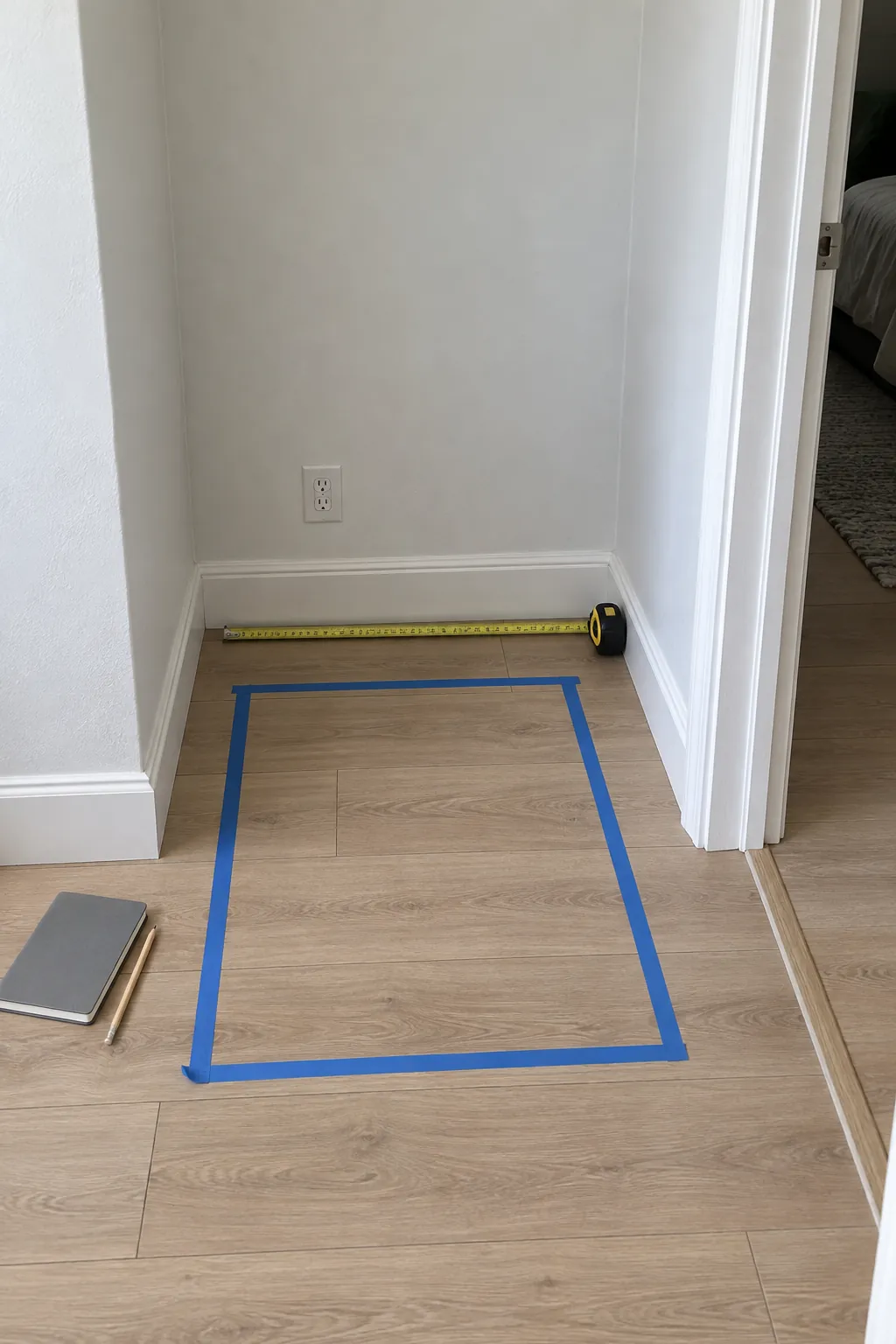
Include the space furniture needs when it is in use. A desk chair has to pull out, a cabinet door needs to open, and a window still needs to be reachable. Keep required exits and ventilation clear, and check local clearance requirements before planning permanent work. If the taped layout makes the main room awkward, choose a shallower use instead.
Make a reading spot where you already pause
A quiet recess beside the living room can become useful with one comfortable chair and a light you can switch on while seated. Choose the chair by its full outside dimensions, including arms and recline clearance, rather than by how compact it looks in a product photo. A slim upright chair often leaves more usable floor than a deep lounge seat.
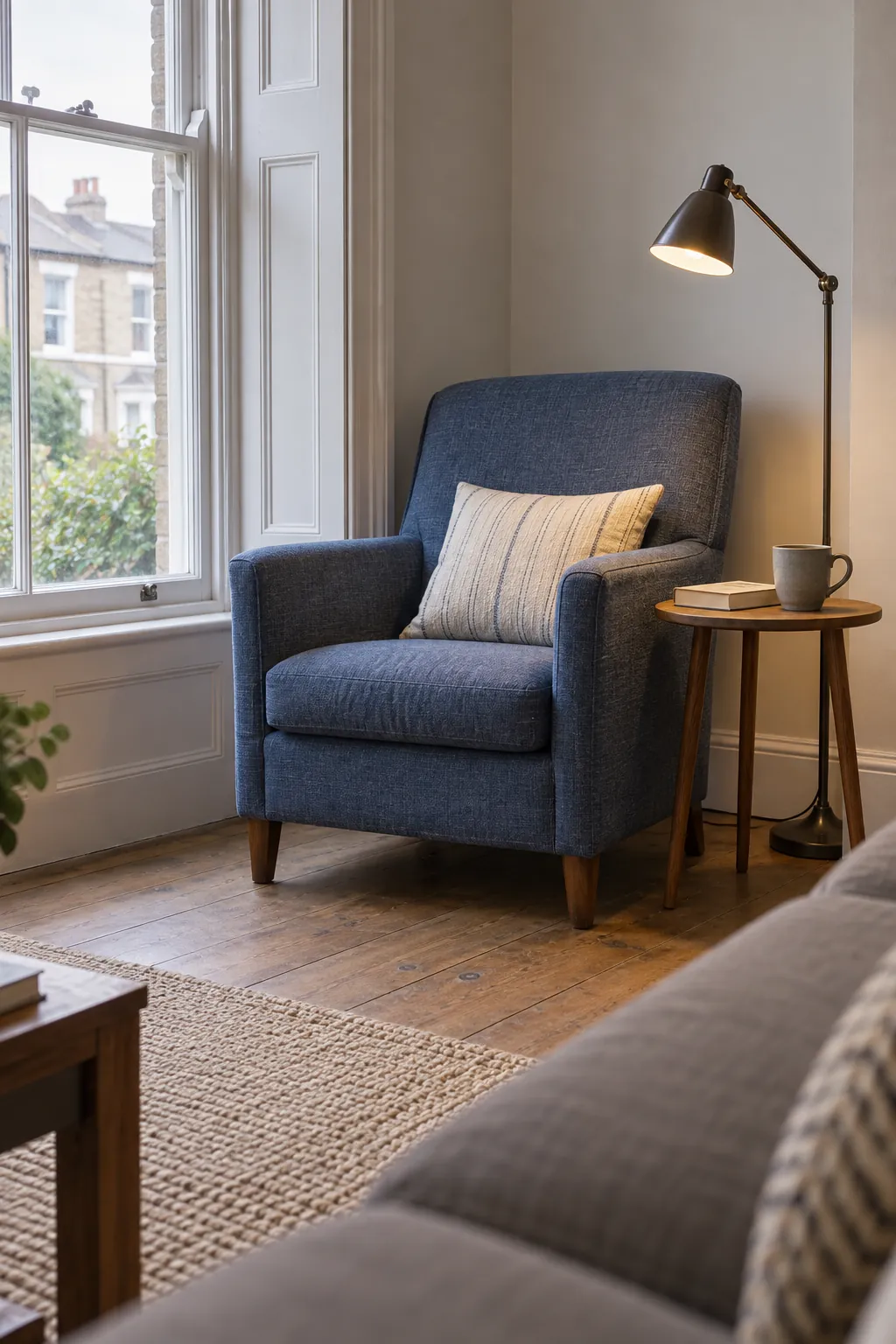
Reading nook design works best when the small conveniences fit too. Put a stable drink surface within reach and aim the lamp at the page without shining into your eyes. Test cozy corner seating with a chair you own before ordering something new, especially if this is also the route to the kitchen.
Give occasional work a defined home
A small workspace nook is a good fit when you need somewhere to pay bills or use a laptop and can leave enough room behind the chair. Check that the worktop has usable knee space and enough depth for your actual equipment. For longer sessions, arrange the screen and input devices so you can sit comfortably rather than hunch over a shelf.
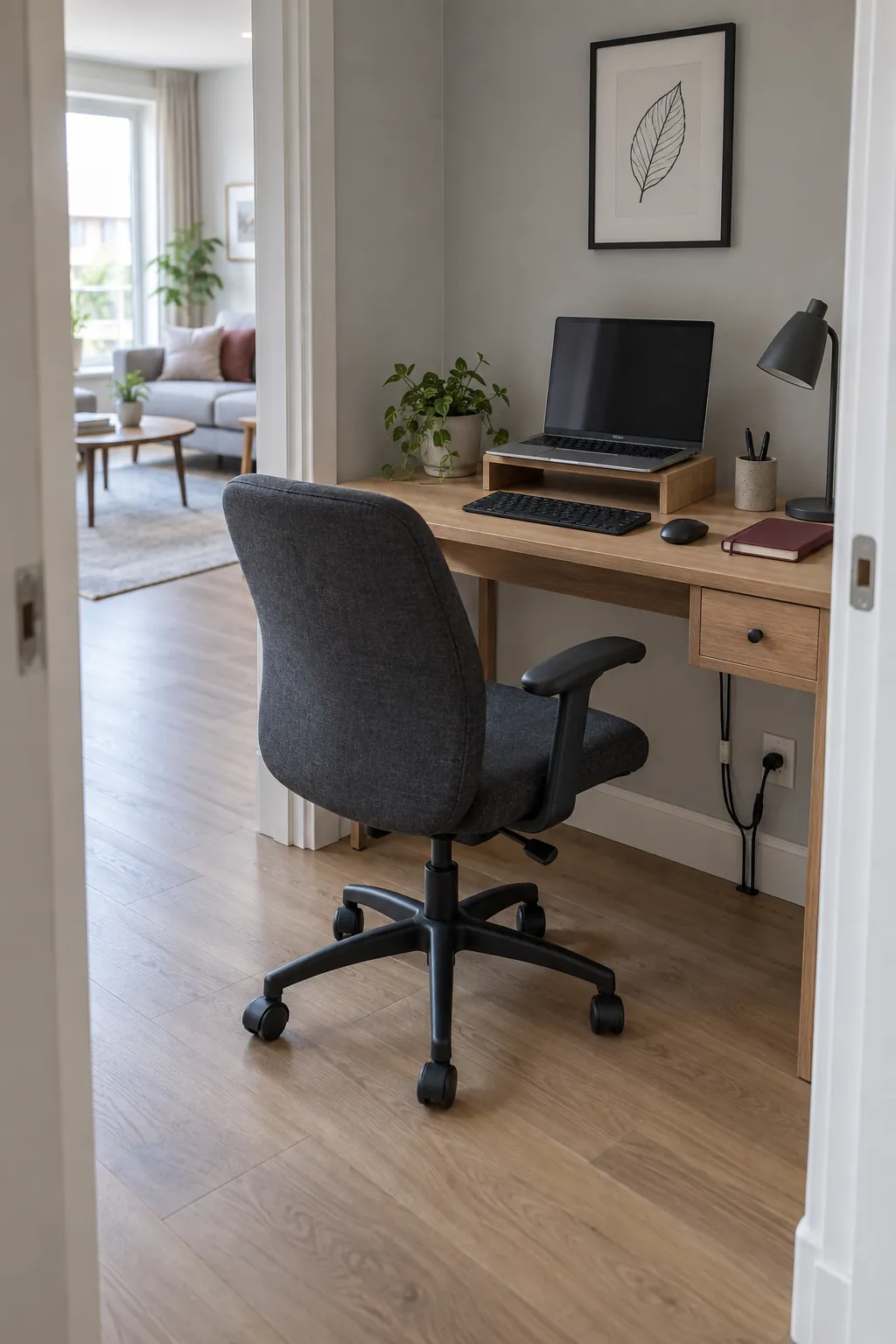
Place the screen to reduce window glare and route cables along the wall without crossing the walking route. A compact home office also needs somewhere for the items that otherwise stay on the desk: chargers, notebooks, and paperwork. One drawer or a portable box may do more than extra decorative shelves.
If the recess is too shallow for comfortable work, do not force it into a desk. Use it for work supplies and keep the working surface in a better position elsewhere. A tidy alcove is not a successful office if sitting there hurts.
Use seating and storage when both are needed
A bench suits a recess near an entrance or window when you genuinely need a place to sit. Built in bench storage can hold shoes, spare cushions, or bags, but its opening mechanism changes how useful it is. Drawers let you leave a cushion in place, while a lifting lid needs clear space above it and appropriate safety hardware.
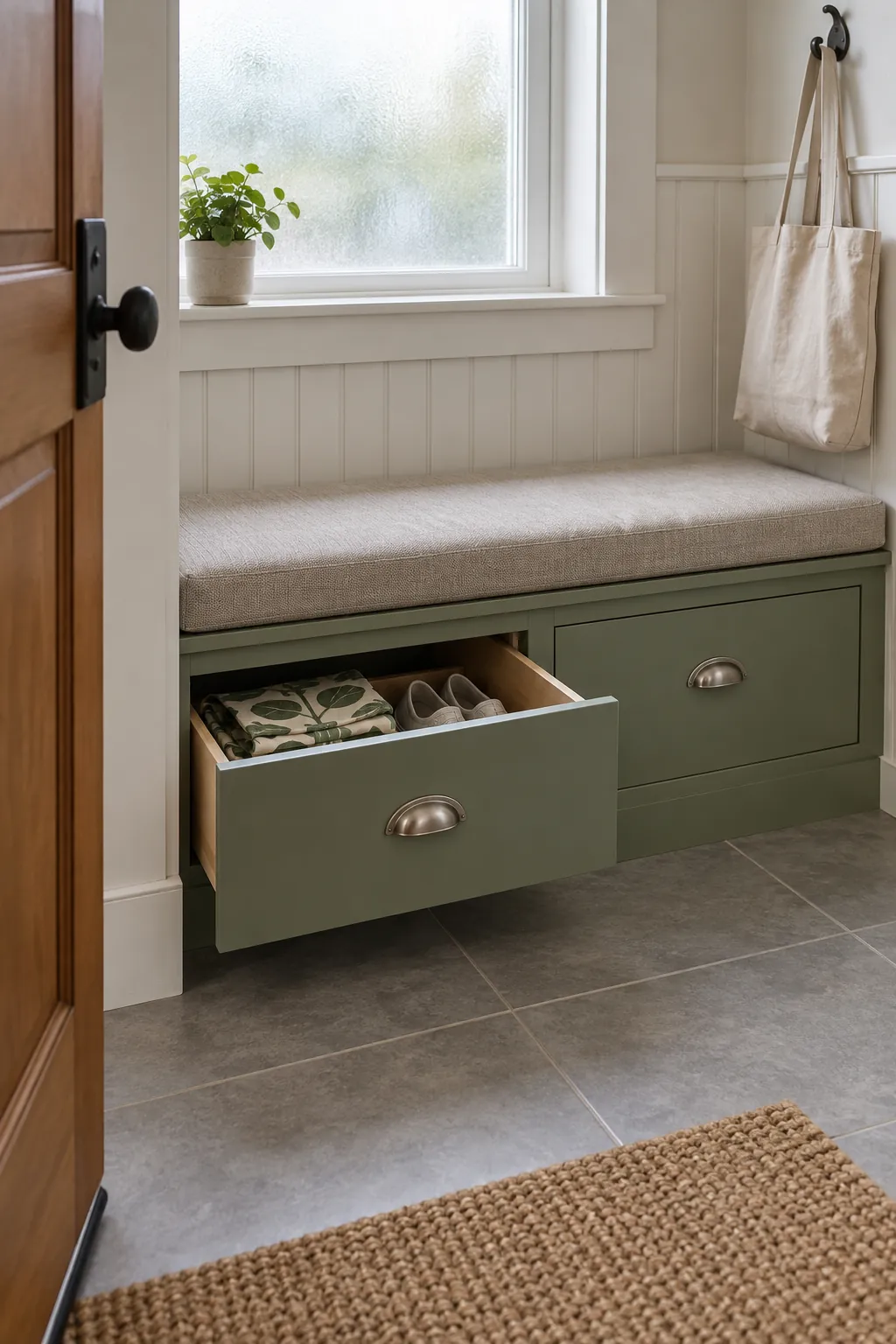
Check the finished seat height and depth with the intended cushion before commissioning joinery. Keep heating equipment, air returns, and access panels unobstructed, and have the fixing method matched to the wall construction. For a rental, a freestanding bench is easier to test and move; do not assume a storage cabinet is rated to support someone sitting on it.
Put breakfast seating close to the kitchen
Breakfast nook ideas make sense when the recess is beside the kitchen and people can enter the seating without squeezing past each other. Try the table shape with a cardboard outline before you buy it. A pedestal base can free space for feet, but the top and base still need to be stable and correctly sized.
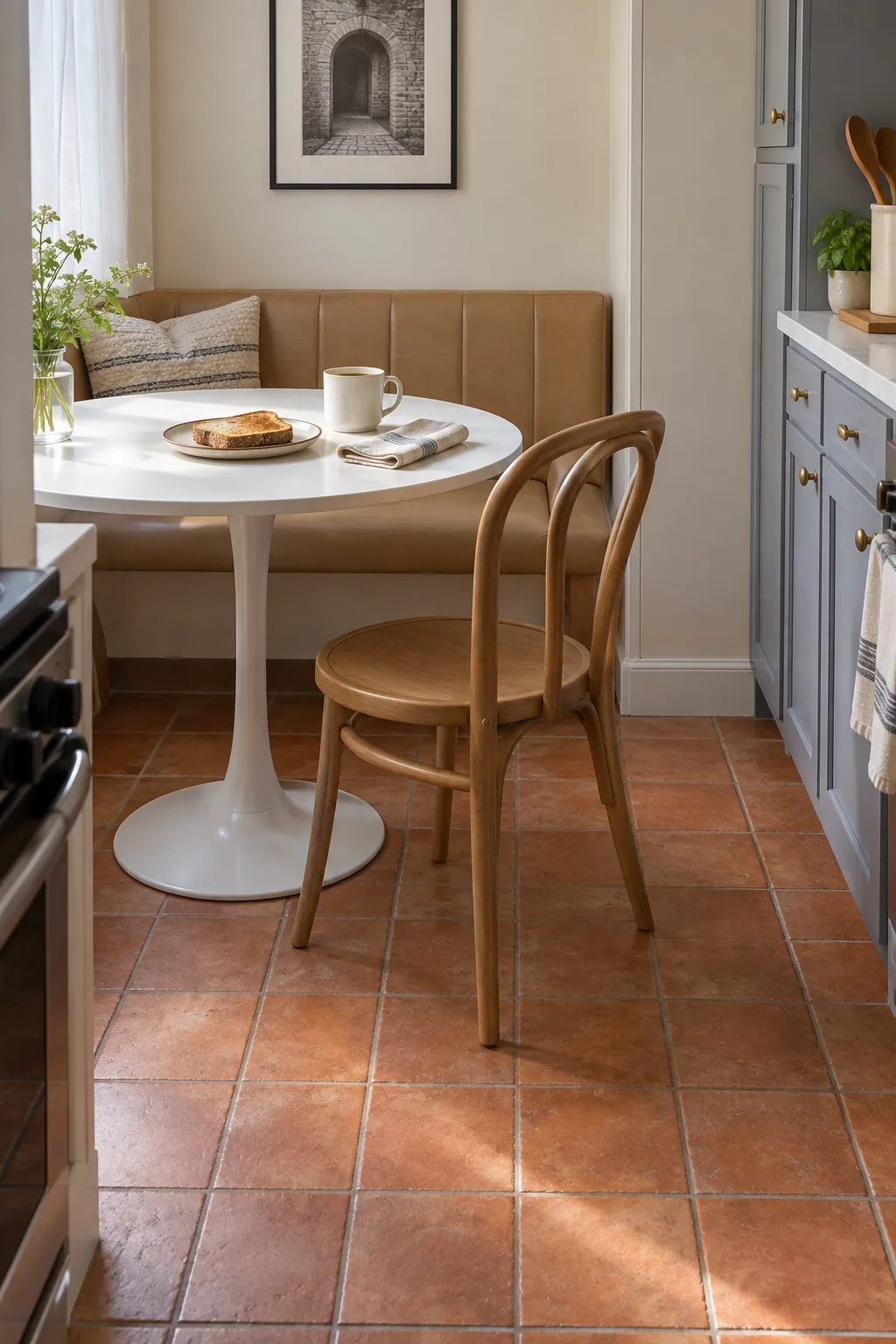
Allow for the person sitting down and the person carrying food past the table at the same time. Wipeable seating and a reachable surface make the spot easier to use every morning. A narrow recess that cannot accommodate those movements may serve better as a small pantry cabinet than a dining area.
Choose shallow storage when the floor must stay open
Some unused nook ideas should leave almost all the floor available. Nook shelving can hold books or everyday supplies without introducing a seat nobody uses. Match shelf depth and load capacity to the objects first, and use fixings appropriate to the wall and expected weight.
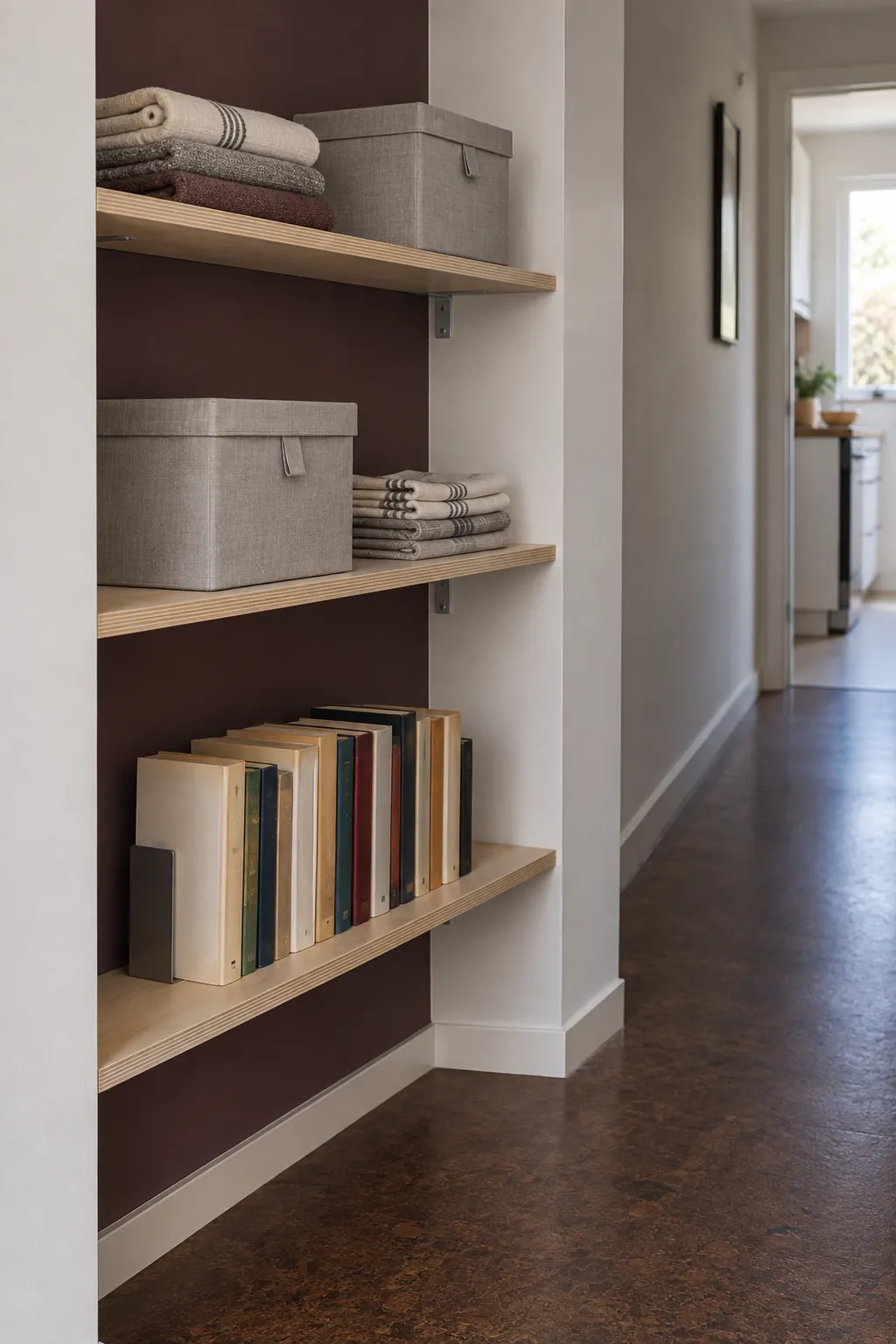
Store heavier items lower and keep frequently used objects within comfortable reach. Closed boxes can contain visually busy supplies, but a shelf full of empty decorative baskets adds little function. Start with the smallest change that solves a repeated problem, then use the area for a week before adding anything else. If the nook now makes your normal day easier, it has earned its place.