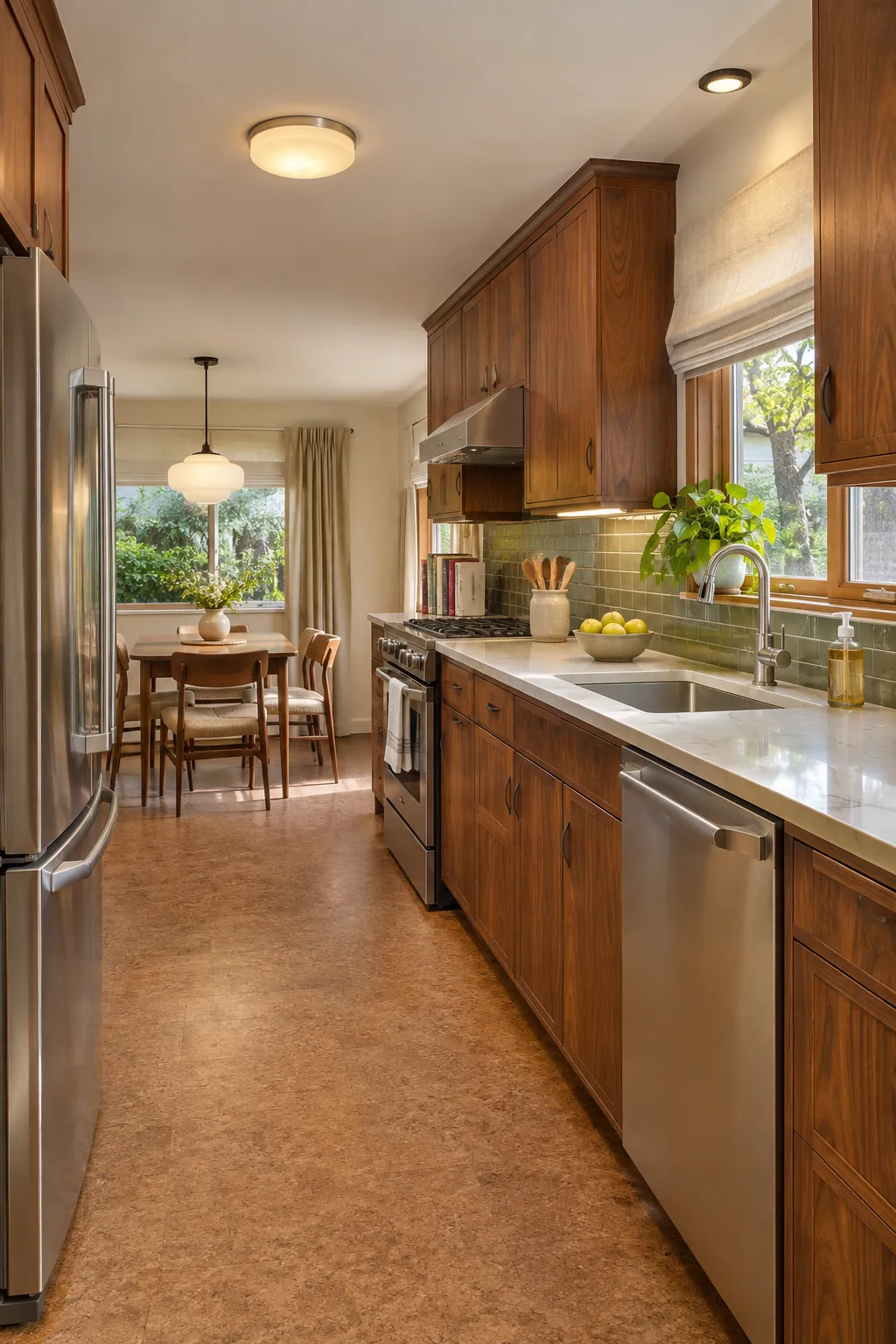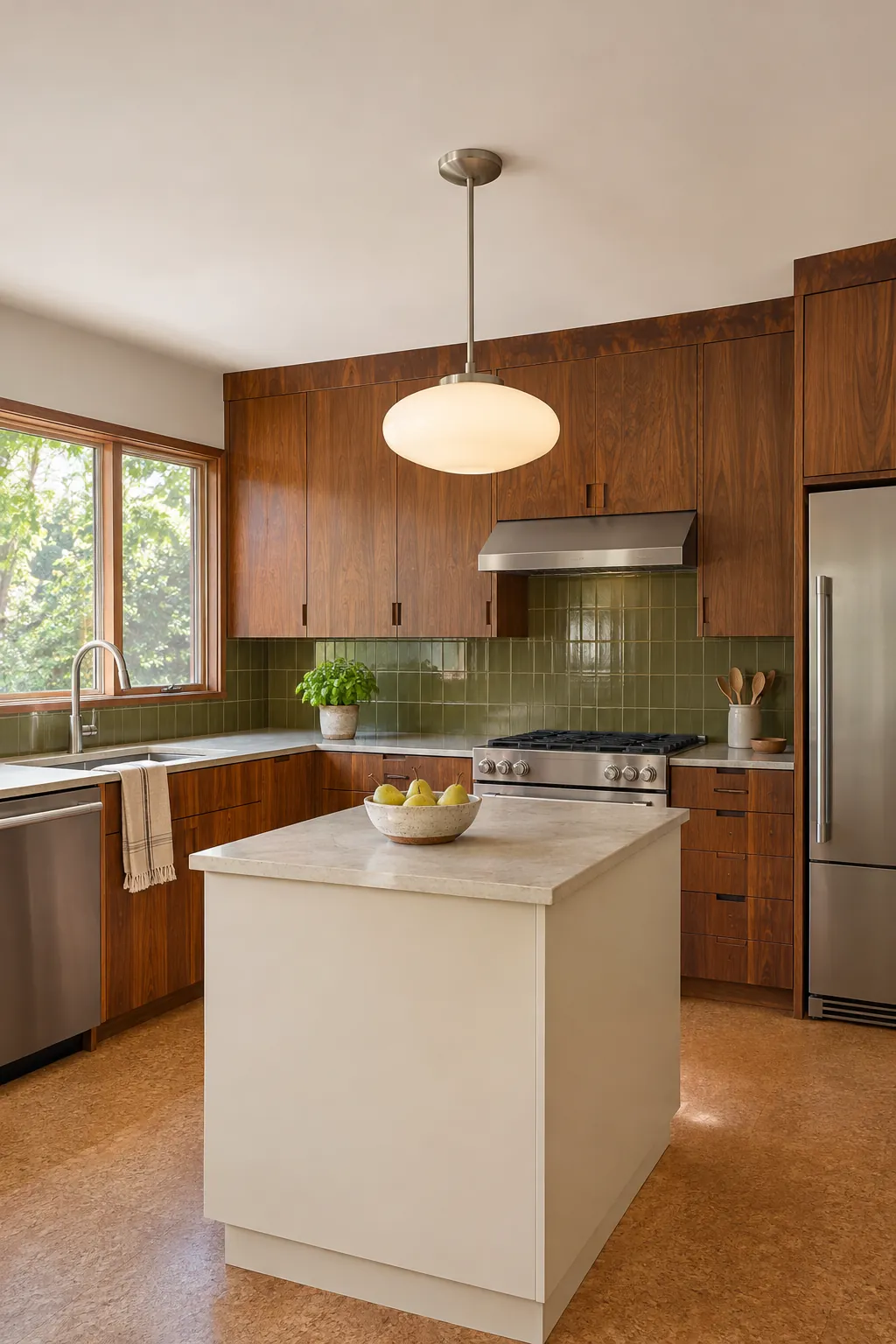
A dated kitchen does not need to lose every original feature to work well. The best remodel starts by separating worn finishes from useful construction, then spends money on safety, movement, light, and storage before cosmetic changes. This order protects character and reduces expensive surprises.
Inspect before choosing finishes
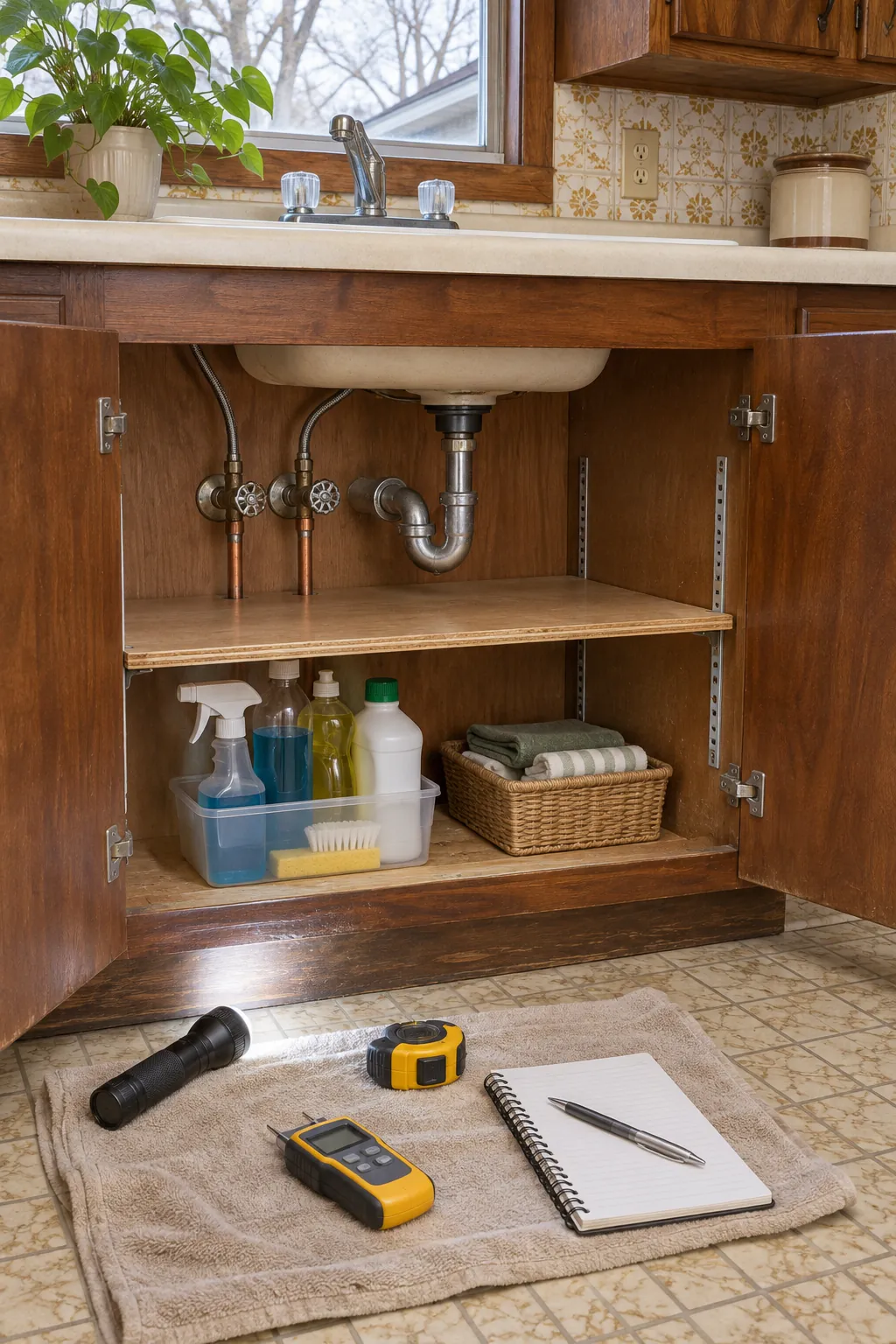
Check cabinet boxes, plumbing, wiring, ventilation, flooring, and signs of moisture before ordering doors or counters. A qualified professional should assess suspect electrical work, damaged materials, and any surface that may contain hazardous substances. Photograph the room and measure every opening so later decisions use facts rather than assumptions.
Fix the workflow before moving walls
Map the path between refrigerator, sink, preparation space, and cooktop during a normal meal. Many ranch house kitchens improve with a wider doorway, a shorter peninsula, or deeper drawers rather than a complete open plan. Keep enough landing space beside appliances and protect the main traffic route from open doors.
Test changes with tape on the floor and cardboard at counter height. This simple mockup exposes cramped turns and oversized islands before construction begins. It also helps the household agree on priorities.
Keep sound cabinet boxes
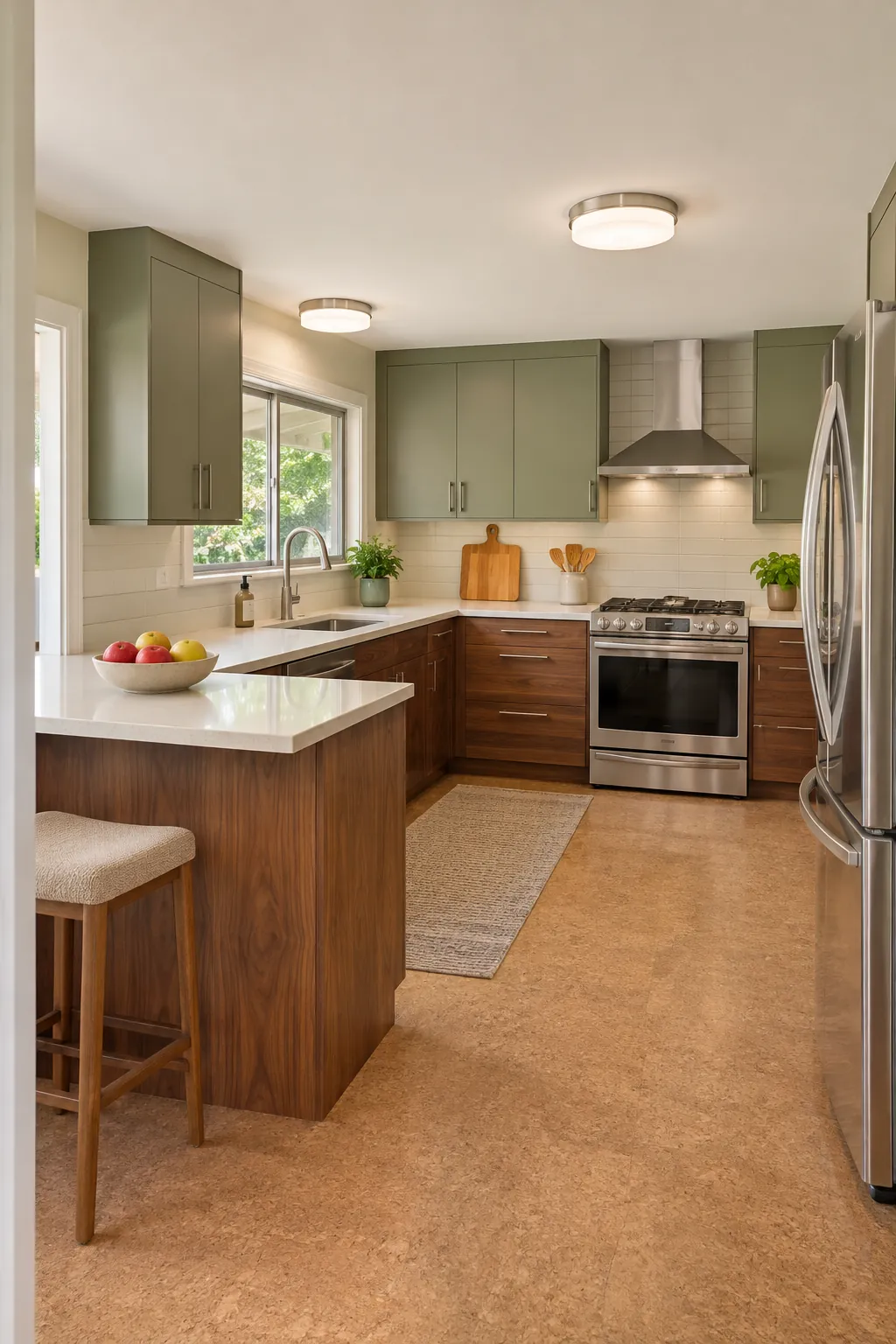
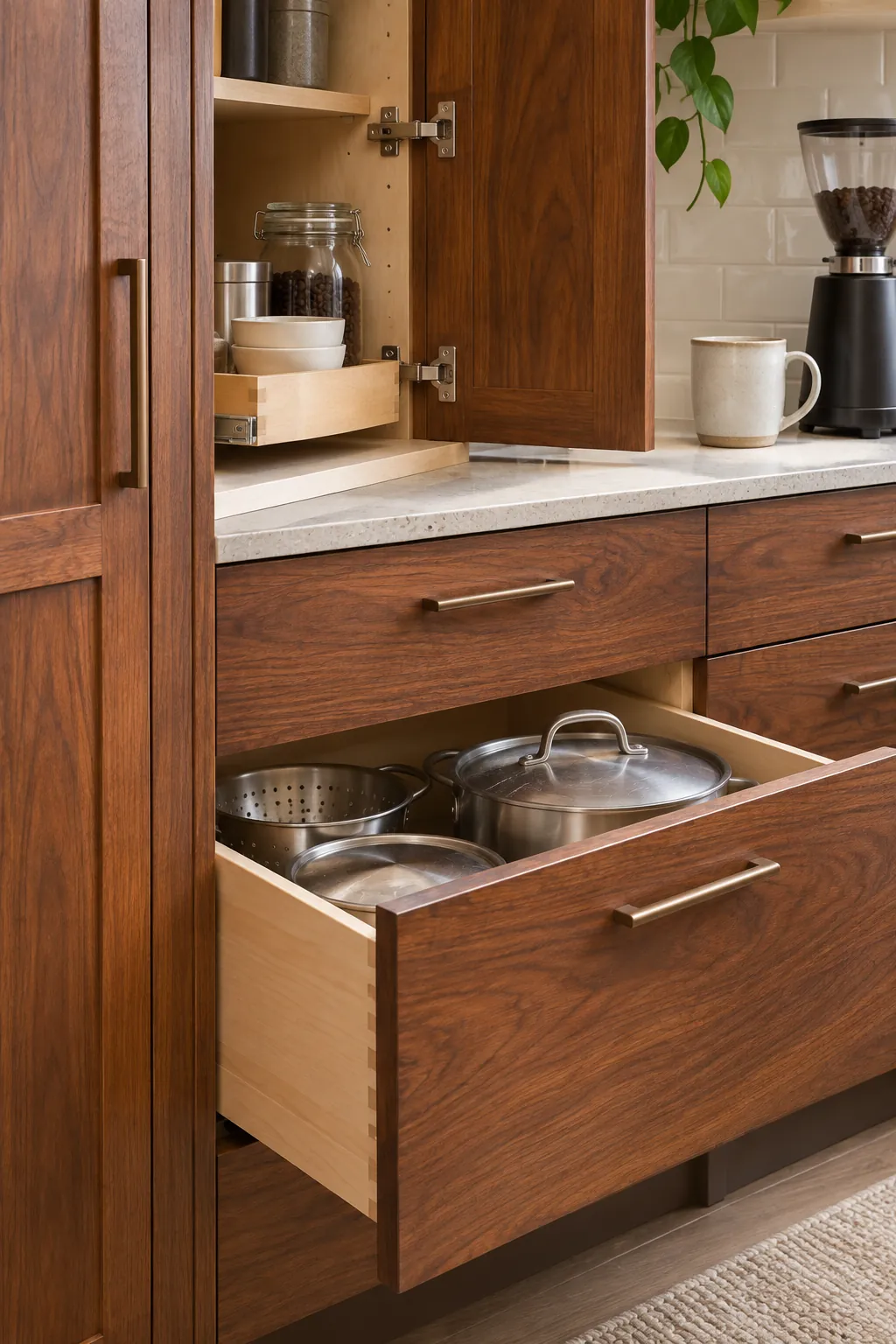
Solid plywood boxes can often accept new hinges, drawer runners, and carefully fitted fronts. Cleaning and refinishing good wood preserves material that would be costly to replace. Add interior pullouts only where they solve a real storage problem, because too many mechanisms reduce usable space.
Upgrade light power and ventilation
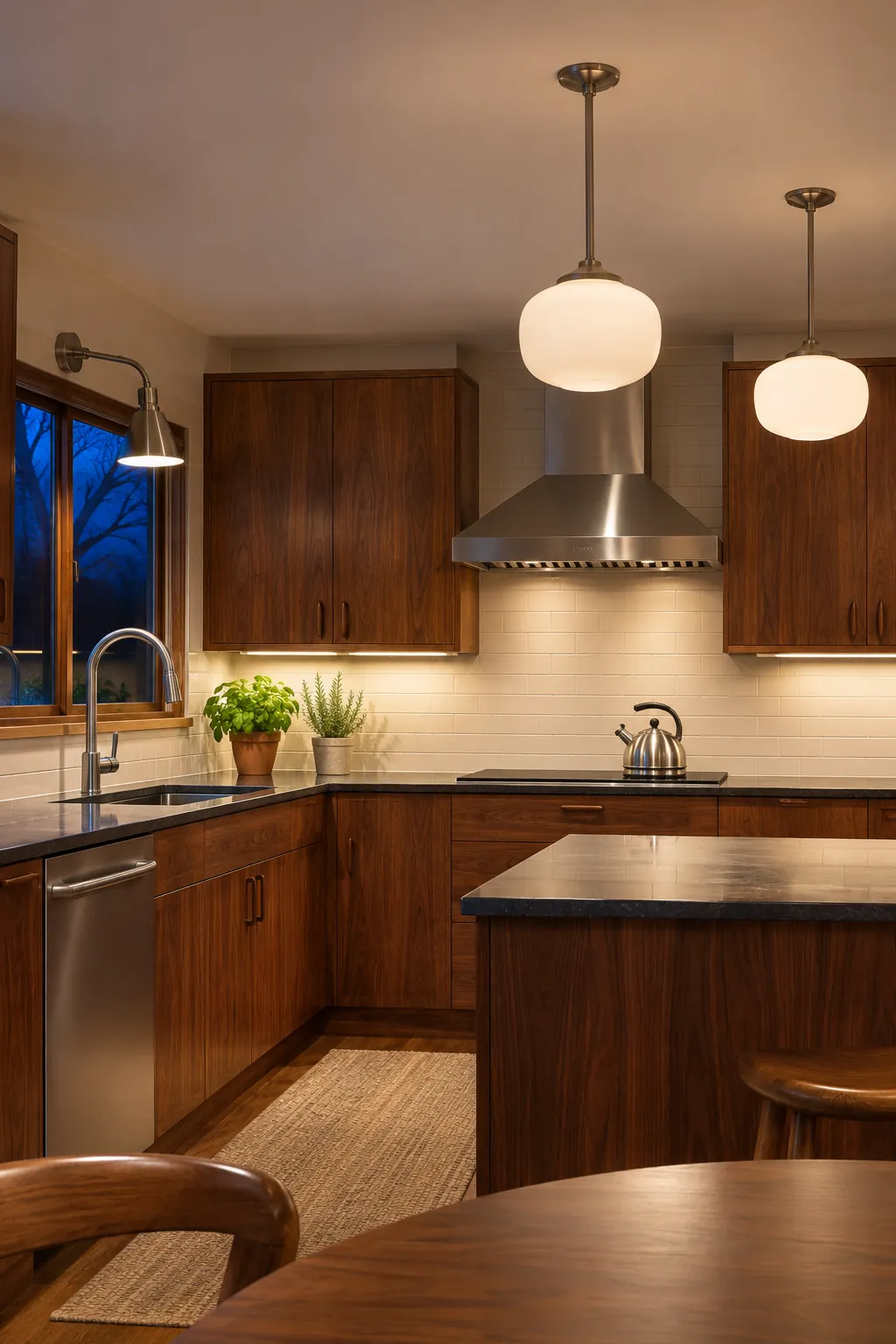
Replace dim central lighting with separate ambient, task, and decorative layers. Counter lights should illuminate hands and food without visible glare. A properly sized exterior vent and correctly placed outlets improve the room more than a decorative fixture alone.
Use warm neutral bulbs with accurate color rendering so wood and food look natural. Put key layers on separate controls. Keep all electrical and ventilation work within current local requirements.
Choose materials for daily wear
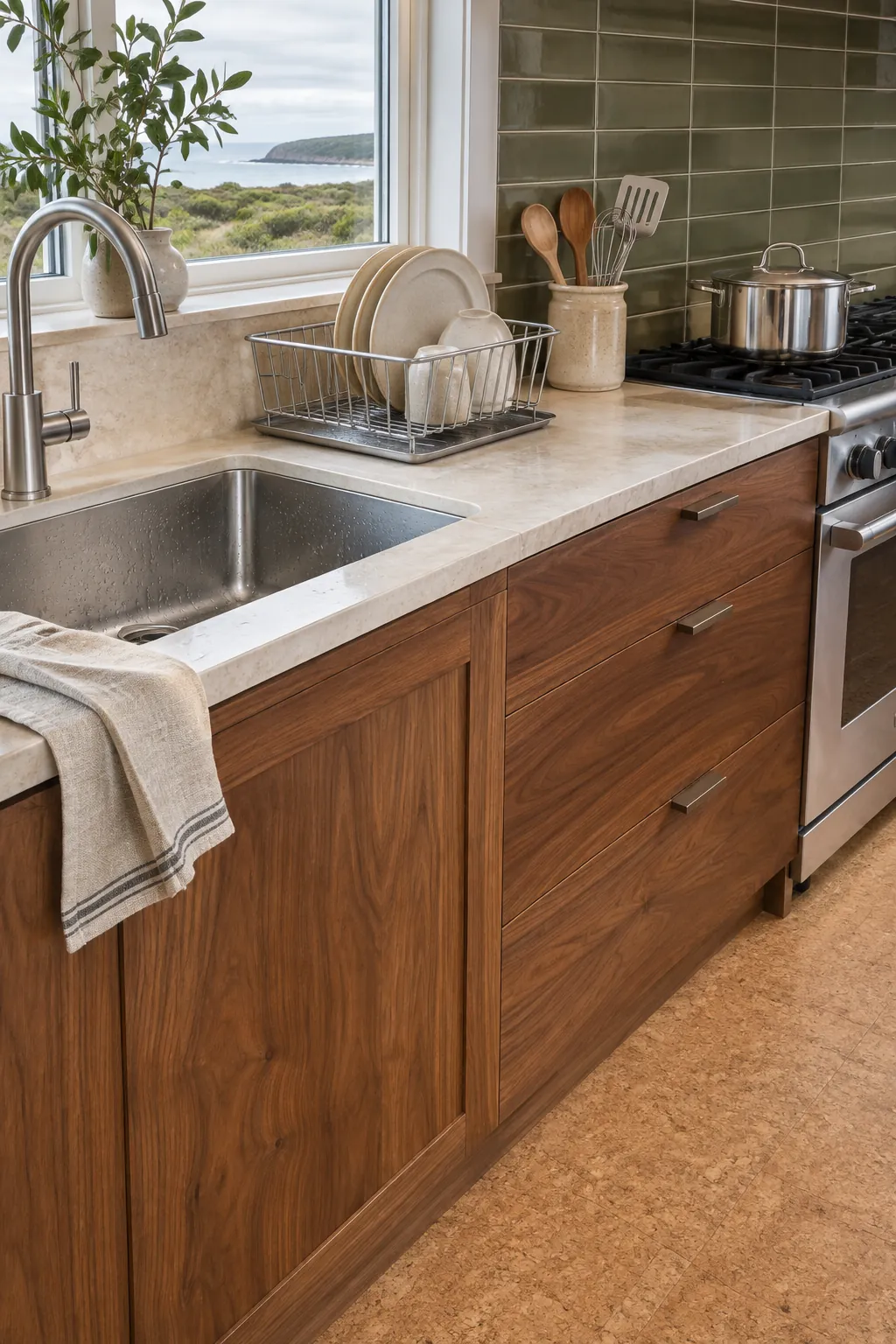
Select counters, flooring, and backsplash surfaces after considering water, heat, sunlight, and cleaning habits. Honed stone, durable porcelain, cork, and sealed wood can support a vintage kitchen remodel when each material is placed in a suitable zone. Bring samples home and view them beside the original wood during morning and evening light.
Build the budget in the right order
Fund investigation, repairs, and required utility work before allocating money to premium finishes. Keep a reserve for concealed damage and confirm lead times before demolition. If the budget tightens, delay decorative hardware or a feature tile instead of cutting ventilation, lighting, or cabinet repair.
A phased remodel can begin with safety and function, then add refinished doors, paint, and accessories later. Keep a written scope for each phase so temporary work does not need to be removed. The finished room should feel considered because every preserved feature earns its place.