A tiny room becomes frustrating when every useful object claims the same patch of floor. Beds, clothes, books, toys, and a bedtime chair cannot all behave like full size furniture in a compact footprint. The best plan gives each activity a clear home while protecting safe movement and a calm sleep routine.
Begin with the child, the door swing, the window, heating vents, and the path needed at night. Then choose only the pieces that solve a current problem. A room that feels open and easy to reset will usually serve a young child better than one filled with clever furniture that is hard to use.
Place The Bed Along One Wall
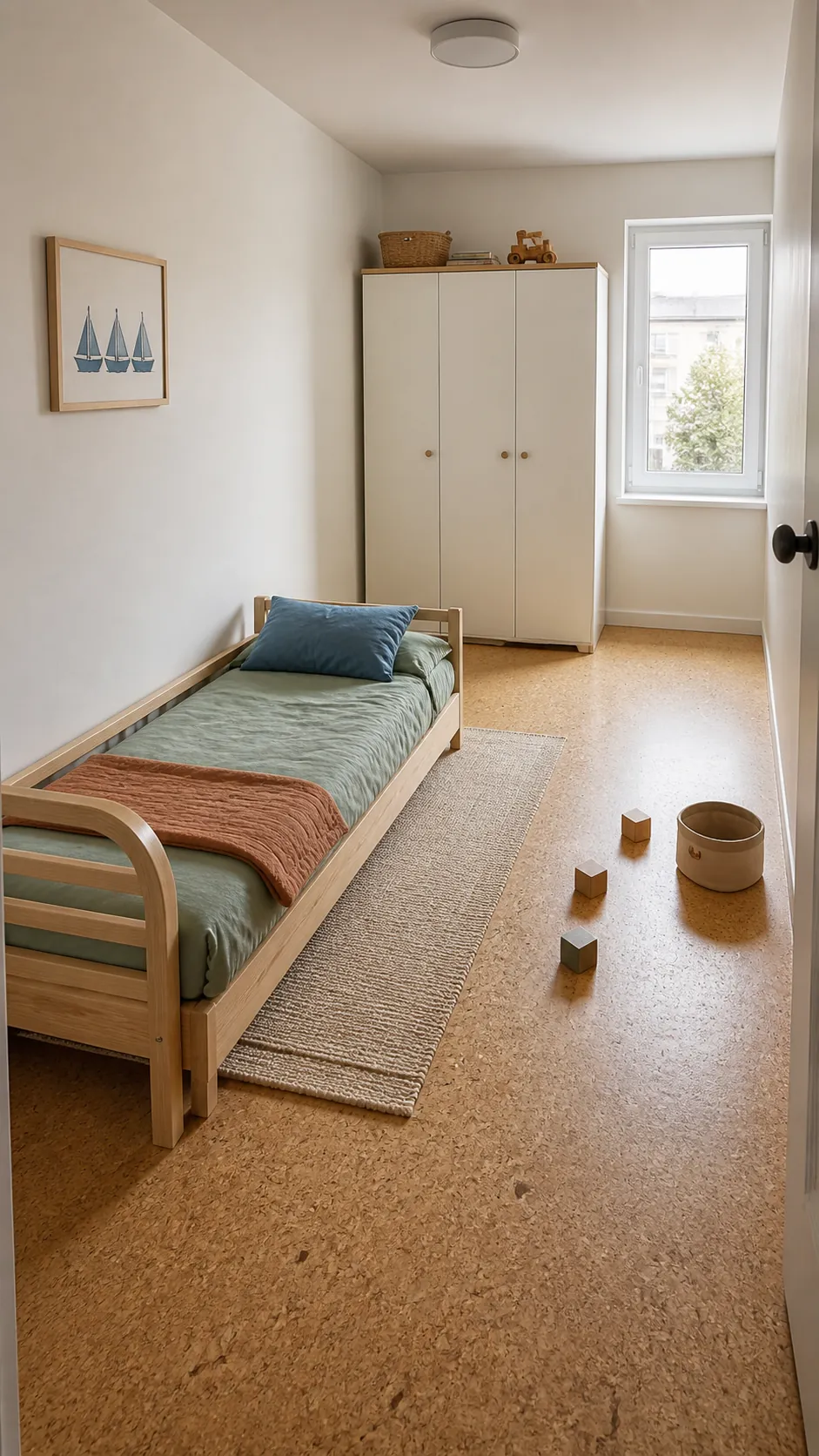
Pushing a single bed against a long wall creates one larger play zone instead of two narrow gaps. Leave enough access to change bedding and check the wall for safe ventilation. A washable runner beside the open edge gives feet a warm landing without filling the floor.
Choose A Low Loft For Play Space
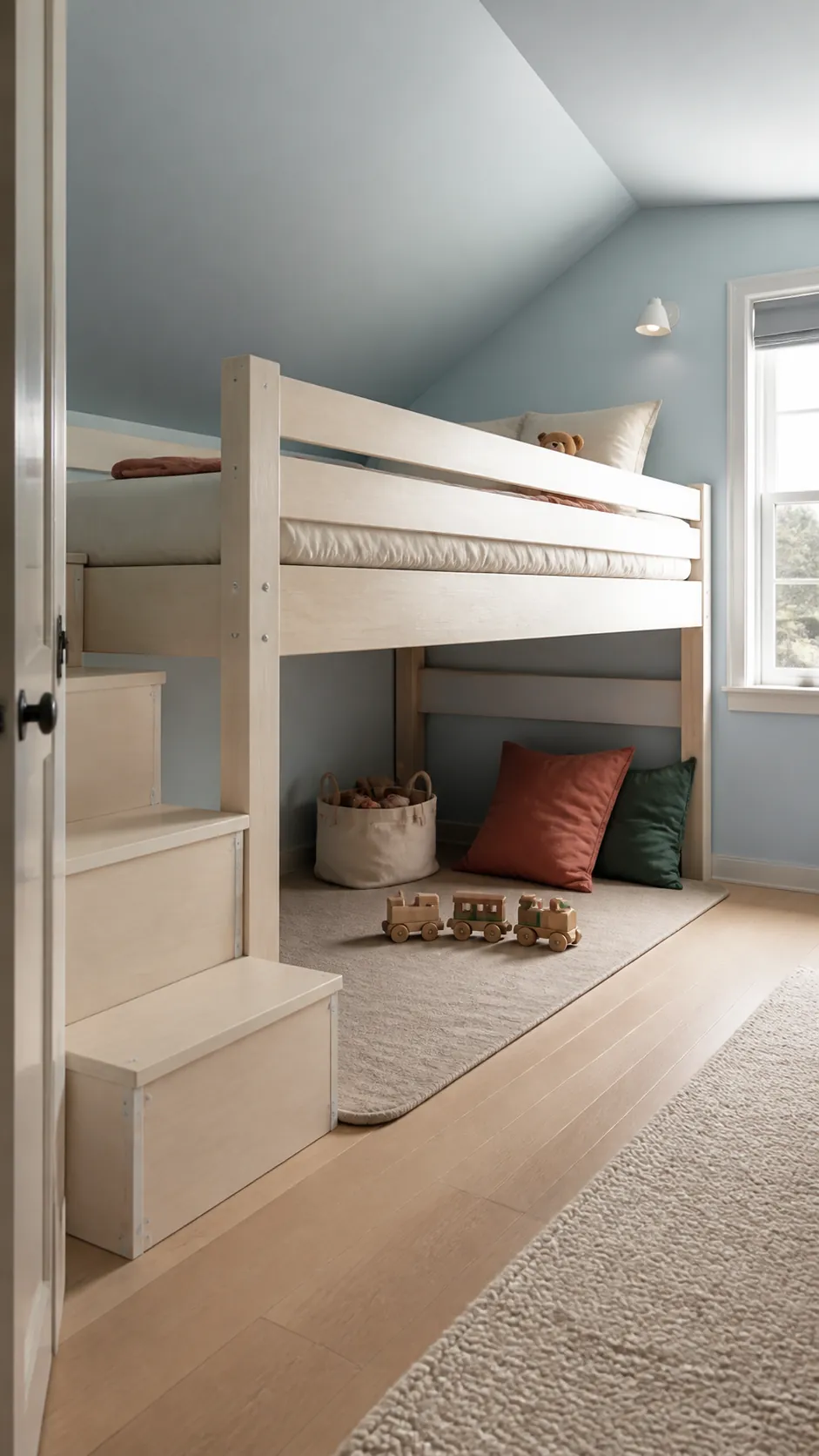
A low loft can create a den or play zone without placing a young child near the ceiling. Confirm the manufacturer age guidance, guardrails, mattress depth, and clearance from fans, windows, and air units. Keep the area beneath simple so a caregiver can see and reach it easily.
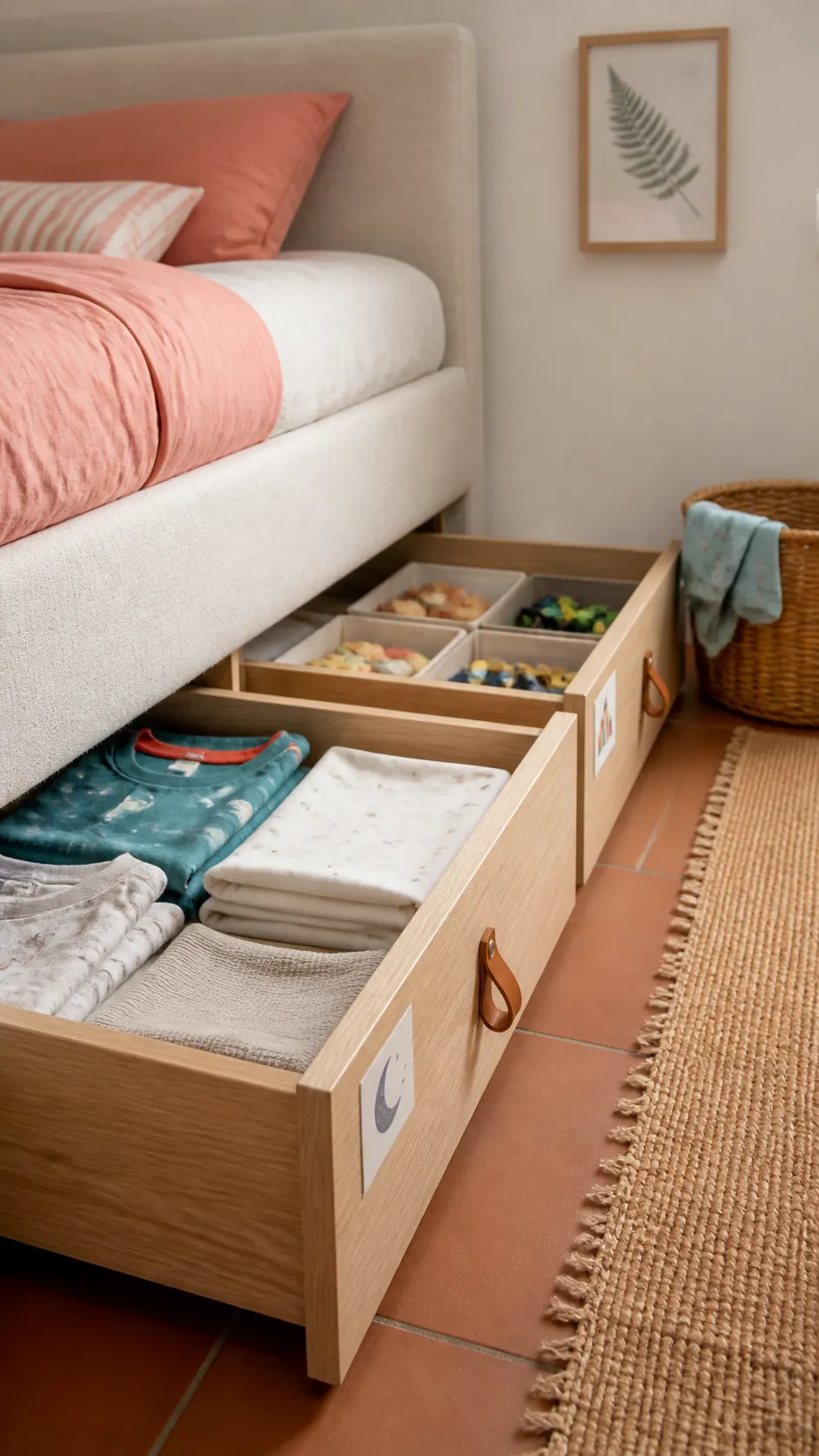
Slide Drawers Beneath The Bed
Wide shallow drawers use the full bed footprint for pajamas, spare sheets, or toy categories. Choose handles that do not snag clothing and leave enough clearance for the drawers to open completely. A picture label on each front lets a child help with the evening reset.
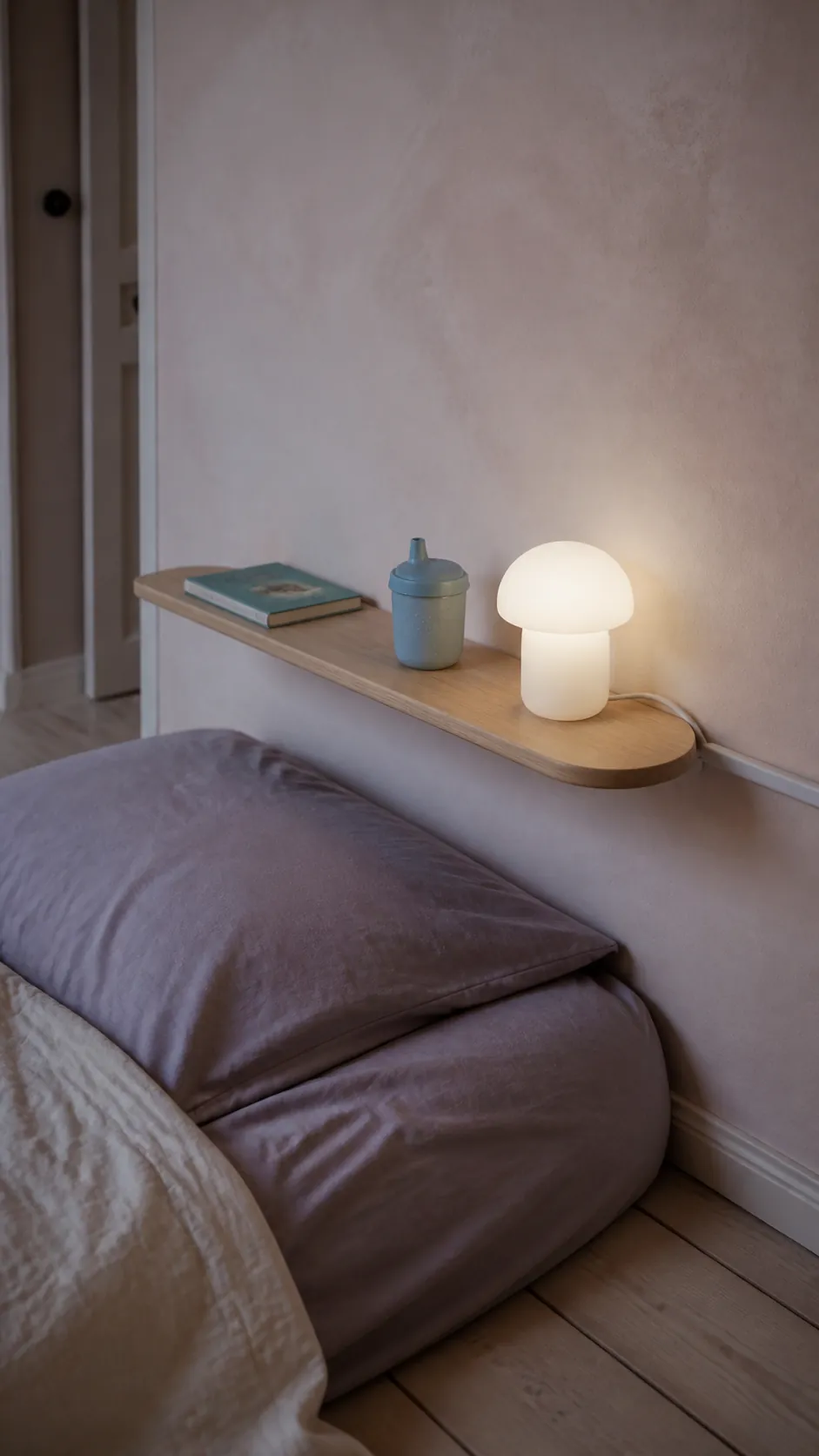
Build A Narrow Bedside Ledge
A slim ledge can hold water, one book, and a soft night light where a table would block the path. Round the corners and anchor the ledge securely into suitable wall structure. Keep cords enclosed and place the light where it cannot heat bedding.
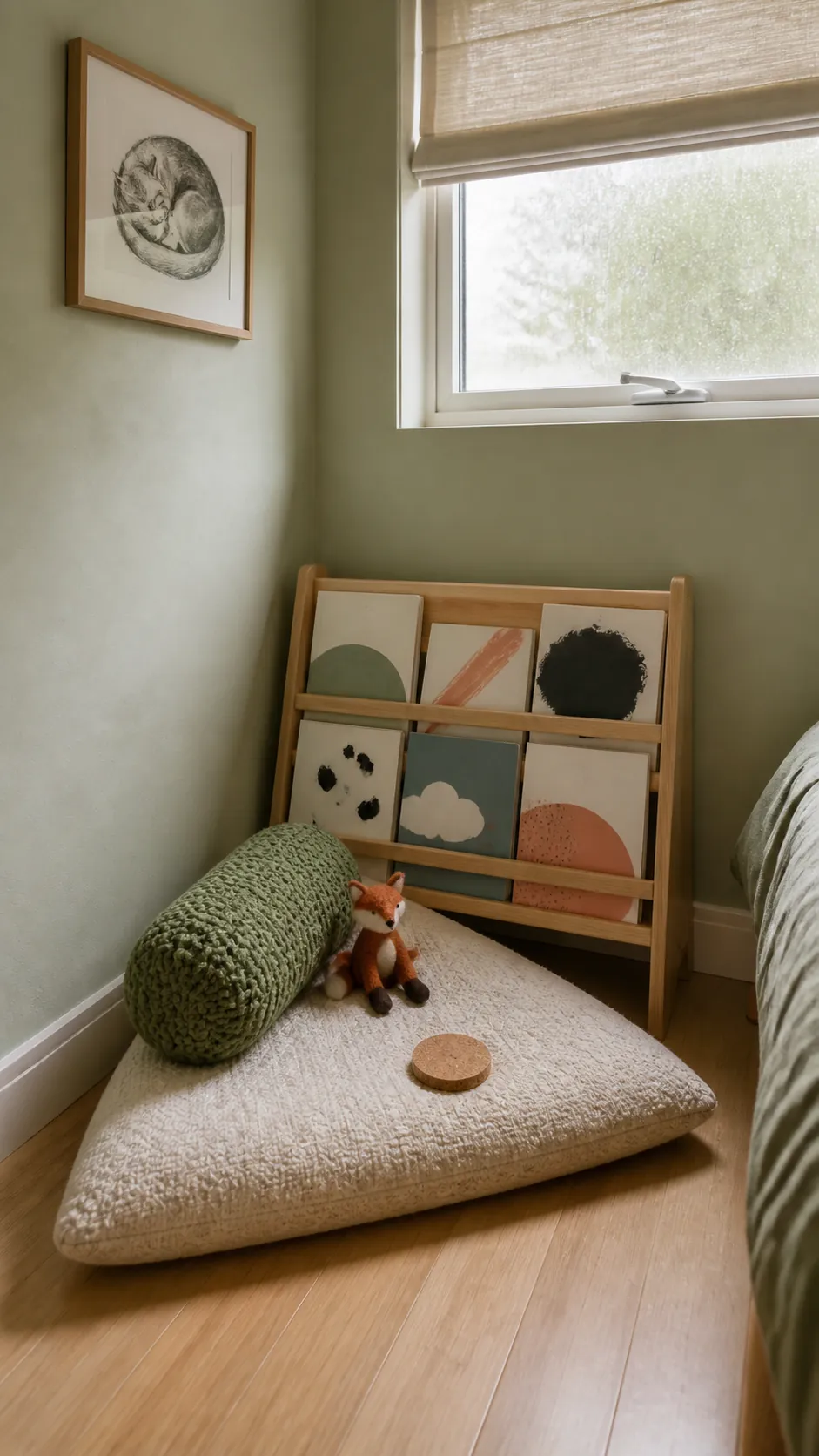
Use A Corner For A Reading Nest
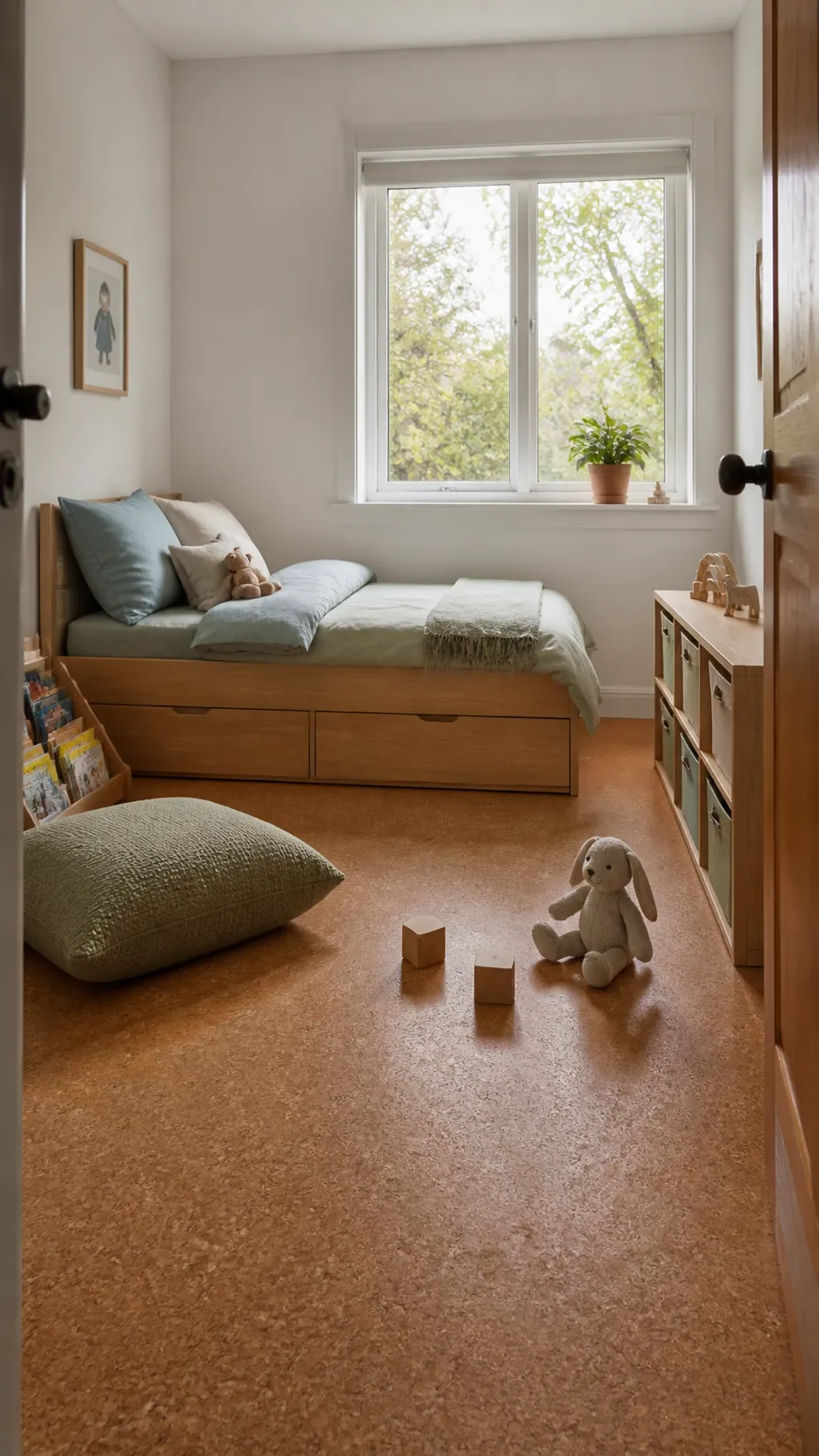
A floor cushion and front facing book rack can turn an overlooked corner into a useful quiet zone. Limit the display to a small rotating selection so covers remain visible and cleanup stays easy. Place the nook near daylight but clear of blind cords and opening windows.
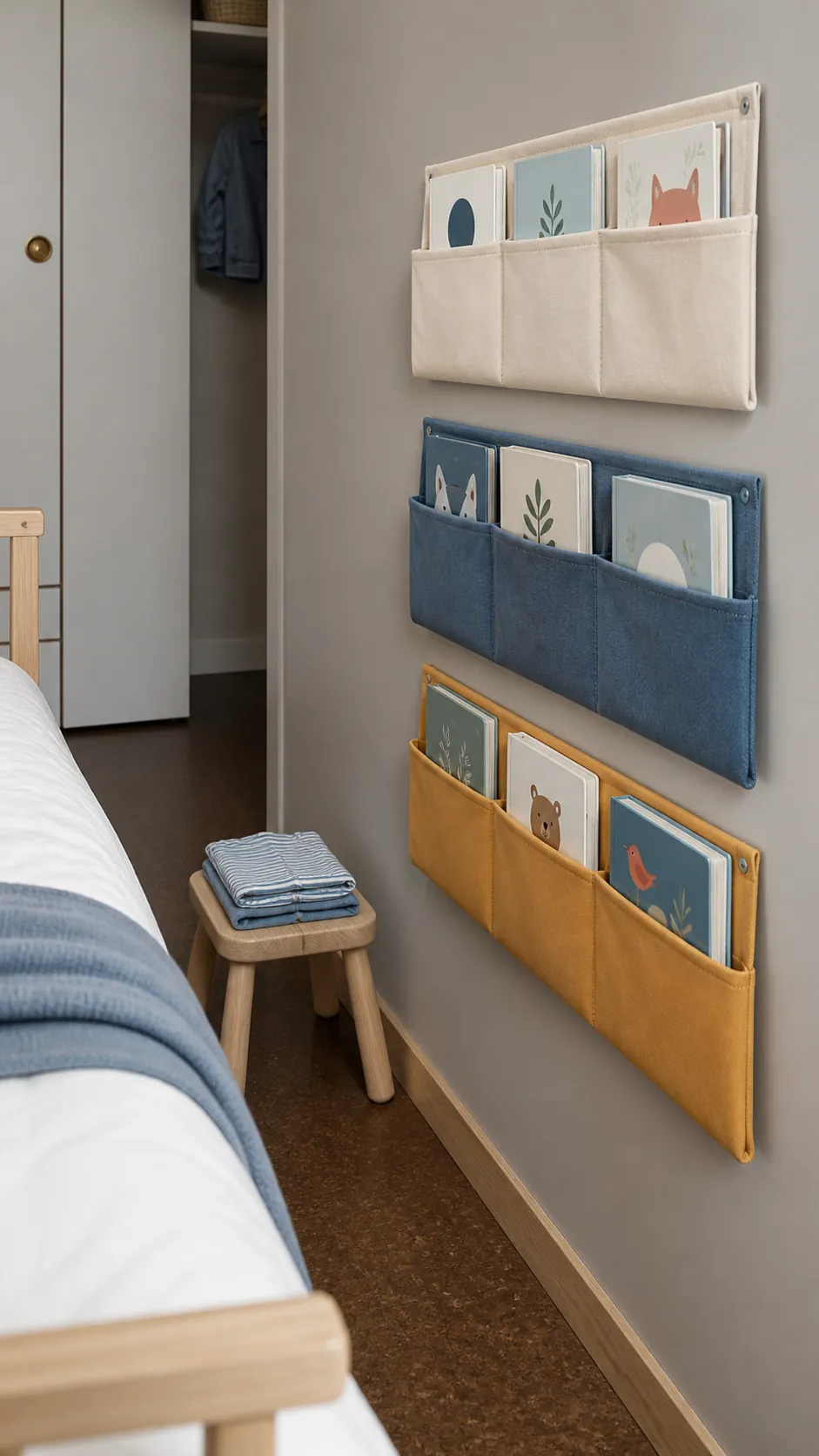
Hang Books In Fabric Pockets
Soft fabric pockets store favorite stories without the depth of a standard bookcase. Mount them at child height with secure fixings and avoid loops that could catch clothing. The flexible fronts also make it easier for small hands to return books independently.
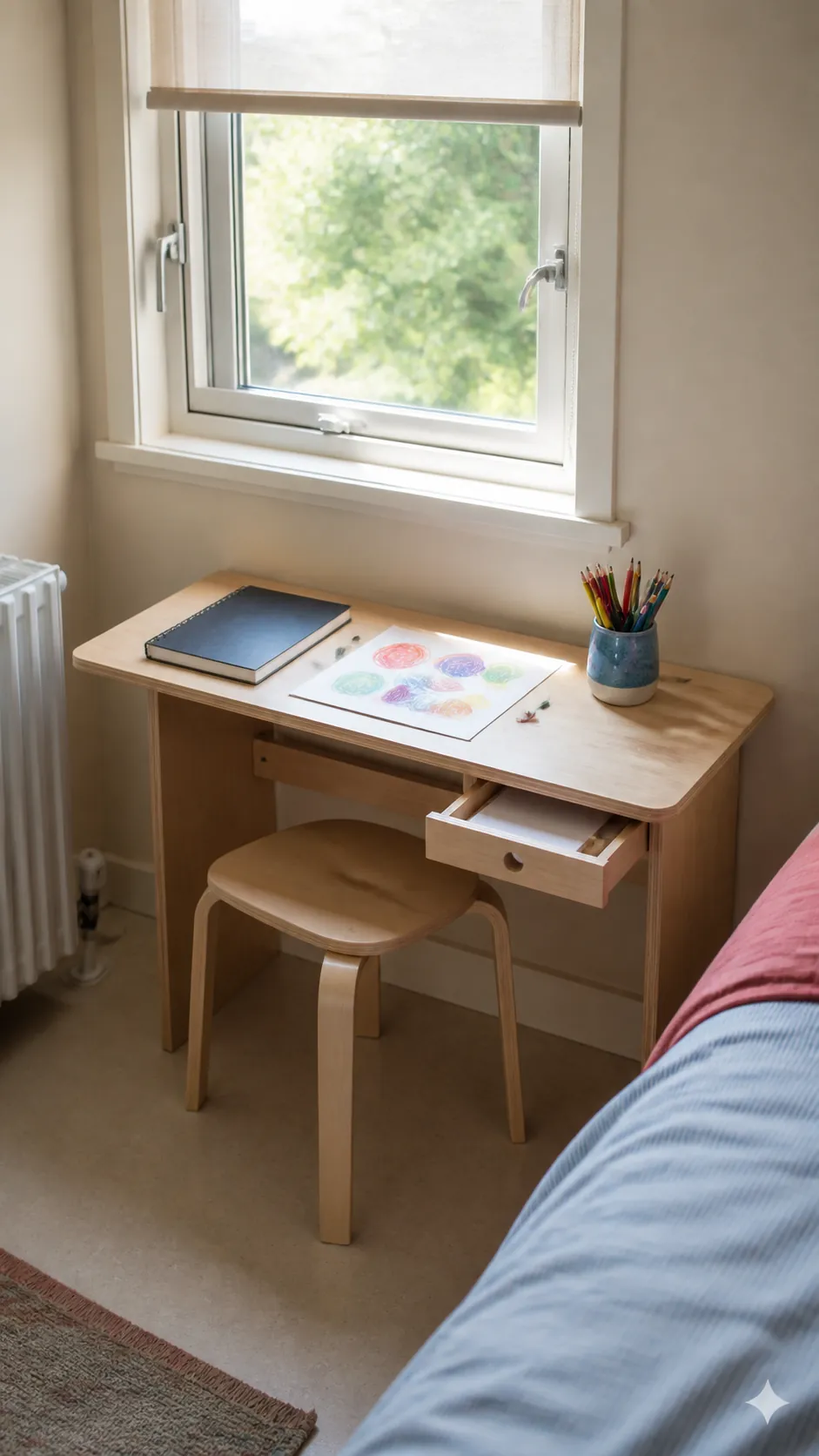
Fit A Desk Beneath The Window
A shallow desk beneath a secure window uses light that would otherwise fall on empty floor. Size it for drawing and early homework rather than adult office storage. Check that the desk does not block heating, window operation, or a safe route through the room.
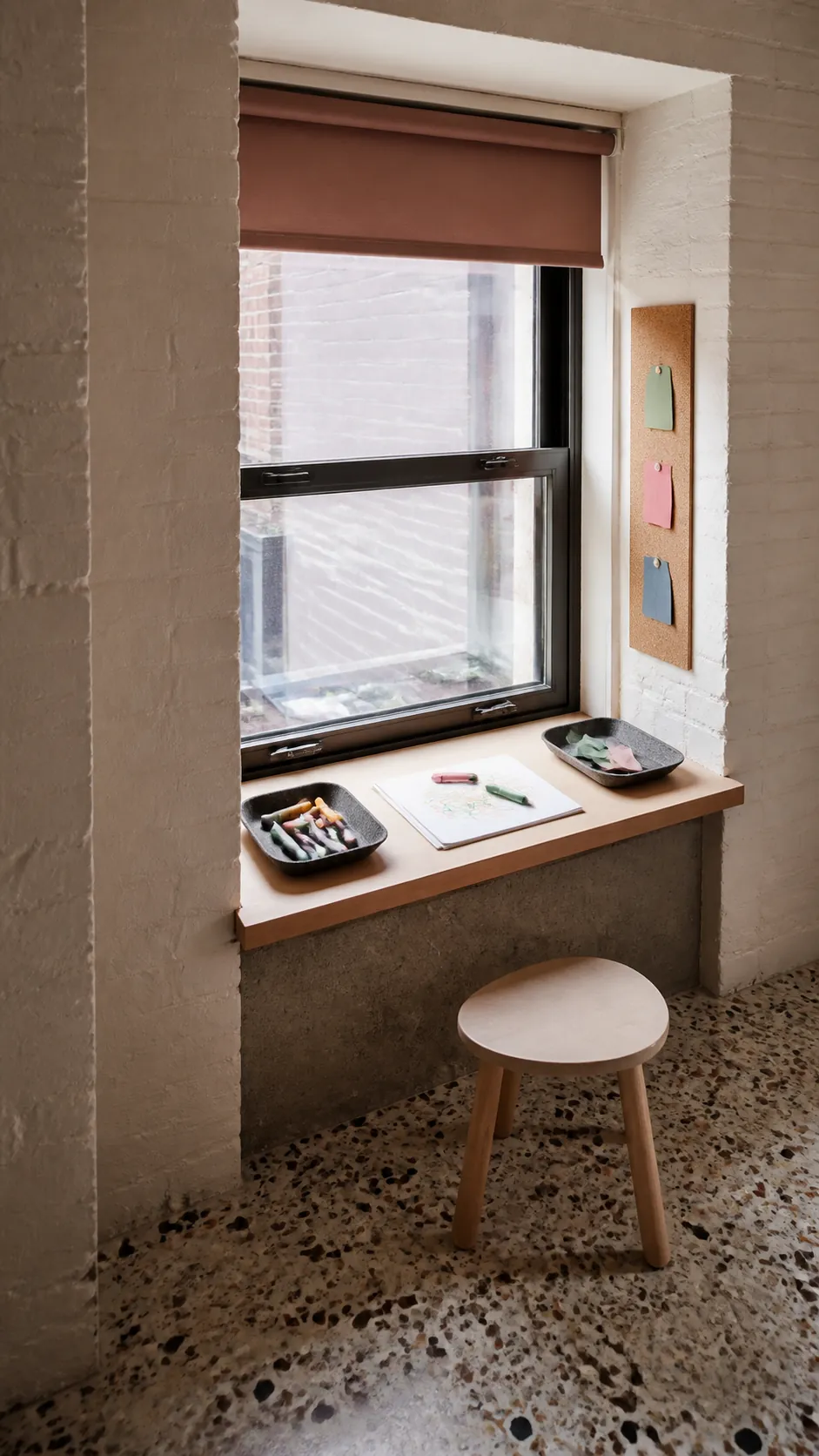
Turn A Deep Sill Into A Worktop
A genuinely deep and safely constructed sill can support a removable drawing surface with storage below. Ask a qualified person to confirm loads, window access, and secure attachment before treating it as furniture. Pair it with a light stool that tucks completely underneath.
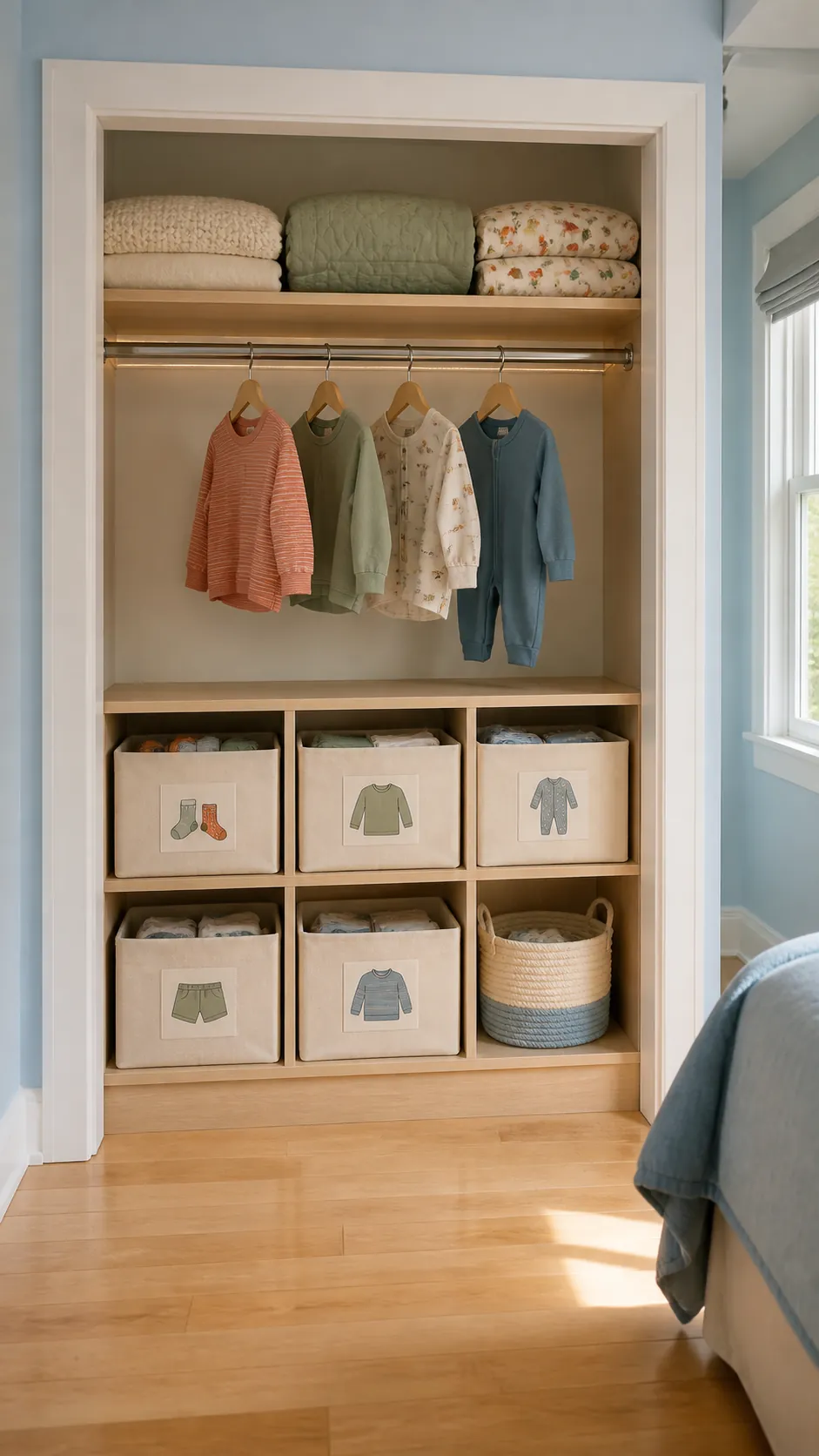
Replace A Dresser With Closet Bins
Open closet bins can remove a bulky dresser from the room while keeping daily clothing visible. Reserve low bins for items a child may choose and higher shelves for seasonal storage handled by adults. Anchor every closet component and keep heavy objects below shoulder level.
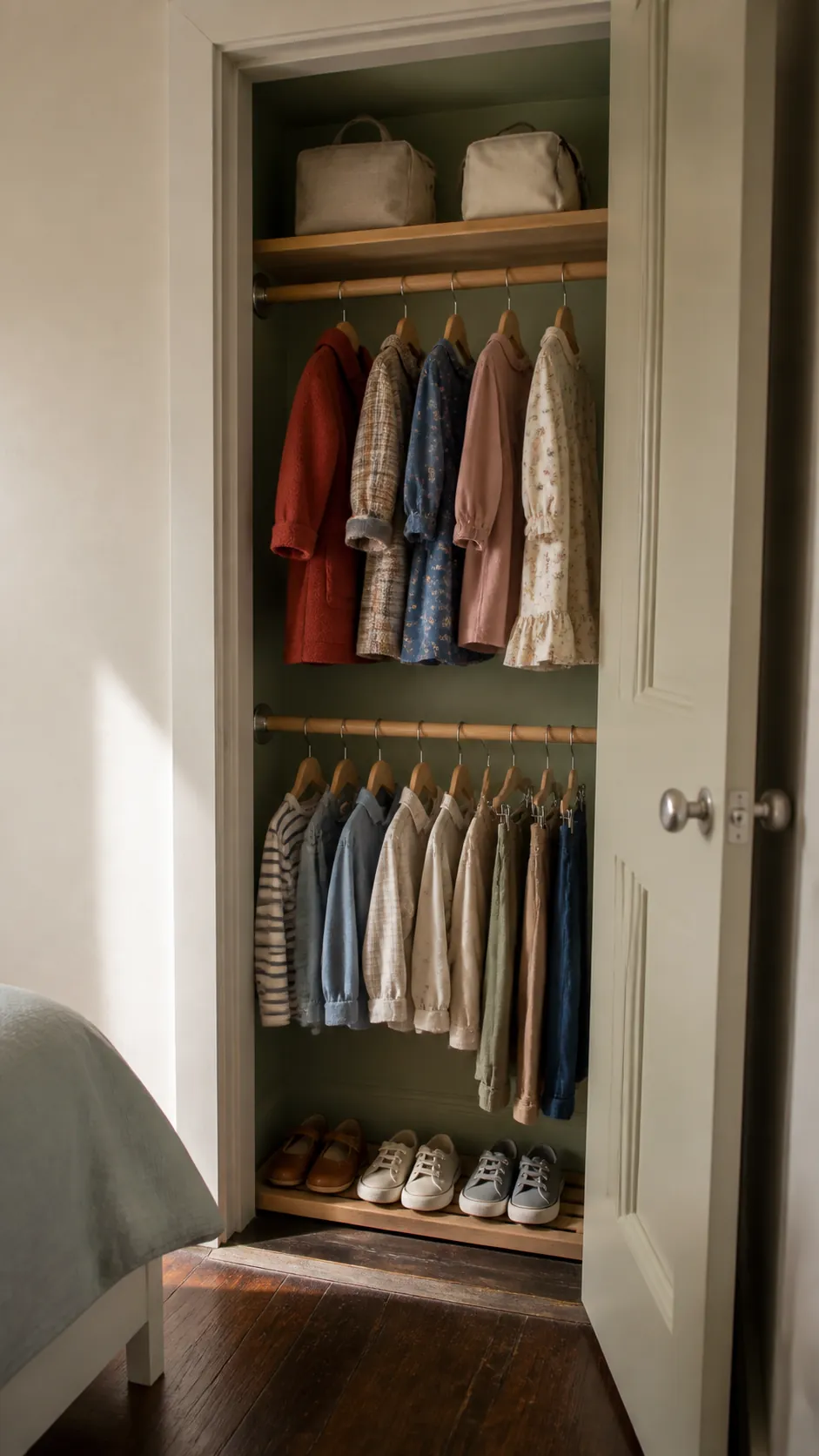
Add A Second Closet Rail
Short children clothing often leaves valuable air below a single rail. A properly secured second rail doubles hanging capacity without adding furniture to the floor. Keep frequently used clothes low and maintain enough spacing that hangers move freely.
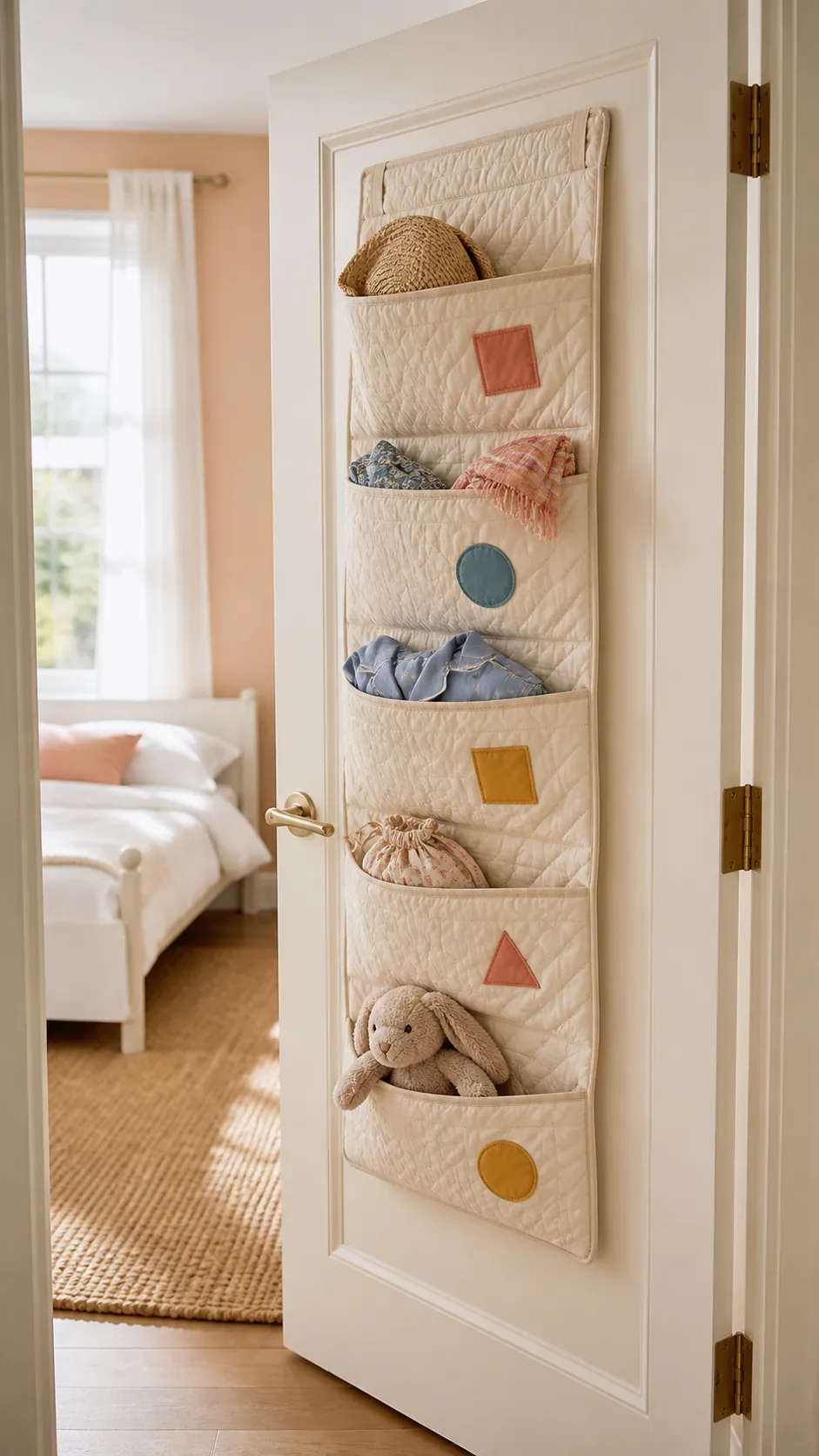
Use The Back Of The Door
A shallow organizer can hold soft accessories, dress up clothes, or tomorrow morning items. Choose short enclosed pockets rather than long cords or loose hooks. Confirm that the added depth does not prevent the door from opening fully or create a pinch point.
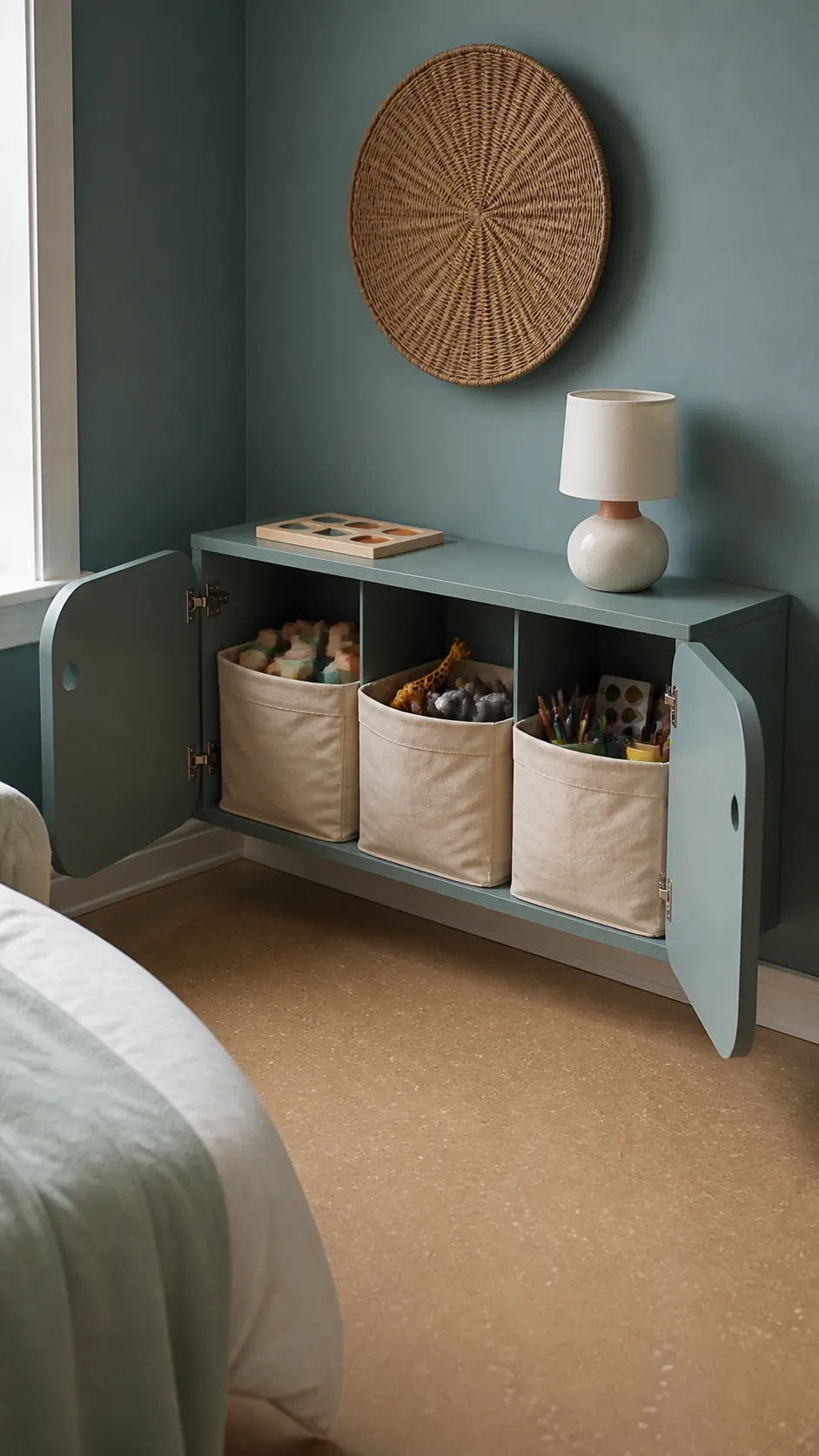
Install A Shallow Toy Cabinet
A cabinet with limited depth preserves the walkway while hiding visual clutter at bedtime. Doors should open without colliding with the bed, and the unit must be anchored according to its instructions. Use a few broad categories because many tiny containers create more work for young children.
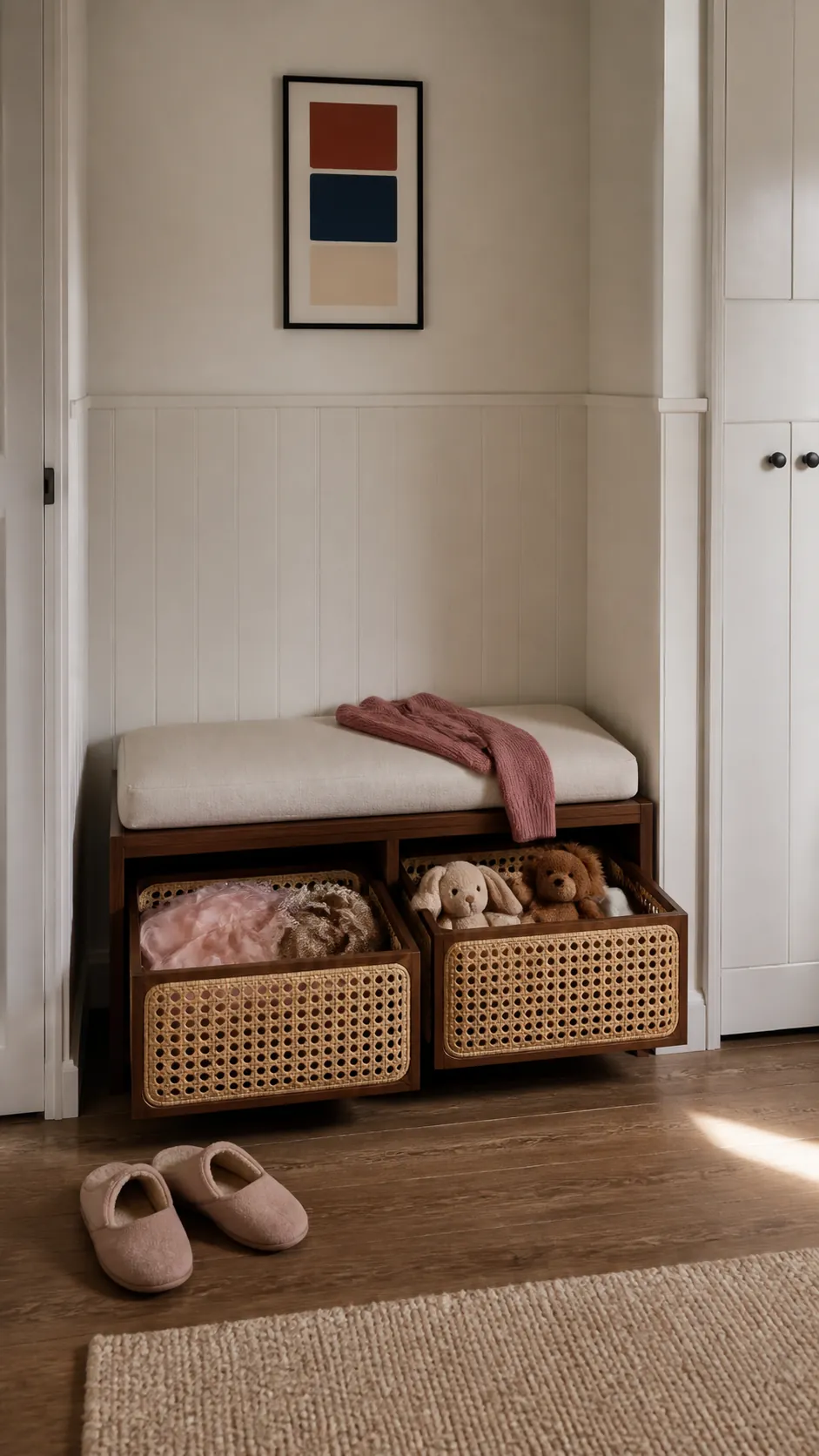
Choose A Bench With Hidden Storage
A short bench can support dressing, reading, and contained storage in one footprint. Select a lid with safe hinges or use open pullout bins to protect small fingers. Keep the top mostly clear so the piece remains functional rather than becoming another pile.
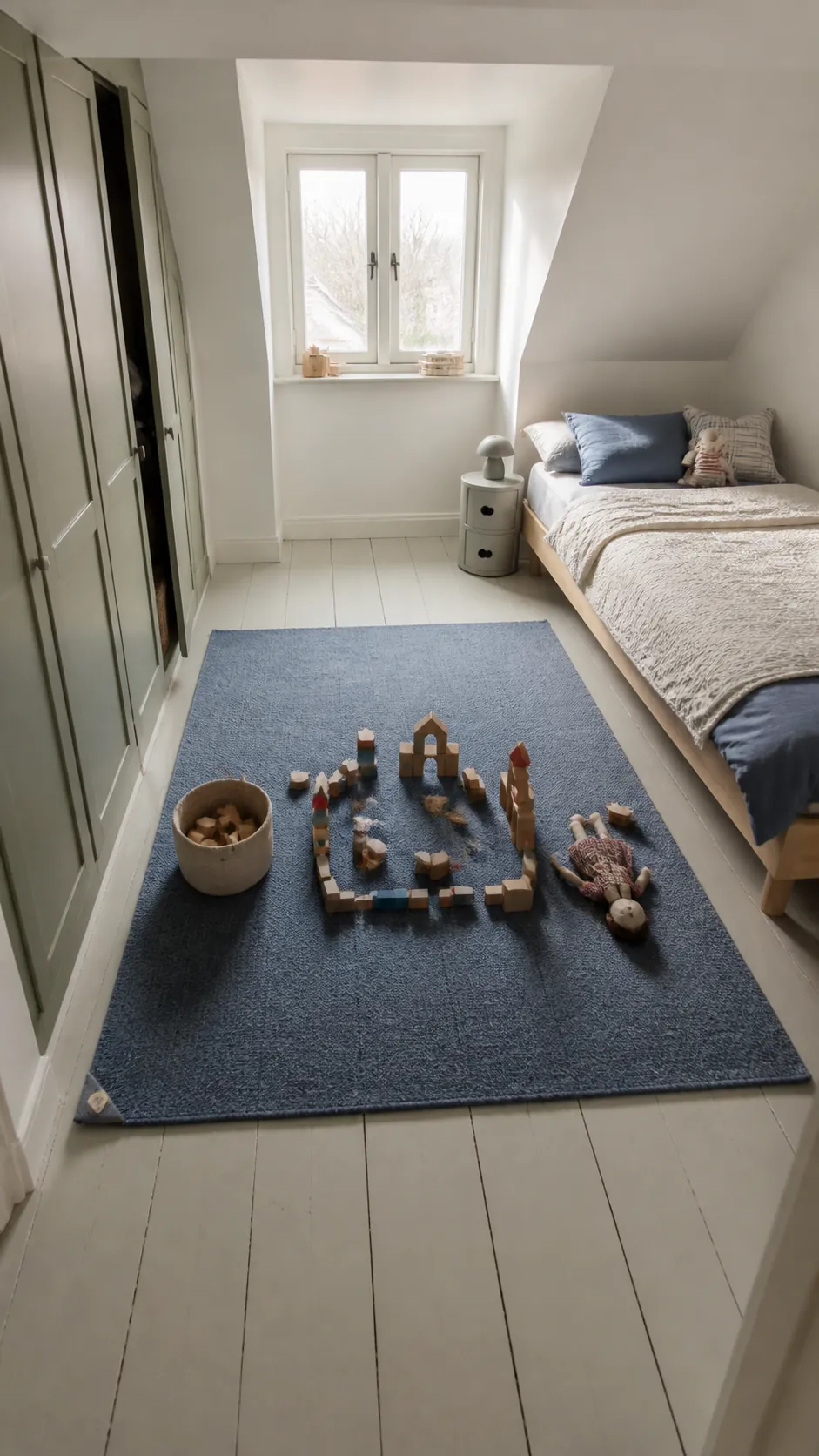
Create One Open Play Square
Young children often use one clear patch of floor more than several themed activity stations. Arrange larger furniture around the perimeter and protect a simple square for blocks, movement, and dressing. A small rug can define the area, but secure it so the edges do not curl.
Store Most Toys Outside The Bedroom
A sleep focused room may work better with only books, comfort items, and a few quiet toys. Rotate choices from a hall closet or family area instead of forcing every possession into the bedroom. Less inventory usually makes independent cleanup faster and bedtime visually calmer.
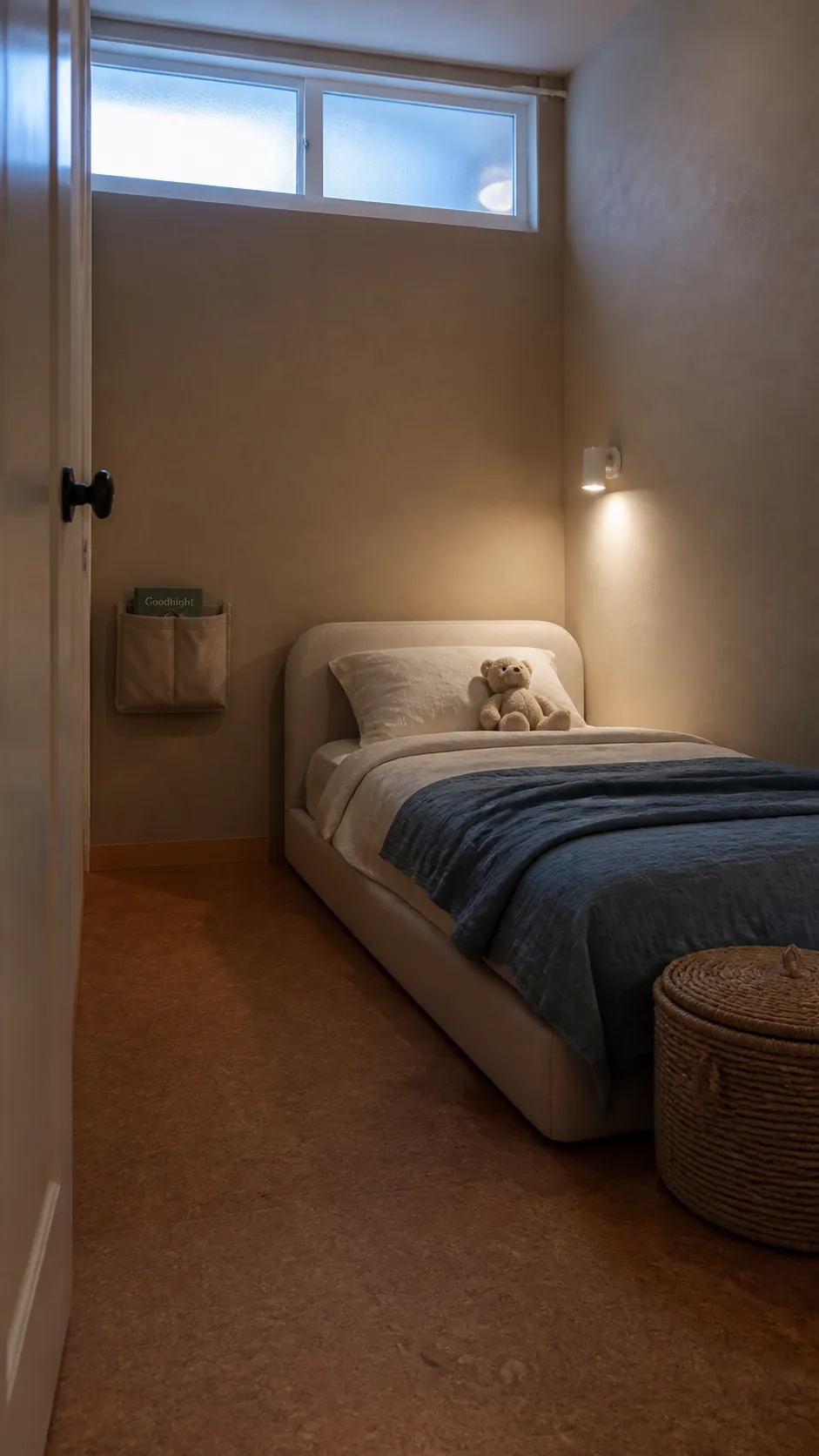
Give Shared Beds Matching Footprints
Two compact beds with equal footprints can make a shared room feel fair and orderly. Use different bedding accents so each child recognizes a personal zone without duplicating every accessory. Preserve a central path wide enough for nighttime checks and morning dressing.
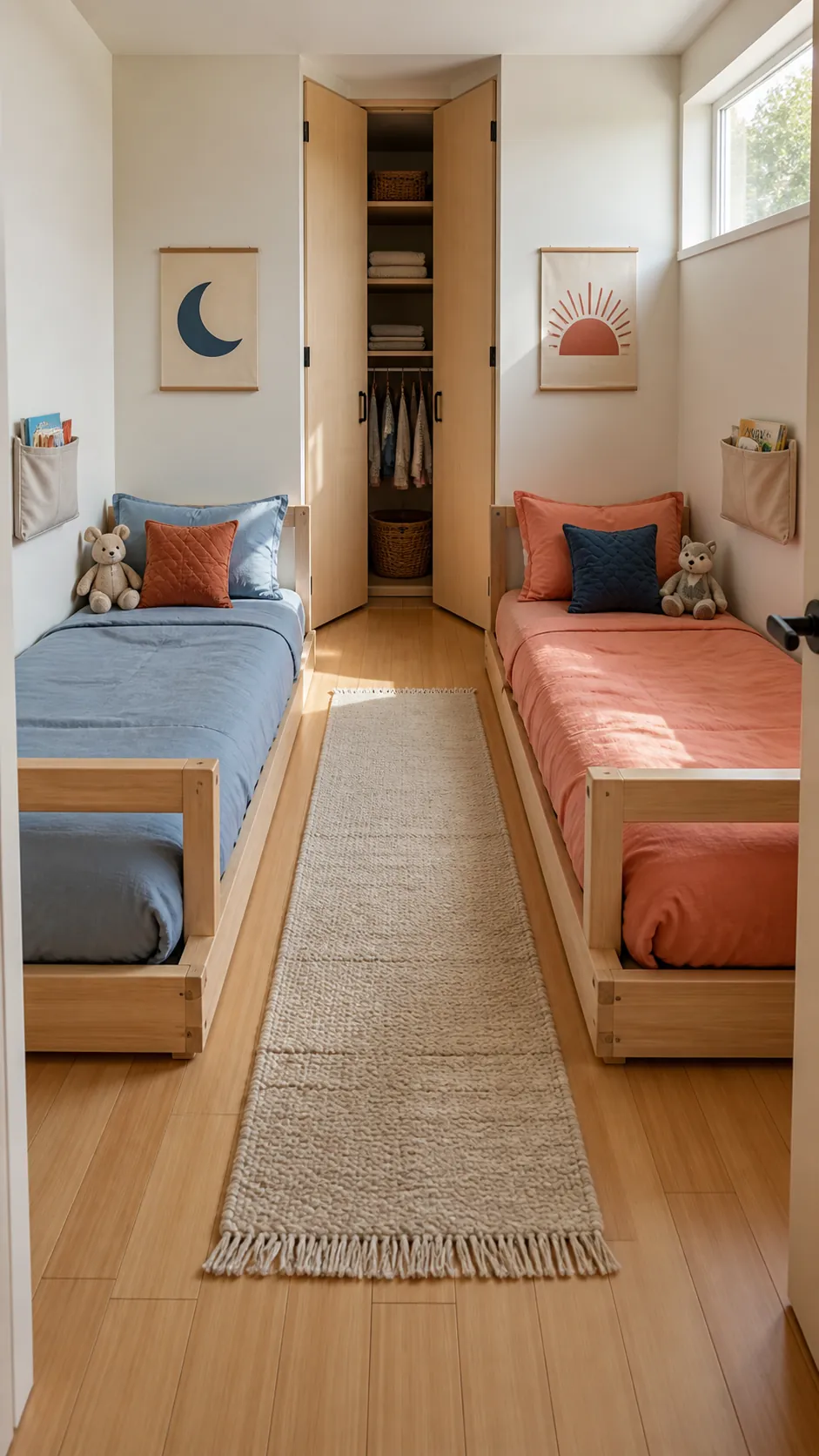
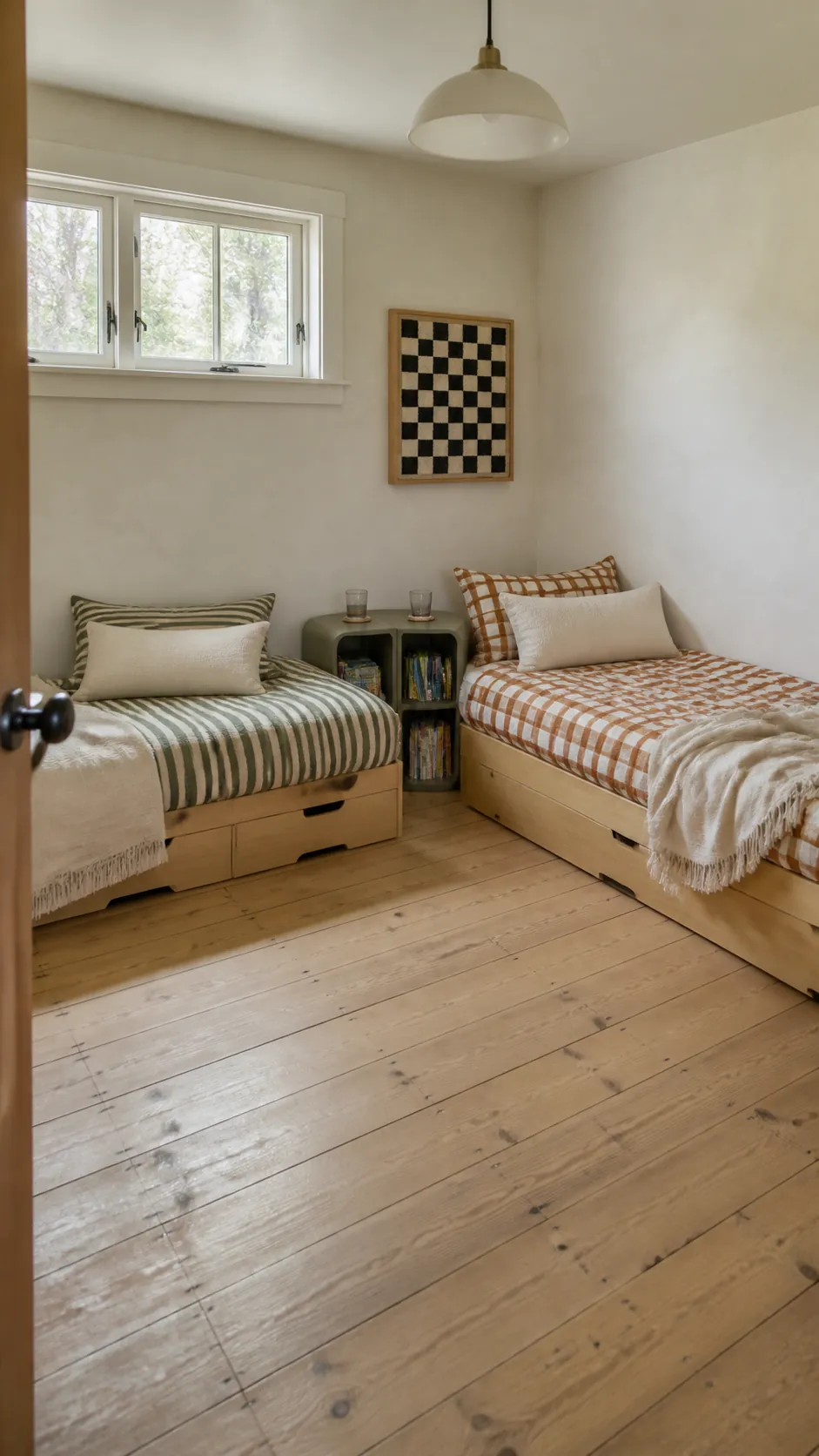
Arrange Two Beds In An L Shape
An L arrangement can open the center when parallel beds leave only a narrow aisle. Place heads away from door drafts and check that neither mattress blocks a vent or accessible outlet. The corner between beds can hold one shared shelf instead of two tables.
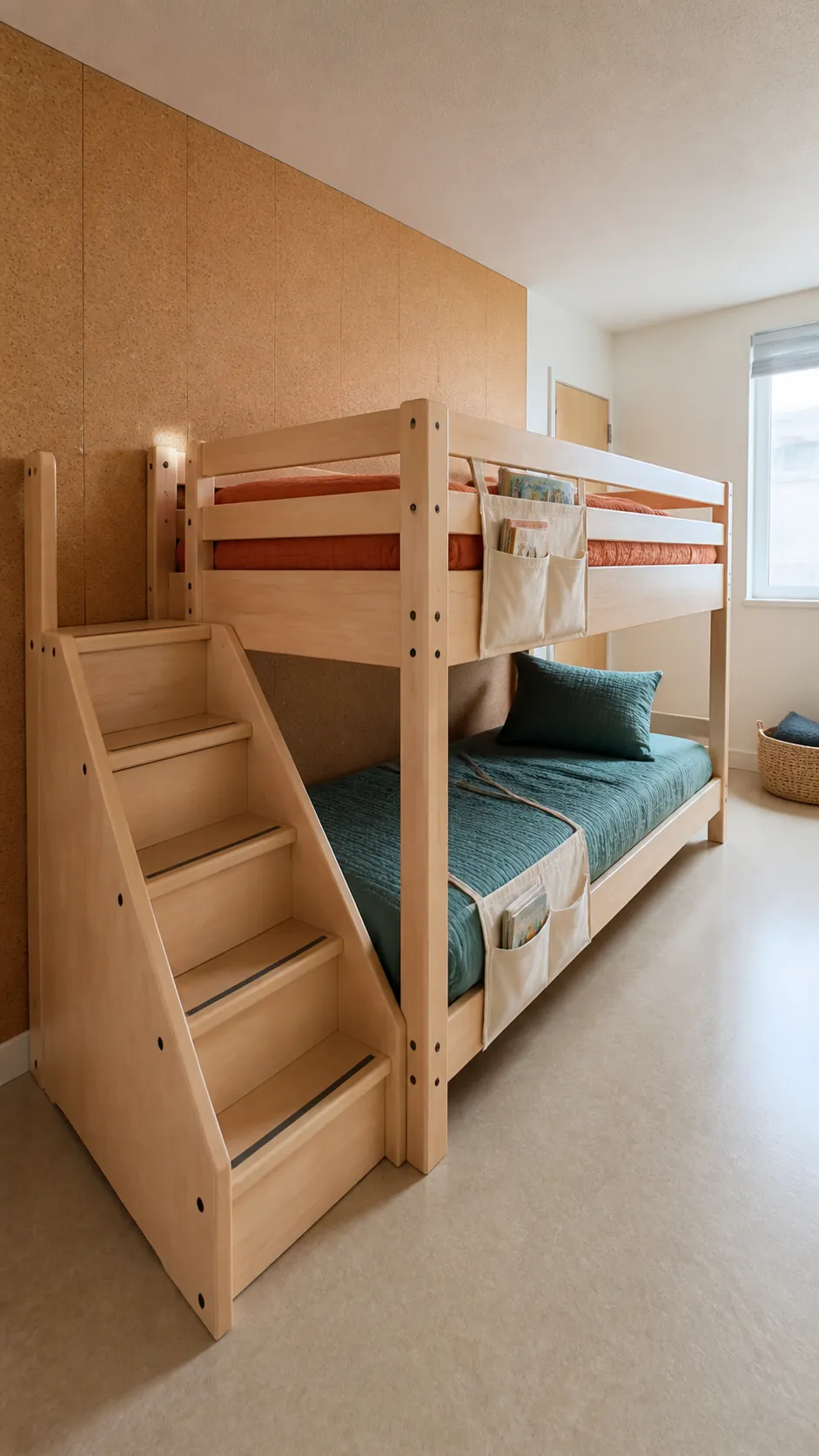
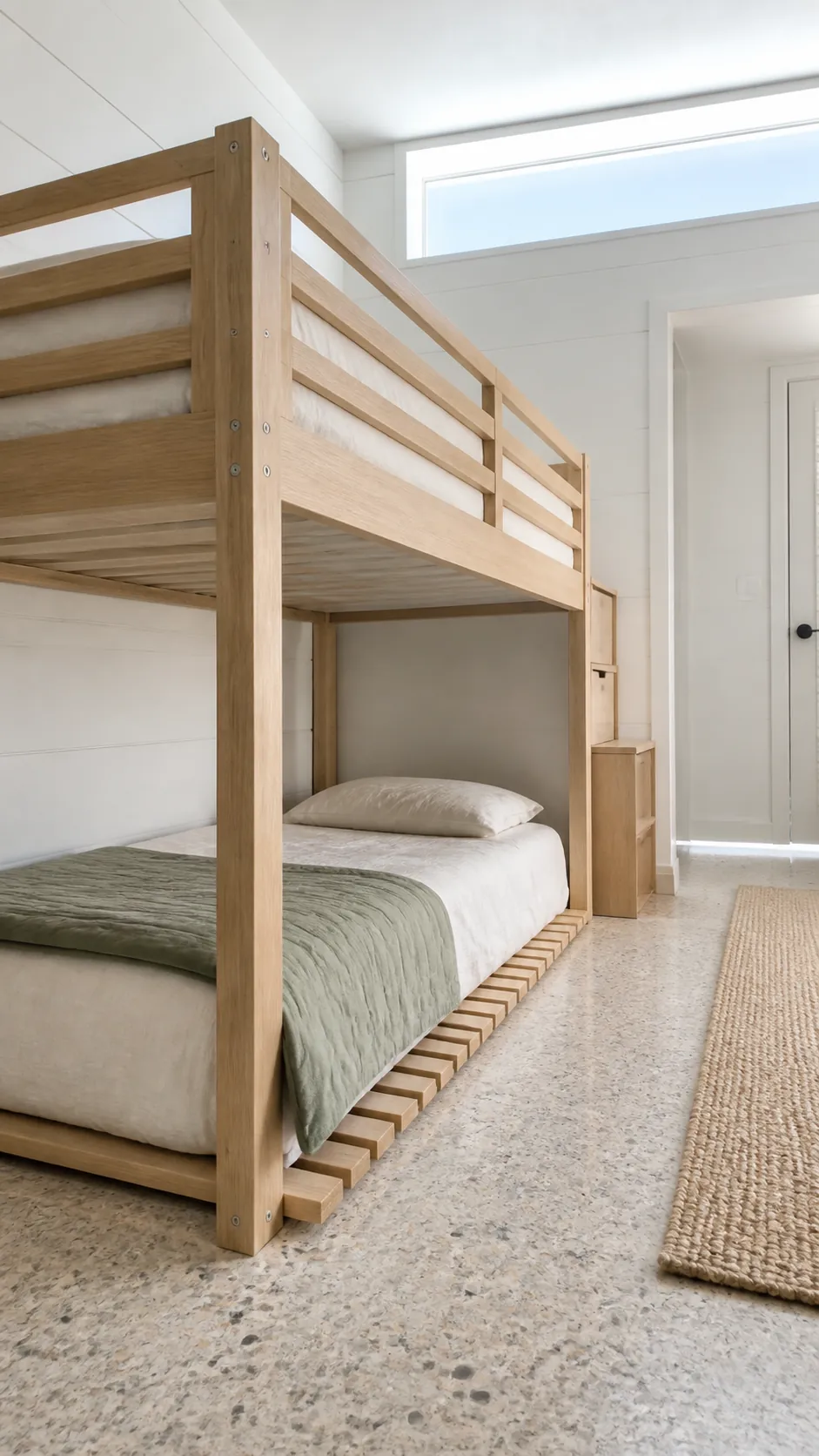
Try A Low Bunk For Siblings
A low bunk consolidates sleep space while keeping the upper mattress farther from the ceiling. Follow age limits, guardrail rules, ladder guidance, and mattress specifications exactly. Consider each child sleep pattern first, because saving floor space cannot compensate for repeated waking or unsafe climbing.
Tuck A Floor Bed Beneath A Loft
A floor bed beneath an approved loft can suit some siblings while preserving more open space. Maintain ventilation, a clear exit, safe headroom, and the exact protective features required by the bed maker. Do not improvise a stacked arrangement from furniture that was not designed for it.
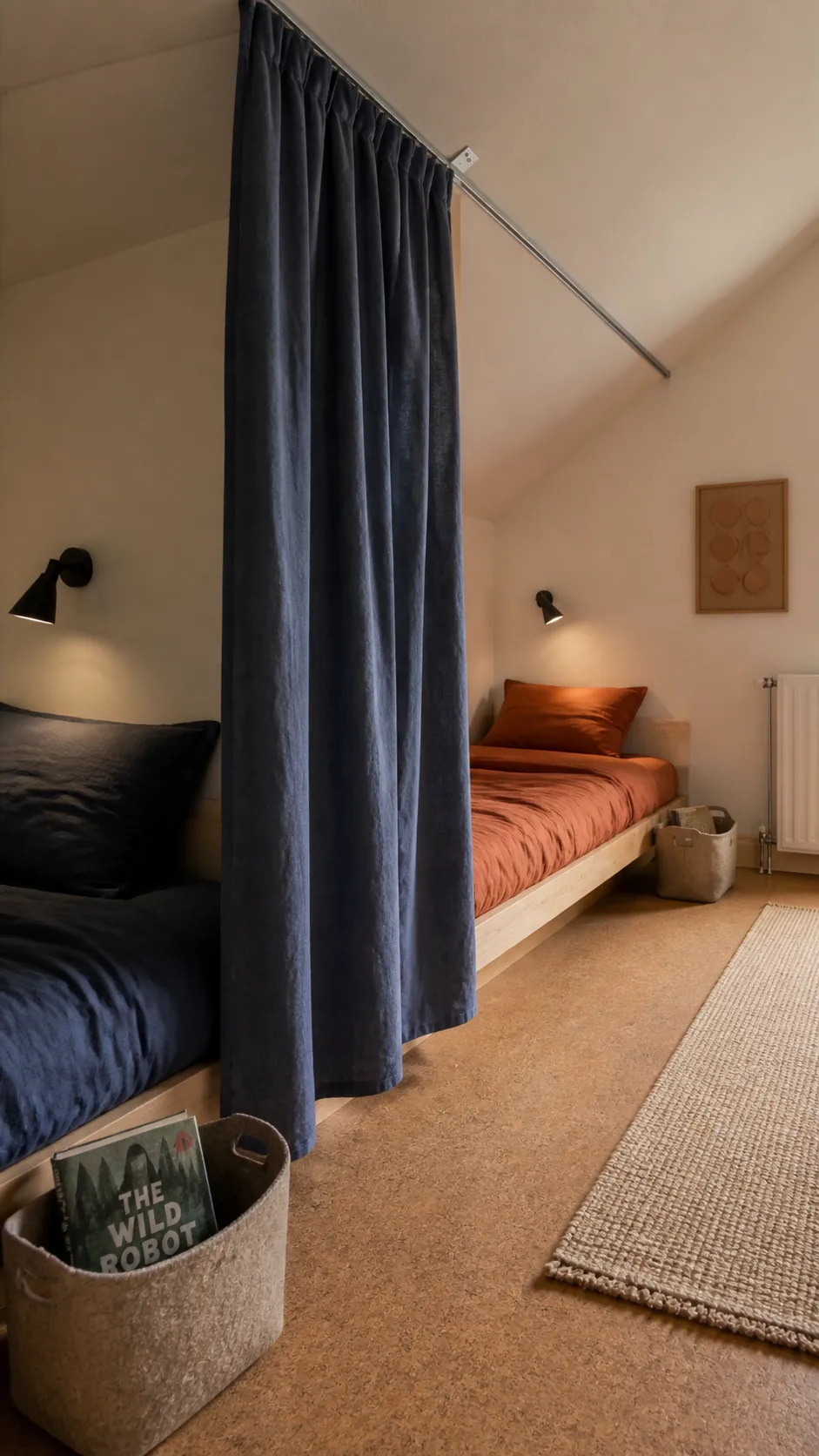
Add A Curtain For Personal Space
A short bed curtain can give a shared room a sense of retreat without dividing the whole floor. Use breathable fabric, secure hardware, and a design that never encloses a heat source or blocks supervision. Teach children when privacy is respected and when the curtain must stay open.
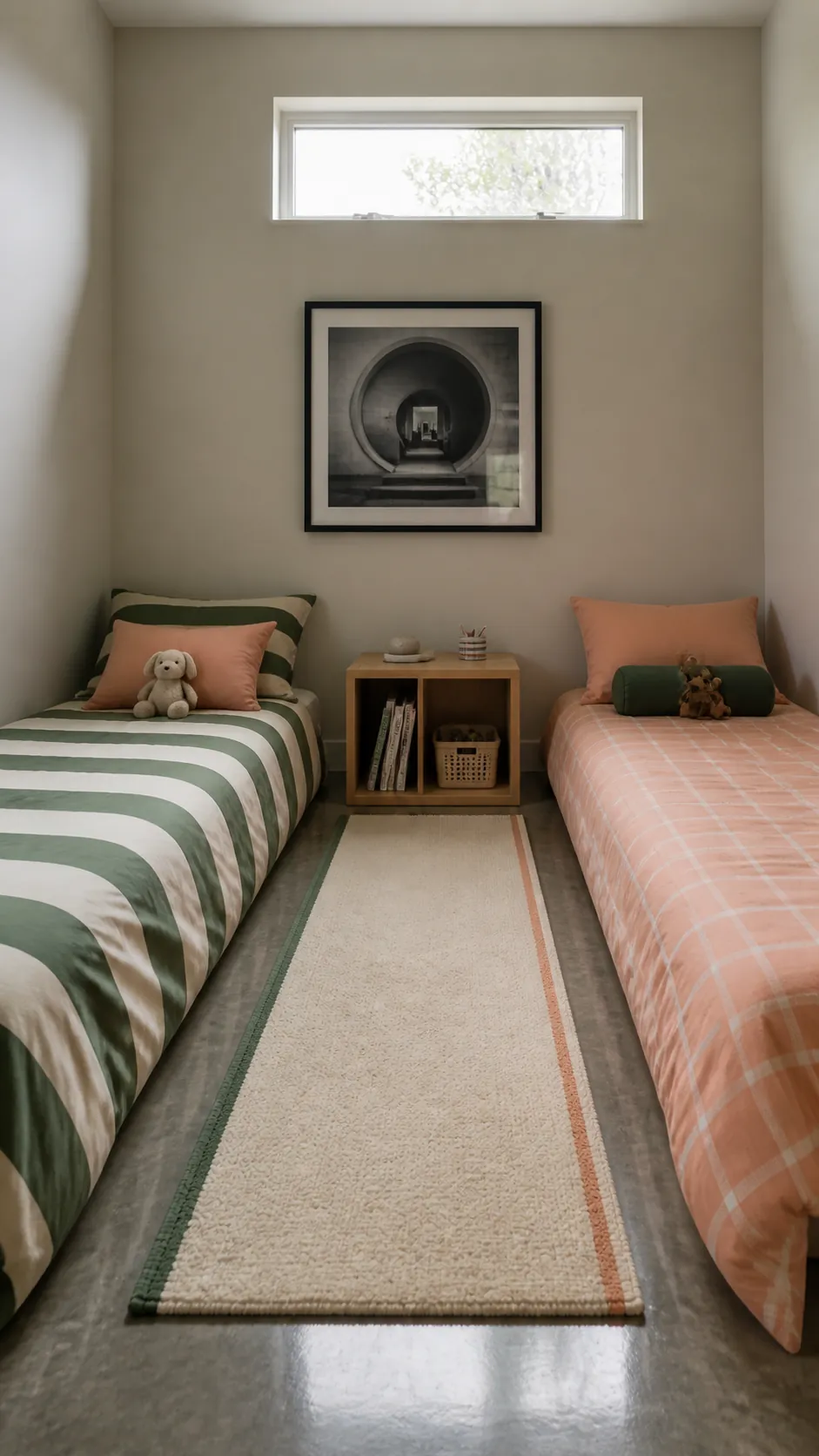
Mark Two Zones With Bedding
Related bedding colors can separate sibling zones while preserving a calm overall room. Let each child choose one accent from a limited palette that already works with the walls and rug. Repeat both accents in one shared object so the room still feels connected.
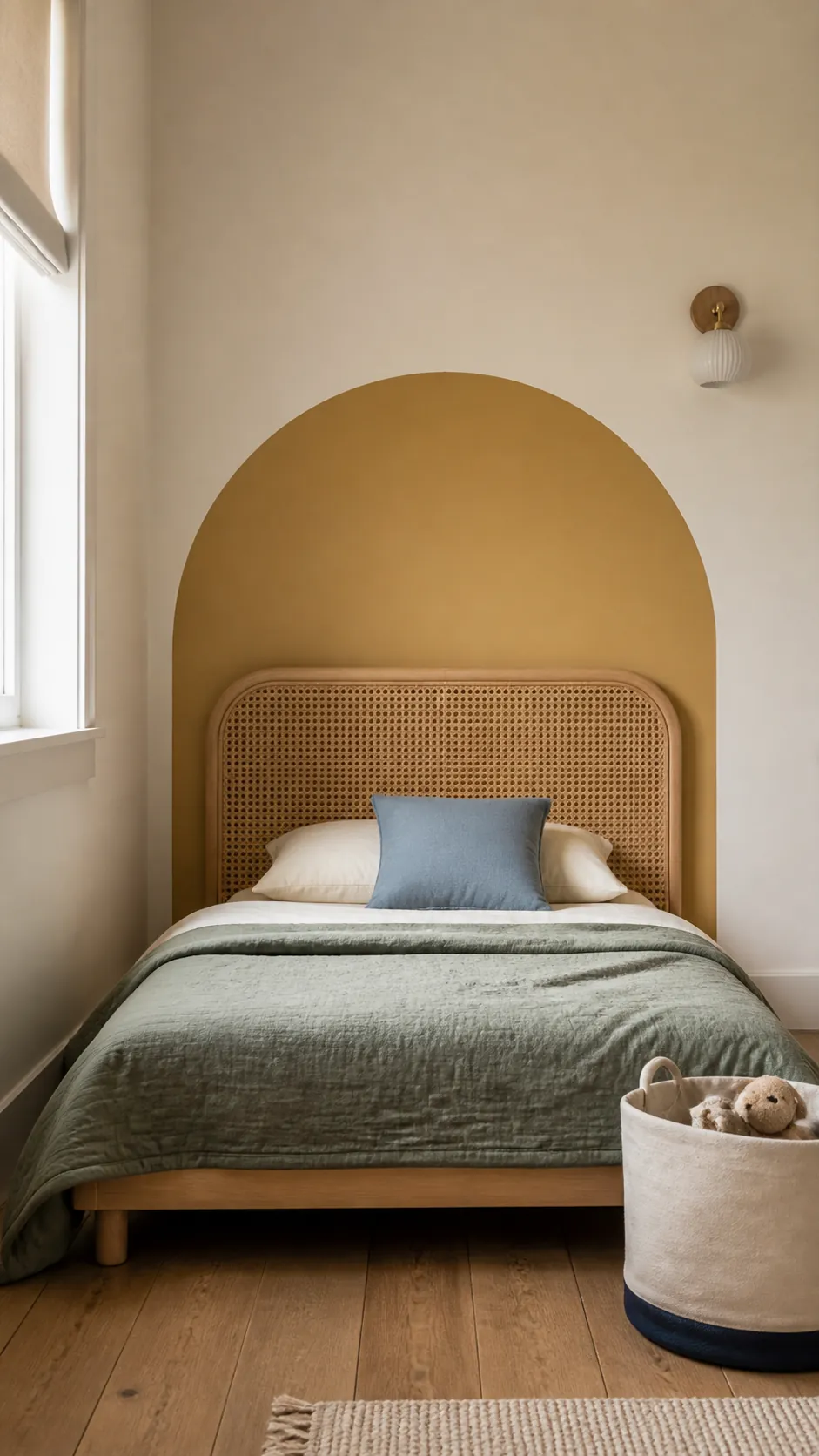
Paint A Gentle Headboard Shape
A painted arch or simple rectangle can give a low bed visual presence without adding thickness. Use washable low odor paint appropriate for the room and keep the shape clear of outlets. A muted color usually ages better than a highly themed scene.
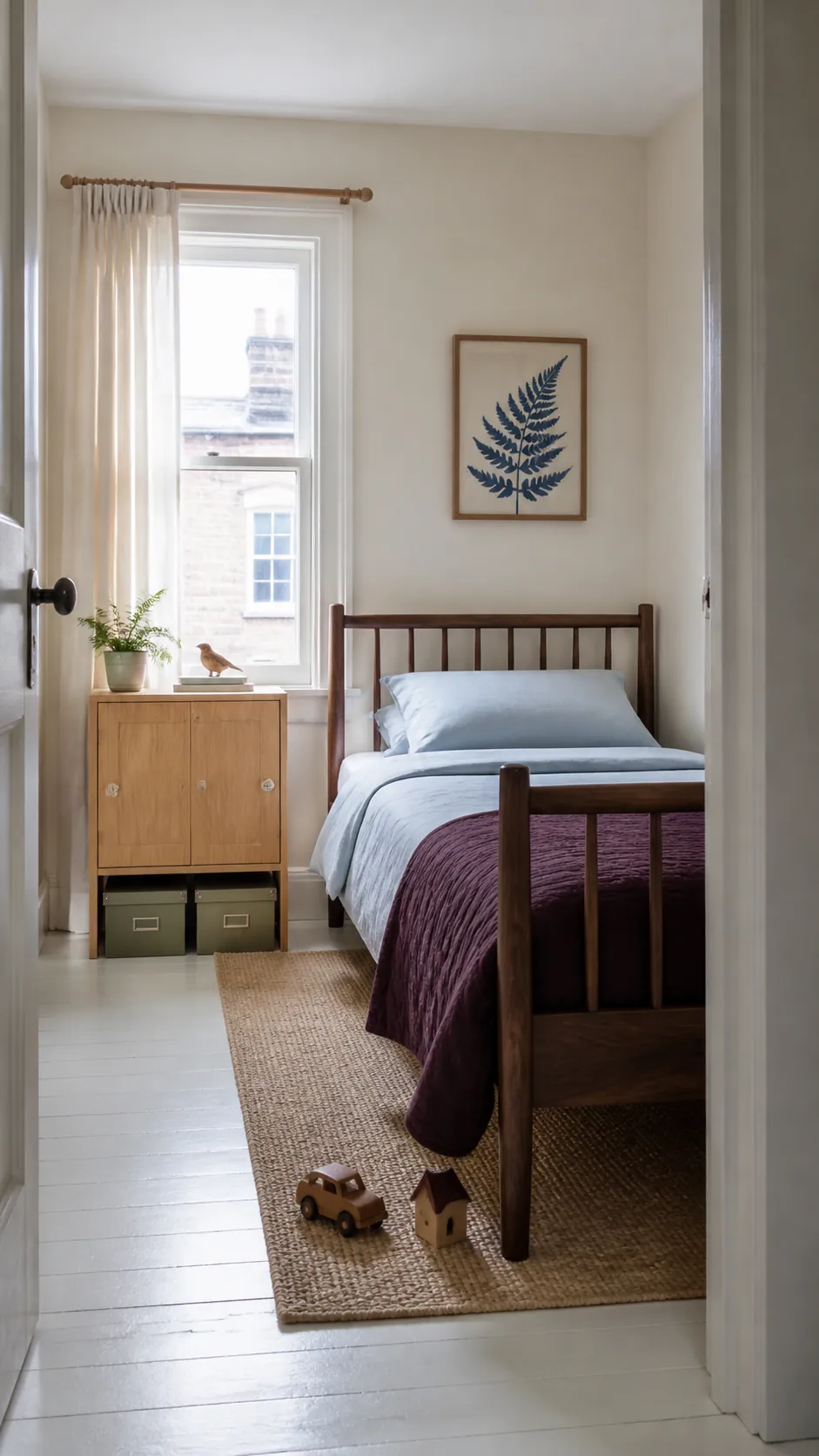
Keep The Palette Light And Grounded
Pale walls can distribute limited daylight, while wood and one deeper accent prevent the room from feeling washed out. Choose two or three repeatable colors rather than scattering many bright tones across small objects. Washable textiles provide the easiest place to adjust the palette as interests change.
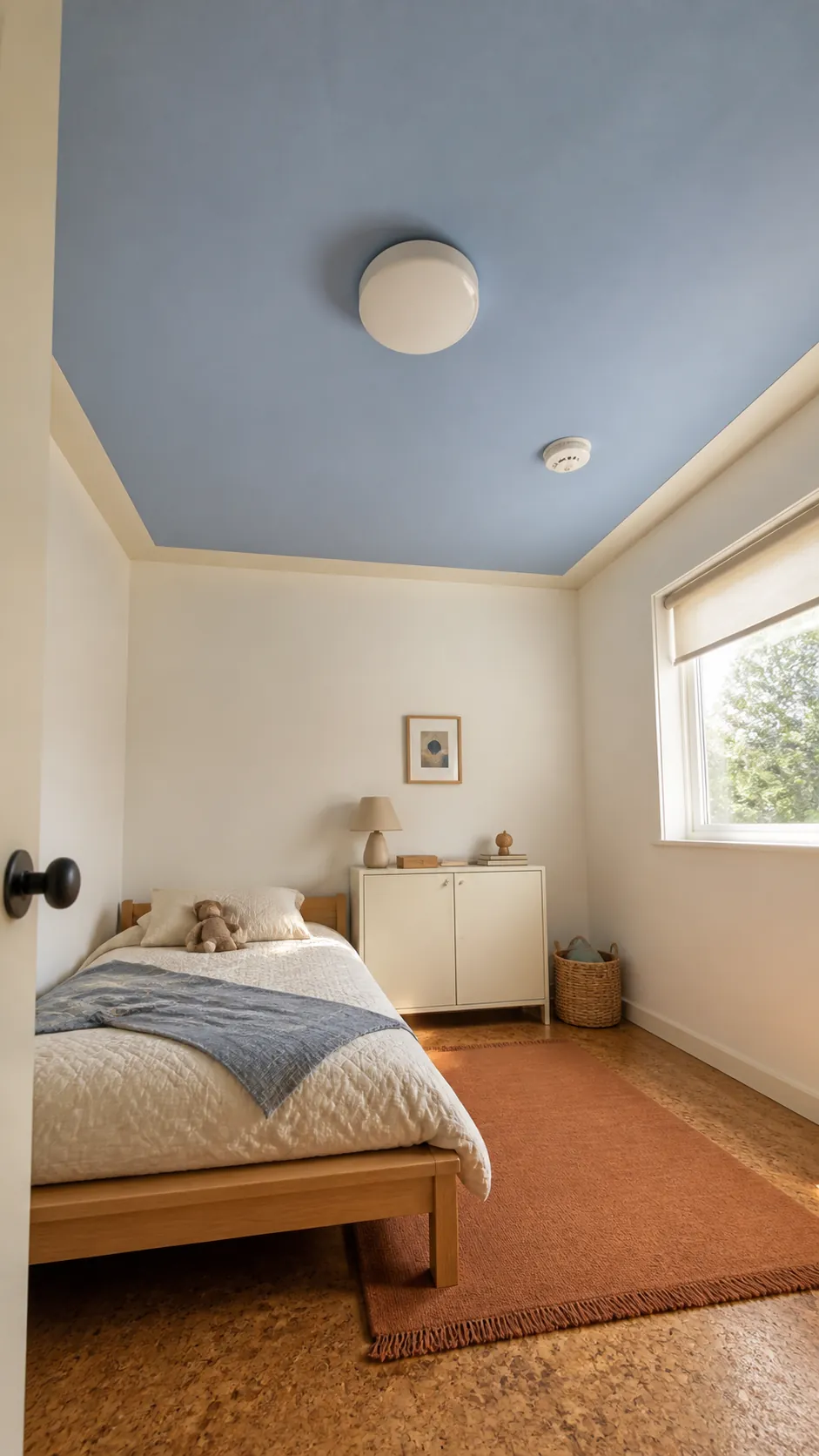
Use One Playful Ceiling Detail
A softly colored ceiling can add wonder without taking wall or floor space. Keep the finish matte and compatible with the room light so it does not feel heavy overhead. Leave fans, alarms, vents, and access points unobstructed and visually clear.
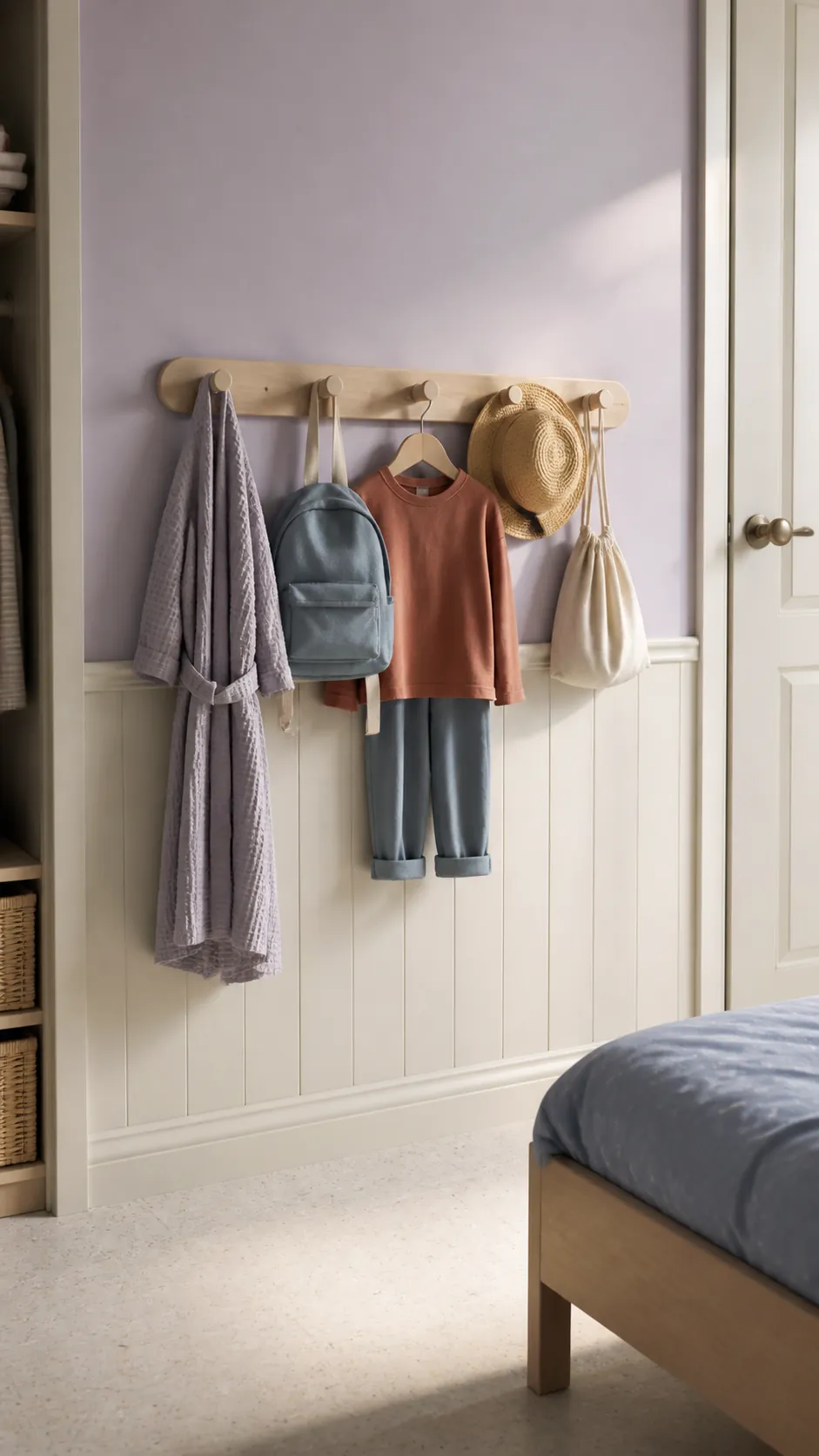
Mount A Peg Rail At Child Height
A short peg rail can collect a robe, small bag, and tomorrow clothes without requiring a wardrobe door. Use rounded pegs, secure anchors, and light items only. Leave space below so hanging fabric does not cover heaters, outlets, or the walking path.
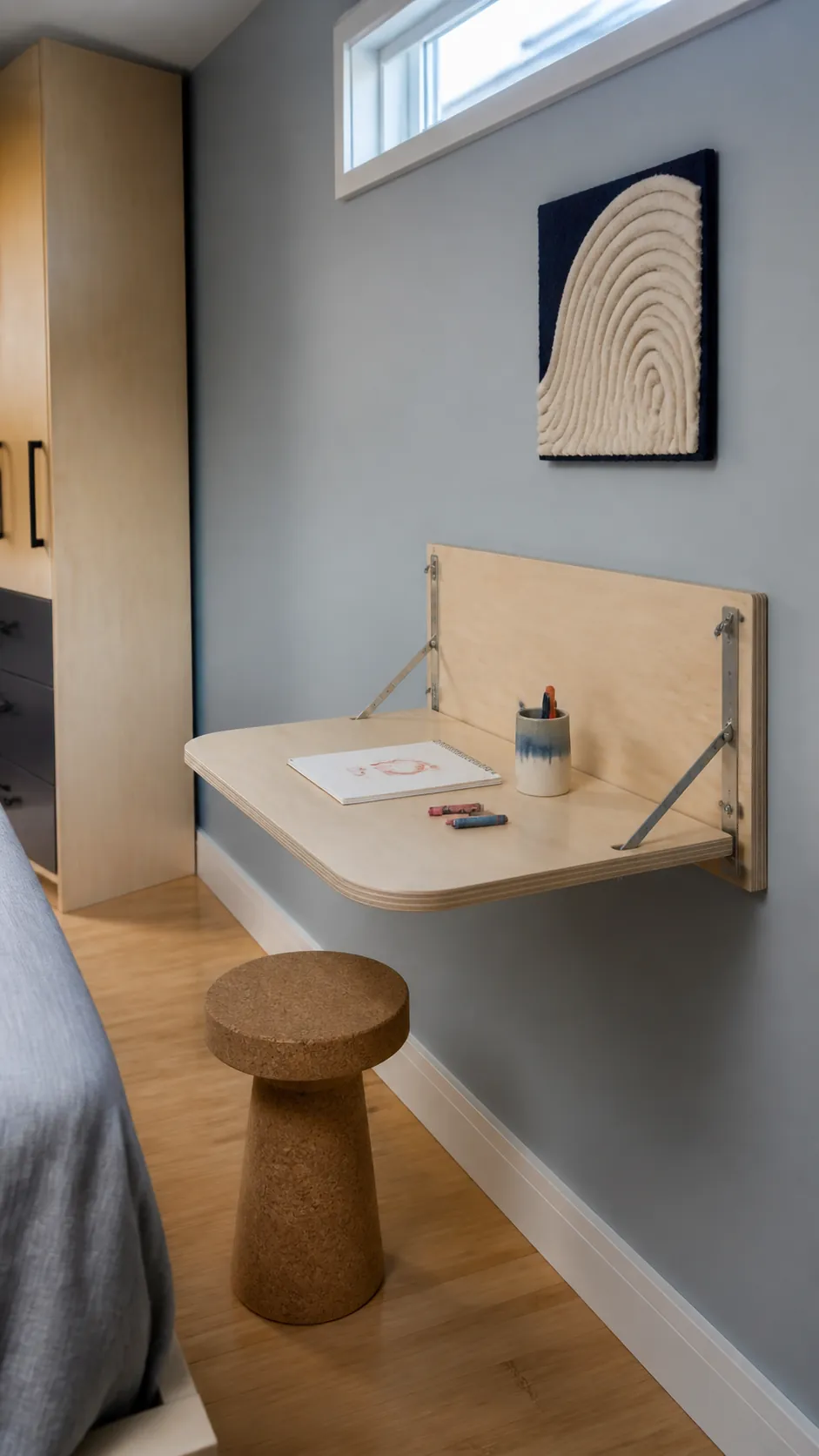
Choose Folding Furniture Carefully
A wall mounted folding desk can return floor area after drawing time, but safety depends on solid installation and protected hinges. Select a model designed for the expected load and supervise young children during use. Keep the closed face simple so it contributes calm rather than visual clutter.
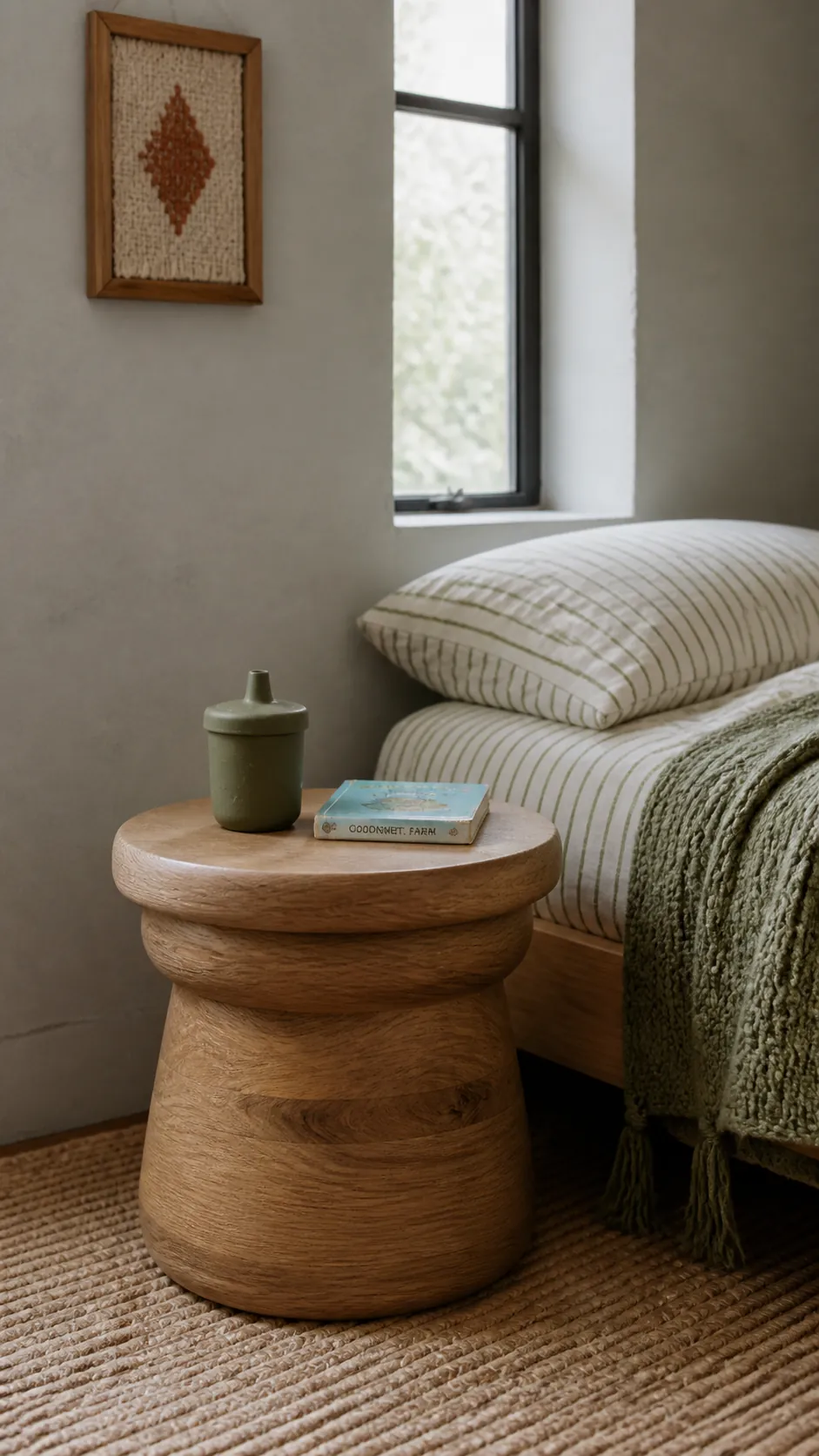
Swap A Nightstand For A Stool
A stable round stool can hold one bedtime book and move aside when more floor is needed. Choose a broad base, smooth edges, and a height that cannot tempt unsafe climbing. Its open shape keeps the room visually lighter than a small cabinet.
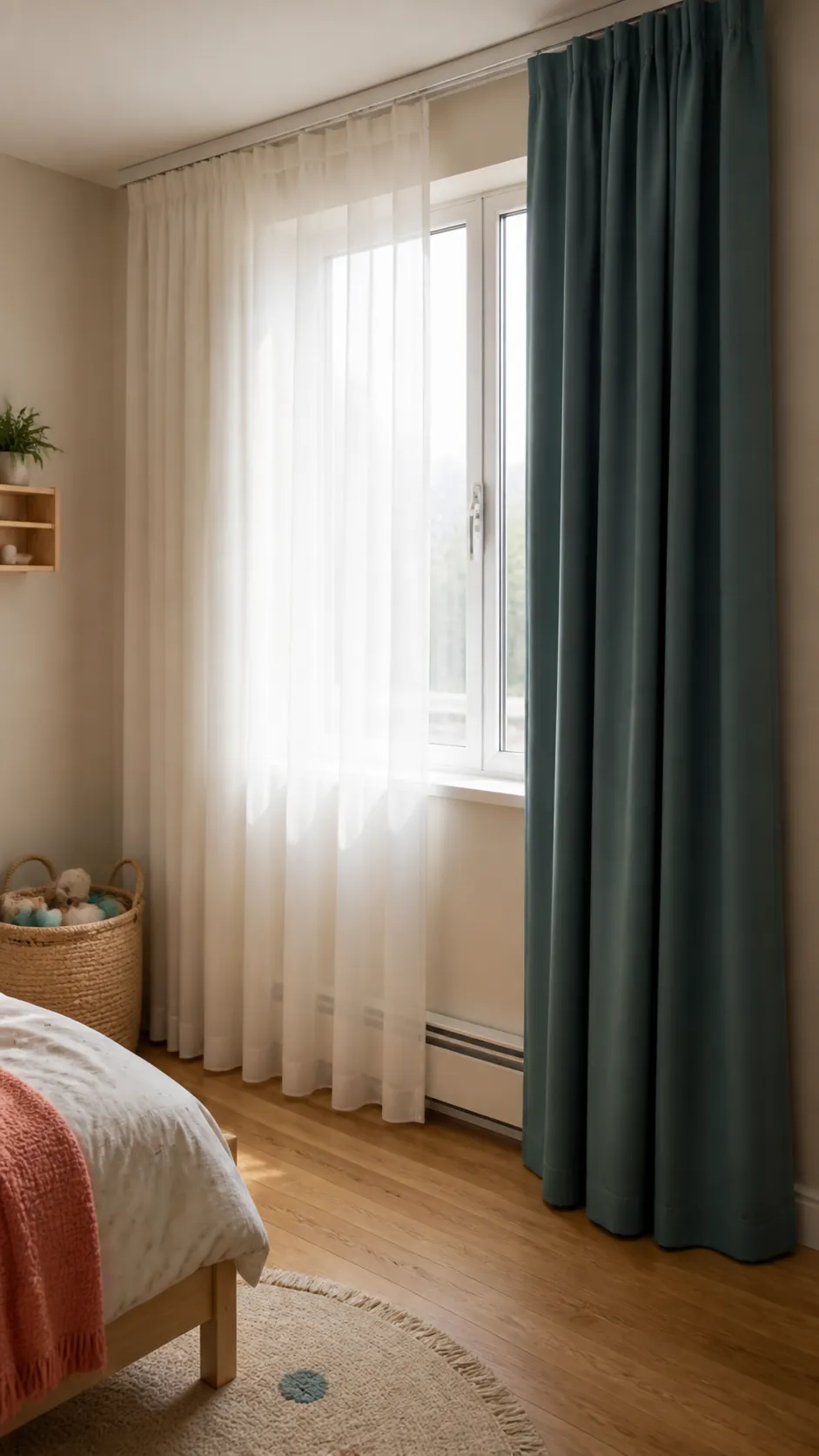
Layer Blackout And Sheer Curtains
A compact room often needs both soft daytime light and reliable sleep darkness. Properly fitted sheer and blackout panels can provide both without a bulky window treatment. Secure every cord or choose cordless hardware, and keep fabric clear of heaters and beds.
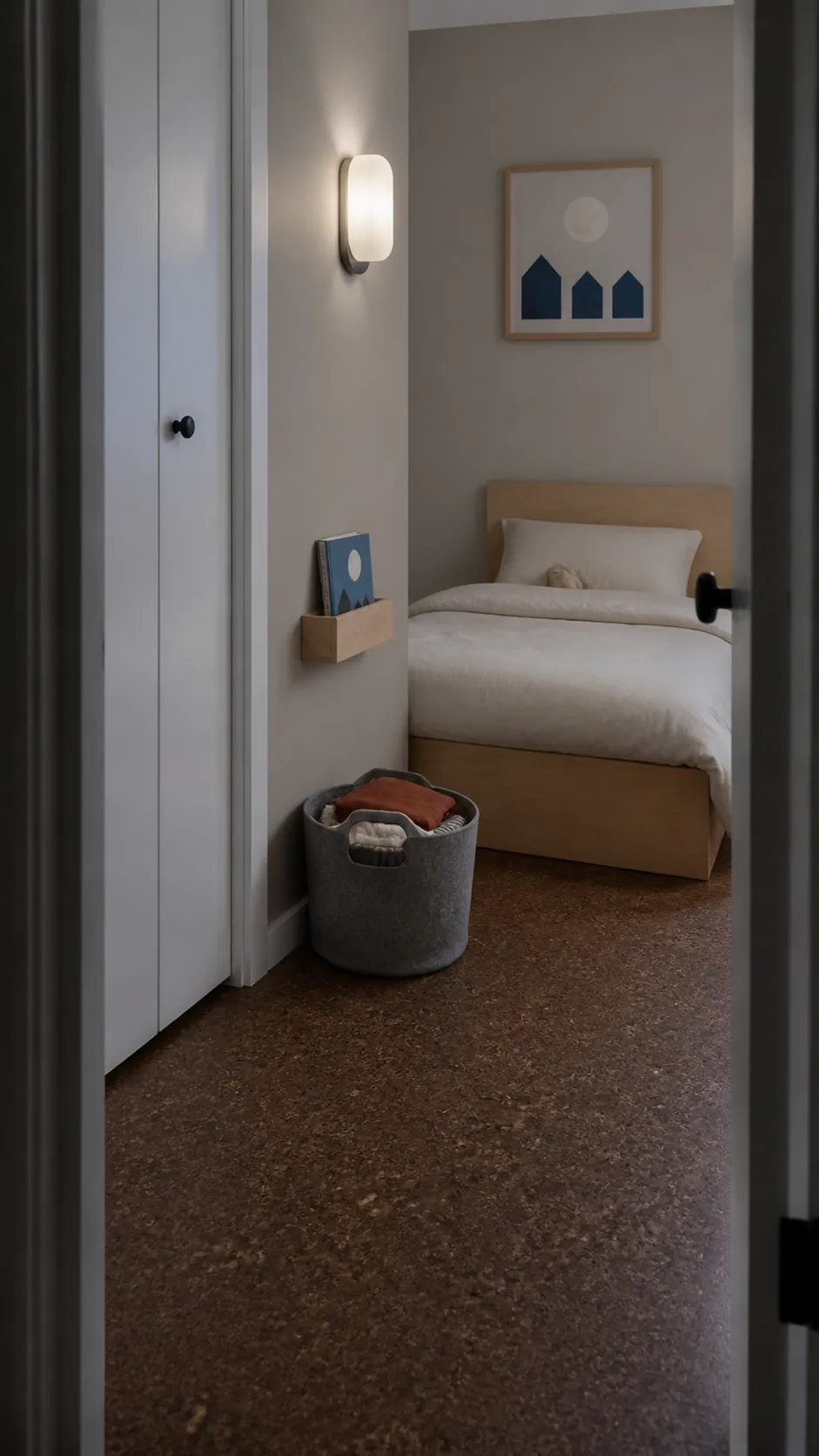
Plan A Simple Bedtime Landing Zone
A small basket for tomorrow clothes, a reachable book slot, and a dim light can reduce evening searching. Keep the landing zone beside the exit or closet rather than crowding the pillow area. Resetting these few items each morning helps the room stay ready for sleep even after a busy day.