
Does your front yard feel a bit stuck in the past? You don't need a massive renovation budget to give your home a fresh, modern appearance. Many people assume that sleek landscaping requires expensive contractors and high-end materials, but modern design is actually rooted in simplicity. By focusing on clean lines, intentional spacing, and low-maintenance elements, you can create a high-end look using basic materials found at any local hardware store.
In this guide, we will look at how to use geometric shapes, native greenery, and smart lighting to update your curb appeal. You will see that a few weekend projects can completely change how your home looks from the street. Key takeaways include using cheap stone for paths, choosing plants that grow well in your climate, and using borders to create a structured, professional finish.
Using Geometric Layouts to Define the Space
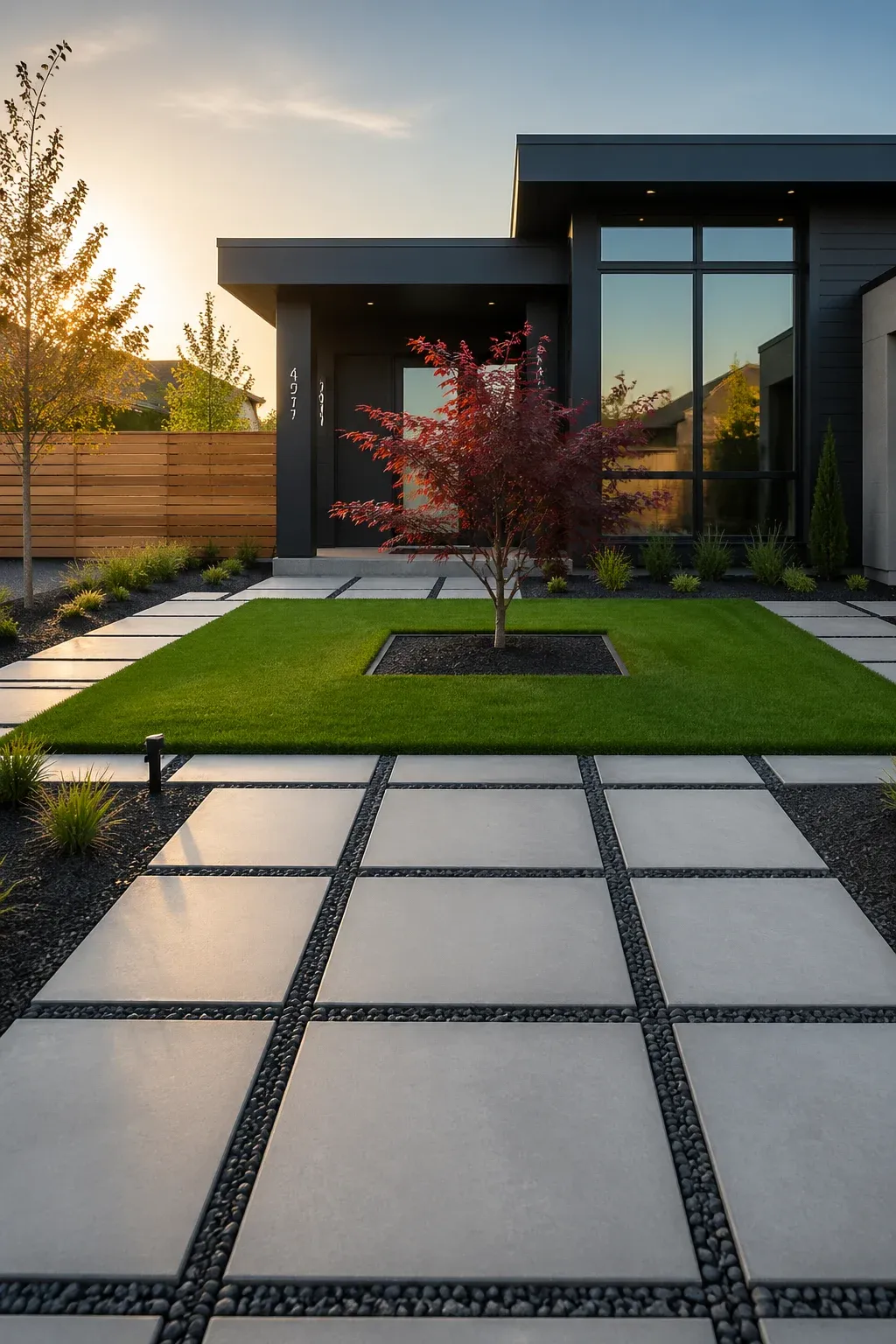
Modern design relies heavily on shapes. Instead of the curvy, organic flower beds common in traditional yards, try using straight lines and right angles. You can define specific zones for different purposes, like a rectangular patch for grass and a square area for a specimen tree. This creates a sense of order that looks intentional and clean.
If you have a large open space, consider breaking it up into a grid. You don't need to build anything permanent to do this; even the way you mow the grass or arrange your mulch can suggest these shapes. The goal is to create symmetry and balance that guides the eye toward your front door.
Selecting Low-Cost Materials for Paths and Walkways
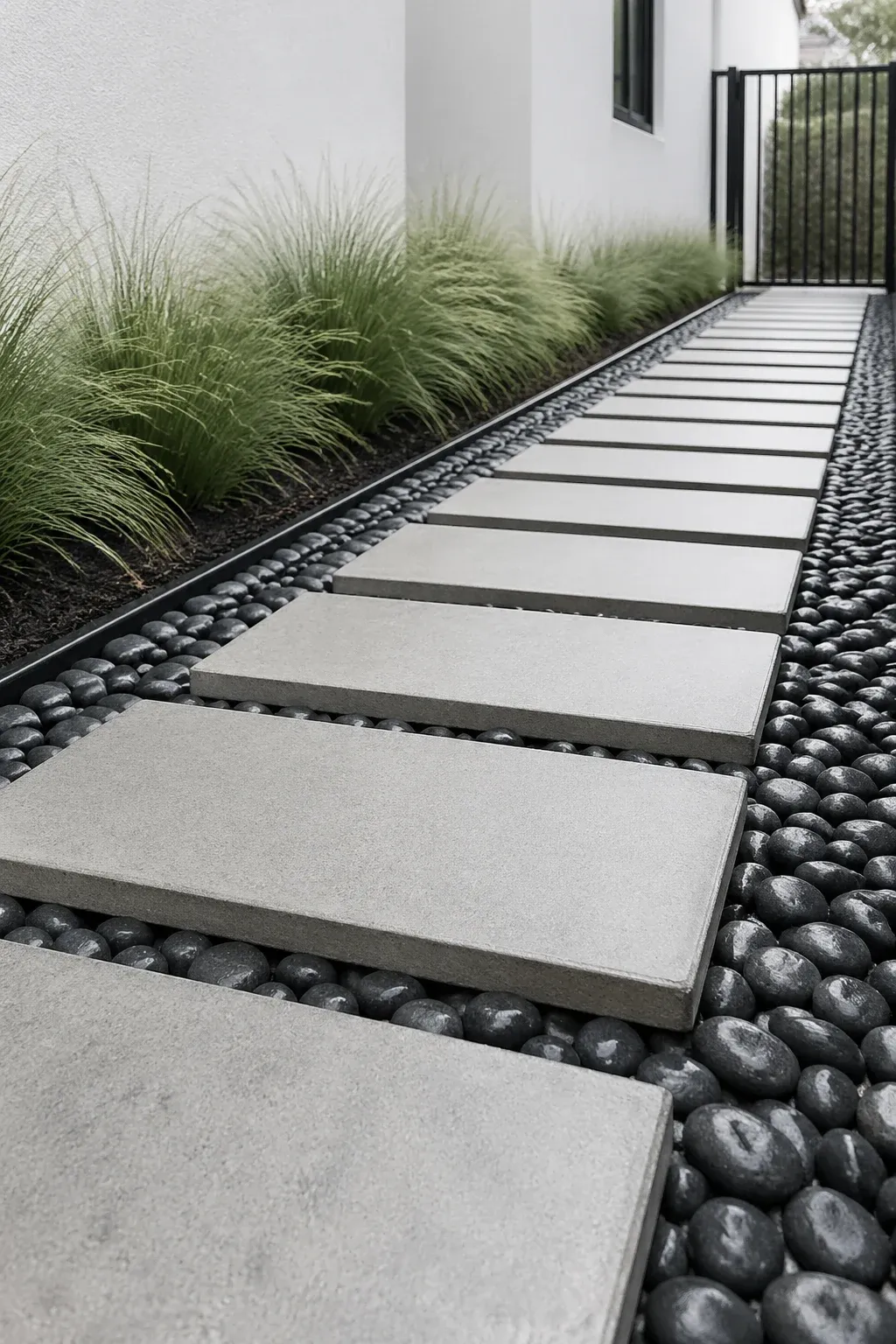
Expensive pavers are not the only way to get a modern walkway. In fact, many modern designs favor raw materials like gravel, decomposed granite, or simple concrete slabs. Large concrete pavers spaced out with small river stones or pea gravel in between create a high-end 'floating step' look for a fraction of the cost.
When choosing gravel, look for darker colors like charcoal or slate gray, as these provide a sharp contrast against green plants. Crushed limestone is another affordable option that offers a bright, clean white finish. These materials are easy to install yourself since they don't require the precise leveling that a solid brick path does.
Choosing Native Plants for a Clean Aesthetic
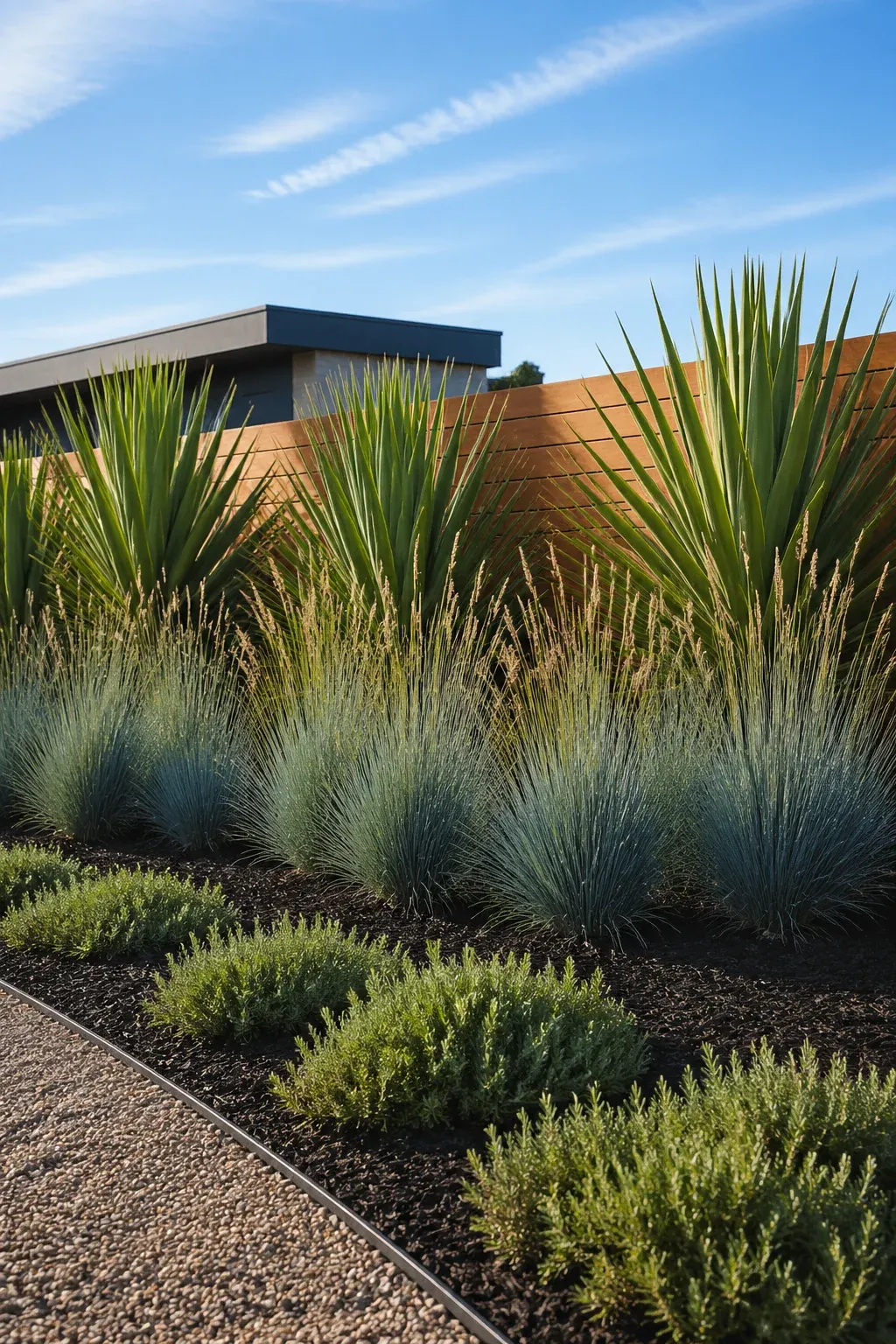
A modern yard doesn't have to be a desert or a concrete slab; it just needs to be tidy. Native plants are the best choice for this because they are adapted to your local soil and weather, meaning they stay healthy with less work. Look for plants with interesting architectural shapes, such as tall grasses, yuccas, or structural shrubs.
Instead of a messy mix of twenty different flower types, pick two or three species and plant them in large, repeating clusters. This creates a mass-planting effect that looks very modern and organized. It also makes maintenance easier because you only have a few types of plants to care for throughout the year.
Adding Structure with Simple Edging and Borders
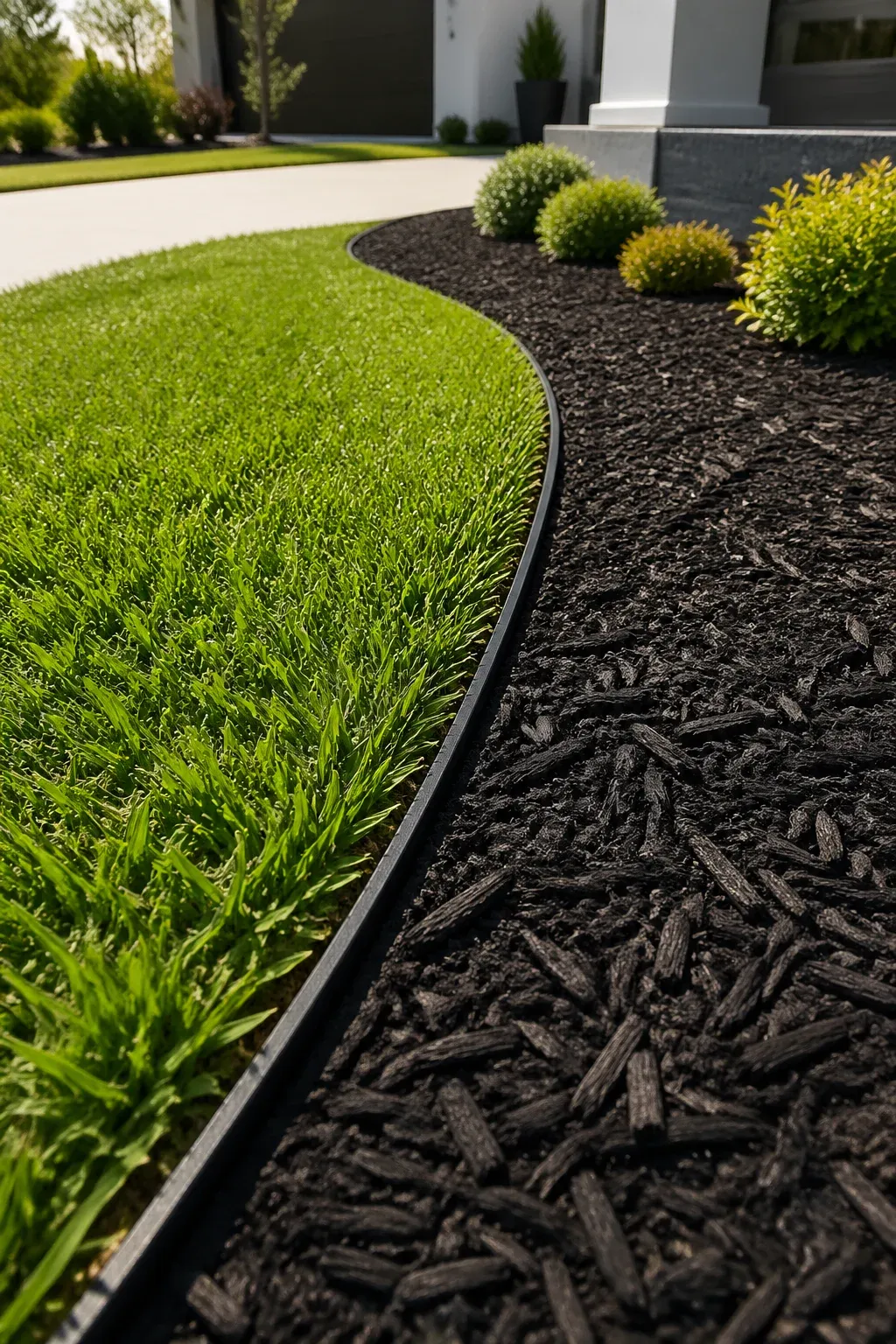
The difference between a DIY project and a professional landscape often comes down to the edges. Sharp, defined borders between your lawn, mulch, and paths make everything look finished. Metal or thick plastic edging is inexpensive and creates a thin, nearly invisible line that keeps grass from creeping into your flower beds.
For a more visible border, you can use pressure-treated timber or even bamboo poles laid horizontally. These materials provide a natural texture that complements the modern aesthetic while keeping your different zones clearly separated. If you use mulch, stick to dark brown or black wood chips to make the colors of your plants pop.
Creating Visual Interest through Layering and Grouping

Modern yards often use height to create depth. You can do this by layering your plants from shortest to tallest. Put groundcovers near the walkway, mid-sized grasses behind them, and perhaps a single multi-trunk tree or a tall bamboo screen in the back. This layering adds a sense of fullness without looking cluttered.
Grouping is another helpful technique. Instead of scattering pots around the porch, group three containers of different heights together in one corner. This creates a focal point that feels more like an art installation than a random collection of plants. Stick to pots with simple shapes and neutral colors like black, white, or terracotta.
Updating the Entryway with Modern Lighting and Accents
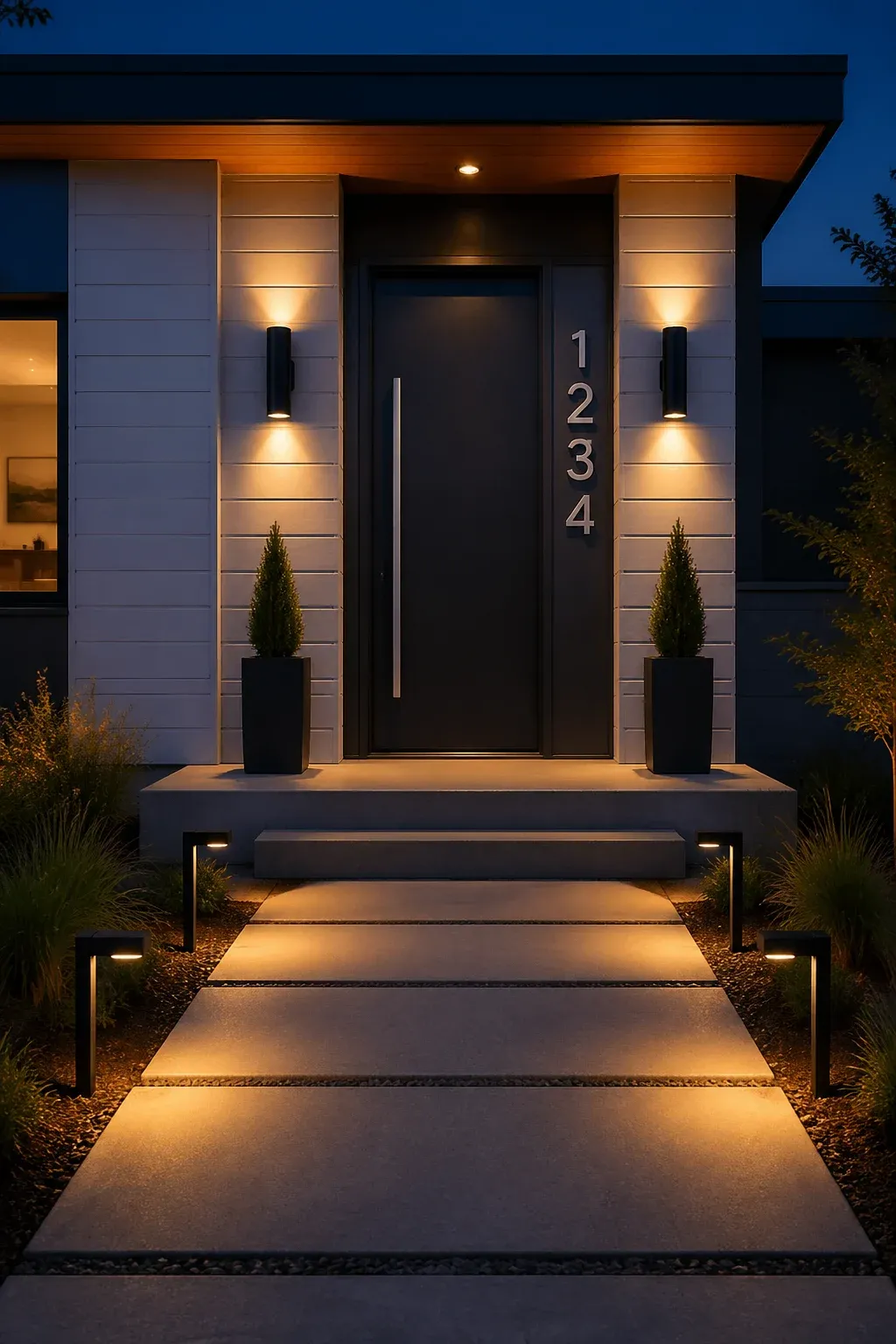
Your front door is the centerpiece of your modern look. If your house numbers are dated, replace them with a large, sans-serif font made of metal. This is a small change that has a huge impact on curb appeal. Similarly, replacing an old, ornate porch light with a simple box lantern or a cylinder sconce can instantly update the home's style.
For the yard itself, use solar-powered path lights with a sleek, minimalist design. Avoid the cheap plastic ones that look like little street lamps; instead, look for low-profile lights that cast a downward glow. This highlights your new paths and plantings at night without creating glare or looking cluttered during the day.
Modernizing your front yard doesn't require a total overhaul or a massive bank account. By focusing on clean lines, using affordable materials like gravel and native plants, and cleaning up your edges, you can create a sophisticated look on your own. Start with one small area, like the walkway or the space around your front door, and build out from there. A little bit of planning and a few bags of stone can go a long way in making your home feel fresh and inviting.