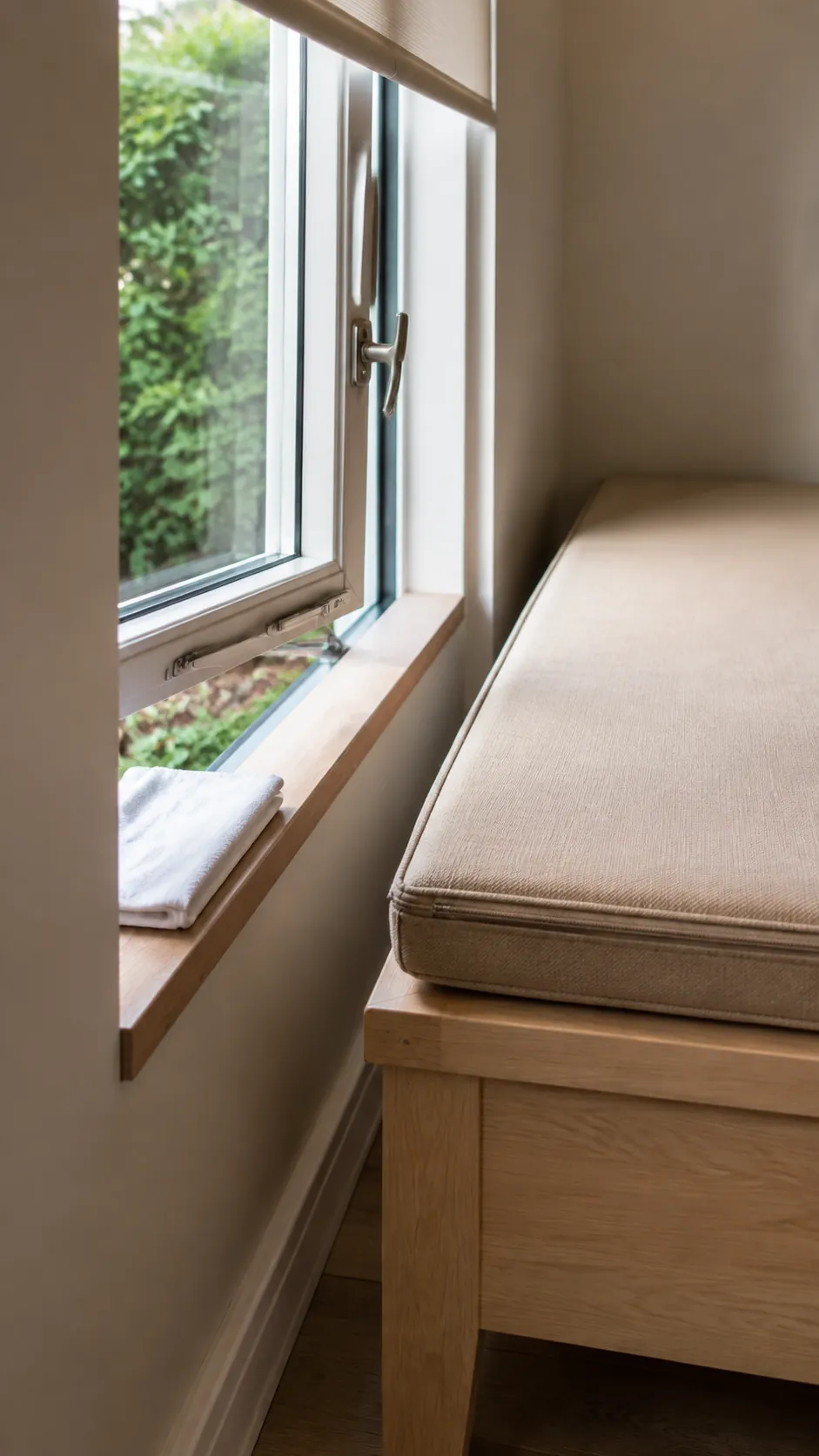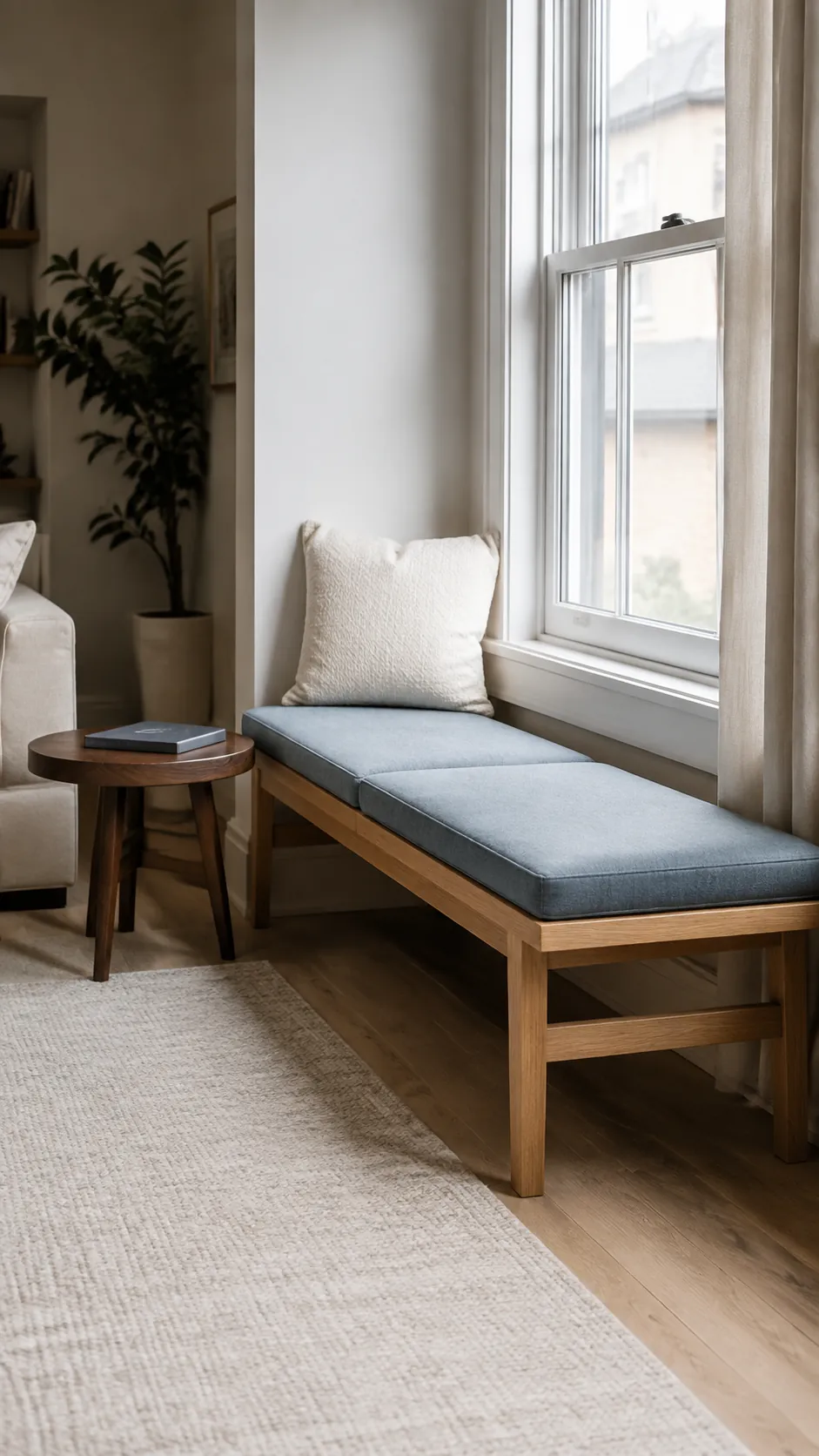
The expensive mistake is building the box first and discovering comfort afterward. Window hardware, cushion thickness and the route through the room all affect whether the finished seat gets used. Work through those relationships before committing to cabinetry or ordering a custom pad.
Decide what the seat must do
A bench window seat for tying shoes has a different job from one used for a long afternoon with a book. Begin by choosing the posture you want, then compare it with a seat that already feels comfortable. For upright sitting, your feet should rest comfortably and the front edge should not press behind your knees. Lounging usually needs more usable depth and a place to support the back.
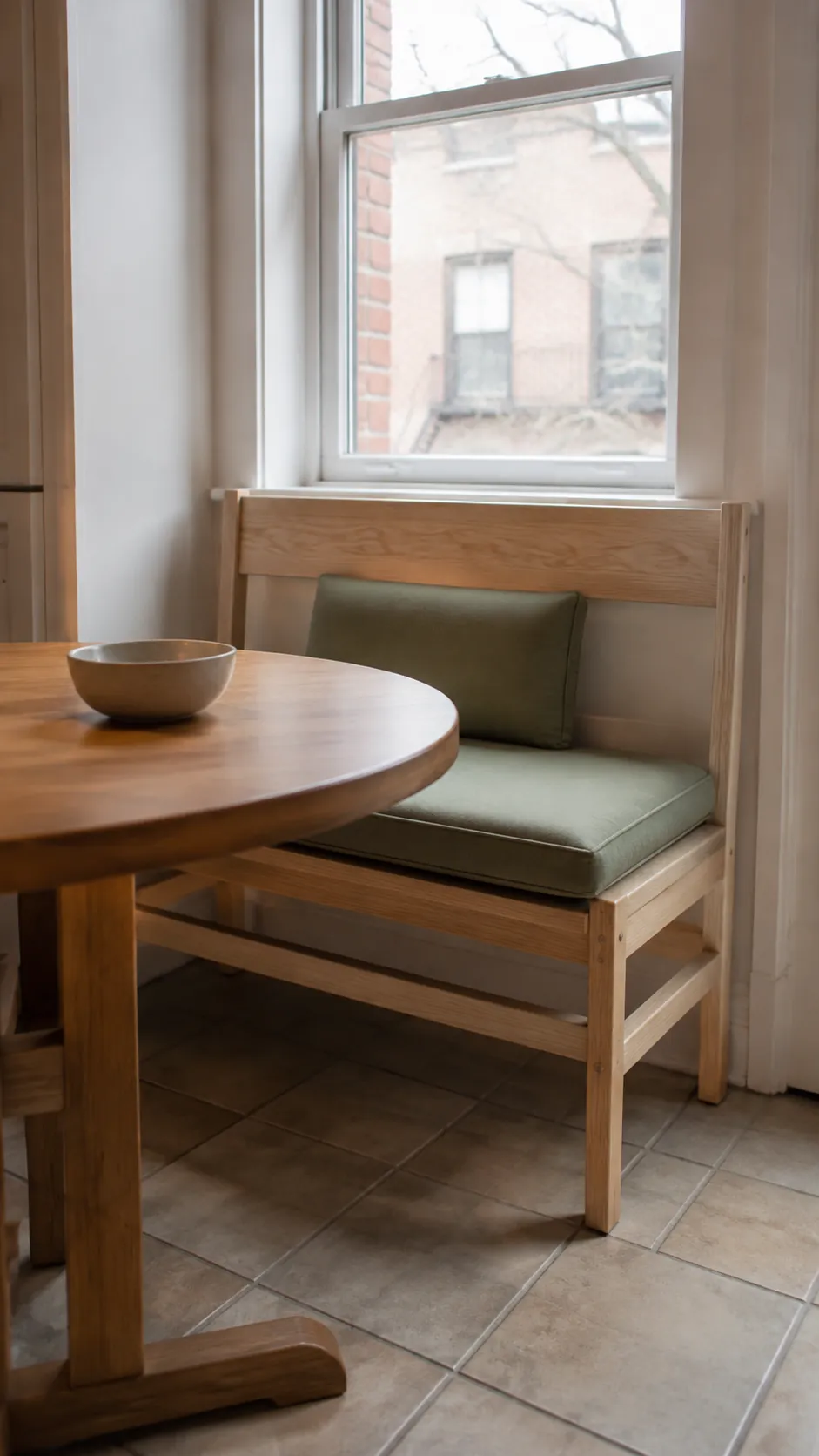
Small window seat ideas become easier to judge when you stop asking one corner to serve every purpose. A narrow bedroom perch may be enough for getting dressed, while a kitchen window bench must relate to the dining table. Write down the main use before shopping so an attractive cushion does not decide the whole project.
Measure the obstacles before the opening
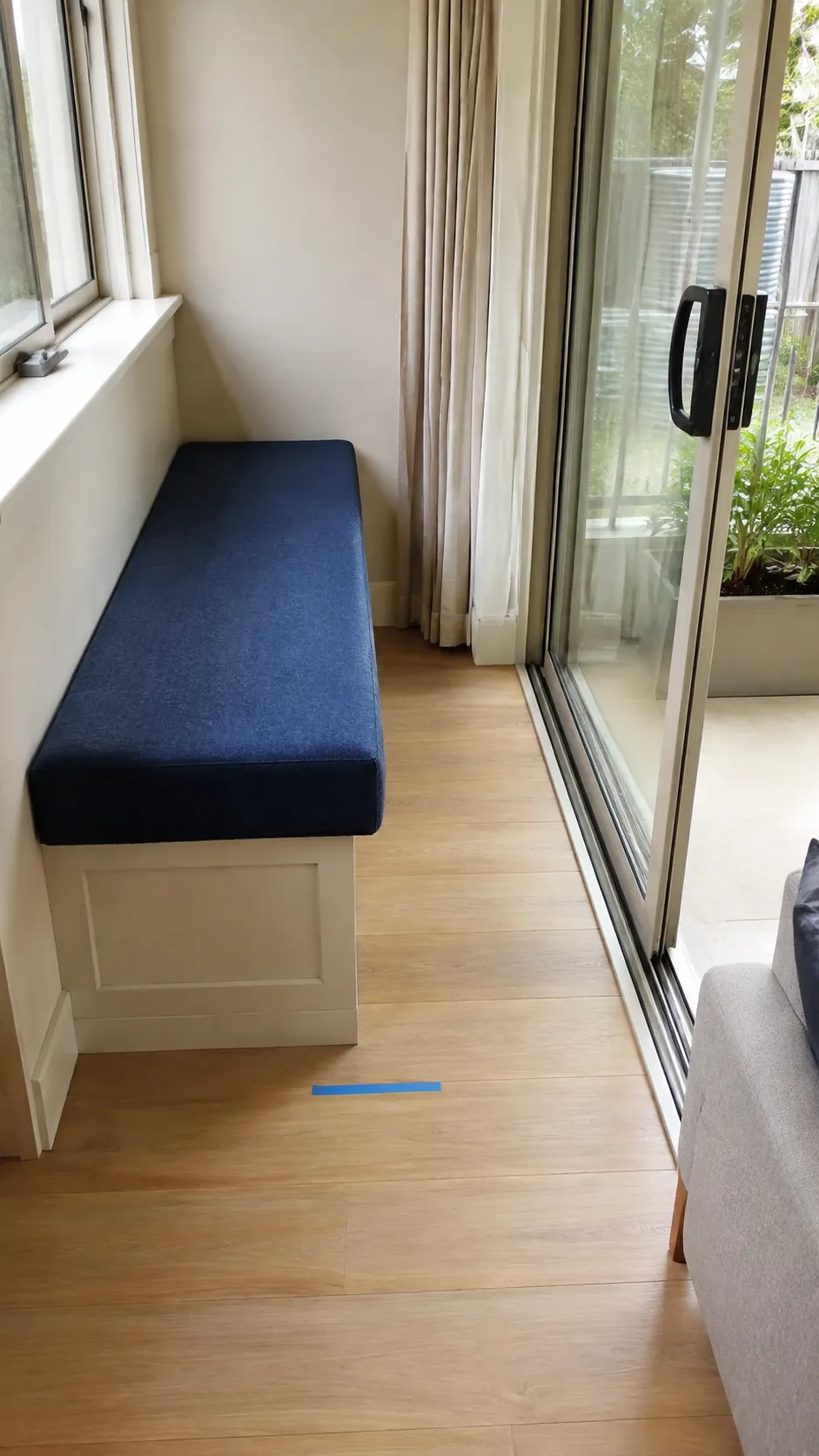
Record the sill projection, handle position, curtain stack and nearby door travel before choosing the bench width. A wide window does not automatically provide a wide usable seat. A sliding door beside the recess can limit depth, and a fireplace can create both physical and heat clearance constraints. Follow the requirements for the actual fireplace or heater rather than copying a photograph.
Mark the proposed front edge on the floor and test the room with doors in use. Include the cushion in the finished height, because upholstery can put the sitting surface much higher than the bare frame. Keep any required escape opening and ventilation function available. A corner window seat also needs both window faces checked, since their handles may open in different directions.
Choose furniture or fitted joinery deliberately
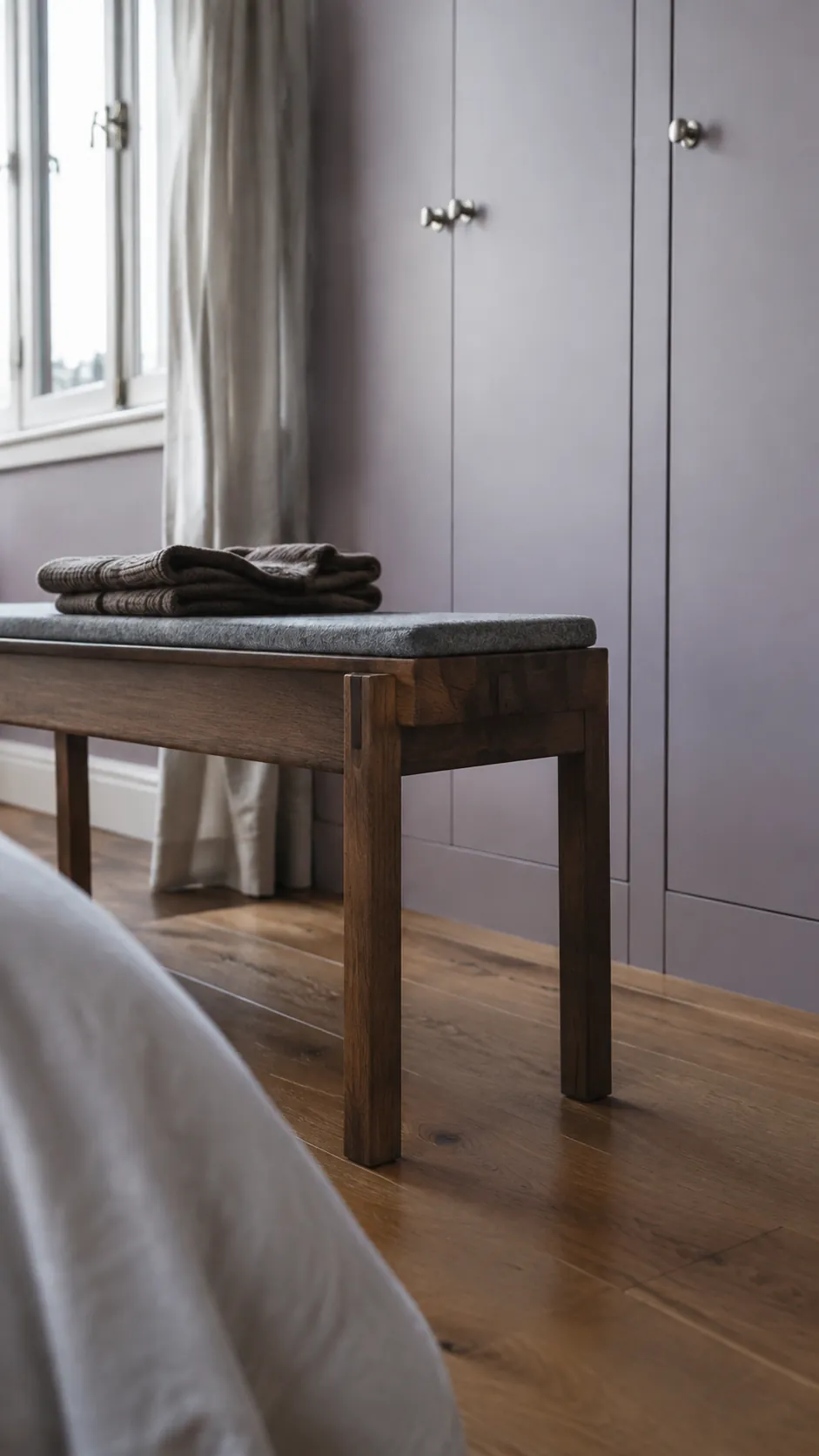
A freestanding bench in front of a window is useful when you rent, expect to move or still change the room layout. Check its stated seating capacity and stability instead of relying on appearance. Fitted joinery can use an awkward recess efficiently, but it also ties the design to the wall, floor and window geometry. Uneven walls may require fitting pieces that a ready made unit cannot accommodate.
Treat a low shelf or storage cabinet as storage until its construction is confirmed suitable for seating. Adding a thick top does not automatically make weak side panels, joints or an unsupported middle safe. For a long window seat, have the support and span assessed for the intended use. A complete seating design matters more than a particular board thickness copied from a tutorial.
Make storage access part of the layout
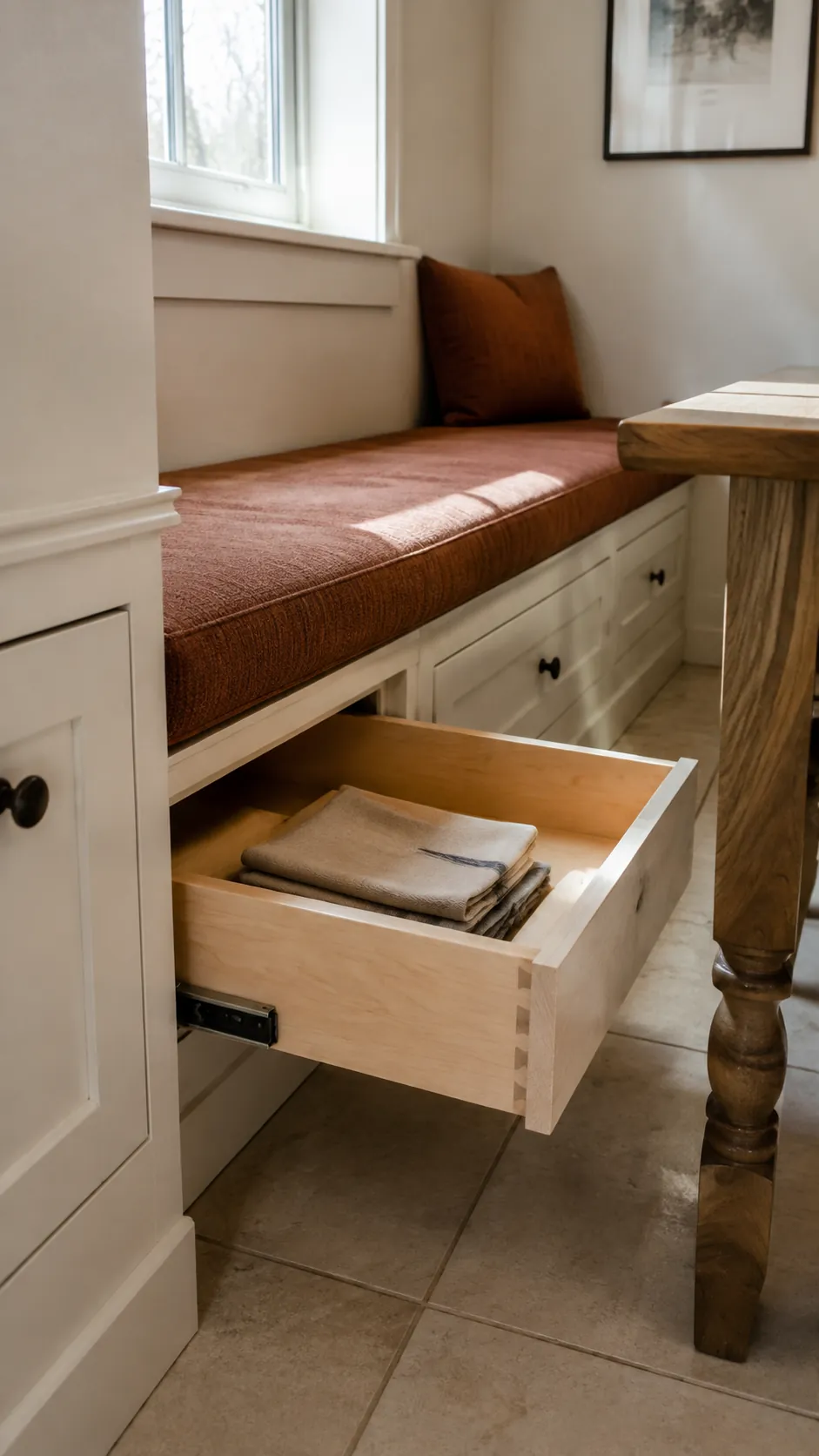
Drawers suit items you reach for while the seat stays occupied, but they need open floor in front. A lift top can use the full box below the cushion, although opening it may mean moving upholstery every time. Open cubbies make baskets easy to grab and leave their contents less protected from dust. Pick the access method around the things that will actually live there.
Sketch the drawer or lid in its open position before approving the design. Check that a lid clears the sill and uses appropriate supports, and that drawer fronts miss table legs and nearby beds. Store only dry textiles in enclosed compartments. If you need frequent access, a slightly smaller usable compartment may serve you better than a large awkward cavity.
Test the cushion and back together
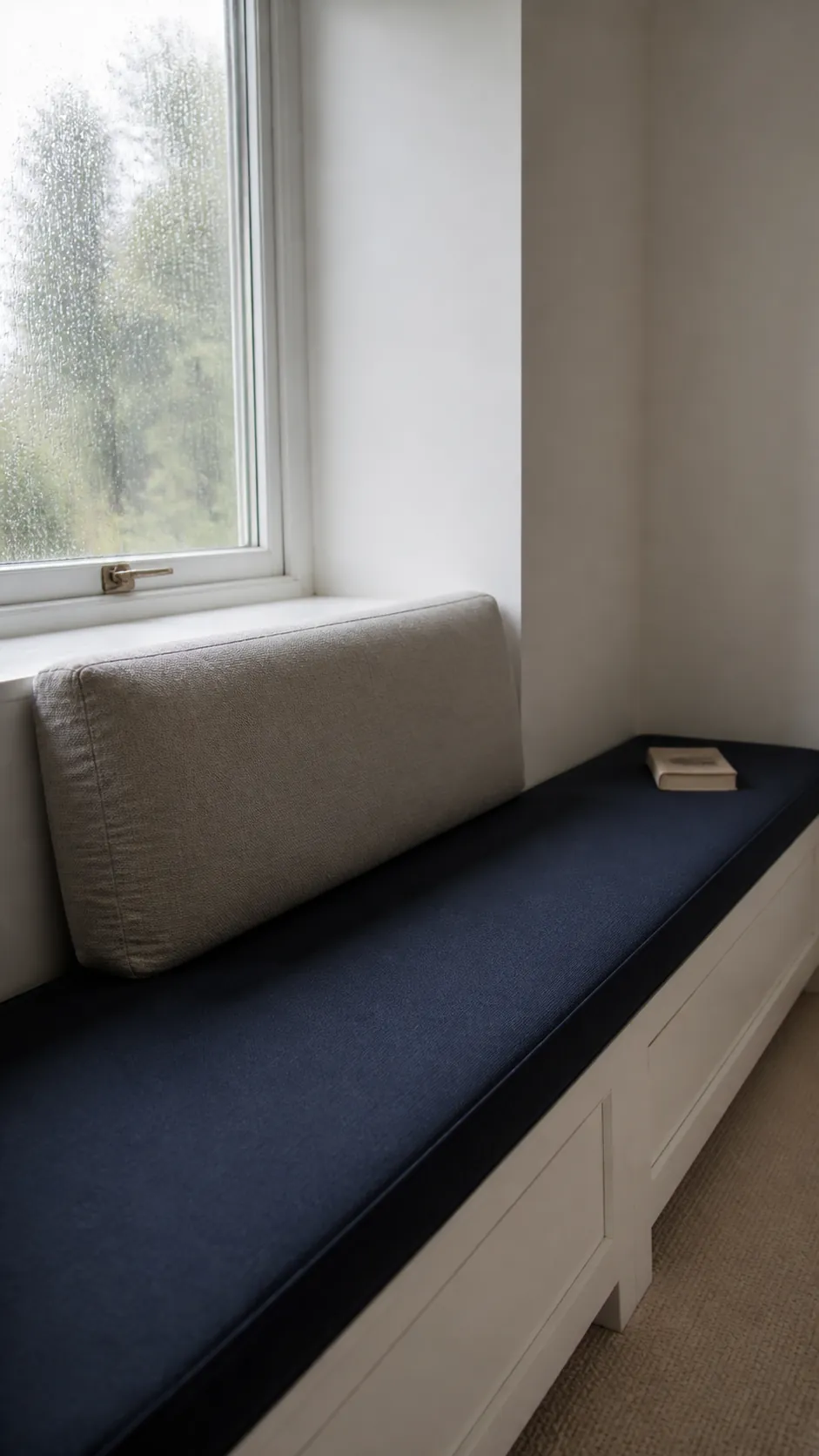
Comfort depends on the relationship between seat depth, cushion compression and back support. A very deep base can leave an upright sitter stranded away from the back, while a large pillow can consume a shallow seat. Try a pad and a firm support cushion on safe existing furniture before ordering custom upholstery. Check the setup for more than a quick photograph.
For window seat ideas in a bedroom, a removable cover makes ordinary maintenance easier. In a dining corner, choose the finished cushion height with the table and knee clearance in mind. Ask the upholsterer about fabric care, foam suitability and how the cover comes off. A modern window seat can stay visually simple with one well chosen back support instead of a crowded cushion collection.
Keep the window usable after the bench arrives
Open and close the window, operate its covering and reach its latch before calling the project finished. Inspect the space behind the cushion for moisture and allow practical access for cleaning. Do not conceal persistent damp behind fabric or cabinetry. Keep heating and ventilation paths clear according to the equipment requirements.
Live with the arrangement through a normal week before adding more decorative pieces. Notice where a drink needs to go, where a book lands and whether the bench becomes a dumping surface. Move the small accessories in response to those habits. The seat has succeeded when people choose it because it is comfortable and easy to use, not just because it fills the recess.