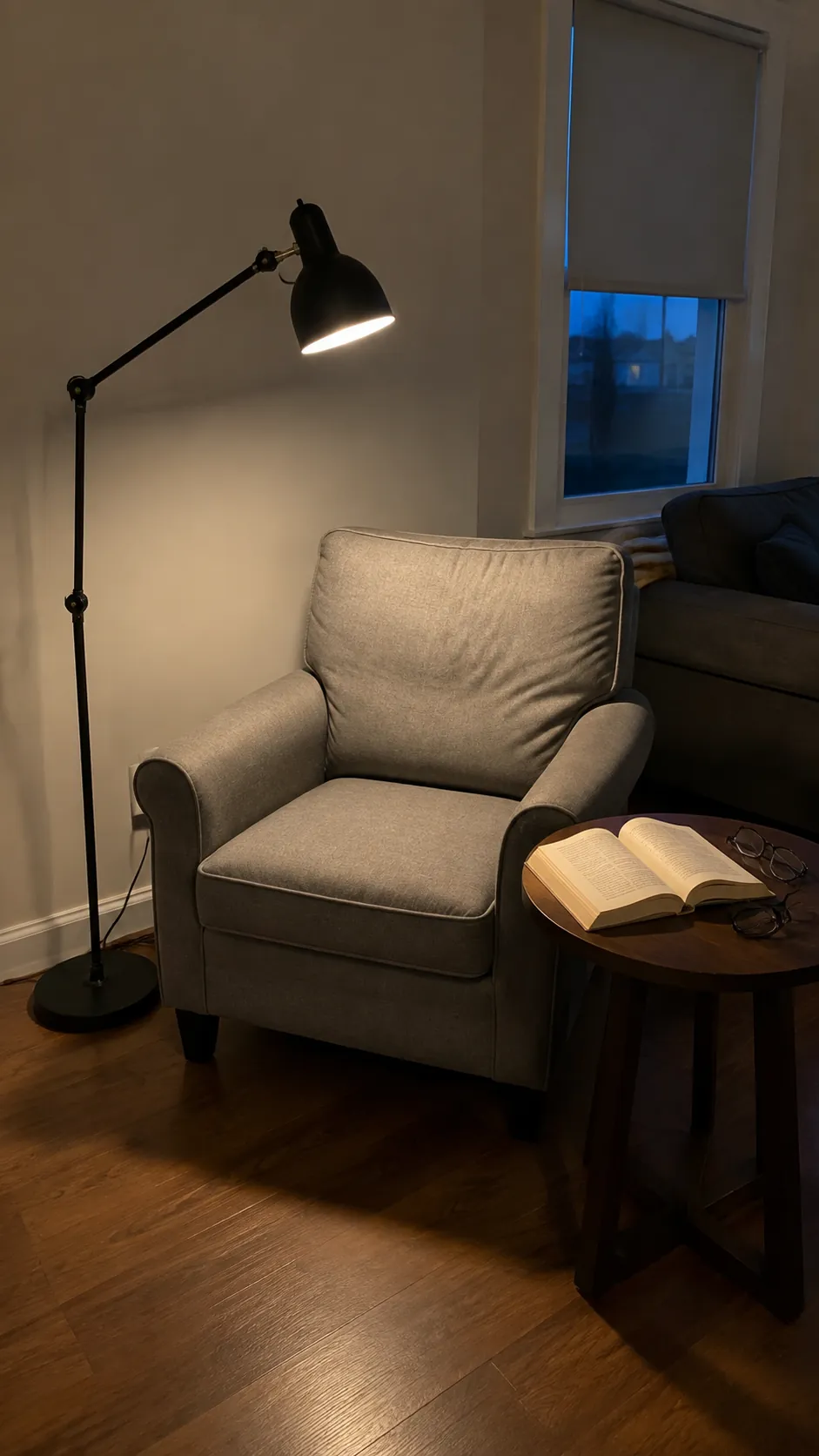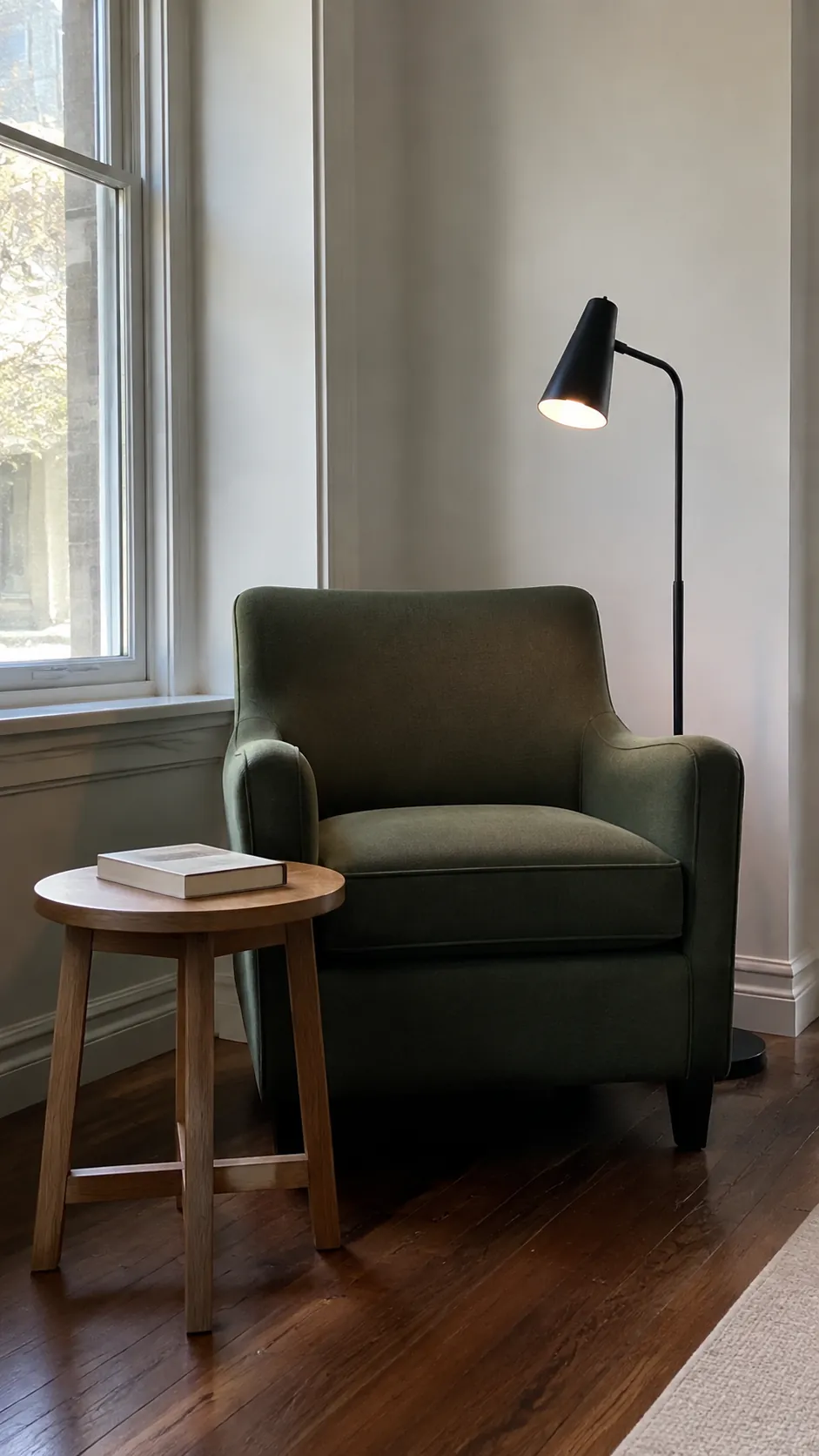
A beautiful corner is easy to photograph and surprisingly easy to avoid using. If the chair tires your back, the lamp shines in your eyes, or there is nowhere to set a cup, another cushion will not fix it. Start with the way you like to read, then choose a space that makes that habit easier.
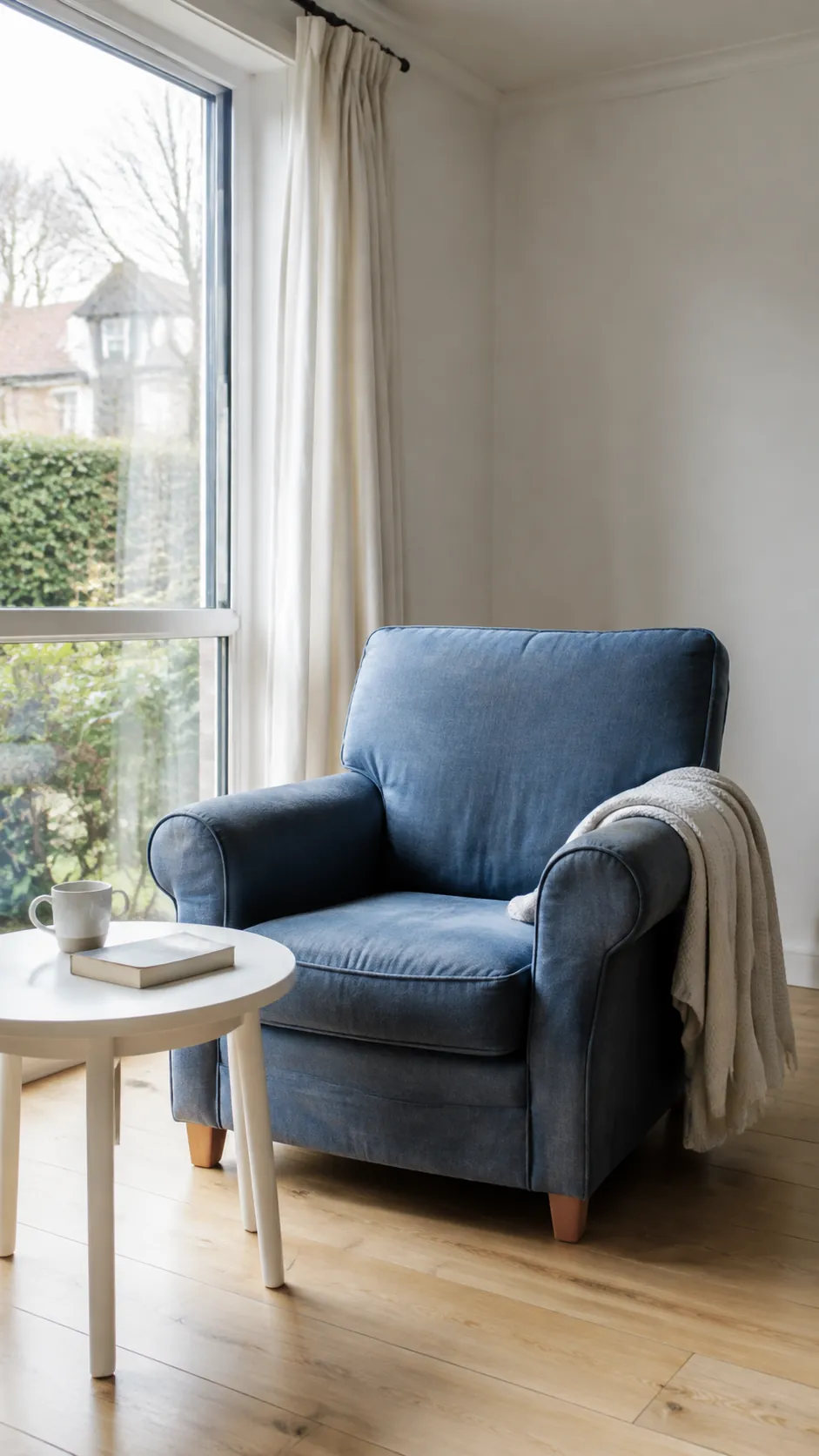
An armchair turned toward daylight
A chair beside the window gives you daylight without requiring a built in seat. Angle it so light falls across the page instead of directly into your eyes, and check the position at the time you usually read. A compact table on the open side keeps a drink within reach without filling the window ledge.
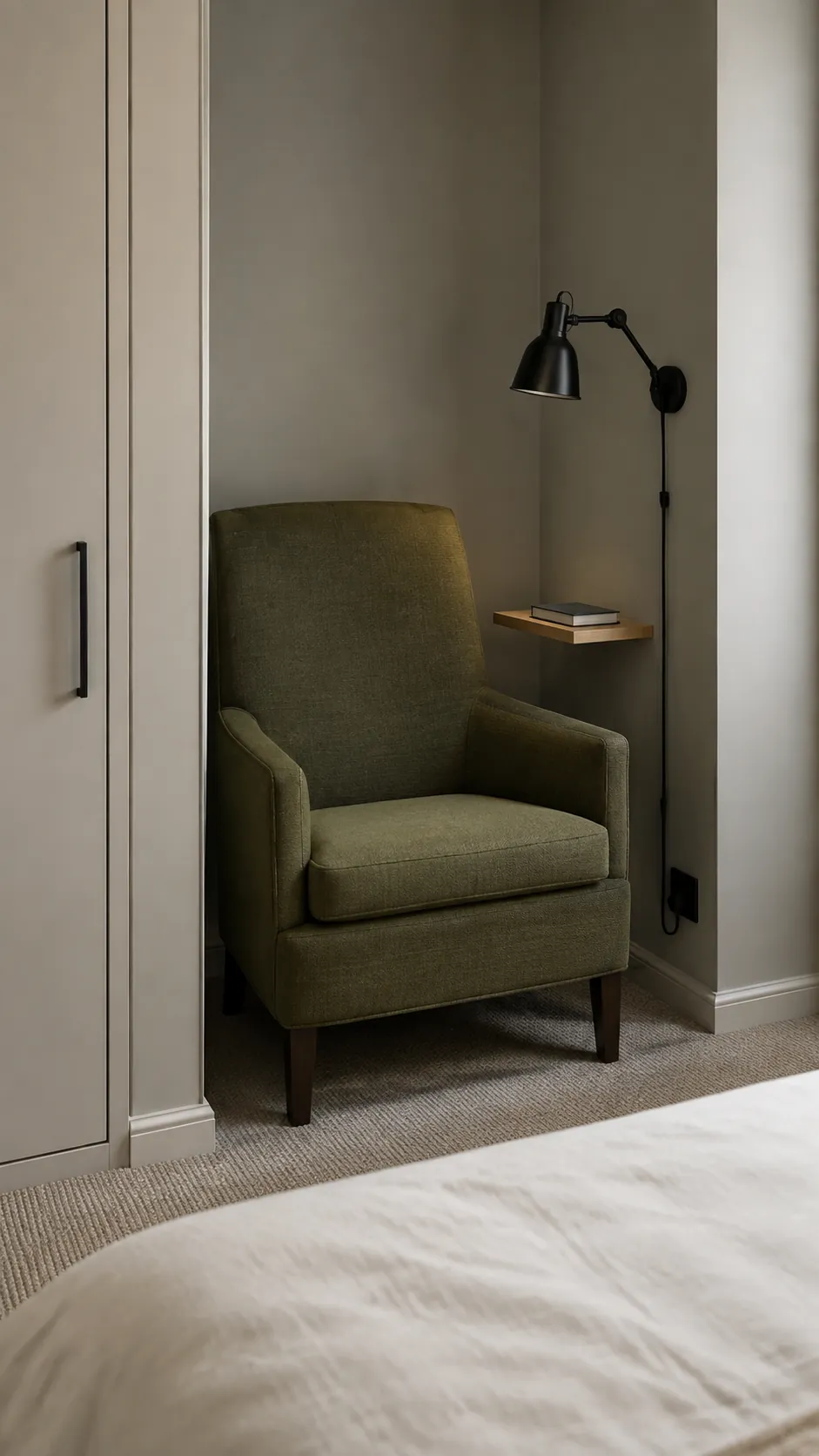
A bedroom alcove with a real backrest
An unused bedroom recess can hold a comfortable chair even when it is too shallow for a lounging bench. Measure the chair at its widest point, including arms, and leave room to reach the light switch. Keep the route to the wardrobe clear so your reading nook in bedroom plans do not disrupt getting dressed.
Use a supportive backrest as the foundation, then add a small cushion only where you need it. A wall mounted shelf can replace a side table if the floor is tight. Position the shelf beyond your shoulder rather than where you will knock it while standing.
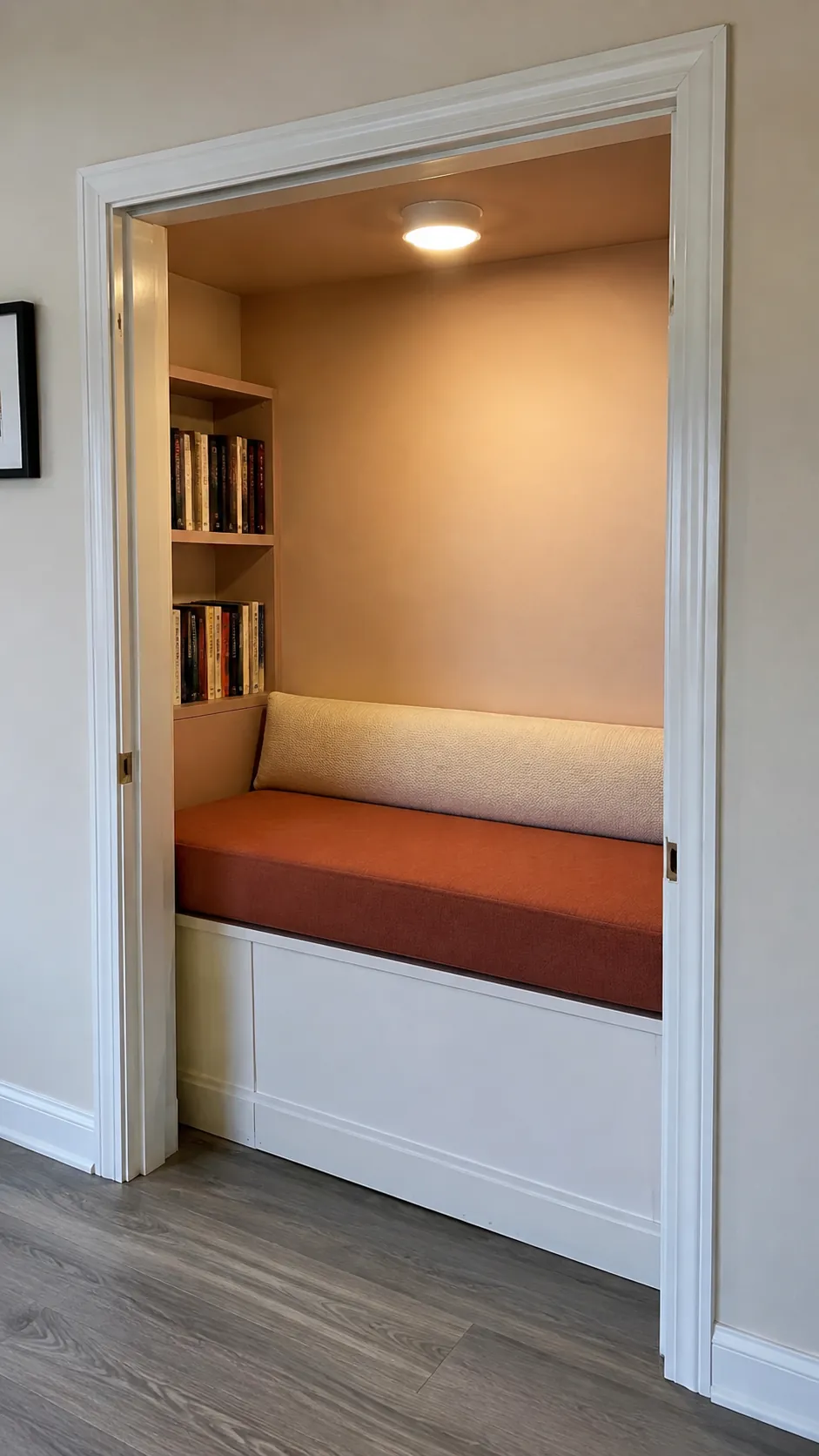
A closet converted into an open retreat
A shallow closet can become a tiny reading nook if you can afford to lose the storage. Remove only nonstructural fittings you are authorized to alter, then check ventilation, lighting, and the seat support before decorating. Leaving the opening unobstructed makes the nook easier to enter and avoids trapping warmth in a small enclosure. A fitted cushion should be removable so you can clean and inspect the surface underneath.
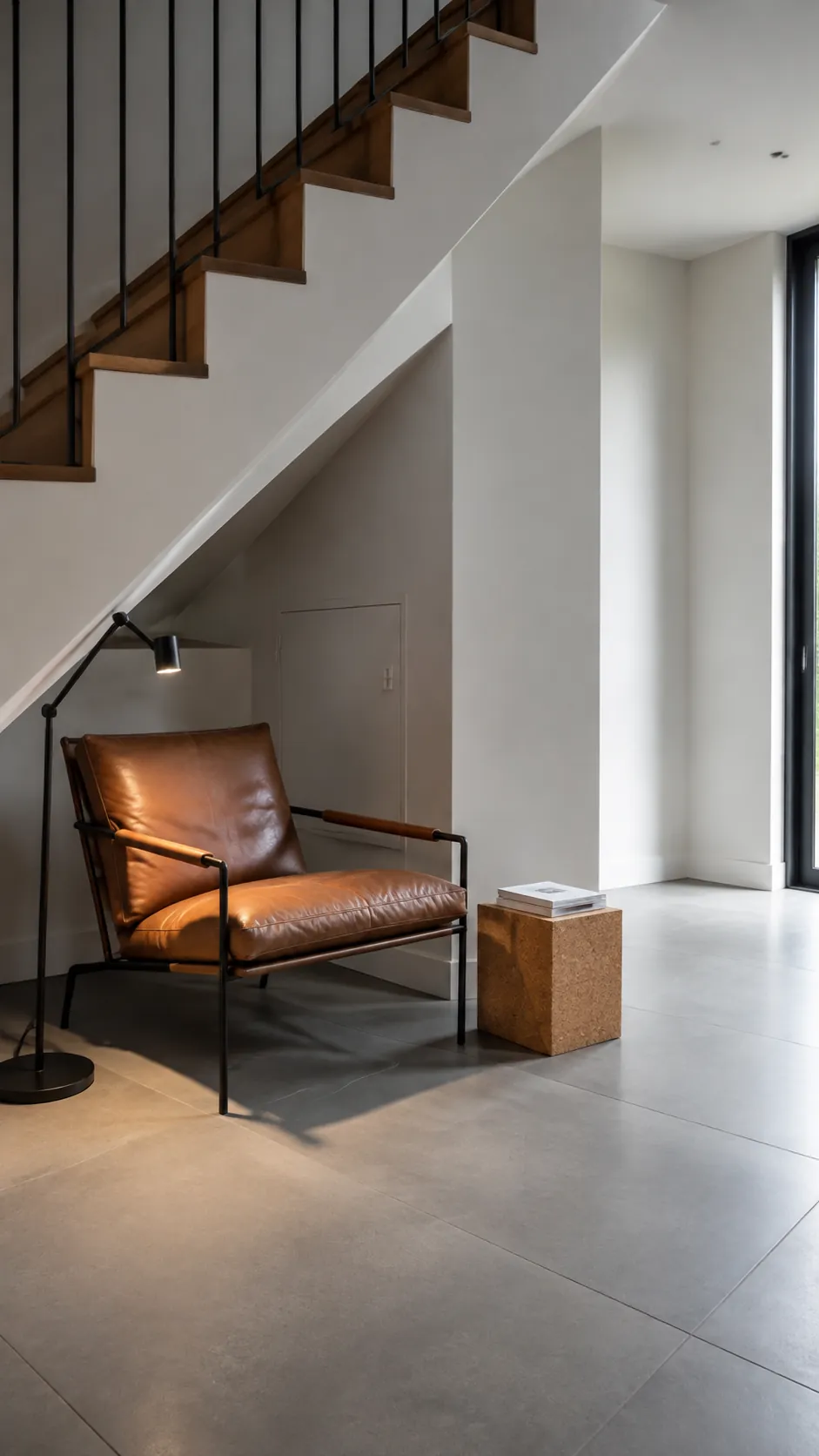
A seat beneath the stair slope
The space below a staircase often suits a low chair better than a tall bookcase. Put the sitting position under the lower slope while keeping the place where you stand in full headroom. Avoid modifying the stair structure or enclosing required access panels. A directed lamp can brighten the page without making the entire understair area unnaturally bright.
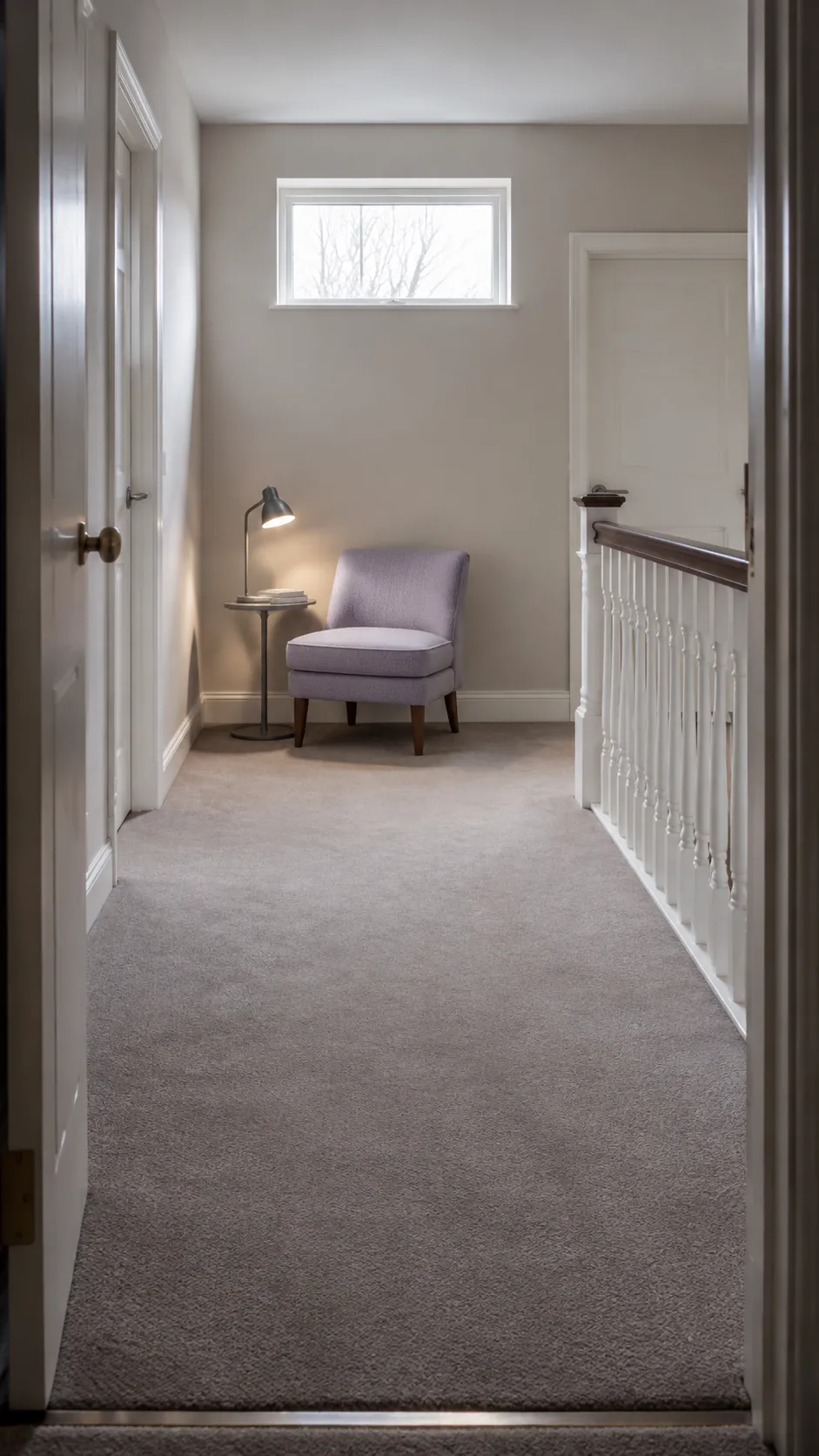
A landing that keeps its passage clear
A generous landing can offer a quiet home reading corner outside the busiest rooms. Place the chair fully outside the circulation route and keep furniture away from the stair edge. If the landing is only wide enough for passing, choose another location rather than turning a necessary path into a sitting area.
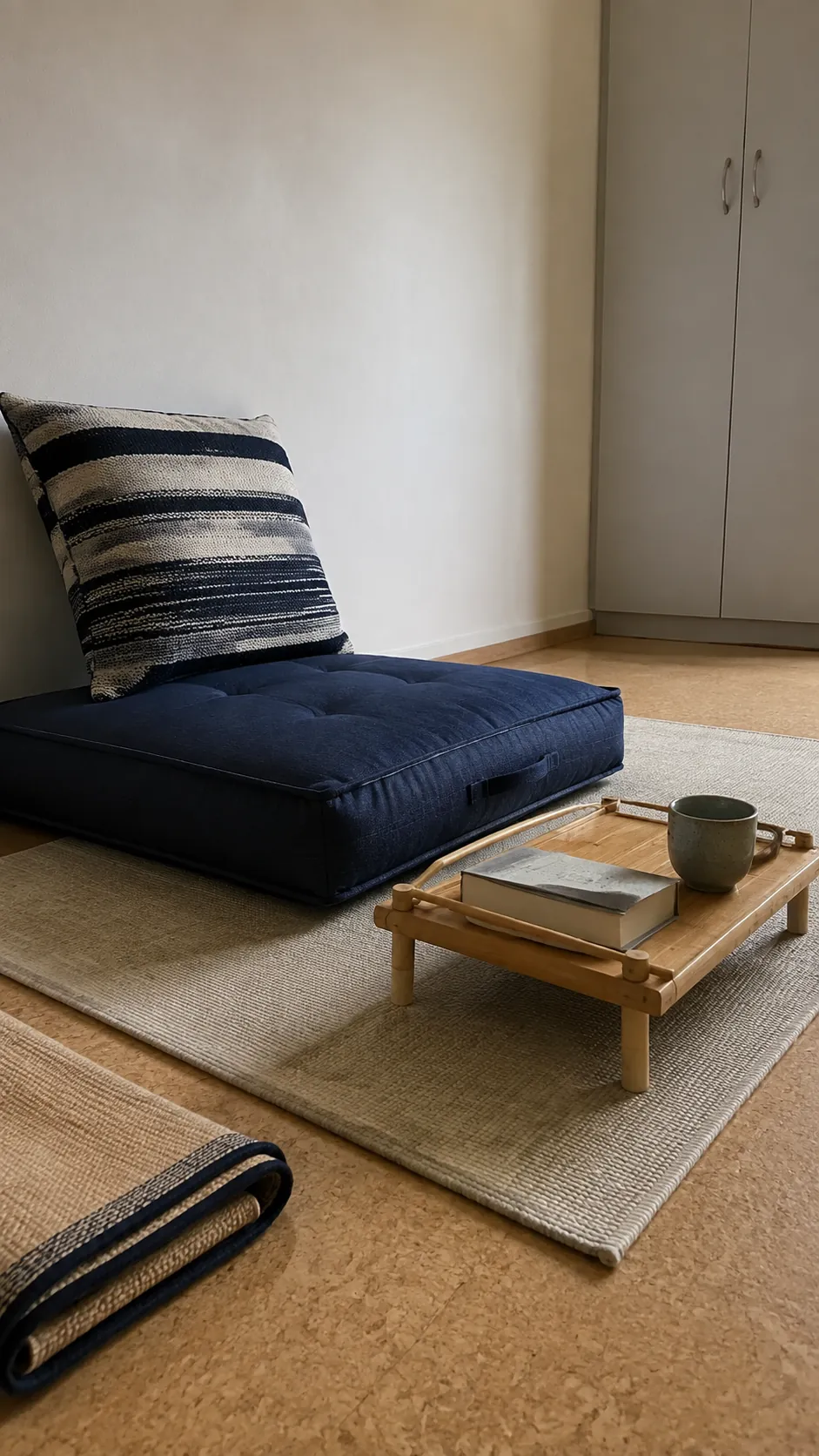
A floor cushion for short reading sessions
Floor seating works for readers who are comfortable getting down and standing up again. Use a firm base cushion and a supportive back cushion against a solid wall, rather than relying on a pile of soft pillows. A low stable tray table gives the book and cup their own place.
Keep this arrangement easy to pack away if the room has another daily purpose. A washable cover matters more here because the textiles sit close to floor dust and pet hair. Try a full chapter before buying extra cushions, since floor comfort varies considerably from person to person.
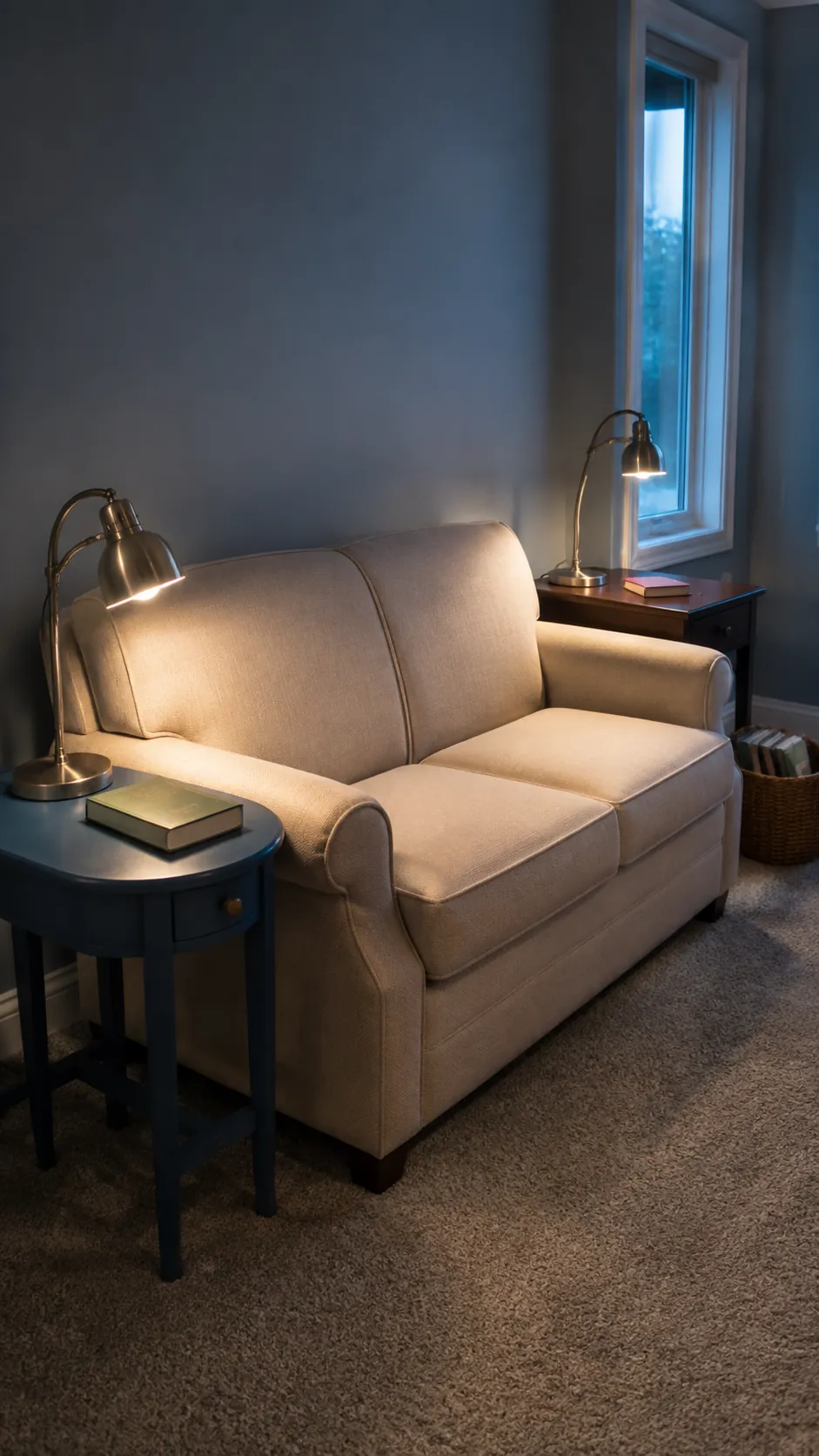
A loveseat for shared chapters
A compact loveseat can make reading a shared activity without requiring a separate library. Give each end enough light so one person does not cast a shadow over the other person’s page. Choose a seat depth that works for the shorter reader as well as the taller one. Keep a small basket nearby for current books instead of loading the cushions with accessories.
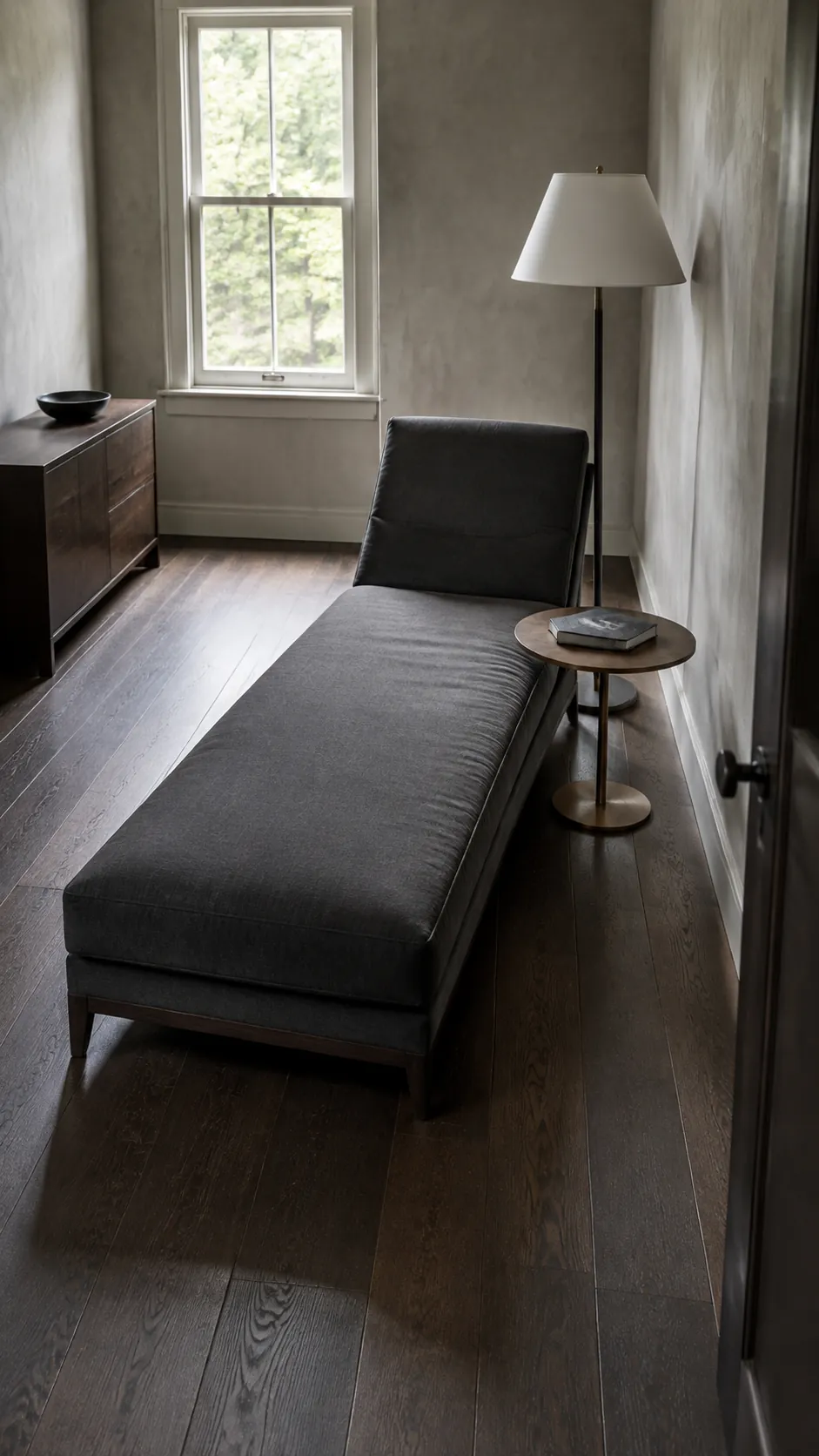
A chaise that earns its length
A chaise suits readers who want their legs supported for longer sessions. Measure its full length in the room, including the space needed to walk around the foot. A small table beside the backrest is more useful than one at the far end, where reaching it would interrupt your position.
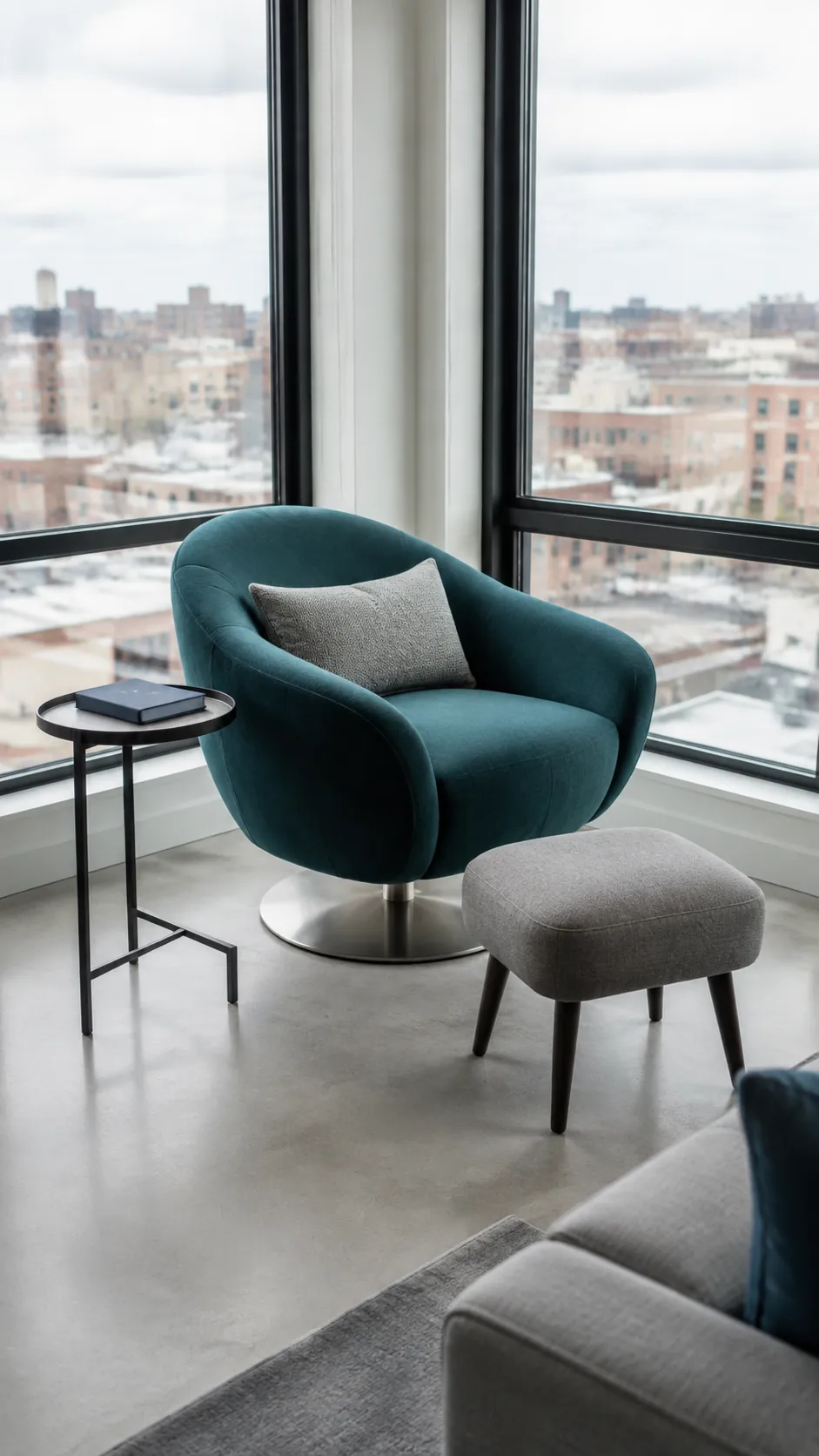
A swivel chair between view and room
A swivel chair lets you turn toward daylight for reading and back toward the room for conversation. Leave a clear turning circle so the arms do not strike a shelf or window trim. Check that the chair feels stable when you lean forward to pick up a book. A lightweight footstool should sit far enough away that it does not catch the rotating base.
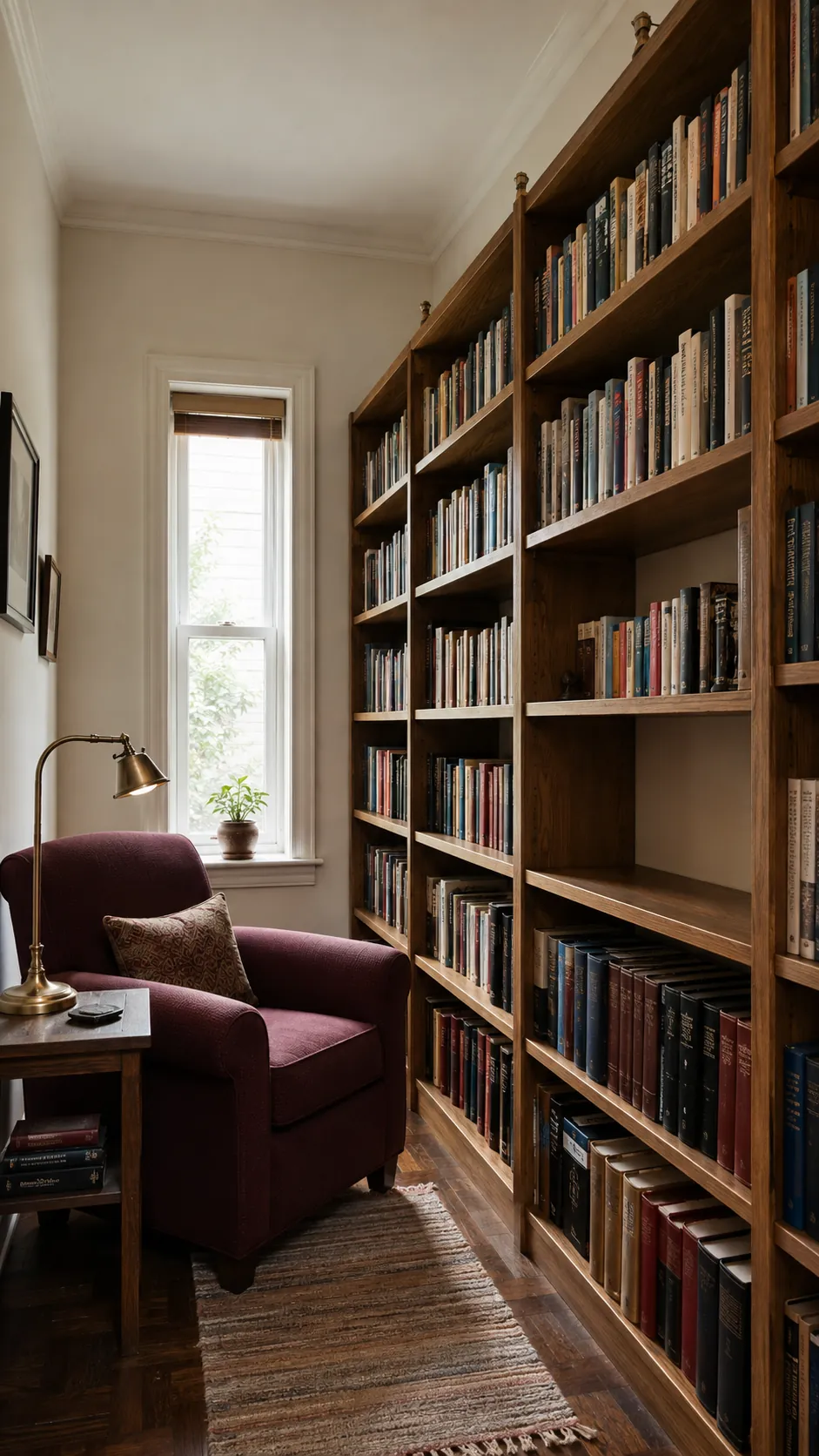
A small library built around reach
Small library room ideas work best when the books you use most stay easy to reach. Keep current reads and frequently consulted volumes on comfortable middle shelves, with heavier books stored lower. Secure bookcases according to their installation instructions and keep the chair clear of any doors or drawers.
Leave one shelf partly empty for returns and books you are still sorting. This prevents every surface around the chair becoming a temporary stack. A library feels more usable when finding a book takes less effort than rearranging the collection.
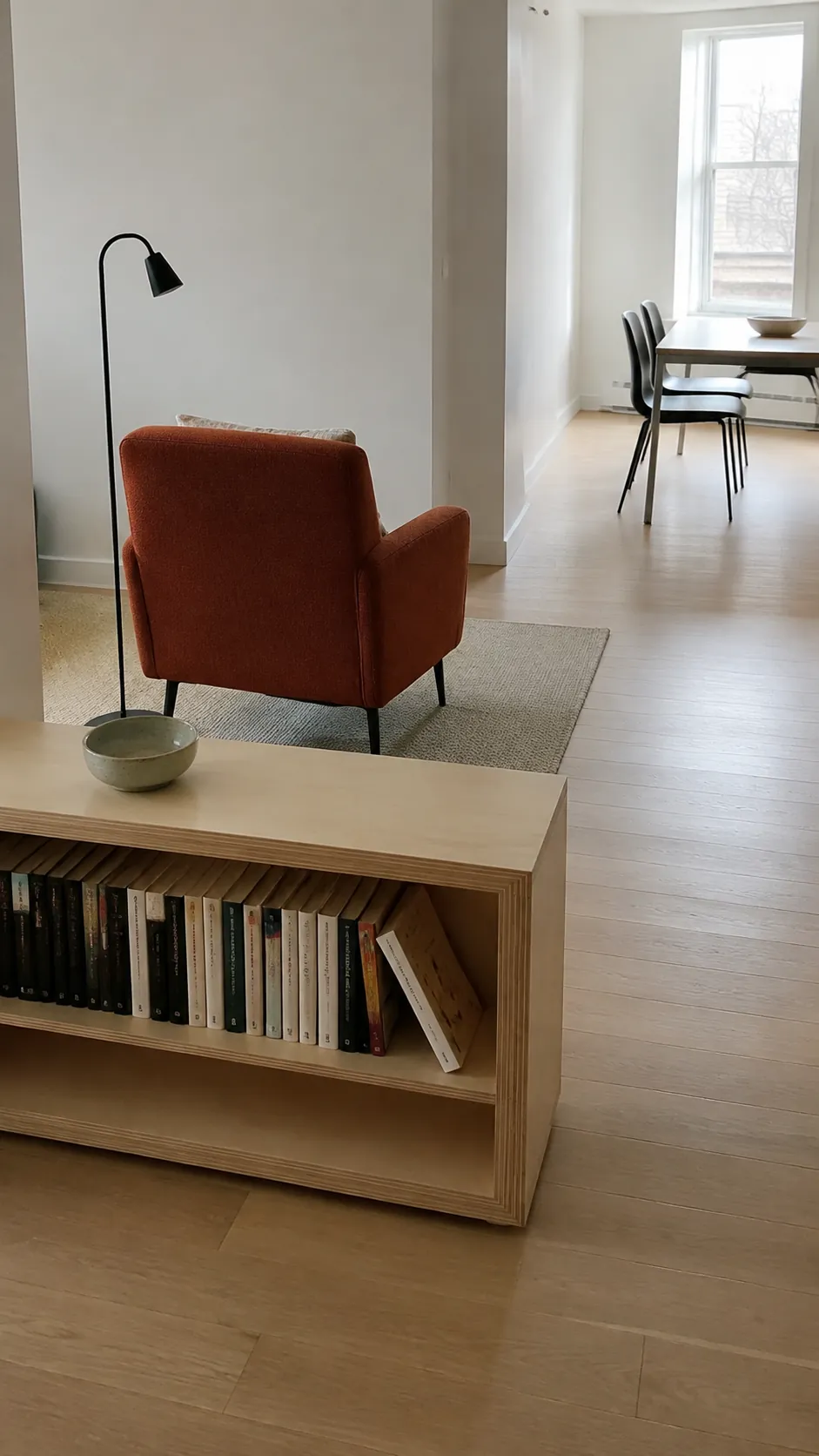
A low bookcase as a room divider
A low bookcase can define a small reading corner without blocking all the light across an open room. Position it so the chair feels sheltered but the main walkway remains obvious. Use a stable unit intended for the arrangement and follow anchoring requirements rather than treating a narrow shelf as a freestanding wall.
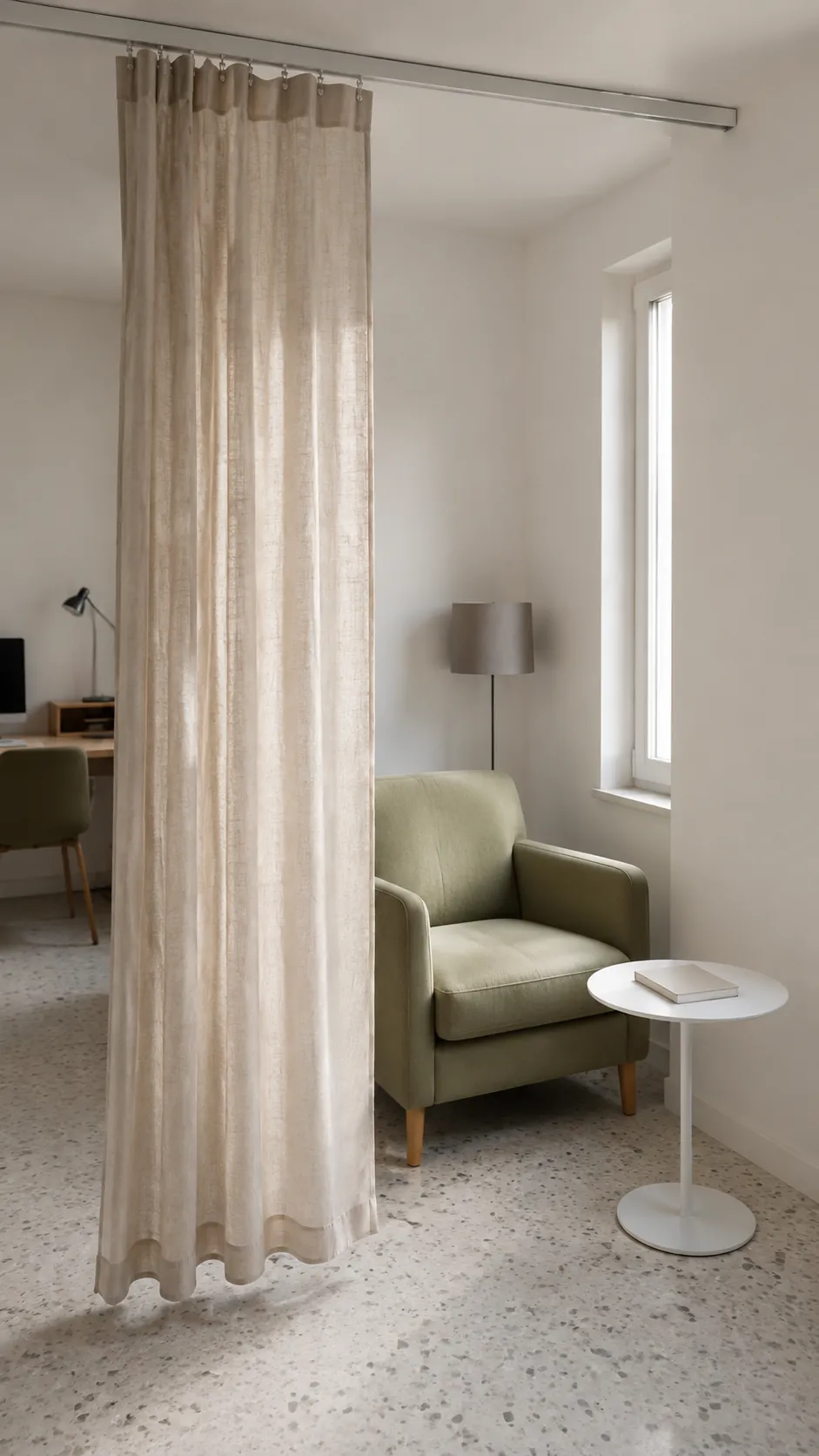
A curtain that softens the boundary
A curtain can give a shared room a gentle visual boundary when a solid partition would be too much. Let it gather completely clear of the chair and floor route when open. Keep fabric away from heaters and hot light fittings, and do not expect a thin curtain to provide serious sound isolation. Its main benefit is reducing visual distraction.
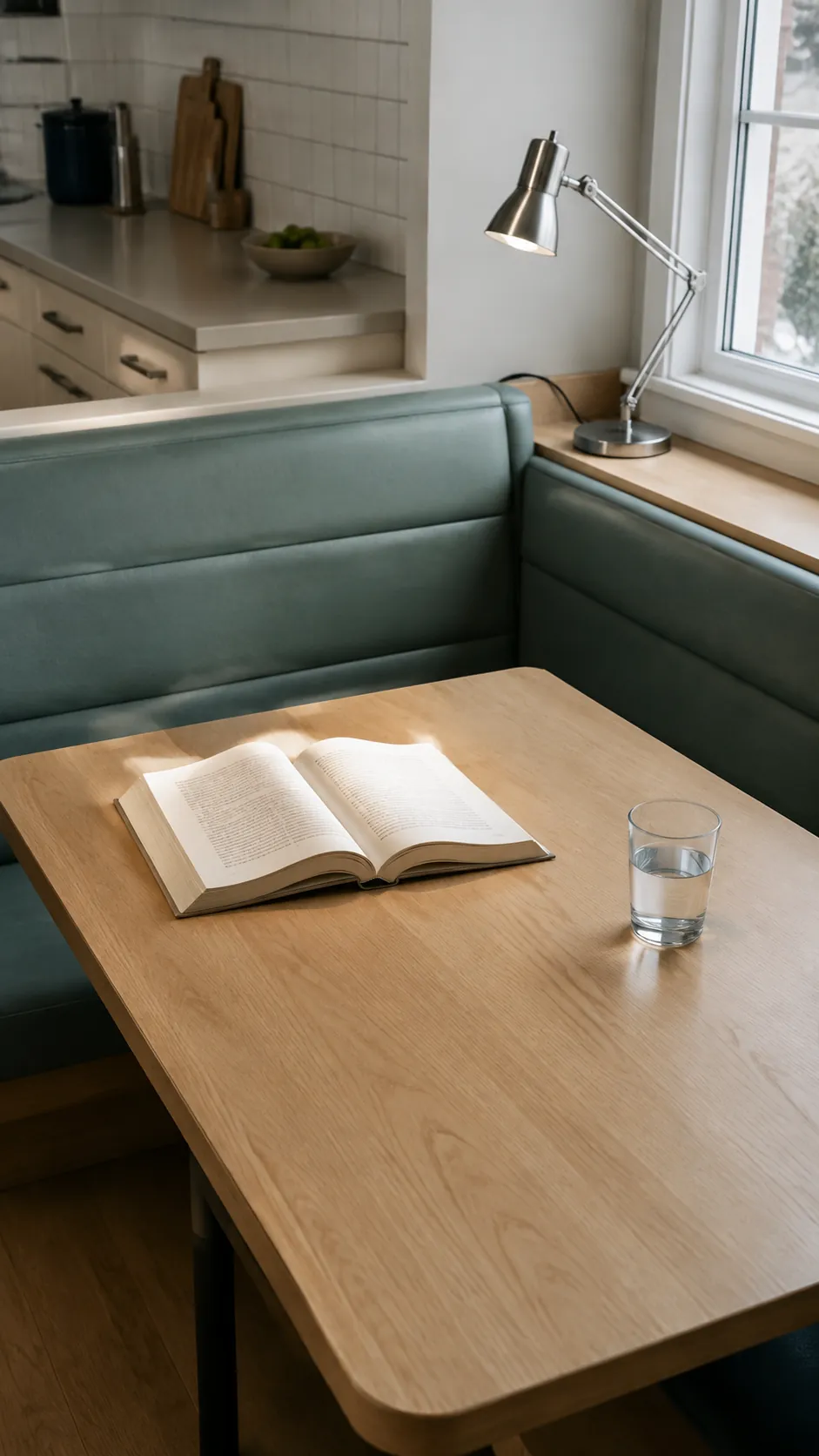
A breakfast banquette after the dishes are cleared
A breakfast seat can become a reading spot between meals, especially if it already has comfortable back support. Clear the table rather than trying to read around kitchen clutter. Protect books from splashes and choose lighting that reaches the page without reflecting harshly from the tabletop. A small cushion you can store nearby makes the change of use quick.
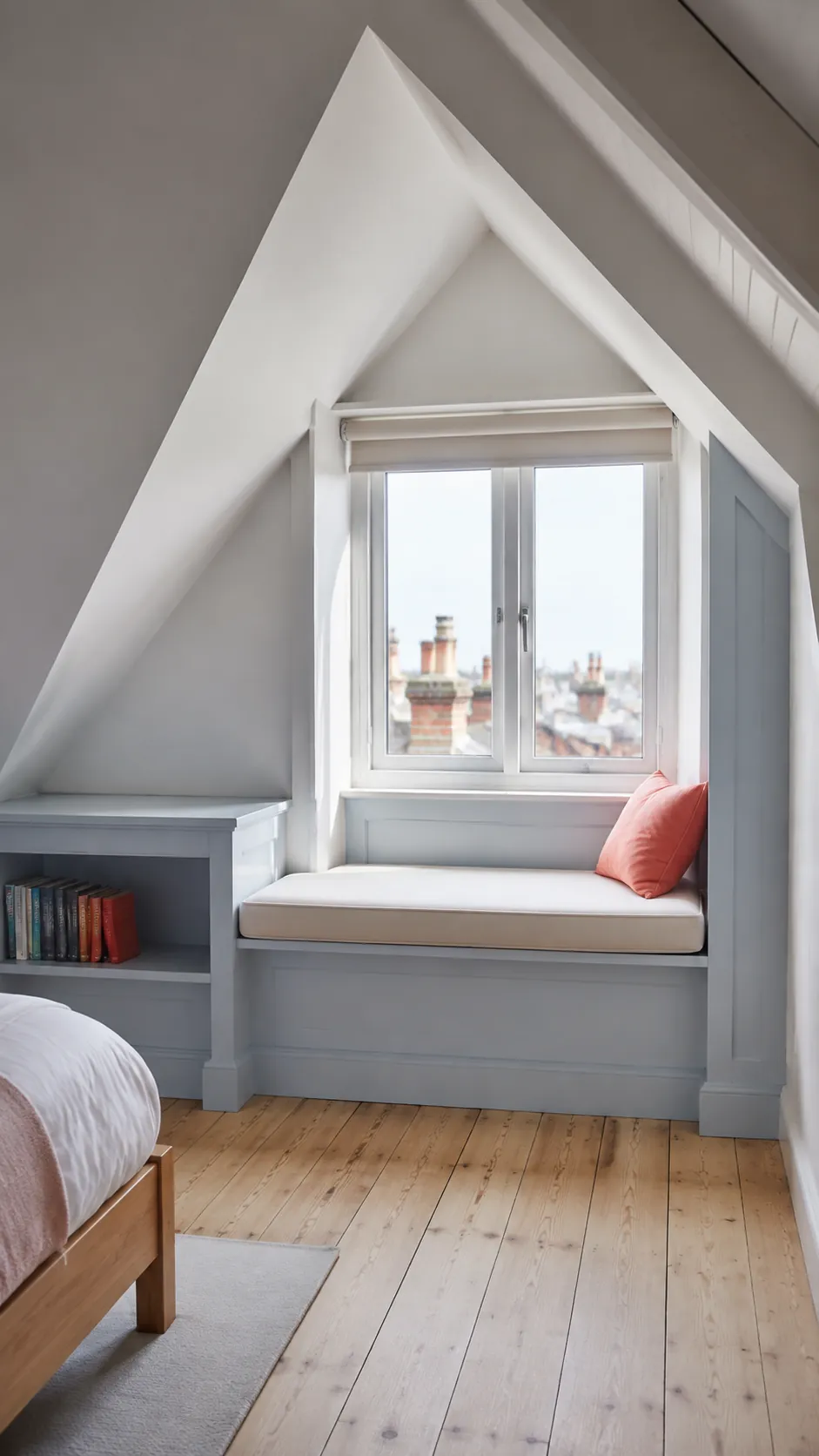
A dormer seat with space to stand
A dormer can turn an awkward roof slope into a naturally enclosed place to read. Reserve the highest part of the recess for getting in and out of the seat, and use the lower side for a small book shelf. Pay attention to summer heat and shade before committing to a thick upholstered bench.
Have any fitted platform designed for sitting rather than extending a decorative sill. Keep access to the window and any required escape route unobstructed. The view is a bonus only when the seat remains comfortable through the seasons.
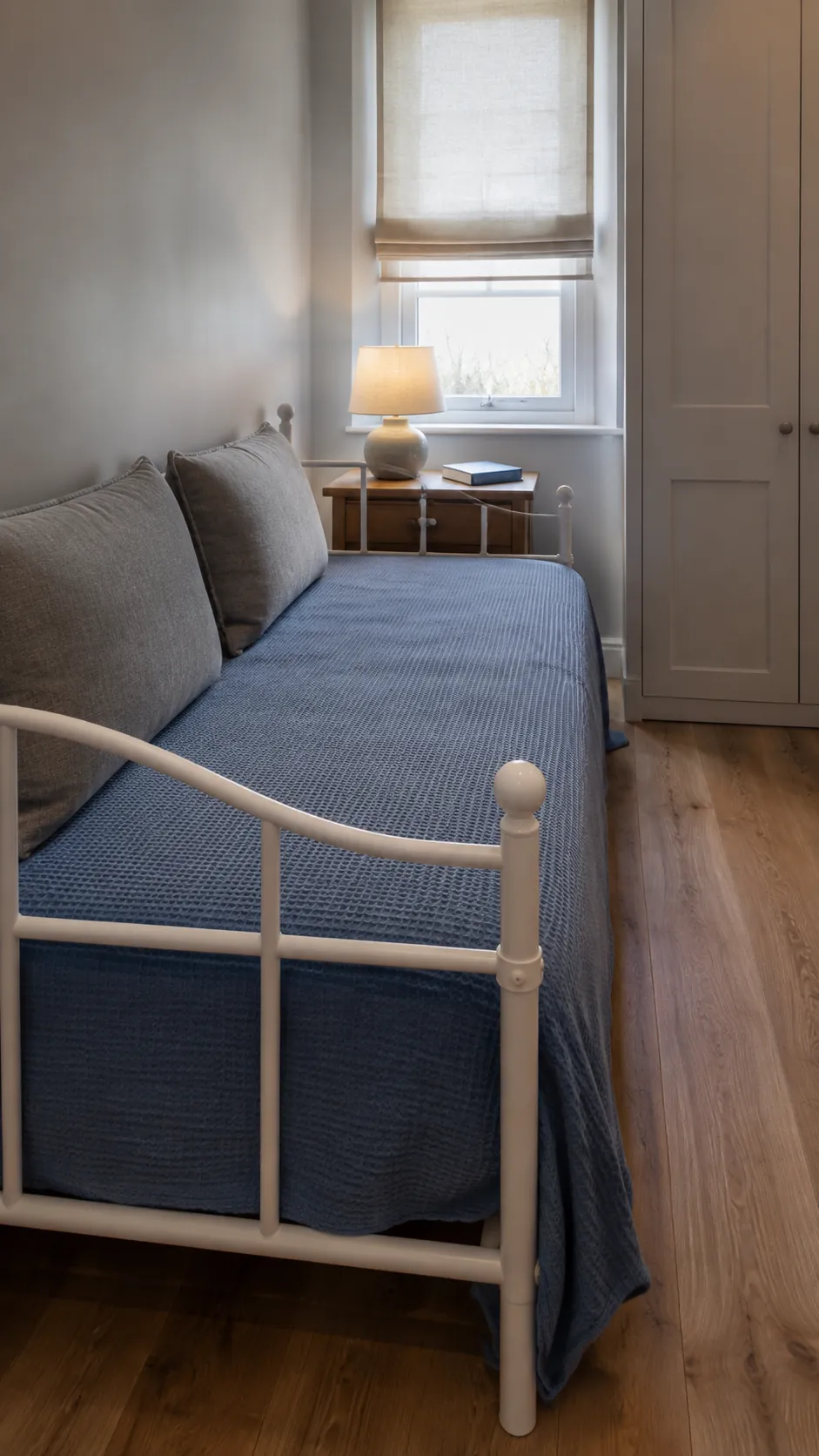
A guest room daybed with a daytime role
A daybed can serve as a reading couch when guests are away. Use a supportive back arrangement so the deep mattress does not force you to perch at its front edge. Store sleeping pillows and spare bedding separately to keep the daytime seat manageable. A washable throw protects the surface without requiring a complete bedding change after each use.
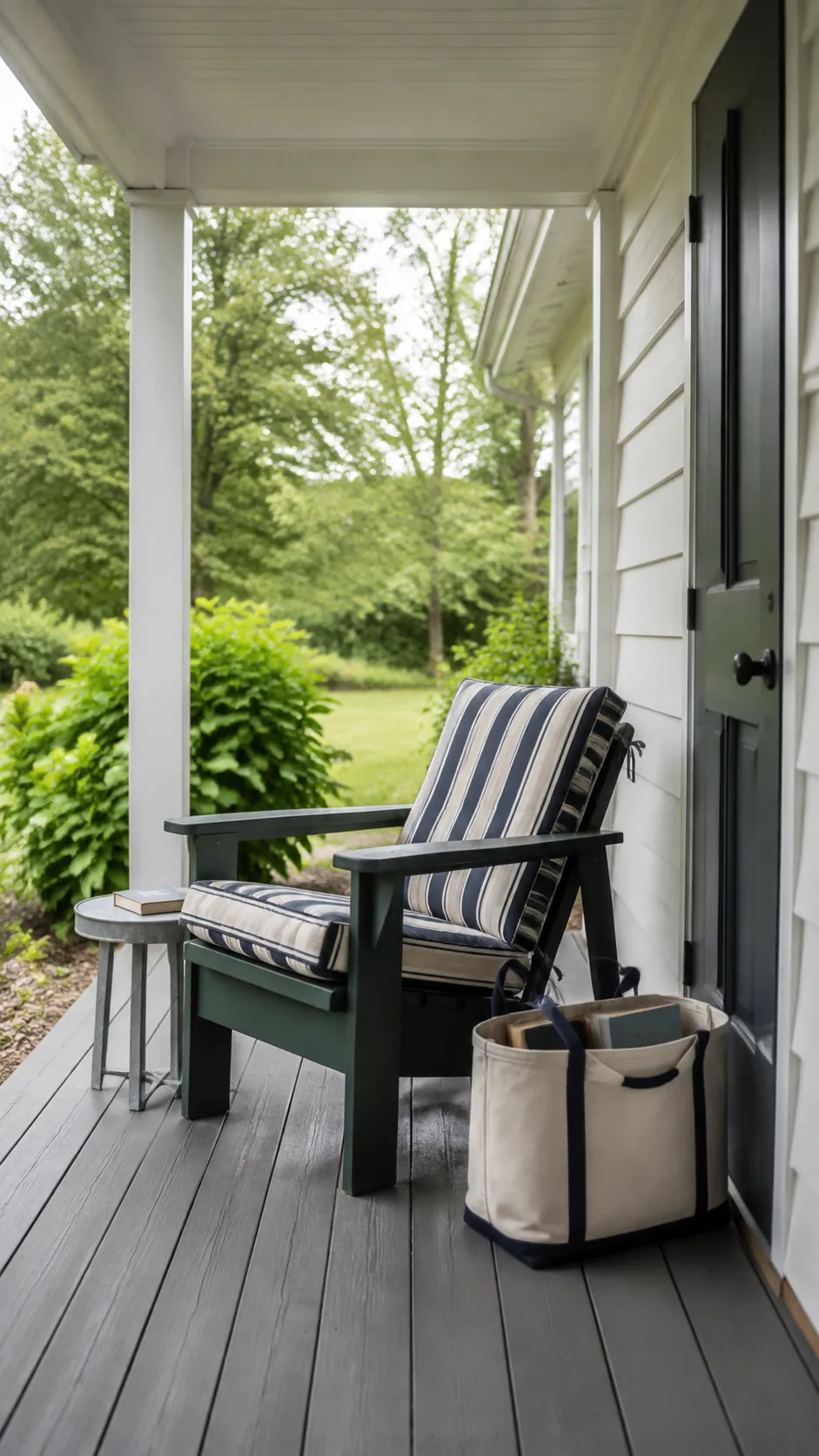
A sheltered porch reading chair
A covered porch offers fresh air and a change of scene for reading. Choose furniture and textiles suitable for the actual exposure, including wind driven rain, rather than assuming the roof keeps everything dry. Keep books in a portable basket you bring indoors afterward. Place the chair where glare and passing foot traffic are least distracting.
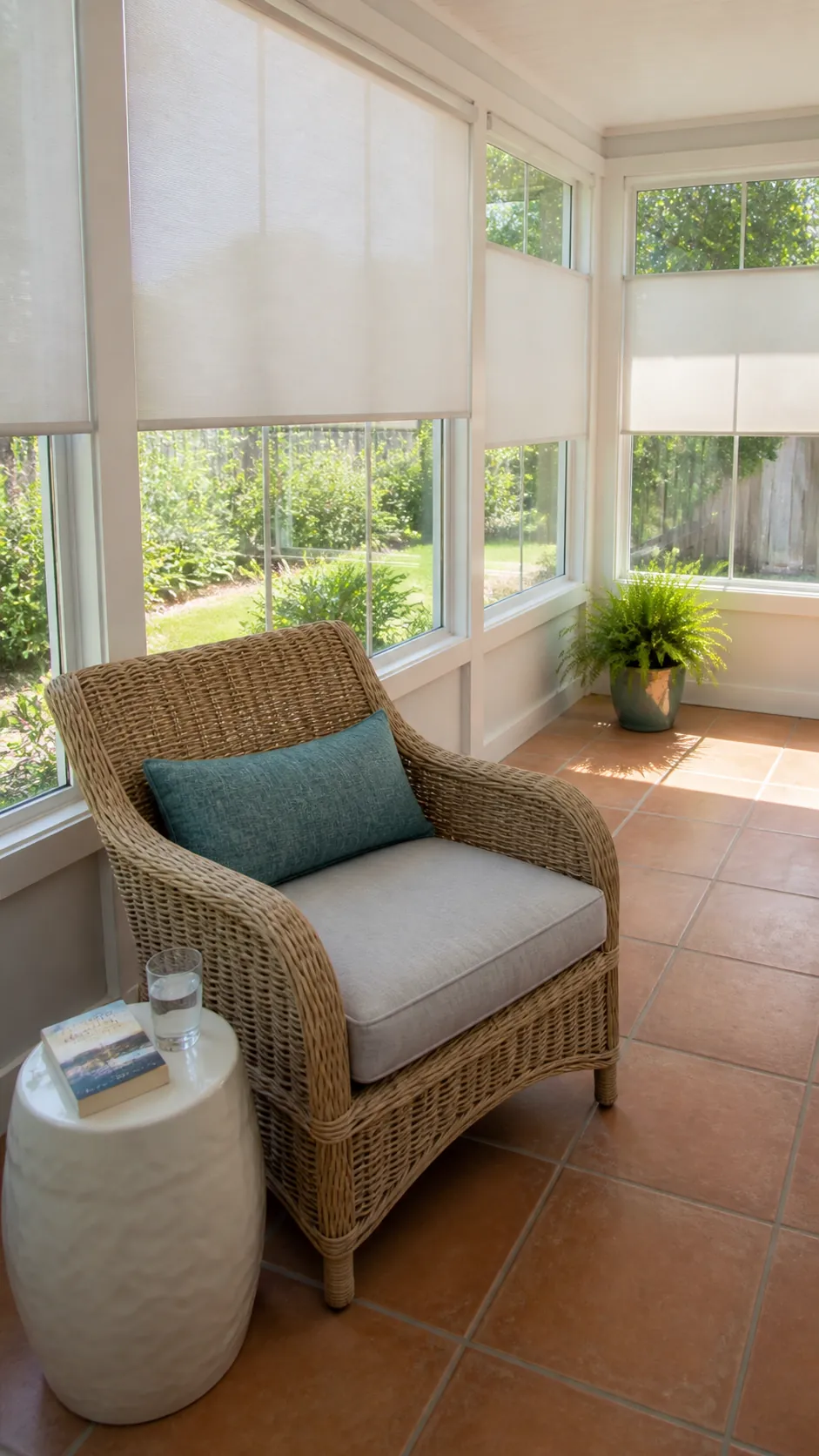
A sunroom with adjustable shade
A sunroom can be lovely for reading until direct sun makes the page uncomfortable. Add adjustable shade and position the chair where you can move between brighter and softer light. Keep a thermometer in mind when choosing upholstery, because a room that feels pleasant in the morning may become hot later.
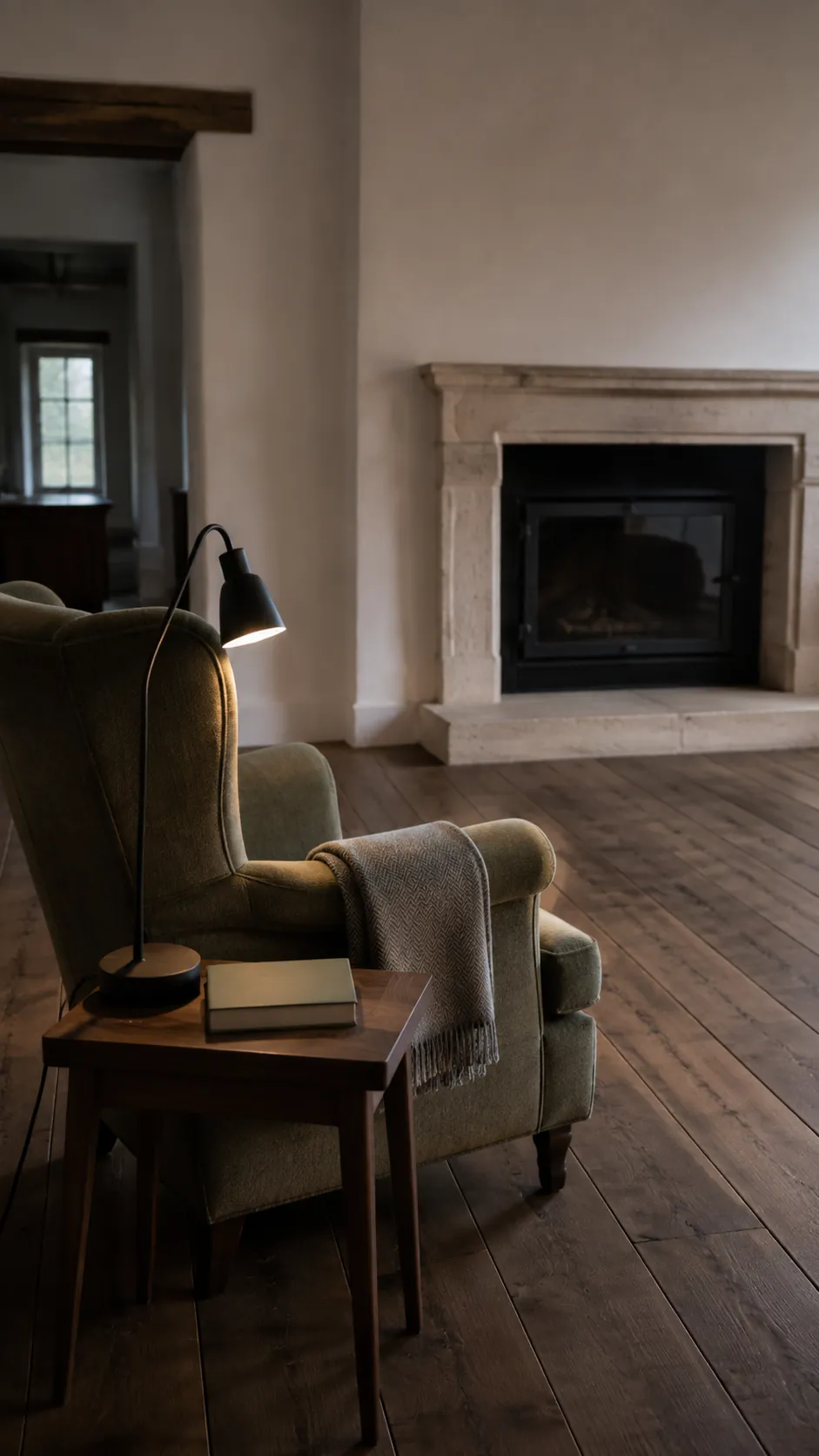
A fireside chair outside the heat zone
A chair near a fireplace can feel sheltered, but the required clearances come first. Follow the appliance guidance for furniture and textiles, and keep the reading light cable away from the hearth. Place the chair to one side so the page receives usable lamp light without relying on flickering firelight. A small table outside the heat area keeps books away from sparks and hot surfaces.
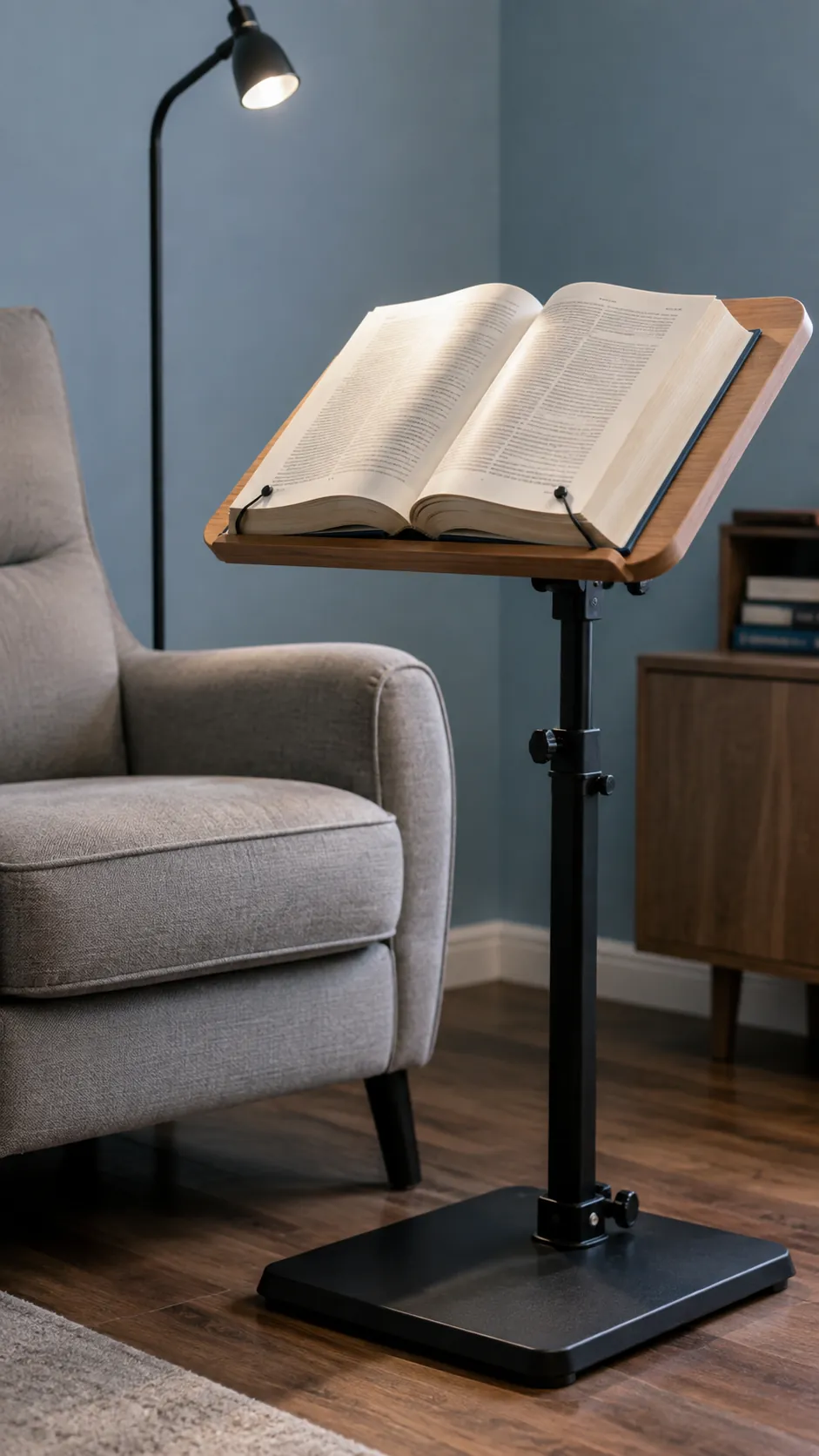
A bookstand for hands free comfort
A bookstand can help when holding a heavy book becomes tiring. Choose a stable adjustable stand and set it where the page is readable without lifting your shoulders or bending your neck sharply. Test page turning and the route out of the chair before settling on the position.
Some books need a wider support ledge than a tablet or paperback. Check that the stand holds the book without forcing its spine flat. Keep the base out of the walkway so the aid does not introduce a new obstacle.
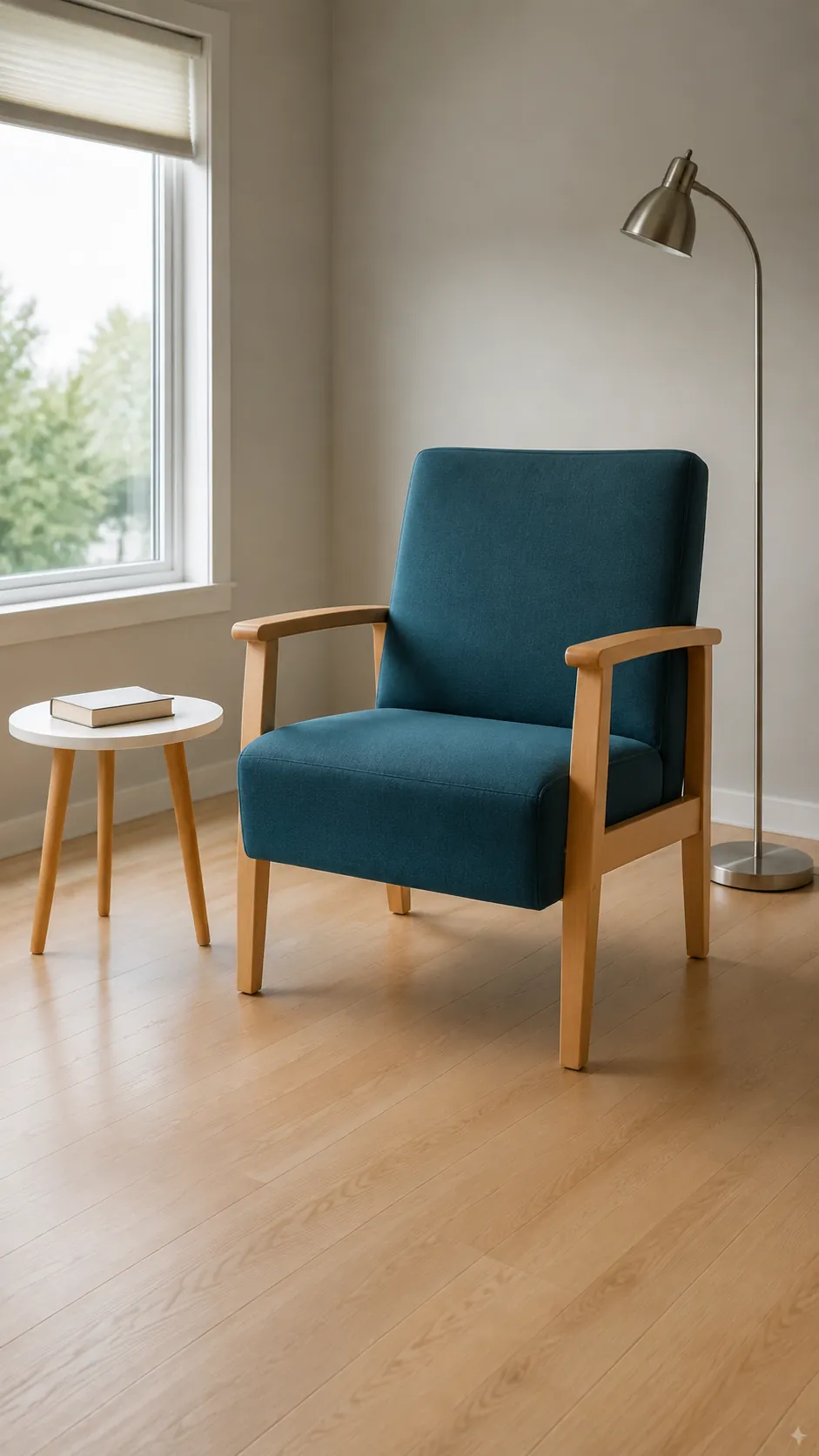
An upright chair that is easy to leave
A cozy reading nook aesthetic does not require a very low, deep chair. An upright seat with supportive arms may be more comfortable for readers who want an easier transition to standing. Test the seat height and firmness in person where possible, with both feet supported. Arrange the table and lamp so neither blocks the side you use to get up.
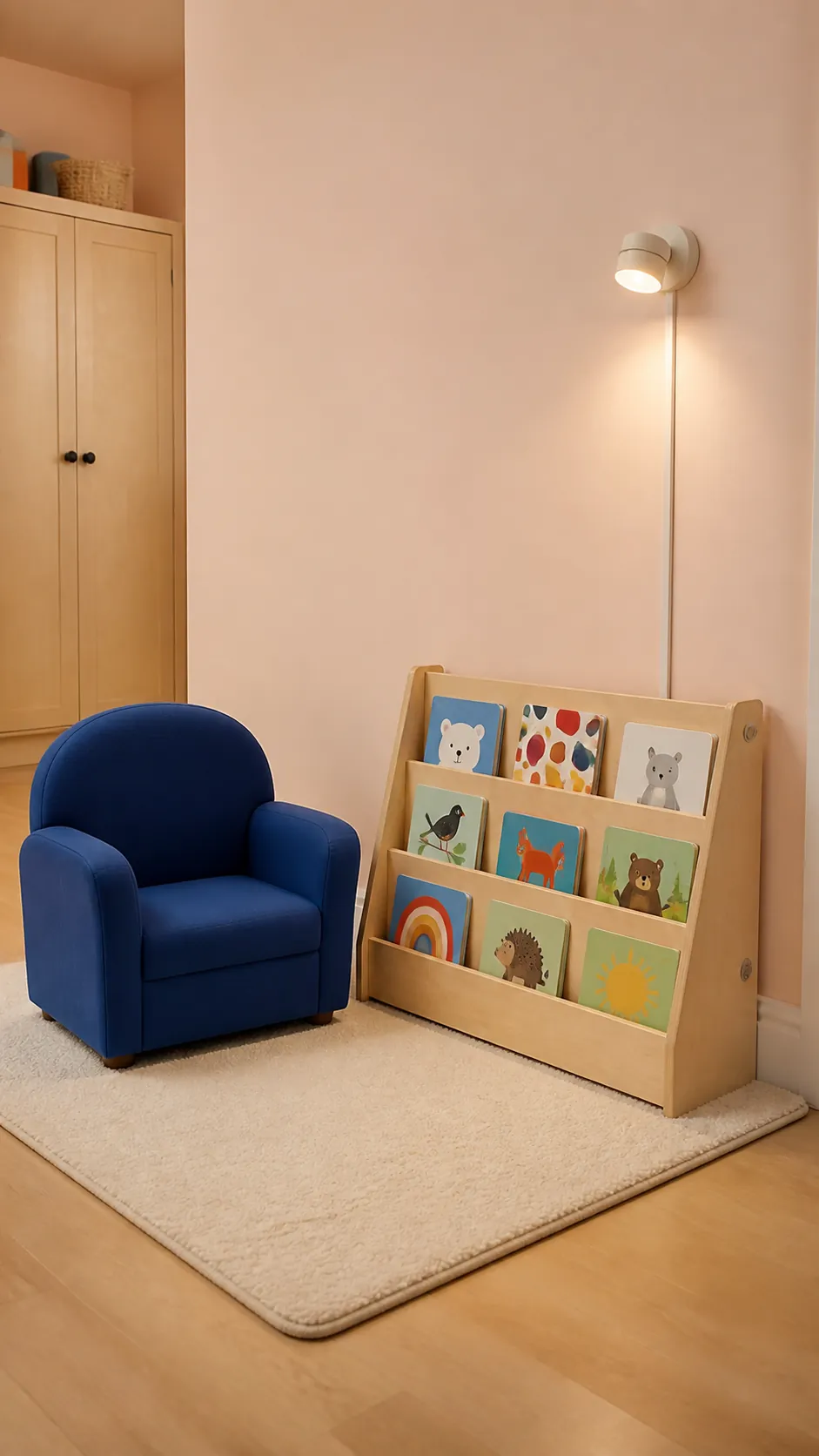
A child sized book corner
A low book display helps children choose a story by its cover. Pair it with seating that fits the child and secure furniture as directed, keeping climbable pieces away from windows. Use durable washable fabrics and a light positioned beyond casual knocks. Rotate a small selection of books instead of presenting an overwhelming pile.
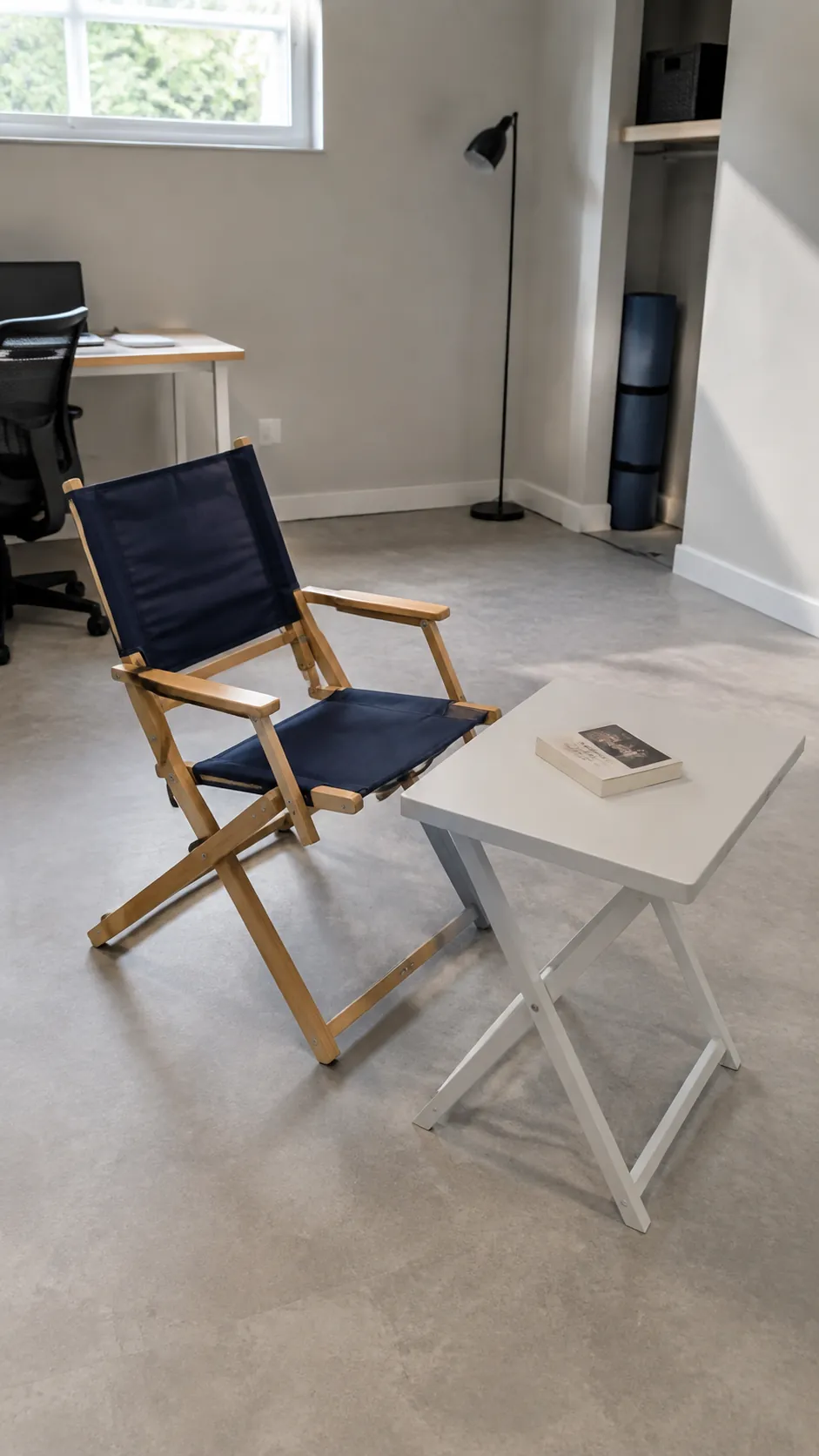
A folding setup for a room that changes
A folding chair can create a reading place in a room that also serves work or exercise. Choose a stable model comfortable enough for the time you expect to spend there, and fully lock its mechanism before use. Store the chair and table together so setting up takes only a moment. This works best when the light is already in place.
A restored chair with one new companion
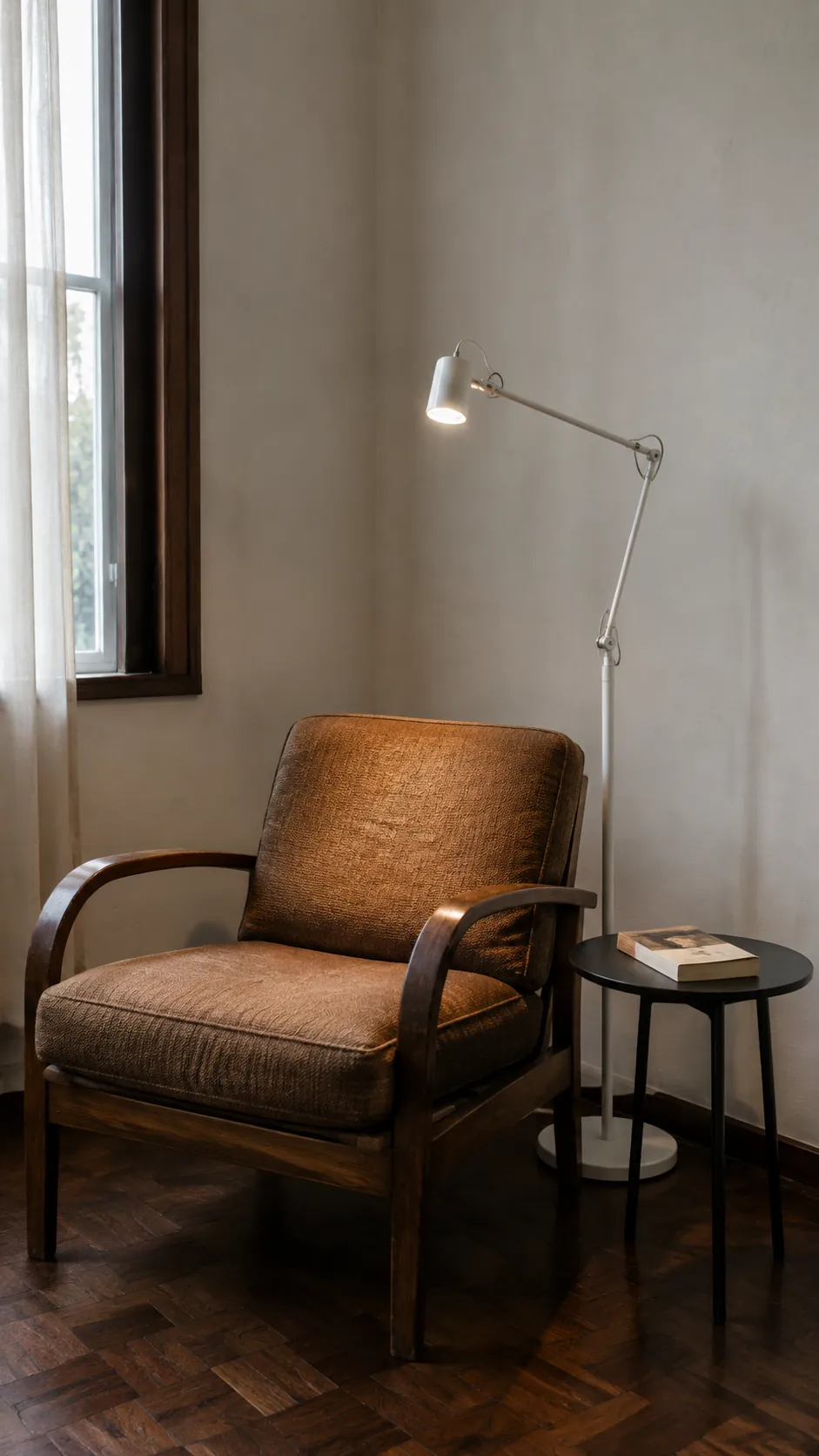
A sound older chair can anchor a nook without buying a matching furniture set. Check the frame and upholstery condition before spending on cosmetic changes. Add a simple lamp that solves the actual reading light problem, then let the chair’s shape supply the character. A restrained side table keeps the combination from feeling crowded.
A quiet palette with varied texture
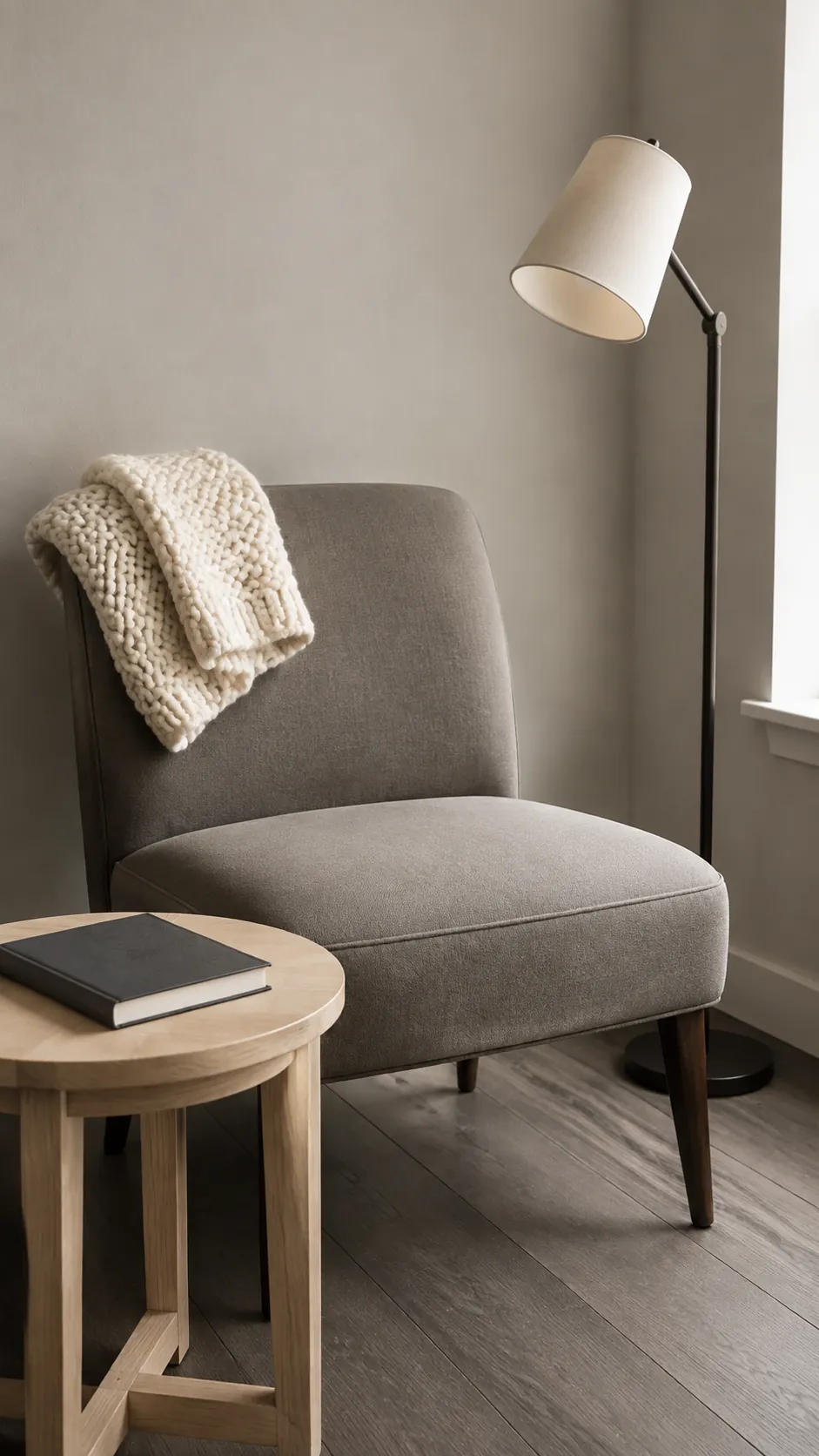
A restrained palette can make a busy room feel calmer without painting everything the same shade. Combine a smooth chair fabric with a more textured throw and a simple timber table so the corner has visual depth. Keep the page lighting bright enough even when the surrounding colors are subdued.
Use the smallest number of accessories that makes the seat work. Too many similar cushions can still look cluttered, even in neutral colors. Texture is most useful when it supports comfort rather than filling every visible surface.
A plant beside the seat, not over the book
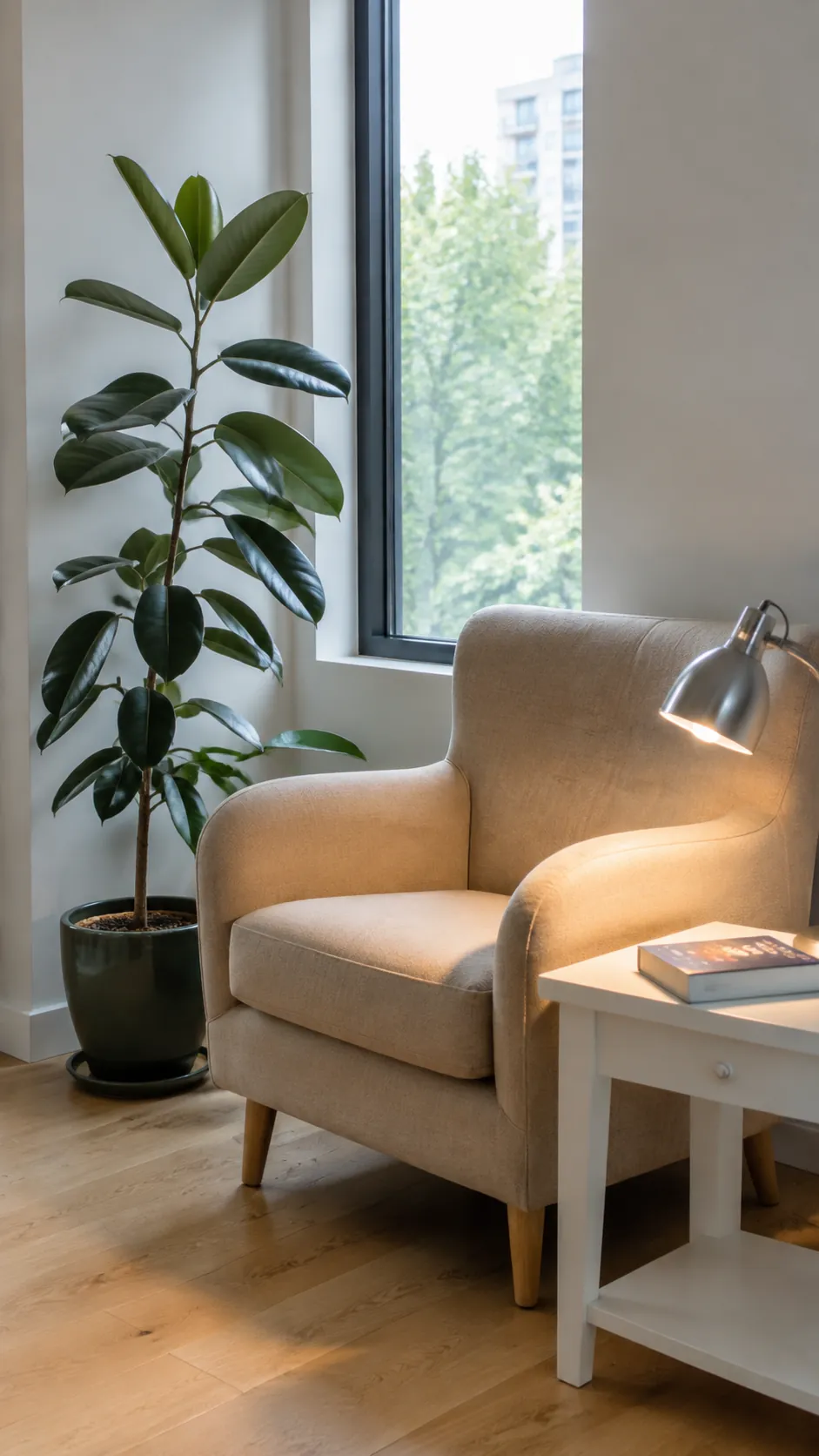
A plant can soften a reading corner while leaving the furniture simple. Place it where its leaves do not brush the reader or interrupt the lamp beam. Match the plant to the available light and use a suitable saucer so watering does not damage books or flooring. Keep the pot outside the route to the chair.
A lamp and table added to the chair you already use
Before rearranging the house, notice where you naturally sit down with a book. Add a stable surface and a directed light to that place, then adjust the lamp until the page is clear and the bulb stays out of your eyes. Leave one current book within reach instead of building a decorative stack. If that small change gets you reading more often, the nook is already doing its job.